
Yes, I am saying the world I live in is a low-budget commercial movie made without literary or artistic pretensions. You know, the kind where movie makers learn their craft, taking big risks with smaller consequences, and making the world of their picture reflect their heart rather than the producer’s lust for money.
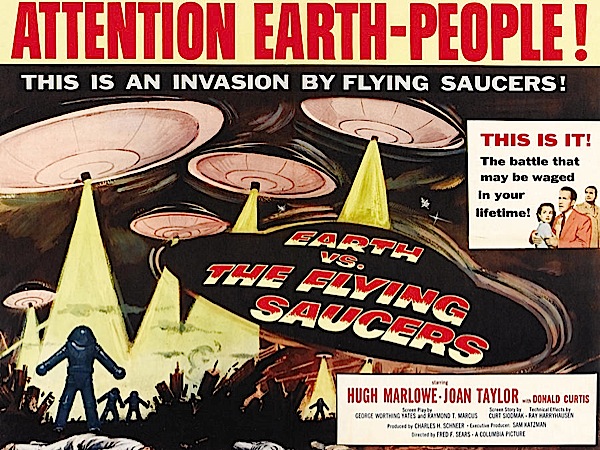
Mostly what I am talking about are the movies I remember from late-night Saturday TV in black and white (regardless of whether or not the movie was made in Technicolor) and the less-risky as well as more-likely-good Saturday matinees on Channel 3. Movies made in the 1950s, 1960s, and early 1970s. They were perfect, of course, for the forbidden Midnight Movie on the show called Gravesend Manor. I had to sneak downstairs to watch it on Saturday nights with the volume turned way down low. (Not that Mom and Dad didn’t know. Well, maybe they didn’t know how many of those I watched completely naked… maybe.)
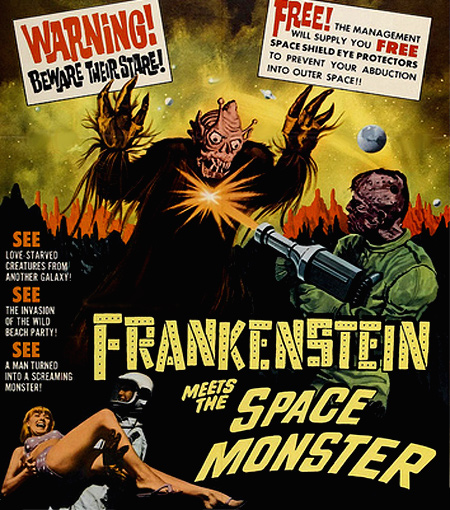
I watched this one when I was twelve, late night on an October Saturday. I had a bed-sheet with me to pull over my head at the scariest parts. Frankenstein was a crashed astronaut brought back to life by the magic of space radiation. He was uglier than sin, but still the hero of the movie, saving the Earth from invading guys in gorilla suits and scary masks (none of which looked like the movie poster.)
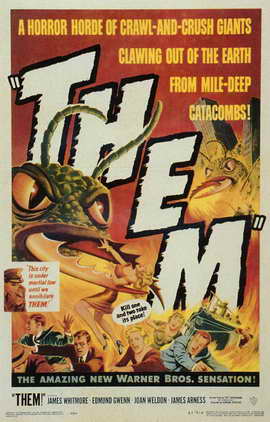
This one, starring James Whitmore, a really good B-Movie actor, was about giant ants coming up from the sewers and the underground to eat the city.
I would end up watching it again twenty years later when I was wearing clothes and not alone in the dark house lit only by a black-and-white TV screen.
I realized on the second viewing that it was actually a pretty good movie in spite of cheesy special effects. And I realized too that I had learned from James Whitmore’s hero character that, in times of crisis, you have to run towards the trouble rather than away from it, a thing that I used several times in my teaching career with fights and tornadoes and even rattlesnakes visiting the school campus looking to eat a seventh-grader or something (though it was a bad idea for the snake even if it had been successful.)
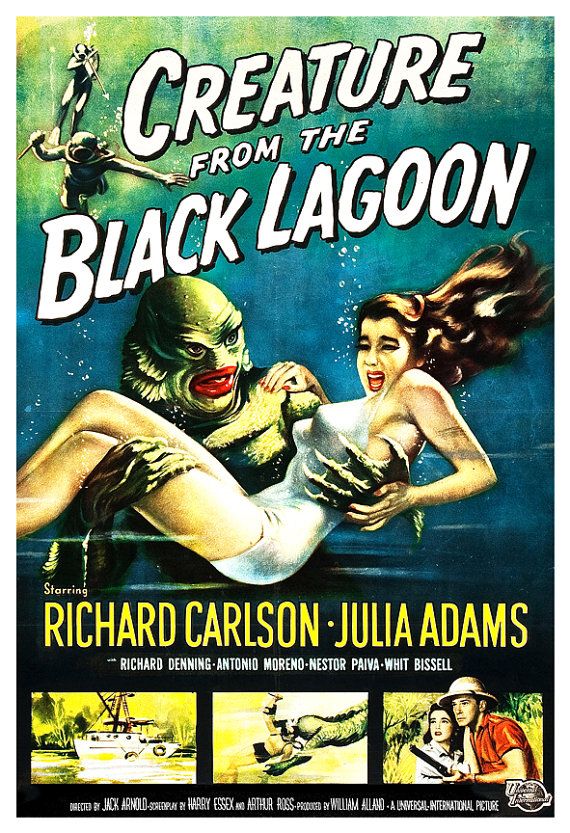
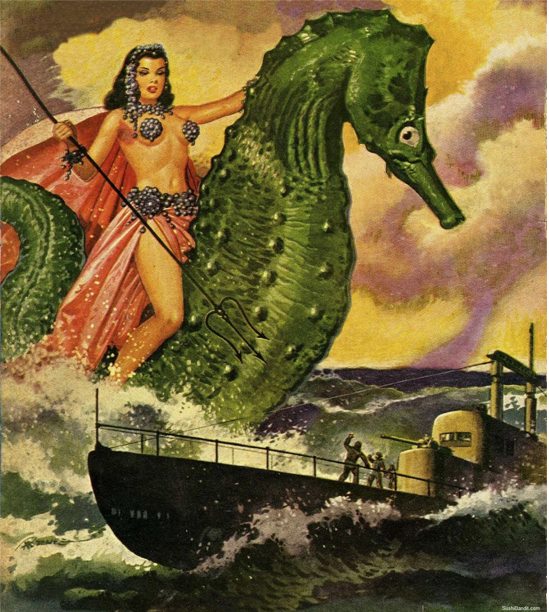
This one, of course, taught me that monsters liked to carry off pretty girls in bikinis. And not just on the poster, either. But it was the hero that got the girl, not the monster. This movie taught me that it sucks to be the monster. Though it also taught me that it was a good movie to take your pajamas off for and watch naked when you are thirteen.
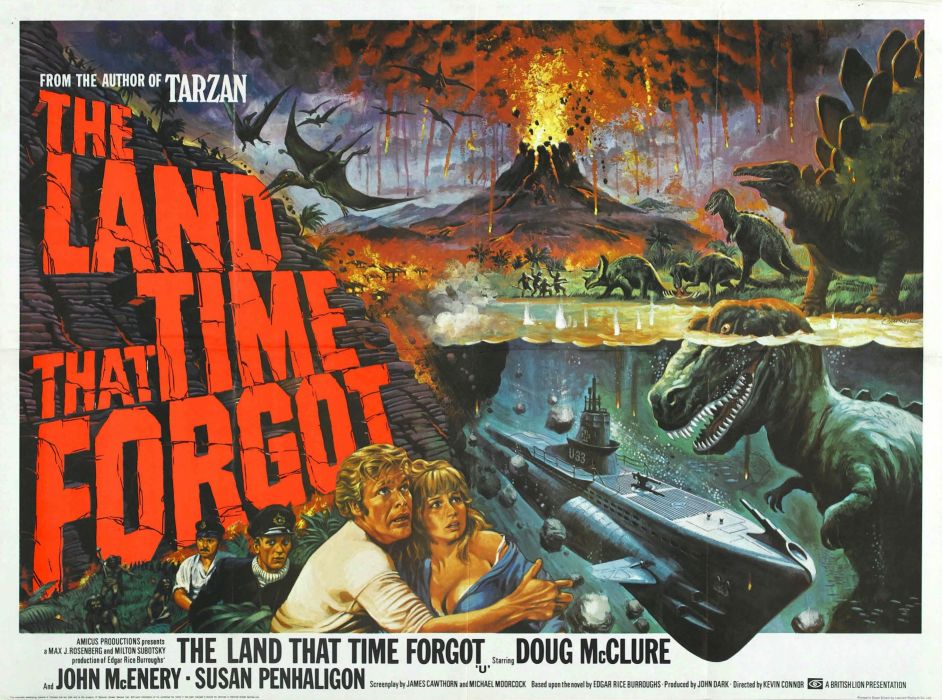
But not all B-movies had to be watched late night on Saturdays. This movie was one of the first ones that I got to go to the movie theater to see by myself. (My sisters and little brother were still too young and got nightmares too easily to see such a movie.) It came out when I was in my teens and Mom and Dad began thinking of me as an adult once… or even possibly twice in a month.
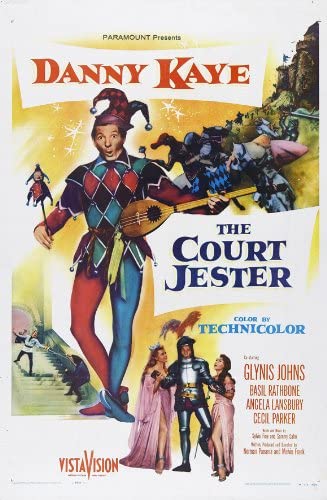
And not all B-movies were monster movies, gangster movies, and westerns. Some, like a lot of Danny Kaye’s movies, were movies my Dad and my grandparents were more than happy to watch with me. I saw this one in both black-and-white and color. And I learned from this that it was okay to take advantage of happy accidents, like a case of mistaken identity, and using your wits, your creative singing ability, and your inexplicable good luck to win the day for everybody but the bad guys armed only with your good sense of humor.
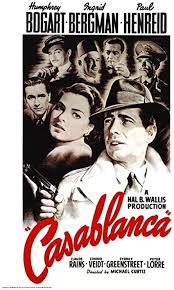
And some of the best movies I have ever seen, judging by what I learned about movies as literature from Professor Loring Silet in his Modern Film Class at Iowa State University, are by their nature B-movies.
I am using movie posters in this blog post only from movies I have personally seen. (And I admit that not all of them are strictly “good” movies according to Professor Silet, but I like them all.)
Feel free to tell me in the comments if you have seen any of these movies yourself. I am open to all opinions, comments, and confessions.
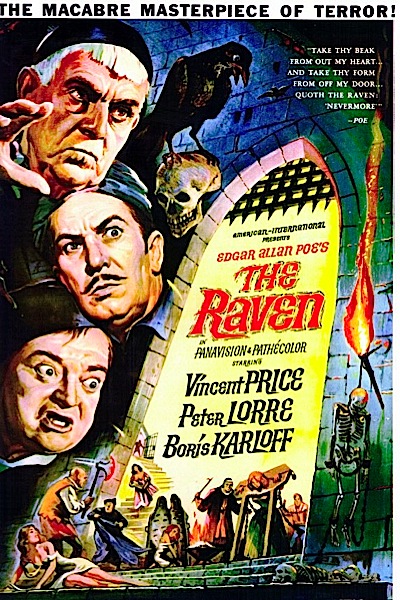
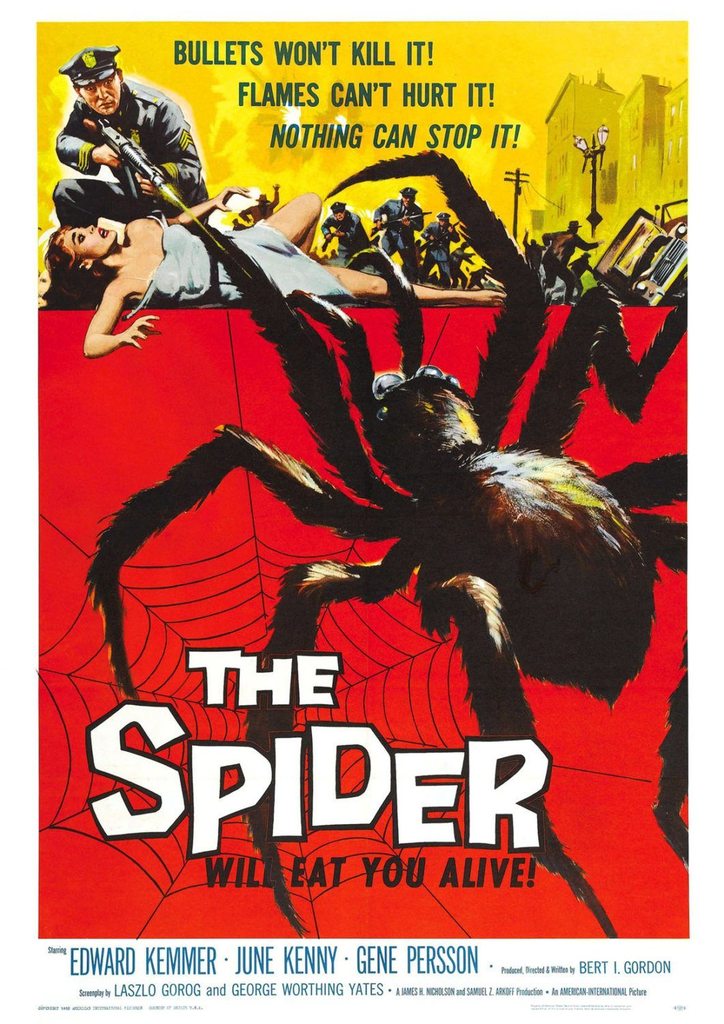
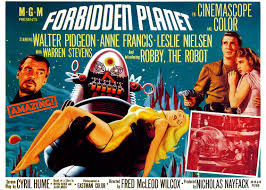
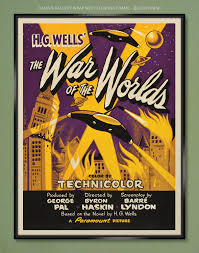
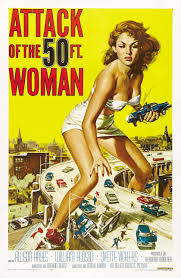
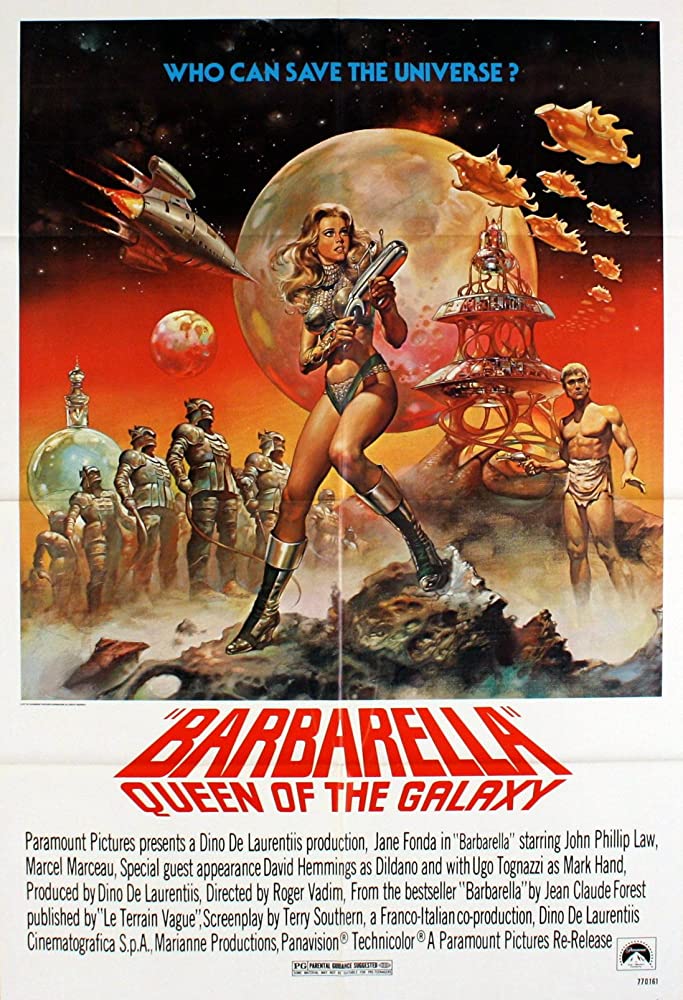
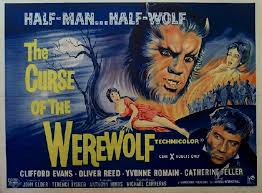
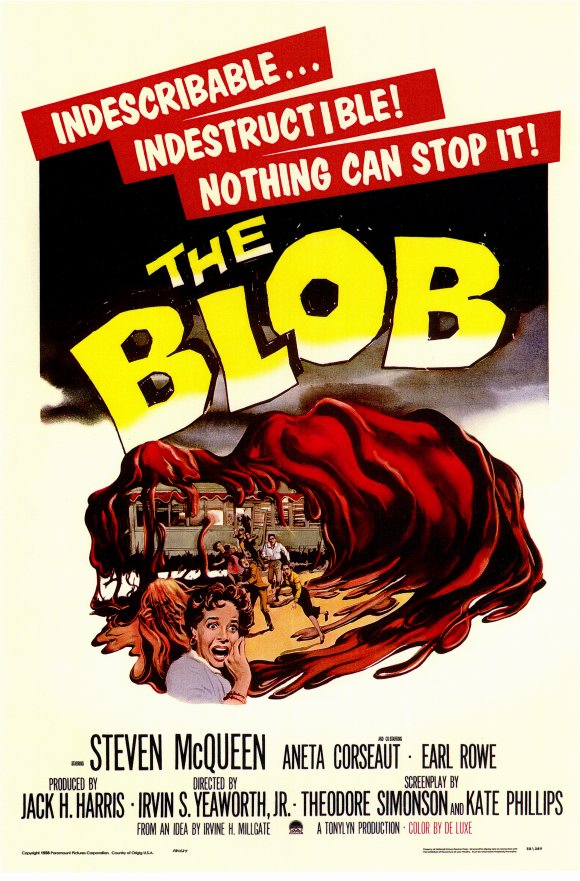
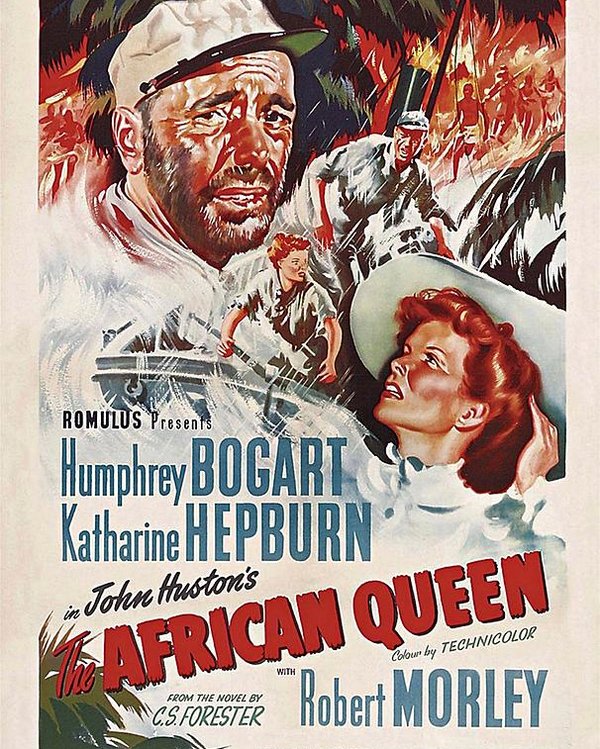
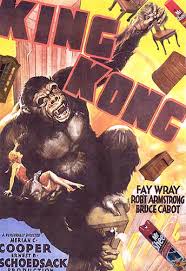
I live in a B-movie world. The production values around me are not the top-dollar ones. But the stories are entertaining. The real-life heroes still run towards the problem. And it still sucks to be the monster. But it has always been worth the price of the ticket. And during my time on Earth here, even in 2020, I plan on staying till the end of the picture. I go nowhere until I see the Best Boy’s name in the end credits. And maybe not even then.

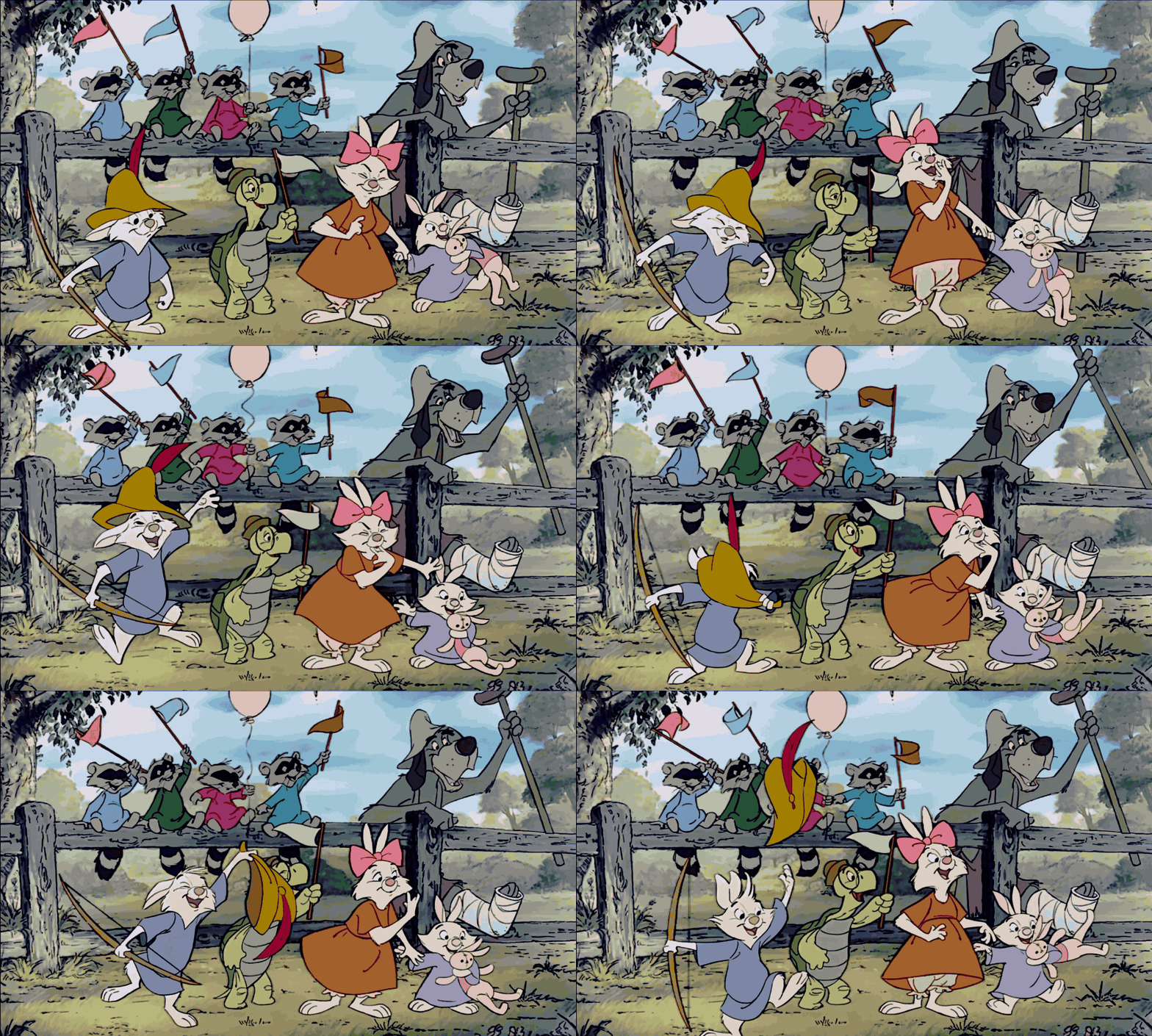
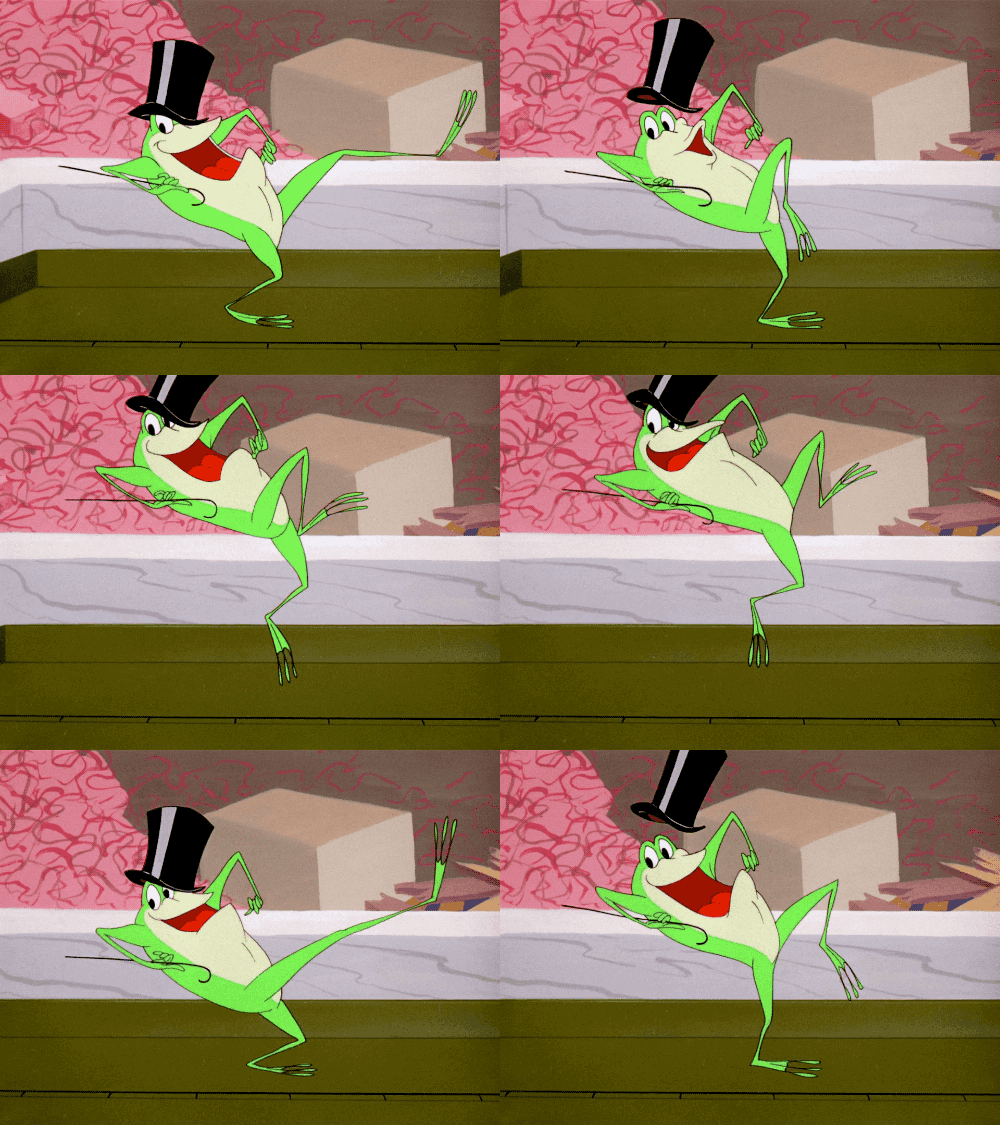

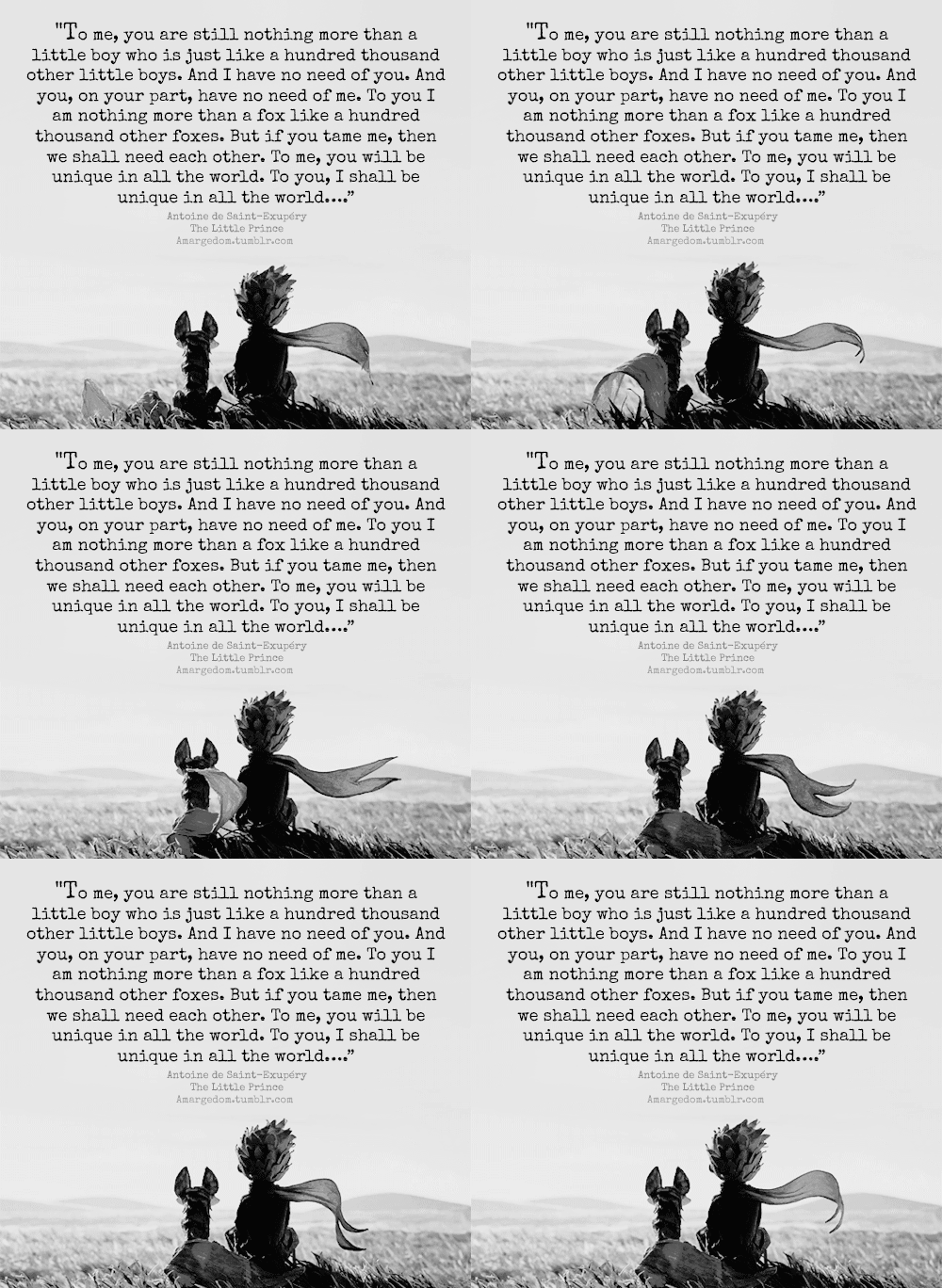
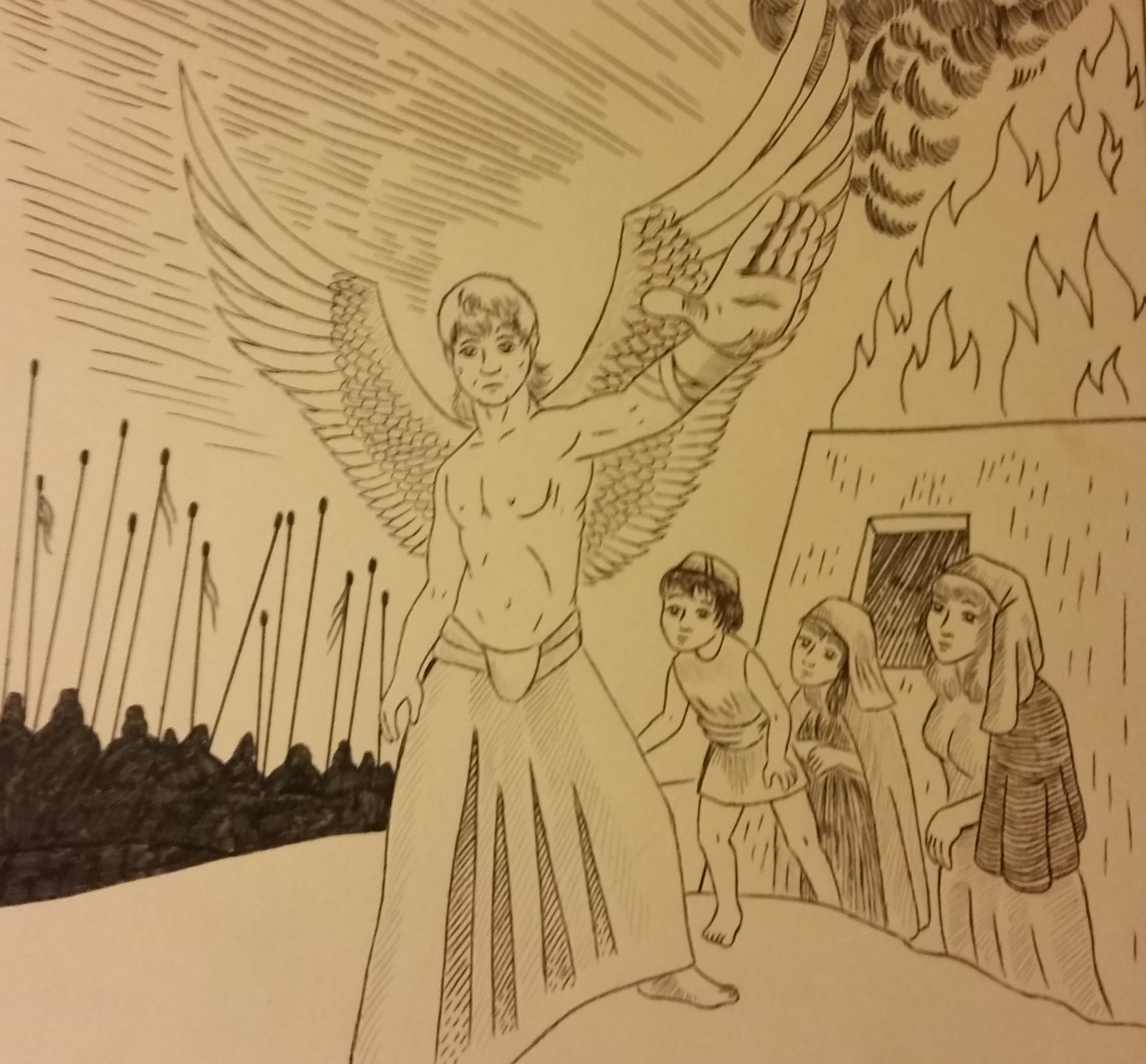

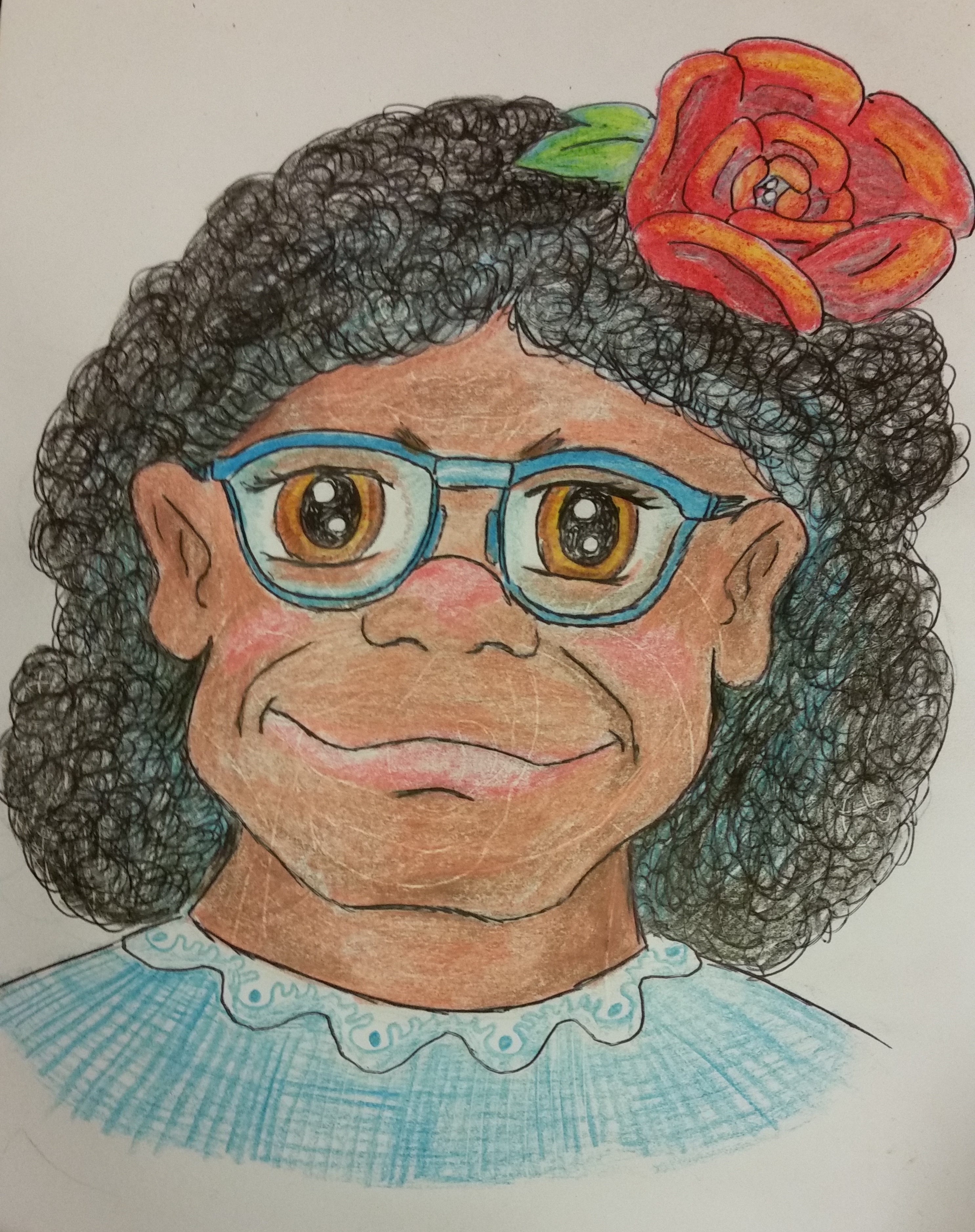
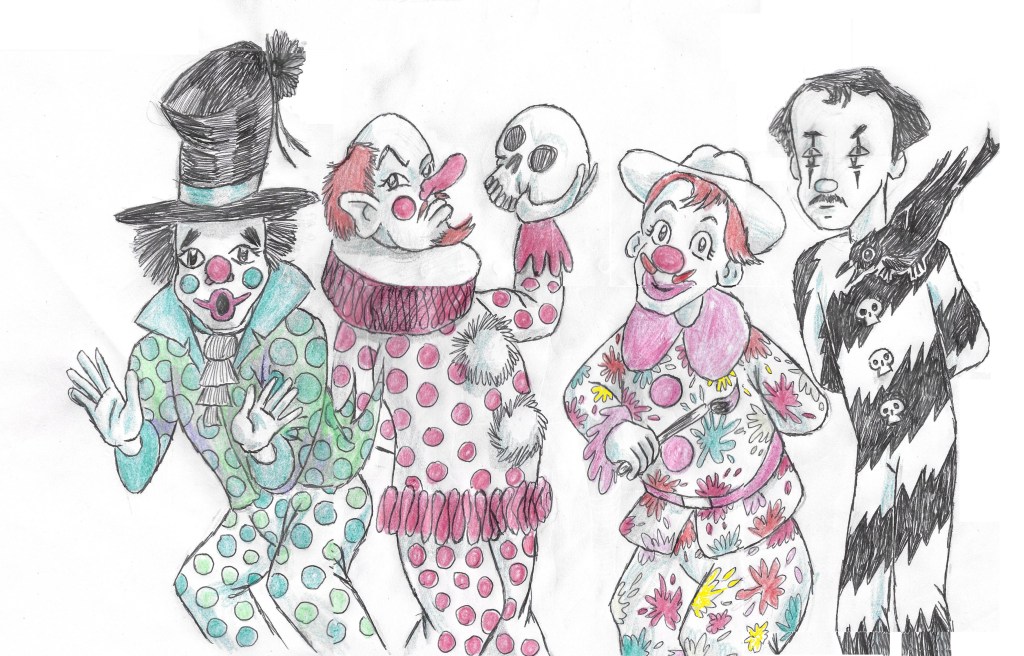


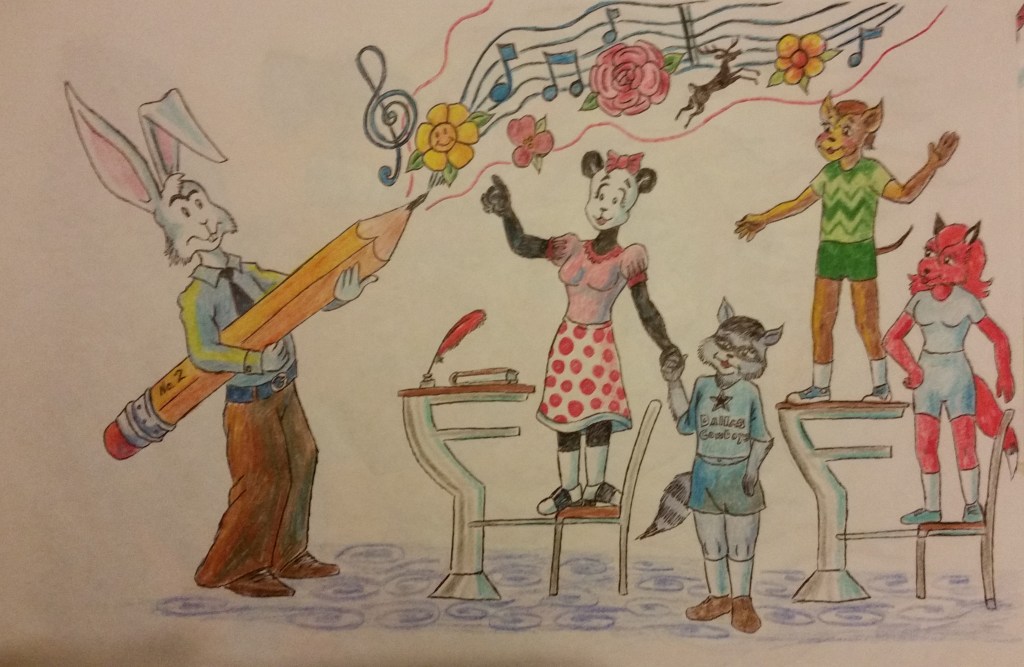
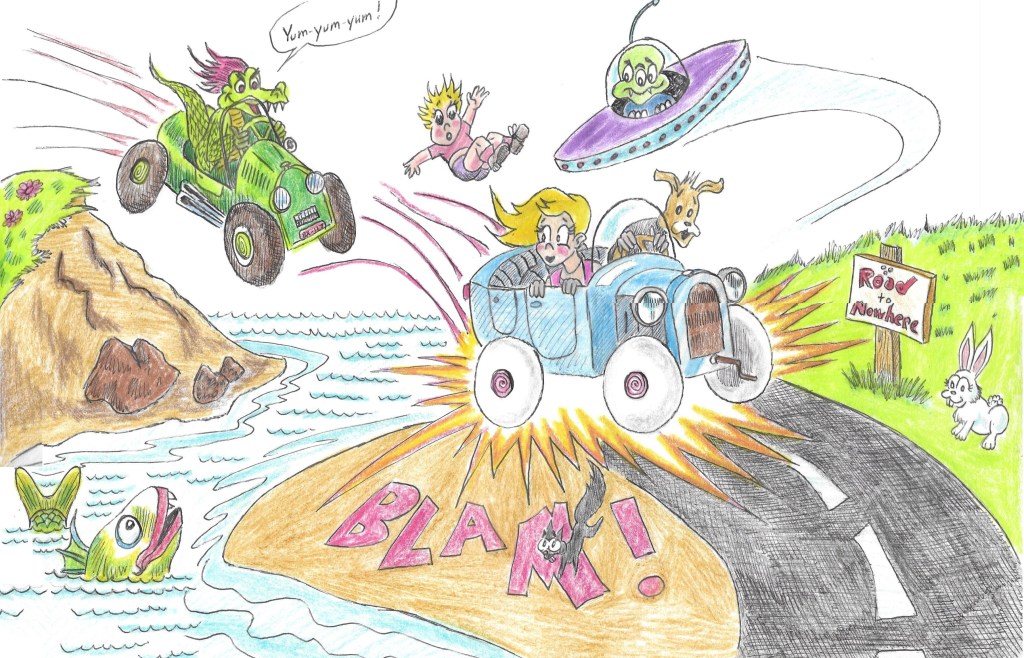

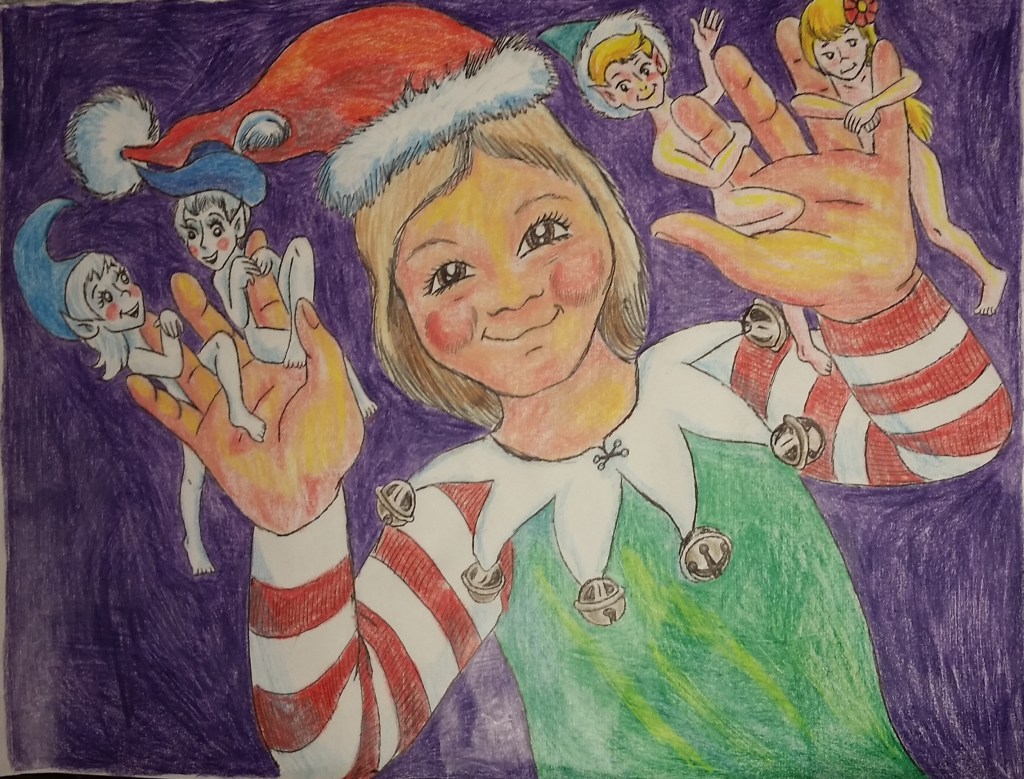
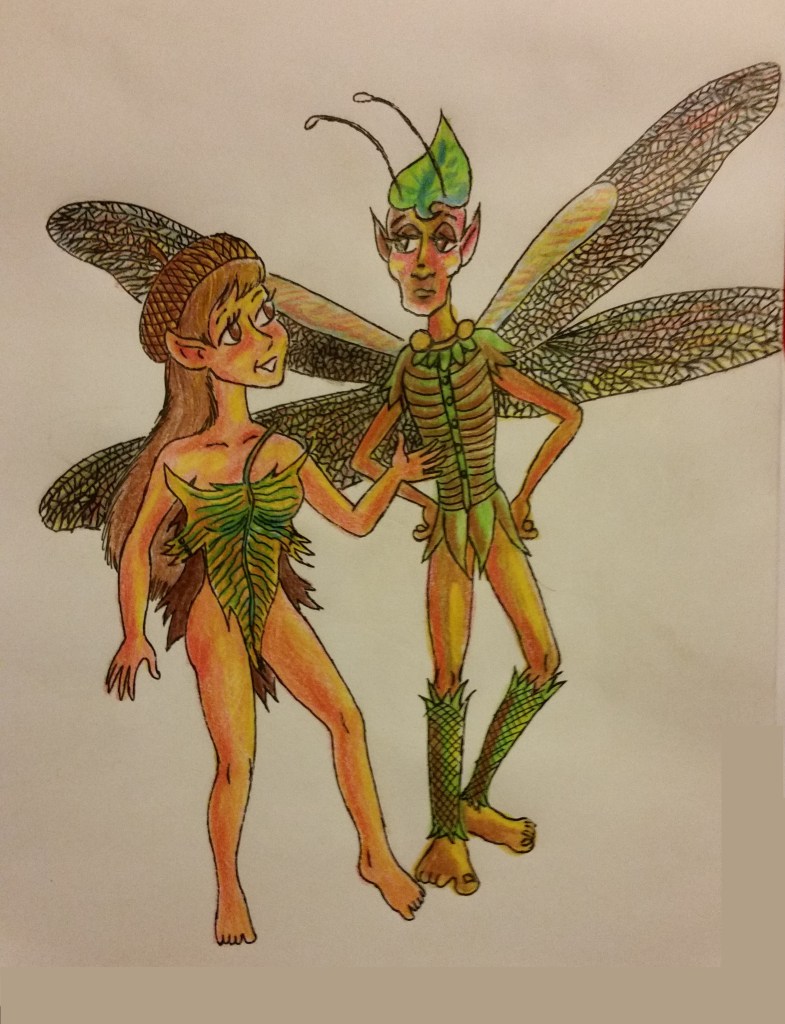
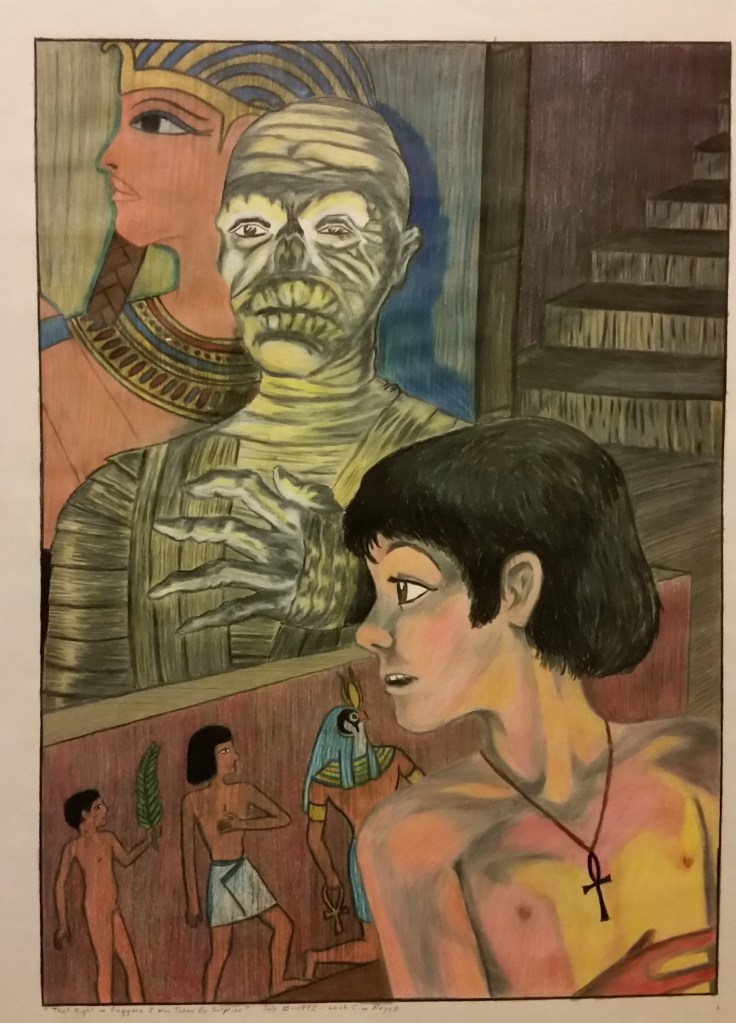

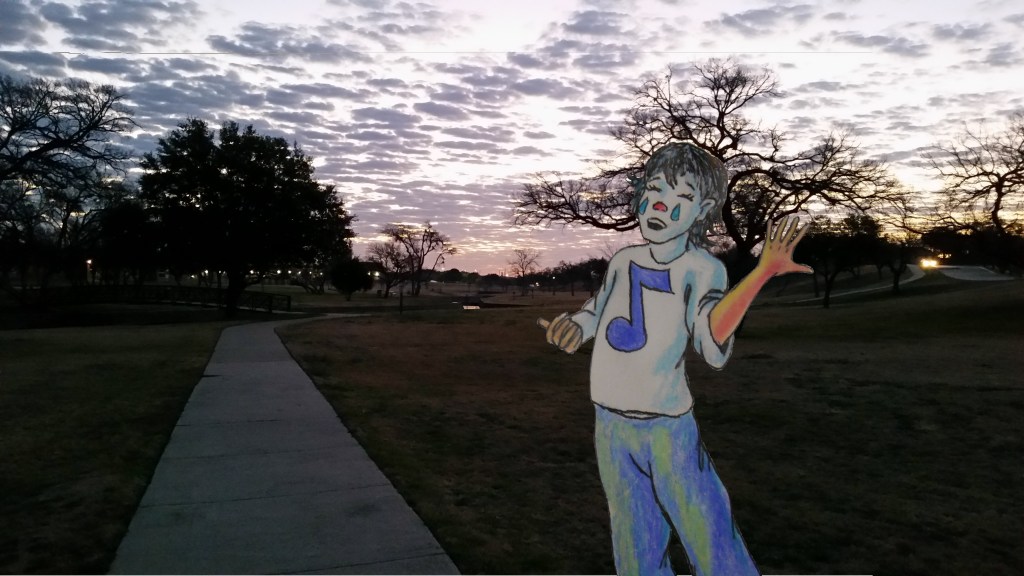
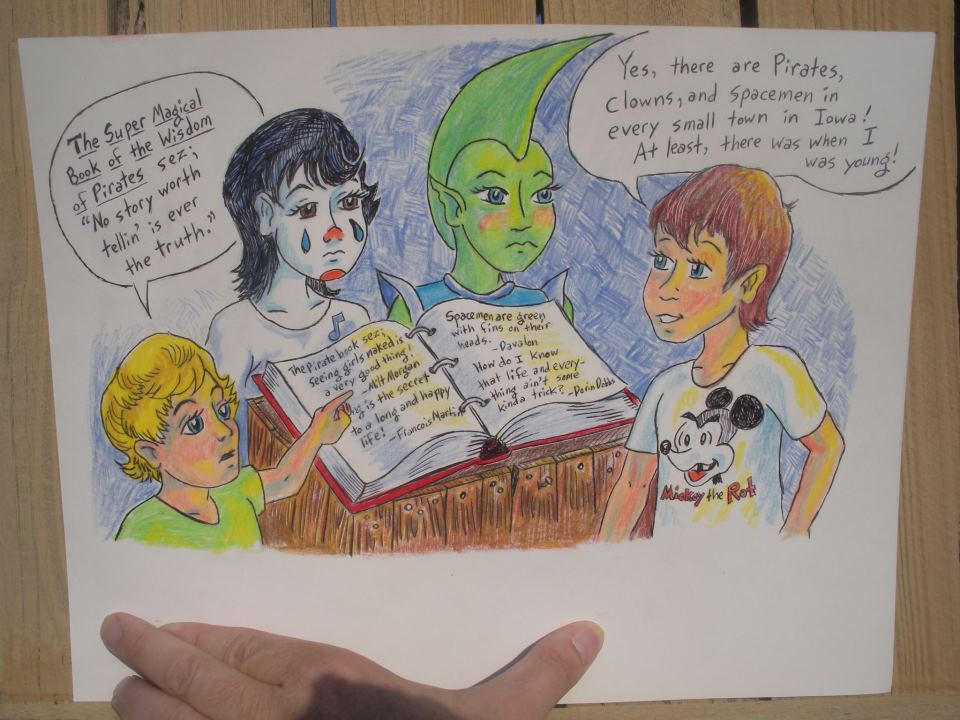

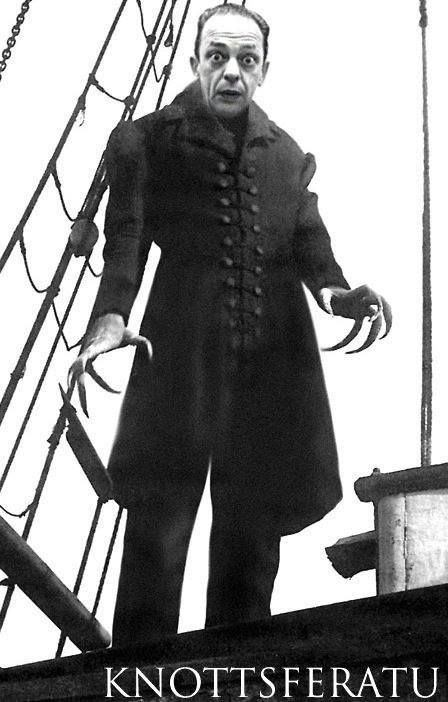


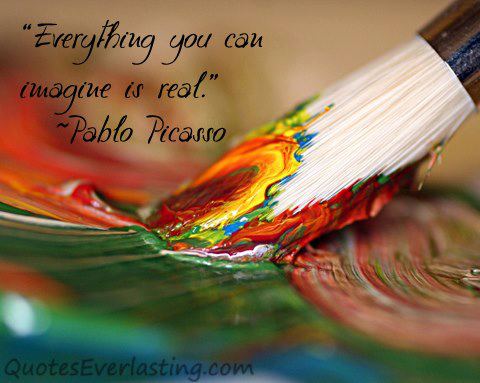




 My wife constantly tells me I am wrong… about everything. And I probably am. So that is not right. And if you think that’s my wife in the picture, you would be wrong. She’s much larger than that in real life.





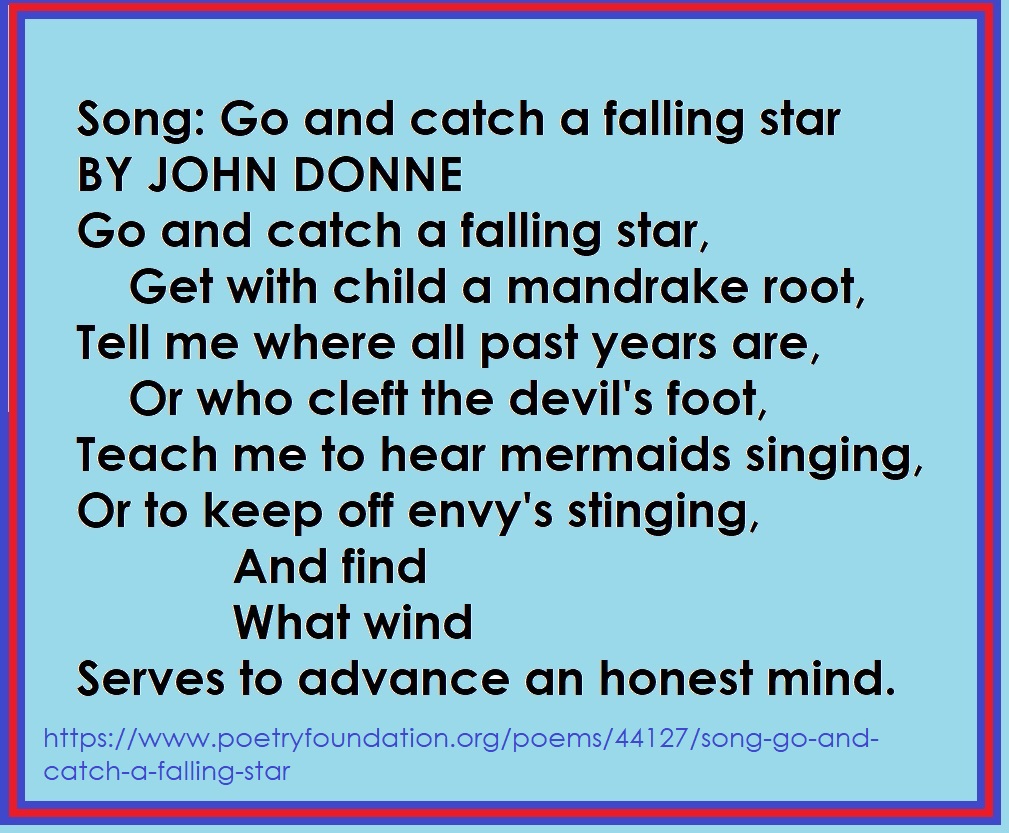
 Catch a Falling Star
What Stupid People Think About
Let me begin by reminding you that the only head I have to explore as an example of what I am talking about in this essay is my own stupid head.
So, this is not an insult post. This is self-deprecating humor. And therefore, the contents of your own stupid head are completely safe.
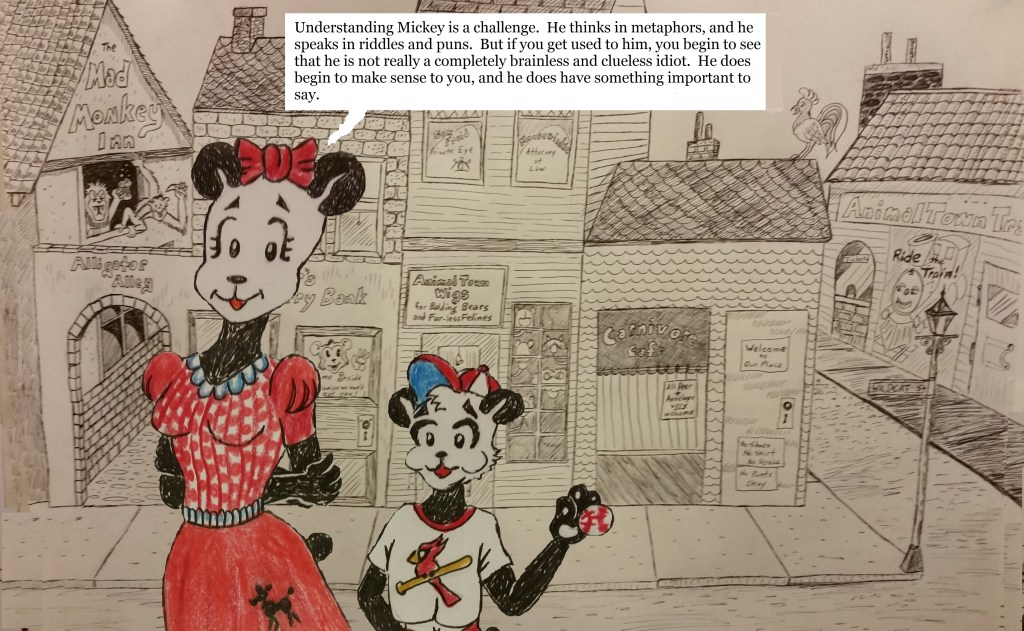
Now, there is considerable evidence in the books already that Mickey is not, and has not been, particularly stupid for a large portion of his time on earth. He got college scholarships based on his ACT and SAT scores to get his undergraduate degree for free (in the 1970’s when it was significantly cheaper than now). And he has been both a teacher in a gifted program and the middle-school coordinator of that same gifted program. So, Mickey has effectively fooled everybody into thinking he is not stupid. But consider for a moment where the laughs come from when watching Stephen Urkel on TV, or the four nerds from Big Bang Theory. Smart people do stupid things and are very awkward at times, proving that, no matter how smart they are, smart people are capable of being quite stupid.
What, then, is the stupid thinking in Mickey’s stupid head?
Well, there are a number of things. Mickey is, as you may know if you read any of his nudity blogs, obsessed with nakedness. He was assaulted as a child in a way that caused him to be afraid of nudity and slow-developing in sexuality. As he grew older, he had to compensate for this lack of natural development. So, he has reached an age where his brain stupidly rejects guard-rails when talking about nudity and sex. He has convinced himself that he wants to be a nudist, and writes about nudity constantly, as evidenced by this very paragraph. When Mark Twain was in his seventies, he did leave the house without remembering to wear clothes more than once. The neighbors did not compliment him for doing that. That and worse is probably in Mickey’s near future.
And sex, as a subject sloshing around in a brain awash with hormones and other nightmare chemical imbalances, leads to a rash of stupid decisions. Of course, Mickey is old and has had chronic prostatitis long enough to eliminate the possibility of making a stupid decision about infidelity since those body parts don’t actually work anymore, but it leads to buying numerous things sold by marketers using sex as a way to sell things. Cabinets full of hair gel and cologne and Herbalife products that can never be used up is the result. And the wife is frustrated with the foods Mickey is constantly addicted to. “Why so much chips and salsa, Mickey?” Chips and salsa? Hubba hubba!
And Mickey’s old brain, full of a vast quantity of useless trivia-type knowledge, random wisdom floating around in a disconnected fashion, and prejudices formed by a bizarre obsession with things like nudism, Disney movies, comic books, model trains, and doll-collecting, becomes strangely creative. He begins to believe weird things.
For example, he thinks rabbits, if they were suddenly transformed into people, would make better people than people ever do. They are mostly quiet most of the time. They eat an all-vegetable, healthy diet. And they don’t vote Republican.
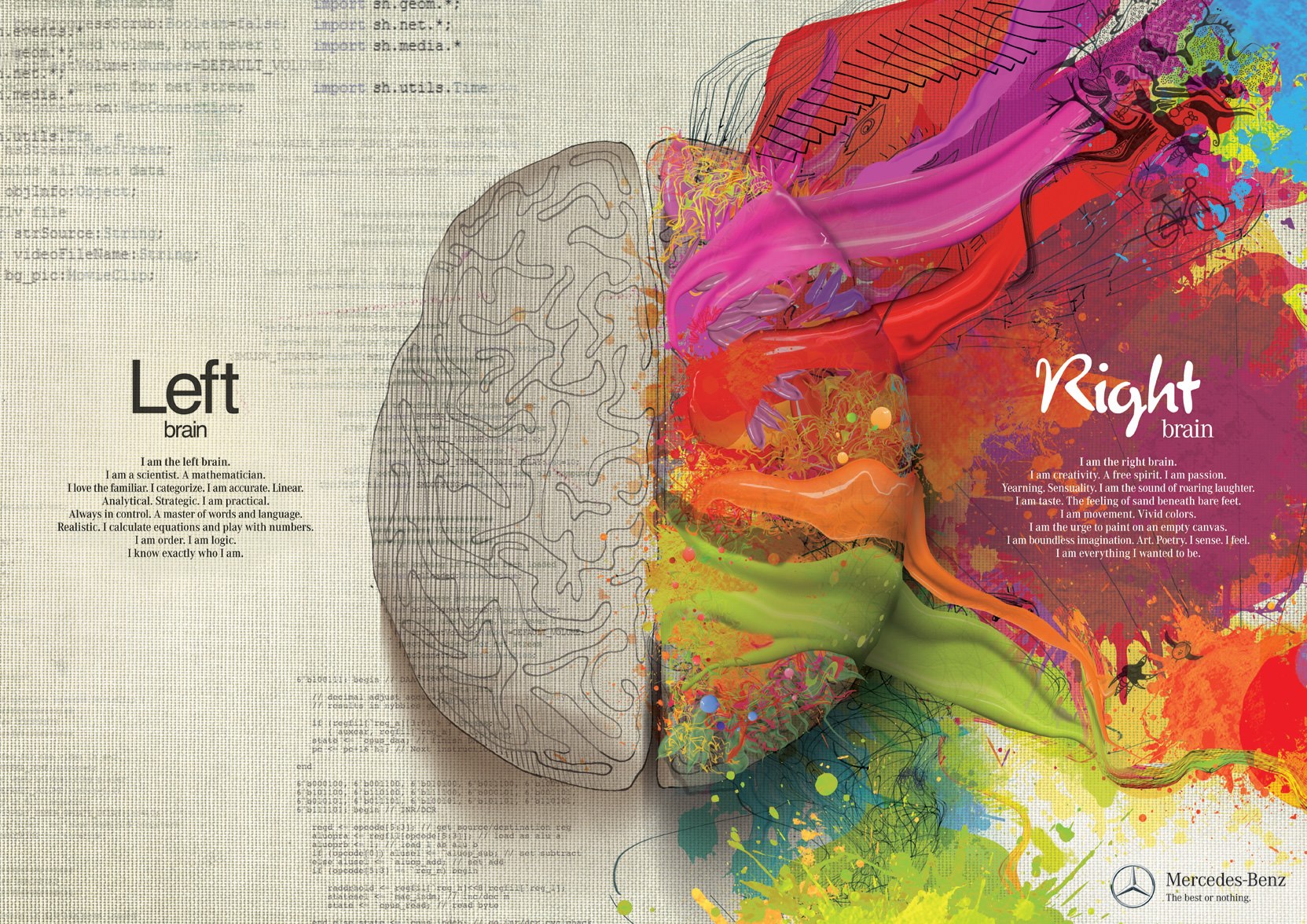
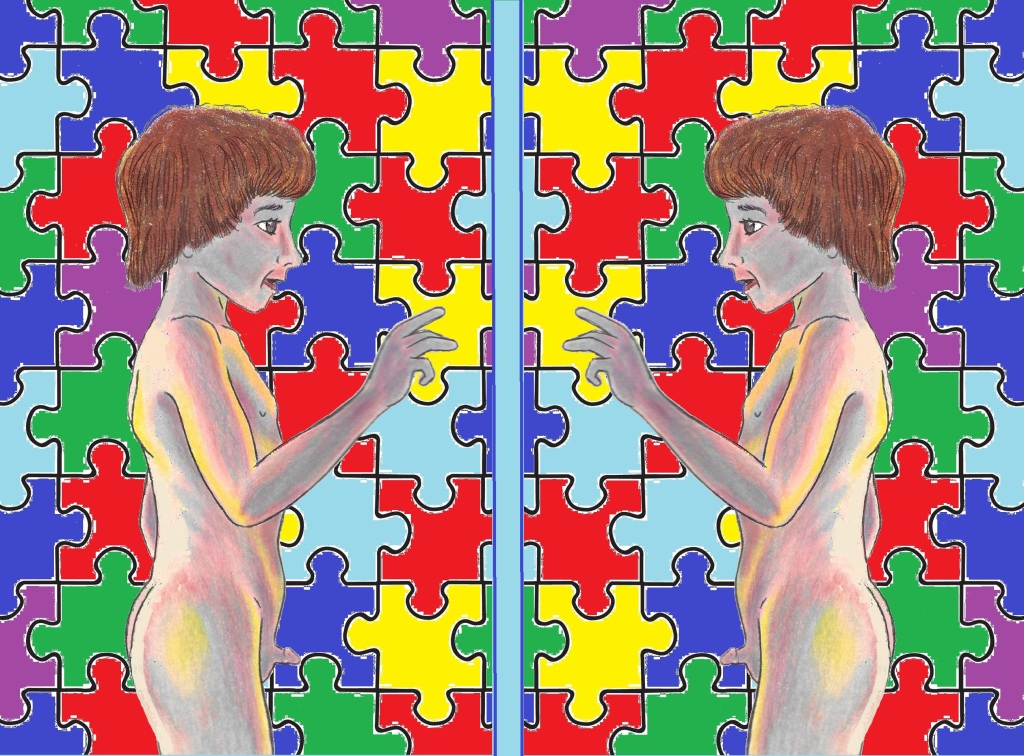
He obsessively also thinks about how his mind is working and how thinking about thinking is likely to improve thinking. He even realizes that the map of his head, provided above, doesn’t accurately reflect the many branching corridors and dead-end hallways of his actually-complicated-yet-stupid mind. He thinks that thinking too much about thinking makes you stupid.
And finally, Mickey is left with a sense of wonder about how it is entirely possible that everybody is stupid at least part of the time. And he wonders what possible things that you, dear reader, are thinking about that you consider at least somewhat stupid? You are welcome to tell him in the comments. But remember, this post is about stupid thoughts in Mickey’s head. You are perfectly free not to worry about your own stupidity.
3 Comments
Filed under artwork, autobiography, commentary, feeling sorry for myself, foolishness, goofy thoughts, humor, Mickey, Paffooney, satire, strange and wonderful ideas about life
Tagged as Metacognition