Category Archives: strange and wonderful ideas about life

Yes, I Throw a Moose or Two

I thought that this silly poem needed to be re-posted because school is ending.  The need for silliness is absolutely imperative.  I also need to throw a few mooses… er… moosei… er… meese?  How do you pluralize the word moose?
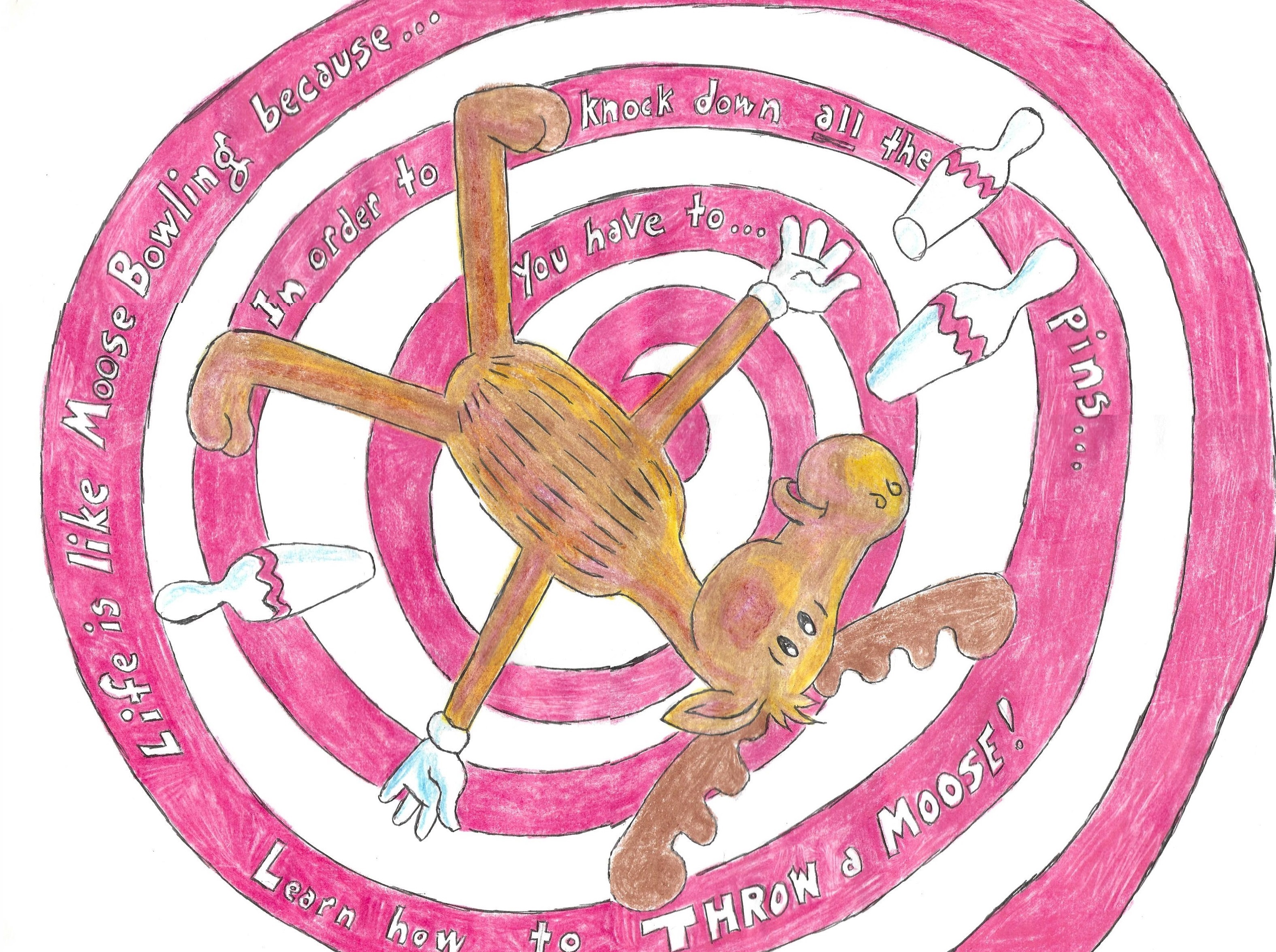
Life is as Hard as Bowling with a Moose (A Poem)

Life is like Moose Bowling,
Because…
In order to knock over all the pins,
And win…
You have to learn HOW TO THROW A MOOSE!

As the days count down, I have had to exercise my moose-throwing muscles more and more.  Today I have five days left in my teaching career.  So many precious kids I have to give up and never see again…  So many teachers will tell you that every year the kids are getting worse and worse, and their attitudes are turning more sour, disrespectful, and violent.  But those teachers don’t know the secret.  You have to throw a moose or two at the problem.  Real discipline is hard work.  Harder than demanding that kids sit in rows and be silent… heads down and pens scratching away.  You have to actually talk to kids and learn who they are… what they feel is important… what their problems are, and what they want you to do about them.   You have to be honest, give them a hook or two to draw them into the whole learning thing.  You have to actually care. 

So, I do.  I care.  And I let them talk.  It’s a moose that has to be tossed.

The comment was made this morning that you have to keep them working right up until the end of the year.  Doing no formal lessons in class is actually a lot harder and more risky than continuing to plod through the textbook.  But in five more days there are no more classes, no more books, no more teachers’ dirty looks… school’s out forever.   I haven’t done any lessons since two weeks ago.  Grades are in the gradebook.  I have been showing kids my favorite movies.  Especially movies from the eighties.  (Truthfully, I have not been well enough to actually teach.  My body aches and I can’t breathe very well)  I have been talking to kids about those movies… what they think about them, and what they think about life in general.  Kids are telling me they are worried about my poor health.  They say they are interested in my books and my writing, even though they don’t actually read just for pleasure and will never buy what I write… or even look at this blog.  They tell me about their troubles, their hopes and dreams, their most significant relationships, and they tell me that they will miss me next year.  Five days… will I make it through without breaking into tears?  No, I won’t.  I may not even try.  That’s one moose too heavy to throw.

But I have no regrets.  I have touched more than two thousand five hundred lives (a pretty close estimate… I don’t have a good enough memory to actually count.)  They have touched my life in return.  No other thing I could have done with my life would ever mean as much.  Doctors save lives, but teachers shape real people.  So what does it all mean?  I mean, really?  It means I have thrown a lot of mooses… er… moosei… er… well, you know what I mean.  And if my arms are growing weary, then it is for a very good reason.

1 Comment

Filed under humor, Paffooney, strange and wonderful ideas about life, teaching

Olfactory Story Telling

20150603_112214

My dog Jade

While walking the dog yesterday, we struck up a conversation about writing and being a writer that proved once and for all that DOGS REALLY DON’T KNOW HOW TO WRITE!

She turned around on the end of her leash and looked at me with that woeful you-don’t-feed-me-enough look on her little well-fed face.  “You know, I was reading your blog today, and I think I know how to make you a well-known writer and best-selling author.”

“Oh, really?” I said.  “Since when do you know anything about being a writer or marketing fiction?”

“Well, you do remember that I wrote a couple of blog posts for you already.”

“True.  But I can’t afford to do that again.   You type with your tongue and it leaves the keyboard all sticky.  I haven’t gotten it truly clean and working properly again since that last time.  If you are asking to write another post, you can forget it.”

“Well, sorry about that.  But I do think I know how to make your writing more popular with a bigger audience.”.

“Oh?  How could you possibly know that?”

“Hey, talking dog here!  That has to count for something, doesn’t it?  Don’t you think people would be amazed to learn about things from a dog’s perspective?”

15895039_1378412102217918_6555632764506710572_n

“Nobody’s going to believe I have a talking dog.  That isn’t something within the realm of what is normal.  They are all going to think I am just a crazy old man.”

“Well, you are a crazy old man.  I can’t help that.  But what if you told stories from a dog’s perspective?  You know, things that only a dog could’ve come up with?”

“Oh, like what, for instance?”

tacobelldogtvtakesjpg

Why does the neighbor’s dog always smell like burritos?

“Well, you know that more than half of what a dog perceives about the world she gets through her sense of smell?”

“Okay…”

“Like that spot on the grass over there.  Boy dog.  Handsome border collie… ate three hotdogs about four days ago.  Ooh!  He smells perfect!”

“You’re talking about poop smells again, aren’t you?”

“Well, yes.  But I can also tell you about the pigeons that were in that live oak tree there yesterday.”

“Oh?  What color were they?”

“I don’t know… gray maybe?”

“Bird doo.  You are smelling old bird poop!  You want me to write about poop more?”

“Well, no… not exactly.  But if you could tell your stories through the sense of smell more…  that would be unique and different.  People would like that a lot because it’s never really been done before.”

“You do understand that I can’t use my laptop to write smells?  There are no words I could use that will automatically put smells into the reader’s nose.”

“Well, but if you could invent one…”

“According to you, it would be mostly poop smells anyway.  Who wants to sniff that?”

“It would make your blog more popular with dogs.”

“But dogs don’t read!”

“How do you know for sure?  You believed me when I said I read your blog today.”

“Well, you certainly got me there.  Now, don’t we have some important business to take care of?”

“Yes, but…  You see that squirrel over there?”

“Yes, so?”

“So one day soon, I’m gonna eat him!”

spudsmackenzieandbudlightandladies

2 Comments

Filed under family dog, foolishness, goofy thoughts, humor, photo paffoonies, strange and wonderful ideas about life, writing, writing humor

Thinking About Another Birthday

I was born in a blizzard during the middle of the 1950’s. Dwight Eisenhower was President of the United States. John F. Kennedy had written the book Profiles in Courage. Elvis Presley was pushing Rock and Roll to new heights. My father was a Korean War veteran who served in the Navy aboard aircraft carriers. My mother was a registered nurse. And all of that made me a Baby Boomer, a Midwestern child of the middle class, benefiting from Roosevelt’s New Deal, and more than a decade of economic boom, and I was in many ways truly blessed.

I think the Baby Boomer generation has a lot to answer for. As a group, we have not taken our blessings for what they truly are and selfishly did not give back as much as we were given. Self-sacrifice and service were considered unintelligent things to pursue. Wealth and power were the things universally pursued. And averting climate disaster fell within our power. And we didn’t do nothing to help the problem. We actively made matters worse.

Hopefully, however, we have more than our share of people who followed the kind of path I did. I chose teaching as the way to serve my society and my country. I put in over thirty years working with kids, teaching them to read and write and helping them to transform from children into young adults. And I did it in spite of the fact that investment culture and the drive to earn massive wealth tended to make people look down on teachers. We didn’t get the respect and the monetary rewards that we actually deserved. I don’t have to feel dissatisfied with my role. But I do regret the consequences we face because of it. If you denigrate teachers and education in general, you are going to raise a generation of stupid people.

So, let me give you what little wisdom I have gained in the struggle of my 67 years on this less-than-perfect planet.

The only wisdom I can offer that I am absolutely certain of is this, I am basically a fool muddling my way through the labyrinth the best way that I can. We are all fools. And those that don’t admit that do me the favor of proving there are bigger fools than me.

The former President of the United States number 45 is a criminal. Even a fool like me can see it. He needs to be removed and the people who have enabled him need to be voted out.

He may, however, survive it. He may even win another four years. After all, the foxes have been running the hen-house for years now. And the party in charge cheats at election time.

We may have flubbed our stewardship of the planet so badly that all life on Earth will be wiped out by atmospheric changes. Fossil fuel corporations have won a Pyrrhic victory.

But even if we have no future as a species, our lives have been valuable. Every child is born good and loving and worthy of love. And even though some are too soon taught evil ways or too soon robbed of their birthright, the story of the human race is a good one. We did great things. We took serious dilemmas and solved them. We wrote good morals, and more often than not, we finished writing the sentence of our lives correctly. We had a right to be here. And even if our collective candle flame goes out, the brief time that it was shining made the universe a brighter place.

I am a pessimist by nature. I don’t expect to survive until another birthday passes. I didn’t expect to reach this one alive. If I do, I have a right to be both pleased and amazed. I can make no promises for the future. But I do know this, everything in the past was worth it.

2 Comments

Filed under autobiography, birthdays, commentary, compassion, happiness, insight, inspiration, philosophy, soliloquy, strange and wonderful ideas about life

Oxfordian Rationalizations

Yes, I am, perhaps, a bit of a fool for believing Edward de Vere, the 17th Earl of Oxford, is the writer behind the works of William Shakespeare.  How do you prove something is true when it is so obvious that someone worked really hard to keep it a secret for all this time?  Is it a betrayal of the man to go against his apparent wishes and try to out him for his incredible secret?  It is hard for me to judge.  After all, I know I am a fool.

But even if he is not Shakespeare, and just sits at the apex of a mountain of coincidences, I am fascinated by the historical character of Edward de Vere.

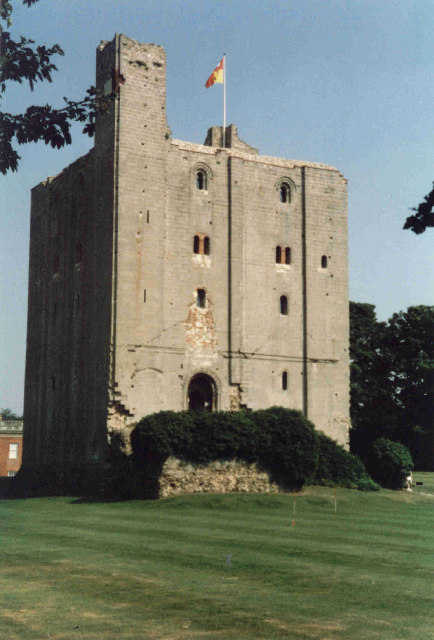
the_keep_at_castle_hedingham_-_geograph-org-uk_-_30510

The keep at Hedingham Castle, the de Vere family seat in Essex (photo by David Phillips)

He was born the only son of John de Vere, the 16th Earl of Oxford, and heir to the second oldest title among English nobility.  His father stood by Elizabeth when she was under house arrest under the reign of Bloody Mary, and went with her as a court favorite to the throne of England when she survived the ordeal.  So naturally Edward was a favorite of Elizabeth’s since childhood.  Later stories would suggest he became the Queen’s secret lover, but the rumors of the Virgin Queen’s harlotry were most likely the invention of Philip of Spain and other nobility in Catholic Europe who plotted endlessly against her because she chose to adopt her father’s protestant Anglican religion instead of returning England to Catholicism like her half-sister Mary before her.  Elizabeth’s personal integrity may not have been perfect, but the love she bore for young Edward was probably not the improper kind that the movie Anonymous by Roland Emmerich suggested.

But even though de Vere was born lucky, I would not say he was particularly lucky in life.  He was only twelve when his father (though having completed his will) died.  The result being that he was made ward to Queen Elizabeth herself.  She was not exactly the foster-mother type, however.  She sent the boy to be raised in the home of her Secretary of State and chief adviser, William Cecil (later made Lord Baron Burghley).  Meanwhile Elizabeth took possession of some of his estates in payment for the wardship and bestowed them on Robert Dudley (her childhood friend and probable one true love, though he was married to someone else).  Young Edward was a difficult student.  His tutor, the famous scholar Laurence Nowell, resigned in frustration, probably because the boy was too bright and far-reaching for the antiquarian scholar to deal with, possibly himself being a bit dumber than advertised.   Edward quickly developed a reputation for love poetry at Elizabeth’s royal court.  He was a gifted, though somewhat conflicted, prodigy.

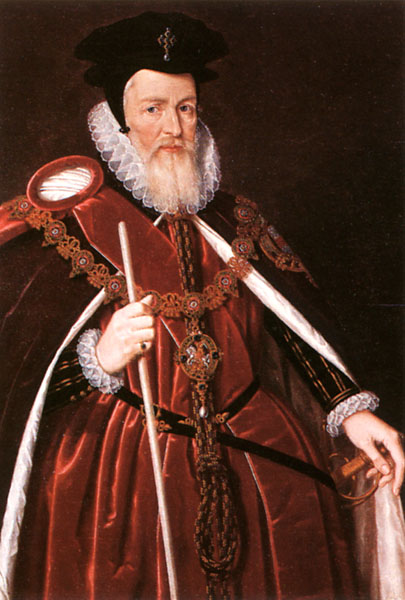
cecilwilliam1bburghley04

William Cecil, 1st Baron Burghley

And here is what I find most fascinating about his life story.  As you reread it, keeping the works of Shakespeare in mind, you begin to see Shakespeare’s source material coming to life.  Edward would end up marrying Cecil’s young daughter Anne, so that Lord Burghley was not only a man who raised him, but also his father-in-law.  But marrying off your offspring to nobility was an accepted manner of social climbing, and Cecil wasn’t entirely sure he couldn’t do better for his daughter.  And the meddlesome, lecturing, and self-righteous nature of the man comes out in Shakespearean characters like Polonius in Hamlet who spies upon the suicidal prince because he fears the effect Hamlet’s love for his daughter Ophelia might have on her reputation, causing him to spout all manner of cliches and stuffy, self-important advice.

cecil

Robert Cecil, Lord Salisbury

Cecil’s son Robert, the hunchbacked boy who grows up to take over his father’s office as adviser to both Elizabeth and James I, is a crafty statesman and plotter who is the undoing of the Earl of Essex in a real-life plot against the throne of Elizabeth.  It is hard not to read about his real-life exploits without seeing the connections to Iago in Othello and the conniving hunchback Richard III.

So, once again I have overshot my target length in this essay because I get so wound up in the details of my discoveries.  There are numerous things written and published about the connections between de Vere and the Bard himself.  I have only begun to scratch the surface in this telling of it.  But I am just a fool with a humor blog.  If it interests you at all, I encourage you to go to as many of the available sources as you can possibly google.  I haven’t yet finished doing that myself.  And I do hope I haven’t told anything here that makes Shakespeare turn over in his grave (if, indeed, a grave could ever really hold him.)

Leave a comment

Filed under artists I admire, conspiracy theory, foolishness, humor, strange and wonderful ideas about life, William Shakespeare

Shakespeare Knows Fools

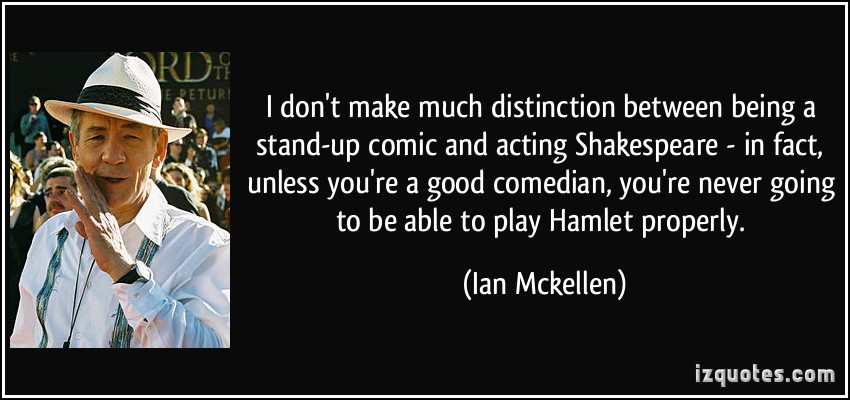
quote-i-don-t-make-much-distinction-between-being-a-stand-up-comic-and-acting-shakespeare-in-fact-ian-mckellen-124331

The fact that Shakespeare was a master of the art of creating and mocking fools does not really help decide the question of who Shakespeare really was.  A stage actor who owned a theater in Elizabethan times and apparently focused on being the bit player, the butler, the second man on the castle wall in the great plays, would certainly know enough of flim-flam, being a con man, or artfully throwing turds at kings and queens in ways that get rewarded rather than beheaded.  But a nobleman who has unpopular and unwelcome-but-probably-wise insights into the back-stabbing-goings-on of the royal court of England would equally be capable of putting the most memorable of critiques of humanity into the mouth of the fool or the clown in the great stage-play of life.  Even the most depressing and violent of the Shakespearean tragedies is enhanced and made pointed by the presence of the fool and the comic relief.  In some ways everything that Shakespeare wrote was a comedy.

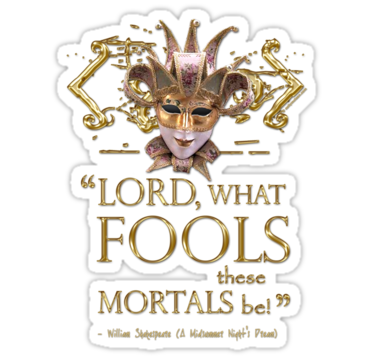
sticker375x360-u2

Whoever Shakespeare was, he shared Mark Twain’s overall assessment of “That damned human race” and often declared all men fools in the eyes of the playwright.  Puck’s observation on humanity is delivered about not only Bottom and the other poor players who carry on their vain attempts at performing Pyramus and Thisbe while Bottom magically wears the head of an ass, but also the easily fooled lovers who mistake their true loves for one another, and even the clueless mortal King Theseus of Athens.

0716-go-midsummer-dream_

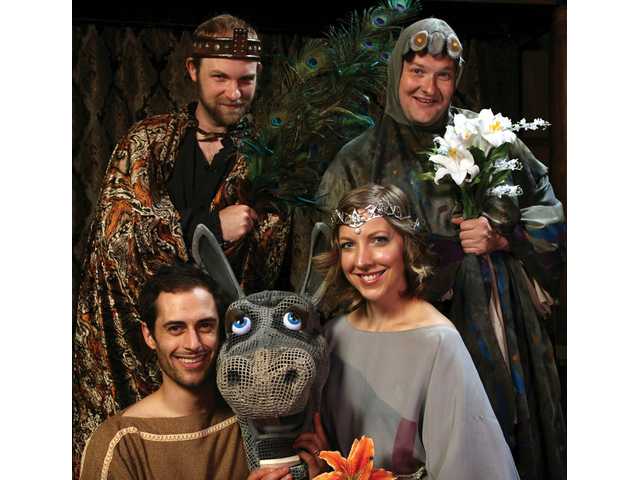
In the play within a play, Nick Bottom wants to be not only his own role, Pyramus the romantic lead, but argues that he should be Thisbe, the lion, and Pyramus all at once, making a satire of human nature and its overreaching ways that we could only pray Donald Trump will one day watch and magically understand.  In fact, Shakespeare’s entire body of work is an extended investigation of foolishness versus wisdom, and with Shakespeare, the verdict always goes to the fool.

a-fool-thinks-himself-to-be-wise-but-a-wise-man-know-himself-to-be-a-fool-william-shakespeare

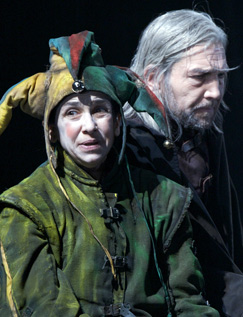
The plays of William Shakespeare are filled with fools doing foolish things… and fools being accidentally wise. (Think Jacques in As You Like It giving his famous “All the world’s a stage” soliloquy in which he elucidates the seven ages of man.)  There are fools too who prove to be wise.  (Think of the ironic advice given by the jester Touchstone in As You Like It, or the pithy commentary of King Lear’s fool).  The fools in Shakespeare’s work are not merely the comedy relief, but the main point that Shakespeare makes about humanity.

207a65d14f2a61bd4a4ef178e88609bb

Whoever the man was who wrote the plays of Shakespeare, he was someone who had a deep understanding of the basic irony underlying all of human life.  And someone with that vital sense of the bittersweet, a philosophy of life that encompasses the highest heights and lowest depths that a soul can reach, is someone who has suffered as well as known great joy, someone who has experienced loss as often as profit, and has known real love as well as real hatred.  It is the fool that Shakespeare shakes us by the neck with to make us recognize the fool in all of us which makes the plays resonate so deeply within us.  It is watching the path of the fool unfolding that makes us shake our head and say to ourselves, “Yes, that is what life is really like.”

when-we-are-born-we-cry-that-we-are-come-to-this-great-stage-of-fools-william-shakespeare

Leave a comment

Filed under clowns, comedians, conspiracy theory, foolishness, goofy thoughts, inspiration, philosophy, strange and wonderful ideas about life, William Shakespeare

Mickian Fantasy Art

There is a reason why anything in my artwork starting with a rabbit is assumed to be autobiographical. I raised rabbits as a 4-H project from about the age of 10 and we kept rabbits in pens until I was finishing my undergraduate degree. (Rabbit chores fell to my little brother when I was away from home.) In many ways, I was a rabbit-man. My personal avatar as a school teacher was Reluctant Rabbit.

The panda known as Mandy in my cartoon world is an avatar of my wife, an immigrant from the Pandalore Islands.

There is often an exaggerated sense of adventure in my cartoonally weird Paffoonies, the very name of which is a fantasy word.

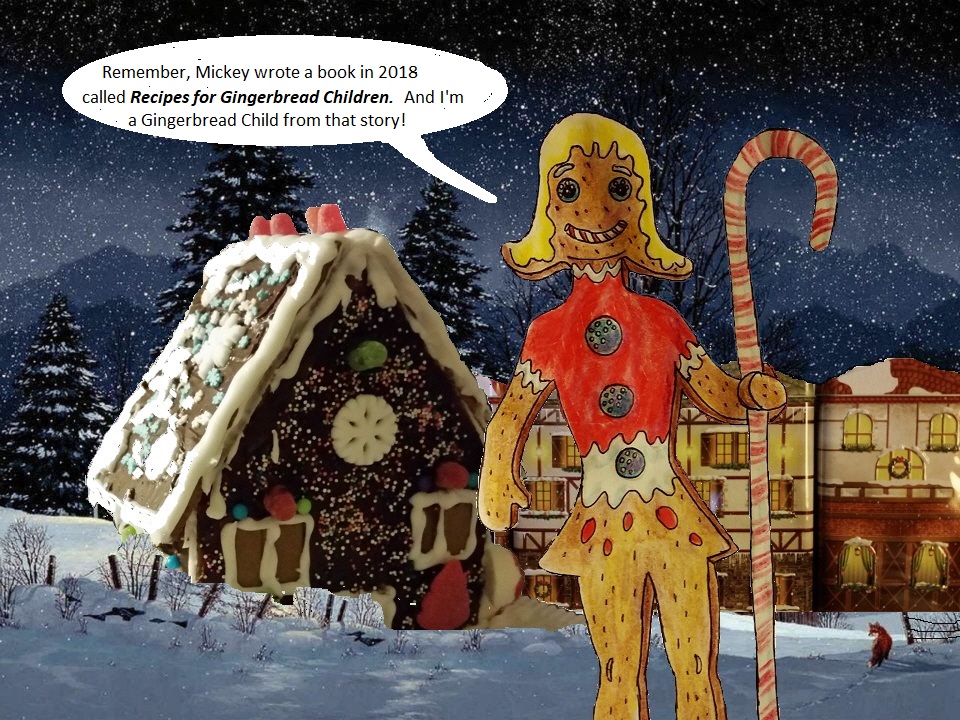
I have been known to actually believe gingerbread can be magical enough for gingerbread men to come to life once baked. It is the reason I bite the legs off first, so they can’t run away.

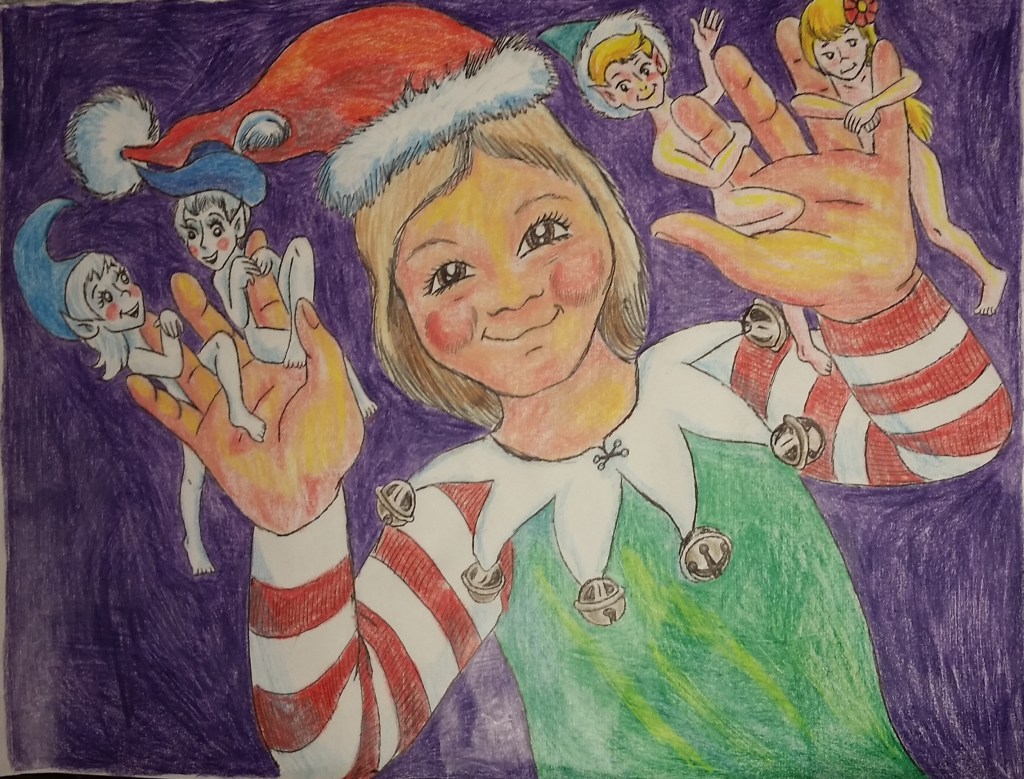
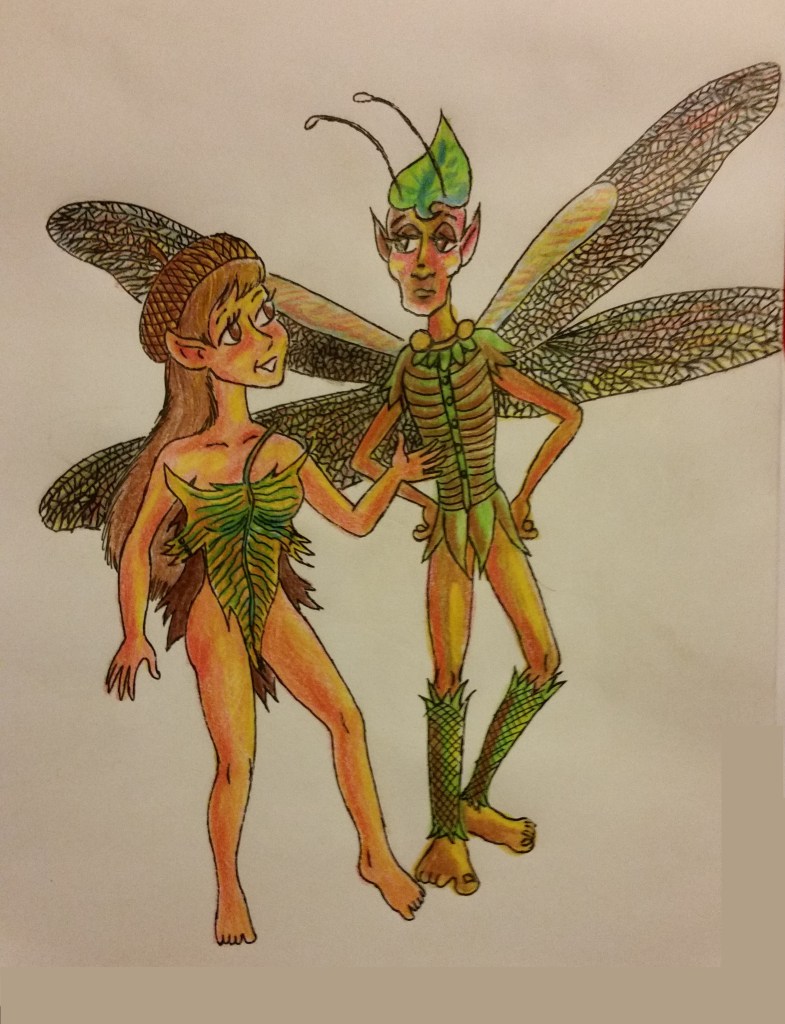
I have been known to see elves, fairies, and numerous other things that aren’t really there. In fact, a whole secret hidden kingdom of them inhabited the schoolyard in Iowa where I attended grades K through 6. They were all mostly three inches tall. The biggest ones, like dragons reaching only about six inches tall at their largest.

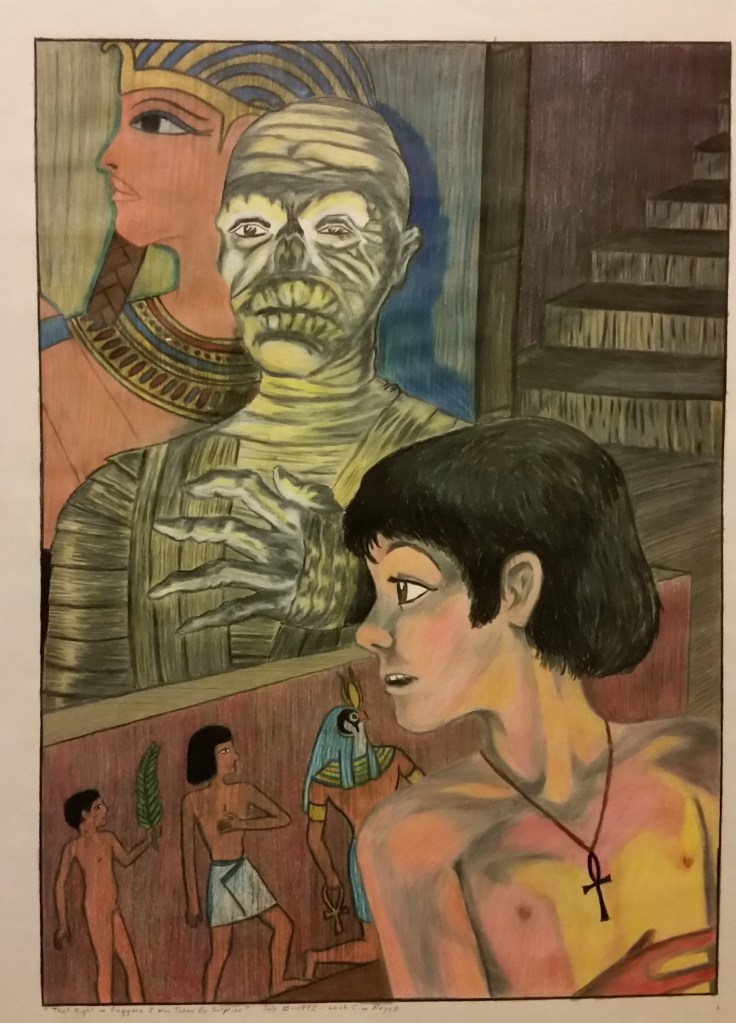
Of course I am afraid of death, evil, and… (shudder) mummies.
I think of art and story-telling as a form of music. I am a troubadour whose songs (like this one) are often completely silent.
My fantasy art tends to be more “comic book” than “art gallery”.

2 Comments

Filed under artwork, autobiography, cartoons, cartoony Paffooney, colored pencil, humor, Paffooney, strange and wonderful ideas about life, surrealism

The Man From Stratford on Avon

c360_2017-01-13-19-11-50-170

I am, unfortunately, a dedicated conspiracy theorist.  No, not the braying, unintelligent kind like Alex Jones who has an unhinged and hidden agenda.  More the Indiana Jones kind, seeking the truth no matter where it leads, but always relying on research, science, and creative methods of re-framing the facts in order to reveal truths that other people don’t see even when the answers are right in front of them.

An example of this is my firm belief that everything we think we know about the man known as William Shakespeare is based on an ages-old deception and is basically an unrevealed lie.

Of course, I am not the only literature-obsessed kook who has ever taken up this notion of someone else having written the great works of Shakespeare.  I share the opinion with Ralph Waldo Emerson, Nathaniel Hawthorn, Walt Whitman, Prime Minister Benjamin Disraeli, Charles Dickens, Actor Derek Jacobi, and the great Mark Twain (also not the writer’s real name) .

slide_2-1

It is very possible the standard details of the life of William Shakespeare have been fudged just a bit… or maybe quite a lot.

The biggest question that I can see when looking at the man we pretend is the actual author of the plays, is why doesn’t this man look like an author?  As brought out in the video, the only example we have of the author’s own handwriting are six signatures from legal documents, three of which come from his last will and testament.  And if the name is really William Shakespeare, then the Stratford man misspelled his own name.  He wrote it as Shakspere or Shaksper.  And the handwriting is atrocious, nothing like the carefully practice signature I sometimes put on my own handwritten work.  How does that happen?  I have seen signatures by many other authors, both famous and obscure, and nowhere do I see such careless script as what is allegedly the signature of the greatest and most acclaimed writer who ever lived.

The accepted life story of Shaksper doesn’t bear up under scrutiny either.  In spite of being a wealthy businessman and mayor, his father can be seen to be provably illiterate, relying on associates and underlings to write the paperwork involved in his business and mayoral rule.  There is no proof in the form of enrollment lists or written record of Shaksper having ever enrolled at or attended the school that supposedly taught Stratfordian youths to read and write.  His wife and children and grandchildren were also provably illiterate.  What other writer has such a lack of effect on his own family?

And Shaksper’s will details everything he owned and left to others at his death.  Nowhere is there a mention of plays, manuscripts, poetry, or even books.  The greatest author who ever lived owned no books at all?  He was provably wealthy enough to buy books, and public libraries did not exist back then.  How then did he demonstrate such knowledge of Ovid’s Metamorphosis, as well as the functioning of royal courts both in England and abroad?  How did he get so many details right about places in Italy and Europe which he had never visited or seen with his own eyes?  Something is definitely missing.

It is true that everything mentioned is merely circumstantial evidence.  And yet, if all circumstantial evidence leans in only one direction, then isn’t the conclusion probably sound?

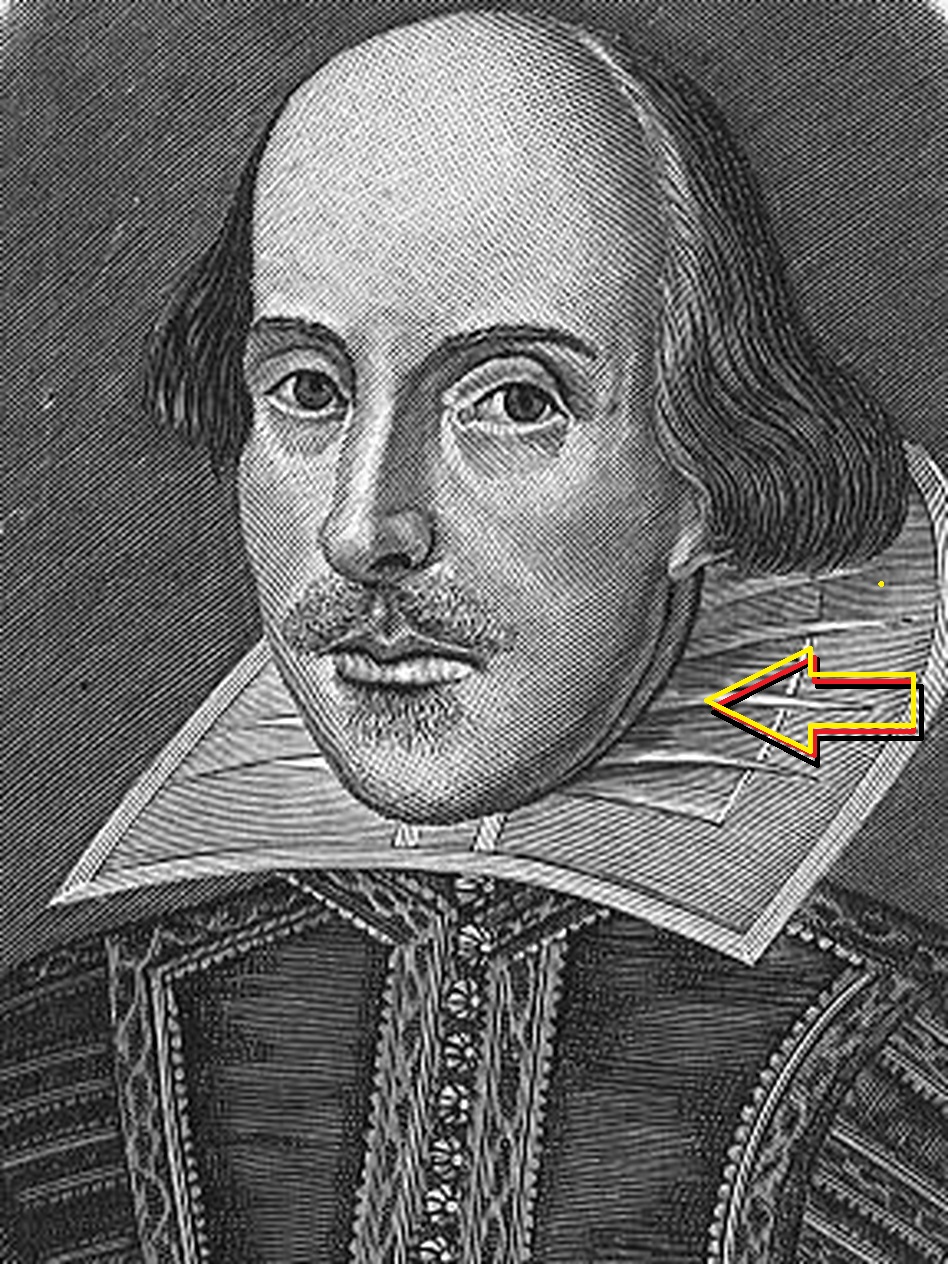
shakespeare

Do you not see the lines of the mask in this portrait?

But if Shaksper, the Stratford man, did not write the masterful literary works he has been given credit for, then who did?  And why did he let the credit go to someone else?

Ah, I am betting you are beginning to smell a multi-part essay brewing.  I mean to tell you who I think is under the mask, who it was I believe actually wrote under the pen name of William Shakespeare.


Leave a comment

Filed under conspiracy theory, goofy thoughts, humor, Paffooney, strange and wonderful ideas about life, William Shakespeare

The Heart of Shakespeare

3a8307f6bb01311fc90478857d32e891

Despite my skepticism about the accepted wisdom in regard to the historical William Shakespeare, I do deeply love the body of work that is Shakespeare.  My most favorite play is The Tempest, the final play in the canon.  I also have read and loved As You Like It, Romeo and Juliet, Hamlet, A Midsummer Night’s Dream, The Merchant of Venice, Henry V, Richard III, Julius Caesar, Macbeth, Othello,  and King Lear.  I know that is not all of the plays, but that is probably more than most people have read.  And of course, as an English major in college, and later as a teacher, I have actually analyzed, compared, studied, and taught some of these plays.  So, the Shakespeare I know is the Shakespeare of the writer’s own mind, his communicated wit and wisdom, imagination and intellect.
shakespeare

And I do not have any disdain or disrespect to give the Stratford guy.  To say that, in the Elizabethan world, the actor son of a tradesman with only a grammar school education could not have been the mind behind the literary masterworks is foolish.  The Stratford guy owned and operated the Globe theater at a time when “the play was the thing”.  All of London society, rich and poor, gloried in the theater, and Shakespeare did for Elizabethan plays what Babe Ruth did for baseball.  He was a good enough business man to make himself a decent fortune.  Although, apparently, this world-shaking author didn’t spend any of his money on owning books, which in my experience is extremely rare among writers.  His life, bound up in an urban existence that never traveled outside of the country also somehow produced great works that were set in places in Europe, especially Italy, that described those settings in accurate detail.  As a working actor, he also apparently had the time to study law and somehow learn the inner workings of the royal courts of more than one country.  And the plots were not original.  He took existing stories that already were a part of European literature and lore and wove them into rich tapestries of human striving, laughable foibles, and a deep understanding of basic human character.  But I do have doubts that the businessman and actor from Stratford was the real writer of the plays.

I have already told you that I don’t believe Sir Francis Bacon was secretly Shakespeare.  Christopher Marlowe wasn’t either.  And I have unsuccessfully made a case against Shakspere, the Stratford guy.  So who could possibly be the real William Shakespeare?  Well, I am not going to be able to make a decent case for him in the 100 words that I have left to end this essay with.  So there has to be more to come.  (And stop screaming obscenities at the computer screen.  I am going to reveal the name before the end of this essay.  And I promise not to make my case for him in coming days too boring and horrible.)  I have to show why I believe that the true heart of Shakespeare could only have beaten within the body of Edward deVere, the Earl of Oxford.
Leave a comment

Filed under conspiracy theory, goofy thoughts, humor, strange and wonderful ideas about life, William Shakespeare

Shakespeare is NOT Bacon

3475b987-6c5d-4699-ba5d-e6008559028f

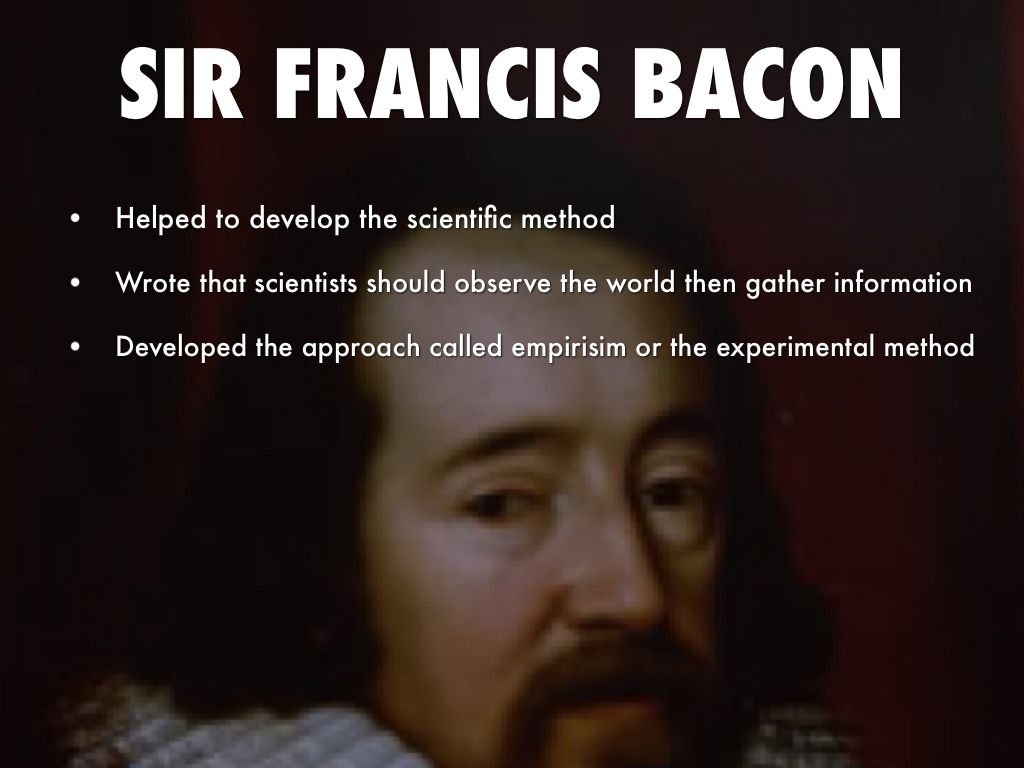
(The graphic above should say “Empiricism,” not “Empirism.”  Ir is a typo.

Yes, Sir Francis Bacon is at least as interesting and obscure as William Shakespeare.  But let me assure you, I can confidently state, “Shakespeare is NOT Bacon!”  He is not eggs either… or any other breakfast food.  Sir Francis Bacon was the breakfast, the first meal in the great Elizabethan banquet of literature, poetry, and culture.  And William Shakespeare is a more important main course, the royal dinner, as it were.  But it has to be acknowledged that Bacon was essential to the very existence of William Shakespeare.  Breakfast always comes before dinner.

t2ec16dhjgoffvtvhuebslhohksvg-60_35

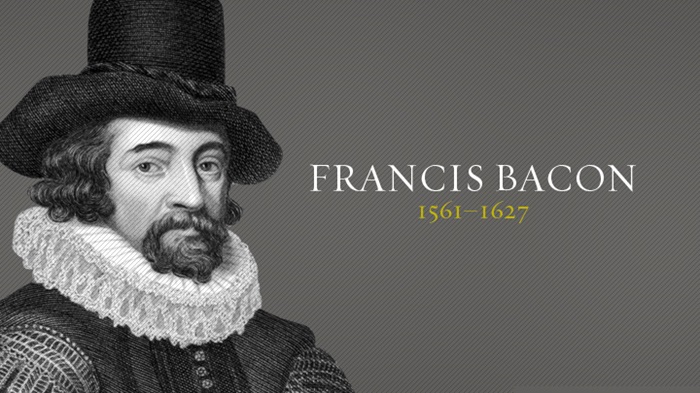
In 1845 a female author by the name of Delia Bacon (nothing suspicious about that coincidence, by the way) put forward an idea that William Shakespeare’s plays were actually written by a group of men under the leadership of Sir Francis Bacon.  She thought the group intended to inculcate into English culture an advanced system of politics and philosophy which they themselves could not take credit for publicly.  She would later write a book in 1857 called The Philosophy of the Plays of Shakspere Unfolded which advanced the notion that the plays were written for Baconian purposes beyond mere theatrical entertainment.  Numerous people, including the American poet Ralph Waldo Emerson supported her in her quest to find proof, sending her to England to research the crazy conspiracy theories she founded by noting ciphers in the plays, and in the essays of Bacon, that led her to believe all she had to do was dig up the gravestone of Shaksper in the chapel at Stratford to find written proof in Bacon’s own hand that he was, in fact, the author or primary motivator of the plays of William Shakespeare.  She spent one cold and creepy night in the chapel, just her and her spade and her crow bar, along with the bones of the Stratford guy, trying to work up the courage to do a bit of grave-robbing… and failing.    It is a good story, but very poor archaeology.  She was denounced by the literary historians and establishment figures who supported the Stratford guy.  They said her scholarship was sloppy, her cipher analysis goofy and unfounded, and her conclusions more questionable than a pig in theatrical make-up.  (My words, not theirs.  English critic George Henry Townsend was entirely too stuffy and boring to simply be quoted here.)

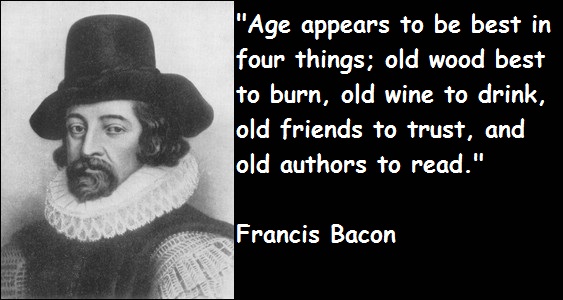
francis-bacon-quotes-francis-bacon-quotes

Now, I, of course, strongly disagree with the Bacon lady.  As I said in the very title, “Shakespeare is NOT Bacon.”  But I do think there was merit in sniffing out old Frankie’s scent and fingerprints on the whole Shakespeare/Shaksper thing.  The Stratford guy was not Shakespeare either.  When he died in 1616 there was no public outcry at the loss of England’s most popular poet and playwright.  Even King James who was Shakespeare’s number one fan and constant audience member, didn’t mourn the passing of the actor/theater-owner/businessman from Stratford.

Francis Bacon, on the other hand, was a powerful intellect, educated in the ways of science, the law, and government in the Elizabethan age.  Bacon gathered other men of powerful intellect and accomplishment at Gray’s Inn to hold debates about things philosophical and things scientifical.  It is not unreasonable to imagine that the man who really wrote the plays attributed to Shakespeare sat at that table and participated in those debates.  And Sir Frankie had good reason to keep lots of this business a secret.  There exists evidence that though he was apparently happily married to a fourteen-year-old girl, he did a little bit of swaying toward the other gender too, a thing not too popular with the average Anglican Englishman.  He also dabbled a bit in the occult (think witches in Macbeth sort of thing).   And his essays indicate a strong correlation to the philosophies and ideals of the German Rosicrucian Movement.  In 1593 during a Roman Catholic plot against Queen Elizabeth, Frankie managed to take a position on the investigation that totally offended the old virgin queen.  He was on the outs with Liz for the rest of her difficult and anger-management-challenged life.  He did rise to prominence under her successor, James I, but never-the-less managed to die amidst total ruin and scandal.  There is a lot in Frankie’s life to indicate that he had a direct influence on the content of Shakespeare’s plays.  Some of the characters in the plays may actually be, at least in part, based on Frankie himself.  But  this guy never hung out with the Stratford guy that anyone knows of.

So, if Shakespeare is NOT Bacon, or eggs either… and the Stratford guy isn’t Shakespeare, then who is?  Come on!  You knew I had a lot more to say about this crazy conspiracy thing, right?

67489

Leave a comment

Filed under conspiracy theory, education, foolishness, goofy thoughts, humor, philosophy, strange and wonderful ideas about life, William Shakespeare

Elsie the Cow

Sierra Exif JPEG

I was a boy back when the milk man still came around in his blue-and-white panel truck delivering bottles of milk with Elsie the Cow on them.  I don’t remember clearly because I was only 4 years old back when I first became aware of being a boy in this world instead of being something else living somewhere else.

There were many things I didn’t know or understand back then.  But one thing I did know, was that I loved Elsie the Cow.  And why would a farm boy love a cartoon cow?  There were many not-so-sensible reasons.

For one thing, Elsie the Cow reminded me of June Lockhart, Lassie’s mom and the mom from Lost in Space.

Lassie’s Mom, June Lockhart


 It may be that June Lockhart’s eyes reminded me of Elsie’s eyes, being large, soul-full eyes with large black eye lashes.  It may be that she starred in a TV commercial for Borden’s milk in which Elsie winked at me at the end of the commercial.

Or maybe it was because Elsie had calves and was a mom.  And June Lockhart was Lassie’s mom and the mom of Will Robinson, so I associated both of them with my mom, and thus with each other.

      Elsie gave you milk to drink and was always taking care of  you in that way.  Milk was good for you, after all.  My own mom was a registered nurse.  So they were alike in that way too.

And she was constantly defending you against the bulls in your life.  She stood up to Elmer to protect her daughter more than once.  Of course, her son was usually guilty of whatever he was accused of, but she still loved him and kept Elmer from making his “hamburger” threats a reality.

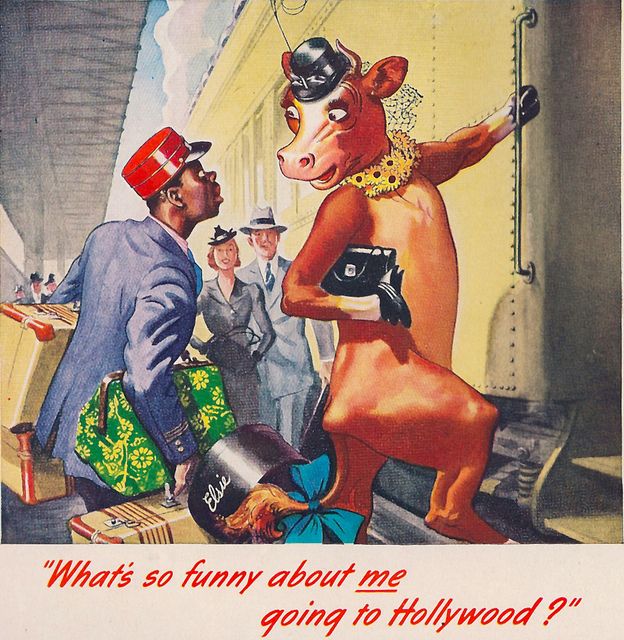
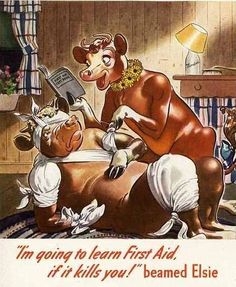
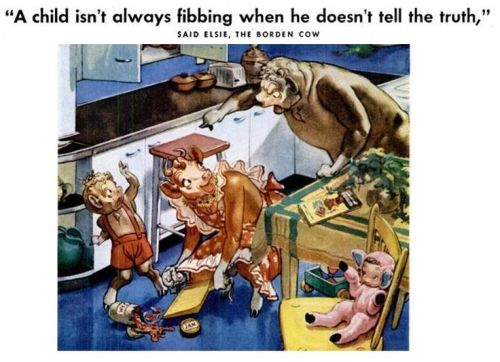
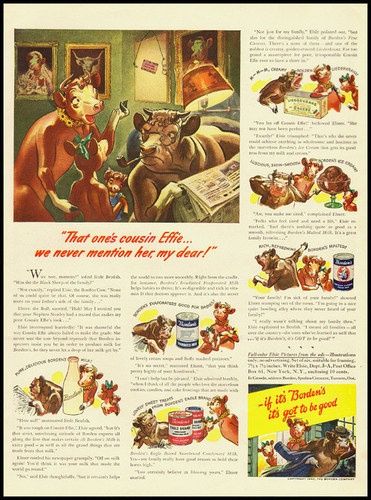
And you can see in numerous ad illustrations that Elsie’s family were basically nudists.  Although she often wore an apron, she was bare otherwise.  And though her daughter often wore skirts and her son wore shorts, Elmer was always naked.  And that didn’t surprise me, because no cow I knew from the farm wore clothes either.  From very early in my life I was always fascinated by nakedness, and I would’ve become a nudist as a youngster if it hadn’t been soundly discouraged by family and society in general.

Proof that Elsie’s family lived the nude life.

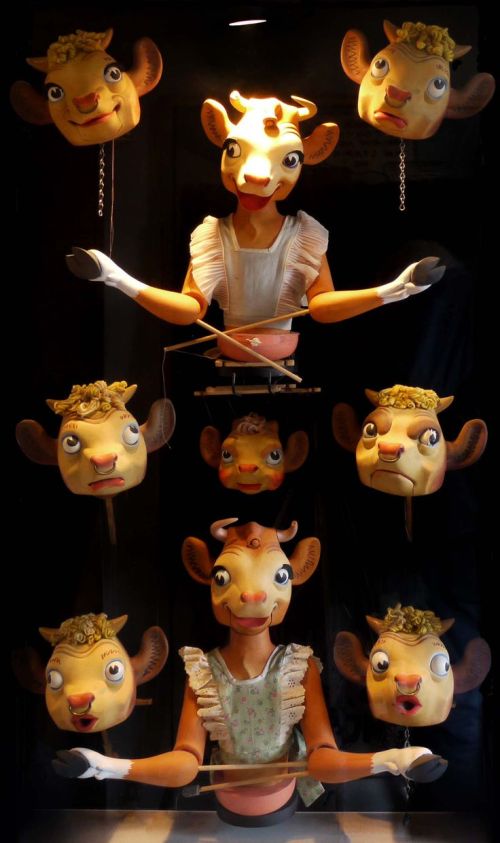
Puppets from a Borden’s commercial

So there are many reasons why I have always loved Elsie the Cow.  And it all boils down to the love of drinking milk and that appealing cartoon character who constantly asked you to drink more.

Leave a comment

Filed under artwork, cartoon review, farm boy, foolishness, humor, nudes, old art, strange and wonderful ideas about life