
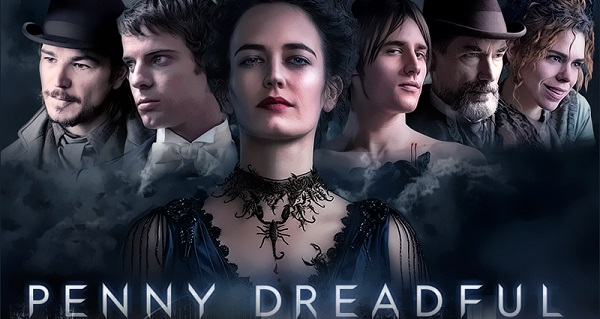

I confess to binge-watching the show Penny Dreadful, all three seasons on Netflix. Good God! What was I thinking? It is everything that I cringe about in movies. Blood and gore. Gratuitous sex and debauchery. I almost gave up and stopped watching when the Creature came bursting through the chest of Dr. Frankenstein’s latest creation. And yet for a monster to be introduced to the series in such a way, and then to become the one character that strives hardest for redemption… I was hooked.
Sin and redemption is the major theme of the whole series. And each character strives so painfully for redemption that you cannot help but love them… even though they are monsters.
You see, I, like all other people, am aware that one day, sooner than I would like, I will die and live no more. And life, though filled with heartache and suffering and regret, is a priceless treasure to be guarded for as long as I can hold onto it. There is poetry in that condition. The greatest beauty that can be beheld is soon to pass away into ugliness. The candle flame lights the darkness briefly and then is gone.
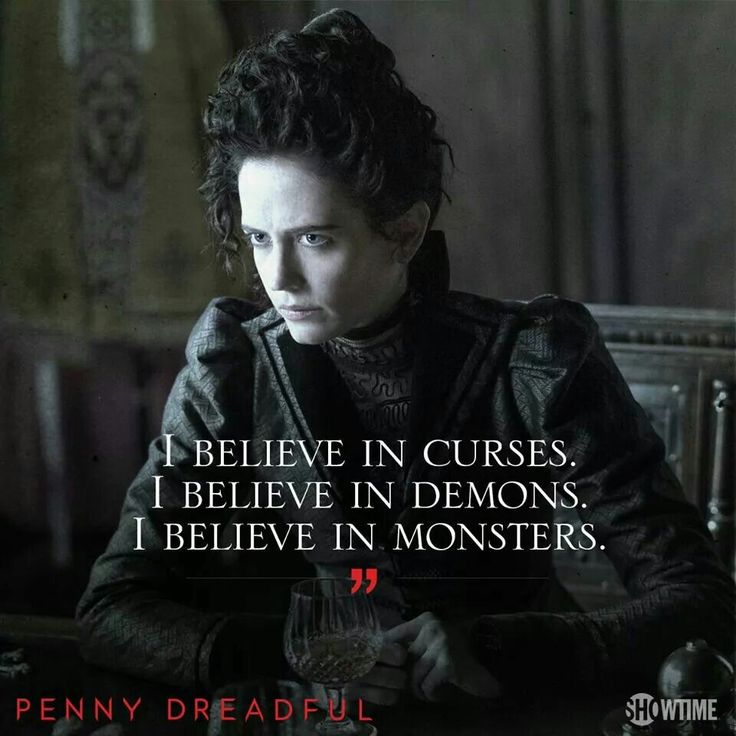
The story is built from Victorian era literature and includes Mary Shelly’s Dr. Victor Frankenstein, Oscar Wilde’s Dorian Gray, Bram Stoker’s Dracula, a couple of werewolves, numerous witches, demons, Robert Louis Stevenson’s Dr. Jekyll, and a character named Lord Malcom Murray who is obviously based on the African explorer Allan Quartermain from King Solomon’s Mines by H.Rider Haggard.


The characters all do a lot of suffering and striving. Friendships are formed and made blood-and-family deep by shared adventures and brushes with pure evil and death. The main character, Vanessa Ives, is variously possessed by a demon, courted by Lucifer, hunted by witches, and then seduced by Dracula. She uses her deep faith in God, which wavers continually, to defeat every enemy but the last. She is also aided by a cowboy werewolf and sharp-shooter who is her destined lover, protector, and killer. It all swiftly becomes ridiculous-sounding when you try to summarize the convoluted Gothic-style plot. But as it slowly unfolds and reveals new terrors with every episode, it mesmerizes. The sets, the cinematography, the costumes, and the horrifyingly sweet-sad orchestral background music puts a spell on you that, when you awaken from it, you realize you want more than is available. Three seasons was simply not enough.



As I believe I indicated previously, the character that almost made me give up on the series, Frankenstein’s Creature, became the most compelling character of all to me. He began as such a violent, repellent, selfish thing… and in the end became the most self-sacrificing and tragic character in the entire drama. He took the name of the English poet John Clare for himself, and became a tragically beautiful person.
Do I recommend that you watch this thing? This poetic and sometimes deeply disturbing depiction of what it means to be human and be alive? I cannot. It was a moving personal experience for me, one that made me weep for beauty and horror at almost every episode. No one can find that sort of thing through a mere recommendation. It is entirely between you and your God.
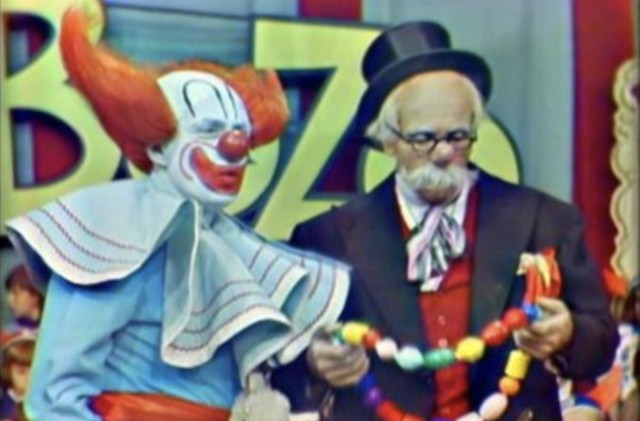
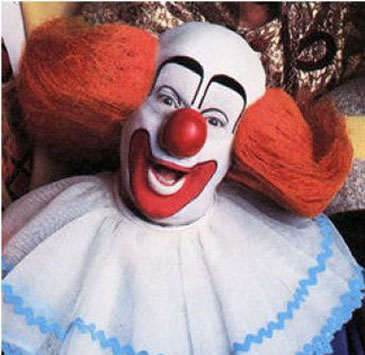





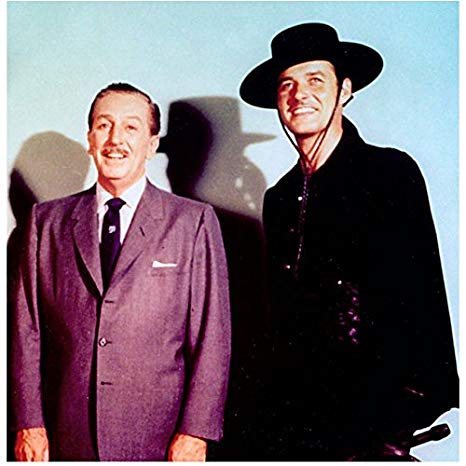
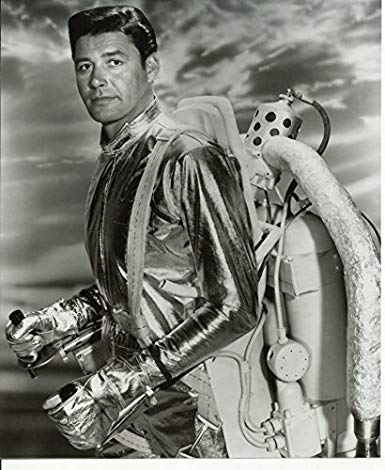
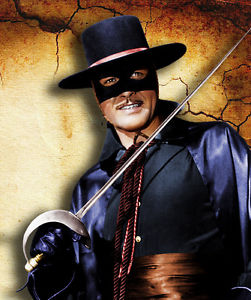
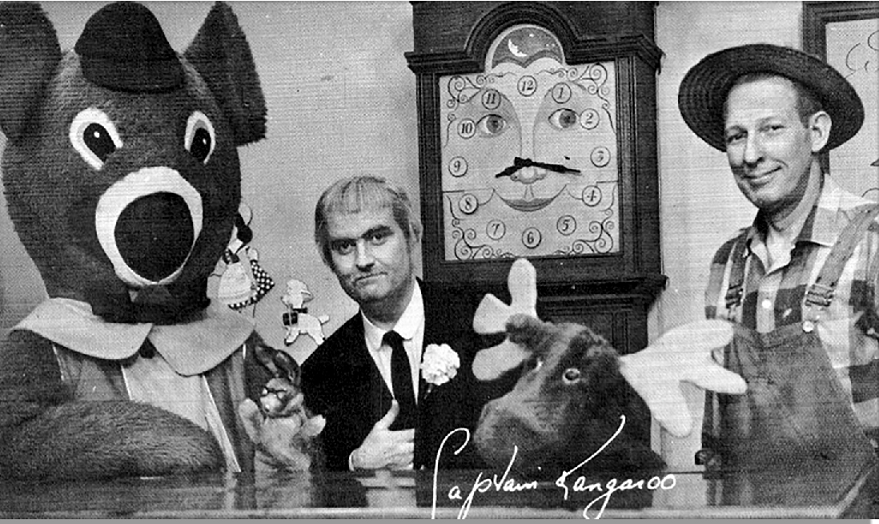
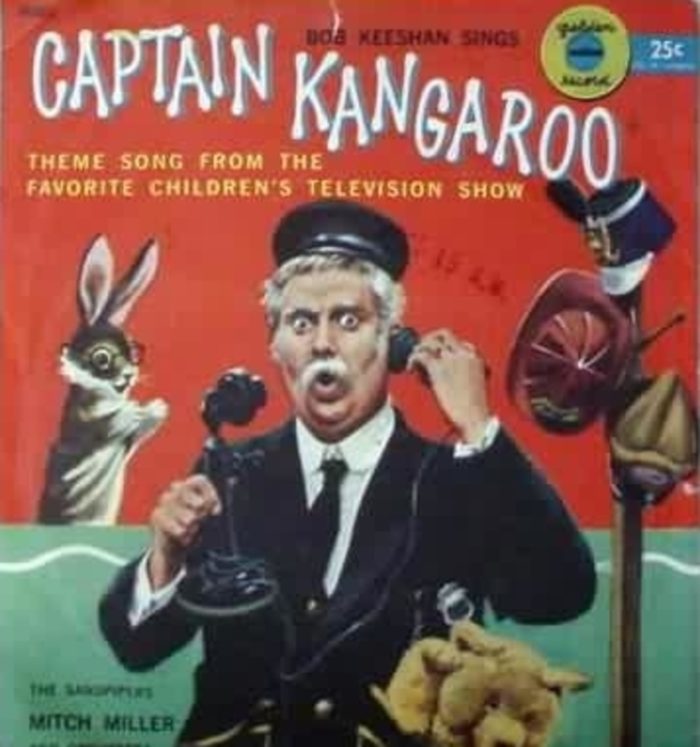
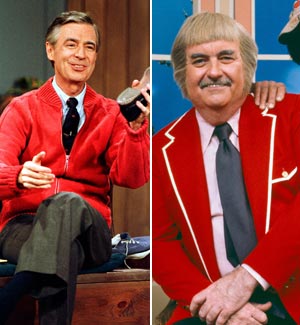 But Bob Keeshan, though a TV personality, was much more of a teacher than anything else. His show went on air before I was born, and I don’t remember a moment in my childhood that he wasn’t a part of it. He was like Mr. Rogers, but came into our lives even before Fred Rogers appeared on the scene. I watched the show in the mornings before school started, at a time when I walked all the way across our little Iowa farm town to get to school. He taught me important early lessons in life that were just as impactful as the math and language and social skills I was getting later in the day. Of course, I had to leave home for school before the show ended at 8:00 a,m. But just like school, watching and participating in any part of it was capable of teaching you something good.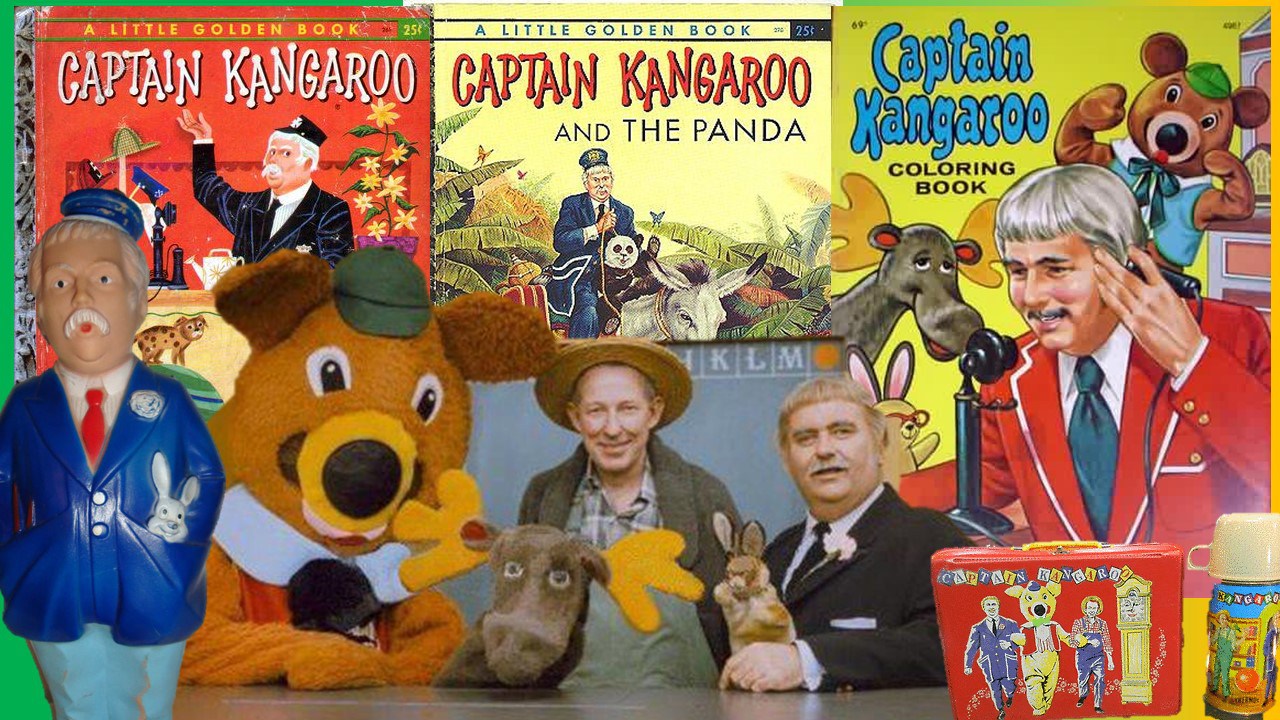






 Catch a Falling Star
Who Do You Listen To?
There was a time when you could turn on the TV news and listen to what you were fairly confident was actually news. Walter Cronkite on CBS always seemed to really “Tell it like it is.” He never seemed to put a spin on anything. No one doubted anything he said when he reported space missions from NASA or the assassination of JFK. You never had to wonder, “What is Cronkite’s real agenda?” His agenda was always to tell me the news of the day.
The question of politics and ideas was always one of, “Which flavor tastes best in my own personal opinion?” Because I was weirdly and excessively smart as a kid, I often listened to some of the smartest people accessible to a black-and-white RCA television set.
William F. Buckley Jr. and Gore Vidal were both identifiably smarter than me. I loved to listen to them argue. They were equally matched. They respected each other’s intellect, but they hated each other with a passion. Buckley was a Fascist-leaning conservative ball of hatred with a giant ego. Vidal was a self-contradictory Commie-pinko bastard child of liberal chaos with an equally giant ego. I never agreed with either of them on anything, but their debates taught me so much about life and politics that I became a dyed-in-the-wool moderate because of them. They were the key evidence backing up the theory that you needed two sides in the political argument to hammer out good ideas of solid worth. And, though I didn’t trust either side of the argument fully, I always trusted that both were basing their ideas on facts.
When I was young I identified as a Republican like my father, and thought George Will was a reasonable opinion-leader. After all, a man who loves baseball can’t be a bad guy.
Then along came Richard Nixon and the faith-shaking lies of Watergate. The media began to be cast as the villain as they continued to show the violence and horrors of Vietnam on TV and tell us about campus unrest and the terrible outcomes of things like the Kent State Massacre. The President suggested routinely that the media was not using facts as much as it was using opinions to turn people away from the Nixon administration’s answer to the problems of life in the USA. I tried to continue believing in the Republican president right up until he resigned and flew away in that helicopter with his metaphorical tail between his legs (I am trying to suggest he was a cowardly dog, not that I want to make a lewd joke about poor Dick Nixon… or is that Little Dick Nixon, the man who let me down?)
And then along comes Ronald Reagan, the man acting as a “Great President” because he was a veteran actor and knew how to play the part. And with him came Fox News.
Roger Ailes, a former adviser to Nixon, got together with media mogul Rupert Murdoch, a man who would commit any crime necessary to sell more newspapers, and created a news channel that would pump out conservative-leaning propaganda that would leave Joseph Goebbels envious. I make it a rule to only listen to them and their views on anything when I feel the need to get one-foot-hopping, fire-spitting mad about something. So, since, I am a relatively happy person in spite of a long, hard life, you can understand why I almost never watch Fox News. They are truly skilled at making me mad and unhappy. And I suspect they do the same for everyone. They deal in outrage more than well-thought-out ideas.
News media came under a cloud that obscured the border between facts and partisan opinions. And conservatives seemed to have a monopoly on the shouty-pouty angry news. So, I began to wonder where to turn for a well-reasoned and possibly more liberal discussion of what was politically and ethically real. I found it in the most surprising of places.
I turned to the “Excuse me, this is the news” crews on Comedy Central where Jon Stewart and Stephen Colbert were busy remaking news reporting as a form of comedy entertainment. It is hard work to take real news and turn it into go-for-the-chuckles statements of fact that make you go, “Hmm, that’s right, isn’t it?” Stewart and Colbert consistently examine how other news organizations hurl, vomit forth, and spin the news, and by so doing, they help you examine the sources, get at the truth, and find the dissonance in the songs everyone else is singing. And these are very smart men. As I said, the intellectual work they do is very difficult, harder than merely telling it like it is. I know because I have tried to do the same myself. And is it really “fake news”? It seems to me like it is carefully filtered news, with the poisons of propaganda either surgically removed, or neutralized with antidotes of reason and understanding.
So, Mickey listens to comedians to get his news. Is that where you expected this article to end up? If not, where do you get your news?
Leave a comment
Filed under angry rant, commentary, conspiracy theory, humor, insight, politics, review of television, strange and wonderful ideas about life
Tagged as News, news media, news reporting, Walter Cronkite