
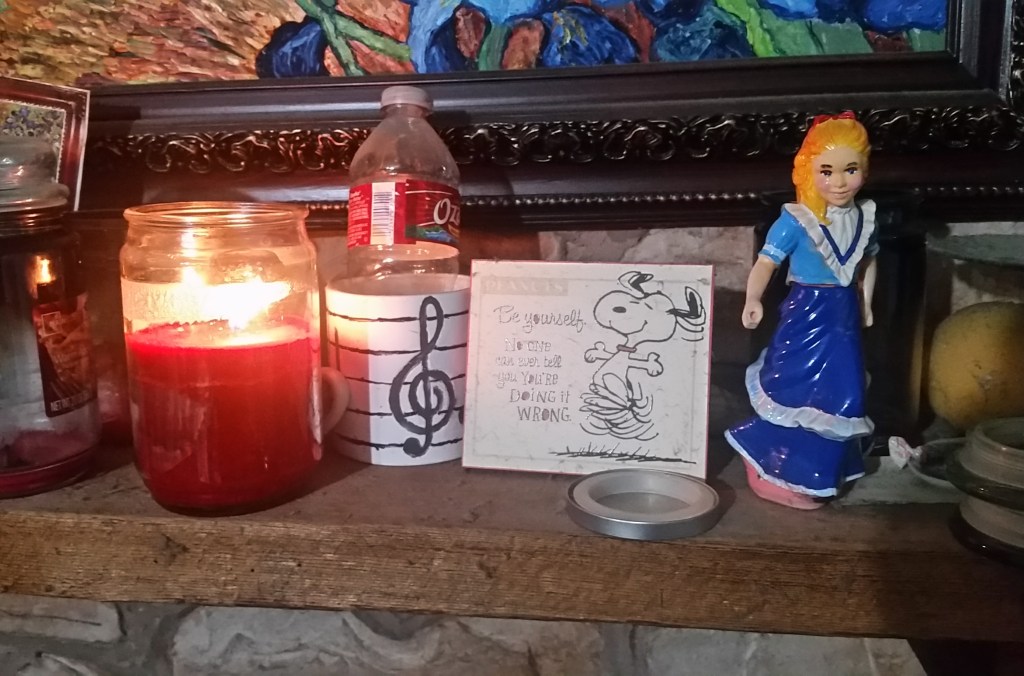
On the mantel
Of our home hearth
Sit the objects
That give life worth
A candle lighting
The dark of earth
A cup once painted
With paint and mirth
A Snoopy plaque
Announcing birth
And ceramic doll
Smiling o’er the hearth.
On the mantel
Of our home hearth
Sit the objects
That give life worth
A candle lighting
The dark of earth
A cup once painted
With paint and mirth
A Snoopy plaque
Announcing birth
And ceramic doll
Smiling o’er the hearth.

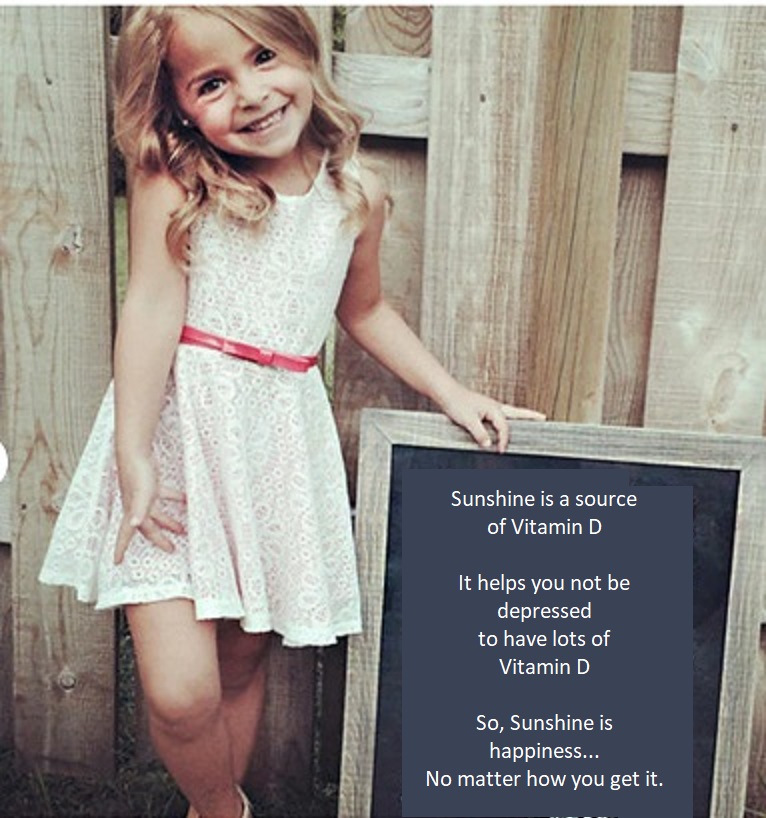
Wrapped in sunshine, things are always better.
Artificial light simply does not compare.
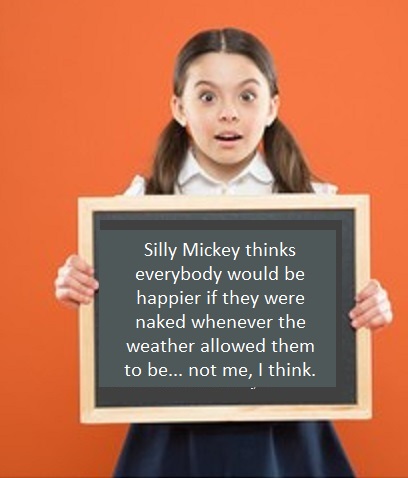
Nudists like me are happiest when the only clothing we are wearing is sunshine.
Kids are prone to love being naked outdoors,
But they do tend to think what their parents teach them to think.
And their parents usually think nudists are dangerous…
Or just plain crazy.
But Sunshine can be an idea. What we former English teachers call a metaphor.
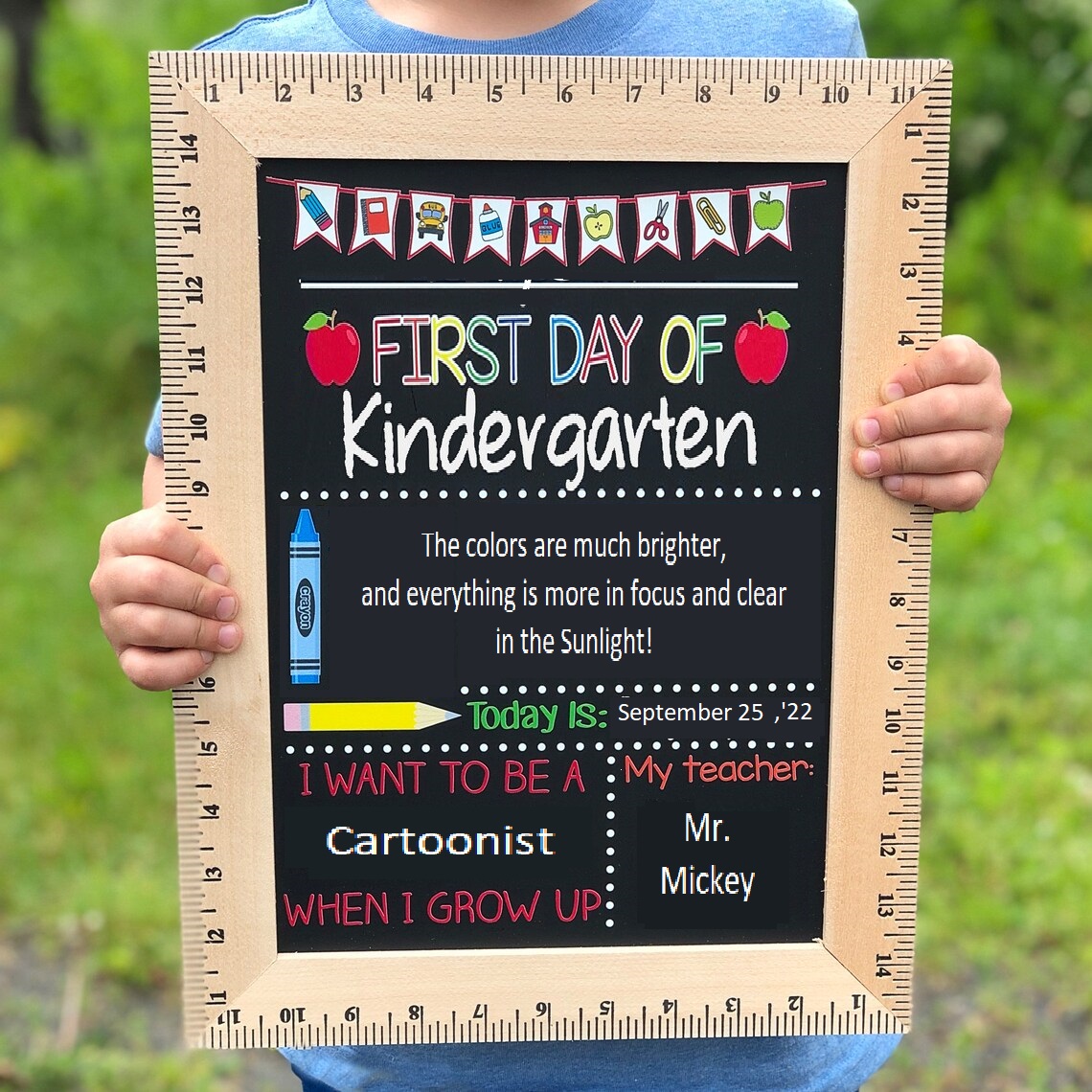
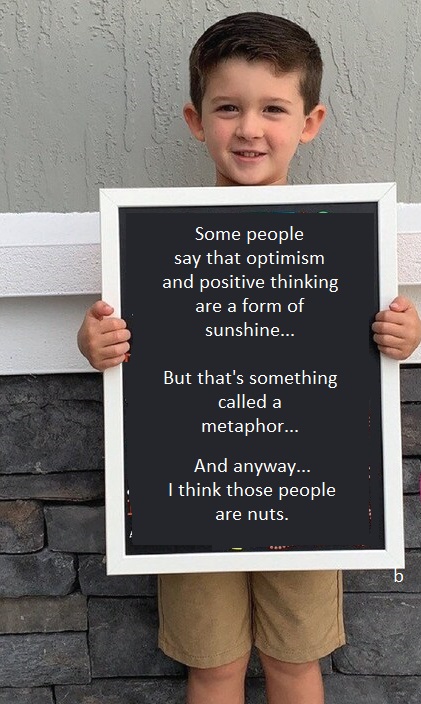
Having sunshine in your mind is a way of thinking that can benefit you better than you know.
Sunshine in your mind can simply be happy thoughts. And, remember, happy thoughts could make Peter Pan fly!
So, wrap yourself in Sunshine… And light up the world!
Filed under battling depression, foolishness, goofy thoughts, healing, health, philosophy, poetry
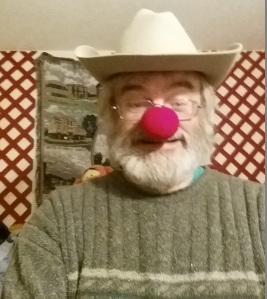
Lately I have been having memory troubles. You know what I mean, when you walk through a doorway with a definite purpose in mind.and then, on reaching the other room, you have no earthly idea what that purpose was. It happens to me regularly. In fact, I can even start writing a sentences, and then I… What was I talking about? Oh, yes. I need to practice writing some more spectacularly bad poetry, before I forget how to do it.
Re-minders
Sometimes…
My mind slips out of my left ear…
And I can’t remember things.
So, I have to search under the table…
To find my mind…
And then I remember that that’s not how a mind works.
******************************************************************************************************************************************************************************************************************
Forgetfulness
Tell me now, before I forget…
What was I supposed to remember?
Was it something religious, important, and good…
That comes towards the end of December?
Was I supposed to buy something for somebody then?
I wrote a note to myself in September…
Oh, gosh! How could I ever forget that?
Now the fire is nothing but embers.
******************************************************************************************************************************************************************************************************************
Finding Fairies in my Hair
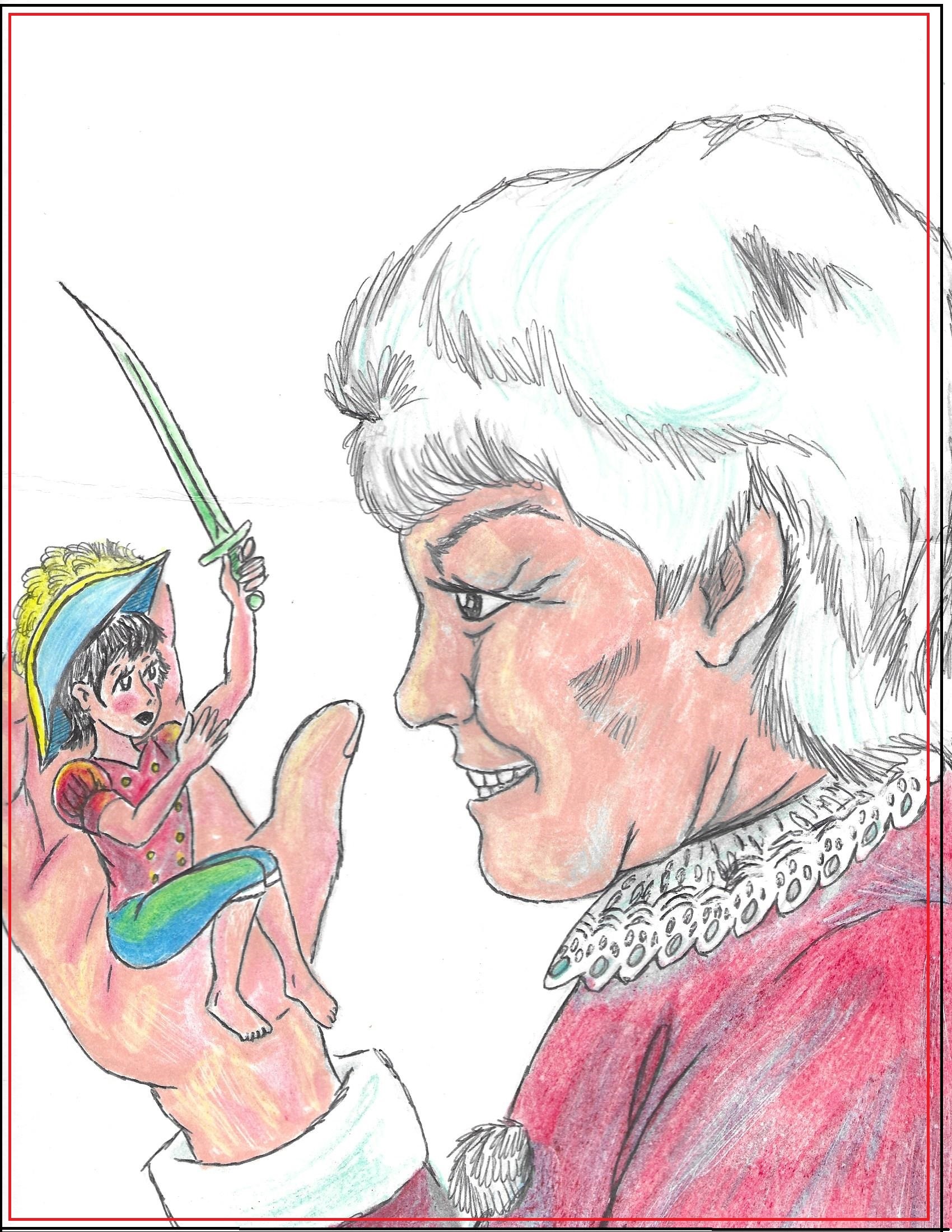
Why do I have elflocks all snarled up in my hair?
Surely some fairies have been twisting it up there.’
But if I can catch one and make him confess,
He claims I don’t comb it, and that’s why it’s a mess.
**********************************************************************************************************************************************************************************************************************************************************************************************************************************************************************************
Doofy Me
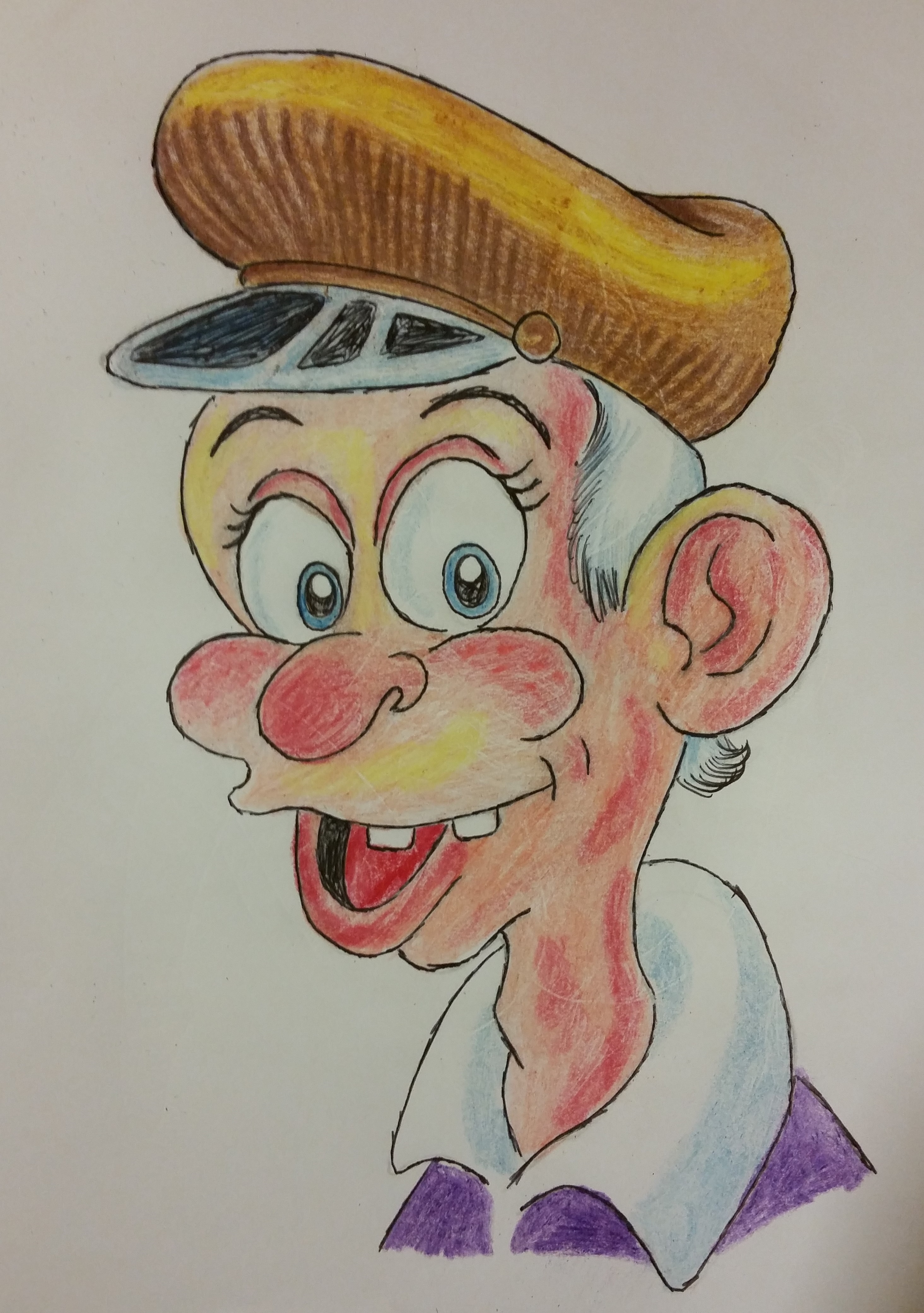
If I forget everything I ever knew,
Would it be possible that I am still smarter than you?
Old Socrates said he knew nothing at all.
And so he asked questions from Winter through Fall.
I hope I retain enough brain to remember
That everyone needs to wear clothes in December.
******************************************************************************************************************************************************************************************************************
Yep, I still obviously remember how to write spectacularly bad poetry. It is my contribution to literature. Virtually all poets will be able to say, “At the very least, I am a better poet than Beyer.”
Filed under autobiography, goofy thoughts, humor, Paffooney, poem, poetry
 The Man Who Had Bird Knees
I once knew a man…
Who had knees…
That bent backwards, like a bird’s…
And this man…
Could only walk…
Like a limping, lame old duck.
The children all laughed…
And pointed at him…
When he passed them in the park…
And it made him smile…
And laugh to himself…
That his handicap made them happy.
Every single night…
He oiled his weary knees…
And tried to fight the pain…
And every single day…
He used his silly legs…
To do the Chicken Dance for kids.
And then there came a day…
When the bird legs came no more…
To be noticed by kids at the park…
And the parents all learned…
That the poor man had died…
And the whole world brought him flowers.
The next day in Heaven…
St. Peter saw a man…
Whose knees bent backwards like a bird’s…
And all of Heaven laughed…
As he did the Chicken Dance…
While angels clapped in Heaven.
The thing I find to be most witlessly true about both poetry and life is that things can be funny, and make you laugh, and at the same time make you cry on the inside. Humor is hard to write because it can be both happy and sad at the same exact moment. How do you define that quality? The bitter-sweet nature of nature? That’s saying it in a way that is both contradictory and odd. It can give you a wry smile at the same moment it both confounds and confuses you. So better just to shrug your shoulders and tell yourself you know it when you see it… and this either is or isn’t it. Sorry if I made you think too hard, cause I know that sometimes thinking hurts.
Mickey at the Wishing Well of Souls
I found a country well, and I thought I had a quarter,
But I fished in pockets hard, and found nothing for the warter,
And since I had to warp a line to make the poem rhyme,
I figured I would just look in, because I had the time.
I looked into the warty water which sat there still and deep,
And could not see the bottom, and I began to weep.
The water was clear and dark and black,
And the only thing I saw… was Mickey looking back.
And nothing of the wishing well, its magic could I see,
For only there just staring back, the secret thing was me.
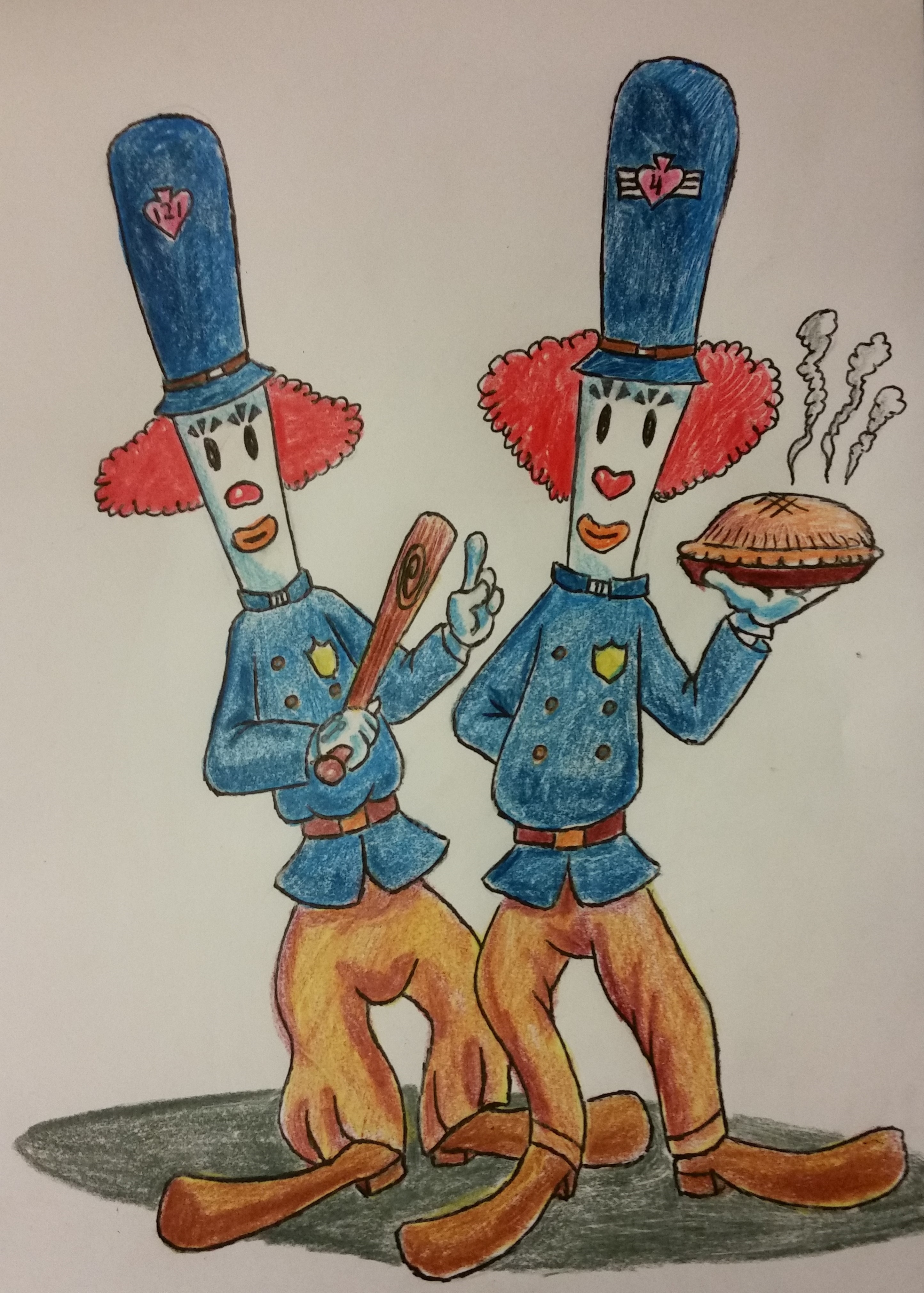
I apologize for inflicting poetry on you when you probably came here looking for goofy stuff to laugh at. But my poetry is just like all my word-mangling and picture-crayoning. It tends to be goofy and weird and walking a tightrope over a shark tank between chuckle-inducing and tear-jerking. You probably can’t even tell which is the poetry and which are the burbled brain-farts of commentary that pad this thing out to five hundred words. Four hundred and ninety six, actually.
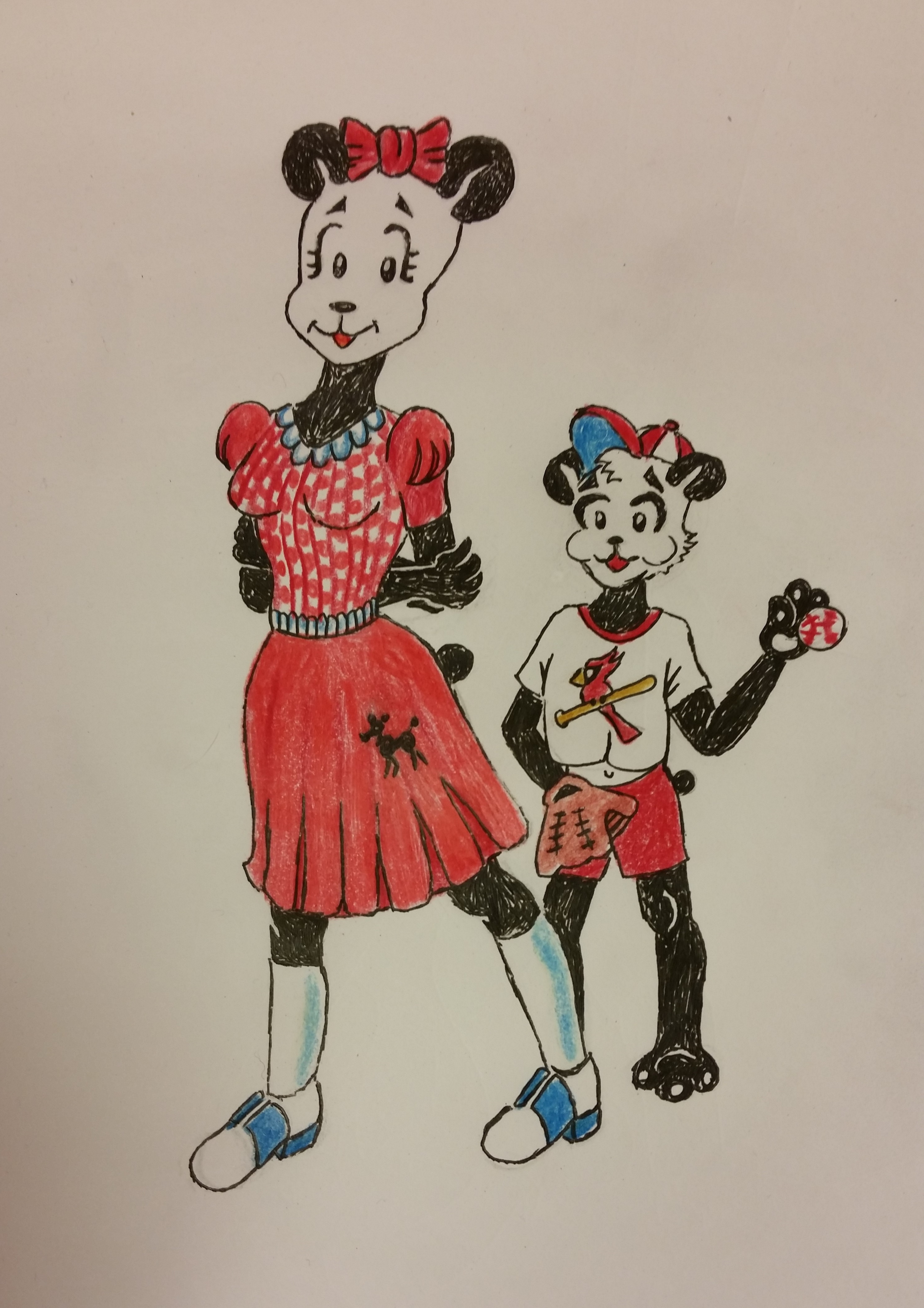

Found poetry begins with three found things
Picked up at random
Like three pictures from my internet gallery
Plagiarized from somebody’s fandom
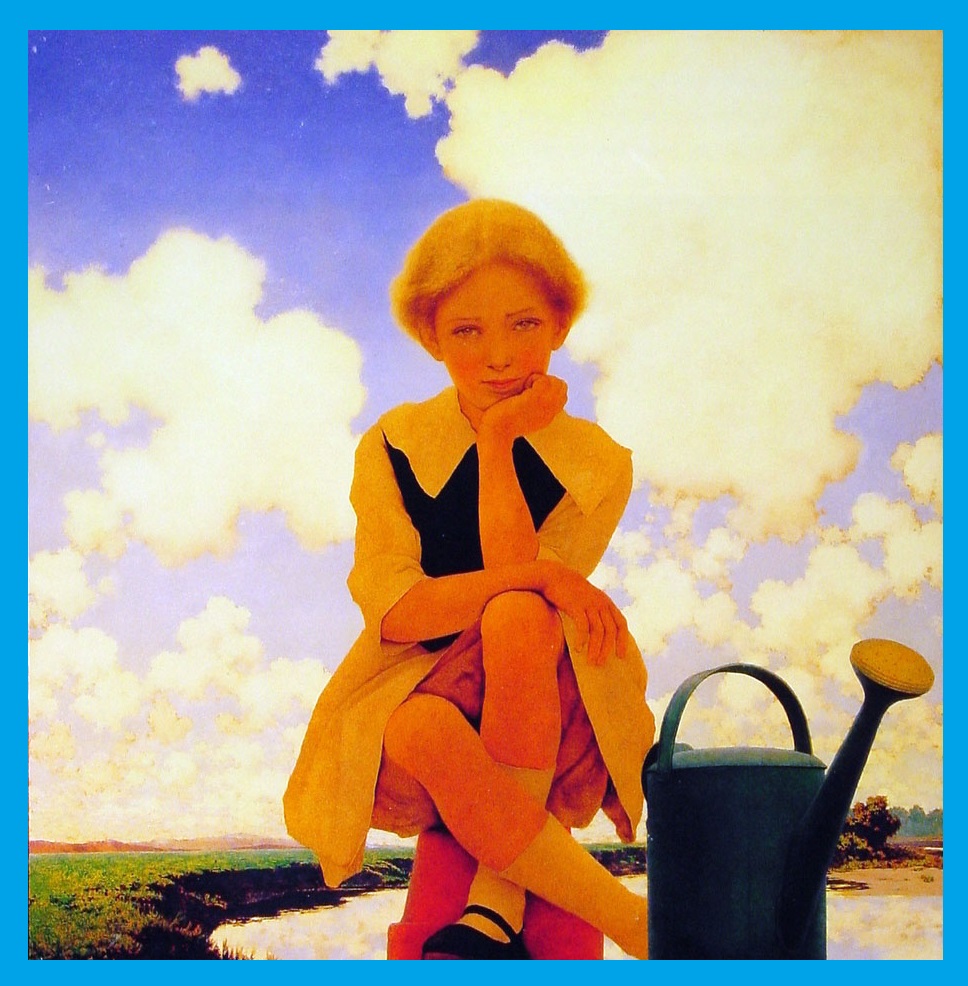
And then you have to sit and have a thought
About how it fits together
To make a stupid poem you’ve wrought
That’s not about the weather
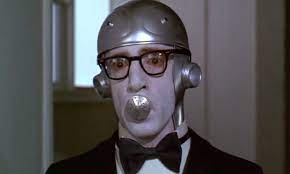
You must pretend the very best you can
There’s sense in what you’ve found
And it fits together as if you had a plan
That was always quite profound.
———————————————————————————————–wow!-a-weird-divider————————-
Writing a found poem
Okay, this is the essay part. That first part is a terrible poem written by me to illustrate how to make your own found poem. Of course, you should know that I was not a natural-born poet. I am among the lower percentages of America’s worst-possible poets. Right there somewhere between the poetry books of Farley Bumbletongue and the Collected Musings of Hans Poopferbrains of Snarkytown, Wisconsin.
But I take great pride in my abilities as a terrible poet. You see, what I mainly was, truly was, was an English teacher of middle school and high school kids. And found poems were an activity in the classroom intended to teach writing skills, creativity, and an appreciation of what a poem actually is.
I needed a large usable picture file cut out of Christmas catalogs, Walmart advertisements, newspapers, magazines (“What are those?” is the most common comment you would get out of today’s classrooms,) grocery-store bargain flyers, outdated calendars, and any other non-pornographic picture sources available.
I would hand out three random images pulled out of the picture file without looking at them to each student (or small groups of students) and then require them to create a poem of at least twelve lines with an optional rhyme scheme and rhythm.
I would have to remind them not to eat the pictures, even if they were pictures of food. And with middle school students I would have to have extra pictures for the next class to replace the ones they ate anyway.
I would tell them there was a time-limit, specified to be much shorter than the actual time I planned to give them, and then let them create horrible poetry. Near Vogon quality in its horribleness.
When all of this was done, we would have a good long laugh by sharing the pictures and poems, and find out who the truly wacky and perverted poets were.
Now, don’t go telling parents that we teachers are wasting their children’s precious learning time this way, but it is not a lesson I created. Simply a lesson I used at least once every year.
But the real question on my mind is, “Given three random pictures, what kind of poem would you write?” Feel free to share.
I do write poetry. But I must admit, I am not a serious poet. I am a humorist at heart, so I tend to write only goofy non-serious poems like this one;

So here is a poem that rhymes but has too much “but-but-but” in it. A poem about pants should not have too many “buts” in it. One butt per pair, please. So this is an example of spectacularly bad poetry. Why do we need bad poetry? Because it’s funny. And it serves as a contrast to the best that poetry has to offer.
As a teacher I remember requiring students to memorize and recite Robert Frost’s poem, “The Road Not Taken”. Now this sort of assignment is a rich source of humorous stories for another day. Kids struggle to memorize things. Kids hate to get up in front of the class and speak with everybody looking at them. You get a sort of ant-under-a- magnifying-glass-in-the-sun sort of effect. But in order to truly get the assignment right and get the A+, you have to make that poem your own. You have to live it, understand it, and when you reach that fork in the road in your own personal yellow wood, you have to understand what Frost was saying in that moment. That is the life experience poetry has a responsibility to give you.

Hopefully I gave that experience to at least a few of my students.
Bad poetry makes you more willing to twirl your fingers of understanding in the fine strands of good poetry’s hair. (Please excuse that horrible metaphor. I do write bad poetry, after all.)
But all poetry is the same thing. Poetry is “the shortest, clearest, best way to see and touch the honest bones of the universe through the use of words.” And I know that definition is really bad. But it wasn’t written on this planet. (Danged old Space Goons!) Still, knowing that poetry comes from such a fundamental place in your heart, you realize that even bad poetry has value. So, I will continue writing seriously bad poetry in the funniest way possible. And all of you real poets who happen to read this, take heart, I am making your poetry look better by comparison.
Filed under humor, insight, irony, philosophy, poem, poetry, Uncategorized
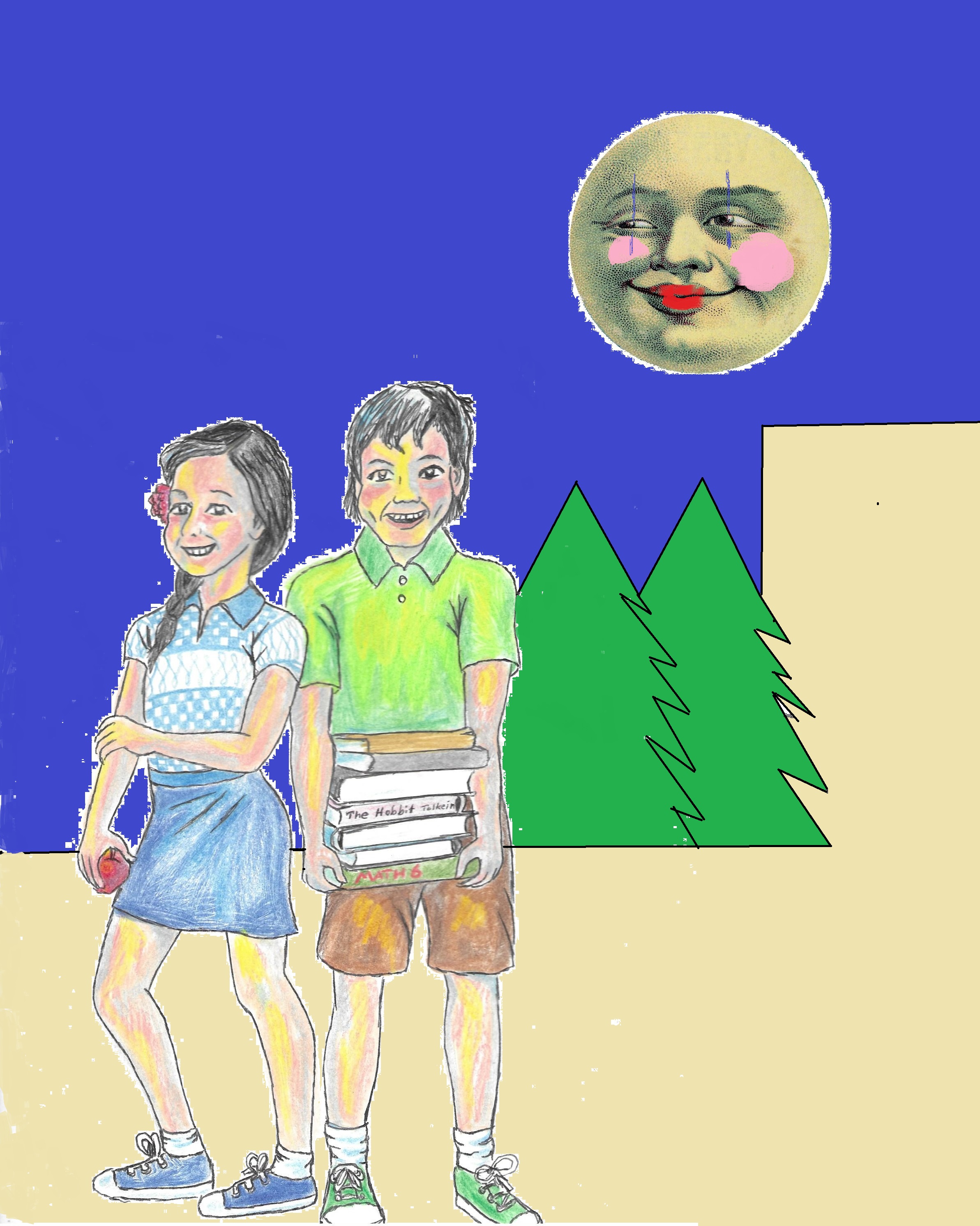
Chances are… I could wear a foolish grin, like a Johnny Mathis Moon in the sky…
I could waltz… all alone in a dark room, never seizing on the chances to fly…
But there’s a time… meant to let the summer in…
And love songs… all make me wonder… Why?
Silly, I know. But silly and surreal is how I go, how I deal with the time. A song in my head leads to rhythm and metaphor and rhyme. And it takes me from old winter and the waning of the moon… to the silly month of June… And my dancing shoes were never quite so spry.
Chances are… if you really read this, you will know I am depressed.
My life is all unfairly messed.
And I barely can get dressed…
To go tripping cross the floor, dancing awkwardly toward the door, ’cause I’m in need of so much more.
But in a poem I find it… the very reason that I rhymed it… like the crooning song that’s stuck in my old head…
I will catch it, and I’ll bind it, like a fool who hopes you’ll find it, and the treasure will be revealed before we’re dead…
Chances are… that you hear that silly tune, as it reels across the page in silent spread. And the song will slowly stop, as I dance a final hop, and the answer is brightly shining in my head.
Filed under Depression, feeling sorry for myself, finding love, healing, humor, magic, music, Paffooney, poetry
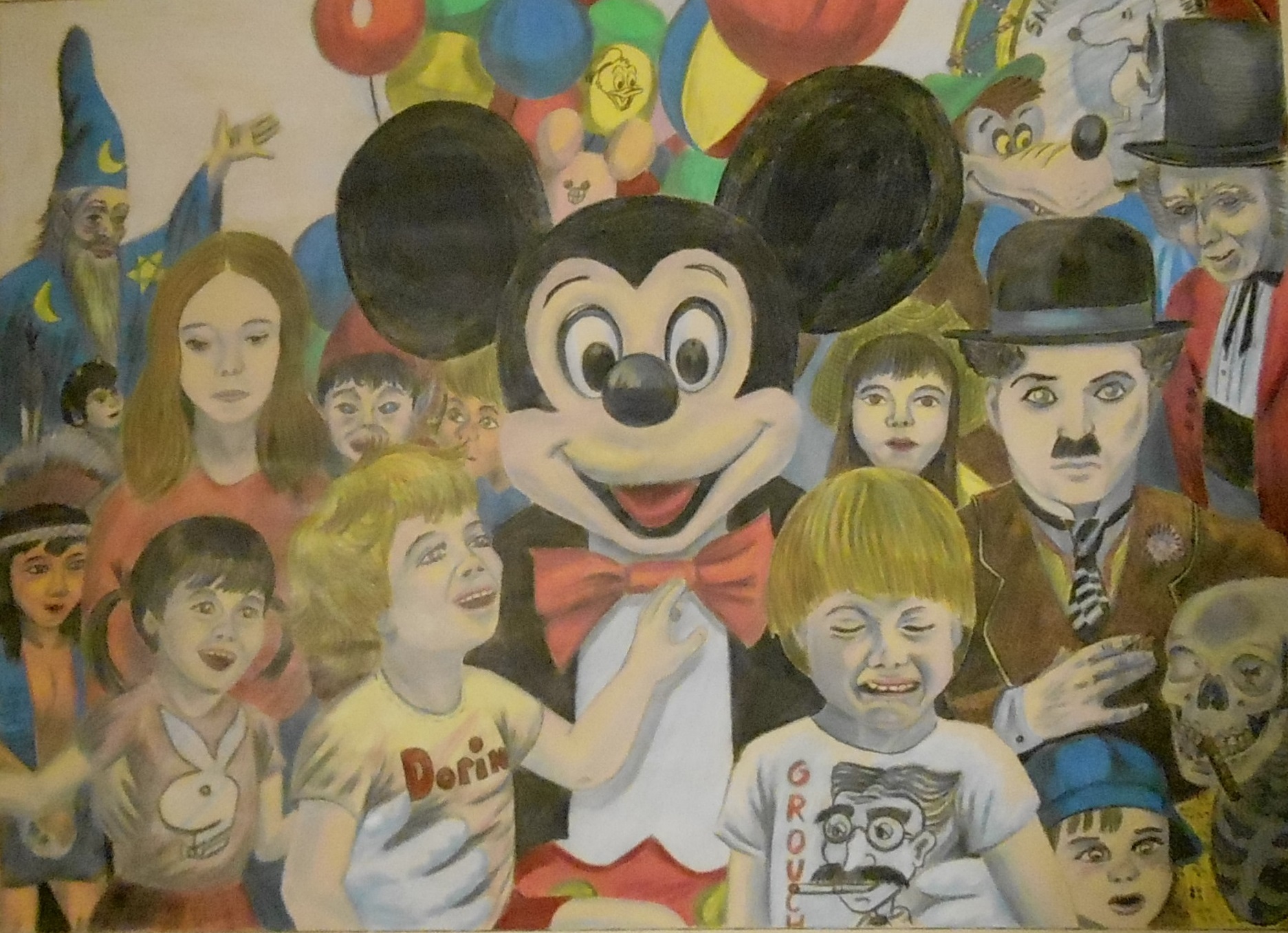
I’m a Mickey, yes, indeedy…
Foopty-Hoopty-Hoodilly-Hoo!
Chicken-ninja throwing stars,
Hit their targets thrown from Mars…
Foopty-Hoodilly-Hee
And when the pandas drive their cars,
Their tire treads are candy bars!
Take that truth from me!
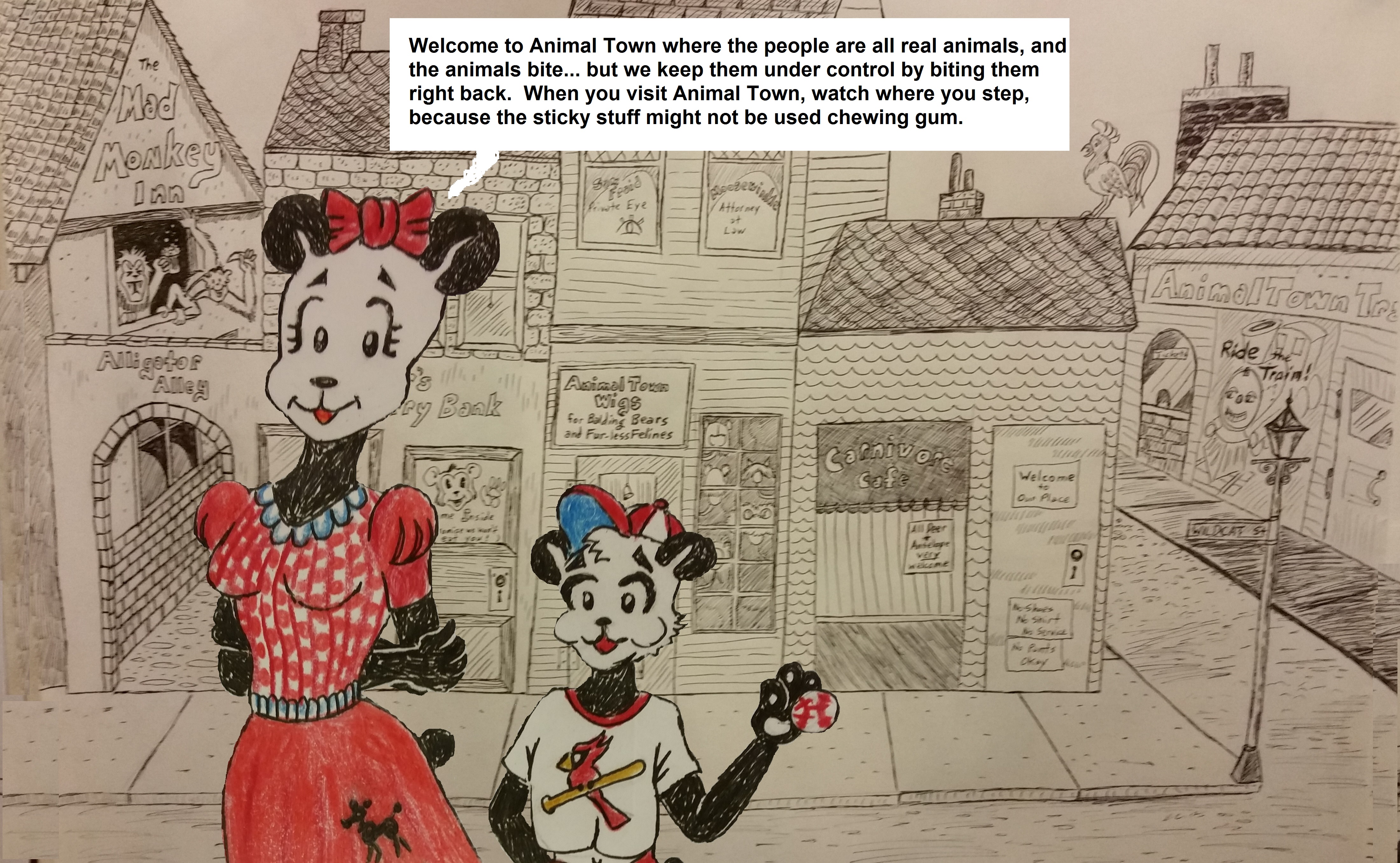
Foopty-Hoopty-Fiddly-Ho!
Being a Mickey is a rabbity thing…
As if it were Bugs who taught us to sing,
And unmusical music we all start to bring…
Because we use only the words that we know!
Foopty-Hoodilly-Fling-a-ding-Ding!
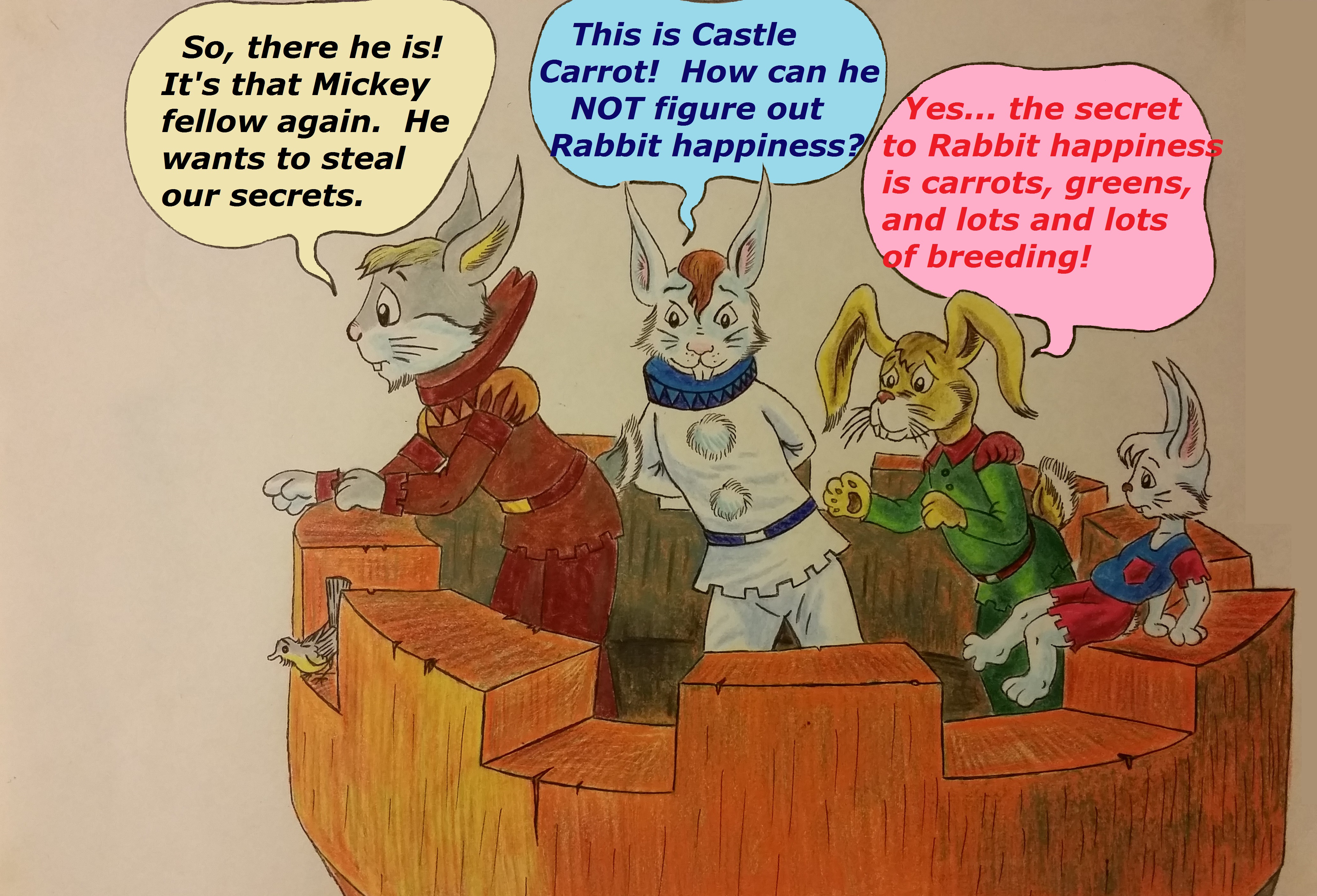
Filed under goofy thoughts, humor, Mickey, Paffooney, Paffooney cartoony, poetry, rabbit people
When the old mind wanders…
They tell you you’re just too slow.
But thoughts like mine drift everywhere,
And the edges of the universe… are a place to go.
Maybe I should write in red.
And argue with the voices
That rhyme inside my head.
And break the rhyme scheme
Here and there
Because of what they said.
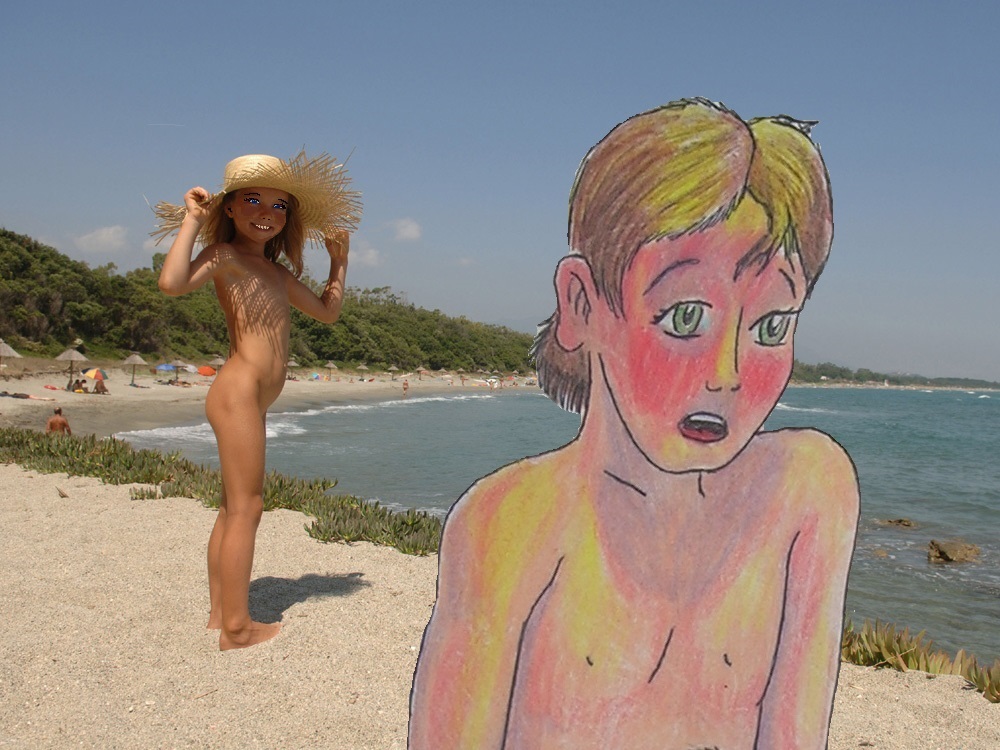
Or maybe I should write in blue
Because I’ve been thinking in the nude
And laying all my secrets bare
Which really might be rude.
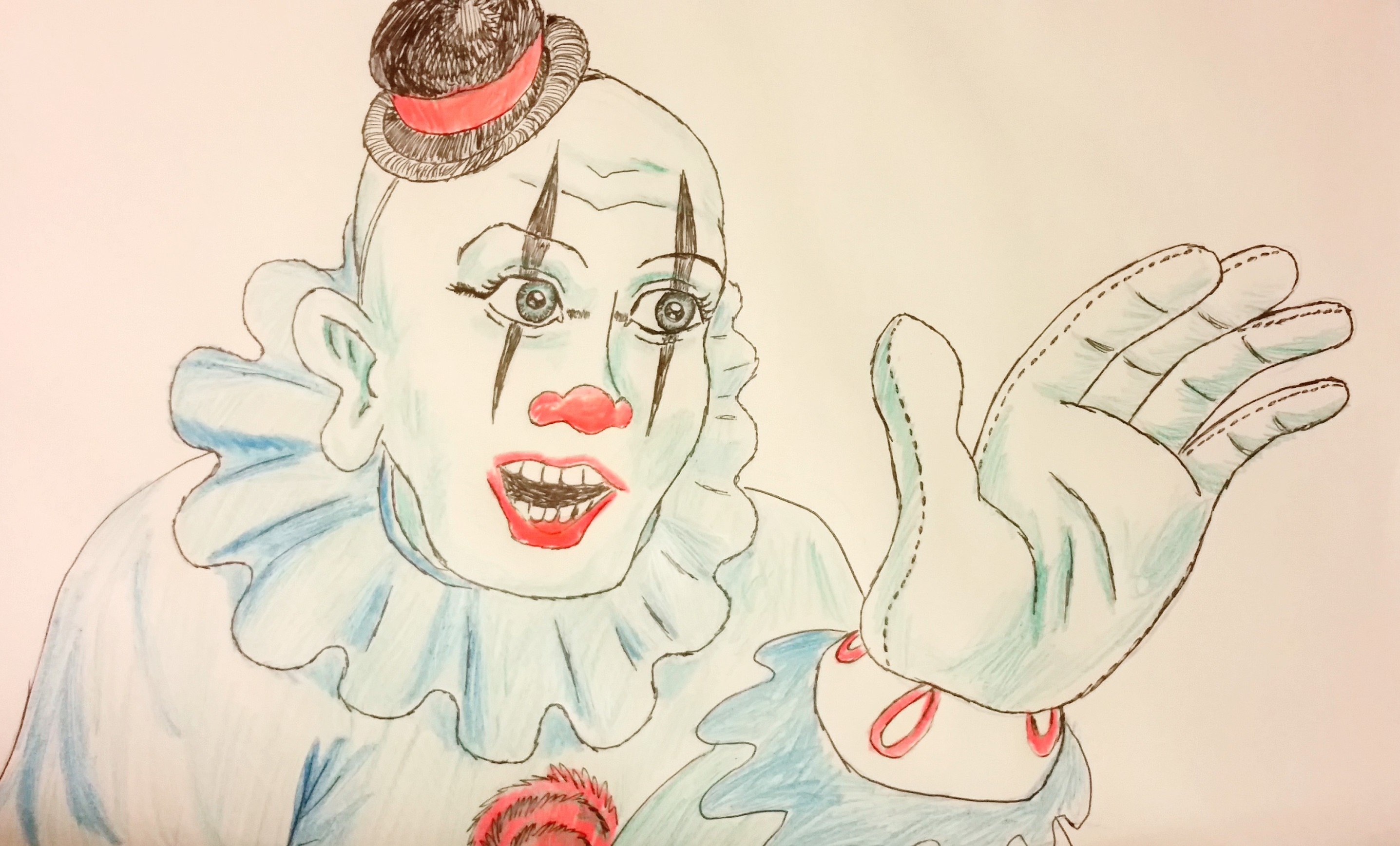
But the old mind wanders…
In the form of a poem,
And breaks and squanders
Tallest waves in mere foam.
Filed under artwork, clowns, goofy thoughts, humor, nudes, Paffooney, poem, poetry, strange and wonderful ideas about life
 Catch a Falling Star
Get Up and Do!
It is daunting when bad fortune comes in waves, drowning us in debt, suffering, disabling illness, financial reversals, and so many more things I have been through this last year personally, so that we want to lie down and never get up.
But, I am not dead yet… and there is poetry to be lived.
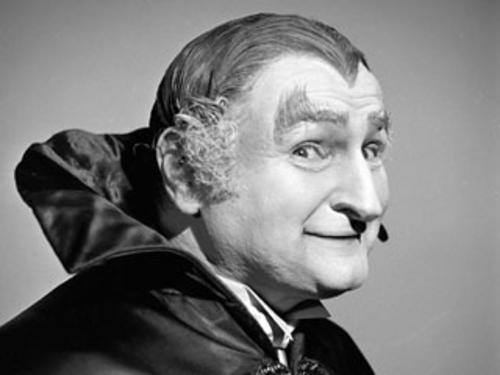
I say that as one of the world’s fifty worst poets who ever lived. (In my defense, I am a humorist, and I write bad poetry on purpose.) My inspiration for the living of poetry comes from reading and living good poetry. I live because there is poetry by Walt Whitman. Of course, also Shakespeare… whoever he really was. And I understand that much of what I have learned in my brief and stupidly-lived 61 years comes from the poetry of the visionary poet I pictured above. Do you know him? If you have never read his poetry, you haven’t truly lived the poetry you need to live.
This poet taught me that “Being, not doing, is my first love.” Of course, if I am satisfied with just sitting on my bed and “being” through most of my day, I will starve to death and not “be” anymore. But he has taught me that what is essential is already within me. There is wisdom and power in Uncle Ted’s poetry. (Yes, I know I am not really related to him, but that’s only physical and overlooks the spiritual.) I must partake of it to live.
If you are bored by poetry about plants in a greenhouse under bright lights, or you can never understand what the poet means when he says, “My father was a fish”, then you need to practice reading poetry more. You don’t truly understand what poetry is, and what it is for… yet.
And I am sure you have probably concluded from all of this that I am a fool and a bad poet and I have no right to try to tell you who and what a truly great poet is. But, fool that I am, I know it when I see it. It is there in the verse, the hideous and horrible… the beautiful and the true. And if I know anything at all worth telling about the subject, it is this; Ted Roethke is a great American poet. And he writes poetry that you need to read… and not only read but live.
Leave a comment
Filed under artists I admire, commentary, insight, inspiration, poetry, strange and wonderful ideas about life
Tagged as living poetry, poetry, Theodore Roethke