

It has taken me some time to put ideas together to tackle this terrible thing. Jon Stewart did a segment at the beginning of his show that was not funny. It was somber, thoughtful, and full of real outrage that cast lightning bolts at the heart of the dragon. And I admire Stewart for what he is… someone who truly cares about things, and fights the good fight using the best weapon he has. Humor. Mark Twain said that against it, nothing could stand. But some things are so terrible that not even a joke can put it right. Why? Because there are places in this human world where ideas are like a festering sore, spreading at an alarming rate, and daily becoming more and more poisonous. Texas is like that. It is a Red State. That means it is a hotbed of conservative ideas and nurtures Republican values… like being distrustful and fearful of them… And who are they? They are not us. They have a different religion. They have a different skin color. They are not opposed to raising taxes on the rich, even if they are rich themselves. They are not capitalists… Or not freedom-loving… They think it can be left up to women to decide what to do with their own bodies. They don’t see abortion as murder. They don’t think teaching evolution in schools is evil. We must fear them… and, yes, even hate them.
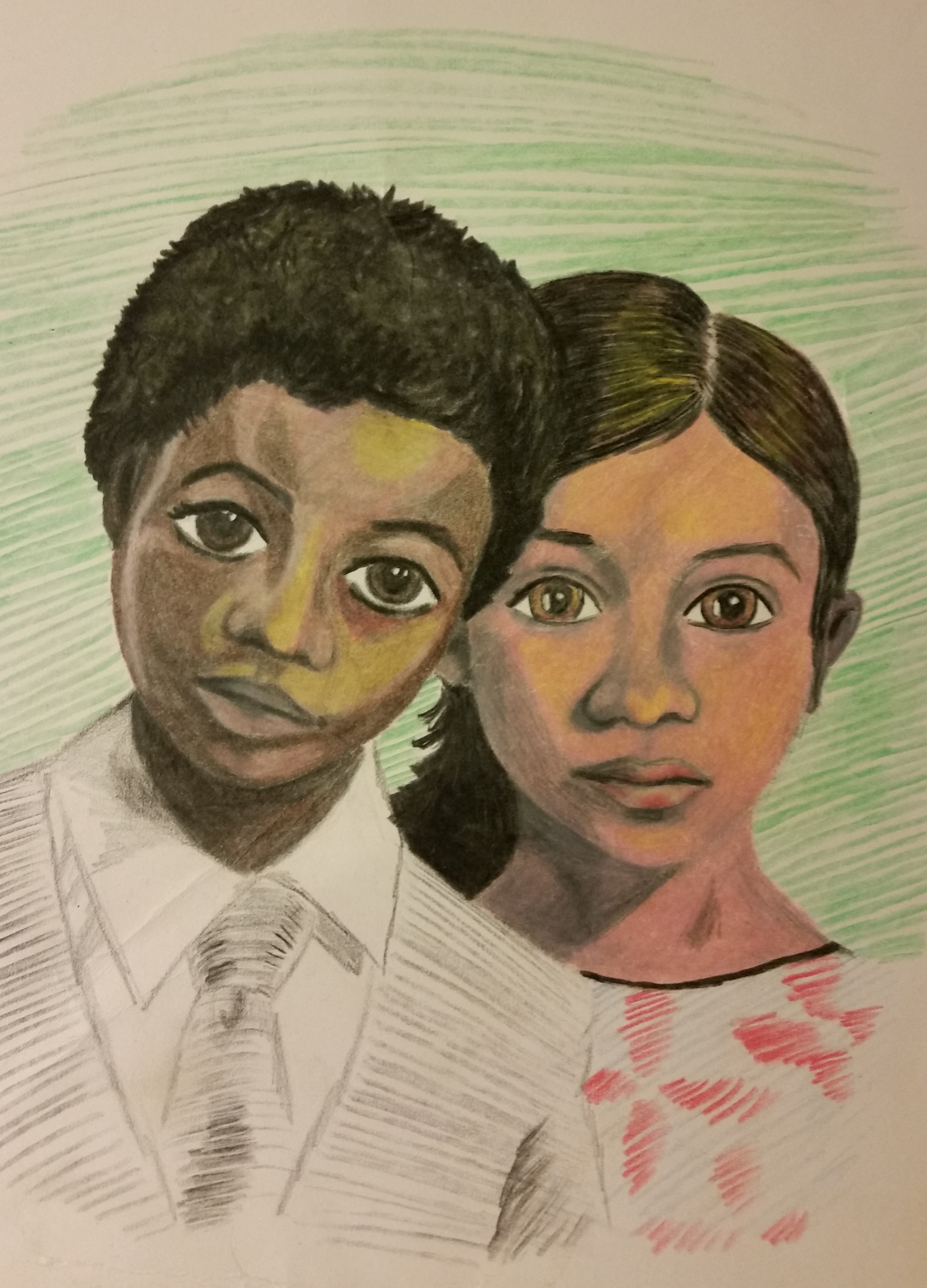
As a school teacher, I learned early on that if you only look for the bad in other people, then that is what you will be left with, a world in which there are only bad people. I don’t know about you, but I can’t live in a world like that. I learned to look at the world as being full of imperfect people who all have good in them, lots of good. I grew up in Iowa where the people were so white in the 50’s, 60’s and 70’s that when the winter snow fell heavy enough, we all had the super power of invisibility. I remember only one black face from my childhood that wasn’t on television. There was a little girl from Chicago who came to stay with a volunteer family so she could get out of the inner city for a while. The adults warned us that she might be prone to stealing things, so don’t do anything to tempt her. And we didn’t. And she didn’t. And damn it, I don’t know whether we did a good job of not tempting her, or that warning was just an empty prejudice. She was just like us. She laughed at things. She loved kittens. She played our games. She was just like us… but she had a better tan.
I started teaching in South Texas. I quickly learned how to deal with Hispanic kids who were mostly poor and mostly Spanish-speaking. I learned that they didn’t laugh at the same things as I did. When they called me Batman for a while, it wasn’t a compliment. I learned to laugh at the things they found funny and learned to joke the way they joked. I played their games. I learned to love pit-bulls and other dogs the way they loved dogs. I was just like them… but they couldn’t hide in the snow as easily as me.
I learned to teach black kids like they complain about on Fox News, the ones they throw to the ground and sit on at pool parties in McKinney, Texas, when I moved to the Dallas area and the town of Carrollton. I quickly learned why some teachers are so stressed out by them. They are louder than the white kids. Their nerves can be more raw and their tempers hotter than the other kids. Not all of them… just about 51 %. But you have to look close enough to see that… they laugh at most of the same things as us. Some of the brightest, widest smiles I have ever seen are on the faces of black kids when you laugh at their jokes. They play the same games as I do. They love puppies just like I do. They sometimes even have more faith in God than I do. Some of my favorite students of all time had very dark faces. I still think of them often… and i will never stop loving them… all of them. And when something happens like it happened in South Carolina… Forgive me, I have to cry again for a bit.
And how do we solve the problem of places where love is so badly needed, but is not present in large doses? How do we overcome this passion some people have to exclude illegal immigrants, and the need some people feel to move their children out of schools where there are too many of the wrong colored faces? I do not know the answer.
But you do not create love by passing laws and building walls. You have to spend time with them. You have to laugh at the same jokes. You have to play the same games. You have to love puppies and kittens. Don’t you?


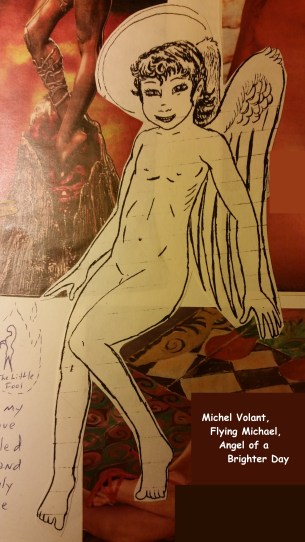











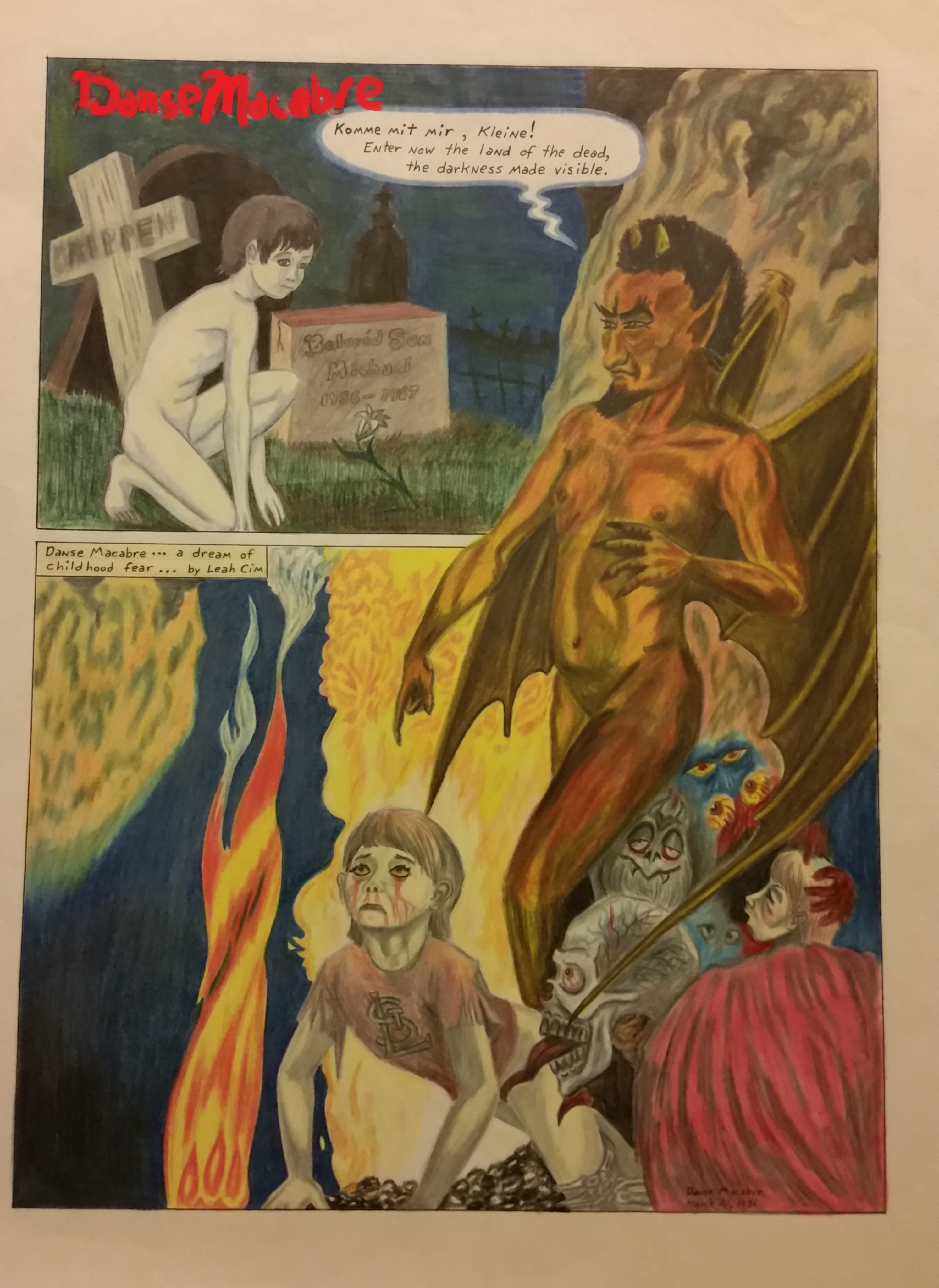
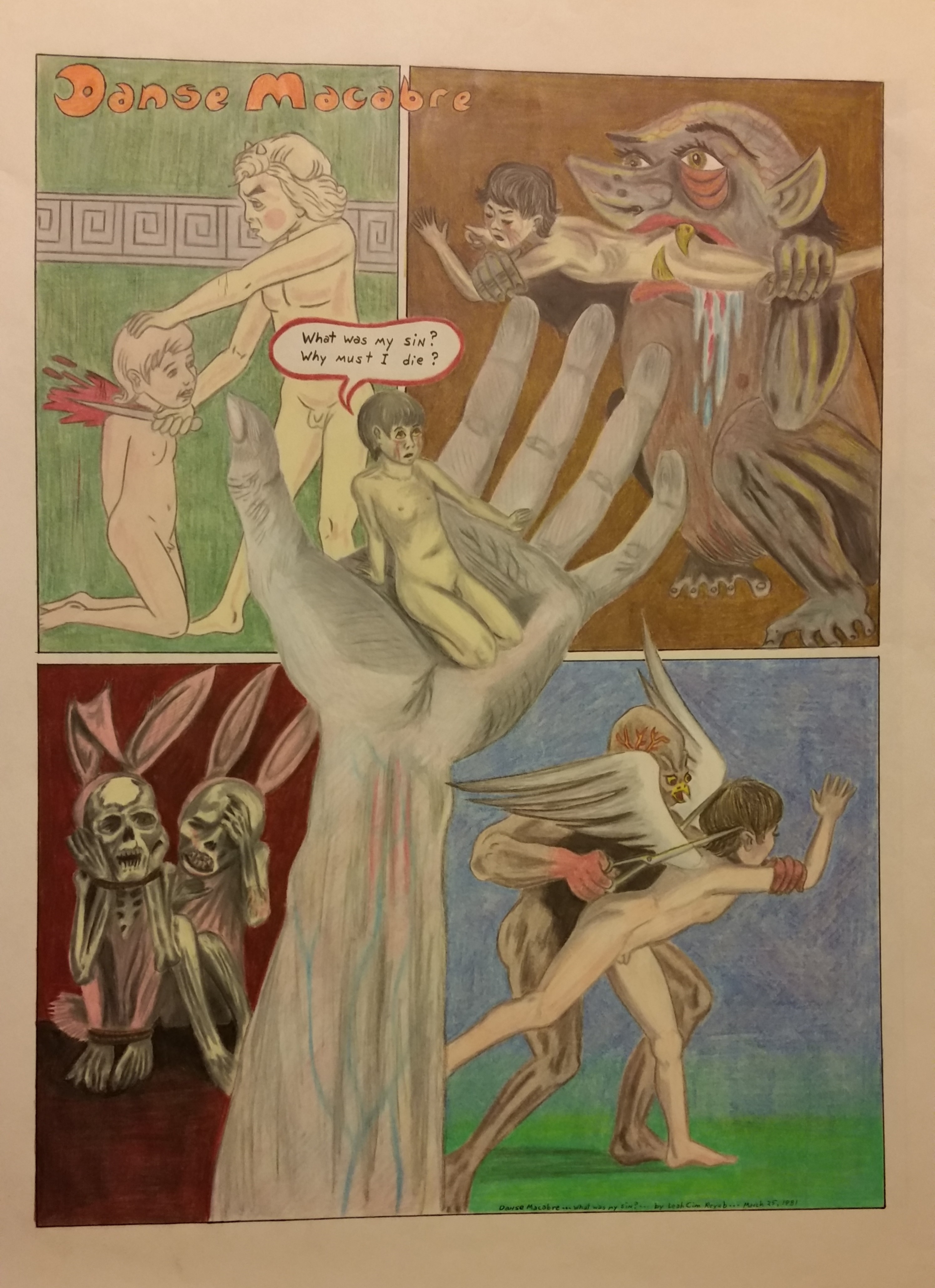







Flying the Magic Flying Carpet
There are many ways to fly. Airplanes, bird wings, hot air balloons, bubble-gum-blowing goldfish… well, maybe I am really talking about flying by imagination. The more my six incurable diseases and old age limit my movement, my ability to get out of bed and do things, the more I rely on reading, writing, and the movie in my head to go places I want to be.
Sometimes the wings I use to fly come from other writers. I get the flight feathers I need not only from books, but also from YouTube videos, movies, and television shows.
This magic carpet ride in video form is by the thoughtful creative thinker Will Schoder. In it he carefully explains how Mister Rogers used the persuasion techniques of Logos, Ethos, and Pathos to talk to elephants and convinced a congressman intent on cutting the budget to actually give Public Television more money for educational programming. This is a video full of warmth and grace and lovingly crafted magic flight feathers that anybody can use to soar across new skies and blue skies and higher skies than before. I hope you will watch it more than once like I did, to see how beautifully the central explanation spreads its wings and gives us ideas that can keep us aloft in the realm of ideas.
It is important to stay in the air of fresh ideas and new thinking. The magic carpet ride that takes you there is the product of vivid imagination, cogent thinking, and the accurate connection of idea to better idea. So instead of falling from the sunlit sky into the darkness that so easily consumes us on the ground, keep imagining, keep dreaming, and keep flying. You won’t regret having learned to fly.
Leave a comment
Filed under battling depression, commentary, dreaming, humor, imagination, insight, inspiration, metaphor, Paffooney, philosophy, strange and wonderful ideas about life