
Children are a resource that we, as a people, cannot live on without.
If we stop having children, nurturing children, raising children, providing children discipline and education, entertaining children, guiding children, and, most of all, loving children, in eighty or so years, human beings will be extinct in this universe.
How many universes are there with humanity being extinct in them? It is impossible to answer. But if there is more than one universe, there is more than one.
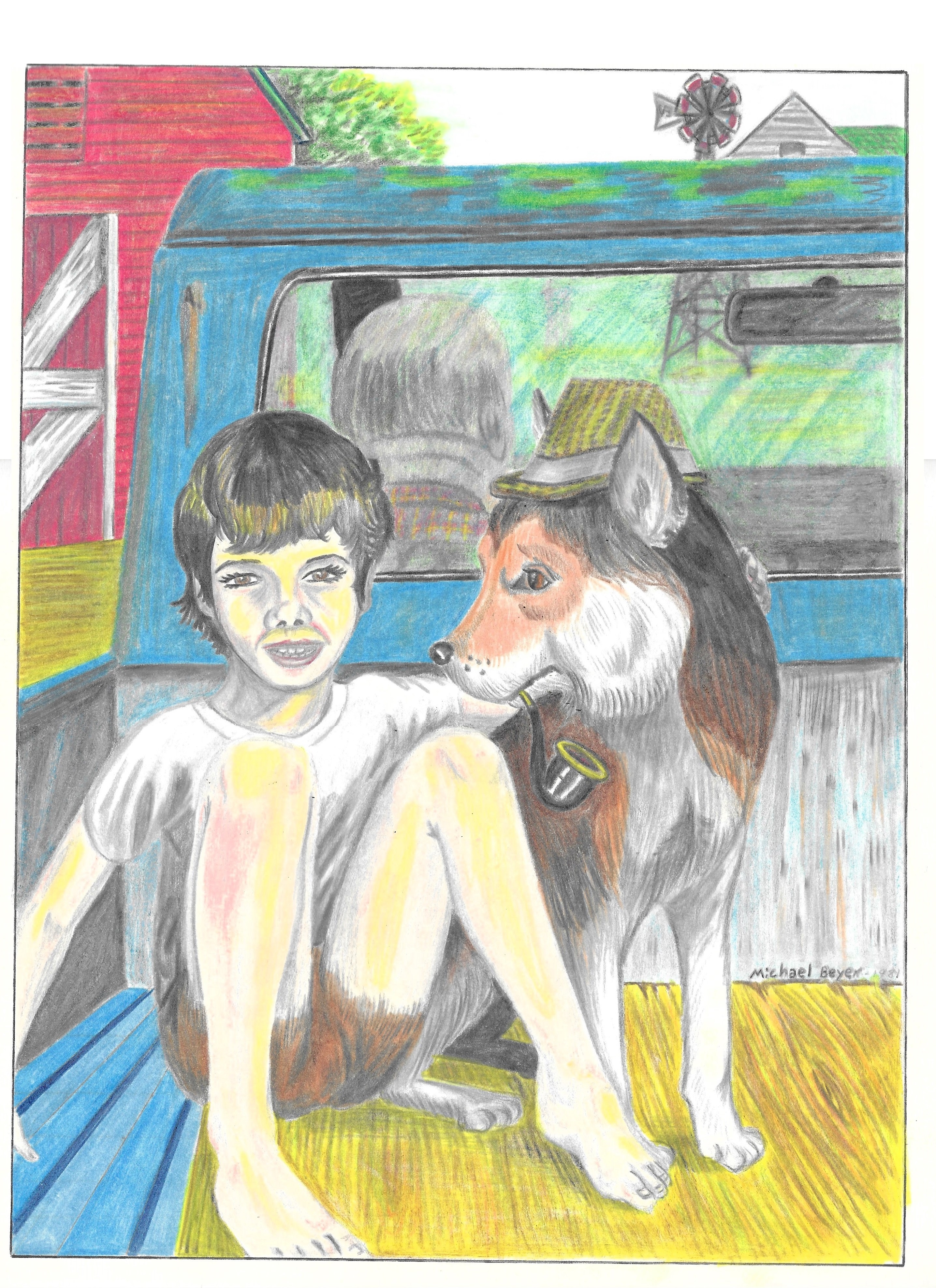
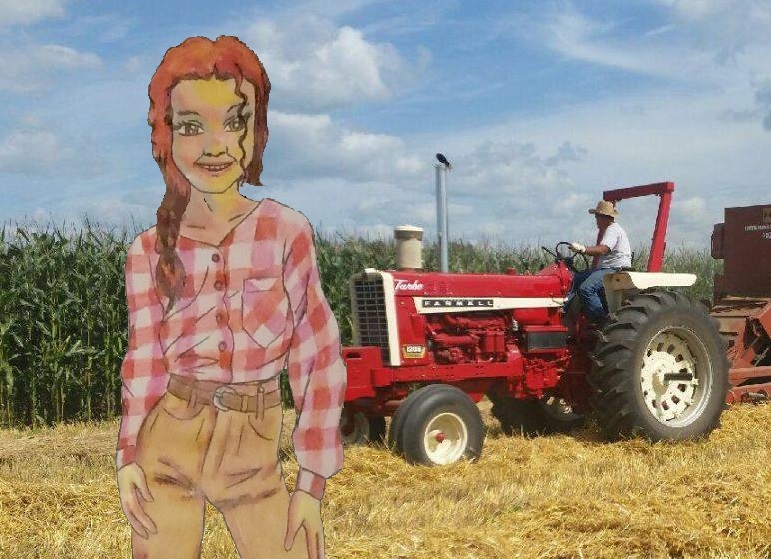
When I was a child myself, family farms were still the rule in Iowa. Couples would try for lots of kids to help with the farm work. Chores! I fed animals. I went with my grandfather to the feed store, the hardware store, and the hatchery. I drove a tractor. I walked bean fields and pulled weeds. I mucked out a hog house once (and believe me, once is enough for a lifetime.) I have slopped hogs. I shingled a house and a garage. I painted the family house (in town, not Grandpa’s farmhouse.) As a child, I helped my uncles who were farmers, and worked for other farmers in the area. I was just as important as fertilizer to the maintenance of the world I lived in. (I did not say I was important to USE AS fertilizer. They would’ve had to kill me to use me that way. But my work was a part of what made the land yield plenty.)
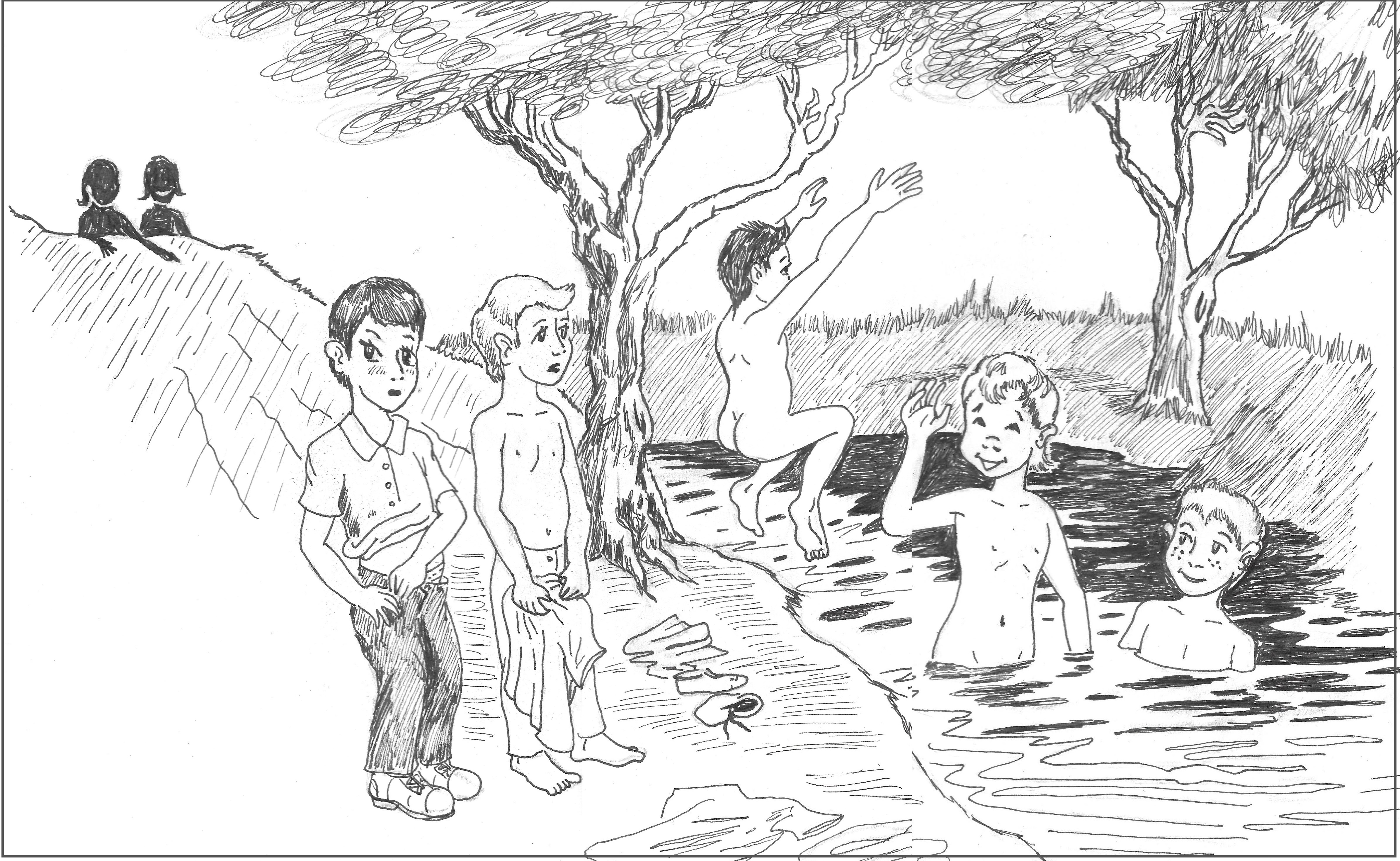
I was left, as a child, with the distinct impression that we were meant to live in the land as a part of the land. Nature was our friend. We didn’t cut down all the trees and pave over everything like the city folks did. The kid who never went skinny dipping was rare indeed.
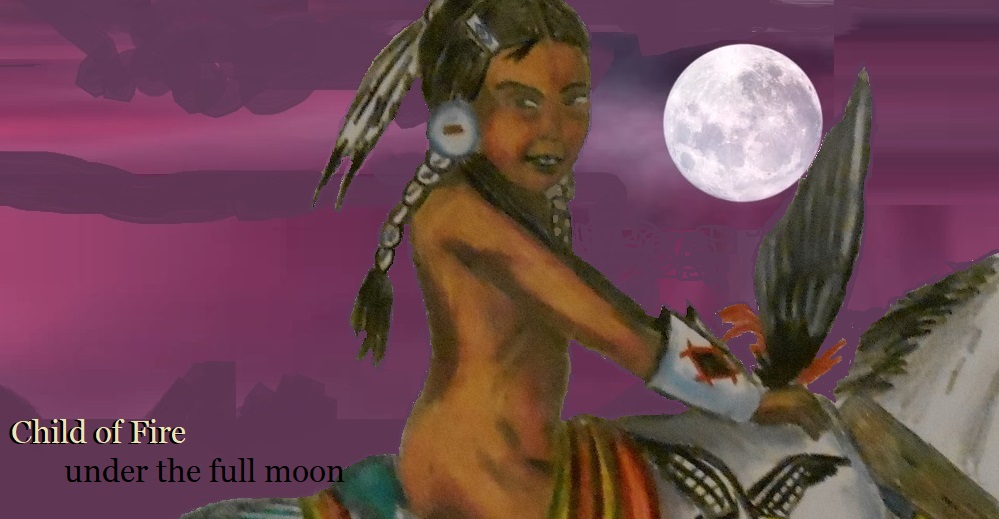
There once were people who knew they lived with the land, and they were good stewards of the land. They knew if the land was not living well and healthy, then neither would they live well and healthy.
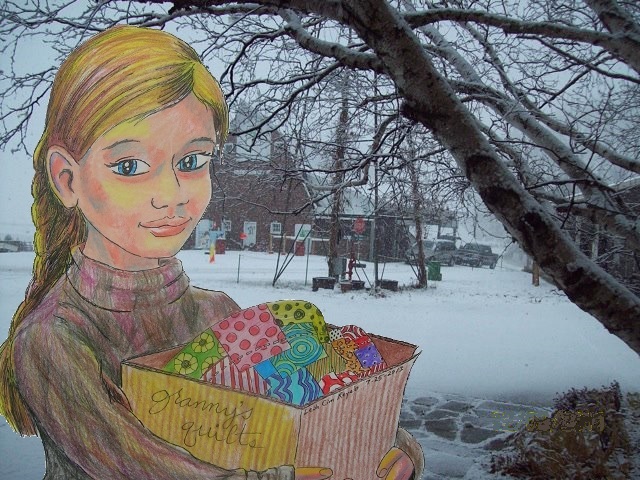
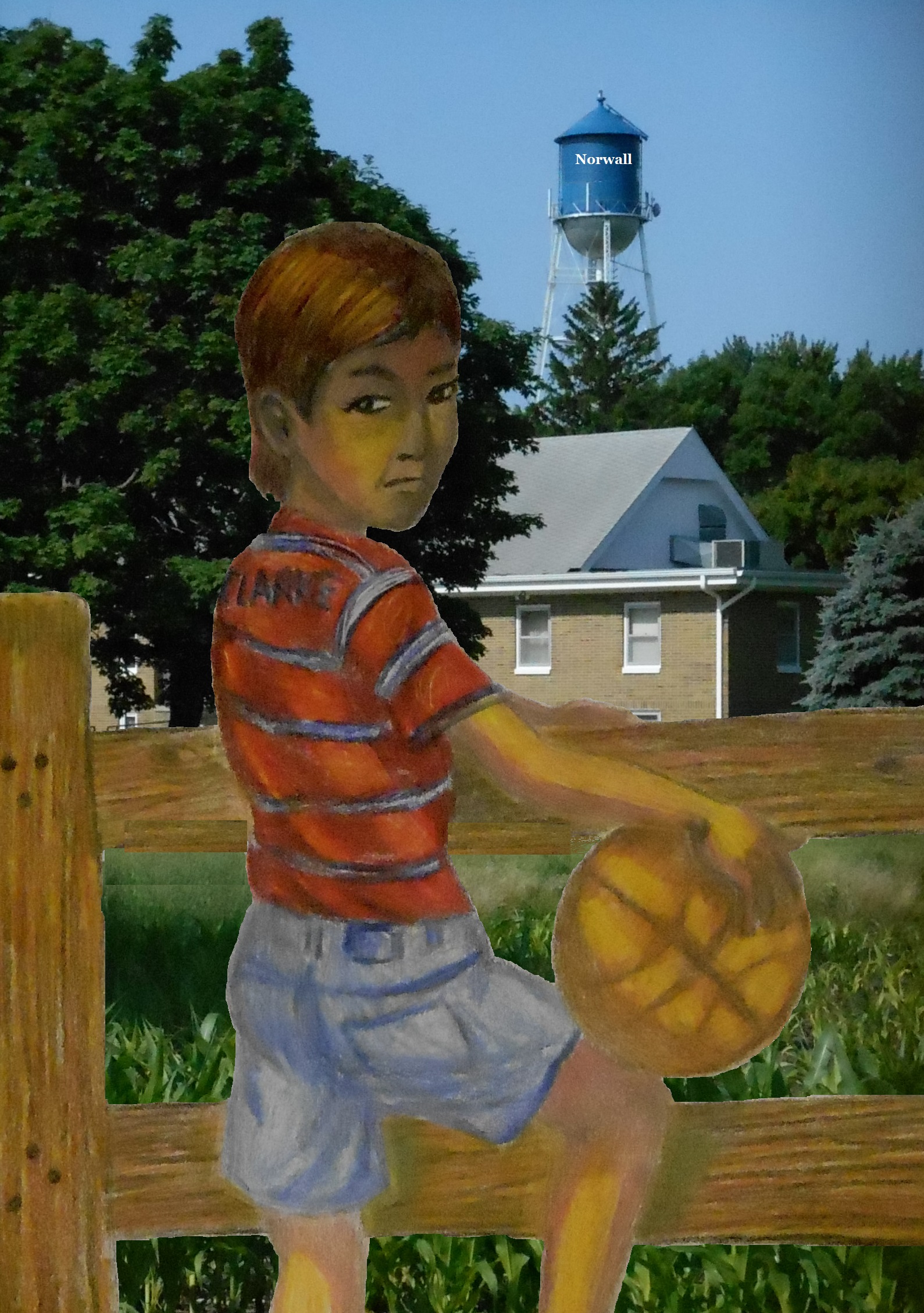
But I am not arguing that we should go back to the world of the 1960s. The work I did in the land back then is now mostly mechanized and done by machines, computers, automation, and factorization. But we can teach our precious children the values of old to use in new ways. If we don’t, well… I hope the AI Terminator Robots of the future will have a happy life without us.
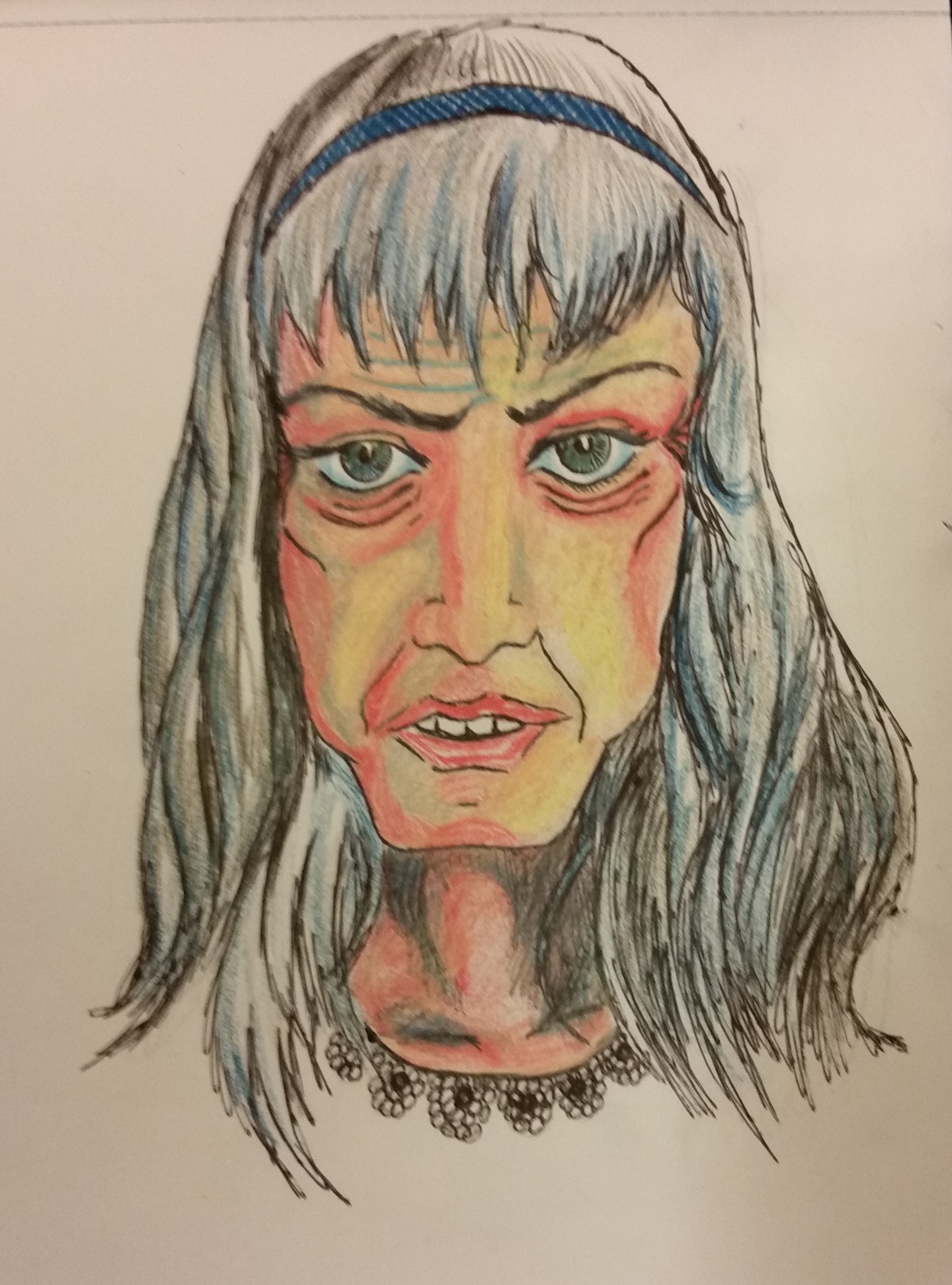
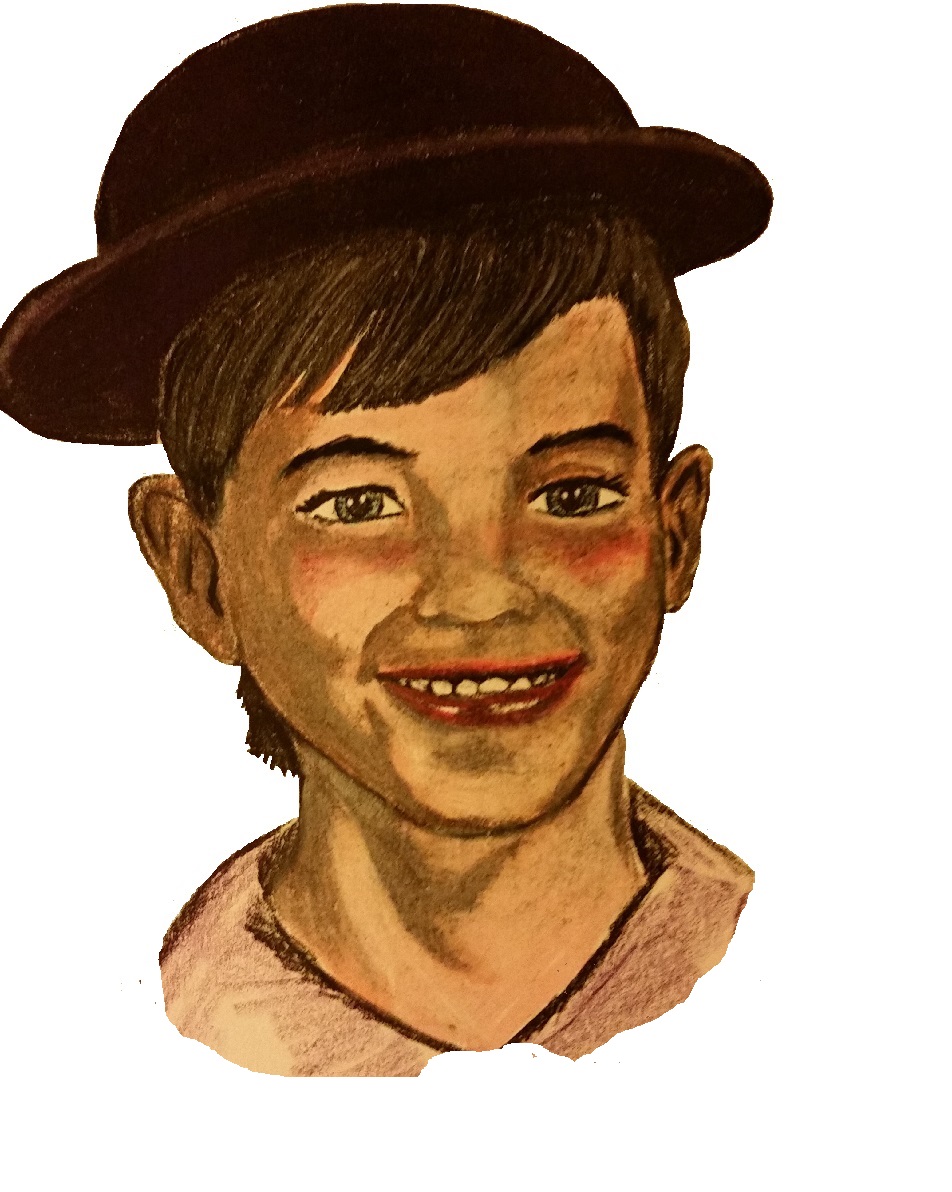


Humble Pie
The difference between who you want to be and who you are is humbling.
The recipe for humble pie requires good, clear eyesight.
And you need a reliable mirror that only shows the flaws in the reflected image, not in the mirror itself.
And you need to look at every detail in the whole of you. Even the secret things that you tend to conceal from everybody, especially yourself.
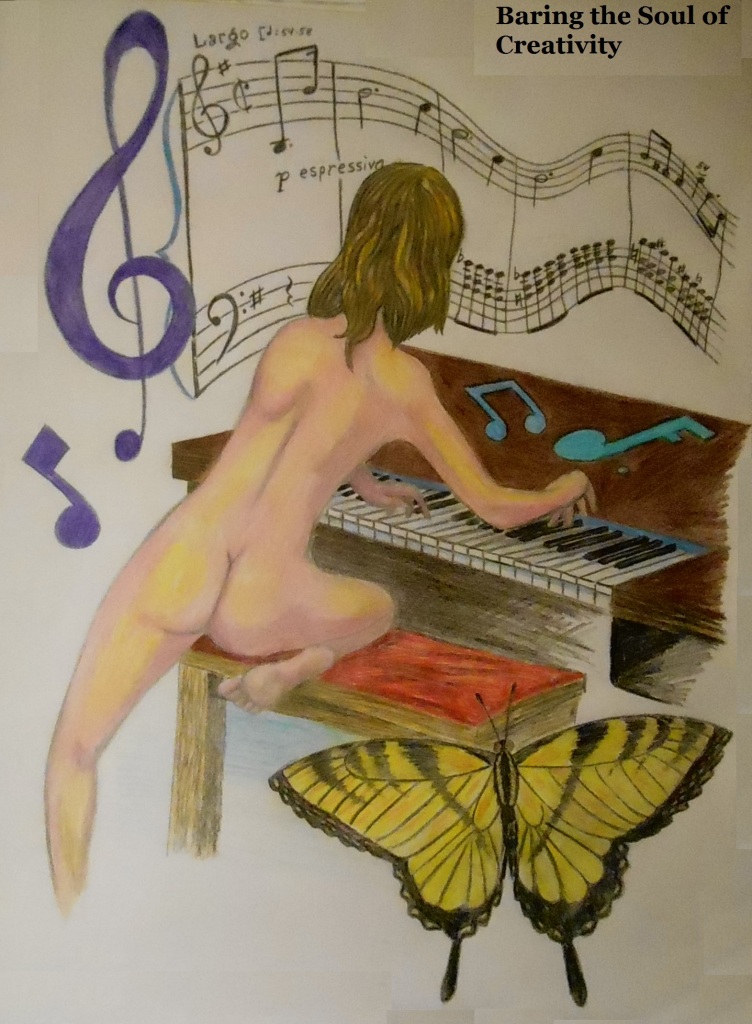
And writing a novel, if you do it right, is a form of baking humble pie.
The good and the not-so-good is reflected in reviews, which are often written with mirrors that have flaws.
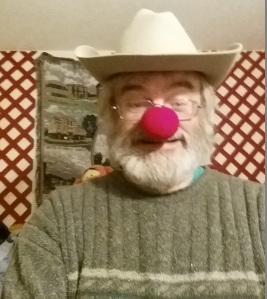
But what you see, if you are honest with yourself, can show you that, even though you are far from perfect, you are exactly what you are supposed to be.
Leave a comment
Filed under artwork, autobiography, commentary, empathy, feeling sorry for myself, irony, Paffooney, self portrait, strange and wonderful ideas about life