

I know that I am probably the last person you would think of to ask for advice on how to be happy. I am a crotchety old coot, a former middle-school English teacher, a grumpy old-enough-to-be-a-grandpa non-grandpa, an atheist, a nudist, and a conspiracy theorist. You would expect someone like me to be out in his yard in his underwear yelling at pigeons for pooping on his car more than they do his wife’s car. Be that as it may, I am also basically happy.
You know what happy looks like, surely. After Christmas day is over you see two kinds of kids. One kind is miserable and grumbling in his or her room about their Christmas gift that they didn’t get, in spite of the five expensive toys they did get. Yeah, that one’s never going to be happy. Then there’s the other kind, the one happily breaking or playing with the few cheap toys their parents could afford, using more of their own imagination than the imagination the toy companies pay someone to put into their TV or YouTube toy commercials. That one is going to be somebody you can rely on for years to come. That’s the kind of kid I like to think I was. Of course, I’m probably wrong about that too. Being a middle-school teacher gives you plenty of opportunity to learn the lesson that you are actually wrong about everything in life, and like Socrates, you know absolutely nothing for sure about anything.

Years upon years of being a public school teacher, the butt of comedians’ best school-memory jokes, the target of Republican spending cuts for saving enough money to give massive tax cuts to billionaires, and having to be every kind of professional for every kind of kid, no matter how ugly and unlovable they are, teaches you where true happiness comes from.
A. You have to learn to love the job you are trying to do. And…
B. You need to do the job you love with every resource you can squeeze out of your poor, battery-powered soul.
I did that. I did the job all the way from deluded and idealistic days of youth to cynical and caustic old age hanging onto your job by the fingernails until you have to choose between dying in front of the whole classroom of horrified kiddos you have learned to love, or going kicking and screaming into retirement to maybe live a bit longer than you would have if you had stayed at your work station in the idiot-to-income-earner factory for young minds.


Being satisfied with the career you chose and the success or failure you made of it is not the only factor in being happy. Teachers don’t earn much compared to corporate informational presenters who do the same job for a lot more money in front of a lot less hostile audiences far fewer times a day. So, it helps if you can manage to need less stuff in life. After all, stuff costs lots of money. Especially stuff you don’t really need.
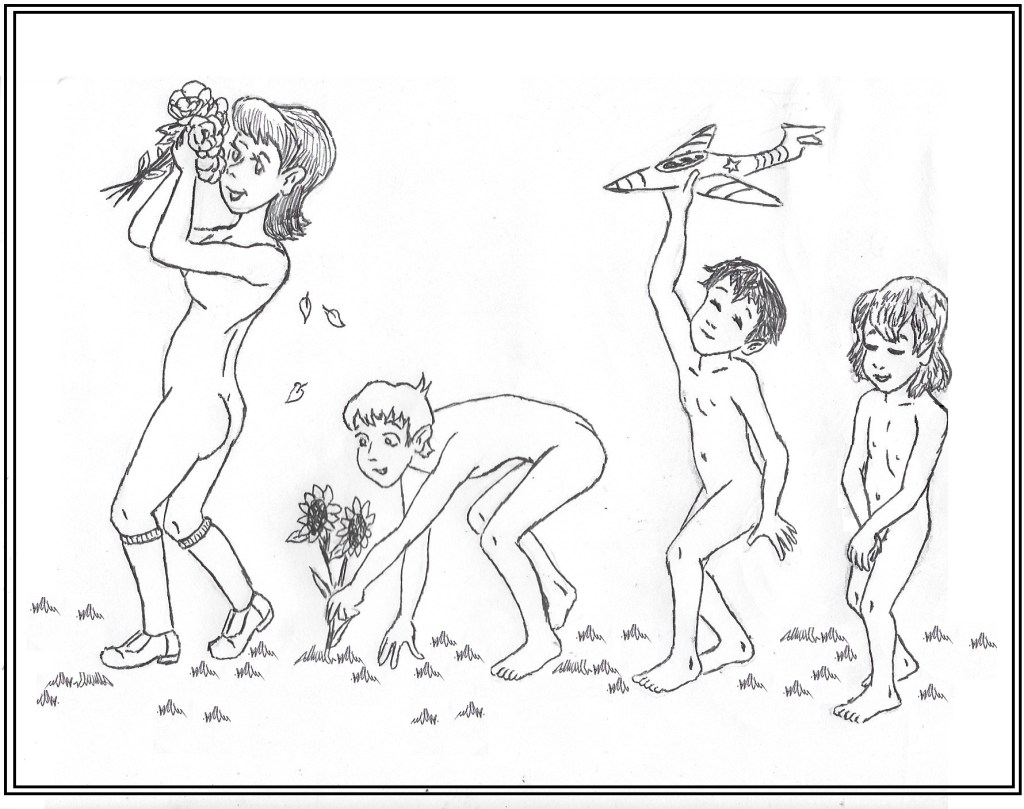
That is why being a nudist and not having to worry about how much you spend on clothes helps a lot with your basic level of happiness and peace of mind. Also, lots of vitamin D soaked up through your nude all-togetherness produces happy-hormones in the brain.
Being an avowed pessimist is good for being happier in life as well. After all, the pessimist is always prepared for the worst to happen. And since the worst rarely is what actually happens, the pessimist is never shocked and dismayed and is frequently pleasantly surprised.

And so, here is Mr. Happy’s secret to a long and happy life;
- Tell yourself that the job you have to do is the job you love to do often enough that you actually begin to believe it.
- Do that job you love as hard and as well as it is possible for you to do.
- Love the people you work for and the people you work with, even if you have to pretend really hard until it becomes real to you too.
- Be satisfied with the stuff you need, and try to need as little as possible. The man whose paycheck is bigger than his bills is happier than the man whose paycheck only pays for a portion of the interest on his wife’s credit cards.
- Wear fewer clothes. You don’t need them in a quickly warming world. And you should love the skin you’re in.
- Expect the worst possible outcome from everything in life, and then there is nowhere to go but upwards.
























‘Tis the Season…
Yesterday I posted one of my patented conspiracy-theory posts which was intended primarily to give my three kids more practice at using their Eye-fu skills. You know, that ancient Chinese martial art of using the dramatic eye-roll to combat the embarrassing way elderly parents have of saying what they actually think for the sole purpose of humiliating their much-more sensible offspring. So, today I need to humbly contemplate the many reasons I will not get any Christmas presents this year and begin to generate some holiday spirit to lighten the mood of what is likely to be a rather lonely Christmas season.
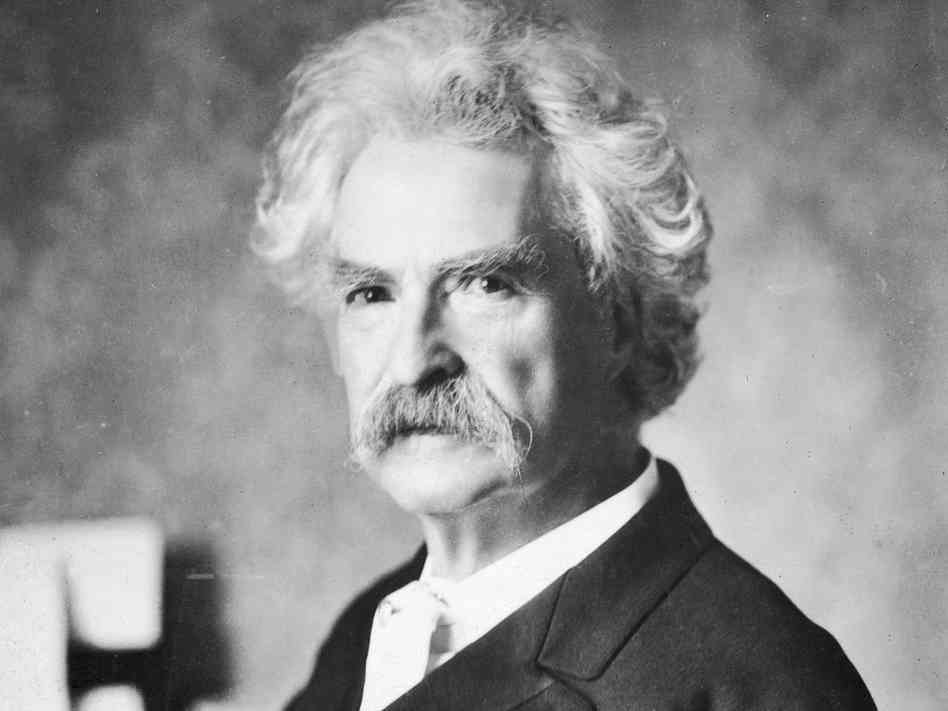
So, here’s a selfie from old Grumpy Klaus, wearing the aggravated countenance of the Jolly One looking at the Naughty List to determine who gets the bricks and who gets the lumps of coal… and who gets referred to Old Krampus.
Ho ho ho… kinda…
Having married a Jehovah’s Witness twenty-six years ago, I have gotten mostly out of the habit of celebrating Christmas. The Witnesses believe that holidays with pagan origins are from Satan, and bad for you. But it has been almost seven years now since they decided I was from Satan too, and so I stopped believing in knocking on doors and trying to get homeowners to reject their own form of Christianity because we are somehow more right than they are, and if they don’t swear off celebrating Christmas they are doomed. Among the many other things you have to swear off of for that religion. Like swearing.
Don’t get me wrong… Jehovah’s Witnesses are wonderful, loving people who care about others and whose religious teachings are more helpful than harmful over all… just like all other Christians who aren’t ISIS-level radicals. (The Westboro Baptists leap to mind for some reason.) If you really need religion, it is a good one to have. But even though my wife still needs to be one, I have begun to feel like I do not.
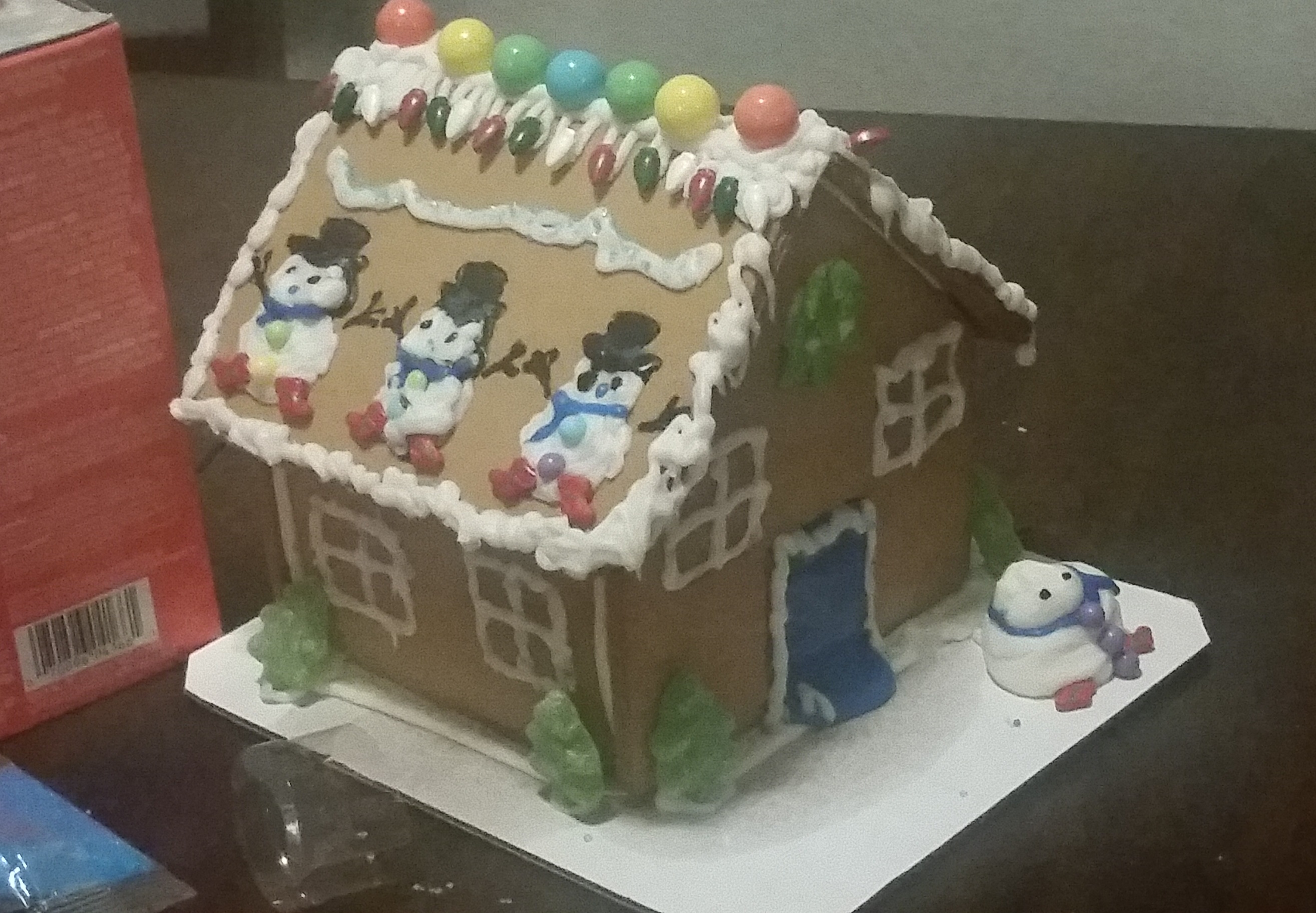
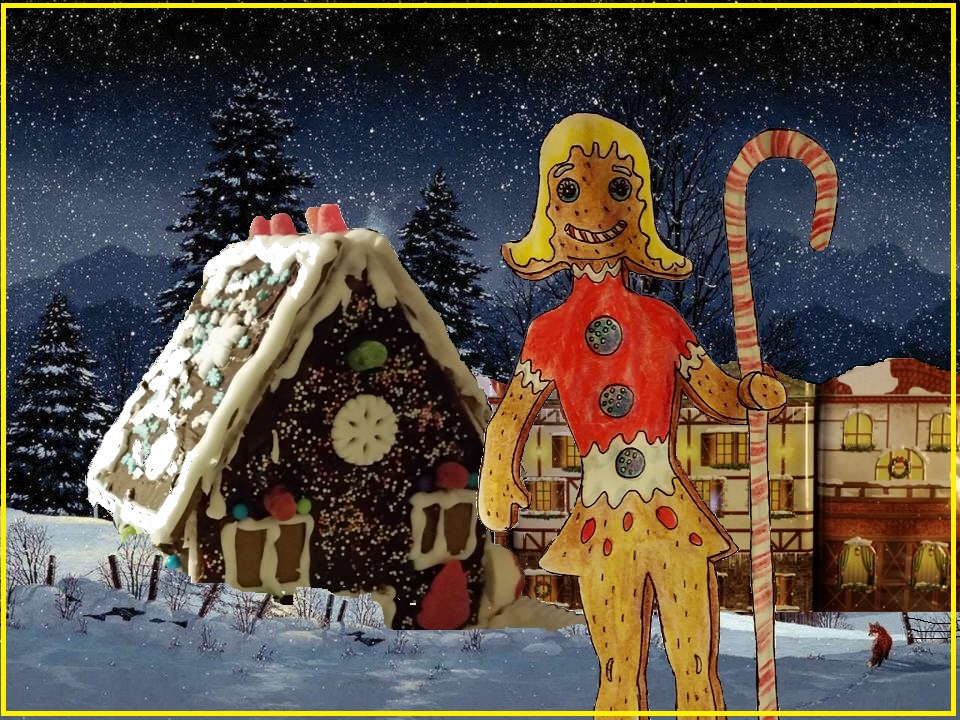
I personally cherish the holiday traditions I grew up with, and I really wish I could have shared those with my children. (This is another point for practicing Eye-fu right here.) I fear however. that like most devoutly religious parents, we managed to raise three devout agnostics and atheists. I have trained them in the last four years to like the tradition of making and eating gingerbread houses and gingerbread men. That’s probably of pagan origin too, but it’s too late now to save my sorry old soul from gingerbread.
Anyway, I am trying to look forward to the season of Peace on Earth once again. And though I will be celebrating mostly alone and ill and condemned by gingerbread, I do have pleasant memories. I can still reach my sisters and my mother by phone. They share some of those memories. And my kids will be around enough to eat the gingerbread castle I bought for this year.
Leave a comment
Filed under commentary, feeling sorry for myself, gingerbread, grumpiness, humor, Paffooney, religion
Tagged as book review, Christmas, cookies!, gingerbread, romance