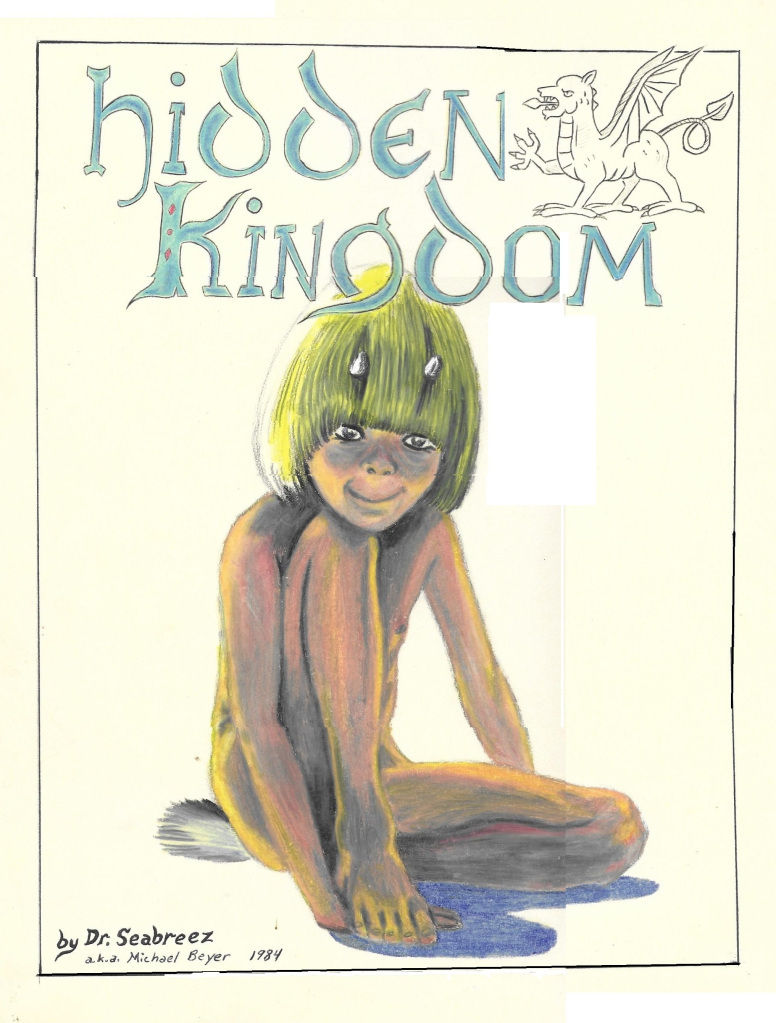
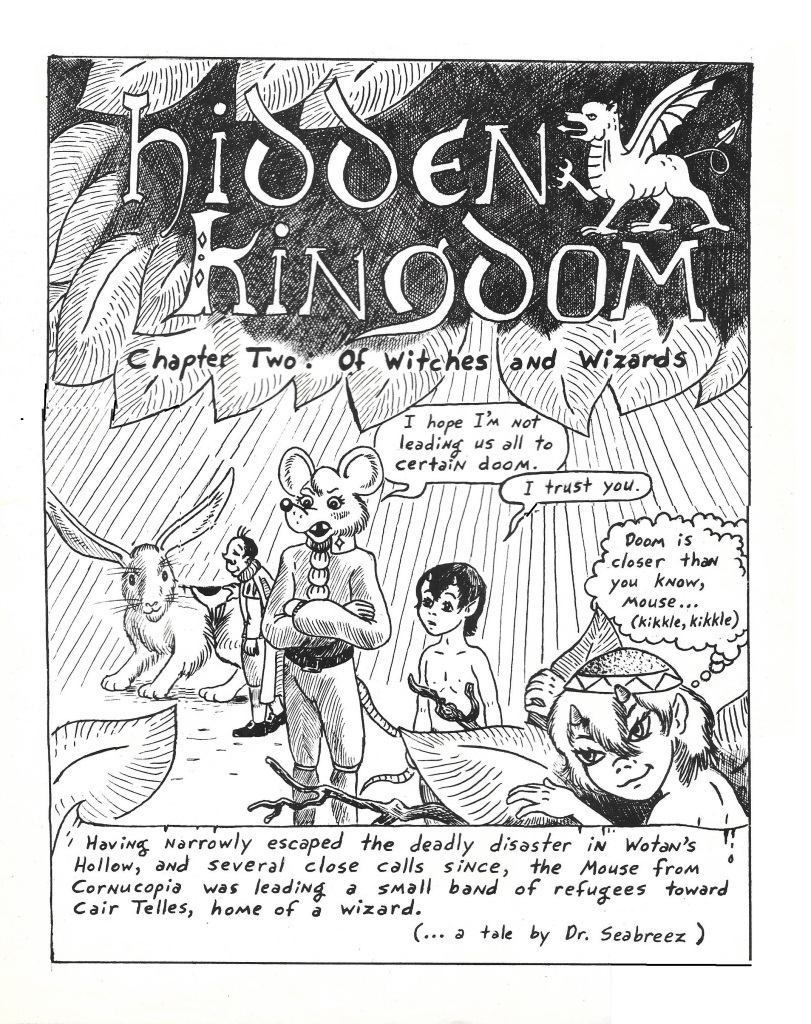
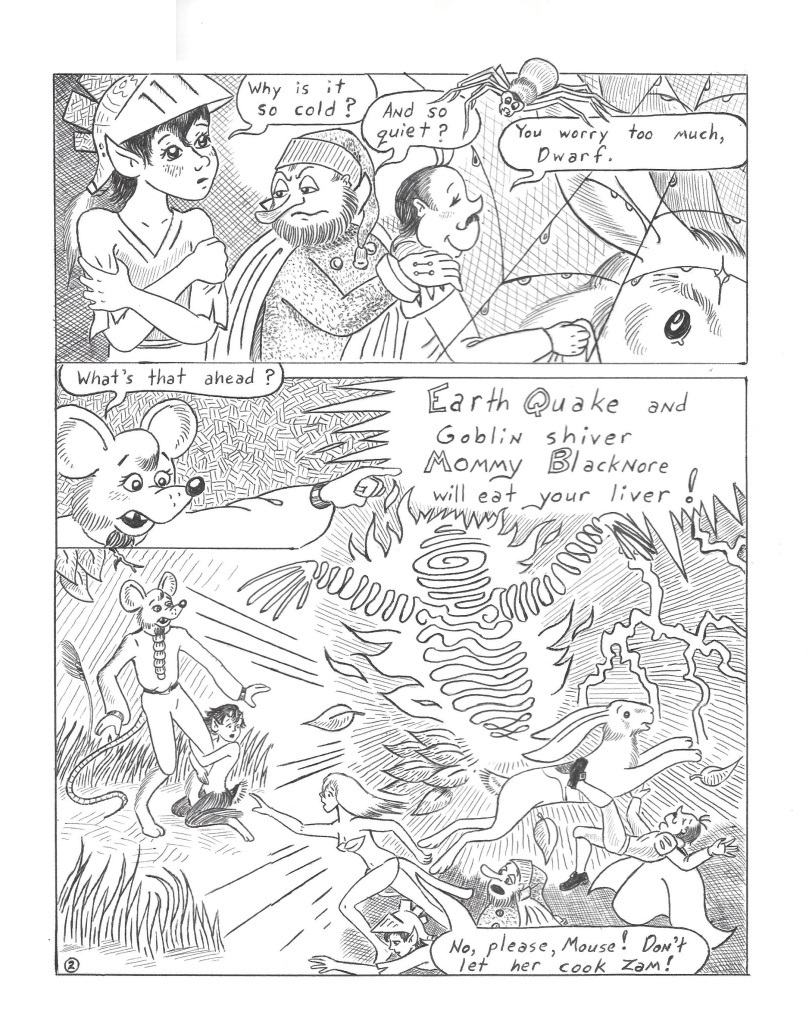
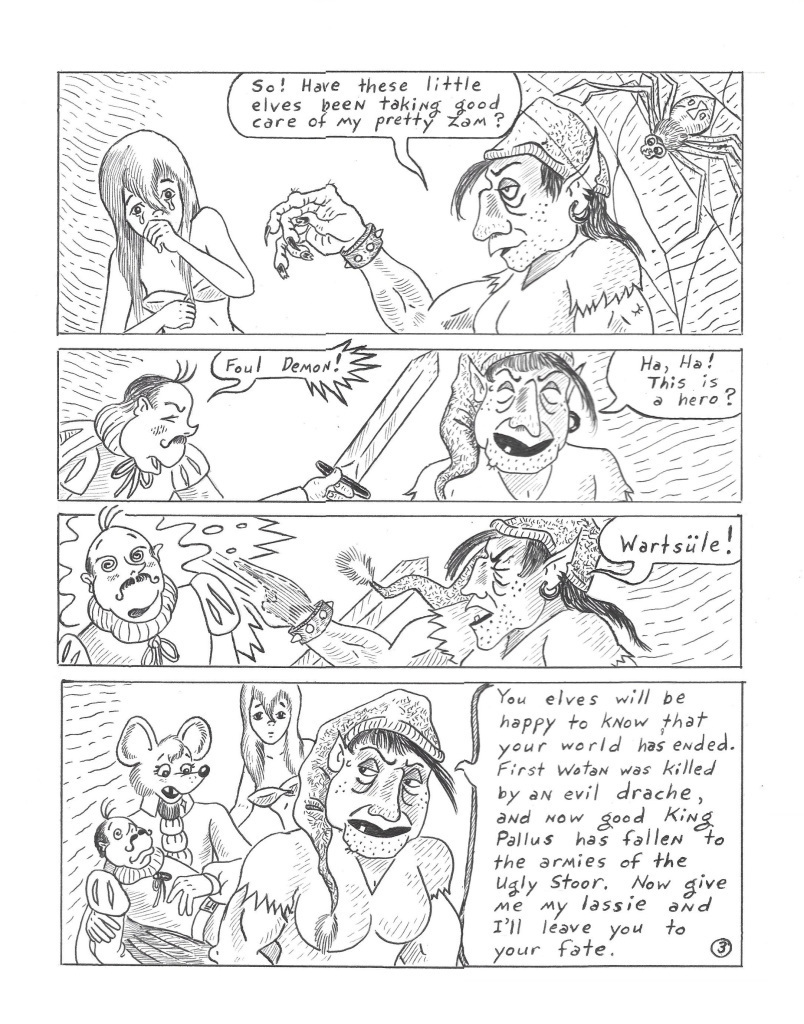
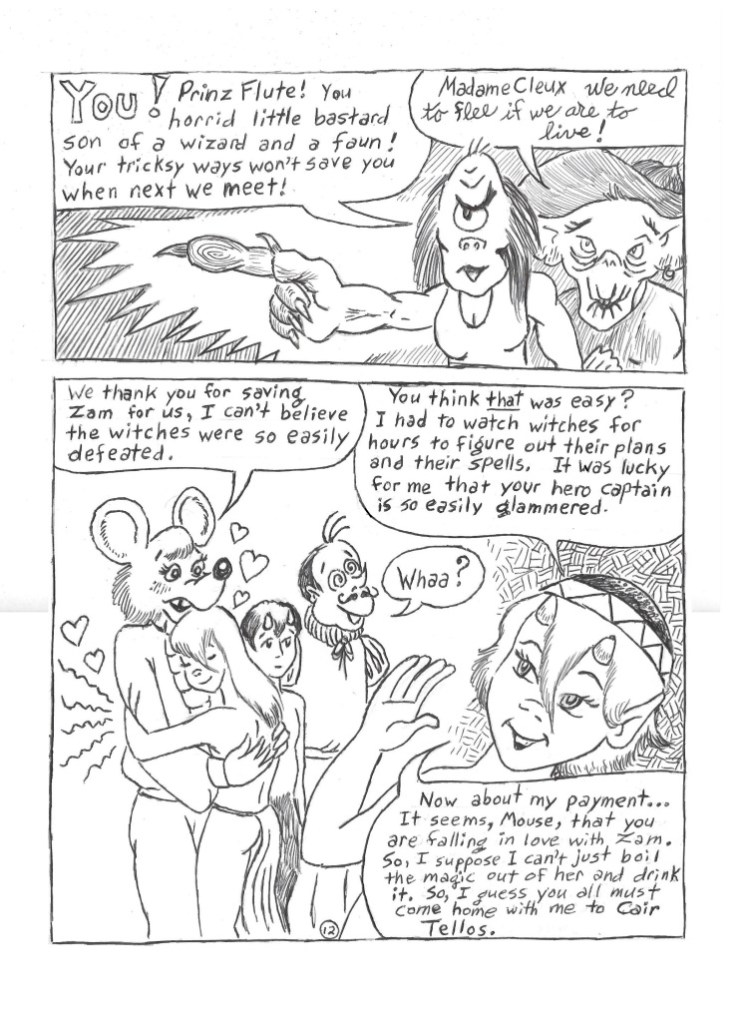
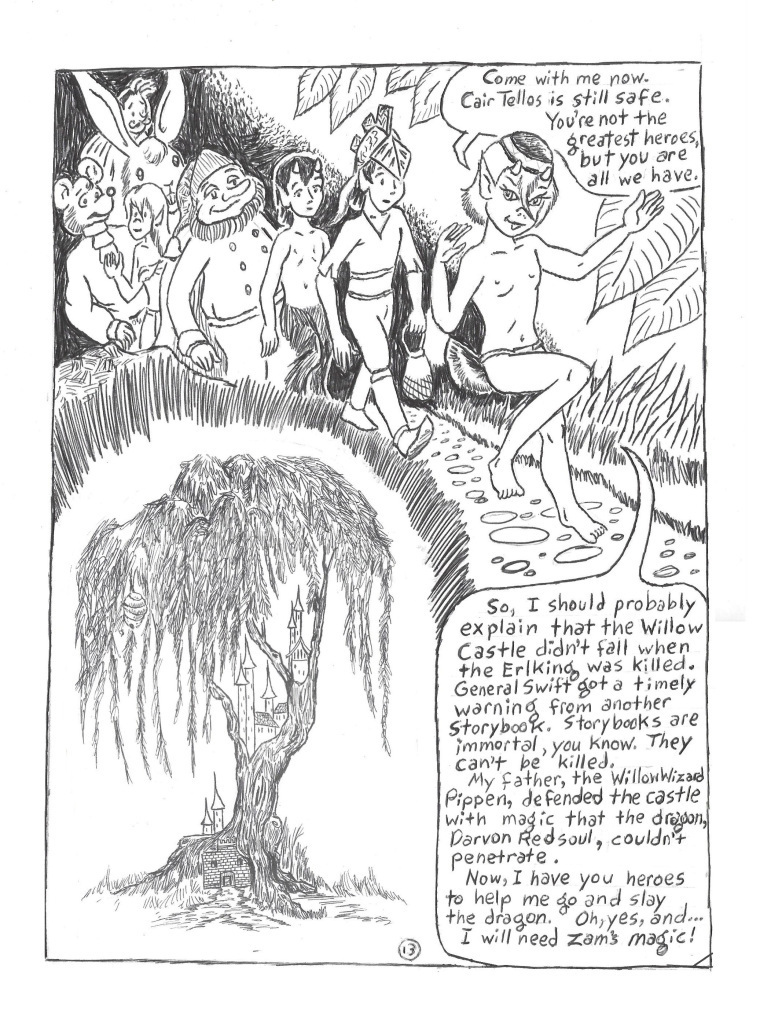
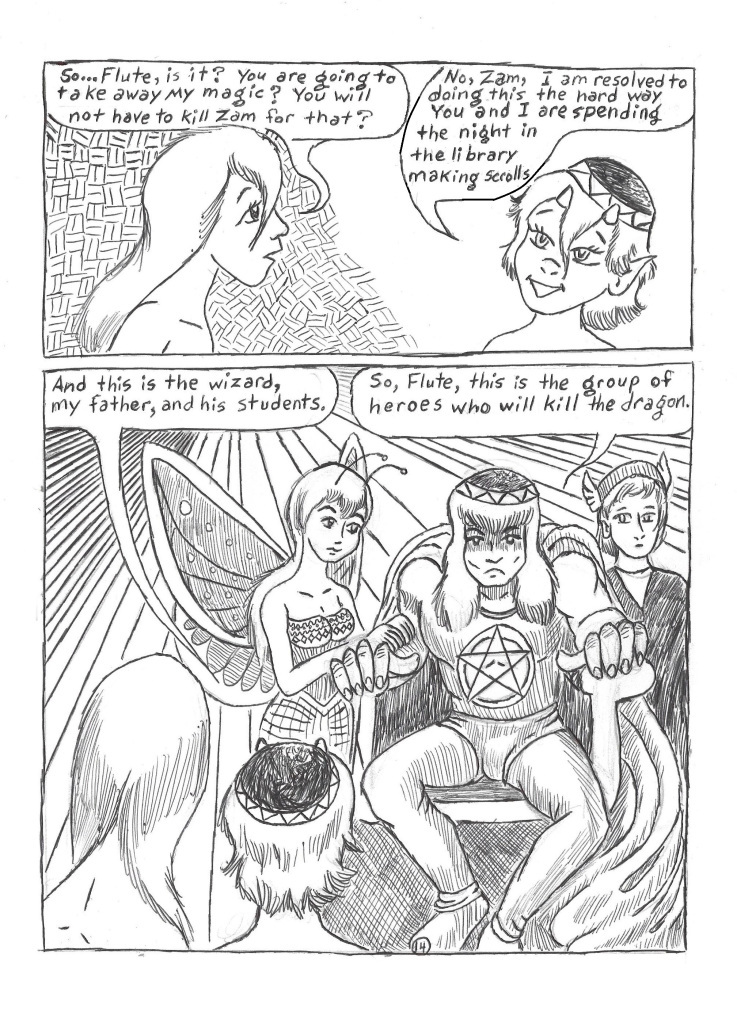
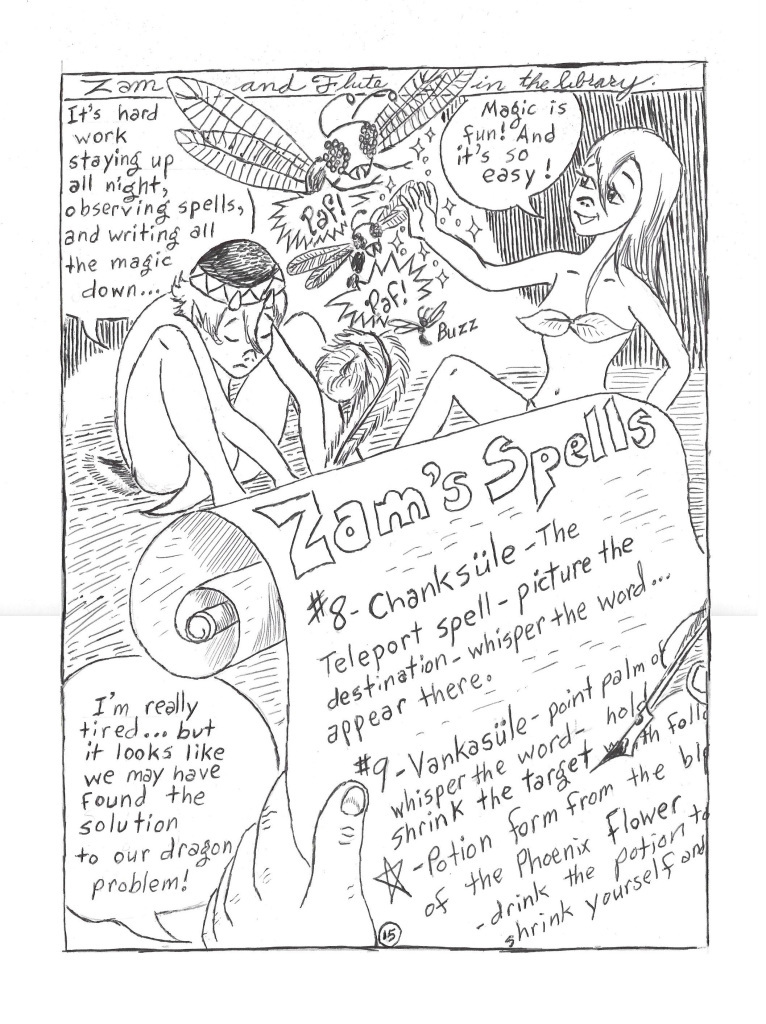
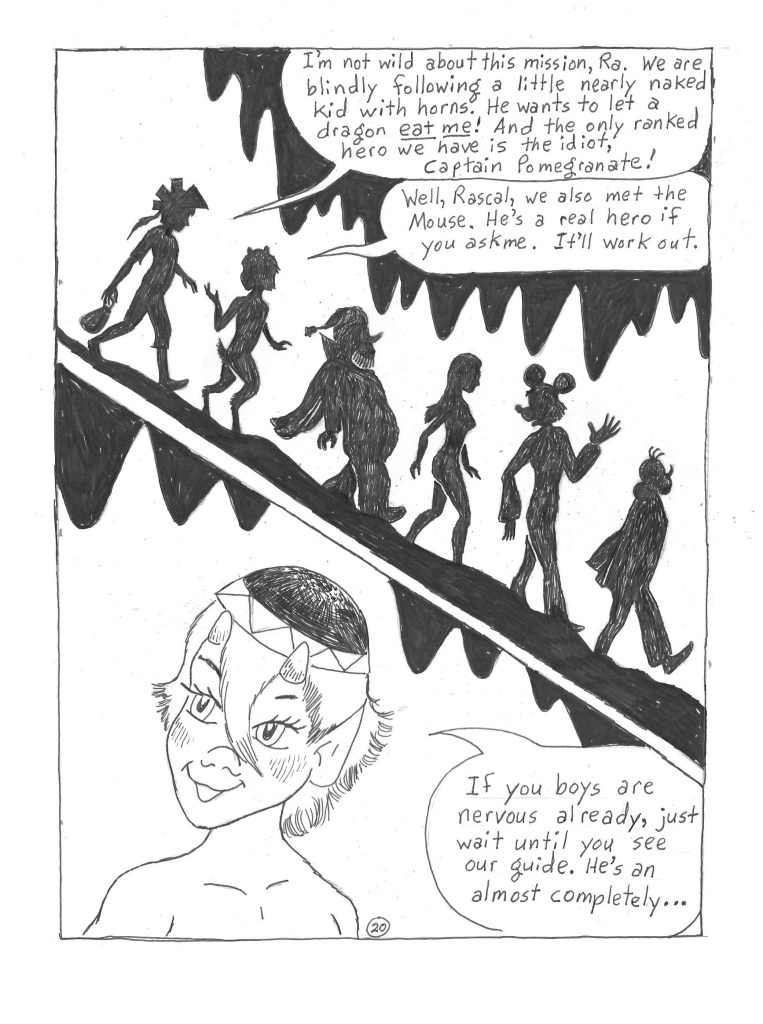
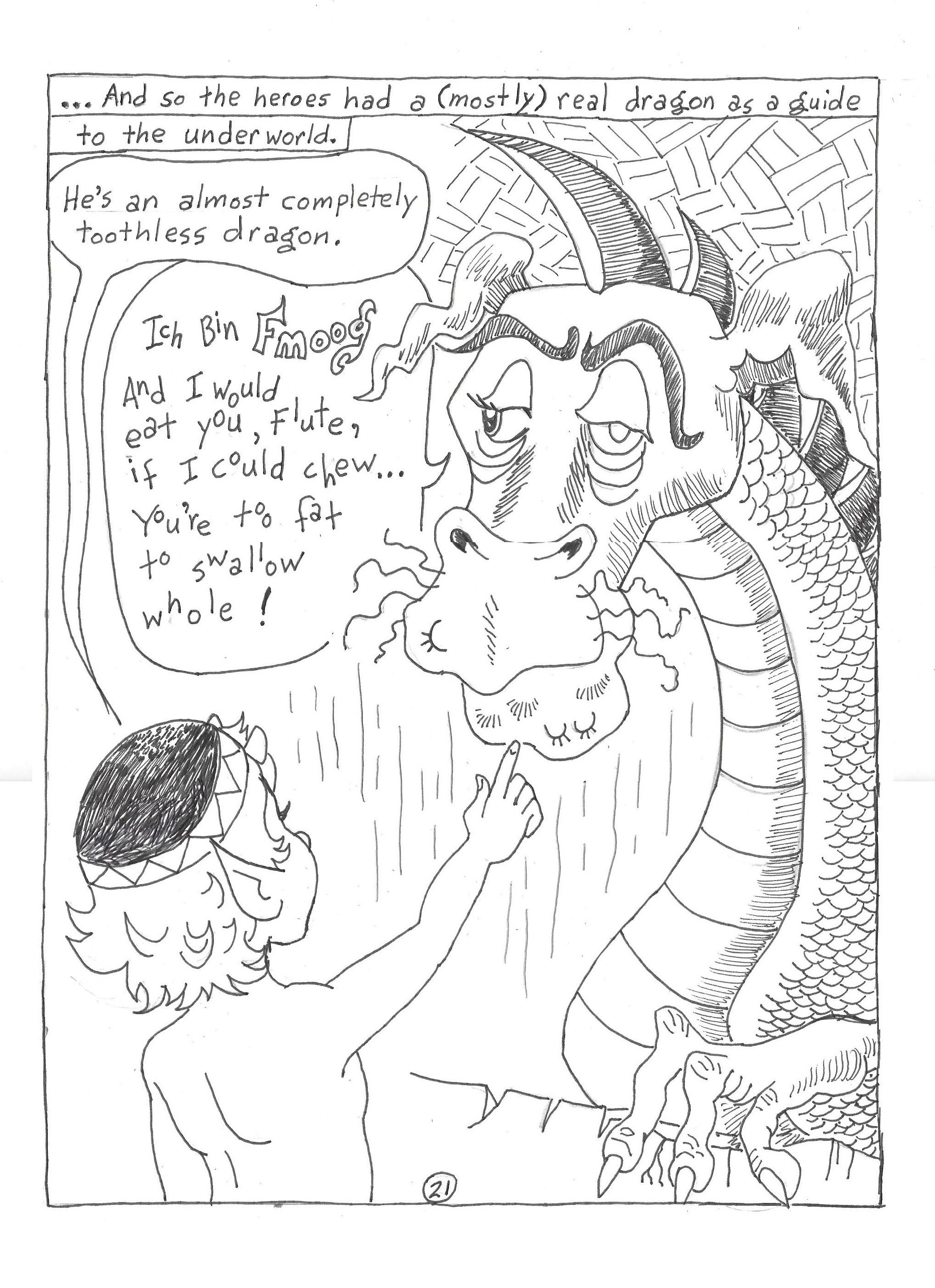
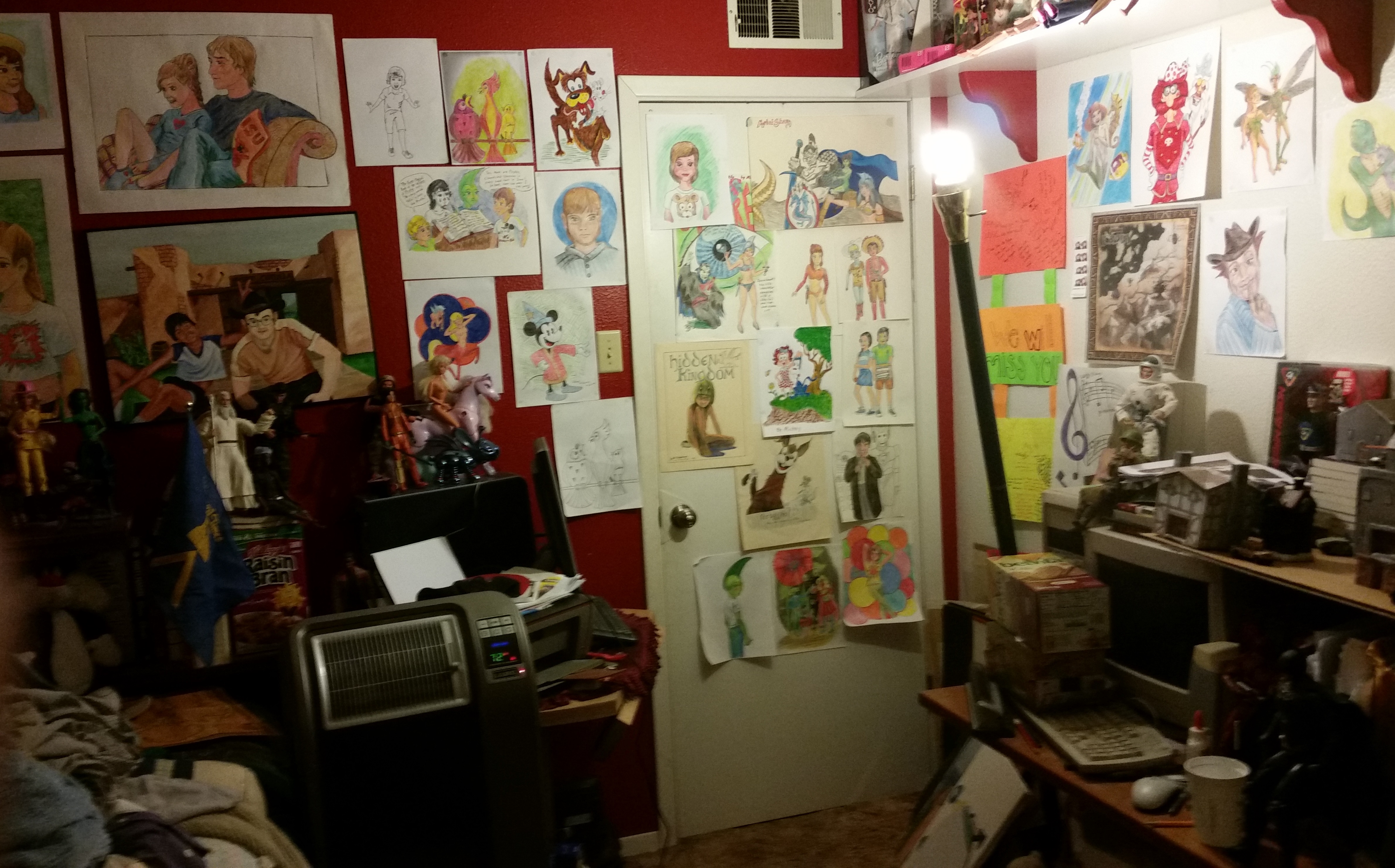
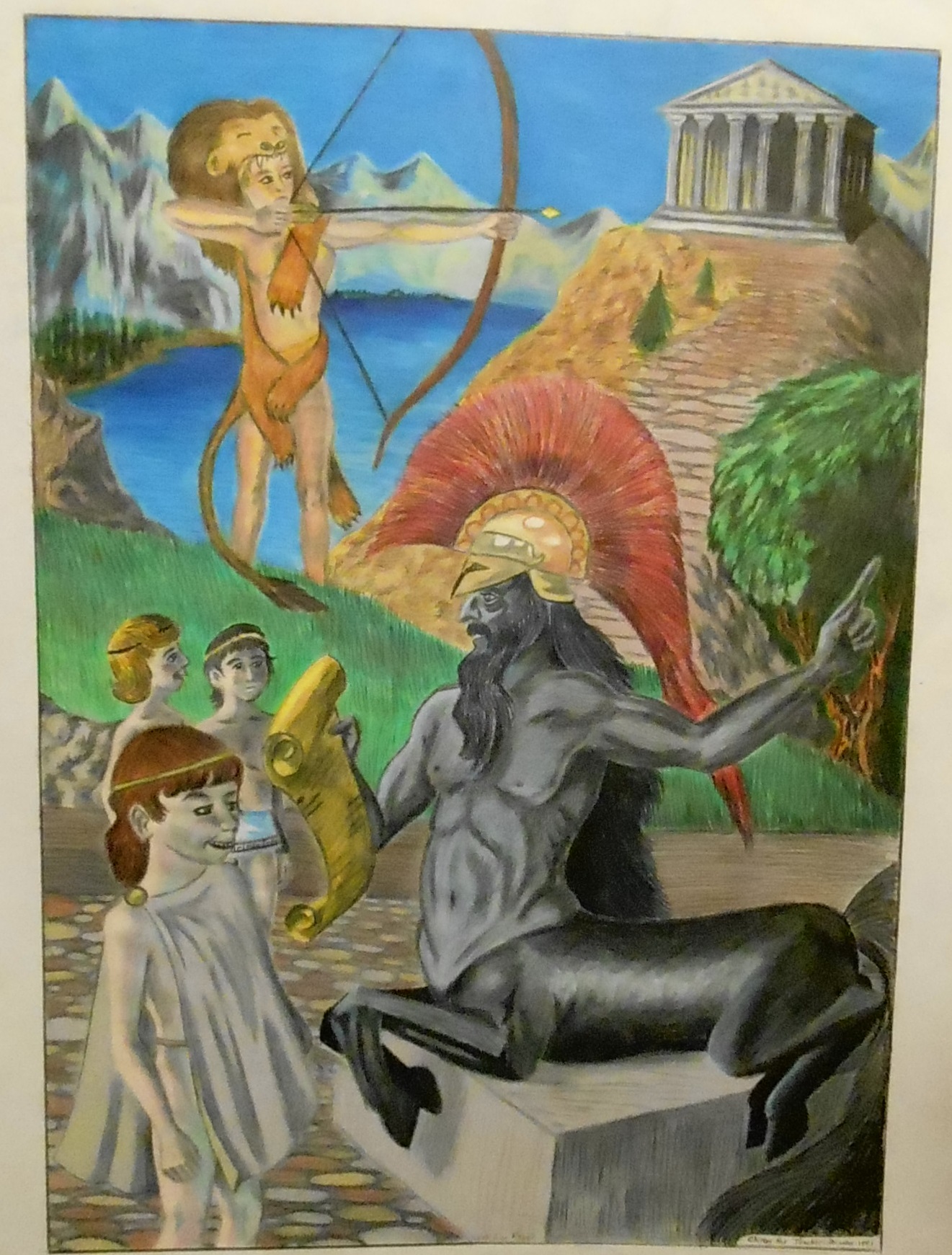
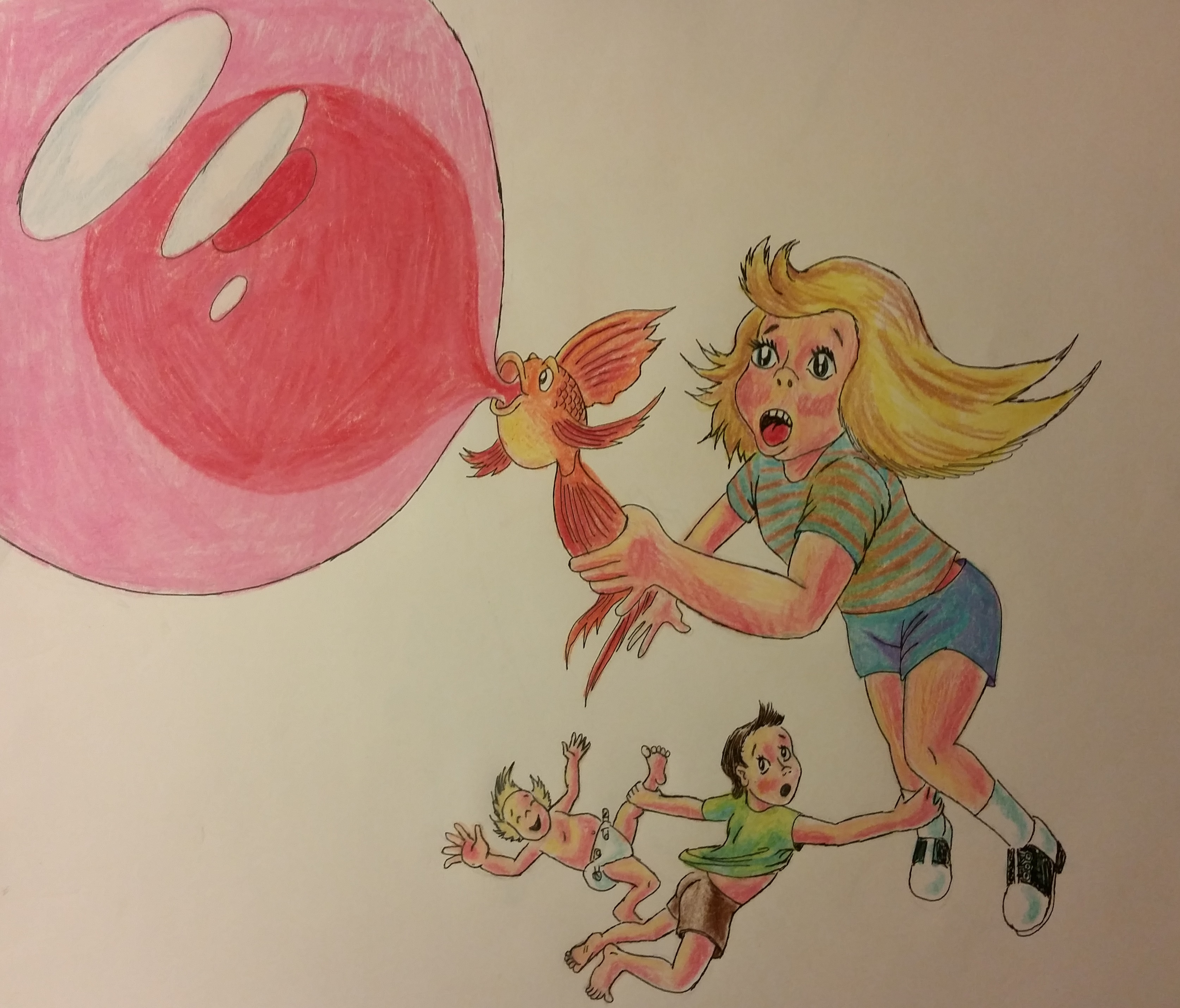
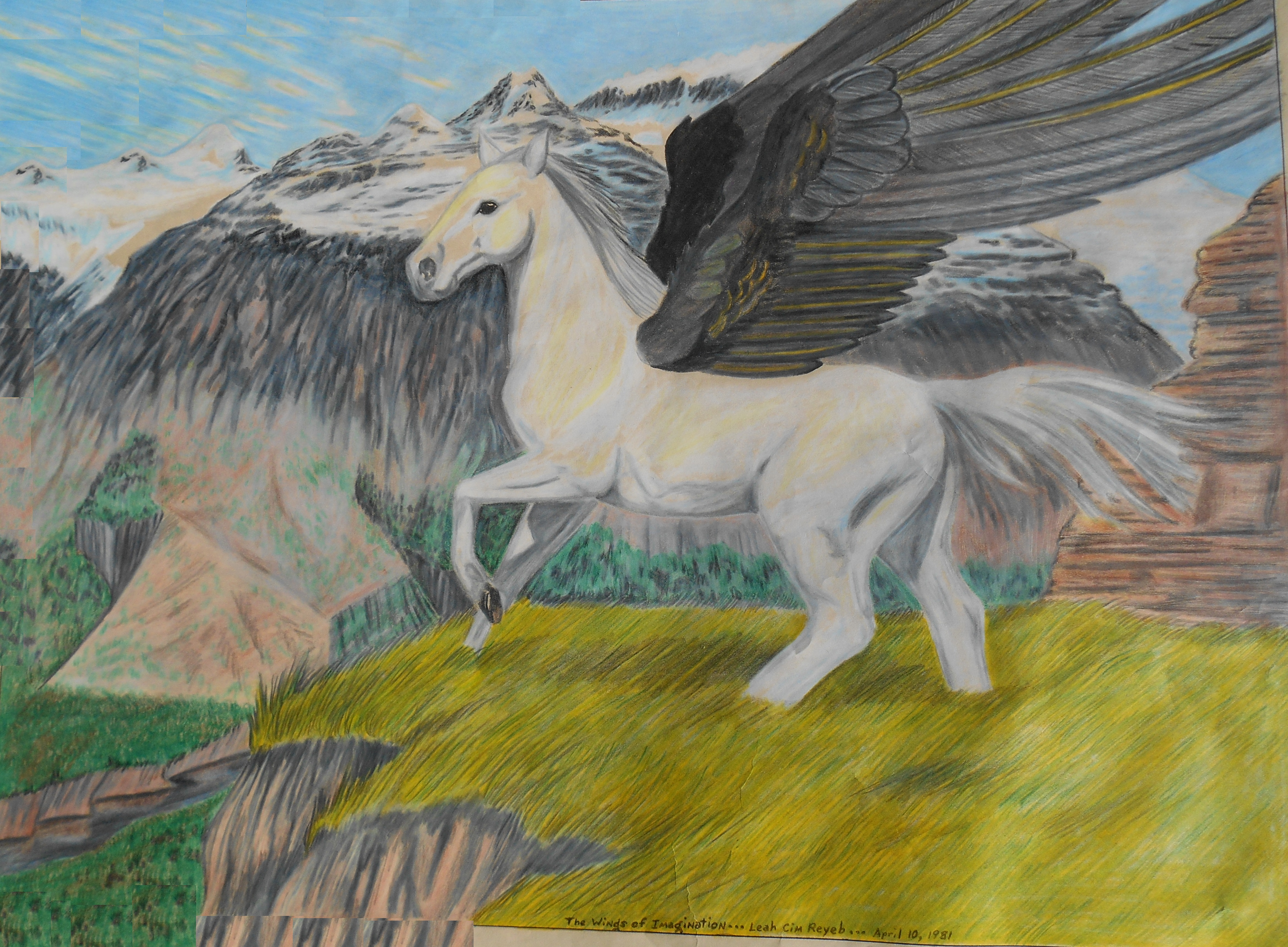
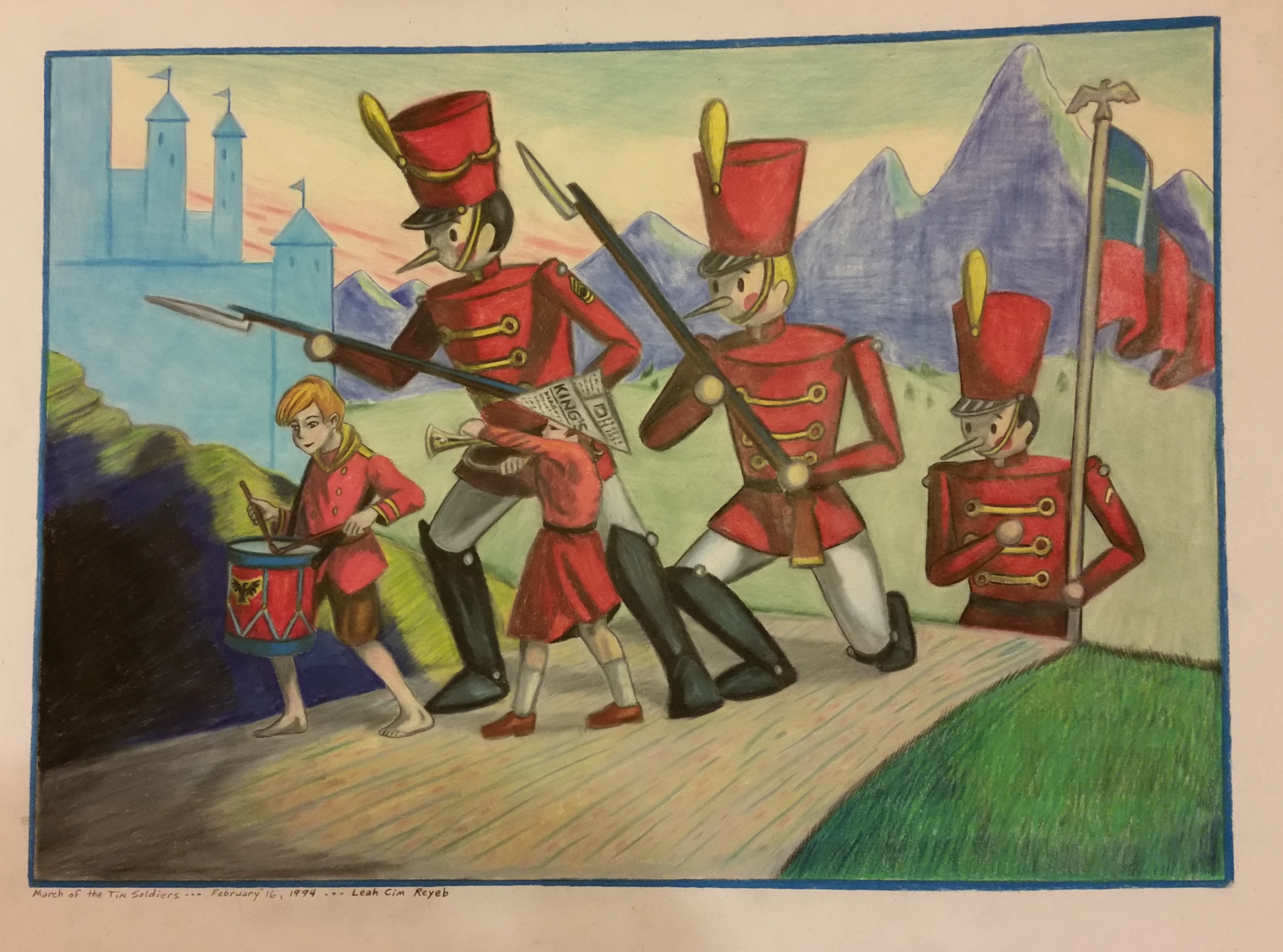
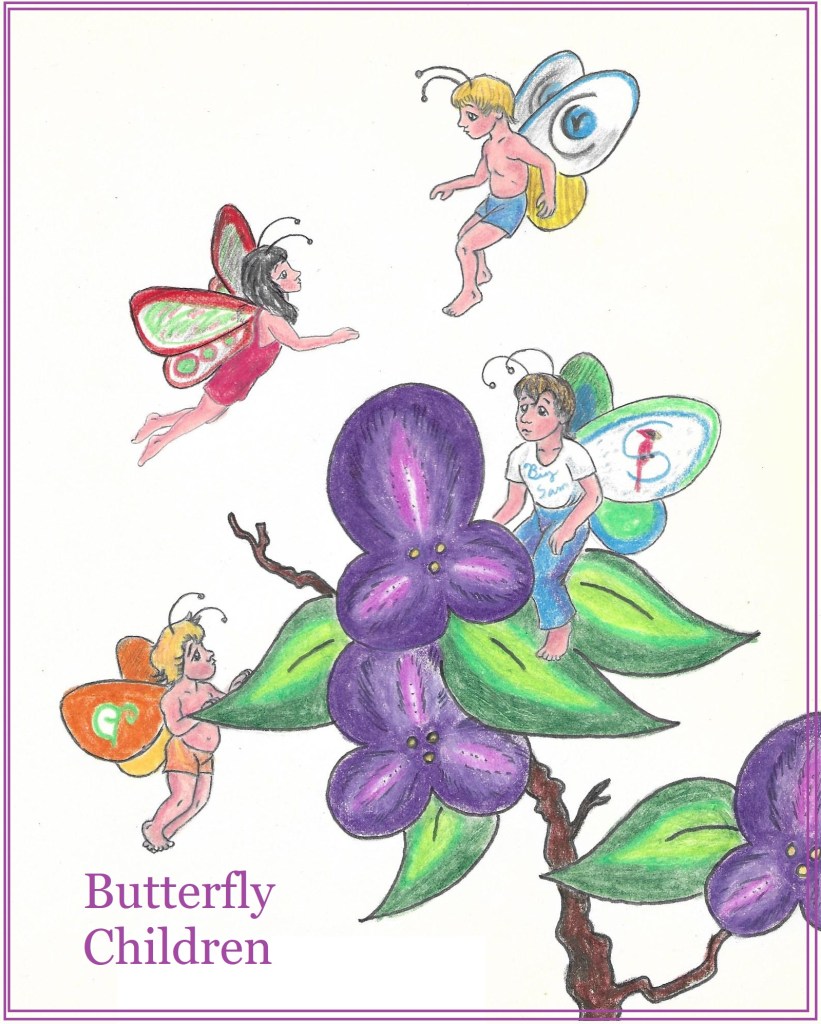
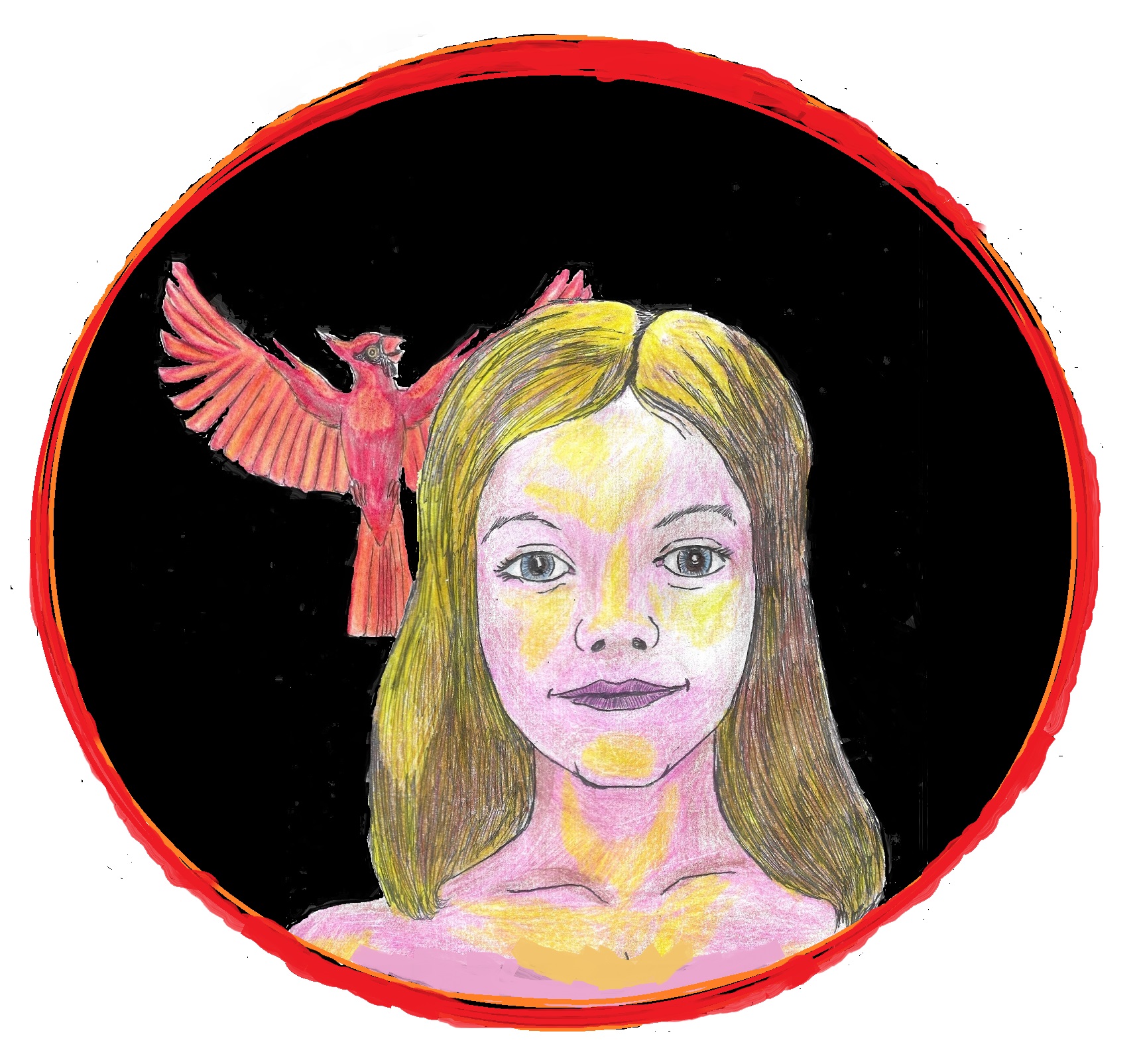
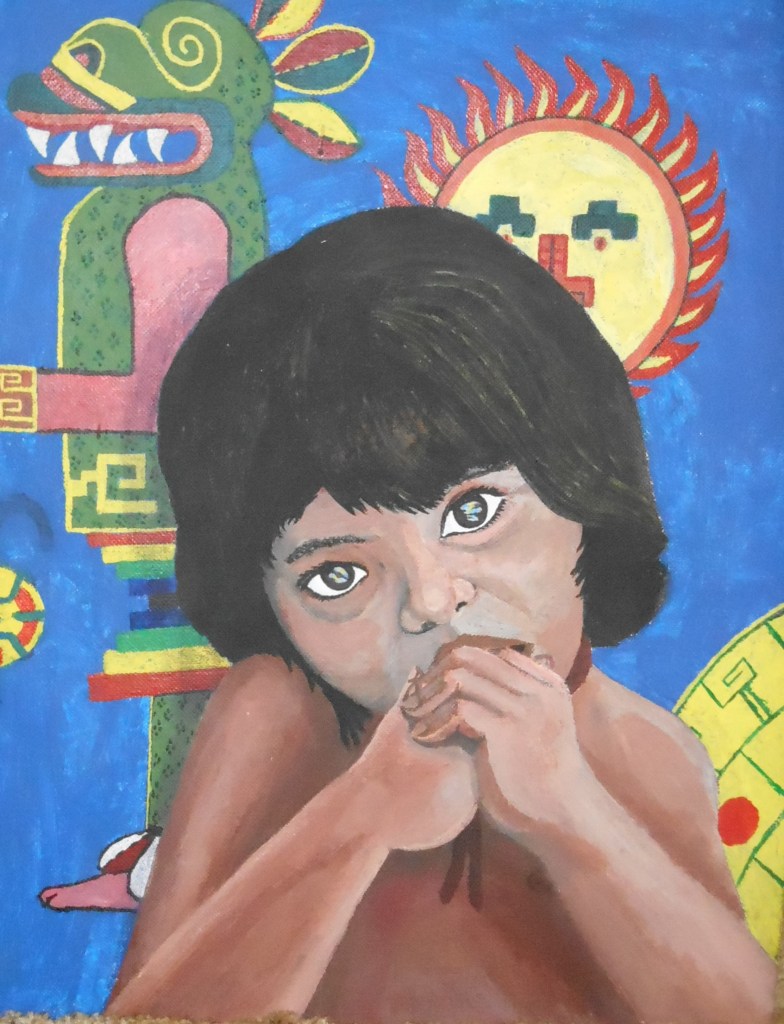
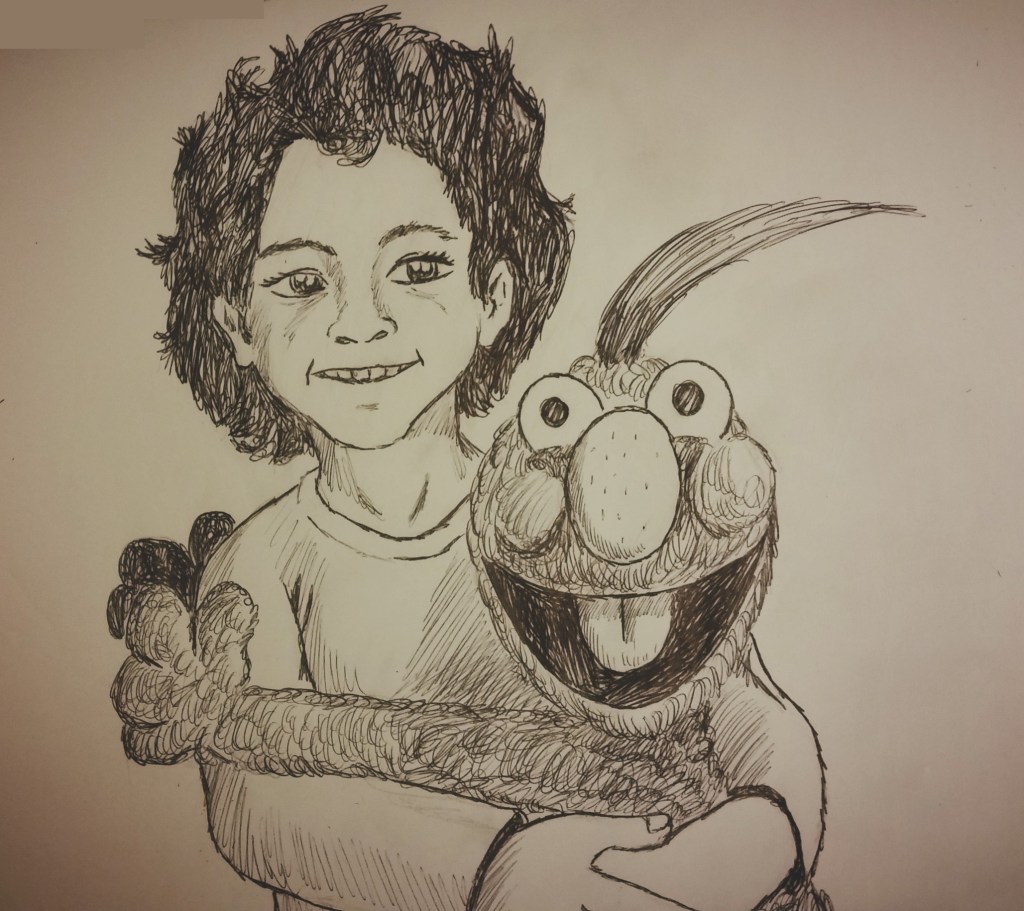
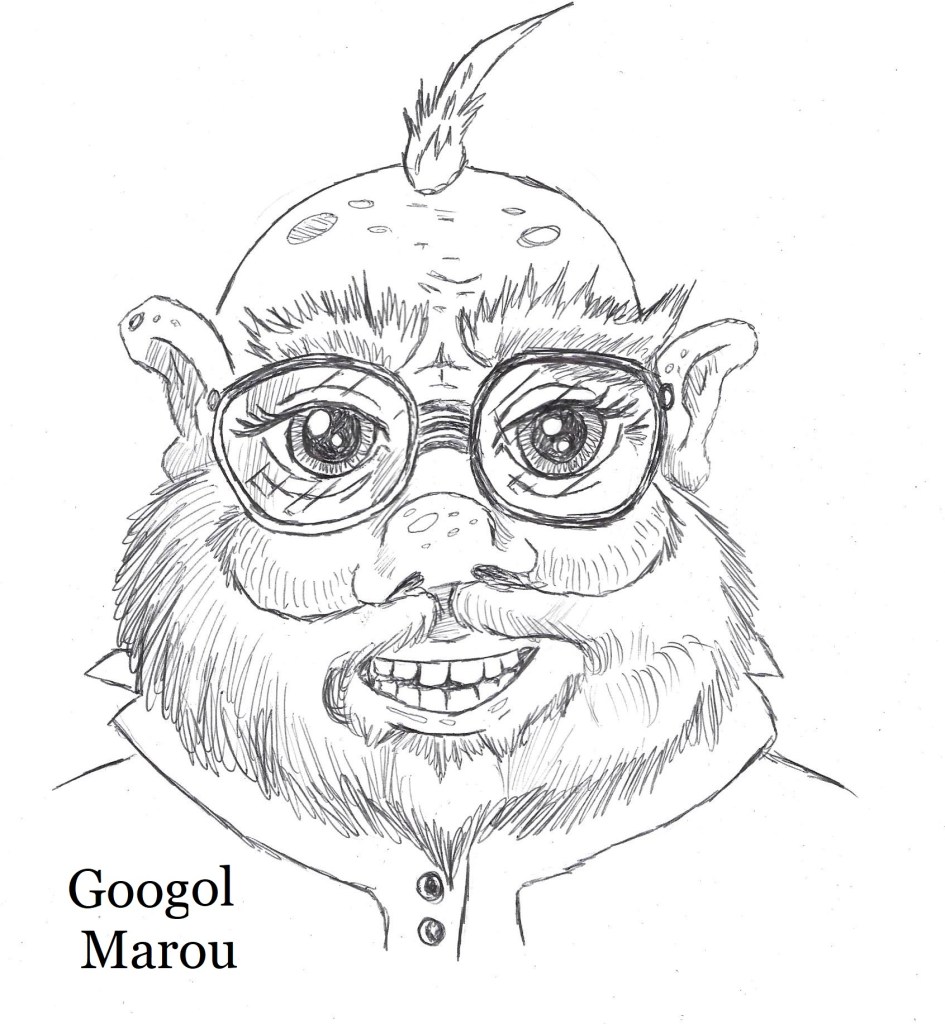
One of the most important things about my blog has been that I can share my artwork. I have always been capable of a reasonably high level of drawing ability. I can also paint and create artistically original photographs. I have that artist’s eye that sees creatively. If you follow directions in this first Paffooney, you will see a wider variety of the kind of Paffoonies I post than I will post here. This will be, however, a picture post. I intend to share a bunch of my artwork here, both old and new. Take a gander. (And while you hold on to that male goose, look at some of my pictures, too.)
You have to admit that I am clearly not an artist like Van Gogh or Picasso… certainly nothing like Andrew Wyeth or Winslow Homer. I am more of an illustrator, or … worse, a cartoonist.
So, this is at least partially about sharing artwork. I am not a professional artist. I have made no money from drawing, even though my artwork has been published before. I have been given this talent by God not to be famous and wealthy, but to be a better teacher and a better storyteller.
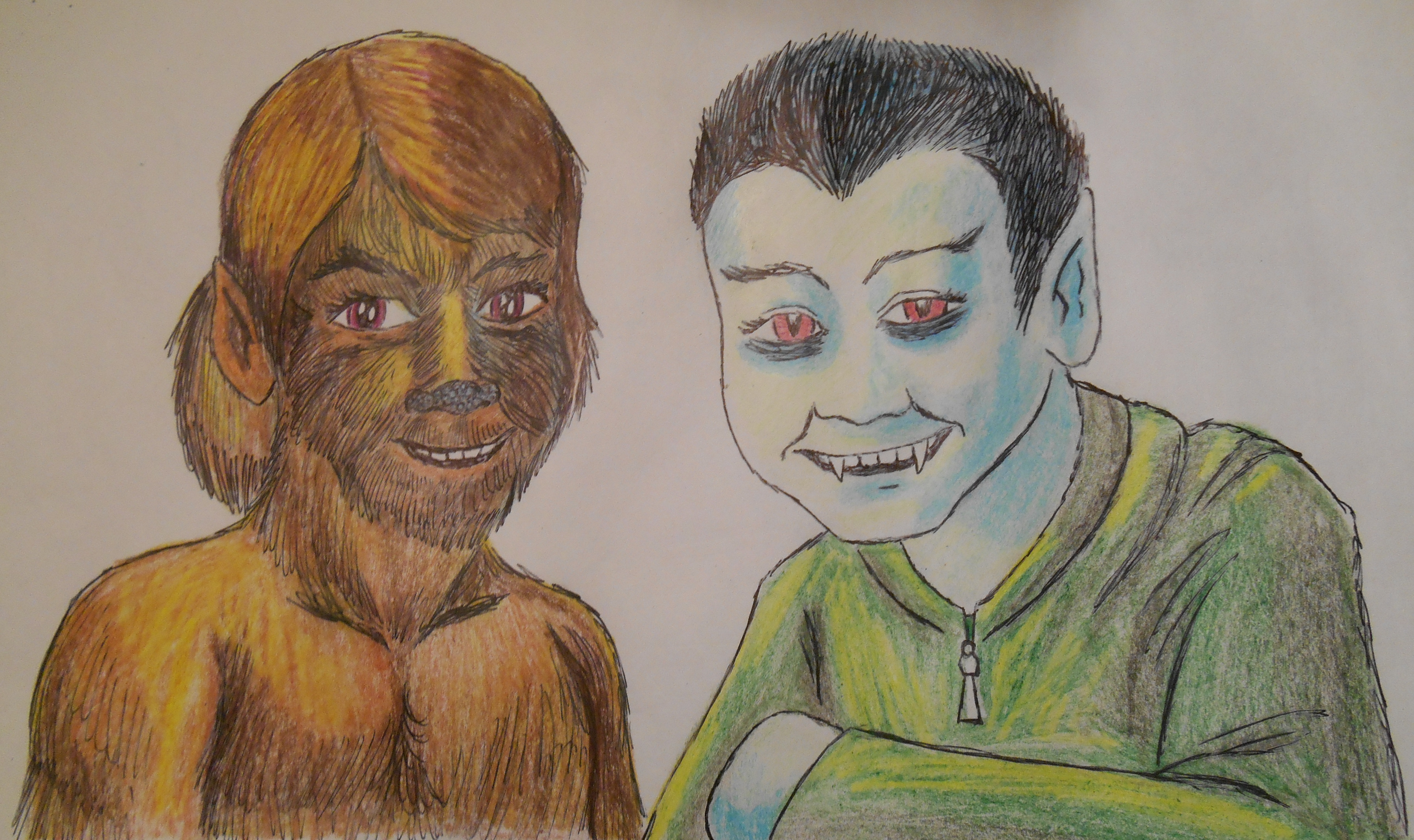
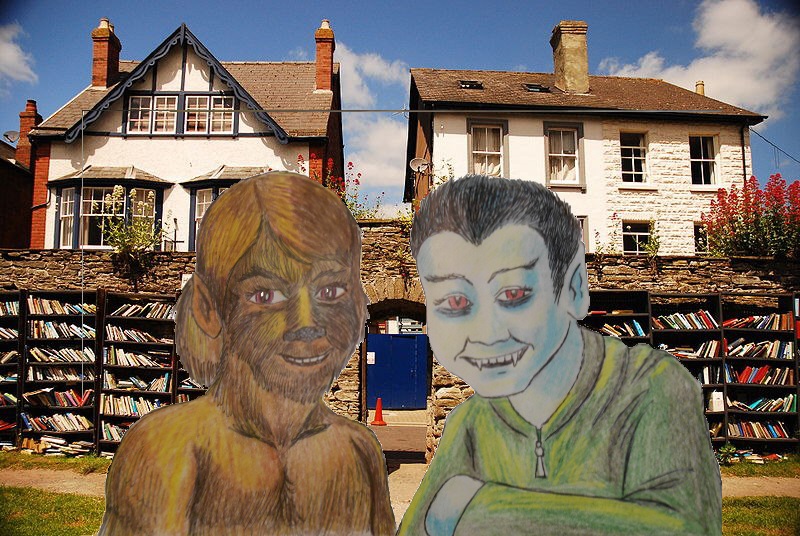
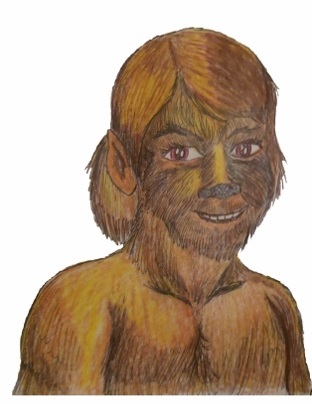
I have been working on my novel The Baby Werewolf, and I am now in the final phase, working on the climax and crisis point. And I surprised myself. The killer monologues to the main characters who have now become his intended next victims. I have played this out over and over in the twenty-two years I have been writing this book. Last night, for the first time ever, the hero character laughs in this scene instead of the cringing fear that had always been there before.
How is such a thing possible? What changed? I have been writing and rewriting this story since 1996. But it goes much deeper and darker than that. This story went on my have-to-write list in 1966 when an older, stronger boy who lived near my home trapped me in a place out-of-sight of others and stripped me, gaining some horrible kind of pleasure by inflicting pain on my private parts. Recovery from that has taken half a century. The recovery itself probably explains why I struggled so long to pull this story together in a finished form.
There are things about my writing life that are undeniable. First of all, I have to write. There is really no other choice for me. My mind will never know rest or peace without being able to spin out the paragraphs and essays and stories that make it possible to know those things. Nothing is real if I can’t write it out. Secondly, I am a humorist. If I can never be funny at all, can never write a joke, then I will descend into madness. My sense of humor not only shields me and serves as my suit of armor, it heals me when I suffer psychic wounds. This book is a horror story, but like many of the best horror stories, it relies on humor to drive every scene and knit the plot together. And it was a breakthrough for me to have the hero character laugh instead of cringe in the critical scene. It allows me to live again. And love again. And the real monster that caused this book to be, is now forgiven. The world continues to turn. The picture is now complete. And soon, the novel will be too.
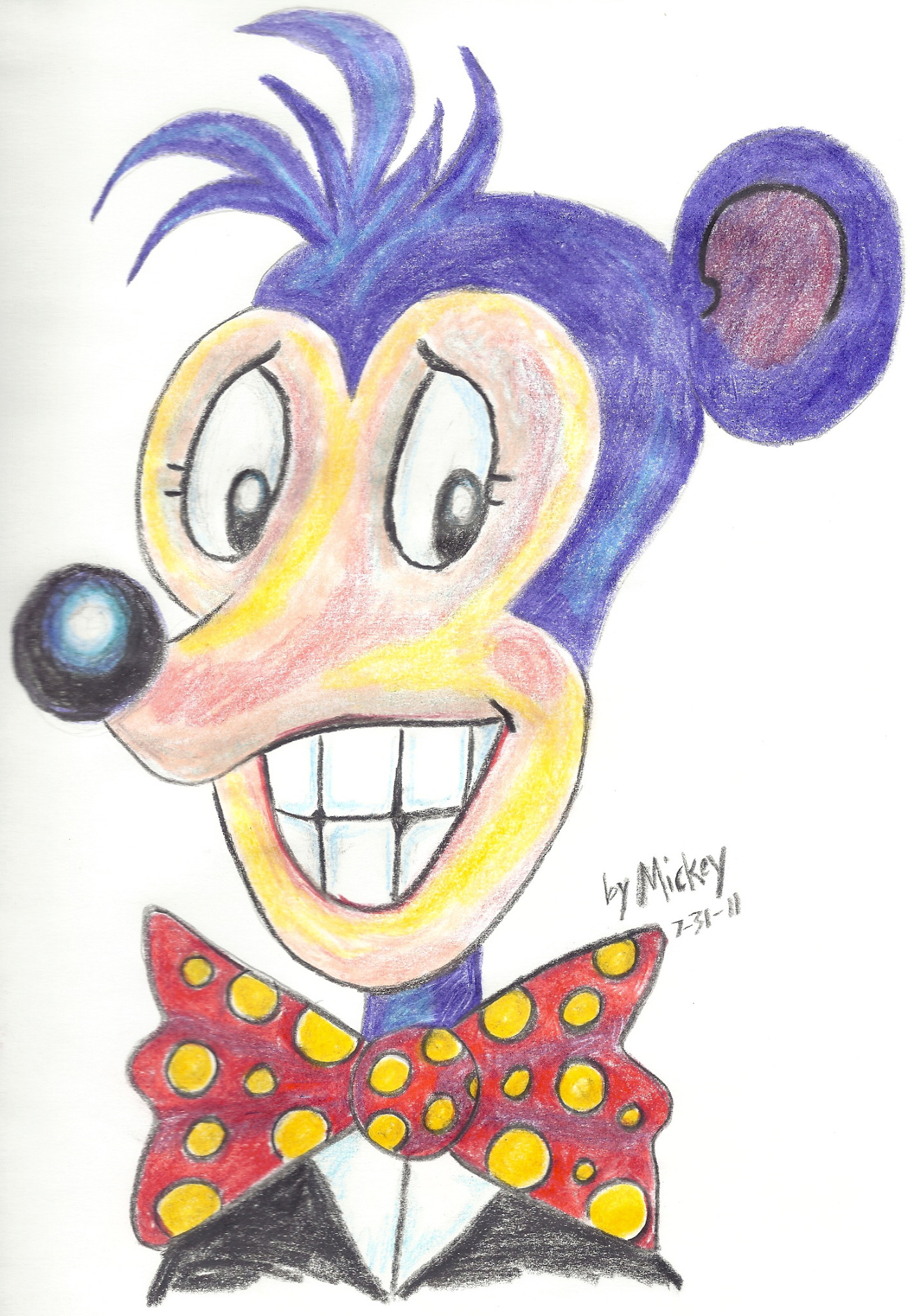
The word for it is Paffooney. I know that is not a real word. It is a Mickian word. Kinda like the word “Mickian”. It is entirely made up gibberish, made up by Mickey, and used to mean an artwork made by the hand of Mickey. So I can’t really explain it. I have to show you what it basically is.
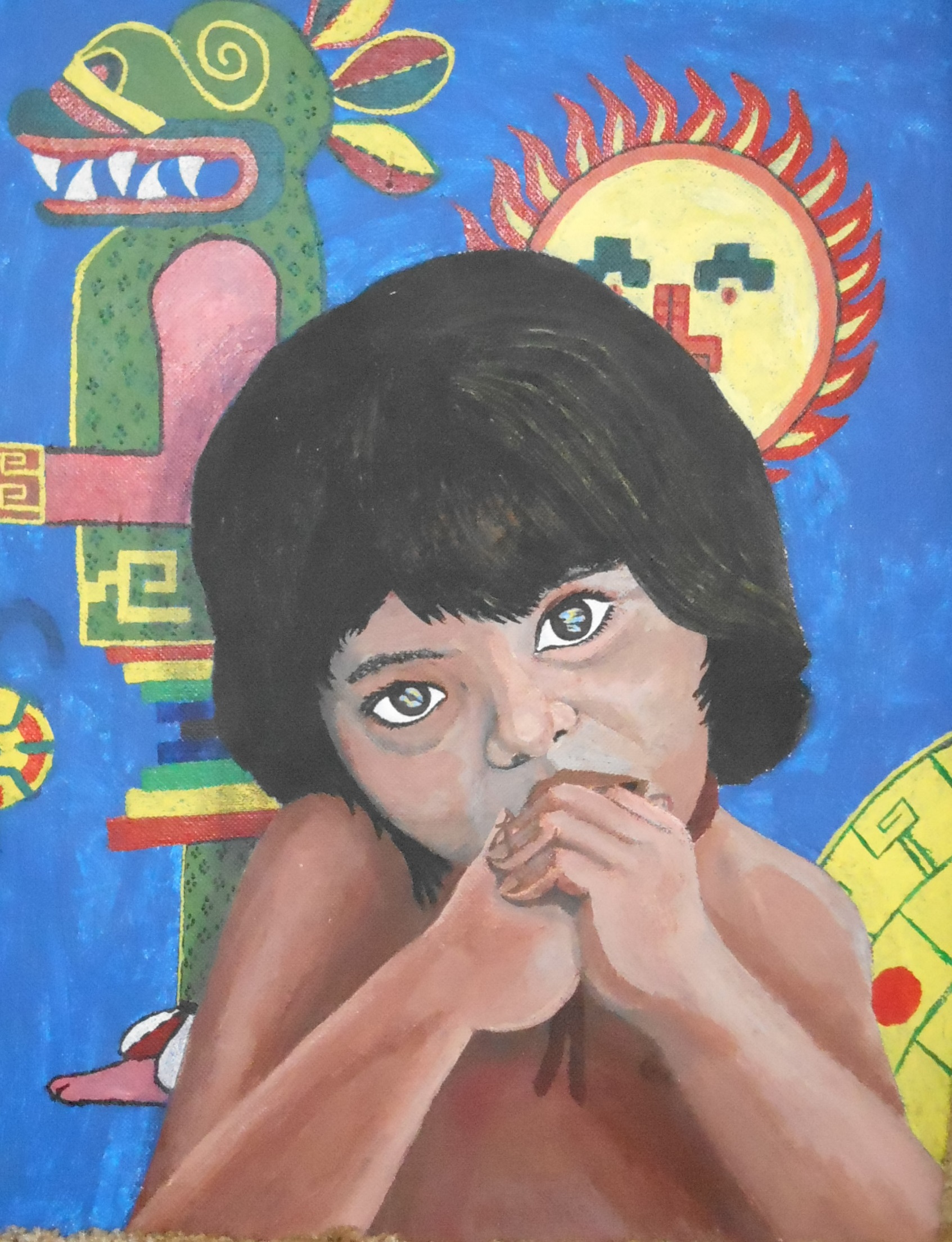
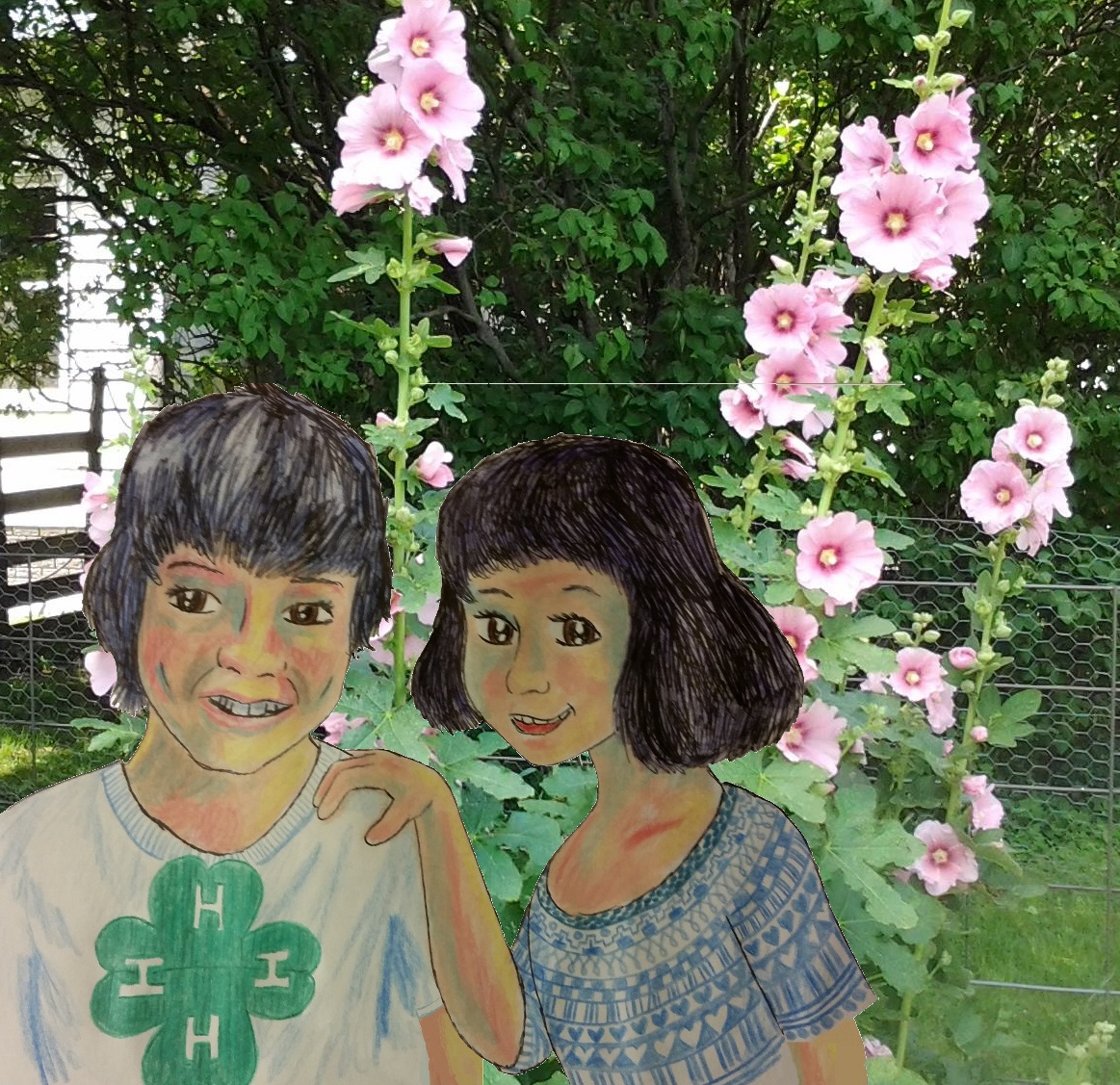
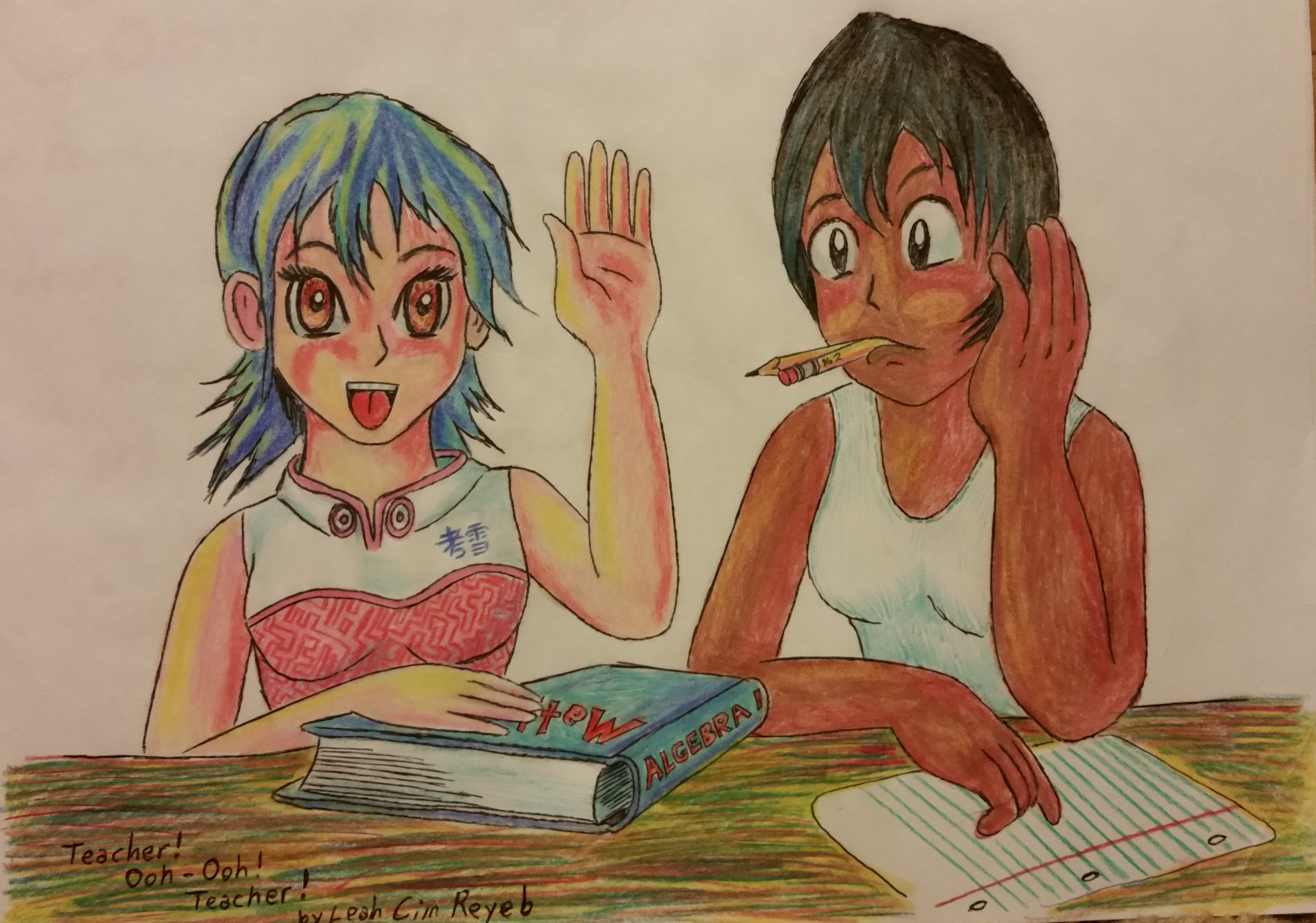
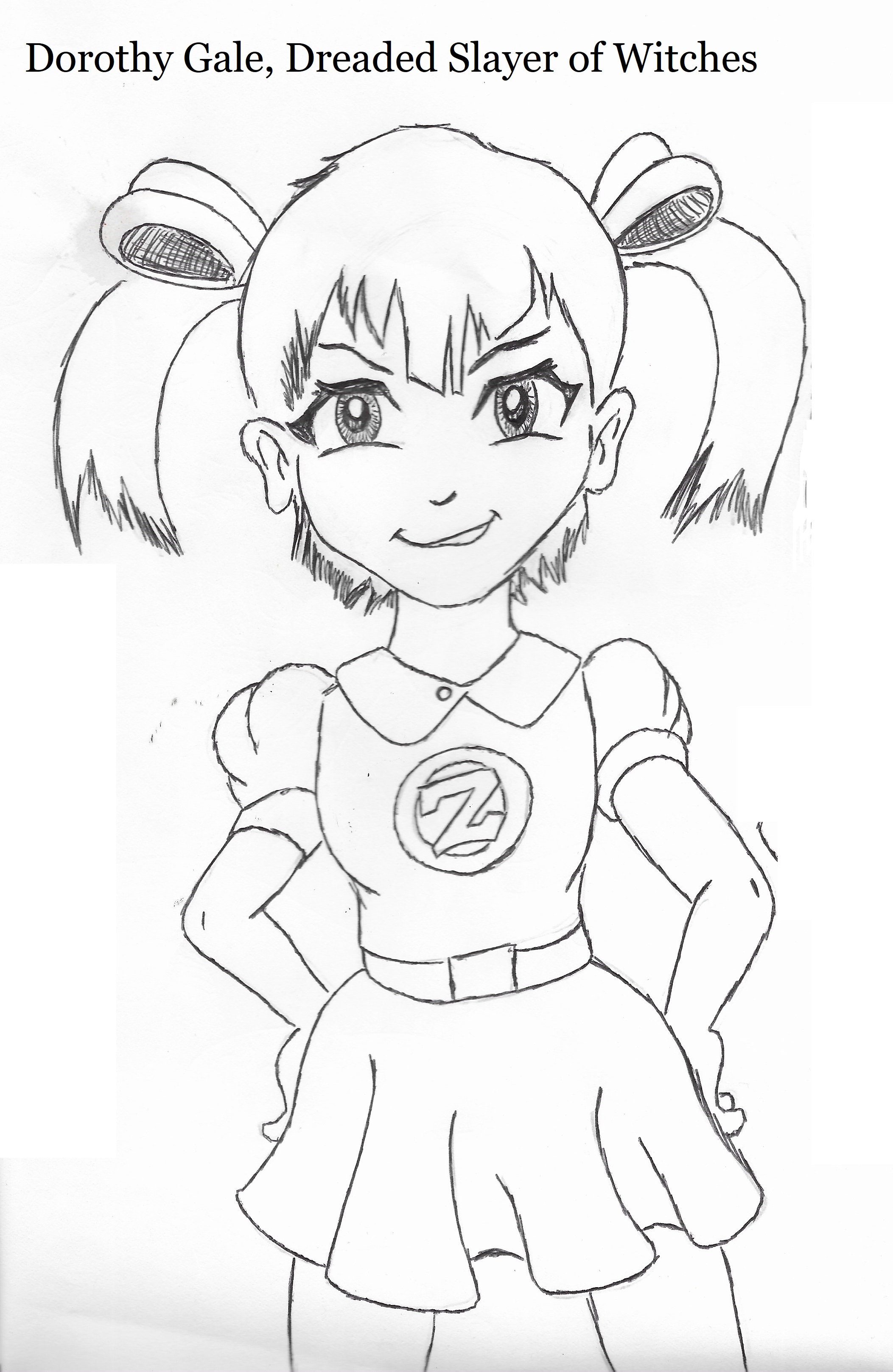
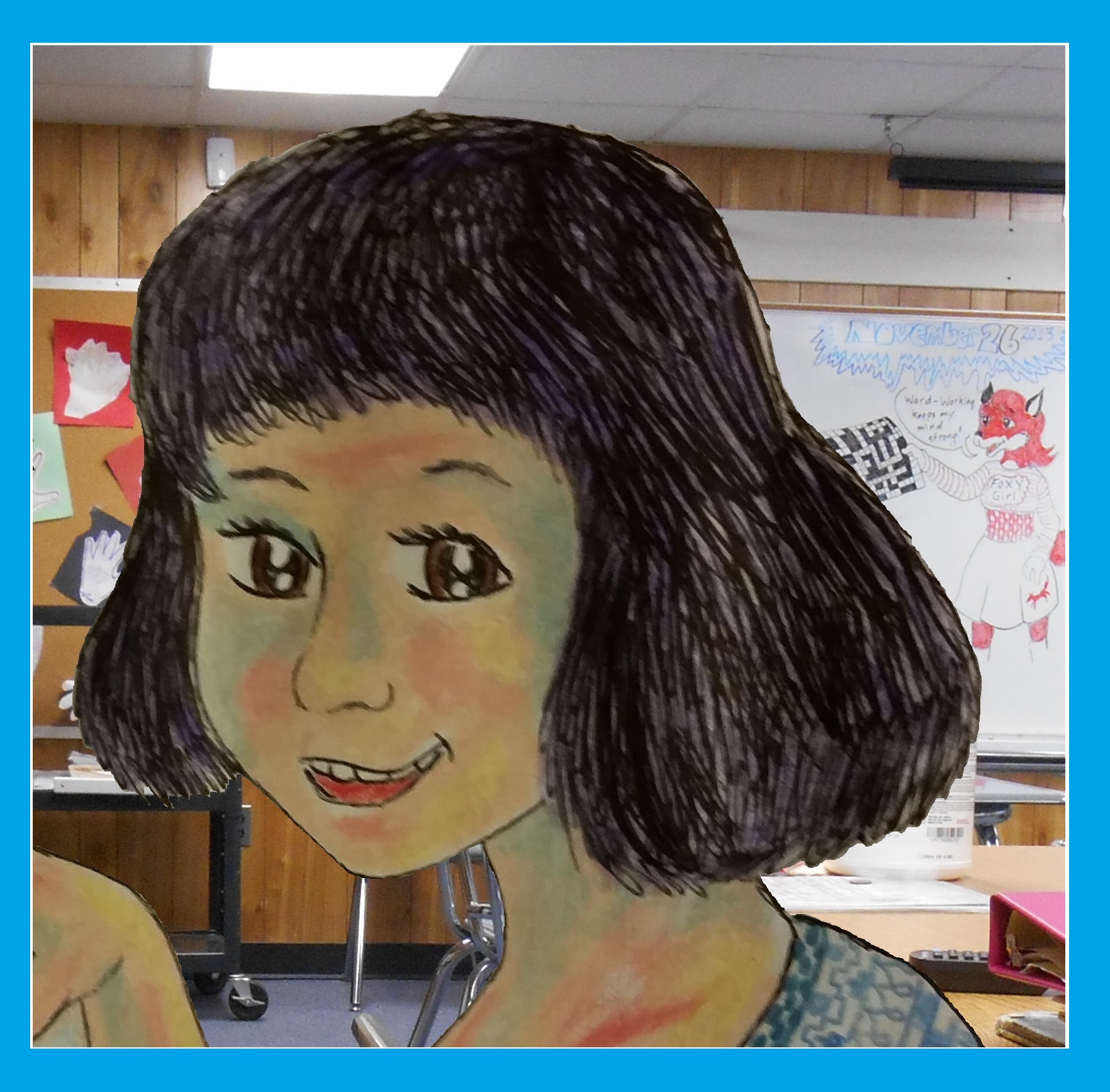
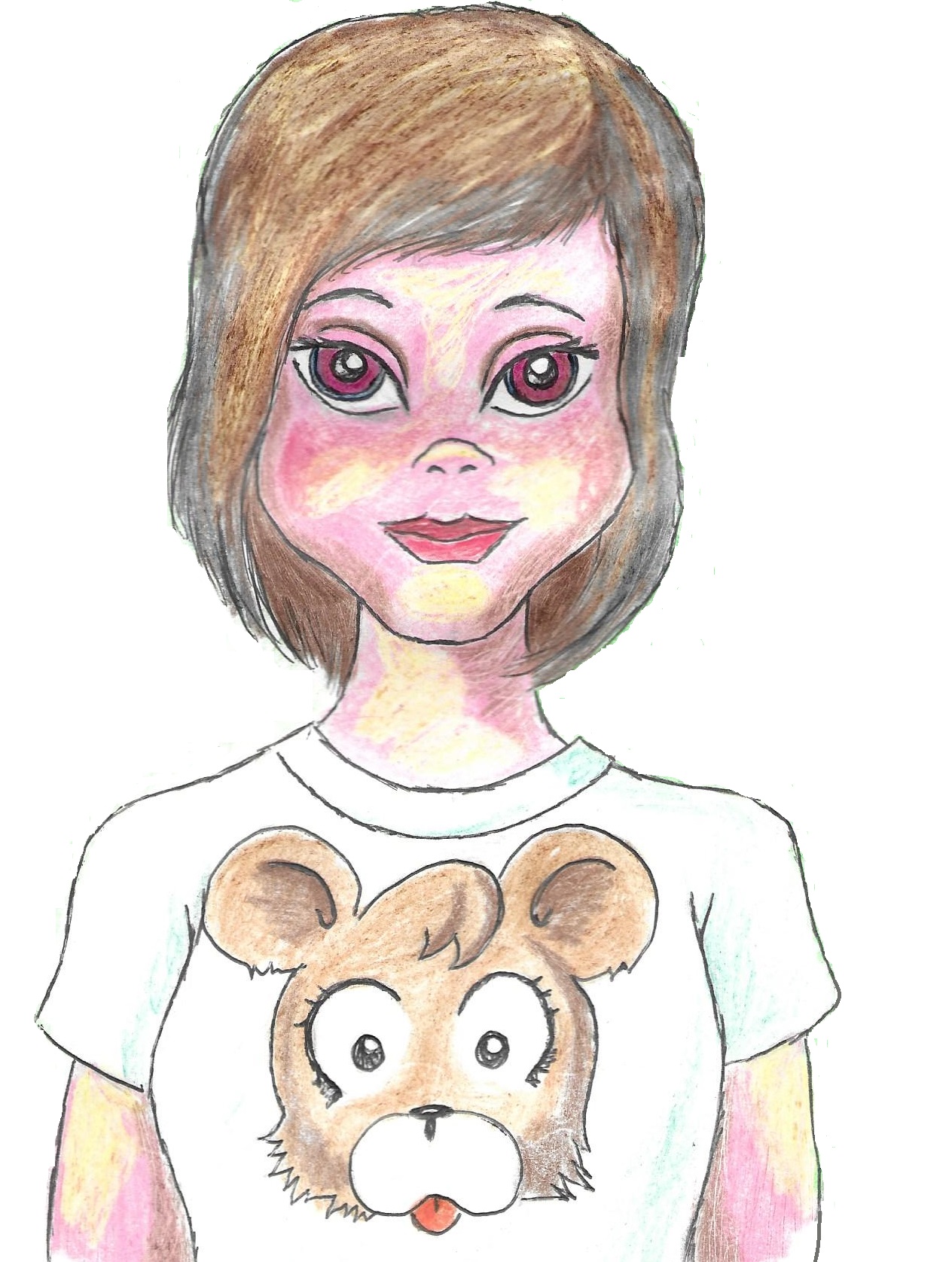
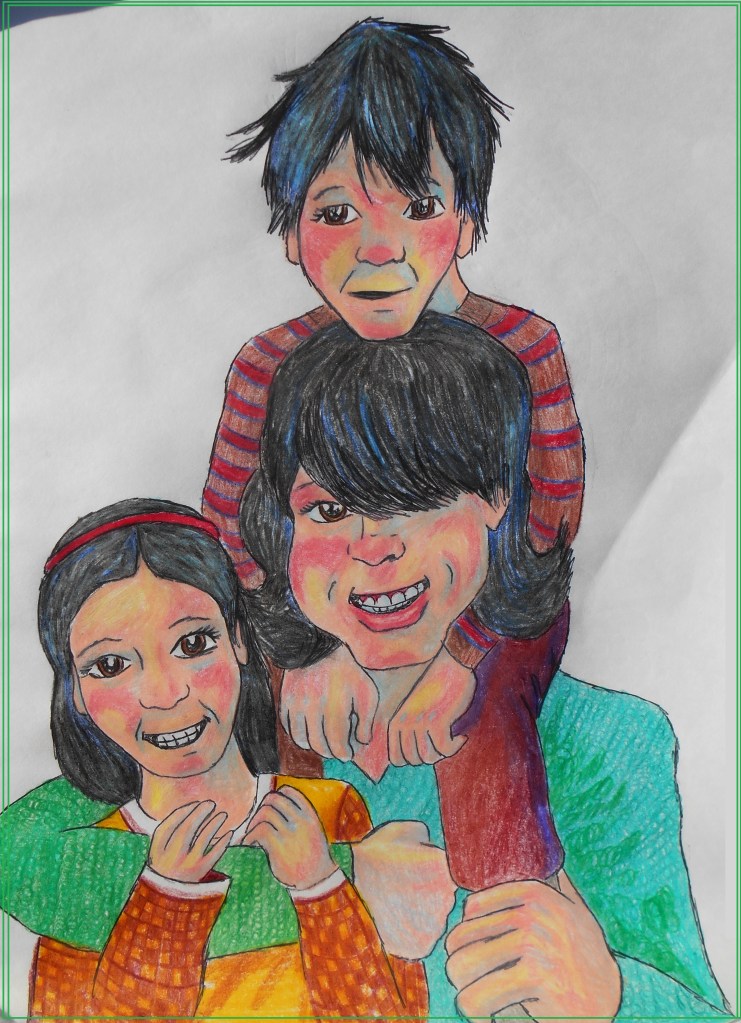
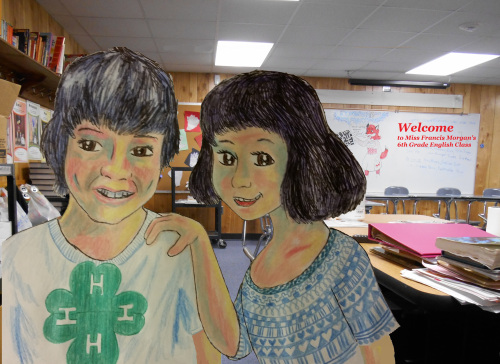
This is a Paffooney. It is inspired by the incredibly unbelievable time in Mickey’s life when they let Mickey be a teacher in Texas. It has no other relationship to reality. Chinese girls in Texas generally do not have manga eyes and blue hair, and while Hispanic girls have been known to eat pencils, they never bring their own notebook paper to class. They always borrow. So there is the basic formula. Colored-pencil nonsense drawn by Mickey and attached somehow to a story.
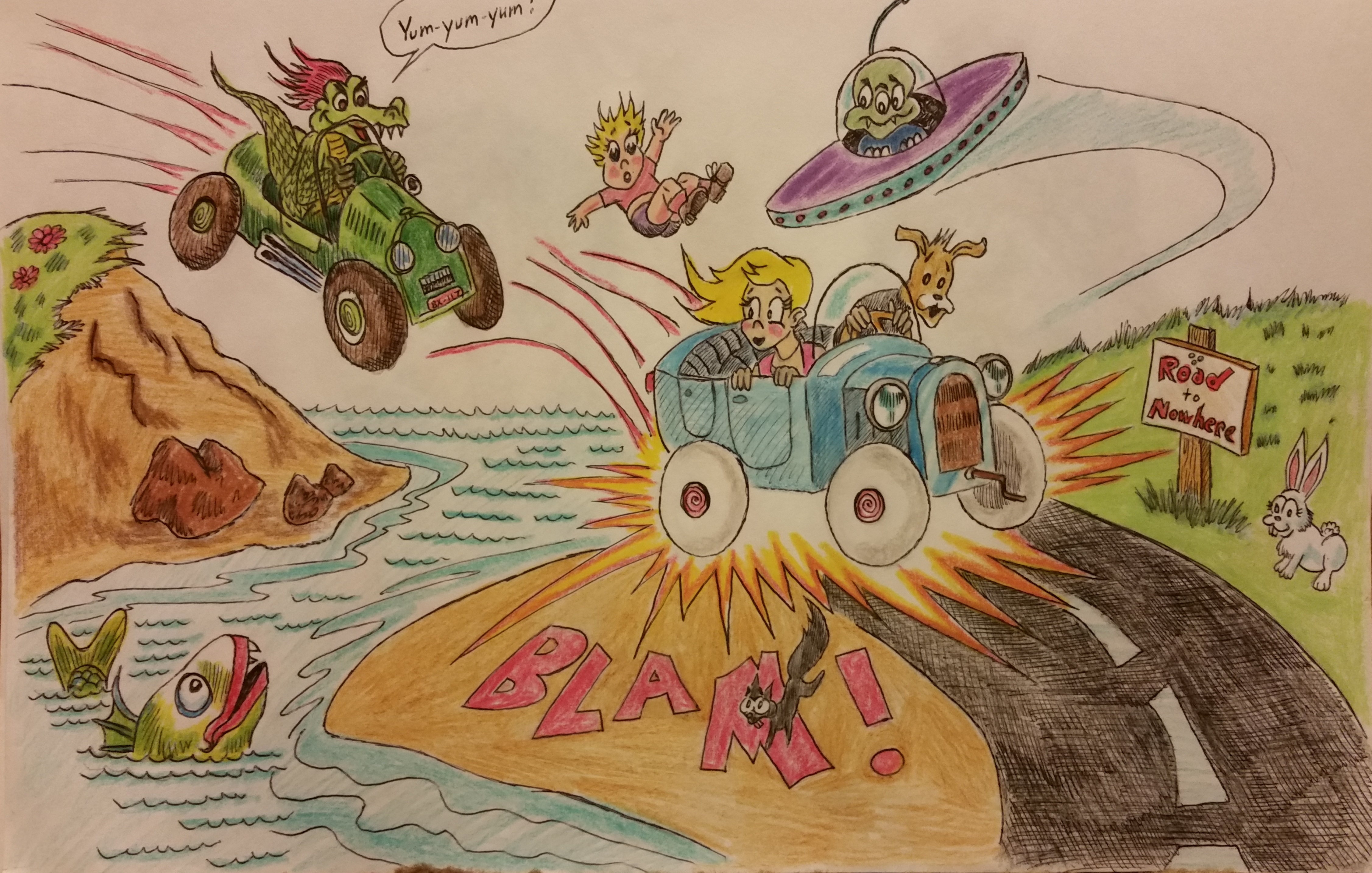
This Paffooney has a self-explanatory story embedded in it. It is obvious this is the story of an average family car trip in Texas. Notice how they demonstrate the Texas State highway motto of, “Drive friendly”.
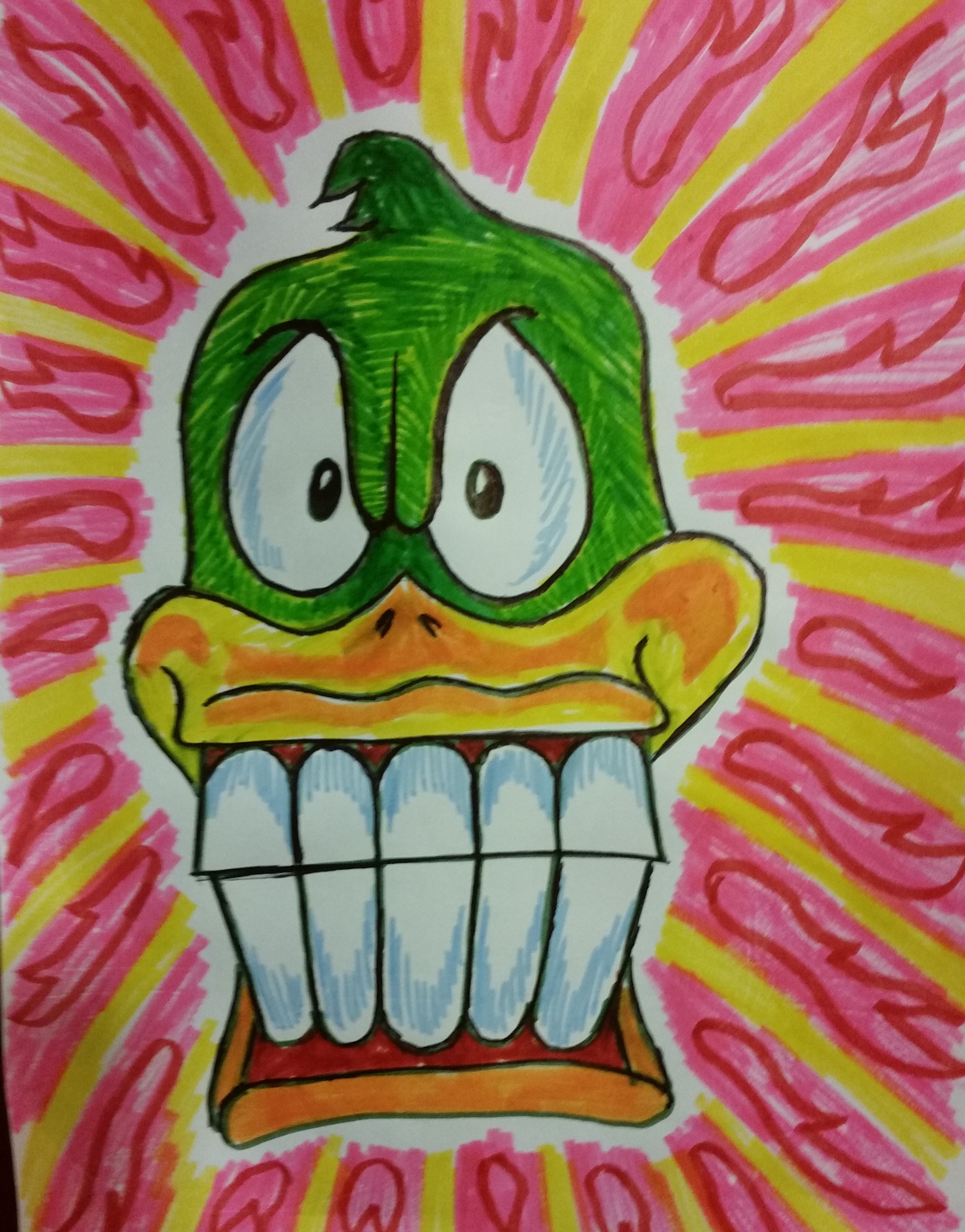
And this Paffooney is a Mickian recurring nightmare about a duck with teeth. Silly Mickey, ducks don’t have teeth in real life!
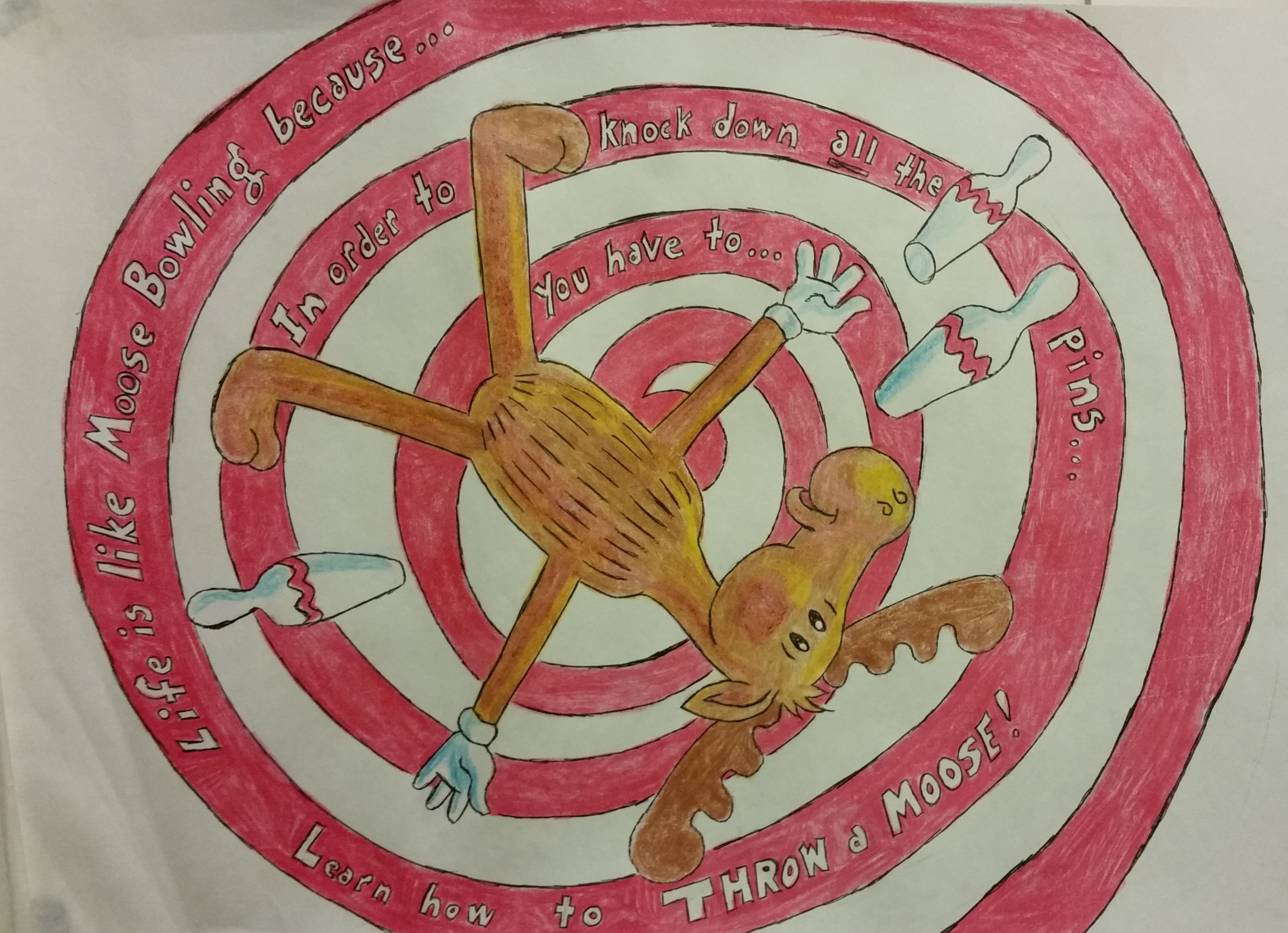
And moose bowling is a Paffooney that needs no explanation… or does it? Well, never mind. I have forgotten what it is for anyway.
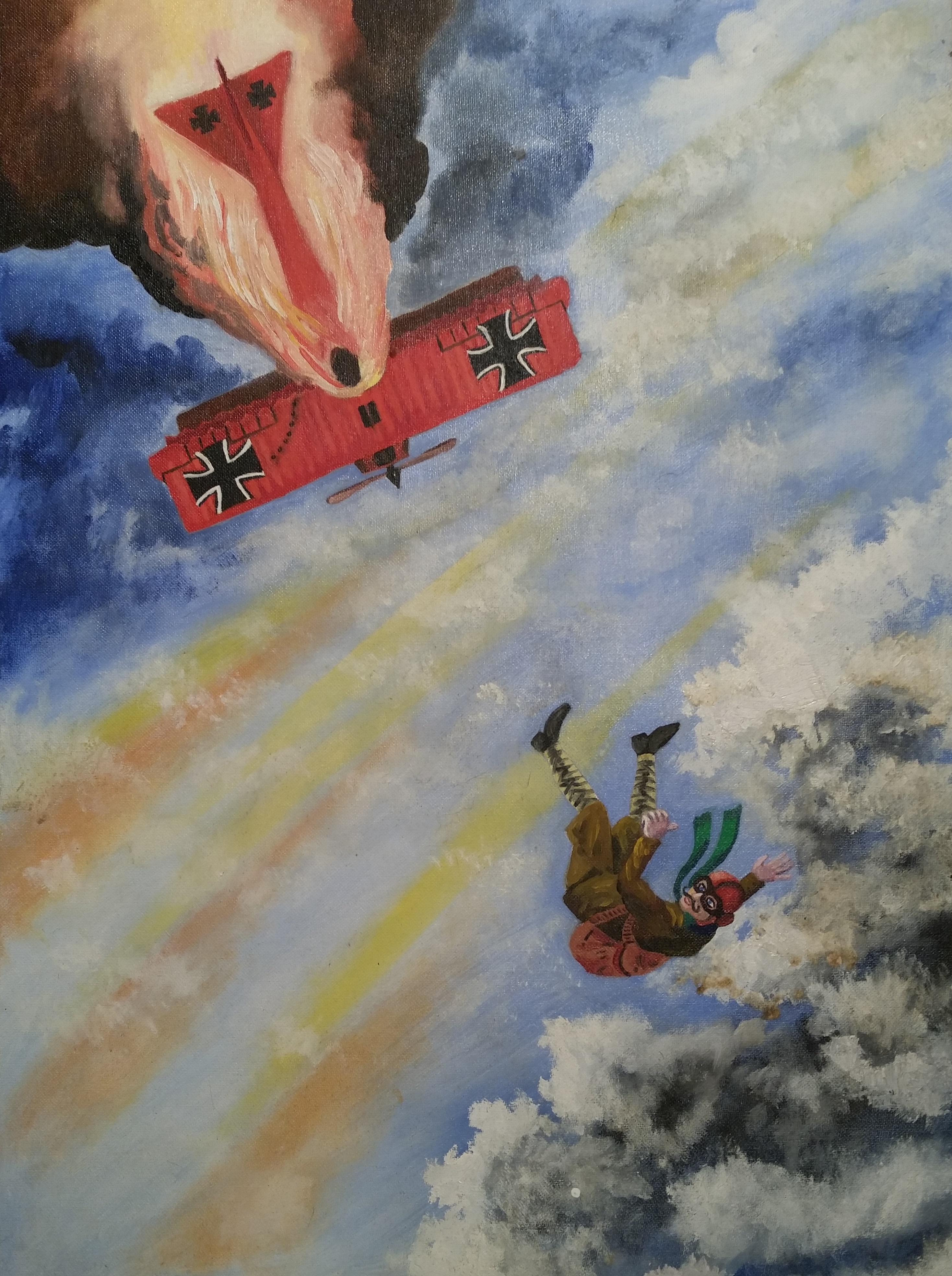
And this oil-painting Paffooney speaks volumes about a philosophy of life. See the pilot giving the viewer a thumbs up? And that isn’t a parachute on his back. They didn’t have parachutes in World War I. It is a message pouch with German war plans in it. I even painted it with a bratwurst sandwich inside for the pilot’s lunch. Don’t I do great detail work? But he will have to eat it quickly before he reaches the ground.
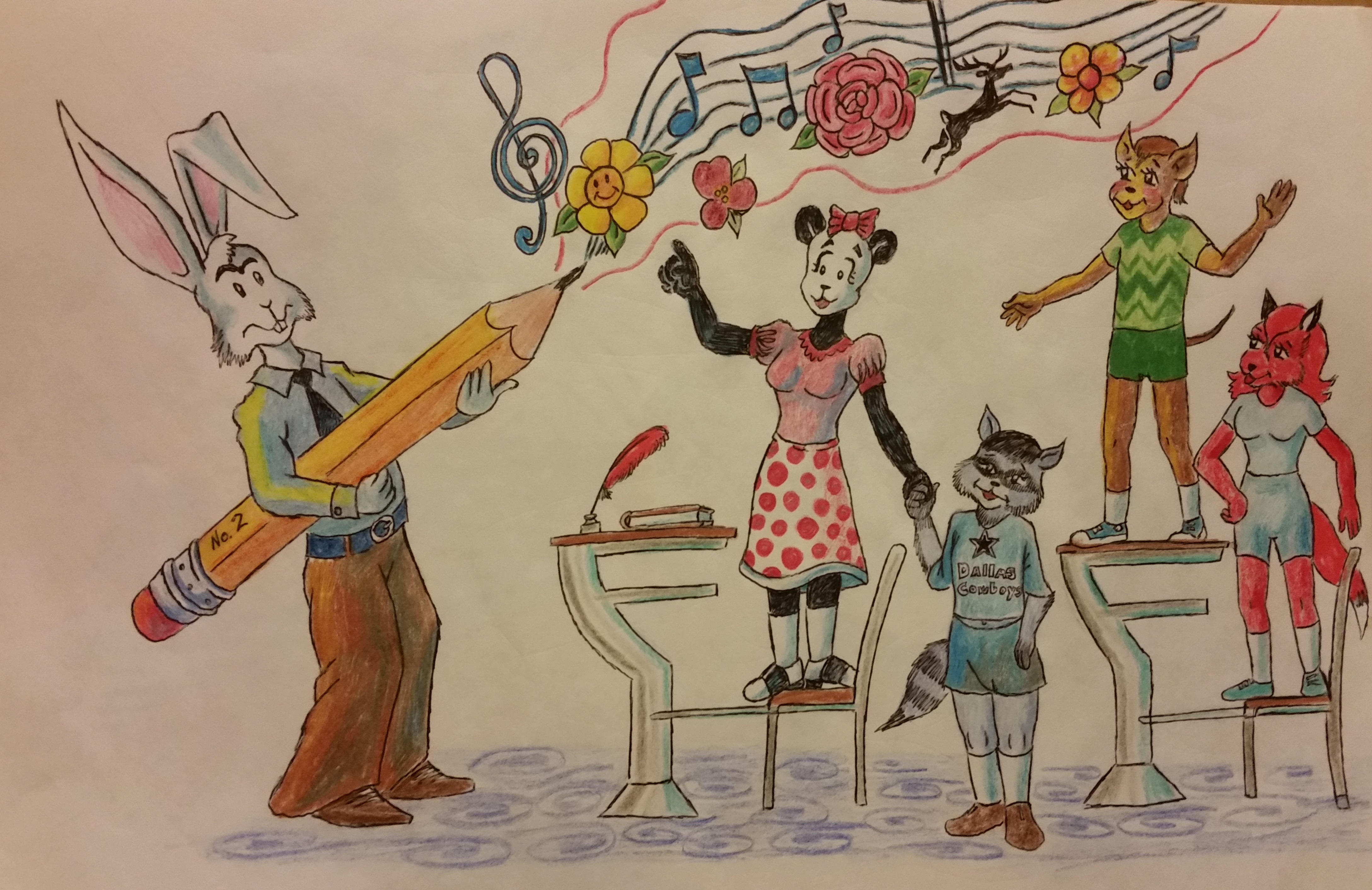
And this is me teaching an ESL class. When you teach English to non-English speakers in Texas, you get to hold the big pencil. And it helps to be a big white rabbit.
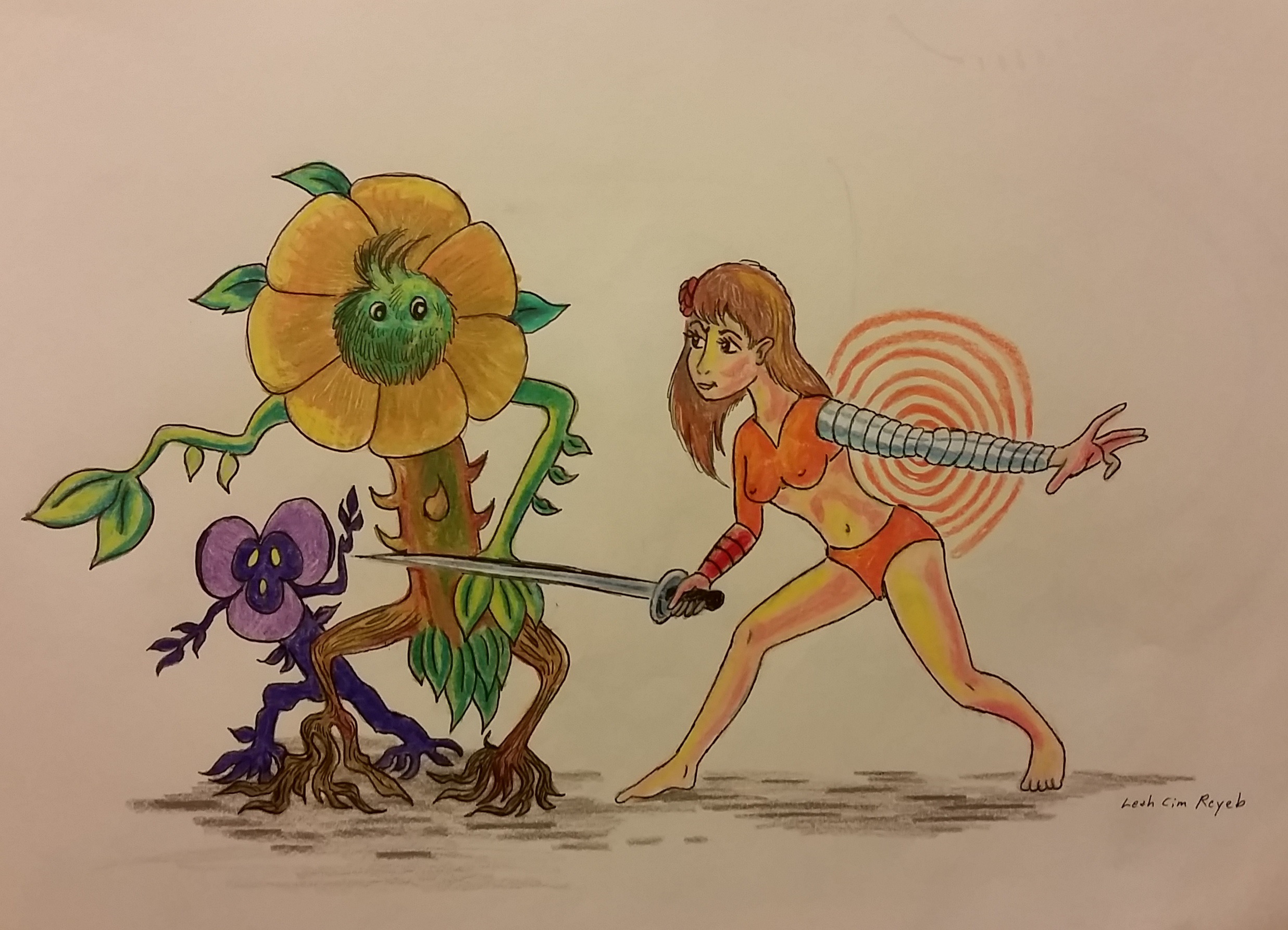
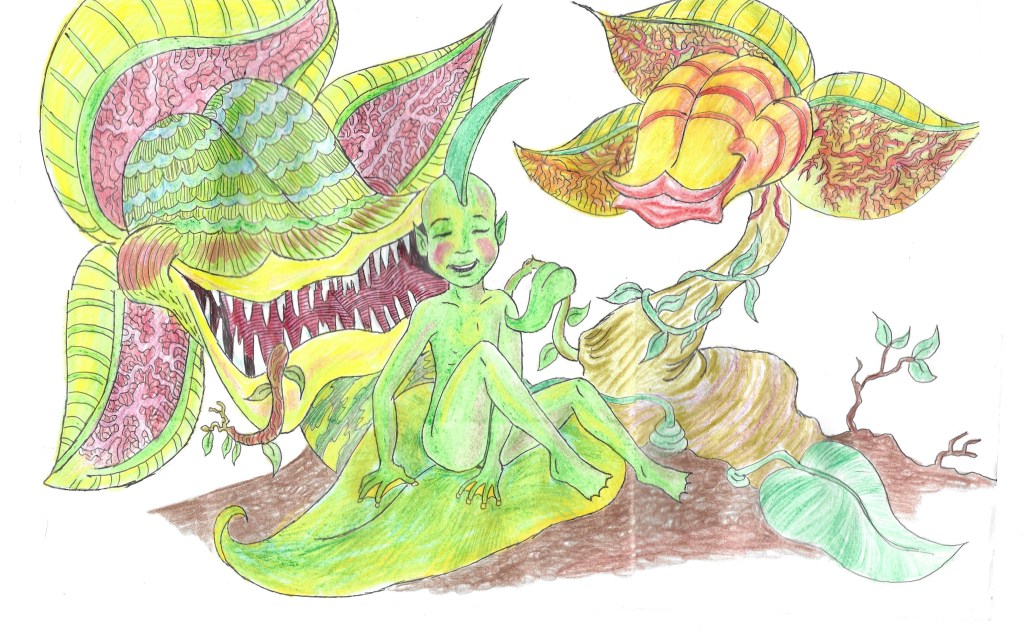
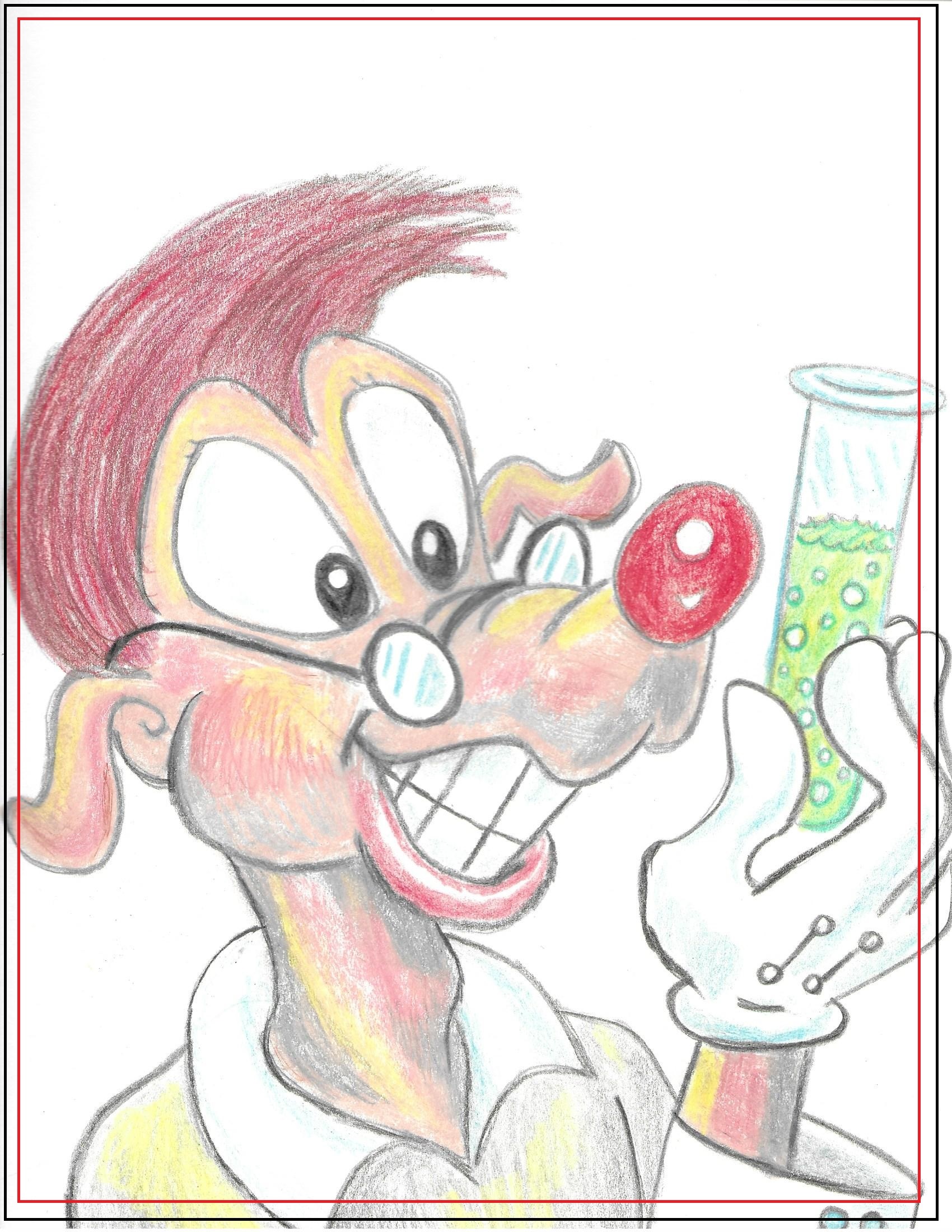
And this is a science fiction Paffooney, although the science is questionable. Don’t doubt that the flower-people of the planet Cornucopia are real, though. And Mai Ling, the psionic space ninja really can elongate her arm to get maximum thrust into her left-handed karate chops.
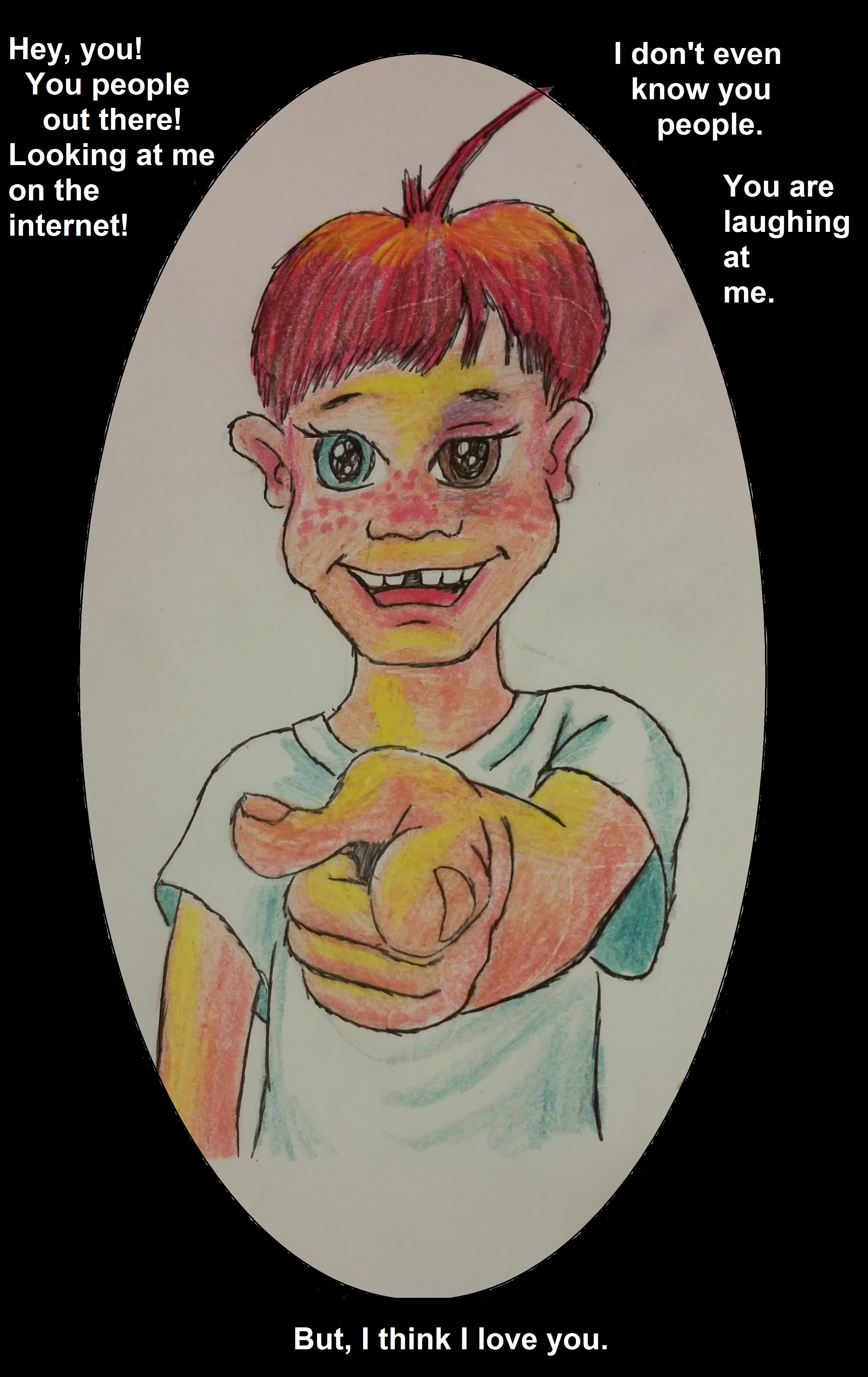
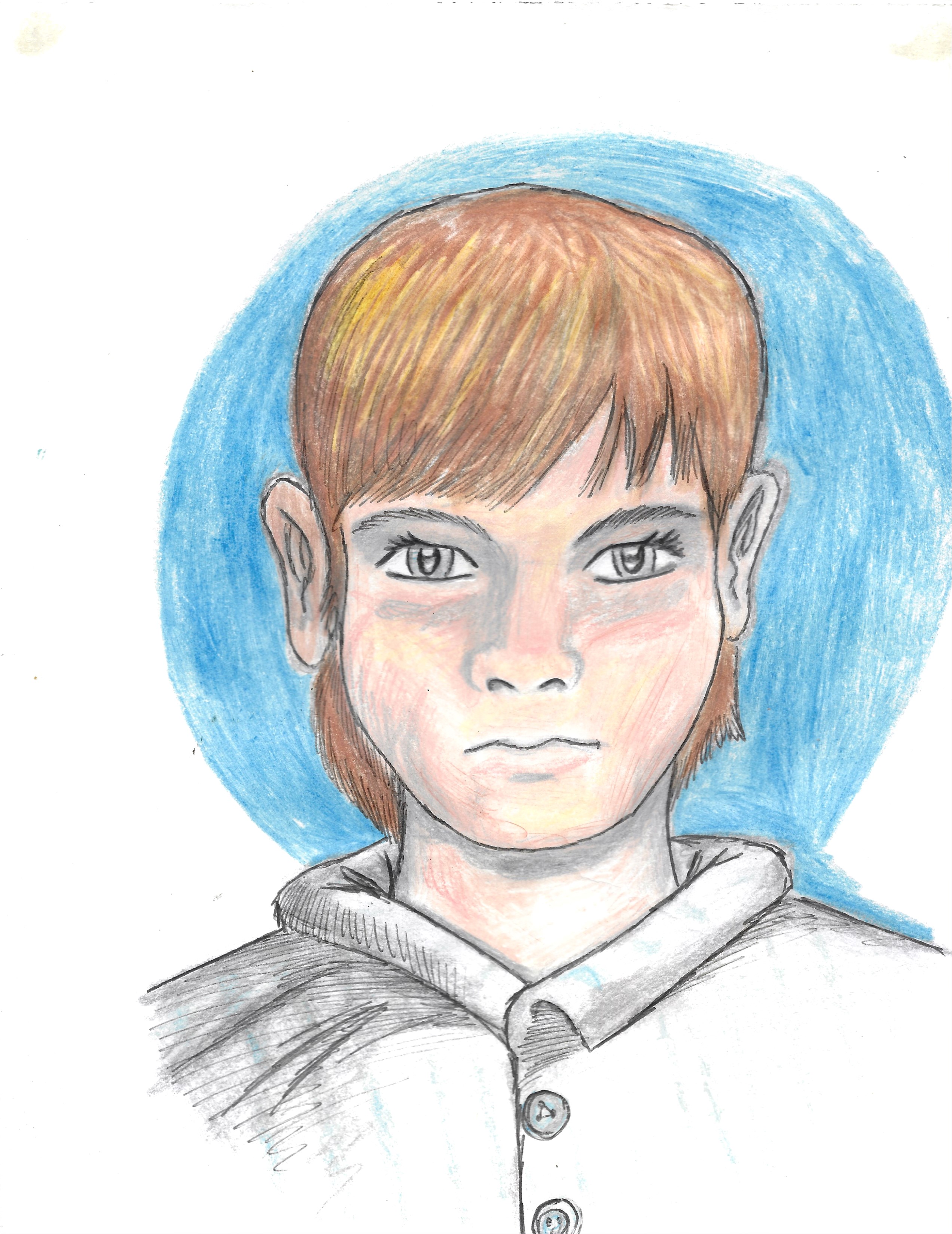
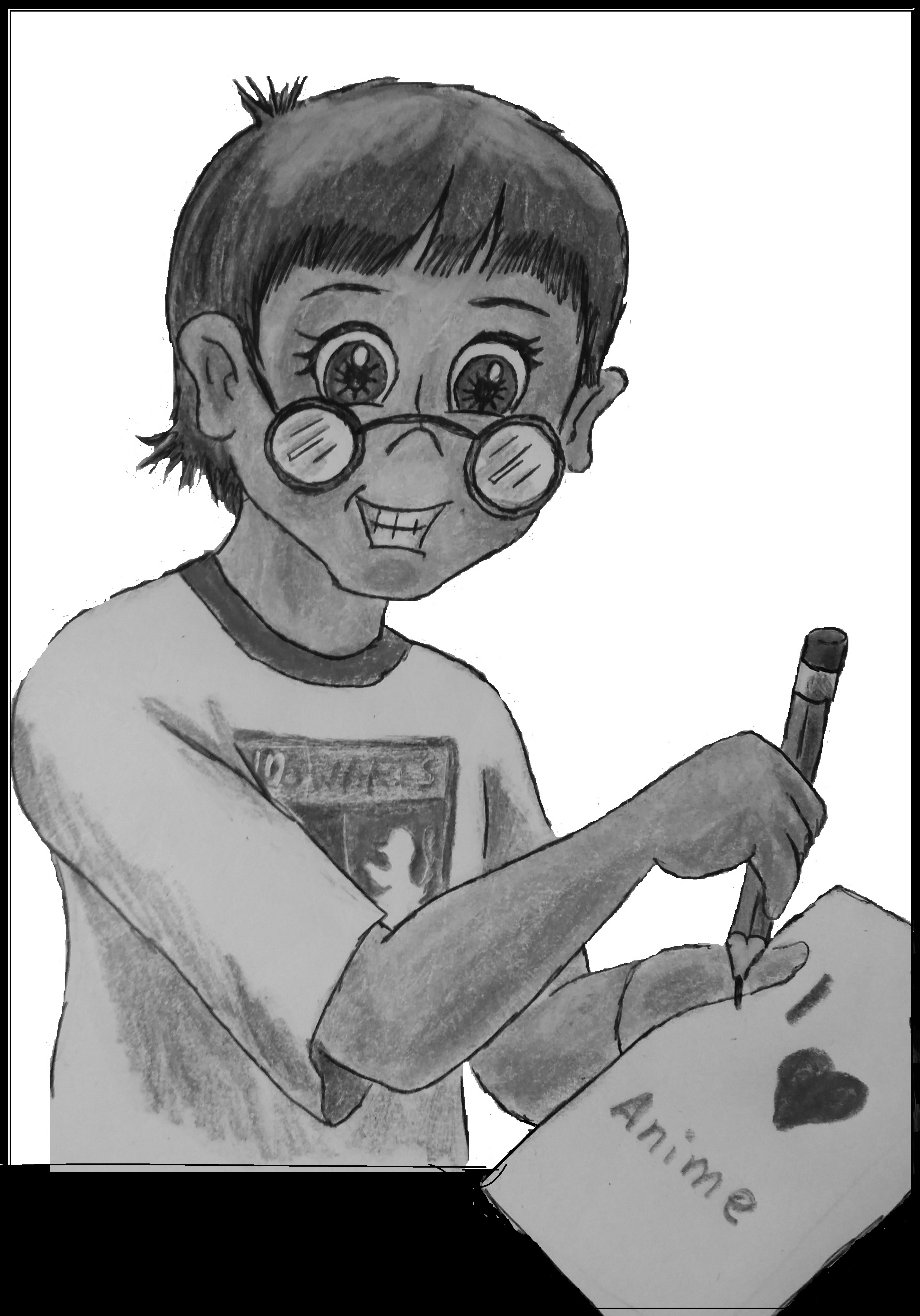
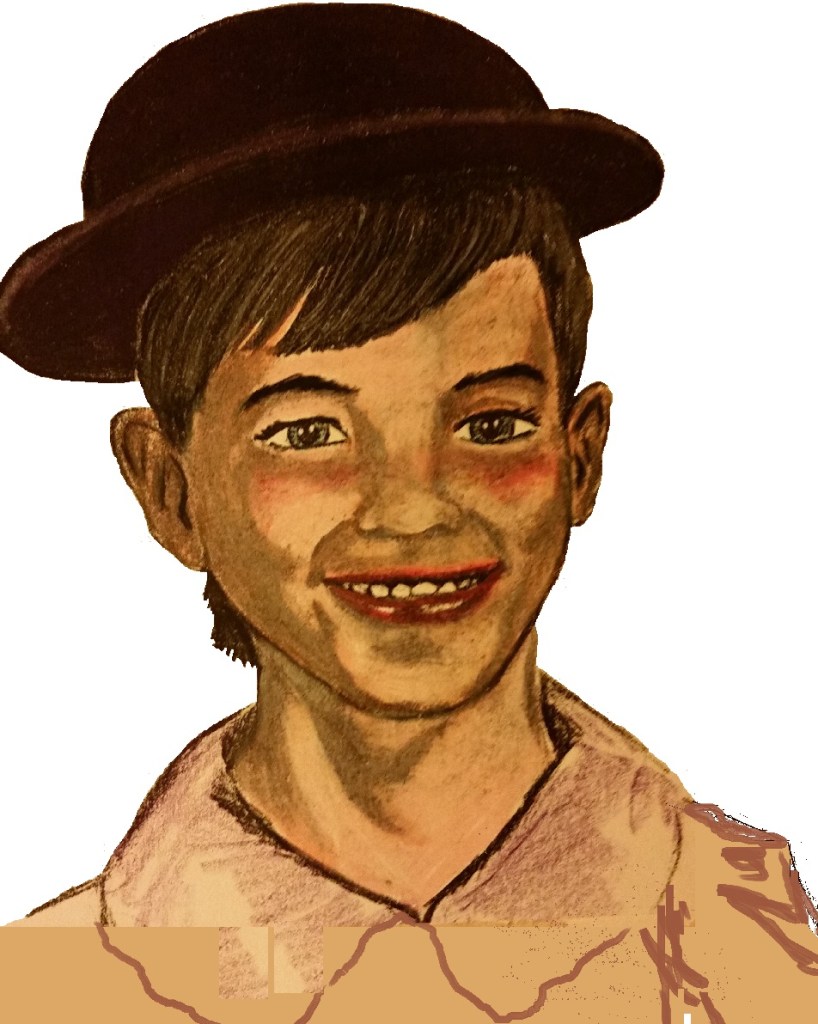
And we end for today with the Paffooney of a stupid boy. He’s not really me. Not really. And I don’t even know who gave him the black eye. So it can’t be me. So maybe he is not so stupid. You can’t say that about somebody you don’t know and is not even you.
So, now do you know what a Paffooney is? No? Me neither. But if you Google images with the words “Beyer Paffooney” you can see a lot more of them. Nobody else uses that word but little ol’ me.
Looking for stuff to organize into a post today led me to realize that I currently exist swimming in a tidal wave of goofy images that I myself have created.
So, lazy and goofy old me will now show you some of these things.
I don’t even remember why I drew some of these things.
Some of it, is obviously because I was a teacher.
But some of it is merely wacky.
Though some might be considered inspirational.
While some of it is just meant to be appealing.
But all of it provides me with an easy post that you can read fast, but still get plenty to think about from. It is even good for a re-post if I add something newer.
I have just finished a novel project that I worked on for a year, from Spring of 2016 to Spring of 2017. And part of my personal project procedure involves using drawings to help me visualize the characters in the story and begin to view them as real people, even when they most certainly aren’t real. I even have this derfy Mickian idea that Paffoonies (those picture ideas that are inseparably fused to words) are essential to Mickian fiction. (Mickian fiction= another frighteningly goofy idea that needs to go unexplained.)
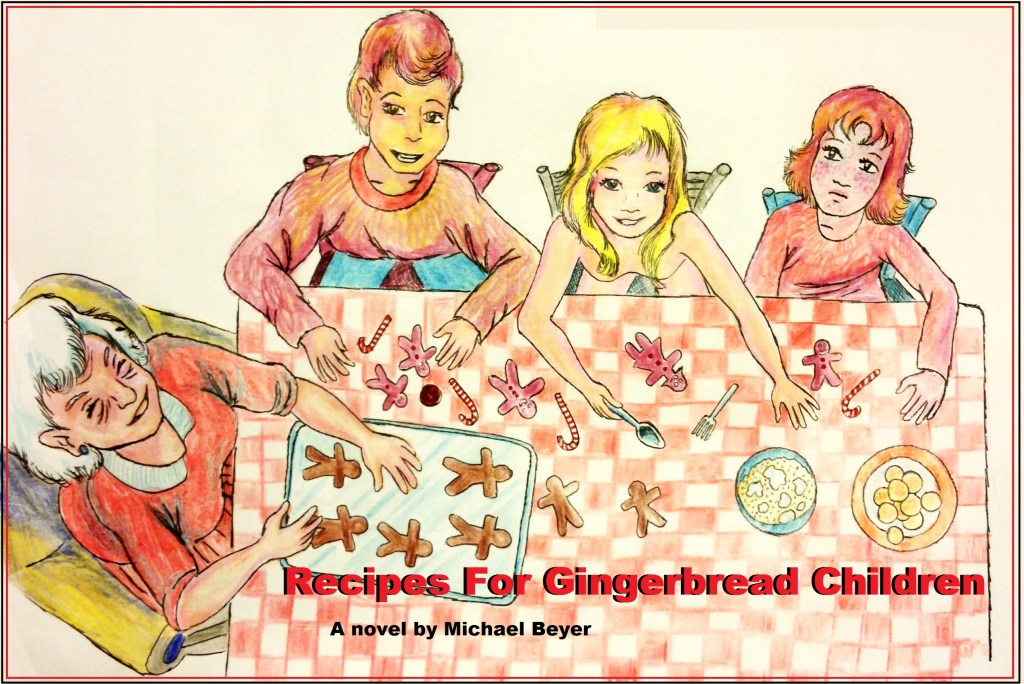
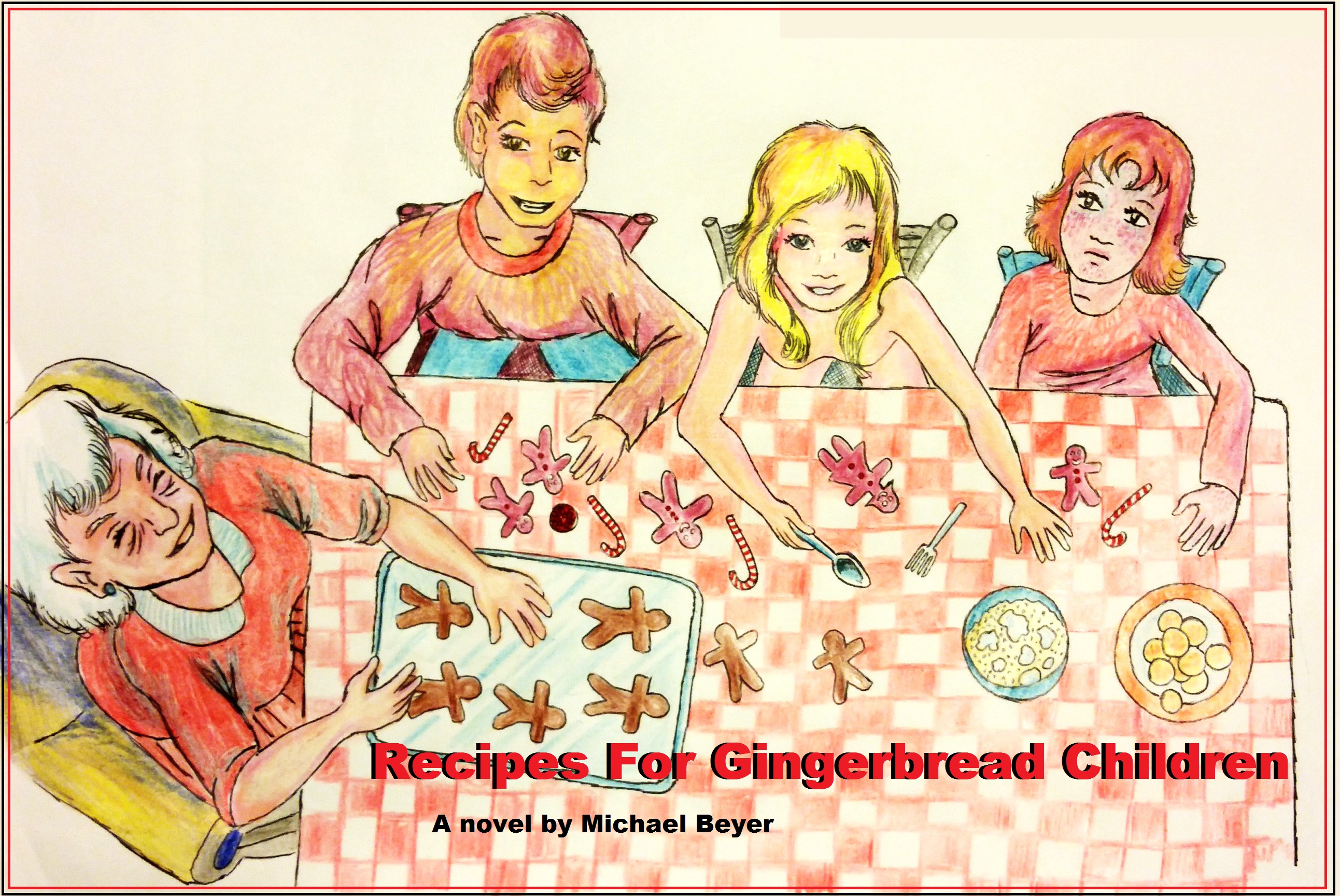
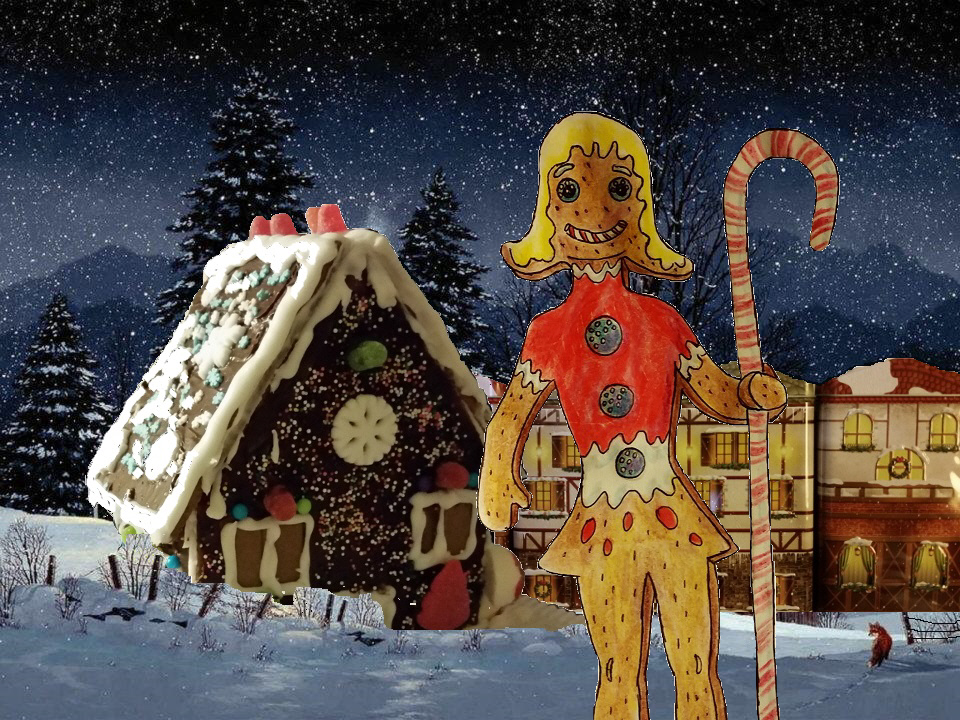
The book, Recipes for Gingerbread Children is about an old woman, a German immigrant and Holocaust survivor, who comes to a small Iowa town with a gift for story-telling and a gift for baking things, especially gingerbread cookies.
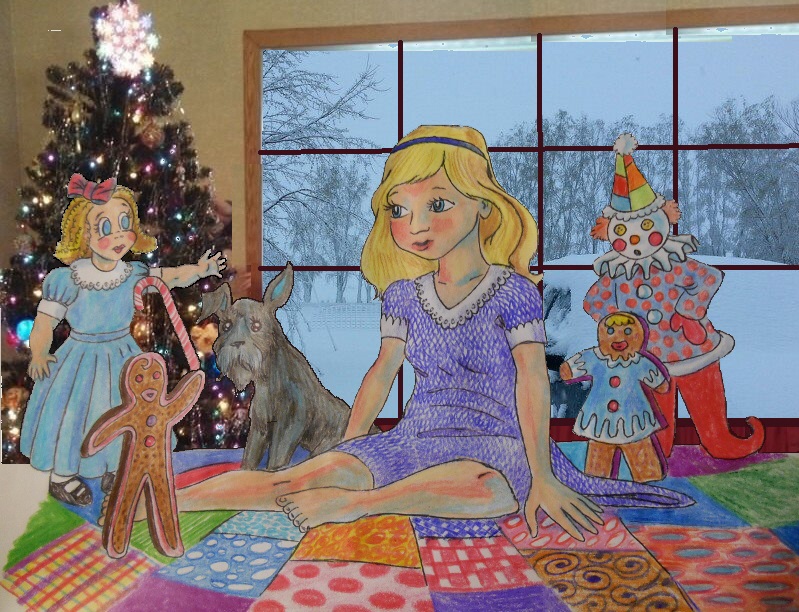
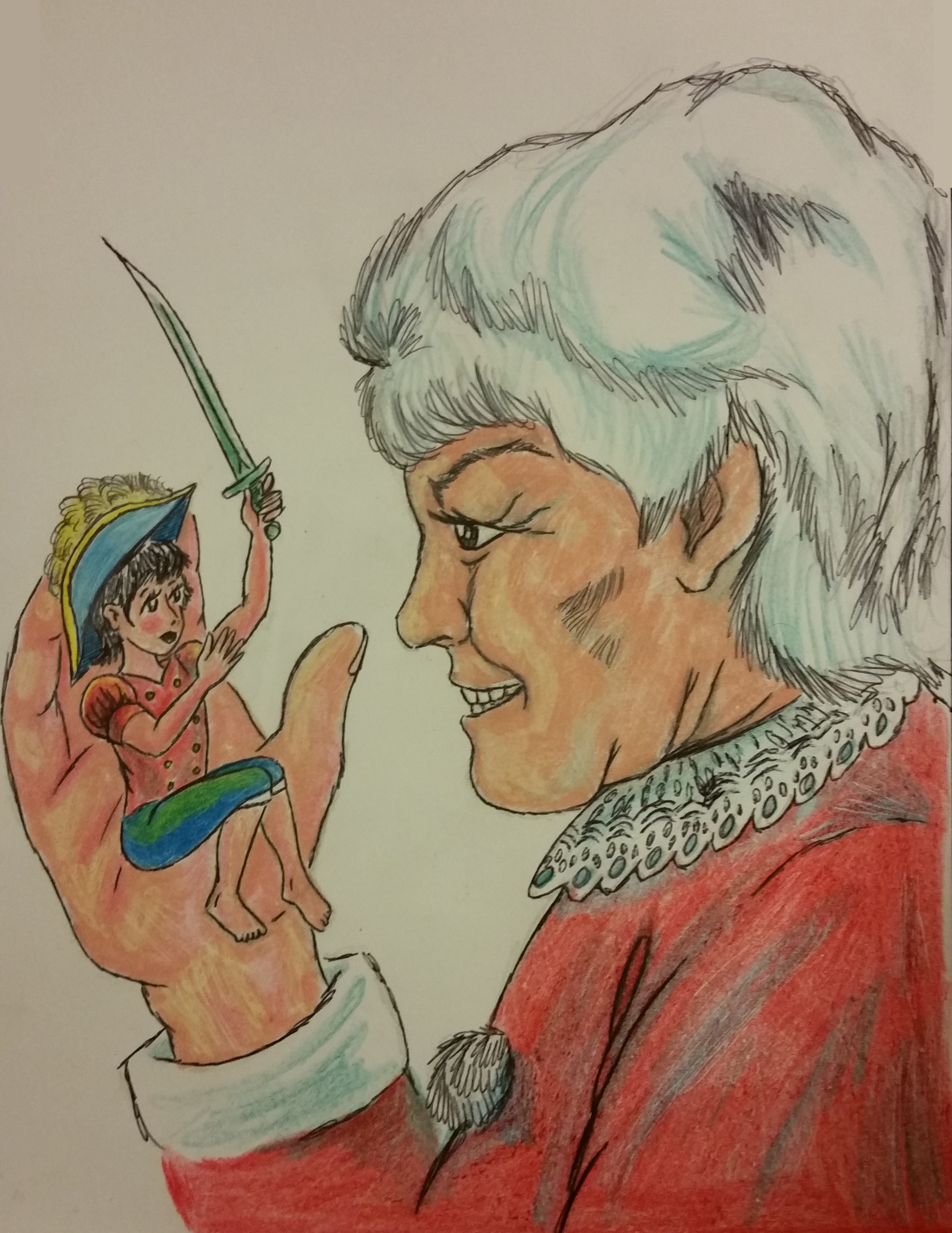
Grandma Gretel Stein, seen in the Paffooney on the left, is the main character of the story. She tells stories, mostly fairy tales, that have lessons about being true and faithful even in the face of great evil. The fairy in her hand is General Tuffaney Swift, an immortal Storybook fairy who leads the army of the local fairy kingdom called Tellosia. Gretel believes he is real Honestly, she gets so into story-telling that her fairy friends seem absolutely real to her. And who is to say that there aren’t little magical people living in a hidden kingdom among the cornfields in Iowa? Gretel convinced me that they were real. She even has a hand in making new fairies by the baking of gingerbread. She gets a magical recipe from the fairy Erlking, a wise and magical being, and uses it to create living gingerbread boys and gingerbread girls.
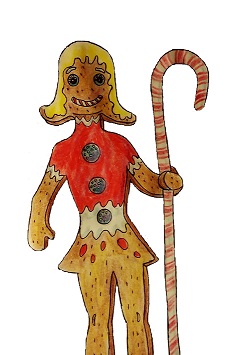
The gingerbread girl on the right is Anneliese, named after Gretel’s own daughter and decorated with frosting, food coloring, and gumdrops by the favorite story listener who constantly listens to Gretel’s stories and helps bake Gretel’s gingerbread, Sherry Cobble.
Sherry is a beautiful young eighth grade girl who reminds Gretel of her long-lost daughter. Sherry has a twin sister named Shelly and they are identical twins, but Sherry not only looks like Anneliese once did, she acts like her with the same confidence and enthusiasm for life that Anneliese once had before the war.
Sherry and Shelly are both part of the Cobble family, who have a reputation locally as wacky-pants loonies because they believe firmly in being nudists and engaging in nature completely naked while not actually wearing any wacky pants. I haven’t done any actual pictures of Sherry in the nude, but if you look carefully at the first picture of her above and see clothing, then you are seeing things that are not there. Yep, the girl bakes and decorates gingerbread men in the buff, wearing her pale pink birthday suit, even when the weather outside in Iowa makes that nonsensical.
So by now you can probably draw several conclusions about me as both a novelist and an illustrator. #1, There is definitely something a little bit off about me. #2, I haven’t said anything yet about this book having dead Nazis and a werewolf in it, even though I rarely talk about this book without throwing those things in somewhere. #3, Number 2 is actually taken care of in a backhanded way if you are reading this whole list carefully. #4, This story is probably about things that really aren’t just gingerbread recipes. #5, You should congratulate yourself if you read this far in this post. You have unusual amounts of patience and curiosity, and an extremely high tolerance for levels of goofy that put actual Goofy to shame.
Self-reflection is the bane of stupid people. Essentially, they don’t want to risk encountering evidence that they actually are stupid. It would shatter their world to learn that they are idiots and most of what they believe is true is actually wrong. This fact goes a long way towards explaining why the Republican Party in its current form even exists, let alone the actions of the current mutant Cheetos monster that pilots their agenda and hates healthcare, the Special Olympics, and Puerto Rico.
So, if I am doing a self–reflection piece today, then that proves I am not a stupid person, right? What do you mean you agree with that? Yes, I can actually hear you mentally answering my questions as you read this. And if you believe that, then you have proven that even relatively smart people like you and I are capable of stupid thinking.
I believe in some stupid things, even though I think I am not stupid.
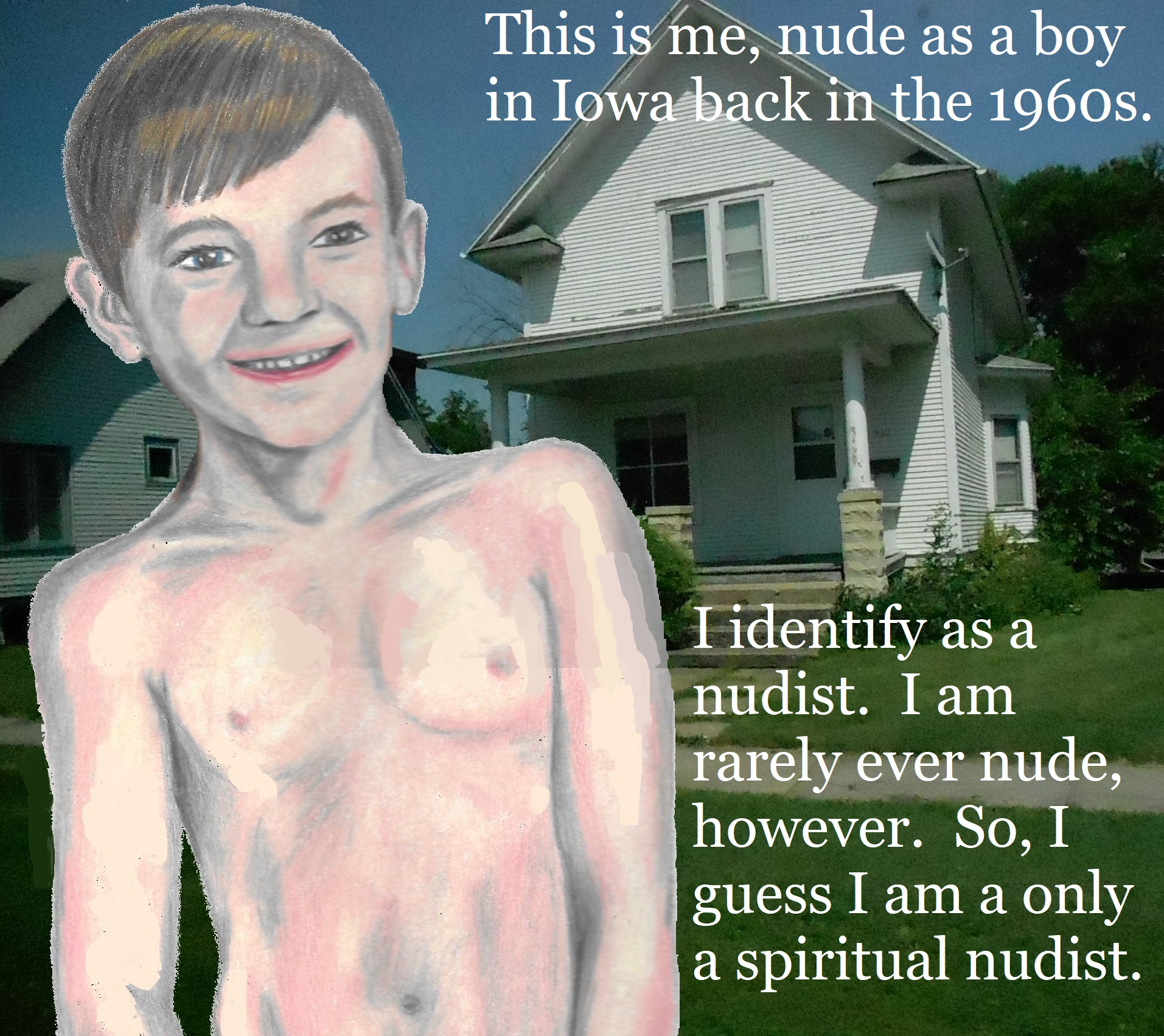
An example of this stupidity factor is my lingering belief that I am a nudist. I mean, I am rarely ever nude any more. I keep most of me covered up constantly because when my psoriasis plaques dry out they tend to flake and itch and force me to scratch to the point of infected bloody sores.
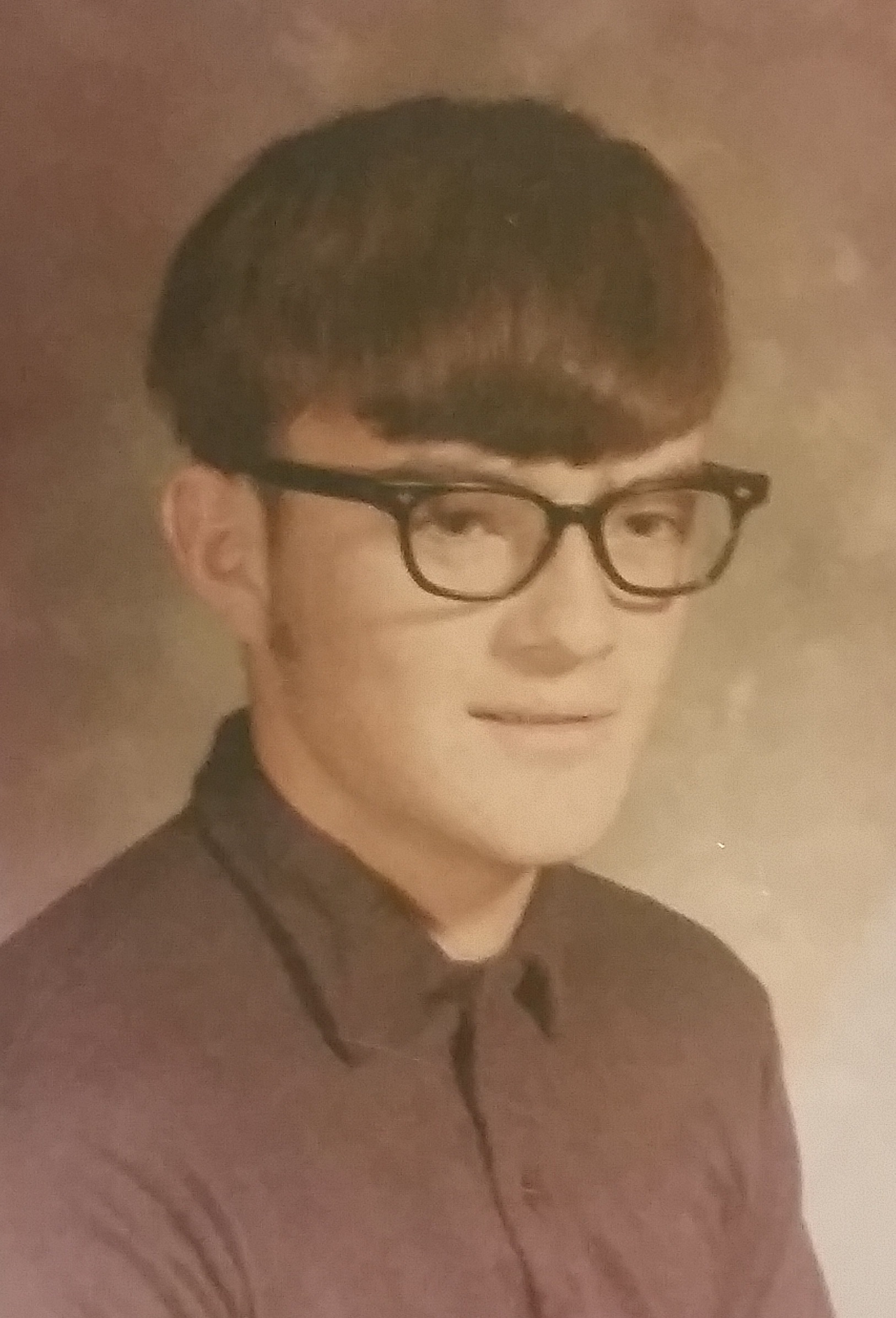
Obviously this is not totally a photograph from the 60’s. That does not make it a total lie either, though.
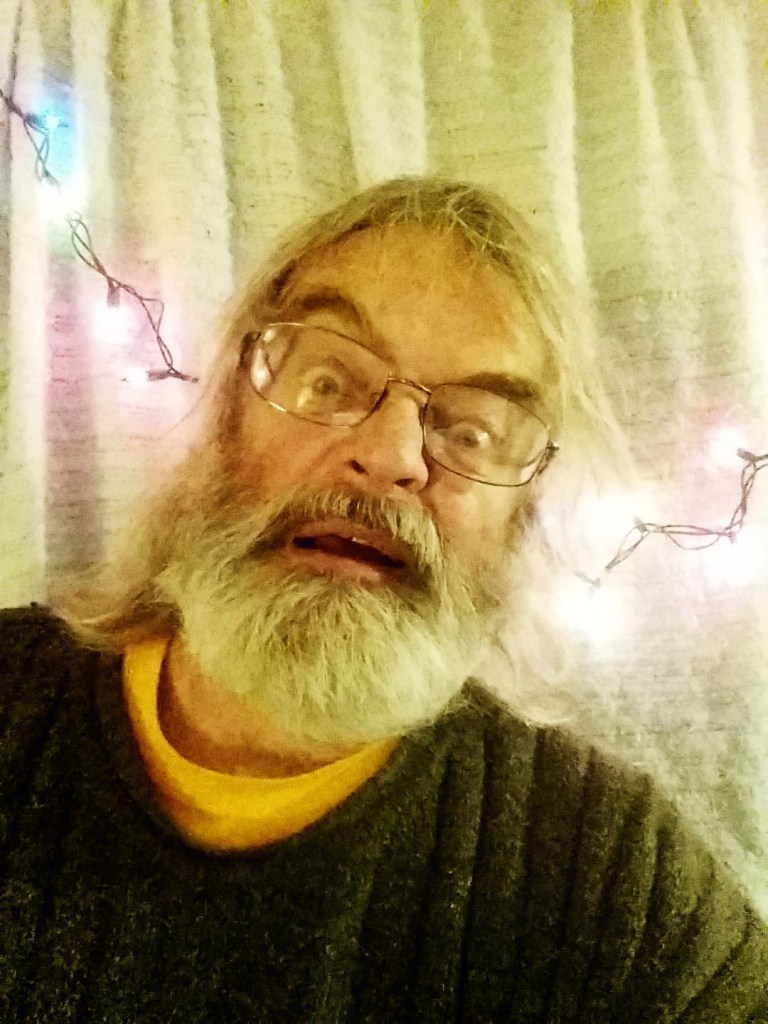
I have been pretty much accepted as a member of the nudist community on Twitter. I enjoy the artful pictures of nude people they share with me. And since I did a couple of blog posts for nudist websites, there are actually completely nude pictures of me available on the internet. I can be found on Truenudists.com for one, if your eyes can stand the horror. But I have only been to a nudist park, the Bluebonnet Nudist Park in Alvord, Texas. twice as an actual nudist. I can tell you, they were very hot days even though I was not wearing clothes. I am comfortable with nudity. I am comfortable around nude people. I fully accept it all as a non-sexual thing. But am I really a nudist? Or am I only playing at it? If you follow me on Twitter, then you know I don’t retweet pictures of naked people. I engage a lot with other writers there, and most of them are not also nudists, or even open-minded about naturism. I write about nudists in some of my books, but they are not about nudism, and most of them don’t even mention it. So, what good does it do me to think I am a nudist? Well, the very idea of it does a heckuva good job of embarrassing my wife and daughter. So, I do get some crazy-old-coot satisfaction out of it. Otherwise it simply proves that rational and otherwise intelligent people can be committed to irrational ideas.
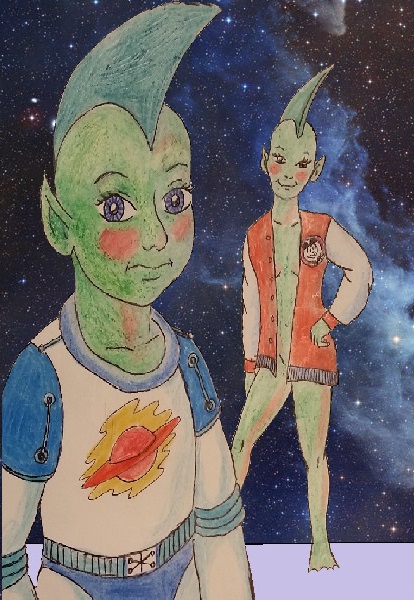
I am also of the often mocked and ridiculed opinion that not only are alien beings from other worlds real, they are capable of space travel and have been visiting us for as long as there has been an us. I did not always believe this, however. Before I wrote my novelCatch a Falling Star I believed as Carl Sagan said on the original Cosmos that it is wrong to accept things without proof, and true results are testable. My novel was about aliens who watched a lot of Earther TV and learned to speak English from watching I Love Lucy reruns, I wanted to make the aliens different from humans, but at the same time, alike with humans in the most fundamental ways that translate easily into humor and relatability. Not all of my hero-characters were Earth humans.
Brekka the Telleron tadpole (also a nudist) with her friend Lester the man-eating plant (who only ate her once)
As I did research on the internet (a tool I didn’t have when I originally created the story in the 1970s), I found a ton of researchers and writers and con men and MUFON and the Disclosure Project and nuclear physicists and astronauts Gordon Cooper and Edgar Mitchell who were all believers and mostly not stupid. Wow! What a huge and complicated hoax! Why would anybody believe , based on so little tangible evidence, and so much contradictory evidence, that the government’s position could possibly be right? I learned that I now believed, until significant further proof comes along, that I believe stupidly in alien visitors.
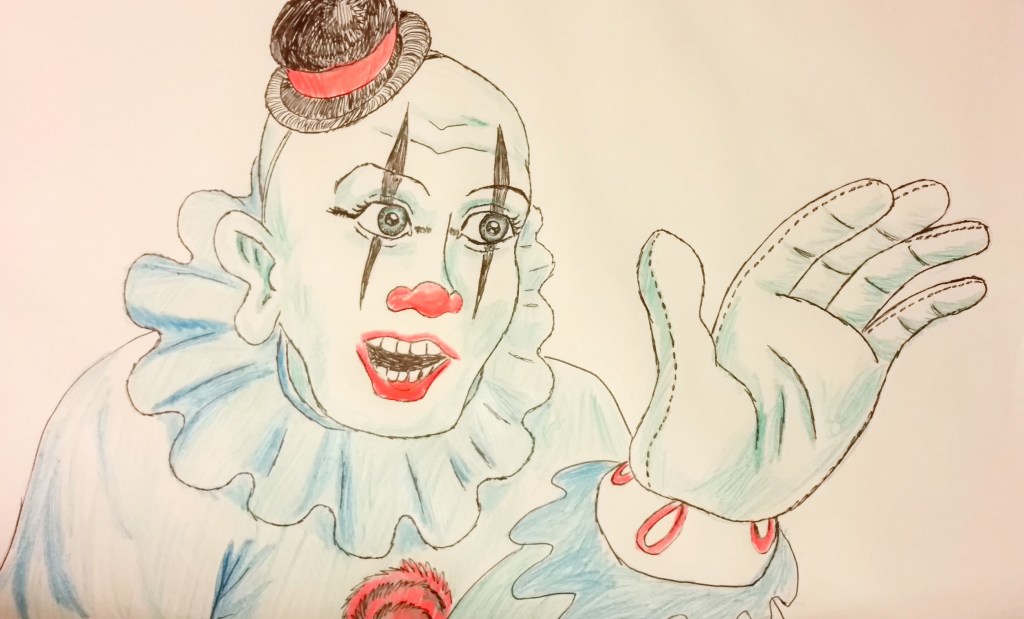
Today’s self-reflection post has now proven that I am a stupid old coot who thinks he is a nudist and an insightful conspiracy theorist. But the results of my look into the mirror have not made me upset about my stupidity. Maybe I am simply satisfied nudism is healthy and the universe is more complex than I am capable of understanding. Whatever the case, that’s enough with the mirror for today. You have to keep such dangerous weapons out of the hands of clowns.
This is not going to be your usual yearbook picture day, is it?.Unusual choice for what to wear on picture dayBetter dressed, but… You mean to tell me this is a teacher?Cute smile, Blueberry.Which second grade class are you in, Ronny? Who’s your teacher?Were these yearbook photos actually taken in the school cafeteria?So, you must be the Science Teacher, eh, Mr. Purrdy?Tim, it would be nice if you could smile before the photographer takes the picture.So, Wally, you must be in Mrs. Nelson’s Art Class this period, right?
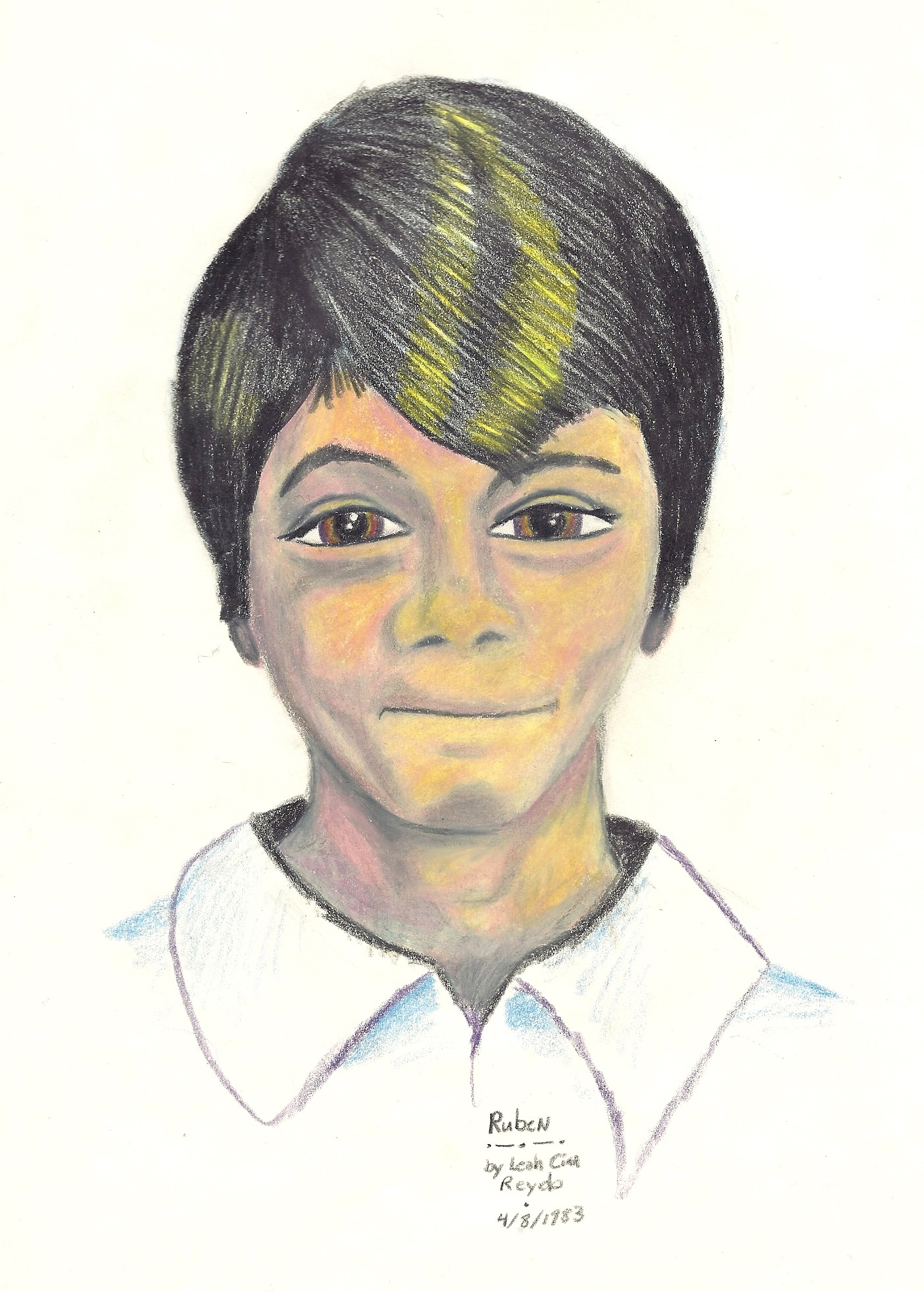
Now, that’s a picture done right, Ruben. Good job!
What subject do you teach, Mr. Enstein? Frank, take the cancer stick out of your mouth.
Is that a teacher pose, Mr. Beyer?
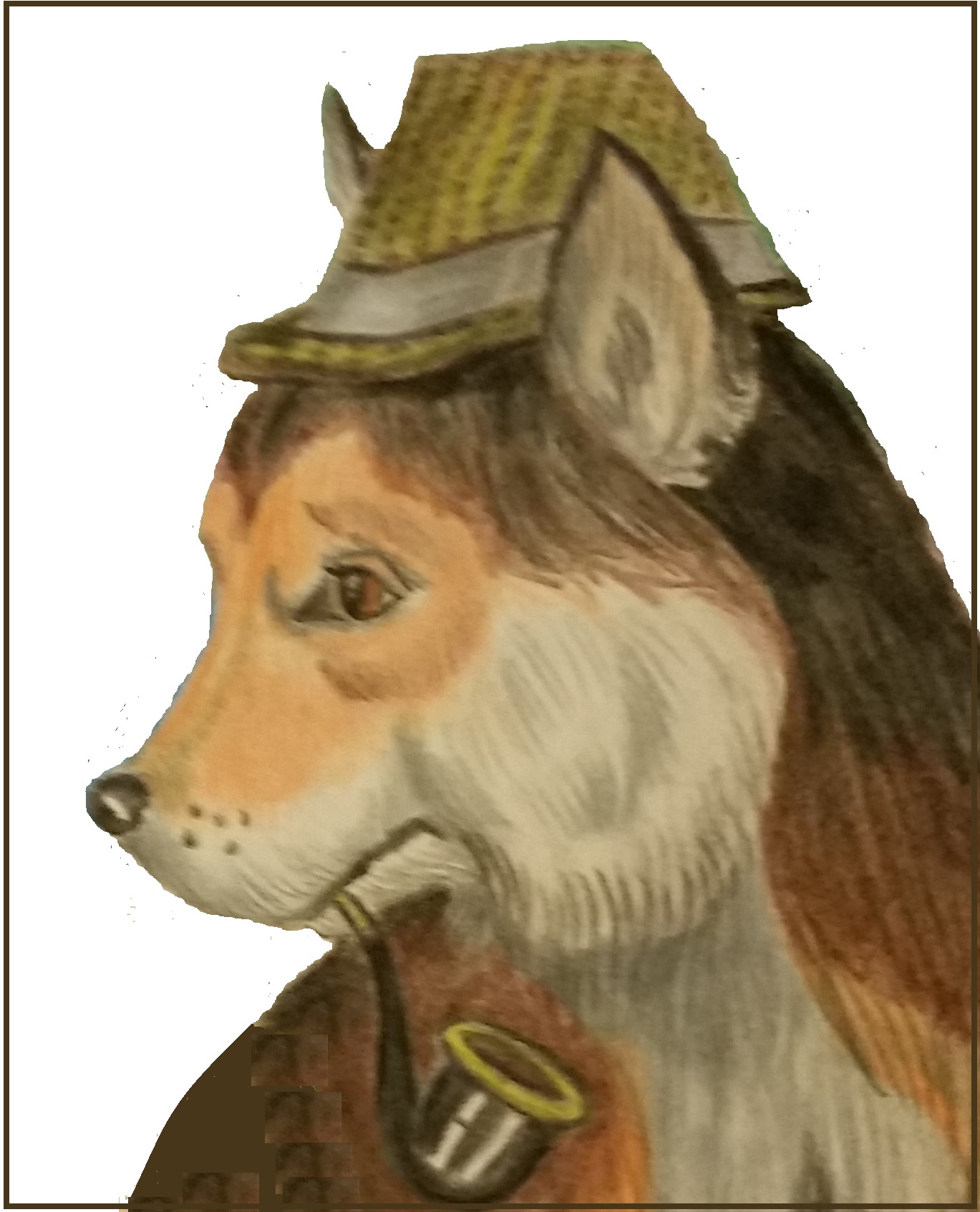
Why do so many teachers want to be pictured smoking in the yearbook, Mr. Dogg?Don’t we already have your yearbook picture, Michael?Rita, that’s an interesting t-shirt, but it feels like it is staring at me.Um, are you smiling yet, Murky?I honestly don’t want to take pictures for this yearbook again next year.
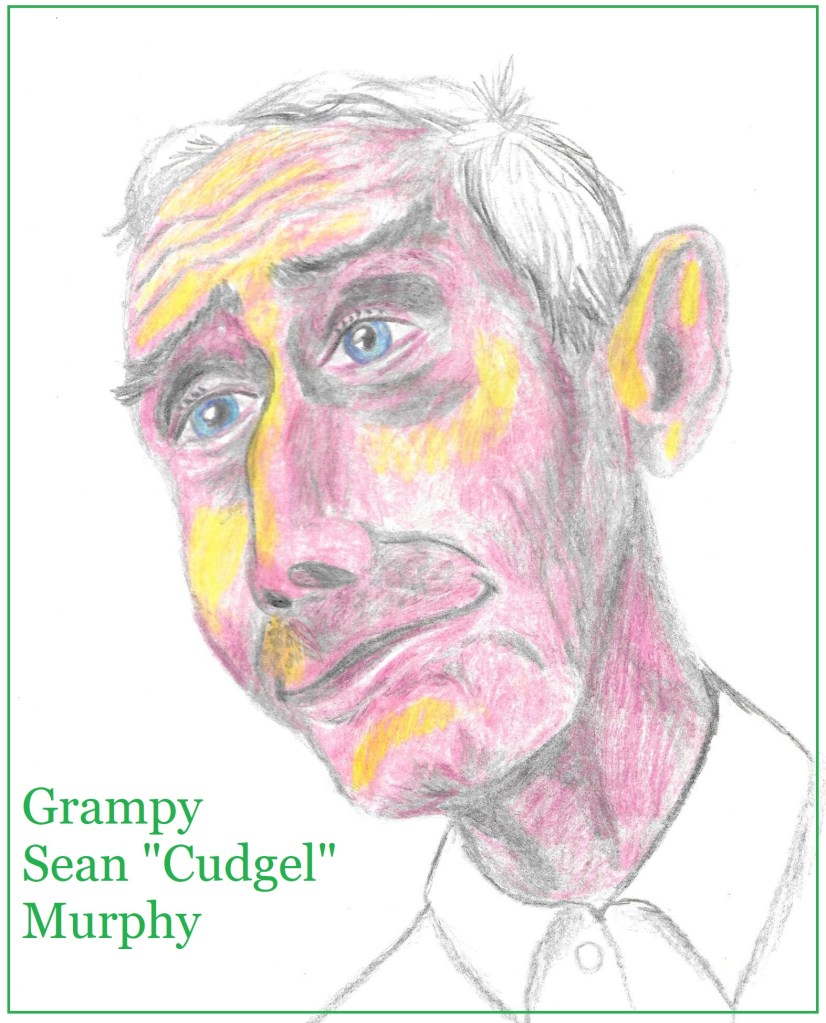
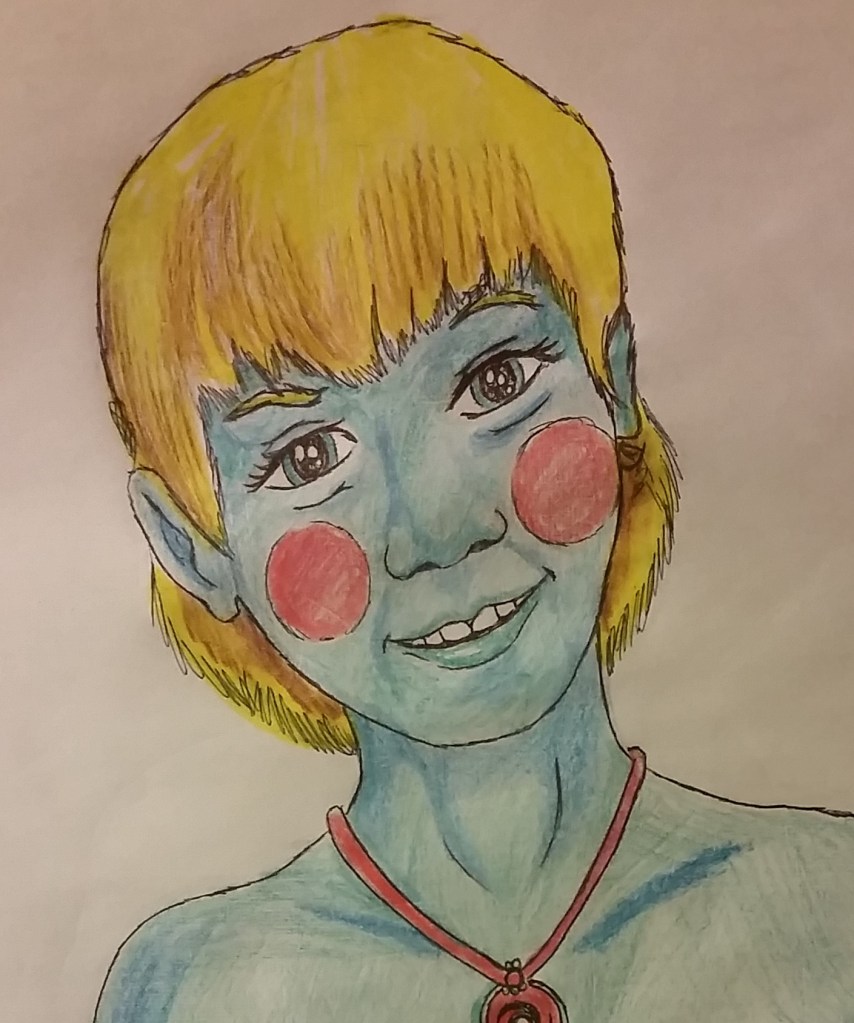
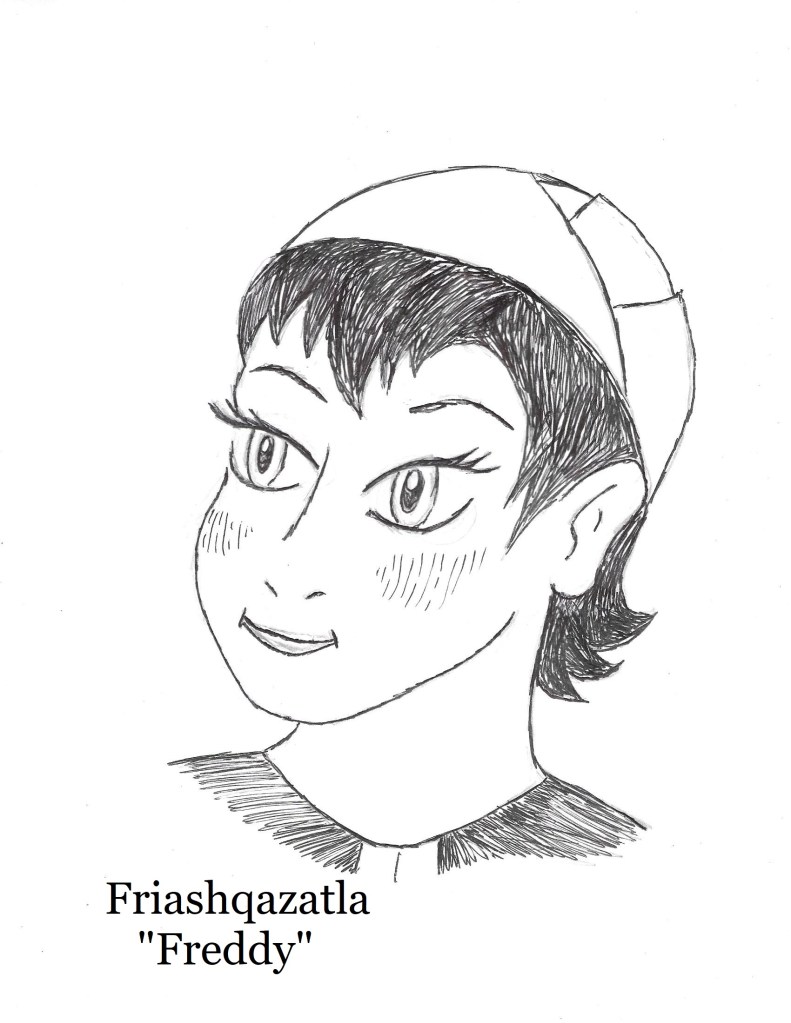
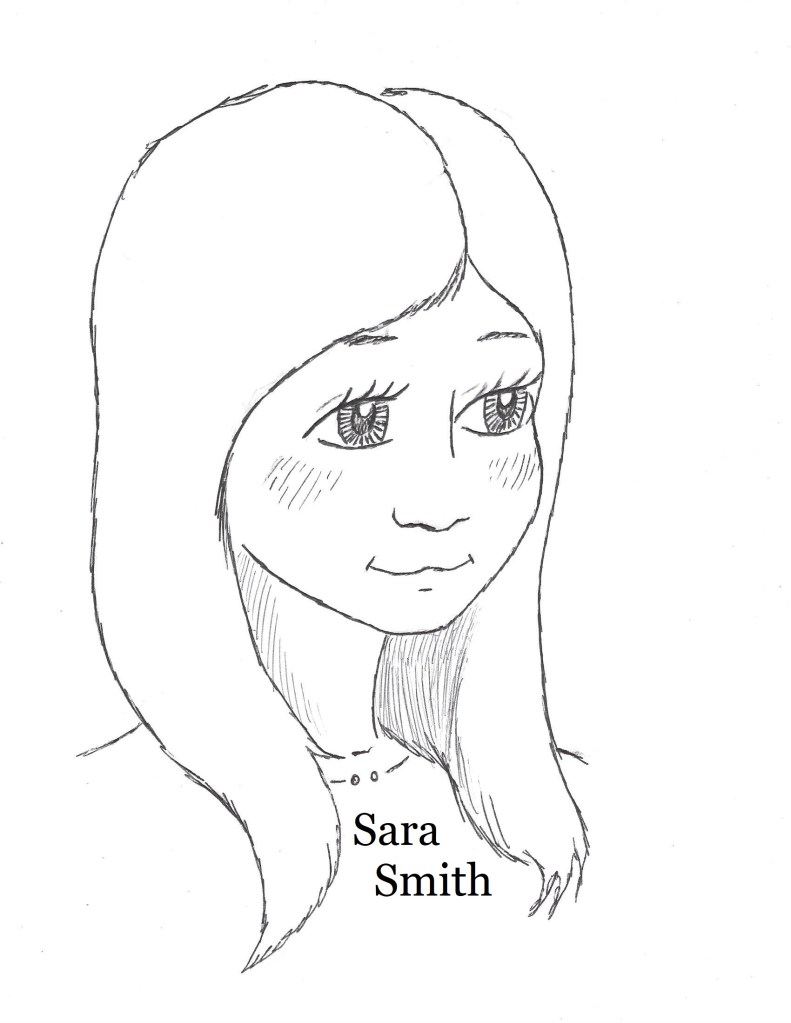
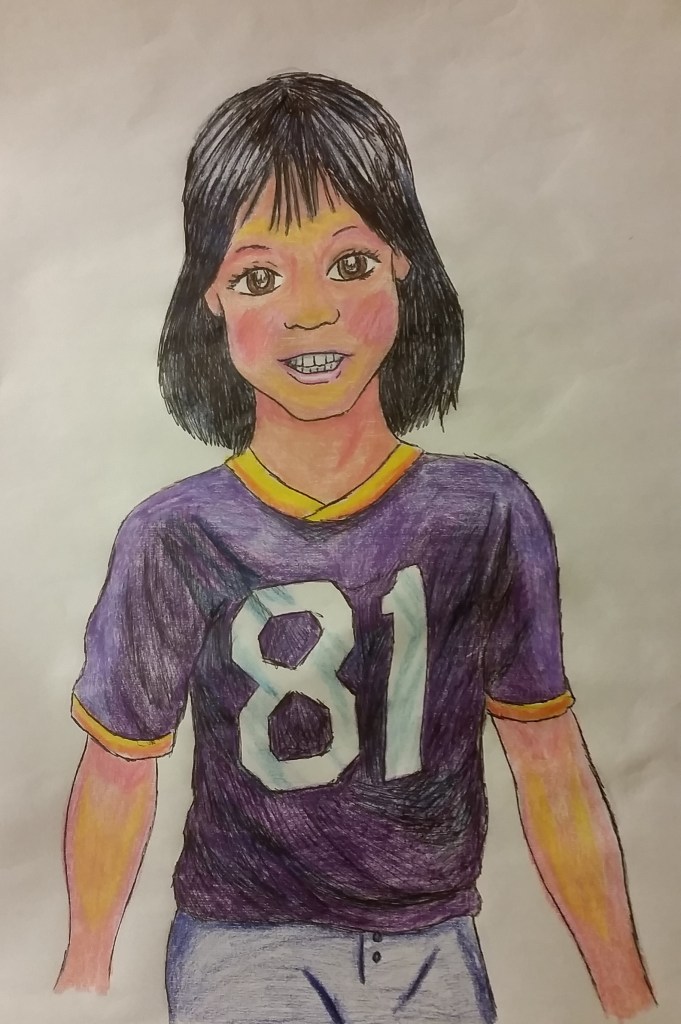
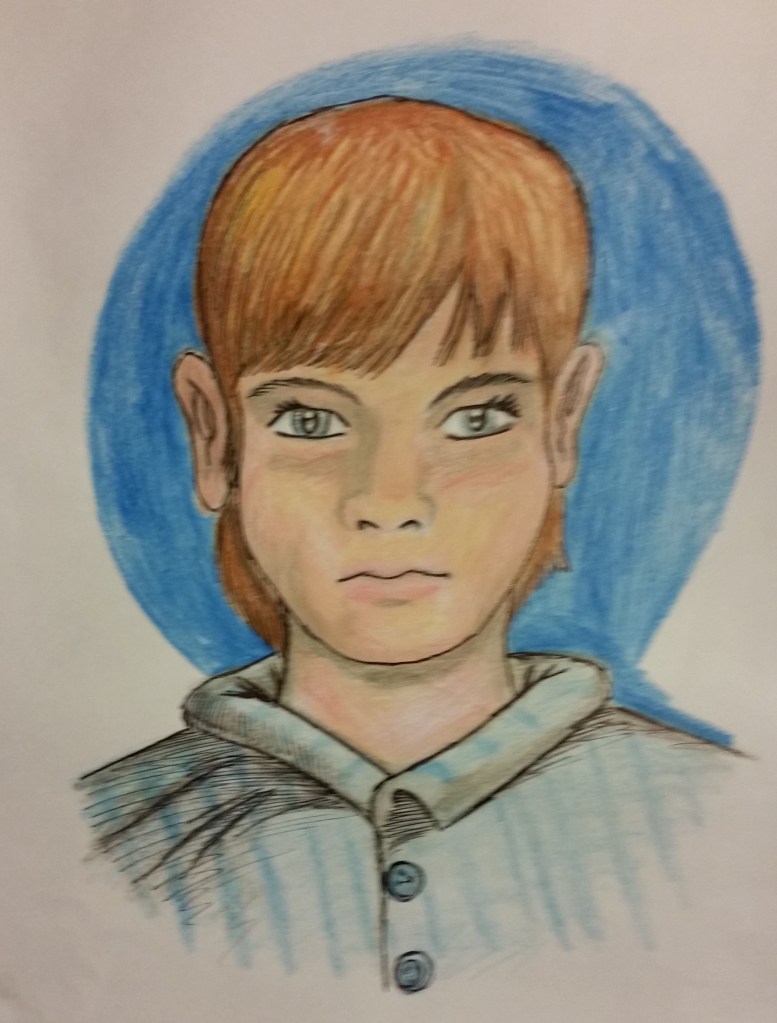
Capturing faces and their varied expressions are a key feature of my art.I gravitate towards happy and innocent faces. Kid faces… Cartoon faces… goofy facesMary Murphy with her kids, Little Sean and Dilsey
Mike Murphy and his girlfriend, Blueberry Bates
Fiona (Firefang) Long
Junior Aero
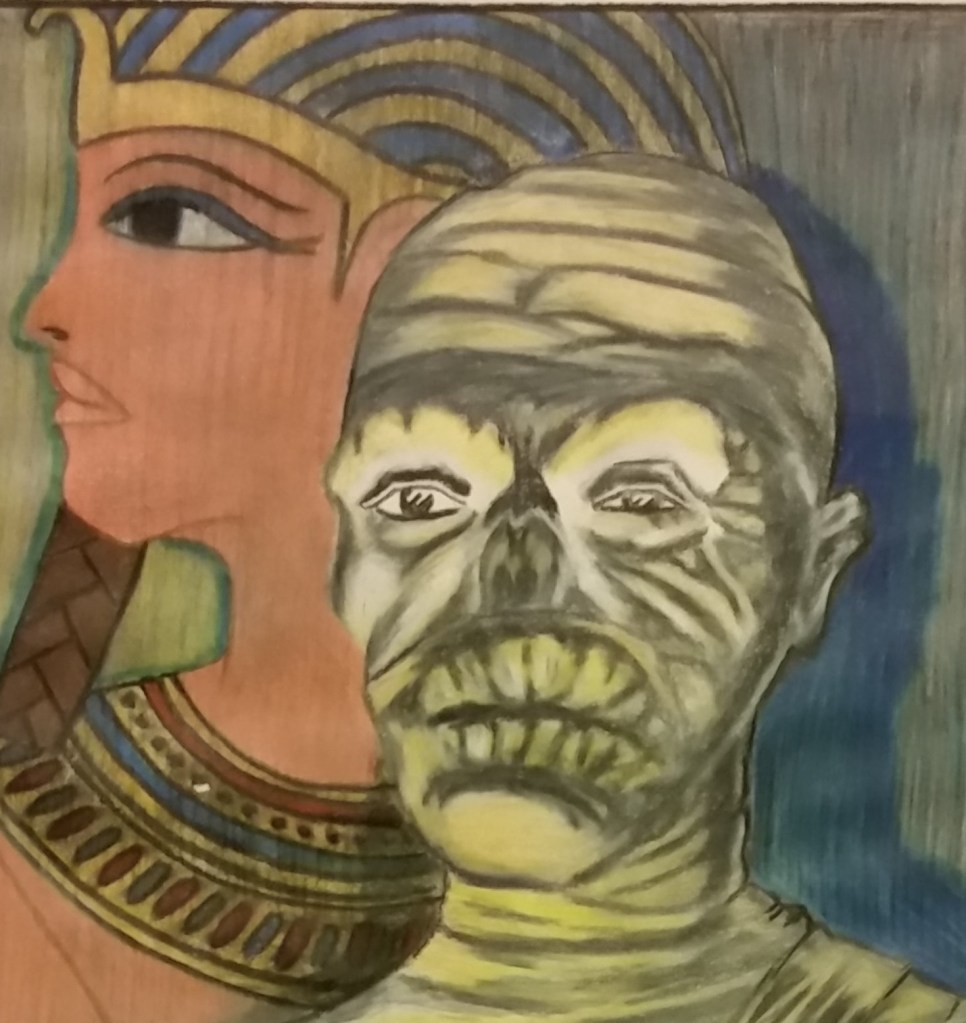
Boris the Mummy
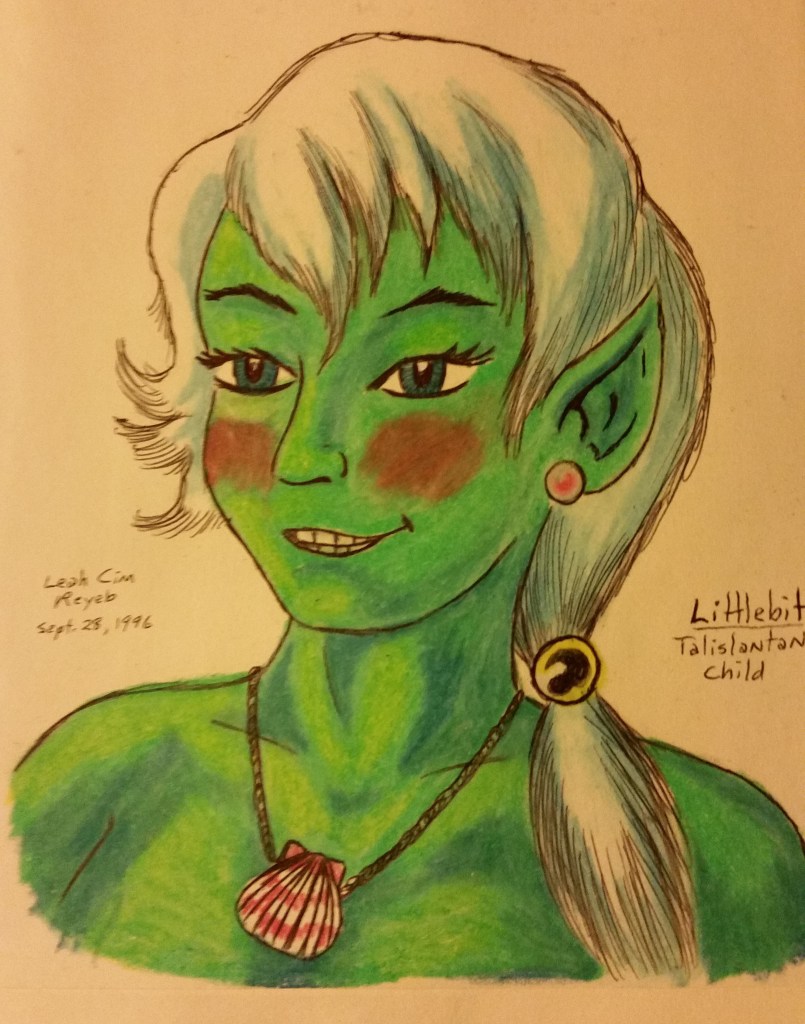
Littlebit the cabin boy.
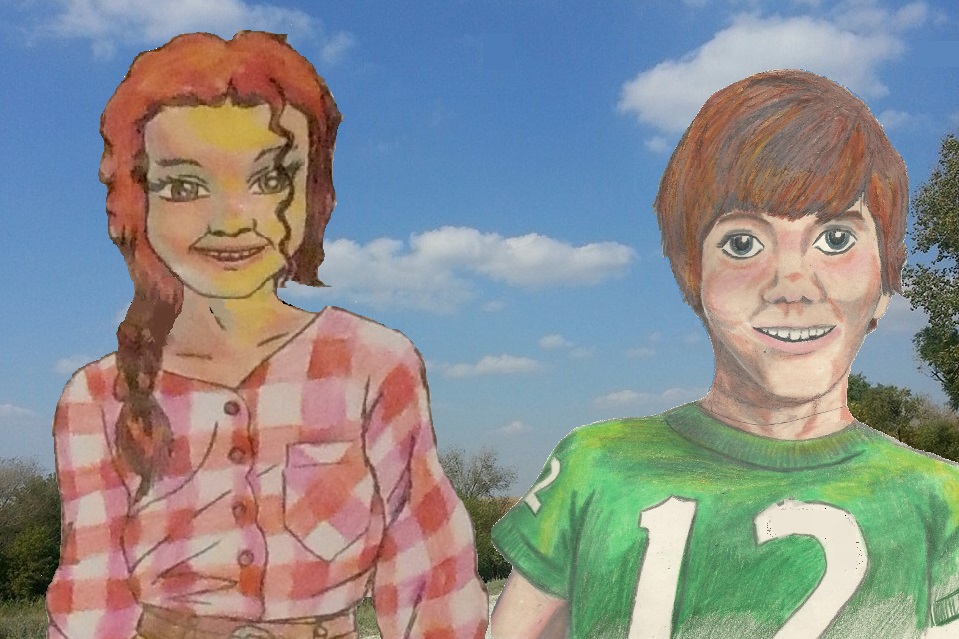
Anita Jones and her boyfriend, Edward (Superchicken) Campbell
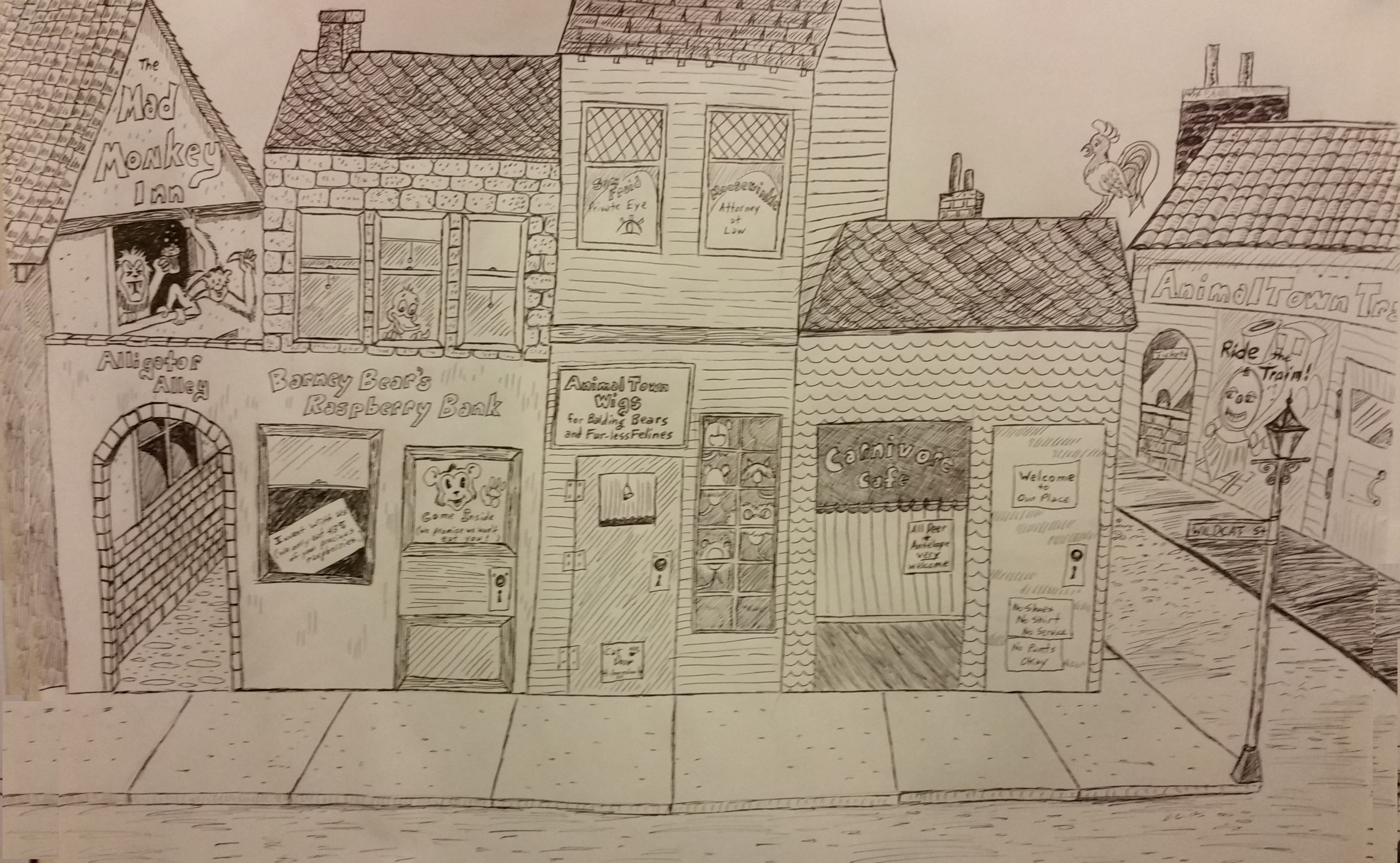
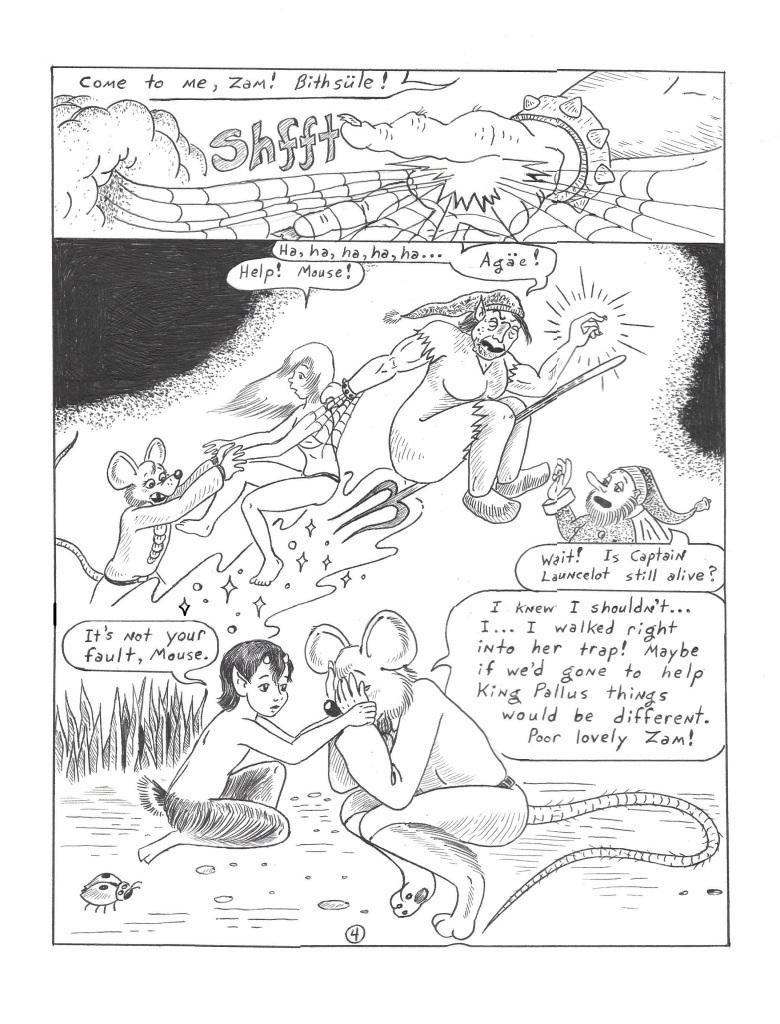
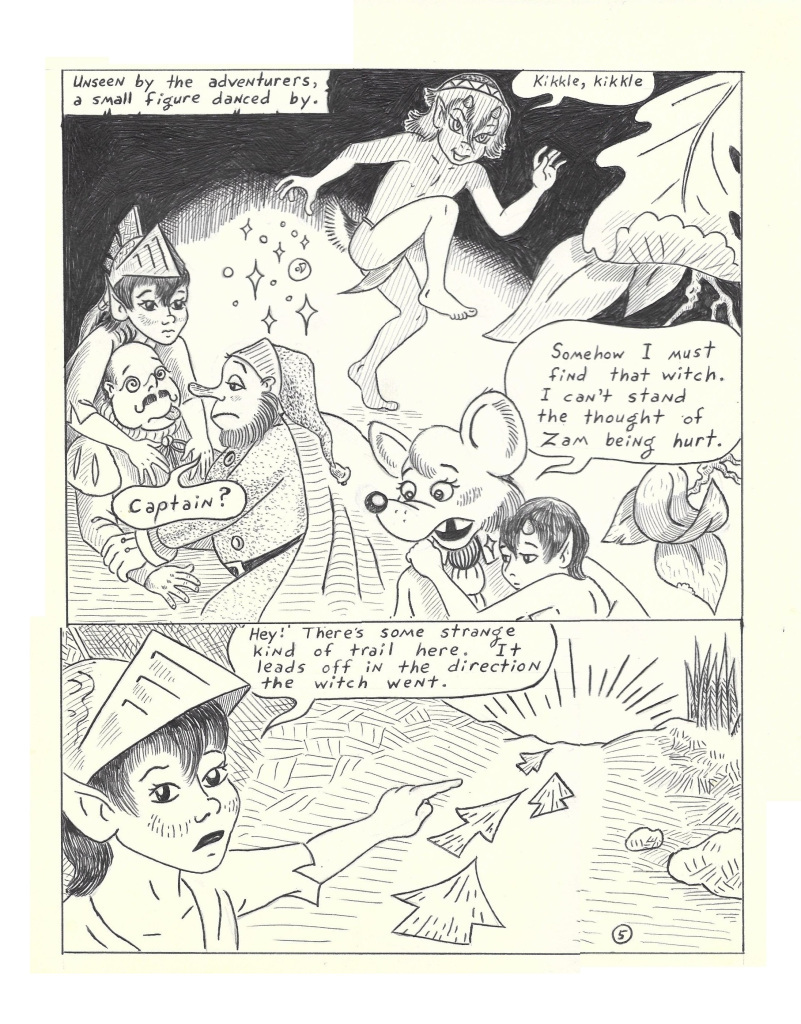
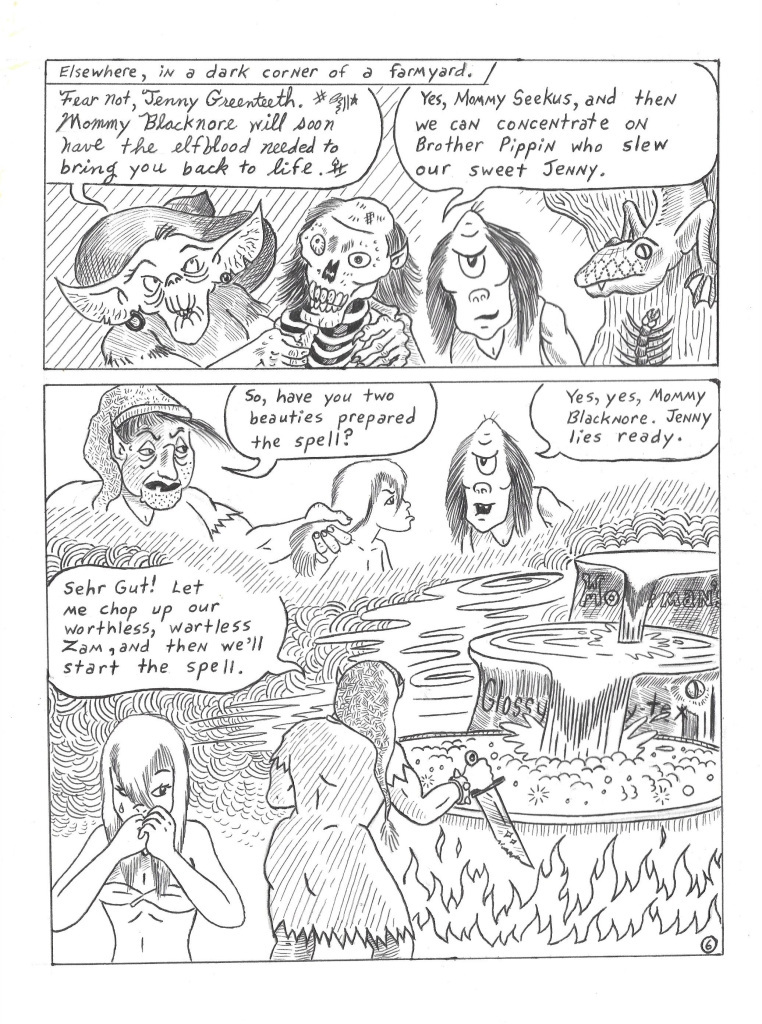
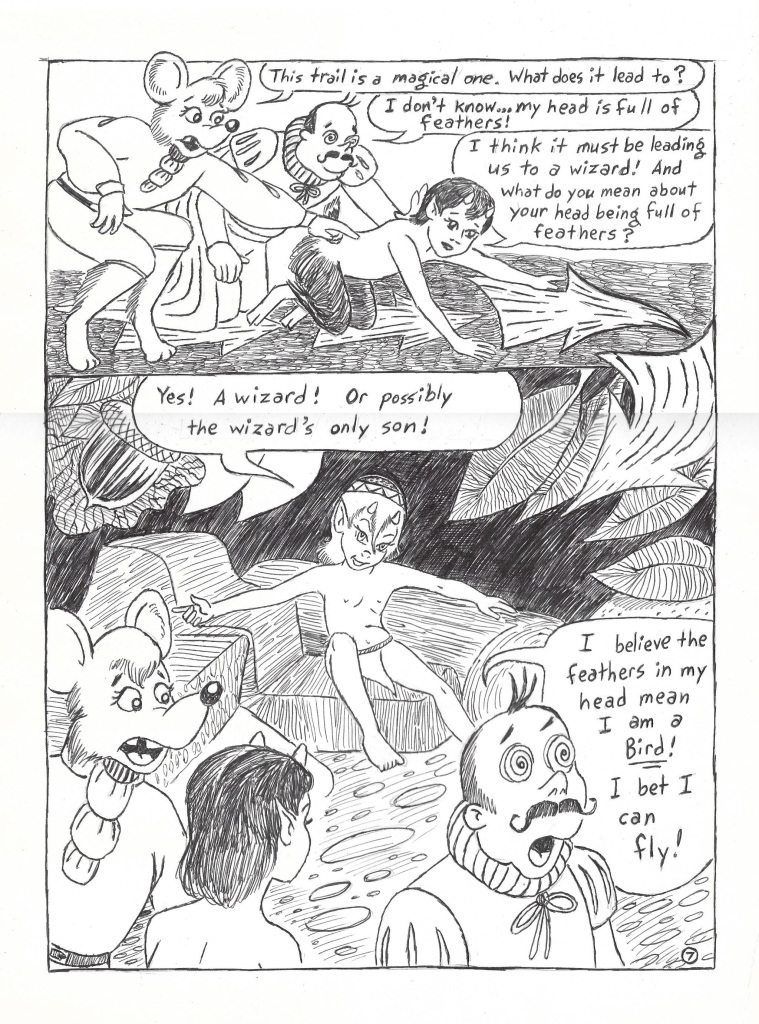
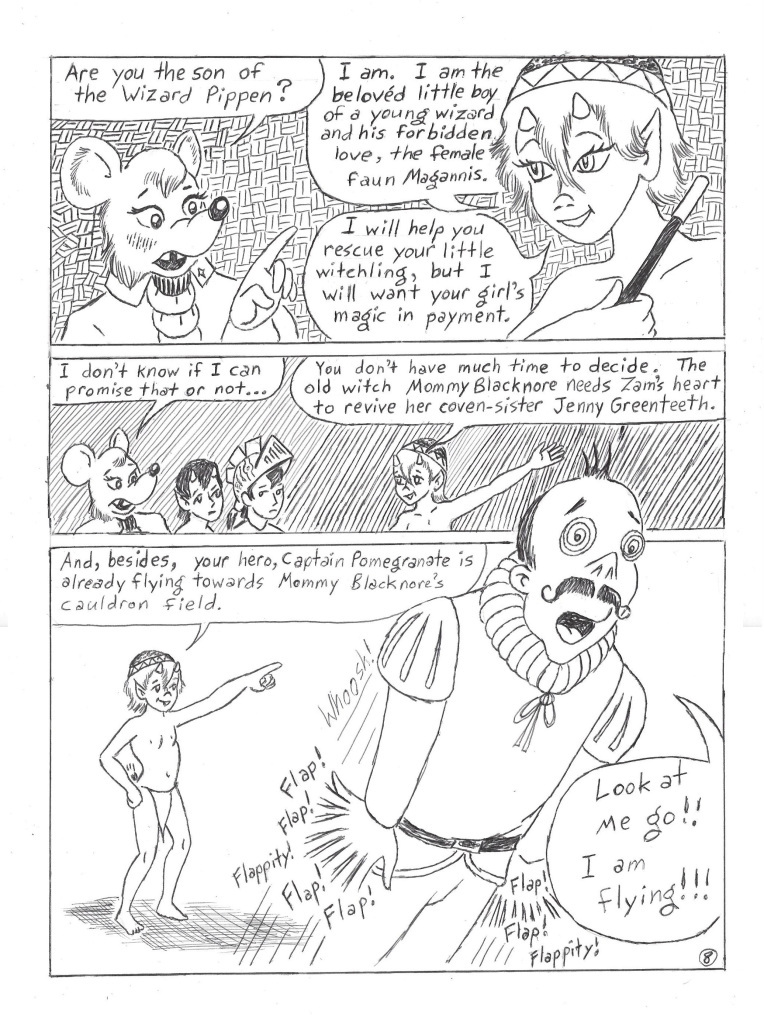
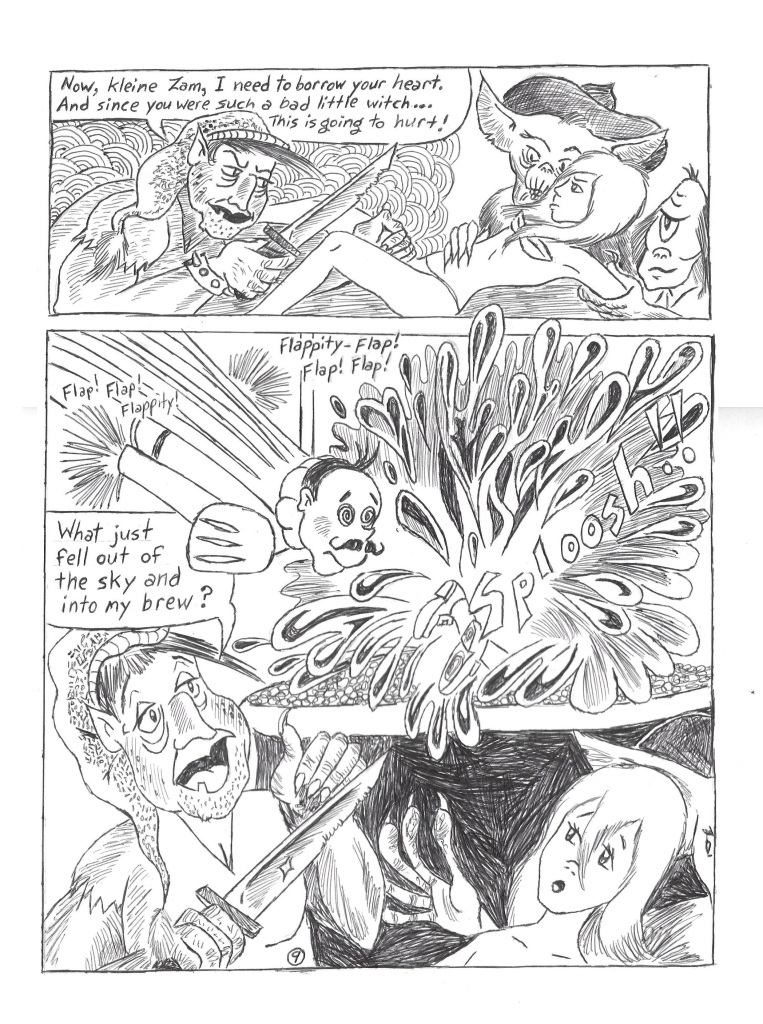
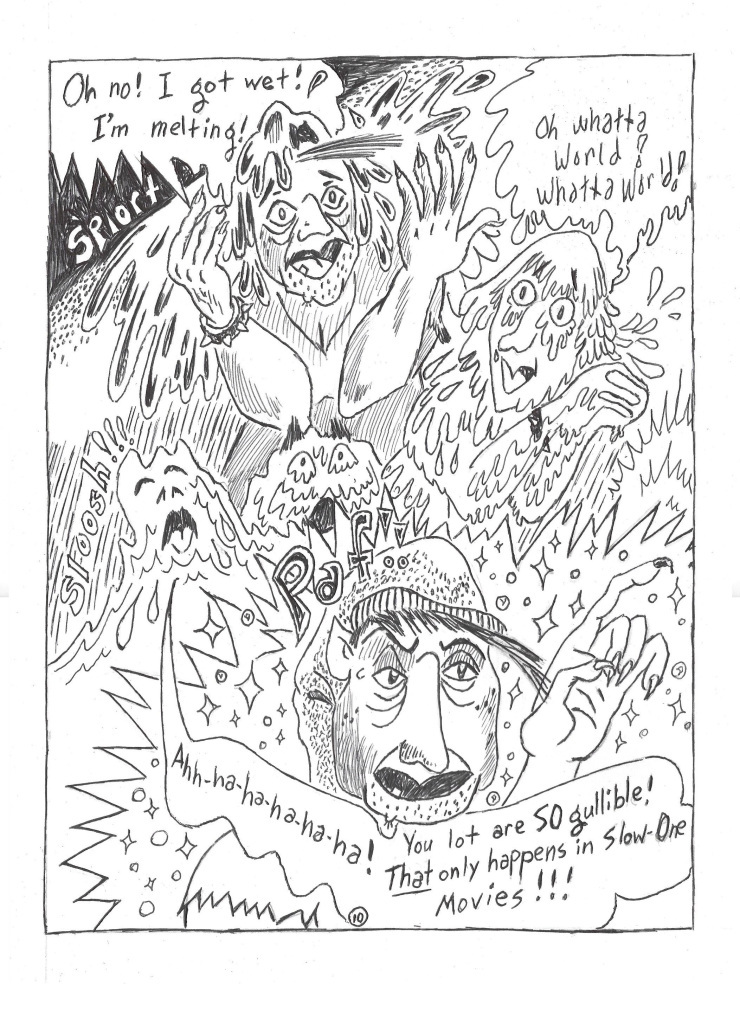
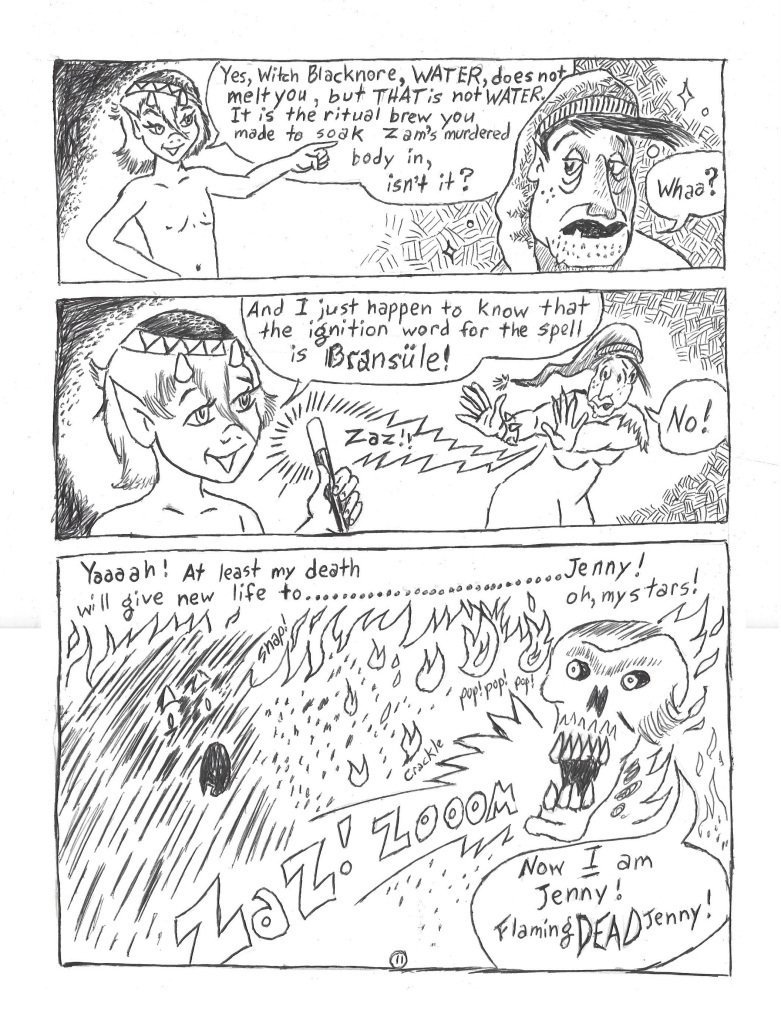
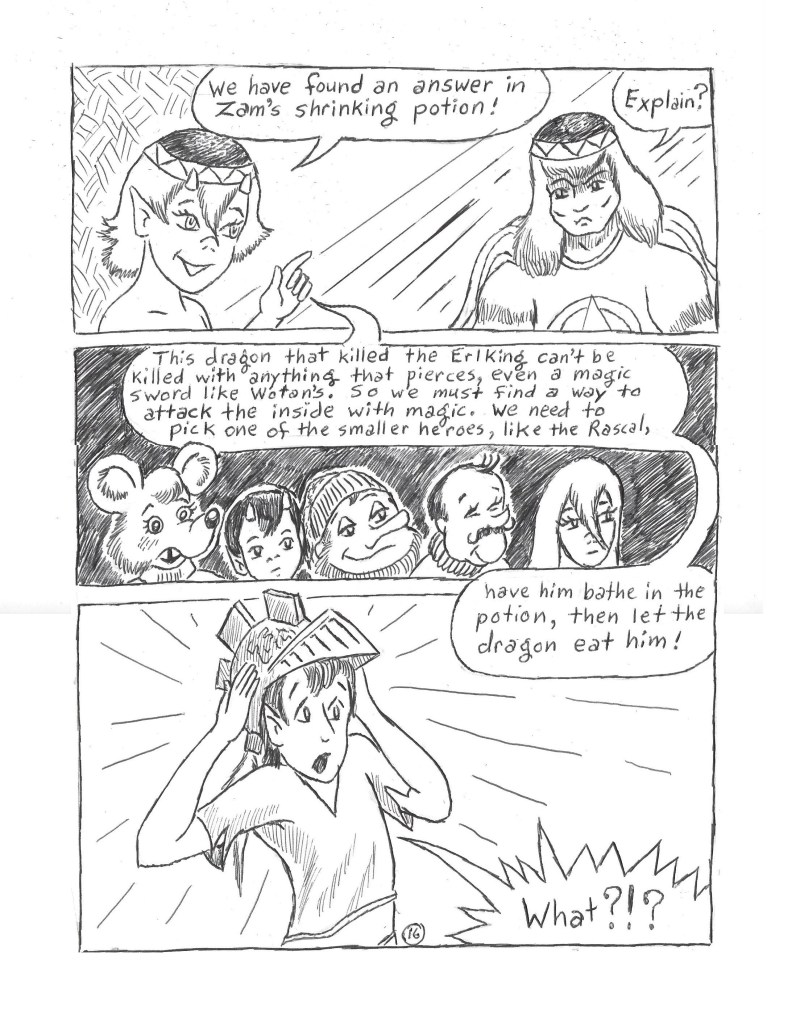
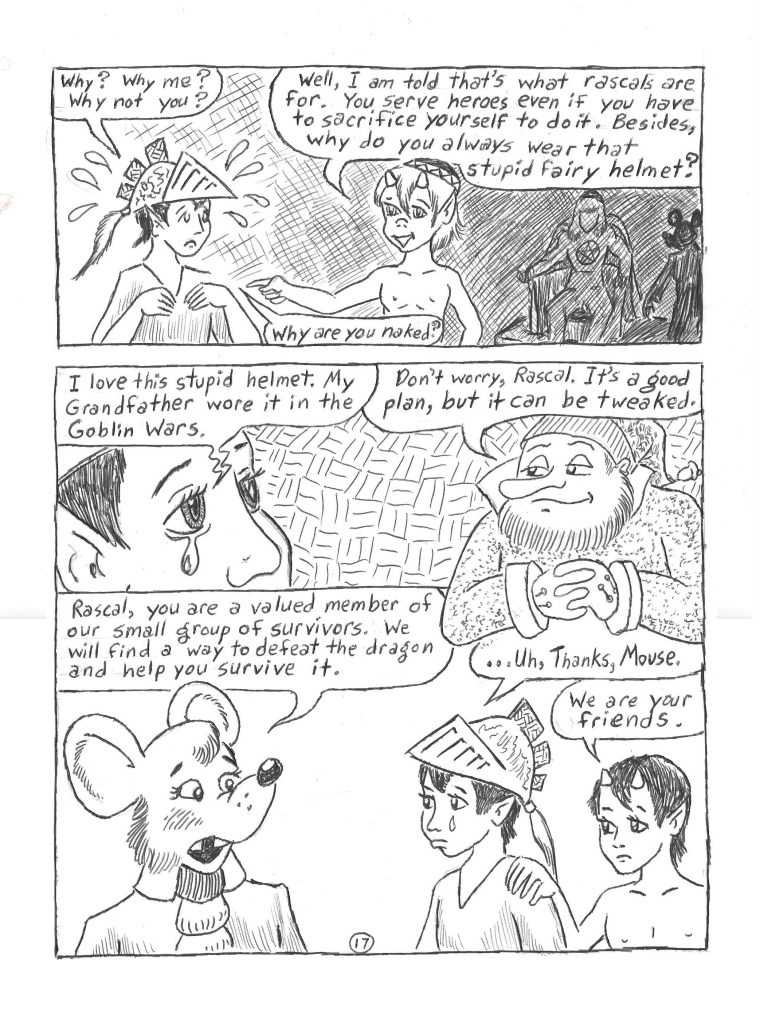
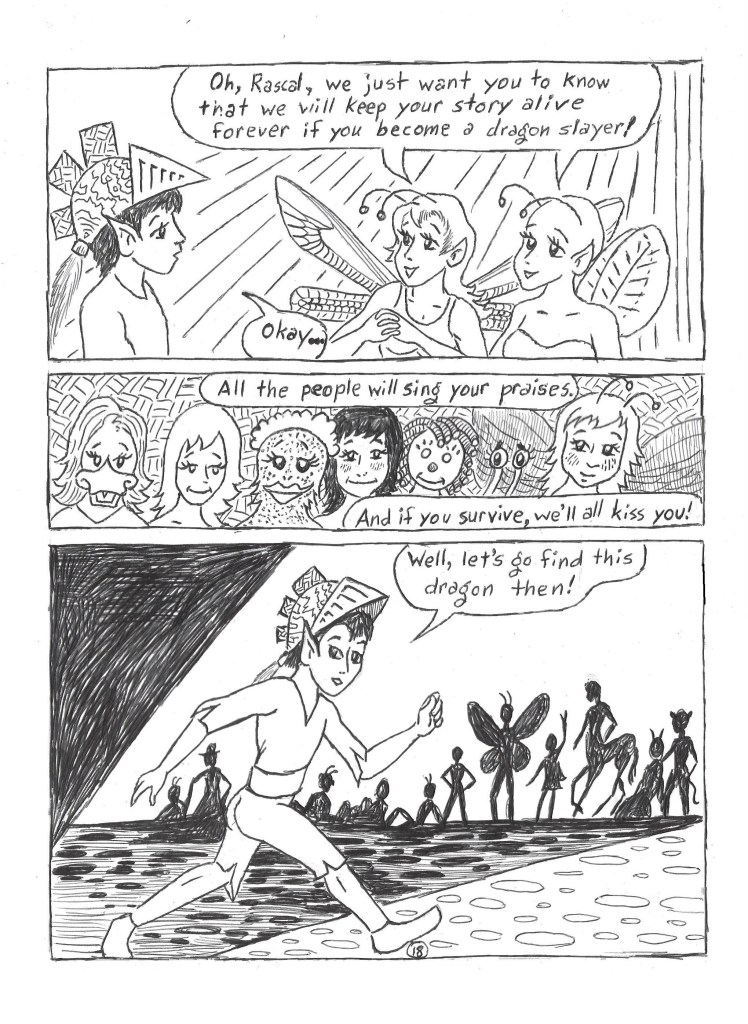
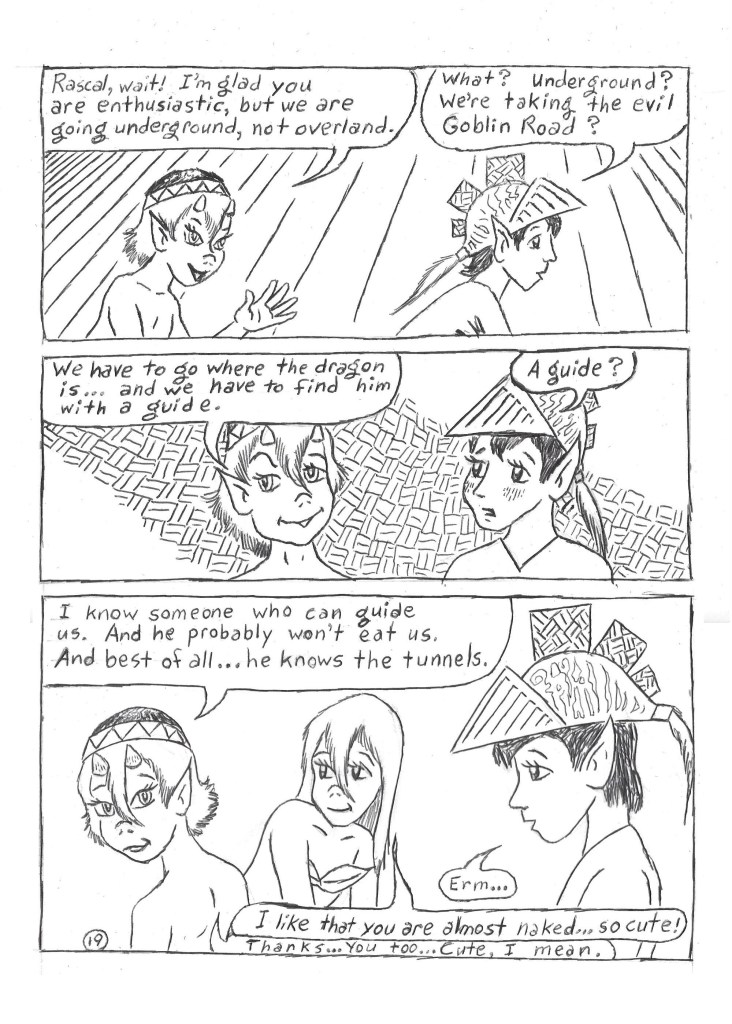
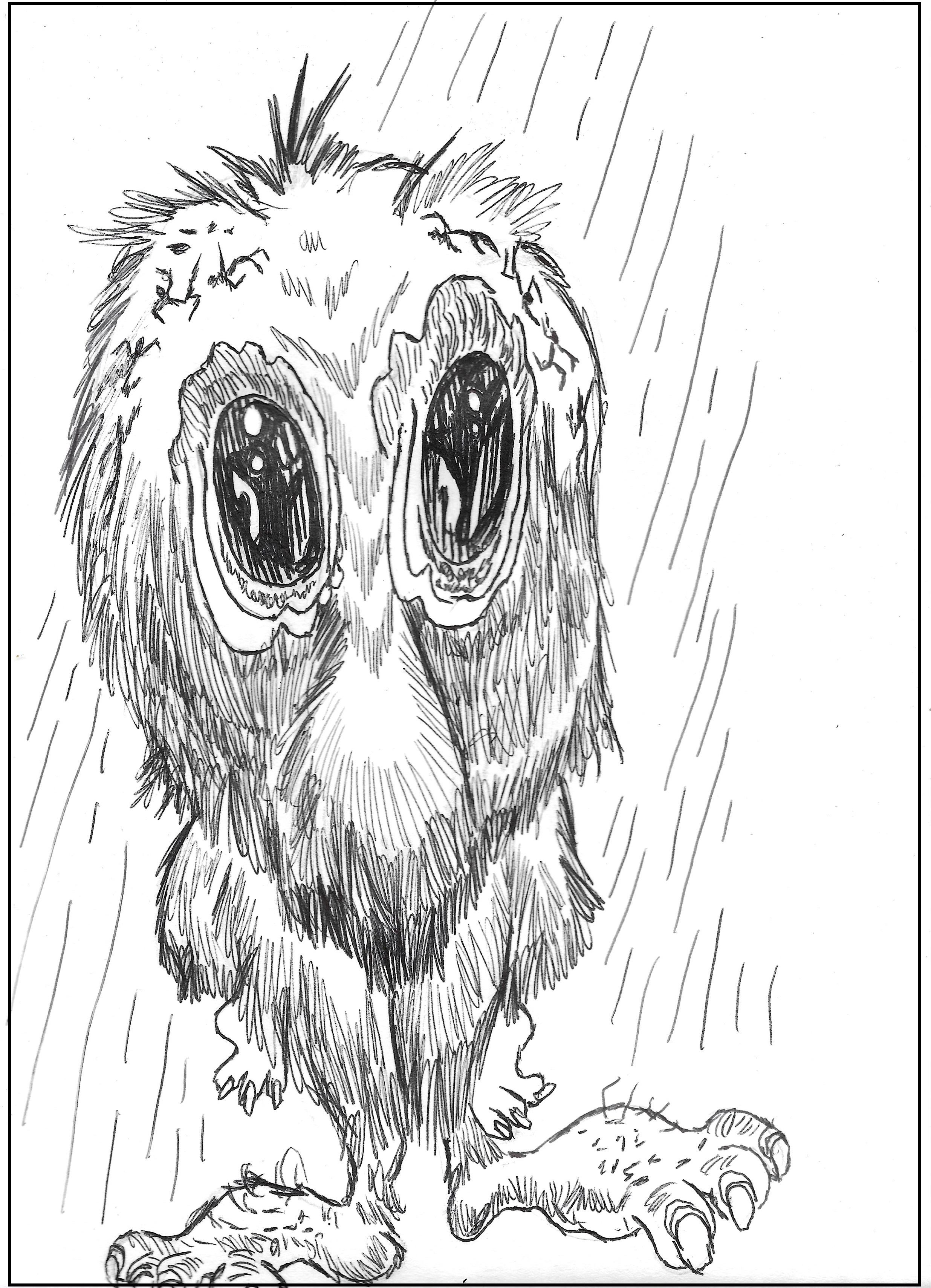
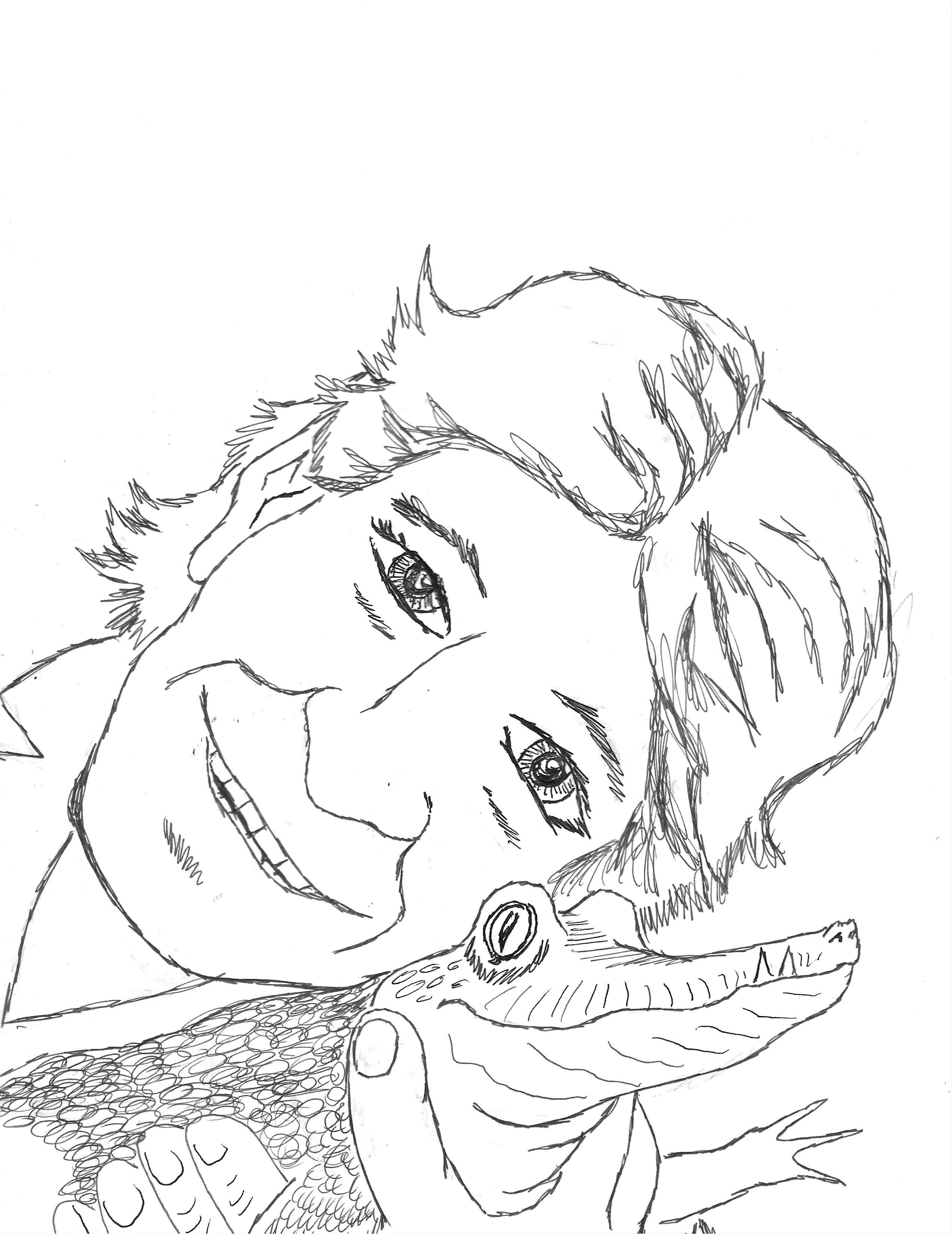
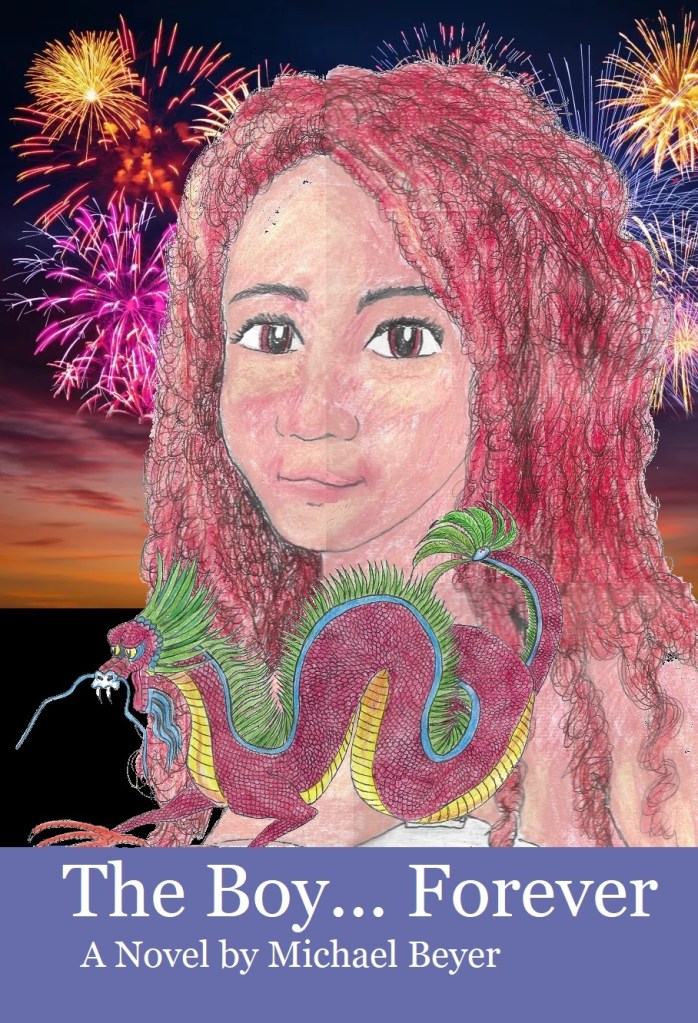
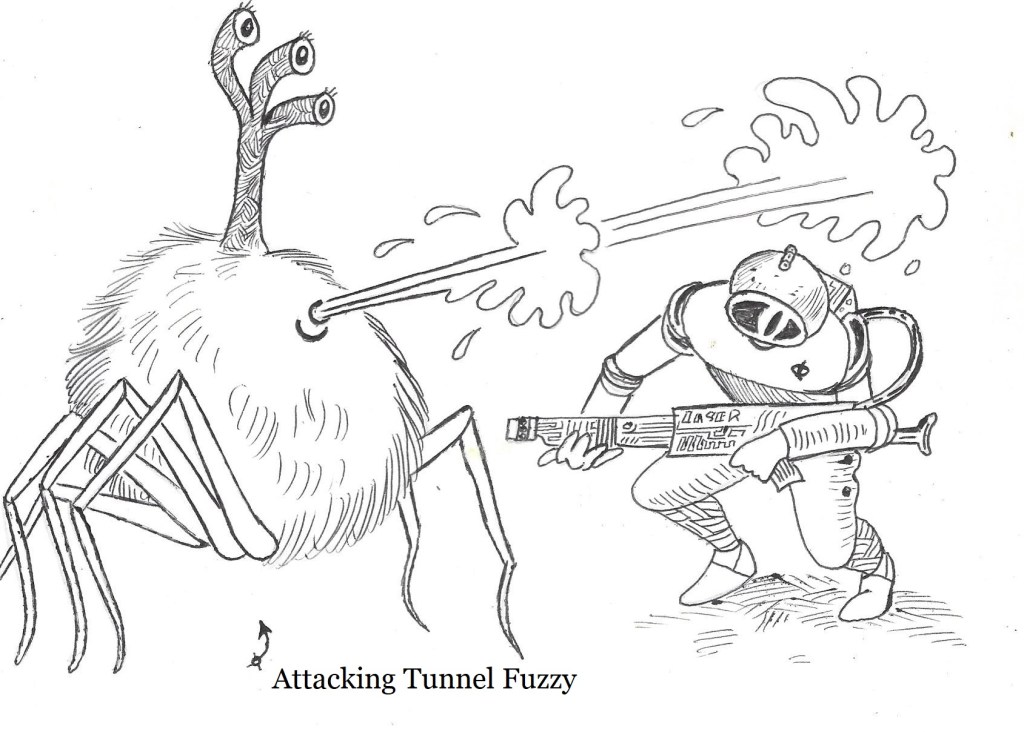
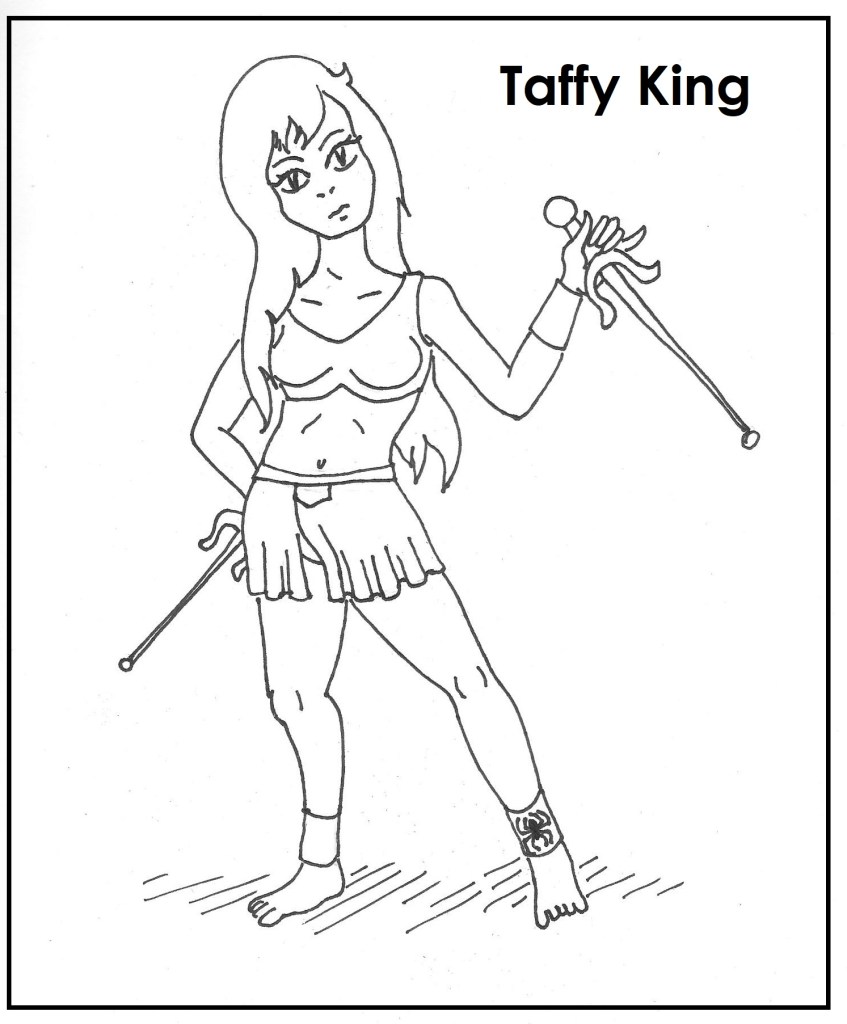
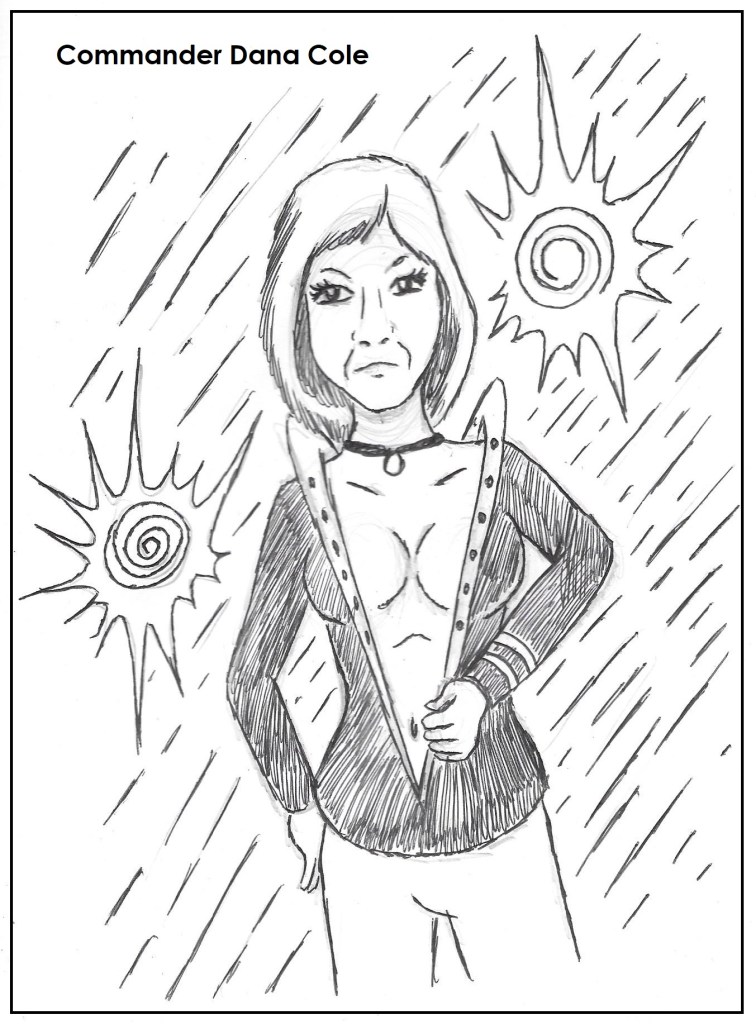
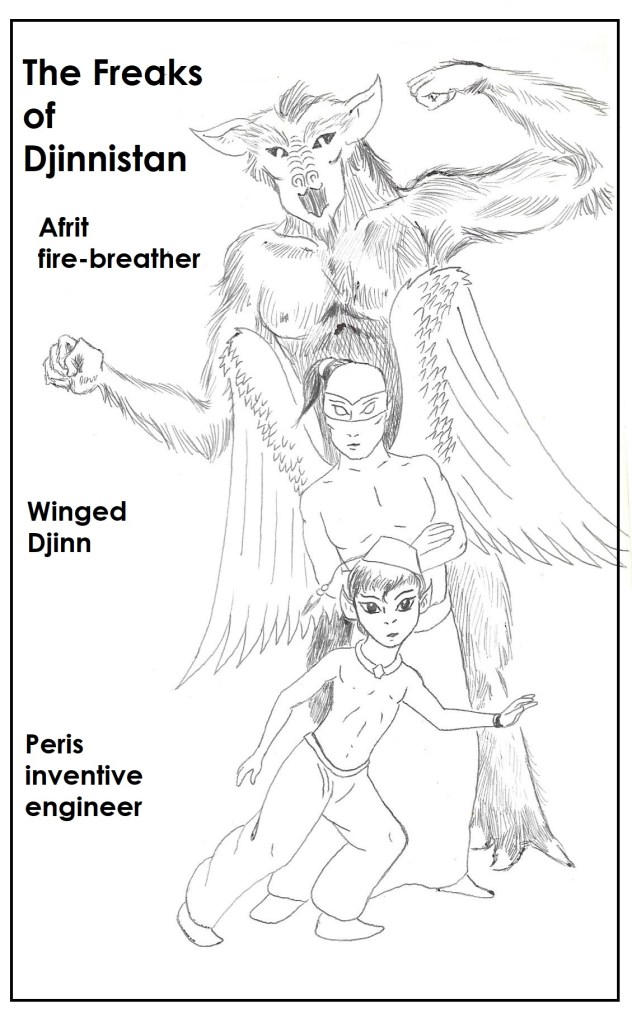
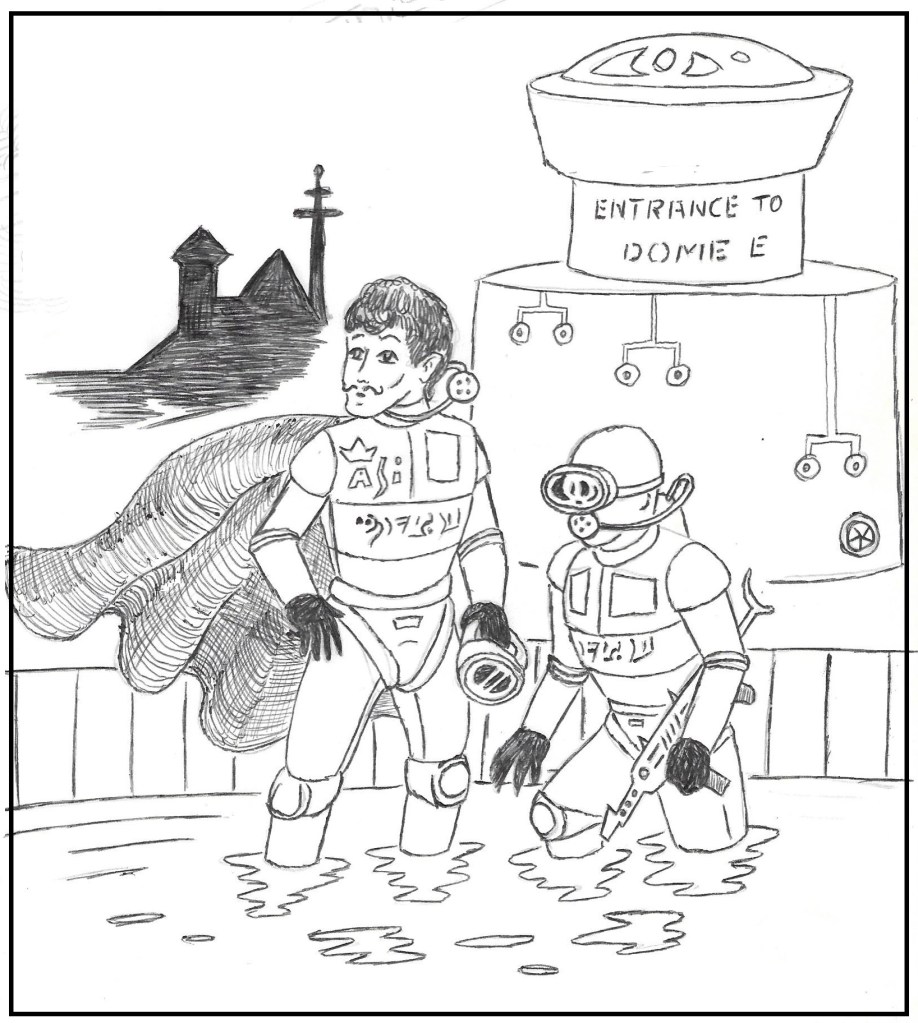
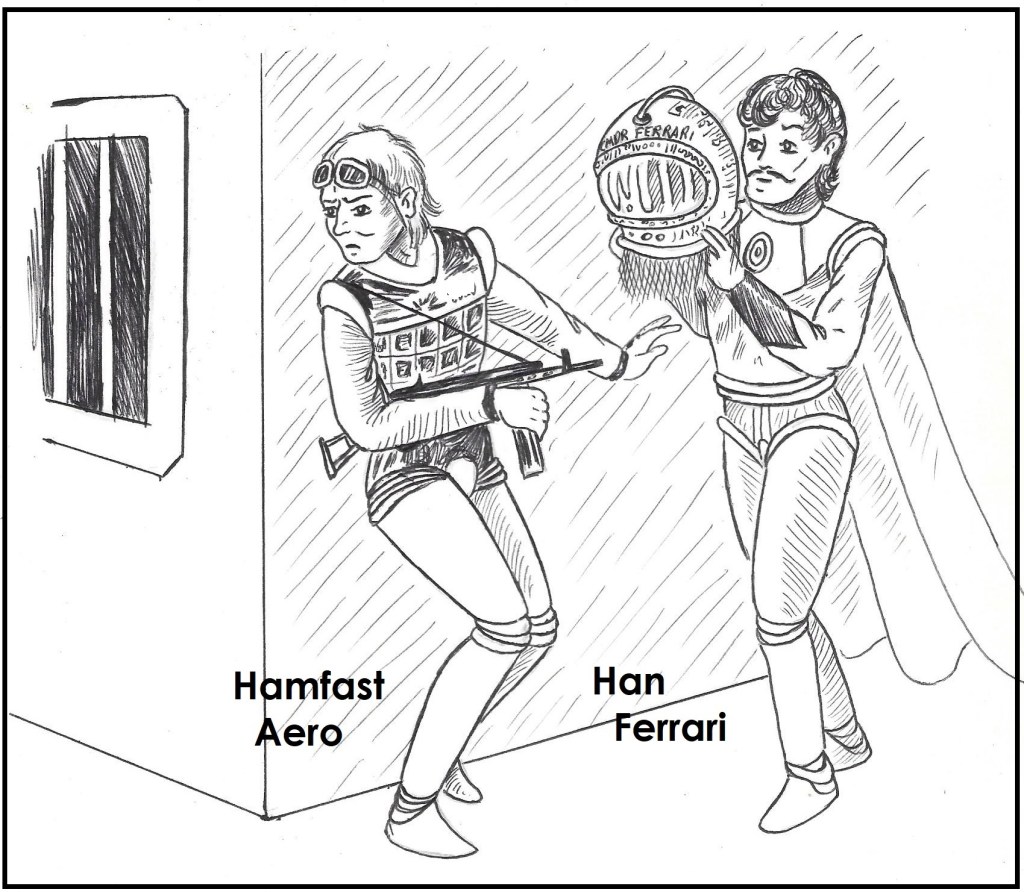
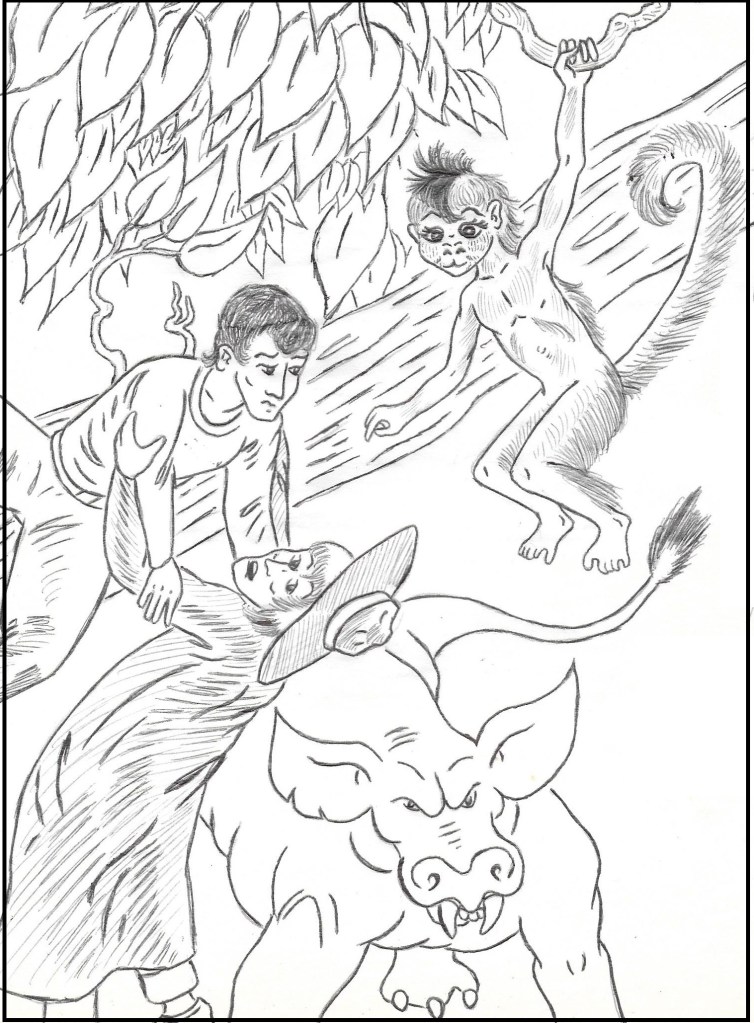
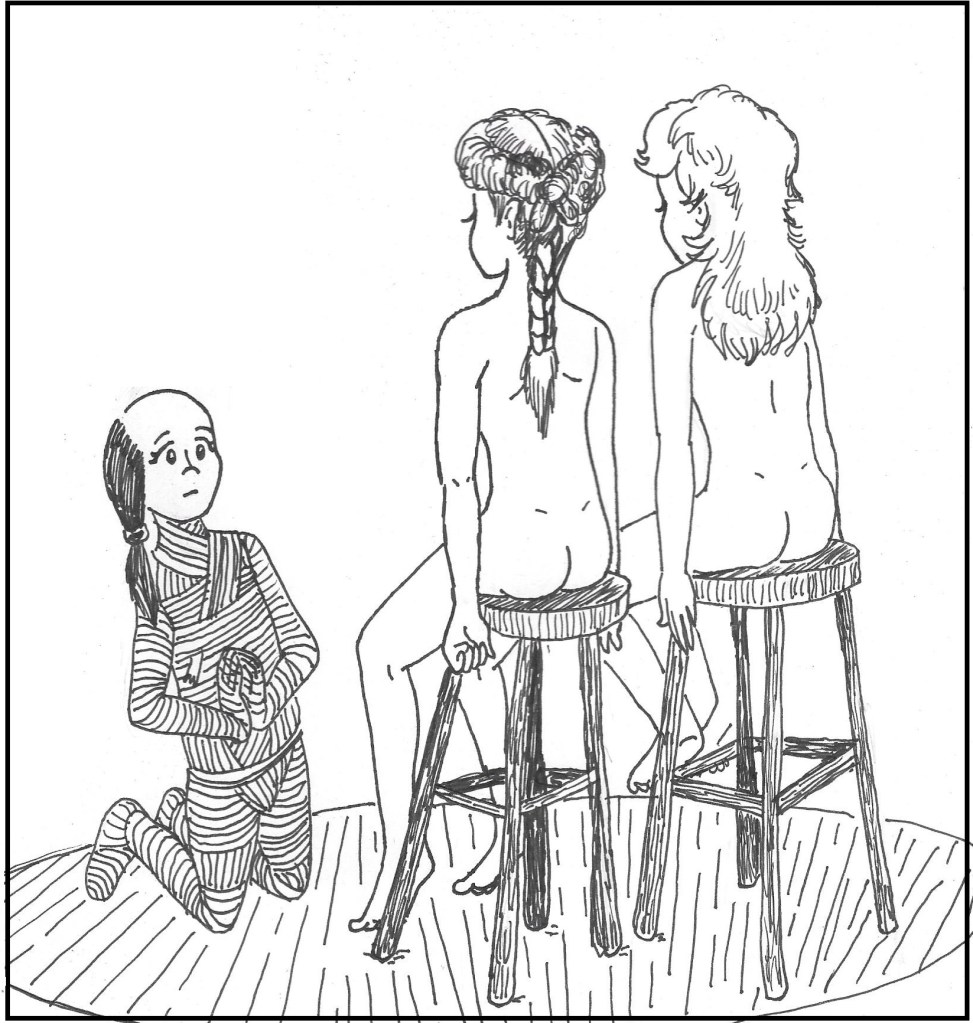
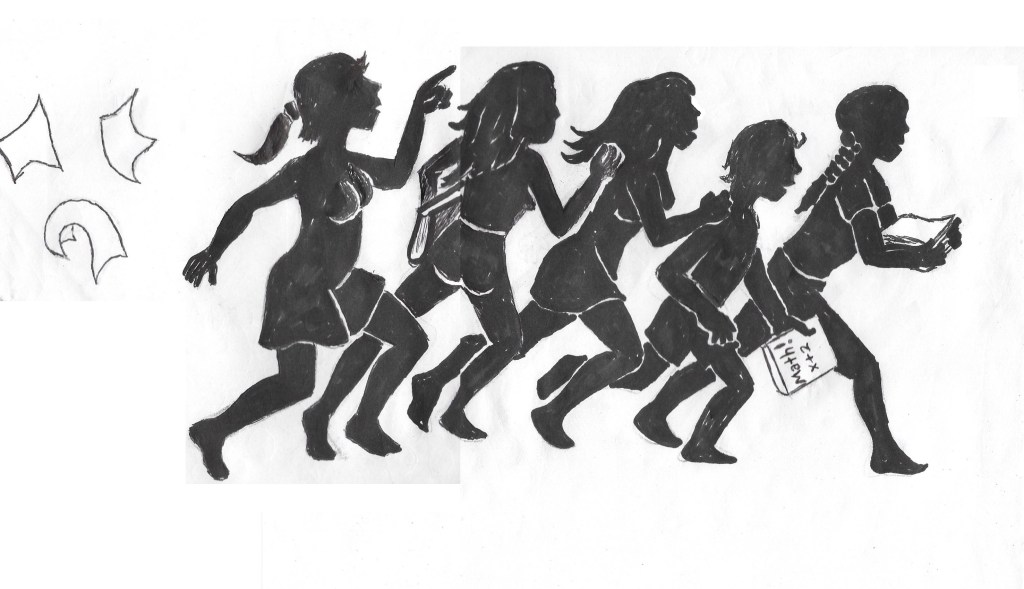
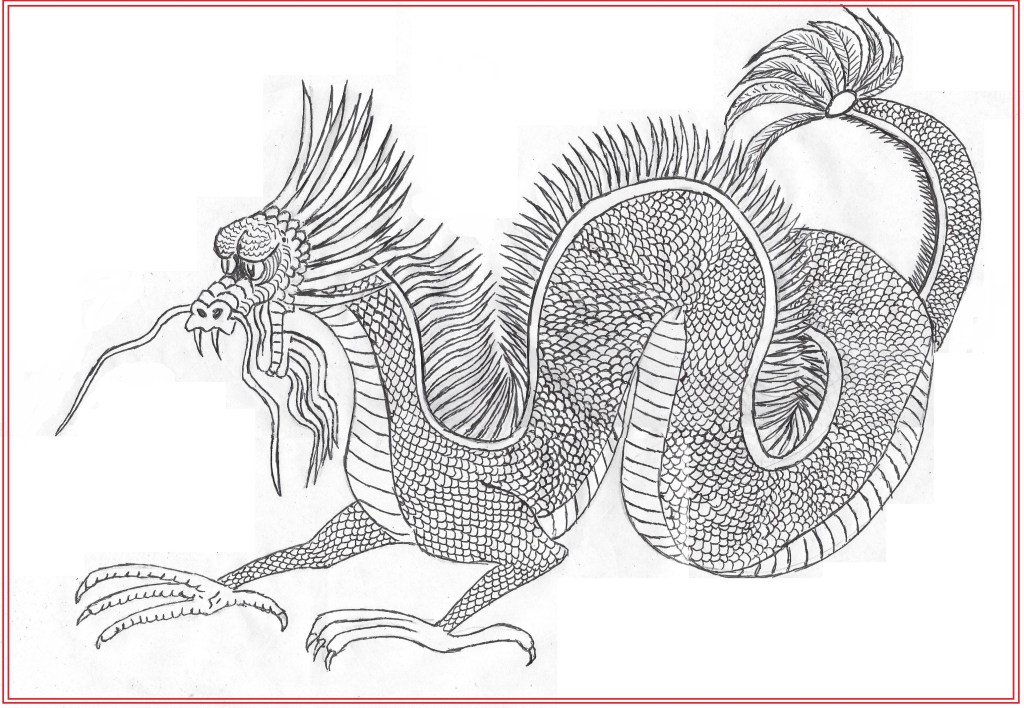
As my resolution to illustrate my novels grows further and further into solid, irresistible form and driving obsessional shape, I have been working on new pen and ink projects. Some are for AeroQuest. Some were for The Boy… Forever. And I will soon need to create new ones for A Field Guide to Fauns. Today’s post is just a glimpse of what I have been doing.