Where Only Harpies Had Been Before
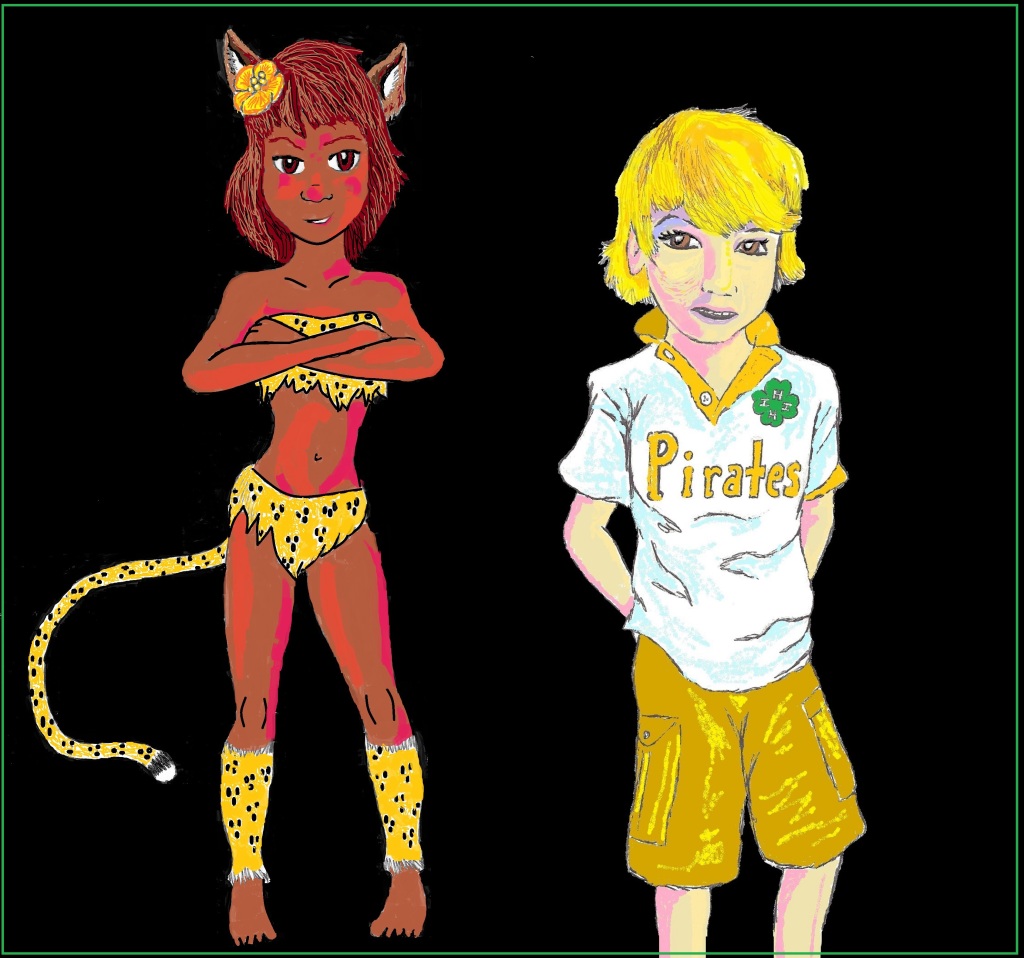
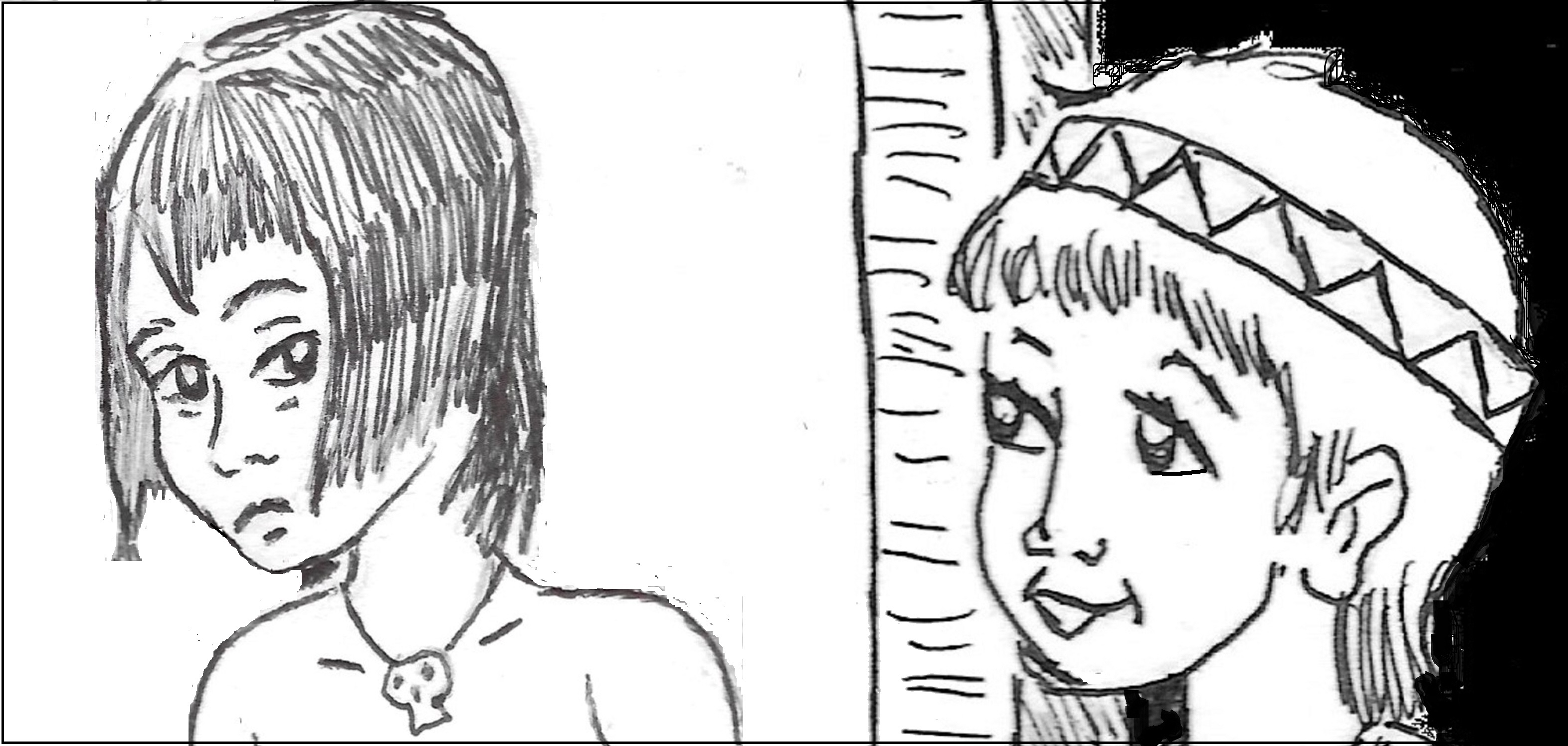
I hated having to lead the girl, Derfentwinkle I think her name was, on a leash like a fairy-dog or a June beetle. It was cruel. But I also wanted her to live even though we were supposed to kill her.
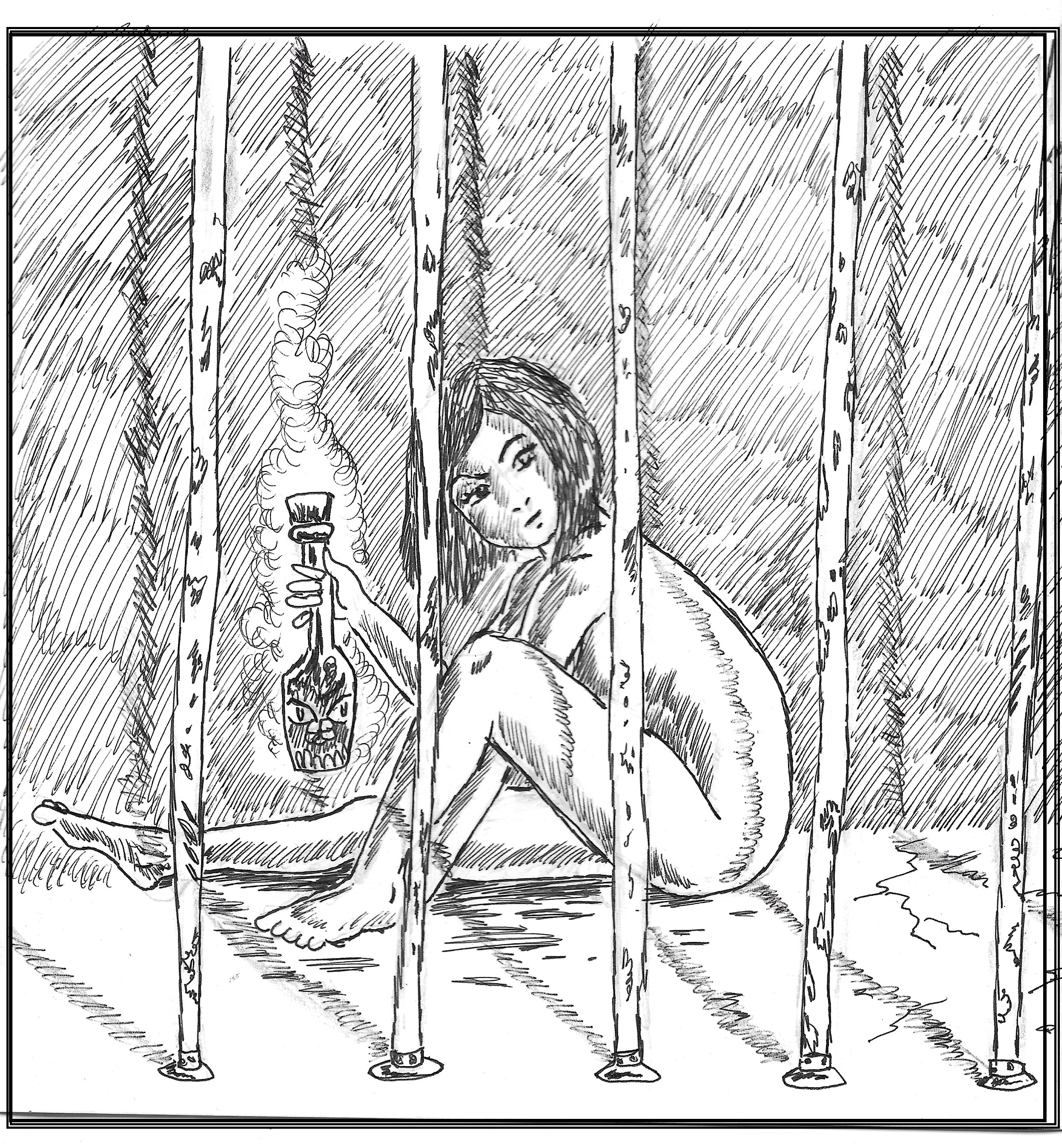
But the girl was quiet and never once tried to resist being led. We took her to the magic lab where the Harpy cage was kept.
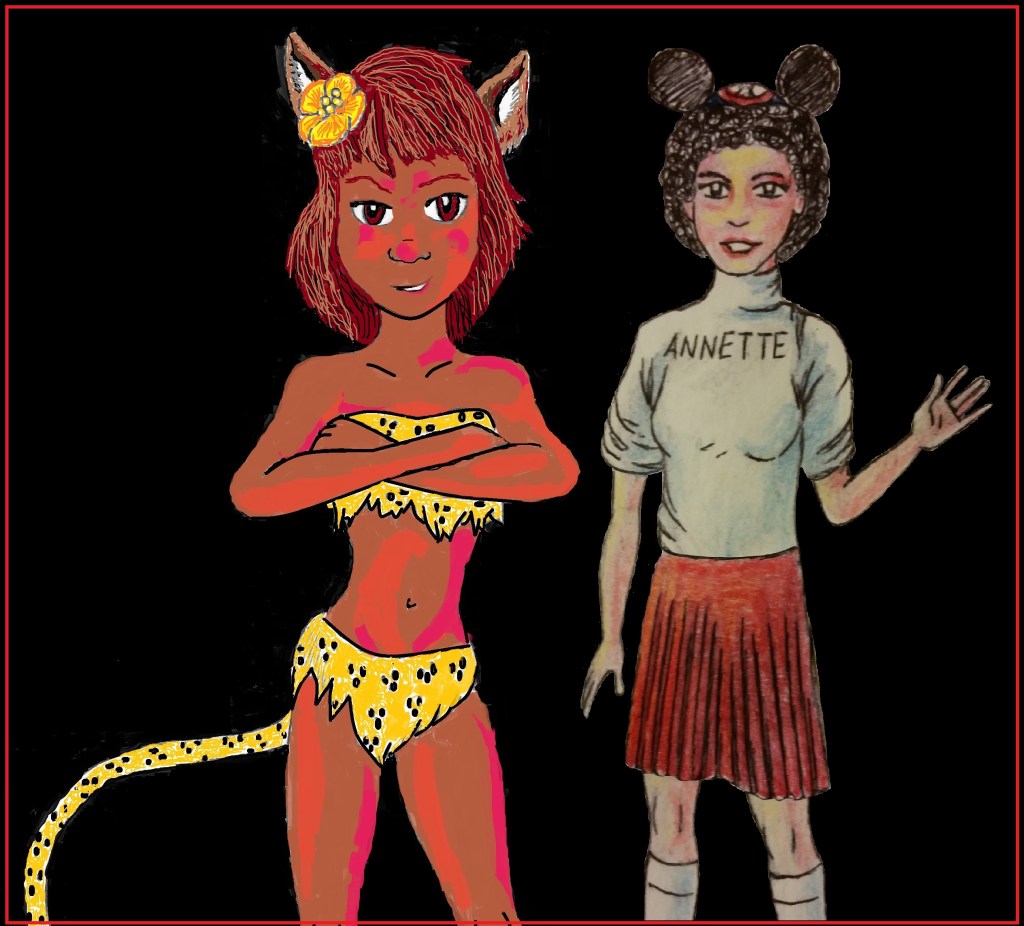
Harpies are foul creatures, among the worst of the gobbulun hordes in the Unseely Court. The one we held as prisoner for a week, Queen Duurt was her name, spread bad smells all around the cage. She kept trying to get hold of Mickey every single time he was tasked with feeding her. I’m sure if he hadn’t been quick enough at dropping the food into the cage, she’d have caught him by a wererat paw and pulled him close enough to bite his head. I was glad when they executed her and put her in the cookpots. She didn’t even make good meat to feed to the fairy creatures we kept as pets.
“Eeuw! This place smells horrible,” the girl said as Master Eli prodded her to go into the cage.
“You probably won’t be in there very long,” Master Eli said. “If you are no smarter than I think you are and don’t know anything about the necromancer’s lair, then we’ll have you cut up and boiling in the cookpots before you have time to get used to the smell.”
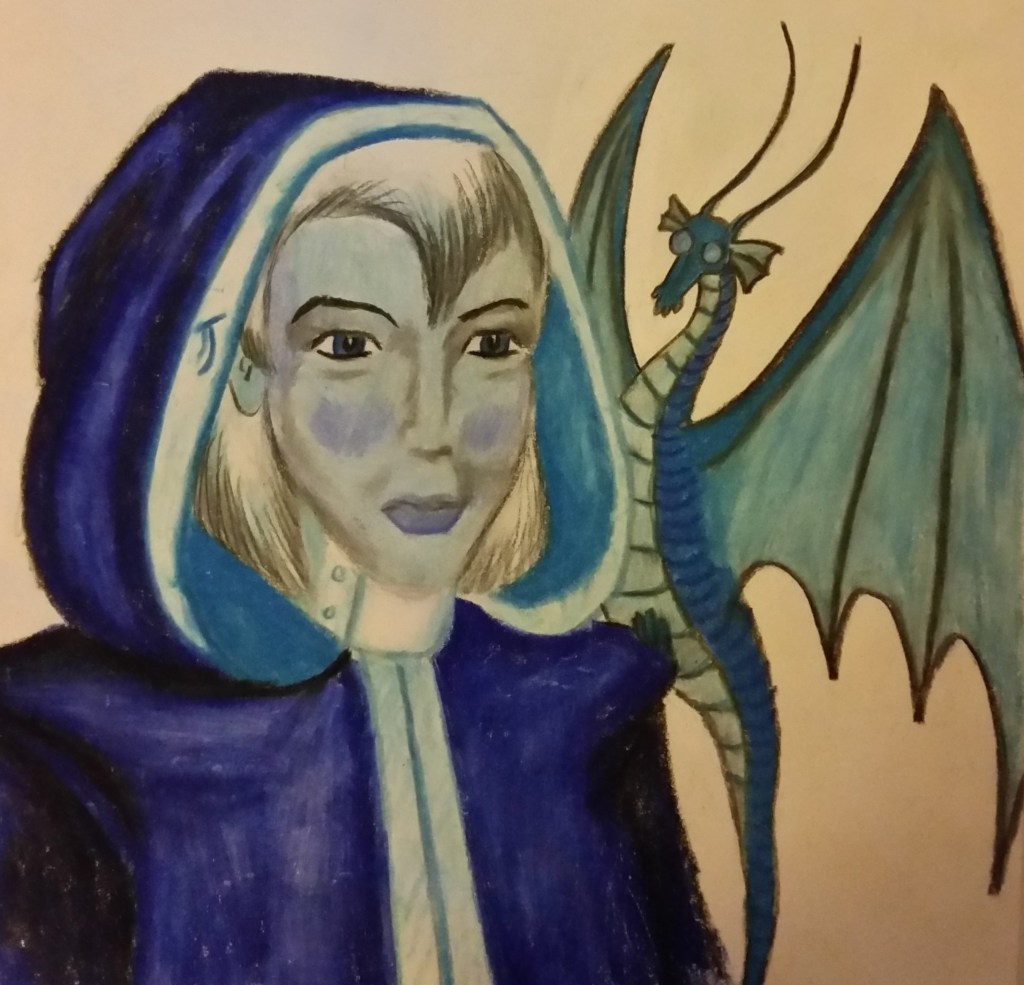
She looked at him with a hard stare that gave me neck prickles like a good ghost story told by a creepy bard.
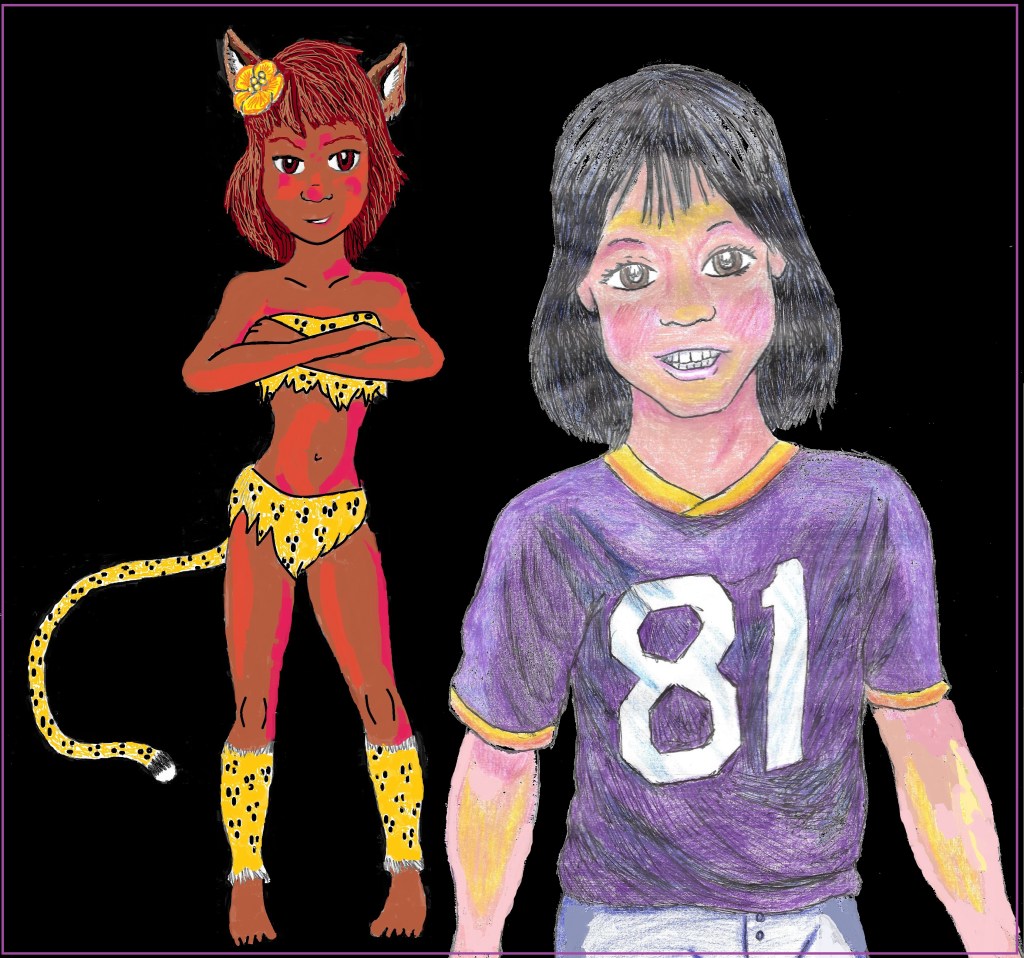
“Master? Are we allowed to take her out of the cage sometimes?” Mickey asked.
“Learning magical sex positions?” I asked Mickey.
“She’s a dark one’s plaything, Mickey. You let her out, she’ll probably eat you rather than make love to you.”
“So, does that mean I have permission?”
“Knock yourself out, kid.”
Of course, Master Eli didn’t really mean that. He just had that kind of sense of humor. He would expect me to stop Mickey from doing detestable things.
“And, Bob, since you will be the one cleaning the mess up when something goes wrong… Be sure they are both dead before you turn them into beetle chow.”
“Yes, sir.” That part he probably did mean.
Master Eli left the room before I had secured the lock on the cage. Mickey was looking at me with that pathetic beg-eye of his.
“No, Mickey. You can not take her out and do bad things to her.”
“Why not, Bob? We don’t get many chances to learn about sex.”
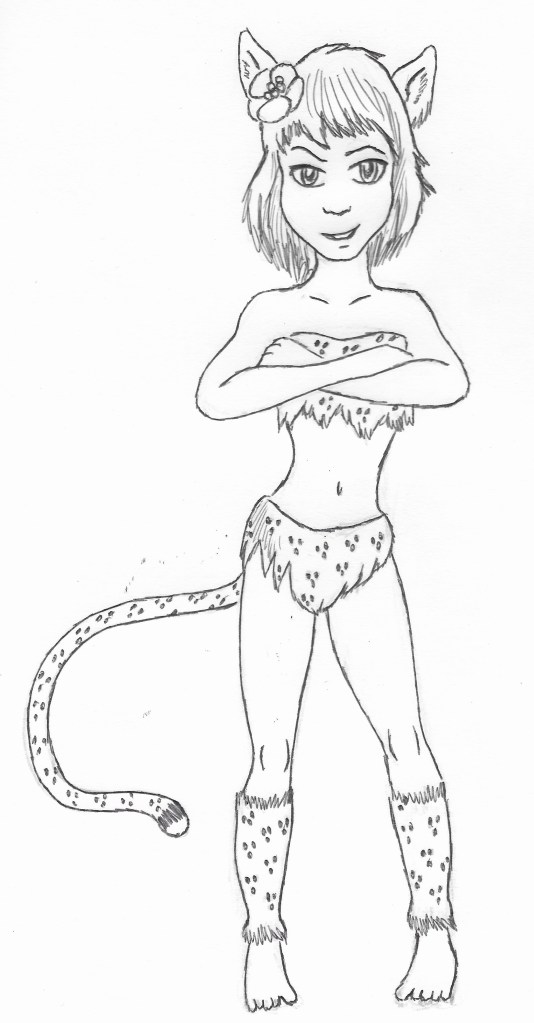
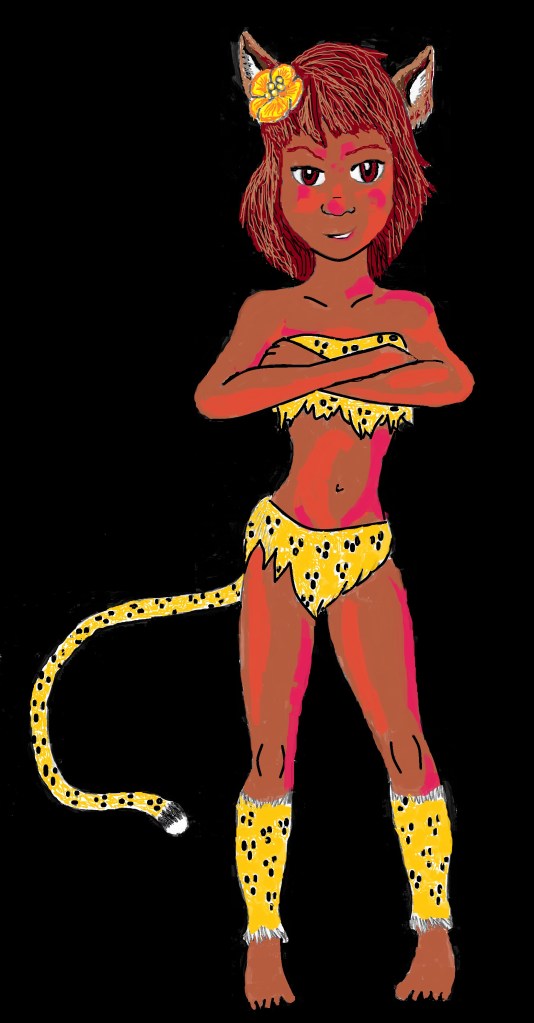
“Because she’s a Sylph just like us. And she has to be treated with the respect due to a young lady. Not used as your dirty plaything.”
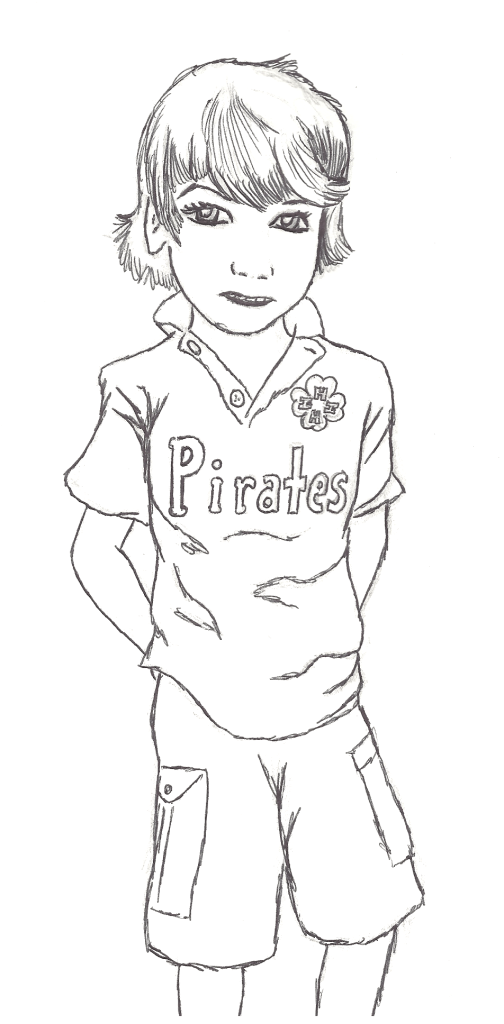
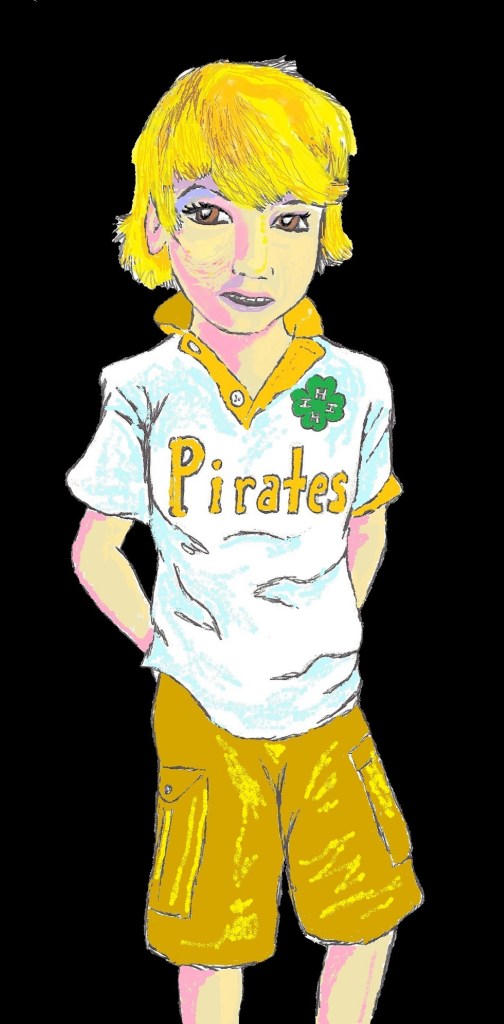
“Bob, I’m sorry you’re not very smart. I know we have to make allowances for you not being old enough to understand about physical love.”
“Mickey, we can’t because…”
“Really?” she said through the bars. “If the mouse-man wants to kiss me, I’m okay with that.”
“Oh, wow!” cried Mickey as he lunged for the cage, puckered lips leading the way.
I quickly grabbed the Mickey-stick that Master Eli left in the lab for just this very reason, and I hit him as hard as I could in the back of the head, laying him out cold on the floor… out of reach from the cage by mere inches.
“What did you do that for, quiet boy.”
“For his own good. You were going to grab him and possibly kill him trying to get out of the cage.”
“Why do you let them tell you that you’re not smart? You are too smart for me. Take your clothes off and come over to the bars, and I will happily give you what the mouse wanted. No tricks, either. I need some of that before you all kill me.”
“I only do what the master tells me to do. He’s a powerful sorcerer, and he knows how to handle tricky prisoners like you.”
She looked down at the floor of the cage, and I thought I saw tears forming in the corners of her dark eyes.
“You know the Master won’t kill you if you tell him what he wants to know about the necromancer.”
“Oh, I intend to tell him everything and then some. I do not love the Lord who sent me here to die. But I have no confidence that you won’t kill me anyway.”’
“No, he wouldn’t do that. The master does not deal with others in any openly cruel manner. He wants you for some reason more than just what you can tell him about your evil master.”
“What happened to the last prisoner that was in this cage?”
I didn’t really want to tell her about Duurt. That was a five-inch-tall monster with no redeemable qualities.
“We cut her up and boiled her to make pet food. She was an evil Harpy, and she killed many fairies before we captured her.”
“How do you know I am not evil like that? Or maybe I killed lots of people too.”
“You are not. I can tell just by looking.”
She looked at me with those dark eyes. It made my neck hairs prickle again, ever so slightly.
“You are cute, quiet boy. I’d be willing to tell you anything you want to know.”
“Really? Why did you attack Cair Tellos, then?”
“No choice. Kronomarke forced me to.”
“Even though you knew it was a suicide mission?”
“There are others whose lives mean more to me than my own, and he has power over them.”
“And he won’t hurt them after you are dead?”
At that moment Mickey groaned and sat up, rubbing his sore head. “Why’d you do that, Bob?”
“I was hoping to convince you to help me save them. But that was before I knew that everyone was a court jester in Cair Tellos,” she said to me, ignoring Mickey.
Before I could reply to either of them, Master Eli came back into the lab with a plastic bottle, one that was a stolen piece from the doll house of the old lady who lived on the eastern edge of the Slow Ones’ town. The bottle was filled with smoke. And two reddish eyes peered at us through the smoke in the bottle.
Master Eli gave the bottle directly to the girl.
“What’s this?”
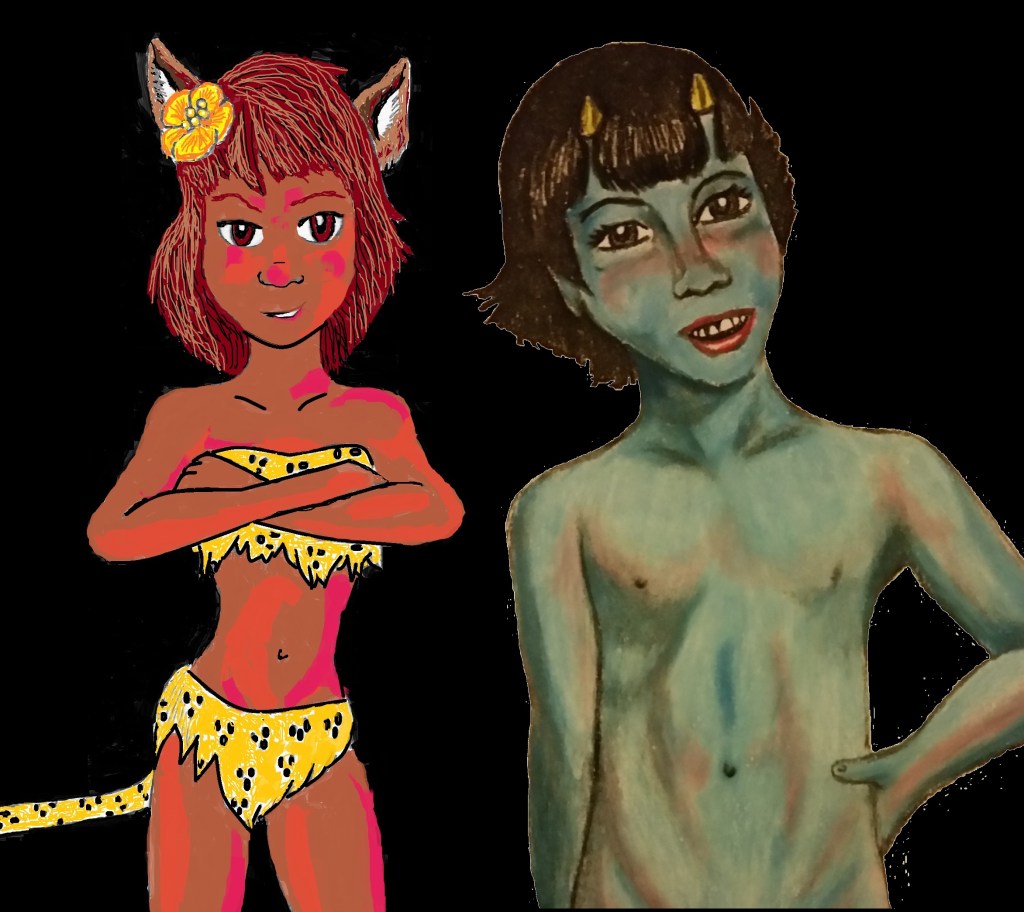
“That’s Kackenfurchtbar, turned into a bottle imp by alchemy. Did you know his name translates to “Horrible Poop?”
“Hmm, well, he is a demon. It would have to mean something pretty icky.”
“Why did you give that demon back to her?” I asked.
“Because I control it by his demon’s name now. And it is technically transformed into a lie-detector for the time being. As long as it is in the cage with her, she cannot tell us a lie without it telling us the truth of it.”
“Oh, crumbs!” she said softly, while still being emphatic enough to deserve an exclamation point when I wrote about it in my journal later.