
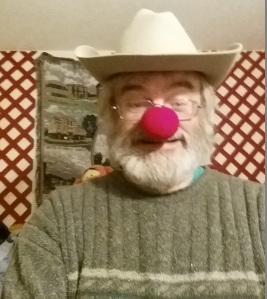
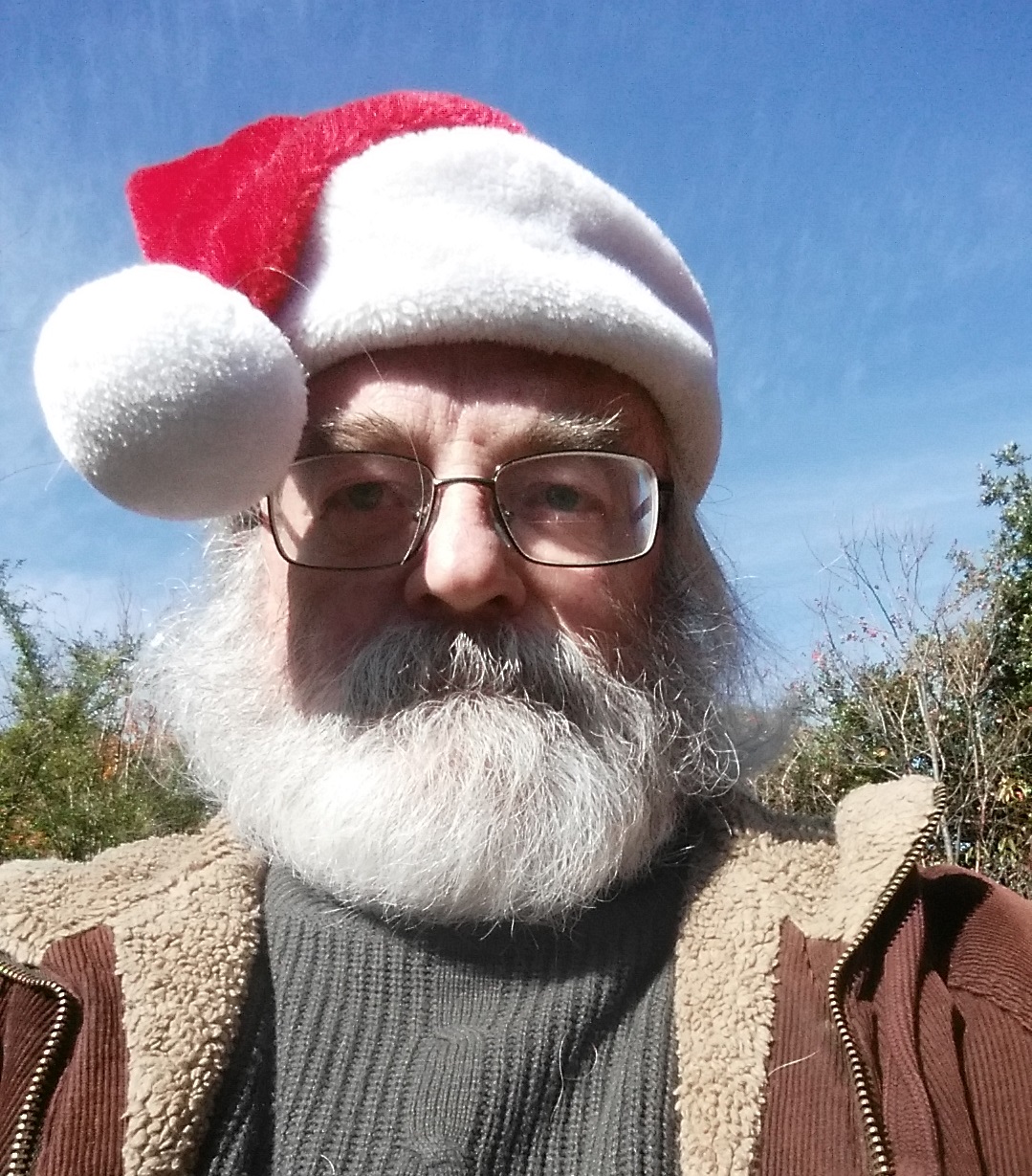
Yes, I admit it. I am a goofy old coot and an embarrassment to my children.
That’s my role in life now. Eye rolls abound when I am around.
There are several reasons why, which I intend to list here in detail in order to embarrass my children further. But it basically boils down to the fact that I am a writer, and though I write mostly fiction, another way of saying I lie a lot, a real writer tends to reveal more of the naked truth about himself than a child can stand.
Who wants to see their father naked? Especially when he is old… wrinkled, spotty, and mostly fish-belly white.
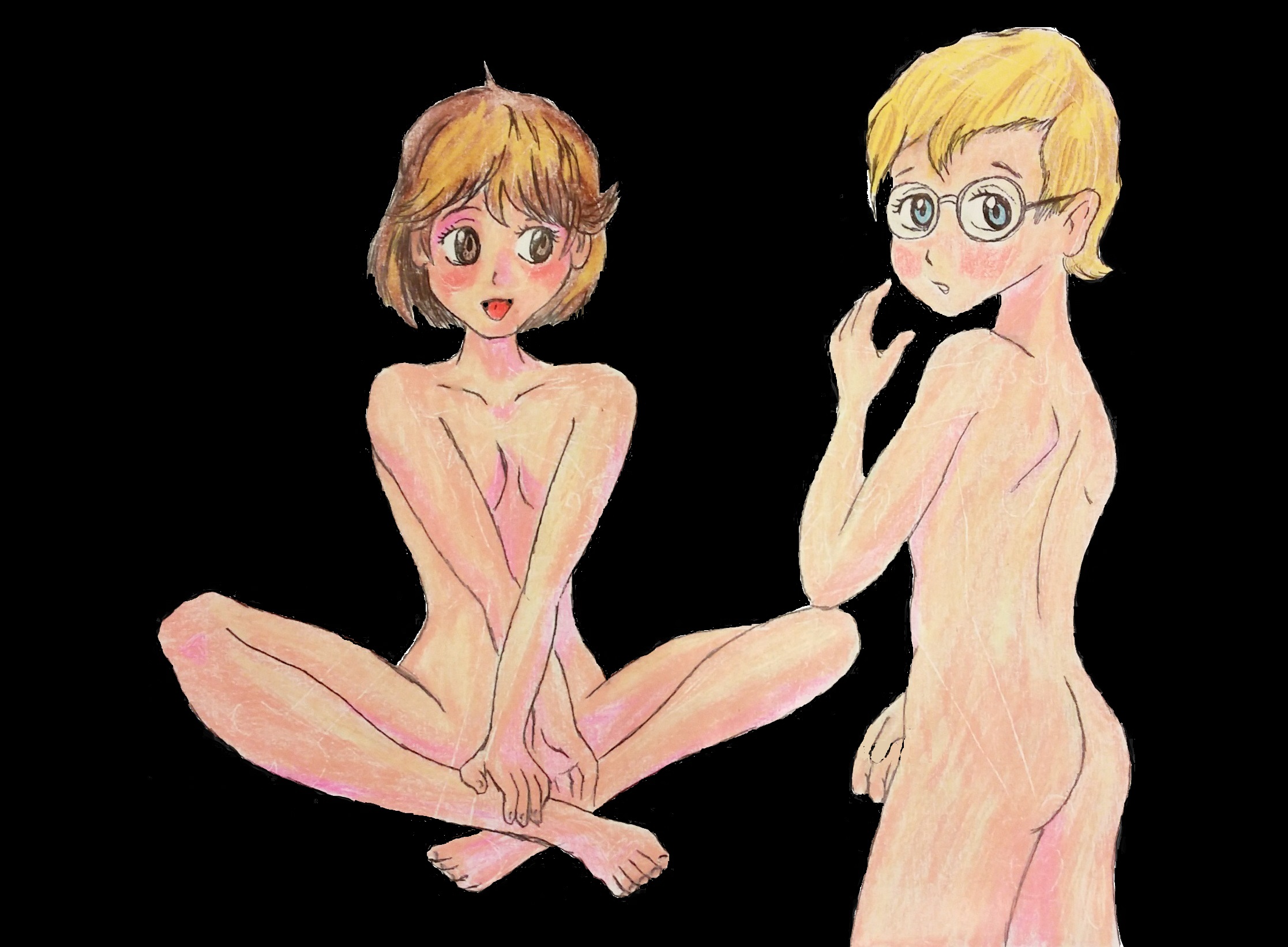
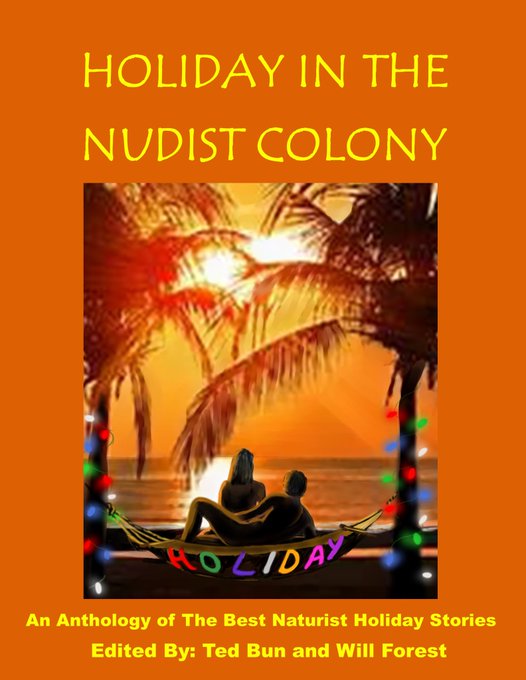
Speaking of nakedness, one of the things that my children are most embarrassed about is the fact that I know a lot about nudists and naturists, in fact, I know many real nudists, and I have been nude in at least one social situation with other naked nudists. And, even worse, I admit it in writing where my children and their friends can see it. Of course, none of them read this blog anymore for that reason.
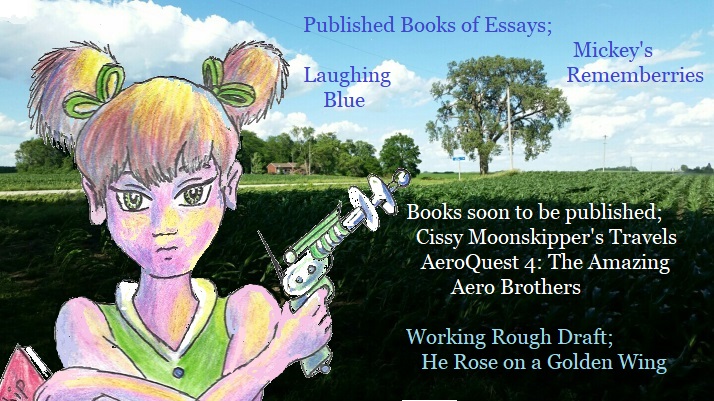
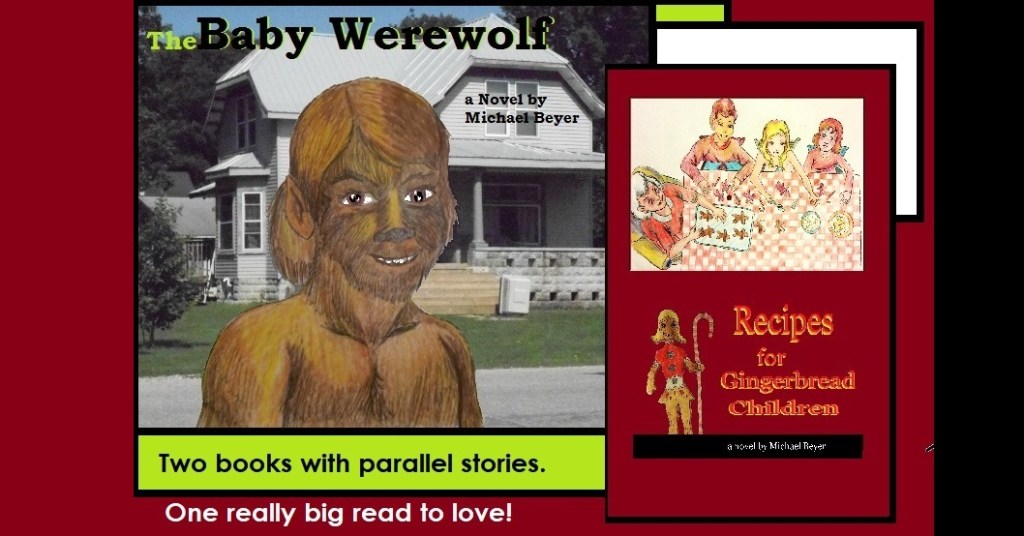
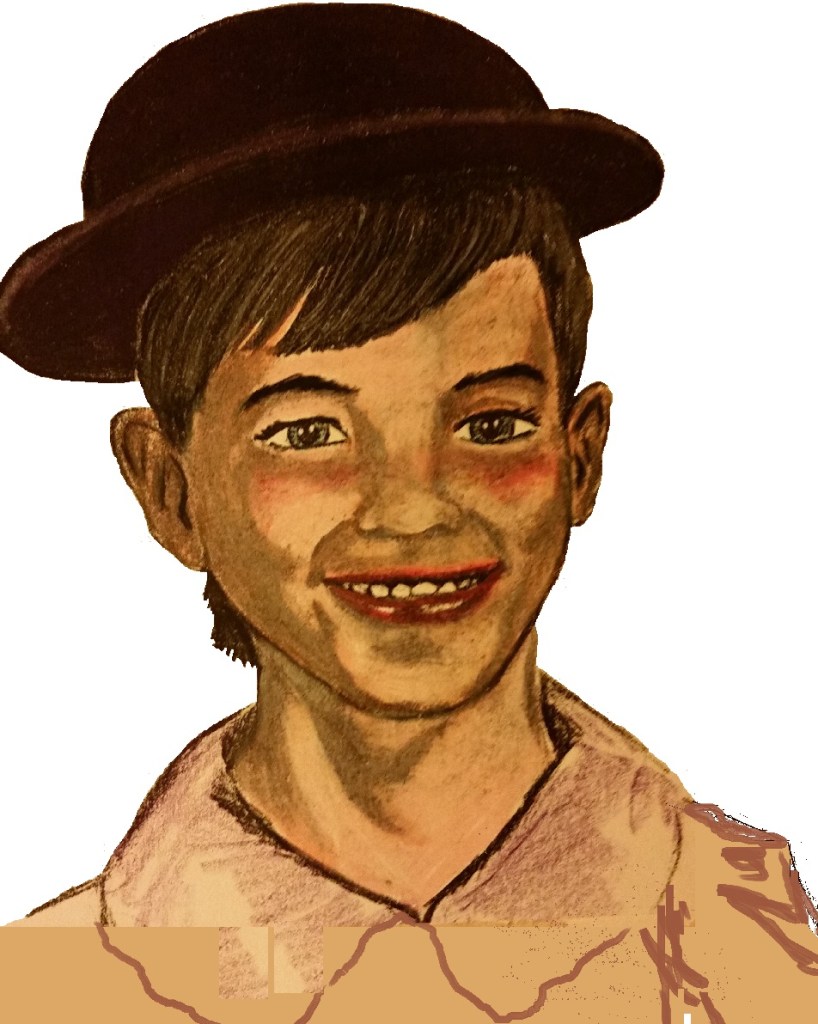
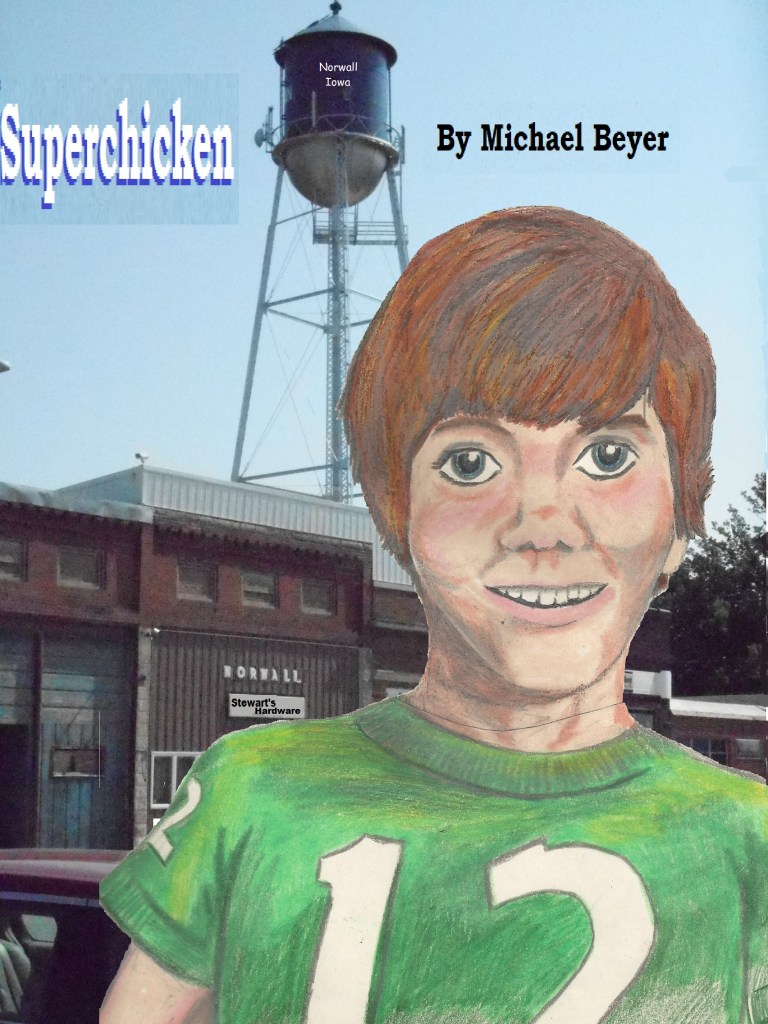
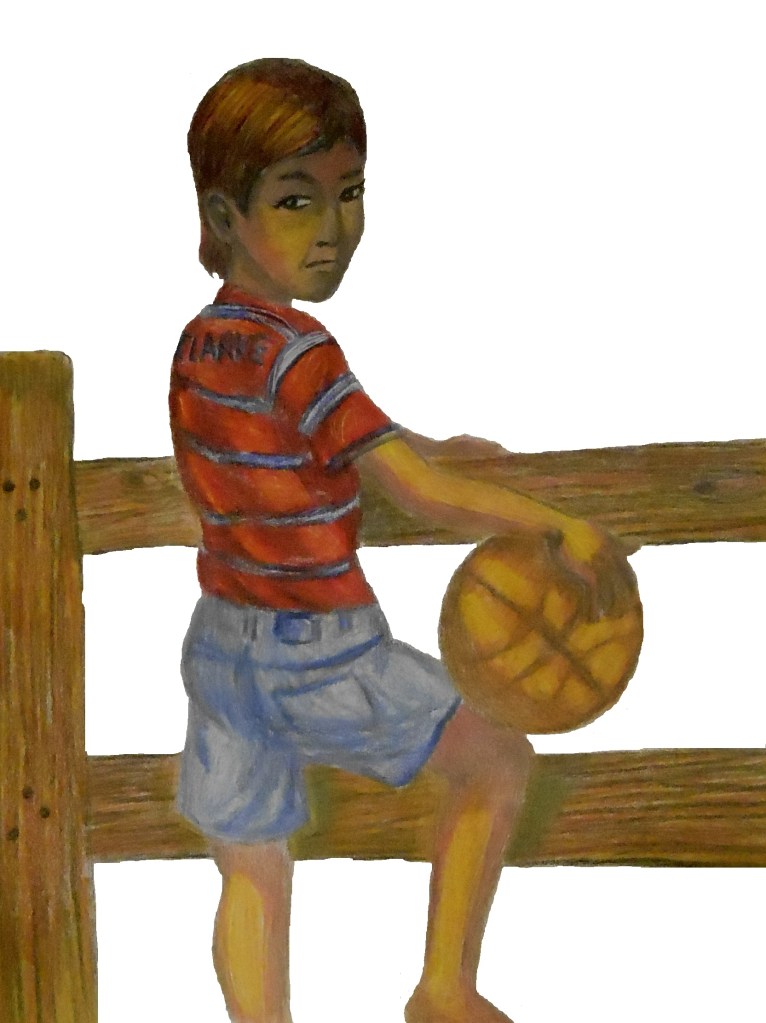
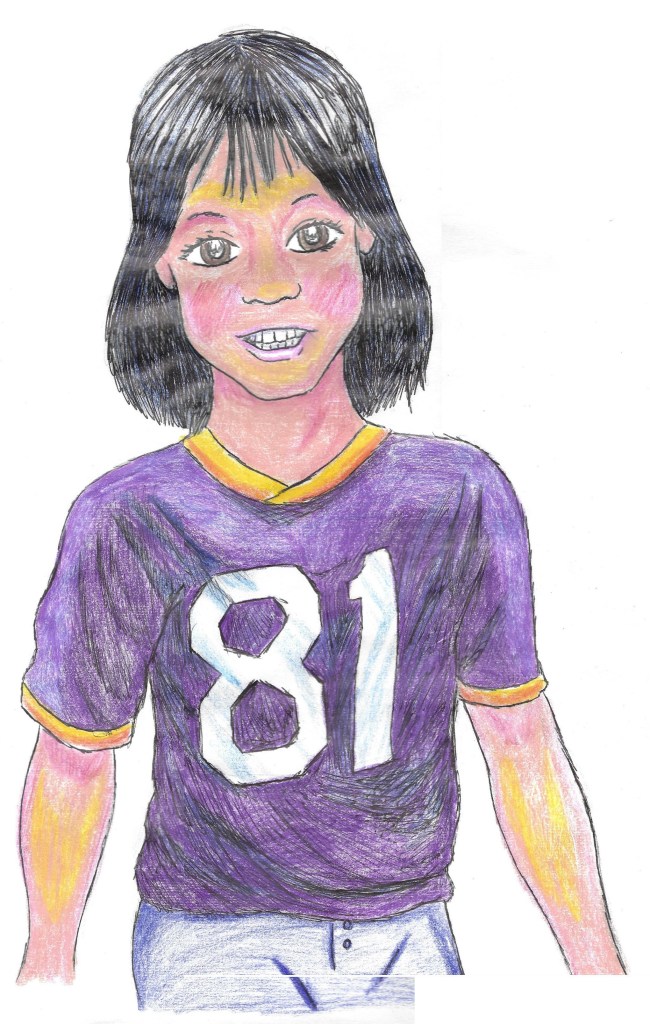
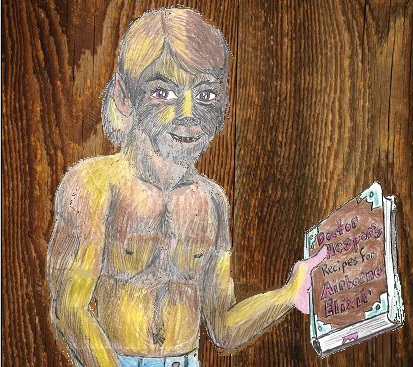
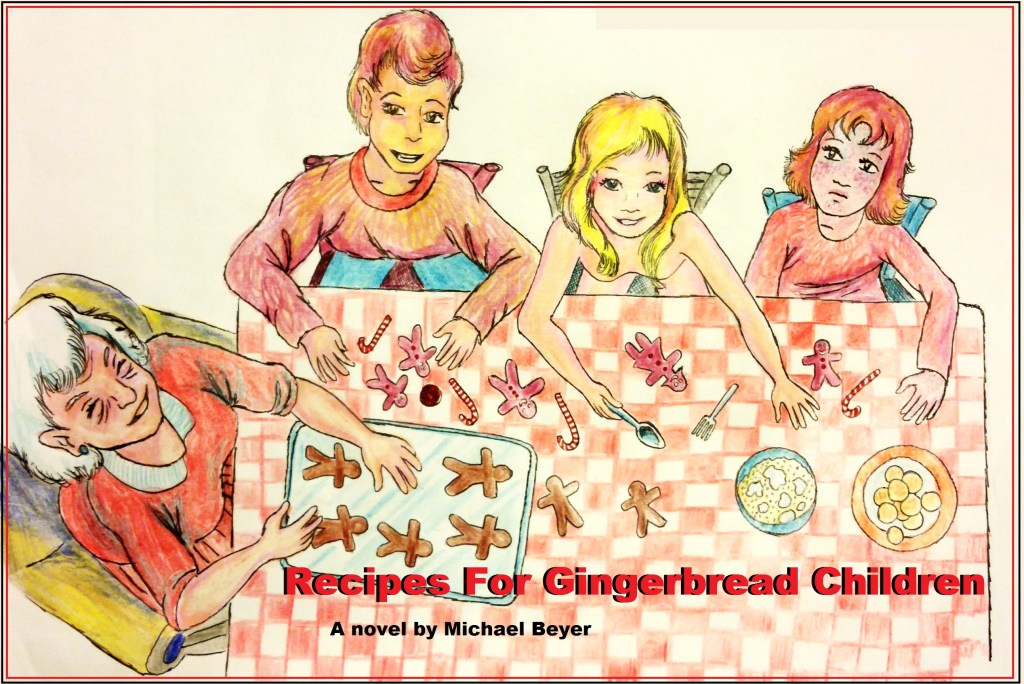
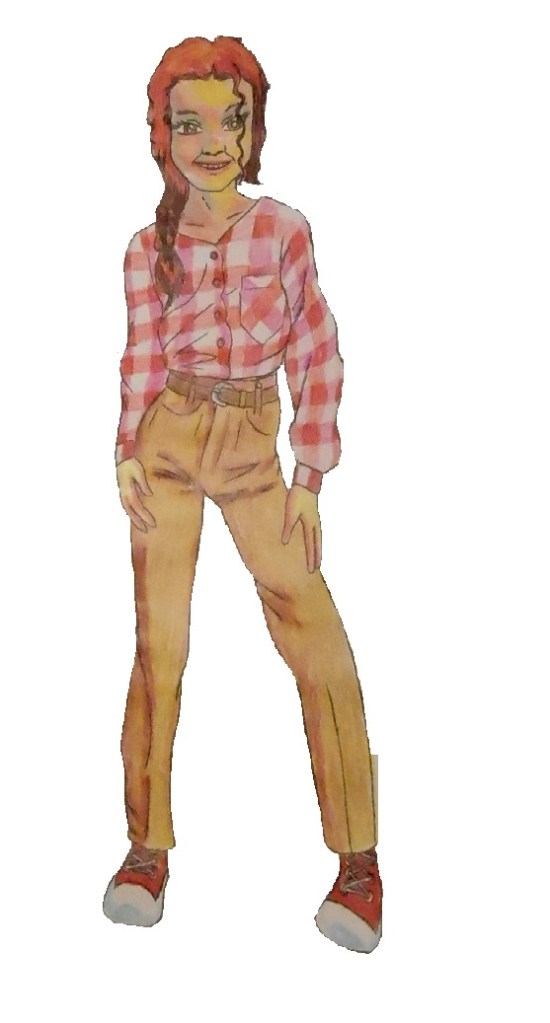
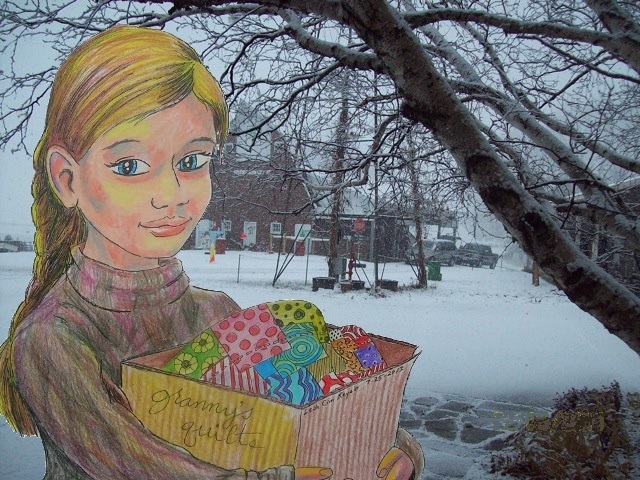
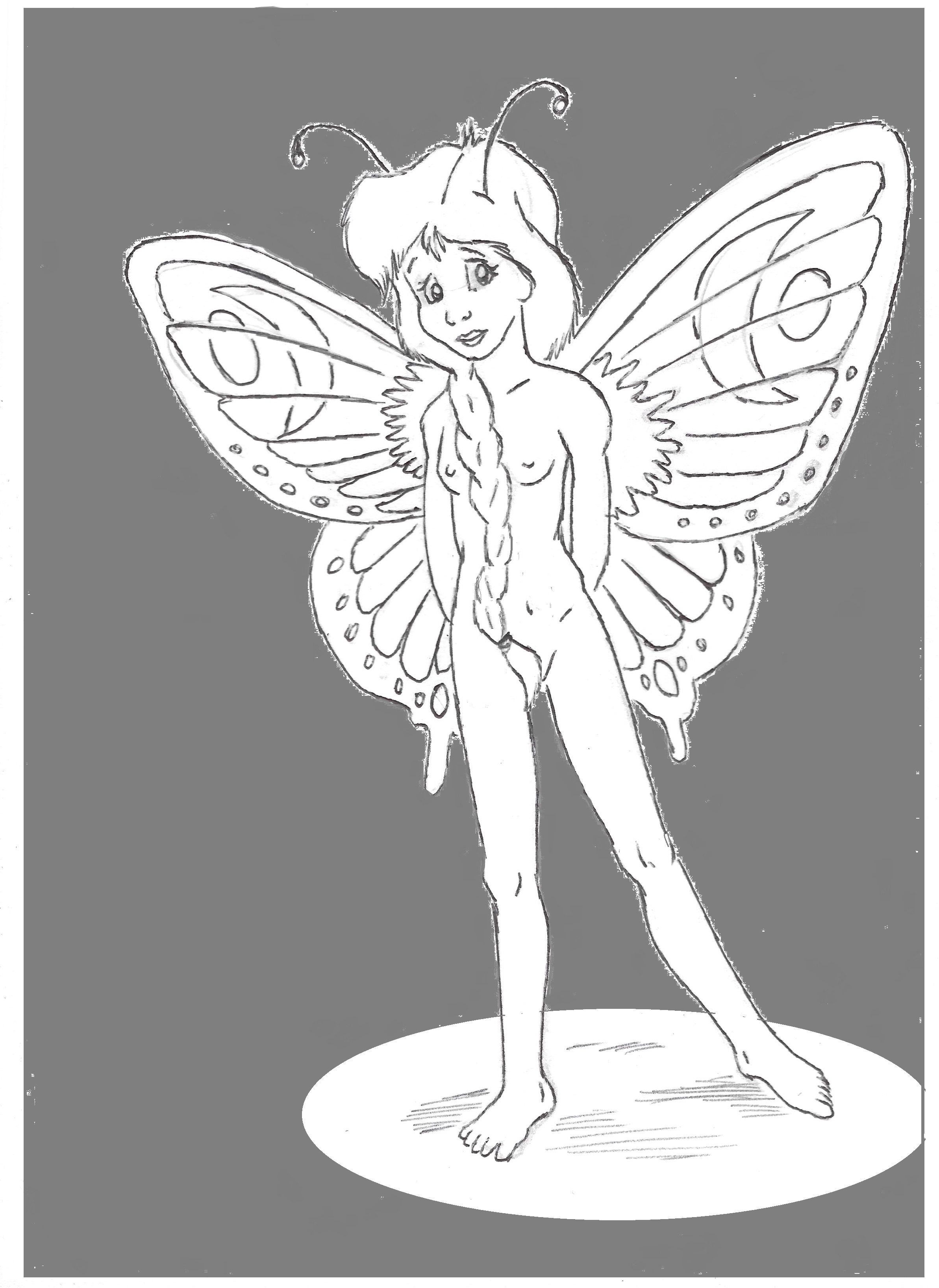
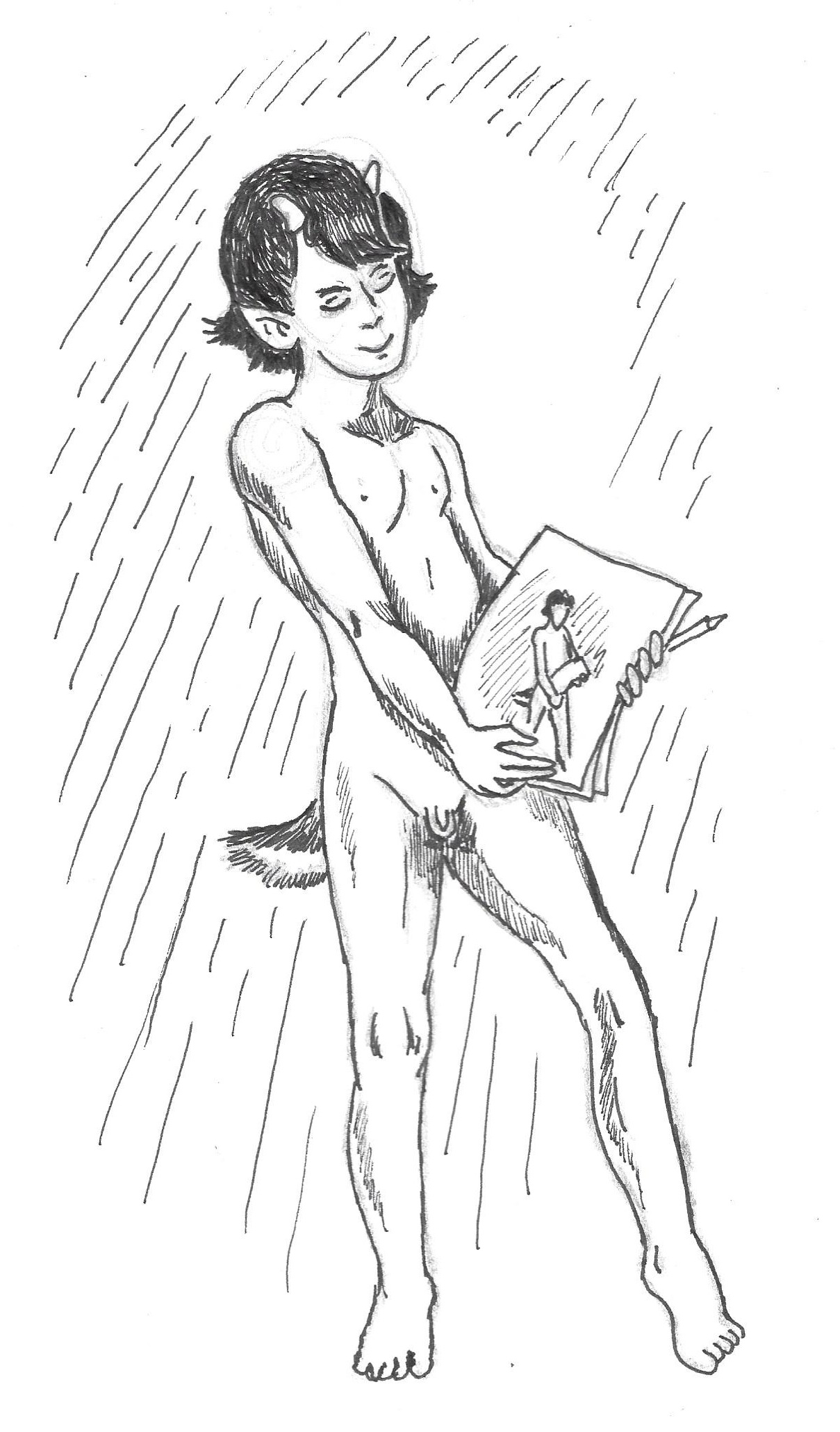
I have written novels where there are nudist characters based on some of the real nudists I have known. The novels with nudist characters in them so far are, Recipes for Gingerbread Children, The Baby Werewolf, Superchicken, The Boy… Forever, and A Field Guide to Fauns. And these novels might not embarrass them so much if they read them to discover that the novels have something to say that really isn’t about their father being a crazy naked coot. But they won’t read them because I am embarrassing to them.
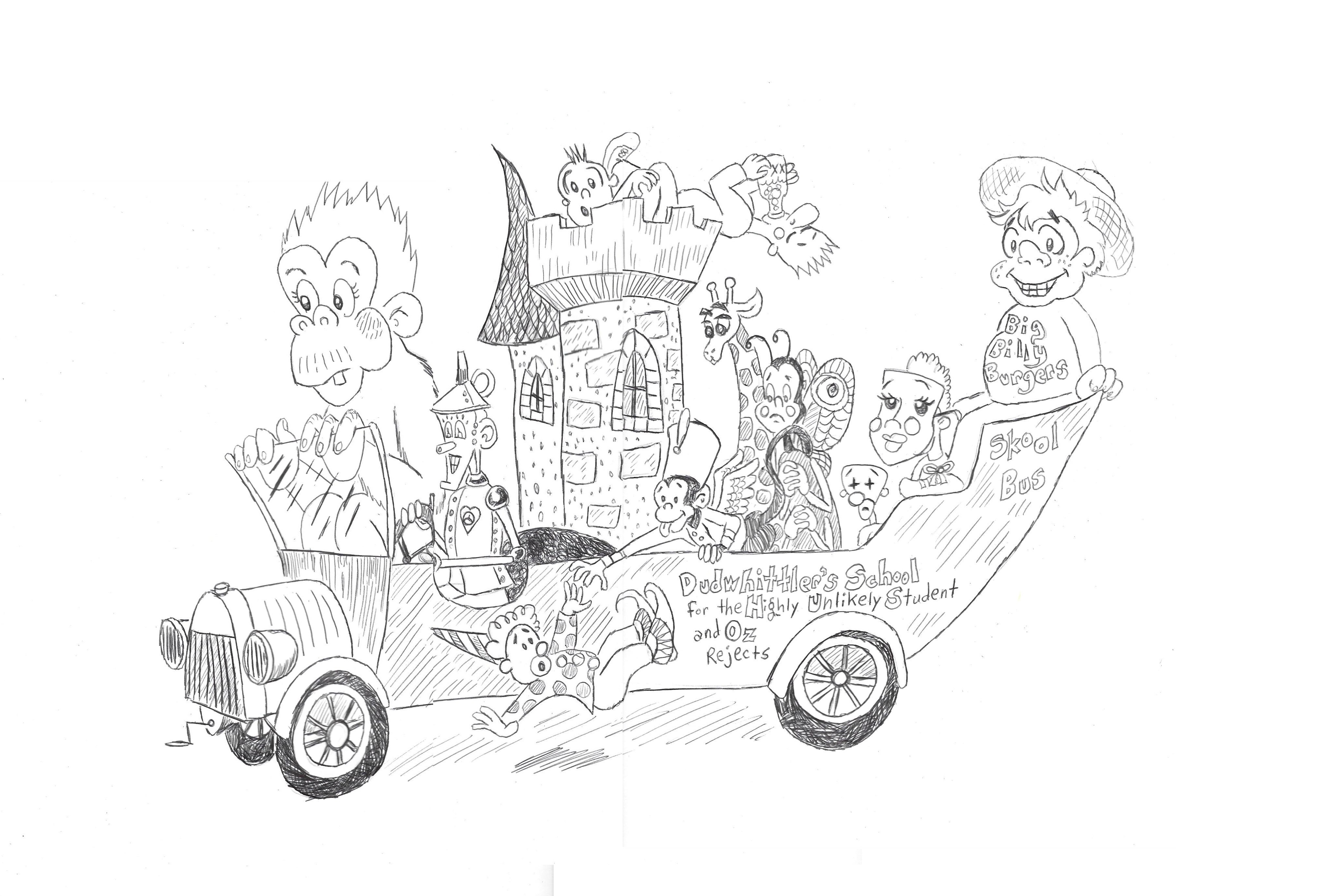
And there is the verified fact that I am something of a conspiracy theorist. I firmly believe that the actor/theater owner William Shakespeare only offered his name to the real writer of Shakespeare’s plays and poetry, the 17th Earl of Oxford, Edward DeVere. There is actual evidence that is so, though it was a secret that DeVere took to his pauper’s grave after spending away his entire family estates and fortune. A pauper’s grave that no interested scholar can find the location of to this very day, although maybe he’s buried in the same place of honor as the actor/theater owner, as there are cryptic clues to that as well.
I also believe that Dwight Eisenhower met with alien civilizations in the 1950s and the Roswell Incident was a real crash of more than one spacecraft from other star systems. There exist real deathbed confessions that confirm those details, and the government has been covering up the facts for decades.
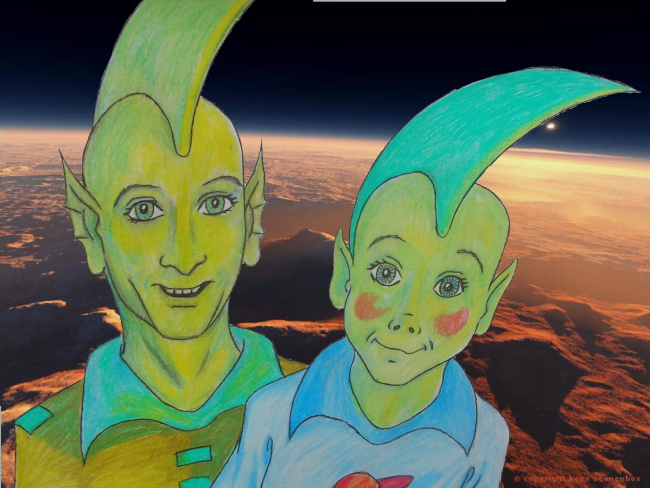
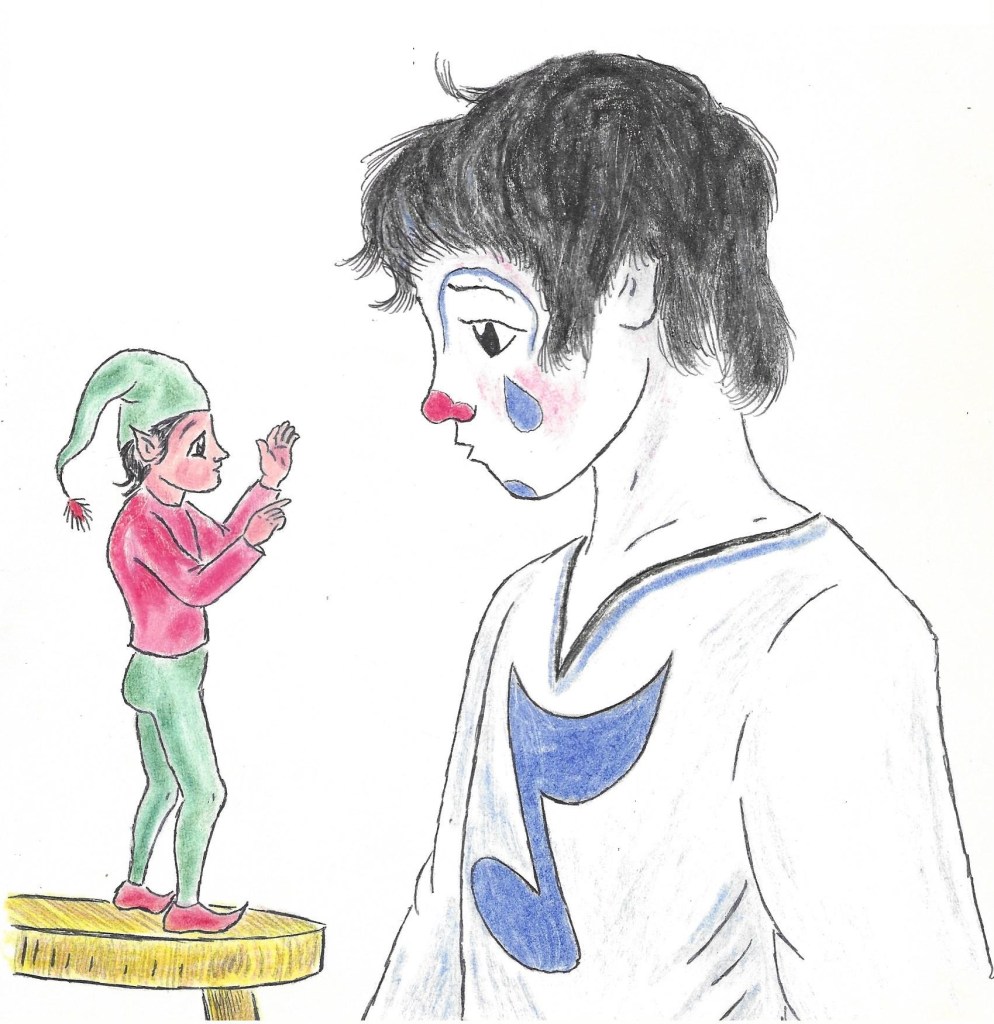
The conspiracy-theory skills I have as a crazy, embarrassing coot have resulted in books like Catch a Falling Star, Stardusters and Space Lizards, and the Bicycle-Wheel Genius.
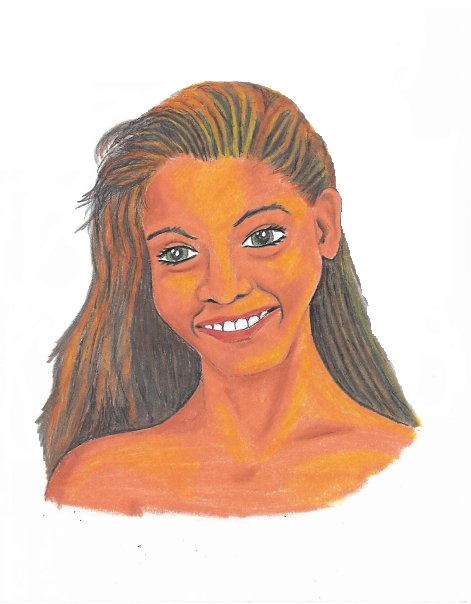
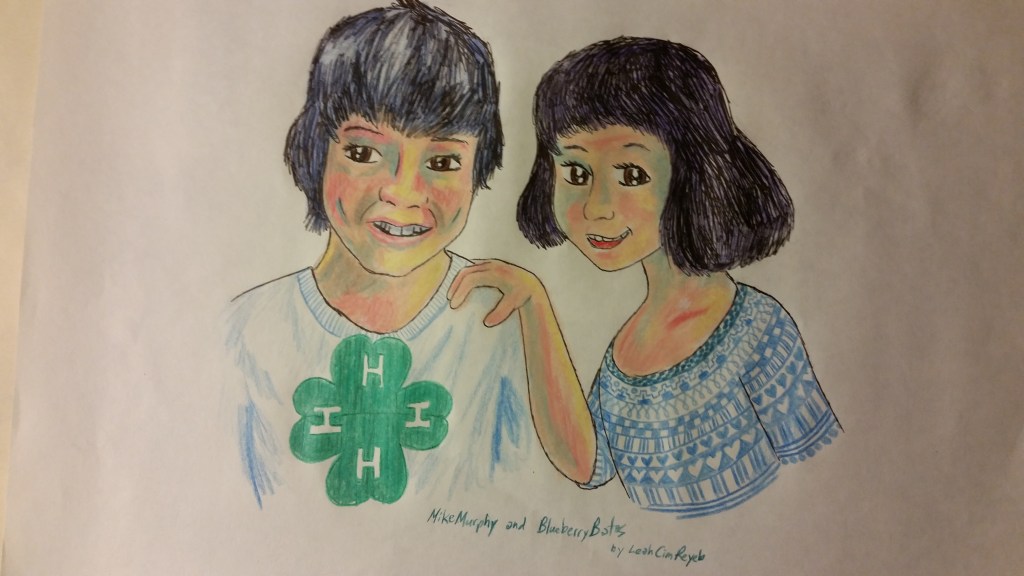
And lastly, I was a school teacher in middle schools and high schools for thirty-one years, which means I can create kid-characters in fiction that are very realistic and have a good-but-comic quality that make readers generally like my stories.
So, my children are probably right to be seriously embarrassed by my very existence. Of course, I, like all old coots registered with the Crazy, Embarrassing Coots of America, the CECA, am totally immune to being embarrassed by the embarrassment of my children.
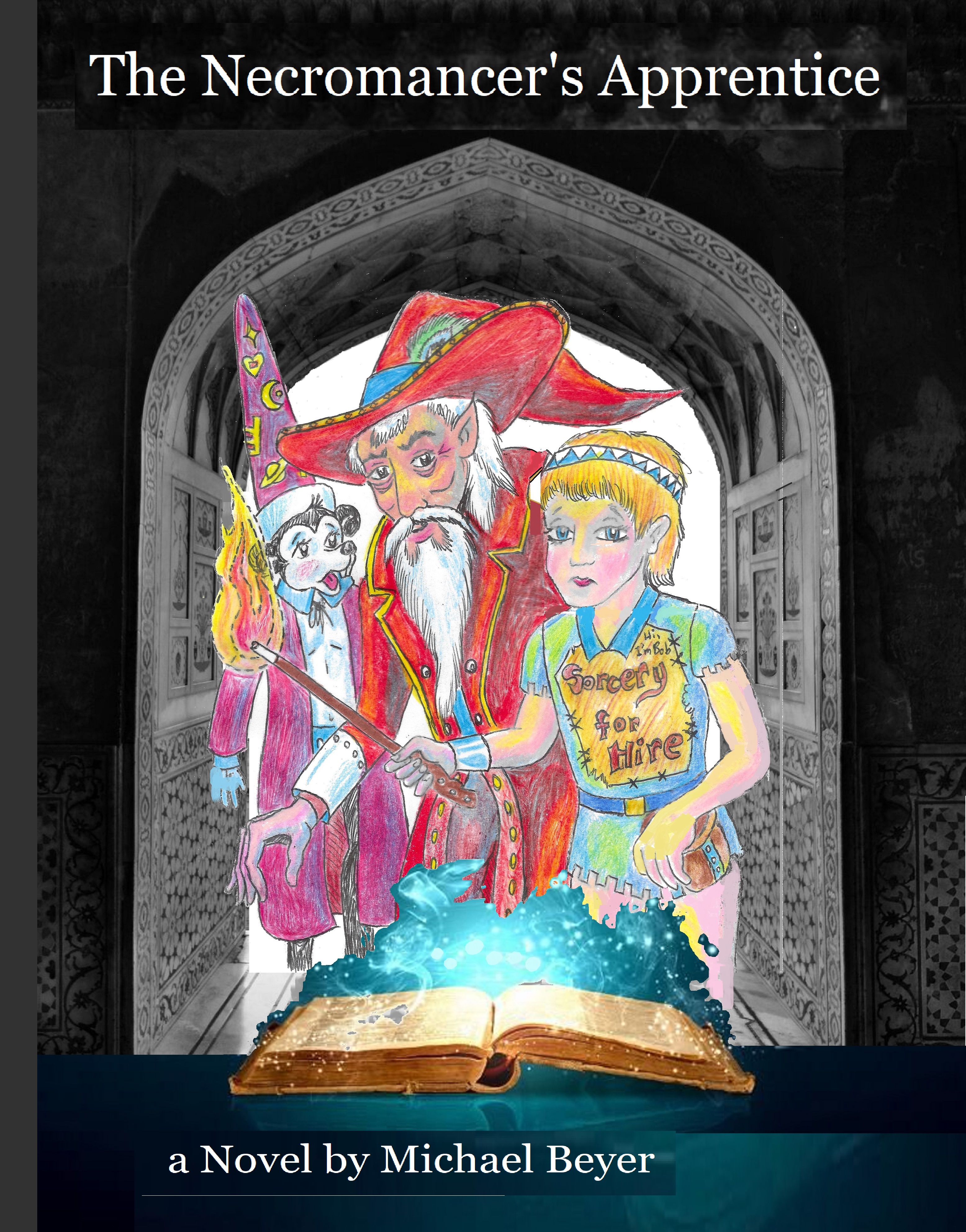
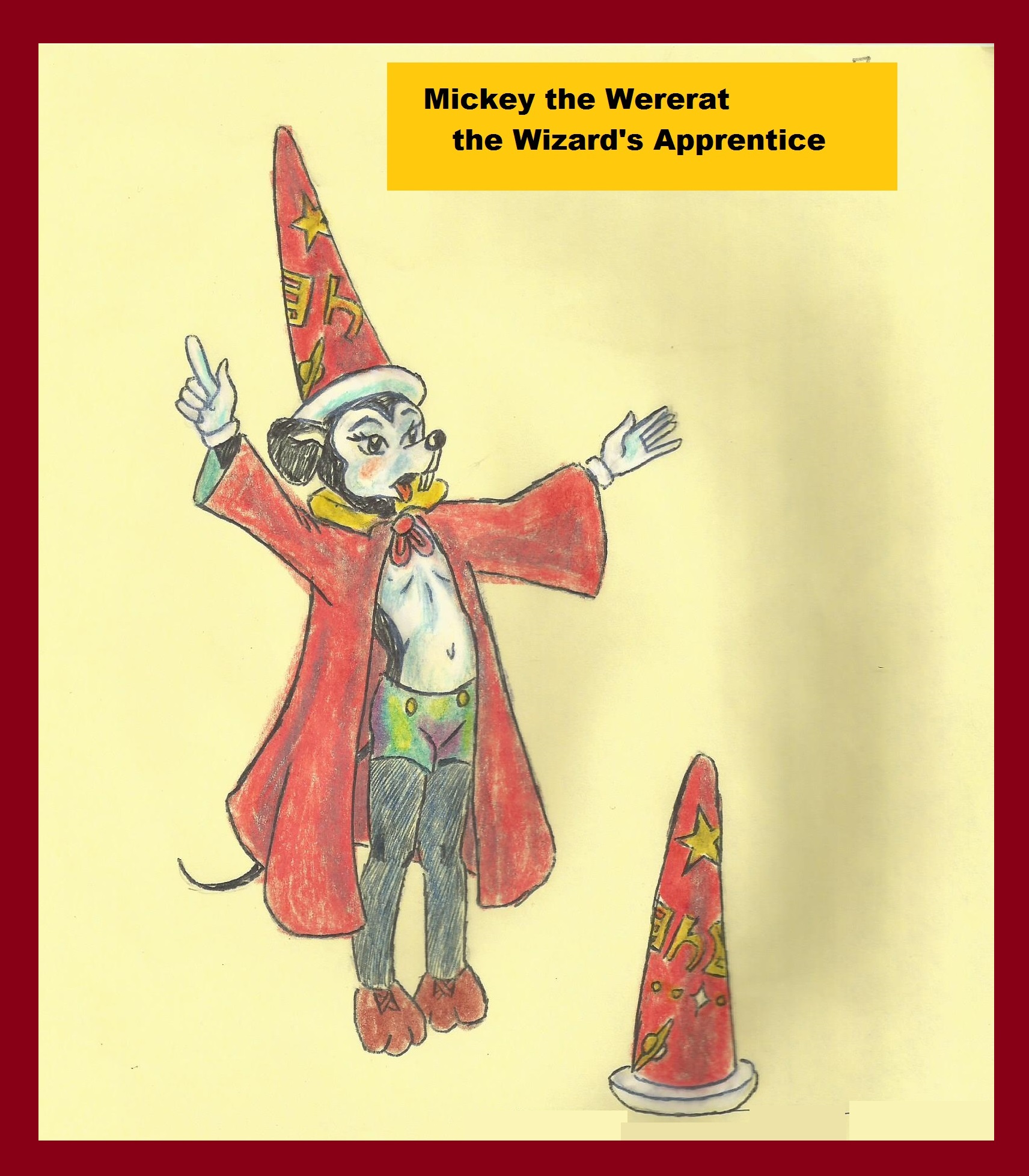
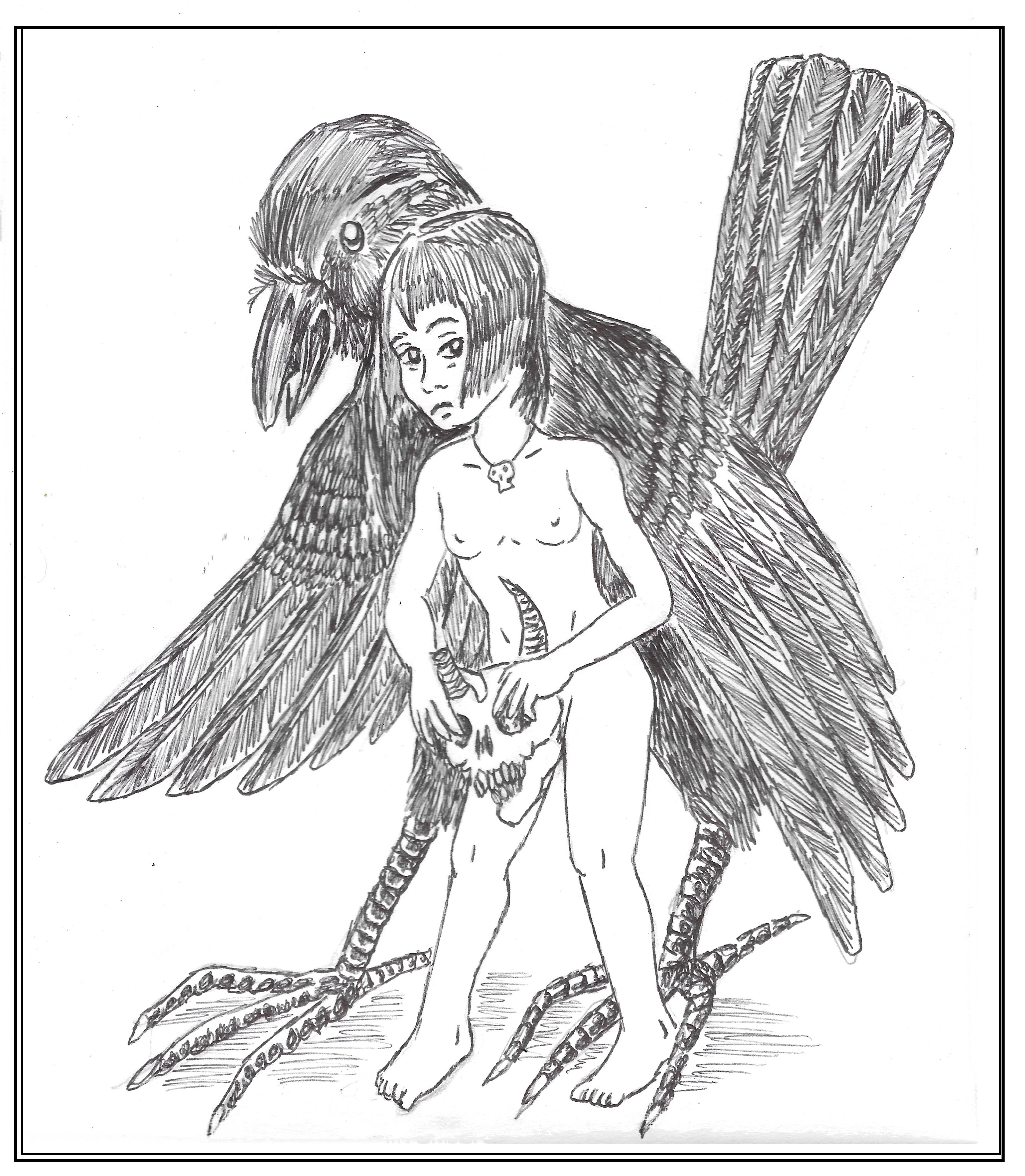
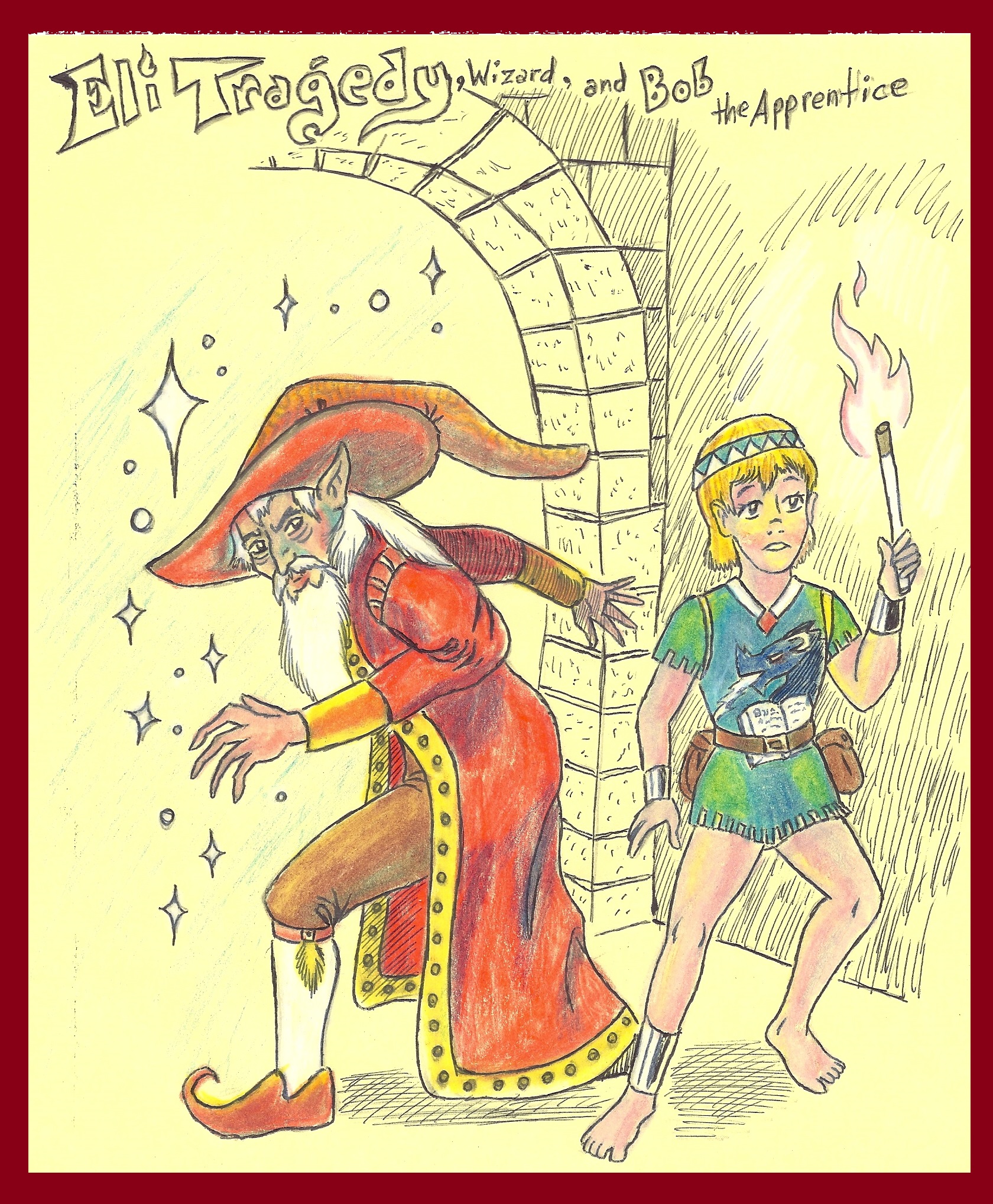
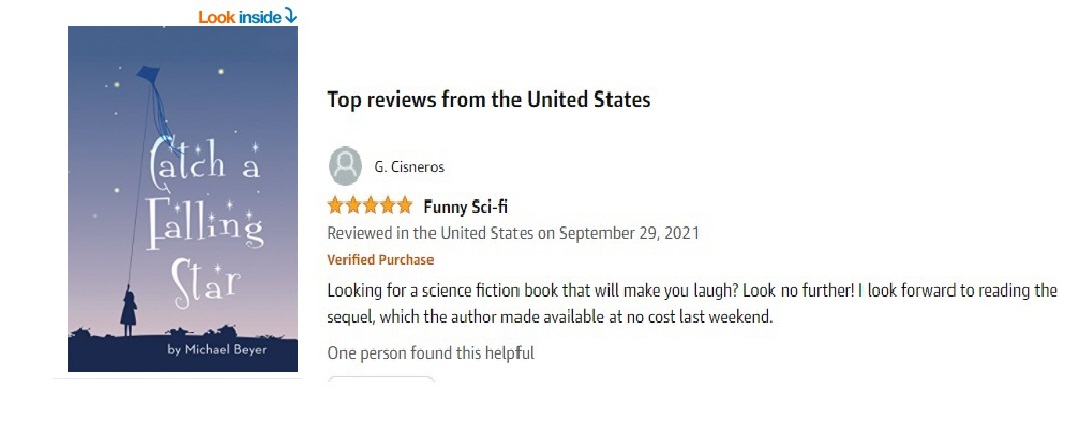
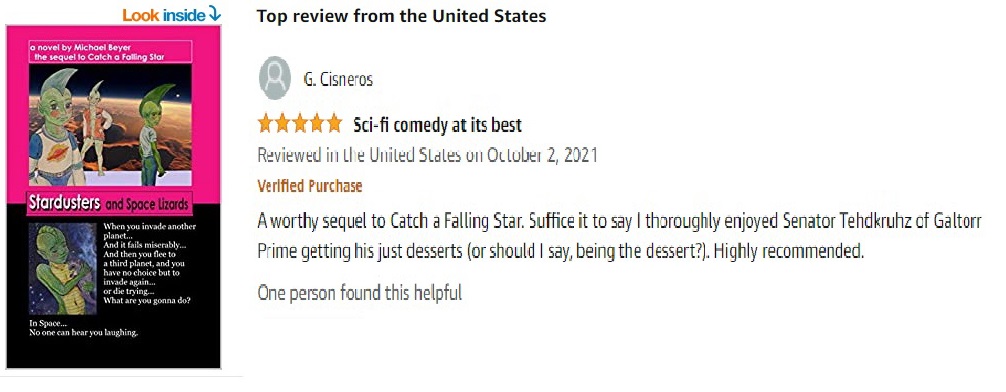
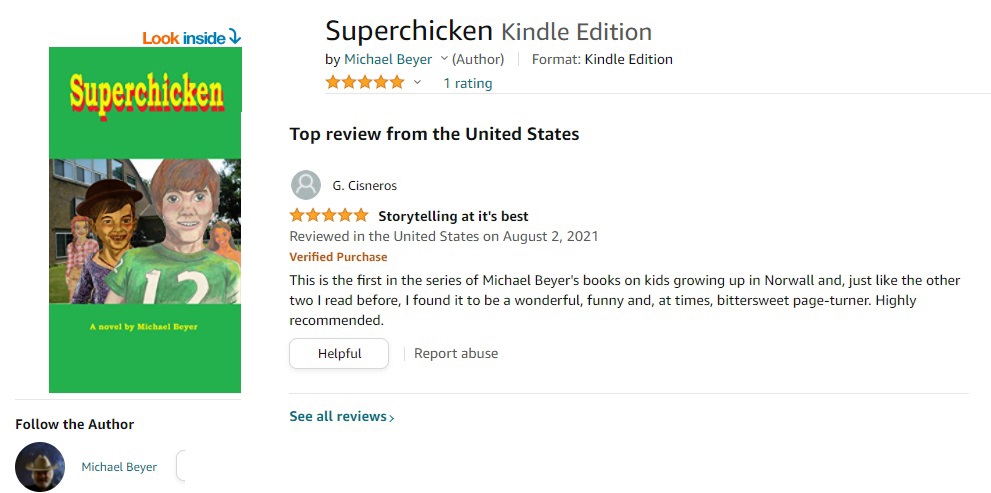

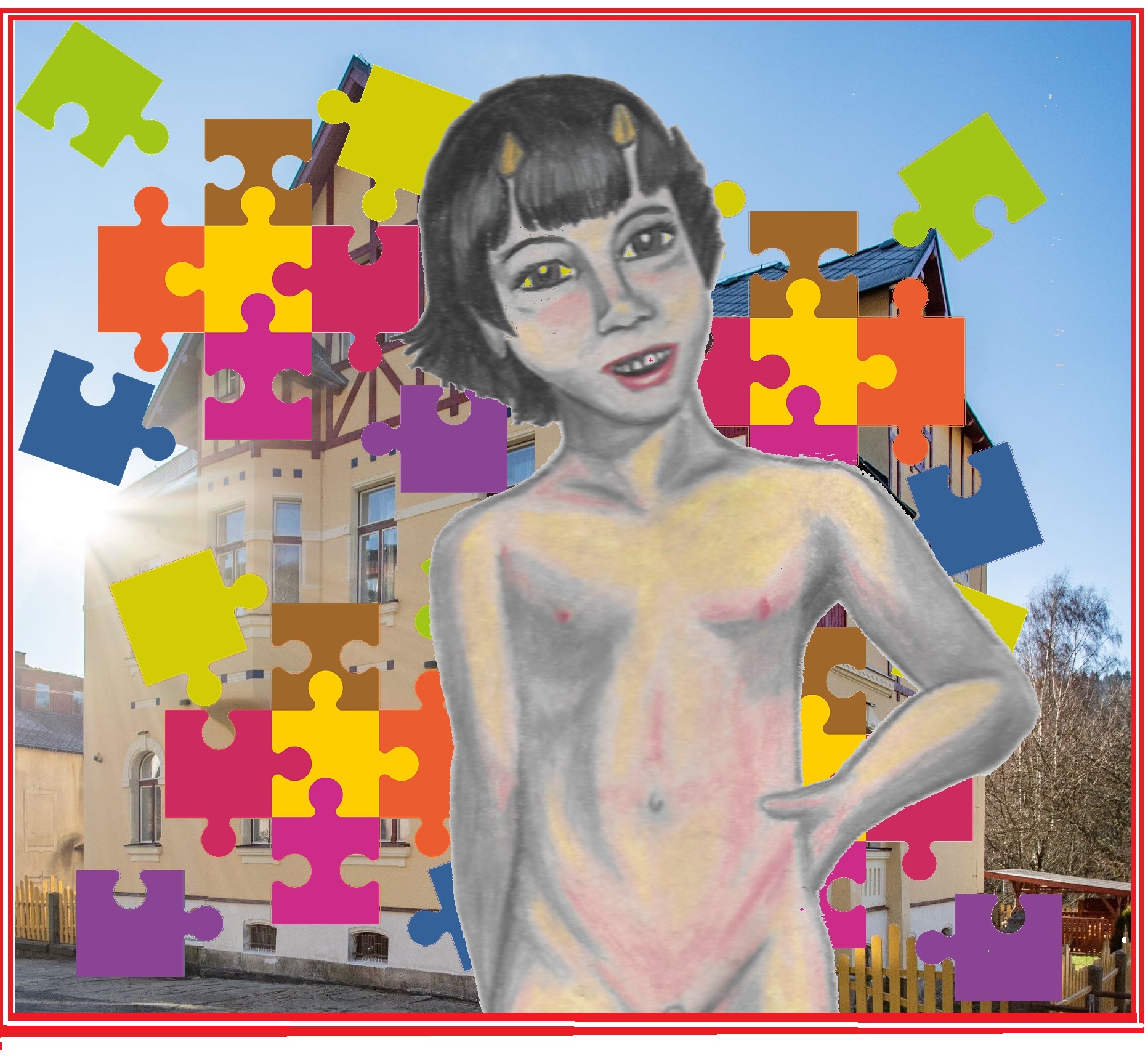
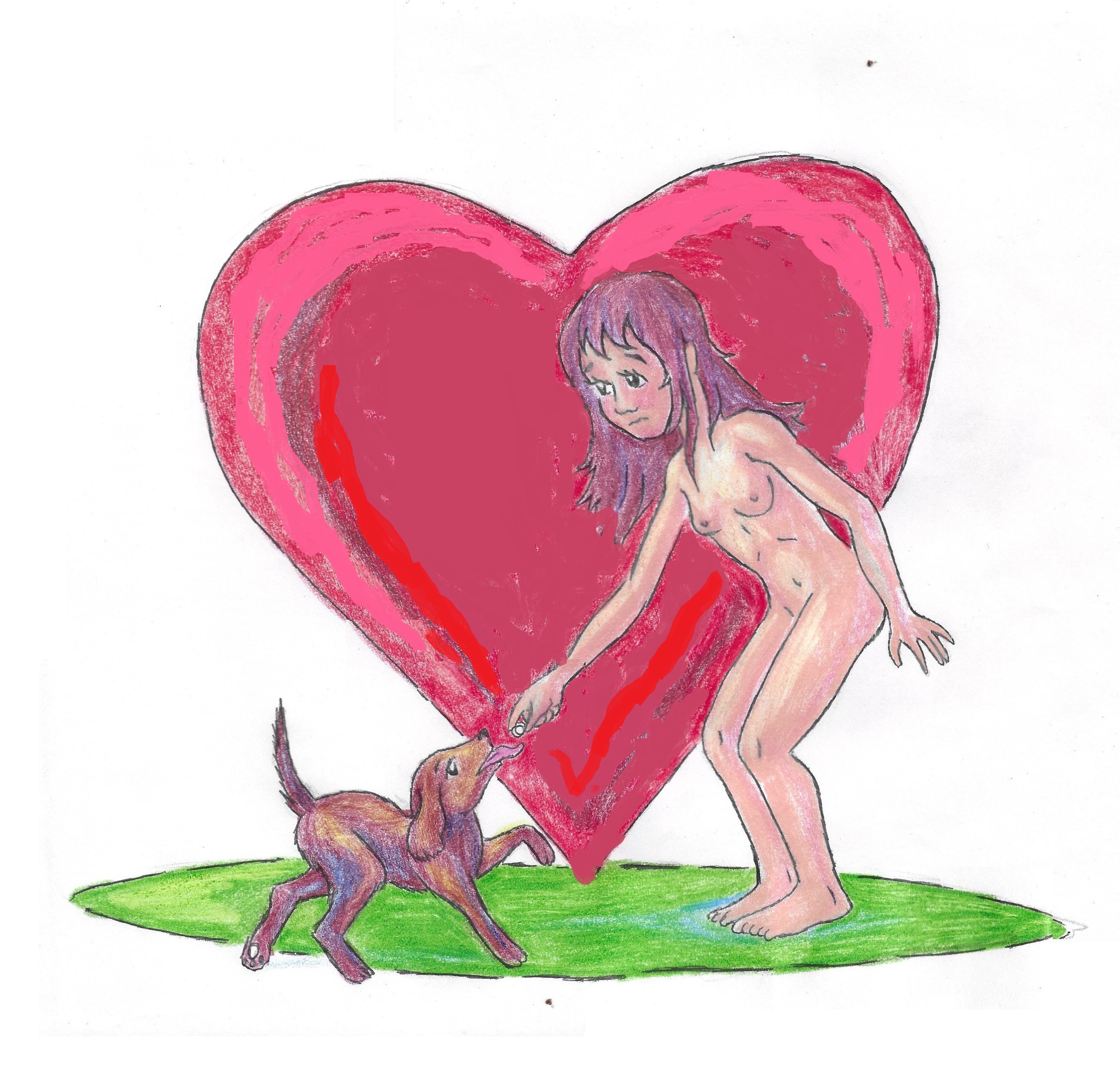
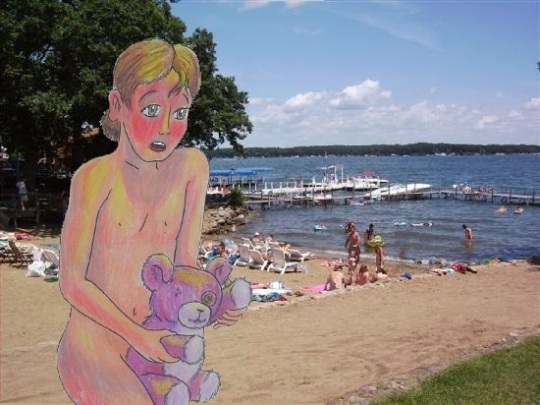
 Catch a Falling Star
Reading is Life
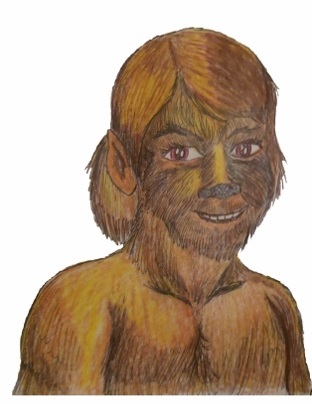
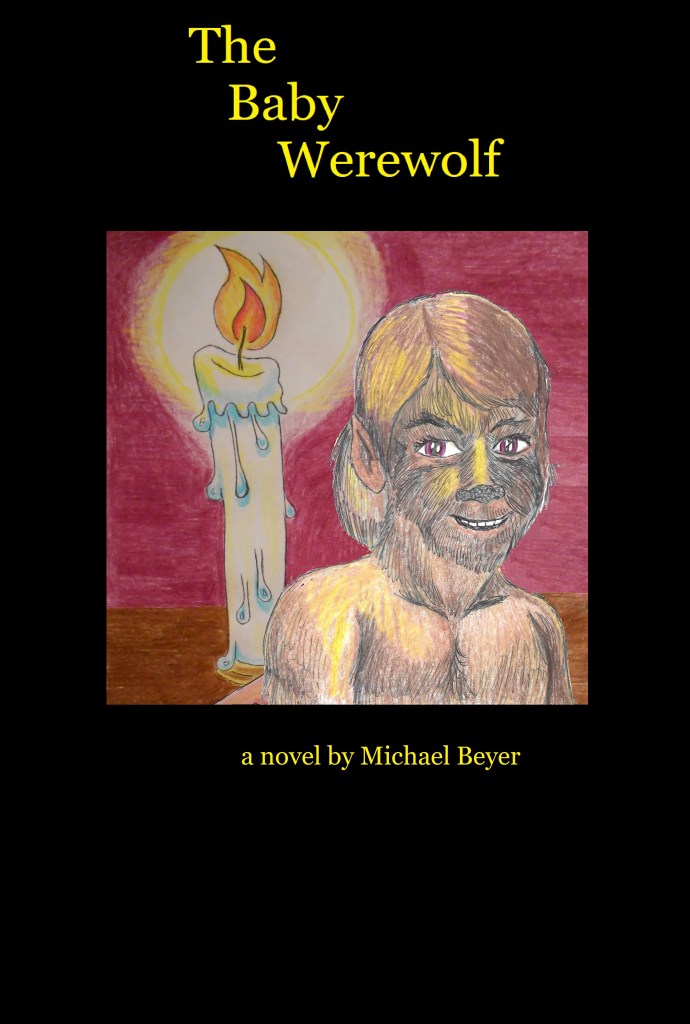
I have spent a lot of time reading and reviewing other people’s books. And at the same time I have invested some of my free-reading time in re-reading my own novel, The Baby Werewolf. The thing about all of it together is that it represents the actual life-force of the author. We all do it. Authors put their own experience, their own heart, and their own precious world into their work. We do it at different levels of confidence, competence, and creativity. But we all do it. And because we do it, someone needs to read it.
A story…
contains the characters that the author has known, the author has loved, and especially the people the author has lost over the course of his or her life.
At least, the competent authors do that. They put real people into their work. You can tell, even in really awful, poorly written novels, that flashes of what the authors really observed, really hated, or really fell in love with about the people in their lives are there to be read and absorbed.
Places
are also crucial to the story. Fiction or nonfiction, you will be taken to other homes, other cities, other worlds than the one you yourself inhabit.
What more can you truly say about your life than where you lived it, where you are from, and what background defines you as an author?
And plot…
that which happens in a story, is probably the most important thing of all. Because reading gives you a share in someone else’s life, in someone else’s experience. A chance to walk about in someone else’s shoes.
You can comfortably learn what others have learned before you. You can share in their ups and downs and all-arounds to experience the same chills and thrills and sadness as they have lived, and loved, and laughed about.
So, in this essay, I contend that human life on the planet Earth is a very good thing. And you multiply its goodness a thousand-fold if only you will only pick up and read someone else’s book.
Leave a comment
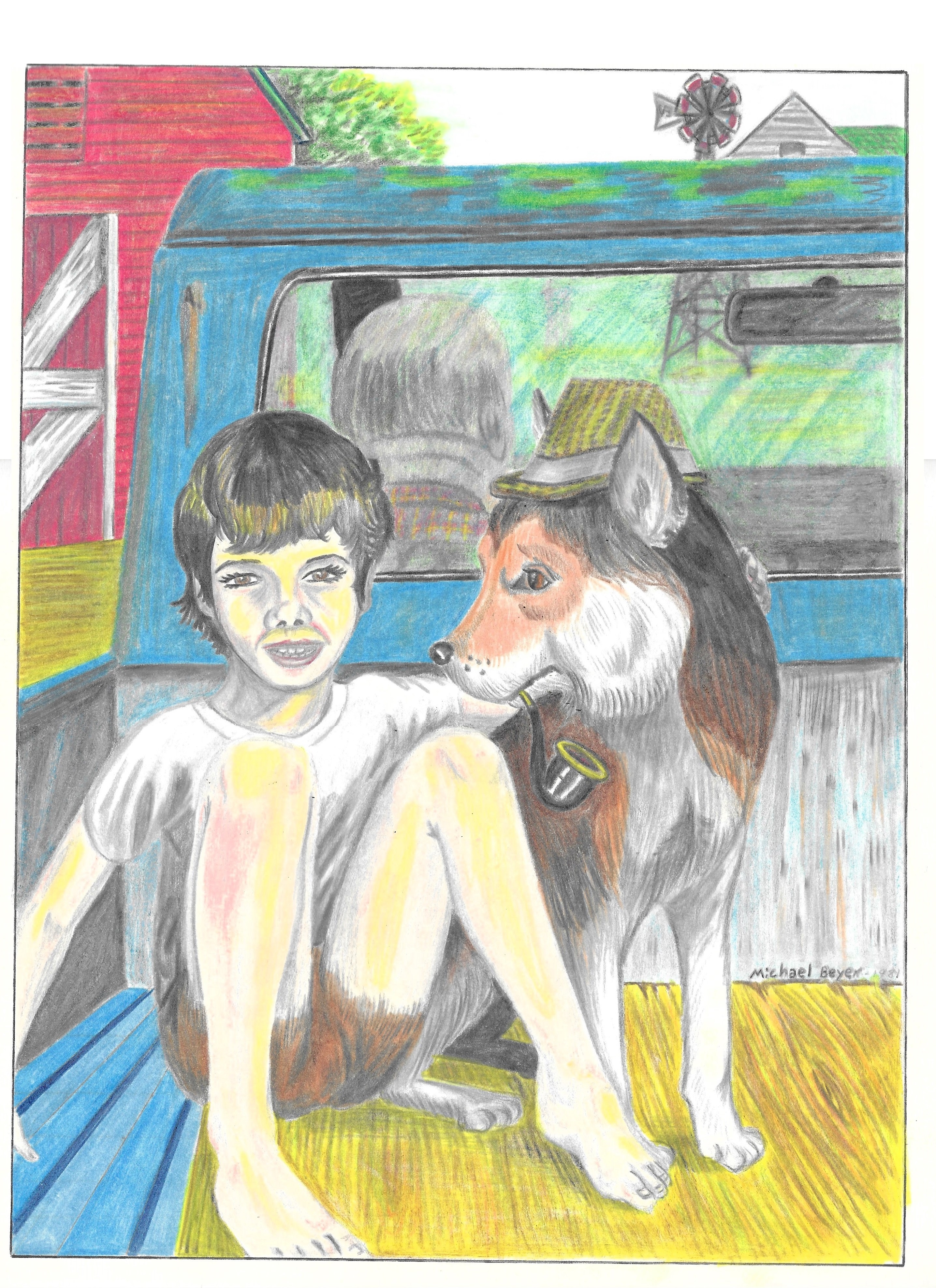
Filed under artwork, commentary, humor, novel writing, Paffooney, reading