
Judging Appropriateness
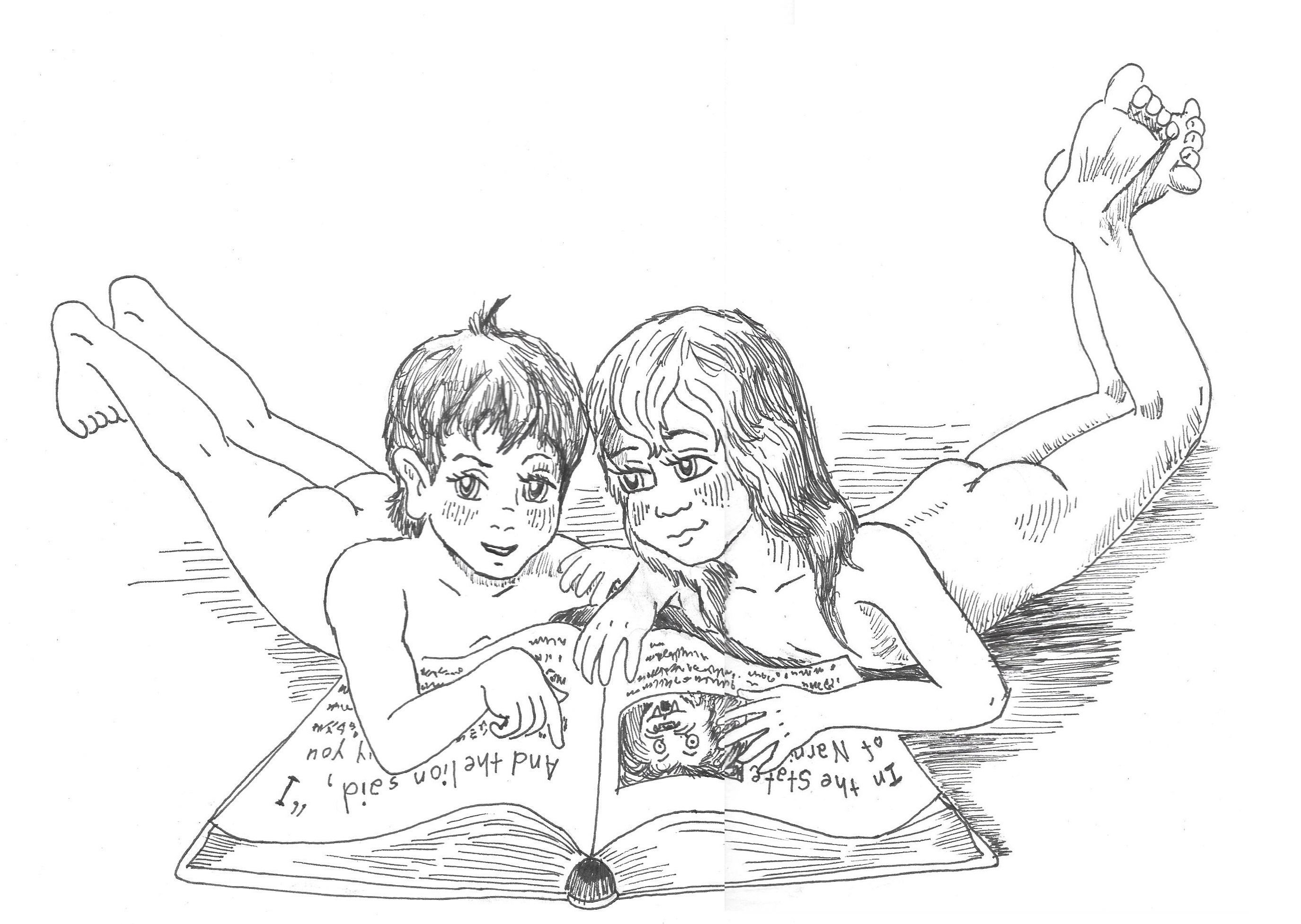
There are a number of factors that work against me as an author of mostly Young Adult fiction. That can impact acceptable themes in a big way. First of all, I have been inundated with criticisms about portraying nude people and kids who are talking about both nudity and sex.
I suppose this comes about for two main reasons.
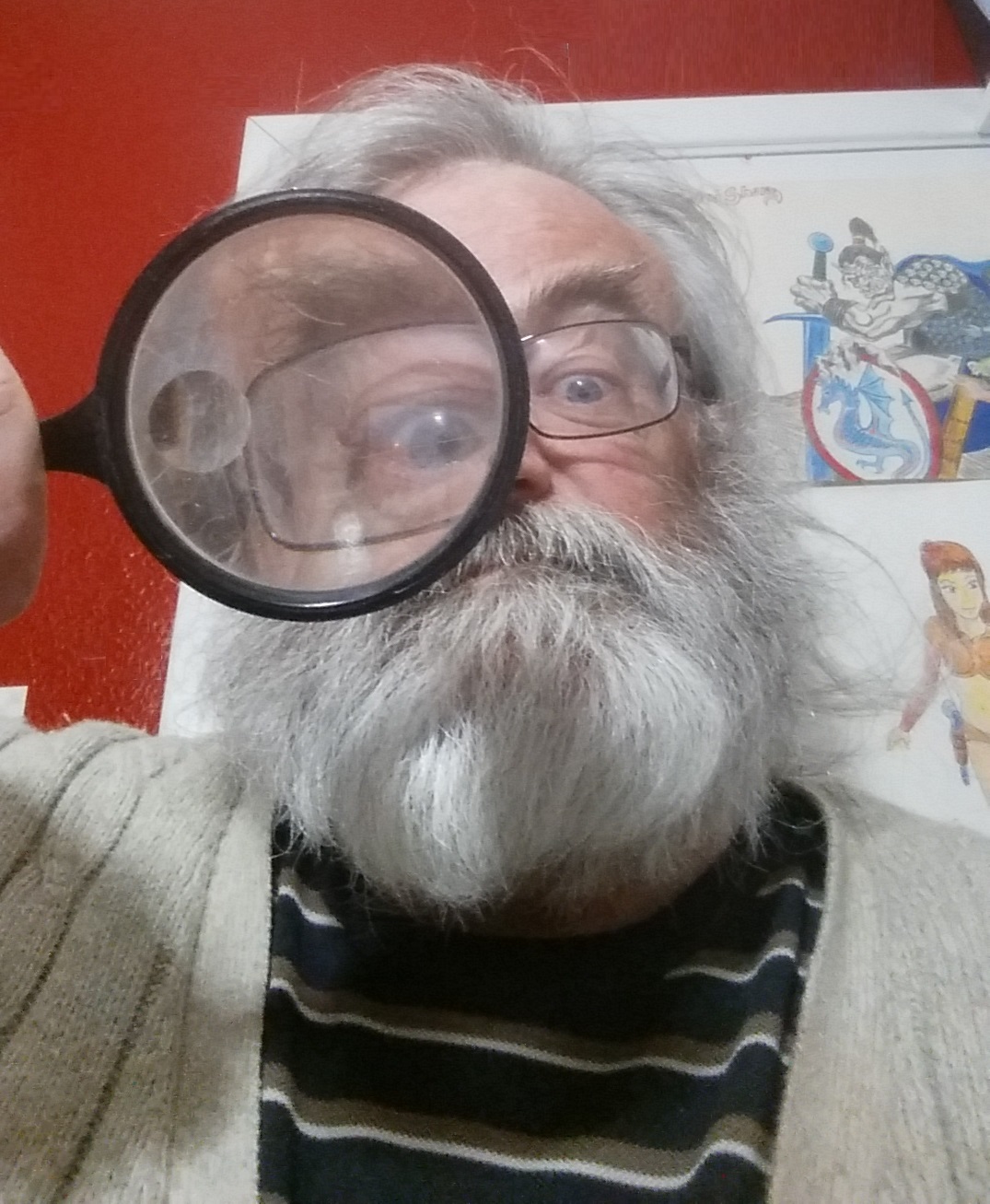
Number one, I portray real people I knew during my career as a school teacher. They are portrayed in a way that if they personally read my stories, they will never recognize themselves. I am careful about naming characters, describing characters physically, and portraying real events as they actually happened. All of those things are fictionalized and made unrecognizable through imagination’s magnifying glass.
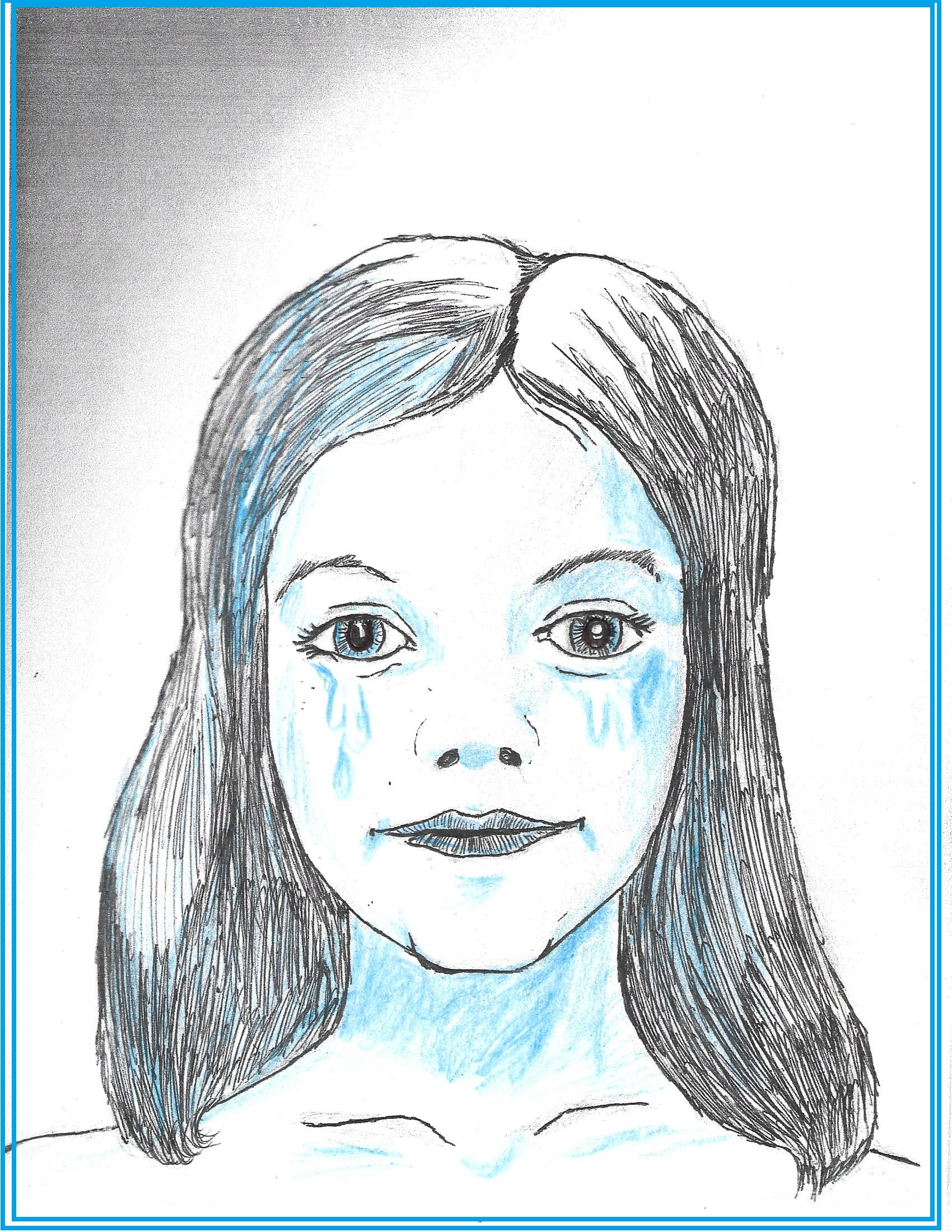
But the emotional plots, character thoughts, and basic motivations behind real events are accurate assessments of things I was told, things I witnessed, the highs and lows that people really go through, and the discussions I have had about what people, and especially kids, really think about.
Some of the people who read and comment on and even review my books are taken aback at what I am saying kids actually think about and want to act upon. They are comparing kids to an unrealistic, idealized picture of what they believe kids should be. And they don’t want to accept them as they really are.
I write books for the twelve-year-old me.
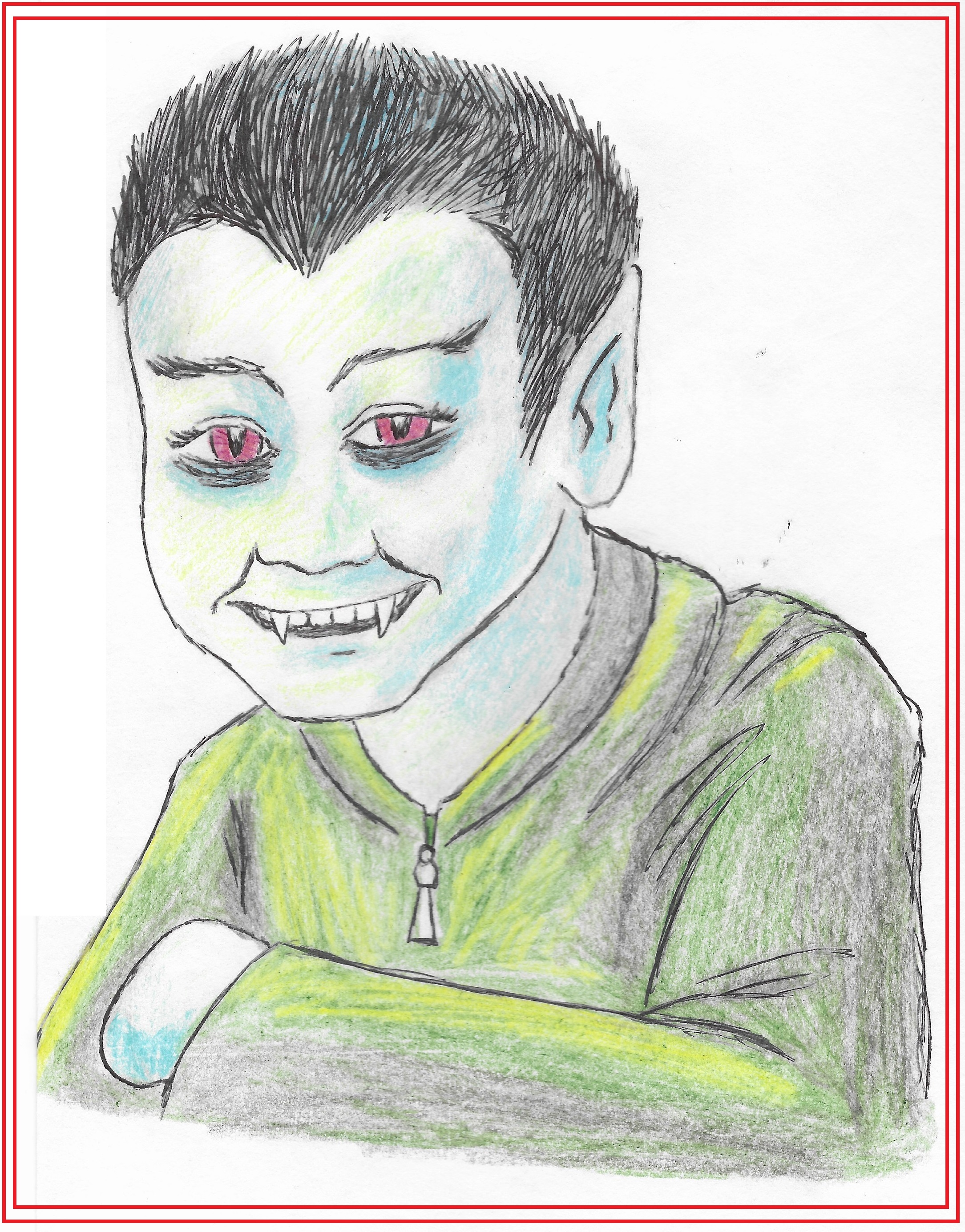
The Young Adult category of books is written not for children, as many of my critics would have it, but for YOUNG ADULTS. I foolishly believe, then, that I am talking to an audience of teens and preteens who desperately want to read stories about people just like them, confused about the adults they are swiftly turning into. And not all the issues and secrets and desires they are contending with daily are simple, cute, and funny.
I myself was dealing with being a sexual assault victim when I was twelve, not having at that point been taught where babies actually come from, or accurately being told what sex factually was. Misinformation I had in abundance. And everything was colored by a self-hatred that made me burn myself on the heating grate every time I had any sort of sexual urges that I didn’t understand and believed would send me directly to Hell.
Nudity and Naturism are Natural to me
So, as a bookish boy, I really wanted to have a book, or even multiple books that spoke to me about the things that I feared and fed my manic-depressive behaviors.
My life was literally saved by the Methodist minister who was also the father of my best friend when I was twelve. He was the one that presented the facts of life to me and the members of my class who were between the ages of eleven and thirteen. He explained the facts about what sex was, how it worked, and how it could be a good and loving thing. And most importantly, he answered my question about whether thinking about sex would send you to Hell. Midwestern Methodists in the 1960’s were progressive about teaching kids the truth about sex.
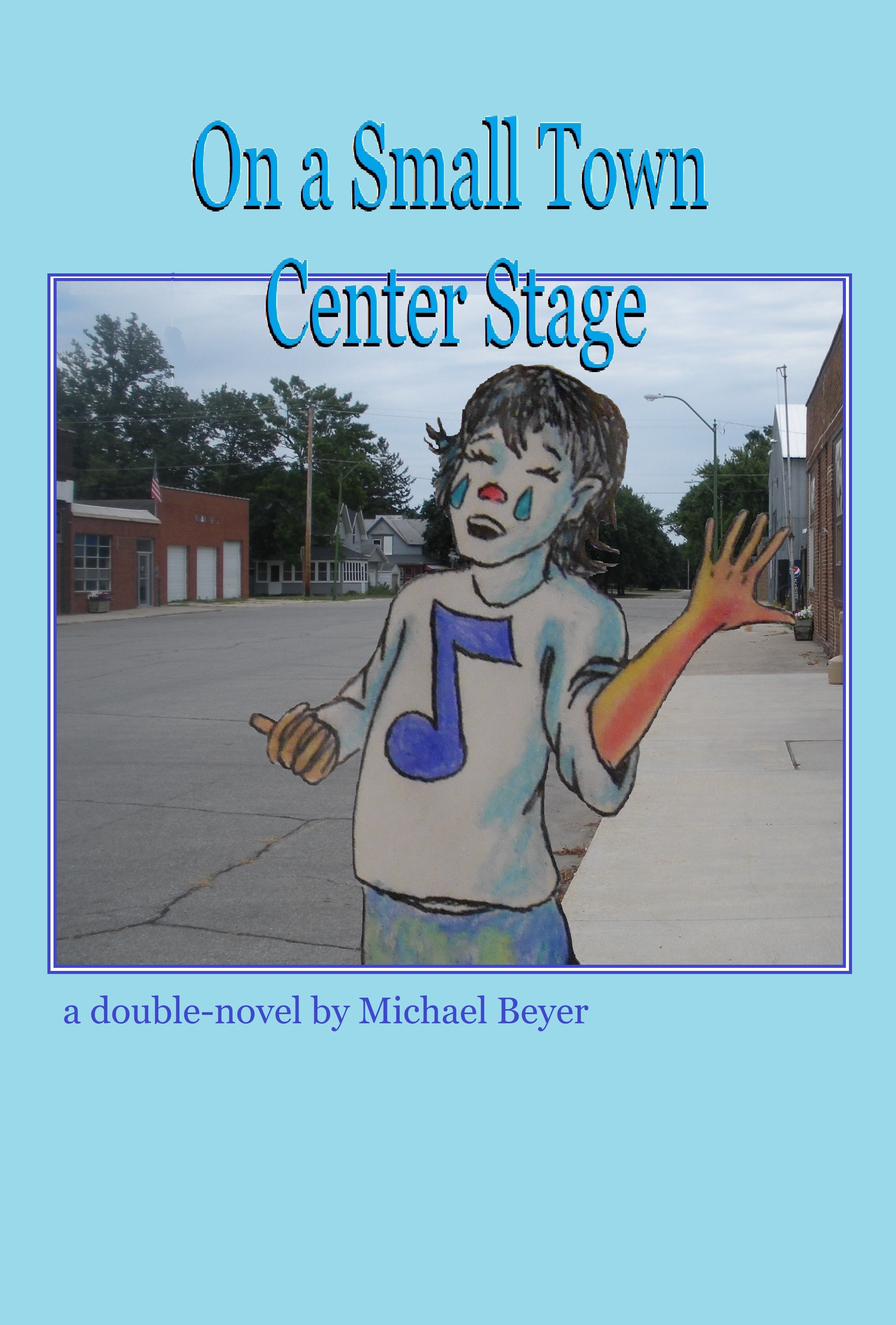
I feel now an obligation to treat the subject the same way when it comes up as a theme in some of my stories.
Sex is a serious subject even for young teens.
I got a scathing review on Sing Sad Songs because, while talking about sex, young characters actually admitted to experimenting with sex. The reader was so offended she felt the need to tell everyone who reads Amazon reviews that I was practically a child pornographer. KDP scrutinized this and kinda punished me, lowering the number of stars given by reviewers on two different books, even though punishment is not what their policy indicates is appropriate. This, in spite of the fact that there was no graphic sex scene or concrete descriptions of sex acts in the text. I edited the offensive part out by changing a few words. But it was a thing that shouldn’t have been a thing. Other YA novels, even classic YA novels, do more explicit things than I talked about in the unedited version of the story. It was a prude having an overreaction. And I would’ve loved to have a story with what I wrote in it back when I was a child burning the skin on the back of my legs and lower back over the thought that having sexual thoughts made me a monster.
I am aware that in a book-banning climate currently, my books could be banned.
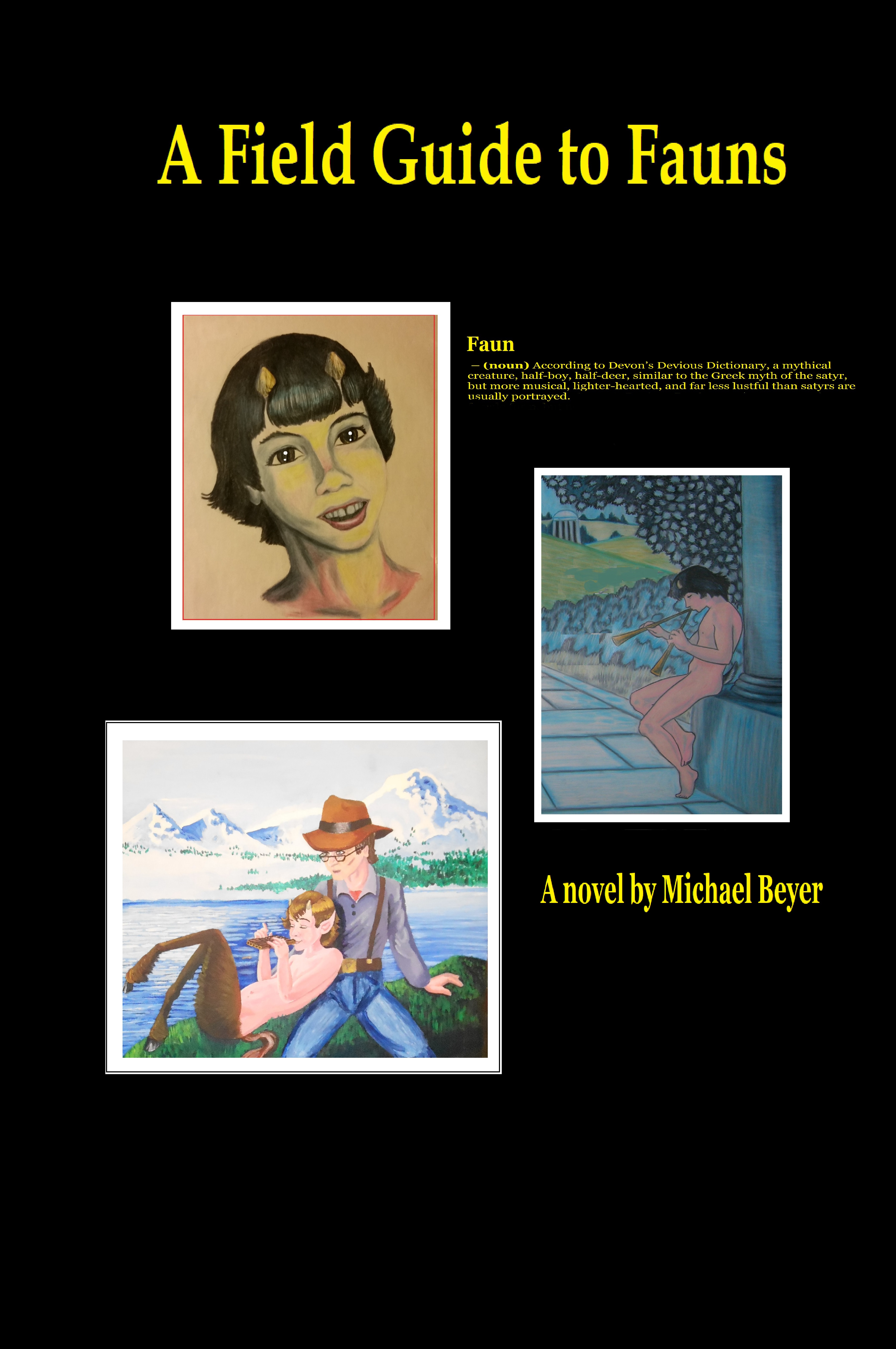
I am aware that having a transgender character and numerous nudist characters, including a book, A Field Guide to Fauns, set in a nudist park, opens me up to having my own stories become controversial and the subject of book-burning conversations. But this is a thing all authors have to deal with in any case. Popular authors, classic authors, hard-working mid-level authors and other mostly-ignored authors like me all deal with the same thing.
What I write about is not evil and not unprecedented. Others write about the same things I do, some of them better than me, some of them not.

Obviously I need to return to the Hometown Novel timeline to complete the 1990’s in Part 4 if this essay. So, you have been warned.





326 and Counting
Twice before I have gone through a year posting something on this blog every single day of the year. And not just by scheduling the publication wisely to cover every day, but by writing something and publishing something every single day. At this point, I have now written something and posted it for 326 days in a row, and being past the holidays and funeral for my mother, I am probably going to make 365 again for the third time.
This is a man who also wrote something every single day. He was a former journalist who worked as an ambulance driver during World War I, for the Italian Army, where he was wounded and won a medal for his service to the Italian government.
He developed a writing style with no author commentary, sparse but crucial details, and a reliance on the reader’s intelligence to figure out the themes of his writing.
His best work is the Novel, The Sun Also Rises.
I hold that opinion because I have not only read it, but I have also read and compared it to For Whom the Bell Tolls, The Old Man and the Sea, A Farewell to Arms, and several of his short stories. His writing is fiction, but highly autobiographical which makes his stories so realistic and accessible to all readers.
This is also a man who wrote every single day. He started out writing for newspapers, but starting with his first major success as a fiction storyteller, The Pickwick Papers, he began writing mostly comic stories for monthly magazines.
He is noted for long paragraphs of vivid and plentiful details, and especially relatable and memorable characters.
His best work is the novel, A Tale of Two Cities.
I make that judgement after reading it three times, and also reading Oliver Twist, Nicholas Nickleby, A Christmas Carol, Great Expectations, David Copperfield, and The Old Curiosity Shop. There are also autobiographical features in the Boz’s works but he was a wonderfully astute people-watcher, and that dominates his narratives far more than his own personal story does.
.
This writer is known particularly for his sense of humor. It should be mentioned, however, that his fiction is not only filled with humor, but was very keenly realistic. His use of author commentary probably makes him the opposite of Hemingway, but he still carries that journalistic quality of writing it exactly how he sees it… full of irony and irrationally-arrived-at truth.
I don’t know for a fact that he wrote every single day. But he probably did. He always said, “The writing of the literary greats is like fine wine, while my books are like water. WIne is good for those that can afford it, but everybody drinks water.” You can’t have writing that is as plentiful as water without writing fairly often.
His best book is The Adventures of Huckleberry Finn. I am not the only one who thinks so. Hemingway wrote, “All American Literature began with one book, Huckleberry Finn.”
I have also read, Tom Sawyer, Pudd’nhead Wilson, The Prince and the Pauper, A Connecticut Yankee in King Arthur’s Court, Roughing It, and The Autobiography of Mark Twain.
So, what’s the point of all this literary foo-foo? Hemingway would expect you to figure that out for yourself. But I’m addicted to topic sentences, even if I wait til the end to reveal it. If you want to be a writer, you need to read a lot of really good writing. And even more important, you need to write every day.
3 Comments
Filed under artists I admire, commentary, Mark Twain, novel writing, strange and wonderful ideas about life, writing, writing humor, writing teacher