
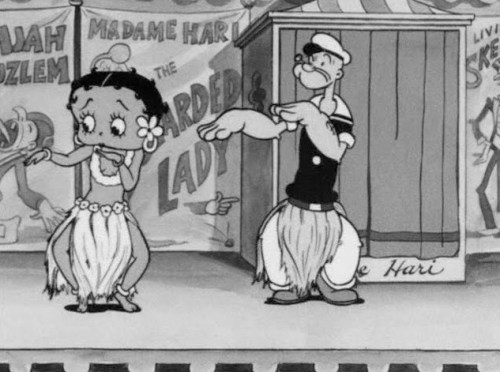
If you are as goofy and cartoon-obsessed as me, you may remember that Popeye the sailor was known for the catchphrase, “I yam what I yam”. And if you do remember that, it will not surprise you that, when told a yam is another name for sweet potato, Popeye was furious. “It cannot be!” he argued. “I would not say I sweet potato what I sweet potato! That’s ridicumess!”
Well he has a point.
But I would like to talk today about the things that I sweet potato, and why I sweet potato those things.
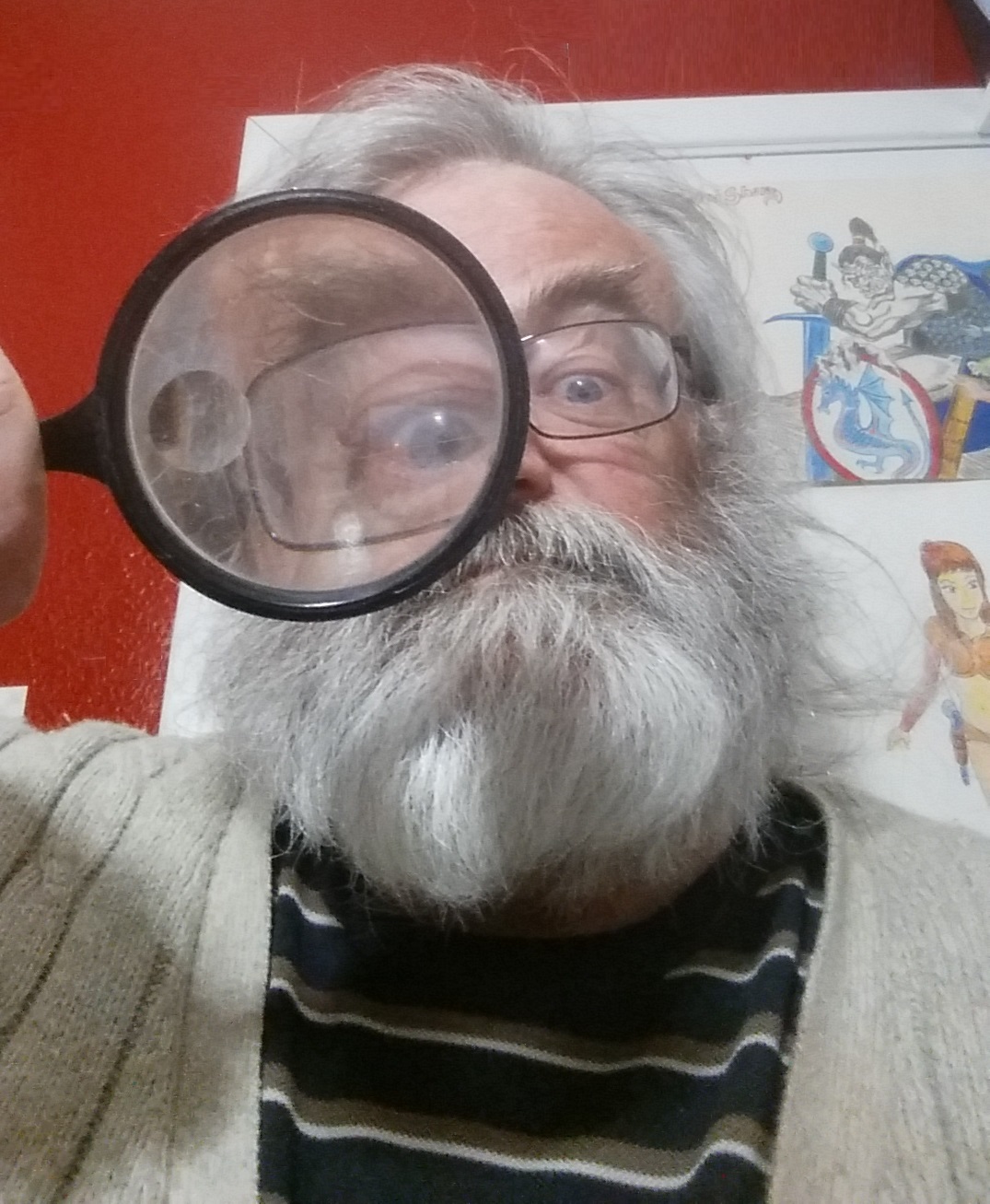
First of all, I yam a humorist.
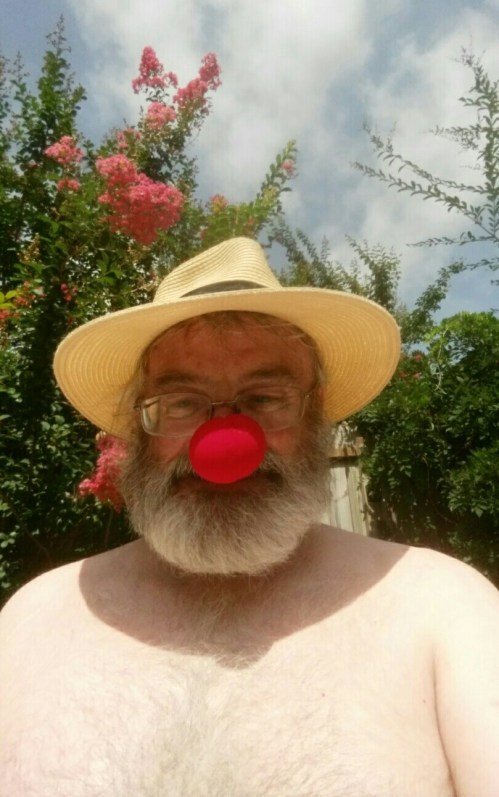
I yam this thing not because I am funny. You may think I yam funny because I say really goofy things for no apparent reason, and then keep on talking long enough to convince you that I did have a point to make, but my brain leans so far to the left that I am hardly right about anything.
And I make bad puns a lot.
You see, I have to use humor constantly to deal with all the hard things in life, because being too serious in the face of the world’s basic uncaring cruelty only leads to depression and taking a beating from life. In fact, I can think of any number of situations in my past where I avoided a beating only because I made a joke that made the bully laugh.
So, being a humorist is a survival tactic. Humor keeps you alive.
You see someone like me has to face all the pain and heartache and cruelty the world has to offer by using humor. The real reason is that, when faced with a bad situation, if the humor gland can’t empty itself of all the jokes it produces, it will begin to swell. The humor gland is located either in the brain or maybe in the behind (I am not medically qualified to tell you which it really is), and it can only swell to a certain point, and then it will explode. This is very bad thing for you, if you survive it, and certainly unpleasant for anybody nearby.
But the joke, properly launched at the target, will make somebody laugh, even if it is only the humorist himself. And laughter is the best medicine. Unless it kills you. You have to be careful not to die laughing. The angels will be offended, and the demons will all laugh too.
But I yam not only a humorist. I yam also a teacher.
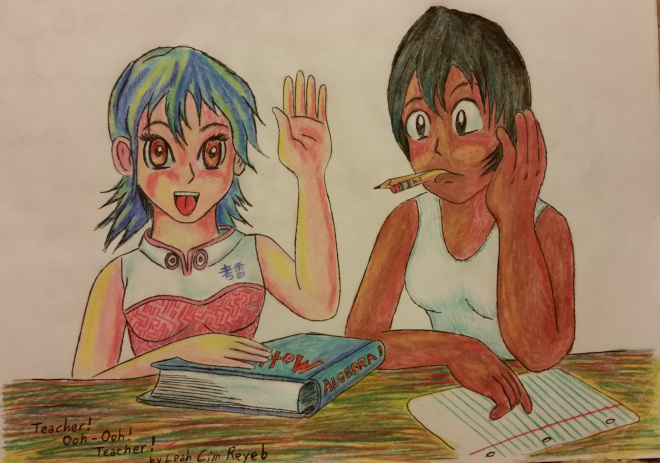
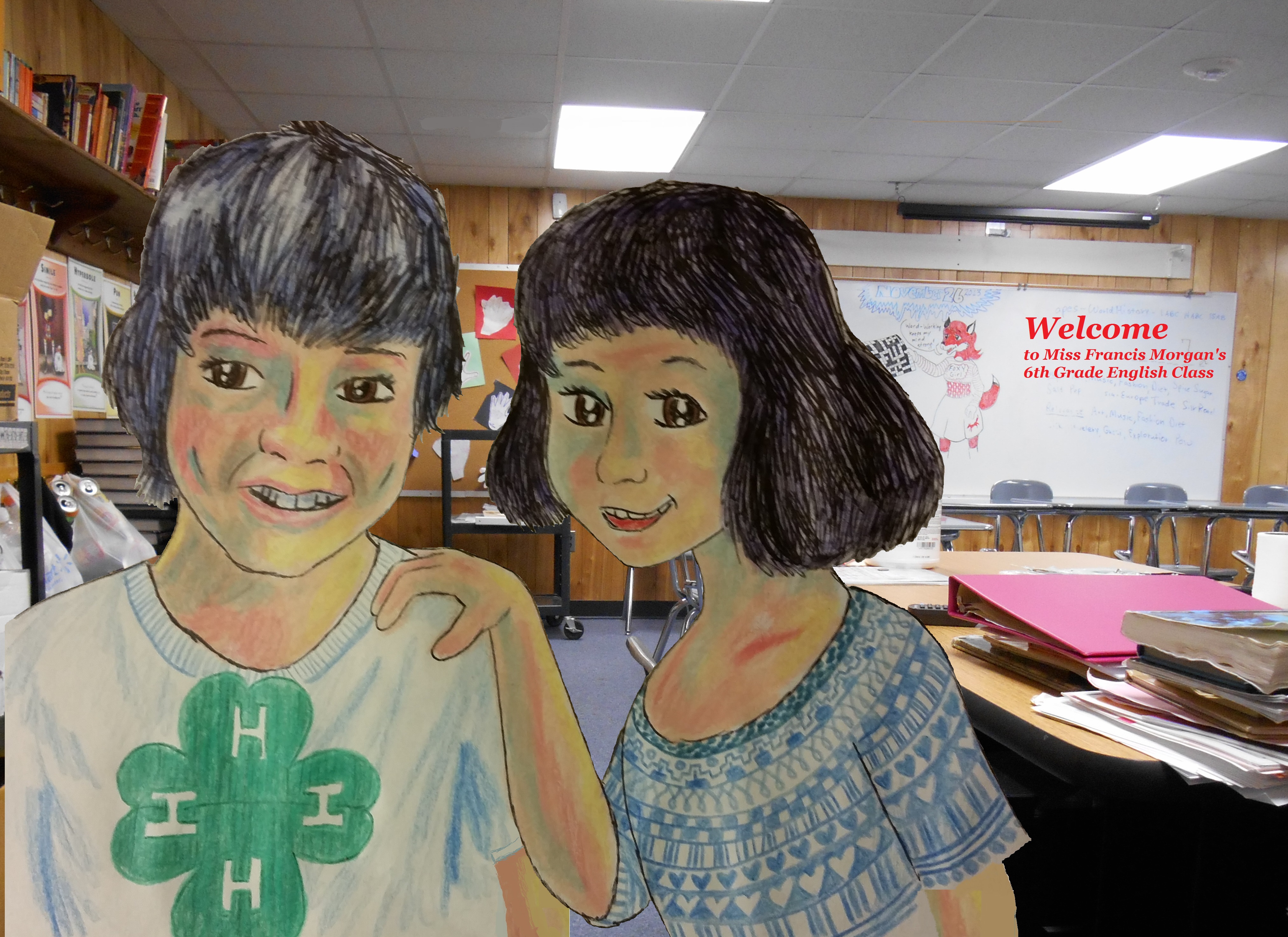
I began to realize that I might be a teacher when, in graduate school to get a remedial master’s degree to help with the fact that plain English majors all starve to death, I discovered I had a talent for explaining things in simple terms. And then, immediately afterwards, I discovered I had an even greater talent for being ignored while the people I was explaining to made the mistakes they wouldn’t have made if only they had listened to me, before they failed spectacularly, and then realized how the solution I had explained would’ve made them succeed instead. There is apparently no better way to learn an important lesson.

Teaching is, of course, a pretty cool job. You tend to have the summers off. And you get paid for summer because they split the amount of money you earn for the year (which considering what a babysitter makes on average per child and per hour is far too little for the hours you put in) into twelve monthly pittances.
Of course you are expected to have a university degree (although no teacher college in the world can teach you what you really need to know in order to face that many little monsters… err, darlings… every day) and preferably some grad school, and a certification to teach in your chosen subject, and an additional certification if you are going to teach more than one subject (and ESL and Speech and Journalism, all of which I was expected to teach, are separate certifications) and you have to take hours of additional training every single year, and you have to get re-certified every five years, and… Well, you have to be basically smarter and much better-educated than Bill Gates… But the school janitor will probably be making more money per month than you do.
Anyway, it’s a job you just gotta love. I yam a teacher.

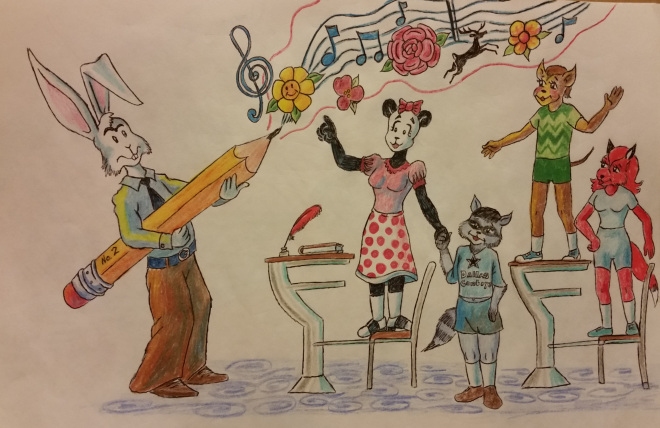
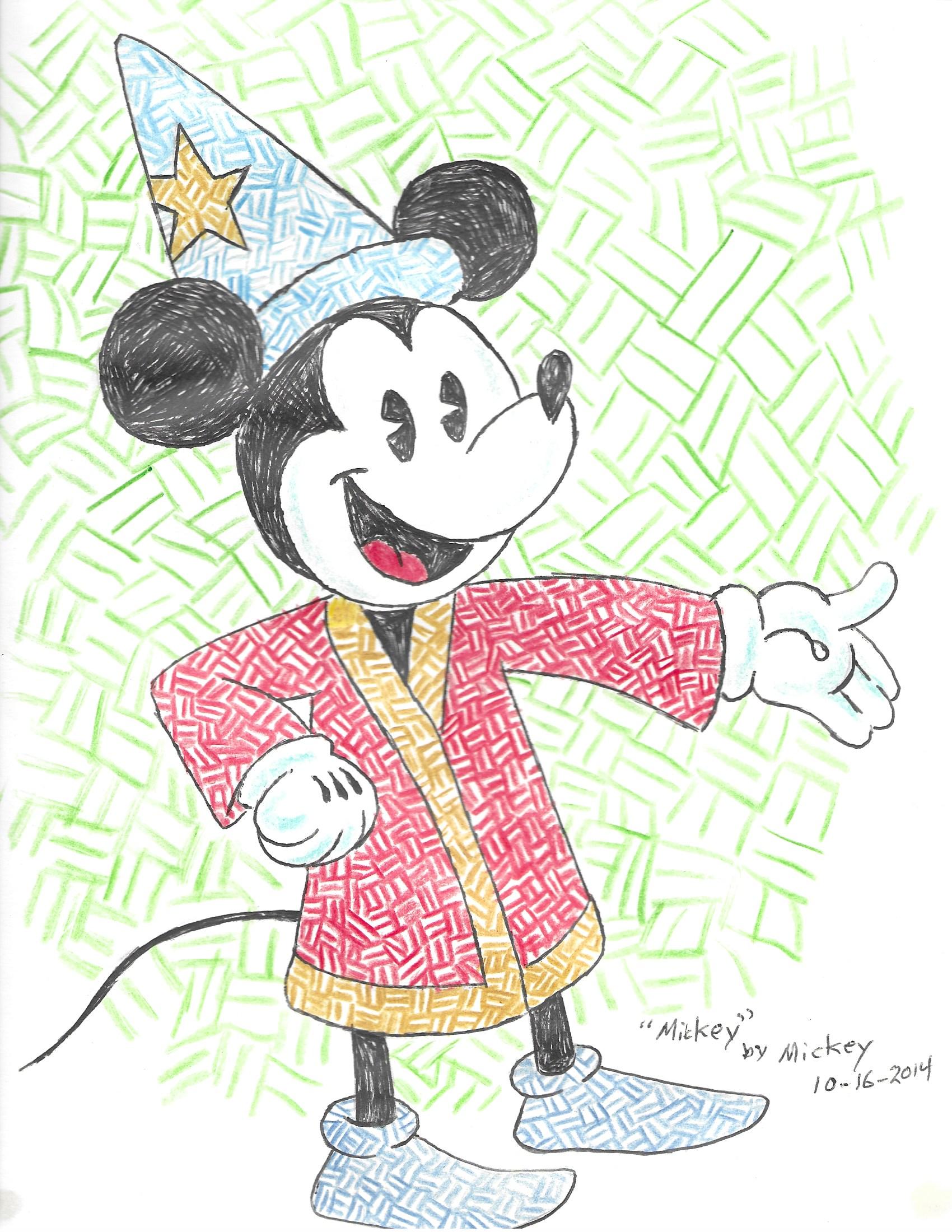
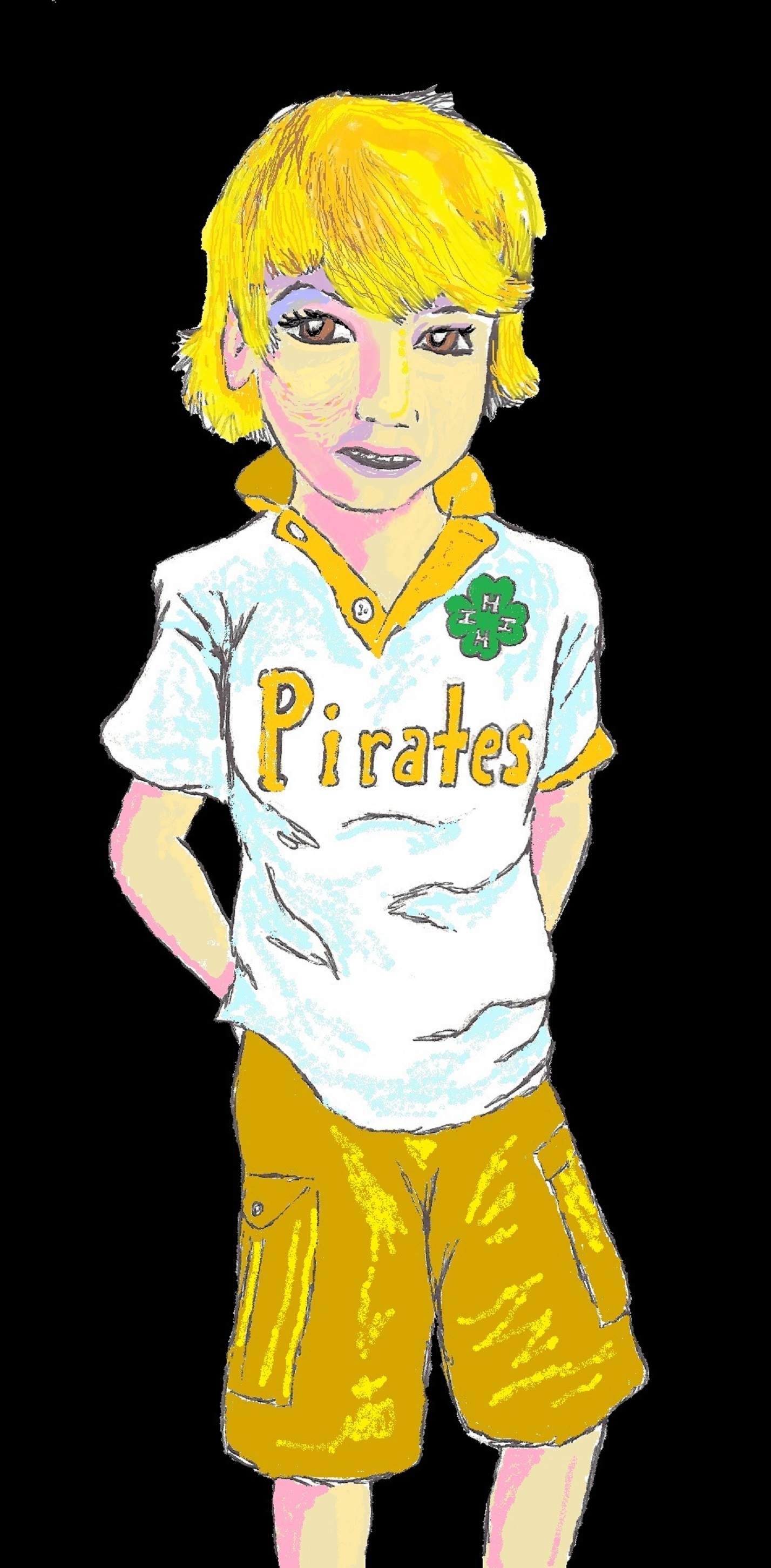
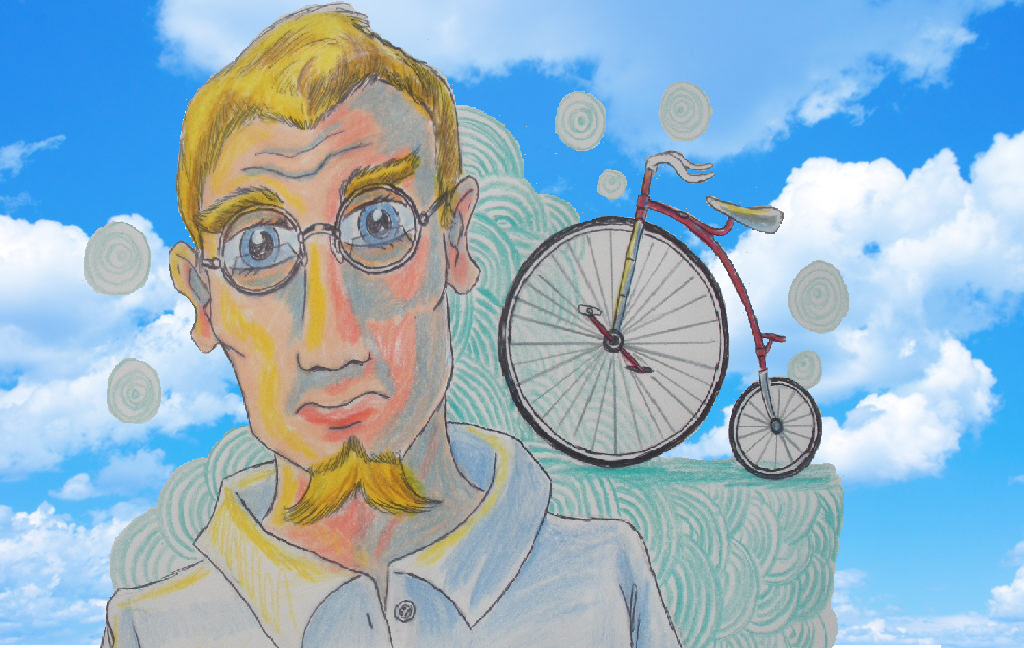
And really, there are a whole lotta yams in my basket yet that I could tell you about. I yam a Red Skelton fan. I yam sometimes a nudist (when I don’t have to put on clothes to keep myself from scratching all my psoriasis-plagued skin off). I yam also an artist (of the type known as a cartoonist). I yam pig-headed sometimes, and I yam Grumpy sometimes (so I go from being Porky to one of the Seven Dwarfs.) I yam a lotta things. And my sweet-potato basket is large.
But I can’t talk about all of my yams today. Too many yams are bad for my diabetes.
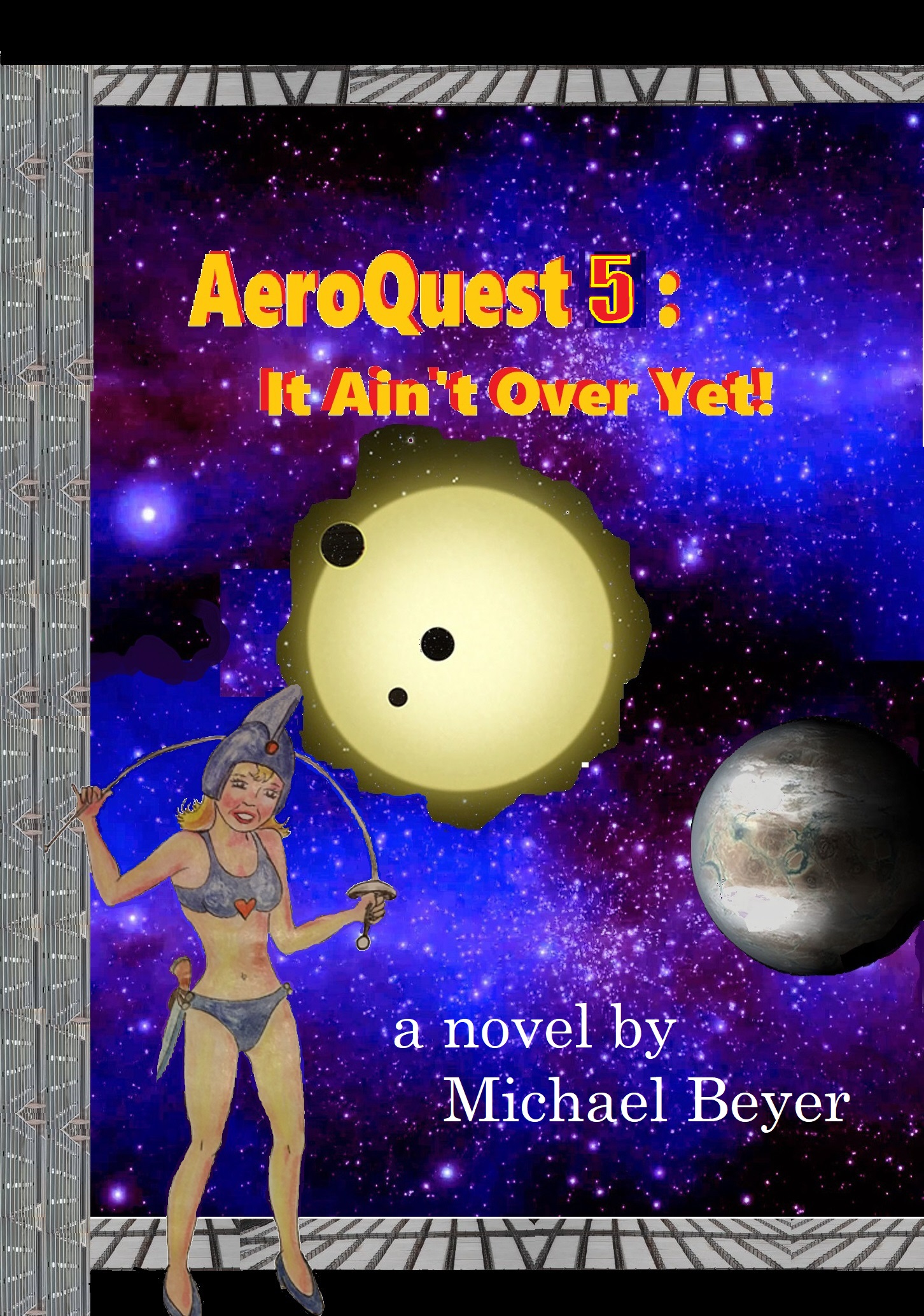
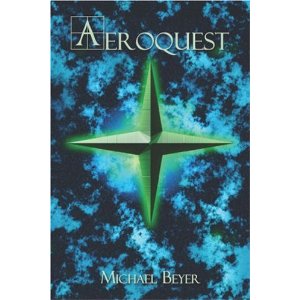
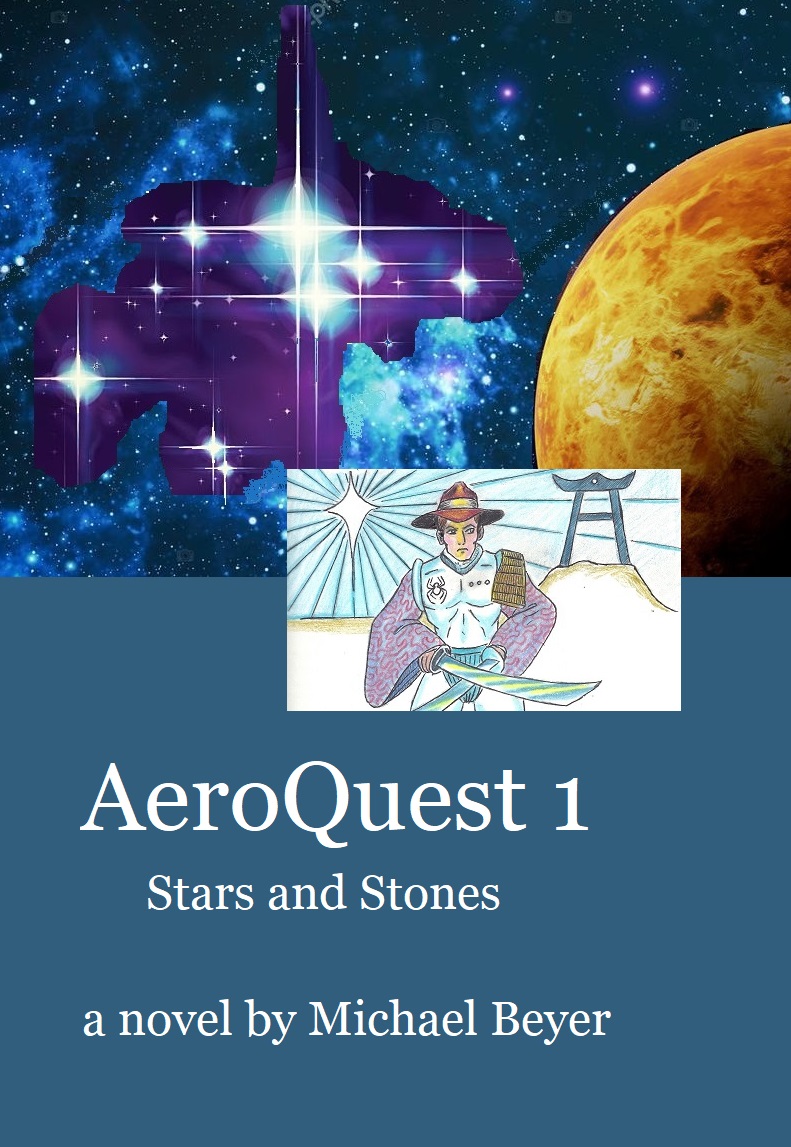
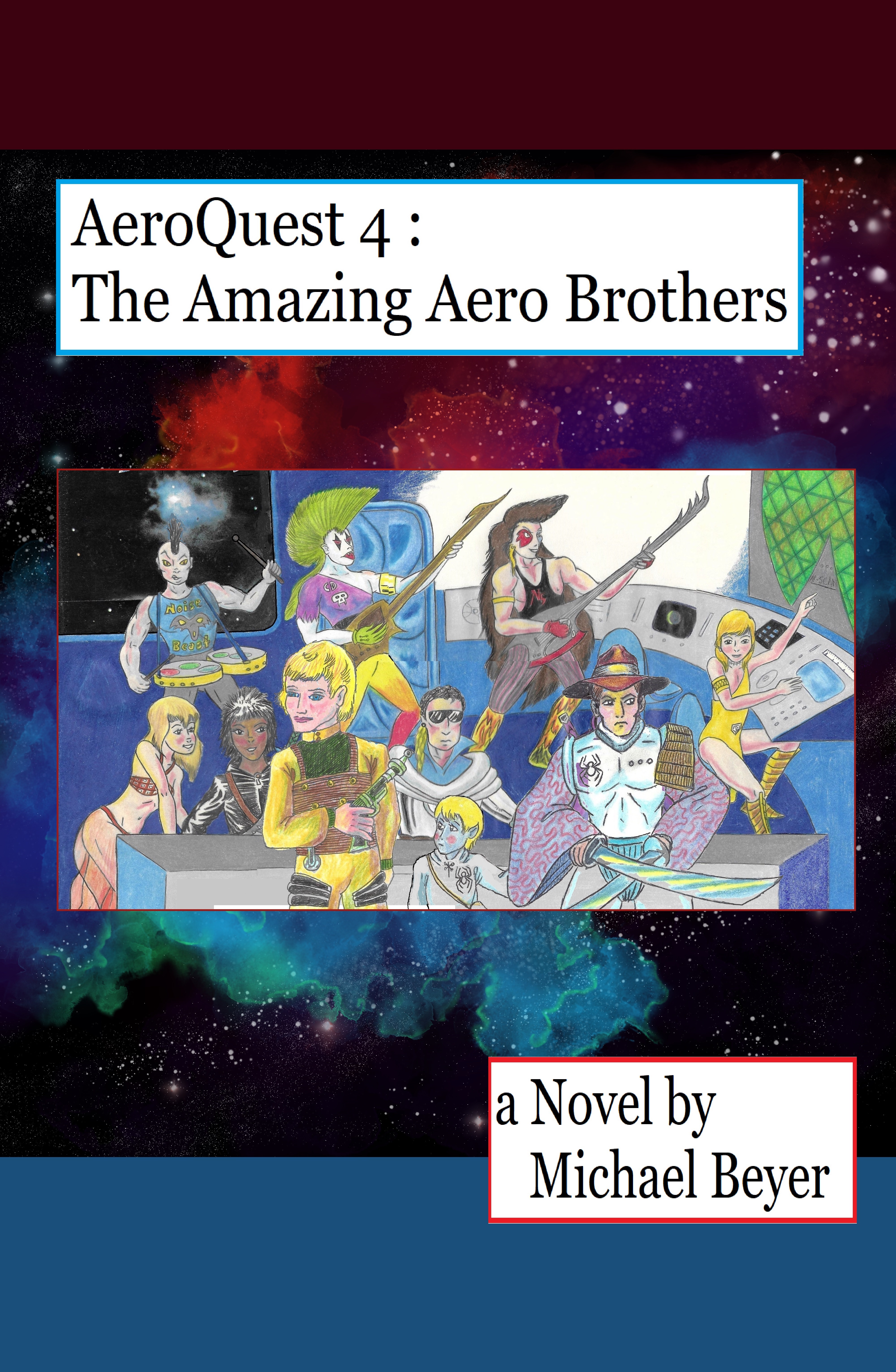
But here’s one last yam. I yam a storyteller. And I have a free Kindle e-book promotion this weekend. The book is the first in my series of AeroQuest books. It is a science fiction story with a humorous bent. And I mean, it is seriously bent in some places.
So, click on the link and get yourself a copy. It’s funny. And I will save the other sweet potatoes for another day.
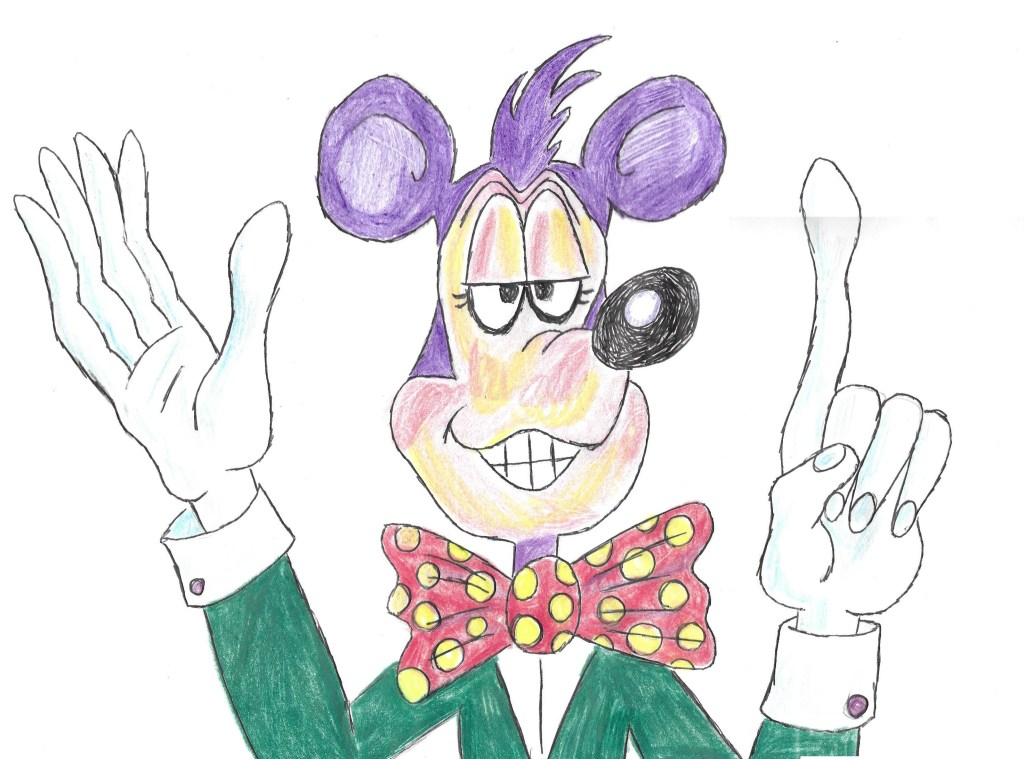







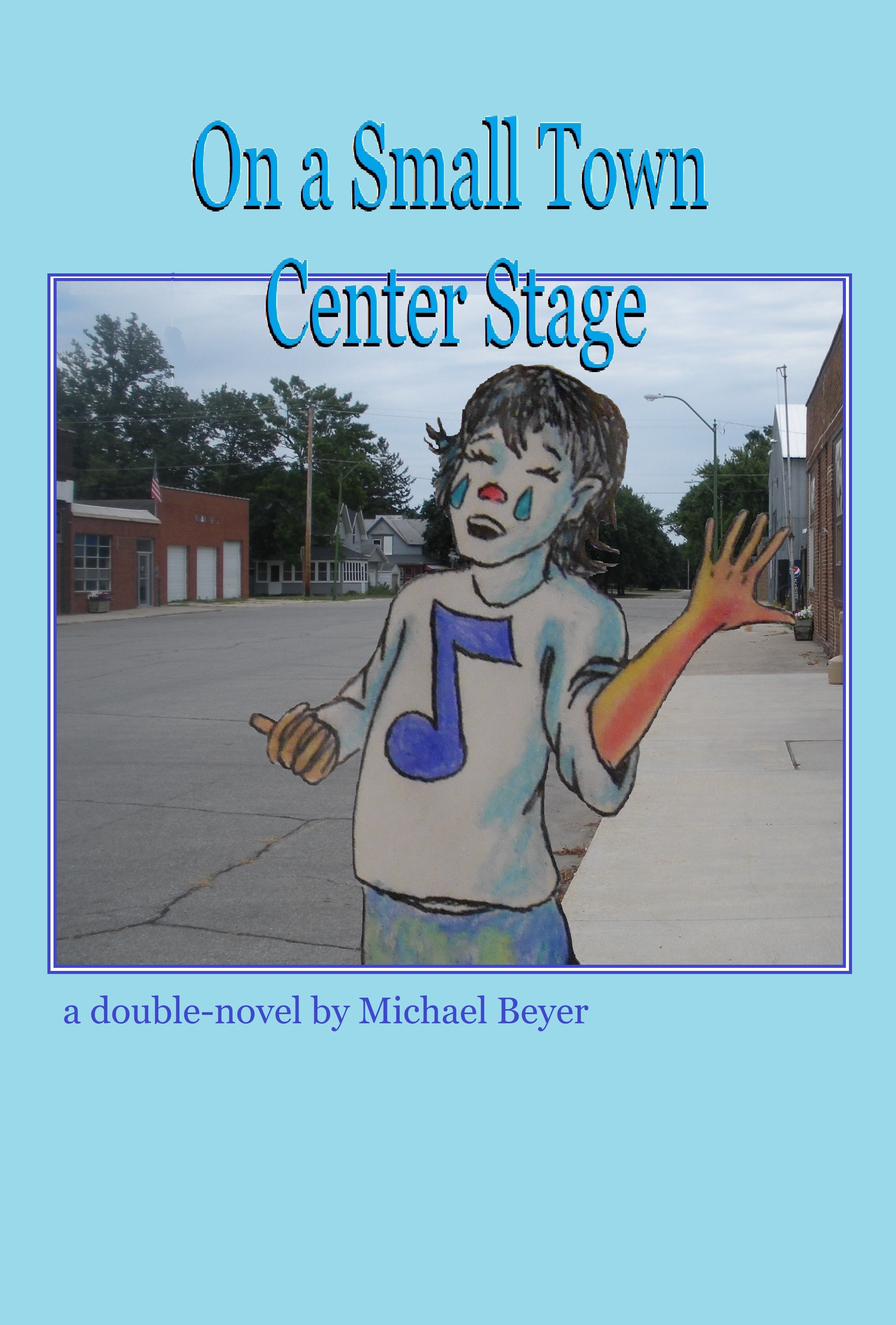
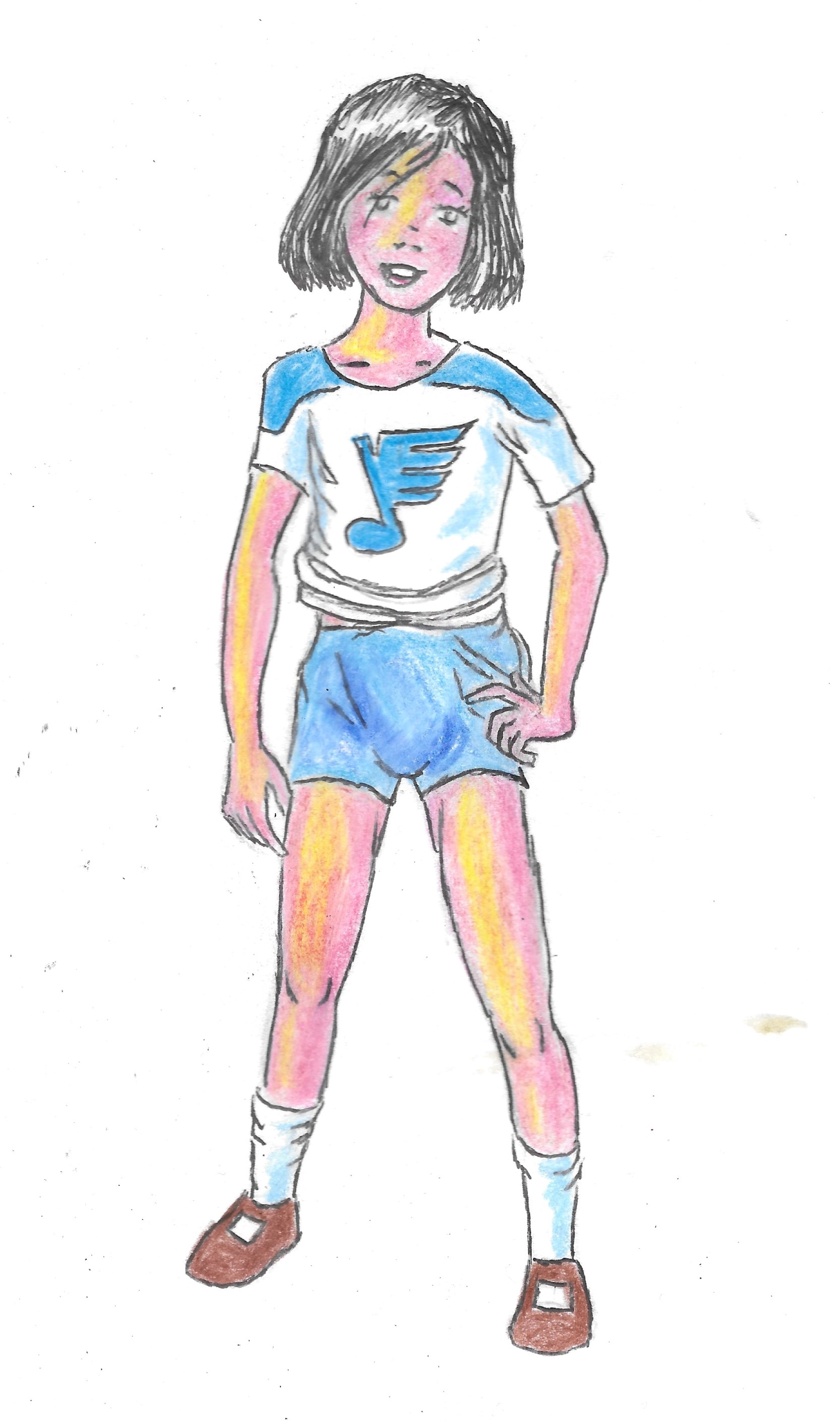


Wrestling with Themes… Part 6
Concluding this meandering ridiculous rant about how you distill the meaning of your books into themes is no small task. My limiting goal was to identify one main theme for each of my books. It has to be limited because every well-written book has multiple themes of varying complexity and scope.
And then when you tie everything together as I have done with my Hometown Novels, there are themes that cross the borders from one book into the next. This essay will sum up by telling about the books I have written beyond the borders of my Hometown books.
The Wizard in his Keep
This book is unique in dozens of ways. It is an orphan-journey through a virtual-reality video game that you can actually live inside because of the full-body interface suits that get you into the game. It is science fiction because of the virtual-reality technology, but the competition within the game is set in a fantasy kingdom running on magic and super powers. And the plot is a parallel of Charles Dickens’s The Old Curiosity Shop.
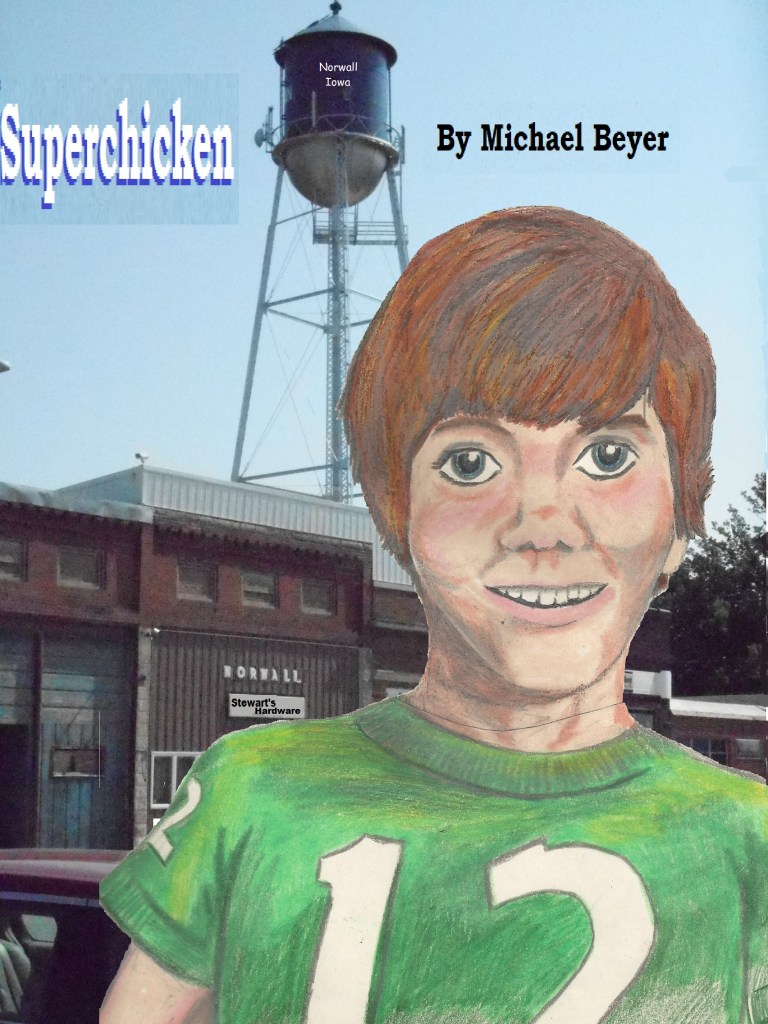
This book is the conclusion to several character arcs that begin with the Hometown Novels’ very first book, Superchicken. One character’s life ends in death, but on his own terms. Another character finds the answers to his missing sister and the family she kept secret from him. And the orphans find a loving family that they never knew existed. So, one big theme is that; “You make your own happy endings by hard work, risk, and perseverance, not by magic or luck” But this is an overarching theme that covers more than one story in more than two or three other books.
The book also holds true to several other things that are true about my stories. It is a comedy with at least one character dying sometime before the story ends. It is surrealism, giving a rational grounding in realism to some rather fantastic things. And the characters who find success are empathetic types who realize that loving others is more important than loving ourselves.
A Field Guide to Fauns
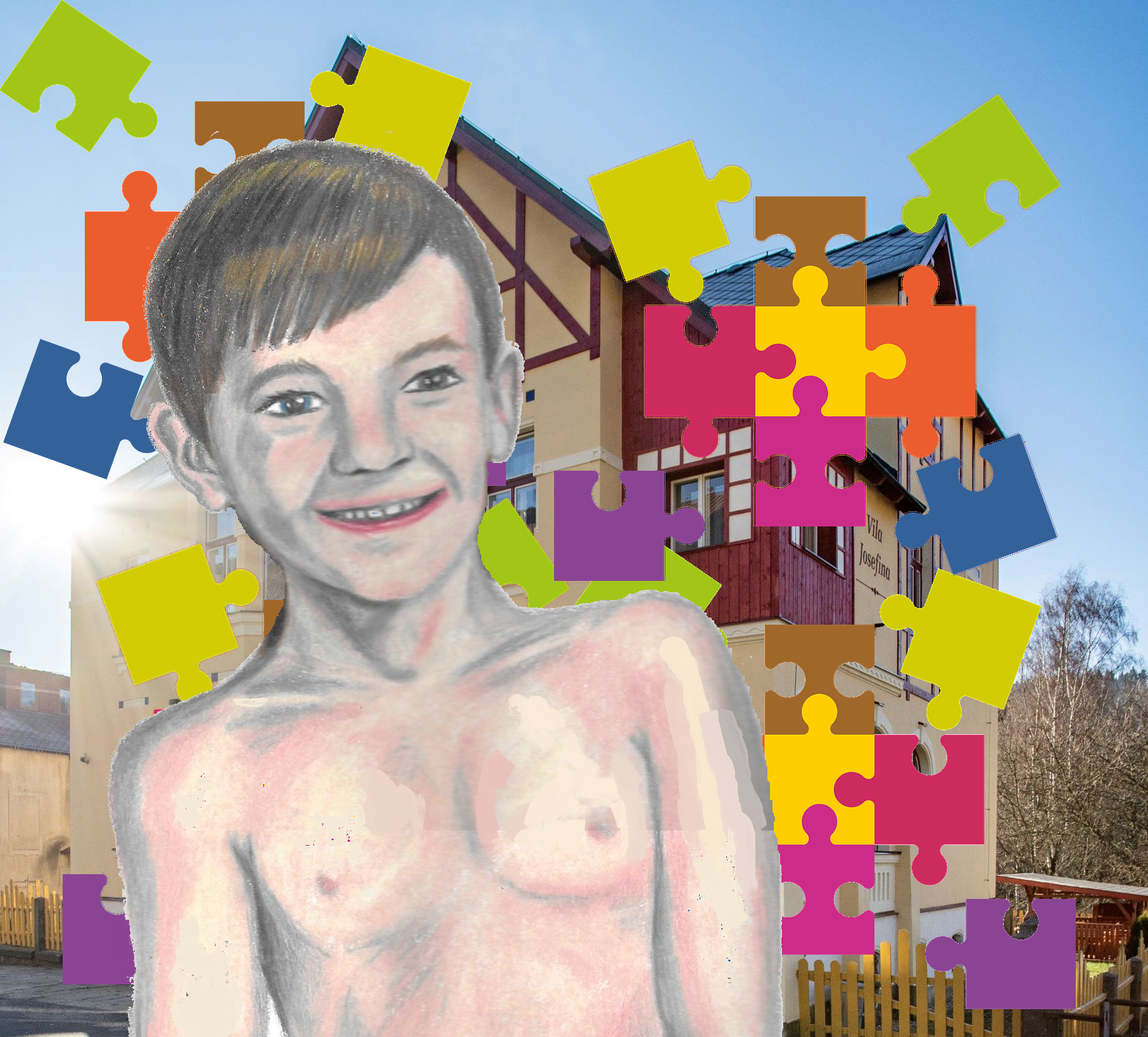
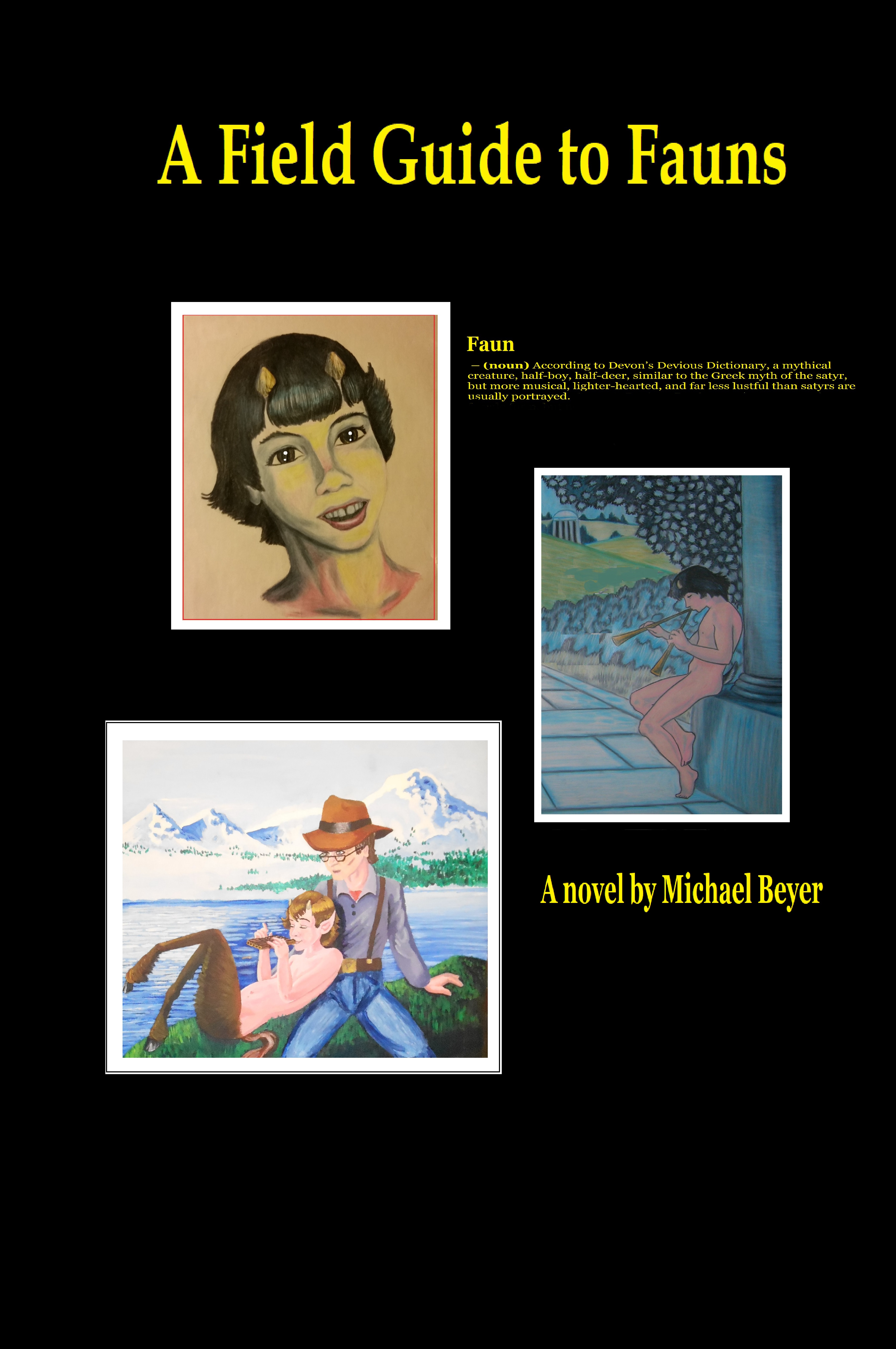
An important facet of my novel-writing experience has come about through the general audience reception of my works. Specifically, nudists and naturists were attracted to my books through the nudist characters in my book Recipes for Gingerbread Children.
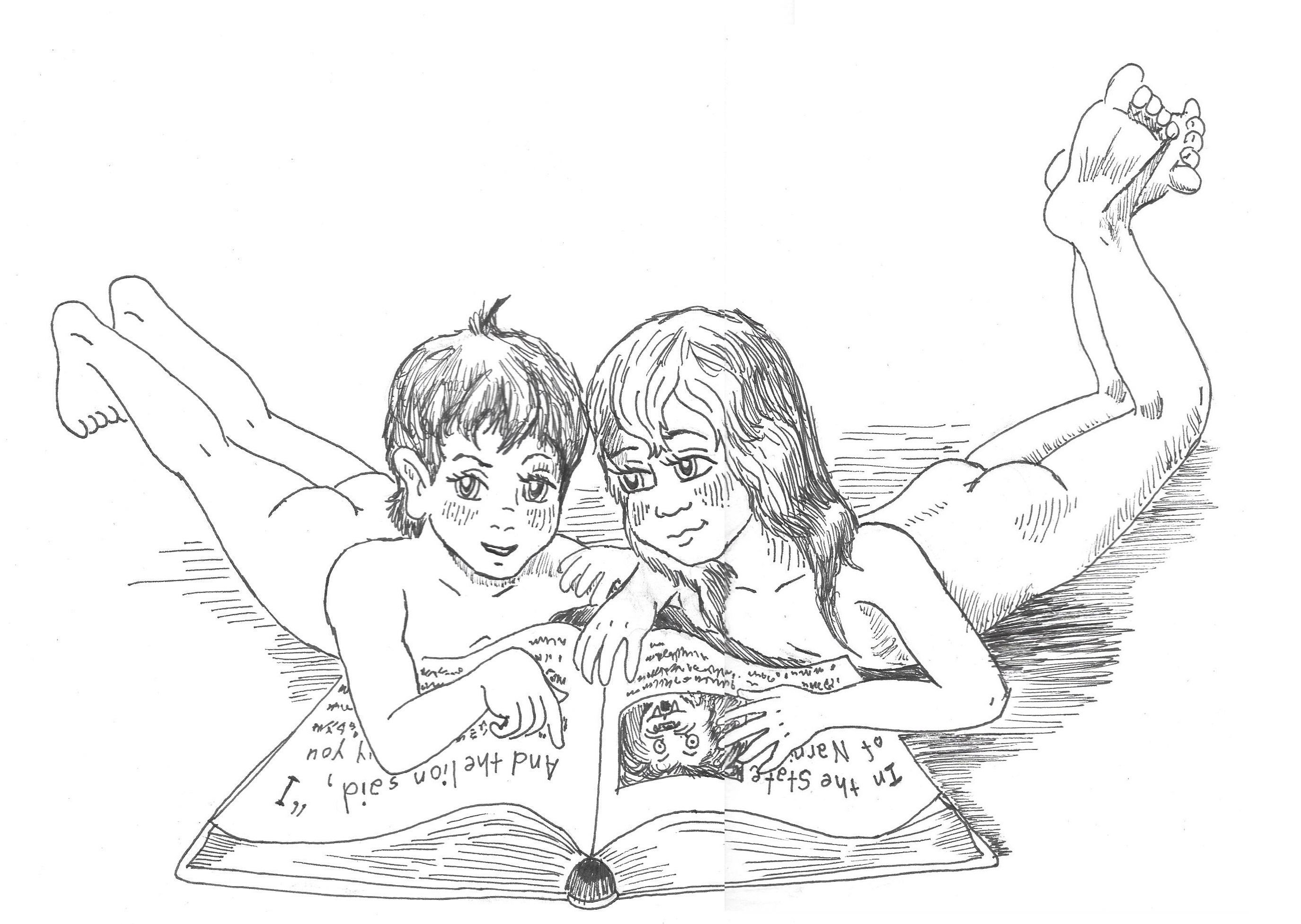
That is the reason this book, A Field Guide to Fauns even exists. I wrote it specifically for an audience of nudists, naturists, and people like me who have always been fascinated by nudism and were simply afraid to actually try it until we grew old, mature, and goofy enough not to care what other people think about me being a naked old man..
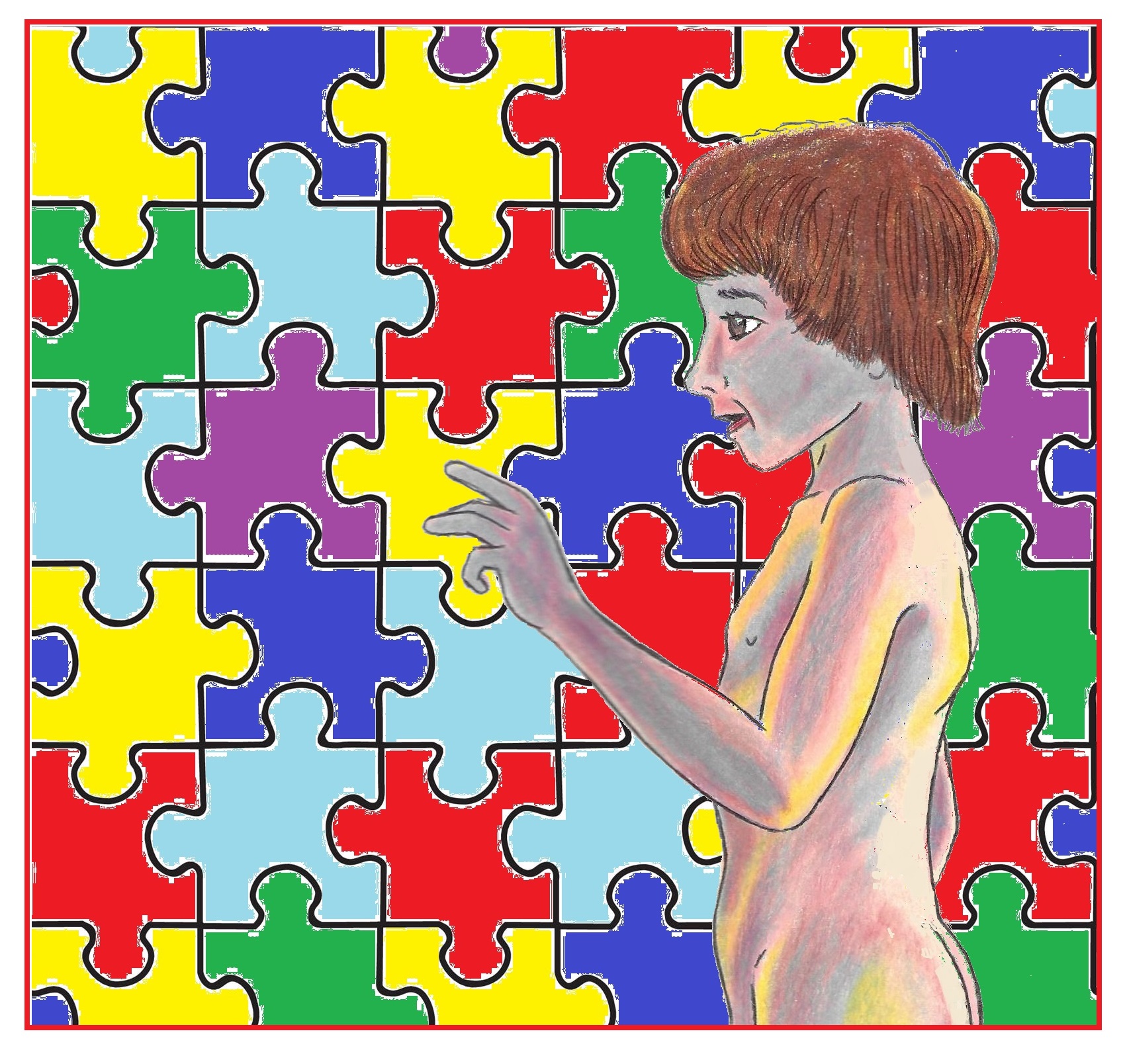
The book is about a boy named Devon who goes from a traumatic event that took him out of his divorced mother’s home and put him in his father’s house. But his father is remarried to a woman with twin daughters who are dedicated nudists, and live in a residence that is located in a South Texas nudist park. He has to recover from his trauma by becoming a nudist living a naked life himself. The theme is, “You can overcome childhood trauma if only you are open to being nakedly honest about yourself… especially being nakedly honest with yourself.”
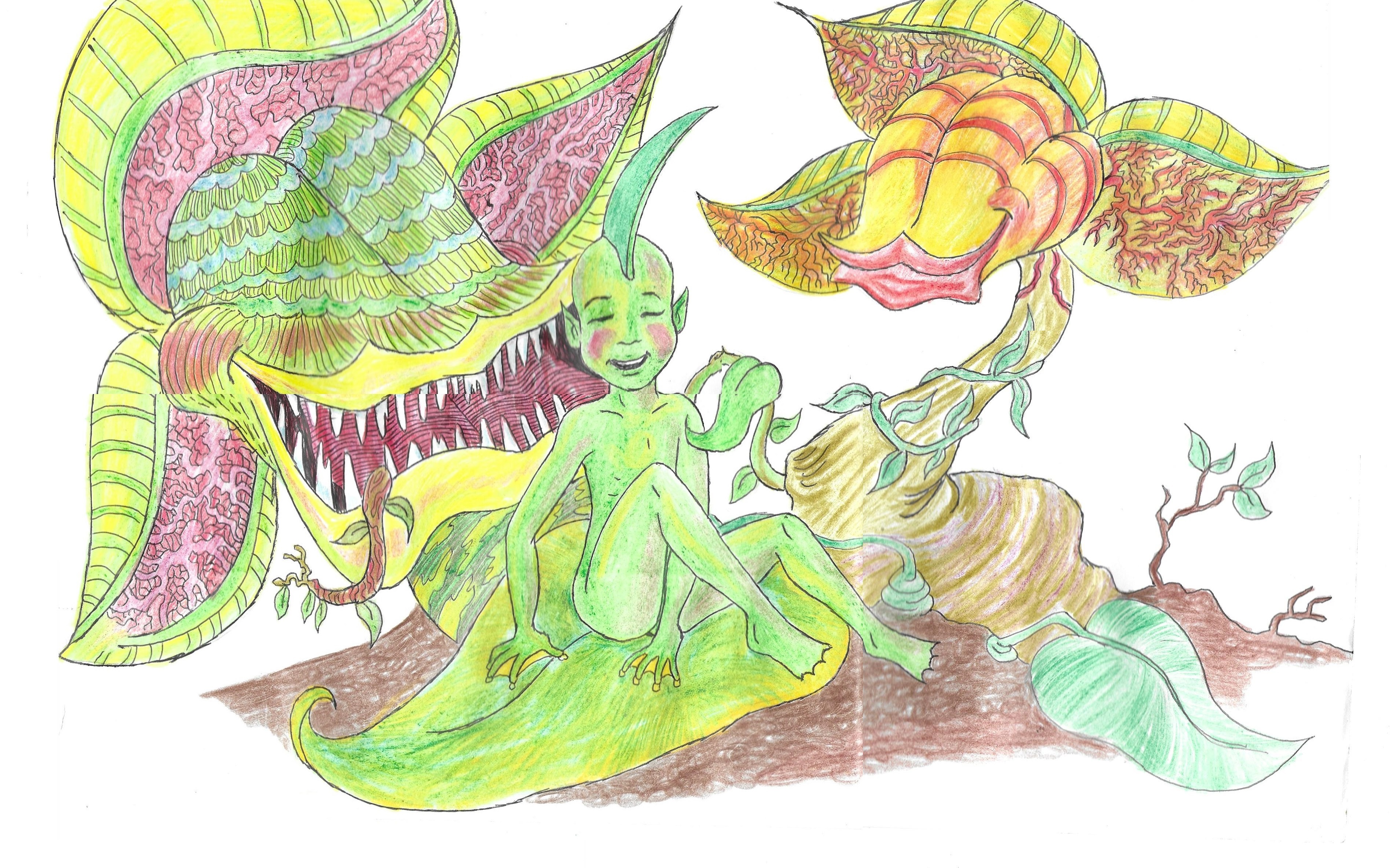
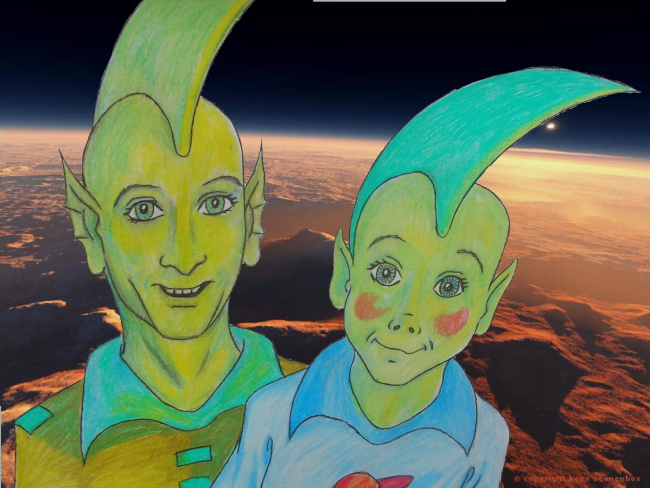
Stardusters and Space Lizards
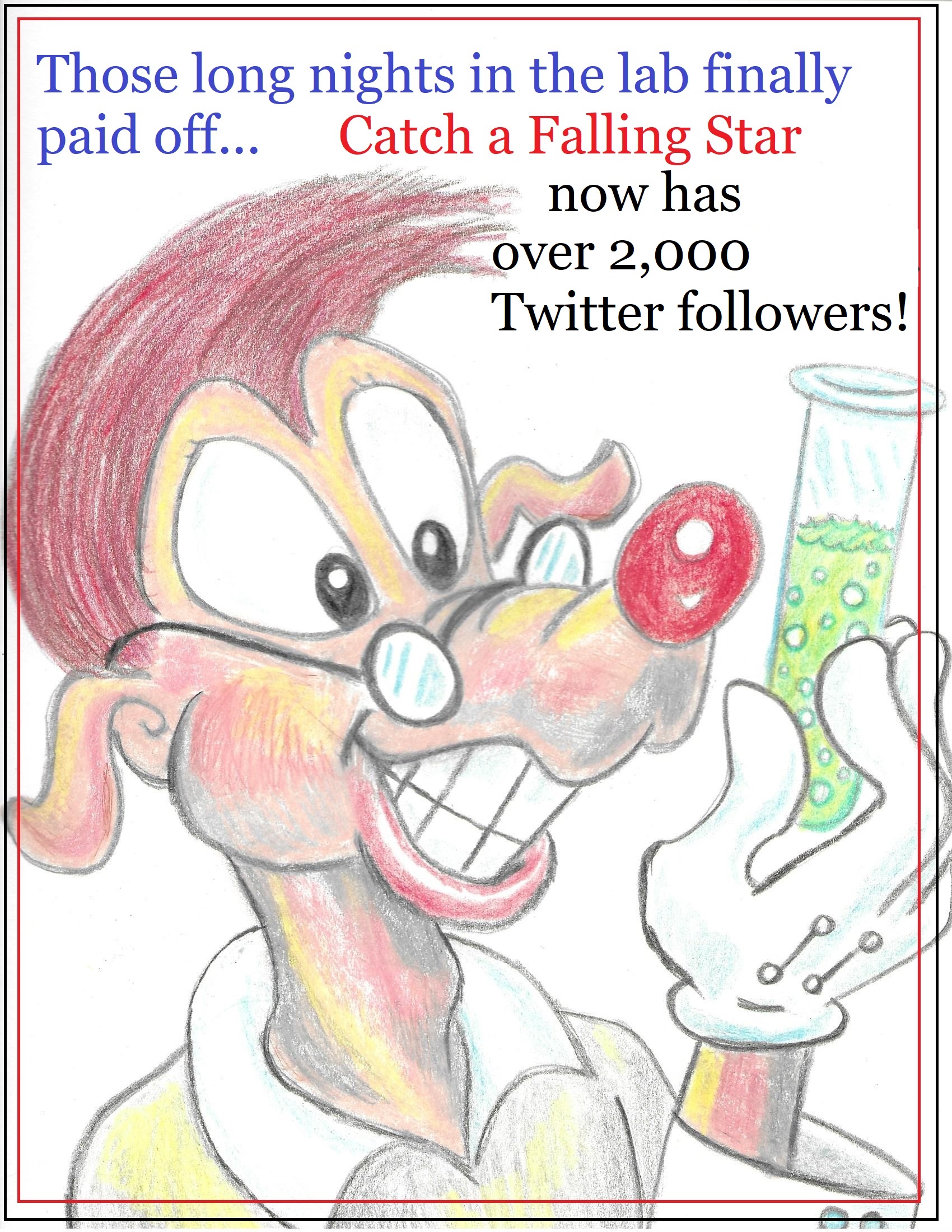
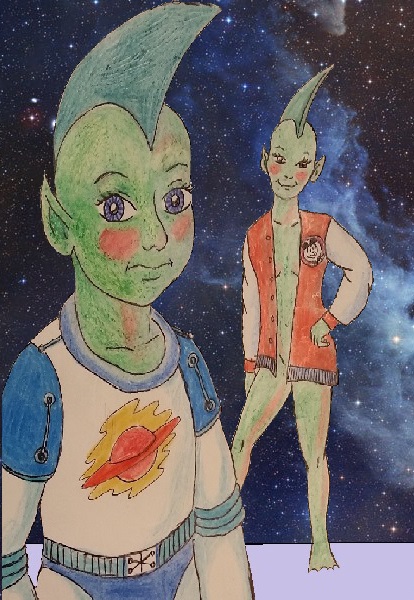
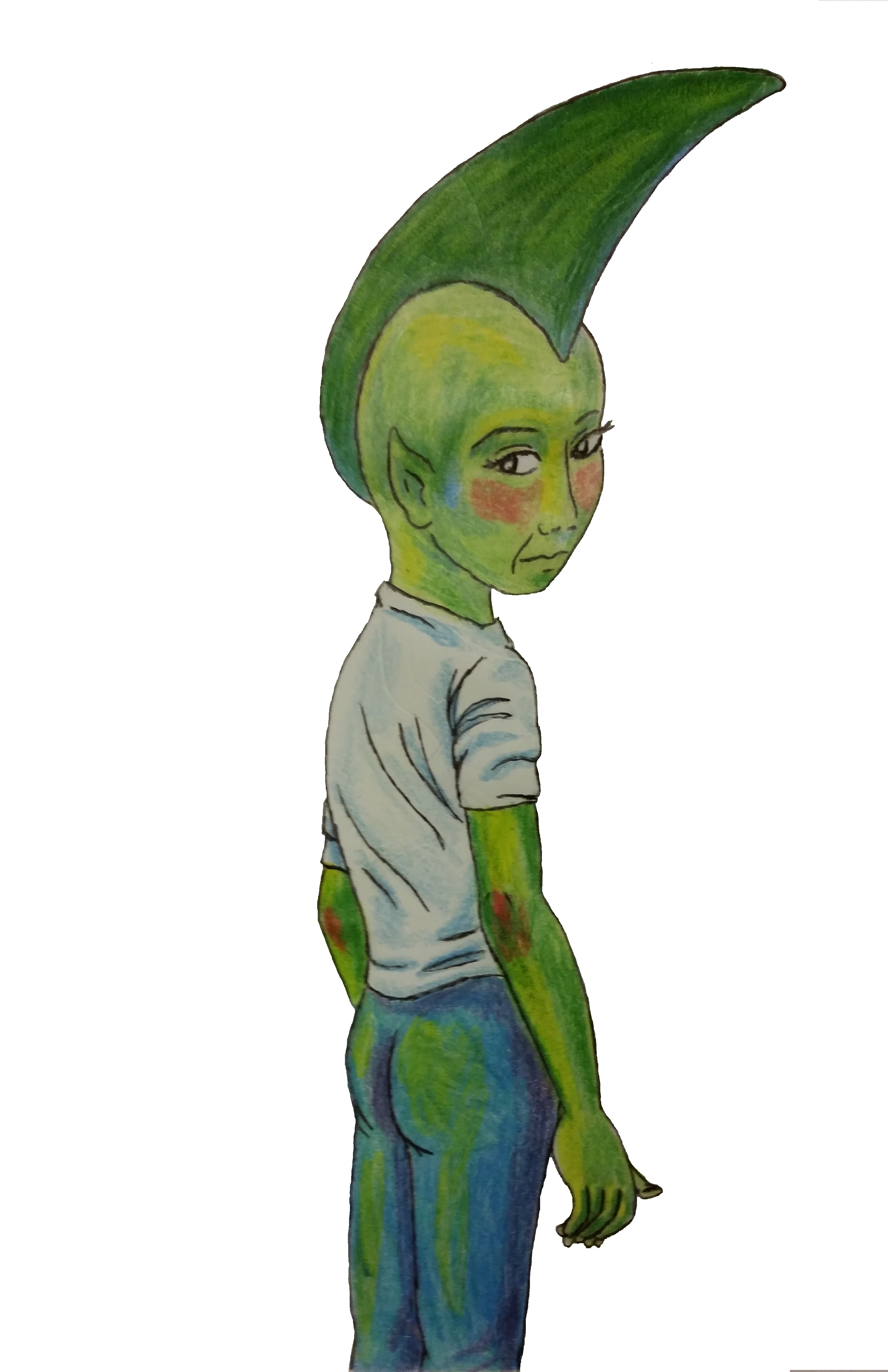
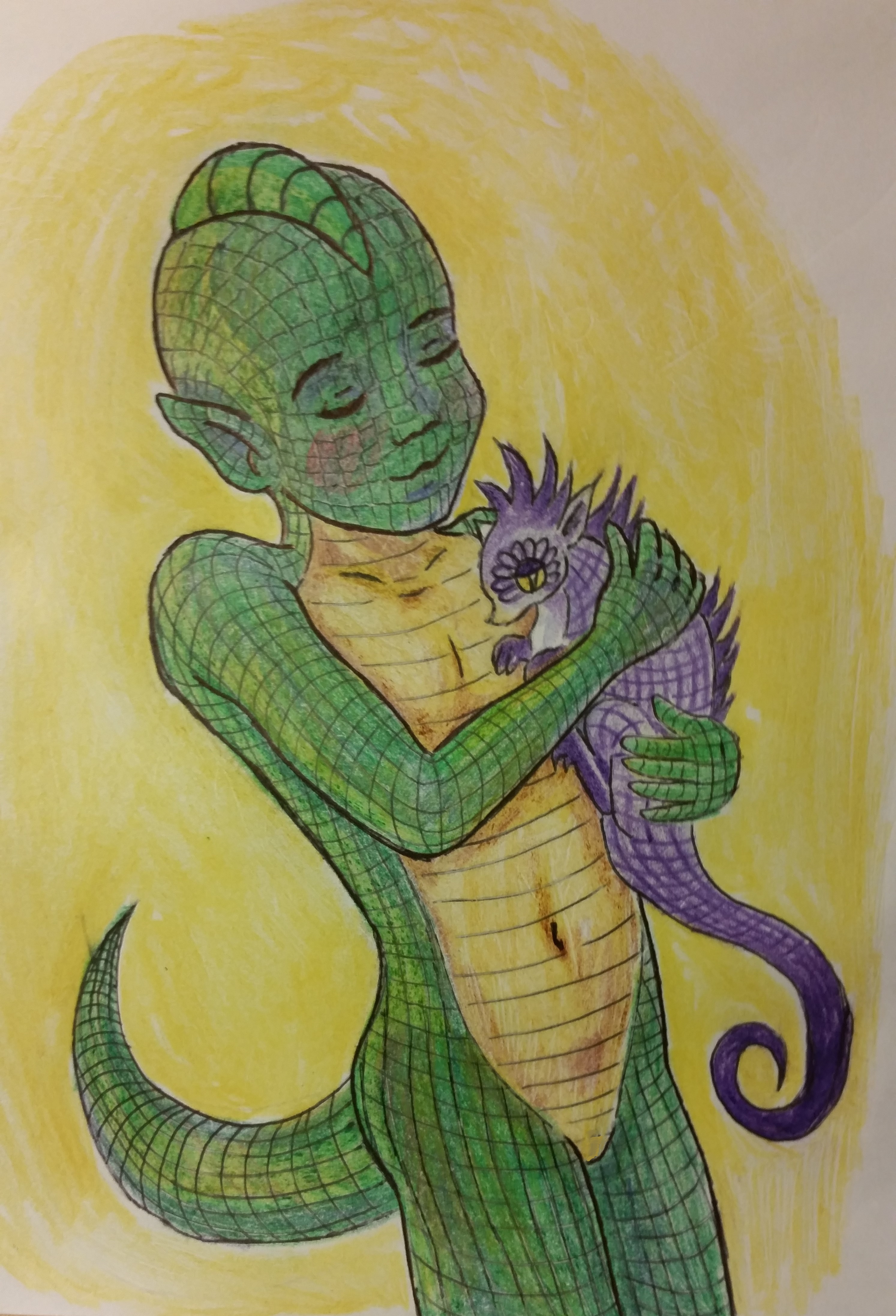
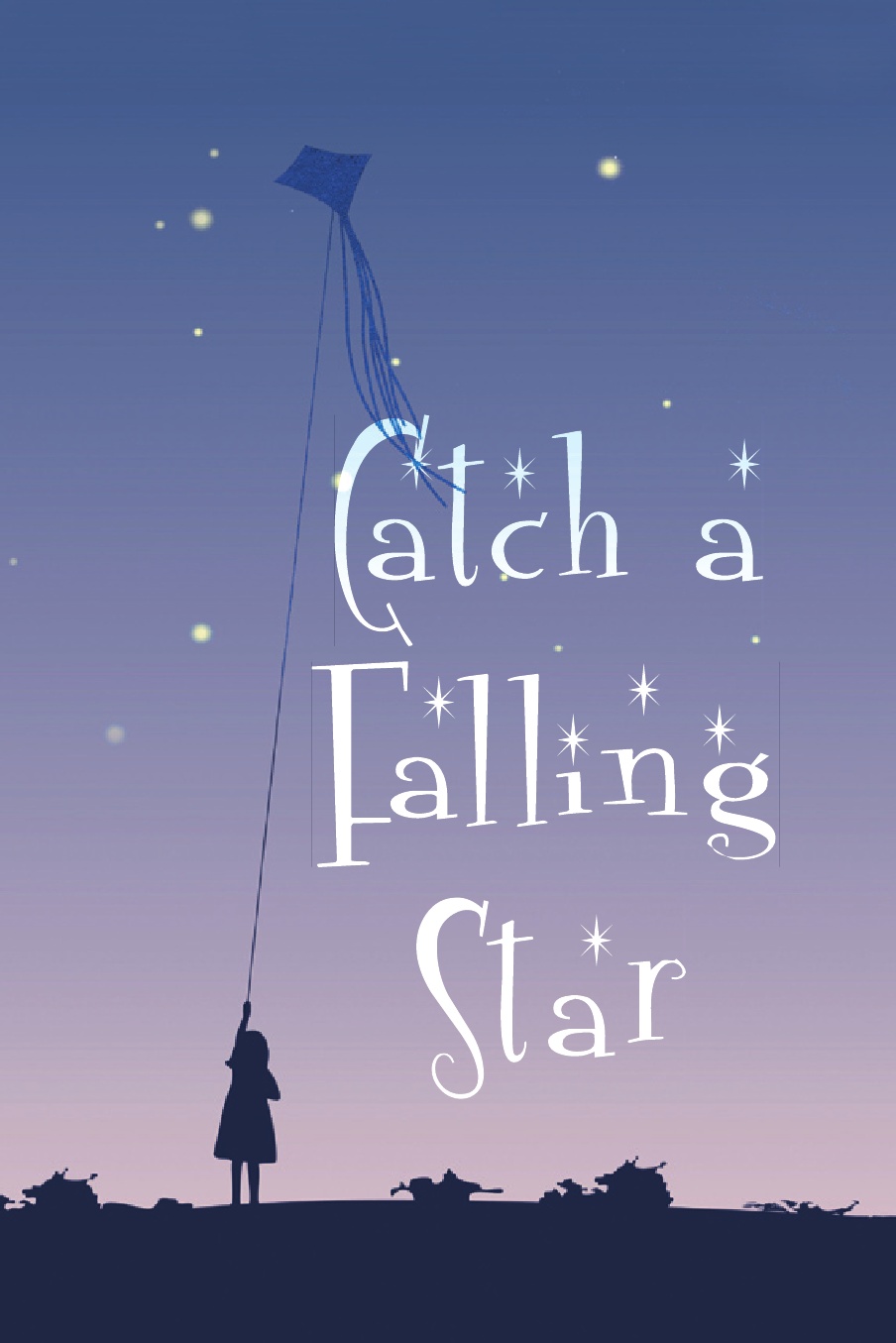
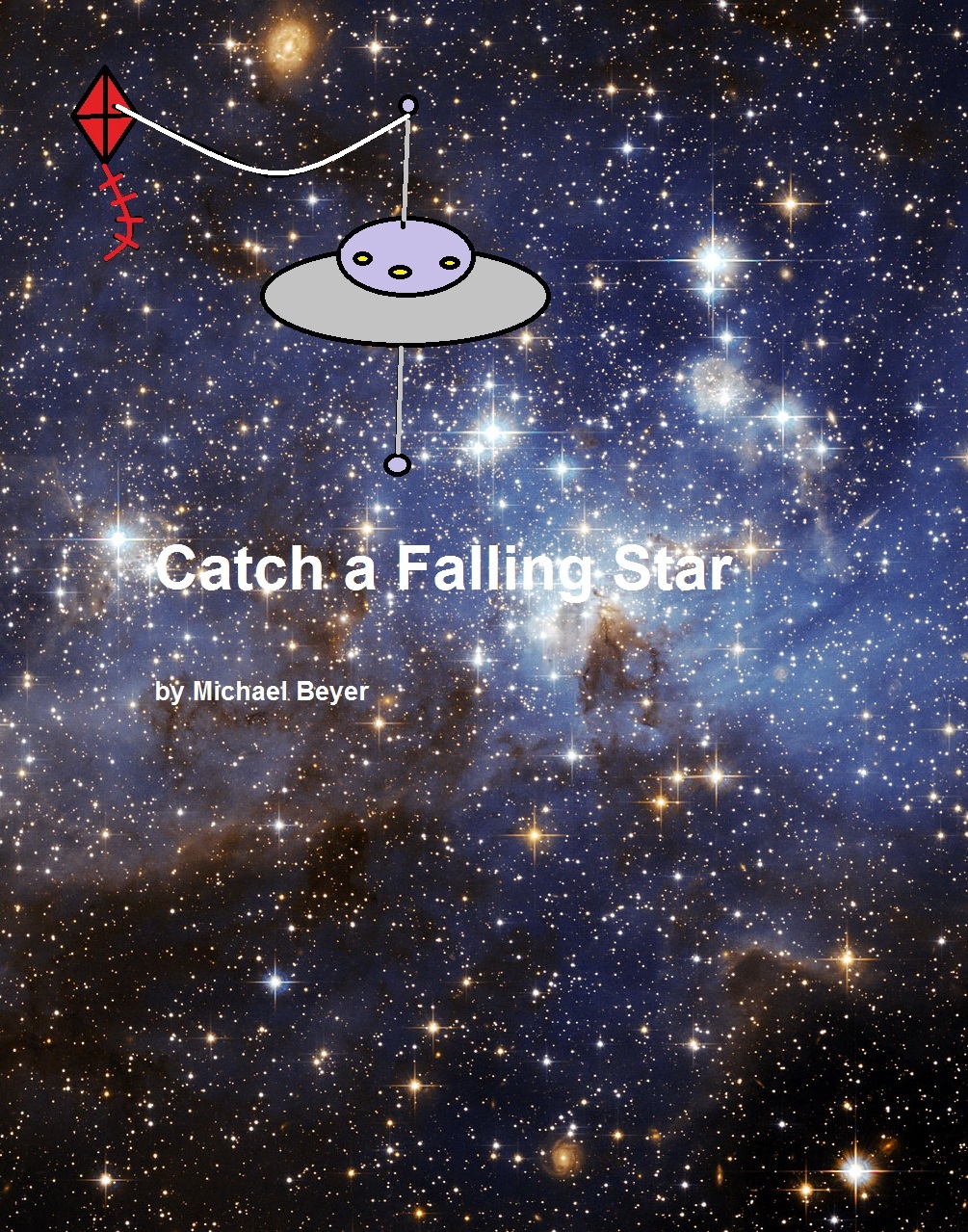
This story is one of the sequel messes written to go with Catch a Falling Star. It follows the alien characters and three of the human characters from that book out into the stars. It is basically an allegory for the climate-change crisis we face here on planet Earth. Besides the fact that this book offers the idea that inventive children can solve world-wide problems, and Texas politicians can be translated into lizard-people monsters who are actually to blame for everything, the theme of this book is really, “To solve ecological problems on a world-wide scale, we must first acknowledge that those problems are not caused by lack of understanding, but by the disregard for life that people have when they are motivated by personal gain, power, and reputation.”
Laughing Blue
This book is even harder to give a main theme to since it is a book of essays. Every entry, every single essay, has it’s own unique theme, ideally expressed in a topic sentence that states the theme.
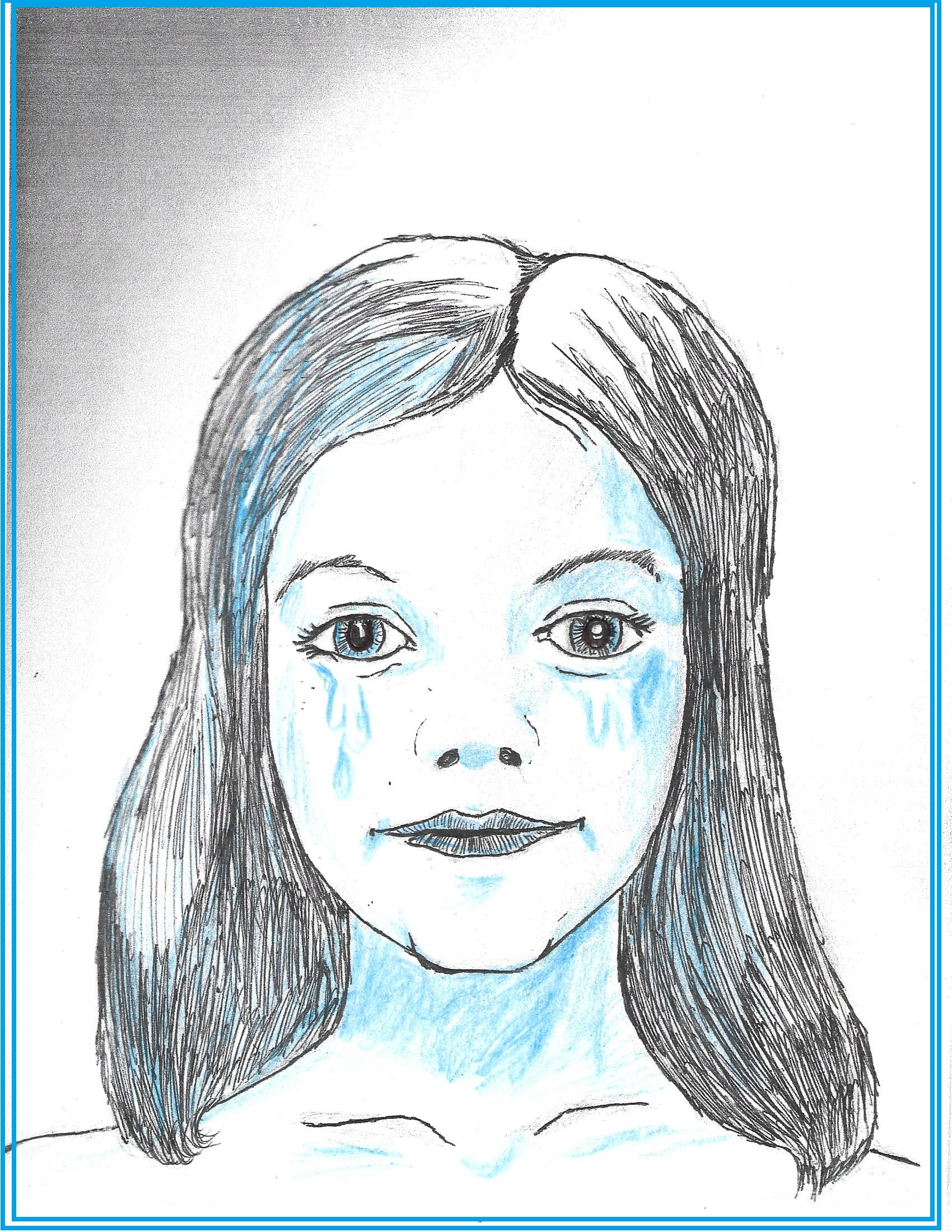
But it is not impossible to find an over-arching theme. It is filled with short vignettes and stories about my childhood, my life as a teacher, my cartoons and bizarre sense of humor, my philosophical musings, and complaints about the things that have hurt me. It is largely autobiographical. And the main theme is basically, “When life gives you lemons, make a lemony joke of some sort because laughing is much better than crying and a better thing to do when you’re blue.”
I know, I know… purple paisley prose.
I am well aware that I have not put a theme to every single book I have written. But I think I have, in the course of 6 essays, done a fair job of puzzling together and proving my point that a novel, or even other kinds of books, need a coherent main theme, and the author should, hopefully, know what those themes are. So, the essay ends here. Mostly because I am old and cranky and tired of repeating myself endlessly.
Leave a comment
Filed under autobiography, commentary, humor, novel plans, novel writing, Paffooney, writing, writing humor