
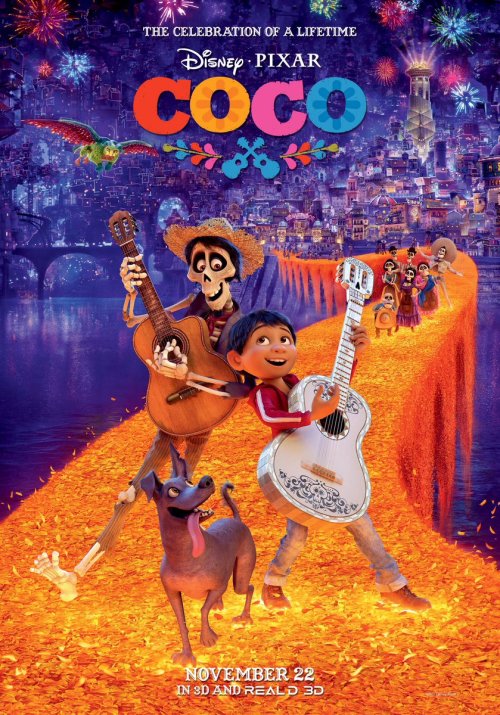
On the last night of my son’s 14-day leave from the Marine Corps for the holidays, we took him out to eat and then saw a family movie together. It was the Pixar movie Coco. And what a perfect movie it was! First of all, it is about family. It is about the connections we have to those who’ve come before us. Grandparents and Great Grandparents and Great Great Grandparents… the greatness just keeps flowing back into the past. And this movie connected living family members to those who came before.
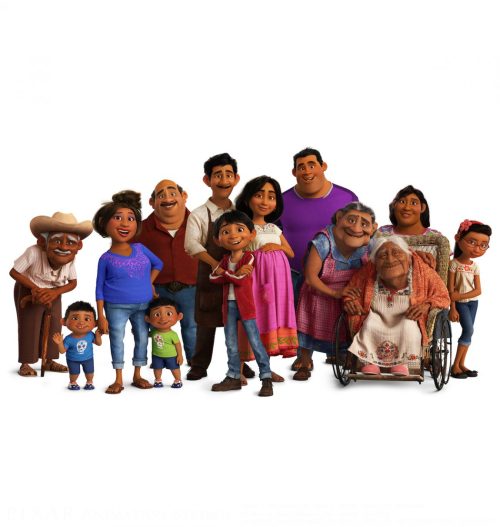
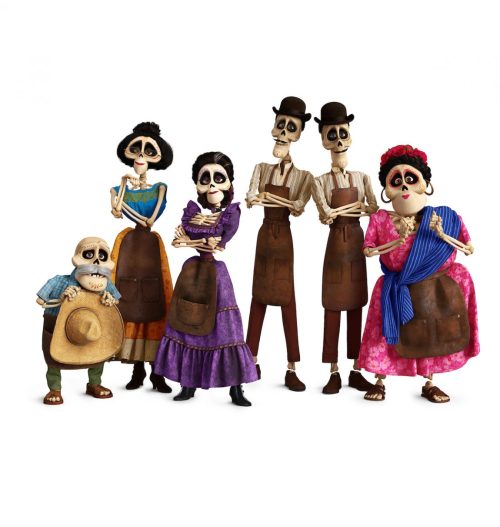
We spent a lot of our time over the holiday visit talking about the past and those who came before us. My kids didn’t really get much of a chance to know great grandparents in real life, and great great grandparents were long gone. My son only knows about Great Great Grandpa Raymond through my stories about Sunday afternoon baseball, listening to Harmon Killebrew and the Twins playing on the radio with Grandpa Raymond. Great Grandma Beyer got to hold Number One Son and Number Two Son, but only Number One was old enough to remember her at all, and that only in the vaguest possible ways. I try to keep them alive with family stories and anecdotes. Much in the same fashion the movie did, although the main character Miguel (ironically the Spanish version of Michael) actually visits the land of the dead. I haven’t personally gone quite that far.

The movie also expresses a deep genetic love of music, especially guitar music. My kids are all musical, and both of my sons play guitar. Number Two Son is particularly gifted in a Spanish-style ability to pick out complex tunes by ear and by sheet music. The movie’s music is without question the thing that makes it the best movie we have seen this year.

And the movie is filled to the brim with bright and appealing artwork, being an animated movie filled with Mexican art, even having a guest cameo appearance by the incomparable Frida Kahlo. This is easily the best movie she has been in since she died in 1954. The comedy of this whole extended skeleton dance of a movie is laugh-out-loud gorgeous. And artwork is also something I share a love for with my three children.

So I put him on an airplane in DFW today, and he is now back at his base. But I had him here for a precious little while and we capped it off with a precious little movie. Now, I have to admit, this post is not entirely a movie review. It is more about how my family made use of it and interacted with it. It is more of a family story that I needed to tell to keep the goodness of it alive and vibrant, painted in bright colors. But if you really want to know what I think of the movie, then I will shout at you, “YOU MUST SEE THIS MOVIE!!!” With three exclamation marks and everything. It is simply that good.
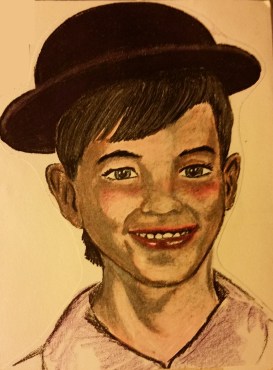
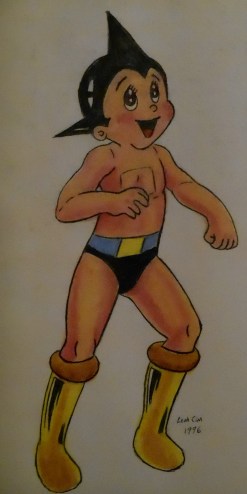

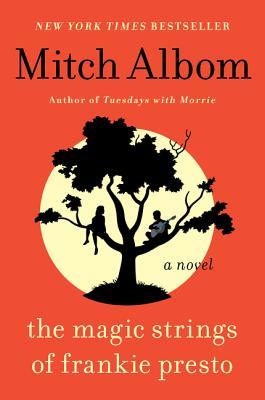
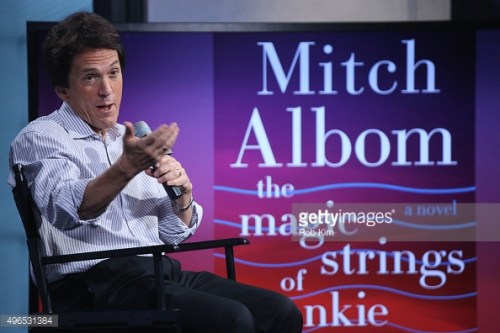
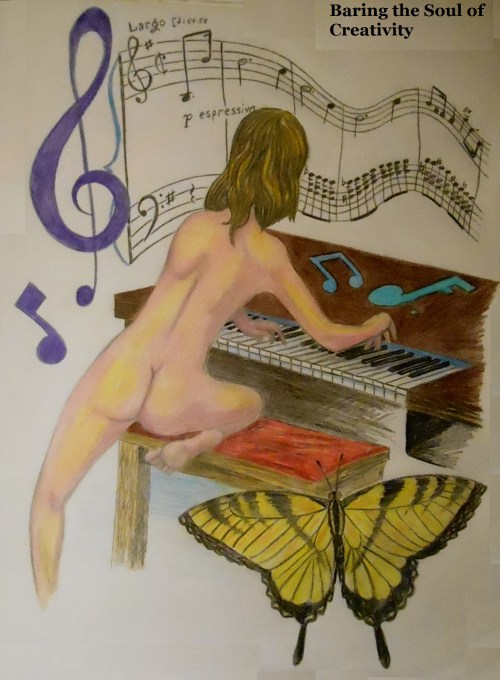
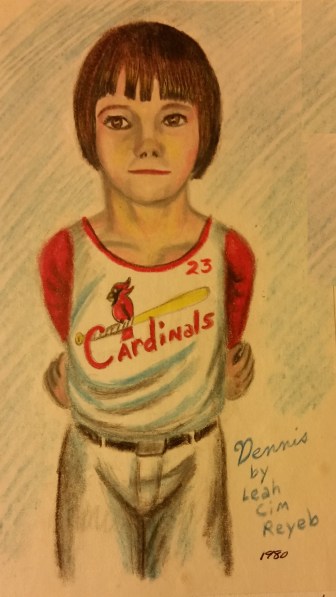 ege. It struck me that it was hauntingly beautiful… but maybe I wasn’t entirely sure what it meant.






Dr. Teeth
Today I had to take my daughter to the dentist before dropping her off at school. A simple teeth cleaning and an exam for future tooth work they are recommending resulted in a fifty dollar charge. I could pay for it, but it comes out of the monthly food budget. And I have no idea where the three times that amount that the future tooth work will cost is going to come from. Let alone the property tax due at the end of the year which is now three times what it was in 2006. I have lost control over my life because of increasing expenses and decreasing income. And it makes me lament, “Why can’t I control ANYTHING?”
You would think that having been a teacher for so many years I would know how to control practically everything, right? I mean, if a teacher can control the ultimate chaos engines of the average junior high school classroom, he ought to be able control anything… while doing nuclear physics on the side.
The secret is, a good teacher doesn’t control the behavior of students. The teacher manages behavior by adjusting what he is in control of, his own reactions and behavior.
To make a metaphor, it is like juggling handfuls of sand. They will slip between your fingers, bounce, and fly apart completely before the first revolution is complete. But if you are smart, and have a small ceramic bowl in each hand, and a convenient big bowl of sand to dip into for new handfuls, you can throw and catch and guide the handfuls of sand through their amazing performance, at least three handfuls. Maybe as many as seven, though that would take some really fast hands and years of practice.
The point is, I think in my stupid little head, that I should not be trying to control the chaos my life has become. The art is to manage the opposing forces, guide them back into the over-all flow of it, and prevent any single thing from overwhelming me, interrupting or wrecking the music of existence.
So the lesson here is, even though this post started out being about dentists and cost control, that I can’t control anything in life but myself. So I might as well keep playing my figurative banjo and get into a figurative Studebaker with figurative Fozzie just to see where the road song will take me. I will play the music and try to keep it all in tune and following the beat, no matter how many wrong turns and hitchhikers happen along the way.
2 Comments
Filed under commentary, education, humor, metaphor, music, strange and wonderful ideas about life, teaching