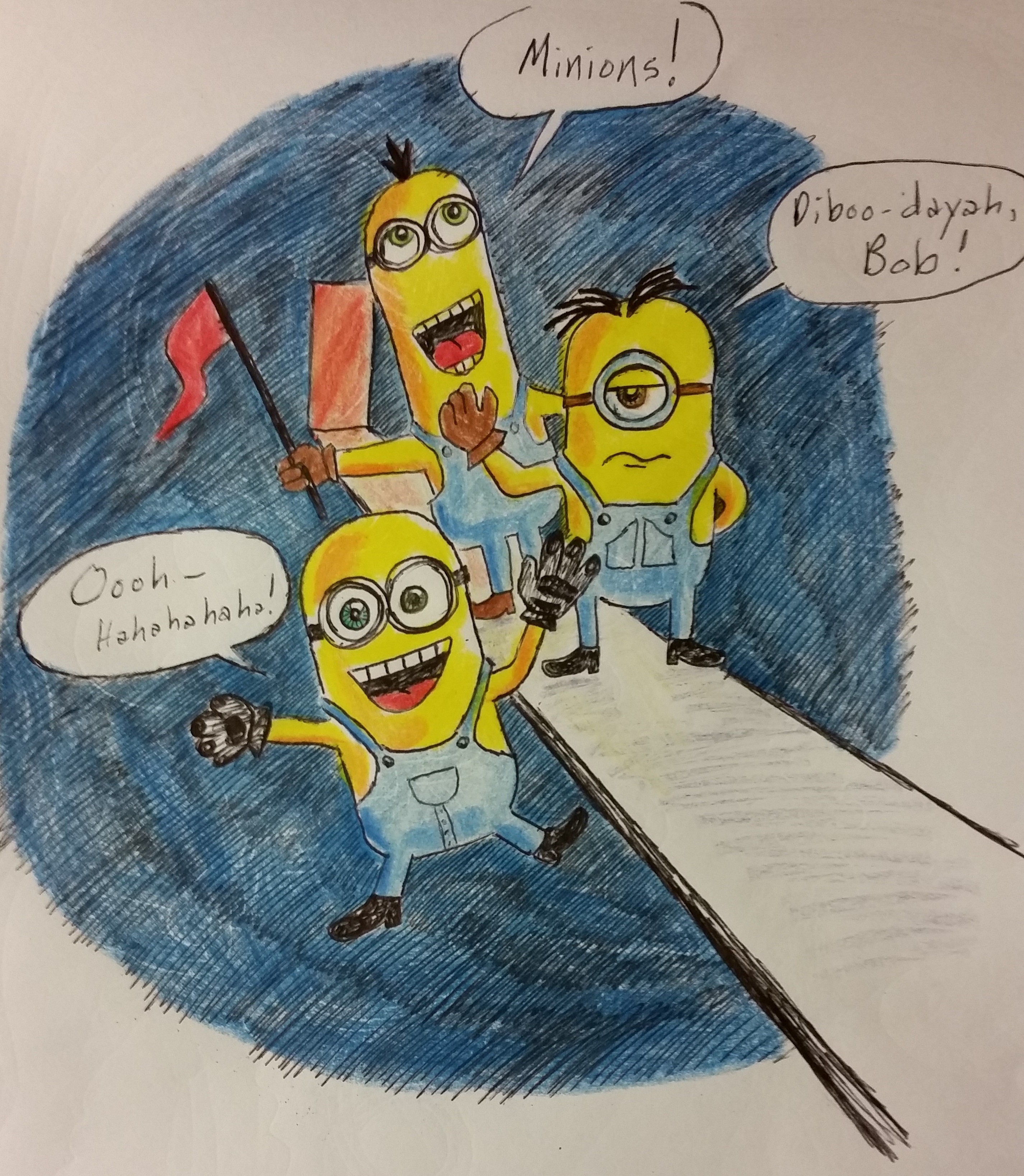
If I were going to say it in Minion-speak, I would say, “Bwayno! Eebee da Minion apatoy tu La Mancha! King Bob!” Which sums up my entire movie review. So, there. Now I am done.
This is my lame attempt at copyright infringement… also known as “fan art”.
Seriously the movie is a non-stop slapstick and funny-punny carnival ride. And Bob is featured in this movie as the over-eager, reluctant adventurer who eventually becomes the rightful King of England. (Oops! I had promised myself to write no spoilers that weren’t in Minion-speak. Oh, well… Oopsie, again!)
So now you know why I posted such a pitiful excuse for a humor post yesterday… I took my family to the movies. Did you know the Minion language uses Tagalog words? My wife and in-laws are from the Philippines, so they recognized a number of Tagalog and Spanish words. They didn’t much get the jokes, though. The humor was apparently too sophisticated… or they were. They did appreciate all the nice explosions, though.
So, another lame humor post today… two in a row, in fact… because I was busy yesterday and lazy today. And don’t accuse me of building up to things by dropping hints about what I am going to be writing about next in today’s post. I am definitely not doing that because I am too busy now with Snow Babies, having got it back from the editor this morning with a number of revisions to make. I am working on those revisions this afternoon. So don’t bug me about it. Wait… wrong cliche for a comedy romance novel about freezing to death. How about, don’t snow on my parade? No? Oh, well… goofy is as goofy does. Go see the movie. It’s goofy. And if you’ve already seen it, then see it again. Slapstick jokes about losing your pants never get old.
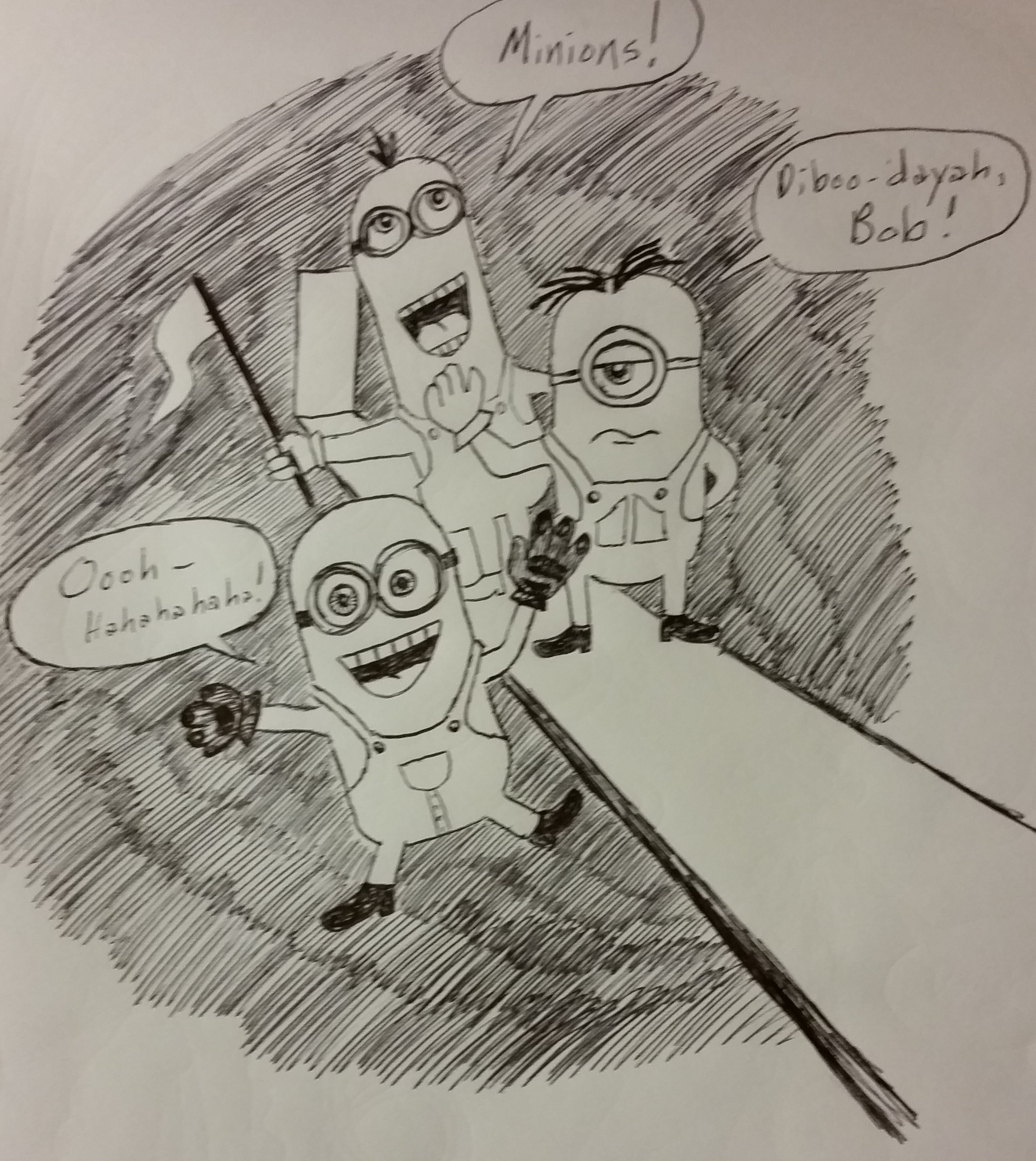
This is what my Minions picture would’ve looked like in the 1960’s when the world was black and white.
My family took me to the movies last night. We went to see Jurrassic World. We went to the local hometown theater in Belmond, a place that I first went to movies at in the 1960’s for I don’t remember what… well, I’m old… you can’t always remember early childhood when your old brain is clogged with fermenting memories and nostalgia on steroids. I saw Battle for the Planet of the Apes here. I saw Tarzan and the Valley of Gold here. Bedknobs and Broomsticks, The Gnome-Mobile, The Love Bug… Disney movies, Christmas movies, musicals, cartoons, westerns… science fiction… This was an important feature of my Midwestern Iowegian childhood. I watched all kinds of movies here, and they were all the best movies I have ever seen. Even the really bad ones. Even Harum Scarum with Elvis Presley. I love movies with the uncritical heart of a seven-year-old boy.
I know in my stupid old head that some movies are better than others. I know enough about movie-making and story-telling to know that Jurassic Park was a better movie than Jurassic World. I know that these two movies are better than Jurassic Park, the Lost World and infinitely better than the hot mess that was Jurassic Park III. But I love them all. Formula or not. Consistent plot or not. Humor that is actually funny or simply sad enough to make you groan. I watch practically anything that flickers with an uncritical eye. I have never walked out of a movie theater before the Best Boy and Key Grip’s names have appeared in the credits. I would especially never walk out of this particular theater. Who I am is pretty much shaped by the movies I have seen..
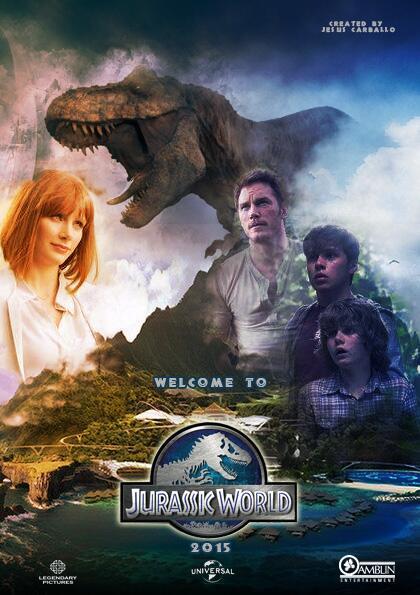
Why does this poster-saurus want to eat the pretty red-head’s head?
And Jurassic World is a good movie. The characters are engaging. You are sucked into the drama to the point that if either of the two kids are eaten by dinosaurs, you will be totally devastated and may actually die in your seat because you have been jumping and flinching with every scare they get, and for at least part of the movie you are seeing everything through their eyes. And the heroic Chris Pratt character allows you to stride boldly through the dinosaur-infested jungle with deadly velociraptors at your side. You get to be a bit of a bad-ass… er… bad donkey, as you tackle the man-made monster dinosaur at the center of the monster-movie disaster. Movies are supposed to surprise you and give you something new. (But I don’t mind when the story hits certain predictable patterns and cliches.) This movie let me have the pleasant surprise of the villainous velociraptors of the first movie transforming into the heroes of this movie (but they did eat a few minor characters along the way… and one human villain… though I hope the poor velociraptor didn’t get a stomach ache from that icky old guy). If you are looking for a reliable movie review to gauge the quality of the movie, you probably shouldn’t be looking at this article. I am not really a critic. I love movies beyond the point where sanity, reason, and critical thinking can actually protect you from cinematic evils.
I am compelled to review this movie precisely because it has been a box-office disappointment and has been criticized for not being the best work director Brad Bird is capable of. Other reviewers have said the set-up for the trip to the other dimension was wasted time and the plot is too slow…. they didn’t make enough use of the marvelous “other world” that they labored so intensively to create. I think the main reason people are disappointed in this movie, which I saw for the first time by my lonesome self at the metroplex in Lewisville, Texas, is that people have either forgotten how to watch intelligent movies, or they have simply never learned.
Movie character poster
The thing I loved most about this beautiful, inspirational movie, is its basic intelligence and the wonderful way Disney/Pixar’s Brad Bird weaves complex themes of past, present, and future together into a carefully patterned web of everything that’s right about good science fiction. Good science fiction tells you, through basic scientific understanding, what the possibilities are. It scares you with horrible possible futures that make all too much sense with things like climate change, nuclear warfare, and a society that embraces stupidity and entrenched habits that can lead us like lambs to the slaughter. It also shows you how technology and the willingness to risk it all on good ideas can possibly solve problems, even those problems that technology itself creates. This movie introduces us to complexly-layered characters. The male lead character is played by George Clooney, yet his bright-eyed, inventive, little-boy self is also a critical part of the whole mix. The female lead, Britt Robertson, is a dreamer who carries the theme with her based on the old Native American proverb that asks, “which wolf will win a battle between a dark wolf full of negativity and a white wolf full of positivity and light?” The answer, of course, is the wolf you feed. The character is relentlessly positive in the face of a horrific future that the film brings out which humanity probably deserves. And the catalyst character, the little-girl robot played by Raffey Cassidy, is a brilliant performance by an amazing young actress that brings to the front and center one of the most powerful of all science-fiction questions, “what does it actually mean to be human?”
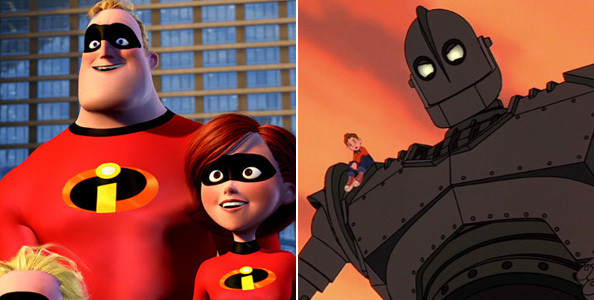
I believe this movie brings out the best of Brad Bird’s skills as a story-teller. Like some of his most brilliant work in the past, like the cartoon movie Iron Giant or the Pixar movie The Incredibles, this movie pushes the magic nostalgia buttons from a fondly-remembered simpler time. I remember going to Walt Disney World in Orlando back in the 1970’s and being so enthralled by the two most must-see parts of the park, Fantasyland and Tomorrowland. Tomorrowland was the culmination of my childhood astronaut dreams born of watching the moon landing of Apollo 11 in 1969 on our old black-and-white Motorola TV and all those other Gemini, and even Mercury missions that I followed with all-consuming interest. It’s that feeling of a better world waiting up ahead, in the future, just around the corner. The anticipation that something wonderful is going to happen… and then when it doesn’t happen, or, at least, doesn’t happen in the bright shiny way I was expecting… I can start over with the conviction that I can make it happen… that dreams really do come true.
Brad Bird’s body of directorial work is, in my humble opinion, the equal of some of the greatest cinematic artists of all time.
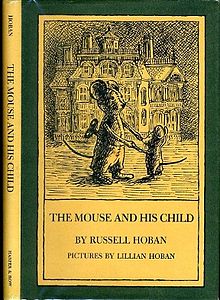
Today’s animated cartoons are very sophisticated and technically superior to older fair like you might find on YouTube from… let’s say… 1977. As an artist and writer dedicated to didactic surrealism (yes, I know you probably have no earthly idea what those two words even mean, but that’s a review post for another day), I should probably look down my long critic’s nose at the story of A Mouse and His Child, from Sanrio Studios. I saw this bit of artwork in motion at the College-Town Theater in Ames, Iowa while attending Iowa State University. It is a dopey pre-Toy-Story story about a pair of wind-up toy mice who are designed to dance in circle and can do nothing more than that at the beginning of the movie. They are told at the outset that they can only do in life what they were designed to do… and nothing more. But then they spend the whole movie doing so very much more.
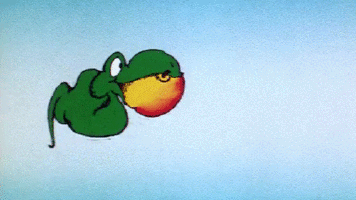
The artwork is very cartoony in ways that only an American who loves Japanese versions of American style can be. (Don’t try to tell me you didn’t recognize Sanrio as the “Hello Kitty” people.) It has classic animation voices in it. Peter Ustinov as the villain, Manny the Rat, Andy Devine as the frog… and more other classy actor-types than I can possibly remember.
The story is everything a cartoon movie should be. It is a quest to get rid of the wind-up key and be self-winding. It is a quest to choose your destiny for yourself… to make for yourself a family and have safety and love as all people should. There is also considerable danger. Young children will come away from this movie with many potential opportunities to develop nightmares from the images. It is also a quest to find a balance between the magic of the frog and the science of the Muskrat. In order to solve the mysteries of destiny, they have to look at a dog food label that has a picture of a dog grinning and holding a can of dog food with a label that shows a dog grinning and holding a… you get the idea, they have to see beyond the last visible dog. This movie makes sense in a way that poetry makes sense. You have opportunities presented to you make sense of it yourself. Like a good poem, you get out of it what you put into it. If you think about its meaning long enough, you will find something quite profound.
I have seen this movie now four times. I saw it in the theater in 1977. I saw it two years later on TV, on a Friday night. Then I re-discovered it on You-Tube this last February and I have watched it twice since. Every time I understand something new and wonderful from it. I have now made it my goal to find a copy of the Russel Hoban book and read that as well. You have to be a little crazy to like a movie the way I love this movie, but I have to tell you, I will be a little disappointed if nobody clicks on it to see if they like it too.
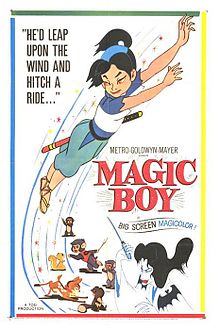
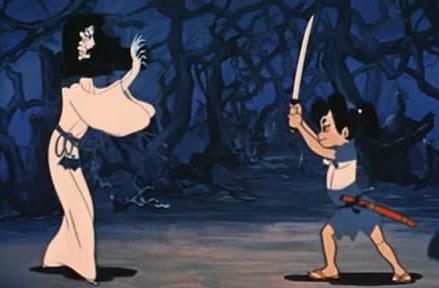
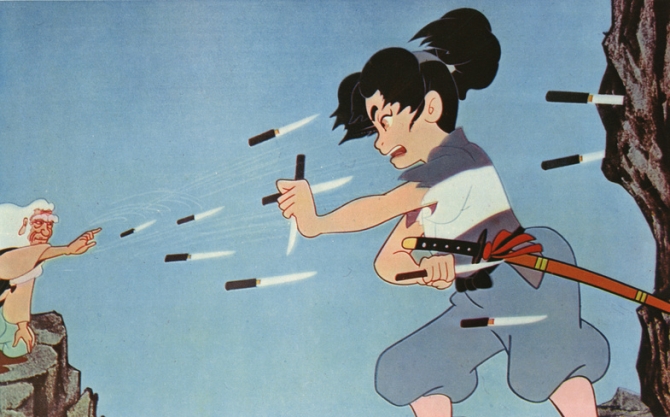
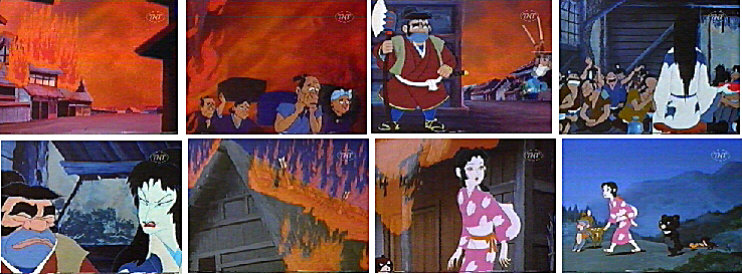
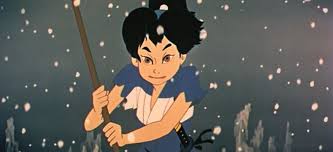
When I was a boy in the magical, wonderful days of black-and-white photos and Howdy Doody on TV, the 1960’s, the Belmond movie theater did free Christmas movies for kids. Every weekend when I was nine we went to the show and took the neighbor kids, packed ourselves five-to-a-seat along with every other kid in Wright County, Iowa, and watched wonderful movies. We saw westerns with Jimmy Stewart and Alan Ladd. We saw Tarzan find the Elephant’s Graveyard in a movie starring Mike Henry. And best of all, we found a movie playing there as part of a triple-feature free-movie day, all in Japanese animation (known today as anime) called The Magic Boy. I fell in love. No, not with a neighbor girl or girl cousin that I was either sitting on or holding on my lap, but with the magic that is Japanese animation. Now, I won’t lie and say this was before I became slavishly devoted to the animated cartoon show Astroboy that played most weekday afternoons at three, and for several years at five o’clock in the morning. I was already immersed in that as well, but it was all on the black-and-white Motorola TV. It was the color, the motion, the cuteness of the characters, and the Japanese-ness of the basic story that I fell in love with.
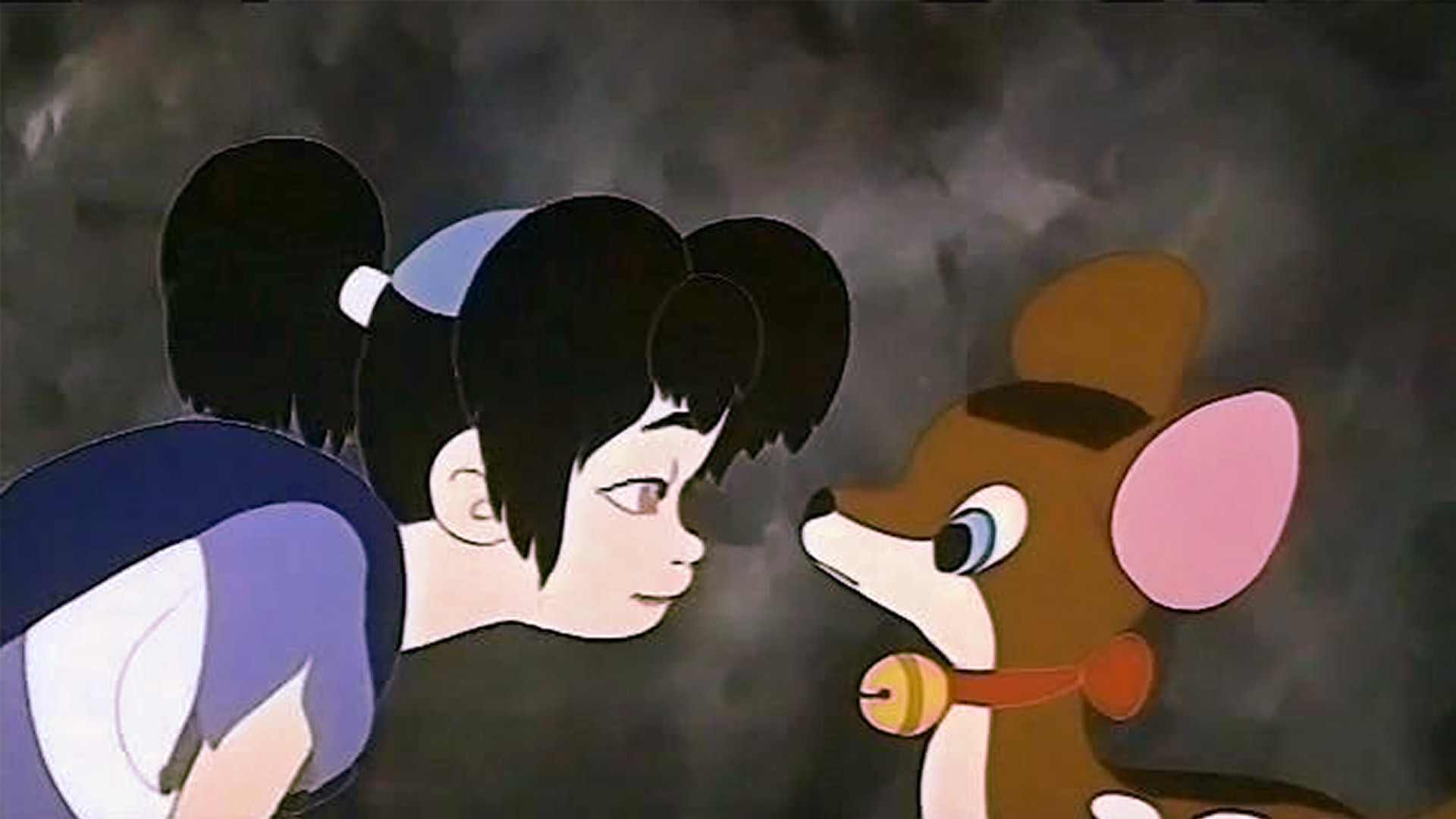
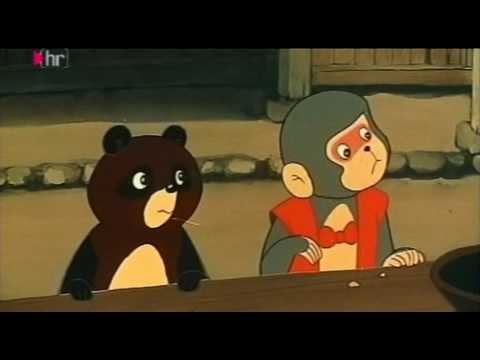
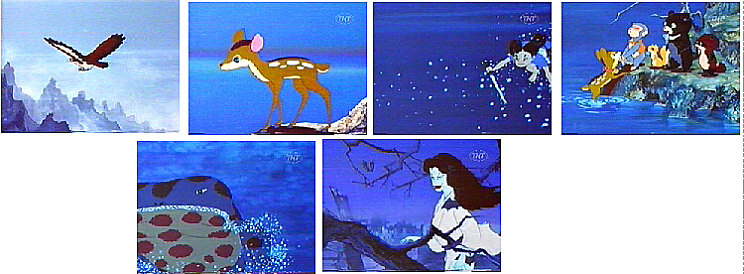
It was the story of Sasuke, a young boy living in feudal Japan with his sister and several cutesy, highly-personified critters. One day, a marauding eagle comes and snatches up the little Bambi deer-thing and takes him to a lake. The fawn is dropped into the lake as a necessary sacrifice to the eagle’s evil mistress. Sasuke and his pets come to the rescue, leaping into the lake and saving the drowning deer. A huge evil salamander, actually the witch in her accursed form, nabs one of the rescuers, one of Sasuke’s pets, and eats it to gain the power to re-constitute herself in witch form as the evil Yakusha.
Sasuke then goes on a quest. He must learn magical powers from a wizard and grow into a competent sorcerer so that he can defeat the witch and avenge his lost pet. It was a quest that closely mirrored my own. (The year after I saw this wonderful movie, I was sexually assaulted by an older boy, a trauma it took me a lifetime to overcome. My quest was to become a wizard and find magic power to restore myself and protect others. My quest led to becoming a story-teller, a teacher, and an artist… as well as being a wizard. I chose colored pencils as my wands of power.)
This movie changed my drawing style and my life goals for good. And I had never been able to see that old movie again or find it on video despite years of searching because I could not remember what it was called. Today I found it. It is posted online with it’s German title, but the dialogue all in Spanish. I will watch it anyway. But I will only post the snippet I found in English here.
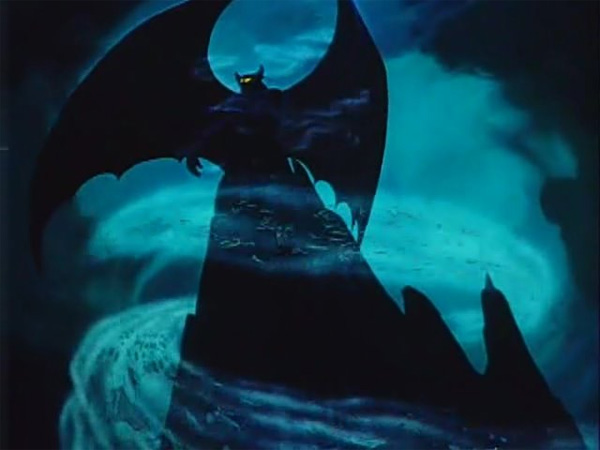
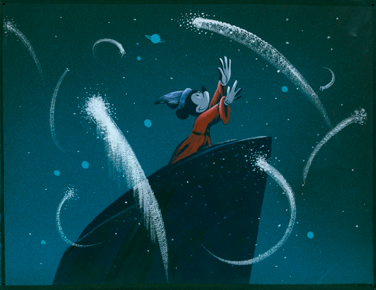
Mussorgsky’s Night on Bald Mountain from Disney’s Fantasia
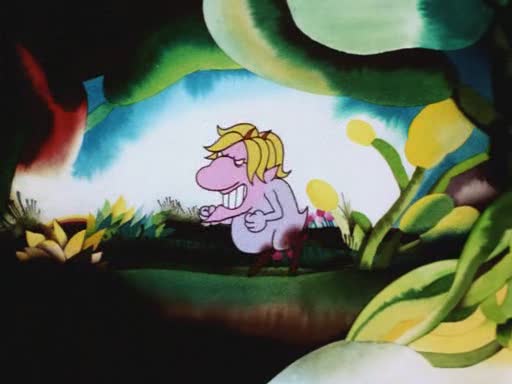
The old faun
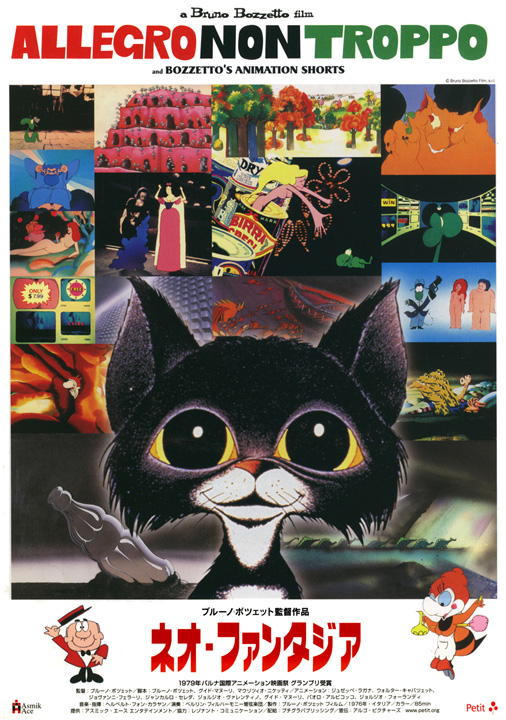
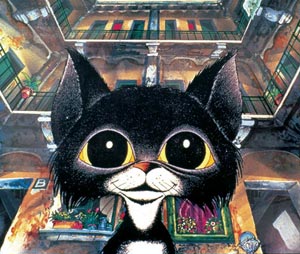
In musical terms, Allegro Non Troppo means fast tempo, but not too fast. So, I recently discovered that Allegro Non Troppo is one of many rare and obscure old movies which I am passionate about that can be found in its entirety on YouTube. I will include the YouTube link at the end of this post, and I sincerely recommend that if you have never seen this movie, you watch the whole thing at least once. No matter how many cringes or winces or blushes it causes, this is a movie of many bizarre parts that you really need to take in as a whole. It ranges from the ridiculous to the sublime, the atrociously ugly to the lyrically beautiful, from the brilliant classical score being played by a mistreated band of old ladies with orchestral instruments to a gorilla running amok, from Debussy to Ravel, from an artist released from his cage to single-handedly draw the animation, to a satire rich with baudy humor making fun of no less a work of animation than Prisney’s… I mean Disney’s Fantasia. The dark elements are there. The light-hearted, lilting comedy is there. The fairy tale delicacy and technicolor dreaming is all there.
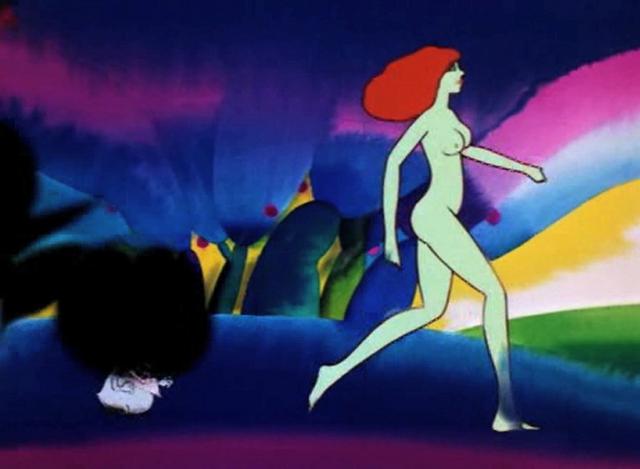
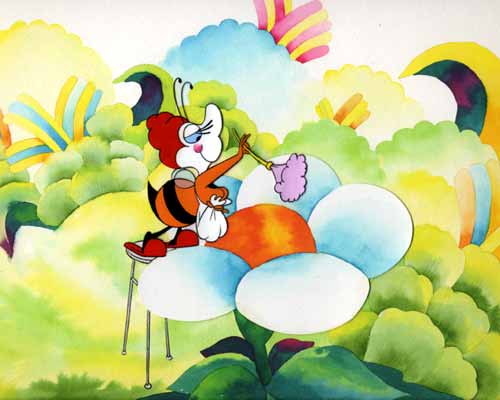
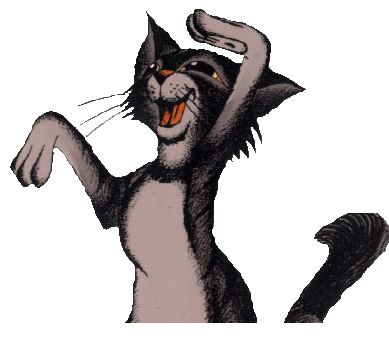
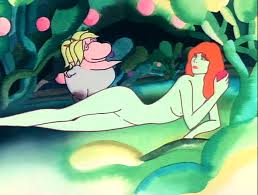
And why should this be important to me? Especially now that I am retired from a long and fruitful teaching career? Well, I have history with this movie. I saw it first in college. I was an English major, but I took every film as literature class I could fit into my silly schedule. As an undergrad, I was determined to be a cartoonist for a career. I took classes seriously and aced most of them, but I was at college to intellectually play around. I didn’t take the prescribed courses to be an English teacher. That had to wait for the more responsible me to come along in grad school for that. I saw both Fantasia and Allegro Non Troppo during one of the play-time years. Much as the old satyr in Claude Debussy’s Prélude à l’après-midi d’un faune, I was enamored with sensory experience. I took my first girlfriend to see Disney’s Fantasia, and she later turned down the opportunity to see Allegro Non Troppo with me. Good sense on her part, but the beginning of the end of our relationship. Just as Fantasia has the part in it where Stravinsky’s Rite of Spring describes evolution from the beginning of the Earth to the end of the dinosaurs, Allegro Non Troppo uses Ravel’s Bolero to describe the evolution of life on a weird planet from germs in a discarded Coke bottle to the inevitable coming of the malevolent monkey who is ultimately us. And, of course, the satire would not be complete without some off-set for Dukas’ The Sorcerer’s Apprentice. As near as I can figure it out, the apprentice, played by Mickey Mouse, becomes the snake from the Garden of Eden in Allegro Non Troppo. When the snake is unable to get Adam and Eve to eat the apple, he makes the mistake of eating the apple himself. He learns the hard way that, no matter how clever, even diabolically clever, you think you are, you are not really in control of anything in life. Every would-be wizard in the world has to understand that he is powerless without hard experience. And what a boring world full of naked people this would be if there were never any apprentices in it foolish enough to actually become wizards. Of course, I haven’t really talked about the most heart-twisting part of Allegro Non Troppo… the sad cat wandering the ruins of his former home, or the most laugh-aloud part with the super-tidy little lady-bee trying to eat a blossom, but being interrupted by a couple of picnickers.
But the thing is, this movie is a timely subject for me. Not only did I, just yesterday, rediscover it, but it still has the same meaning for me now as it did when I first saw it. Then I was an aspiring young artist who loved this movie because it approached ideas non-consecutively, just as I approached my learning years… rambling here and there, finding first a bitter-sweet something, and then a sad beauty behind everything in life. And it is where I am again now, in a poor-health enforced retirement… divorced from teacher’s schedules and time itself. Able to do as I please, and aspiring once again to commit great acts of art.








 J
J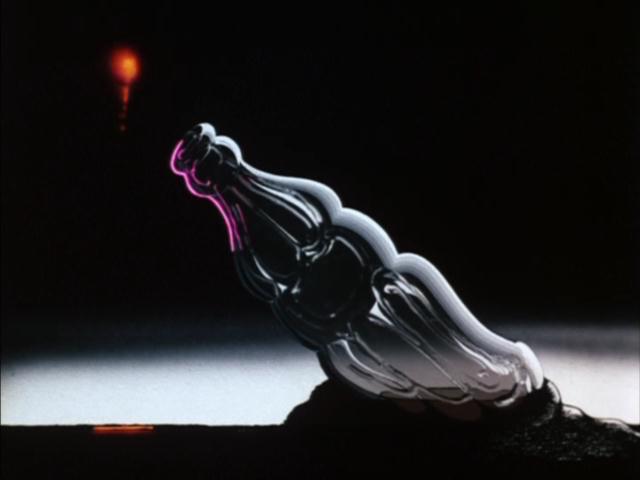
 Catch a Falling Star