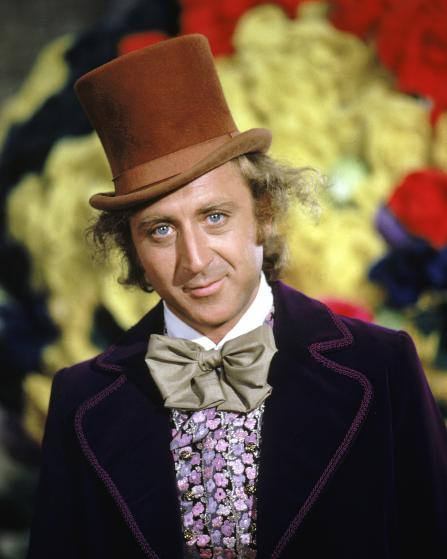
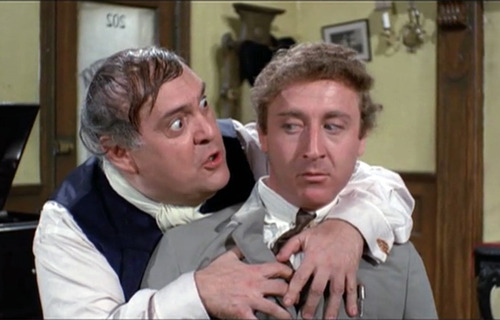
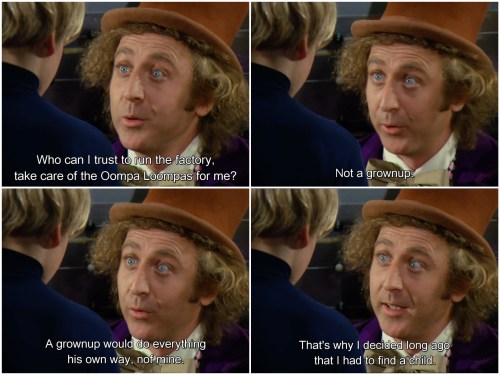
I’m going to miss him. I’m really going to miss him. I know he suffered from Alzheimer’s and hadn’t really done anything new and exciting in a while, but still, I always knew that he was still there. He was still Gene Wilder. Not only that, he was still Willy Wonka, still the Waco Kid from Blazing Saddles, still Dr. Frankenstein from Young Frankenstein, which he not only starred in, but wrote.
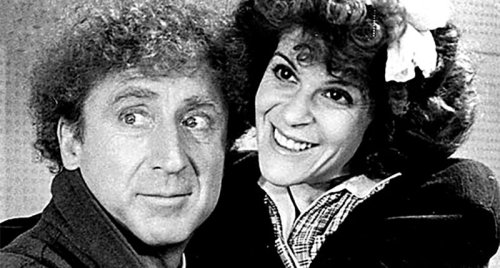
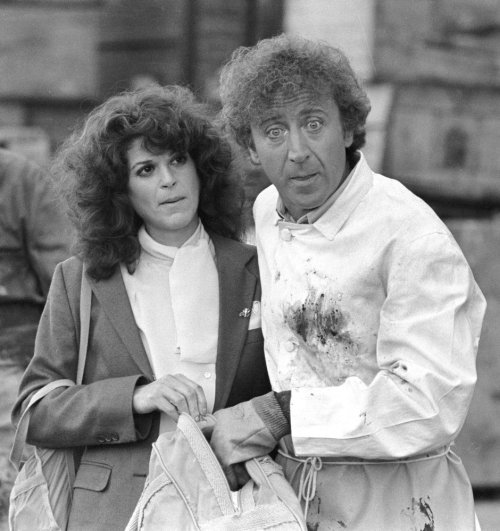
He was also Gilda Radner’s husband. The great love of his life, gone too as a victim of cancer back in 1989.
The first time I ever saw him on screen was in college, in film class. We watched Mel Brooks’ The Producers on the classroom projector.
We studied the movie in class as evidence that comedy films are difficult to make, but have a potential to be truly great film achievements. That same year, both Blazing Saddles and Young Frankenstein hit the big screens in Ames, Iowa. I saw and loved them both. Of course, I had watched the televised version of Willy Wonka and the Chocolate Factoryon Grandma Beyer’s color TV sometime before that.
Gene Wilder helped me see that I could live in a world of pure imagination. And that I could be whatever I truly wished to be.
Yes, I am saying the world I live in is a low-budget commercial movie made without literary or artistic pretensions. You know, the kind where movie makers learn their craft, taking big risks with smaller consequences, and making the world of their picture reflect their heart rather than the producer’s lust for money.
Mostly what I am talking about are the movies I remember from late-night Saturday TV in black and white (regardless of whether or not the movie was made in Technicolor) and the less-risky as well as more-likely-good Saturday matinees on Channel 3. Movies made in the 1950s, 1960s, and early 1970s. They were perfect, of course, for the forbidden Midnight Movie on the show called Gravesend Manor. I had to sneak downstairs to watch it on Saturday nights with the volume turned way down low. (Not that Mom and Dad didn’t know. Well, maybe they didn’t know how many of those I watched completely naked… maybe.)
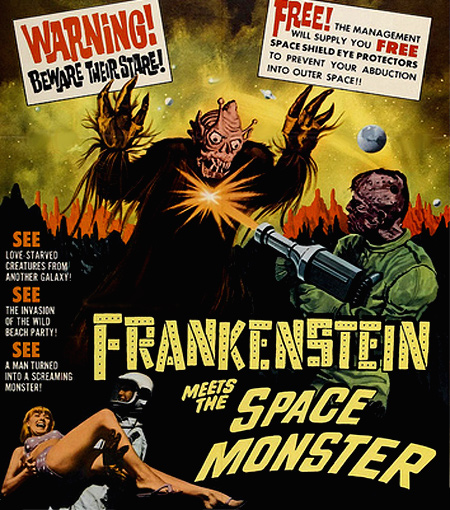
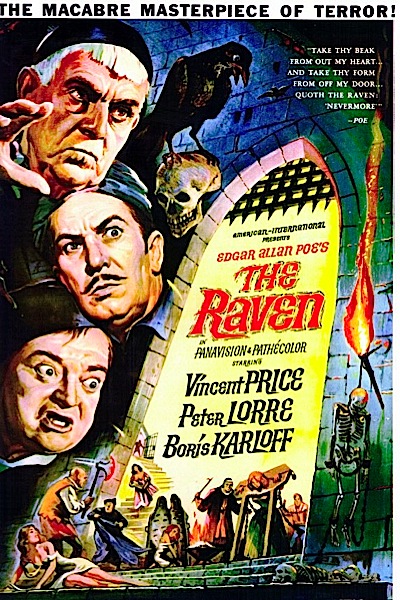
I watched this one when I was twelve, late night on an October Saturday. I had a bed-sheet with me to pull over my head at the scariest parts. Frankenstein was a crashed astronaut brought back to life by the magic of space radiation. He was uglier than sin, but still the hero of the movie, saving the Earth from invading guys in gorilla suits and scary masks (none of which looked like the movie poster.)
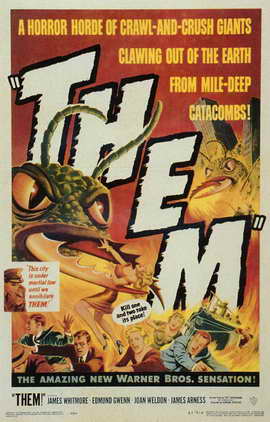
This one, starring James Whitmore, a really good B-Movie actor, was about giant ants coming up from the sewers and the underground to eat the city.
I would end up watching it again twenty years later when I was wearing clothes and not alone in the dark house lit only by a black-and-white TV screen.
I realized on the second viewing that it was actually a pretty good movie in spite of cheesy special effects. And I realized too that I had learned from James Whitmore’s hero character that, in times of crisis, you have to run towards the trouble rather than away from it, a thing that I used several times in my teaching career with fights and tornadoes and even rattlesnakes visiting the school campus looking to eat a seventh-grader or something (though it was a bad idea for the snake even if it had been successful.)
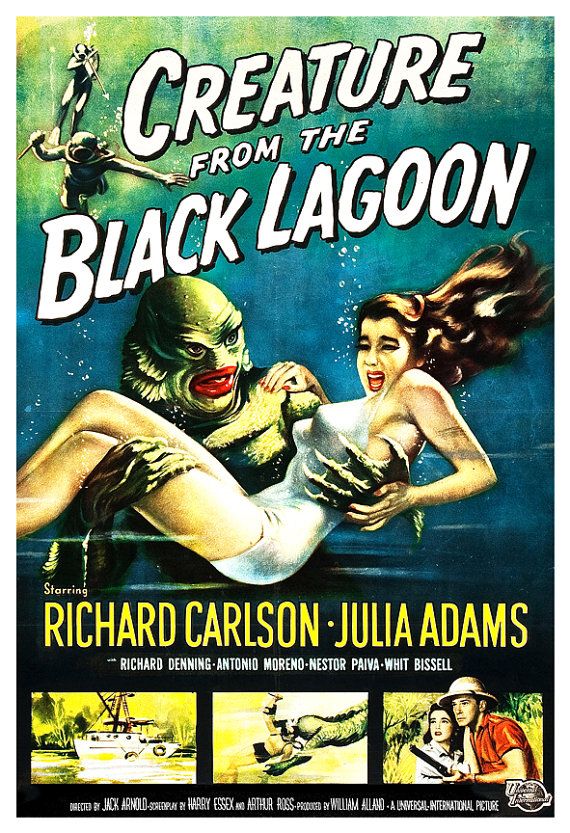
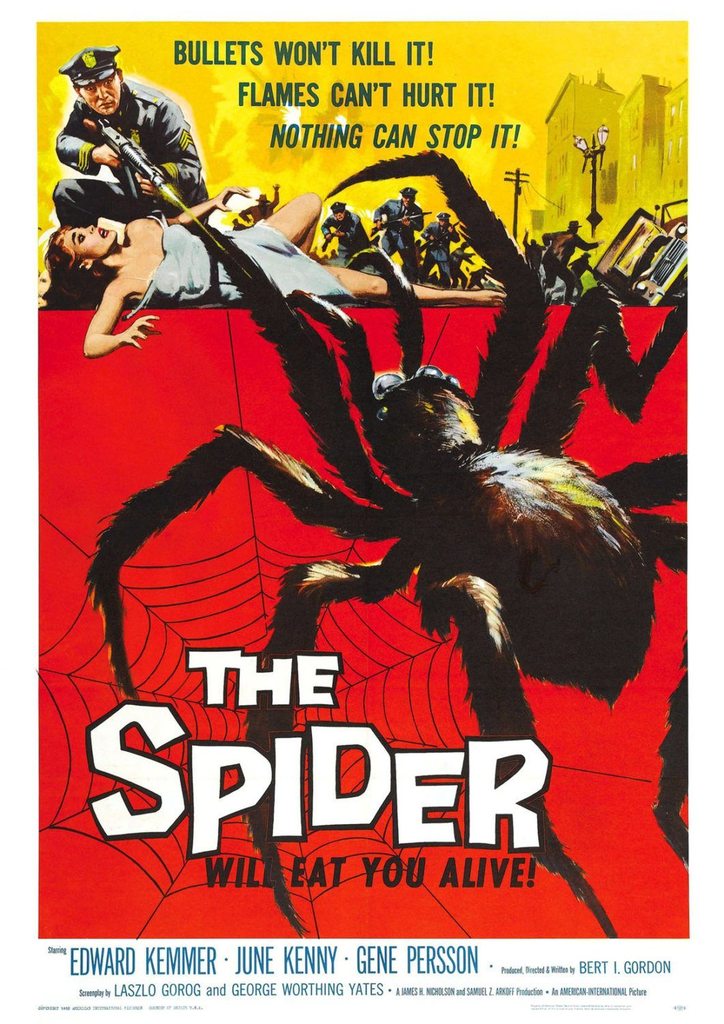
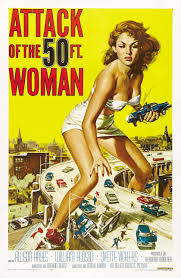
This one, of course, taught me that monsters liked to carry off pretty girls in bikinis. And not just on the poster, either. But it was the hero that got the girl, not the monster. This movie taught me that it sucks to be the monster. Though it also taught me that it was a good movie to take your pajamas off for and watch naked when you are thirteen.
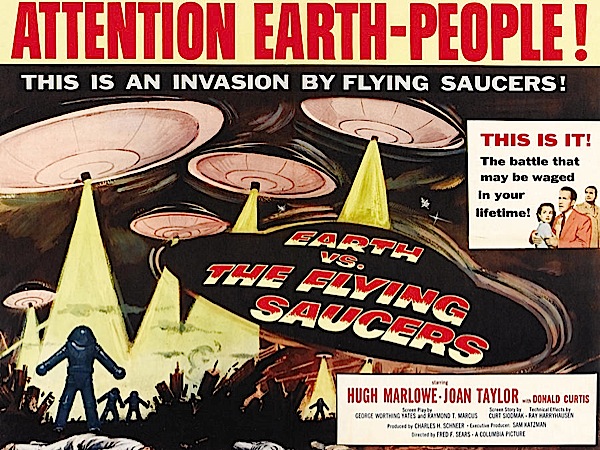
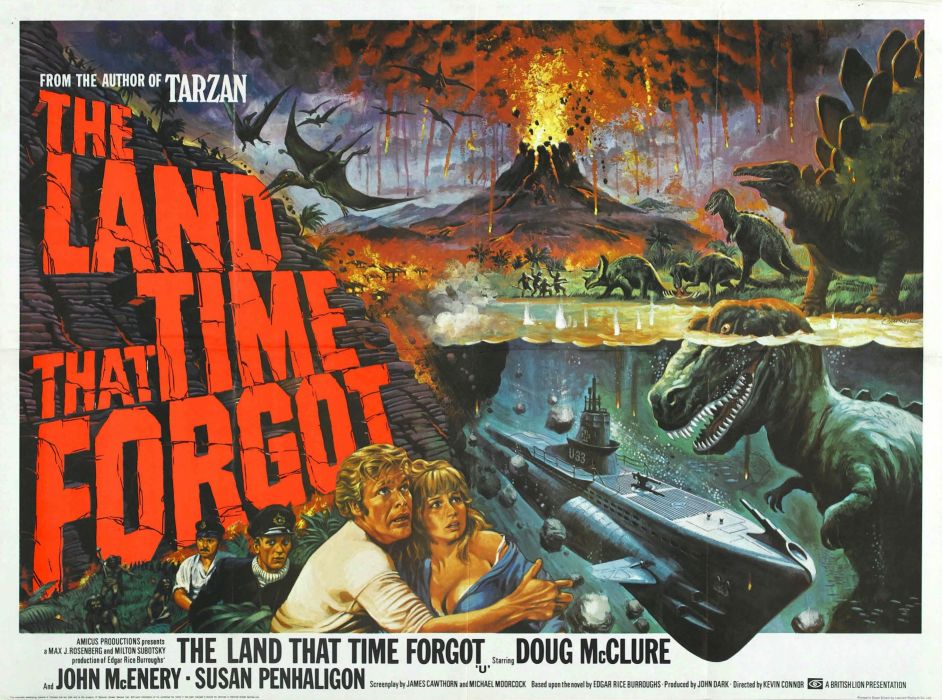
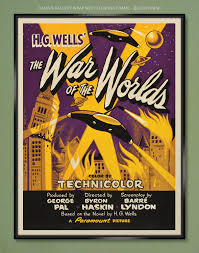
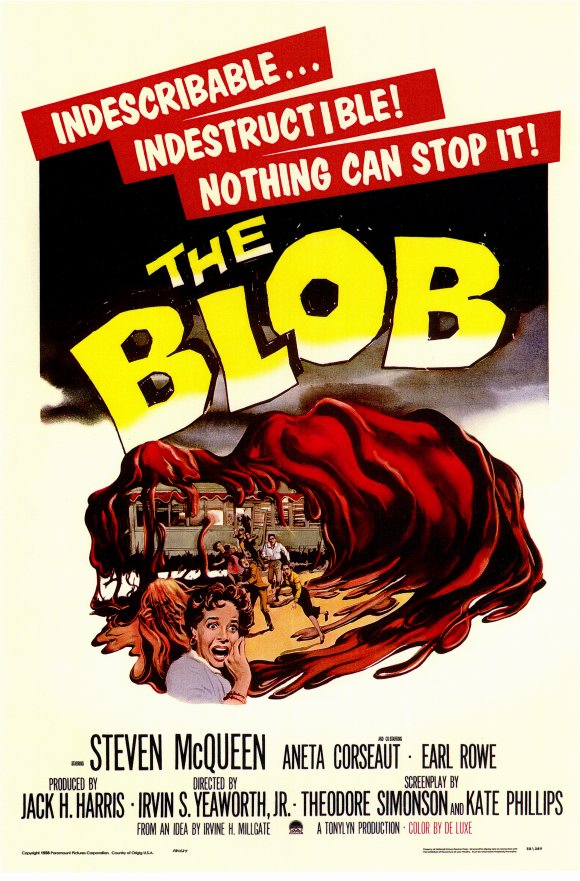
But not all B-movies had to be watched late night on Saturdays. This movie was one of the first ones that I got to go to the movie theater to see by myself. (My sisters and little brother were still too young and got nightmares too easily to see such a movie.) It came out when I was in my teens and Mom and Dad began thinking of me as an adult once… or even possibly twice in a month.
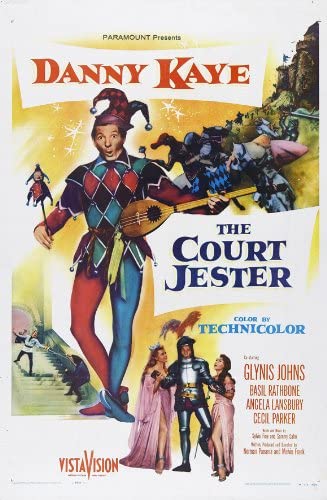
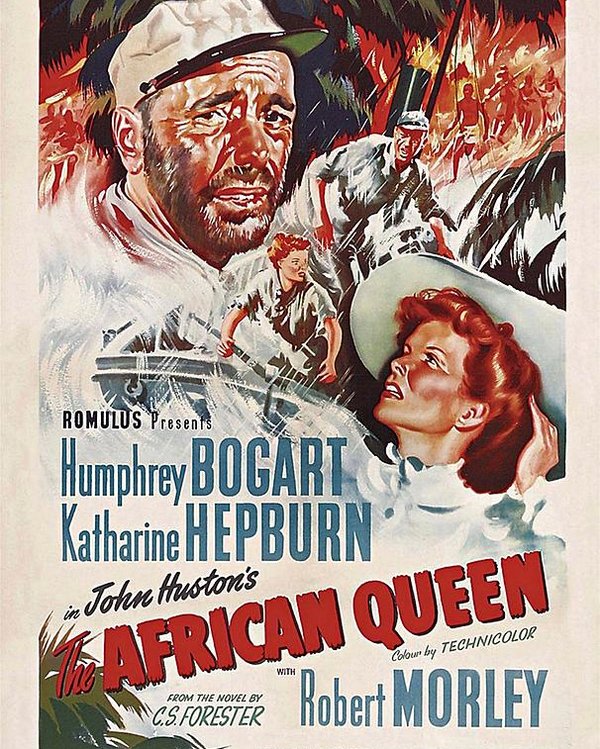
And not all B-movies were monster movies, gangster movies, and westerns. Some, like a lot of Danny Kaye’s movies, were movies my Dad and my grandparents were more than happy to watch with me. I saw this one in both black-and-white and color. And I learned from this that it was okay to take advantage of happy accidents, like a case of mistaken identity, and using your wits, your creative singing ability, and your inexplicable good luck to win the day for everybody but the bad guys armed only with your good sense of humor.
And some of the best movies I have ever seen, judging by what I learned about movies as literature from Professor Loring Silet in his Modern Film Class at Iowa State University, are by their nature B-movies.
I am using movie posters in this blog post only from movies I have personally seen. (And I admit that not all of them are strictly “good” movies according to Professor Silet, but I like them all.)
Feel free to tell me in the comments if you have seen any of these movies yourself. I am open to all opinions, comments, and confessions.
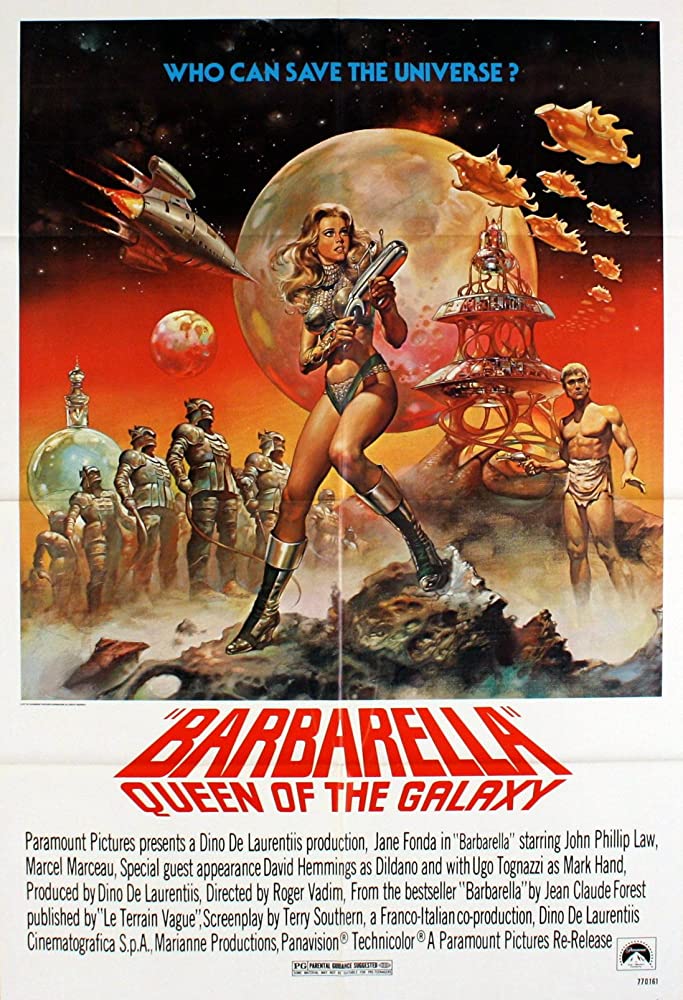
This one is based on Shakespeare’s The Tempest.
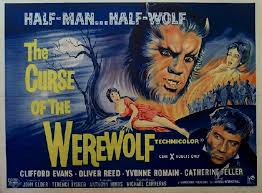
I saw this one in college. You had to be 18 at the time to even buy a ticket.
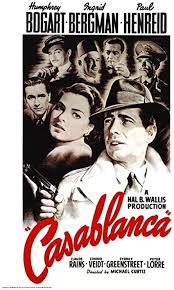
I actually think that this is one of the best movies ever made. It will always make my own personal top-ten list.
I live in a B-movie world. The production values around me are not the top-dollar ones. But the stories are entertaining. The real-life heroes still run towards the problem. And it still sucks to be the monster. But it has always been worth the price of the ticket. And during my time on Earth here, even in 2020, I plan on staying till the end of the picture. I go nowhere until I see the Best Boy’s name in the end credits. And maybe not even then.
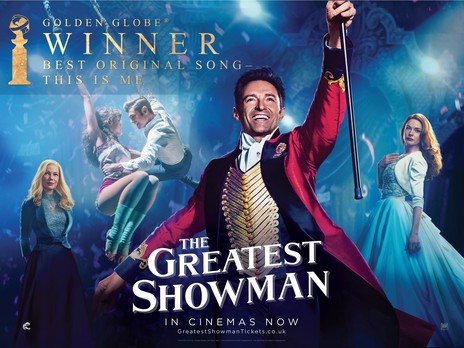
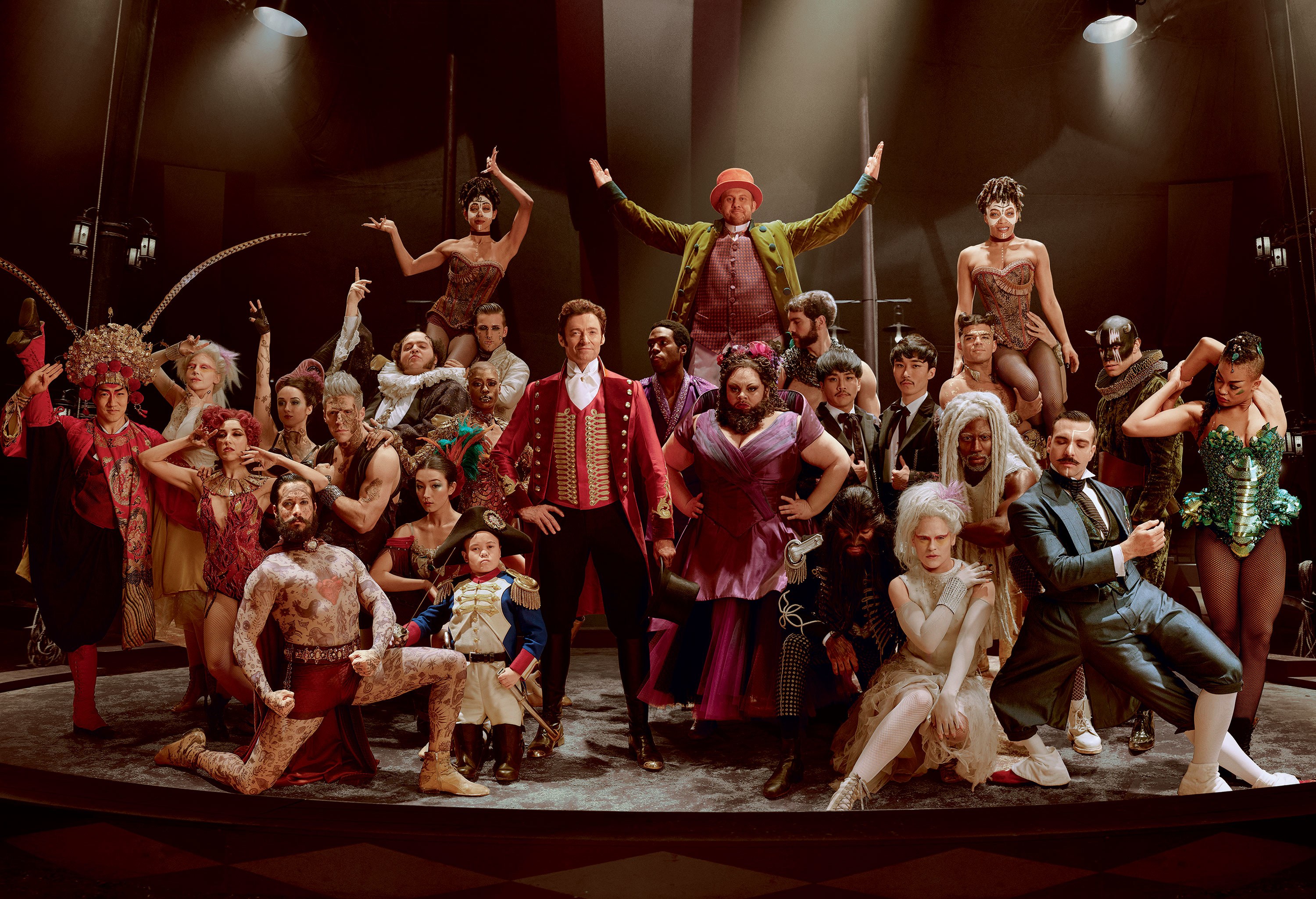
Last night my wife and my daughter the Princess went with me to the movie musical The Greatest Showman at the dollar movie. I was enchanted. My wife laughed at me for how much the movie made me cry. But it was a very touching and timely movie for me because it was about pursuing dreams in spite of economic hardships. The award-winning songs promote with energy and stunning beauty the notion that you should follow your passion no matter the risk, and that choosing to do so will produce rewards as long as family and love are with you and along for the ride.
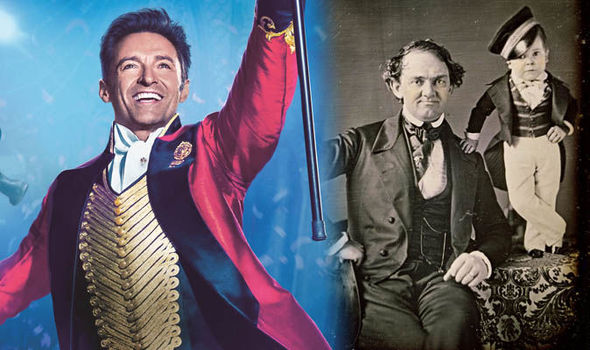
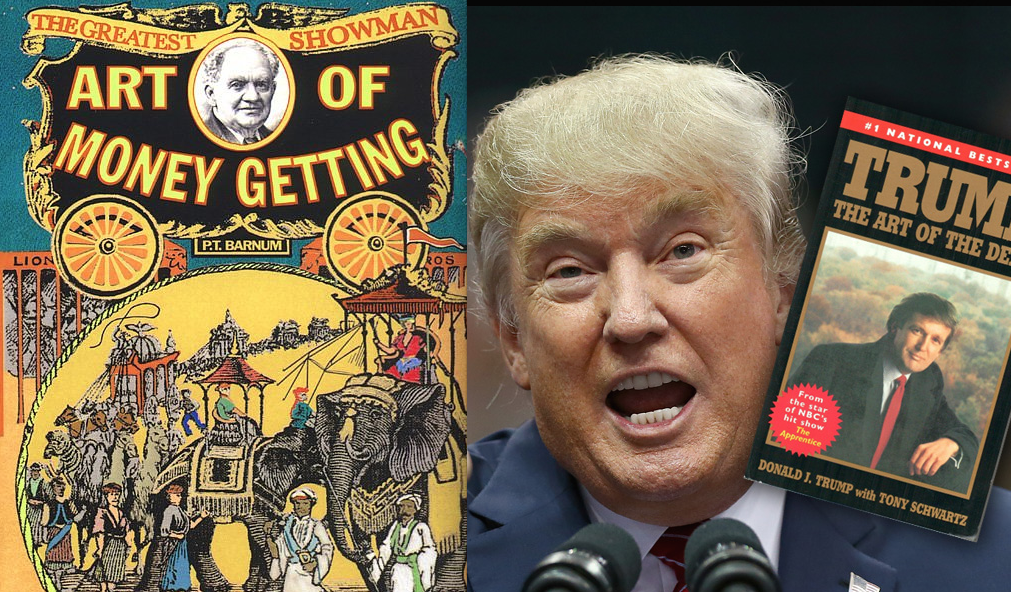
Of course, one has to remember that the whole story is based on the life and work of Phineas Taylor Barnum, a man who is a lot more like Donald Trump than he is Hugh Jackman. I really doubt he could sing and dance the way the movie portrays him. And words like “humbug”, “fraud”, and “exploiter” apply to him in a very real way.
Barnum was actually one of those wheeler dealers who wants to control the story. He actively found ways to alter the public narrative about himself and used criticism to help promote his money-making shows. The idea of bad publicity being just as good if not better than good publicity actually makes its presence felt in at least one scene in the movie. There is ample evidence that more than a little of Barnum’s efforts were aimed at making himself a star.
And although the movie sentimentalizes his exploitation of freaks and special individuals, giving him credit for giving them self esteem and a means to make a good living, that was really only the fictional Barnum created by Barnum’s own media efforts.
The truth of the matter, though far more fascinating than the movie version of Barnum, does not make for a good musical libretto. In the movie the theme of special people outcast from the society because of their uniqueness coming together to support each other in a circus is strongly woven into both the story and the music. The song “This is Me” performed by Keala Settle playing the part of bearded lady Lettie Lutz is a powerful anthem for everyone who feels smaller than they really are because of prejudice, bullying, racism, sexism, or any of the other forms of moronic stupidity that humans are so often guilty of. I have to admit, the song made me cry even as it filled me with joy. The musical score of this movie is one that I intend to listen to again and again and again. It makes the circus seem like an answer to life’s problems. It is the same feeling that I got the first time, and every time, I ever saw the circus with all its clowns and jugglers, acrobats and lion tamers, bare-back riders and elephants. And I knew it was all illusion. All humbug. But it was pure joy worth the price of the ticket never-the-less.
The movie was only rated 56% fresh on Rotten Tomatoes. But I rarely pay attention to things like that. This musical goes into the category with The Sound of Music, The Music Man, Oklahoma!,and Mary Poppins of musicals I can’t live without. Never mind the greedy little man that it is based on. This movie is about big dreams and even bigger achievements. And it is well worth the price.
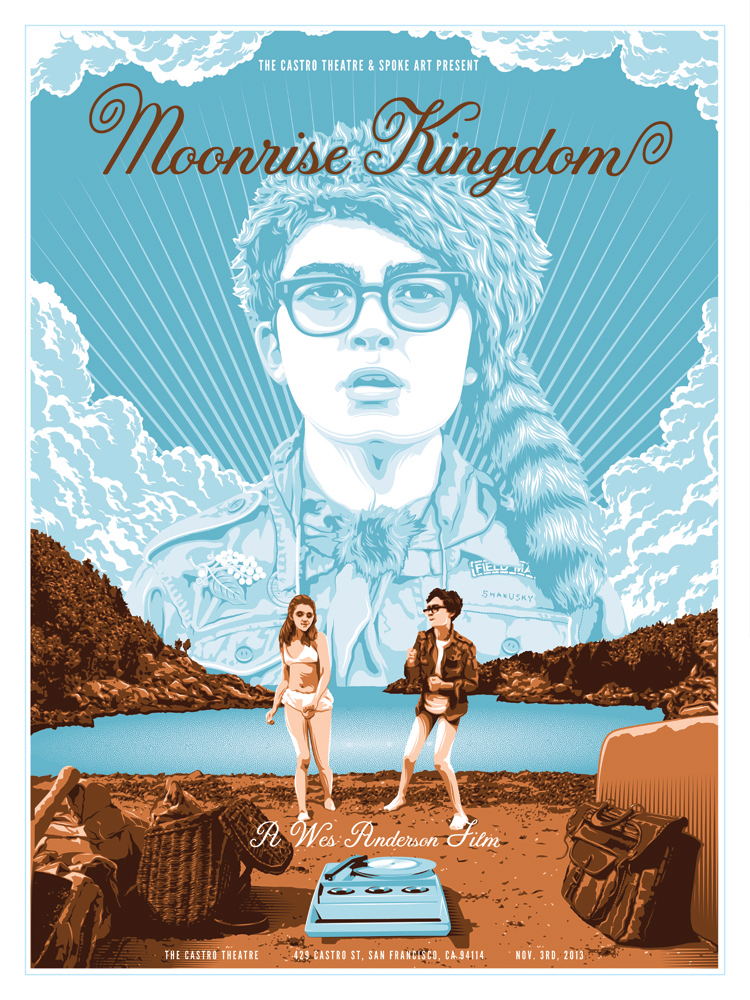
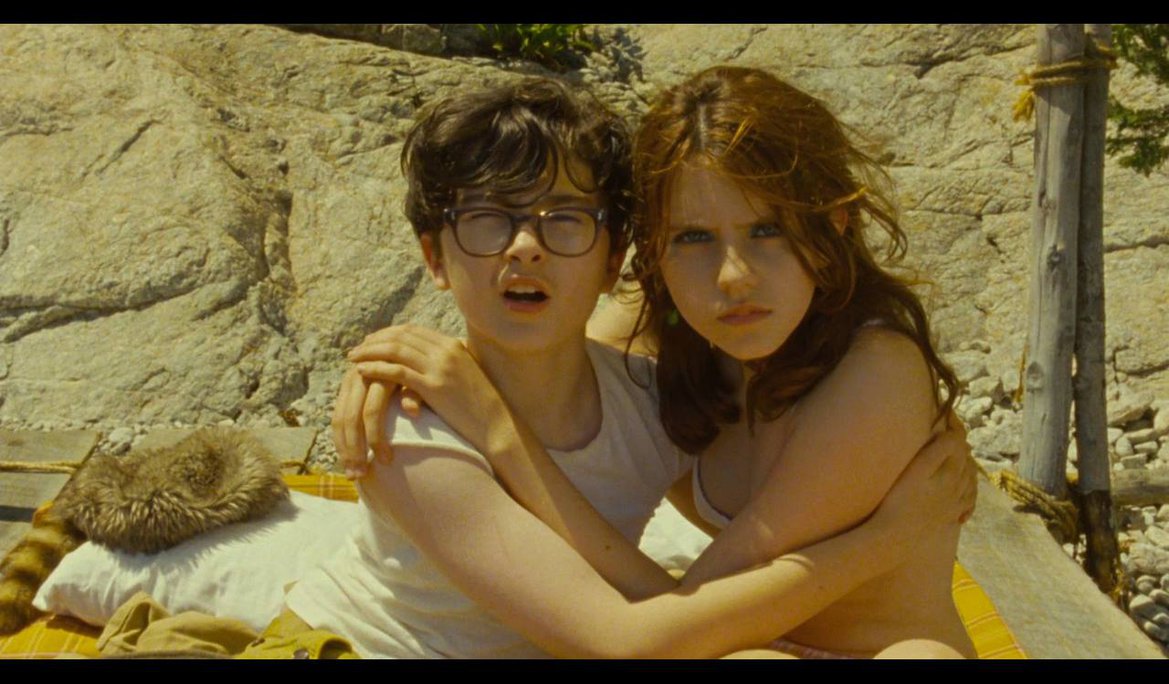
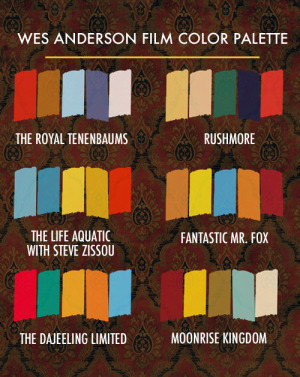
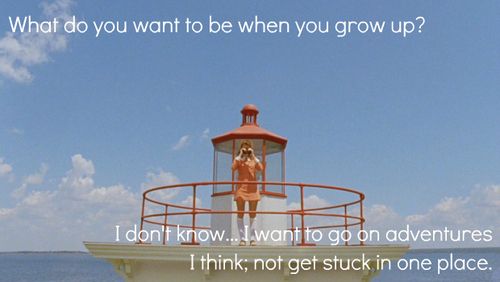
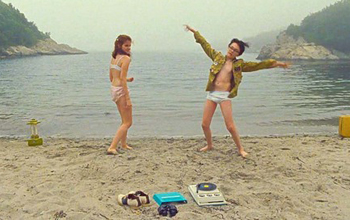
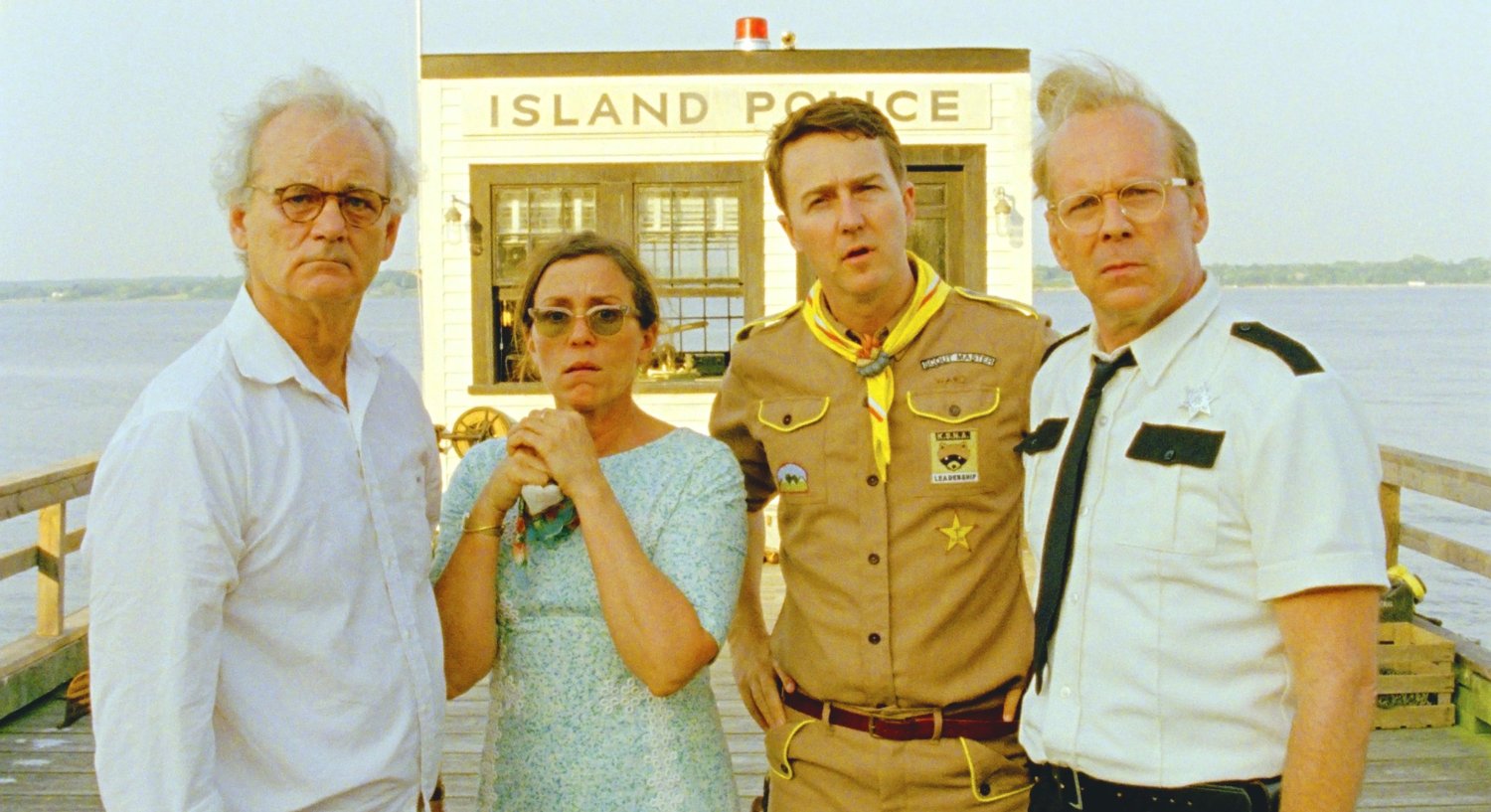
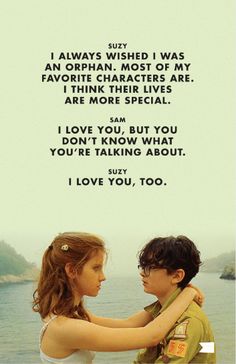
Yesterday was a weird day. If you looked carefully at the mental map I made of Mickey’s head the other day, you realize that Uncle Slappy’s Big Box of Weirdness occupies a key position in the top center. I had a traffic accident in the parking lot of Long Middle School yesterday morning, banging bumpers with a lady named Vilma. The sun was in my eyes, and she started to go, then suddenly stopped for no reason I could see. No damage was done to anything but my pride. My wife put her parents, Tatang and Inang, on an airplane yesterday bound for the Philippine Islands, going home for a visit. Afterwards, my wife was feeling mortal, betting me that she was going to die before me even though I have the head start of six incurable diseases and surviving cancer once already. There are no symptoms for her impending heart attack, so I will probably win that bet. But the point is, it was a weird time yesterday to stumble weirdly over a weird and wacky movie on Netflix called Moonrise Kingdom. It is a Romeo and Juliet sort of story about two twelve-year-olds who fall in love at first sight, and though their families try to keep them apart, they end up together. Thankfully it is not a Shakespearian Tragedy where everybody dies at the end, though Sam is struck by lightning and the big storm nearly drowns all the boy scouts. It is more like a Shakespearian Comedy where everybody gets married at the end, though the twelve-year-olds don’t get married at the end… rather, they are married by the middle.
Wes Anderson is the genius director behind movies like;
None of which I have seen, but now have to watch ALL of them sooner or later. Kinda like the mad quest to see every Tim Burton movie ever made. I am one of the few idiots out there who think Dark Shadows was a truly wonderful movie, and along with Edward Scissor-hands, one of the finest things Johnny Depp has ever done.
In Moonrise Kingdom Anderson uses tracking shots at the beginning that shift quickly from one room to the next in a way that invokes an old-time slide show. The story is set in 1965 in Maine, and is filled with all kinds of iconic references to things we 60’s kids all vividly recall.
The movie also tells the love story of Sam and Suzy with a painter’s sense of iconic pictures that focus you on important plot points and themes.
And there are numerous quotable bits that make the movie what we teachers refer to as a text-rich environment, complete with phony kids’ books and maps and notes.
The all-star cast is pretty good, too.
This is now one of my new favorite movies. It is a happy-ending-type fairy tale with no fairies in it. It is full of ineffectual and incompetent adults who have rules of behavior like grown-ups and motivations like goofy kids… just like real life. The plot is driven by the notion that anything you do in life is a mistake, and mistakes have consequences, but you have to do them anyway because, well… that’s life.
Am I telling you that you should watch this movie too? Well, you should… but, no. I am simply gushing about this quirky movie because I like it, and yesterday was a very weird day.
Life is making music. We hum, we sing to ourselves, movie music plays in our head as the soundtrack to our daily life. At least, it does if we stop for a moment and dare to listen. We make music in many different ways. Some play guitar. Some are piano players. And some of us are only player pianos. Some of us make music by writing a themed paragraph like this one. Others make an engine sing in the automotive shop. Still others plant gardens and make flowers or tomatoes grow. I chose teaching kids to read and write. The music still swells in my ears four years after retiring.
The 1995 movie, Mr. Holland’s Opus, is about a musician who thinks he is going to write a magnificent classical orchestra opus while teaching music at a public high school to bring in money and allow him time to compose and be with his young wife as they start a new family.
But teaching is not, of course, what he thought it was. He has to learn the hard way that it is not an easy thing to open up the closed little clam shells that are the minds of students and put music in. You have to learn who they are as people first. You have to learn to care about what goes on in their lives, and how the world around them makes them feel… and react to what you have to teach. Mr. Holland has to learn to pull them into music appreciation using rock and roll and music they like to listen to, teaching them to understand the sparkles and beats and elements that make it up and can be found in all music throughout their lives. They can even begin to find those things in classical music, and appreciate why it has taken hold of our attention for centuries.
And teaching is not easy. You have to make sacrifices. Big dreams, such as a magnum opus called “An American Symphony”, have to be put on the shelf until later. You have children, and you find that parenting isn’t easy either. Mr. Holland’s son is deaf and can never actually hear the music that his father writes from the center of his soul. And the issue of the importance of what you have to teach becomes something you have to fight for. Budget cuts and lack of funding cripples teachers in every field, especially if you teach the arts. Principals don’t often appreciate the value of the life lessons you have to give. Being in high school band doesn’t get you a high paying job later.
But in the end, at the climax of the movie, the students all come back to honor Mr. Holland. They provide a public performance of his magnum opus, his life’s work. And the movie ends with a feeling that it was all worth it, because what he built was eternal, and will be there long after the last note of his music is completely forgotten. It is in the lives and loves and memories of his students, and they will pass it on.
But this post isn’t a movie review. This post is about my movie, my music. I was a teacher in the same way Mr. Holland was. I learned the same lessons about being a teacher as he did. I had the same struggles to learn to reach kids. And my Mr. Holland moment wasn’t anywhere near as big and as loud as Mr. Holland’s. His was performed on a stage in front of the whole school and alumni. His won Richard Dreyfus an Academy Award for Best Actor. But his was only fictional.
Mine was real. It happened in a portable building on the Naaman Forest High School campus. The students and the teacher in the classroom next door threw a surprise party for me. They made a lot of food to share, almost all of which I couldn’t eat because of diabetes. And they told me how much they would miss me, and that they would never forget me. And I had promised myself I would never cry about having to retire. But I broke my promise. In fact, I am crying now ten years later. But they are not tears of sadness. My masterwork has now reached its last, bitter-sweet notes. The crescendos have all faded. But the music of our lives will still keep playing. And not even death can silence it completely.
Yes, I am saying the world I live in is a low-budget commercial movie made without literary or artistic pretensions. You know, the kind where movie makers learn their craft, taking big risks with smaller consequences, and making the world of their picture reflect their heart rather than the producer’s lust for money.
Mostly what I am talking about are the movies I remember from late-night Saturday TV in black and white (regardless of whether or not the movie was made in Technicolor) and the less-risky as well as more-likely-good Saturday matinees on Channel 3. Movies made in the 1950s, 1960s, and early 1970s. They were perfect, of course, for the forbidden Midnight Movie on the show called Gravesend Manor. I had to sneak downstairs to watch it on Saturday nights with the volume turned way down low. (Not that Mom and Dad didn’t know. Well, maybe they didn’t know how many of those I watched completely naked… maybe.)
I watched this one when I was twelve, late night on an October Saturday. I had a bed-sheet with me to pull over my head at the scariest parts. Frankenstein was a crashed astronaut brought back to life by the magic of space radiation. He was uglier than sin, but still the hero of the movie, saving the Earth from invading guys in gorilla suits and scary masks (none of which looked like the movie poster.)
This one, starring James Whitmore, a really good B-Movie actor, was about giant ants coming up from the sewers and the underground to eat the city.
I would end up watching it again twenty years later when I was wearing clothes and not alone in the dark house lit only by a black-and-white TV screen.
I realized on the second viewing that it was actually a pretty good movie in spite of cheesy special effects. And I realized too that I had learned from James Whitmore’s hero character that, in times of crisis, you have to run towards the trouble rather than away from it, a thing that I used several times in my teaching career with fights and tornadoes and even rattlesnakes visiting the school campus looking to eat a seventh-grader or something (though it was a bad idea for the snake even if it had been successful.)
This one, of course, taught me that monsters liked to carry off pretty girls in bikinis. And not just on the poster, either. But it was the hero that got the girl, not the monster. This movie taught me that it sucks to be the monster. Though it also taught me that it was a good movie to take your pajamas off for and watch naked when you are thirteen.
But not all B-movies had to be watched late night on Saturdays. This movie was one of the first ones that I got to go to the movie theater to see by myself. (My sisters and little brother were still too young and got nightmares too easily to see such a movie.) It came out when I was in my teens and Mom and Dad began thinking of me as an adult once… or even possibly twice in a month.
And not all B-movies were monster movies, gangster movies, and westerns. Some, like a lot of Danny Kaye’s movies, were movies my Dad and my grandparents were more than happy to watch with me. I saw this one in both black-and-white and color. And I learned from this that it was okay to take advantage of happy accidents, like a case of mistaken identity, and using your wits, your creative singing ability, and your inexplicable good luck to win the day for everybody but the bad guys armed only with your good sense of humor.
And some of the best movies I have ever seen, judging by what I learned about movies as literature from Professor Loring Silet in his Modern Film Class at Iowa State University, are by their nature B-movies.
I am using movie posters in this blog post only from movies I have personally seen. (And I admit that not all of them are strictly “good” movies according to Professor Silet, but I like them all.)
Feel free to tell me in the comments if you have seen any of these movies yourself. I am open to all opinions, comments, and confessions.
This one is based on Shakespeare’s The Tempest.
I saw this one in college. You had to be 18 at the time to even buy a ticket.
I actually think that this is one of the best movies ever made. It will always make my own personal top-ten list.
I live in a B-movie world. The production values around me are not the top-dollar ones. But the stories are entertaining. The real-life heroes still run towards the problem. And it still sucks to be the monster. But it has always been worth the price of the ticket. And during my time on Earth here, even in 2020, I plan on staying till the end of the picture. I go nowhere until I see the Best Boy’s name in the end credits. And maybe not even then.
In my short, sweet sixty years of life, I have probably seen more than my share of movies. I have seen classic movies, black-and-white movies, cartoon movies, Humphrey Bogart movies, epic movies, science fiction movies, PeeWee Herman movies, Disney movies, Oscar-winning movies, and endless box-office stinkers. But in all of that, one of the most undeniable threads of all is that movies make me cry. In fact they make me cry so often it is a miracle that even a drop of moisture remains in my body. I should be a dried-out husk by now.
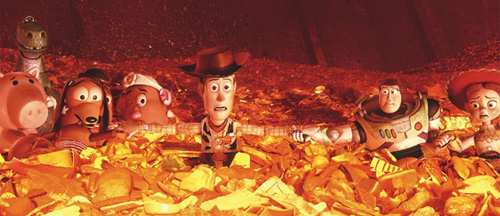
I wept horribly during this scene. Did you?
And the thing is, people make fun of you when you cry at movies. Especially cartoon movies like Scooby Doo on Zombie Island. (But I claim I was laughing so hard it brought tears to my eyes. That’s the truth, dear sister. So stop laughing at me.) But I would like to put forth another “Why do you think that?” notion. People who cry while watching a movie are stronger and more powerful than the people who laugh at them for crying. A self-serving thesis if ever there was one.
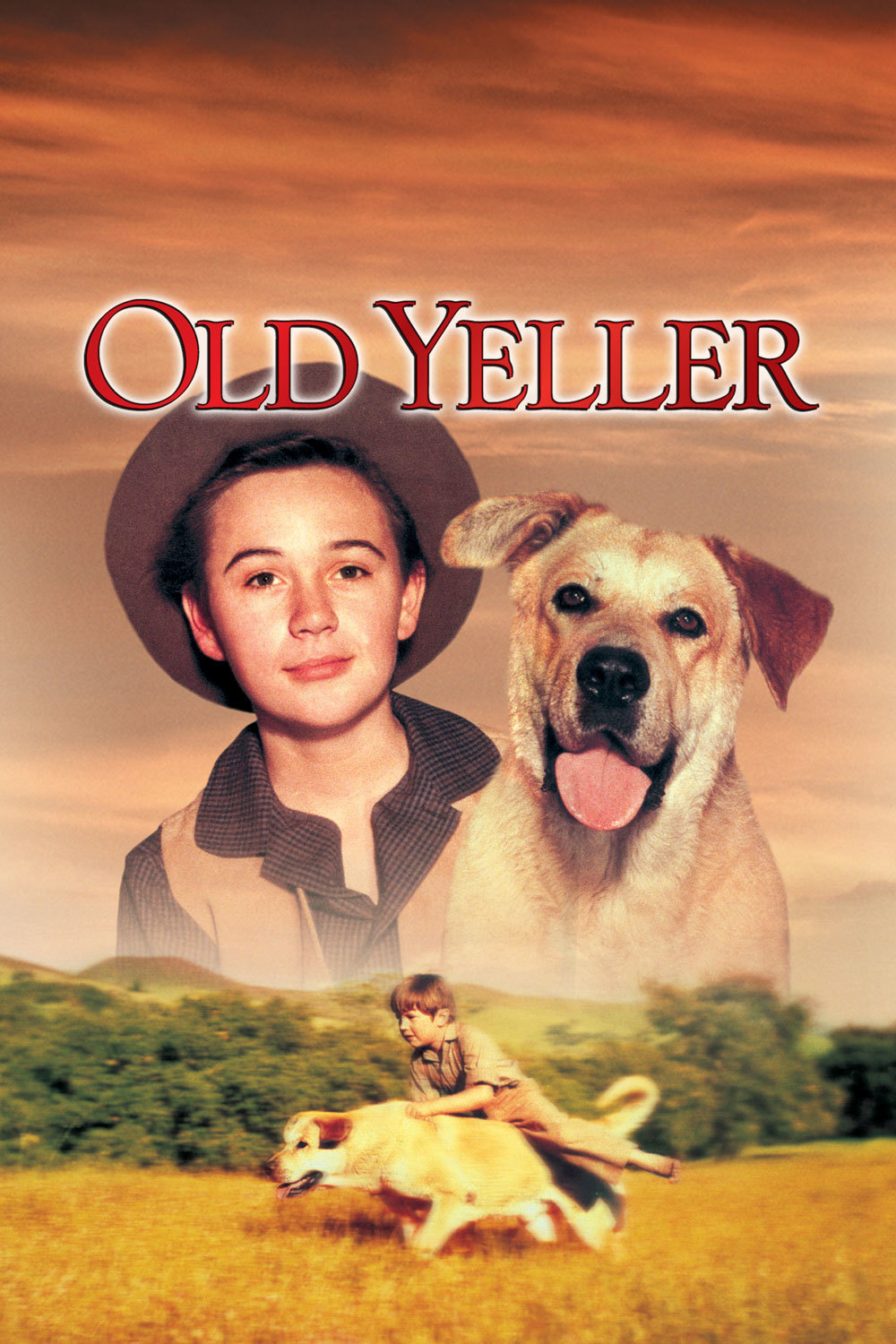
Movies can make you cry if you have the ability to feel empathy. We all know this. Old Yelleris the story of a dog who endears himself to a prairie farm family, saves Travis’s life at one point, and then gets infected with rabies and has to be put down. Dang! No dry eyes at the end of that one. Because everyone has encountered a dog and loyal dog-love somewhere along the line. And a ten-year-old dog is an old dog. The dogs you knew as a child helped you deal with mortality because invariably, no matter how much you loved them, dogs demonstrate what it means to die. Trixie and Scamper were both hit by cars. Queenie, Grampa’s collie, died of old age. Jiggs the Boston Terrier died of heat stroke one summer. You remember the pain of loss, and the story brings it all back.
Only psychopaths don’t feel empathy to some degree. Think about how you would feel if you were watching Old Yeller and somebody you were watching with started laughing when Travis pulls the trigger on the shotgun. Now, there’s a Stephen King sort of character.
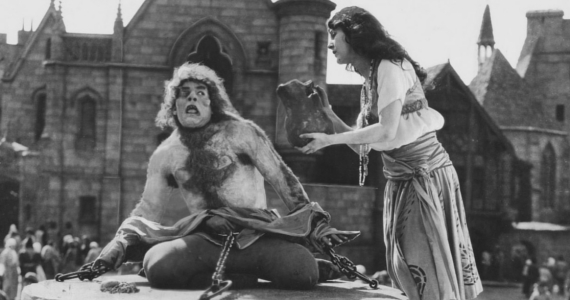
But I think I can defend having lots of empathy as a reason for crying a river of tears during Disney’s The Hunchback of Notre Dame. You see, identifying with Quasimodo as the main character, hoping for what he hopes for, feeling like a monster and completely unloved, and fearing what he fears connect you to the story in ways that completely immerses you in the experience. This is basically a monster movie.
But the film puts you inside the head of the malformed man, and you realize that he is not the monster. Righteous Judge Frollo and the people who mistreat Quasimodo for his deformity of outward appearance are the real monsters. If you don’t cry a river of tears because of this story, then you have not learned the essential truth of Quasimodo. When we judge others harshly, we are really judging ourselves. In order to stop being monstrous, and be truly human, you must look inside the ugliness as Esmeralda does to see the heroic beauty inside others. Sometimes the ideas themselves are so powerful they make me weep. That’s when my sister and my wife look at me and shake their heads because tears are shooting out of me like a fountain, raining wetness two or three seats in every direction. But I believe I am a wiser man, a more resolved man, and ultimately a better man because I was not afraid to let a movie make me cry.
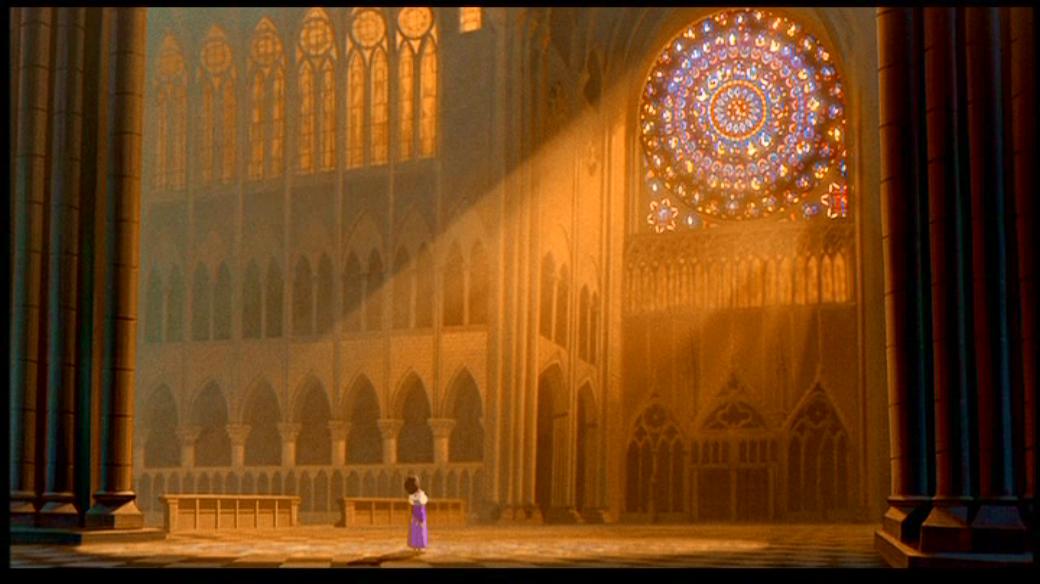
The music also helps to tell the story in ways that move my very soul to tears. Notice how the heroine walks the opposite way to the rest of the crowd. As they sing of what they desire, what they ask God to grant, she asks for nothing for herself. She shows empathy in every verse, asking only for help for others. And she alone walks to the light from the stained glass window. She alone is talking to God.
Yes, I am not embarrassed by the fact that movies make me cry. In fact, I should probably be proud that movies and stories and connections to other people, which they bring me, makes me feel it so deeply I cry. Maybe I am a sissy and a wimp. Maybe I deserved to be laughed at all those times for crying during the movie. But, hey, I’ll take the laughter. I am not above it. I am trying to be a humorist after all.
When I was a boy, the Western reigned supreme on both television and in the movie theaters. Part of the benefit of that was being indoctrinated with “the Cowboy Way” which was a system of high ideals and morality that no longer exists, and in fact, never did exist outside of the imaginations of little boys in the 1950’s and 1960’s. We learned that good guys wore white hats and bad guys wore black. You only won the shootout if you shot the bad guy and you didn’t draw your gun first.
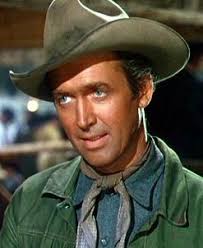
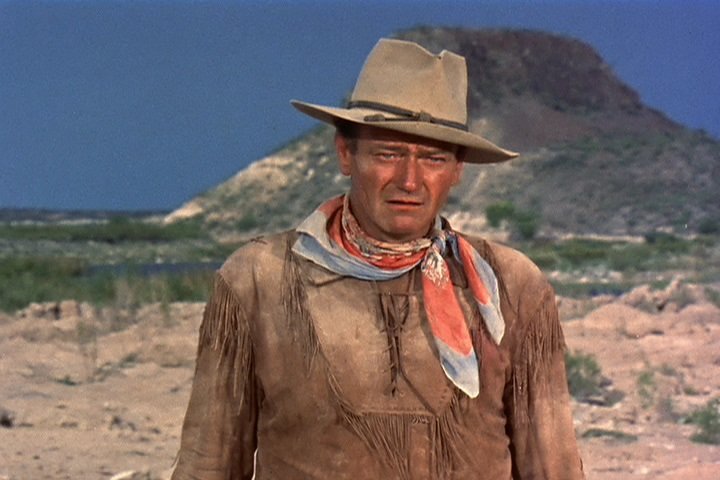
Of course, the cowboys who were the “White Knights of the Great Plains” we worshiped as six-year-olds and the singing cowboys on TV were not the same ones we watched when we were more mature young men of ten to twelve. John Wayne starring in Hondo (after the book by Louis L’Amour) was more complicated than that, and we learned new things about the compromises you make in the name of survival and trying to do things the best way you can. From Jimmy Stewart and John Wayne in The Man Who Shot Liberty Valence we began to see that sometimes you shot the villain in the back from down the street to save your simple friend from the gunfight in the street when he was too naive and green to win.
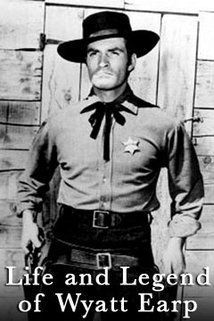
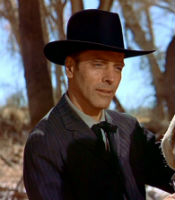
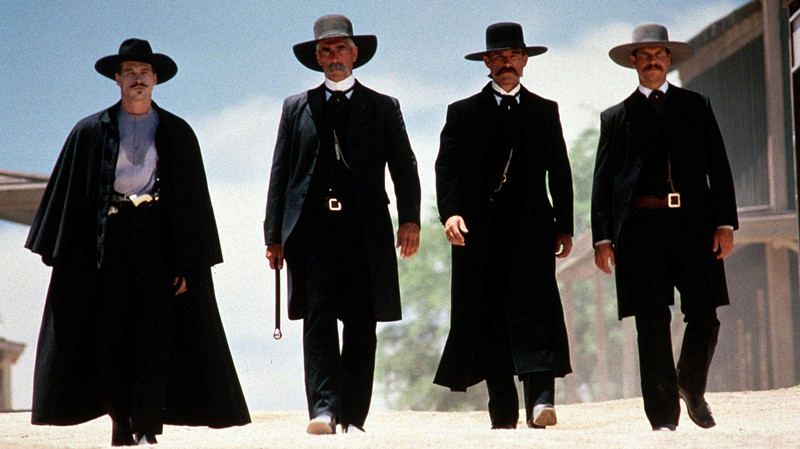
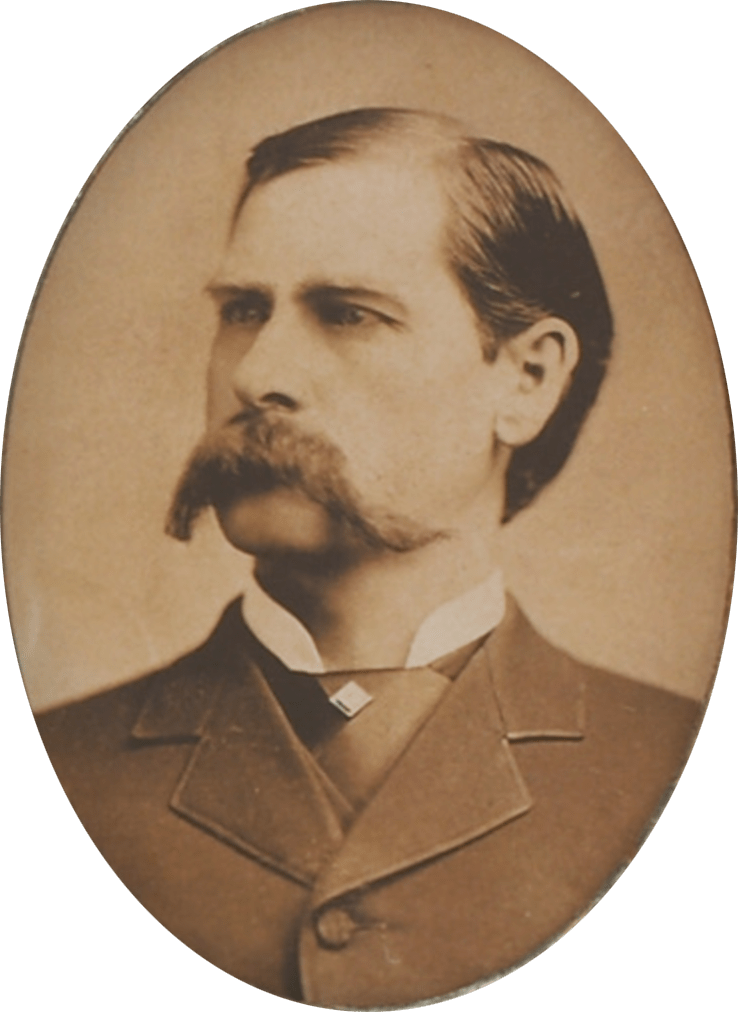
Wyatt Earp at the OK Corral was the white hat we wanted desperately to be when we grew up. And then I saw on PBS in the late 60’s a documentary about the real shootout and the real compromises and consequences of the thing we once thought was so clearly good versus evil.
Wyatt went from the TV hero,
To the mostly moral man fighting what seemed like lawlessness,
To a morally ambiguous angel of death, winning on luck and guts rather than righteousness, and paying evil with vengeance while suffering the same himself from those dirty amoral cowboys, sometimes good, but mostly not.
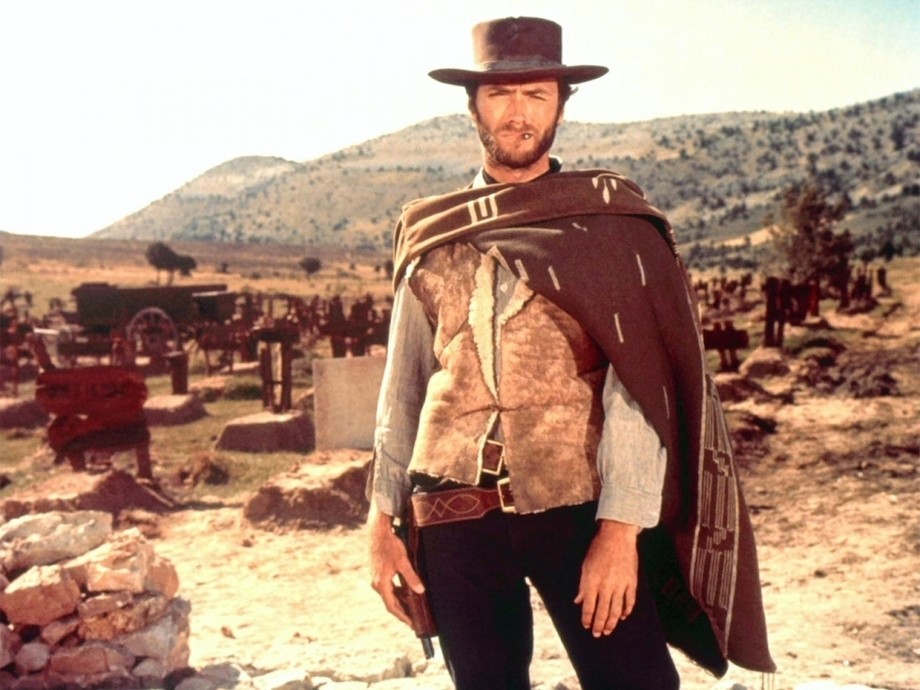
And then along came Clint and “the Man with No Name”. More ambiguous and hard to fathom still…
Who really was The Good, the Bad, and the Ugly? What made any one of them worse than the other two? You need to listen to the music before you decide. We are all of us good, bad, and ugly at times. And all of it can be made beautiful at the end with the right theme music behind it. Did we ever learn anything of real value from cowboy movies? Of course we did. They made us who we are today. They gave us the underpinnings of our person-hood. So, why do they not make them anymore? The video essay at the end of my wordiness has answers. But basically, we grew up and didn’t need them anymore. And children and youths of today have different heroes. Heroes who are heroic without shootouts and letting the bad guy draw his gun first. Ideally, heroes who are us.
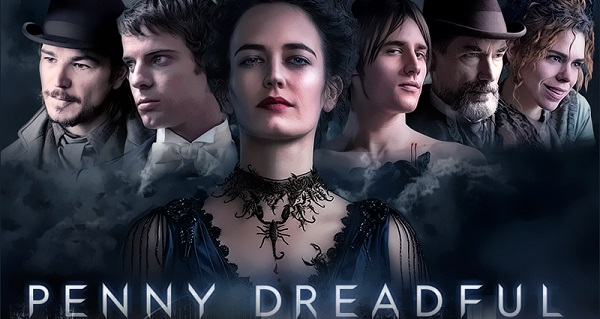
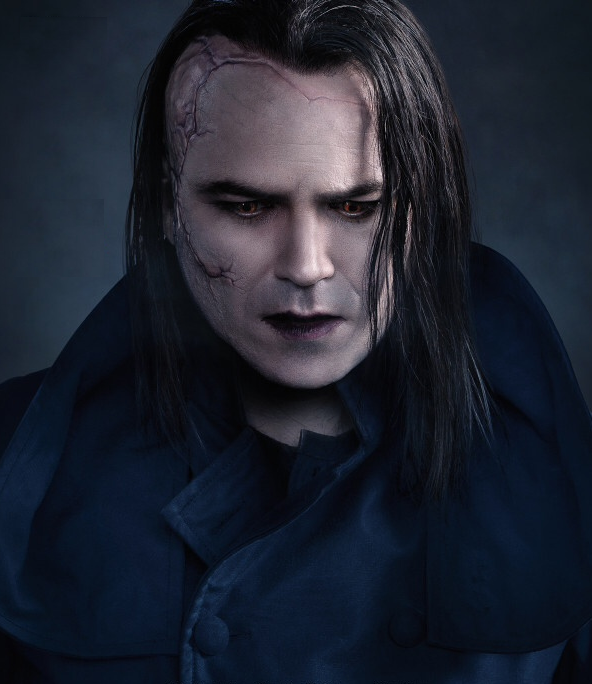
I confess to binge-watching the show Penny Dreadful, all three seasons on Netflix. Good God! What was I thinking? It is everything that I cringe about in movies. Blood and gore. Gratuitous sex and debauchery. I almost gave up and stopped watching when the Creature came bursting through the chest of Dr. Frankenstein’s latest creation. And yet for a monster to be introduced to the series in such a way, and then to become the one character that strives hardest for redemption… I was hooked.
Sin and redemption is the major theme of the whole series. And each character strives so painfully for redemption that you cannot help but love them… even though they are monsters.
You see, I, like all other people, am aware that one day, sooner than I would like, I will die and live no more. And life, though filled with heartache and suffering and regret, is a priceless treasure to be guarded for as long as I can hold onto it. There is poetry in that condition. The greatest beauty that can be beheld is soon to pass away into ugliness. The candle flame lights the darkness briefly and then is gone.
The story is built from Victorian era literature and includes Mary Shelly’s Dr. Victor Frankenstein, Oscar Wilde’s Dorian Gray, Bram Stoker’s Dracula, a couple of werewolves, numerous witches, demons, Robert Louis Stevenson’s Dr. Jekyll, and a character named Lord Malcom Murray who is obviously based on the African explorer Allan Quartermain from King Solomon’s Mines by H.Rider Haggard.
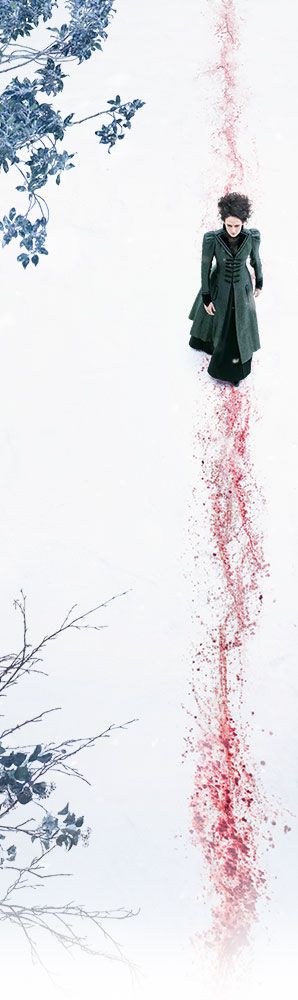
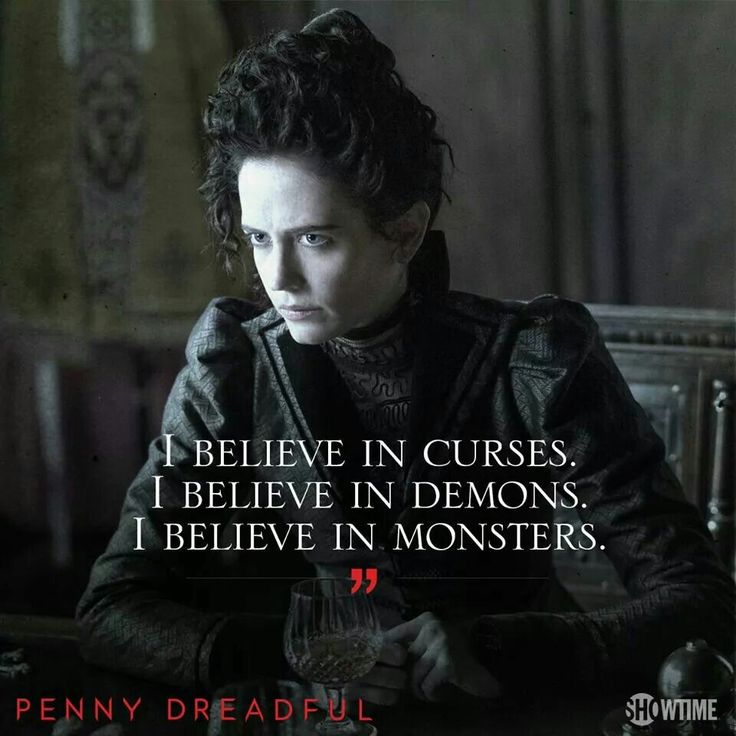
The characters all do a lot of suffering and striving. Friendships are formed and made blood-and-family deep by shared adventures and brushes with pure evil and death. The main character, Vanessa Ives, is variously possessed by a demon, courted by Lucifer, hunted by witches, and then seduced by Dracula. She uses her deep faith in God, which wavers continually, to defeat every enemy but the last. She is also aided by a cowboy werewolf and sharp-shooter who is her destined lover, protector, and killer. It all swiftly becomes ridiculous-sounding when you try to summarize the convoluted Gothic-style plot. But as it slowly unfolds and reveals new terrors with every episode, it mesmerizes. The sets, the cinematography, the costumes, and the horrifyingly sweet-sad orchestral background music puts a spell on you that, when you awaken from it, you realize you want more than is available. Three seasons was simply not enough.
As I believe I indicated previously, the character that almost made me give up on the series, Frankenstein’s Creature, became the most compelling character of all to me. He began as such a violent, repellent, selfish thing… and in the end became the most self-sacrificing and tragic character in the entire drama. He took the name of the English poet John Clare for himself, and became a tragically beautiful person.
Do I recommend that you watch this thing? This poetic and sometimes deeply disturbing depiction of what it means to be human and be alive? I cannot. It was a moving personal experience for me, one that made me weep for beauty and horror at almost every episode. No one can find that sort of thing through a mere recommendation. It is entirely between you and your God.
Yes, I am saying the world I live in is a low-budget commercial movie made without literary or artistic pretensions. You know, the kind where movie makers learn their craft, taking big risks with smaller consequences, and making the world of their picture reflect their heart rather than the producer’s lust for money.
Mostly what I am talking about are the movies I remember from late-night Saturday TV in black and white (regardless of whether or not the movie was made in Technicolor) and the less-risky as well as more-likely-good Saturday matinees on Channel 3. Movies made in the 1950s, 1960s, and early 1970s. They were perfect, of course, for the forbidden Midnight Movie on the show called Gravesend Manor. I had to sneak downstairs to watch it on Saturday nights with the volume turned way down low. (Not that Mom and Dad didn’t know. Well, maybe they didn’t know how many of those I watched completely naked… maybe.)
I watched this one when I was twelve, late night on an October Saturday. I had a bed-sheet with me to pull over my head at the scariest parts. Frankenstein was a crashed astronaut brought back to life by the magic of space radiation. He was uglier than sin, but still the hero of the movie, saving the Earth from invading guys in gorilla suits and scary masks (none of which looked like the movie poster.)
This one, starring James Whitmore, a really good B-Movie actor, was about giant ants coming up from the sewers and the underground to eat the city.
I would end up watching it again twenty years later when I was wearing clothes and not alone in the dark house lit only by a black-and-white TV screen.
I realized on the second viewing that it was actually a pretty good movie in spite of cheesy special effects. And I realized too that I had learned from James Whitmore’s hero character that, in times of crisis, you have to run towards the trouble rather than away from it, a thing that I used several times in my teaching career with fights and tornadoes and even rattlesnakes visiting the school campus looking to eat a seventh-grader or something (though it was a bad idea for the snake even if it had been successful.)
This one, of course, taught me that monsters liked to carry off pretty girls in bikinis. And not just on the poster, either. But it was the hero that got the girl, not the monster. This movie taught me that it sucks to be the monster. Though it also taught me that it was a good movie to take your pajamas off for and watch naked when you are thirteen.
But not all B-movies had to be watched late night on Saturdays. This movie was one of the first ones that I got to go to the movie theater to see by myself. (My sisters and little brother were still too young and got nightmares too easily to see such a movie.) It came out when I was in my teens and Mom and Dad began thinking of me as an adult once… or even possibly twice in a month.
And not all B-movies were monster movies, gangster movies, and westerns. Some, like a lot of Danny Kaye’s movies, were movies my Dad and my grandparents were more than happy to watch with me. I saw this one in both black-and-white and color. And I learned from this that it was okay to take advantage of happy accidents, like a case of mistaken identity, and using your wits, your creative singing ability, and your inexplicable good luck to win the day for everybody but the bad guys armed only with your good sense of humor.
And some of the best movies I have ever seen, judging by what I learned about movies as literature from Professor Loring Silet in his Modern Film Class at Iowa State University, are by their nature B-movies.
I am using movie posters in this blog post only from movies I have personally seen. (And I admit that not all of them are strictly “good” movies according to Professor Silet, but I like them all.)
Feel free to tell me in the comments if you have seen any of these movies yourself. I am open to all opinions, comments, and confessions.
This one is based on Shakespeare’s The Tempest.
I saw this one in college. You had to be 18 at the time to even buy a ticket.
I actually think that this is one of the best movies ever made. It will always make my own personal top-ten list.
I live in a B-movie world. The production values around me are not the top-dollar ones. But the stories are entertaining. The real-life heroes still run towards the problem. And it still sucks to be the monster. But it has always been worth the price of the ticket. And during my time on Earth here, even in 2020, I plan on staying till the end of the picture. I go nowhere until I see the Best Boy’s name in the end credits. And maybe not even then.





![Clofillia, Josphine [Madame Clofullia, P.T. Barnum's "Bearded Lady of Geneva"]. Daguerreotype by Thomas M. Easterly, 1853. Photographs and Prints Collections. Missouri History Museum. Easterly 321. NS 17387. Scan © 2008, Missouri History Museum.](https://i0.wp.com/catchafallingstarbook.net/wp-content/uploads/2018/04/beardedlady.jpg?w=273&h=154&ssl=1 "beardedlady")










 Catch a Falling Star
A Mr. Holland Moment
Life is making music. We hum, we sing to ourselves, movie music plays in our head as the soundtrack to our daily life. At least, it does if we stop for a moment and dare to listen. We make music in many different ways. Some play guitar. Some are piano players. And some of us are only player pianos. Some of us make music by writing a themed paragraph like this one. Others make an engine sing in the automotive shop. Still others plant gardens and make flowers or tomatoes grow. I chose teaching kids to read and write. The music still swells in my ears four years after retiring.
The 1995 movie, Mr. Holland’s Opus, is about a musician who thinks he is going to write a magnificent classical orchestra opus while teaching music at a public high school to bring in money and allow him time to compose and be with his young wife as they start a new family.
But teaching is not, of course, what he thought it was. He has to learn the hard way that it is not an easy thing to open up the closed little clam shells that are the minds of students and put music in. You have to learn who they are as people first. You have to learn to care about what goes on in their lives, and how the world around them makes them feel… and react to what you have to teach. Mr. Holland has to learn to pull them into music appreciation using rock and roll and music they like to listen to, teaching them to understand the sparkles and beats and elements that make it up and can be found in all music throughout their lives. They can even begin to find those things in classical music, and appreciate why it has taken hold of our attention for centuries.
And teaching is not easy. You have to make sacrifices. Big dreams, such as a magnum opus called “An American Symphony”, have to be put on the shelf until later. You have children, and you find that parenting isn’t easy either. Mr. Holland’s son is deaf and can never actually hear the music that his father writes from the center of his soul. And the issue of the importance of what you have to teach becomes something you have to fight for. Budget cuts and lack of funding cripples teachers in every field, especially if you teach the arts. Principals don’t often appreciate the value of the life lessons you have to give. Being in high school band doesn’t get you a high paying job later.
But in the end, at the climax of the movie, the students all come back to honor Mr. Holland. They provide a public performance of his magnum opus, his life’s work. And the movie ends with a feeling that it was all worth it, because what he built was eternal, and will be there long after the last note of his music is completely forgotten. It is in the lives and loves and memories of his students, and they will pass it on.
But this post isn’t a movie review. This post is about my movie, my music. I was a teacher in the same way Mr. Holland was. I learned the same lessons about being a teacher as he did. I had the same struggles to learn to reach kids. And my Mr. Holland moment wasn’t anywhere near as big and as loud as Mr. Holland’s. His was performed on a stage in front of the whole school and alumni. His won Richard Dreyfus an Academy Award for Best Actor. But his was only fictional.
Mine was real. It happened in a portable building on the Naaman Forest High School campus. The students and the teacher in the classroom next door threw a surprise party for me. They made a lot of food to share, almost all of which I couldn’t eat because of diabetes. And they told me how much they would miss me, and that they would never forget me. And I had promised myself I would never cry about having to retire. But I broke my promise. In fact, I am crying now ten years later. But they are not tears of sadness. My masterwork has now reached its last, bitter-sweet notes. The crescendos have all faded. But the music of our lives will still keep playing. And not even death can silence it completely.
1 Comment
Filed under artwork, autobiography, commentary, happiness, insight, kids, movie review, teaching
Tagged as education, music, music-education, teachers, teaching