
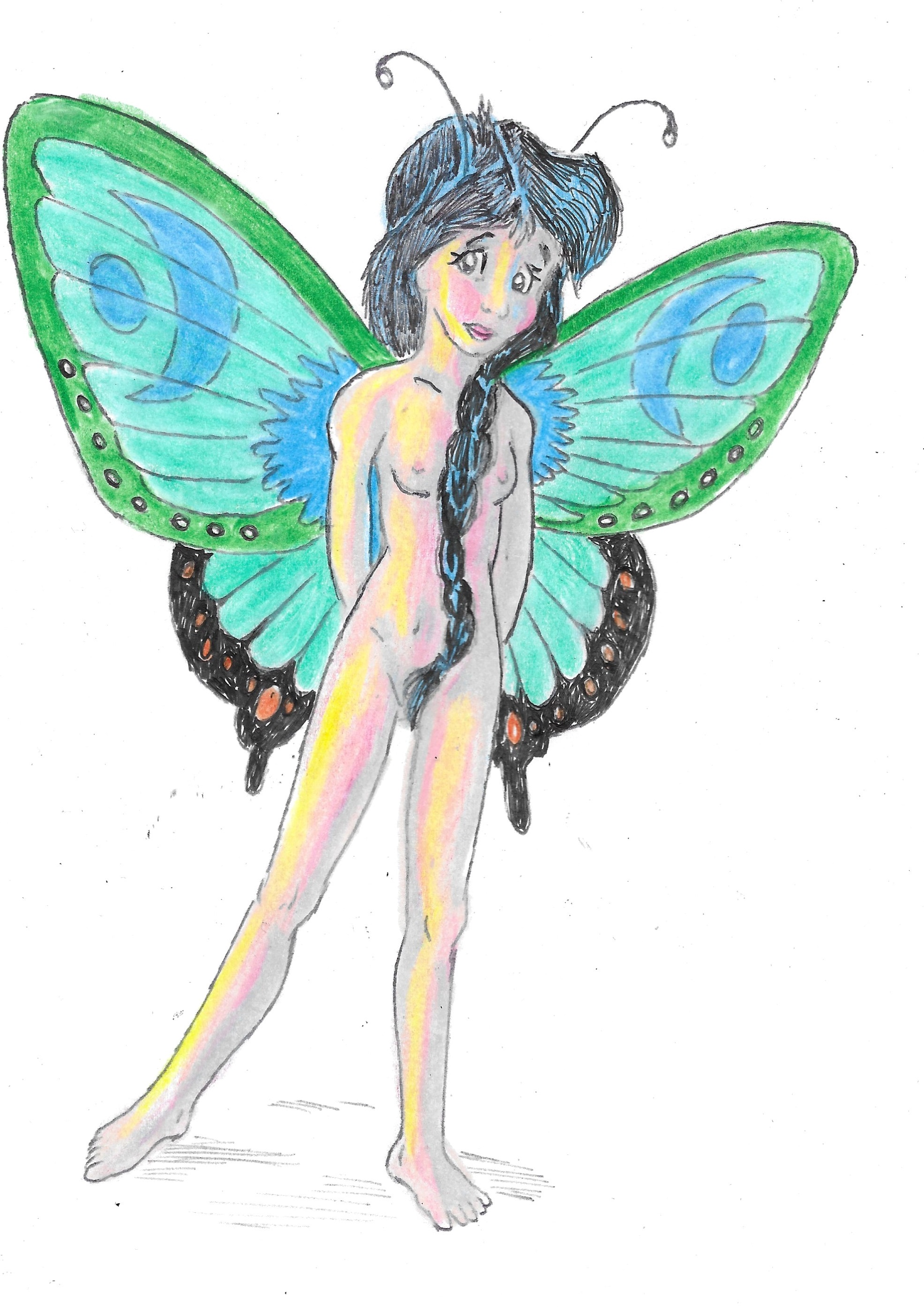
The Fairies : Butterfly Children
In the background of several of my novels, there lurk little people with magic powers. In this modern age of science they still exist, but are reduced in size to about three inches tall for the adults. As I am now working on a book set in their world, I am therefore using today’s post to elucidate what they are and categorize them a bit.
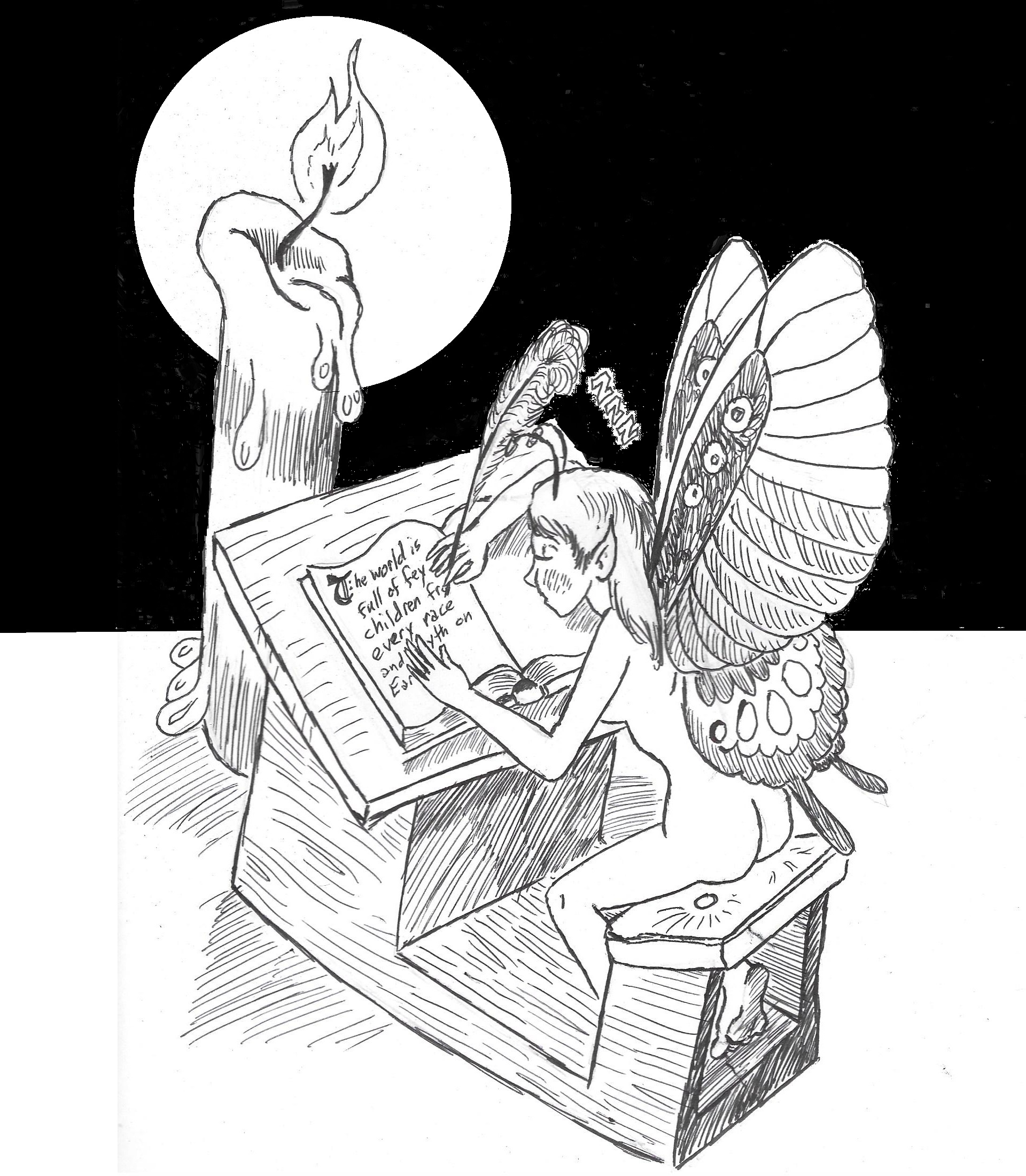
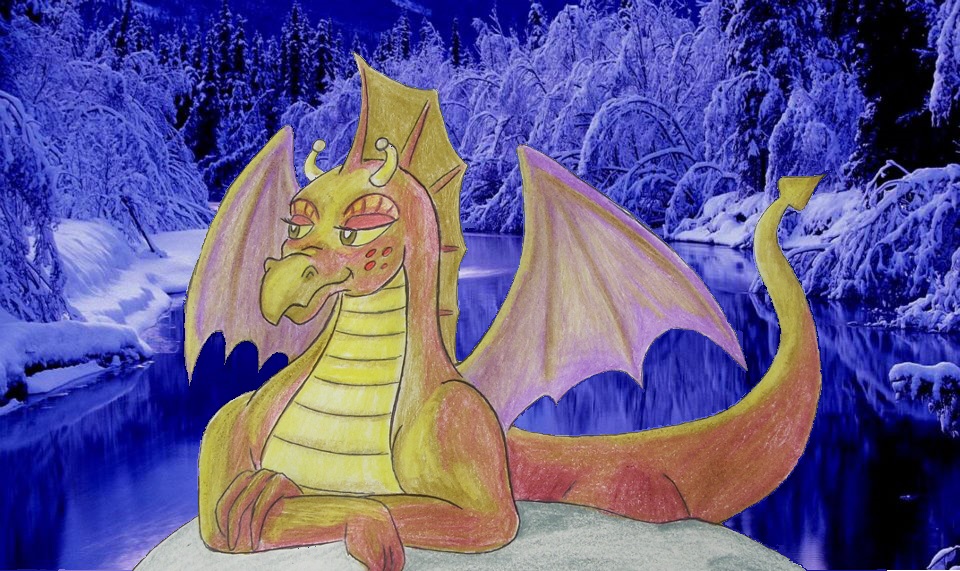
Butterfly Children is a nickname for the winged fairies. And most fairies not only have wings, but don’t wear clothing because, not only do shirts, jackets, jerkins, and such interfere with wings, but they, like me, prefer to be nude if possible.
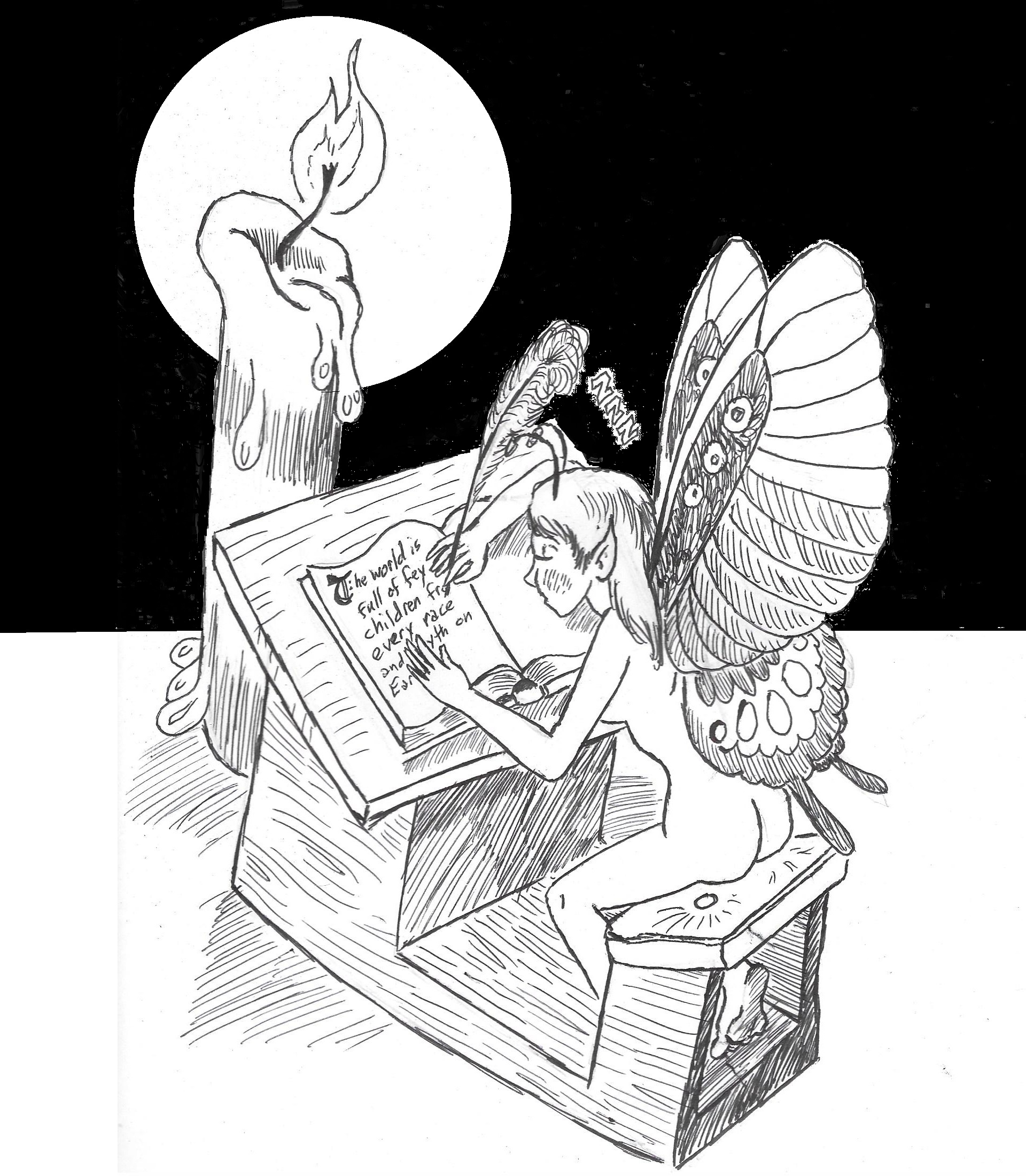
The Butterfly Children are not really made of flesh and blood, but rather coherent magical energy. That is the reason they rarely become spellcasters themselves, but can lend their energies to the spell-casting Sylphs; witches, wizards, sorcerers, warlocks, liches, and some Storybooks.
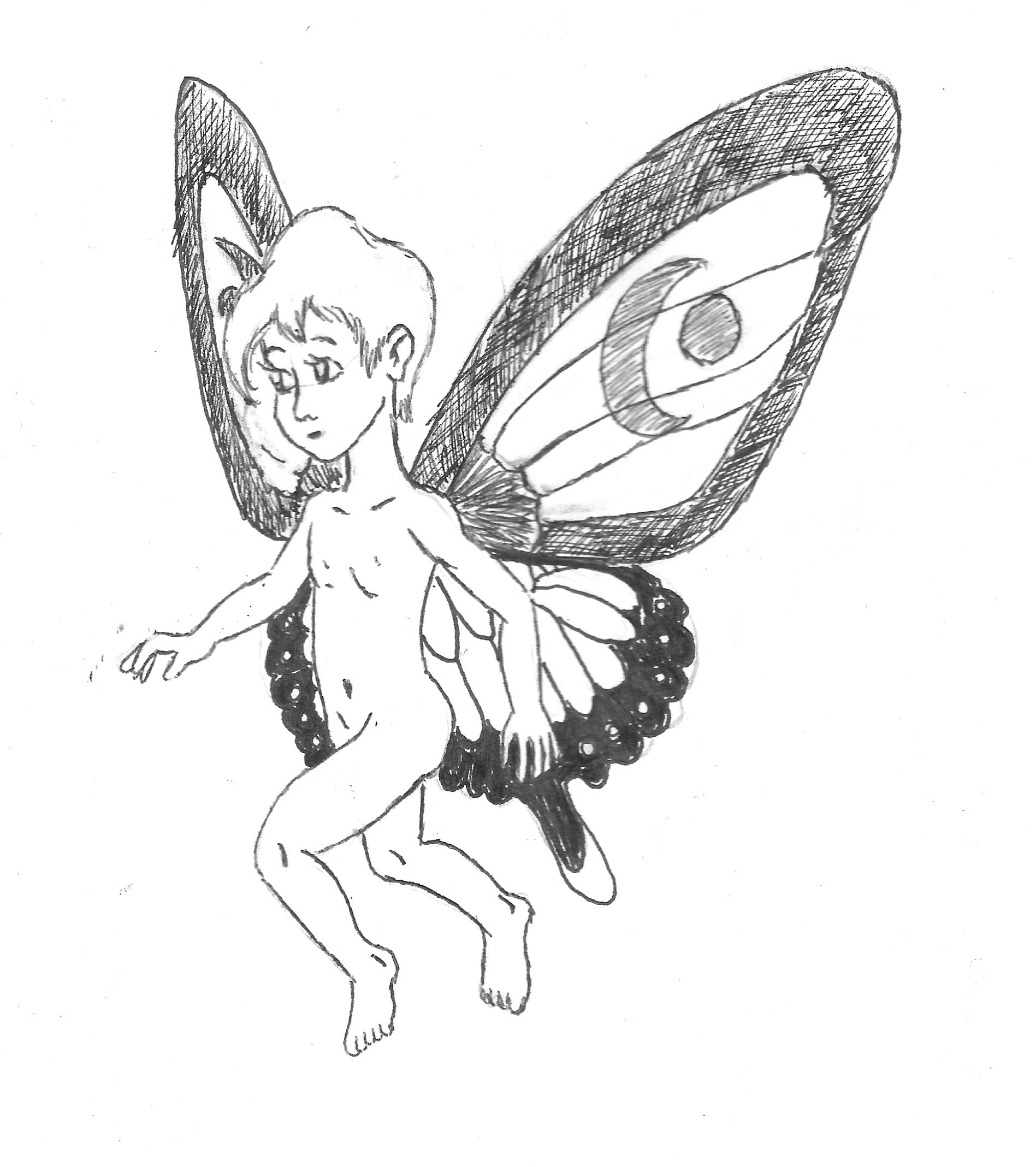
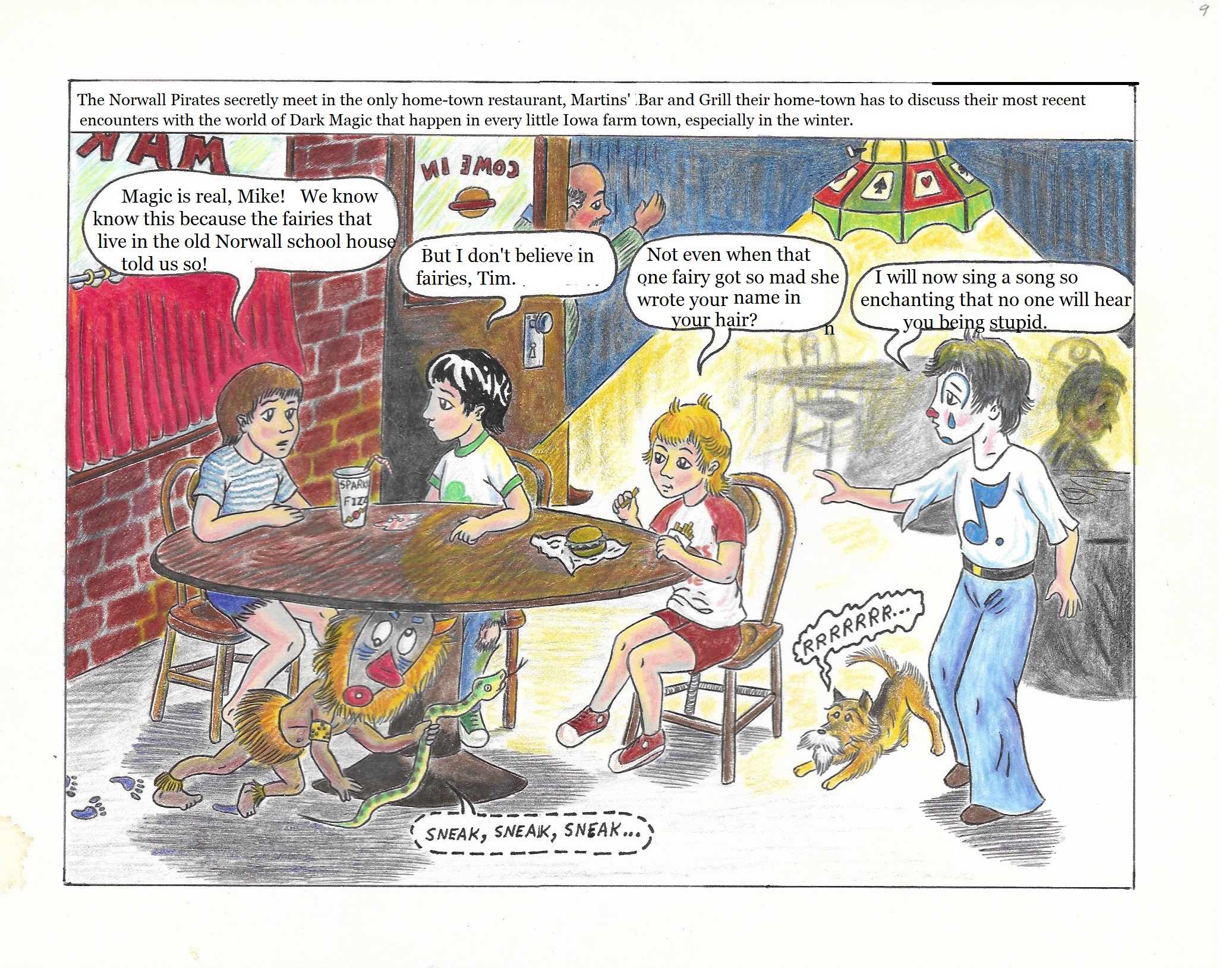
They refer to us as “the Slow Ones” because we are easily fooled into not seeing them for what they are. They use concealing glammers to convince us that we are seeing a bug or a bird or a glare of sunlight instead of what they actually are. They also have the ability to allow slow ones to see them if they choose to voice the necessary spells. Some rare slow ones are able to see through their glammers and view them in spite of their wishes.
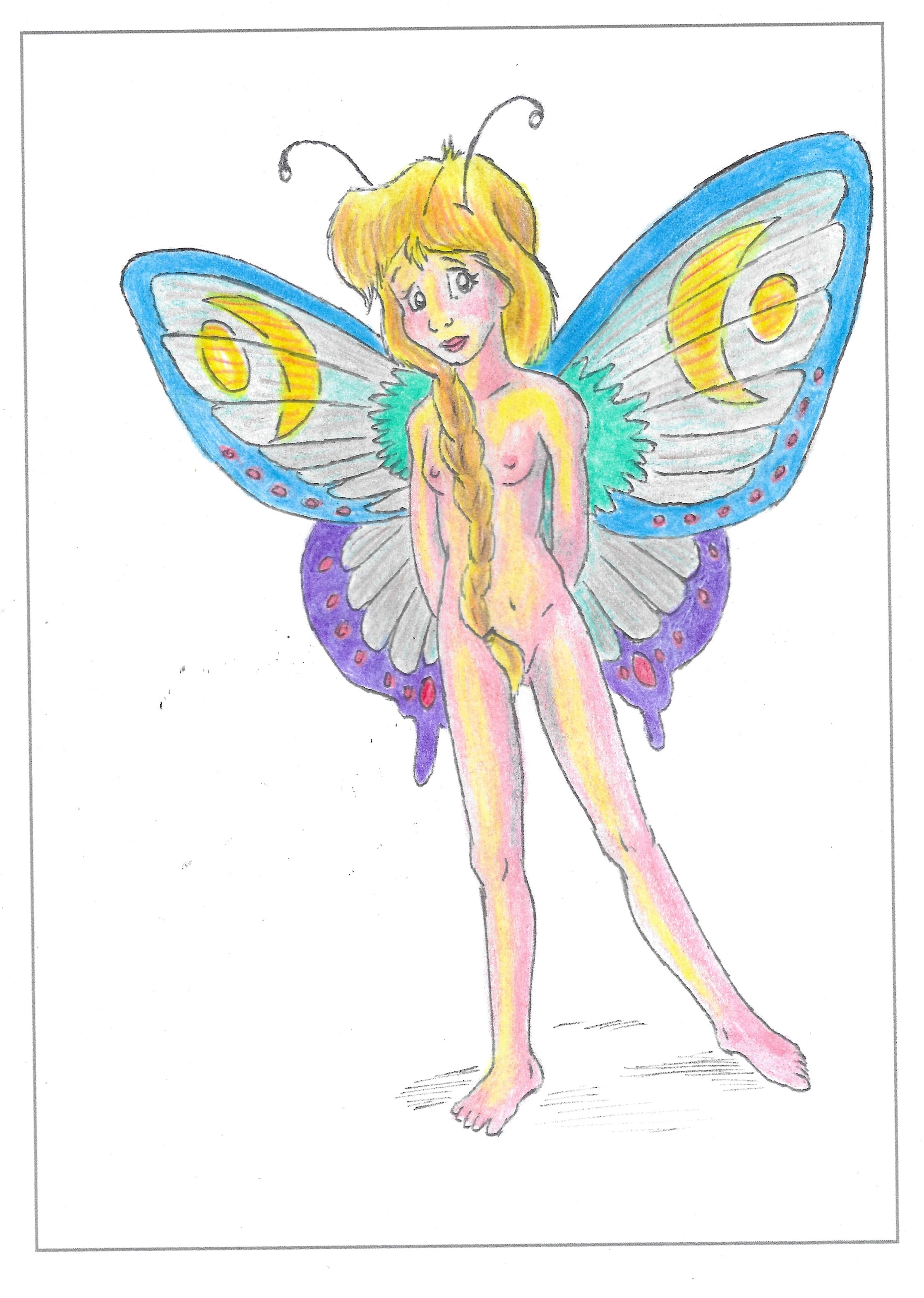
Sylphs and Elves : The Man-shaped Fey
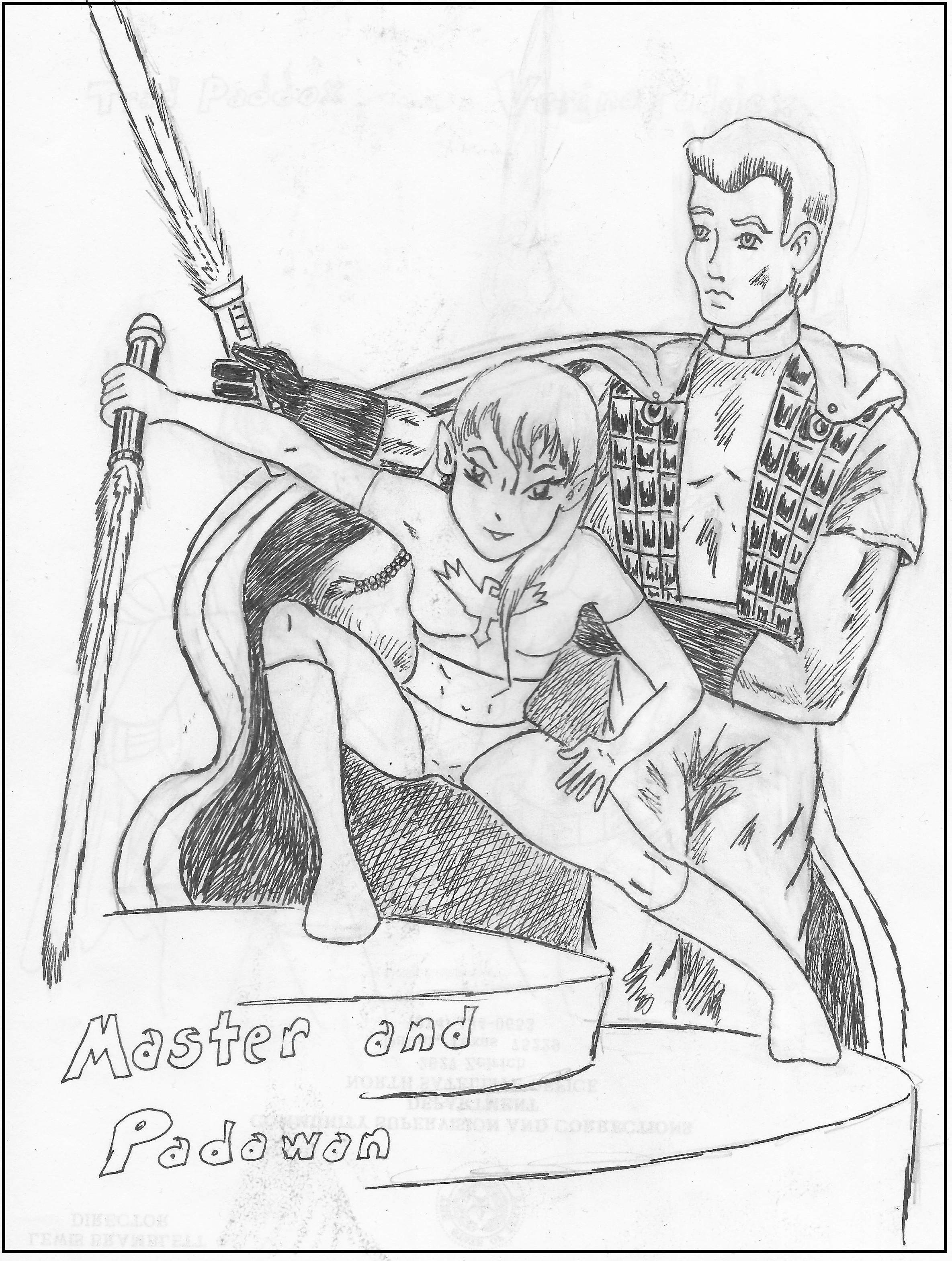
Once, long ago, the Fey Children who looked human could pass themselves off as slow ones. The Elves, of course, had pointed ears to hide. But they looked like what we would call “regular people” because they were our size. But human science developed things that stop magical energies like brass or drain magical energies like iron and copper. The Fey became smaller and smaller. Things like discarded nails and lost pennies decreased the places where they could live and build homes.
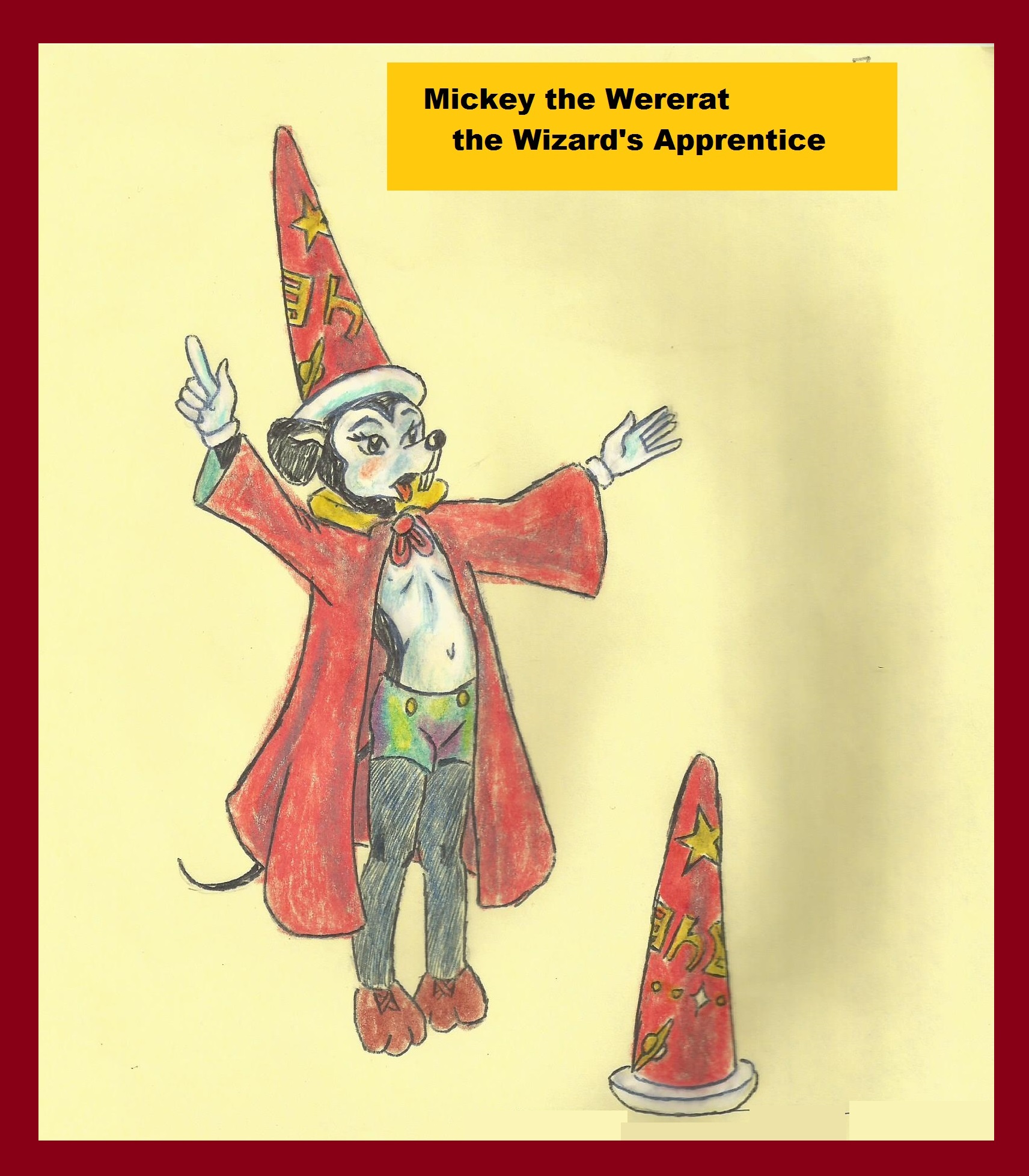
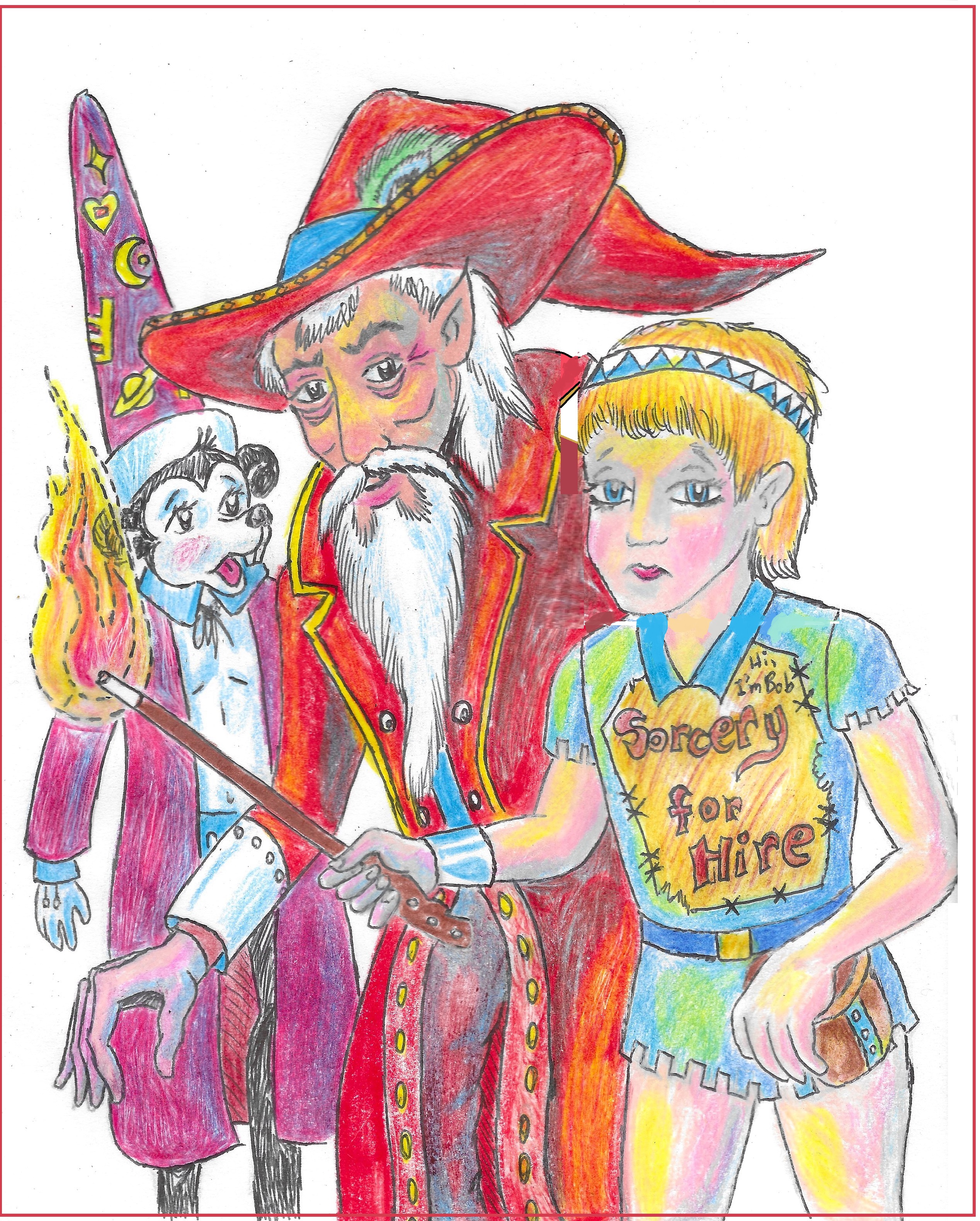
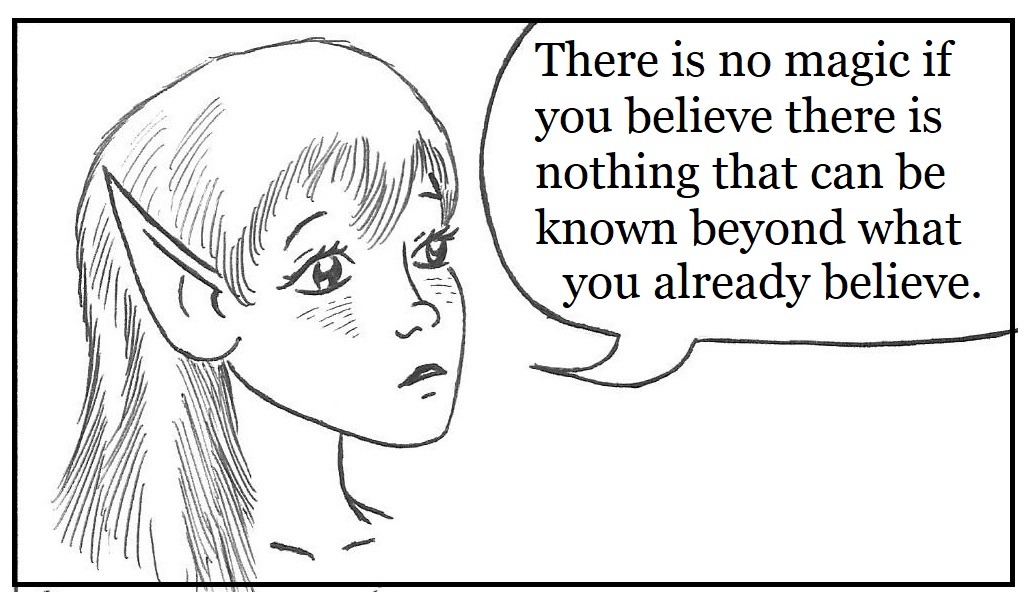
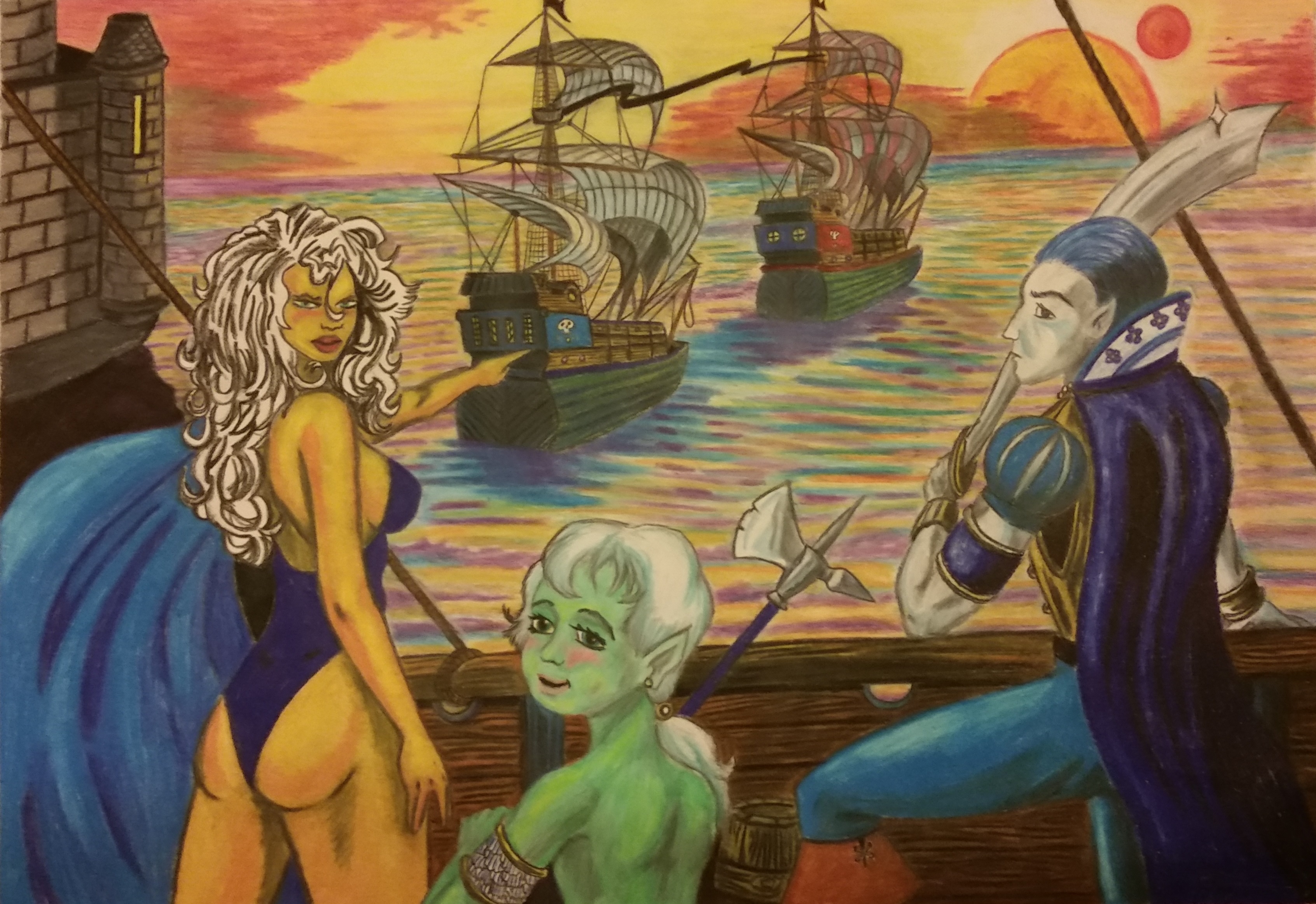
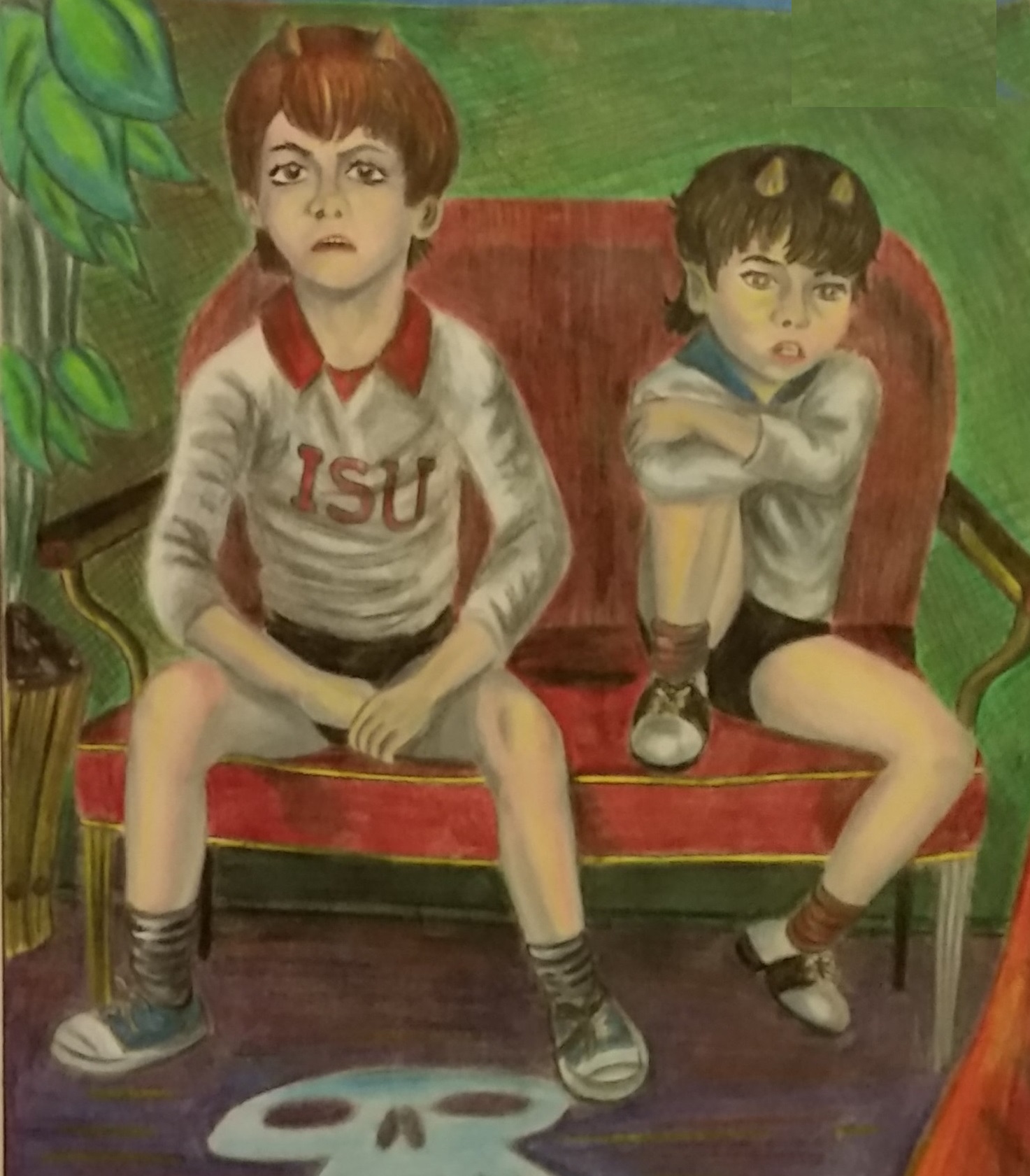
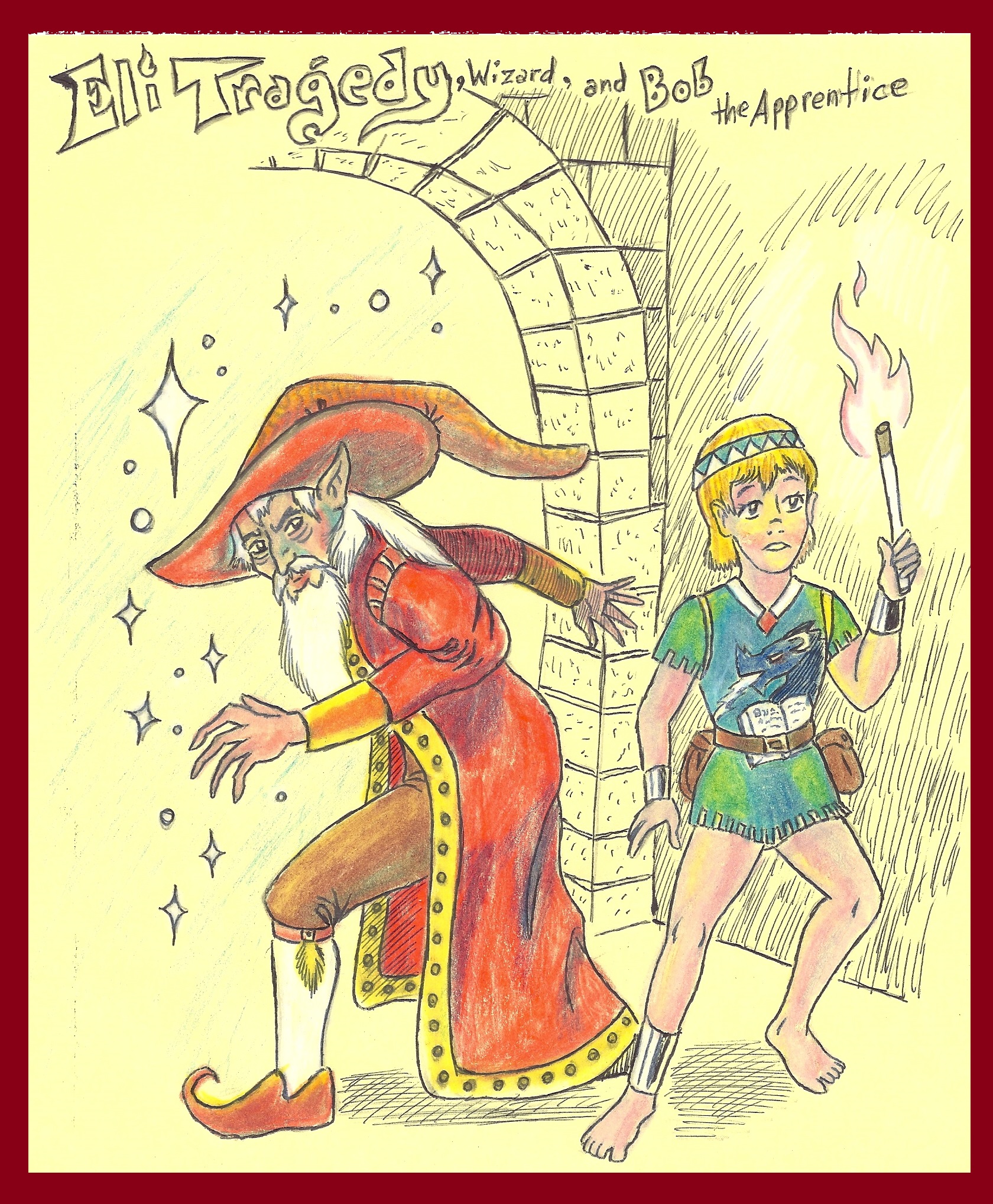
Eli Tragedy (in the middle above) is an example of both an Elf (with pointed ears) and a magic-using Sorcerer. His apprentices, Bob and Mickey, are both Sylphs. Like Butterfly Children, many Sylphs would rather not wear clothes. Magic-using Sylphs and Elves learn to wear clothes because garments can be invested with protective spells.
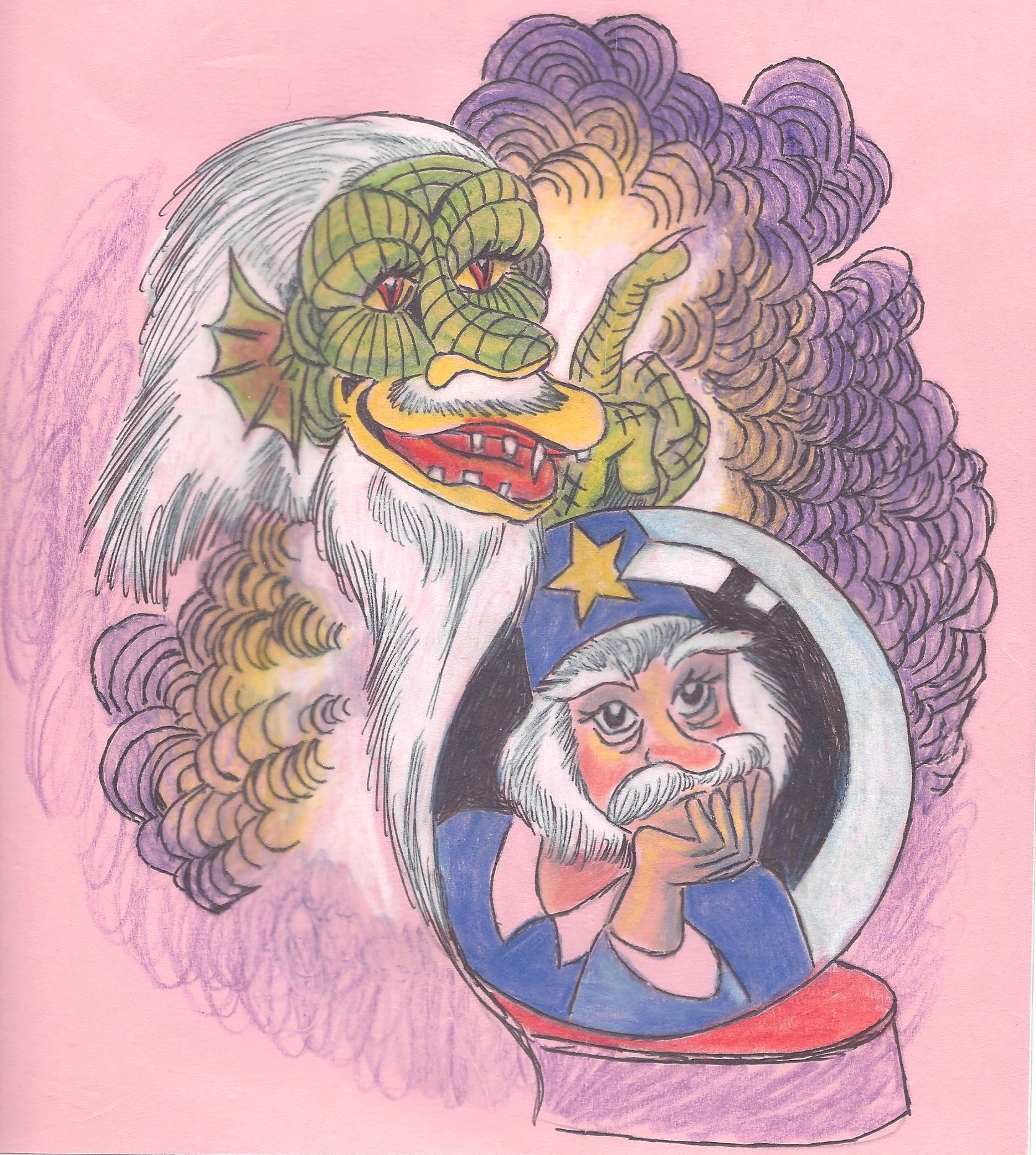
Mickey is different than other Sylphs in that he has been bitten by a wererat and has been infected by lycanthropy. Since he is now an uncontrolled wererat, he constantly looks like a boy with a mouse head and tail, a fur-covered boy’s body, and paws instead of feet.
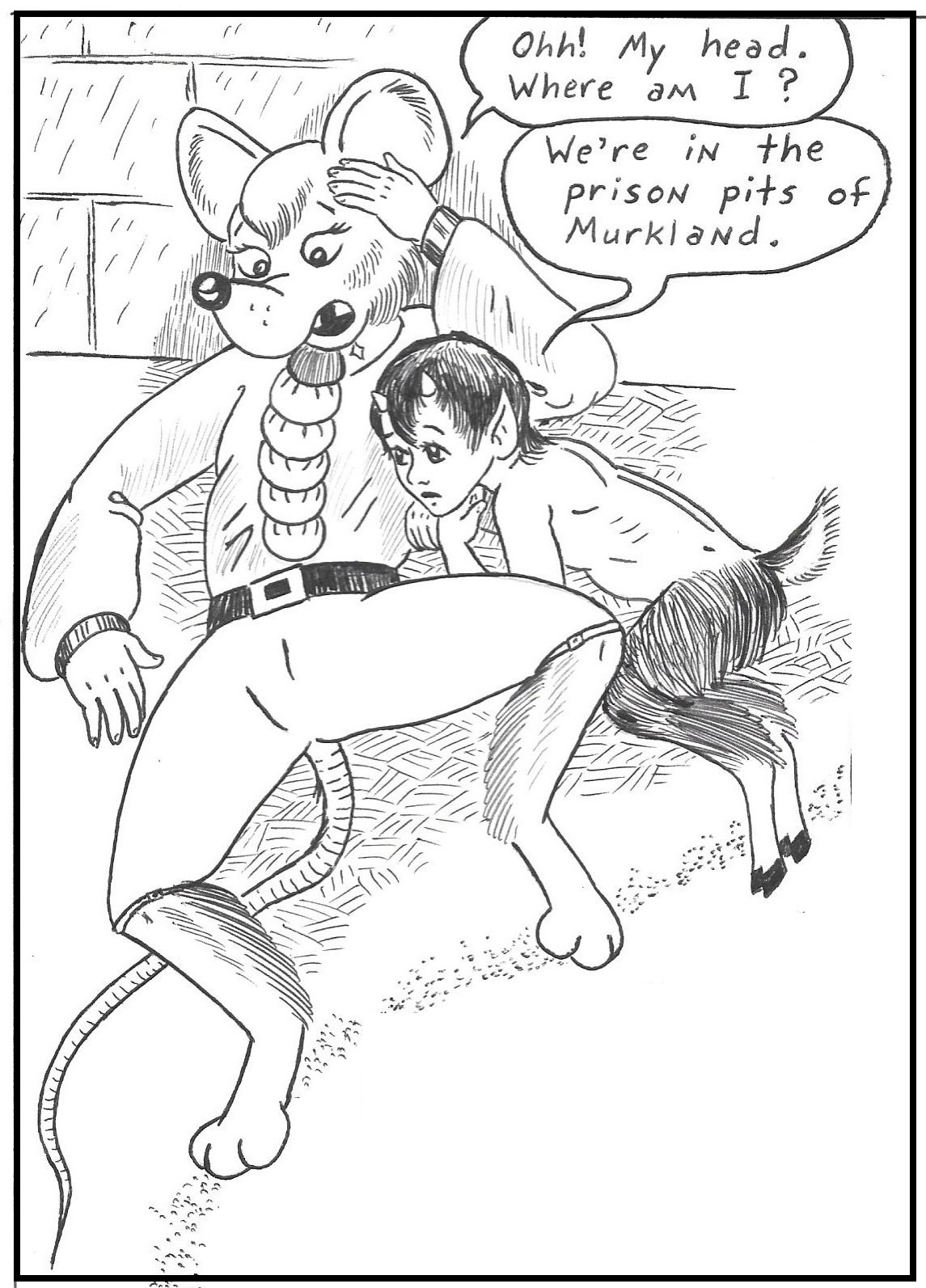
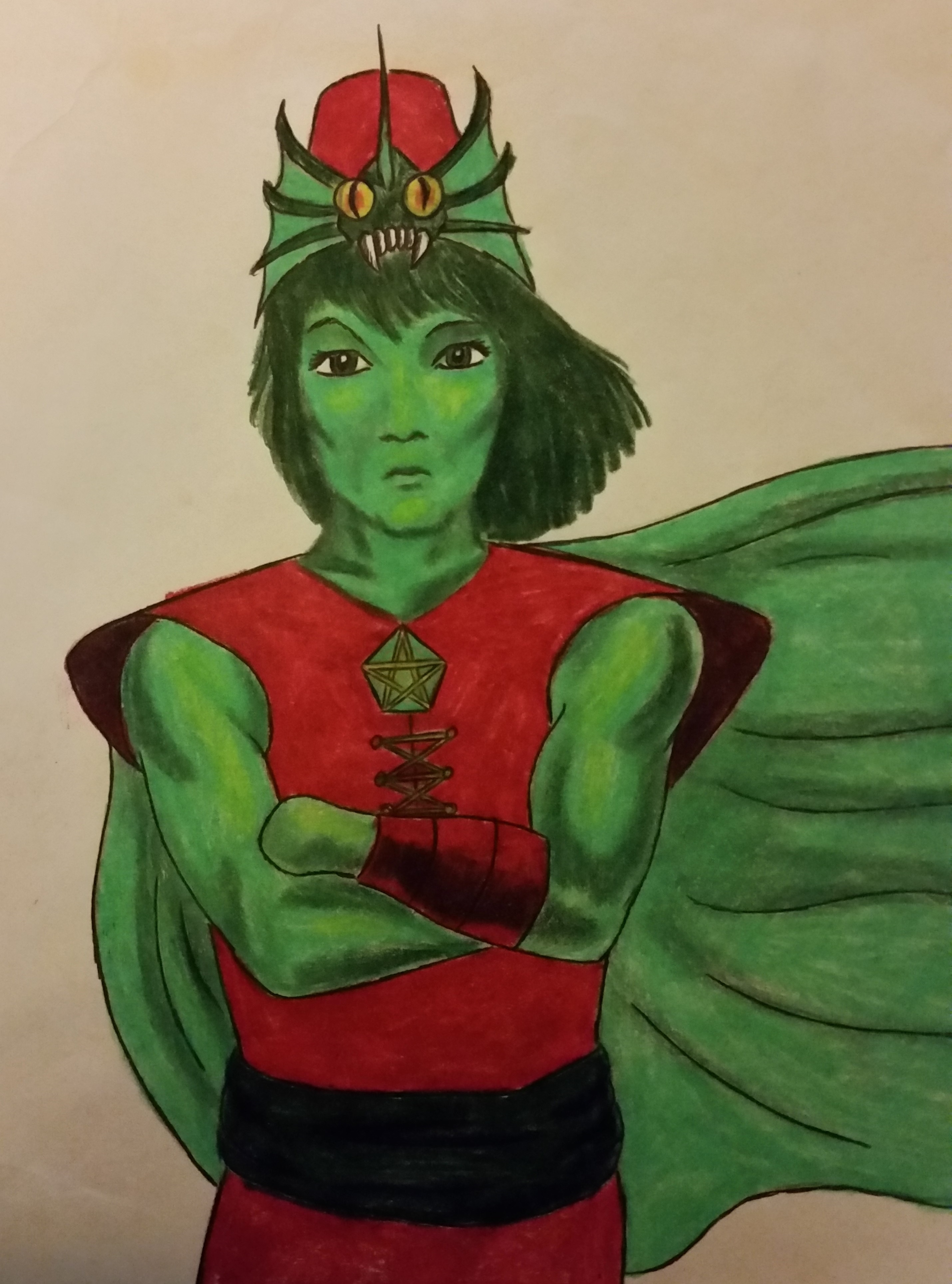
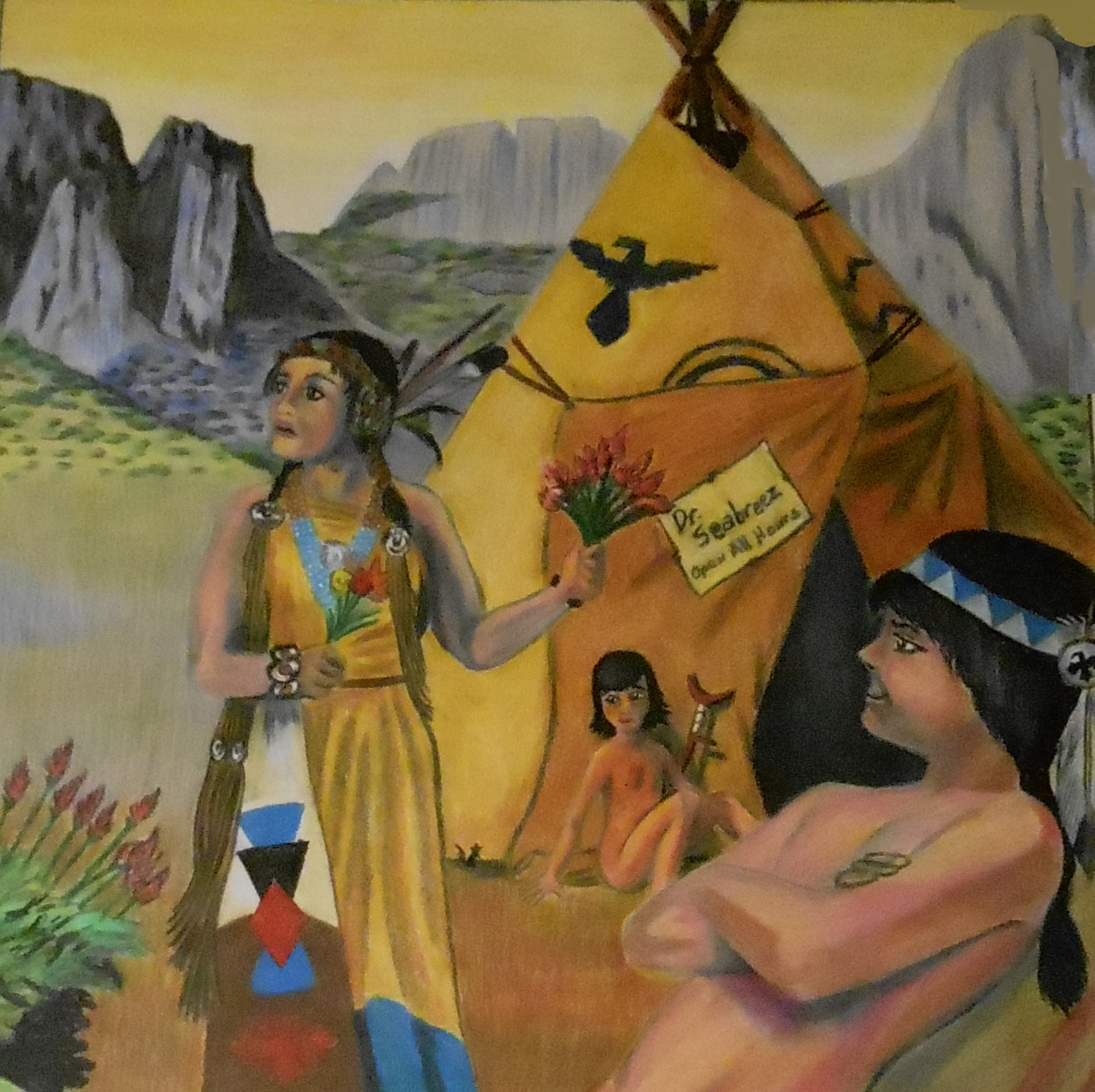
Sylphs can occur in many different non-manlike forms. The Mouse from Cornucopia is a Sylph in the form of an anthropomorphic mouse. Radasha, also seen to the left, is a Faun. Pixies, Nixies, Boggarts, Gremlins, Centaurs, Minotaurs, and other magical creatures have gotten far smaller since ancient times when human beings added greatly to the magical energy loose in the world through their imaginations, faiths, fears, nightmares, and dreams.
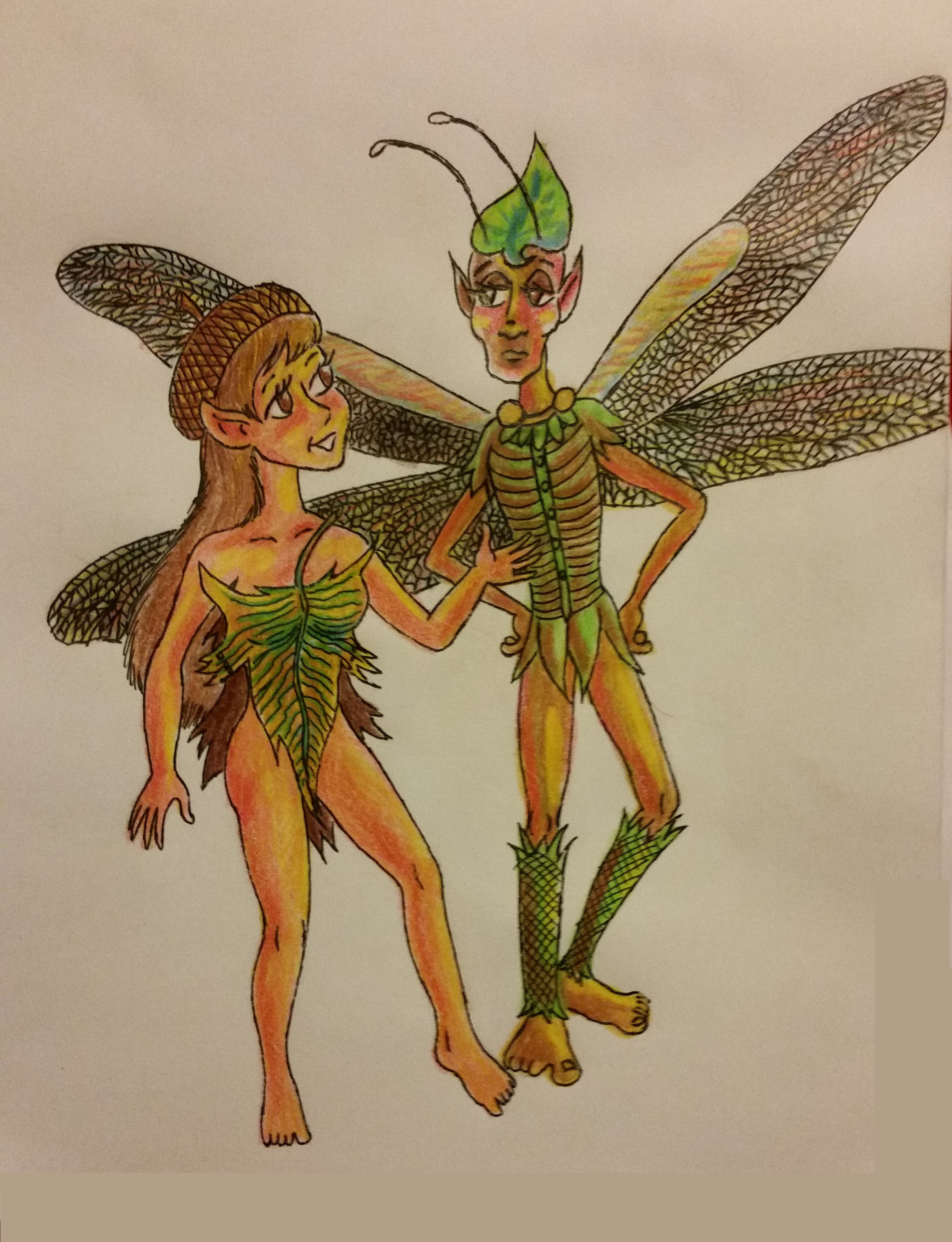
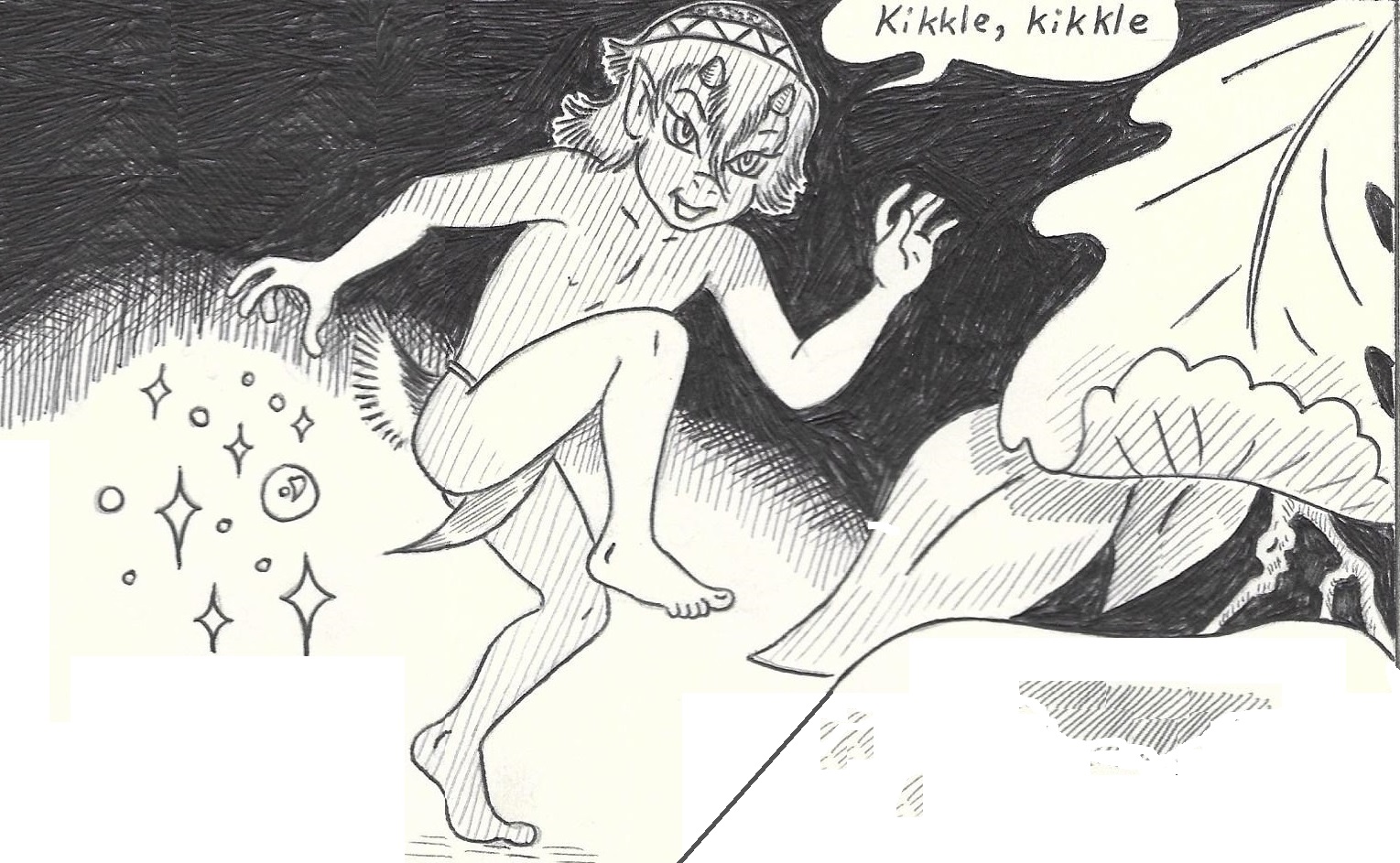
All of those magical creatures have odd and sometimes horrific shapes. You can see that in the insect-like Pixie to the right.
Storybooks : Immortals Amongst the Fey
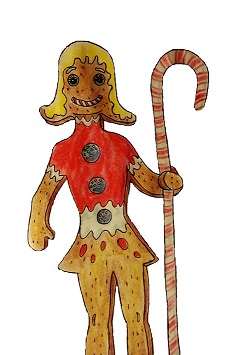
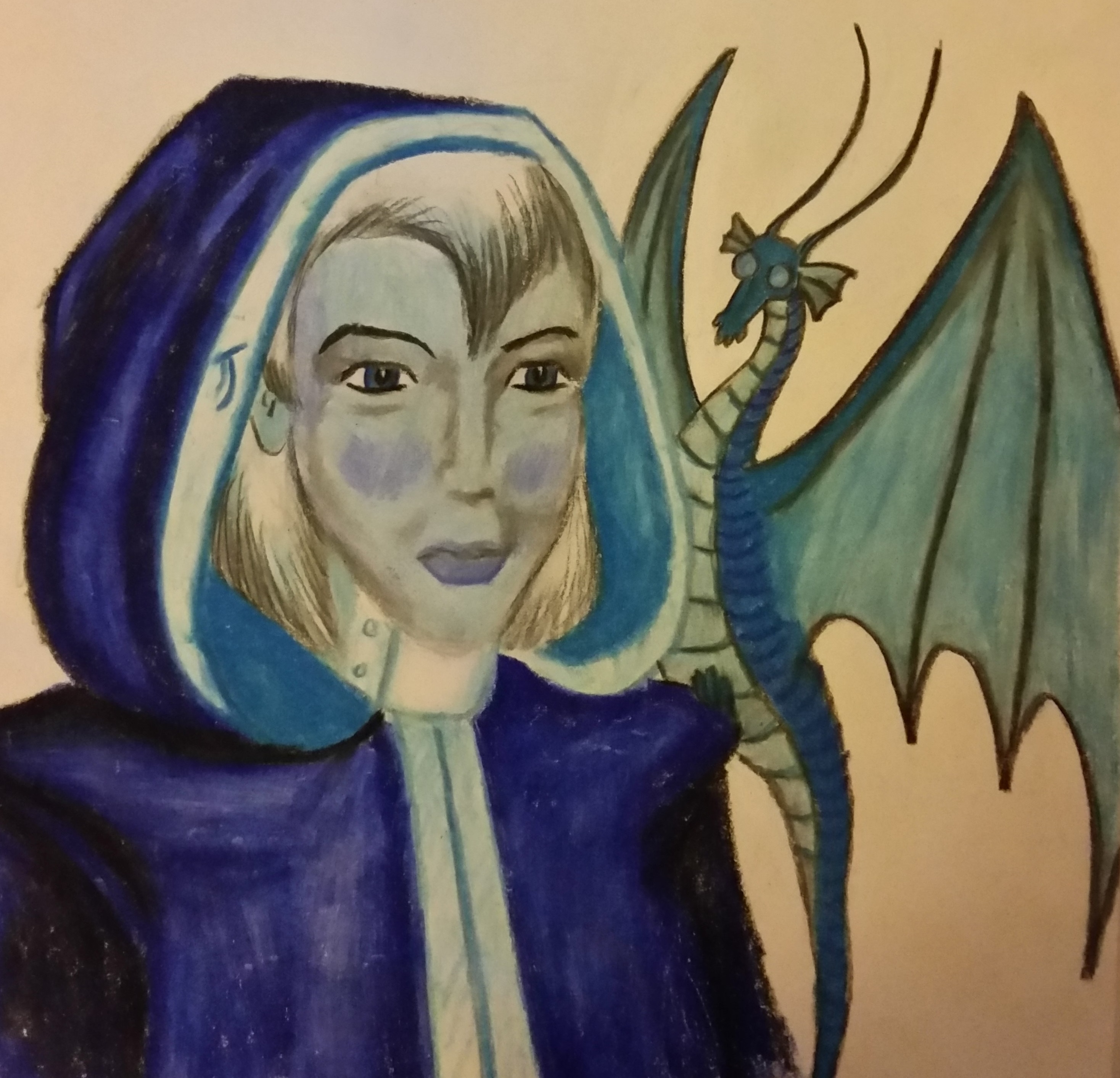
The other Fey Children that need a special mention are the Storybooks like Silkie pictured in the acorn beret and leaf dress to the right. These lucky Sylphs, Elves, or other Fey Children who’ve been singled out by slow ones in their slow-ones’ books and literature are made magically immortal by the power of stories told by humans, especially those preserved by print. They no longer die. They can no longer be killed or grievously wounded.
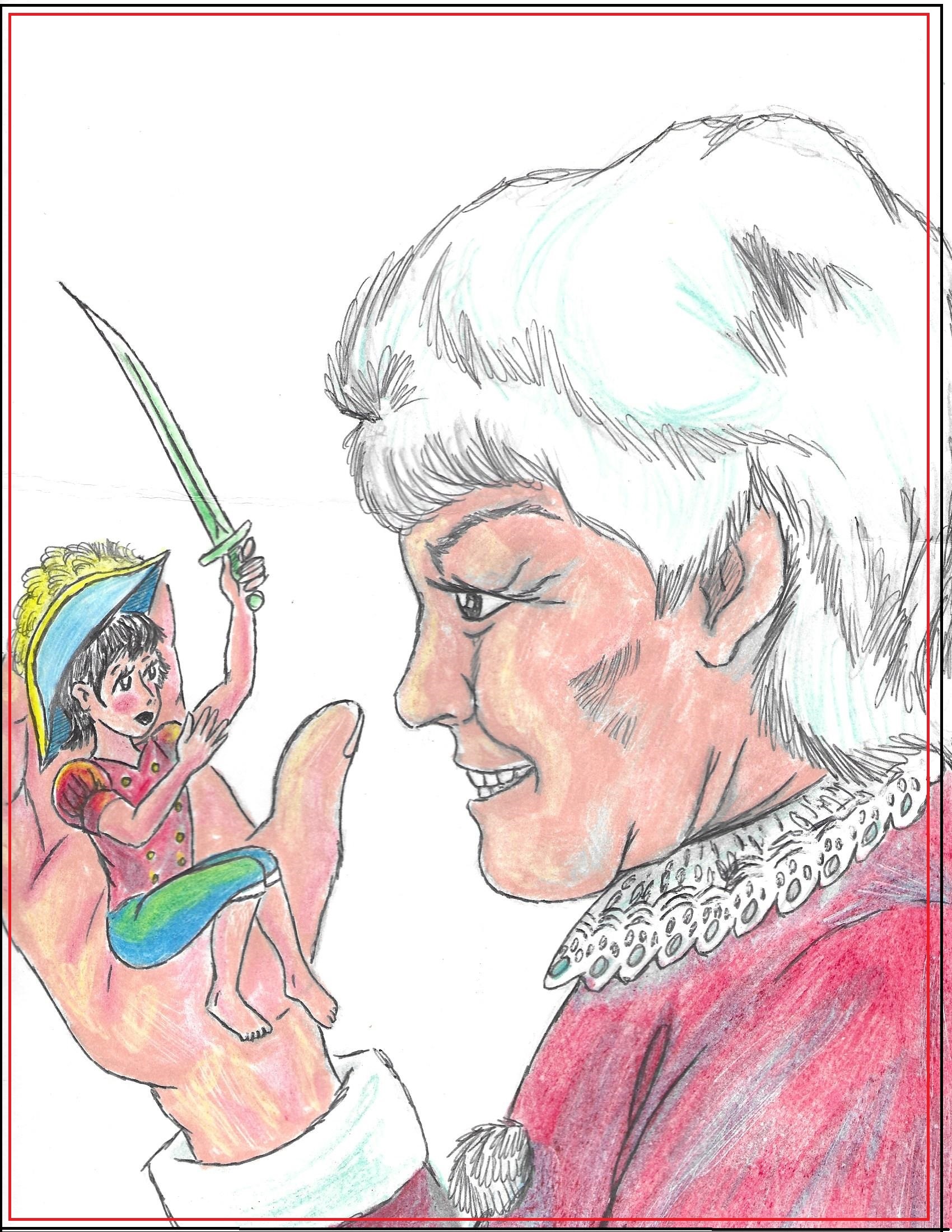
General Tuffaney Swift is another good example of a Storybook. He exists as an immortal because some of his early adventures, were overheard and written down in stories about Tom Thumb. He was instrumental in bringing Grandma Gretel and her daughter, Anneliese, into the Fey World. She is responsible through her magical baking skills for the entire races of Gingerbread Children and Cookie Monsters.
So, there’s a brief overview of the Kingdom of Tellosia and the World of the Fey Children.


 Catch a Falling Star
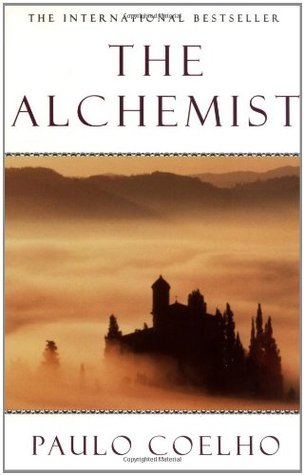
The Alchemist by Paulo Coelho
Some books come along telling a story that has to be taken seriously in ways that don’t make sense in any normal way. The Alchemist is one of those books.
What is an alchemist, after all?
An alchemist uses the medieval forms of the art of chemistry to transmute things, one thing becoming another thing.
Coelho in this book is himself an alchemist of ideas. He uses this book to transmute one idea into another until he digs deep enough into the pile of ideas to finally transmute words into wisdom.
There is a great deal of wisdom in this book, and I can actually share some of it here without spoiling the story.
Here are a few gemstones of wisdom from the Alchemist’s treasure chest;
“It’s the possibility of having a dream come true that makes life interesting…” (p.13)
“It’s the simple things in life that are the most extraordinary; only wise men are able to understand them.” (p.17)
“All things are one. And, when you want something, all the universe conspires in helping you to achieve it.” (p.24)
“And when he had gone only a short distance, he realized that, while they were erecting the stall, one of them had spoken Arabic and the other Spanish. And they had understood each other perfectly well. There must be a language that doesn’t depend on words, the boy thought.” (p.45)
All of these quotes from the book, as you can see, come from the first third of the book. There are many more treasures to be found in this book. I should not share them with you here. Just as the main character of the story learns, you have to do the work for yourself. But this book is not only an enjoyable read, but a map for how you can execute your own journey towards your “Personal Legend”. In fact, you may find that the book tells you not only how to go about making a dream come true, but, if you are already on that journey successfully, it tells you what things you are already doing right.
Leave a comment
Filed under book reports, book review, commentary, good books, magic, strange and wonderful ideas about life, wisdom, wizards
Tagged as book review, magical books, mystical books, the Alchemist by Paulo Coelho