What do I mean by saying something stupid like that?
Did you stop and think about it? Did it change who you are to think what you thought about it?
Why not?
Was it because you are committed in your mind to not be changed by a question you are asked to think about?
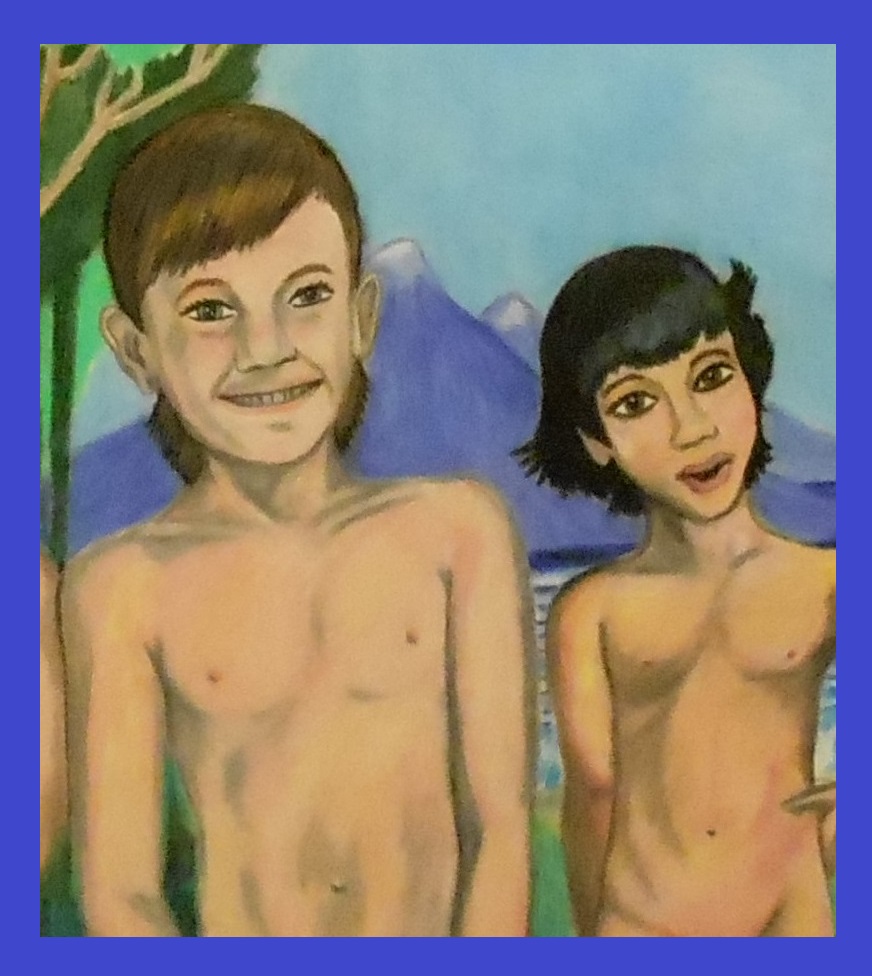
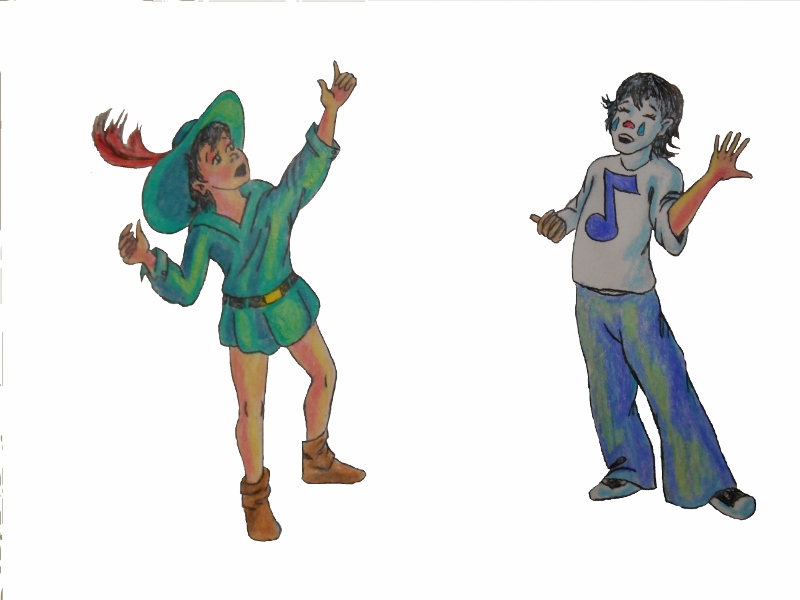
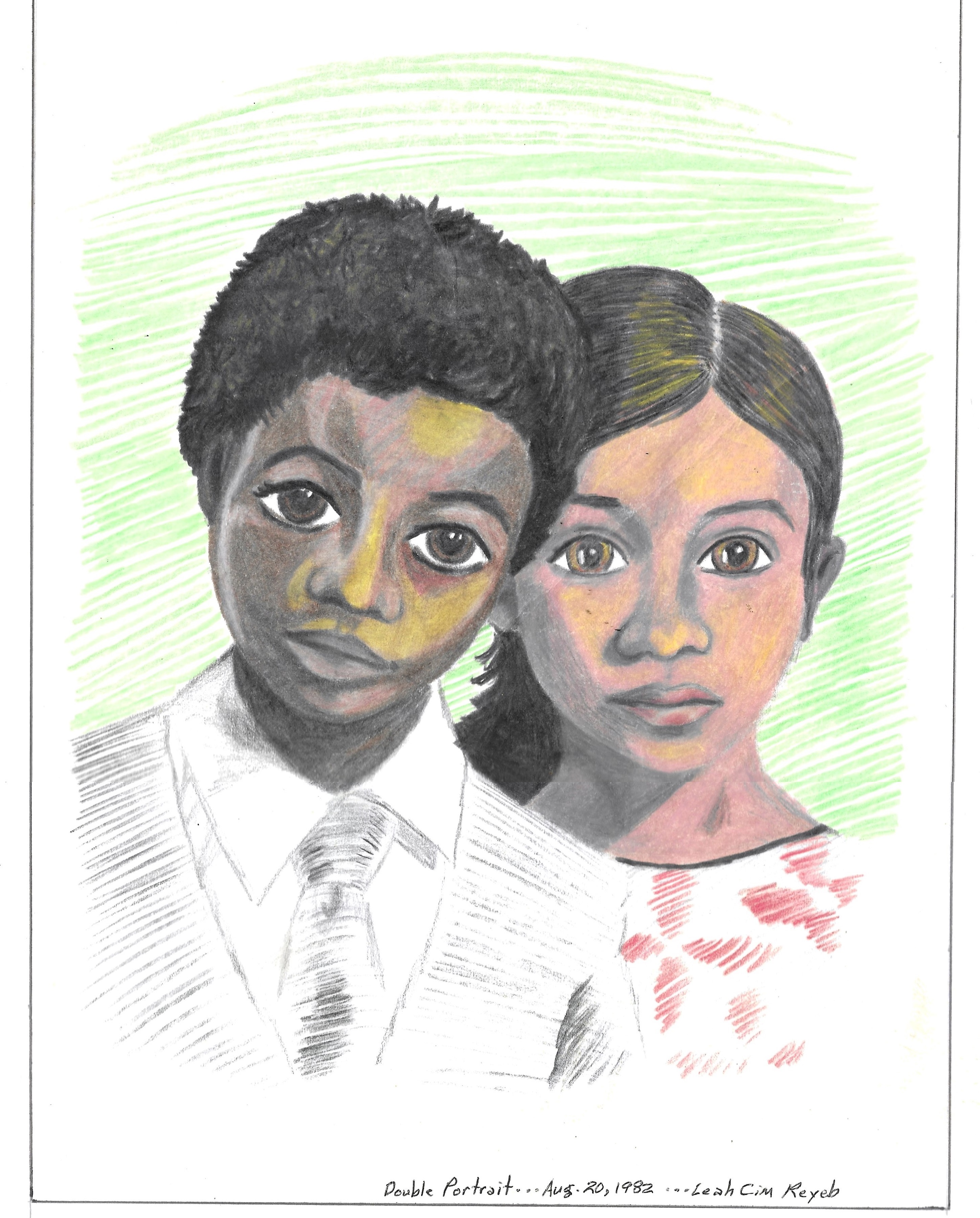
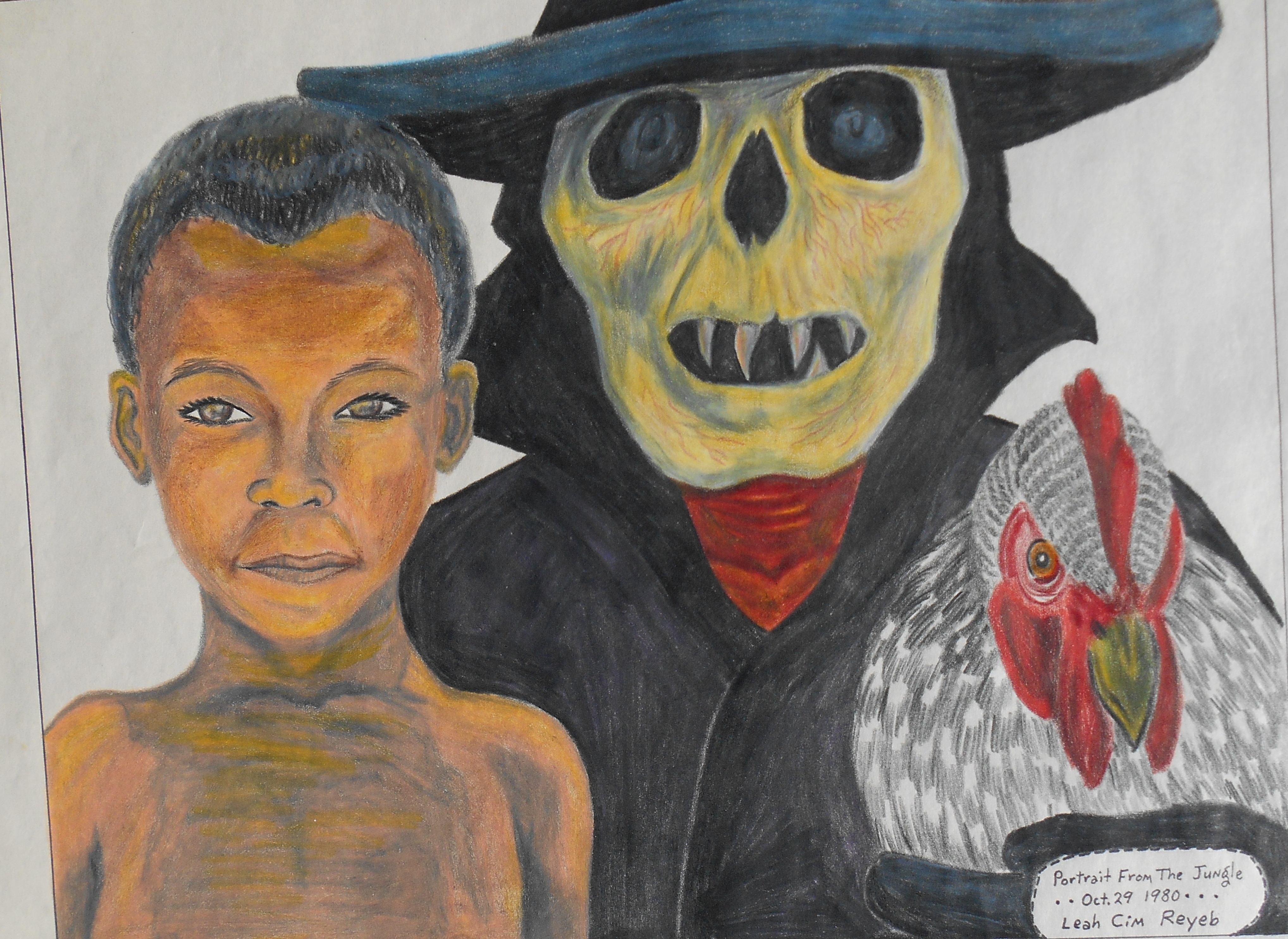
This is Bobby and me as boys at the skinny-dipping pond.
But is it really? Are we really naked if you can’t see whether we are wearing swimsuits or not?
Boys really only have to cover one small thing to not be naked, right? Is being naked just a perception? Can you be naked with all your clothes on?
And how can this really be me and Bobby? It is merely a picture, and pictures you draw are mere interpretations, and if it is an interpretation, can it be considered real? Boys of this age were not allowed to wear their hair this long in the 1960’s, so does that make it less real?
And why is there a mountain range in the background? We grew up in Iowa, and are there any mountains like that in Iowa?
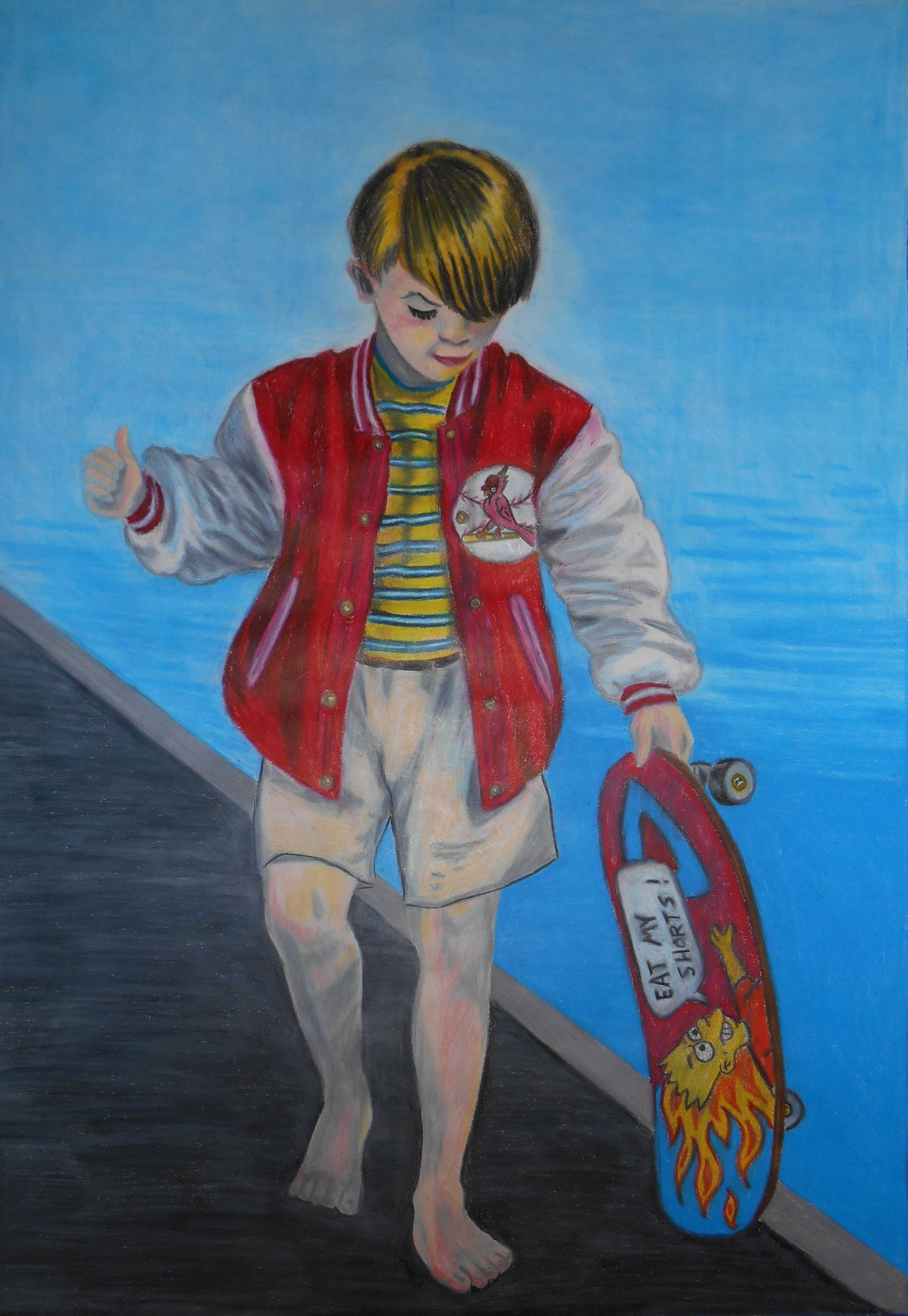
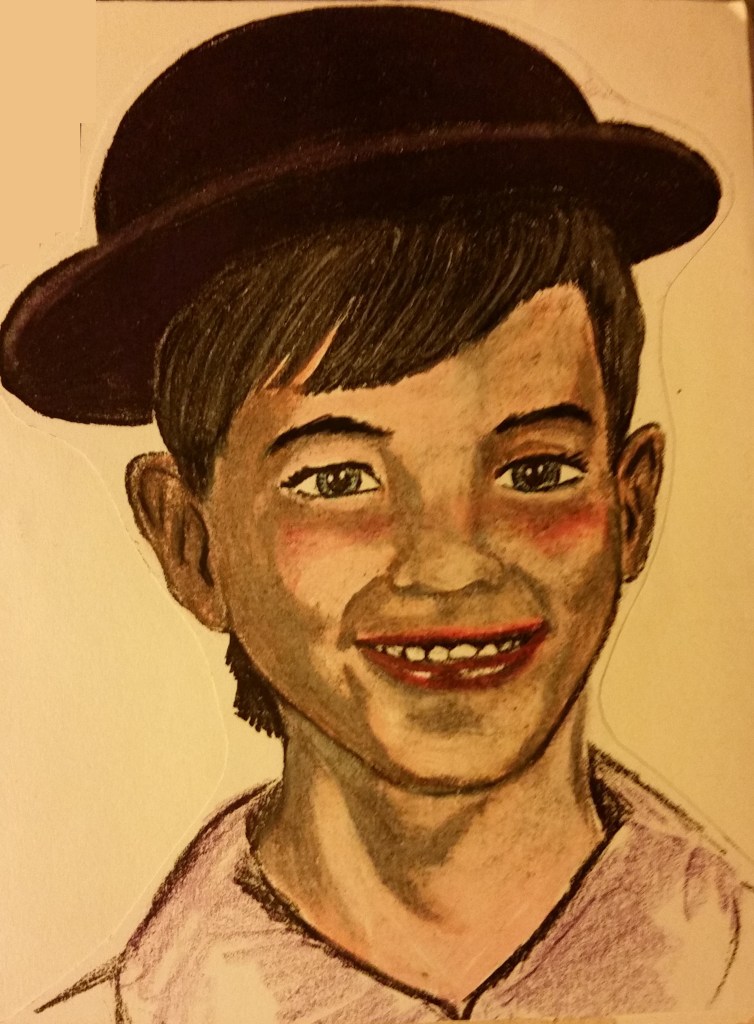
This is the boy who might’ve been my son if I had married a different girlfriend.
Does this have something to do with Charles Lamb’s essay Dream Children?
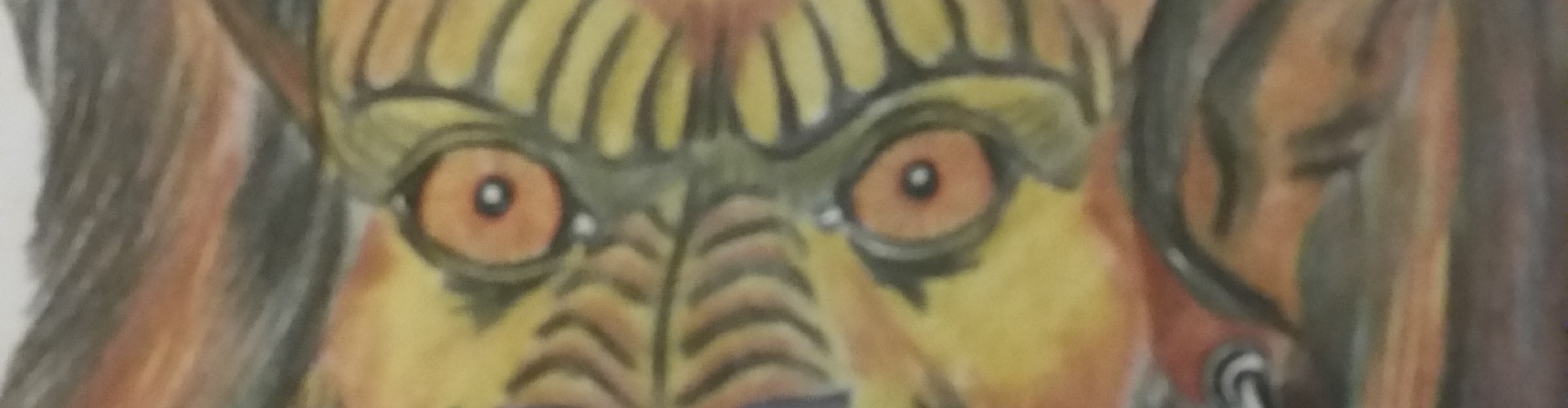
Why am I thinking about children who are not my children? Why is every picture in colored pencil and a picture of boys rather than girls?
Why does an author and artist think any of the things he or she thinks?
Why is this post mostly made up of questions? Does it show how people really think? Is it really the Socratic Method?
Is it possible that this is some form of poetry? Designed to make people think?
I went for a walk in the park today, trying to get the three miles of walking in for the day to help strengthen my heart and blow the filth out of every valve and carburetor in the engine that makes my life run. But it was a gray and dreary day, threatening rain and being downright spitty.
I counted at least four male cardinals sitting high in the tops of mostly leafless trees. Each was surveying his own jealously-guarded territory and singing his little red heart out with the trills of his mating song. No female cardinal was out in the wet and the cold to answer any of them. It appears they were all sitting home in their bird houses sipping hot cocoa by the fireplace. And probably laughing at the stupid males.
March is supposed to be the tail end of Winter and the first bars played in the Song of Spring. It has been more like a skunk’s tail followed by the squawk of a dyspeptic crow.
The trees who lose their leaves are supposed to have buds by now. Even leaves. But that seems to be delayed for cold rain and the frustration of love songs by redbirds going unanswered.
And it reflects the end of the Covid Pandemic like a mirror. There are still masks on faces at Walmart. There are maskless faces as well. Inflation makes spring strawberries expensive. Gas prices made Spring Break travel limited. Donald Trump is still not in prison. And the best descriptive word for the feelings in the moment is, “Meh…”
Things should be looking up. Robins should be returning from their extended vacations in Cancun. The people in Texas should be smiling more. Especially the rich white people. The world is pretty good for them. But apparently we have a bit of hail, a lot of rain, and some killer tornadoes to get through before the season sets itself aright.
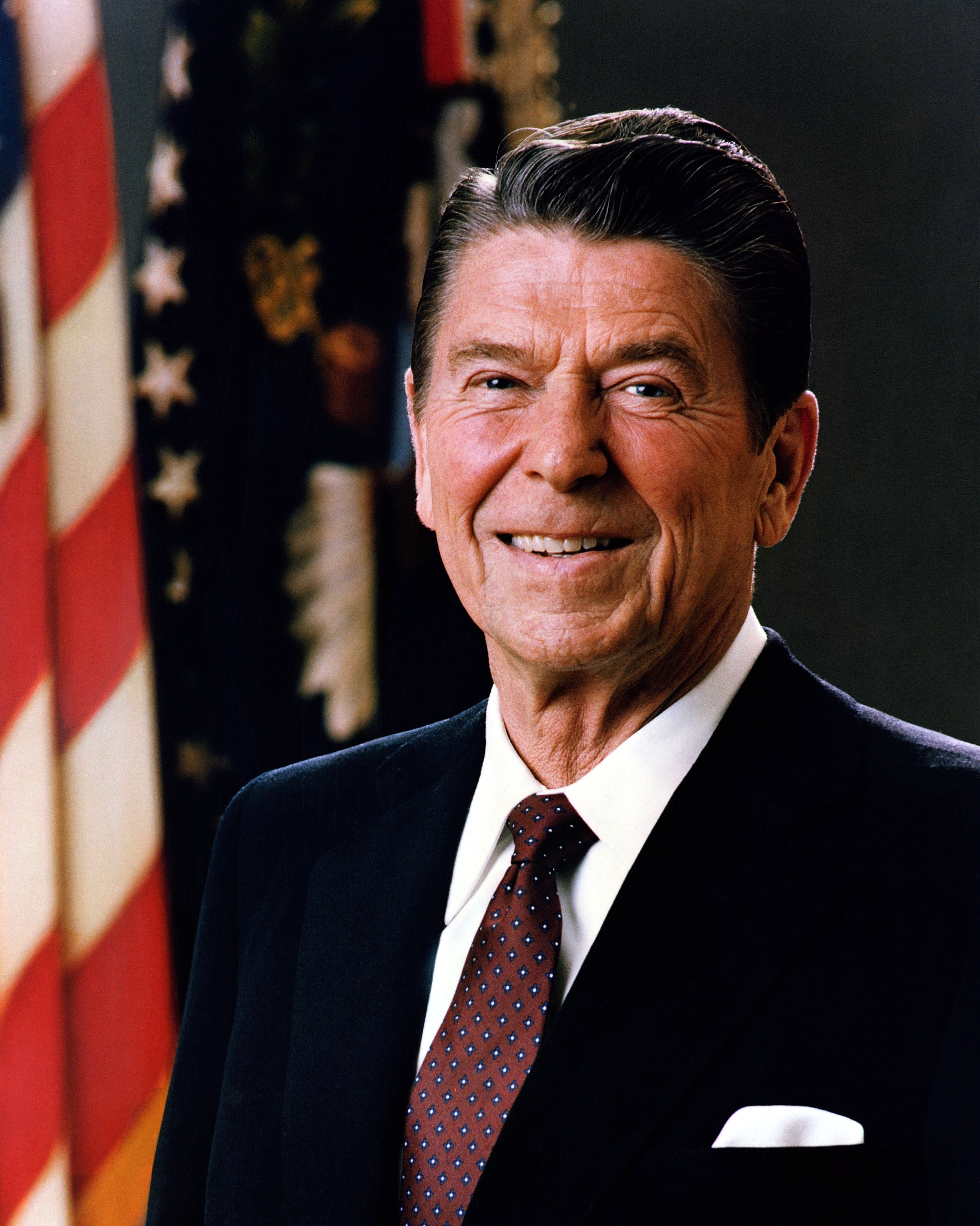
In the Republican primaries in 1980 it was Republican candidate George HW Bush who gave the old Gipper’s economic policy the accurate nickname of “Voodoo Economics.” Then when the Gipper defeated the last American President to have an administration without a war in it, that Voodoo became the things we do.
Banks became predatory, using credit card ploys to turn us into a nation of debtors where wealth defies gravity and trickles upward instead of down. To help that along, Republicans deregulated things, killed off the Savings-and-Loan industry through scandal to reduce competition. Wall Street learned to make greed good by building bubbles that allow profits to inflate them and eventually explode them. When the business moguls at the top of economic food chain went through the Great Depression (the ones who didn’t jump out of windows) they learned there are ways to turn recessions into profitable ventures for the wealthy elite. Income inequality grew fat on the raw meat of recession after recession.
And wars became a popular pastime again. Every president from Reagan onward had to manage a war they either started or inherited from their predecessor.
Gorbachev became the Premiere of the USSR. He attempted to modify Russia with Glasnost, opening up about the Russian past and the contemporary state of Russia’s economy. By opening up the ban on criticism, he caused the USSR to fall and the Cold War basically ended when they fell. Still, Republicans managed to always increase military spending, and use any excuse (in fact, making up some excuses) to declare war on somebody, especially little guys who were easy to beat up and bully. The Gipper did his happy dance and declared that Republicans had defeated evil. And stupid people gave him so much credit that two of the next three Republican Presidents got there with fewer popular votes than their opponents. And this was all okay because some voters count bigger than the rest of us.
And so the era of elections being decided by angry people and stupid people who want to punish the rest of us began.
Somehow a rodeo clown from Texas who dodged serving in combat during the Vietnam War became a war President, starting two wars, one against the wrong country. The Republicans deregulated more. Corporations cut down trees in National Forests more. They burned more coal. They fracked up the place and got more oil. And they looted and polluted more and more during the time when we could’ve done something to reverse the worst of climate change. They crashed the economy again. They made more money. They left a mess in the economy for Obama to clean up. And when he cleaned it up, they blamed him for not doing it right, and even for causing it all somehow before he took the oath of office.
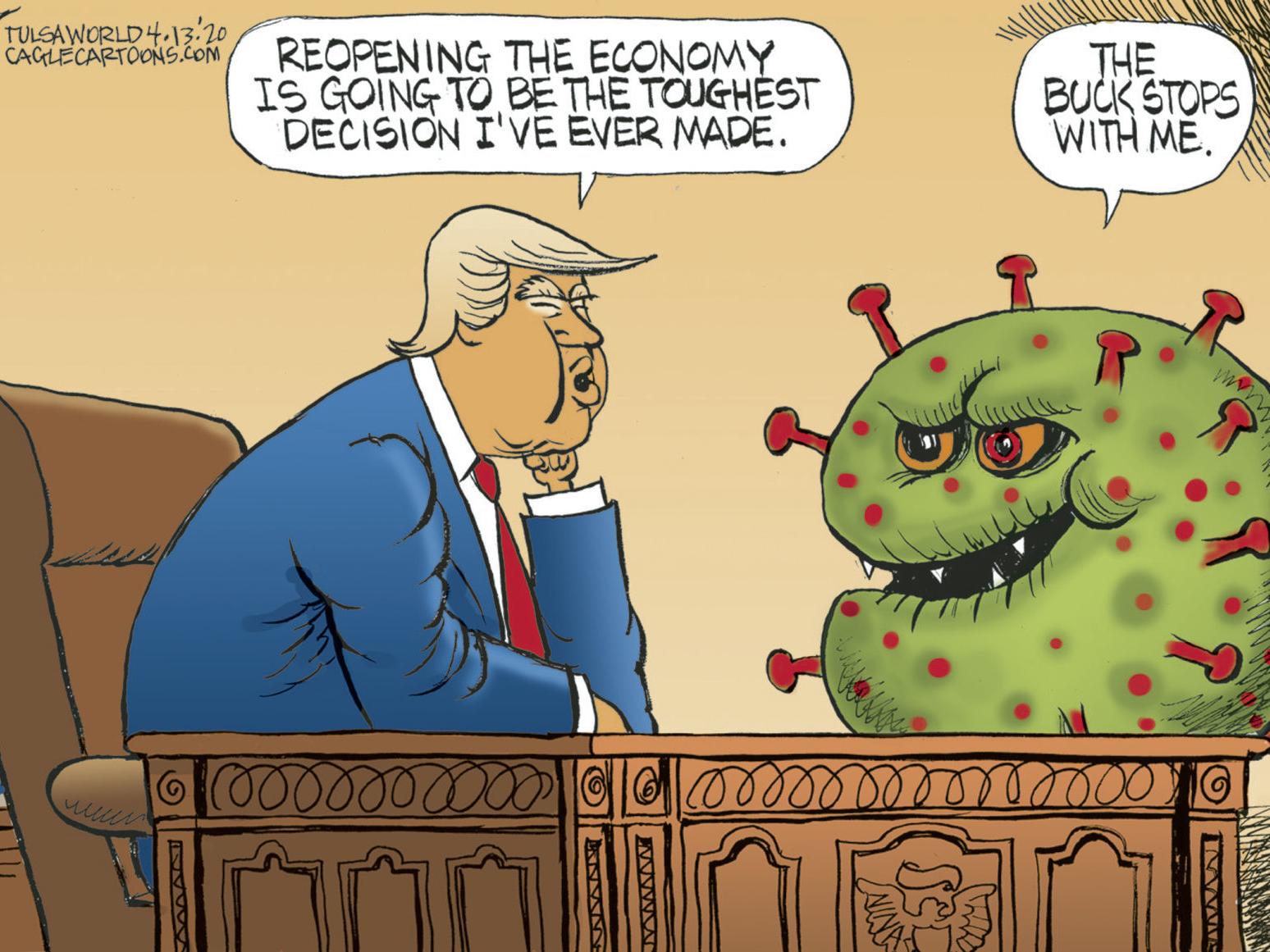
And when Obama was done, and we were hoping we could return to breathing safely in the atmosphere that was quickly overheating and being filled with doodoo smells, the angry and stupid people elected an orange guy (seen above with the green guy he tried to help destroy the world.)
And now I cannot watch the news without getting steamed, or crying over pictures of dead children in Ukraine. And all of this Voodoo doodoo is deep-rooted in the Republican poopoo, growing in horrific power and doodoo smells since the time of Ronny Ray-gun. (Why can’t Star Wars Anti-Missile Systems take out Russian missiles over Ukraine? Did we not pay enough for them?)
If you are wondering why I do less and less political humor anymore, well… It really stopped being funny.
I am aware that nobody who looks at my blog ever clicks on my videos. This one, however, would be very useful if you are really going to read and engage with this essay. This self-reflection came into being as a response to watching this video. The video talks about how most people can’t stand to actually sit alone in a room with only themselves. And it has an impact. I have claimed in the past to being a devotee of the Theodore Roethke maxim, “Being, not doing, is my first love.” But how does one go about becoming truly self-aware? How does one enumerate the concept of “being”? I believe I can do it, but it requires a bit of self-examination. How do I do it?
Let me count the ways…
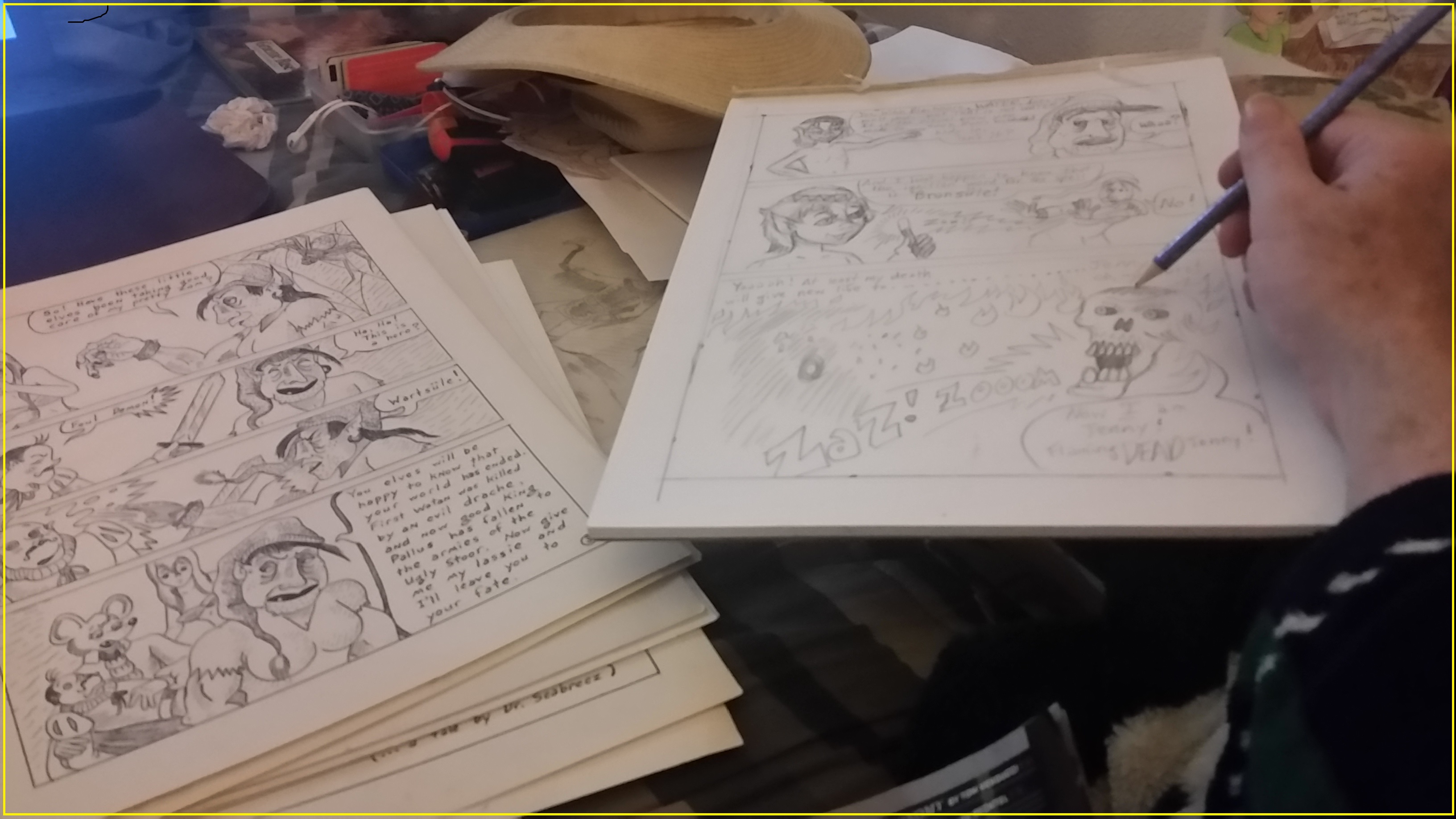
I put myself down on paper, through drawing or writing in English and look at the way it portrays me.
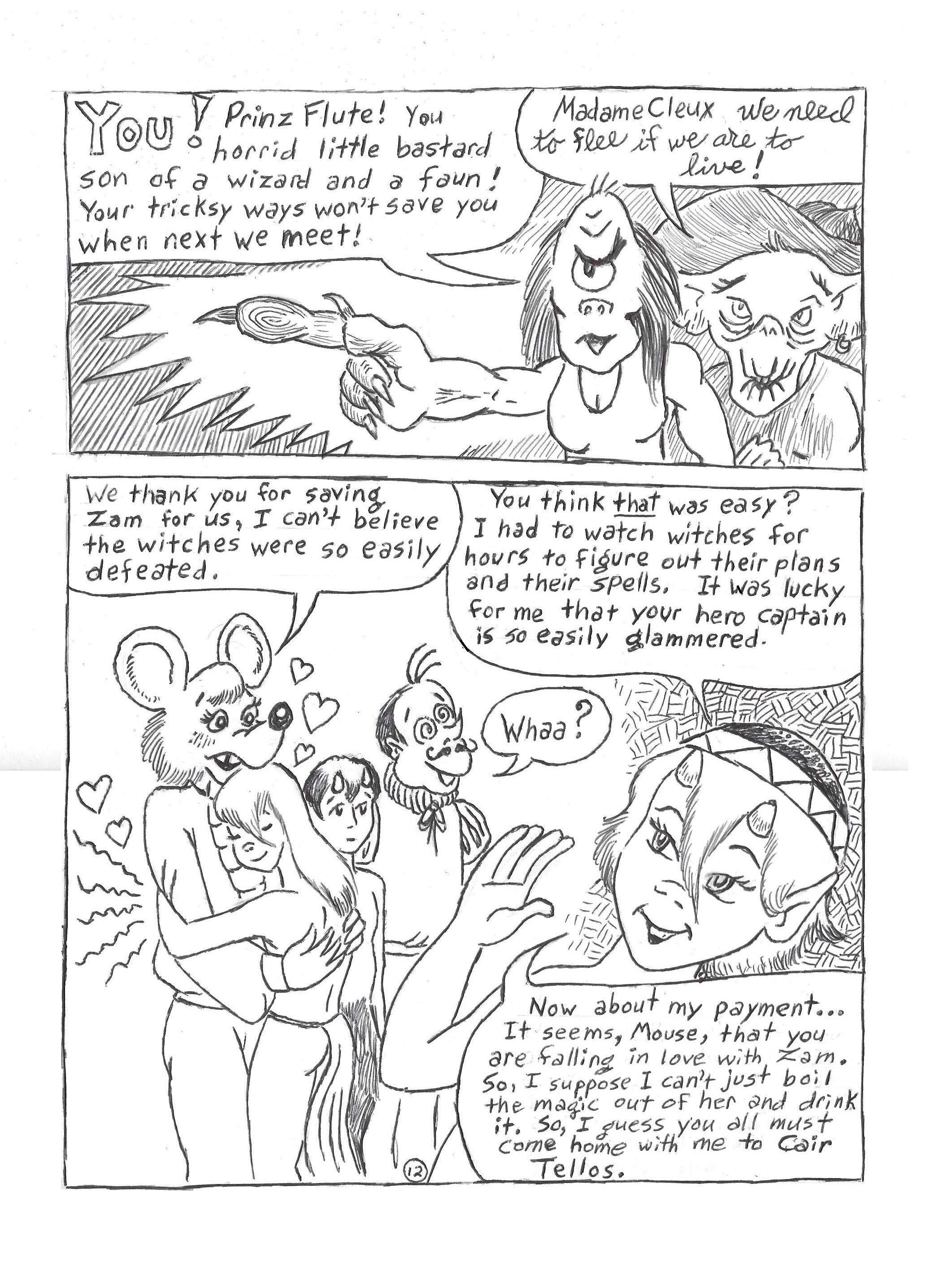
I find myself in both the written characters I create and the cartoon characters I draw. In Hidden Kingdom, my graphic novel, the Mouse and young Prinz Flute are both me. I can see myself both as the reluctant romantic hero and the snarky child-thing with a dangerous little bit of wisdom.
I learn to know more about my secret heart and what I truly think about the world I live in and react to by writing about what I think and the things that happen to me, both for good and ill. This blog is all about learning about myself, just as your blog is a mirror of who you really are. Consequently, I have no secrets left.
I not only reveal myself in this blog, but I also attempt to sing about myself in much the same way that Walt Whitman did in his poetry.
I live most of my life in my own imagination. It is a silly Willy Wonka world of images, songs, music, and dreams. It can all blow away in a moment when the sun comes out. It can also keep me in a light-obscuring cloud wrapped and safe, well away from the things I fear and the things that worry me. I came to realize I was repressing the memory of being sexually assaulted when I was ten through a dream when I was nineteen, re-living the event in a dream from which I awoke with a blinding flash of realization. I came to grips with the horror that mangled my childhood and young adulthood first by facing the fact that the nightmare had been real, and then by finding ways to overcome it. I became a teacher of young people in large part as a way to protect them and prevent such a thing from ever happening again to someone else.
I use my fictional stories about the girl Valerie Clarke to examine my relationships with my own daughter and a couple of old girlfriends from my youth.
I often worry that I don’t see real people as being real people. I tend to think of them from the first meeting onward as potential book characters, walking collections of details and quirks, conflicts and motivations. But I recognize too that that way of seeing with the author’s eye is not incorrect. People really are those things. There are rules and generalizations that everyone falls under at some point. It is not so much that I see real people as book characters as it is that I realize that book characters are as real as any other purportedly “real” people.
I am myself both the subject of my cartooning and fictionarooning, and the cartoon character of myself as well.
Mickey is not a real person. He is a cartoonist persona, a mask, a fake identity, and the lie I tell myself about who I actually am.
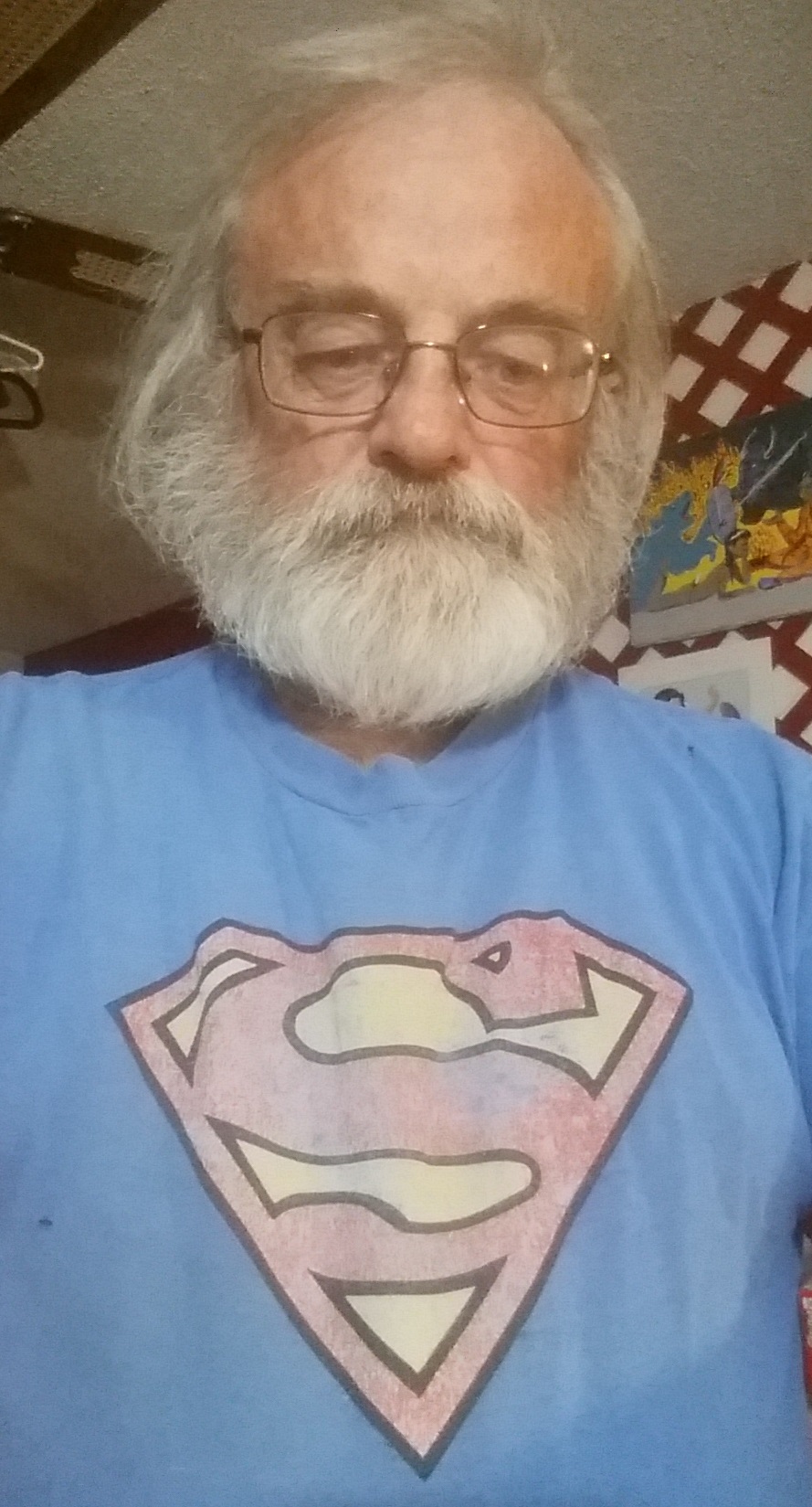
In this essay, I have attempted to explain to you who I think I am spending time with when I am alone in a room with myself. He is not such a terrible person to spend time with, this Mickey. Or else he really is truly awful, and I am lying about me and who I think I am when I am alone with me and have no other options. But probably not. I have been getting to know me for about 562 years, only exaggerating by 500, and I am not finished yet.
The doctor looked at me with a pained and worried look on his pasty white face.
“Um, okay, I don’t know how to tell you this, but…”
“Well, if you don’t know how to tell it, then maybe you should look at the notes you made one more time.” “Yes, okay, tell about your major symptoms one more time.”
“Well, Doc, I don’t seem to be able to explain anything to anybody without using complicated metaphors, similes, or timely literary allusions.”
“That’s why you began, “It was the best of times and the worst of times?” When you visited the first time, I mean.”
“Yes, with somber Dickensian overtures to the grim details of the London streets in summer. I didn’t feel like myself, since I live in Texas.”
I grinned at him and continued in a sad voice.
“And what’s worse, when I go to sleep, I dream dreams where there is a horrifying beginning, a mysterious ramble in the middle, and I can’t wake up until I have achieved a satisfactory conclusion.”
“I see.” the doctor said.
“Yes, first I see, then I take what I saw, and use the saw with hammer and nails to build a setting. And then I stir up some doughy memories and add highly conflicted seasoning, stir vigorously, and then bake it all into a plot.” I grinned as I said that sadly.
“Did you try the medicine I gave you last time?”
“Yes, I did. I read what I already red while I was writing, and the red pills helped me spot where the plot’s crankshaft was wobbling. A minor revision with the blue pills of clarity, and then a huge dose of the green pills of proofreading. After a while the engine of theme and meaning was purring.”
“Do I detect a bit of pun infecting your system?”
“No, I took the read pill while reeding.”
“Okay, I get it. A bit of dyslexia perhaps?”
“Possibly. Or perhaps pernicious practical punnery.”
“Ooh! Let’s hope it’s not that bad. Please continue.”
“It seems I have a lot of voices in my head. They are constantly telling me things about their lives. Sometimes deeply personal things. This one voice is a young girl who reminds me distinctly of a student I had back in 1994 and 1995. She was a very strong-minded young woman who definitely got her head together around the time she was thirteen and fourteen. She may have had a slight crush on me. But she had a hard time with a number of tough hands that life had dealt her in the poker game for all the marbles. It was a sort of extended poker game with the old Devil himself. And she was losing. But with a little bit of advice from me, and a whole lot of life lessons from her to me, she learned how to beat the old Devil himself. And this time the Devil was not just in the details, but also at the poker table of Life. And he cheats. But she beat him anyway. And I found I had so many things and notes and story-parts from that, that I needed to write a book about it. And when I did, it was never enough. I had to write another and another.”
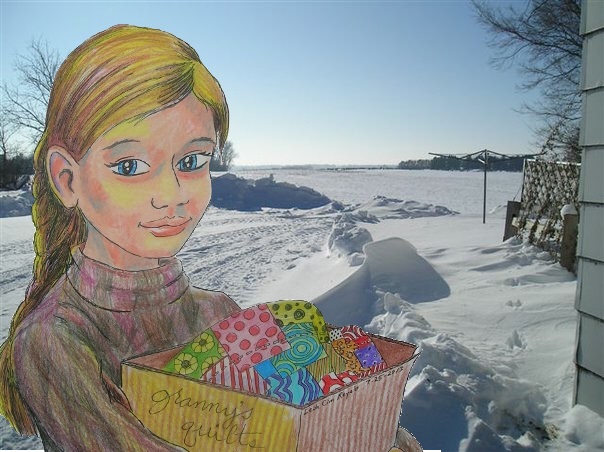
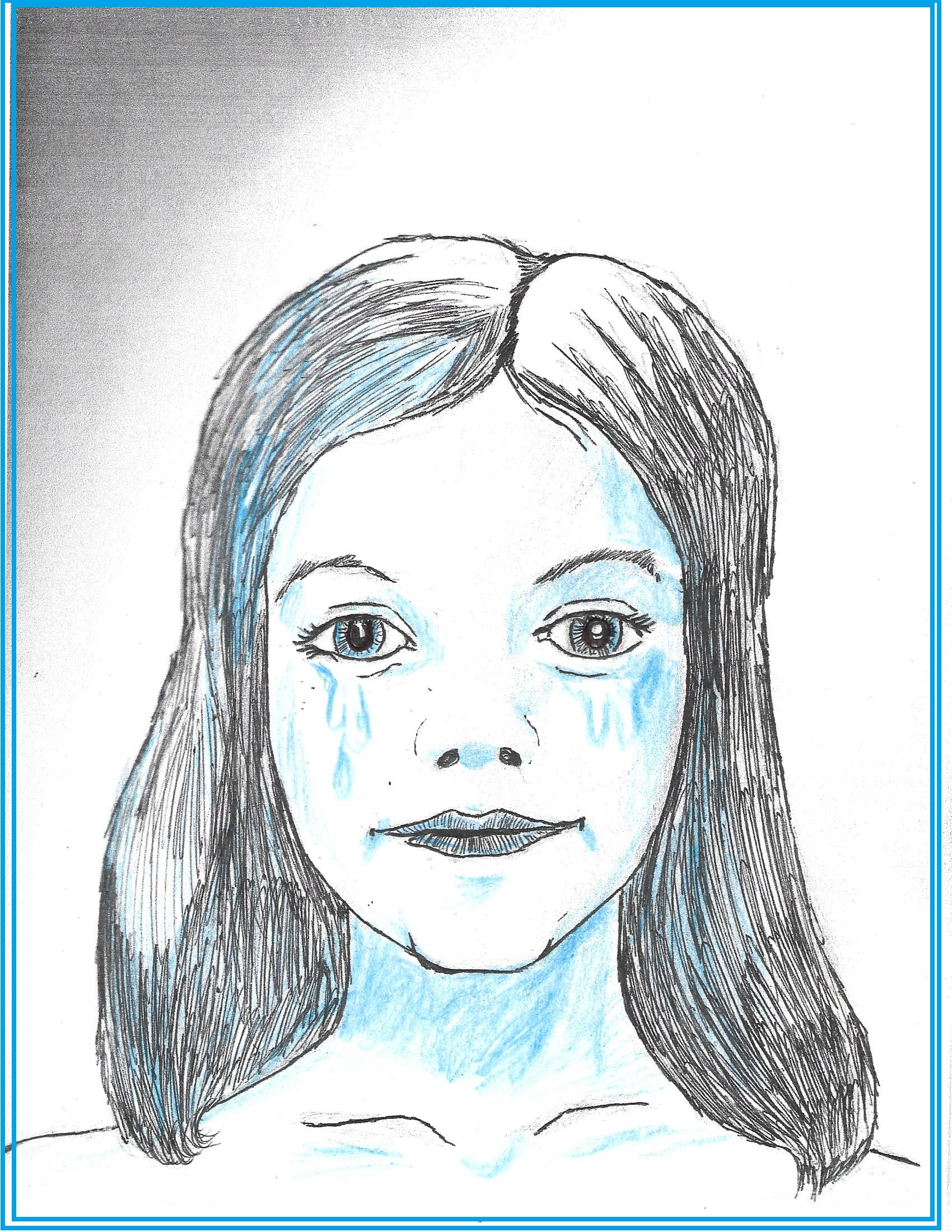
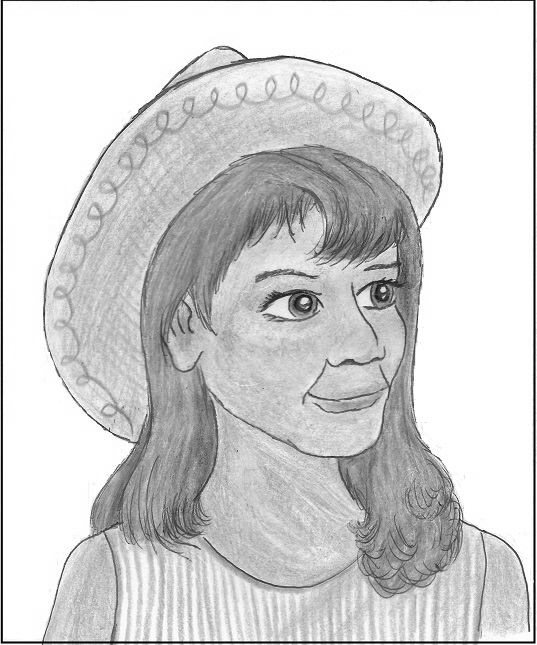
“Yes, I believe I am getting the whole picture now. By the way, that’s Valerie in the picture, isn’t it?”
“It’s supposed to be, yes.”
“I see. …But leave the saw on the table, Mickey.”
“So… so, what is the matter with me, Doc?”
“Well, I hate to break it to you like this, but you want me to be completely honest with you, don’t you?”
“Yes, just give it to me straight, Doc.”
“The bad news is, Mickey, that you are an incurable novelist. You can’t help yourself at this point. You are seriously infected with storytelling.”
“Is it fatal, Doc?”
“Probably. You will definitely have this disorder until the day you die. There is no cure. There is only editing, editors, and the joy of publishing that can help you now. You just have to take it one day at a time, one story after another, from now until the final chapter ends.”
After that, I felt better. There was no cure, but at least I knew the prognosis.
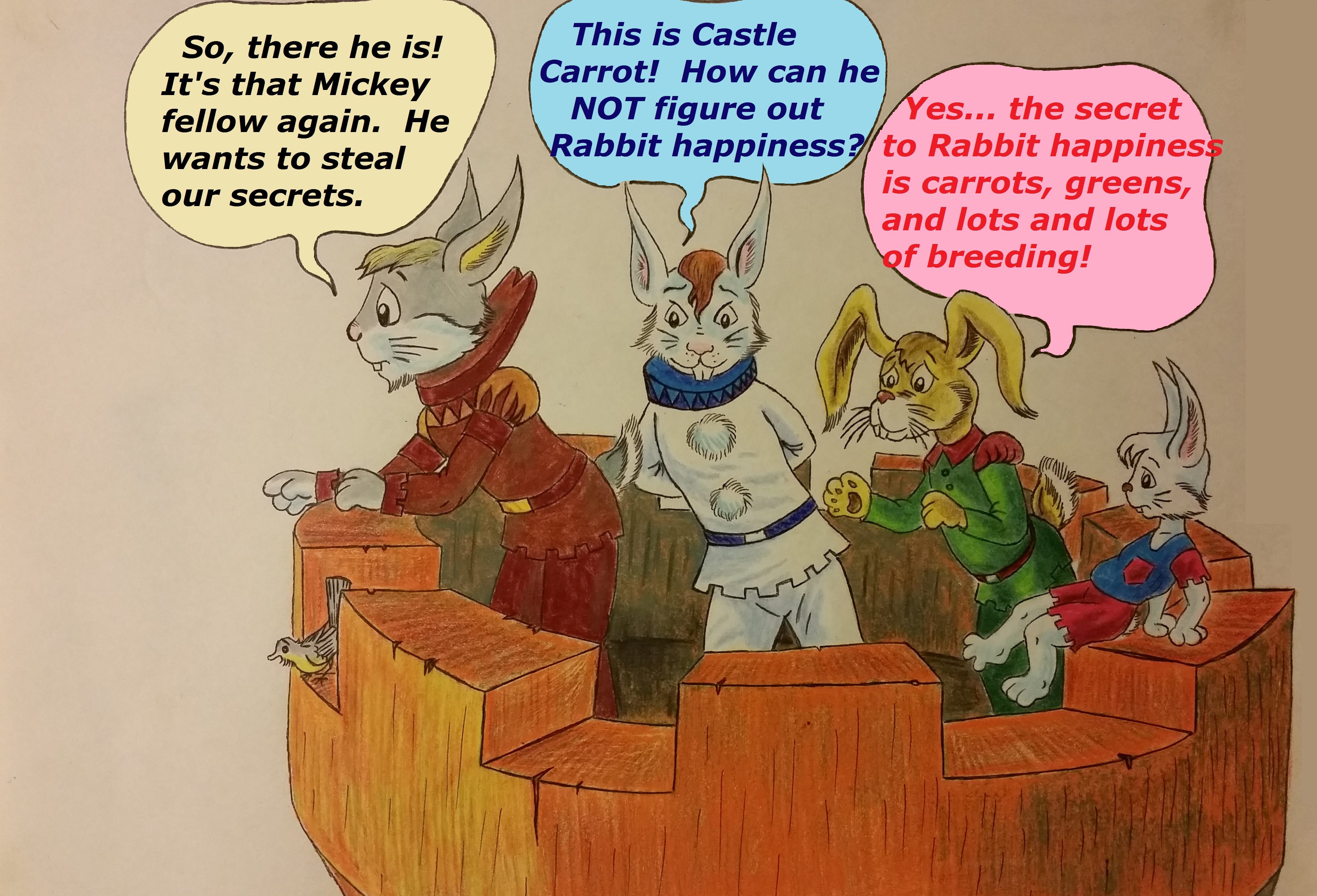
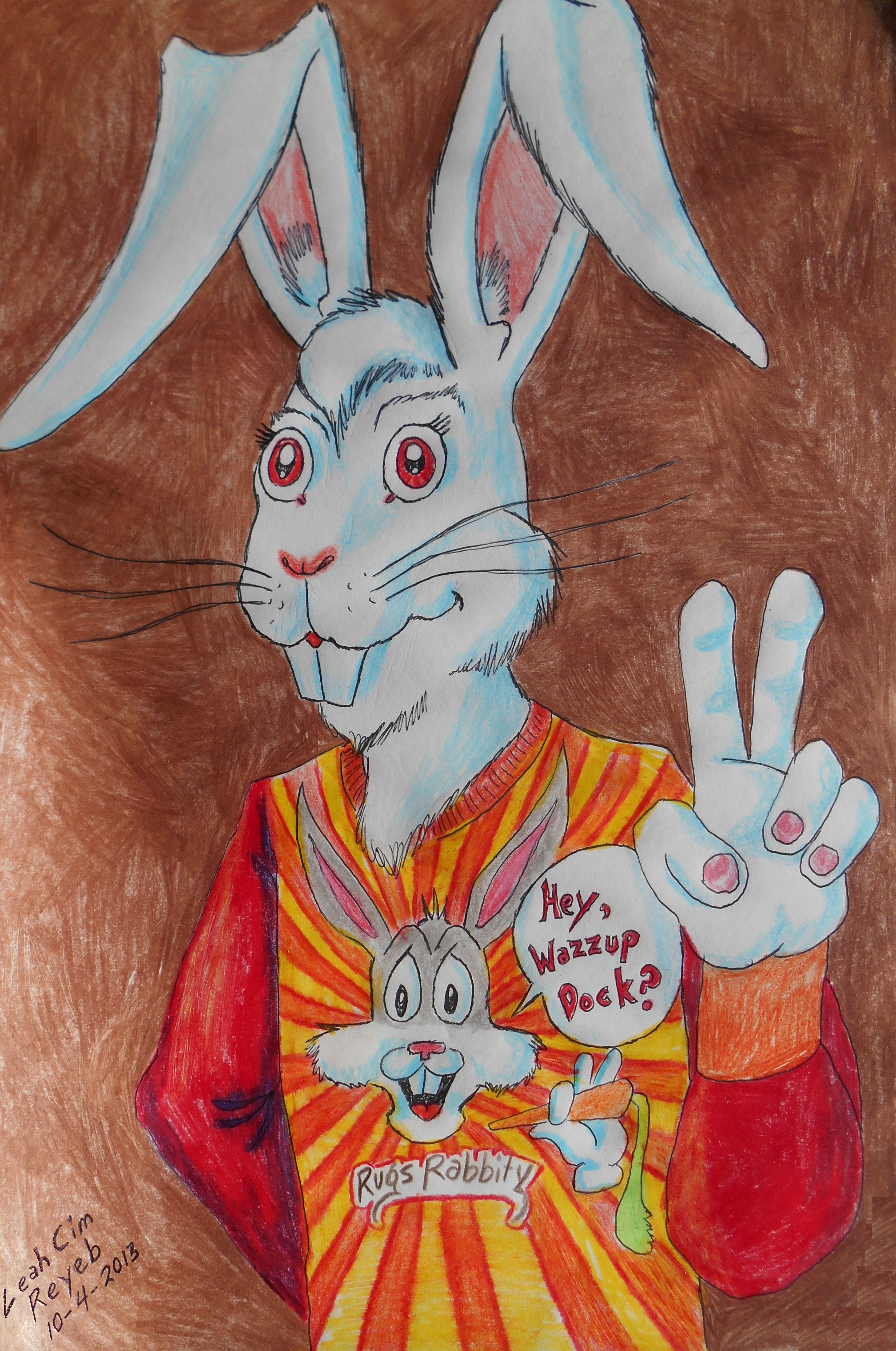
On days when I am still recovering from life-altering blows, I often try to find new realms, alternate realities to live in. (Retreating into a fantasy world is one of the reasons she gave for leaving.) And since, as a youth in Iowa, I raised rabbits for a 4-H project, I know rabbits better than I do human people. Rabbits are people too. So, I have been walking among the rabbit people. Seriously, bunnies are better people than most human people. They are not trying to profit off you. They are not trying to get everything they can off you. They are merely there to wiggle their whiskers, sniff for food, poop, gnaw on stuff, and make more bunnies.
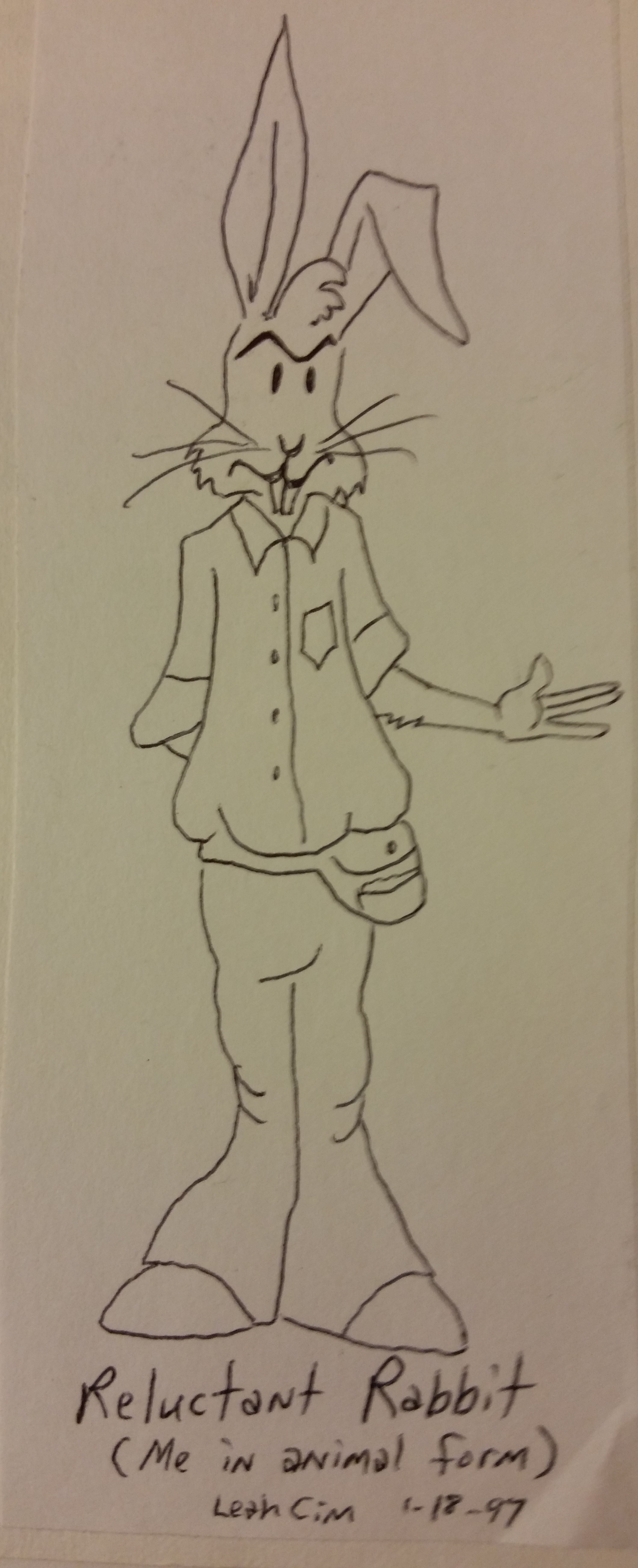
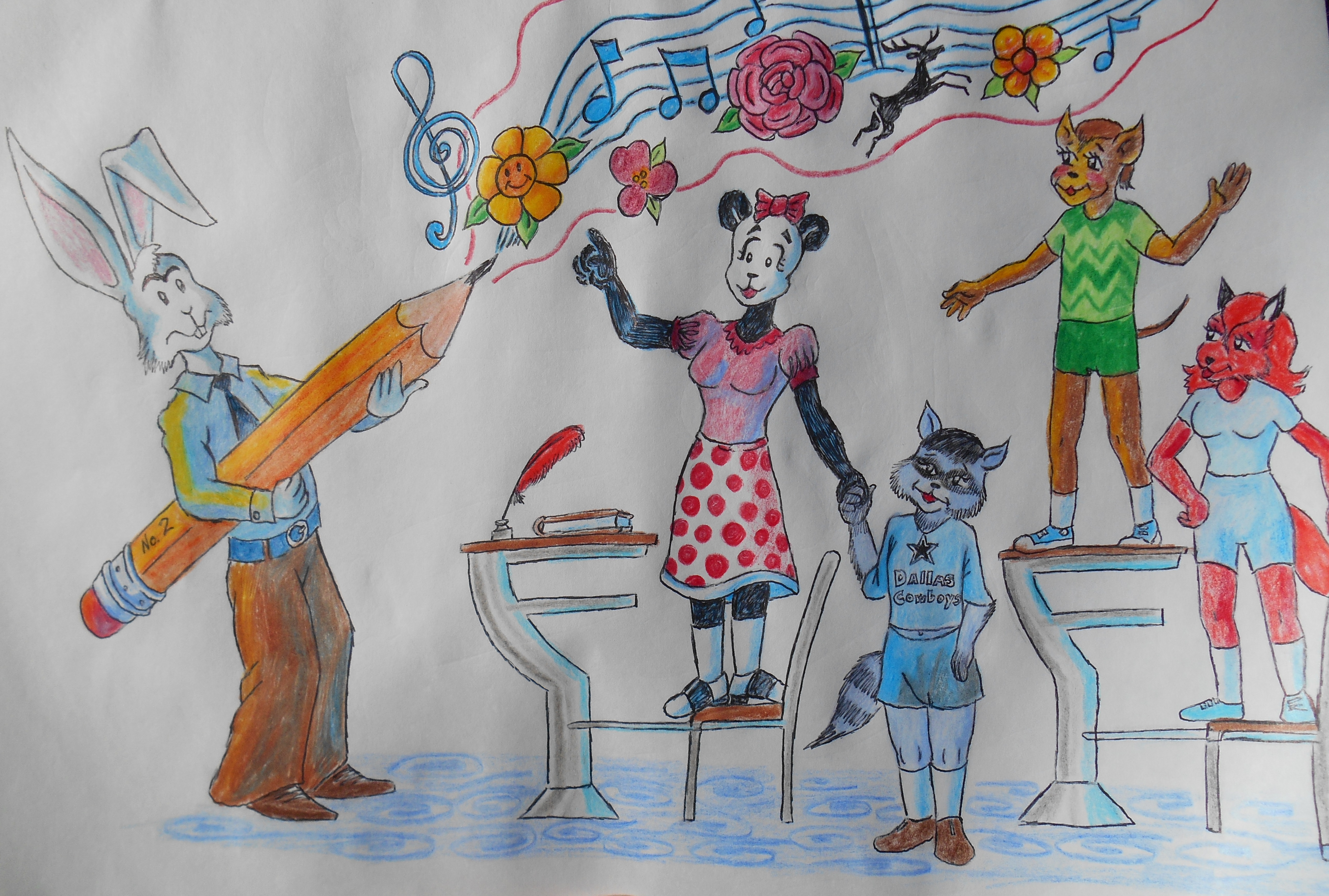
I often see myself as a rabbit person. In cartoon form, I am the bunny-man teacher known to the Animal Town School System as Mr. Reluctant Rabbit.
As a teacher, I am always pulling out carrots of irony and gnawing on the ends of them in front of students. If they complain that eating food in class is supposed to be against the rules, I ask them, “Do you want a carrot of irony?”
“Oh, no, thank you sir.”
“They are good for your eyesight as well as your insight. You really ought to chew on healthier things like that.”
“Oh, no sir,” they say. “We prefer Hot Cheetos.”
And so, I taught on like that… like a rabbit, fast and frumious (a Jabberwocky sort of word), and never really bit anybody. Teaching is like that. You offer the good healthy stuff to nourish their little animal minds, and they always choose the junk food instead.
And so life goes on like that. Looking to rabbit people to ease my pain and need for good, wholesome carrots of irony.
I have recently run a free-book promotion on The Bicycle-Wheel Genius.One of the main characters in the book is Tommy Bircher’s pet rabbit Millis. During the course of the story about invading aliens, Secret Agent Robots from the CIA, and making friends when you need friends, Millis is turned into a rabbit-man by a lab accident. He teaches Tommy that you don’t have to be human to be a good, caring, self-sacrificing person. He also teaches him to eat his carrots and greens like a good boy should.
So, I will spend more time with the rabbit people and heal a little bit. That is what you do with the tragedy that life brings you. You spin it into whole cloth, making humor and poetry out of everything bad that happens… wrapping yourself up in a comforting blanket of lies (you can also call those fiction stories), and eating a little chicken soup on a cold day to heal your soul. (Oh, I forget, rabbits often gag on chicken soup. Let’s make that bean soup with carrot chunks.)
I am sick of a lot of things. Right now, Covid Omicron is probably one of those things. Oh, it doesn’t seem like it is going to kill triple-vaccinated me. But it is not making my life easy right now.
It bothers me that States with idiots in charge of the government are trying to legislate school curriculum in ways that eliminate books about black culture and black experience, life experiences of gay authors and trans people, and anything else historical or factual that makes white guys feel guilty or uncomfortable about not feeling guilty. (Notice I haven’t mentioned any particularly stupid red States like Texas or Iowa or the evil kingdom of Florida, nor have I specifically insulted moron governors like Greg Abbot or Ron DeSantis. I am behaving myself just as I learned to do from FOX News.)
It also bothers me that States with rabid monkeys in charge of the government are rewriting voting laws to seriously make things more difficult for certain people to vote, and rearranging vote certification so that the Republican party does not have to put up with people winning elections when they don’t like them. Voting is easy for me because I live in a mostly white-guy voting district and I look like somebody who might vote for Republicans. But even I could get into serious trouble if I tried to give a bottle of water of to an elderly black woman waiting in line to vote. And my side probably can’t win in the upcoming election because the majority of the voters who vote for my chosen side don’t look like me, or more obviously think like me.
And I am definitely disturbed by the fact that somebody who looks like a badly fermented mango and used to be the President of the United States, obviously, and in front of the world, incited a riot at the Capitol which resulted in violence and death for some rioters, but more Capitol Policemen. He literally tried to overthrow the US government. And a year later, he still has not been arrested and imprisoned, in spite of the fact that in many other countries he would’ve been executed for his traitorous, failed attempt at a coup.
But what good does it do to be angry about these things? Evil, greedy crooks have been running the ov er-all show since at least the 1980’s, and maybe longer, since before then I thought and spoke and acted like a child. I probably wasn’t mature enough to recognize how easily evil comes to mankind. Perhaps we were always doomed to eventual extinction by the excessive evilness rampant in the human species.
If mankind is going to be inventive enough and resourceful enough to survive nuclear proliferation, human-caused climate crisis, and de-evolution into fascistic. authoritarian, criminal empires, it will be the positive, creative, and good-natured among us that will find the solutions. Not the angry men that dominate politics and television.
I have done my part already. I taught kids to read, and a few of them to write. I hope I taught the right ones how to think. And I didn’t give them reason to become hateful. And I tried to teach them lessons on higher morality.
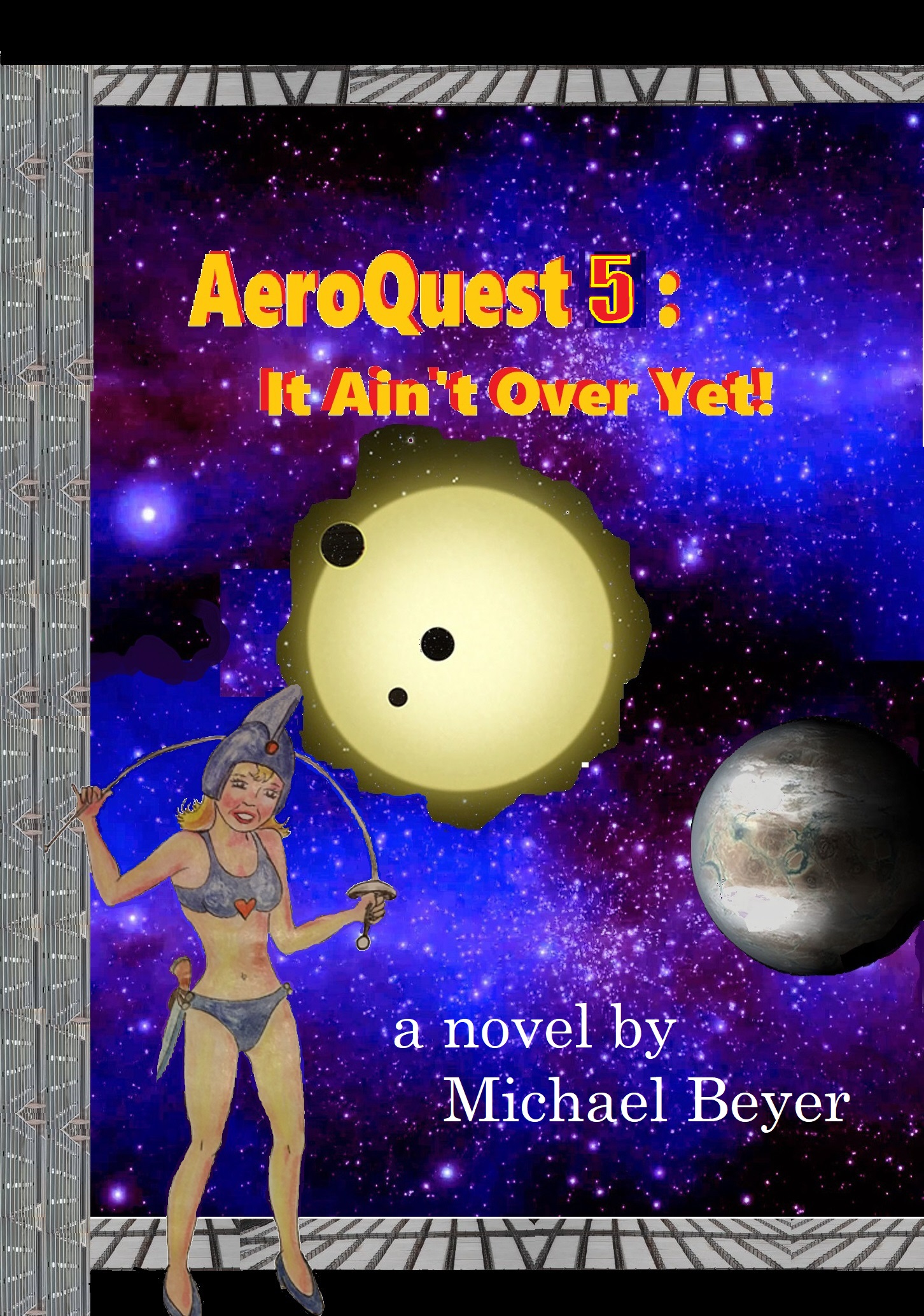
I finished a novel yesterday. That means Aeroquest 4, and The Necromancer’s Apprentice are both only a good proofreading away from being published.
Will I have time before the end to finish another? This I do not know. But there exists enough published stories by me to secure my right to call myself an author. Still, it is a task that makes me happy and leaves more positive than negative behind me when this life is over. It is a better, more-useful thing to do than being an angry man.
I hope you will help me, when the time comes, to vote the evil out of the government… if they let us do so. But I also hope you worry far more about being happy and fulfilled rather than angry.
Yes, the graduating class of 1975 is somewhat in power now. Tom Hanks and Mel Gibson are both big names in movie making, and both were born the same year I was. Larry Bird, Joe Montana, and Sugar Ray Leonard have all made their marks in the sports of Basketball, Football, and Boxing already. They were all three born in 1956 too. Bill Maher, the comedian/talk show host shapes lots of political opinions with his show on HBO. He is also the same age as me. Unfortunately, Matthew Garber (the little boy in Mary Poppins), Carrie Fischer (Princess Leia in Star Wars) and now Bob Saget (the Full House dad) haven’t made it to this date alive. And Marcia Brady (as played by Maureen McCormick) has faded into obscurity while LaToya Jackson’s career has definitely suffered from her brother Michael’s notoriety. Those are all members of the group born with me and having the potential to be in my graduating class. But they are not exactly running the world at this moment.
Joe Biden is, I think, a member of Fred Flintstone’s graduating class. The geriatric crowd with Bernie Sanders, Donald Trump, and Hilary Clinton are still running the world, at least until they can no longer get the proper old-fashioned batteries for their pacemakers.
Mitch McConnell is pictured here with two of the things he fears most in life. The fact that he still rules the Senate in spite of being the MINORITY leader, is one of the biggest oxymorons I could ever hope to spot. I do believe he has been dead for longer than most of his Senate colleagues have been alive.
Life has become an oxymoron in 2022, and is now considered to be seriously funny.
Teachers are being valued just the way that corporations and economically-minded leaders like Governor Greg Abbott and Governor Ron DeSantis have always felt they should be valued… thoroughly expendable. We have passed laws against teaching actual social history in terms of racism, civil rights, and the evil deeds of former rulers who are rich white guys because learning about those things might hurt the feelings of white kids. And teachers should not be allowed to protest and leave their jobs just because the State Legislatures of Red States want to prevent requiring vaccinations and mask-wearing as necessary in schools. It is the violation of somebody’s rights somehow to make anyone get the proper shots before entering the teachers’ workplaces, because it is important that teachers teach in classrooms, but they cannot insist they have a right to be as safe as possible from dying of Covid variants or the bullets from a student’s AR-15.
People who aren’t rich enough to have opinions should all just be quiet.
And meanwhile, Mickey has put another one of his novels up for promotion as a free e-book until Tuesday, January 18th, You should click on the link and get yourself a free copy. It makes as much sense as anything does in these staid and lucid nonsensical times.
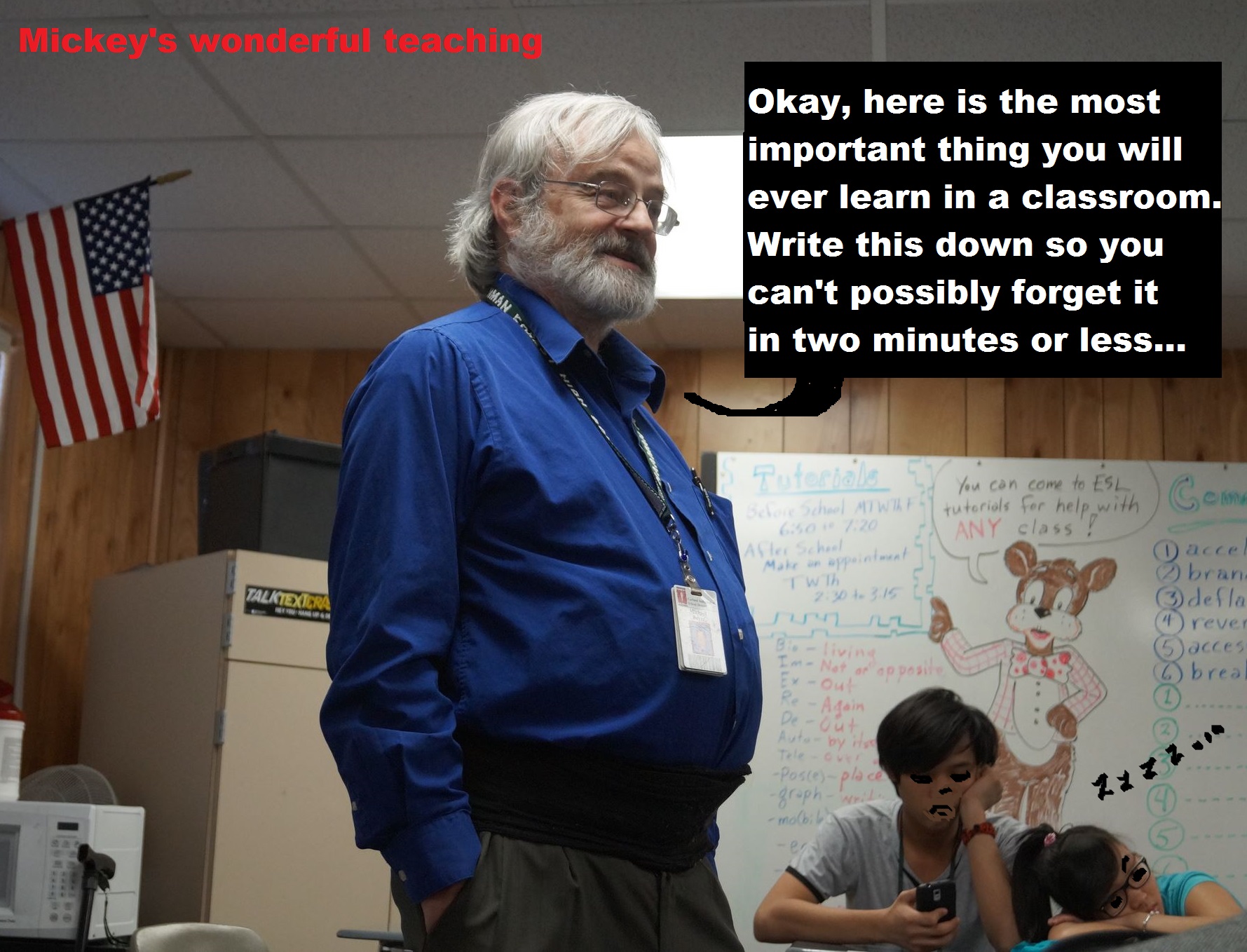
When I was still alive and still teaching, maximizing and managing time was an incredibly important part of the day. You had to activate learners with an attention step, a lesson focus that grabbed them. Usually that had to follow a warm-up, something you got them to do as soon as you had smiled at them at the doorway, offered to shake their hand, and then pulled them into the classroom to do some work for you. fifteen minutes at the start of the class to rev up mental engines and get the gears turning… shake out the rust and the cobwebs that accumulate the instant the final bell rang in the previous class. I timed that part of class down to the second with my pocket watch… or phone in later years. Then, once the engines started, the focus is in place, you introduce the learning objective. Never more than ten minutes… timed to the second… you give the explanation, the road map of the day ahead, the instruction. Then for the next ten to fifteen minutes you let them discover stuff. In groups, with a partner, teacher to class, student to class, or (rarely) individually, they must apply what you pointed out and figure something out. It could be complicated, but probably it was simple. All answers are welcome and accepted… because all answers will be evaluated and you learn more from wrong answers than you do from correct guesses. Evaluation comes in the five to ten minutes at the end when you evaluate. “What have I learned today?” You try your hardest to pin something new to the mental note-board hanging on the brain walls of each and every student. Depending on how much or how few minutes you are given before the final bell kills the lesson for the day, you have to put the big pink ribbon on it. That tightly-wound lesson cycle goes on all day, repeated as many times as you have classes. In that time you have to be teacher, policeman, friend, devil’s advocate, entertainer, counselor, psychotherapist, chief explainer, and sometimes God. And you time it to the second by your pocket watch.
I miss being the rabbit holding the BIG PENCIL. Now that I am retired, I am no longer on the clock… no longer subject to careful time management. My pocket watch is broken and lying in a box somewhere in my library. I live now in non-consecutive time periods of sleep and illness and writing and playing with dolls. I have entered a second childhood now. Not really a simple one because of diabetes and arthritis and COPD and psoriasis and all the other wonderful things that old age makes possible. But a childhood free of school politics and mandates from the school board and from the State. A childhood where I can once again dream and imagine and create and play. That’s what this post is if you haven’t already figured it out. I am playing with words and ideas. They are my toys. Toys like this one;
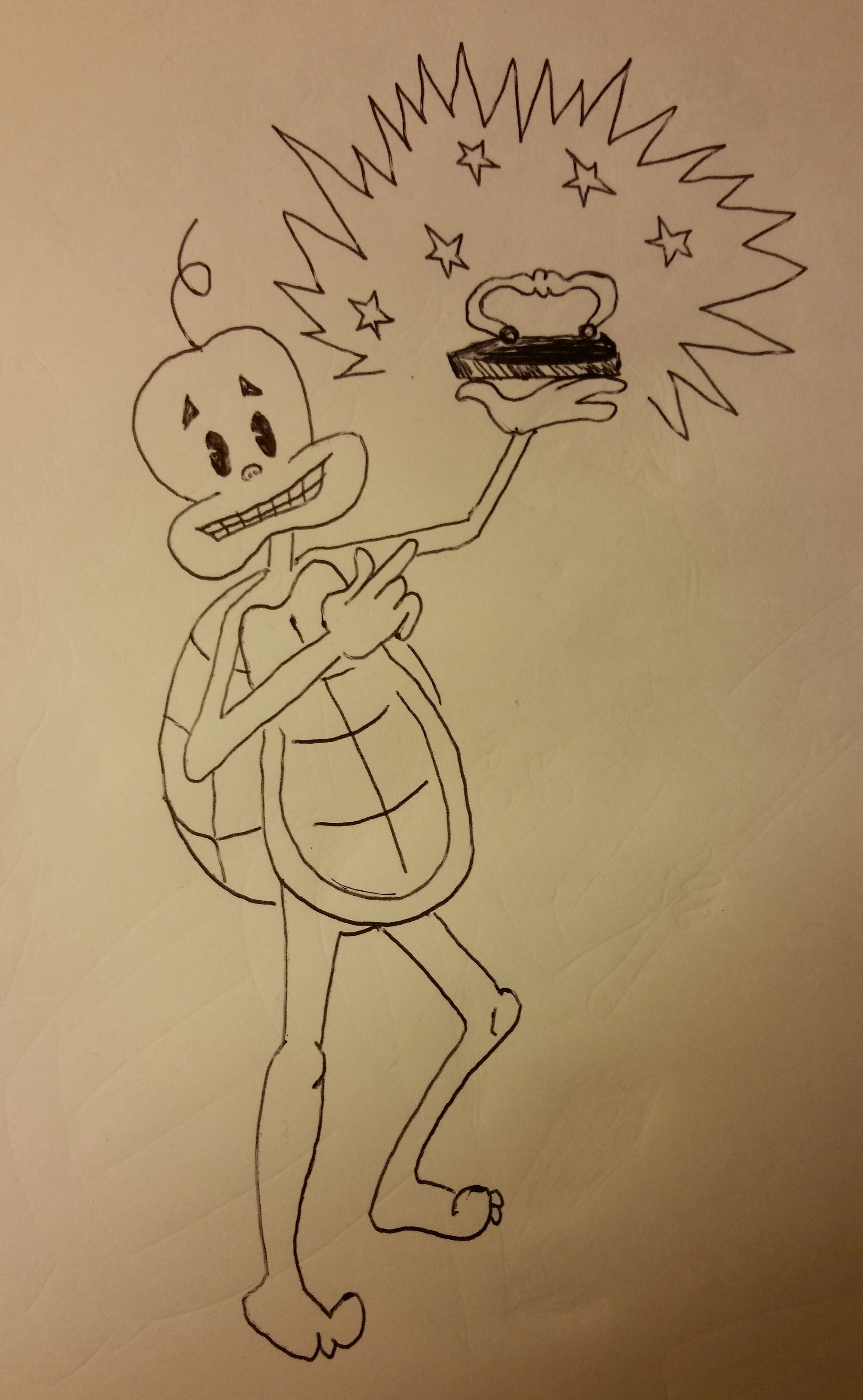
This, of course, is Tim, the turtleboy of irony, holding his magic flatiron that he uses for ironing out irony. He is flattening it out now with a cartoony Paffooney and wickedly waggled words. Ironically, I have often taught students to write just like this, making connections between words and pictures and ideas through free association and fast-writing. Have you learned anything from today’s retired-teacher post? If you did, it is ironic, because you were never meant to from the start.
I often go back and re-read old posts, particularly when I discover that someone else has read them. It is amazing to me how differently I perceive things from when I actually wrote the post. As you write, squeezing huge, boulder-sized portions of hot, magma-like burning ideas and passions out through writing orifices not nearly big enough to accommodate, you usually hate what you wrote and are still writhing in pain from the creation of it as you try to edit it, trim it and brush its unruly hair. (How’s that for a mixed metaphor to make you cringe?) But given time and distance, you can really appreciate what you wrote more than ever before. Things that you thought were the stupidest idea a man ever put in words suddenly have the power to make you laugh, or make you cry. You are able to feel the things the writing was intended to make you feel. You begin to think things like, “Maybe you are not the worst writer that ever lived, and maybe that’s not why nobody ever reads your books.” But then, of course, your sister reads the post and tells you that you write like a really old, really crabby, really ancient old man. And you use the word “really” too much too. I know I deserve that, Sis. Especially the “really” part.
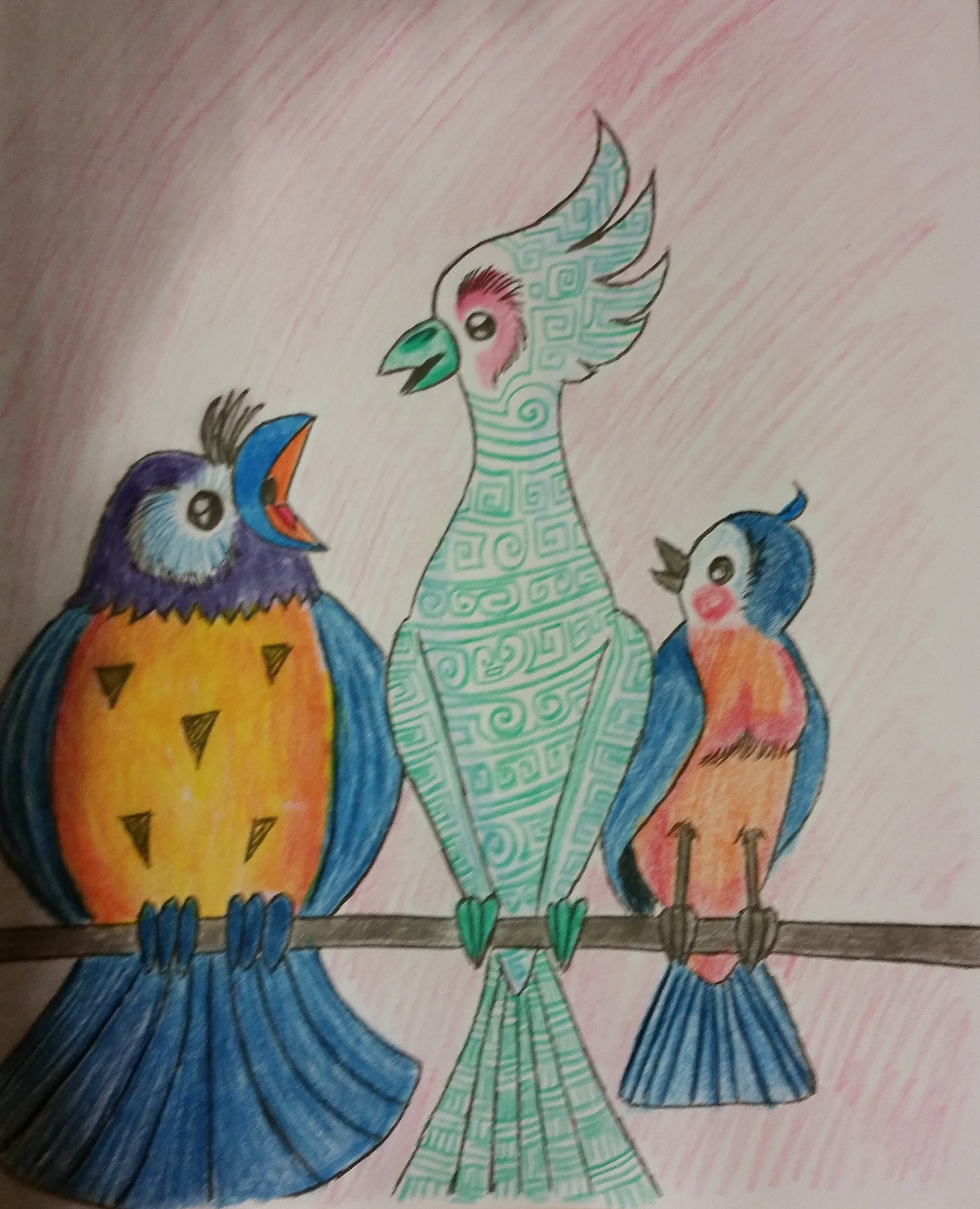
This is the thing about happiness; It is elusive and rare as a real-life blue bird. But capturing it for a moment is not impossible. And as long as you don’t try to salt its tail and keep it prisoner, you can encourage it to sing for you. (Much better metaphor this time, don’t you think?)
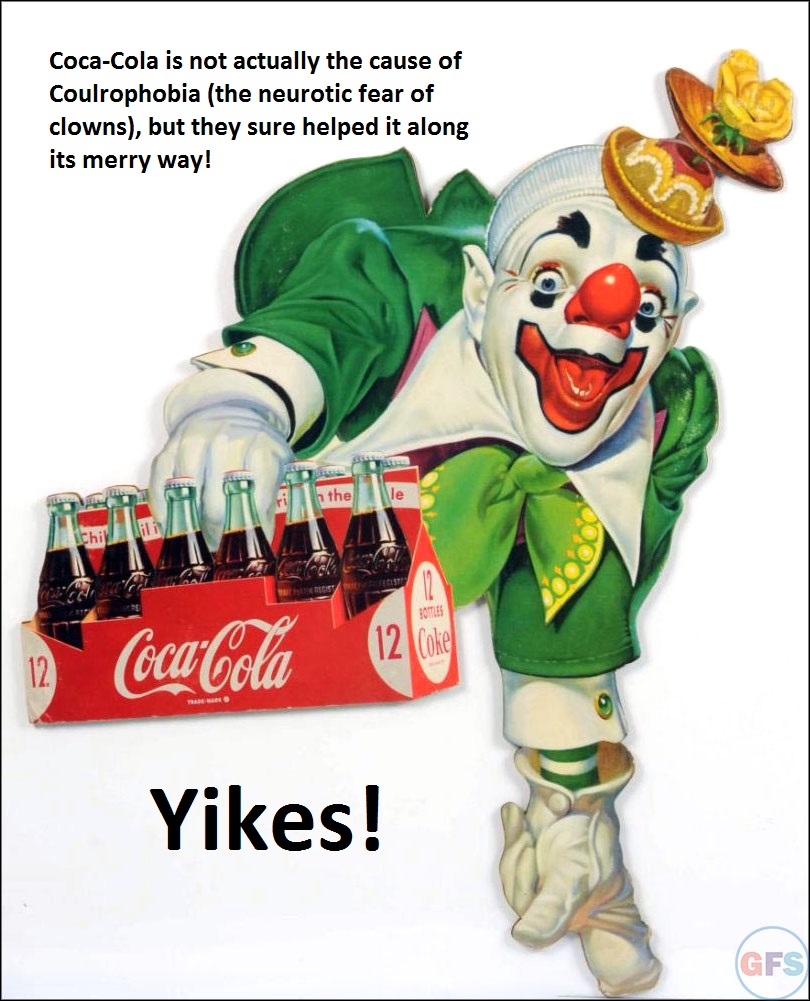
When I am accused of being gloomy, old, and boring, I can happily admit it and make it into something funny. I am something of a conspiracy nut, but not so serious that I believe all my own assertions. For those people who took offense at this conspiracy theory of mine; Coca-Cola Mind Control, I would like to point out that “Hey, I was joking. I actually like clowns.” Even though there is a serious side to everything and there can’t be laughter without some tears, I am basically happy with the way things are.
I started listening to “Live Happy Radio” on Sunday mornings on KLUV in Dallas. They point out on their program of endlessly droning happy-talk that happiness is something that you can work at. Like humor writing in blogs, it takes practice and practice and time. They even asked me to share the word about their happy magazine and products, so I am doing exactly that right here. Sometimes you simply have to put your cynicism in a jar on the shelf next to the lock box where you keep depression and self-loathing. So you can find their Live-Happy folderol right here.
So I am bird-watching again with an eye out for the bluebird. You know the one. It is out there somewhere. And I need to hear that song one more time.







The Final Day of March
I went for a walk in the park today, trying to get the three miles of walking in for the day to help strengthen my heart and blow the filth out of every valve and carburetor in the engine that makes my life run. But it was a gray and dreary day, threatening rain and being downright spitty.
I counted at least four male cardinals sitting high in the tops of mostly leafless trees. Each was surveying his own jealously-guarded territory and singing his little red heart out with the trills of his mating song. No female cardinal was out in the wet and the cold to answer any of them. It appears they were all sitting home in their bird houses sipping hot cocoa by the fireplace. And probably laughing at the stupid males.
March is supposed to be the tail end of Winter and the first bars played in the Song of Spring. It has been more like a skunk’s tail followed by the squawk of a dyspeptic crow.
The trees who lose their leaves are supposed to have buds by now. Even leaves. But that seems to be delayed for cold rain and the frustration of love songs by redbirds going unanswered.
And it reflects the end of the Covid Pandemic like a mirror. There are still masks on faces at Walmart. There are maskless faces as well. Inflation makes spring strawberries expensive. Gas prices made Spring Break travel limited. Donald Trump is still not in prison. And the best descriptive word for the feelings in the moment is, “Meh…”
Things should be looking up. Robins should be returning from their extended vacations in Cancun. The people in Texas should be smiling more. Especially the rich white people. The world is pretty good for them. But apparently we have a bit of hail, a lot of rain, and some killer tornadoes to get through before the season sets itself aright.
Leave a comment
Filed under commentary, feeling sorry for myself, humor, irony, pessimism