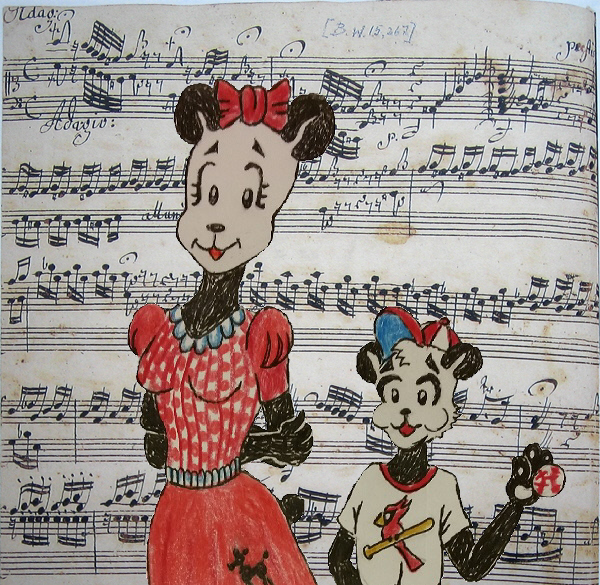
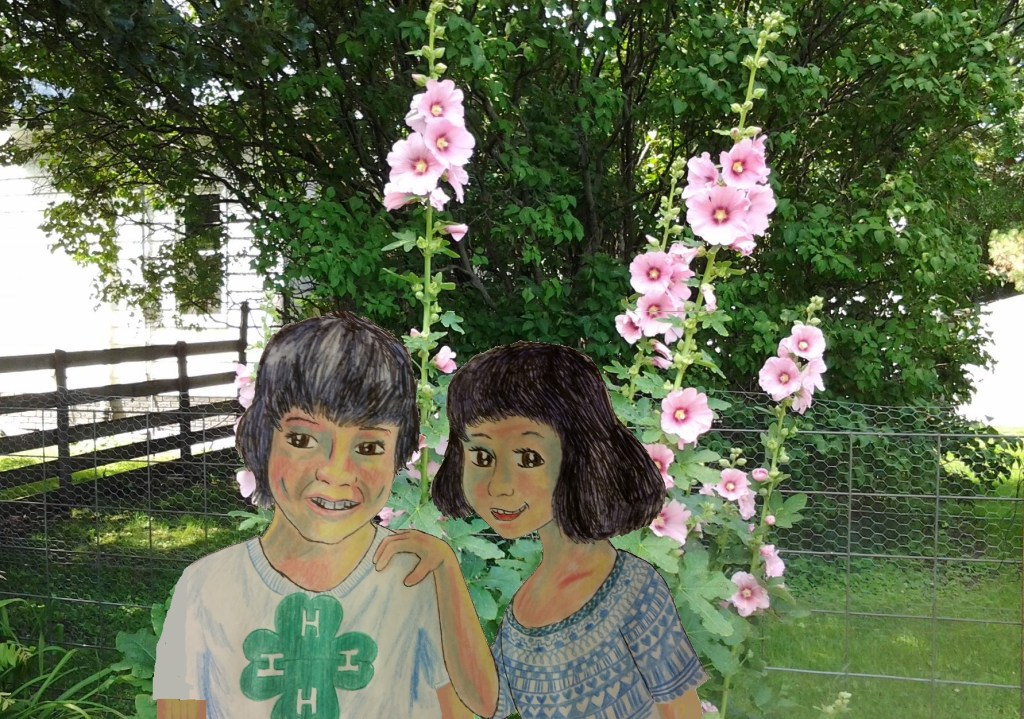
One thing that I, as an artist of limited ability, appreciate about the digital age, is that I can get lots of mileage out of old works of art, and even new works of art, by cutting and pasting, photo-shopping, and re-using elements of the drawings done once… but turned into many by digital means.
Brent Clarke, farm boy and the farm.
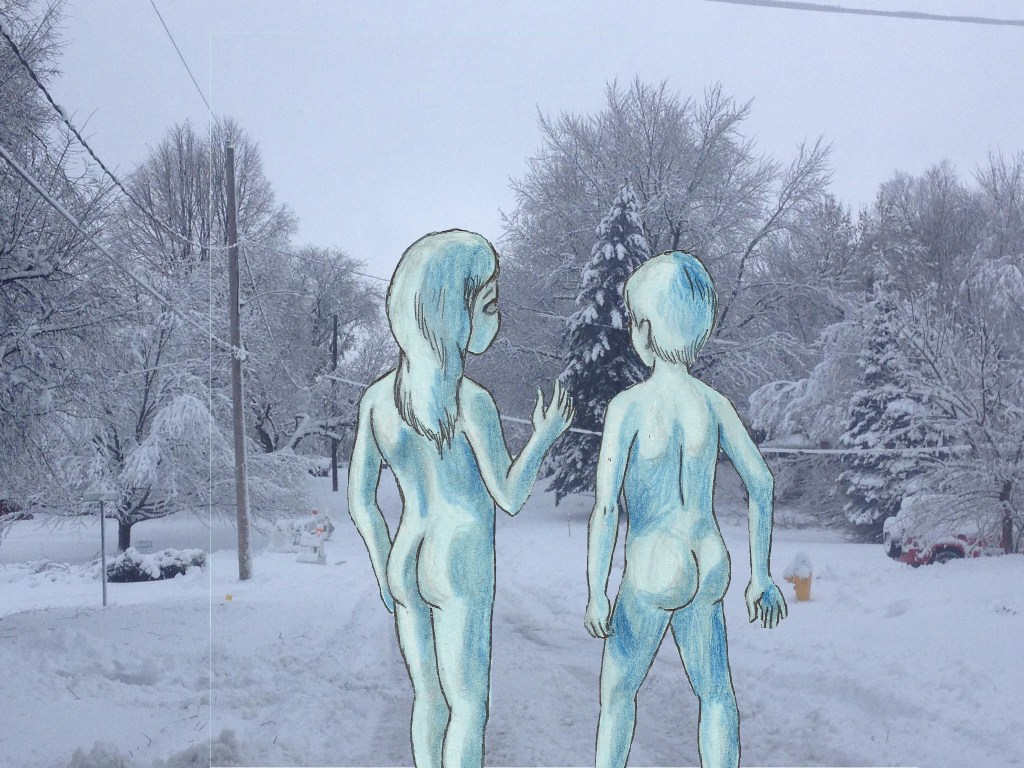
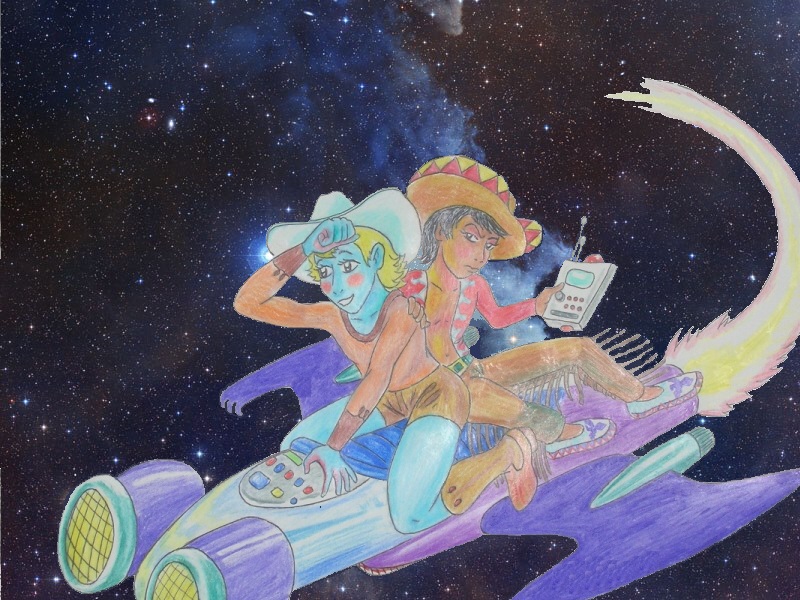
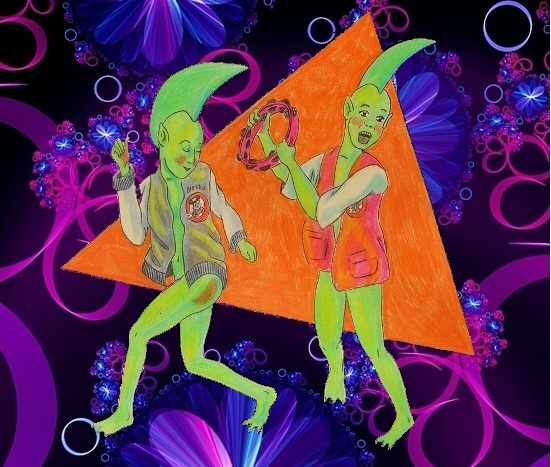
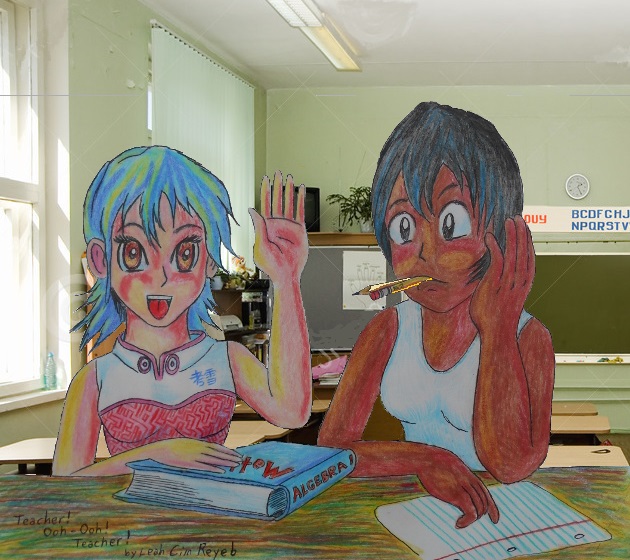
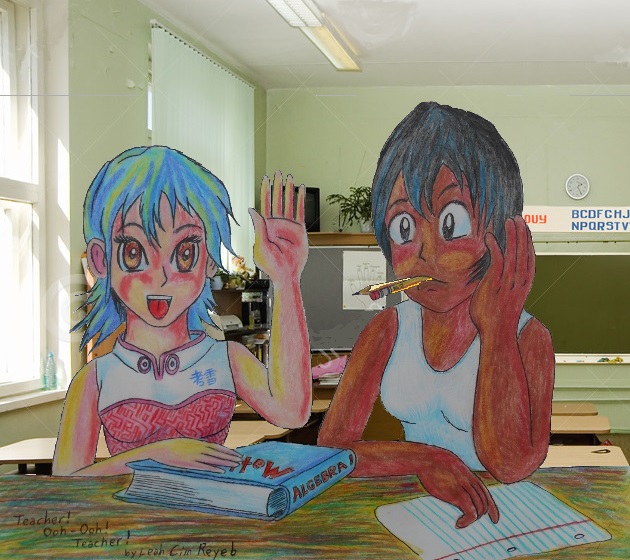
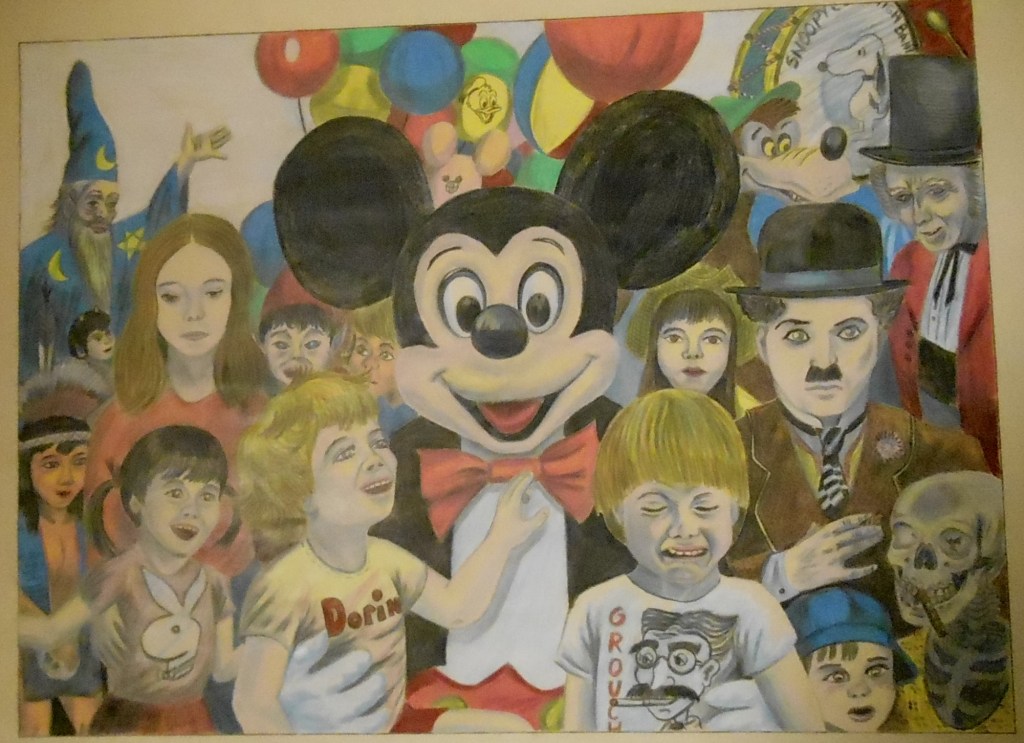
Valerie, Denny, and Tommy at Christmas time during the blizzard.Snow Babies in the snow,,,Gyro the Nebulon and Billy on the rocket sledBrekka and Menolly as unofficial members of the Mickey Mouse Club.A self-portrait of me in the 1960’s.Imaginary ESL students… well, they didn’t look like this in real life.The imagination can range farther afield when digital magic allows the artist to take the ballgame to any sort of arena.
And the process can take you home again, no matter how far away and how long ago home has become.
When you know someone has an imaginary friend, something like Elwood’s six-foot invisible rabbit called Harvey, don’t you immediately think that person is crazy? I do. But I have imaginary people as friends. I think most writers do. So am I crazy? Probably. But hopefully it is a good kind of crazy.
It began with imaginary friends from books. The Cat in the Hat was my friend. Jim Hawkins was my friend, as was Mowgli and all the members of the Swiss Family Robinson. They entered my dreams and my daydreams. I told them my troubles the same way I listened to theirs through their stories.
I began to have imaginary friends that came from my own imagination too.
I used to tell my mere human friends about my friend Davalon from outer space. I told them that he was real and secretly visited me at night to talk about being able to learn about humans on earth by walking around invisibly and watching them. I got so involved with these stories that my sixth grade class began saying, “Michael is from Mars.”
When I was a teenager, I began having conversations with a faun. His name was Radasha. He was a creature from Greek Myth, a sensual Dionysian creature who, in his child body, was both younger than me and way older than me. I didn’t realize until much later in life that he was the result of my repressed memories of a childhood sexual assault that I was the victim of. I could talk to him about my fear of nakedness. I could tell him about my blossoming interests in naked girls and their bodies. I could talk to him about all the things I was somehow too terrified to talk to my male friends about, even though none of them had the same reluctance to discuss sex. Ra was imaginary. But he helped me heal.
Then the story-telling seriously began. I used Davalon as one of the main characters in my novel Catch a Falling Star. I created Torrie Brownfield, the baby werewolf to express the feelings I had as a boy about being a monster and secretly terrible and deformed. Torrie is a normal boy with a condition called hypertrichosis. I am working on The Baby Werewolfnow. And then there’s lovely Valerie Clarke. She is the main character of Snow Babies which is a finished novel, edited and proofread and ready to publish. It is I book I will have to find another way to publish since the recent death of PDMI Publishing. She is not a me-character, based on my own thoughts and feelings. She is based on former classmates and students who told me things that express the sadness and isolation of growing up female. So she is even more imaginary than my other characters.
They become real people to me. They have their own point of view. They talk to me and I learn things from them. But they are imaginary. So am I crazy? Yes… as a loon. And happy as Elwood P. Dowd to be that way.
Sometimes the only thing you really want out of life is just to get by. You get tired of always having to climb the danged highest mountain. You get tired of trying to swim the danged deepest sea.
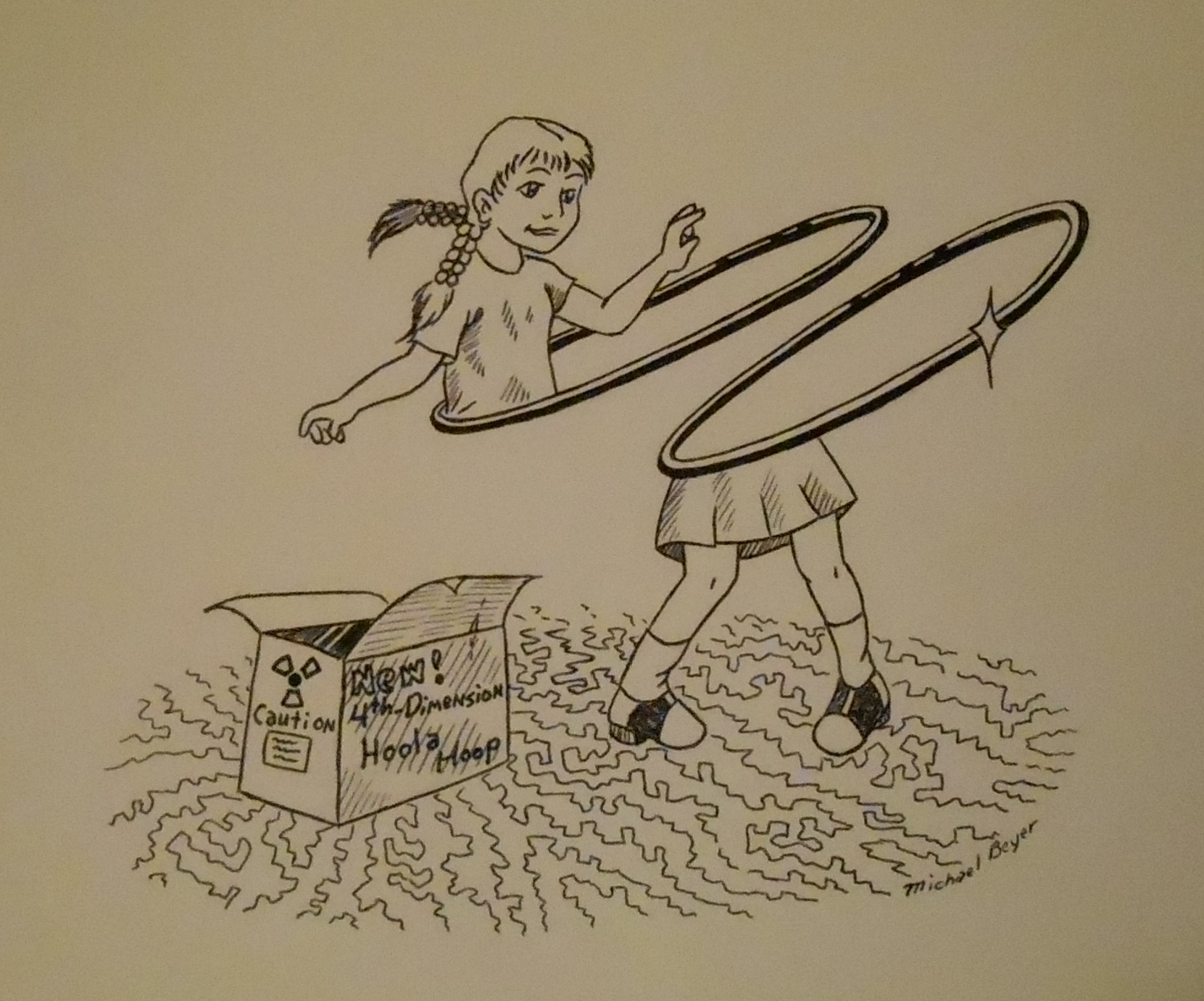
Sometimes all you want to do is doodle-bop!… To draw in pen and ink and post your derfiest doofenwacky doodles so you can just make your way through another danged day.
You aim a lot for different, and undeniably original… because no one thinks like you… certainly no one who is real and has a real brain. You are gifted with an “other-ness”, a sing-songy simpering something that makes you want to doodle and do what no man has done before. (Does that sentence exist anywhere else in all of literature? Even if there is some alternate dimension with infinite monkeys typing on infinite typewriters? What’s a typewriter, you say? Danged millennials!)
I really can’t help it, you know. I was a middle school teacher for 24 years. That sort of thing has mental health consequences. And if you wring the sponges in your stupid old brain hard enough and long enough… doodle-bop! comes out.
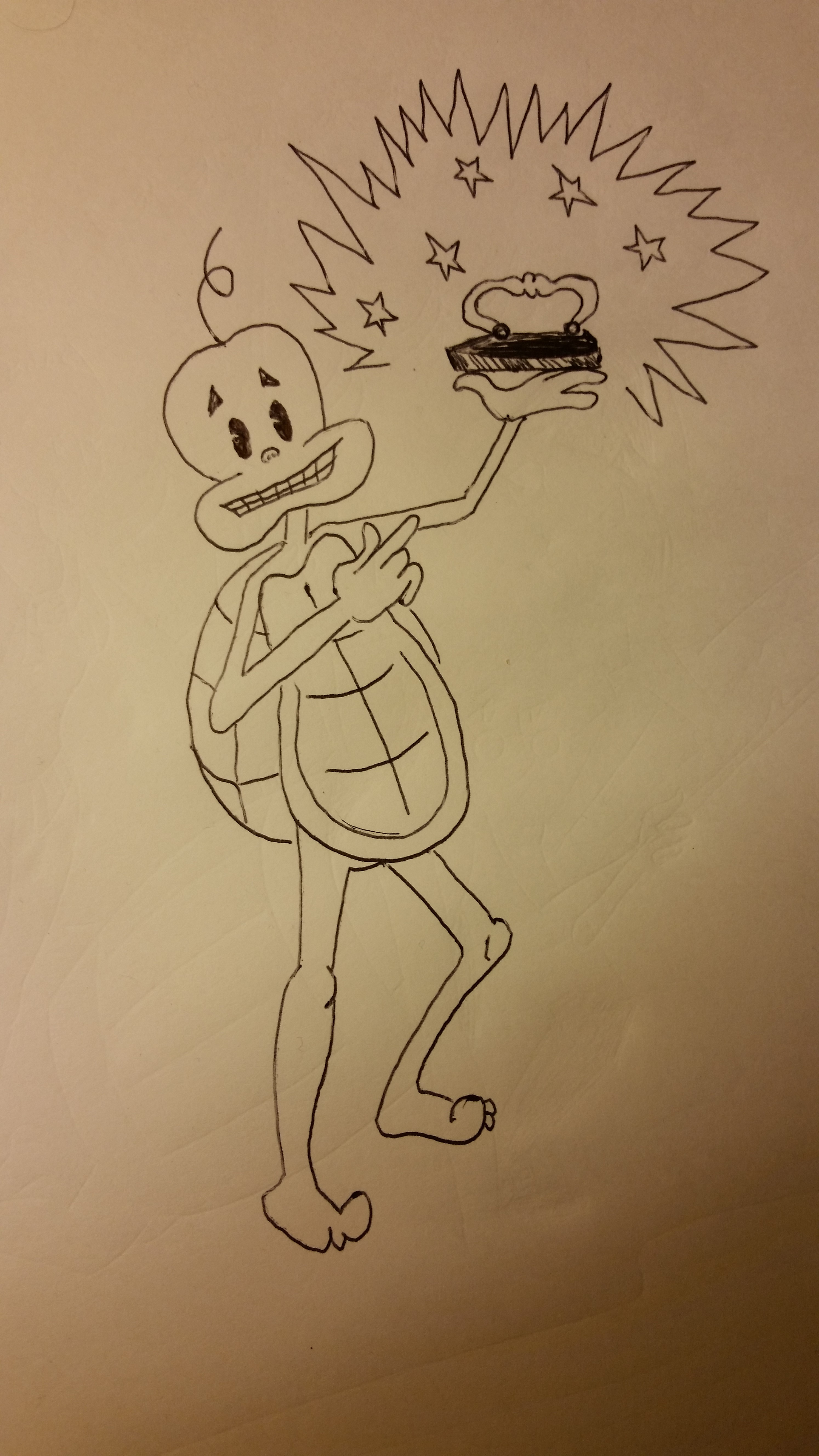
Turtle boy’s magic iron of irony!!!
And you have to wonder why some of the stuff that is in your stupid old head is even in there. Why is it that sometimes the words “Argyle socks are filled with rocks” are drifting through the vast empty spaces in the logic centers of your brain? There has to be a reason for everything, doesn’t there?
I do believe I have made myself chuckle at least a dozen chuck-tacular times in the chuck-a-tational crafting of this cheddar-cheesy post. But it only really counts if I can make you girlishly giggle or guy-like guffaw with my word-munching and cartoony paffoonies.
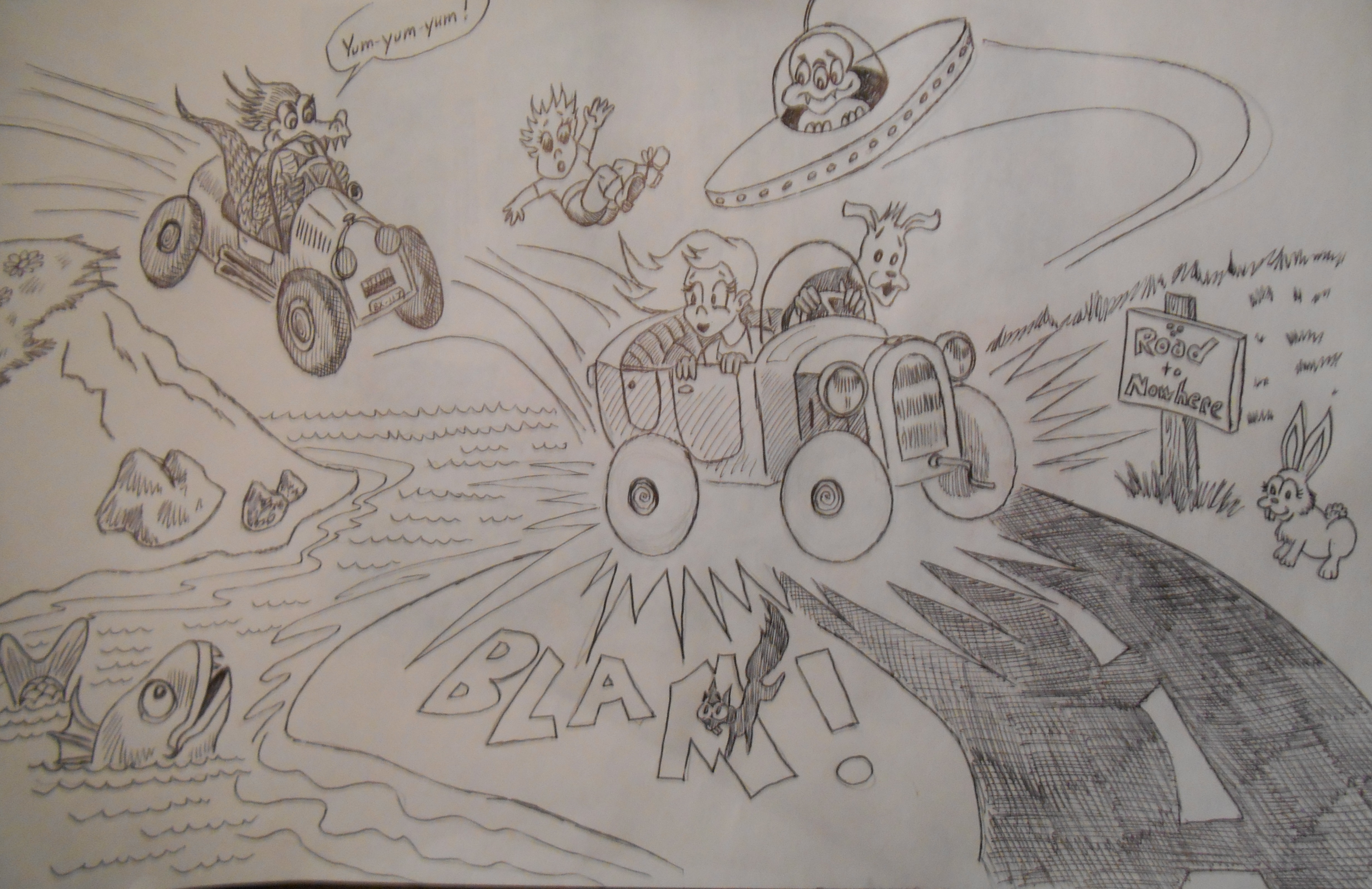
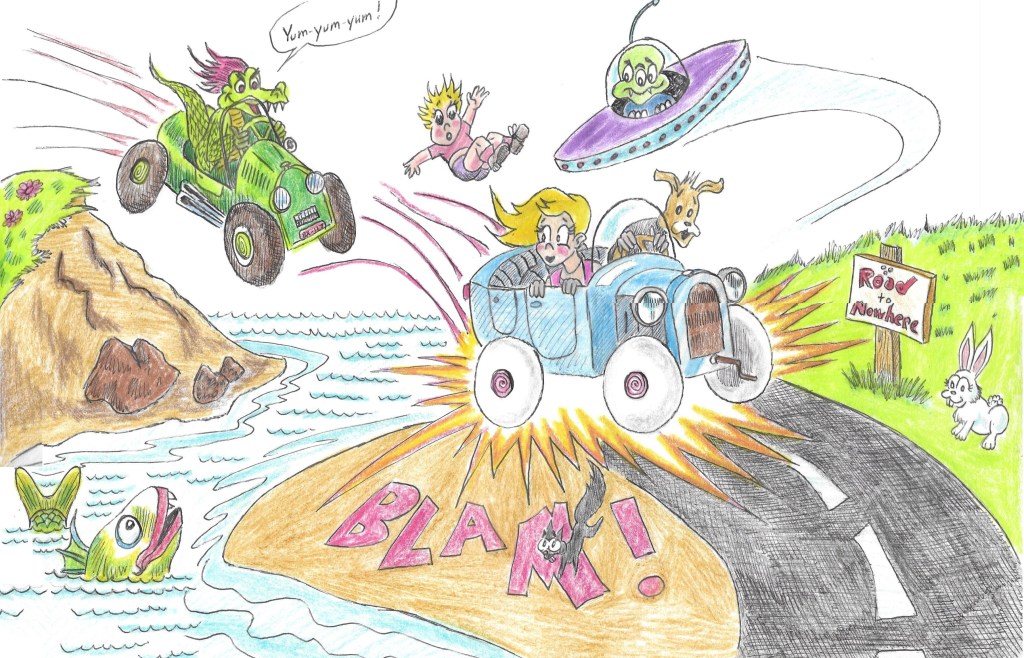
The terror-filled cartoon car chase that is life as usual.
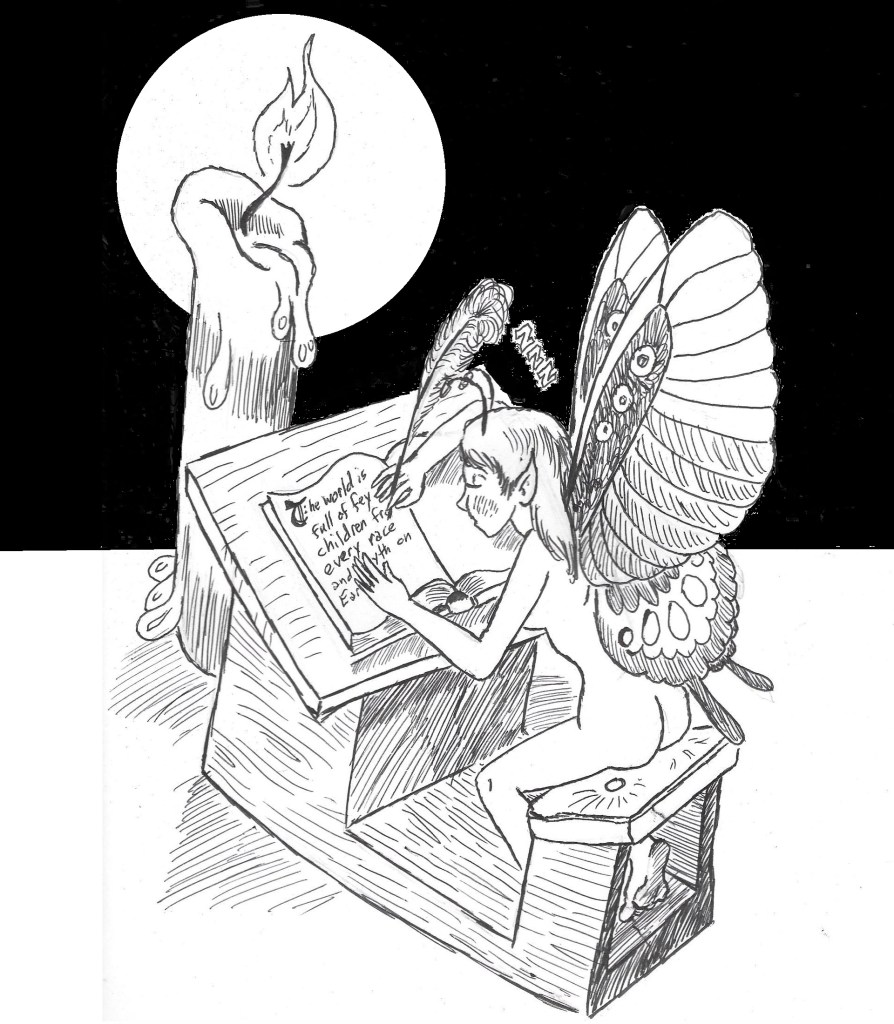
You may have noticed that everything is black and white, even though it doesn’t have to be. Good versus evil, hot versus cold, everything can be divided up simplistically… but the really profound part of simplicity is vibrating reverberations of complexity that lie just underneath. Words have meaning, even though they are just a bunch of crooked squiggles marked on a page. (Yes, I know… “or typed on a computer screen”. Danged millennials!)
And so, this is my doodle-bop! Probably not the doodliest or the boppiest doodle-bop! I could have bopped… but there it is. I have made it through another sorta creative post without losing my mind… Honest! I did not lose it. It is merely temporarily misplaced for a moment. It will be back in its proper place tomorrow… probably.
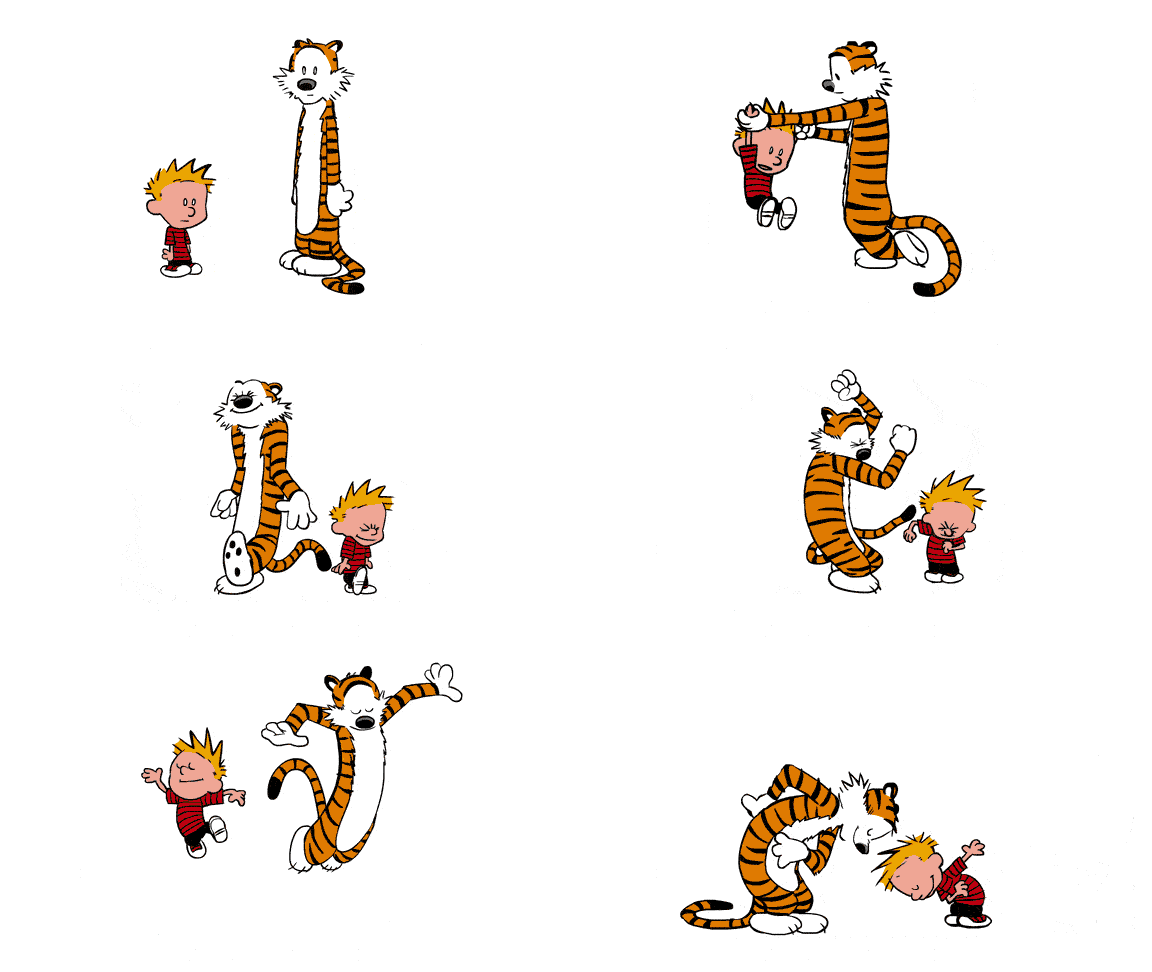
Imagination is always the place I go in times of trouble. I have a part of my silly old brain devoted to dancing the cartoon dance of the dundering doofus. It has to be there that I flee to and hide because problems and mistakes and guilt and pessimism are constantly building un-funny tiger-traps of gloom for me to rot at the bottom of. You combat the darkness with bright light. You combat hatred with love. You combat unhappiness with silly cartoonish imaginings. Well… maybe you don’t. But I do.
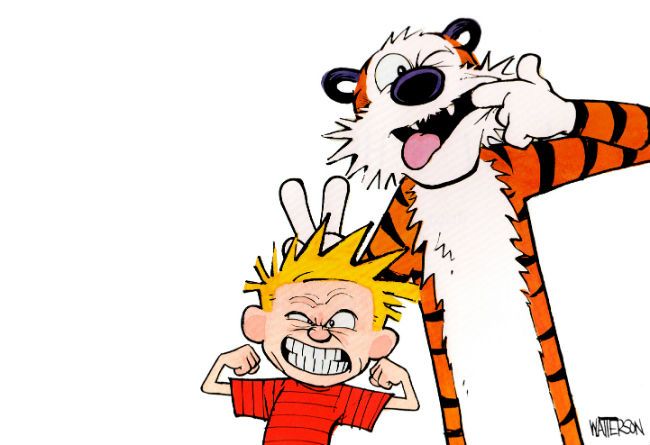
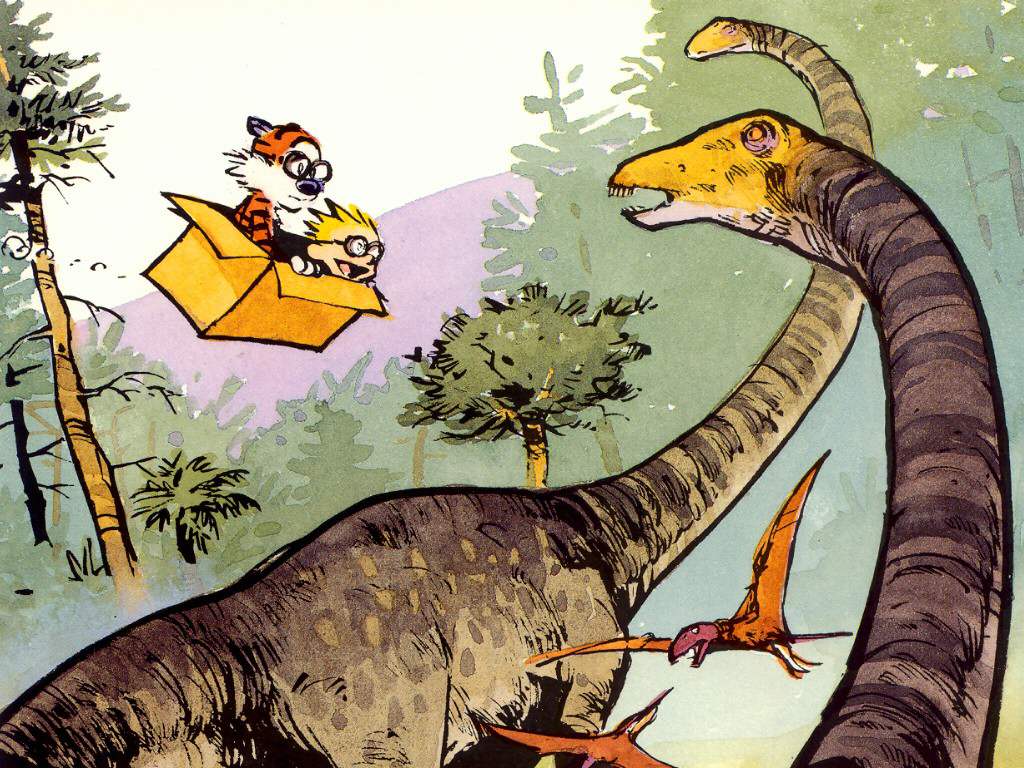
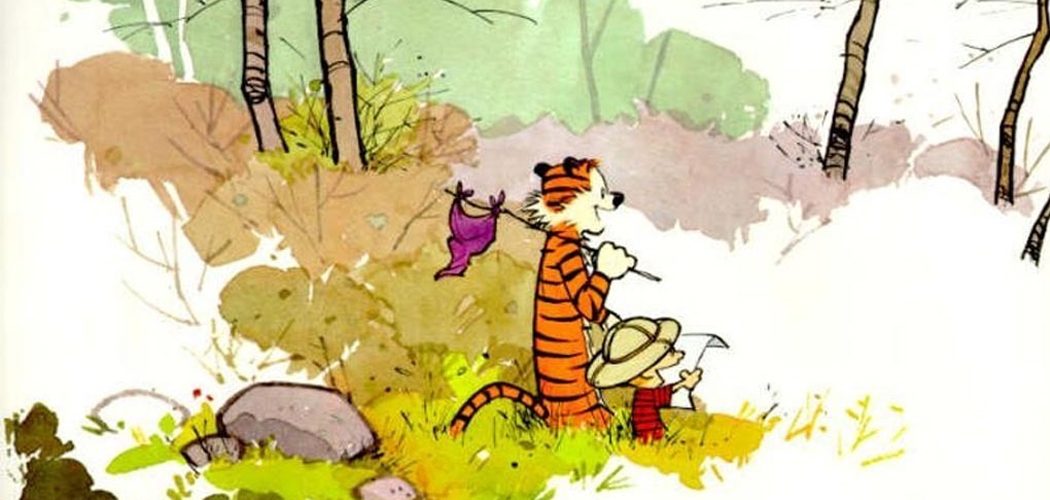
When reading the Sunday funnies in the newspaper on lazy Sunday afternoons, I spent years admiring Bill Watterson’s Calvin and Hobbes for its artistry and imaginative humor, believing it was about a kid who actually had a pet talking tiger. I didn’t get the notion that Hobbes was actually a toy tiger for the longest time. That’s because it was basically the story of my own boyhood. I had a stuffed tiger when I was small. He talked. He went on adventures with me. And he talked me into breaking stuff and getting into trouble with Mom and Dad. It was absolutely realistic to me.
I have always lived in my imagination. Few people see the world the way I view it. I have at least four imaginary children to go along with the three that everybody insists are real. There’s Radasha, the boy faun, my novel characters Tim Kellogg and Valerie Clarke, and the ghost dog that lurks around the house, especially at night. That plus Dorin, Henry, and the Princess (the three fake names that I use in this blog for my three real children).
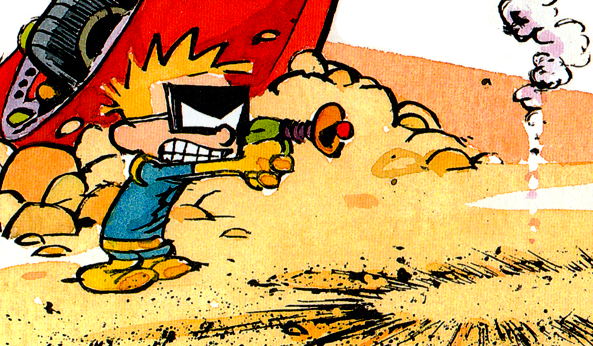
Have you noticed how Watterson’s water-color backgrounds fade into white nothingness the way daydreams do? Calvin and Hobbes were always a cartoon about turning the unreal into the real, turning ideas upside down and looking at them through the filter-glasses of Spaceman Spiff.
Unique and wonderful solutions to life’s problems can come about that way. I mean, I can’t actually use a bloggular raygun to vaporize city pool inspectors, but I can put ideas together in unusual ways to overcome challenges. I almost got the pool running again by problem-solving and repairing cracks myself.
So, I am now facing the tasks of working out a chapter 13 bankruptcy and having a swimming pool removed. The Princess will need to be driven to and from school each day. I will need to help Henry find another after-school job. And the cool thing is, my imaginary friends will all be along for the ride. Thank you, Calvin. Thank you, Hobbes. You made it all possible. So, please, keep dancing the dance of the dundering doofus.
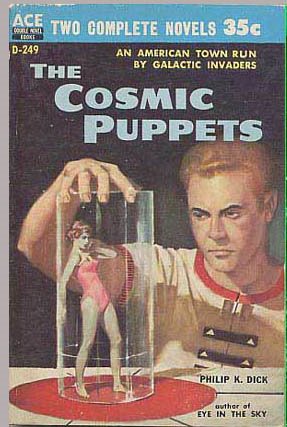
There is a major drawback to being so smart that you can perceive the edges of infinity. It makes you bedbug crazy. I love the science fiction that populated the paperback shelves in the 50’s and 60’s when I was a boy. I love the work of Philip K. Dick. But it leads you to contemplate what is real… what is imaginary… and what is the nature of what will be.
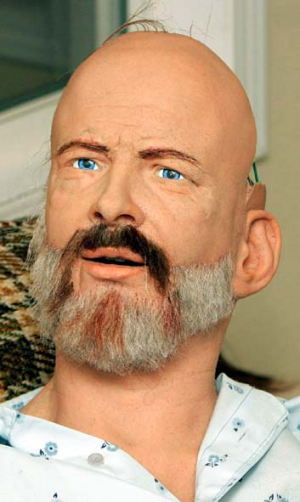
the robot Philip K. Dick who appeared at Comic Con and answered questions
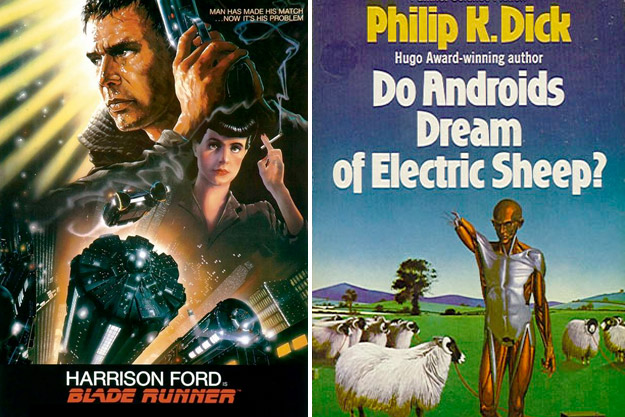
There are numerous ways to investigate life. But it is in the nature of imaginary people to try to find ways to make themselves real. When the replicants in Bladerunner try to make themselves into real people, they must try to create memories that didn’t exist. They try to mirror human life to the extent that they can actually fool the bladerunner into letting them live. Of course, it doesn’t work. They are not real. (Bladerunner is the movie name of Do Androids Dream of Electric Sheep).
It is like that for me as well. Being an imaginary person is difficult. You have to constantly invent yourself and re-invent yourself. By the time you finally get to know yourself, you have to change again so that the anti-android factions don’t destroy you. Although, I think I may not actually be an android.
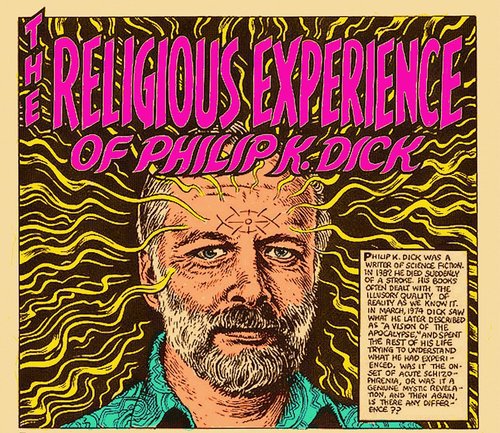
Does that sound a bit crazy? Well Philip K. Dick’s life story may in fact have led him down the path to really crazy. In 1971 he broke up with his wife, Nancy Hackett. She moved out of his life, and an amphetamine-abuse bender moved in. In 1972, ironically the year I began reading Dick’s work, he fell in love at the Vancouver Science Fiction Convention. That was immediately followed by erratic behavior, a break-up, and an attempted suicide overdosing on the sedative potassium bromide. This, of course, led directly to his 1977 novel A Scanner Darkly.
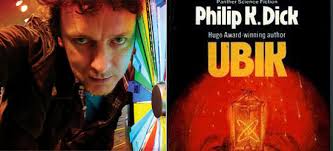
The story is about a police detective who is corrupted by a dangerous addictive drug that takes him down the rabbit hole of paranoia, and being assaulted by the perception of multiple realities simultaneously. His novel Ubik from 1969 is a story of psychics trying to battle groups of other psychics even after they are killed by a bomb. The crazy seems to have been building for a while.
In 1974 he had a transcendental experience when a lady delivering medicine to his door wore a fish-shaped pendant which he said shot a pink beam into his head. He came to believe the beam imparted wisdom and clairvoyance, and also believed it to be intelligent. He would later admit to believing he had been reincarnated as the prophet Elijah.
Imagination has its dangers. It is a powerful thing able to transform reality. Science fiction writers often use their imagination to shape what the future will actually make come into being. But it can also turn your mind inside out. A great science fiction writer like Philip K. Dick can contemplate the nature of reality and turn his own reality inside out. It is a lesson for me, a lesson for all of us. Wait, is that a pink beam of light I see? No, I just imagined it.
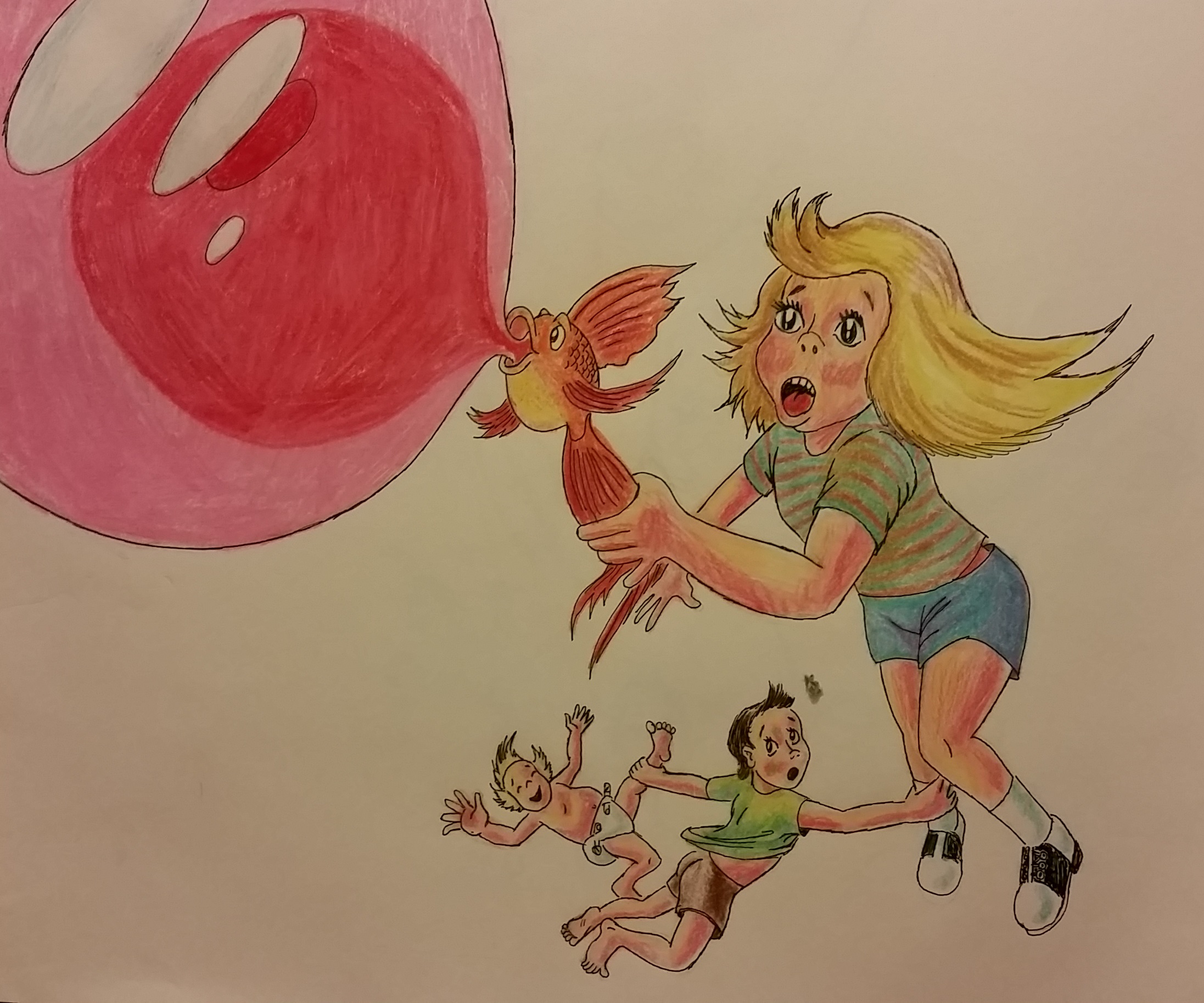
There are many ways to fly. Airplanes, bird wings, hot air balloons, bubble-gum-blowing goldfish… well, maybe I am really talking about flying by imagination. The more my six incurable diseases and old age limit my movement, my ability to get out of bed and do things, the more I rely on reading, writing, and the movie in my head to go places I want to be.
Sometimes the wings I use to fly come from other writers. I get the flight feathers I need not only from books, but also from YouTube videos, movies, and television shows.
This magic carpet ride in video form is by the thoughtful creative thinker Will Schoder. In it he carefully explains how Mister Rogers used the persuasion techniques of Logos, Ethos, and Pathos to talk to elephants and convinced a congressman intent on cutting the budget to actually give Public Television more money for educational programming. This is a video full of warmth and grace and lovingly crafted magic flight feathers that anybody can use to soar across new skies and blue skies and higher skies than before. I hope you will watch it more than once like I did, to see how beautifully the central explanation spreads its wings and gives us ideas that can keep us aloft in the realm of ideas.
It is important to stay in the air of fresh ideas and new thinking. The magic carpet ride that takes you there is the product of vivid imagination, cogent thinking, and the accurate connection of idea to better idea. So instead of falling from the sunlit sky into the darkness that so easily consumes us on the ground, keep imagining, keep dreaming, and keep flying. You won’t regret having learned to fly.
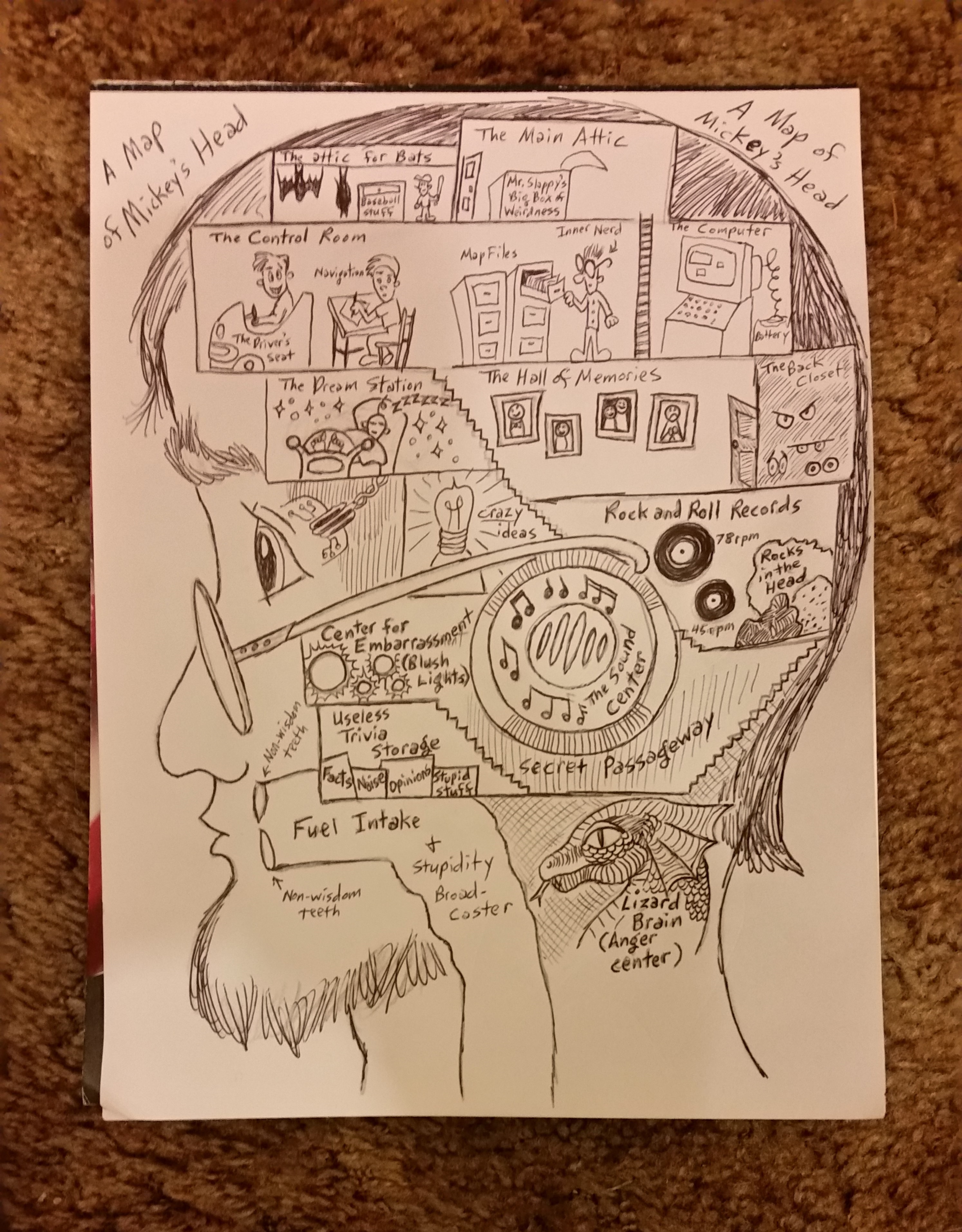
Every writer, whether he or she writes fiction or non-fiction, is really writing about themselves. The product originates within the self. So, that self has to gaze into the mirror from time to time.
So, the question for today is, who, or possibly what, is Mickey?
I have been posting stuff every day for a few years now, and in that time, I have been much-visited on WordPress. Maybe not much-read, but then, you cannot actually tell if somebody read it or not. Most probably look only at the pictures. And, since I am also an artist of sorts, that can also be a good thing. Though, just like most artists, my nude studies are more popular than the pieces I value the most. But unless the looker makes a comment or leaves a “like”, you really have no idea if they read or understood any of the words I wrote. And you have no idea what they feel about the art. Maybe they just happened to click on one of my nudes while surfing for porn.
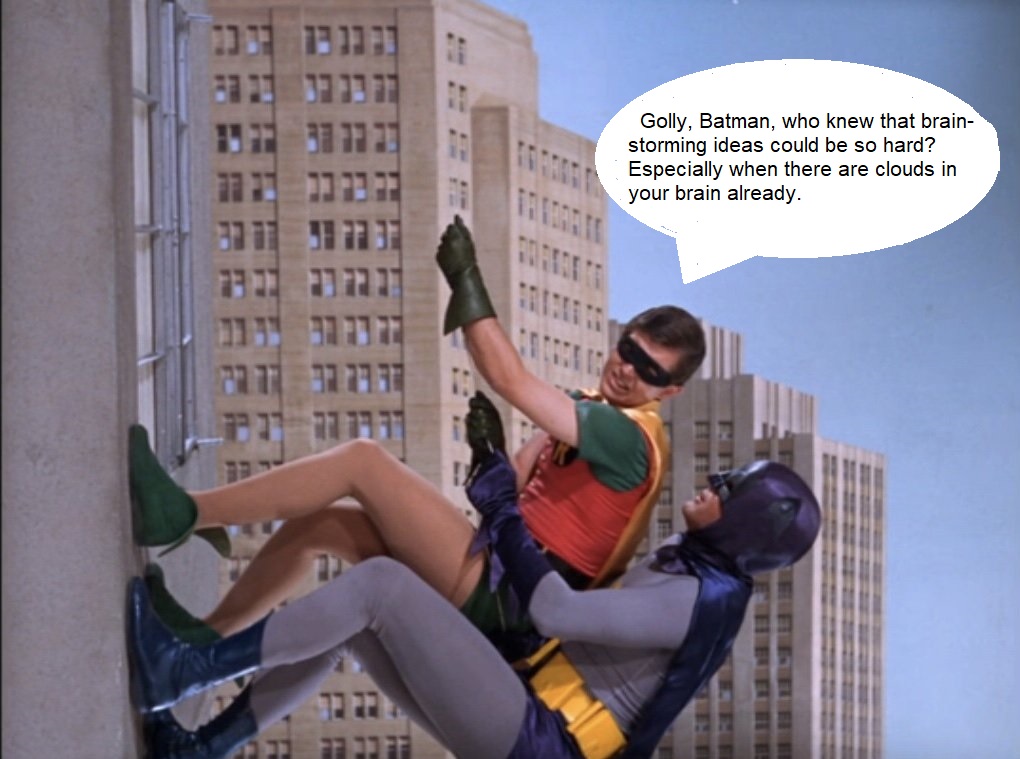
I rarely get below 50 views of something in my blog every day. The last three days were 86 views, 124 views yesterday, and 88 views already today. My blog has definitely picked up pace over the length of the coronavirus quarantine. But no definable reason seems obvious. Some of my posts are polished work, but Robin is right when he says today’s post is merely fishing with the process, which is true almost every day.
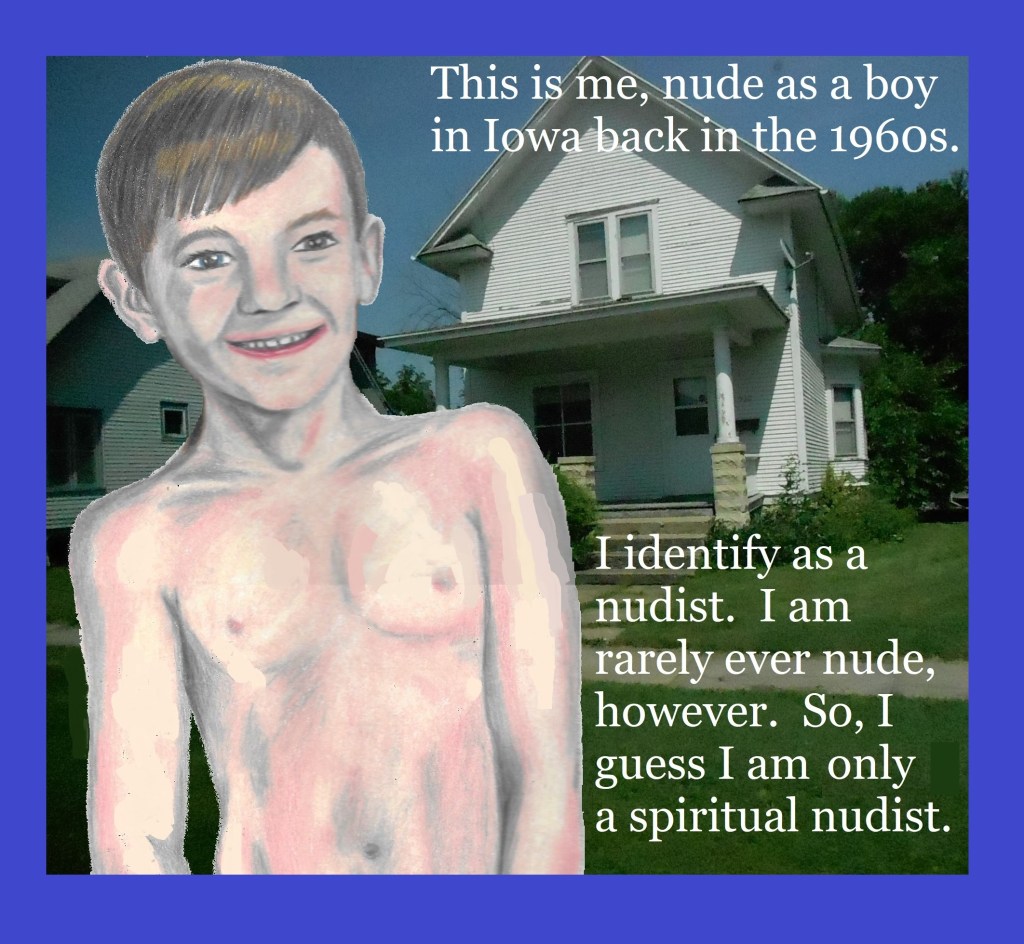
As a person I am quirky and filled with flaws, pearls of wisdom that result from clam-like dealing with flaws, strange metaphors that shine the pearls, and obsessions like the one I have with nudism that leaves me properly dressed for diving for pearls.
I have demonstrated throughout my life that I have an interest in and experience with nudism, though not the boldness to parade my naked self before the world outside of the writing that I do. I also spent most of my bachelorhood dating reading teachers and teachers’ aides, finally settling down and marrying another English teacher. I completed a thirty-one year career as an English teacher, which means I spent a lot of time teaching writing and reading to kids who were ages 12 to 18. Twenty-four of those years were spent in the middle school monkey house. And all of that led to being so mentally damaged that I wasn’t good for much beyond becoming a writer of YA novels or possibly subbing for other mentally-damaged teachers in middle schools around our house.
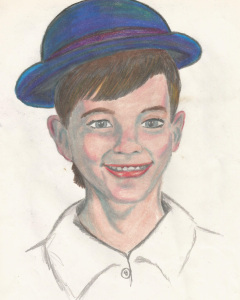
A real telling feature of what I have become is the fact that most of the characters I write about in my fiction are somehow a reflection of me. Milt Morgan, seen to the left, is illustrated here with a picture of me as a ten-year-old wearing a purple derby. Yes, I was that kind of geeky nerd.
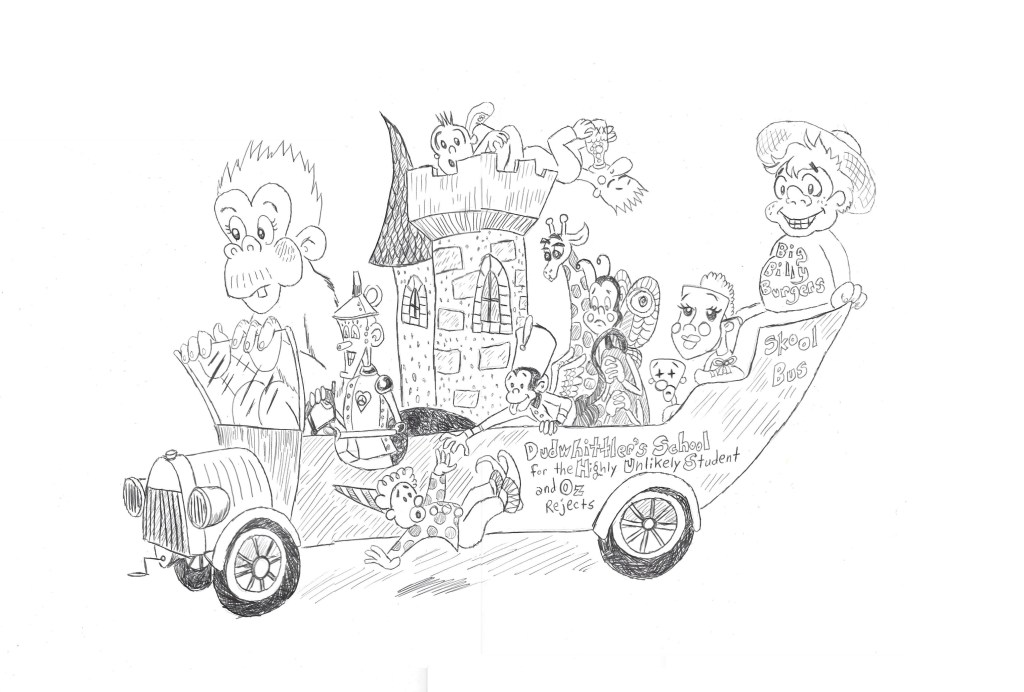
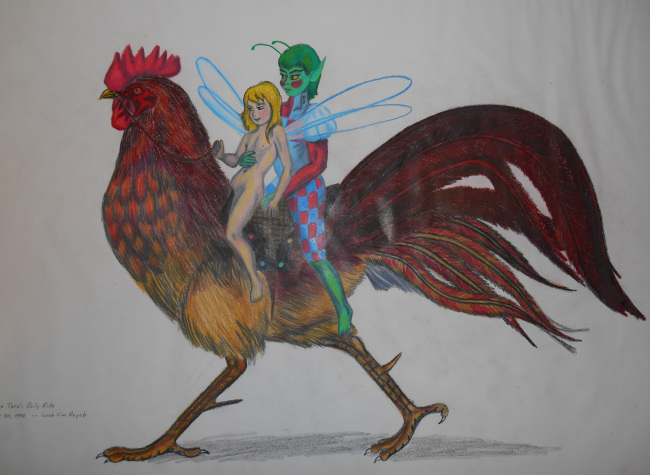
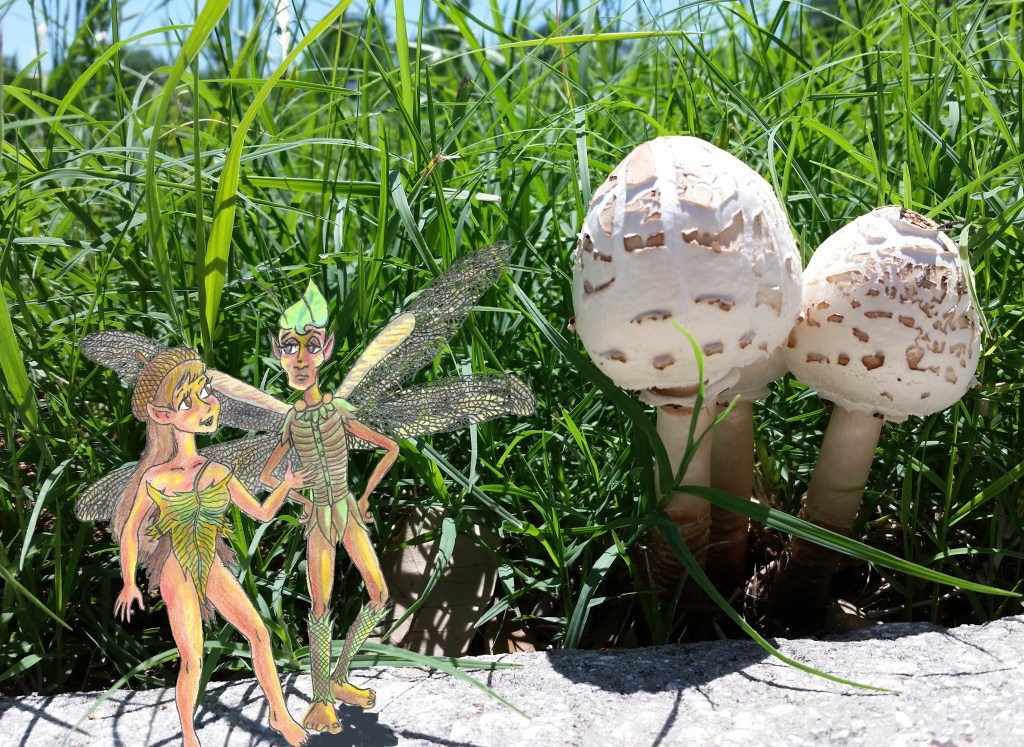
And most of the plots are based around things that happened to me as a child, a youth, or a young teacher. Many of the events in the stories actually happened to me, though the telling and retelling of them are largely twisted around and reshaped. And I am aware of all the fairies, aliens, werewolves, and clowns that inhabit my stories. Though I would argue that they were real too in an imaginative and metaphorical way.
So, here now is a finished post of Mickey staring into the metaphorical mirror and trying in vain to define the real Michael, an impossible, but not unworthy task.
I believe one of the primary reasons that art exists at all is because we are thinking creatures with a need to spend serious time in deep minding of the consequences of existence. We need to question everything. And art helps us do that by depicting the thoughts that existed first in the mind of the artist, and then must be translated through experiencing into the mind of the viewer.
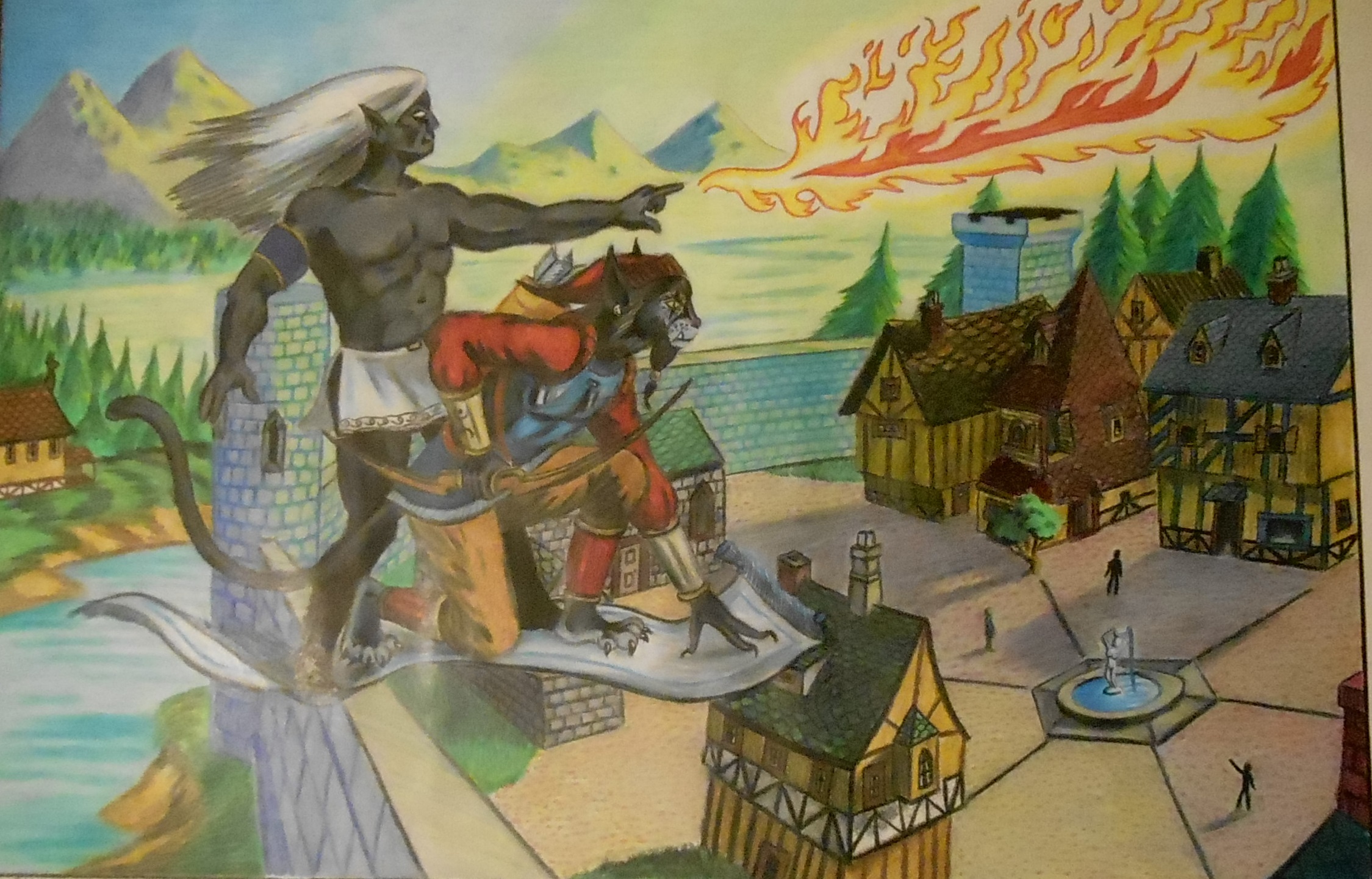
Landscapes are very useful for contemplation. They present an interpretation of the real world you can mentally walk around in.If you are walking around mentally in a work of art, you are seeing more than just a place. You are walking mentally through the mind and the perceptions of the artist. You see what he or she has seen, even if you see it differently. Even if it is a photo the artist took. The people, places, and things your viewer-eyes encounter when mentally walking around in a work of art have to have some overall meaning. Some purpose. Some reason for being.What do you suppose the picture above means? I can’t tell you, even though I drew it. You, the viewer, must give it meaning.
It is normal for the world we live in to inspire us to draw pictures of it. But architects do the opposite. They imagine a world we could live in, and then build it.
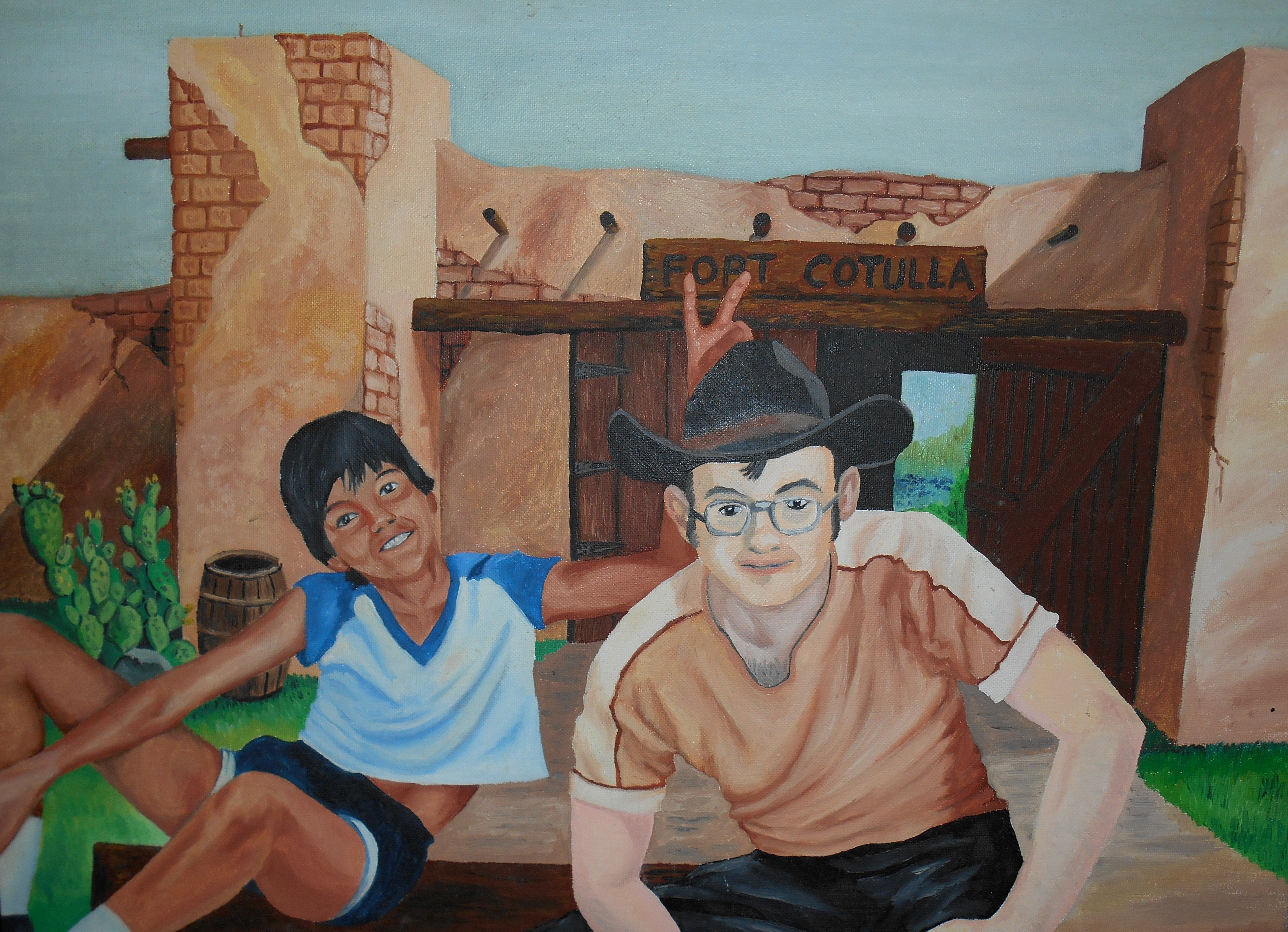
David and Me in Cotulla
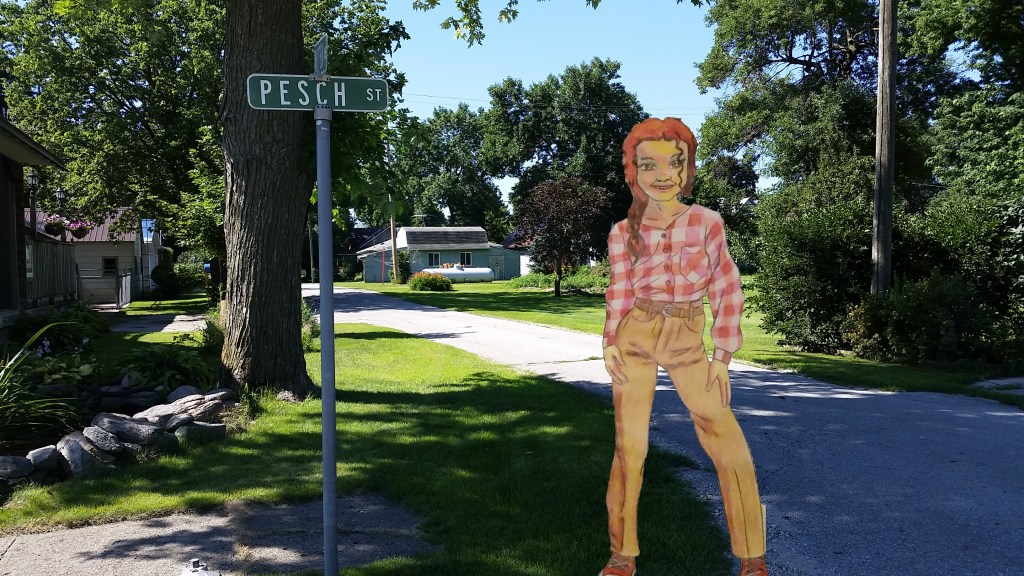
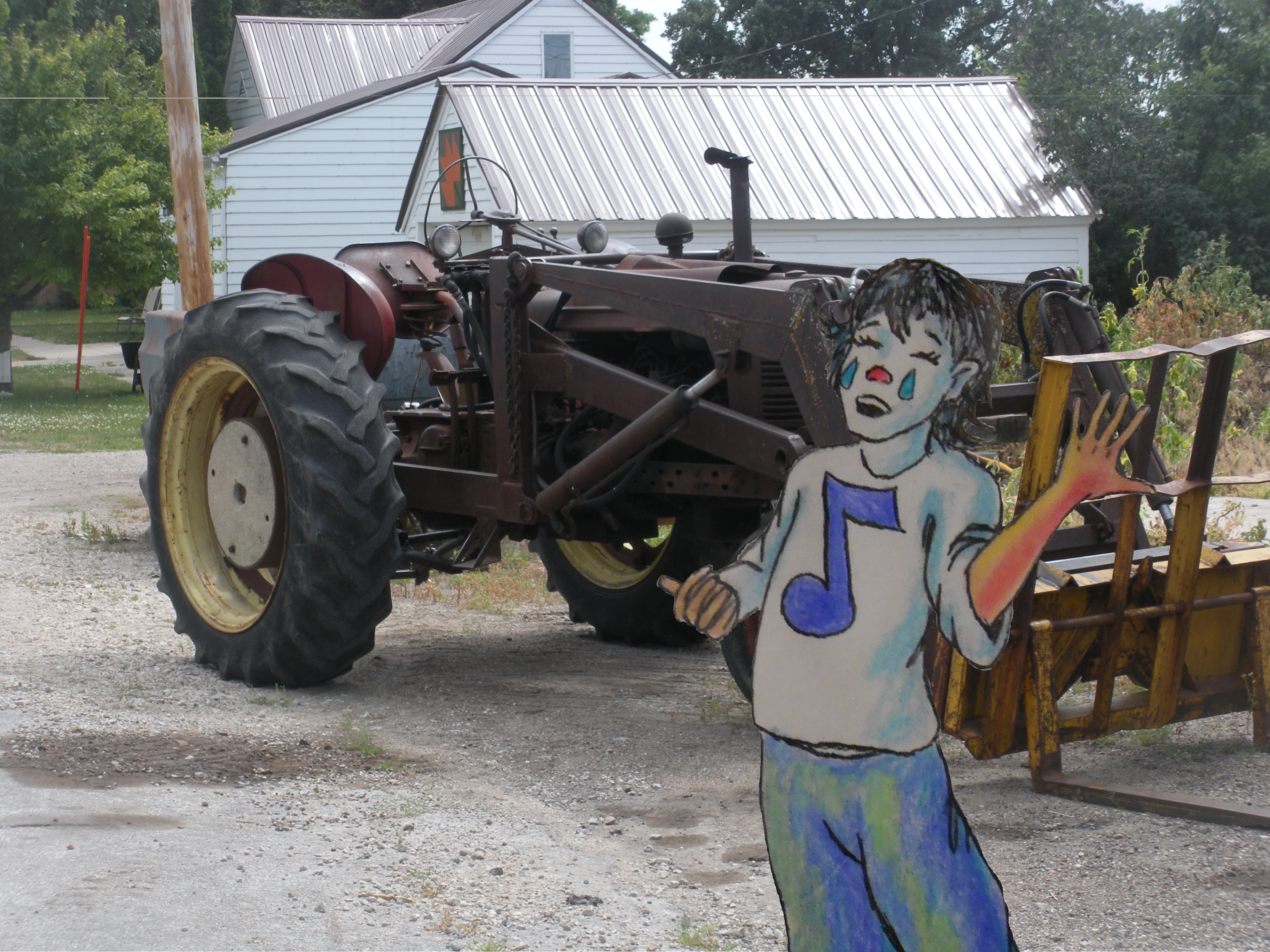
Sometimes, like in the picture above, I draw real people in imaginary places. Other times I draw imaginary people and put them in real places.
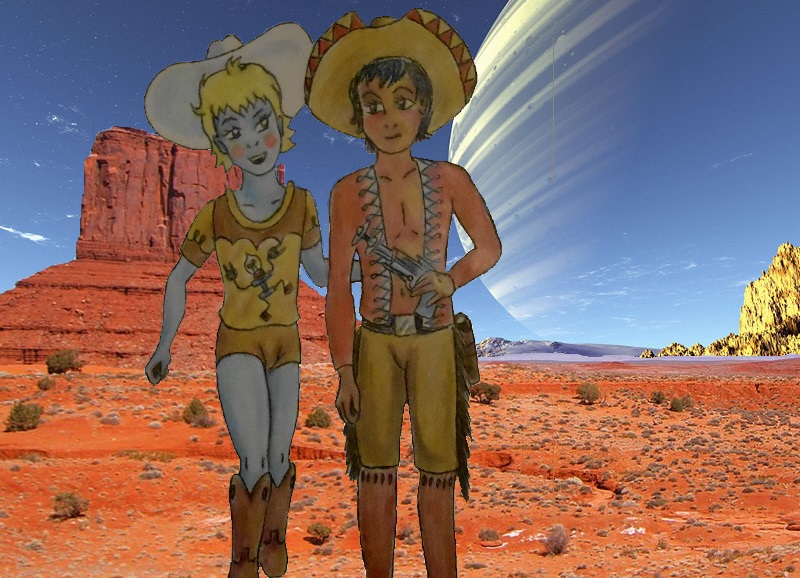
Gyro and Billy on the planet Pan Galactica A
Sometimes I put imaginary people in imaginary places. (I photo-shopped this planet myself.)
Superchicken and Sherry before school
In fiction, I am re-casting my real past as something fictional, so the places I draw with words in descriptions need to be as real as my amber-colored memory can manage.
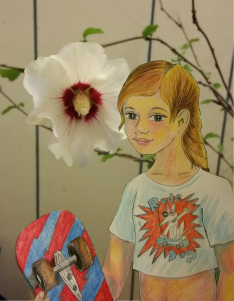
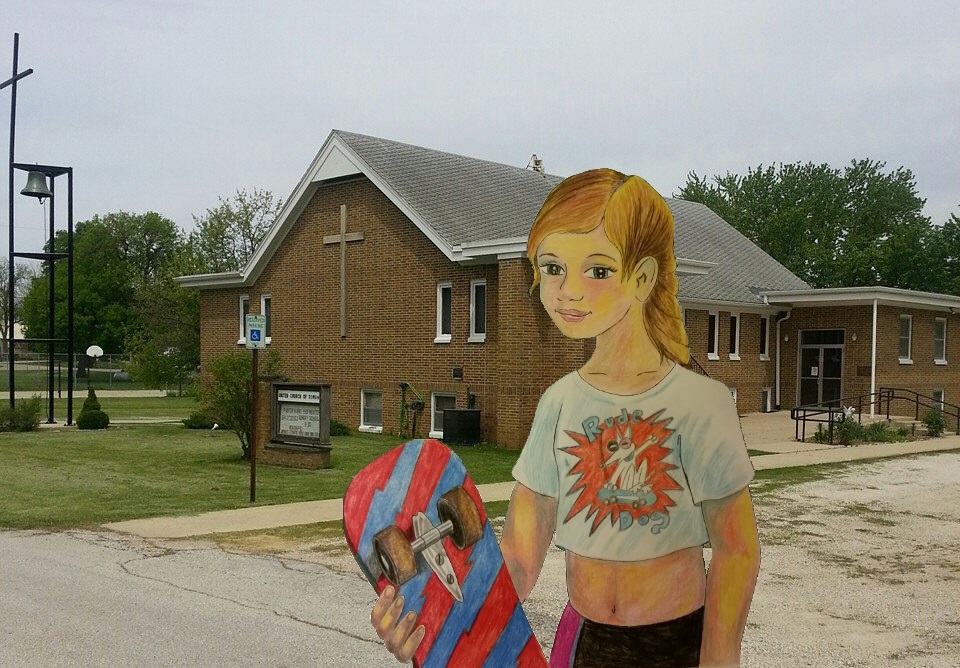
Valerie and her skateboard in front of the Congregational Church
When I use photos, though, I have to deal with the fact that over time, places change. The church does not look exactly like it did in the 1980s when this drawing is set.
Drawing things I once saw, and by “drawing” I mean “making pictures,” is how I recreate myself to give my own life meaning.
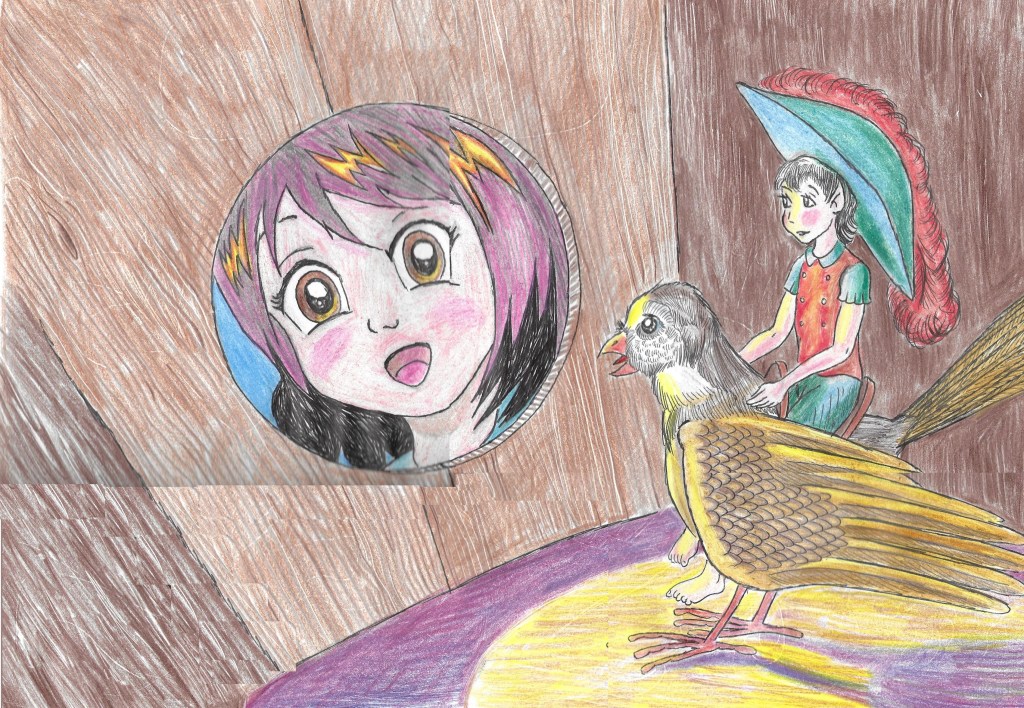
One never knows what mysteries can be uncovered inside the bird house. The plot of the story depends on what happens next in the picture.Details make the real story clear.Pictures tell a story even if the story-teller falls asleep in the process.A picture can spin a fairy-tale even if it doesn’t show a plot. Pictures easily establish a setting.Pictures can allude to many, many other things.

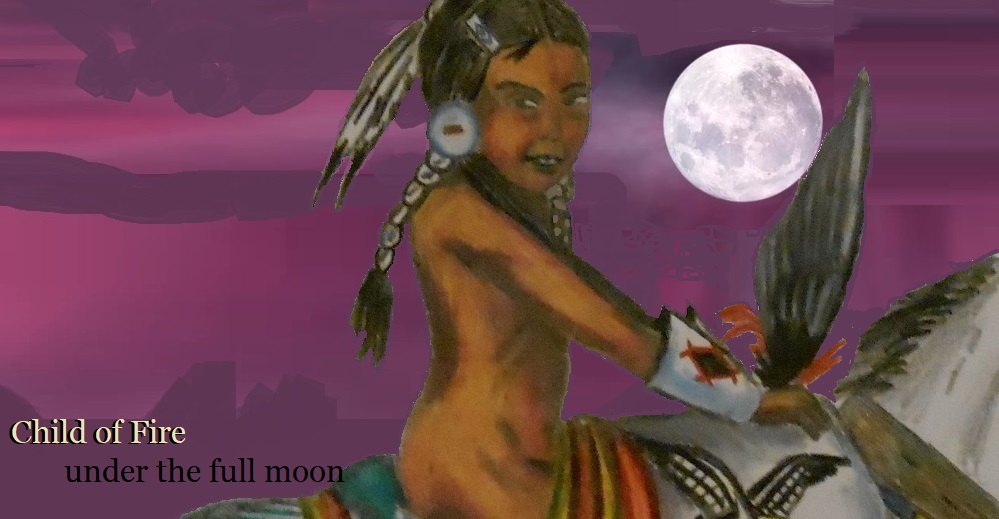
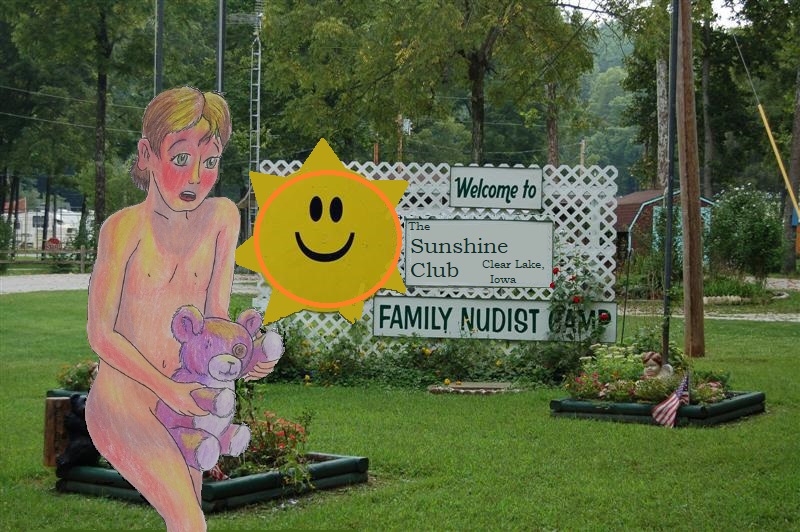
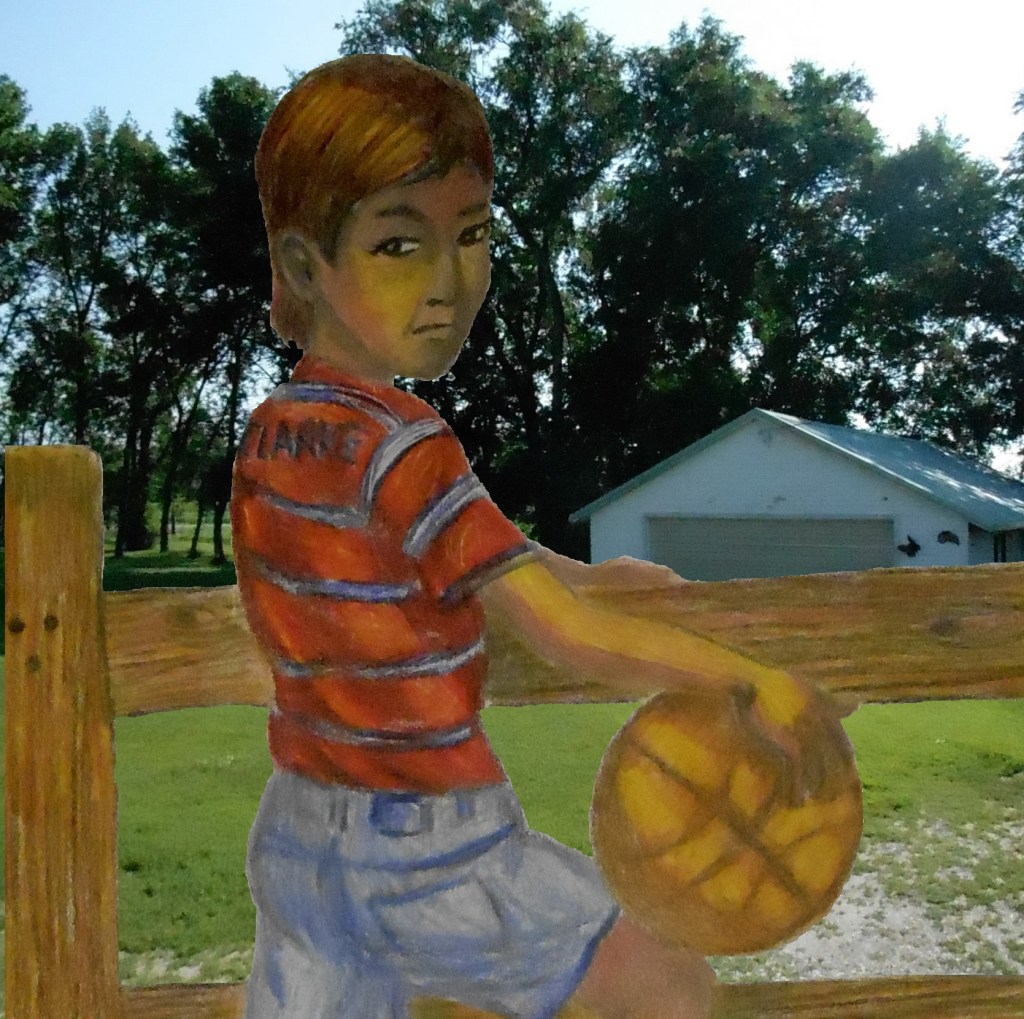


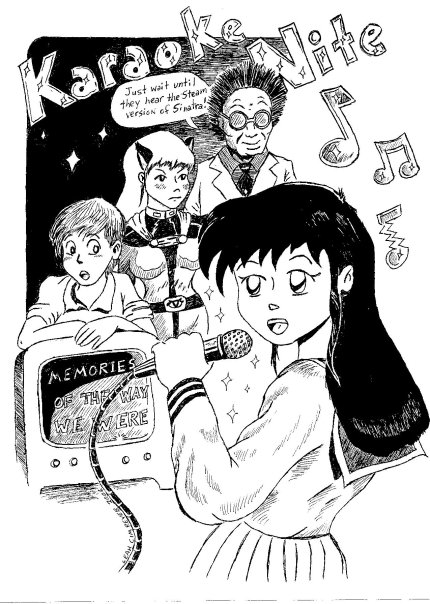 Sometimes all you want to do is doodle-bop!… To draw in pen and ink and post your derfiest doofenwacky doodles so you can just make your way through another danged day.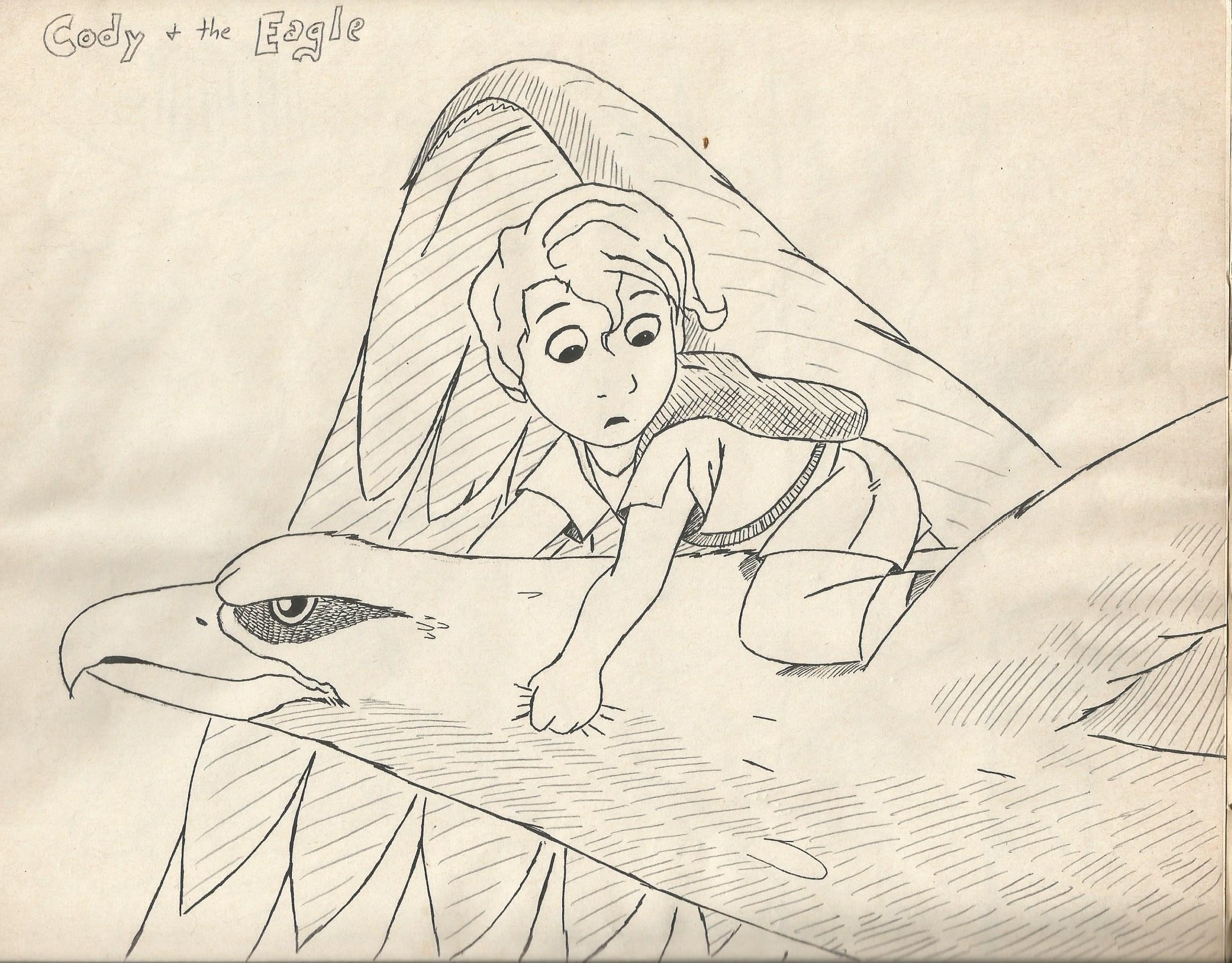














 Catch a Falling Star
Imaginary Friends
When you know someone has an imaginary friend, something like Elwood’s six-foot invisible rabbit called Harvey, don’t you immediately think that person is crazy? I do. But I have imaginary people as friends. I think most writers do. So am I crazy? Probably. But hopefully it is a good kind of crazy.
It began with imaginary friends from books. The Cat in the Hat was my friend. Jim Hawkins was my friend, as was Mowgli and all the members of the Swiss Family Robinson. They entered my dreams and my daydreams. I told them my troubles the same way I listened to theirs through their stories.
I began to have imaginary friends that came from my own imagination too.
I used to tell my mere human friends about my friend Davalon from outer space. I told them that he was real and secretly visited me at night to talk about being able to learn about humans on earth by walking around invisibly and watching them. I got so involved with these stories that my sixth grade class began saying, “Michael is from Mars.”
When I was a teenager, I began having conversations with a faun. His name was Radasha. He was a creature from Greek Myth, a sensual Dionysian creature who, in his child body, was both younger than me and way older than me. I didn’t realize until much later in life that he was the result of my repressed memories of a childhood sexual assault that I was the victim of. I could talk to him about my fear of nakedness. I could tell him about my blossoming interests in naked girls and their bodies. I could talk to him about all the things I was somehow too terrified to talk to my male friends about, even though none of them had the same reluctance to discuss sex. Ra was imaginary. But he helped me heal.
Then the story-telling seriously began. I used Davalon as one of the main characters in my novel Catch a Falling Star. I created Torrie Brownfield, the baby werewolf to express the feelings I had as a boy about being a monster and secretly terrible and deformed. Torrie is a normal boy with a condition called hypertrichosis. I am working on The Baby Werewolf now. And then there’s lovely Valerie Clarke. She is the main character of Snow Babies which is a finished novel, edited and proofread and ready to publish. It is I book I will have to find another way to publish since the recent death of PDMI Publishing. She is not a me-character, based on my own thoughts and feelings. She is based on former classmates and students who told me things that express the sadness and isolation of growing up female. So she is even more imaginary than my other characters.
They become real people to me. They have their own point of view. They talk to me and I learn things from them. But they are imaginary. So am I crazy? Yes… as a loon. And happy as Elwood P. Dowd to be that way.
Leave a comment
Filed under artwork, autobiography, being alone, characters, commentary, humor, imagination, insight, Paffooney, strange and wonderful ideas about life