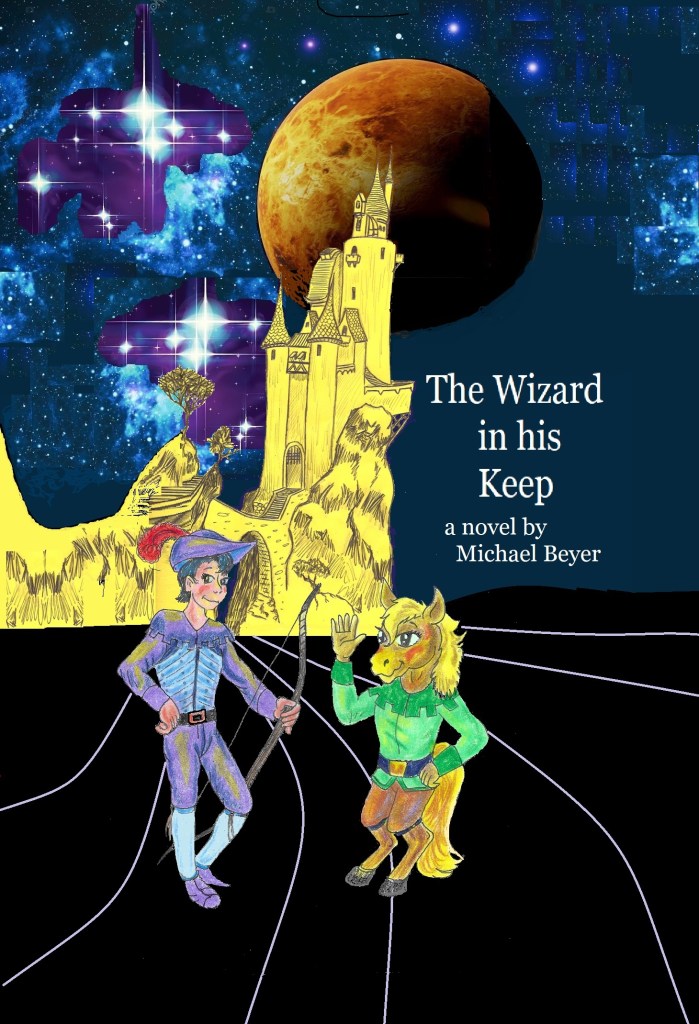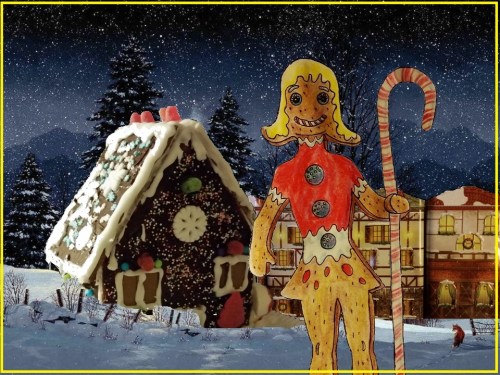
I am running another free-book promotion this month, once again for Recipes for Gingerbread Children. Same song, third verse. It seems no one wants this book. I can’t even give it away for free.
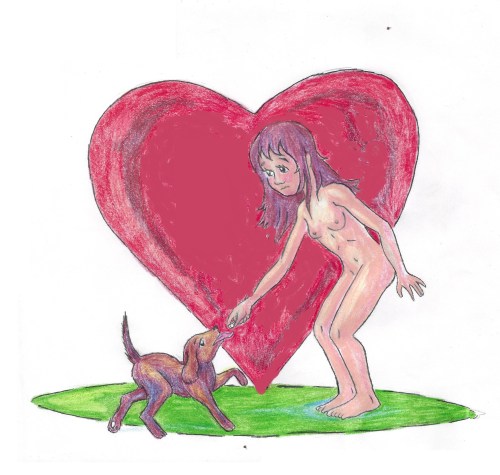
I suppose it might have something to do with the fact that there are nudists in the story. It’s true, the Cobble Twins are teenage girls who love to be naked. And in the story, they spend time at Grandma Gretel’s house walking around with no clothes on. And when they get their junior high friends to visit Gretel, eat her gingerbread cookies, and listen to her stories, they also try to convince their friends to get naked too. But, really, it is a part of the charm of those two characters. It is not a pornographic story, and they basically fail in promoting nudism among eighth graders.
But nudism has a slightly different meaning for Gretel Stein. She barely escaped the showers at Auschwitz. It is the hardest story she has to tell.
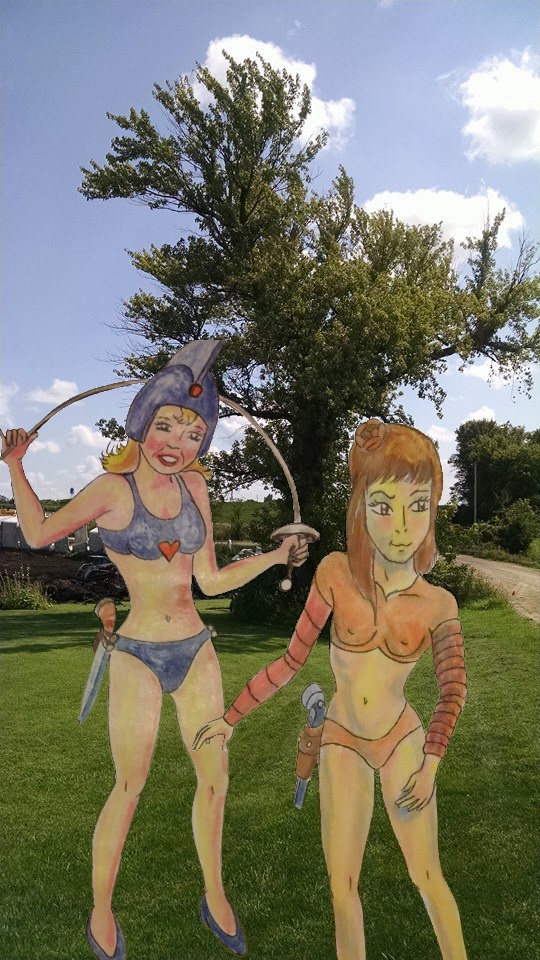
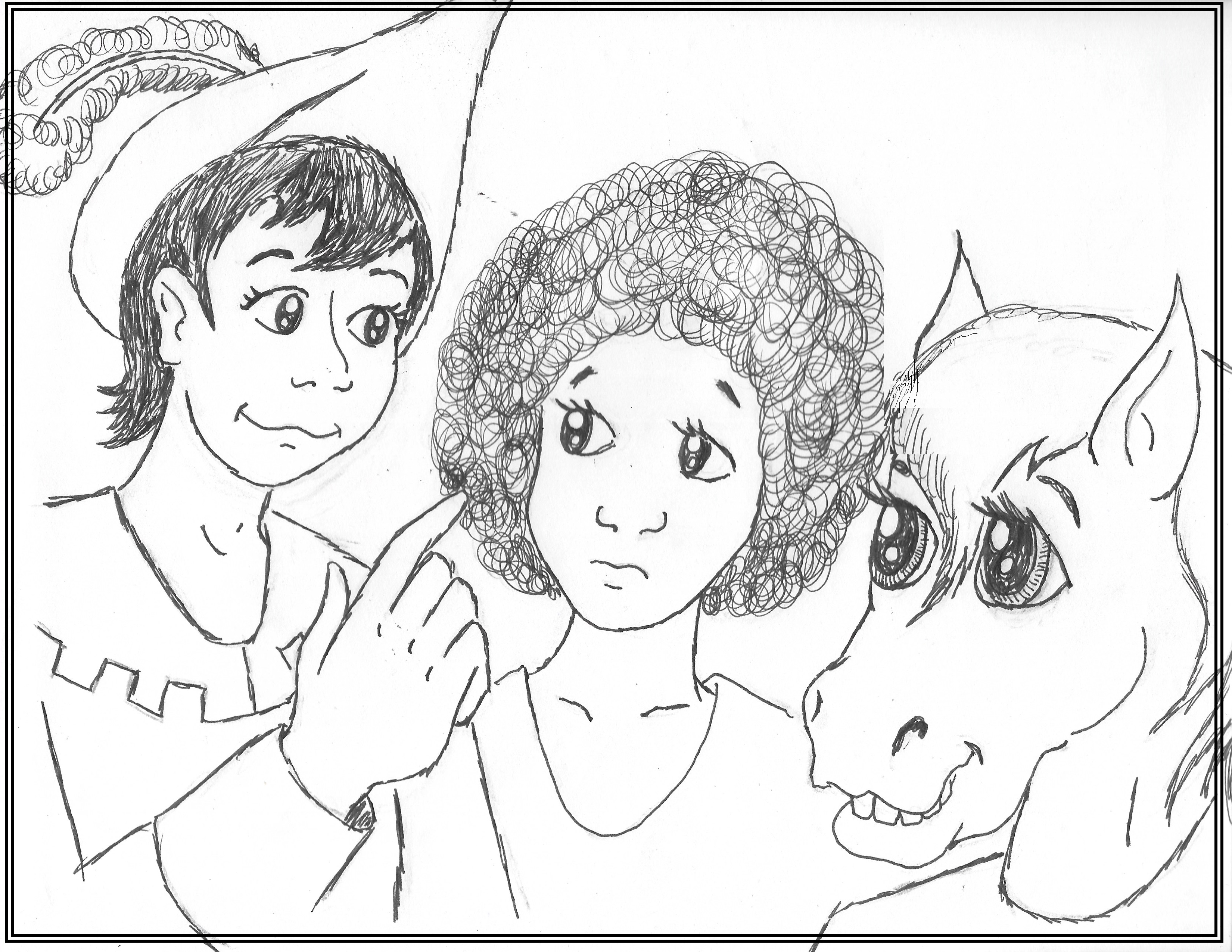
Sherry and Shelly Cobble
I am roundly disappointed. I have every reason to believe I am a good writer and this is a good book. But how can I get people to agree if no one is willing to read it? I have to just keep trying. The book is still free until Tuesday midnight.
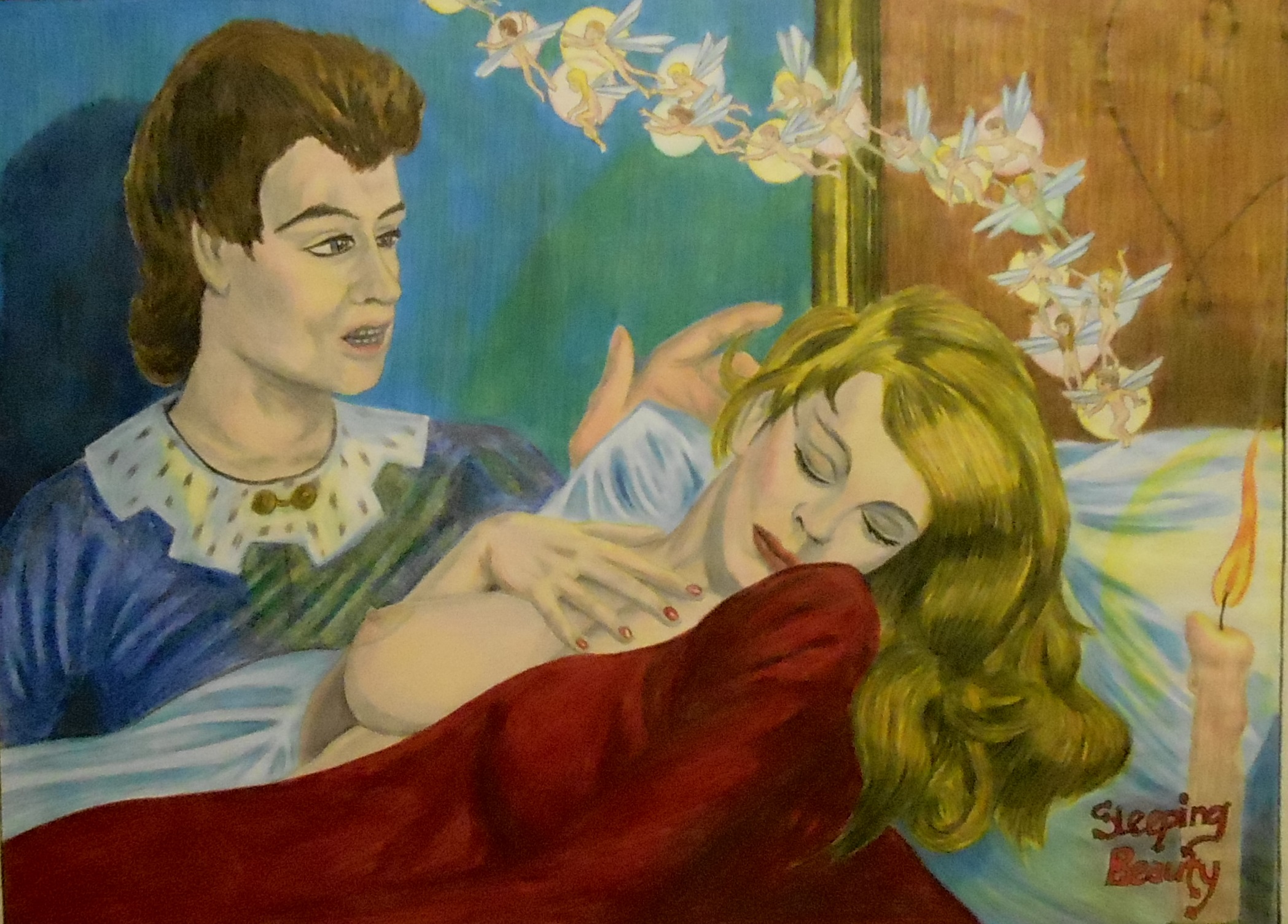
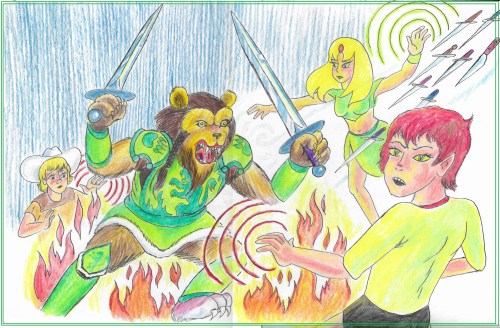
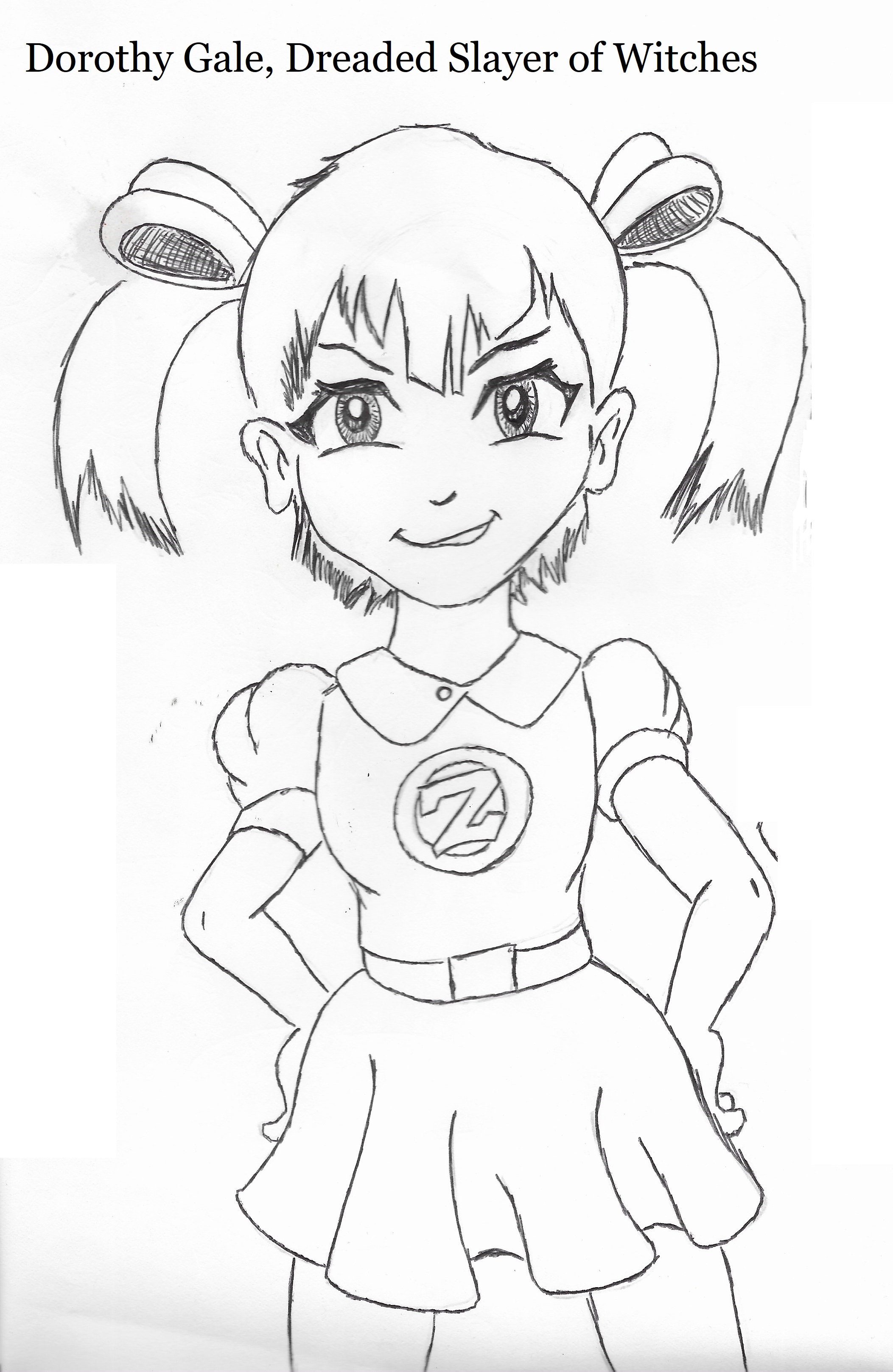
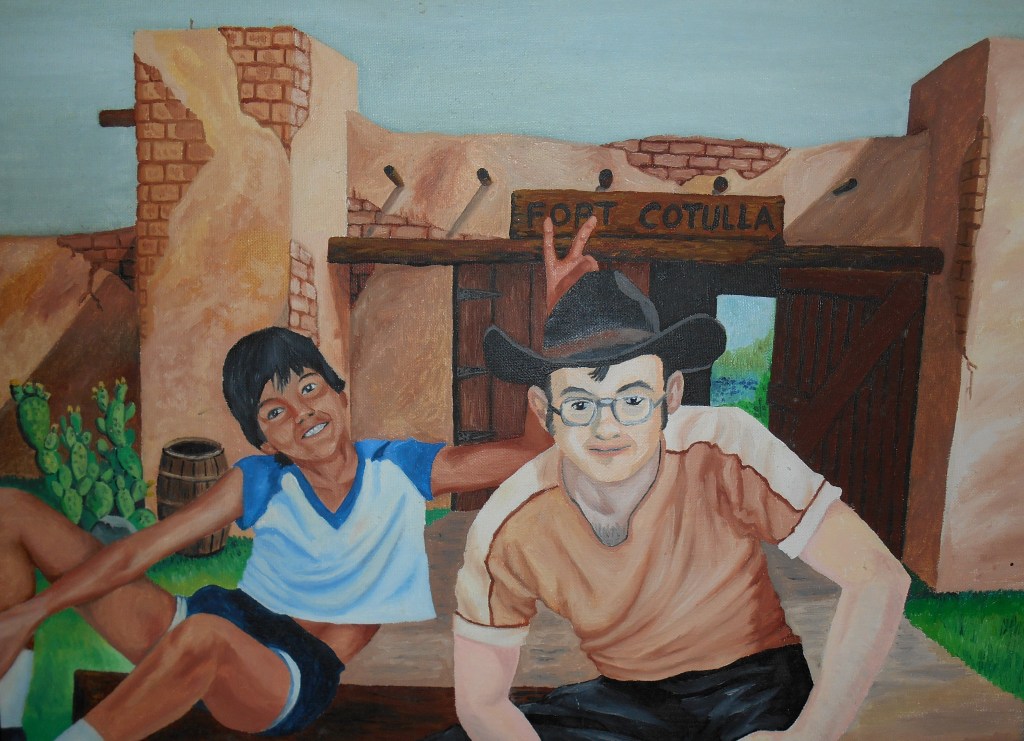
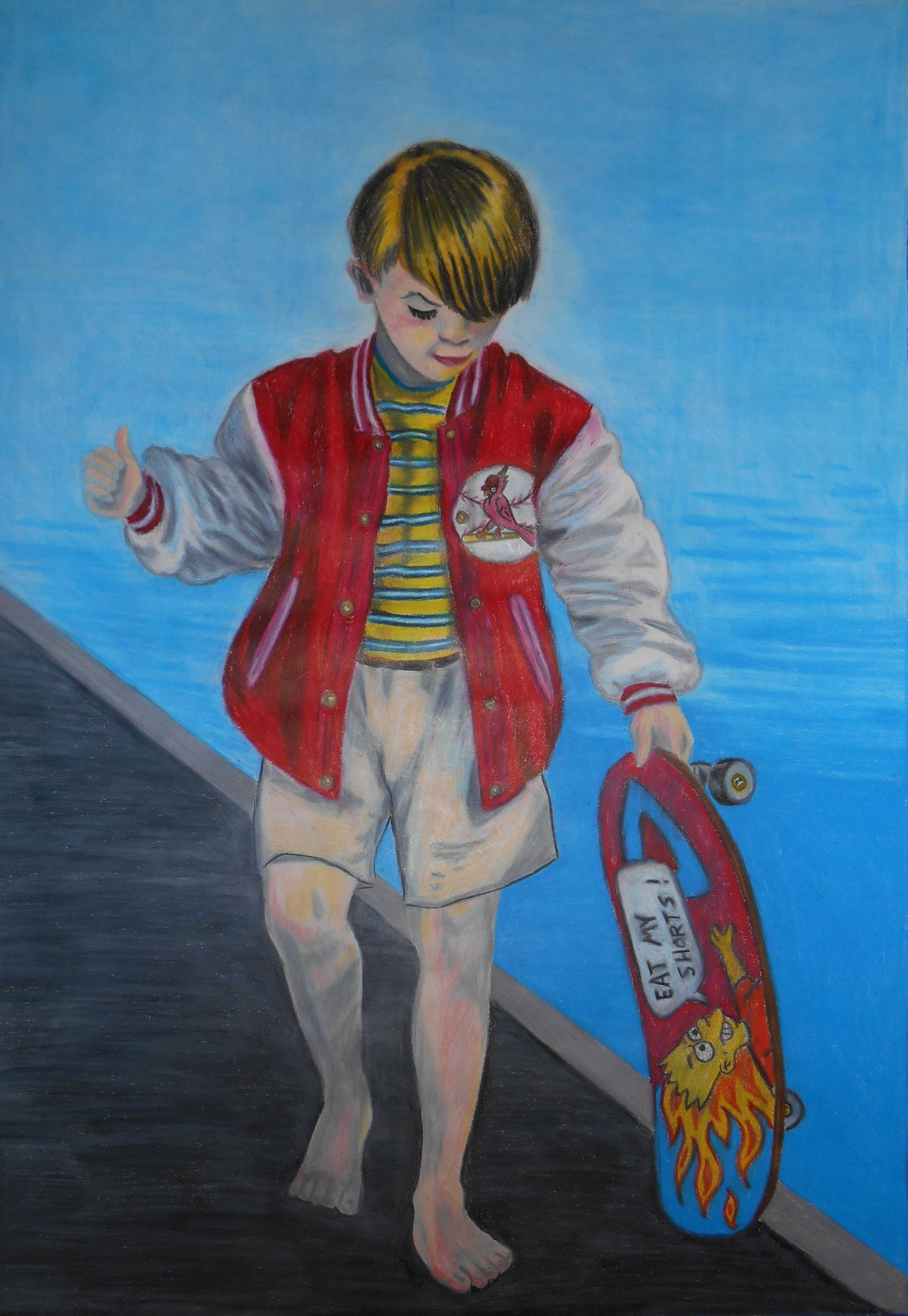
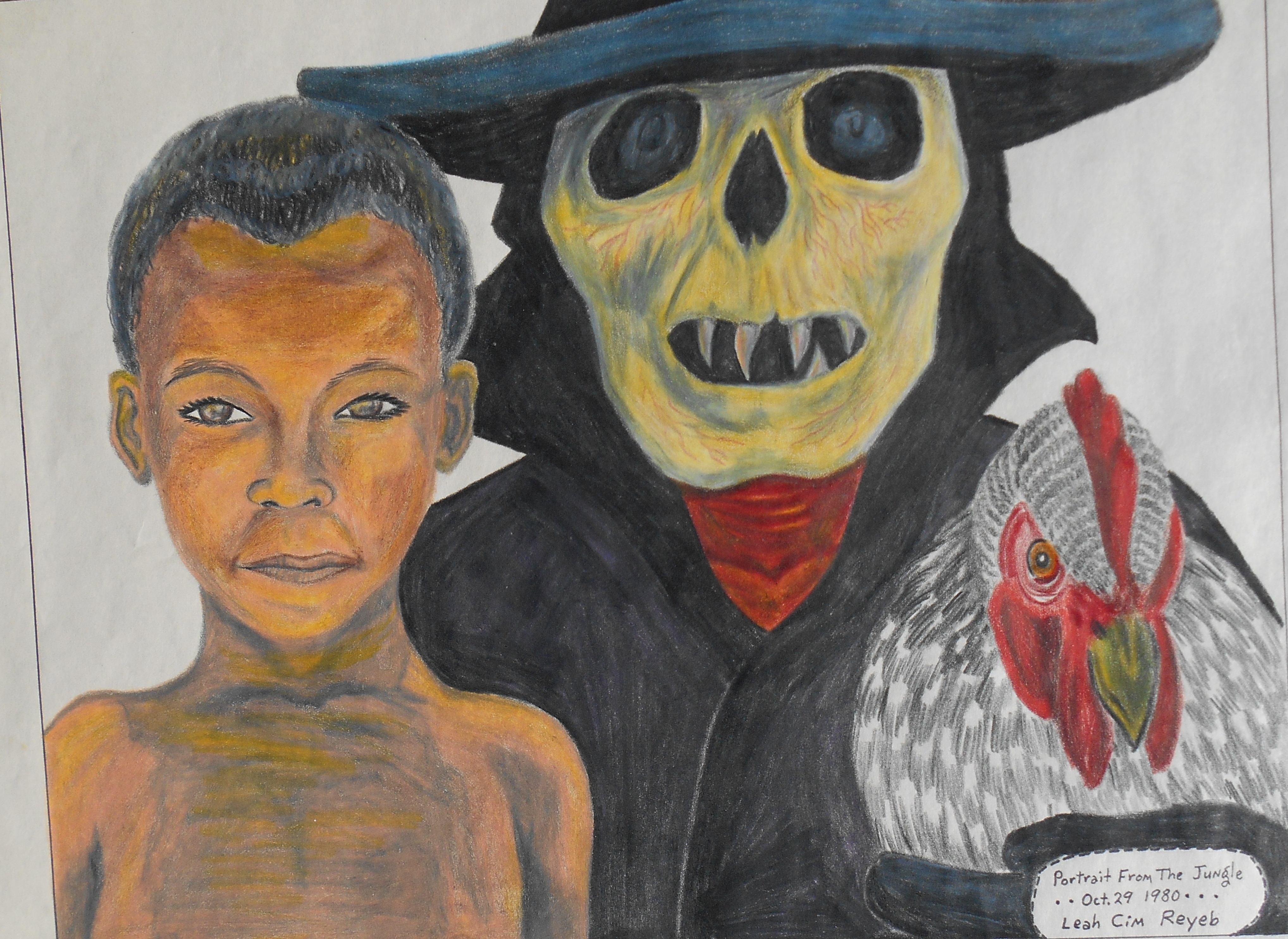
It is Saturday again, and it is time to share some more artwork. I am trying to come up with a theme. But I guess I am basically going through my gallery and picking stuff at random.
I am just guessing here, but maybe I can find pictures here of daily life at home, no matter how weird that home might be.
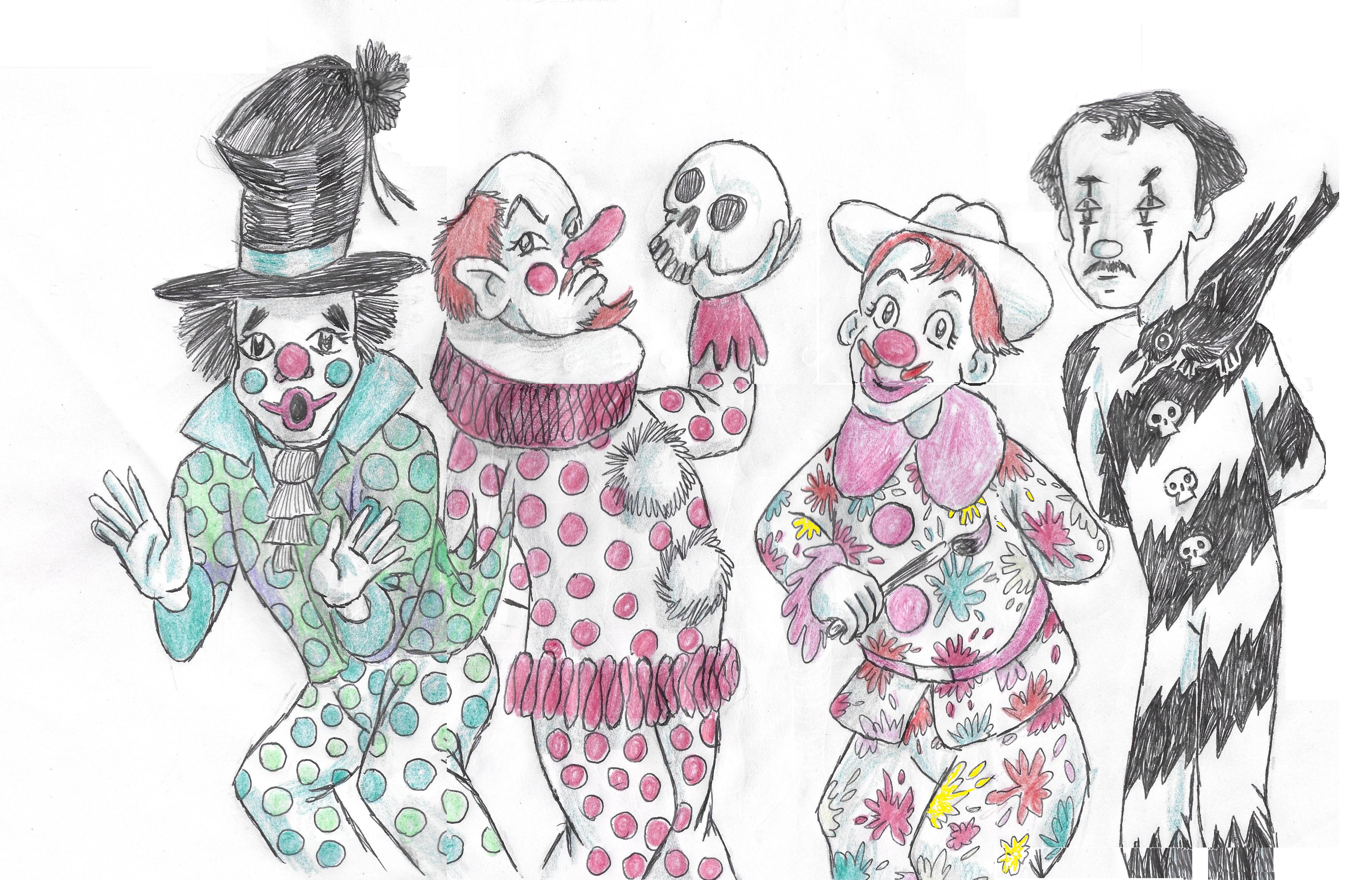
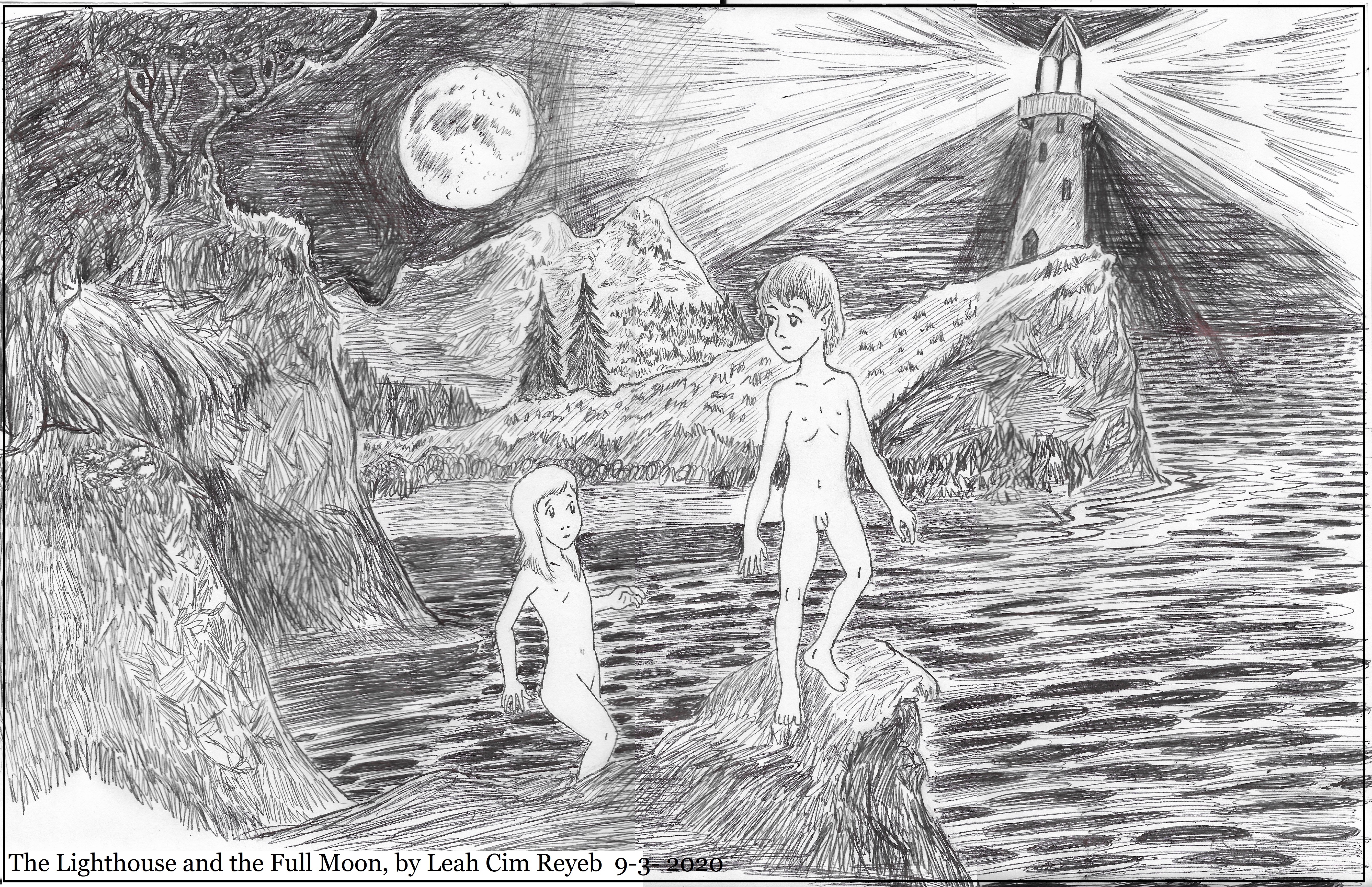
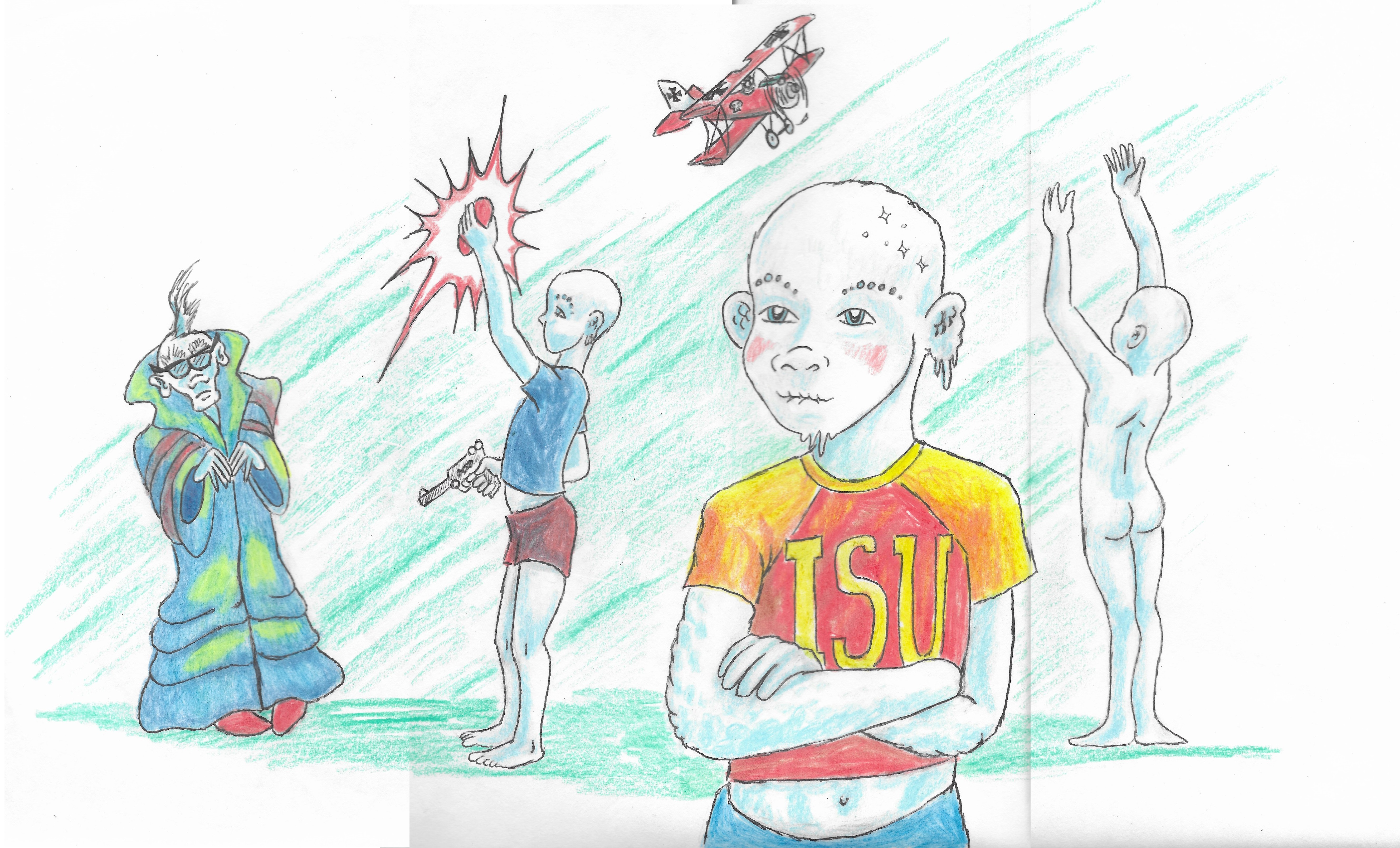
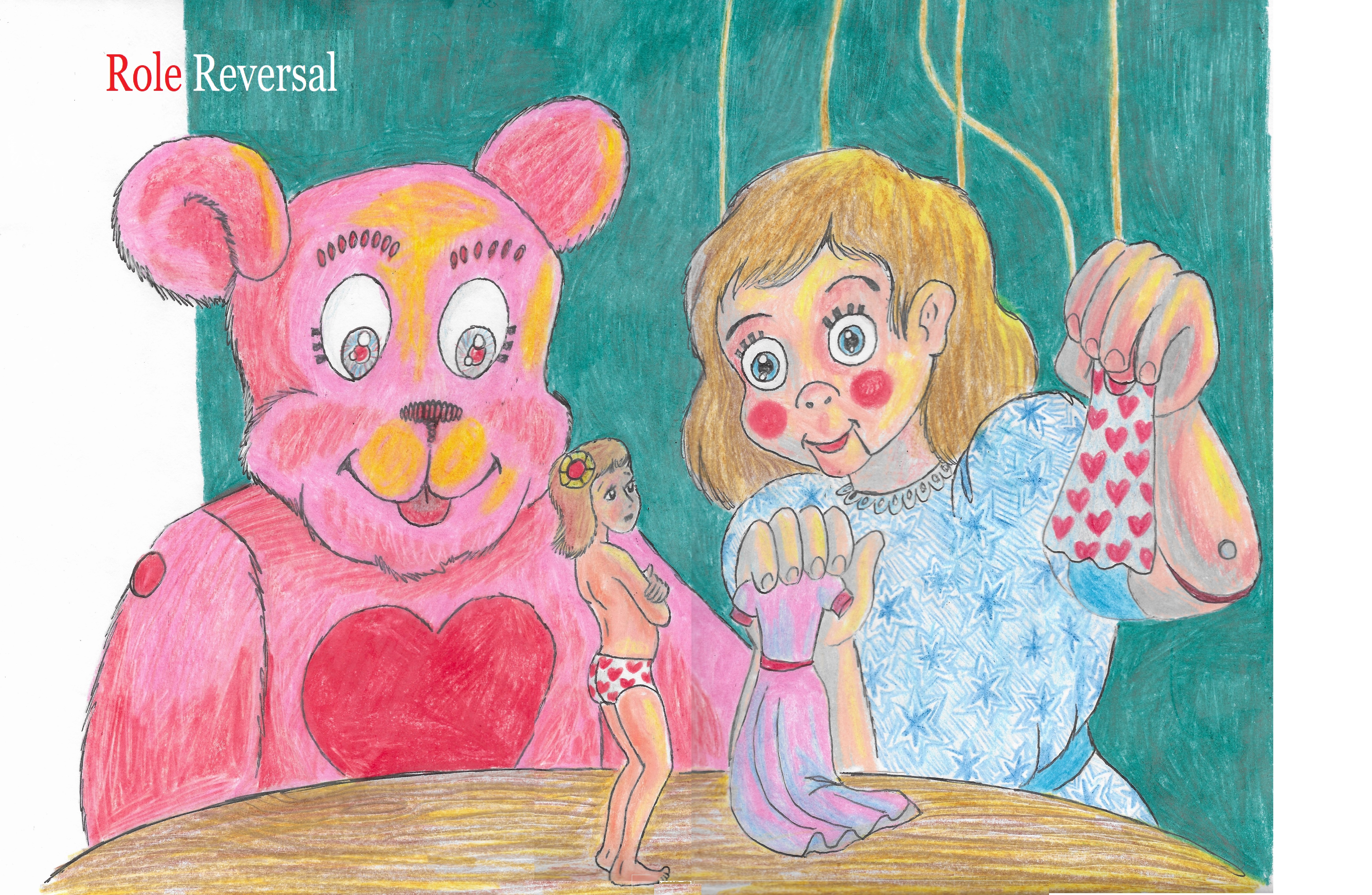
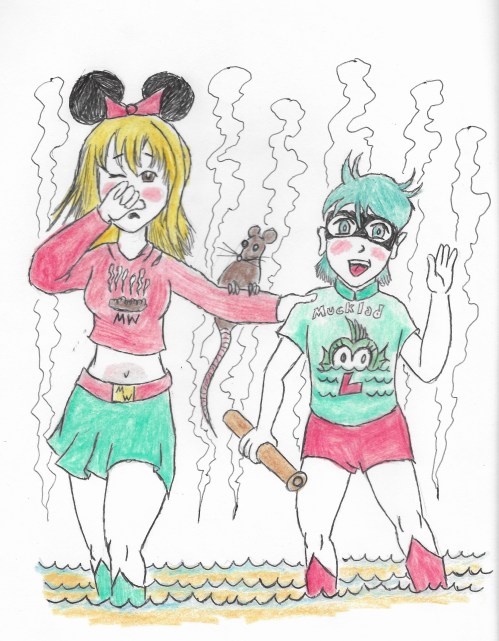
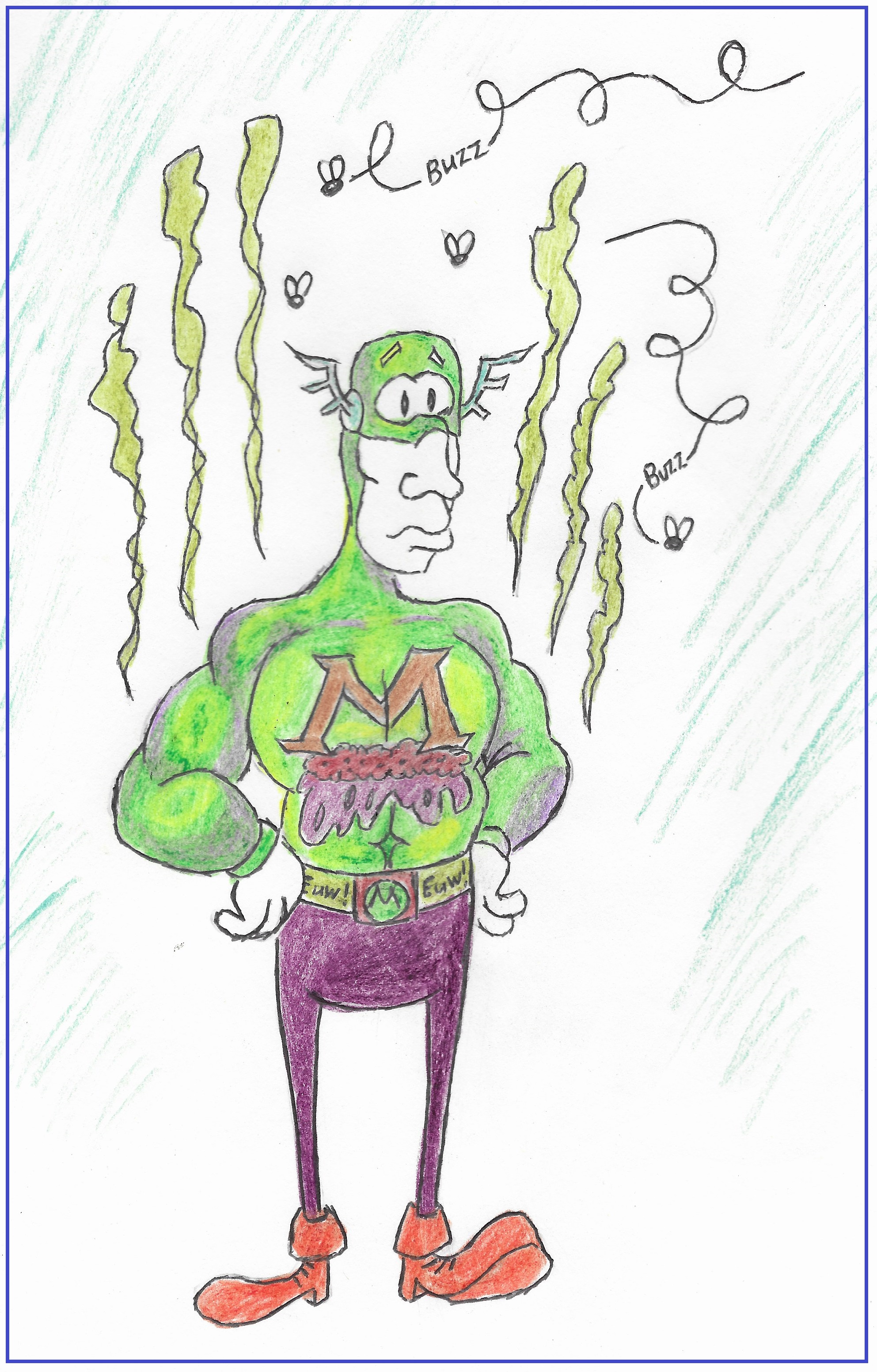
Okay, so, really weird home life…It is life at home… if your home is a farm.This is life at home… if you live on a pirate ship.Life at home… if you are circus clowns.
Maybe I don’t have a clear artistical idea of what a home life really looks like, but, after all, home is where the heart lives.
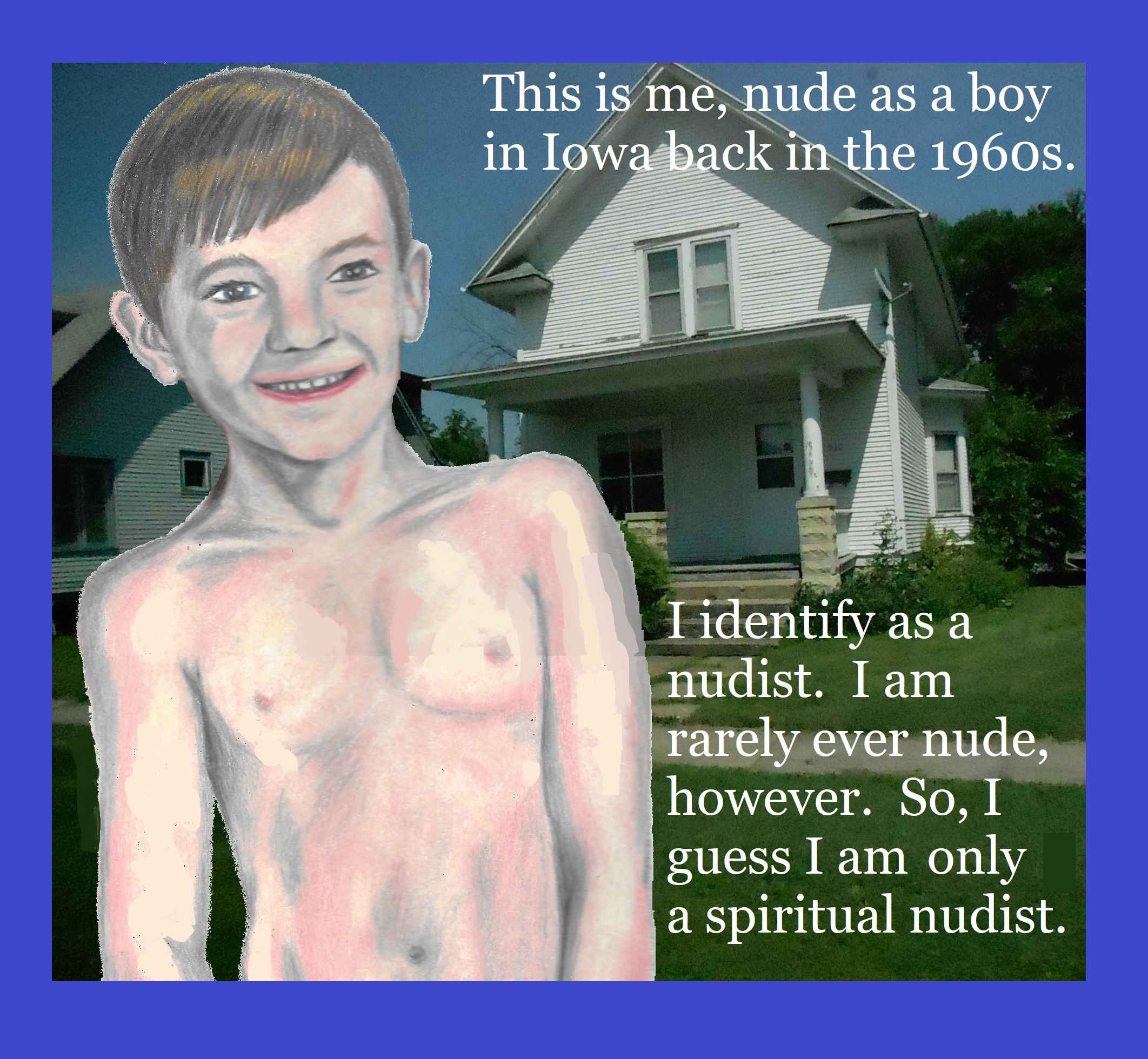
Yes, this post is a shameless promotion. But this is a good book that not enough people are reading to truly appreciate that fact. When I was a boy in the 1960’s, there really was an old German lady who lived in a small tar-papered house, all ginger-brown in color, which we all called the Gingerbread House. She really did love to give out sweets and cookies and popcorn balls to the kids in our town. And she really did love to talk to people and tell them little stories.
Grandma Gretel Stein
Her name, in real life, was Marie Jacobson. She was, in fact, a survivor of the holocaust. She had a tattoo on her right forearm that I saw only one time. Our parents told us what the tattoo meant. But there were no details ever added to the story. Mrs. Jacobson doted on the local children. She regularly gave me chocolate bars just because I held the door for her after church. But she was apparently unwilling to ever talk about World War II and Germany. We were told never to press for answers. There was, however, a rumor that she lost her family in one of the camps. And I have always been the kind that fills in the details with fiction when the truth is out of reach.
I based the character of Grandma Gretel on Mrs. Jacobson. But the facts about her secret life are, of course, from my imagination, not from the truth about Mrs. Jacobson’s real life.
Marie Jacobson cooked gingerbread cookies. I know because I ate some. But she didn’t talk to fairies or use magic spells in cooking. I know because the fairies from the Hidden Kingdom in Rowan disavowed ever talking to any slow one but me. She wasn’t Jewish, since she went to our Methodist Church. She wasn’t a nudist, either. But neither were my twin cousins who the Cobble Sisters, the nude girls in the story, are fifty percent based on. A lot of details about the kids in my book come from the lives of my students in Texas. The blond nudist twins were in my class in the early eighties. And they were only part-time nudists who talked about it more than lived it.
Miss Sherry Cobble, a happy nudist.
But the story itself is not about nudists, or Nazis, or gingerbread children coming to life through magic. The story is about how telling stories can help us to allay our fears. Telling stories can help us cope with and make meaning out of the most terrible things that have happened to us in life. And it is also a way to connect with the hearts of other people and help them to see us for who we really are. And that was the whole reason for writing this book.
Don’t panic. I’m okay. Or if you don’t like me at all, don’t get overly happy in anticipation. I actually know why my ears keep bleeding. It is the skin on the top and sides of my ears peeling off and bleeding because of moderate-plaque psoriasis. I just like the way that title sounds. All dripping with ill omens and horror-movie anxiety. I am not becoming a zombie or anything. I just look and feel like one.
I am feeling a little bit old and pointless, what with the pandemic worsening in Texas, my father’s health deteriorating in darkly concerning ways, and the upcoming decision about whether or not I get to return to Iowa this summer. It’s definitely in doubt this year. My parents are both octogenarians and there is the risk of carrying virus anywhere near them. Not to mention the risk of death the virus presents to me. And I am feeling ill. Not with Covid 19. I have no symptoms of that. But I have a stomach virus. My psoriasis is fierce. And I do not have the physical energy to drive myself all the way to Iowa. The prospect of not being able to go home again for another year is weighing heavily on my soul. That is why I have been busy with maudlin posts about dead movie stars like yesterday’s post.
There’s a certain minimum amount of time needed for re-connection with my roots, my childhood, the people and places that gave rise to me. The picture above is one of my Great Grandmother, Nellie Hinckley. She is one of the founders of my world. A Goddess responsible for giving life to my mother’s side of the family. She passed into the World of the Remembered in 1980, when I painted this picture. Soon my parents will be joining her and my grandparents from both sides of the family in that world where everything is summed up in old photographs. And I shall surely follow soon… if not proceed them. I wonder if anyone will lift a brush to Remember me?
And yet, no matter how it turns out, I have much to get on with. I am not done telling stories. I have had little success in selling my books so far. I can barely give them away. But the work of it gives my life just enough purpose and meaning to keep me alive longer than the insurance industry, my Texas teacher retirement plan, and the mortuary companies of the world would like me to. But, I promise to continue frustrating them further.
Today’s post starts the next novel in the series I am making out of the disastrous novel I wrote and published in 2007. Being the part of the story undergoing the most rewriting, today’s post, as many of these posts will be, is a rough draft.
Canto 101 – Rimbaud Outstation
It was, by my reckoning, early morning when we came out of jump space at a deep-space location known only to pirates and corsairs. The spot in deep space contained no stars or planets. Only the huge, insanely-placed interstellar truck stop known as the Arthur Rimbaud Memorial Outstation and Weapons Storehouse.
Ham was in his usual pilot seat. Sinbadh sat next to him in the co-pilot chair. I was standing behind him with the cabin boy Sahleck next to me waiting for everybody’s breakfast orders. Sinbadh wasn’t cooking for a change, so we were forced to contemplate synthesized foods from the material synthesizer that were only marginally edible at best.
“Tell me, Professor Marou, why is this thing named as a memorial to Arthur Rimbaud? And who the heck was he?”
“If I remember correctly, Ham, he was a Nineteenth Century French poet and arms dealer who lived a debauched life, died young, and may have inspired the Surrealist movement in Art and Literature.”
We were looking out the front viewing portal at the outstation itself. It was a brightly lit, transparent diamond shape, the central sun-source, located in the apex of the top pyramid, illuminating all the space and spaceships around it. As we neared the equatorial docking bay, we noted that a badly damaged Blackhawk Corsair was being worked on there.
“Razor Conn, maybe?” Ham asked me, turning around to eyeball me.
“Shad Blackstone, more likely. It has been through something terrible, though,” I said in a vast understatement. “This is one of the safe points the Blackhawks and ships of the White Duke use when they are in trouble.”
“So, ye knew about this here place from yer White Duke connection, eh, Googol me boy?” said Sinbadh in his bad fake-pirate accent.
“Naturally.”
“Can you tell me what to punch in for breakfast?” asked Sahleck plaintively.
“Banana with peanut butter sandwich, my lad,” said Sinbadh. “In fact, one for each of us blokes here.”
The Lupin boy scampered toward the galley.
“We can’t eat that drehk. Why did you order that?” asked Ham.
“Yes, I thought Lupins didn’t like peanut butter on anything, because it sticks to the roof of your canine mouth,” I added.
“Ah, but it be the favored food of Elvis. And besides, the synthesizer makes everything else on the menu taste like cattle poo.”
The Leaping Shadowcat cruised slowly into the docking bay and made a soft landing on the tarmac.
“Why does the sign over the door say Pray for him?” Ham asked.
“That’s what it says on Arthur Rimbaud’s tombstone. I assume Banzai Joe wants you to know he is French and that he can provide wine, women, song, and bullets here, just like a dissolute poet.”
Three peanut butter and banana sandwiches later, we disembarked from the Shadowcat, the three of us plus Duke Ferrari.
When we got down from the exit ramp we were met on the tarmac by Banzai Joe himself along with three serving girls who wore only ribbons in their hair and a serving tray with drinks and aperitifs on their hands.
“Wha… why are these ladies naked?” asked Ham, blushing fiercely.
“Messieur, s’il vous plait, we are French, no? And French spacemen are Classical Worlders, yes? Appropriate raiment, c’est nue!” Banzai Joe was a young-looking handsome guy with an oily manner. He was fully dressed with a leather bomber’s jacket on with a rising-sun decoration on the front.
“We are not taking our clothes off for the sake of your silly religion, sir,” said Duke Ferrari with a rather stuffy air.
“Oui. That is fair. We have this station far away from the Classical Worlds. Our staff are all nude. But most of our guests, unless drunk or gambling and losing, they are not.”
“We are on our way to Coventry, my good man,” I said, trying to give the others room to compose themselves.
“Ah, Oui. That will mean you are needing food and drink, and probably fuel. A good jump six, or two easy threes, I am thinking.”
“Yes, that will do quite nicely. And we are friends of the White Duke,” I said.
“Yes, Professor Marou. I know you. It all comes free for the friends of the White Duke.”
“Good man!” I patted Banzai on the shoulder in thanks.
“Umm… I don’t know how to say this, but you all are needed in a special accommodation this fine day. There is a game afoot.”
“Oh? Whatever do you mean by that?”
“Friends of the White Duke, you see. You will attend, yes?”
Ham looked at me with a questioning look on his handsome young face. But it was obvious he knew things could not be talked about openly in a place that was not a special accommodation.
“We will find out later, I suppose?” I said to Banzai.
“Oui. We will all find out later.”
The girls passed out drinks.
“There’s a very good French restaurant on this outstation,” I said to Ham and the Duke. Sinbadh’s Lupin ears perked up right away at that.
“Yeah,” said Ham. “Let’s go get the taste of bananas and peanut butter out of our mouths.”
“A fine idea, bucko,” said Sinbadh. “A very fine idea indeed!”
I had to admit, the food sounded good, and the nude girls were beginning to look very interesting as I sipped my wine.
When I was in college, I met and fell in love with the Hitchhiker’s Guide to the Galaxy series by Douglas Adams. I also read, in close conjunction with that book and its sequels, Frank Herbert’s Dune series. I vowed then that I would combine these two different kinds of science fiction to write my own big-book epic. At that time it was called The Dream-Flood and it was basically the story of Astro-nut Robin (inspired by Robin Hood) and his band of Merry Mutant Space Freaks. It was a jumble of bad jokes and weird science and not worth keeping. But some of the characters I created managed to stow away in my stupid head to come back into my writing whenever the opportunity came.
When I became a public school teacher in South Texas, I fell deeply in love with game-mastering for Dungeons and Dragons games with high school boys who had once been in my middle school English classes. Of course, after three years of that, the Southern Baptists in town decided that D&D was Satanic and full of demons, so I had to stop that story-telling nonsense or be driven out of town. So, enough of that. I was not leaving teaching. I was also not stopping story-telling. I switched from playing with wizards and warriors to a game called Traveller from Game Designers Workshop. Spacemen and laser-rifles.
Games inevitably were subject to the whims and humors of the players. And the players were teenage boys of the mega-nerd variety. So, they would blow planets up for laughs. They would make jokes out of serious events and turn side adventures and subplots into the main story.
It was gold for science-fiction humor.
The result of all of this was that when I lost a teaching job and had an unplanned year off, I wrote the novel AeroQuest. It was a novelization of the basic story of that Traveller game. It was a terrible novel. But I got it published without paying a dime with a terrible publisher, the criminals at Publish America. Once that terrible contract expired, and I had become a better writer, I began rewriting and illustrating it to become five terrible novels.
As of yesterday, the first three of those five are now published.
I have done it. I have committed the reprehensible act of writing a third rewrite-book from the most terrible novel I ever wrote into a series of books that will turn your hair blue and make chickens everywhere fart rose petals. Wait! Can that actually happen? Of course it can. In science fiction, everything and anything is possible. So, I now include a whole mess of illustrations I have poured into the making of these three books.
A Nebulon space ninja with psionic powers.
A half-lizard, half-human female teenage space ninja who can use telekinesis
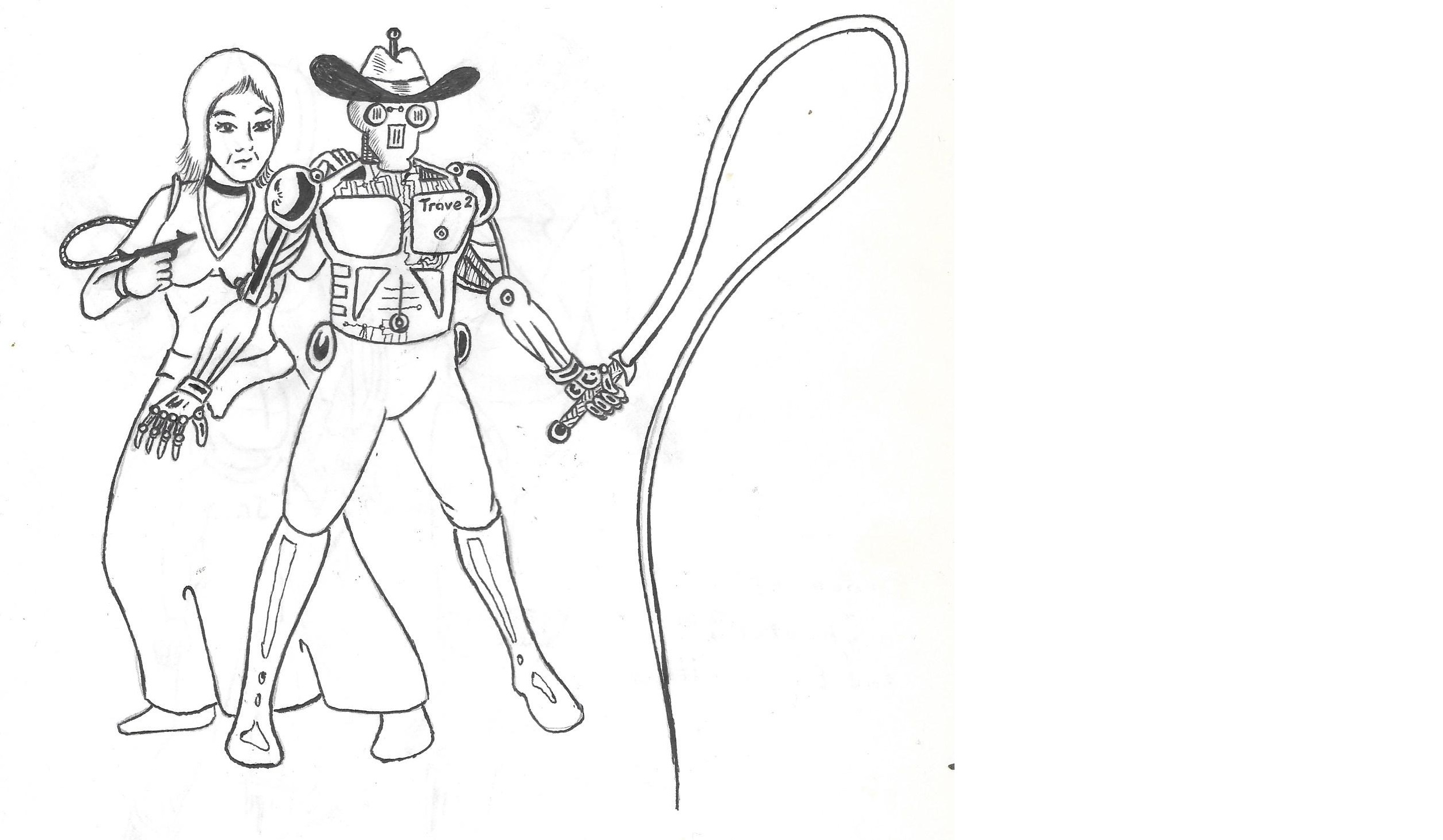
A space epic requires lots of aliens of different kinds.Lots of space ships are also necessary, like this Triceratops Cruiser.Tiki Astro is a robot trying to become a real boy.Some stories need an anti-hero. Trav thinks he’s an auntie-hero.Here’s what the next book in the series will probably look like.
This illustration from my classroom rules poster hung in my classroom for most of a decade.
Rule #2 : Raise your hand to talk or leave your seat!
That rule was one of the two classroom rules broken most often in my classroom. The other was Rule #3 : Be respectful to everyone. Fortunately #2 was a rule that could be enforced without immediate detention, or a trip to the principal, or a call to the parents… Or being buried in the sand up to your neck so ants could eat your head. (And I almost never had to use that last option on #3 either.)
Kids in a classroom, especially the middle school ones between 12 and 15, are never going to be completely quiet in the classroom for the entire 45 to 55 minutes. And, truthfully, you don’t want them to be.
You see, no kid I ever taught learned only by sitting and listening. And I found that kids who actually learned from the talking teacher were rare, weird birds indeed.
If a question needs to be answered for a kid to learn something, the answer must never come from the teacher’s mouth. If the teacher says the answer, no matter what source it came from, it has only passed through the teacher’s brain. And no kid in the classroom got even a glimmering ghost of a learning sparkle going off in their own personal brain where the learning must take place.
As an example;
Fabian Castellano comes waddling in the classroom door at the beginning of 2nd Period 7th Grade English.
“Hey, Mr. B, are aliens real?” he shouts before even sitting down, let alone raising his hand.”
“What’s Rule #2, Fab?” A puzzled look briefly crosses his pudgy face. Then he grins and throws up one fat little arm.
“Yes, Fab?”
“My cousin Rodrigo from Laredo said a flying saucer landed in his back yard, and a little green guy hopped out and said, “Hi, Roddy! I am called the Great Gazoo. And I have orders to make you king of the world for three days so you can learn important lessons about how your world really works.” And then he said… something I forget…” and then Fabian takes a deep breath. “So, are aliens real?”
“Are you talking about your cousin, Roddy Lopez? The one they call Liar Lopez?”
“Yeah, that’s him.”
“And has he ever told you a lie before?”
“Like when he told me that if I stuck jelly beans in my ears, the 6th Grade girls would all tell me I’m sweet and they want to kiss me? Yeah.”
“And does he ever watch a cartoon called The Flintstones? Where there’s a little green alien named Gazoo who makes wishes come true?”
“Yeah, probably.”
“So, is anything Roddy tells you proof that aliens are real?”
“No, probably not.”
So, here you see the lesson in logical reasoning going on in the student’s head, not the teacher’s head. This is what is known as the Socratic Method.
So, Rule #2 is not really about keeping classrooms quiet and discussions orderly. It is entirely about enforcing the teacher’s will upon the classroom, suggesting strongly to the students that the teacher is totally in charge of behavior in the classroom, a thing that is not even remotely true, unless the teacher gets them to believe it by endlessly repeating the rule.
But you do have to talk to kids as a teacher. How else would I know anything about the infamous Liar Lopez and his love of cartoons? How else am I going to teach anything at all to a chubby vato loco like Fabian?
You gotta make the evil little hyperactive monkey heads raise those hands!
I may be suffering from the onset of… what’s that disease called? The one that makes you shake and be mentally confused about… what was I talking about? Oh, yes, I still can’t remember.
It disturbs me that I have difficulty recalling names that I used to rattle off the top of my head quite accurately when I was teaching and was a total master of all the useless trivia information in the universe.
Recently my daughter and number-one son were arguing with me about actors who played Superman. I successfully remembered TV Superman George Reeves who I watched as a pre-teen kid, and Christopher Reeve who I watched on the big screen as a college sophomore, and I even put the “s” at the end of the right one’s name. But I couldn’t remember the name of that new guy… No, not Brandon Routh from Superman Returns (apparently for only one movie), but that other new guy… from Man of Steel, and he was in the movie remake of The Man from U.N.C.L.E.
Number-One Son finally figured out who I meant by looking it up on his smartphone. Henry Cavill! Why couldn’t I remember that guy’s name? I recently watched him in the Witcher on Netflix. Henry gol-danged Cavill!!?
But then I ponder why there are some names and details I can’t seem to forget. Dawn Wells played Mary Ann on Gilligan’s Island. But it wasn’t the actress’s name I could never forget. It was the sight of her belly button. When the series was on television on a night that didn’t conflict with watching Batman, I watched Mary Ann’s every movement and flounce and prance and twirl, and every banana cream or coconut cream pie she ever handed to Gilligan. At the ages of ten, eleven, and twelve I was mad to see a glimpse of her actual belly button. But not for the reason you think! I insisted to all my friends at school that I did NOT LIKE GIRLS! (Even though I actually did.) It was because I didn’t know if she had one. She wore revealing clothes and even bikini two-pieces on the show, and yet, it was always covered somehow. I remember every delicious detail of my too-close-to-the-TV inspection of Dawn Wells’ acting ability in black-and-white, and later, in syndication, in color. It was clear that somebody in the TV universe didn’t want me to see it. And maybe that is precisely why I can never forget it.
But, then again, I can’t remember this guy’s name. Yes, I know, Uncle Fester from The Addams Family. I even remember the two “d’s” in Addams. And I remember that he played the Kid when he was a little kid in Charlie Chaplin’s movie The Kid.
Yes, I honestly could not remember Jackie Coogan’s name until I looked up the Chaplin movie on Wikipedia.
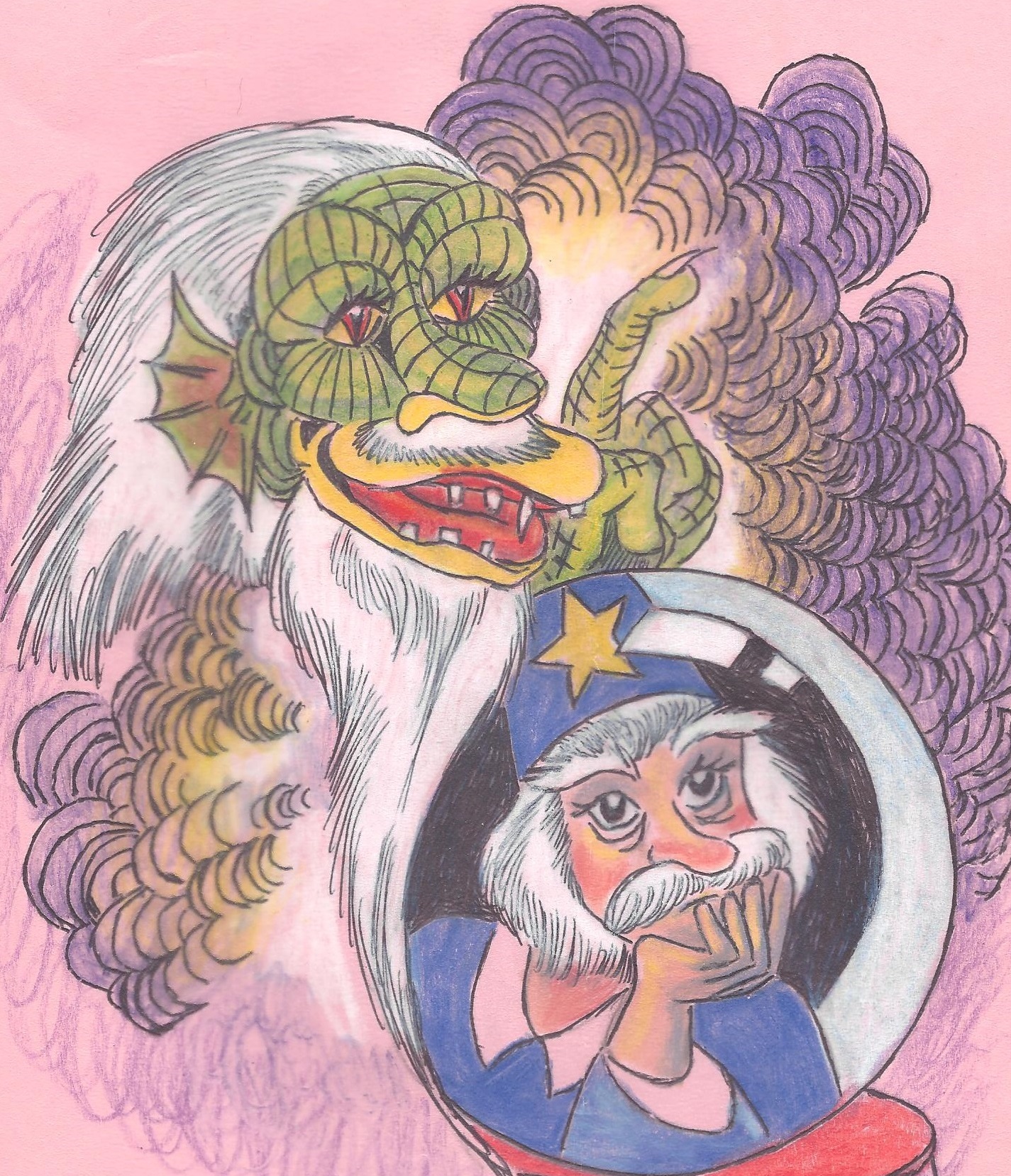
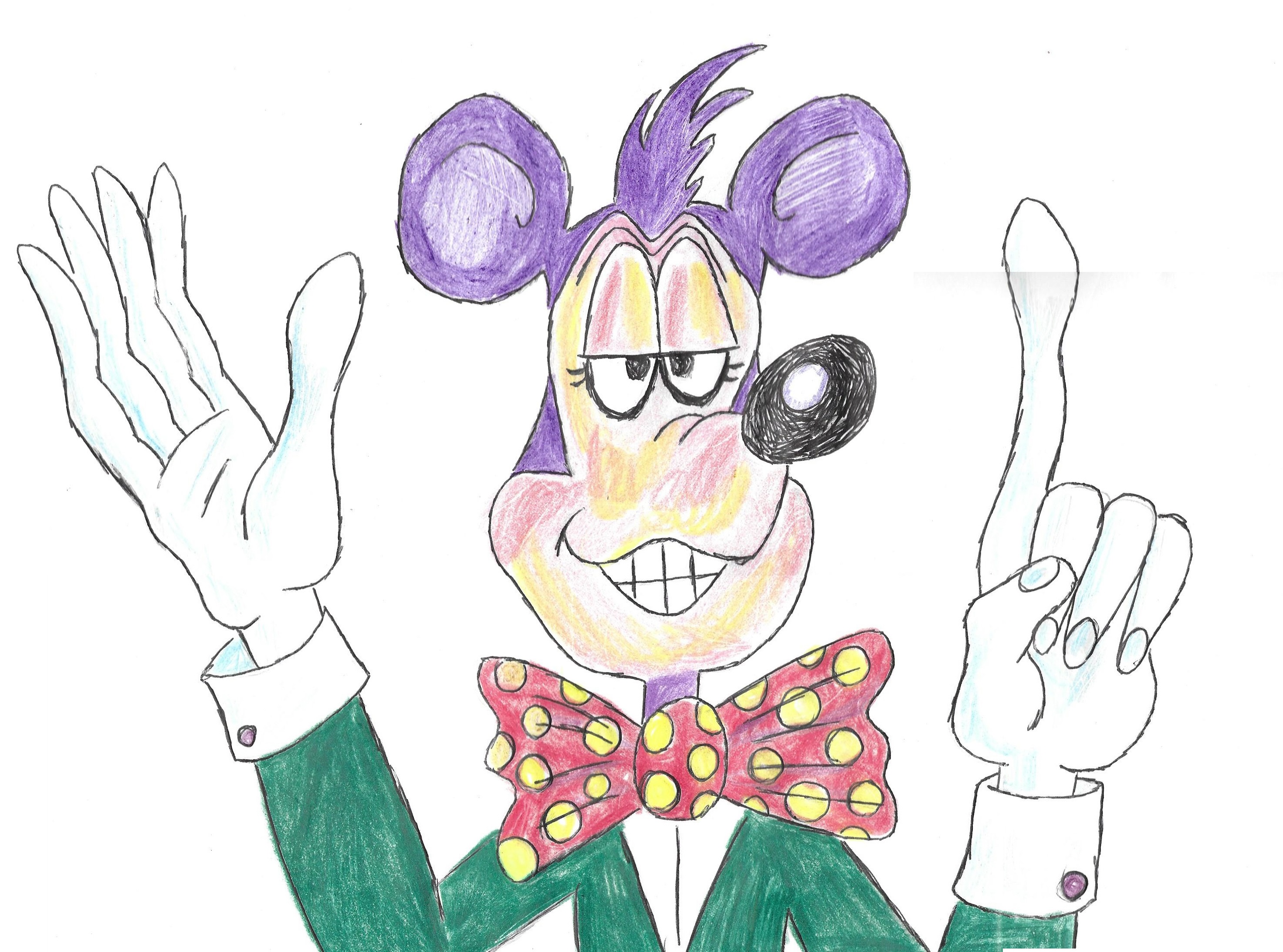
It really bothers me that I cannot remember some things that I used to know really well. But given time I am able to remember that it is Parkinson’s Disease that my father has and may be causing my memory losses, and that the narrator-guy in the first picture I used in this post is Ludwig Von Drake, a character voiced by legendary cartoon voice actor Paul Frees. I am getting old. And forgetful. But how was I going to end this essay? I forget.
The re-write of AeroQuest 3 is now complete. I just need to finish proof-reading and final edits before self-publishing on Amazon along with the other two books.
The Duo-ilogy will now be pushed into a trilogy.
And then rewriting and reworking begins on part 4 to turn the trilogy into a fourple-ilogy.
Four books? Did I say fourple-ilogy? That isn’t going to be the end if the Coronavirus doesn’t cut me short. What’s left will become a five-book thingy. What do you call that? A fiveple-ilogy? A nickelilogy? It can’t be a nickelology. That would be the study of five-cent coins.
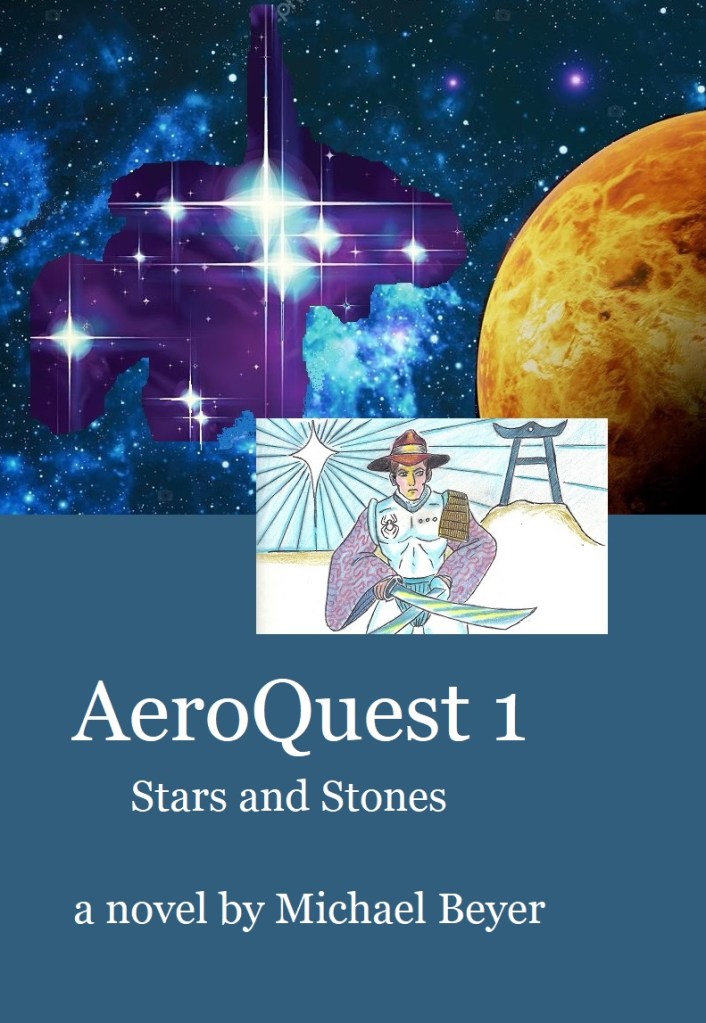
Book one, subtitled Stars and Stones, tells how the two Aero brothers flee the Imperium because Ged faces persecution as a space-werewolf, a thing he is really not. What he really is is a Psion Shape-changer, able to rearrange the cells of his body according to the DNA of other creatures he has come in contact with and analyzed, mostly by tasting their flesh.
They come to an unknown planet where billions of people have been marooned by space pirates, corsairs, and stardogs. This planet, called Don’t Go Here has developed an entire stone-age culture based entirely on old holovids of the cartoon show The Flintstones.
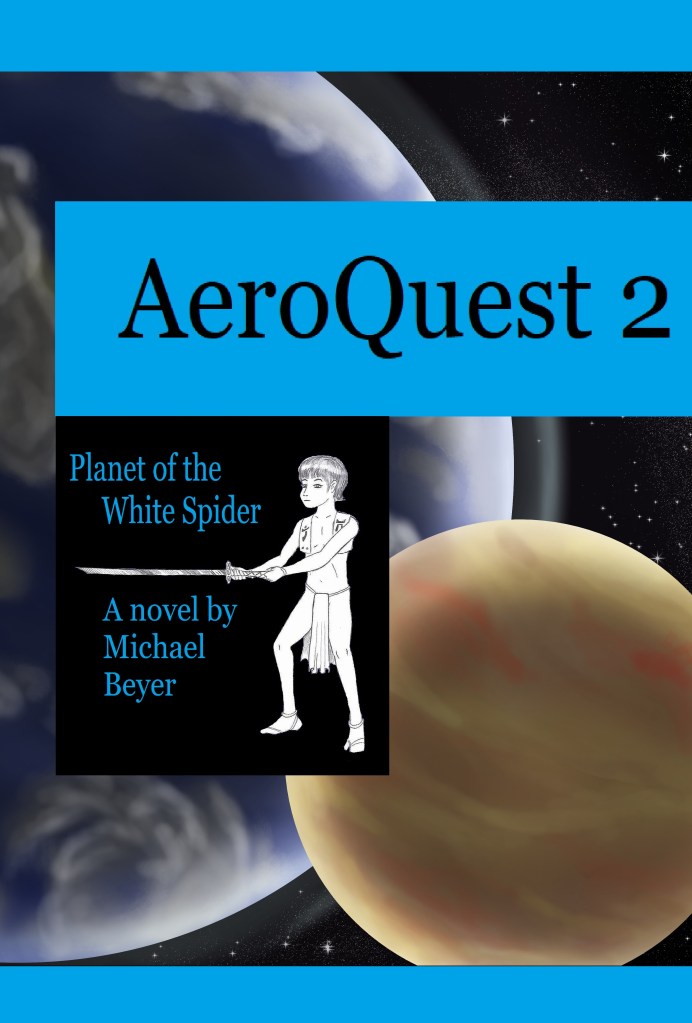
The second book of the Teachers in Space Nickel-ilogy is subtitled Planet of the White Spider.
In it, Ged Aero learns for the first time that he is the prophesied return of the White Spider, a great teacher that will help Psions learn to overcome prejudice against them to use their powers to help make life better for everyone and build an empire of new stars and star-systems.
While Ged is busy learning to be a teacher and how to have some class, his brother Ham Aero is joining pirates, corsairs, smugglers, and various marginalized alien races as they rebel against Admiral Tang and the empire of half-lizard, half-human Galtorrian/Human Fusions.
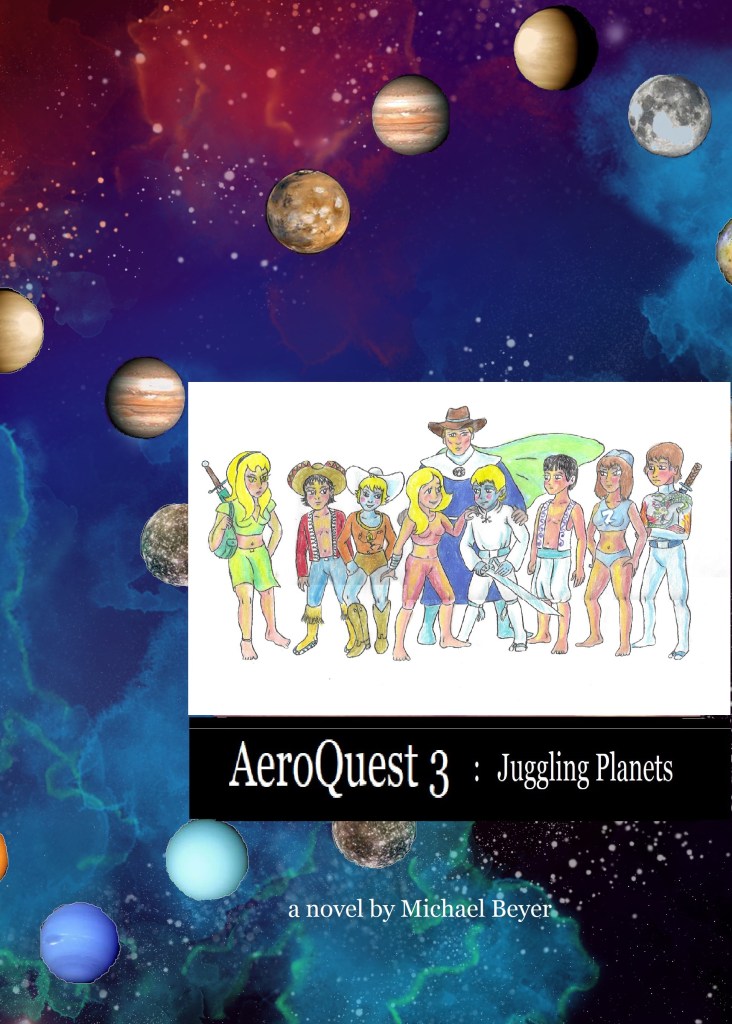
In the third book, subtitled Juggling Planets, the characters learn the hard way that some of them are going to have to become leaders while others will have to be teachers. Numerous planets join in the rebellion. Some serious losses occur, as well as some significant gains. Some serious people get made fun of. Some not-so-serious people do some of the hardest work… or have the best dumb luck. And there are weird aliens, wacky technology, goofy people and strange planets, and things undreamed of in Horatio’s philosophy. If you haven’t guessed yet, these books are science-fiction comedies.
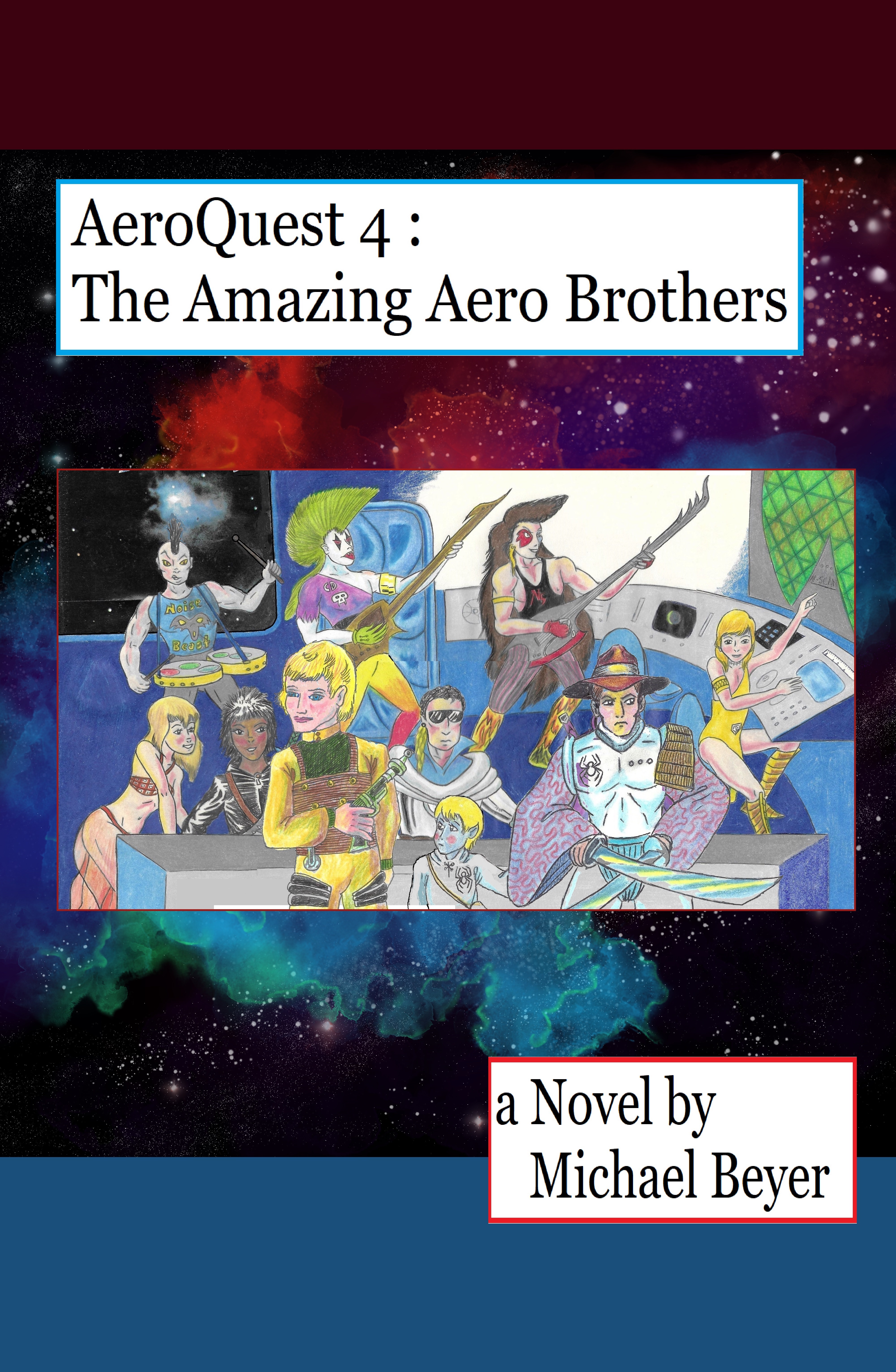
Next week, I start the rewrite of book 4, subtitled The Amazing Aero Brothers.
Raise Your Hand Please, Children!
Rule #2 : Raise your hand to talk or leave your seat!
That rule was one of the two classroom rules broken most often in my classroom. The other was Rule #3 : Be respectful to everyone. Fortunately #2 was a rule that could be enforced without immediate detention, or a trip to the principal, or a call to the parents… Or being buried in the sand up to your neck so ants could eat your head. (And I almost never had to use that last option on #3 either.)
Kids in a classroom, especially the middle school ones between 12 and 15, are never going to be completely quiet in the classroom for the entire 45 to 55 minutes. And, truthfully, you don’t want them to be.
You see, no kid I ever taught learned only by sitting and listening. And I found that kids who actually learned from the talking teacher were rare, weird birds indeed.
If a question needs to be answered for a kid to learn something, the answer must never come from the teacher’s mouth. If the teacher says the answer, no matter what source it came from, it has only passed through the teacher’s brain. And no kid in the classroom got even a glimmering ghost of a learning sparkle going off in their own personal brain where the learning must take place.
As an example;
Fabian Castellano comes waddling in the classroom door at the beginning of 2nd Period 7th Grade English.
“Hey, Mr. B, are aliens real?” he shouts before even sitting down, let alone raising his hand.”
“What’s Rule #2, Fab?” A puzzled look briefly crosses his pudgy face. Then he grins and throws up one fat little arm.
“Yes, Fab?”
“My cousin Rodrigo from Laredo said a flying saucer landed in his back yard, and a little green guy hopped out and said, “Hi, Roddy! I am called the Great Gazoo. And I have orders to make you king of the world for three days so you can learn important lessons about how your world really works.” And then he said… something I forget…” and then Fabian takes a deep breath. “So, are aliens real?”
“Are you talking about your cousin, Roddy Lopez? The one they call Liar Lopez?”
“Yeah, that’s him.”
“And has he ever told you a lie before?”
“Like when he told me that if I stuck jelly beans in my ears, the 6th Grade girls would all tell me I’m sweet and they want to kiss me? Yeah.”
“And does he ever watch a cartoon called The Flintstones? Where there’s a little green alien named Gazoo who makes wishes come true?”
“Yeah, probably.”
“So, is anything Roddy tells you proof that aliens are real?”
“No, probably not.”
So, here you see the lesson in logical reasoning going on in the student’s head, not the teacher’s head. This is what is known as the Socratic Method.
So, Rule #2 is not really about keeping classrooms quiet and discussions orderly. It is entirely about enforcing the teacher’s will upon the classroom, suggesting strongly to the students that the teacher is totally in charge of behavior in the classroom, a thing that is not even remotely true, unless the teacher gets them to believe it by endlessly repeating the rule.
But you do have to talk to kids as a teacher. How else would I know anything about the infamous Liar Lopez and his love of cartoons? How else am I going to teach anything at all to a chubby vato loco like Fabian?
You gotta make the evil little hyperactive monkey heads raise those hands!
2 Comments
Filed under commentary, education, humor, kids, Paffooney, teaching