Category Archives: humor

Poor Ol’ Wooden Head

“Kaw-Liga”
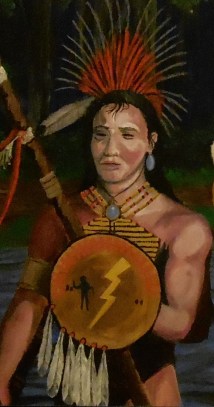
KAW-LIGA, was a wooden Indian standing by the door
He fell in love with an Indian maid over in the antique store
KAW-LIGA – A, just stood there and never let it show
So she could never answer “YES” or “NO”.

He always wore his Sunday feathers and held a tomahawk
The maiden wore her beads and braids and hoped someday he’d talk
KAW-LIGA – A, too stubborn to ever show a sign
Because his heart was made of knotty pine.

[Chorus:]
Poor ol’ KAW-LIGA, he never got a kiss
Poor ol’ KAW-LIGA, he don’t know what he missed
Is it any wonder that his face is red
KAW-LIGA, that poor ol’ wooden head.

KAW-LIGA, was a lonely Indian never went nowhere
His heart was set on the Indian maiden with the coal black hair
KAW-LIGA – A, just stood there and never let it show
So she could never answer “YES” or “NO”.

Then one day a wealthy customer bought the Indian maid
And took her, oh, so far away, but ol’ KAW-LIGA stayed
KAW-LIGA – A, just stands there as lonely as can be
And wishes he was still an old pine tree.

“The Complete Hank Williams” (1998)
Magicman 3

The quirky movie I reviewed, Moonrise Kingdom, reconnected me with a song I loved as a child.  It was on an old 45 record that belonged to my mother’s best friend from high school.  When the Retleffs sold their farm and tore down their house and barn, they had a huge estate sale.  My mother bought the old record player and all the collected records that Aunt Jenny still had.  They were the same ones my mother and her friend Edna had listened to over and over.  There were two records of singles about Indian love.  Running Bear was about an Indian boy who fell in love with little White Dove.  They lived on opposite sides of a river.  Overcome with love, they both jump into the river, swim to the middle, lock lips, and both drown.  Together forever.  That song, it turns out, was written by the Big Bopper, and given to Johnny Preston to sing, and released the year after the Big Bopper died in a plane crash along with Buddy Holly and Richie Valens.

Kaw-liga, by Hank Williams, was a wooden Indian sitting in front of a cigar store.  His love story is even worse.  As you can see from the lyrics above, he never even gets the girl.  Dang, Indian love must be heck!

But I have come to realize that these aren’t merely racist songs from a bygone era.  They hold within them a plea for something essential.  They are a reminder that we need love to be alive.

When I was young and deeply depressed… though also insufferably creative and unable to control the powers of my danged big brain, I knew that I wanted love.  There was one girl who went to school with me, lovely Alicia Stewart (I am not brave enough to use her real name), that filled my dreams.  We were classmates, and alphabetical seating charts routinely put us near each other.  She had a hypnotic sparkle in her eyes whenever she laughed at my jokes.  She was so sweet to me… sweet to everyone… that she probably caused my diabetes.  I longed to carry her books or hold her hand.  I cherished every time she spoke to me, and collected the memories like stamps in a stamp album.  But like the stupid cigar store Indian, I never spoke up for myself.  I never told her how I felt.  I was endlessly like Charlie Brown with the Little Red-Haired Girl.  Sometimes you have to screw up your courage and leap into the river, even if it means your undoing.  Because love is worth it.  Love is necessary.  And it comes to everybody in one way or another over time.  I look at pictures of her grandchildren posted on Facebook now, and wonder what might have been, if only… if only I had jumped in that stupid river.  I did find love.  And I probably would’ve drowned had I done it back then.  Life has a way of working things out eventually.  But there has to be some reason that in the 50’s, when I was born, they just kept singing about Indian love.

Leave a comment

Filed under autobiography, finding love, humor, Paffooney

Oxfordian Rationalizations

Yes, I am, perhaps, a bit of a fool for believing Edward de Vere, the 17th Earl of Oxford, is the writer behind the works of William Shakespeare.  How do you prove something is true when it is so obvious that someone worked really hard to keep it a secret for all this time?  Is it a betrayal of the man to go against his apparent wishes and try to out him for his incredible secret?  It is hard for me to judge.  After all, I know I am a fool.

But even if he is not Shakespeare, and just sits at the apex of a mountain of coincidences, I am fascinated by the historical character of Edward de Vere.

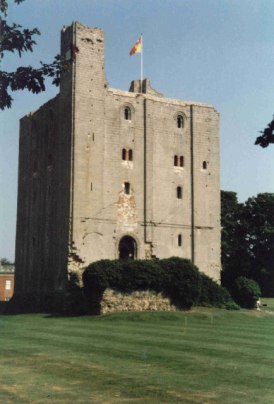
the_keep_at_castle_hedingham_-_geograph-org-uk_-_30510

The keep at Hedingham Castle, the de Vere family seat in Essex (photo by David Phillips)

He was born the only son of John de Vere, the 16th Earl of Oxford, and heir to the second oldest title among English nobility.  His father stood by Elizabeth when she was under house arrest under the reign of Bloody Mary, and went with her as a court favorite to the throne of England when she survived the ordeal.  So naturally Edward was a favorite of Elizabeth’s since childhood.  Later stories would suggest he became the Queen’s secret lover, but the rumors of the Virgin Queen’s harlotry were most likely the invention of Philip of Spain and other nobility in Catholic Europe who plotted endlessly against her because she chose to adopt her father’s protestant Anglican religion instead of returning England to Catholicism like her half-sister Mary before her.  Elizabeth’s personal integrity may not have been perfect, but the love she bore for young Edward was probably not the improper kind that the movie Anonymous by Roland Emmerich suggested.

But even though de Vere was born lucky, I would not say he was particularly lucky in life.  He was only twelve when his father (though having completed his will) died.  The result being that he was made ward to Queen Elizabeth herself.  She was not exactly the foster-mother type, however.  She sent the boy to be raised in the home of her Secretary of State and chief adviser, William Cecil (later made Lord Baron Burghley).  Meanwhile Elizabeth took possession of some of his estates in payment for the wardship and bestowed them on Robert Dudley (her childhood friend and probable one true love, though he was married to someone else).  Young Edward was a difficult student.  His tutor, the famous scholar Laurence Nowell, resigned in frustration, probably because the boy was too bright and far-reaching for the antiquarian scholar to deal with, possibly himself being a bit dumber than advertised.   Edward quickly developed a reputation for love poetry at Elizabeth’s royal court.  He was a gifted, though somewhat conflicted, prodigy.

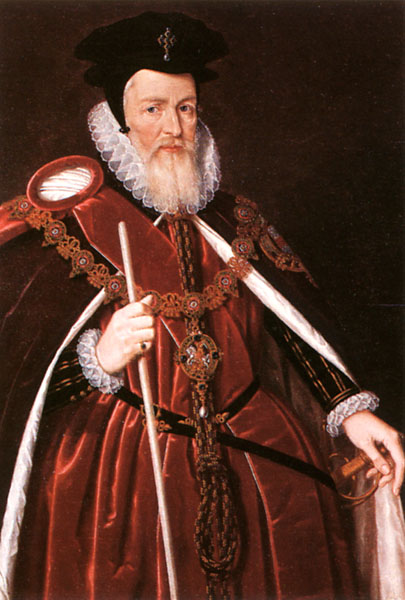
cecilwilliam1bburghley04

William Cecil, 1st Baron Burghley

And here is what I find most fascinating about his life story.  As you reread it, keeping the works of Shakespeare in mind, you begin to see Shakespeare’s source material coming to life.  Edward would end up marrying Cecil’s young daughter Anne, so that Lord Burghley was not only a man who raised him, but also his father-in-law.  But marrying off your offspring to nobility was an accepted manner of social climbing, and Cecil wasn’t entirely sure he couldn’t do better for his daughter.  And the meddlesome, lecturing, and self-righteous nature of the man comes out in Shakespearean characters like Polonius in Hamlet who spies upon the suicidal prince because he fears the effect Hamlet’s love for his daughter Ophelia might have on her reputation, causing him to spout all manner of cliches and stuffy, self-important advice.

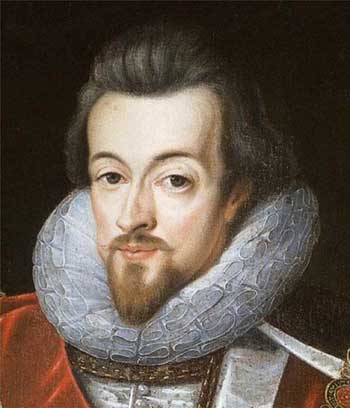
cecil

Robert Cecil, Lord Salisbury

Cecil’s son Robert, the hunchbacked boy who grows up to take over his father’s office as adviser to both Elizabeth and James I, is a crafty statesman and plotter who is the undoing of the Earl of Essex in a real-life plot against the throne of Elizabeth.  It is hard not to read about his real-life exploits without seeing the connections to Iago in Othello and the conniving hunchback Richard III.

So, once again I have overshot my target length in this essay because I get so wound up in the details of my discoveries.  There are numerous things written and published about the connections between de Vere and the Bard himself.  I have only begun to scratch the surface in this telling of it.  But I am just a fool with a humor blog.  If it interests you at all, I encourage you to go to as many of the available sources as you can possibly google.  I haven’t yet finished doing that myself.  And I do hope I haven’t told anything here that makes Shakespeare turn over in his grave (if, indeed, a grave could ever really hold him.)

Leave a comment

Filed under artists I admire, conspiracy theory, foolishness, humor, strange and wonderful ideas about life, William Shakespeare

Saturday Memories and Long-Past Longings

This oil painting is Highway 3 in North Central Iowa. The little town of Rowan is dead ahead on the South side of the road. The year is probably about 1984.

Brent Clarke is a fictional character in several of my novels. He is pictured here with the actual water tower of Rowan, used to portray the fictional water tower of Norwall, Iowa from my novels. In 1984 Brent would have been about 22 or 23 years old. The people the character is based on would have been 28 or 30 in 1984 depending on which one you think he is more like. I will not, of course, tell you who… because you could argue there is no one answer to that question. He is arguably me at some point in every story he is in.

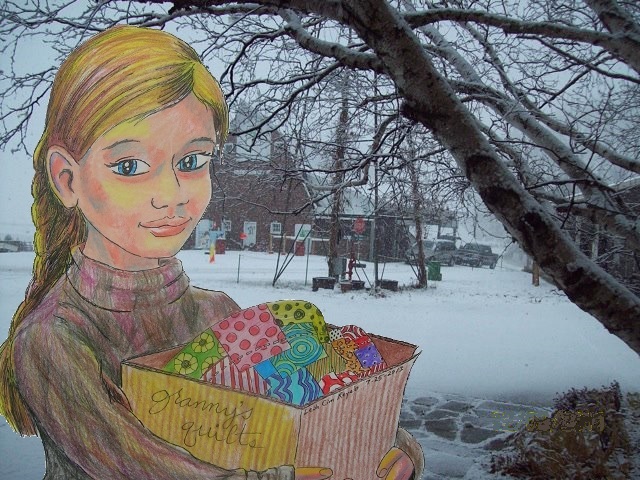
Valerie Clarke is as close as I can come to declaring I have a main fictional character in my novels. She was 11 in 1984, the year that the book Snow Babies is set. The real girls she is based on would have been 28 in 1984 (my former classmate) and 3 years old (my former student.)

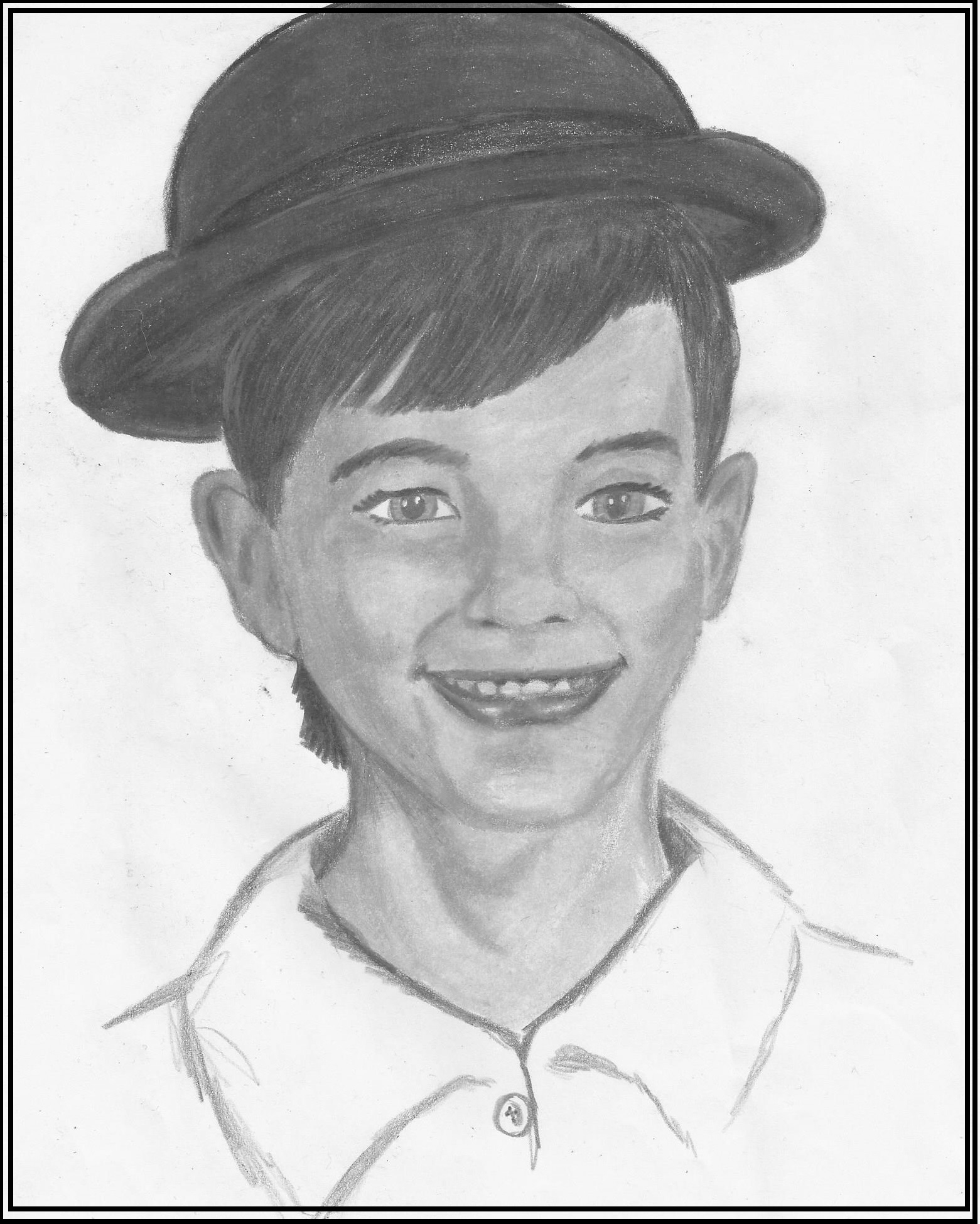
Milt Morgan is a fictional me-character, although I can argue he is almost equally based on the “Other Mike” that I grew up with. He was a year older than me and one grade ahead of me in school. In 1984 the character would have been 23. I was 28 and the Other Mike was 29. This portrait was made from a school picture of me. But somehow it also looks a lot like the Other Mike.

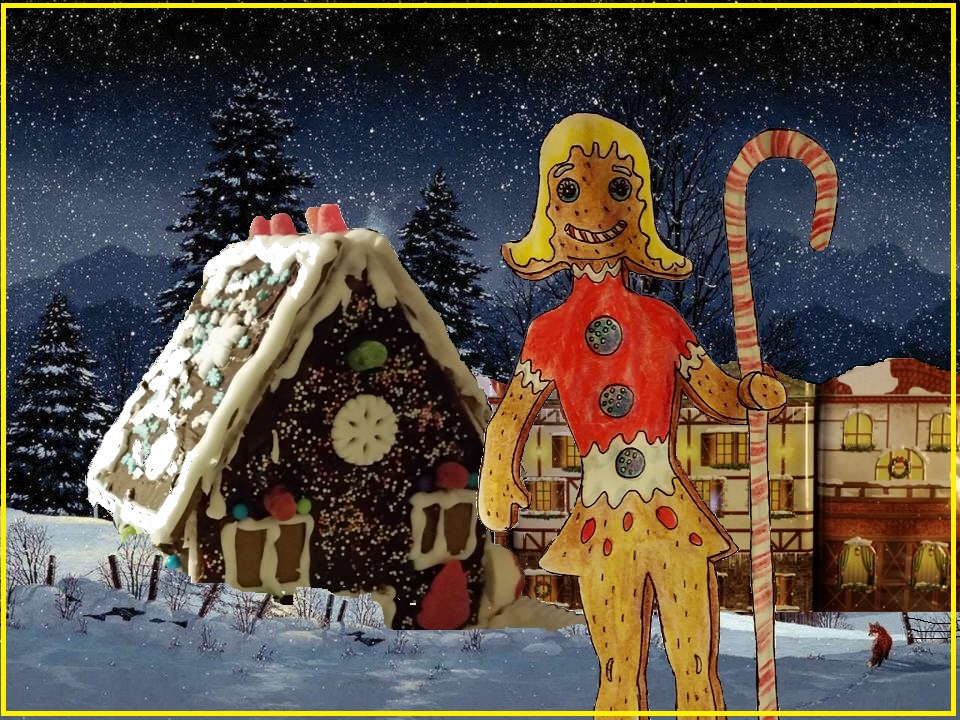
This is Anneliese Stein. She is a fictional character based on stories I was told. She was thirteen years old in 1945 when she died at Auschwitz. Her mother brought her back to life as a gingerbread girl in 1975 using fairy magic. Well, possibly through the magic of her mother, Gretel Stein, as a storyteller. And, according to the story that was told, she became a Storybook Fairy when her mother died and became a fairy too.

This is Bobby Niland, a fictional character from several of my novels. He is based entirely on a student from one of my classes in the 90s. The fictional Bobby was only six in 1984. The real Bobby probably seven in 1984. In the story Horatio T. Dogg, Bobby was fourteen and a half.

You can easily see that, because of living a long life with an extra-vivid imagination, not all of my real memories are of real things. There is more to it than meets the eye. This is an imaginary portrait of Valerie again, this time at the age of seventeen. It is one more imaginary thing hopelessly intertwined with all the real things I remember.

Leave a comment

Filed under artwork, humor, insight, Paffooney

On the Problem of Always Being Wrong

I was a middle-school teacher for thirty-one years. That, of course, basically means I have to be wrong about everything. Principals have told me so. Parents have told me so. And students who have heard them say so take it completely to heart because, well… Who has the most authority to declare someone else completely wrong?

Yes, I have it on good authority… I am wrong about everything, always.

.

But it is very useful to realize that I am in good company. Galileo was wrong about the sun not going around the Earth. The College of Cardinals said it was so, and the Inquisition forced him to confess he was wrong. Giordano Bruno was so wrong about Copernicus being right that the Inquisition had to burn him at the stake. One would almost think that it is a bad thing to be wrong.

But it’s not.

Science, in fact requires its greatest practitioners to find out all the ways that they are wrong. How else do you create a theory of what is probably right?

It is fundamental to the scientific method to be as right as it is possible to prove. Of course, every scientific theory yields up a lot of anomalies that somehow defy the rules of the currently understood correct theory.

Isaac Newton got thumped on the brain-top by an apple and realized that the same thing that made the apple fall to Earth was making the Moon fall to the Earth, although the Moon is falling at the same rate as it is going around the Earth, so it never finishes the falling.

Later, Albert Einstein would realize that Newton’s gravity would even bend the light of distant stars around the edges of the Sun. And so, he found where Newton, genius that he was, was wrong. And so, the Theory of Relativity was born.

Guess what. Einstein was wrong too.

So, ultimately, it is okay for me to be wrong about things. It is necessary to be wrong before you can find out what is right. So, when I say something stupid like the following…

Comedy is good for you.

You should be naked more.

Fairies are only real if you believe in them.

You must take a leap of faith and live in the world like a Navajo, in tune with the natural world and comfortable with other people living in your world too. Moment by moment in the present moment.

…and eventually, I may stumble upon what is right and true. Or get burned at the stake like Bruno. That happens too.

2 Comments

Filed under artwork, commentary, fairies, humor, Paffooney, philosophy

The Oxford Obfuscation

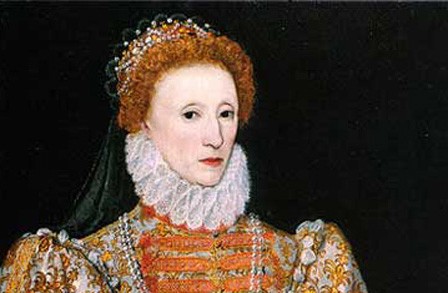
queen-elizabeth-iIf you are going to entertain a completely absurd notion like, “Shakespeare wasn’t really written by Shakespeare”, then you have to have some knowledge of the times and the context within which such a profoundly counter-intuitive thing could possibly be true.  And it also helps to understand more precisely what the “writing of Shakespeare” actually means.  Now, I know it is not particularly fair to confuse you, dear reader, right before I try to dazzle you with my complicated and over-thunk lackwit conspiracy theory, but that is, after all, what obfuscation actually means.

The plays, sonnets, and other poetry of William Shakespeare reveal the mind of a genius.  Whoever wrote the works has to be a complicated man living a complicated life.  He has to be a sensitive, empathetic, highly intelligent, observant, and troubled man.  You don’t write the dark and deeply troubled suicidal tragedy of Hamlet without ever having thought of taking your own life.  You cannot portray the madness of King Lear without ever having experienced the turmoil of the mind that threatens to tear your soul apart.  And you don’t write about the complexities of love found in As You Like It or Romeo and Juliet without ever having experienced the massive thunderstorms of the mind that go along with falling in love.  And we are talking true love, not necessarily the domestic love you have for the wife you are stuck with.   You see what I did just there?  I put you into the head of the writer, and started you thinking like you yourself are Shakespeare.  As goofy a mental gymnastic exercise as that is, bear with me and keep thinking it.

At the time of Shakespeare’s ascendancy as the Bard Laureate of English Literature, England was not a safe place to be either a noble or a playwright.  Queen Elizabeth’s mother had her head cut off for bad politics even though she was married to the King of England at the time.  Lady Jane Gray, one of Elizabeth’s predecessors, lost her head when she was no more than a sixteen-year-old girl.  During Elizabeth’s reign, one of her court favorites, Robert Devereaux, Earl of Essex, attempted to seize the queen herself after a riot fomented by a performance of Shakespeare’s play, Richard II, at which eleven of Essex’s noble supporters were said to be present stirring up the emotions of the crowd.  It was a near thing for the writer of the play (about the life of a king whose reign ended in controversy about succession and which led eventually to the War of the Roses) to escape without also being caught up in the rebellion’s failure and round of executions that separated Essex from his head.  Elizabeth banned numbers of plays with religious or political content, bans that never seemed to touch the writer of Shakespeare’s plays, even when they touched on political themes.  You didn’t have to rebel against the Queen to lose your head either.  Elizabeth was trying to reinstate Anglican Protestantism against the critical tides of Catholic Europe.  You could be banished, put to death, or impressed  by force into the English Navy for being suspected of ideas that were too Catholic.  And witchcraft, or consulting with witches, as Macbeth depicts, earned you a nice warm fire in the public square to cleanse your immortal soul.

edwarddevereattribmarcusgheeraerts

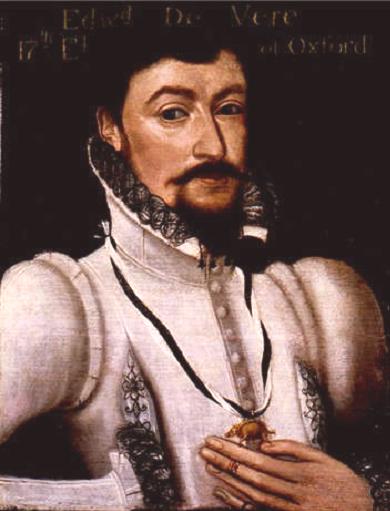
Edward de Vere, 17th Earl of Oxford

So, if one were to be both a playwright and a nobleman, known to and beloved by Queen Elizabeth, might there not be good reason to write under a pseudonym?  And numerous people who write about Edward de Vere mention the fact that he wrote poetry and plays, and the plays were very popular.  Some scraps of poetry by the Earl of Oxford still exist, but whatever happened to the manuscripts of his plays?  It is a conspiracy theory so delicious, that I have to take at least one more bite.  (You understand, I try to stick to a 500-word target for these posts, and even this 600+ is really too long.  So that means there has to be an Earl of Oxford Part II at least.)

Leave a comment

Filed under conspiracy theory, foolishness, humor, politics, William Shakespeare

Good vs Evil, a Game We Must Play

Whether we find it palatable or not, there is good and there is evil in the world. It is as unavoidable as the fact that there is hot and cold in the world, darkness and light in the world, school teachers and unreachable idiots in the world… Of course, any good philosopher will define the terms being used (not to suggest I am actually a good philosopher… I’m clearly as horrible at philosophy as I am at writing poetry.) “Good” is here being used to mean all that is positive, effectively aiding in life, growth, good health, love, and community. “Evil” is the negative, all that taints, poisons, kills, spoils, and causes suffering..

And as I try to play the game to win for the side of “Good,” I am often accused of being a loony conspiracy theorist, the crazy uncle who is shushed and vilified any time he says words like “Republican,” “Greenhouse gasses,” “Koch Brothers,” “Inside Job.” “Betsy DeVos,” and numerous other words that light conversational infernos in either Texas or Iowa. And I, of course, feel wronged in that I don’t believe the crazies like Alex Jones. David Icke, or Tucker Carlson. I don’t believe the world is run by lizard-men in people skins, or that Democrats eat babies and worship Satan. And I don’t care that Elvis probably faked his death. But I do believe something is wrong and being covered up about the events of 9-11, and the government is covering up the truth about UFOs. I have researched both sides of each question and found many disturbing things have more and better evidence than the debunkers can provide in opposition. Some evils in our time are threatening to cause extinction of life on Earth. That includes man-made climate change, nuclear-weapons proliferation, Chinese economic aggression, and the acidification of the world’s oceans. Opposing these bad things is not a problem caused by me. I am not breaking the rules of the game.

One definite truth that I hope holds true on into the future as it has done in the past is that humankind is made up of numerous innovators and problem-solvers dedicated to helping us overcome the evils that some men do. Solutions to climate problems are out there and being worked on. Things like vertical forests and atmospheric scrubbers already exist, and more are even being built. Gigantic, mountain-installation solar batteries are being designed and built to provide for increasing clean-energy needs. The technology exists to desalinate ocean water and remove or neutralize naturally-formed acids. Hopefully a way will be invented to clean up all the excess plastic waste in the oceans too.

Of course, the hardest part of that game is getting corporations and the billionaires who empower them to pay the price for solving these problems. The profit motive is there to be had. But it is a long-term investment being proposed in a world of quick profits and short-term schemes that rich and heartless people are addicted to.

Of course, many find “Good” is served best through faith and devotion. That might seem a potential problem for an old atheist like me. But, I remind you, I am an atheist who believes in God. I know there is a spiritual dimension to human life, and nothing works well without that. That is why I am a Christian Existentialist. The basis of most religions is some sort of fairytale about faith in a higher power and a better ultimate outcome than merely death. And that would seem to be useless if it is provably false.

But that is one of the beauties of an existentialist philosophy. Since life does not come with meaning already installed in all the hardware, we have the privilege of creating or choosing the operating software for ourselves. Most traditional religions provide instructions on how to live the best life possible and to love one another. This more than merely outweighs the evil done in the name of religion. The heroes who stand against false and harmful beliefs are given their power by being true to the religion inculcated in them in their youth.

This is why it is so tragic when great philosophers like Nietzsche are misunderstood and misused by evil men like Hitler’s Nazi Party. Nietzsche did write about the “Ubermensch” or “Super-man.” But he would never have argued for a “Master Race” like the Nazis did. He was writing about how a man takes ownership over the writing of his own story. And the man (or woman, since he talked about men as if the word meant mankind) can make goodness out of even a life of suffering (just as Nietzsche with his mental illness in later life himself did.) Nietzsche was a philosopher who taught in his writings how people should love one another and should make their own meaning out whatever circumstance they found themselves living in.

It is to be hoped that whatever religious fairytale you adhere to, and however near we are to the actual end of the world, we will all continue to strive for the Good, the Light Side of the Force. It is the only hope we truly have to ultimately win the game..

Leave a comment

Filed under humor, philosophy, religion

The Heart of Shakespeare

3a8307f6bb01311fc90478857d32e891

Despite my skepticism about the accepted wisdom in regard to the historical William Shakespeare, I do deeply love the body of work that is Shakespeare.  My most favorite play is The Tempest, the final play in the canon.  I also have read and loved As You Like It, Romeo and Juliet, Hamlet, A Midsummer Night’s Dream, The Merchant of Venice, Henry V, Richard III, Julius Caesar, Macbeth, Othello,  and King Lear.  I know that is not all of the plays, but that is probably more than most people have read.  And of course, as an English major in college, and later as a teacher, I have actually analyzed, compared, studied, and taught some of these plays.  So, the Shakespeare I know is the Shakespeare of the writer’s own mind, his communicated wit and wisdom, imagination and intellect.

shakespeare

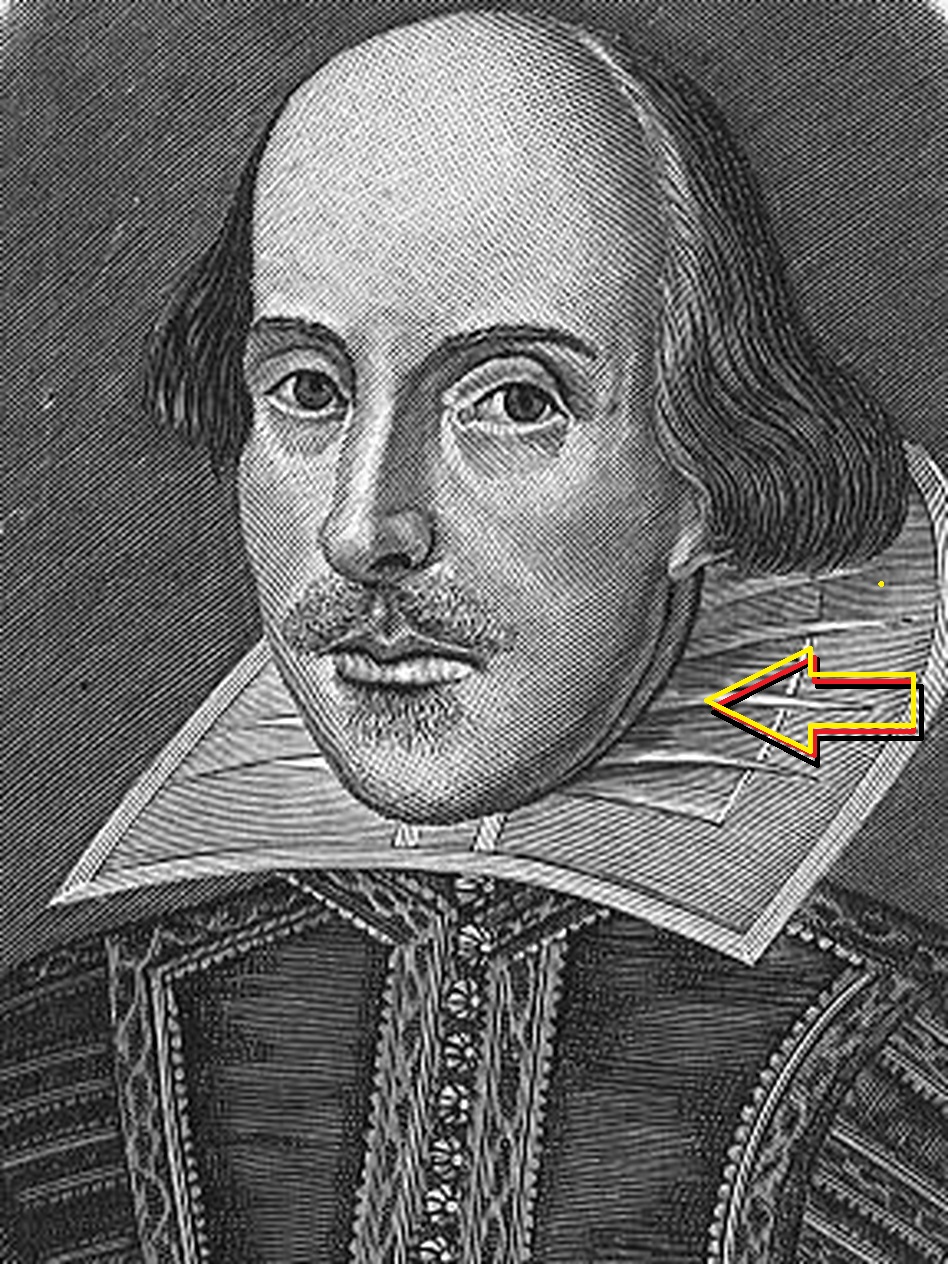
And I do not have any disdain or disrespect to give the Stratford guy.  To say that, in the Elizabethan world, the actor son of a tradesman with only a grammar school education could not have been the mind behind the literary masterworks is foolish.  The Stratford guy owned and operated the Globe theater at a time when “the play was the thing”.  All of London society, rich and poor, gloried in the theater, and Shakespeare did for Elizabethan plays what Babe Ruth did for baseball.  He was a good enough business man to make himself a decent fortune.  Although, apparently, this world-shaking author didn’t spend any of his money on owning books, which in my experience is extremely rare among writers.  His life, bound up in an urban existence that never traveled outside of the country also somehow produced great works that were set in places in Europe, especially Italy, that described those settings in accurate detail.  As a working actor, he also apparently had the time to study law and somehow learn the inner workings of the royal courts of more than one country.  And the plots were not original.  He took existing stories that already were a part of European literature and lore and wove them into rich tapestries of human striving, laughable foibles, and a deep understanding of basic human character.  But I do have doubts that the businessman and actor from Stratford was the real writer of the plays.

I have already told you that I don’t believe Sir Francis Bacon was secretly Shakespeare.  Christopher Marlowe wasn’t either.  And I have unsuccessfully made a case against Shakspere, the Stratford guy.  So who could possibly be the real William Shakespeare?  Well, I am not going to be able to make a decent case for him in the 100 words that I have left to end this essay with.  So there has to be more to come.  (And stop screaming obscenities at the computer screen.  I am going to reveal the name before the end of this essay.  And I promise not to make my case for him in coming days too boring and horrible.)  I have to show why I believe that the true heart of Shakespeare could only have beaten within the body of Edward deVere, the Earl of Oxford.

Leave a comment

Filed under conspiracy theory, goofy thoughts, humor, strange and wonderful ideas about life, William Shakespeare

Kit Marlowe, Secret Agent

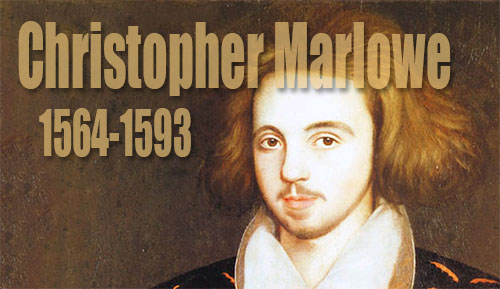
christopher_marlowe

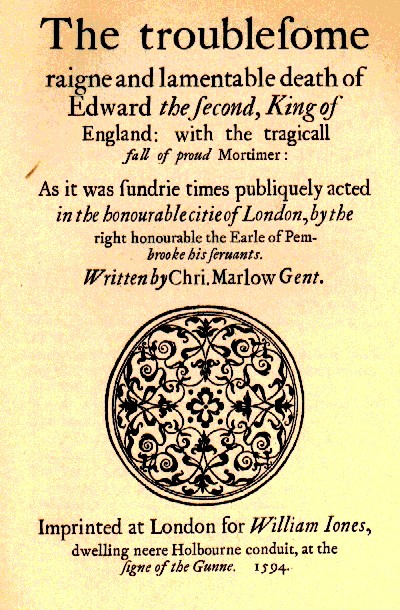
Christopher Marlowe is often sited as the real Shakespeare, a problematic assertion given that he would’ve been forced to write a number of plays after he was dead, giving new meaning to the term “ghost writer”.  But I would like to add to the assertion that “Marlowe is NOT Shakespeare!” that I also believe he did not die as they claim that he did.  Marlowe is a fascinating character of debauchery and misbehavior, intrigue and mystery, and undeniable genius.  As a writer, he was a maverick and risk-taker, having begun the ascendance of the theatrical play as one of the heights of Elizabethan literature with his play Tamburlaine the Great, about the historical figure who rose from shepherd boy to monarch.  This play, and its sequel, Tamburlaine the Great Part II, were among the very first English plays to be written in blank verse, meaning there is a very definite connection between the style of writing established by Marlowe and the later work of Shakespeare.  It is probable that for a few years, Kit Marlowe was a member of the Gray’s Inn group along with Sir Francis Bacon and several other suspicious literary luminaries like Sir Walter Raleigh and possibly Ben Jonson.  (I have to admit at this point that if I am wrong about the Stratford guy and he did write the plays, then he was a member of this group as well, because it was not closed to commoners, only to stupid people.  The Stratford guy was in no way stupid or a villain, no matter what you may believe about the authorship question.)  But here is where the link to Shakespeare’s plays and poetry both begins and ends.  Yes, Kit Marlowe was a capable enough author to have written such sublime plays.  He has all the individual skills to make up the whole.  But if you read his masterwork, The Tragicall History of the Life and Death of Doctor Faustus, you will see that the voice, the unique literary style of the work is simply not by the same author.  Although Shakespeare revisits some of the same themes that Marlowe used in his plays, his manner of development, handling of character, style of humor, and underlying conviction in the existence of God are all different and opposed to Marlowe’s.  Marlowe is NOT Shakespeare.  Shakespeare’s works have more in common with Bacon’s than Marlowe’s.  And I have already said that, “Shakespeare is NOT Bacon… or eggs either.”  And if I said it, it must be so.  (Don’t throw eggs and tomatoes at your computer screen when you read this.  Just call me stupid and vain in the comments like everybody else does.)

maxresdefault

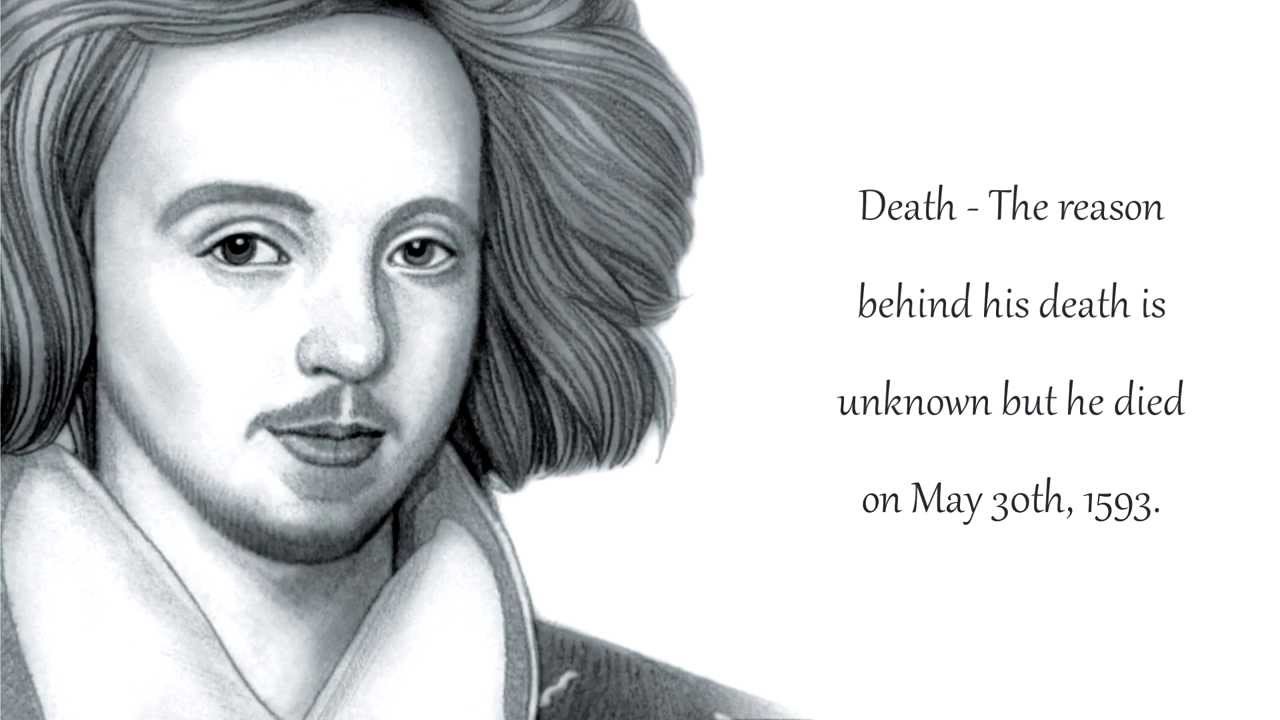
And an even more compelling reason to those of you who don’t obsess over reading Shakespeare and Marlowe and Ben Jonson is that, at the time Shakespeare’s plays were probably written, Kit Marlowe was busy either being stone cold dead, or, having faked his death, was busy being a secret agent for Queen Elizabeth.

And why would a goofball like me think that Christopher Marlowe cunningly faked his own death and went into his own thrilling quest to be like James Bond more than 300 years before Ian Fleming?  Well, because I know how to read and am not generally bright enough not to believe what others have written about him and his connections to the world of spying in Elizabethan times.

These authors have brought out the fact that Marlowe’s frequent absences from college and later public obligations coincide with things like the mysterious tutor called “Morley” who tutored Arbella, niece of Mary Queen of Scots, and a potential successor to Queen Elizabeth, in 1589.  He was also arrested in the Netherlands for allegedly counterfeiting coins related to the activities of seditious Catholics.  He was brought back to England to be dealt with by Lord Treasurer Burghley, the closest adviser to Queen Elizabeth, and was then not so much punished as let off the hook and even rewarded monetarily.  Still think he was not a spy?  Well, his demise probably came about through his relationship with Lord Francis Walsingham and his friendship with Walsingham’s son.  You see, Walsingham was Elizabeth’s “M”, leader of her spies and intelligence units.  After Walsingham died, there was deep concern that no one was still able to protect Marlowe from possible consequences of being both a homosexual and an atheist.  (Being gay was obviously not as serious a sin as atheism for which torture and death penalties lay in wait.)  It was possible that rival spies and nefarious forces could kidnap Marlowe and get information out of him that the Queen needed to be kept secret.

So, when Lord Burghley tortured Marlowe’s friend and sometime roommate, Thomas Kyd, into naming Marlowe a heretic and sending men out with a warrant to arrest Marlowe, Kit’s other friend, Thomas Walsingham probably warned Marlowe.  The bar fight that supposedly ended Marlowe’s life was witnessed by two friends of his, Nicholas Skeres and Robert Poley, both provably con men and professional liars.  The knife that stabbed him in the forehead above his right eye was wielded by Ingram Fizer, another of Marlowe’s disreputable friends, allegedly over an unpaid debt.  Fizer, of course, though he freely admitted killing Marlowe, was acquitted of the murder.  And the coroner’s report is suspect.  Rules of investigation were not followed, and the body was never independently identified by someone other than the three friends at the scene of the crime.  And the body was hastily buried before anyone else could get a close look at it.

edward2a

I am not only telling you that I believe Christopher “Kit” Marlowe was NOT Shakespeare… or eggs either (though that joke doesn’t really work here), but I believe he didn’t die the way it has been reported to us by history.  And why do I believe these things?  Because I think the story of Christopher Marlowe is a really great story, and it exists as a story whether it is historically true or not.

5 Comments

Filed under angry rant, artists I admire, conspiracy theory, goofy thoughts, humor, poetry, satire, telling lies, William Shakespeare

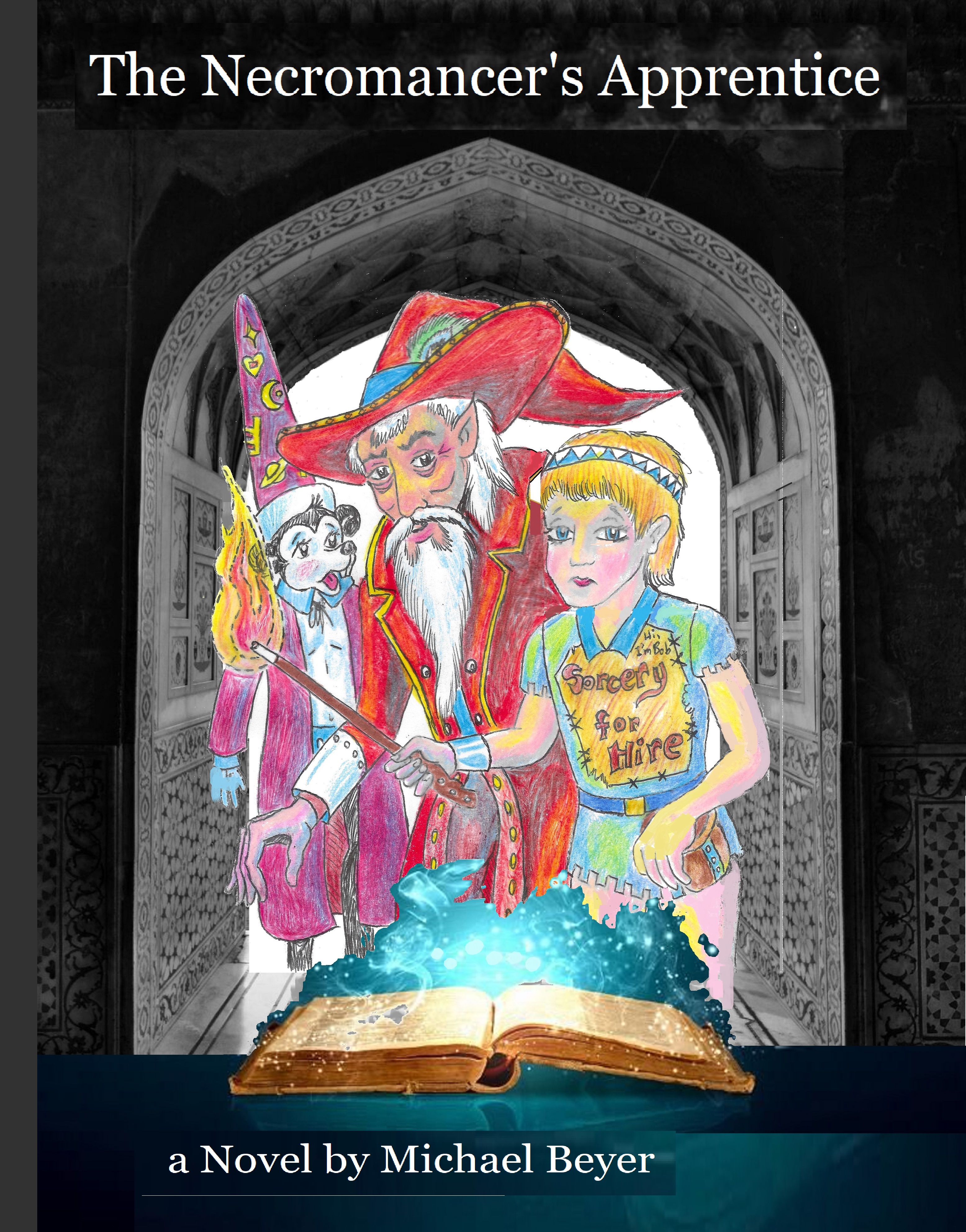
The Necromancer’s Apprentice… Canto 14

When You Wish Upon a Broom

I woke up to find myself in the red-velvet interior of one of Master Eli’s coat pockets.  I was obviously considerably smaller than my normal two and a half inches of height.

“I’m sorry, Master.  I know I am not supposed to misuse the Magic Hat.  But I couldn’t help it.  It was there.  And I wanted a girlfriend so badly…”

“Mickey, I don’t even have to punish you.  You’ve already gotten the consequences you deserve.  You can’t have sex with one…”

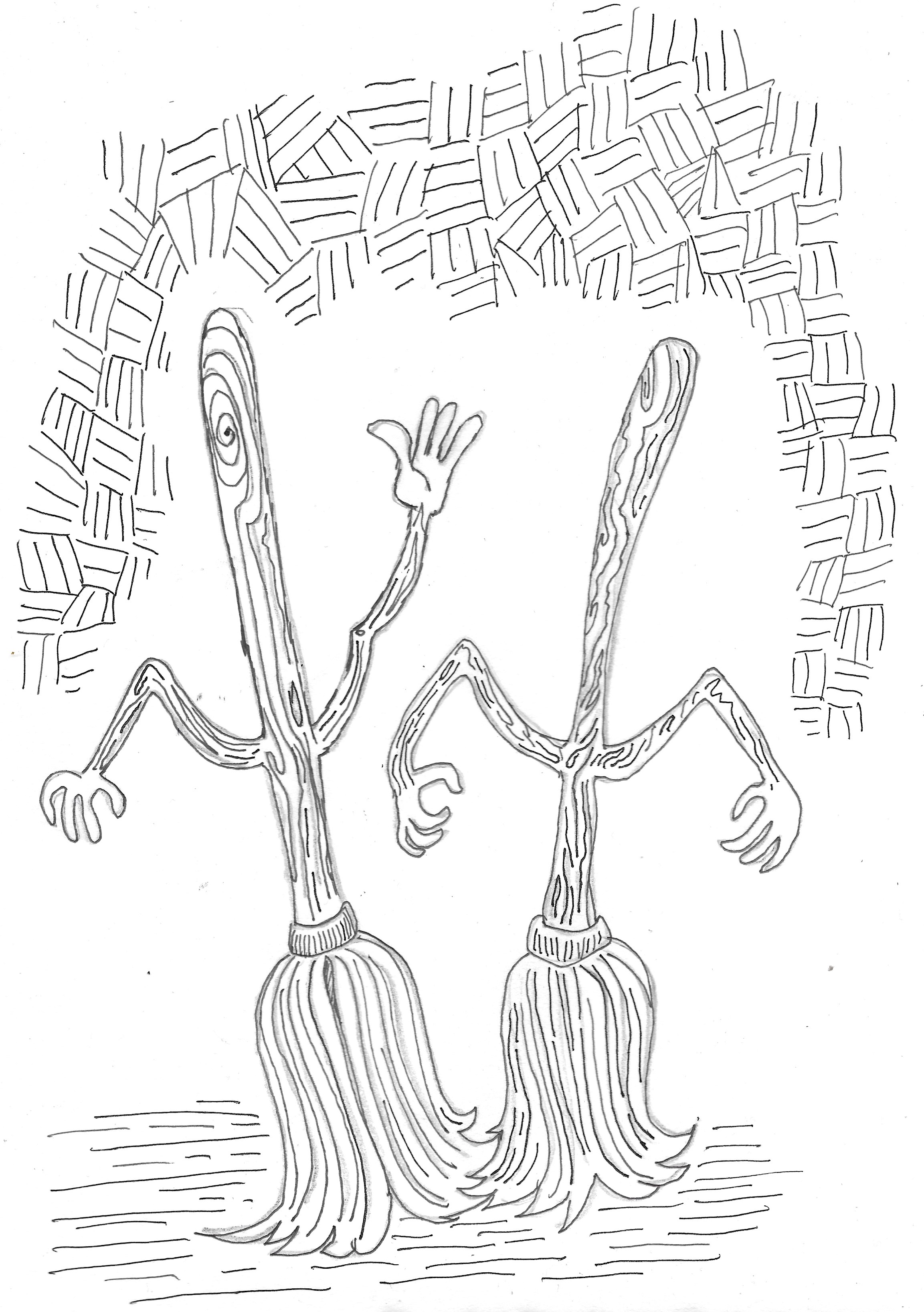
“Master?  How do I stop these aggressive brooms?” the quiet boy said sounding on the edge of desperation.

“…let alone TWO brooms!  You should have used the animate object spell on one of those limestone statues Dizzyglitter is always carving.  At least they are supposed to look like Sylphs.  What are the brooms’ names, Mickey?”

“Merrydew and Cannabis,” Mickey squeaked.

“Give them new orders by name, Bob.”  The Master’s voice seemed to be suppressing a slight chuckle.

I climbed up to the edge of the pocket and looked out.

“Merrydew, sweep the floors.  Cannabis, alphabetize the potion bottles.”

I saw the two brooms stop chasing Bob and take up their new tasks.  Mickey was laid up on the exam table, his body naked except for fur and a huge bandage on his personal love parts.  I was pretty sure that was the consequences the Master spoke of, but I didn’t want to think about how it came to be.

Then I looked up and saw Master Eli looking down at me and picking me up in his gloved left hand.  He lifted me up in front of his scowling face.

“You, I believe have been a very naughty girl, Derfentwinkle.  What do you have to say for yourself?”

“I am very sorry, Master Eli.  I was always planning to return to your service.  But the crows contacted me by telepathy and told me where to find my friend Dollinglammer.  And she had news of my poor sister.”


“You left with some of the magic given you by the Magic Hat, but none of the training you were supposed to get from me.”

“Are you going to punish me?”

“Well, of course not.  What did a student ever learn from being punished beyond how much they should hate their teacher?  You saw the White Stag inside the hat.  That means you were chosen and must stay with me until your quest is completed.”

“My quest?  Is it to free the village of Mortimer’s

Mudwallow?”

“No, of course not.  I mean, the Stag doesn’t tell me much about the future.  Just that you have a quest and we are tasked with helping you.”

He put me gently down on the cold stone floor, took a vial of purple liquid from one of his other pockets, and sprinkled some on my head.  With dizzying suddenness, I was normal-sized again.

“We need to dress you in an apprentice’s robe like Mickey is supposed to be wearing if the sex-crazed brooms hadn’t torn it off him.”

“No.  I don’t wear clothes.  None of my family ever has.”

“It’s not an option.  You need to wear a protective enchantment, both from Bluebottom’s mind control and Master Pippen’s influence spells.”

“Does it have to be a robe?  Bob doesn’t wear a robe.”

“Do you want an enchanted leather jerkin like Bob wears?  Complete with magical advertising signs for our Sorcery business?”

“No, ah…  can it be a necklace, or a hat?”

“Not to hold the spell powers I will make it with.”

“You can wear your apprentice robe open in the front like I do.  I like to show off my manly abs,” said Mickey.

“I can probably make a cloak or a cape,” Master Eli suggested.

“Why do so many Sylphs prefer to be nude?” quiet Bob asked Master Eli.

“Sylphs are naturally immune to heat and cold, so they don’t need clothing to protect them from those things.  And they like the freedom of movement they have with nothing binding to wear.  They don’t need clothes the way Elves and Slow Ones and Brownies do.  There are even Elves that make magical necklaces, collars, and rings to keep them warm or cool so they can be nude also.”

“But some of us just like to be naked all the time,” I said, not really understanding why Bob didn’t know that already.

Bob was looking at me as I stood there naked in front of him.  He had a shy smile on his cute face.  It gave me an unexpected thrill to realize it.

Leave a comment

Filed under fairies, humor, magic, novel, NOVEL WRITING, Paffooney

Shakespeare is NOT Bacon

3475b987-6c5d-4699-ba5d-e6008559028f

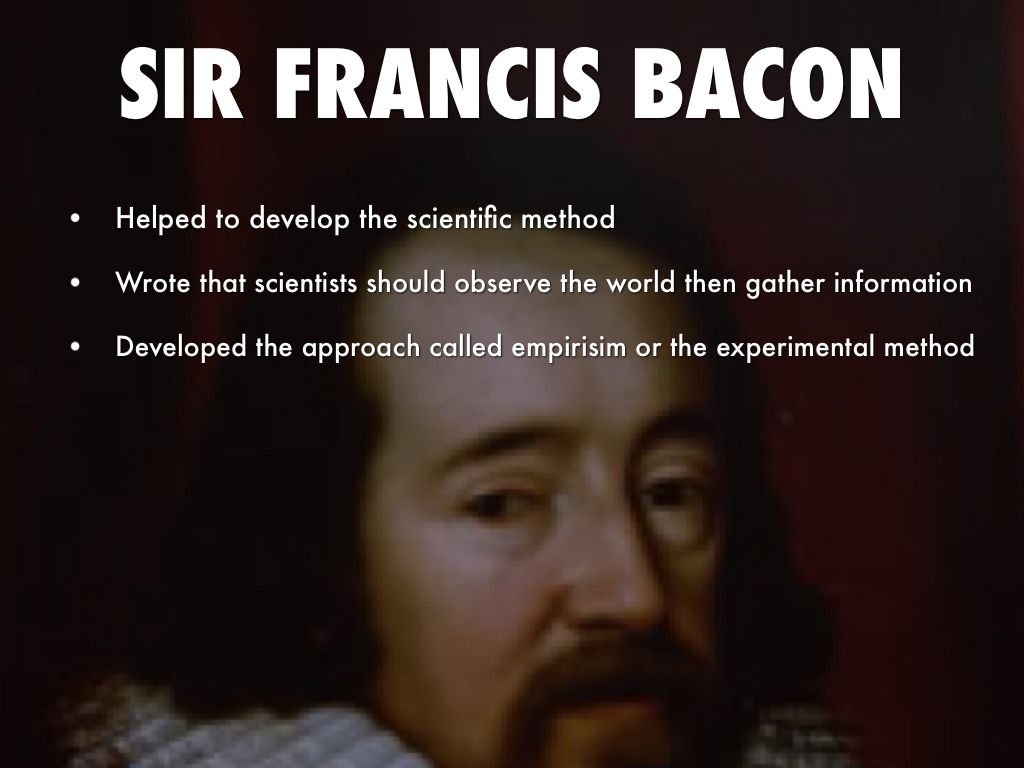
(The graphic above should say “Empiricism,” not “Empirism.”  Ir is a typo.

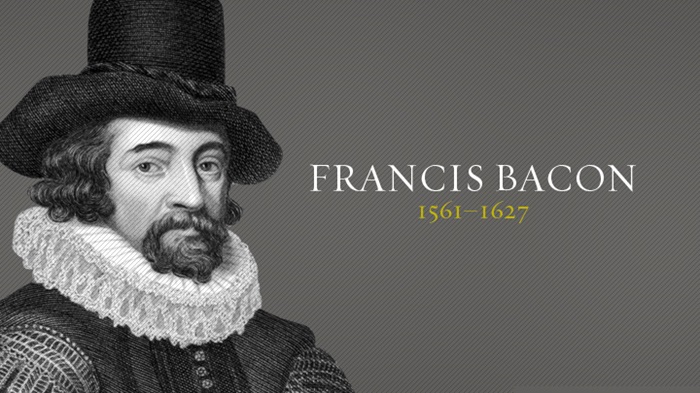
Yes, Sir Francis Bacon is at least as interesting and obscure as William Shakespeare.  But let me assure you, I can confidently state, “Shakespeare is NOT Bacon!”  He is not eggs either… or any other breakfast food.  Sir Francis Bacon was the breakfast, the first meal in the great Elizabethan banquet of literature, poetry, and culture.  And William Shakespeare is a more important main course, the royal dinner, as it were.  But it has to be acknowledged that Bacon was essential to the very existence of William Shakespeare.  Breakfast always comes before dinner.

t2ec16dhjgoffvtvhuebslhohksvg-60_35

In 1845 a female author by the name of Delia Bacon (nothing suspicious about that coincidence, by the way) put forward an idea that William Shakespeare’s plays were actually written by a group of men under the leadership of Sir Francis Bacon.  She thought the group intended to inculcate into English culture an advanced system of politics and philosophy which they themselves could not take credit for publicly.  She would later write a book in 1857 called The Philosophy of the Plays of Shakspere Unfolded which advanced the notion that the plays were written for Baconian purposes beyond mere theatrical entertainment.  Numerous people, including the American poet Ralph Waldo Emerson supported her in her quest to find proof, sending her to England to research the crazy conspiracy theories she founded by noting ciphers in the plays, and in the essays of Bacon, that led her to believe all she had to do was dig up the gravestone of Shaksper in the chapel at Stratford to find written proof in Bacon’s own hand that he was, in fact, the author or primary motivator of the plays of William Shakespeare.  She spent one cold and creepy night in the chapel, just her and her spade and her crow bar, along with the bones of the Stratford guy, trying to work up the courage to do a bit of grave-robbing… and failing.    It is a good story, but very poor archaeology.  She was denounced by the literary historians and establishment figures who supported the Stratford guy.  They said her scholarship was sloppy, her cipher analysis goofy and unfounded, and her conclusions more questionable than a pig in theatrical make-up.  (My words, not theirs.  English critic George Henry Townsend was entirely too stuffy and boring to simply be quoted here.)

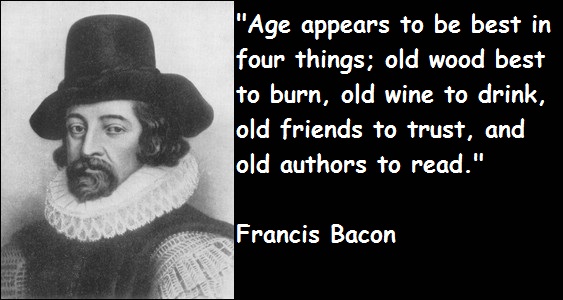
francis-bacon-quotes-francis-bacon-quotes

Now, I, of course, strongly disagree with the Bacon lady.  As I said in the very title, “Shakespeare is NOT Bacon.”  But I do think there was merit in sniffing out old Frankie’s scent and fingerprints on the whole Shakespeare/Shaksper thing.  The Stratford guy was not Shakespeare either.  When he died in 1616 there was no public outcry at the loss of England’s most popular poet and playwright.  Even King James who was Shakespeare’s number one fan and constant audience member, didn’t mourn the passing of the actor/theater-owner/businessman from Stratford.

Francis Bacon, on the other hand, was a powerful intellect, educated in the ways of science, the law, and government in the Elizabethan age.  Bacon gathered other men of powerful intellect and accomplishment at Gray’s Inn to hold debates about things philosophical and things scientifical.  It is not unreasonable to imagine that the man who really wrote the plays attributed to Shakespeare sat at that table and participated in those debates.  And Sir Frankie had good reason to keep lots of this business a secret.  There exists evidence that though he was apparently happily married to a fourteen-year-old girl, he did a little bit of swaying toward the other gender too, a thing not too popular with the average Anglican Englishman.  He also dabbled a bit in the occult (think witches in Macbeth sort of thing).   And his essays indicate a strong correlation to the philosophies and ideals of the German Rosicrucian Movement.  In 1593 during a Roman Catholic plot against Queen Elizabeth, Frankie managed to take a position on the investigation that totally offended the old virgin queen.  He was on the outs with Liz for the rest of her difficult and anger-management-challenged life.  He did rise to prominence under her successor, James I, but never-the-less managed to die amidst total ruin and scandal.  There is a lot in Frankie’s life to indicate that he had a direct influence on the content of Shakespeare’s plays.  Some of the characters in the plays may actually be, at least in part, based on Frankie himself.  But  this guy never hung out with the Stratford guy that anyone knows of.

So, if Shakespeare is NOT Bacon, or eggs either… and the Stratford guy isn’t Shakespeare, then who is?  Come on!  You knew I had a lot more to say about this crazy conspiracy thing, right?

67489

Leave a comment

Filed under conspiracy theory, education, foolishness, goofy thoughts, humor, philosophy, strange and wonderful ideas about life, William Shakespeare