
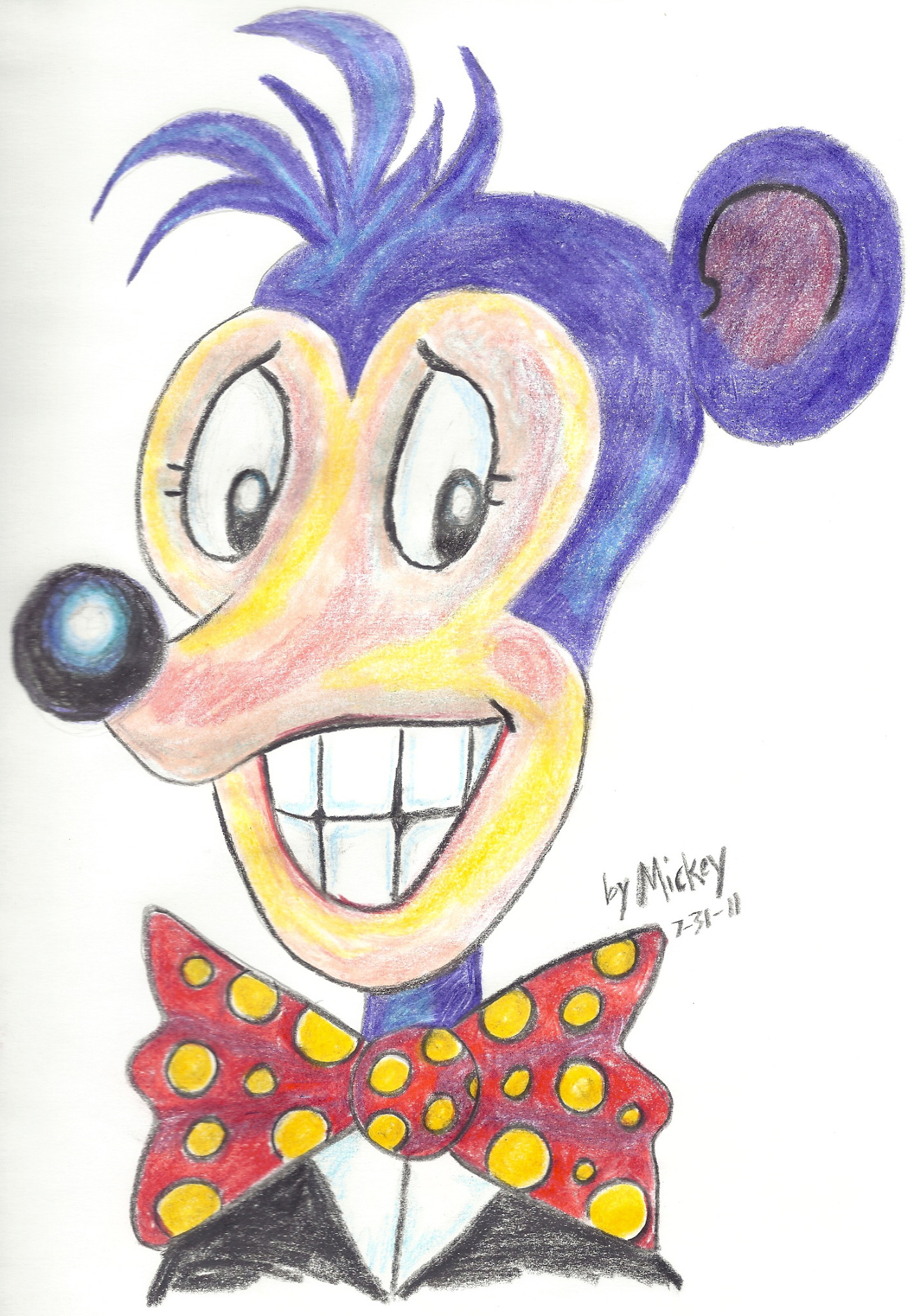
Mickey has actually done this once before. An entire years’ worth of consecutive days of posting on WordPress, plus 35 more days, now for the second time. A lot of writing. A lot of blathering about this and that. A lot of fishing for ideas… and catching an occasional shark… and an occasional angelfish. And drawing stuff.
What exactly is all this nonsense for?
Well, several important things.
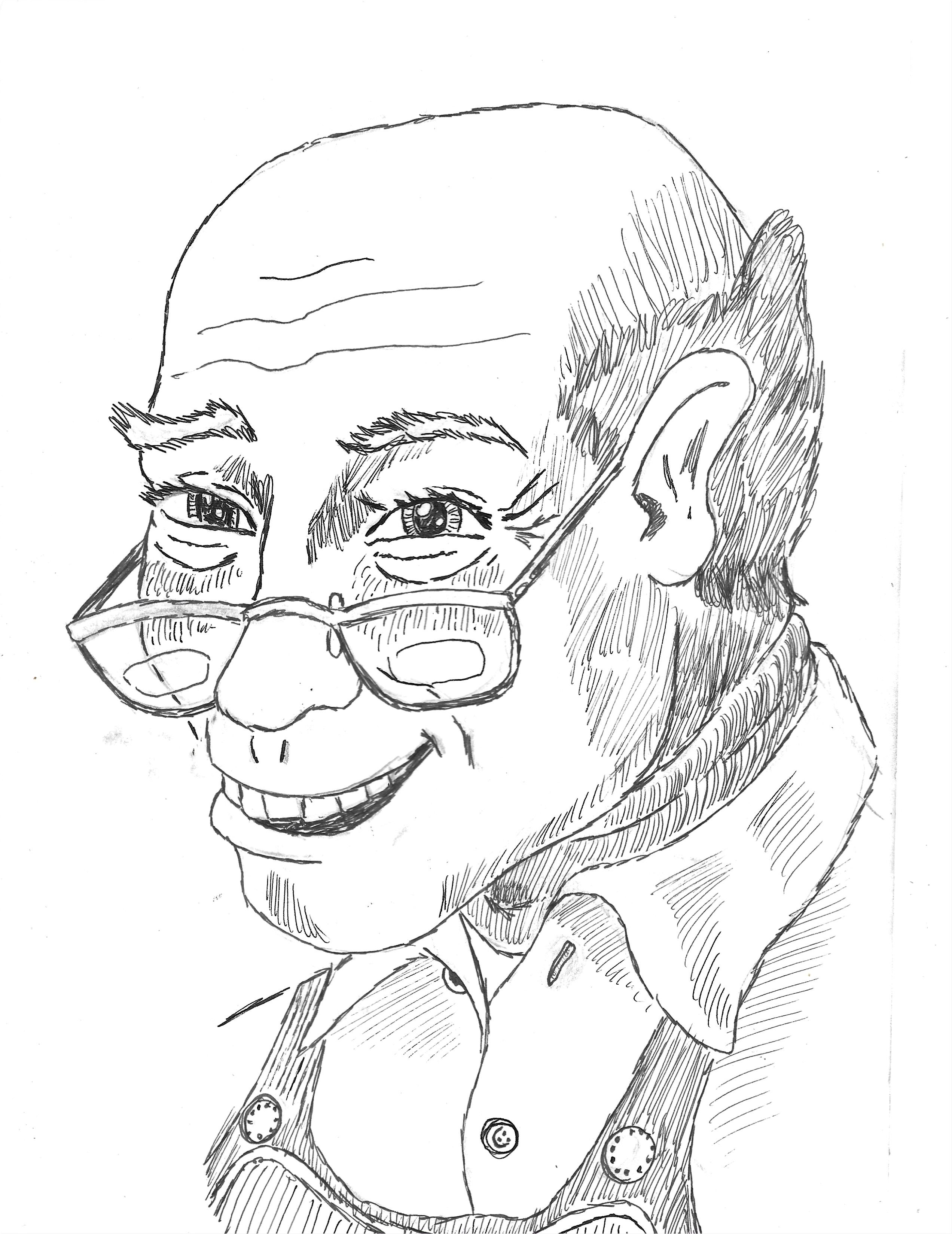
My blog is definitely a place for self-reflection, a space for thinking about who I am, what I am doing, and… most importantly, why. After all, I am now on Medicare, and probably in the last handful of years of my life. I am in poor health. I paid off five years worth of Chapter 13 bankruptcy. It is good to be out of debt. But that is temporary if I accidentally survive a heart attack or stroke.
I have to come to terms with where I am in life. Every new day is precious, a gift I am not taking lightly.
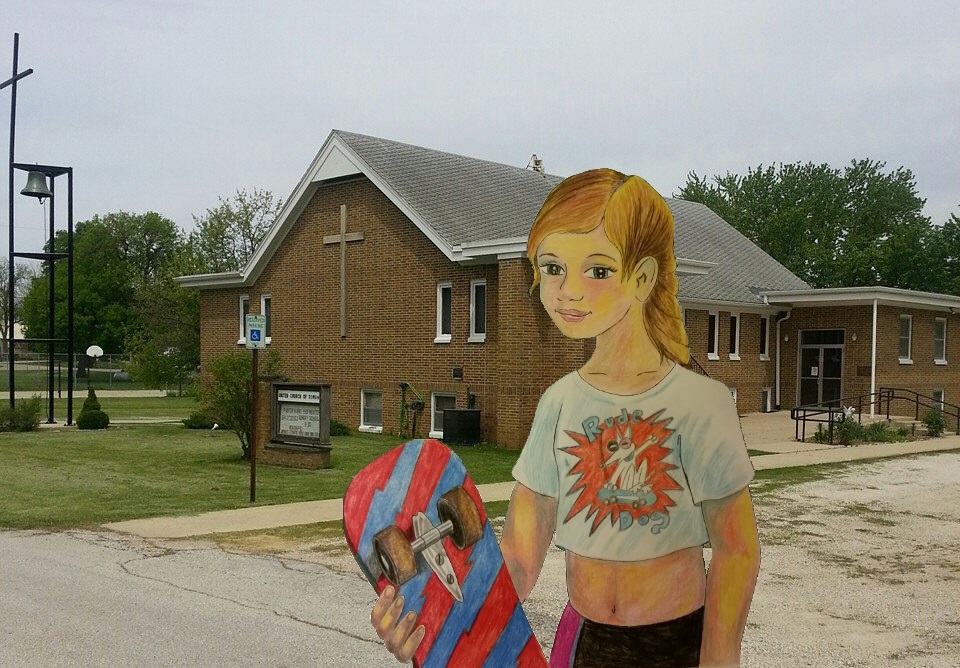
I have a blog also simply for the practice of being a writer and writing every day. You can’t get better at a skill you don’t practice. And as I am now retired from the vocation I was born to do, I don’t use my writing skill to teach children in middle school or high school English classes anymore. I can, however, write stories about all the things children taught me over the years, and end up with some books that will, hopefully, provide future reading teachers something to use in junior high and high school to teach reading skills.

And because I also have an interest in philosophy, I am fully accepting of the idea that life has no meaning unless we give it meaning ourselves. As a Christian Existentialist, I endeavor to create what I believe is the true meaning of my existence. And I am constantly reevaluating that meaning on a daily basis in this blog, and also in my stupid head.

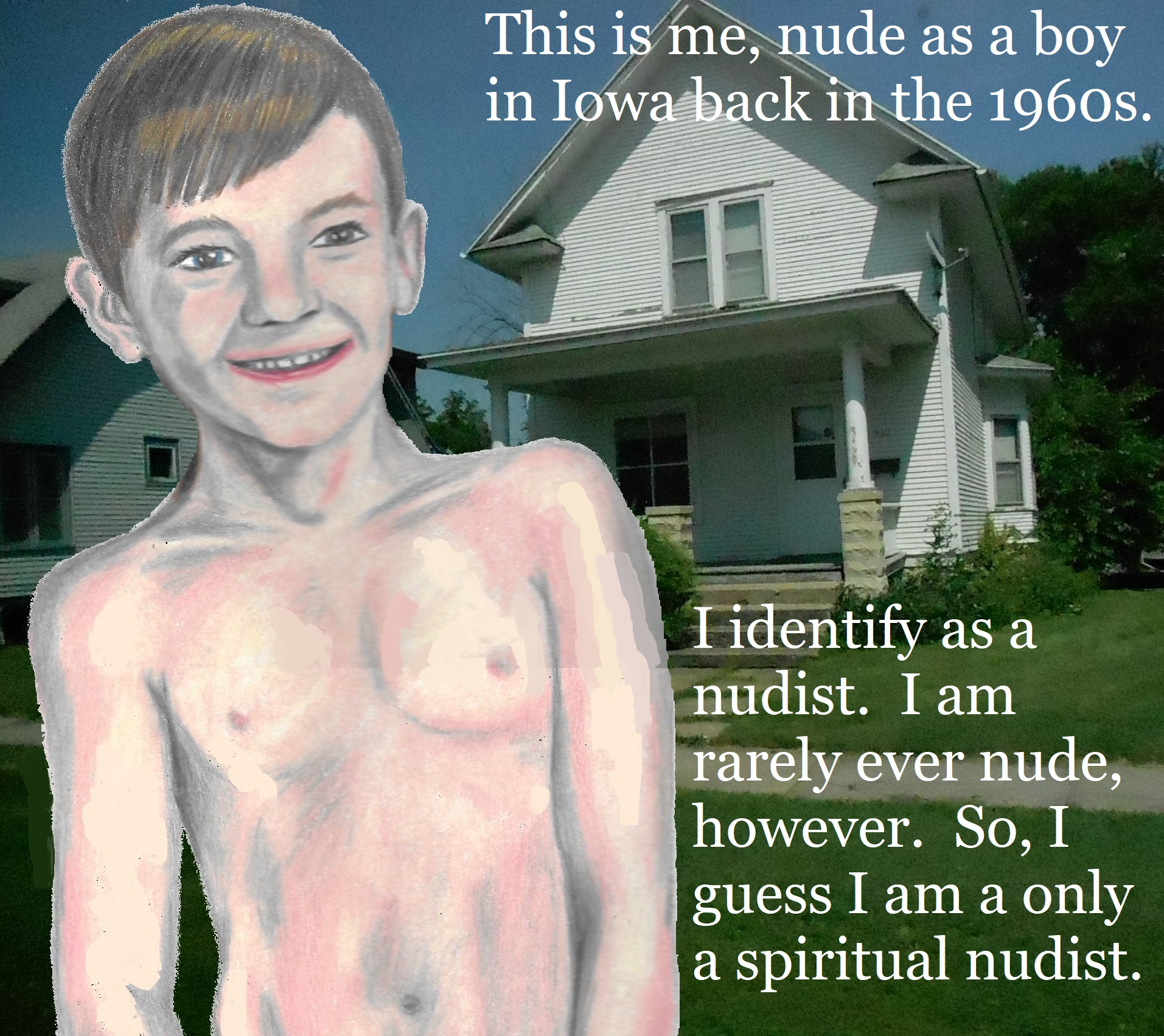
Of course, now that I am retired and no longer risking getting fired for expressing myself online as someone who likes nudity and doesn’t find naked people morally offensive, I can write about being a nudist. Even when I am not joking about believing nudism is a good thing.
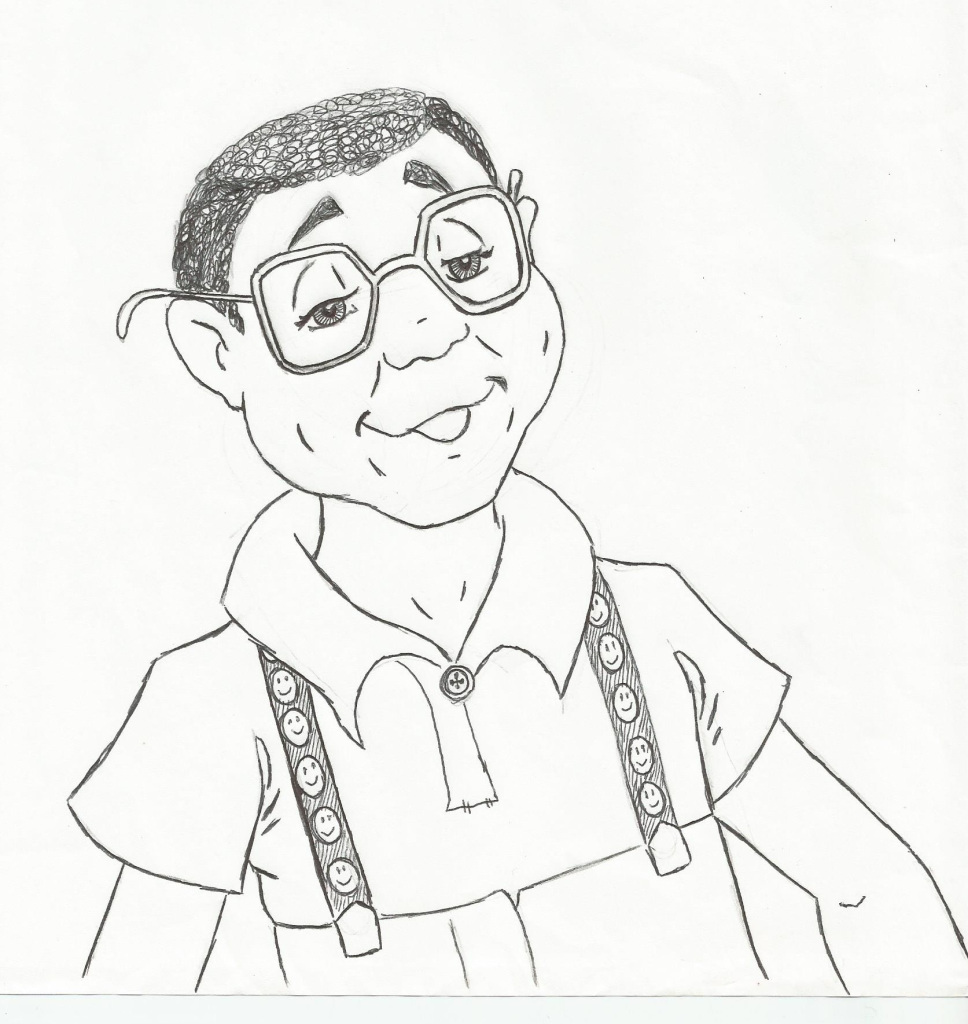
And when I am joking, as a writer fond of writing humor, I don’t have to worry about offending anybody or alienating anybody. Countless conservatives, prudes, Trump-lovers, and evil bank executives have already blocked me, unfollowed me, shunned me in public, and sued me into bankruptcy (evil bankers did that last one.) So, I am free to exercise my right of free speech and my offbeat sense of humor. In this blog, I mean. If you do it on street corners, they throw things at you. And bankers might sue you.
And so, I have achieved 400-straight days of posting in this blog. For the second time. And that is a good thing. And if you don’t agree with that statement, feel free to unfollow me, block me, shun me…. but please don’t sue me. And, bankers, I already paid you off. So, don’t do it again.


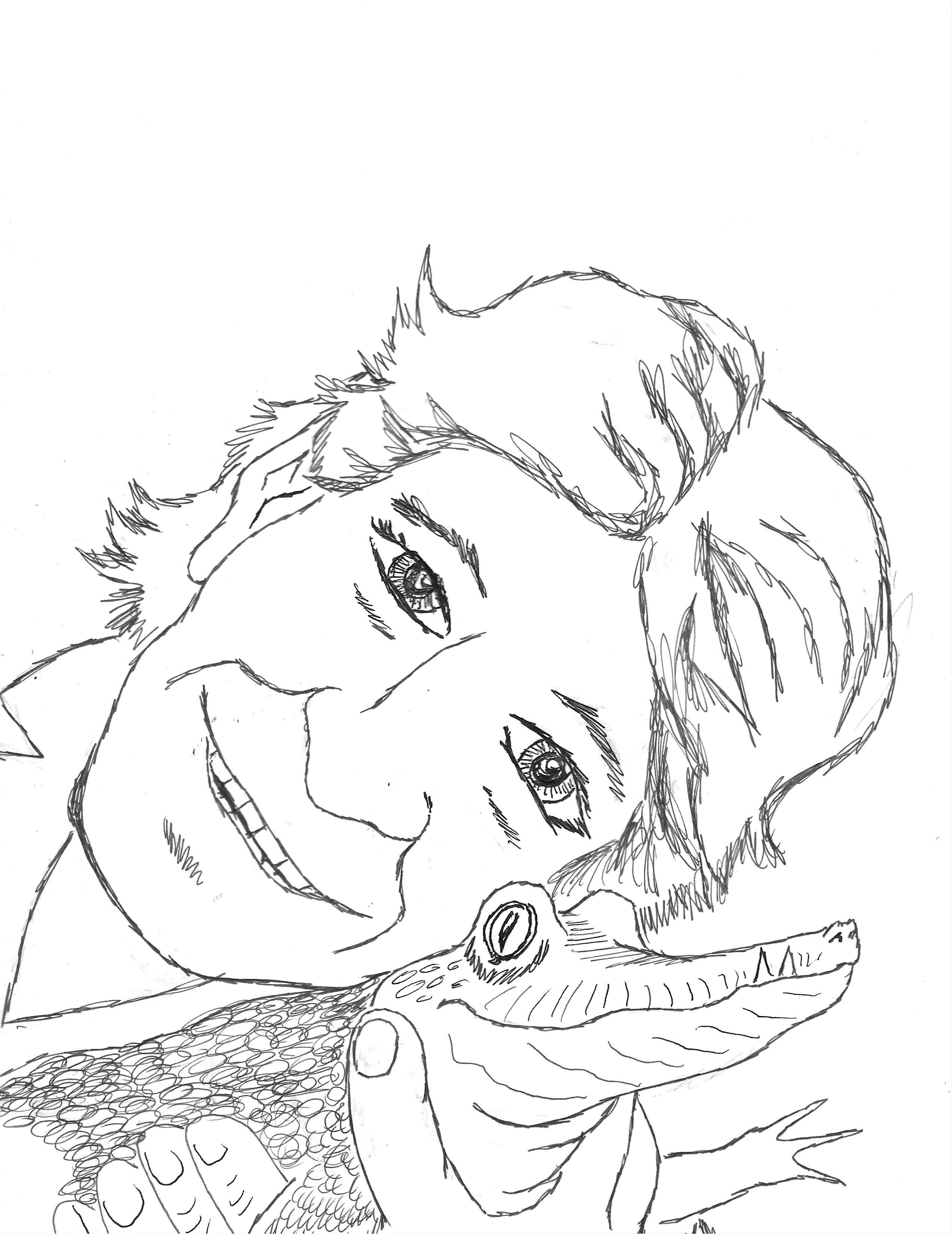
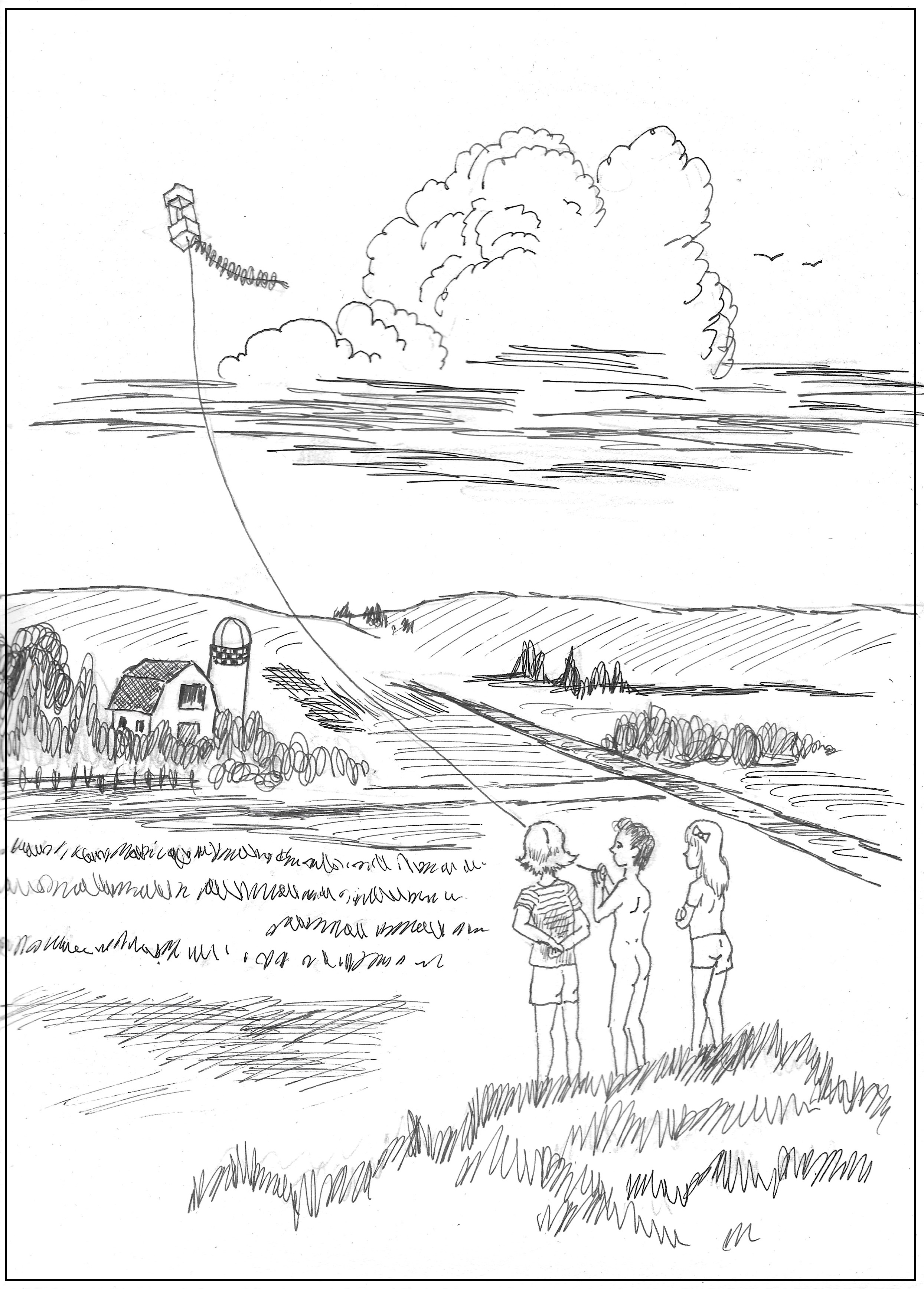
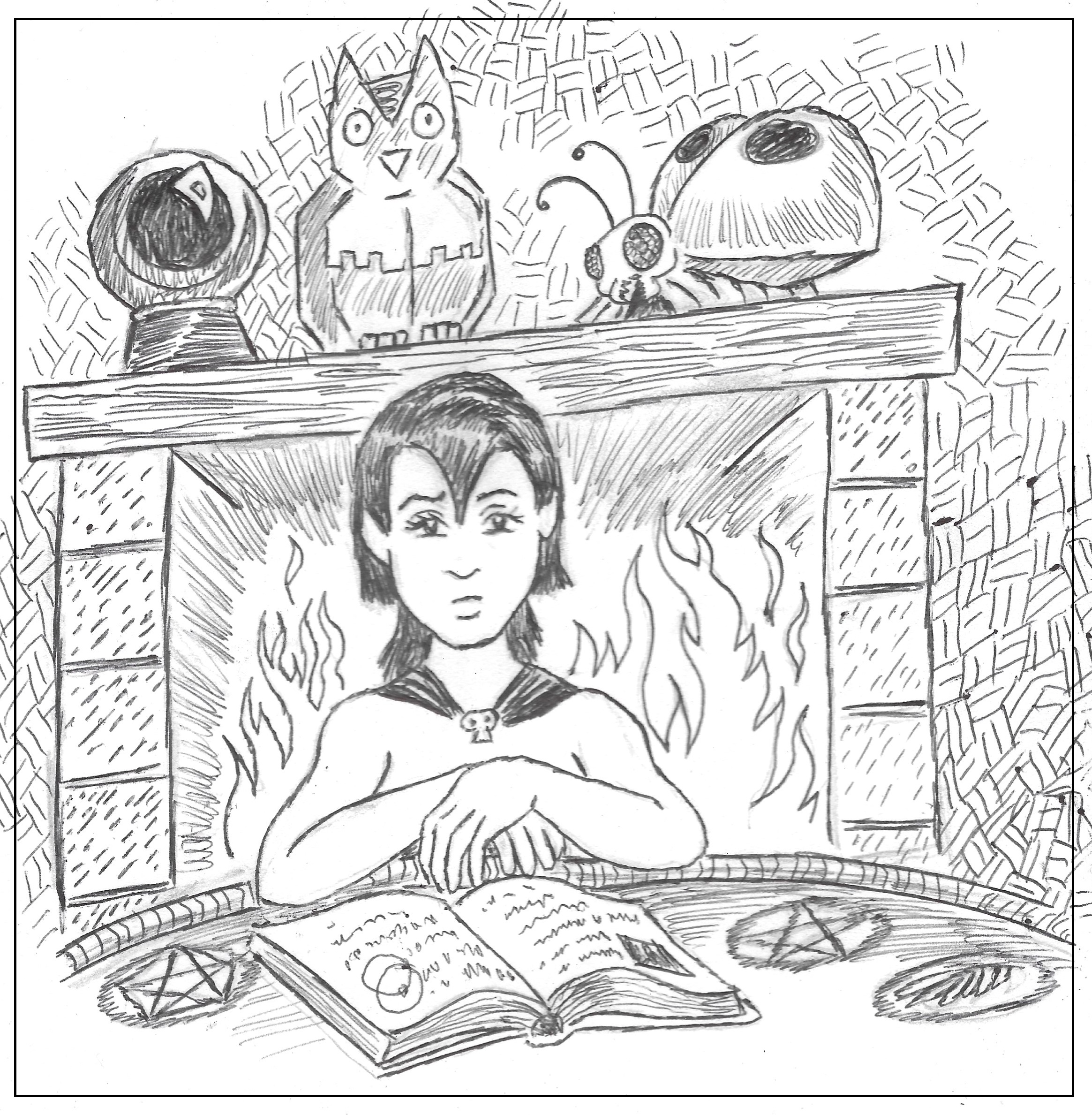
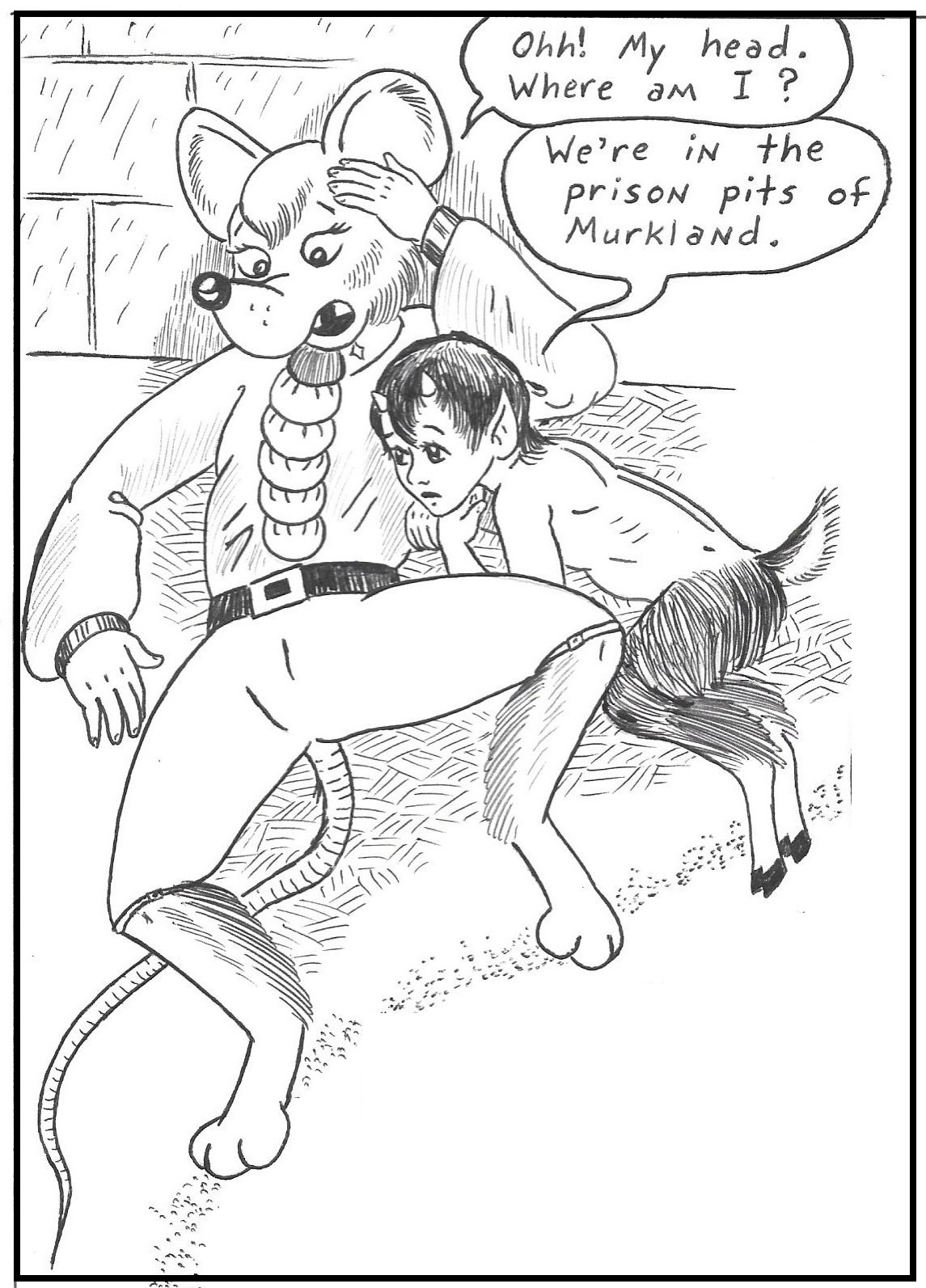

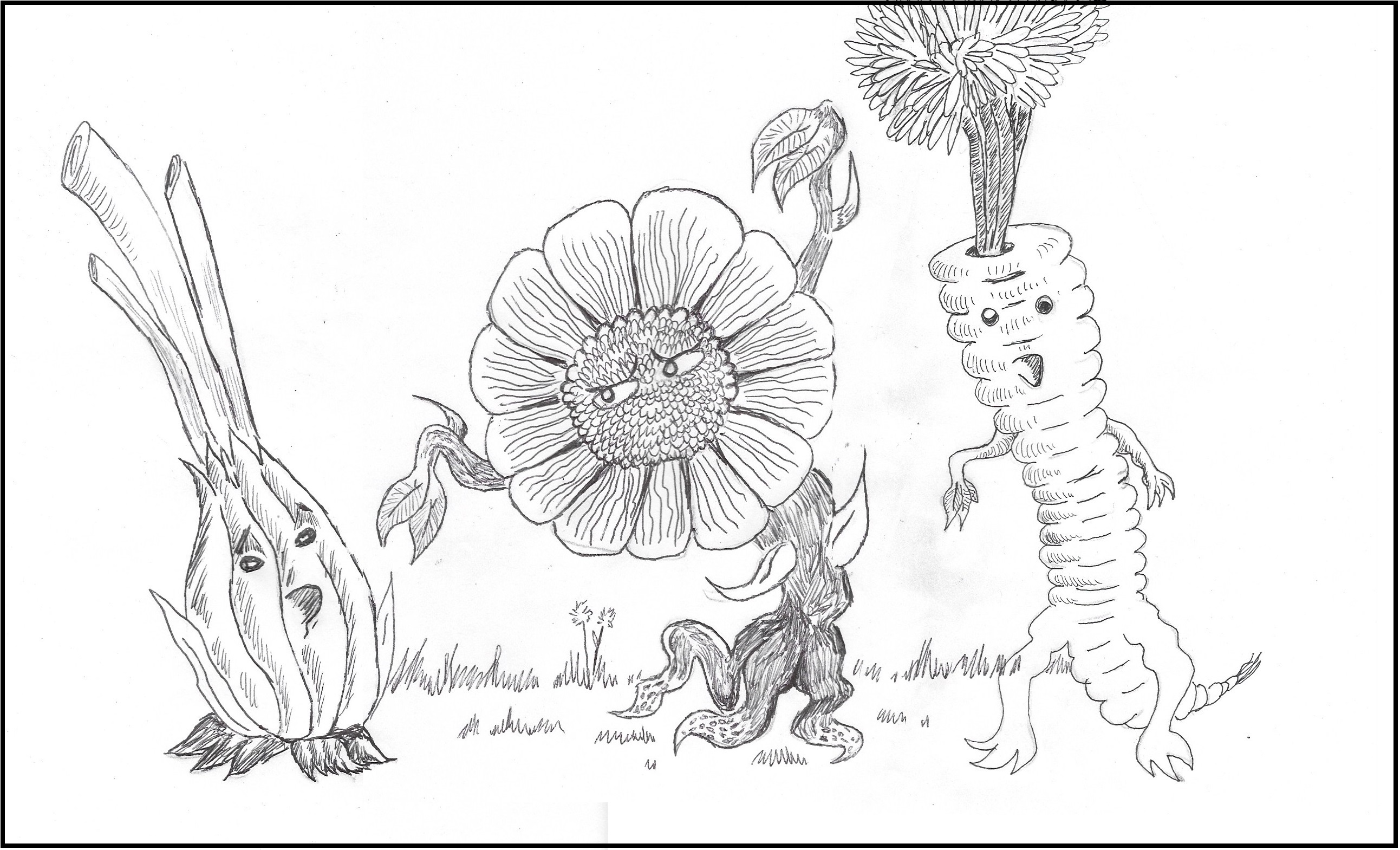
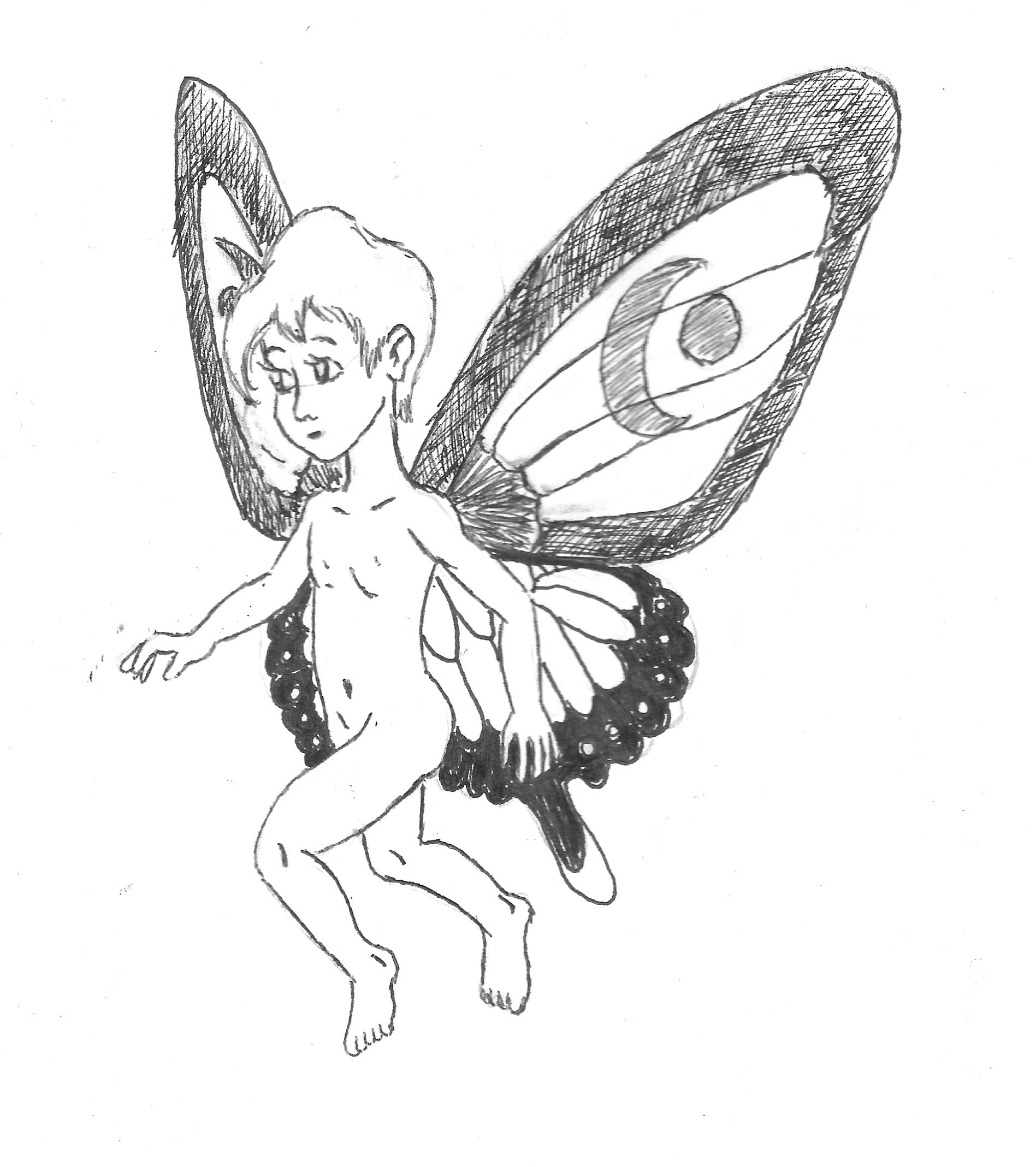
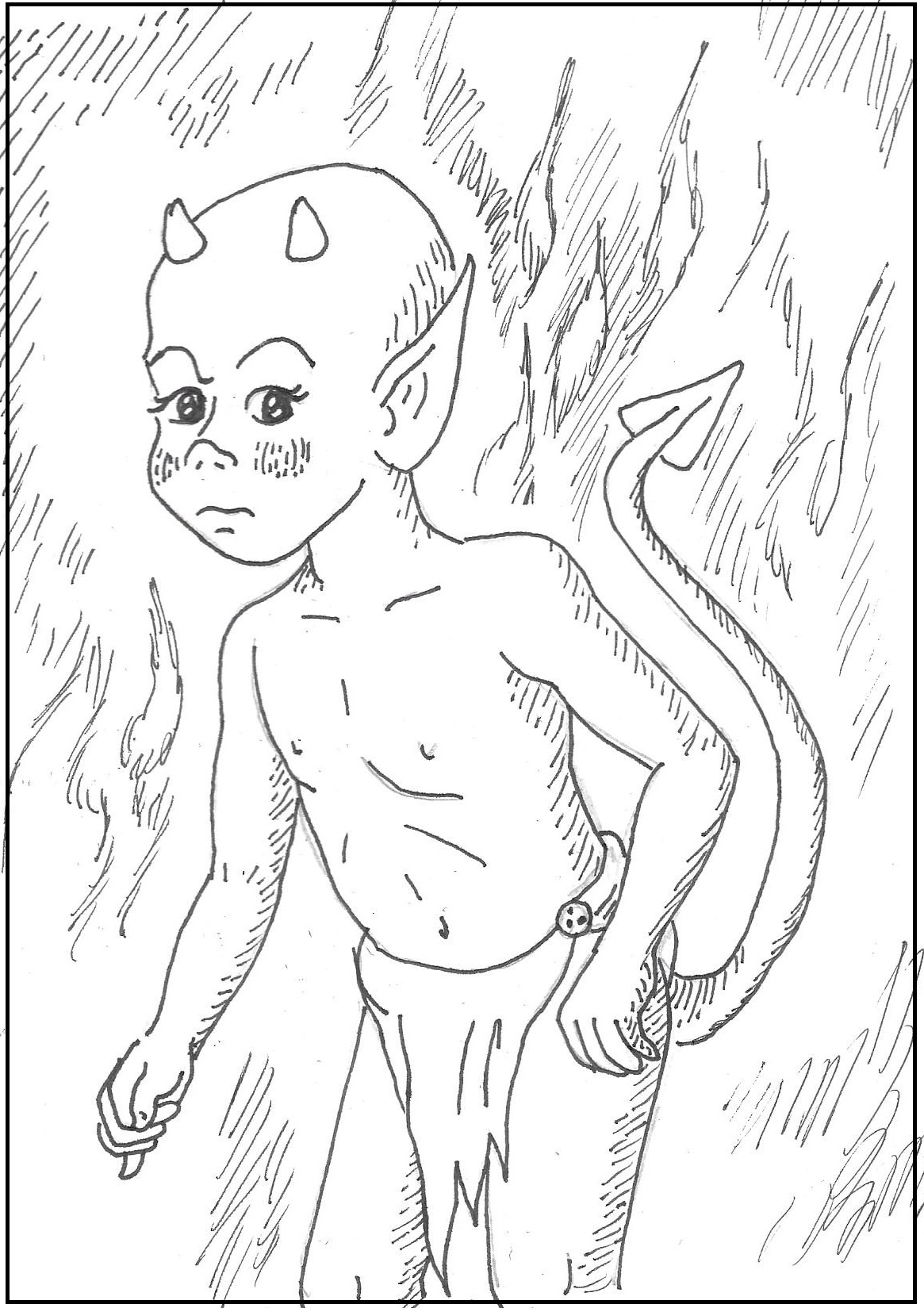


 Catch a Falling Star
Wrestling with Themes… Part 6
Concluding this meandering ridiculous rant about how you distill the meaning of your books into themes is no small task. My limiting goal was to identify one main theme for each of my books. It has to be limited because every well-written book has multiple themes of varying complexity and scope.
And then when you tie everything together as I have done with my Hometown Novels, there are themes that cross the borders from one book into the next. This essay will sum up by telling about the books I have written beyond the borders of my Hometown books.
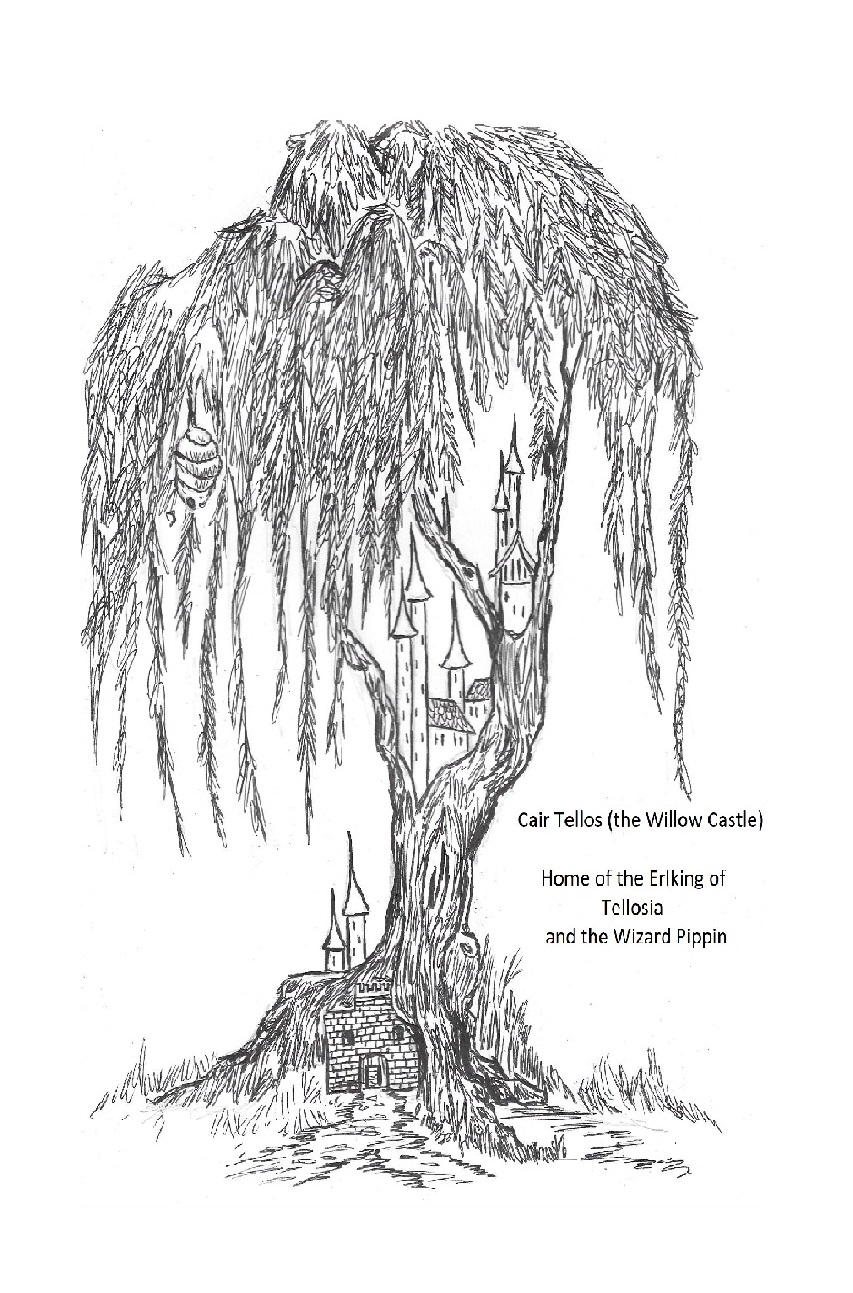
The Wizard in his Keep
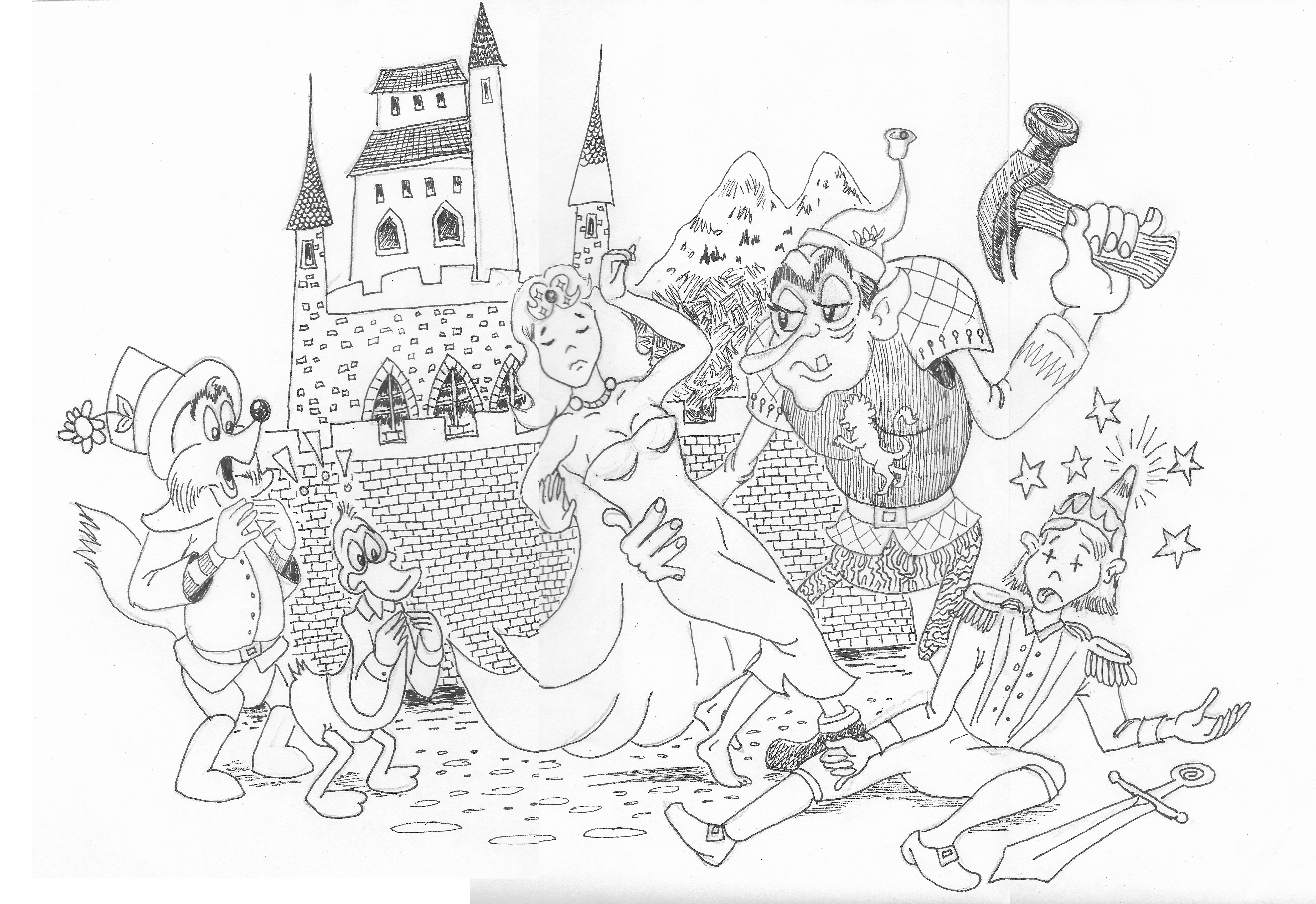
This book is unique in dozens of ways. It is an orphan-journey through a virtual-reality video game that you can actually live inside because of the full-body interface suits that get you into the game. It is science fiction because of the virtual-reality technology, but the competition within the game is set in a fantasy kingdom running on magic and super powers. And the plot is a parallel of Charles Dickens’s The Old Curiosity Shop.
This book is the conclusion to several character arcs that begin with the Hometown Novels’ very first book, Superchicken. One character’s life ends in death, but on his own terms. Another character finds the answers to his missing sister and the family she kept secret from him. And the orphans find a loving family that they never knew existed. So, one big theme is that; “You make your own happy endings by hard work, risk, and perseverance, not by magic or luck” But this is an overarching theme that covers more than one story in more than two or three other books.
The book also holds true to several other things that are true about my stories. It is a comedy with at least one character dying sometime before the story ends. It is surrealism, giving a rational grounding in realism to some rather fantastic things. And the characters who find success are empathetic types who realize that loving others is more important than loving ourselves.
A Field Guide to Fauns
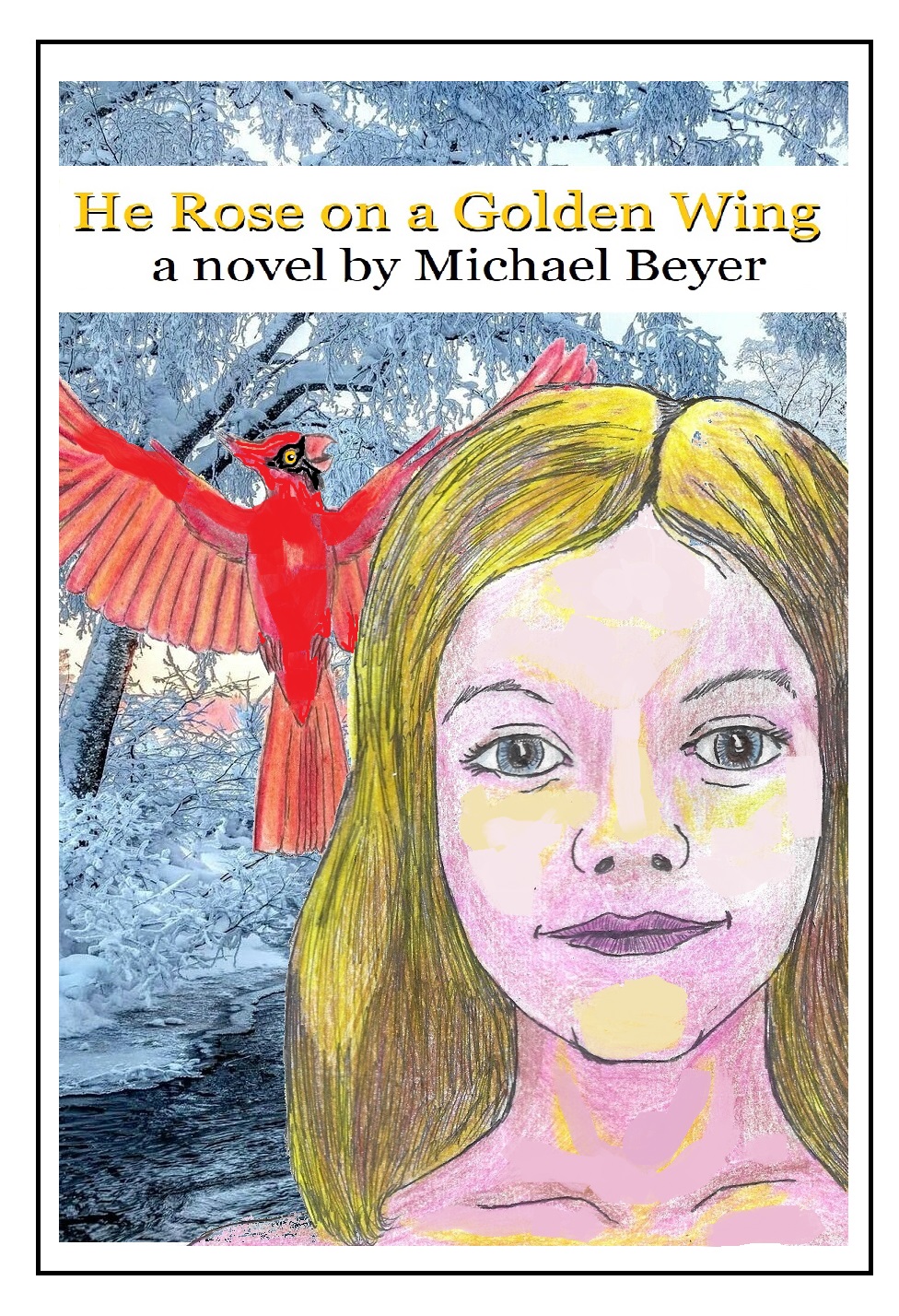
An important facet of my novel-writing experience has come about through the general audience reception of my works. Specifically, nudists and naturists were attracted to my books through the nudist characters in my book Recipes for Gingerbread Children.
That is the reason this book, A Field Guide to Fauns even exists. I wrote it specifically for an audience of nudists, naturists, and people like me who have always been fascinated by nudism and were simply afraid to actually try it until we grew old, mature, and goofy enough not to care what other people think about me being a naked old man..
The book is about a boy named Devon who goes from a traumatic event that took him out of his divorced mother’s home and put him in his father’s house. But his father is remarried to a woman with twin daughters who are dedicated nudists, and live in a residence that is located in a South Texas nudist park. He has to recover from his trauma by becoming a nudist living a naked life himself. The theme is, “You can overcome childhood trauma if only you are open to being nakedly honest about yourself… especially being nakedly honest with yourself.”
Stardusters and Space Lizards
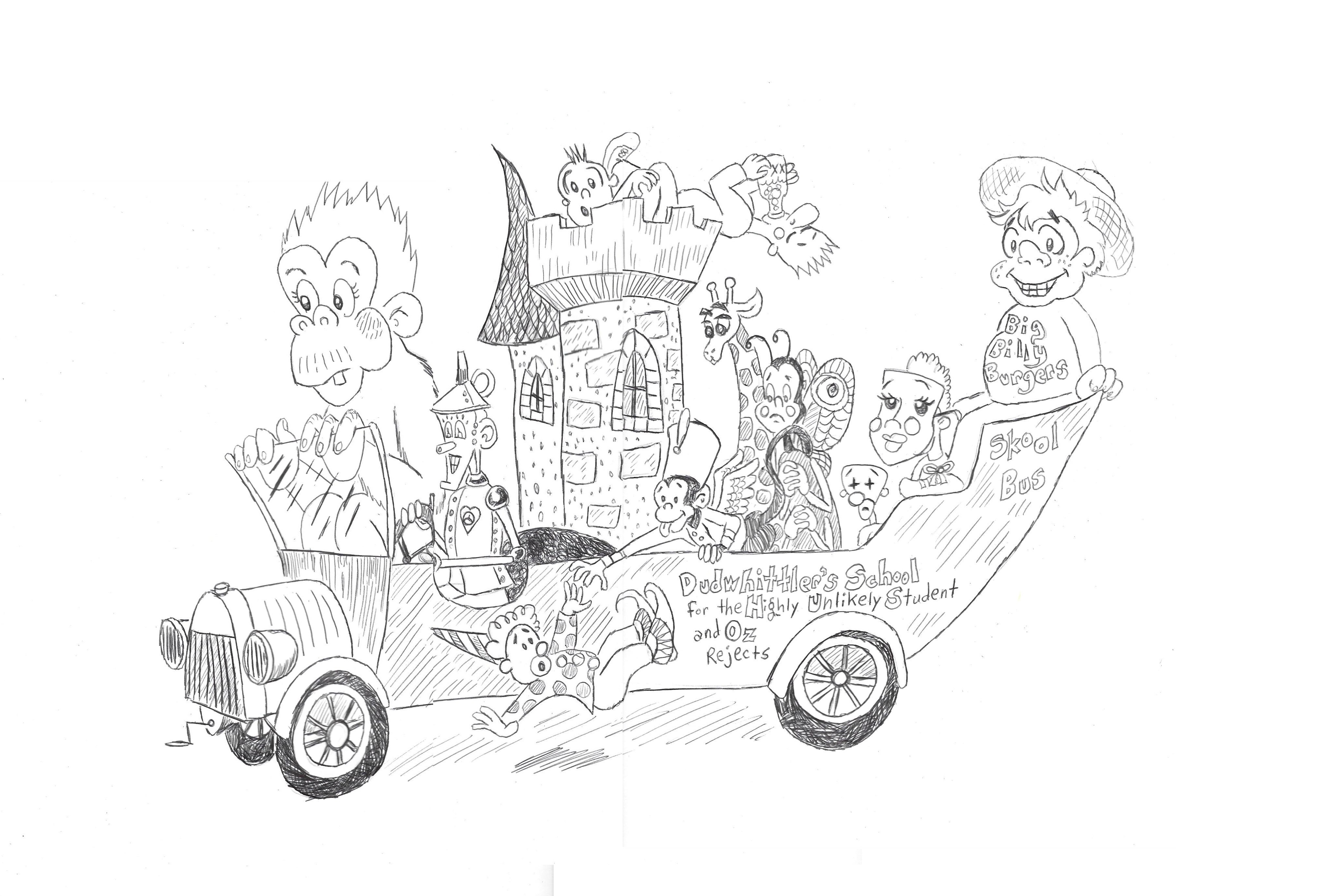
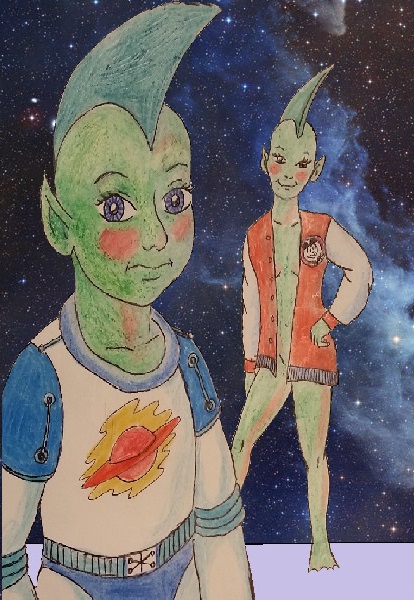
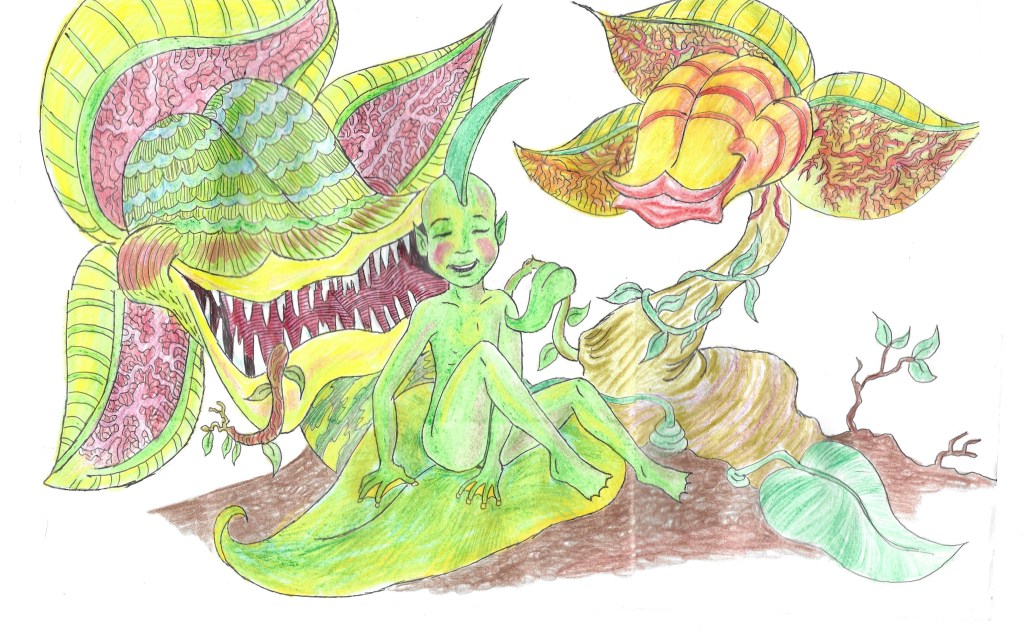
This story is one of the sequel messes written to go with Catch a Falling Star. It follows the alien characters and three of the human characters from that book out into the stars. It is basically an allegory for the climate-change crisis we face here on planet Earth. Besides the fact that this book offers the idea that inventive children can solve world-wide problems, and Texas politicians can be translated into lizard-people monsters who are actually to blame for everything, the theme of this book is really, “To solve ecological problems on a world-wide scale, we must first acknowledge that those problems are not caused by lack of understanding, but by the disregard for life that people have when they are motivated by personal gain, power, and reputation.”
Laughing Blue
This book is even harder to give a main theme to since it is a book of essays. Every entry, every single essay, has it’s own unique theme, ideally expressed in a topic sentence that states the theme.
But it is not impossible to find an over-arching theme. It is filled with short vignettes and stories about my childhood, my life as a teacher, my cartoons and bizarre sense of humor, my philosophical musings, and complaints about the things that have hurt me. It is largely autobiographical. And the main theme is basically, “When life gives you lemons, make a lemony joke of some sort because laughing is much better than crying and a better thing to do when you’re blue.”
I know, I know… purple paisley prose.
I am well aware that I have not put a theme to every single book I have written. But I think I have, in the course of 6 essays, done a fair job of puzzling together and proving my point that a novel, or even other kinds of books, need a coherent main theme, and the author should, hopefully, know what those themes are. So, the essay ends here. Mostly because I am old and cranky and tired of repeating myself endlessly.
Leave a comment
Filed under autobiography, commentary, humor, novel plans, novel writing, Paffooney, writing, writing humor