
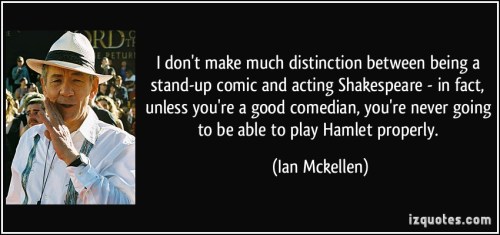
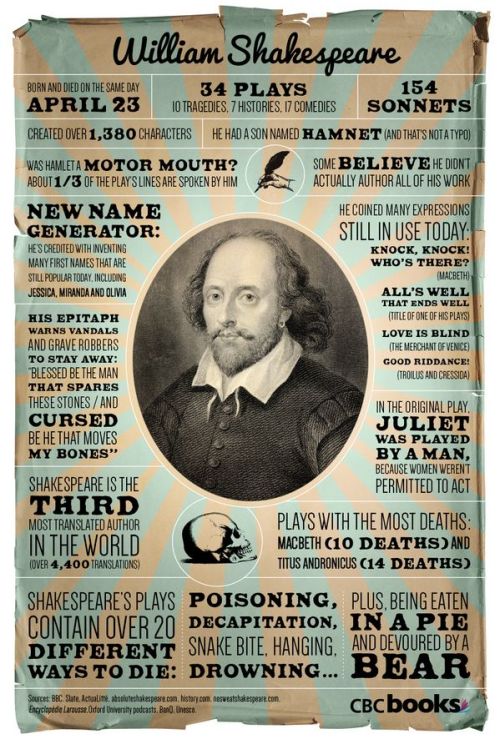
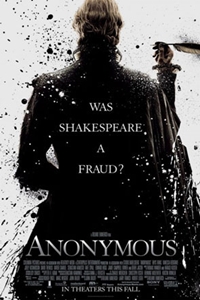
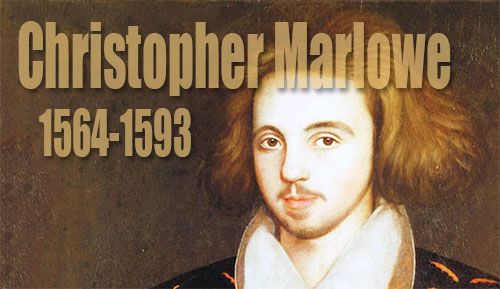
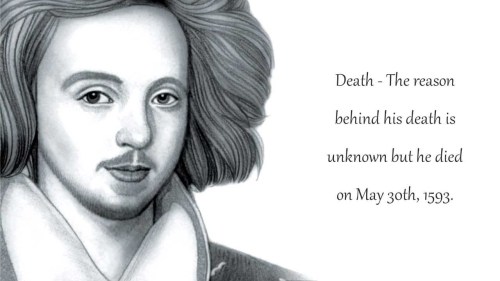
The fact that Shakespeare was a master of the art of creating and mocking fools does not really help decide the question of who Shakespeare really was. A stage actor who owned a theater in Elizabethan times and apparently focused on being the bit player, the butler, the second man on the castle wall in the great plays, would certainly know enough of flim-flam, being a con man, or artfully throwing turds at kings and queens in ways that get rewarded rather than beheaded. But a nobleman who has unpopular and unwelcome-but-probably-wise insights into the back-stabbing-goings-on of the royal court of England would equally be capable of putting the most memorable of critiques of humanity into the mouth of the fool or the clown in the great stage-play of life. Even the most depressing and violent of the Shakespearean tragedies is enhanced and made pointed by the presence of the fool and the comic relief. In some ways everything that Shakespeare wrote was a comedy.
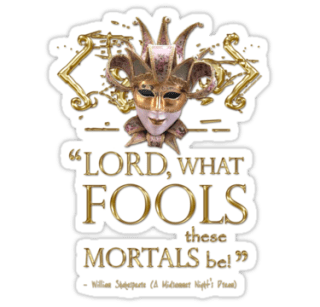
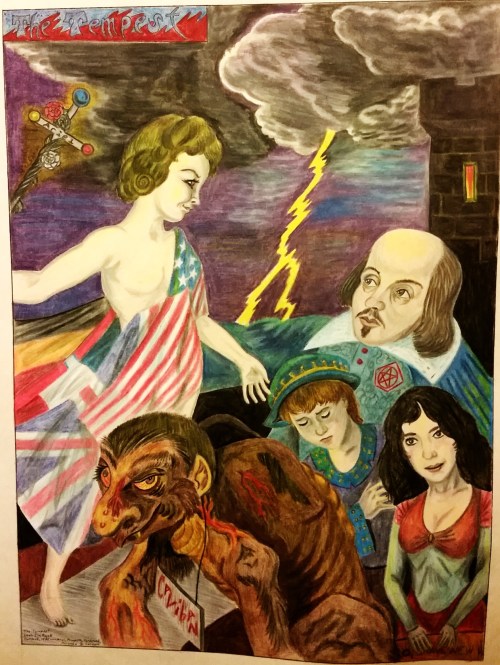
Whoever Shakespeare was, he shared Mark Twain’s overall assessment of “That damned human race” and often declared all men fools in the eyes of the playwright. Puck’s observation on humanity is delivered about not only Bottom and the other poor players who carry on their vain attempts at performing Pyramus and Thisbe while Bottom magically wears the head of an ass, but also the easily fooled lovers who mistake their true loves for one another, and even the clueless mortal King Theseus of Athens.
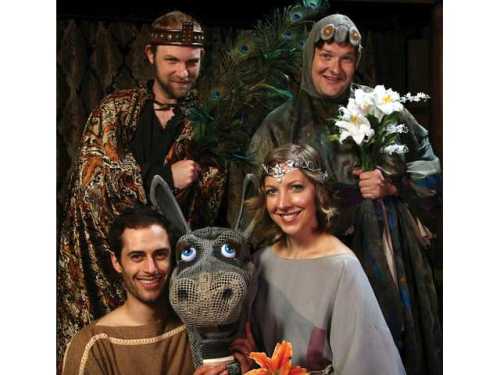
In the play within a play, Nick Bottom wants to be not only his own role, Pyramus the romantic lead, but argues that he should be Thisbe, the lion, and Pyramus all at once, making a satire of human nature and its overreaching ways that we could only pray Donald Trump will one day watch and magically understand. In fact, Shakespeare’s entire body of work is an extended investigation of foolishness versus wisdom, and with Shakespeare, the verdict always goes to the fool.
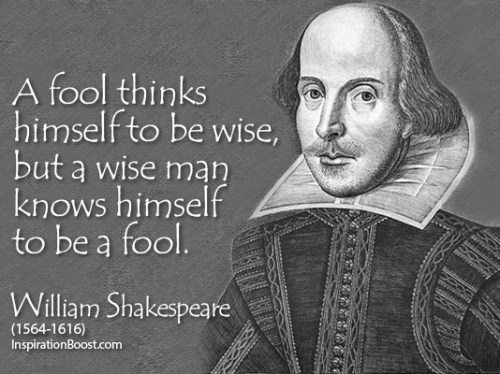
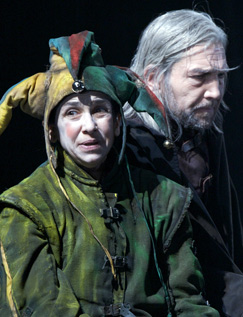
The plays of William Shakespeare are filled with fools doing foolish things… and fools being accidentally wise. (Think Jacques in As You Like It giving his famous “All the world’s a stage” soliloquy in which he elucidates the seven ages of man.) There are fools too who prove to be wise. (Think of the ironic advice given by the jester Touchstone in As You Like It, or the pithy commentary of King Lear’s fool). The fools in Shakespeare’s work are not merely the comedy relief, but the main point that Shakespeare makes about humanity.
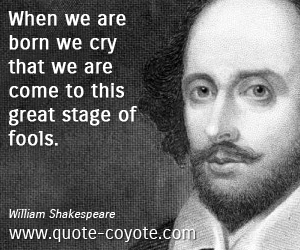
Whoever the man was who wrote the plays of Shakespeare, he was someone who had a deep understanding of the basic irony underlying all of human life. And someone with that vital sense of the bittersweet, a philosophy of life that encompasses the highest heights and lowest depths that a soul can reach, is someone who has suffered as well as known great joy, someone who has experienced loss as often as profit, and has known real love as well as real hatred. It is the fool that Shakespeare shakes us by the neck with to make us recognize the fool in all of us which makes the plays resonate so deeply within us. It is watching the path of the fool unfolding that makes us shake our head and say to ourselves, “Yes, that is what life is really like.”















Ponderously Pondering the Imponderable
Now that I have retired as a school teacher, I have so many spare thinks to think which I do not have to use to guide the future of school children, that I begin to wonder what I am really going to do with all those closets and suitcases full of spare thinks beyond allowing them to simply pile up.
A lot of those spare thinks lately have been taken up by the imponderable primate that has taken over the government of our little country. I am keenly aware that, in the arc of history, nations and countries and even peoples reach the eventual end of the road and simply are no more. Our country could very well be headed the way of the Roman Empire, the Maurya Empire, the Mongol Empire, and the Abbasid Caliphate. They all ended with a mixture of violence and upheaval and suffering. And did you even know that they existed? Did you know that the Roman Empire was the smallest one on my list?
The imponderable primate has also moved the Doomsday Clock thirty seconds closer to midnight. The threats posed by nuclear war and global warming are made greater now because the hand on the ship’s wheel of the most powerful ship of state in the modern world is a tiny, unsteady hand controlled by a “really good brain”. That’s why my Stardusters novel is a comedy about the end of the world and uses parodies of conservative politicians from our world to play the roles of lizard men intent on destroying their own planet.
I had intended to write a piece today about naked people, a light and breezy essay in more ways than one. But I don’t want to let that turn into soft core porn or anything. It needs to be more carefully planned and carried out. Naked people really aren’t the danger that conservative and born-again Christians fear that they are, but you have to be careful of people’s sensibilities anyway. Especially when you are mentally writing stuff with no metaphorical clothes on. So I put that aside for the moment and spent some time this morning pondering the nature of pondering, what I think about thinking. And so, while sorting through baskets and suitcases and a packed garage full of spare thinks, I wrote this essay instead, to write about nothing in a way that might actually mean something. And if you believe that, it is no wonder the orange fellow was able to fool us all.
Leave a comment
Filed under blog posting, commentary, empathy, feeling sorry for myself, goofy thoughts, humor, metaphor, strange and wonderful ideas about life
Tagged as Metacognition, pondering, worry, writing and planning writing