Last night my wife took us to the Dallas Symphony Orchestra for a performance of Gustav Mahler’s Das Klagende Lied (The Song of Lamentation). So, you can bet we were in for a happy night just based on the title of the piece. As you might’ve detected from the post title’s similarity to the Marx Brother’s movie A Night at the Opera, I took along my wacky mental versions of the Marx Brothers… whom I call the Snarcks Brothers. They are Scarpigo, Cinco, and Zero Snarcks. Think Groucho, Chico, and Harpo, and then my mental fartgas won’t prevent you from understanding quite as easily.
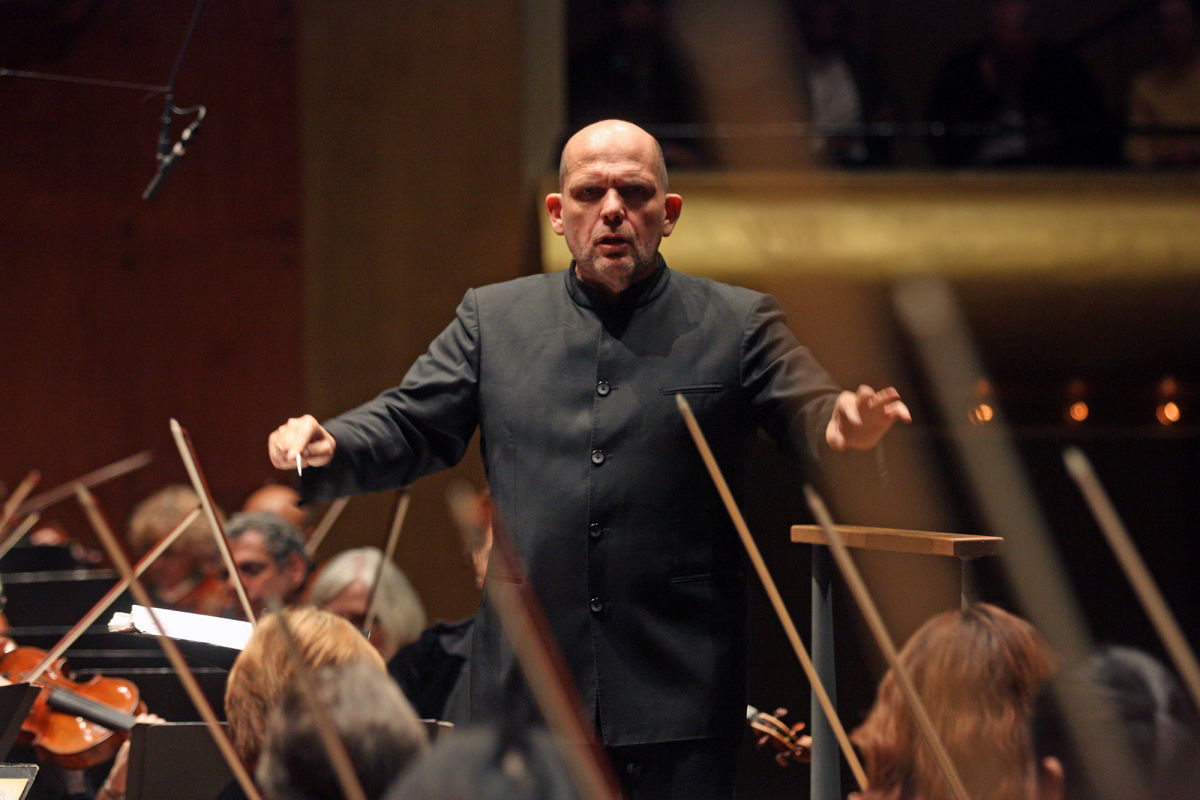
Jaap Van Zweden, conductor of the DSO, and aspiring impersonator of Grumpy from the Seven Dwarfs
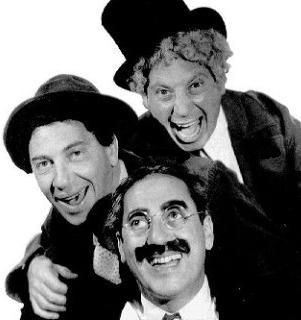
Scarpigo, Cinco, and Zero Snarcs… so to speak…
Now, don’t get me wrong, I love classical music and I like Mahler okay. But his music tends to be depressing and sad. I don’t mean merely depressing and sad, but deep down at the bottom of the canyon with hill giants tossing boulders at your head in the midst of a thunderstorm symphonic sort of depressing and sad. It could really bum me out, so I was prepared to have Scarpigo lean over the balcony rail numerous times to shout “Booga-booga!” at the concert goers. And the Blues lost to the Sharks in the Stanley Cup playoffs already this past week.
Fortunately the DSO often adopts the old movie theater tactic of cartoon shorts before the feature film… the same way Pixar does for Disney now. They chose Aaron Copland’s Clarinet Concerto as the cartoon short. Now this is also supposed to be sad music, a single clarinet, a single harp, and a single piano… surrounded by violins, the gushing tears of every symphony orchestra. But it is Copland, my fourth favorite composer of all time, behind only DeBussy, Motzart, and Beethoven. As a synesthete, I can tell you that Copland’s music is always no bluer than silver, and tends to be more vermilion, rosy pink, yellow-orange and carmine red… more happy and passionate than depressing. Then too, Cinco Snarcks whispered in my ear that since I have this Van Zweden/ Grumpy thing going on already in my head, I should look carefully at the clarinet soloist. Yep, bald head, white hair and slight white beard and glasses… Doc! And the pianist, bald head and big ears… Dopey! The night would be Gustav Mahler and the Seven Dwarfs. Zero Snarcks was thinking about squeezing off a toot or three from his little horn and maybe using light cords hanging from the ceiling for an impromptu trapeze act, but he took one look at the elegant, swan-like harpist and fell too much in love to interrupt.
The main show, however, was everything I thought it was going to be, and worse. They had a translator screen hung from the cords Zero wanted to go for a swing on, that took all the incomprehensible choir-crooned lyrics and translated them from German into English. The story of Das Klagende Lied is taken from the Grimm Fairy Tale, The Bone Flute. It tells the tale of two knightly brothers, one good and one evil, who set out to win the hand of a very self-centered but beautiful queen. She can only be won by the finding of a special red flower that grows under a willow tree. The knights agree to split up and search the enchanted forest for the flower. Naturally, the good knight finds it and plucks it, putting it in the band of his hat. And just as naturally, the good knight flops down stupidly under the willow tree to take a nap. The evil brother finds his brother sleeping and sees the flower in his hat. So, like any evil knight would, he kills his brother and takes the flower.
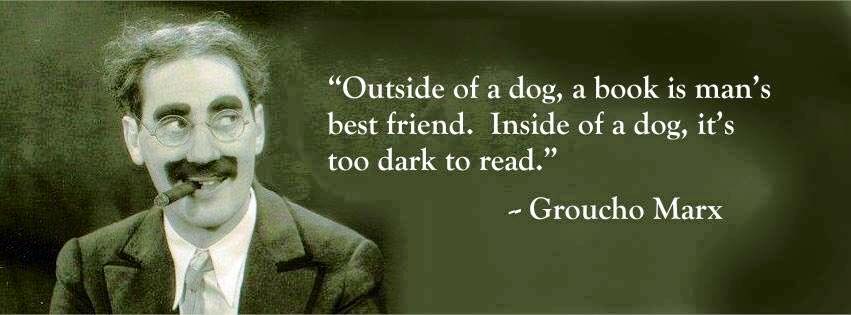
Scarpigo’s comment on this particular story.
The evil brother then rushes off to the queen’s castle. A minstrel wanders past the willow tree, finds a gleaming leg bone, and immediately thinks, “I have to make that into a flute!” And when he does, the only song the flute will play is the lament about how the evil brother made meat pie out of his good brother and stole the flower. Then, naturally enough, the flute forces the minstrel to go play at the wedding.
I’m sure you know how it goes from there. The queen hears the bone flute’s enchanted song and flops down dead, apparently a heart-attack from shock. And if the queen dies, then the castle has to magically fall down on the new king, the minstrel. and all the wedding guests. A gruesome, terrible time is had by all.
So, I had a good time after all. Scarpigo leans over to whisper to me, “That was more fun than a barrel of monkeys smoking crack, wasn’t it?” Yes, purple, blue, blue-violet, and indigo music, and I am left depressed as hell. But when my wife asked how I liked it, I put on a happy face and said, “That’s the silliest thing I ever heard!”





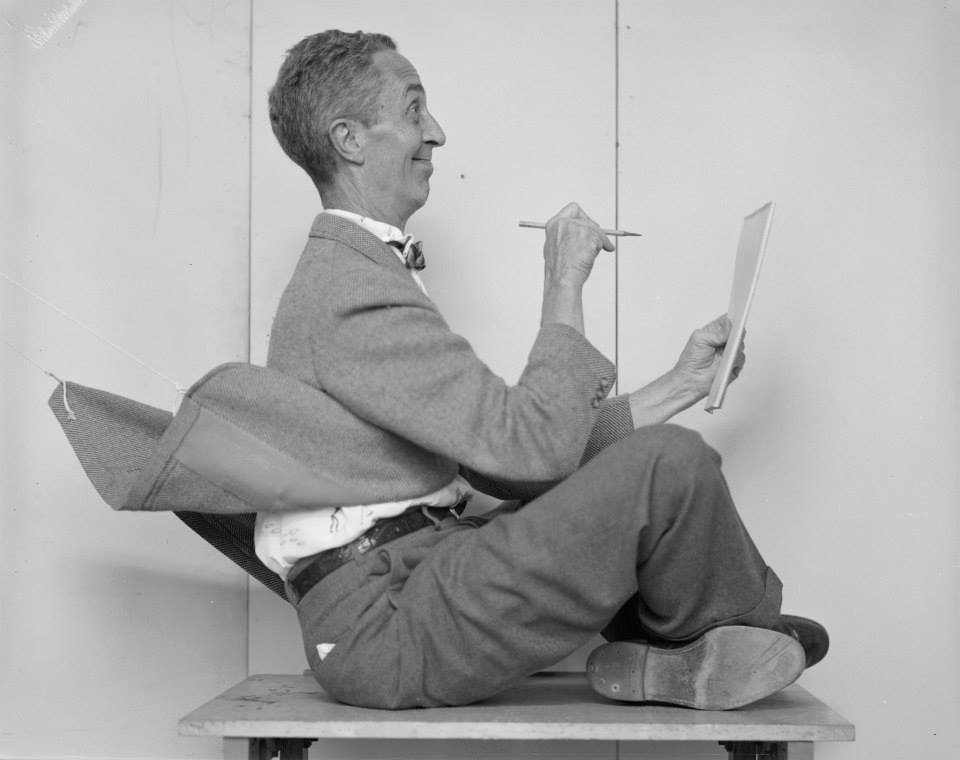
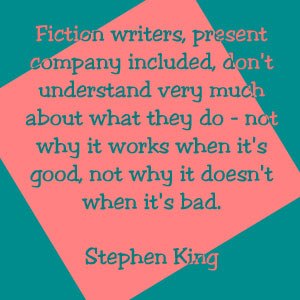
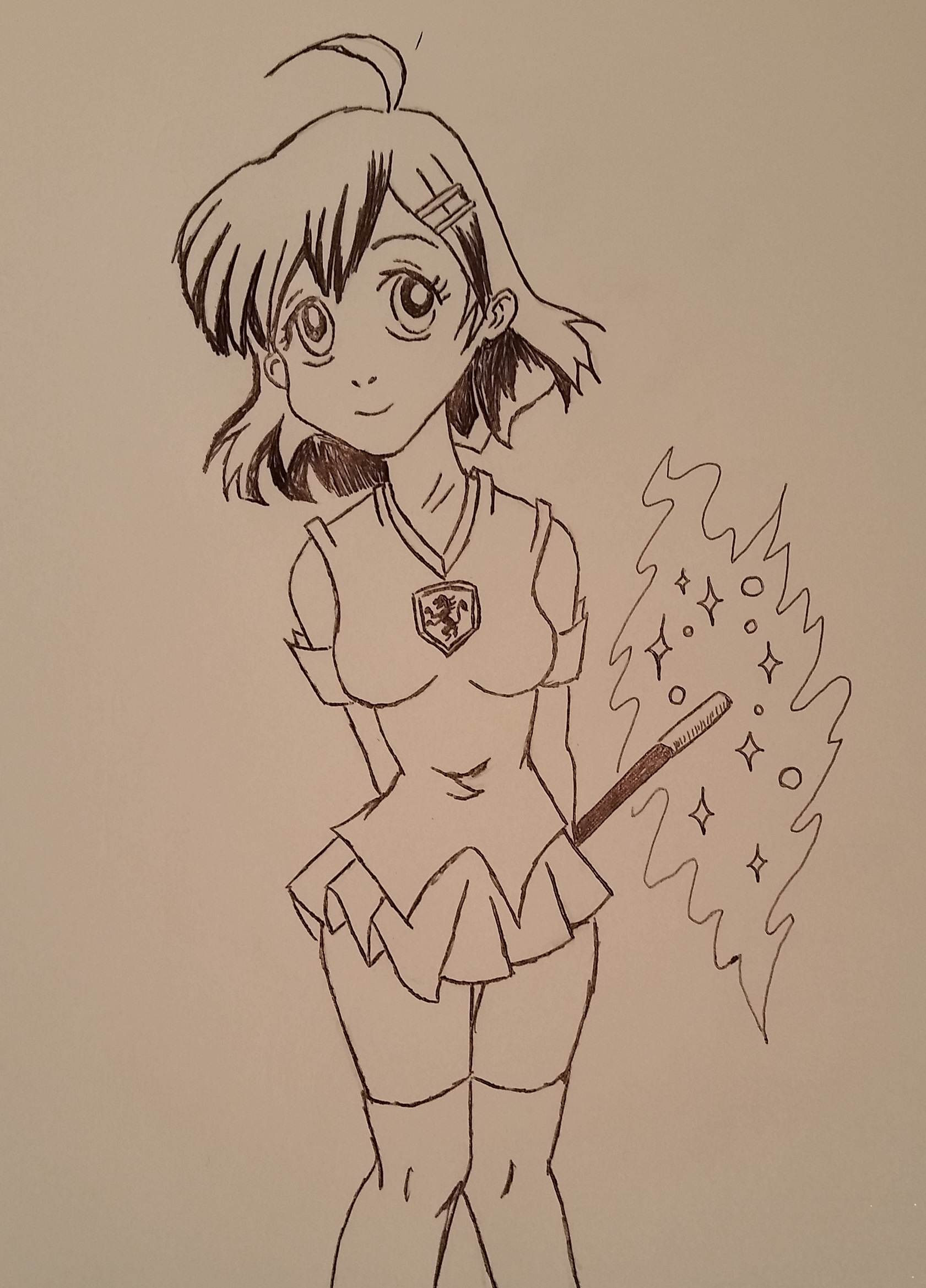 Ah, irony again! It ends up being anything but simple. You can write in simple, adjective-and-adverb-free sentences as Hemingway did, and still manage to convey deeply complicated and thoughtful ideas. One might even suggest that you can create poetic ideas in mere prose, dripping with layers of emotion, conflict, theme, and deeper implied meaning. You can also write prose in the intensely descriptive and convoluted style of a Charles Dickens with many complex sentences and pages-long paragraphs of detail, using comic juxtapositions of things, artfully revealing character development, and idiosyncratic dialogue all for comedic effect. Prose is a powerful and infinitely variable tool for creating meaning in words. Even when it is in the form of Mickian purple paisley prose that employs extra-wiggly sentence structure, pretzel-twisted ideas, and hyperbolically big words.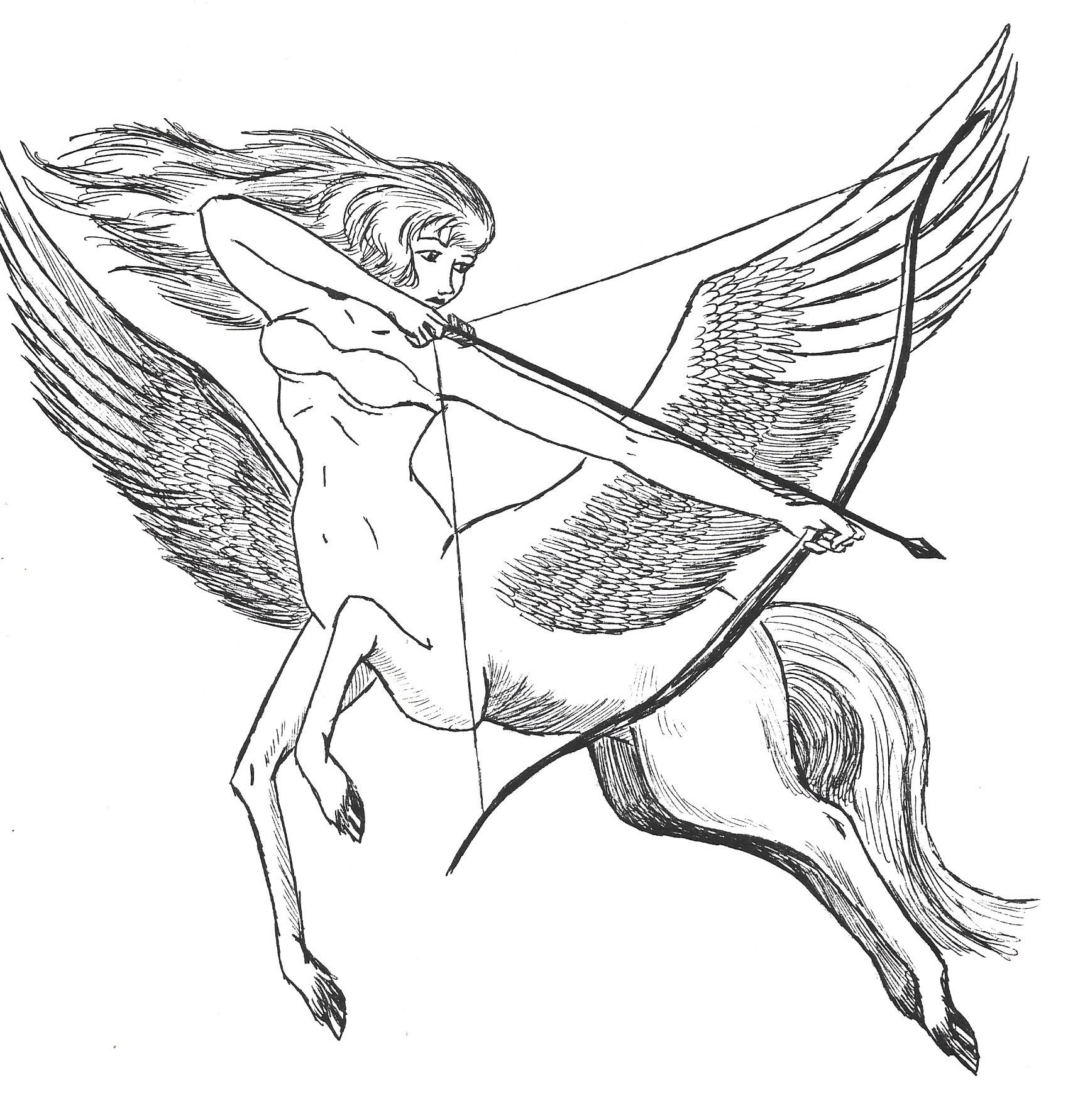


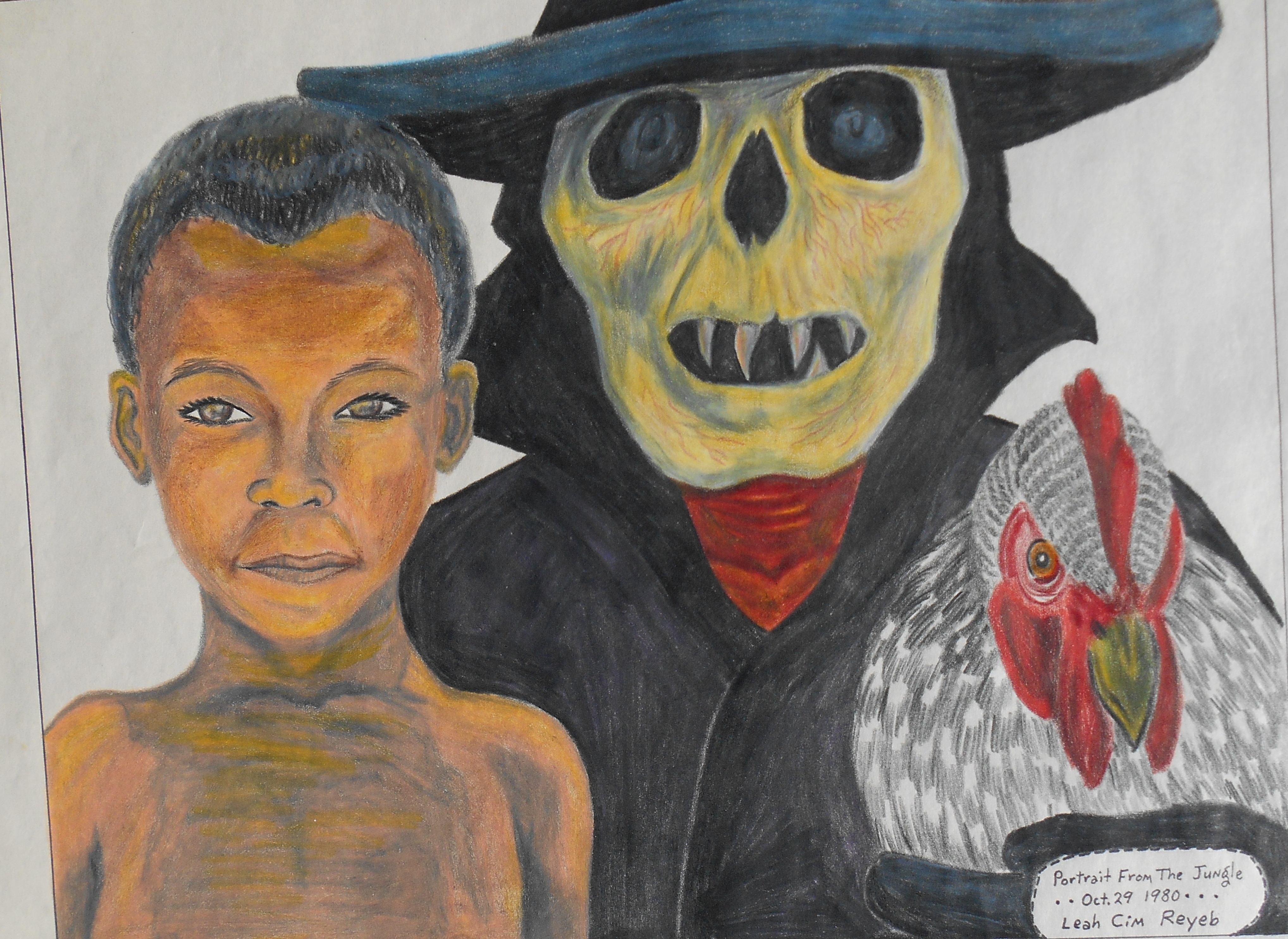









 Catch a Falling Star
Sunday Silly Artistical Posts
I like to dig through old piles of artwork I have done to re-purpose things and mash things together to make weird art salad.
I used to play a Dungeons-and-Dragons-like game called Talislanta with groups of adolescent boys, most of whom had previously been my students in middle school. It was a weird world where weird things made artistical challenges for me that taught me to be a better and more imaginative artist.
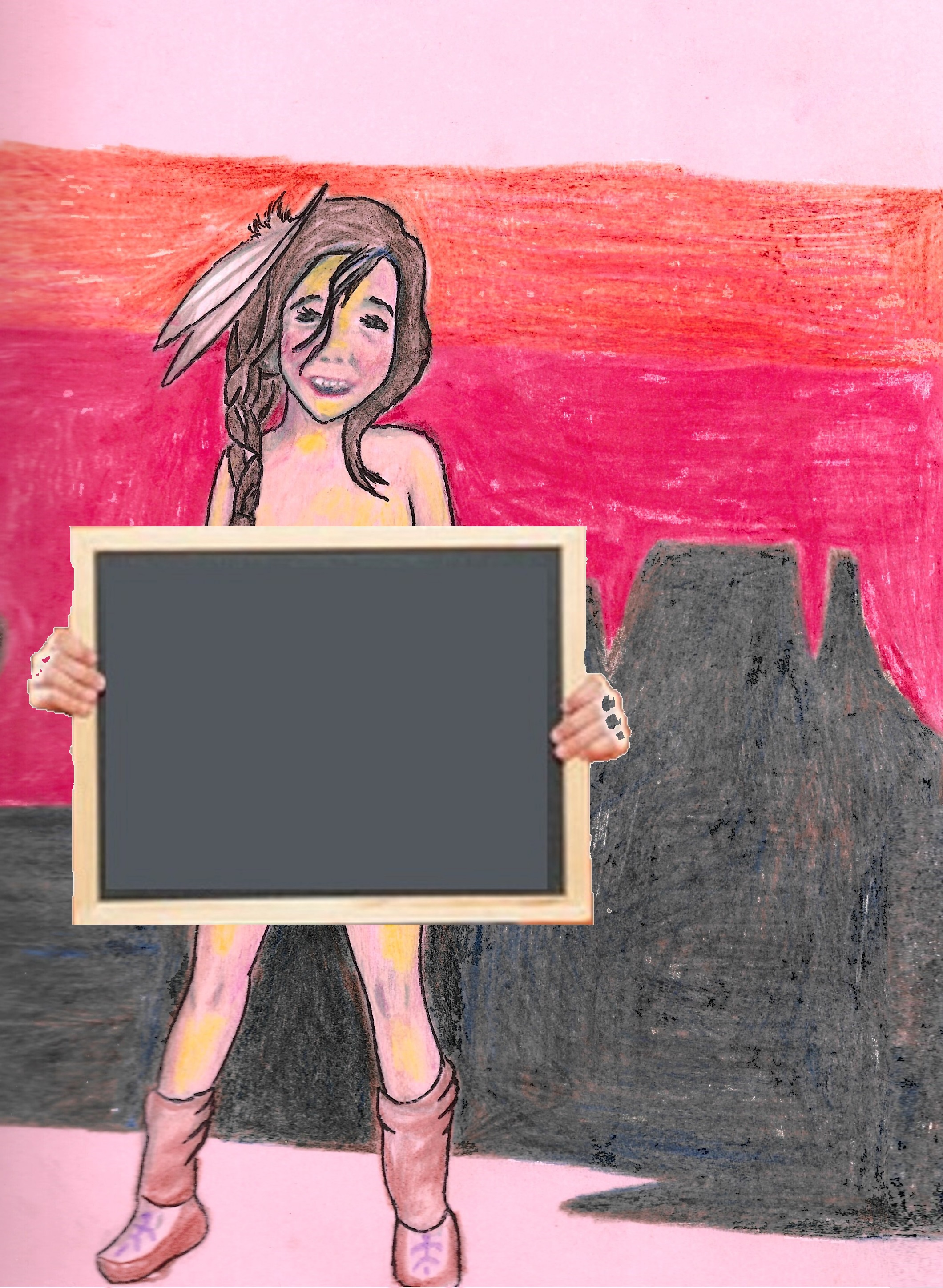
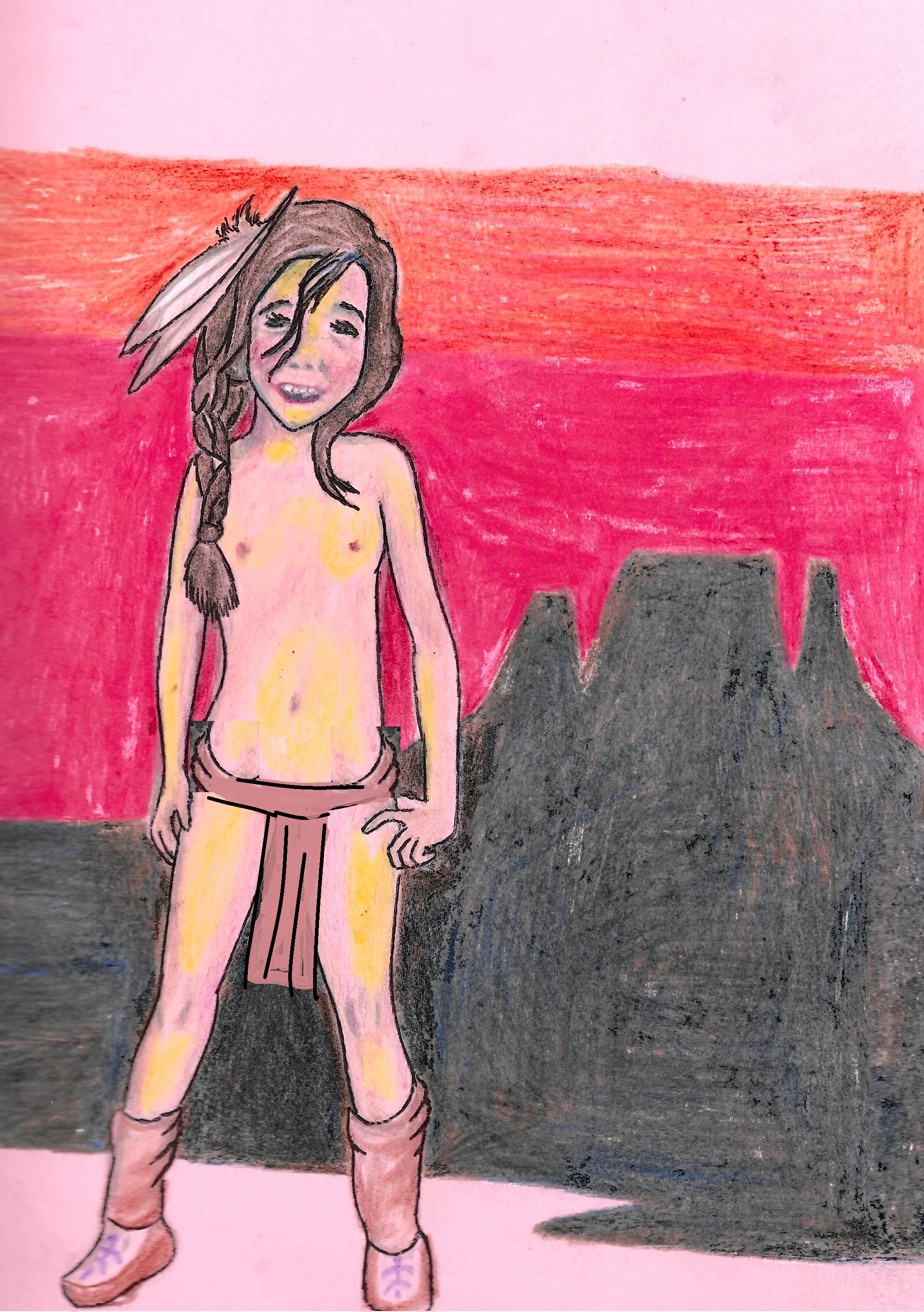
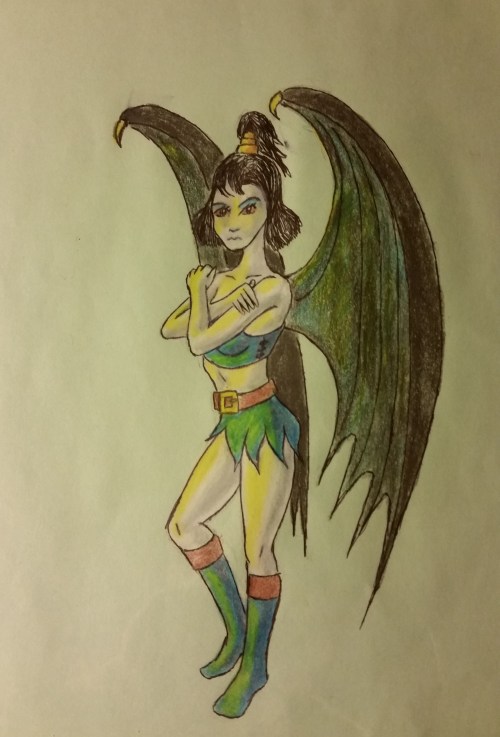
Xeribeth was a member of an almost-human race that had yellow skin and wore colorful face tattoos. She also had to be somewhat alluring to trick adolescent boys into undertaking dangerous and possibly suicidal adventures (meaning characters who only lived on paper might die and have to be re-rolled with dungeon dice.)
Zoric, being a green Cymrillian wizard, gave me numerous opportunities to create Kermit-the-frog-colored portraits. And he was a player character, so his greed and penchant for unwise actions decided on in the heat of battle (like turning himself into a fish-man while adventuring in the waterless desert) didn’t come from me.
Playing those games gave me training as a story-teller as well.
My efforts to see color with gradually worsening color-blindness led me to create eye-bashing color compositions that attempt to portray realistically things and feelings that can’t possibly be physically real. Thus I gradually became, over time, a surrealist (a juxtaposer of unlike and jarring things to deliver a visionary picture of reality) (How’s that for surrealistic gobbeldegook in definition form?)
I often solve the problems of my life by drawing something and making cartoonish comments with serious consequences.
Ultimately, it boils down to the fact that the world on the inside of me is decidedly different than the world on the outside of me. But I have to live in both. And I can do that by drawing my colored-pencil Paffooney stuff, posting it, and writing about it on a silly Sunday.
1 Comment
Filed under art editing, artwork, cartoons, commentary, goofy thoughts, humor, Paffooney