
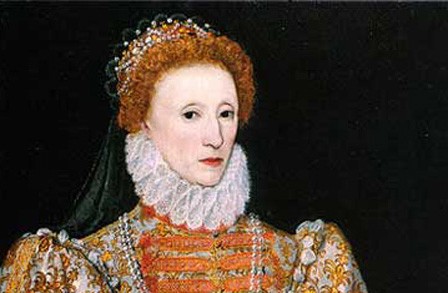
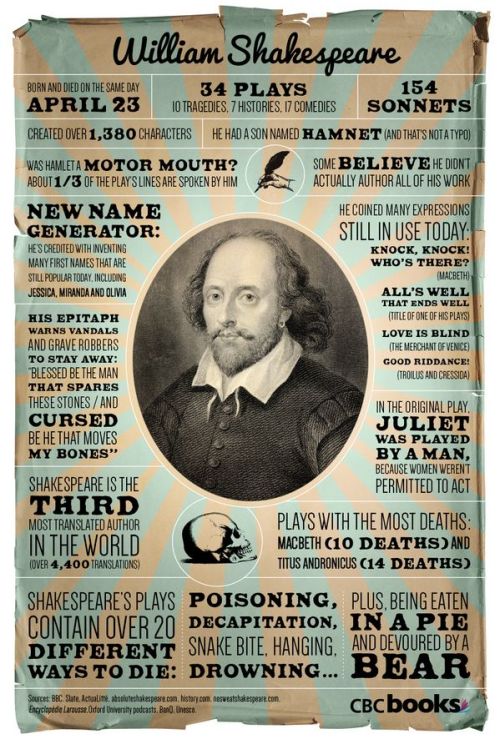
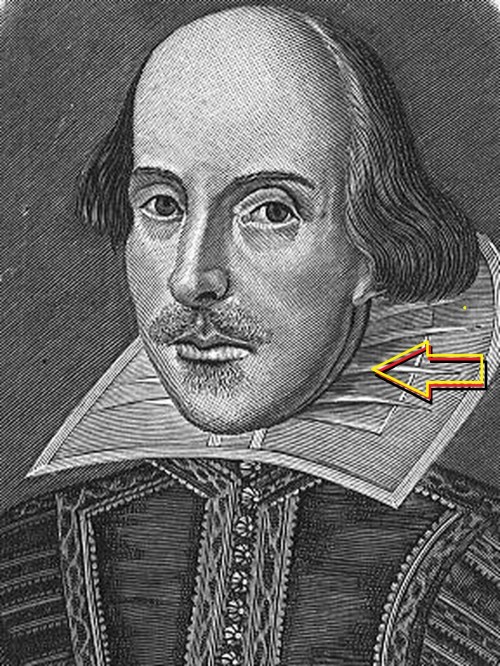
 If you are going to entertain a completely absurd notion like, “Shakespeare wasn’t really written by Shakespeare”, then you have to have some knowledge of the times and the context within which such a profoundly counter-intuitive thing could possibly be true. And it also helps to understand more precisely what the “writing of Shakespeare” actually means. Now, I know it is not particularly fair to confuse you, dear reader, right before I try to dazzle you with my complicated and over-thunk lackwit conspiracy theory, but that is, after all, what obfuscation actually means.
The plays, sonnets, and other poetry of William Shakespeare reveal the mind of a genius. Whoever wrote the works has to be a complicated man living a complicated life. He has to be a sensitive, empathetic, highly intelligent, observant, and troubled man. You don’t write the dark and deeply troubled suicidal tragedy of Hamlet without ever having thought of taking your own life. You cannot portray the madness of King Lear without ever having experienced the turmoil of the mind that threatens to tear your soul apart. And you don’t write about the complexities of love found in As You Like It or Romeo and Juliet without ever having experienced the massive thunderstorms of the mind that go along with falling in love. And we are talking true love, not necessarily the domestic love you have for the wife you are stuck with. You see what I did just there? I put you into the head of the writer, and started you thinking like you yourself are Shakespeare. As goofy a mental gymnastic exercise as that is, bear with me and keep thinking it.


At the time of Shakespeare’s ascendancy as the Bard Laureate of English Literature, England was not a safe place to be either a noble or a playwright. Queen Elizabeth’s mother had her head cut off for bad politics even though she was married to the King of England at the time. Lady Jane Gray, one of Elizabeth’s predecessors, lost her head when she was no more than a sixteen-year-old girl. During Elizabeth’s reign, one of her court favorites, Robert Devereaux, Earl of Essex, attempted to seize the queen herself after a riot fomented by a performance of Shakespeare’s play, Richard II, at which eleven of Essex’s noble supporters were said to be present stirring up the emotions of the crowd. It was a near thing for the writer of the play (about the life of a king whose reign ended in controversy about succession and which led eventually to the War of the Roses) to escape without also being caught up in the rebellion’s failure and round of executions that separated Essex from his head. Elizabeth banned numbers of plays with religious or political content, bans that never seemed to touch the writer of Shakespeare’s plays, even when they touched on political themes. You didn’t have to rebel against the Queen to lose your head either. Elizabeth was trying to reinstate Anglican Protestantism against the critical tides of Catholic Europe. You could be banished, put to death, or impressed by force into the English Navy for being suspected of ideas that were too Catholic. And witchcraft, or consulting with witches, as Macbeth depicts, earned you a nice warm fire in the public square to cleanse your immortal soul.
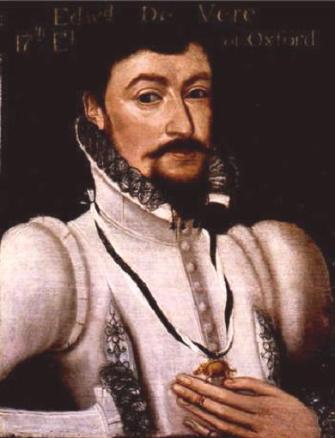
Edward de Vere, 17th Earl of Oxford
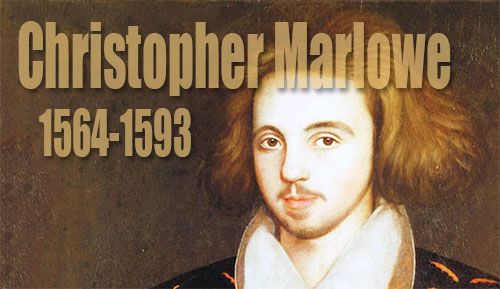
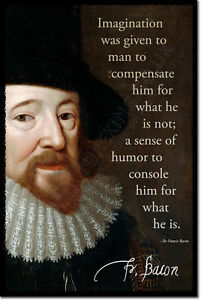
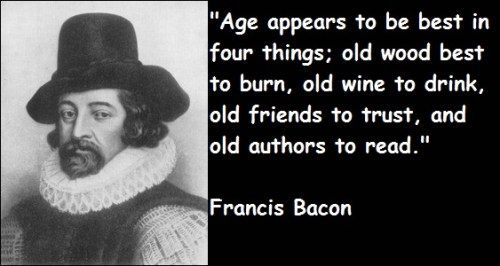
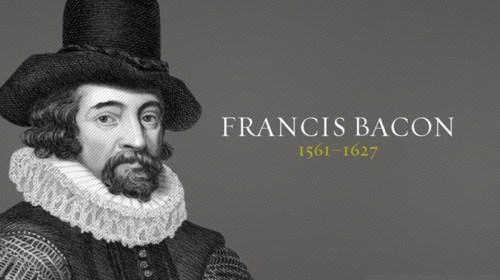
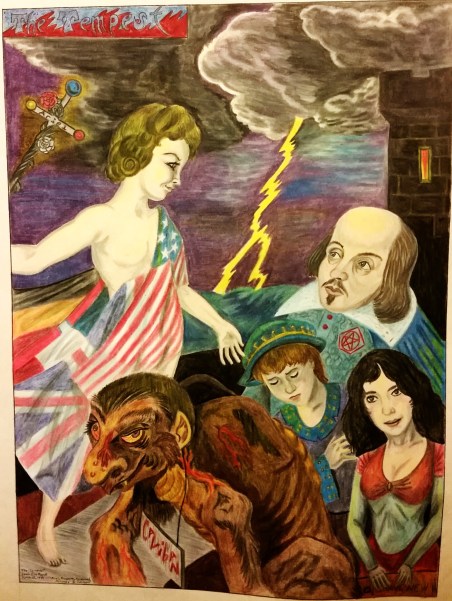
So, if one were to be both a playwright and a nobleman, known to and beloved by Queen Elizabeth, might there not be good reason to write under a pseudonym? And numerous people who write about Edward de Vere mention the fact that he wrote poetry and plays, and the plays were very popular. Some scraps of poetry by the Earl of Oxford still exist, but whatever happened to the manuscripts of his plays? It is a conspiracy theory so delicious, that I have to take at least one more bite. (You understand, I try to stick to a 500-word target for these posts, and even this 600+ is really too long. So that means there has to be an Earl of Oxford Part II at least.)








 Catch a Falling Star
Coca-Cola Mind Control
If you’ve read very much of my goofy little blog, you’ve probably run across the fact that I am something of a conspiracy theorist and strange-twist believer… sometimes referred to as a tinfoil-hat-wearer, or that old uncle you don’t want your kids sitting next to at the Thanksgiving dinner table. And I’ve got another one for you. I discovered while obsessing about nostalgia and old ads in the Saturday Evening Post, that the Coca-Cola company is probably responsible for warping my mind as a child.
My plan in revealing this hideous conspiracy is to take a look at ads and illustrations that I saw as a kid addicted to reading Saturday Evening Post every week at Grandpa and Grandma Aldrich’s farm. I will scour them for hidden meanings and try to reveal to you the insidious plot underlying these mind-altering illustrations. Keep in mind that you should probably take everything I say in this article with a grain of salt. No, really, salt can protect you from subtle mind-control messages.
And, yes, I realize that not all the messages are that subtle. Sometimes they shout at you, “Drink Coke and you will have more sex!” And you have to remember we are trying to avoid that kind of mind control. We have to fight every instance of ad companies trying to take control over us by exploiting our baser animal urges.
So, let me take a momentary interlude, a break if you will. I have this big glass of Diet Coke I just bought at QT, and…
Well, that was good!
Coca-Cola has been at this for a while. This ad from the 1940’s is apparently attempting to win World War II through choice of soft drinks. Look at this feisty brew the soldier is about to quaff. It is actually struggling in the cup to get out and go bite some German soldier’s face off. Any American soldier who can choke this stuff down is tough enough to take on the Axis powers, Napoleon after Hitler dug him up and used Frankenstein’s scientific breakthroughs to re-animate him, and even several countries we weren’t actually at war with. Even Rush Limbaugh and his weird lesbian-farmer-subsidies theory can’t compete with Coke on this level of propaganda wars.
I also think Coca-Cola ads may have something to do with why I became a Cardinals fan when I lived in a place full of Cubs and Twins fans. I admit, I added the dialogue and the commentary, but I used to do the same thing in my head when I was eight and the Cardinals went to the World Series… and the Cubs could not win it all even with Ernie Banks on their team. The Cardinals beat the Yankees in 7 games!
I blame Coca-Cola. Especially their ad department. Cause the generic manager is telling the generic Oubs player to “Relax… take it easy.” But the Cardinals won because Bob Gibson had that laser-intensity stare that bored holes through Mickey Mantle’s bat! (It is Oubs, not Cubs, by the way. Look at the big “O” on his jersey.)
And you can’t tell me that the Coca-Cola ad seen here, the one with the white-haired goblin child casting a spell on you with his crazy eyes and pointing at your dark, delicious master isn’t seriously trying to mess with children’s minds. There used to be a big five-foot-tall metal sign with this very picture on it in the one and only alley in Meservey, Iowa. The one time I went to the barber there to get my hair cut I had to sit in that barber chair and stare at this evil thing staring back at me from the alley across the street. It warped me. For one thing, I never went back to that barber shop again… at least until I was in college and the sign was gone.
So, I seriously believe Coca-Cola was messing with my mind as a child. They did it through subversive ad illustrations in Saturday Evening Post Magazine. And if I’m completely crazy now, I blame them. You don’t see that kind of thing going on today, do you? Well, I mean, we should be very worried. Because it probably means they have gotten better at it.
3 Comments
Filed under autobiography, baseball, baseball fan, commentary, conspiracy theory, foolishness, humor
Tagged as coca cola, conspiracy theory, humor, mind control, propaganda