

Back in my college days in the late 70’s I came back to the dorm one night late due to research until the library closed. In the entry hall to the dorms there was a piano. I had never seen anybody playing it. But as I got there, there was a student playing it. It was my nerd friend Kip, an engineering major. It was quiet, unassuming Kip. Kip who was so quiet, in fact, that I can’t even remember his last name, or what his voice sounded like. But he was playing the piano in an empty room with nobody listening. He was playing Scott Joplin’s composition “The Entertainer”. He had his back to me, totally lost in the music. He didn’t know I was there. And I… I was transfixed. I realized he was just practicing. But he knew the music right out his head, no sheet music on the piano in front of him. And he played like the ultimate virtuoso. And the music was so good it made my soul tingle.
It occurs to me that that single moment is, for me, a metaphor for my life. It is a concert played for nobody. I am competing only with myself. I am trying to please only myself. And if anybody is listening… I mean really listening… not just looking at the pictures and moving on, I don’t know it. And that is probably how it should be. This poor player is strutting and fretting his hour upon the stage. And when the concert ends… when the concert ends…? Applause is not likely. And applause is not needed. The music exists for its own sake. And the echoes of it are the fuel that powers the universe.






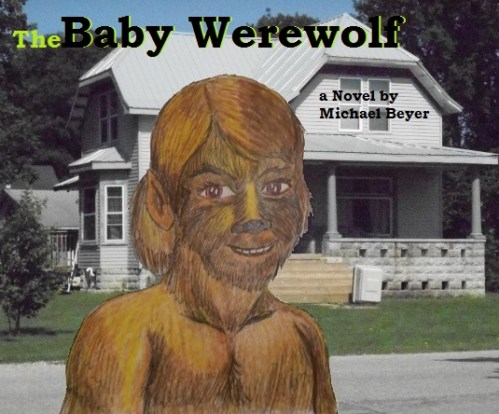 I am now in that period of deflation after having finished a draft of a novel. My brain is drained and mostly empty. I am left with leftover piles of stupid words and guileless thoughts that I didn’t use in the book and none of that is good fuel for thinking.



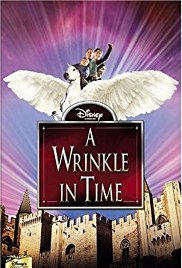 Strangely enough, the things that the critics seem to hate about this version of the movie are precisely the things that I think make it miraculous.




Alliteration
I find alliteration to be a useful poetic tool to use for comedy purposes. I like to use it to the point of ridiculousness… as in apt alliteration’s artful aid. The repetition for repetition’s sake in spite of meaning is in itself chuckle-worthy. But when alliteration can further the meaning of the writing itself also… I liberally laugh out loud.
L-Words (a Lousy L-Poem)
Lovely little lambs lament
Little lambs lament the loss of love
Lambs lament loudly and long
Lament the loss of lovely love
Lovely little lambs laugh loudly
Little Lambs laugh at life lived lovingly
Lambs laugh long and loudly
Laugh long and loudly in lieu of love
Life and love and laughter
The three L’s
Laugh lovely little lambs!
Okay, I know… I am the king of bad poetry. But perhaps the alliterative excess makes you laugh a little bit… at my poor poetry skills if nothing else.
Alliteration always awards awesomeness on authors… or not.
Leave a comment
Filed under commentary, foolishness, humor, irony, Paffooney, poem, poetry, strange and wonderful ideas about life
Tagged as alliteration, bad poetry, humor