
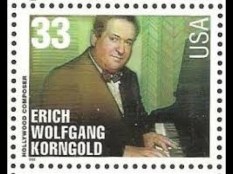
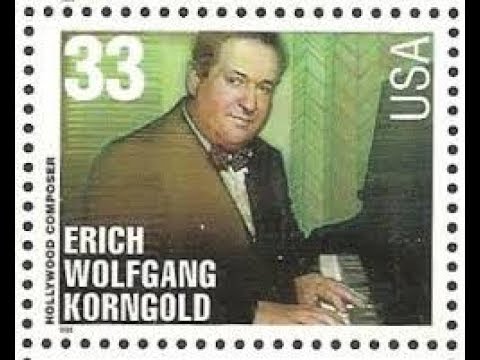
When I was in Cow College at Iowa State University I spent most of my study time listening to KLYF Radio in Des Moines. They would eventually transform into an easy-listening music station, but the time I truly lived a K-LYFe was when they played classical music. And it was there that I first fell deeply in love with the Saturday Matinee stylings of Erich Wolfgang Korngold, the first incarnation of John Williams of Star Wars fame. Yes, movie music. Classical movie music. And it seemed, mostly movie music for Errol Flynn movies.


My sister was always a lover of Errol Flynn movies, and when KGLO TV Channel 3 would play one on the Saturday Movie Matinee in the early afternoon, we would have to watch it, the whole thing, no matter how many times we were repeating the same four movies. Nancy would memorize the lines from the Olivia deHavilland love scenes. I would memorize the sword fight scenes with Errol and Evil Basil Rathbone (Good Basil was Sherlock Holmes, and we had to watch those too.) Early evenings on those Saturdays were all about playing pirate and Captain Blood adventures. Or better yet, Robin Hood.


But the music of adventure was by the composer Erich Wolfgang Korngold. He did the sound tracks for Captain Blood, Robin Hood, and the Sea Hawk.
I sincerely love the corny old movie matinee music because it was not only genius-level mood music and story-telling in a classical music instrumental masterpiece, but because even now it takes me back to the boy I was at twelve years old, playing pirate on Grandpa Aldrich’s farm. Making Robin Hood bows out of thin tree branches and arrows out of dried ragweed stalks. Sword fighting to the death with sticks with my cousin Bob, who was always Basil Rathbone in my mind. while I’m sure I was Basil Rathbone in his mind.
To be honest, there is much more to Korngold than I have relentlessly gushed about here like a hopeless nerdling fan-boy in the throws of a geeky movie passion. He was a musical child prodigy like Mozart. He wrote a ballet called Der Schneemann (the Snow Man) when he was only eleven, and became the talk of the town in Vienna, Austria in 1908. He became the conductor of the Hamburg Opera by 1921. He wrote some very fine classical music in the 20’s that still rings through orchestra halls to this day before coming to America in the early 30’s with film director Max Reinhardt. He scored his first film in 1935, adding music to Reinhardt’s Midsummer Night’s Dream. He was fortunate to escape Europe just as the Nazis were coming to power in Germany, and also at the right time to team up with new movie star sensation, Errol Flynn. He won his first Oscar for the musical score of the movie Anthony Adverse in 1936 and he won his second for The Adventures of Robin Hood in 1938. He died in 1957, a year after I was born. But I promise, I didn’t kill him. I was in college in the 1970’s when his music underwent a revival, complete with renewed popularity.
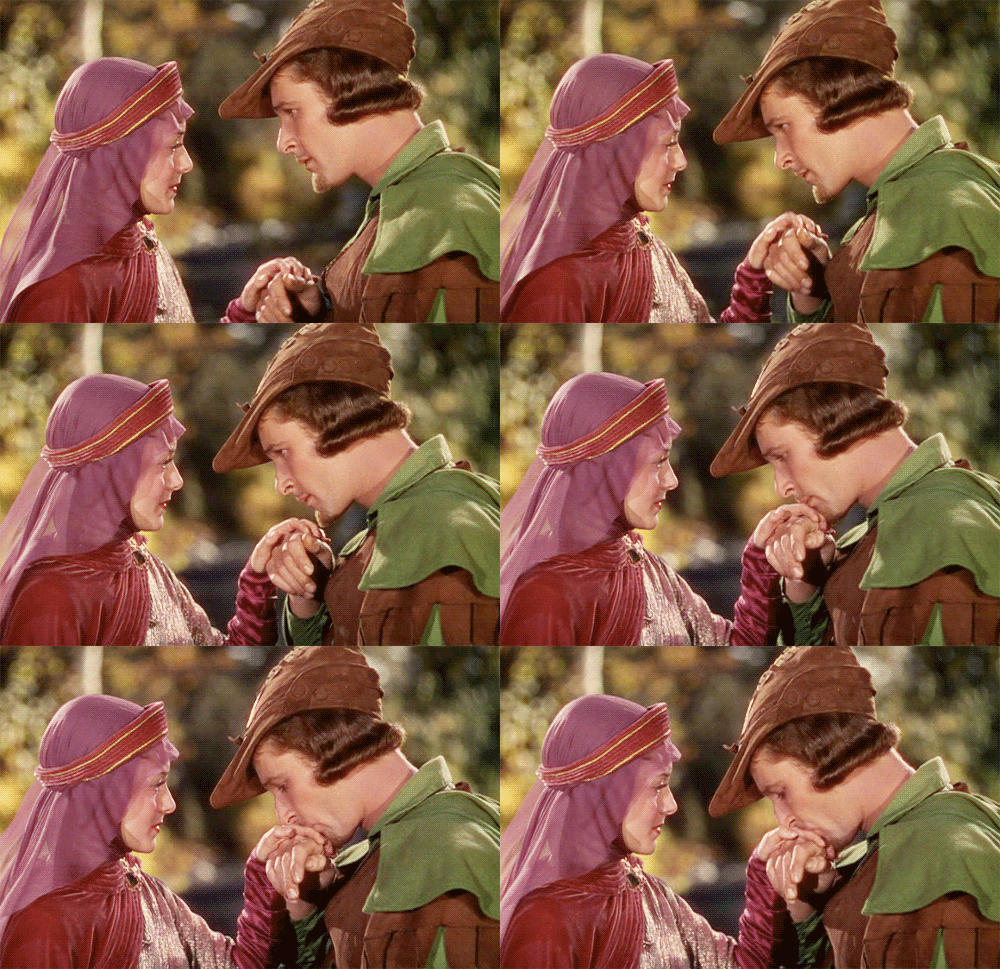
His music was pure gold to listen to in the fields of corn in Iowa in the 1970’s. It was just as good as that last pun was terrible. So, in other words, really, really, spectacularly good. It was the music that scored my childhood fantasy adventures.



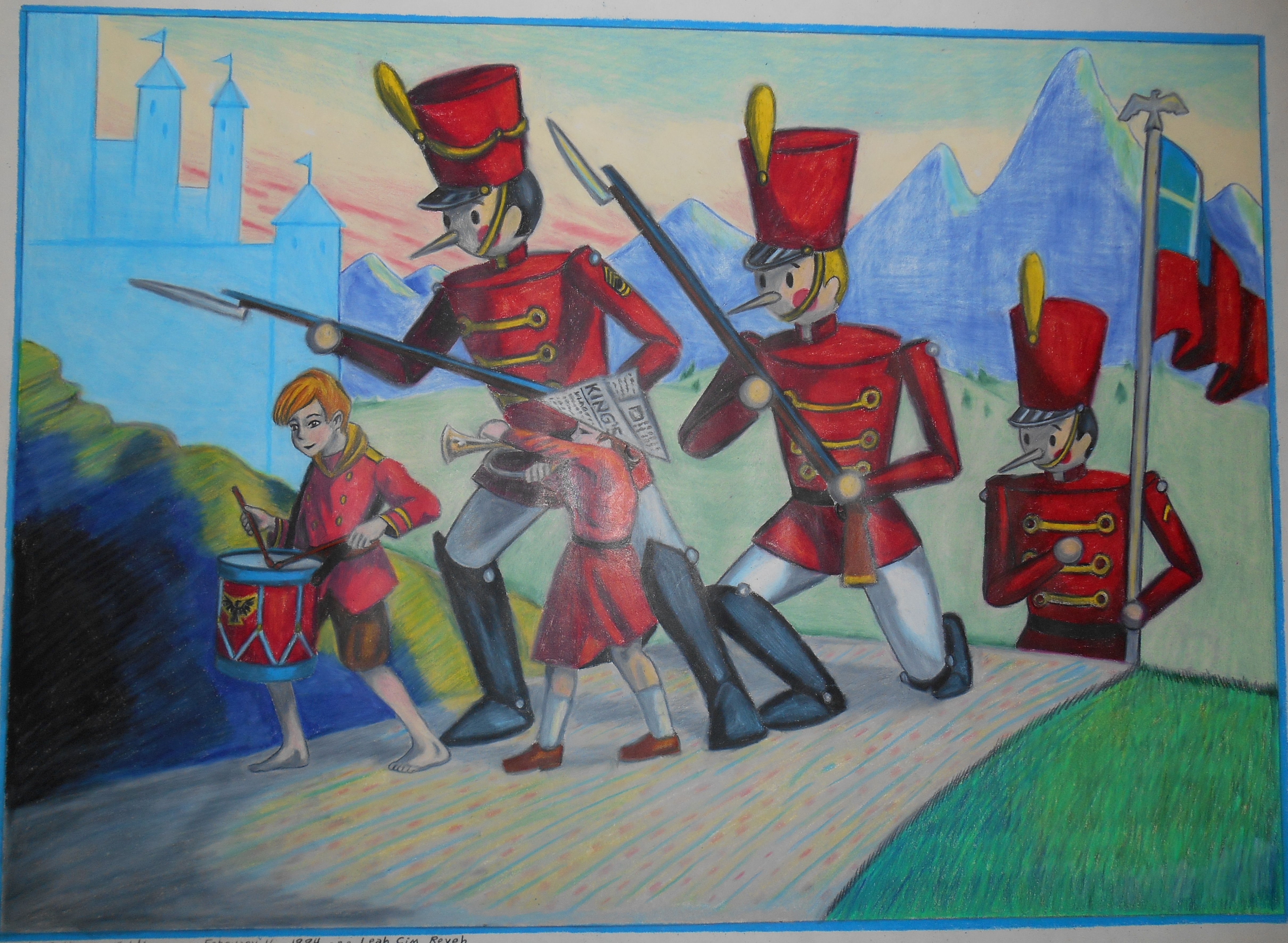






The Sedentary Stradivarius
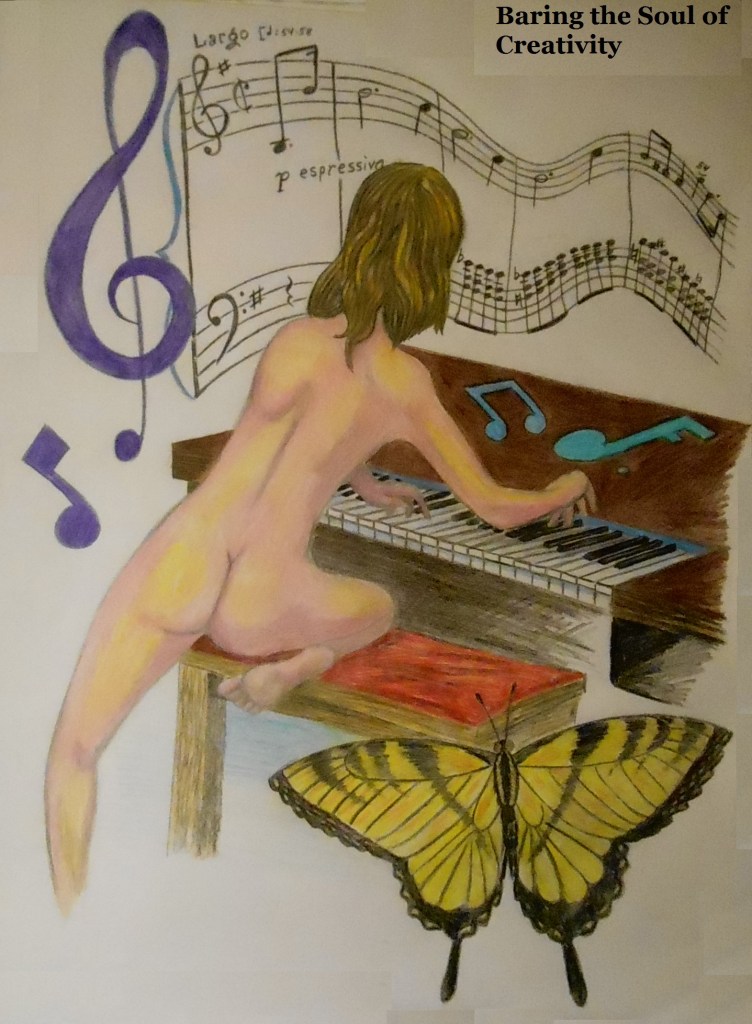
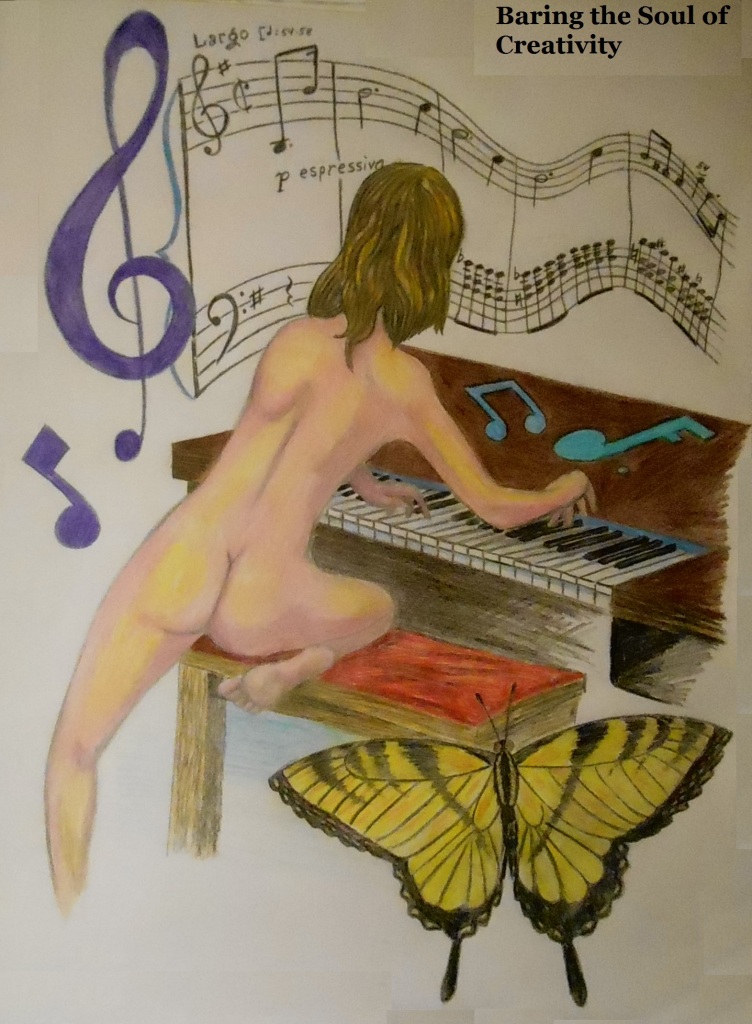
The greatest tragedy known to man is the finely-tuned instrument that is merely sitting, barely active, when instead it should be soaring to heights never seen before.
It is a real shame that so much of human endeavor is bent towards the accumulation of wealth… And when the lucky few reach the pinnacle of that wealth-acquisition, measured in billions, they choose to hoard it and salt it away for their own exclusive use rather than solve problems like poverty, hunger, ignorance, pollution, violence, and want. The act of creation, being musical, artistic, literary, or profound, is given so little value that the idea of the starving artist is an idea that exists in every head.
I fear that far too many people don’t t truly understand what value means. For life to be worth living, you have to have priorities that justify mankind’s very existence. Surely we were not created… by either God or an indifferent random universe… to merely exist like the blue-green lichen that graces the bark of a rotting stump, or to elect Donald Trump as President just so we can see smarty-pants liberal elitists chopped down by a corrupt plague of racist frogs. The tragedy lies in the knowing… or the not knowing.
Perhaps you recognize Beethoven’s 9th Symphony when you hear the Dah-Dah-Dah-Dummm! of death knocking in that familiar musical phrase. But do you recognize the pastoral beauty of the sunshine-and-rain-filled 5th Symphony? Or have you heard the sorrow and the striving of daily life in the city streets depicted in the 7th Symphony (offered above)? If not, why not? How can you listen to any of it and not hear the many underlined reasons that it is considered among the greatest music ever created? And that by a man who was mildly insane and eventually stone deaf, unable to hear his own music anywhere but in his imagination?
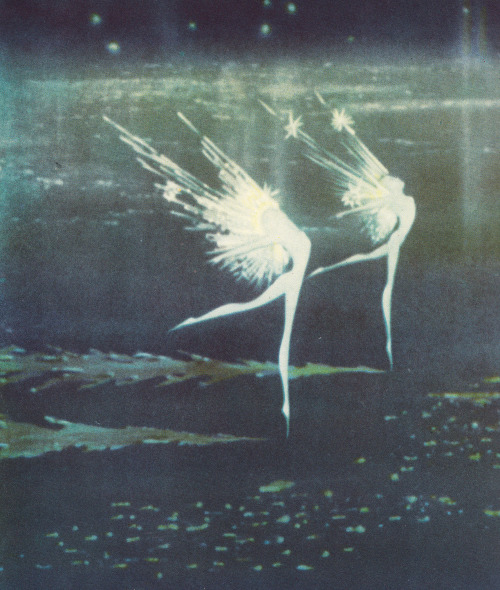
I have reached a point in my life that I cannot do much beyond sit and think such thoughts. I am limited in how I can move and what work I can do by my ever-more-painful arthritis, stinging me in every joint. I am also limited by lack of money in where I can go and what I can afford to do. But I refuse to be that finely-tuned instrument that does not make much in the way of music. Hence, an essay like this one today. It is me, using my words to the best of my ability, to fill the sky with hopelessly beautiful attempts at making the stars twinkle.
Leave a comment
Filed under artwork, classical music, commentary, feeling sorry for myself, insight, Paffooney, philosophy, review of music
Tagged as artistry, Beethoven