
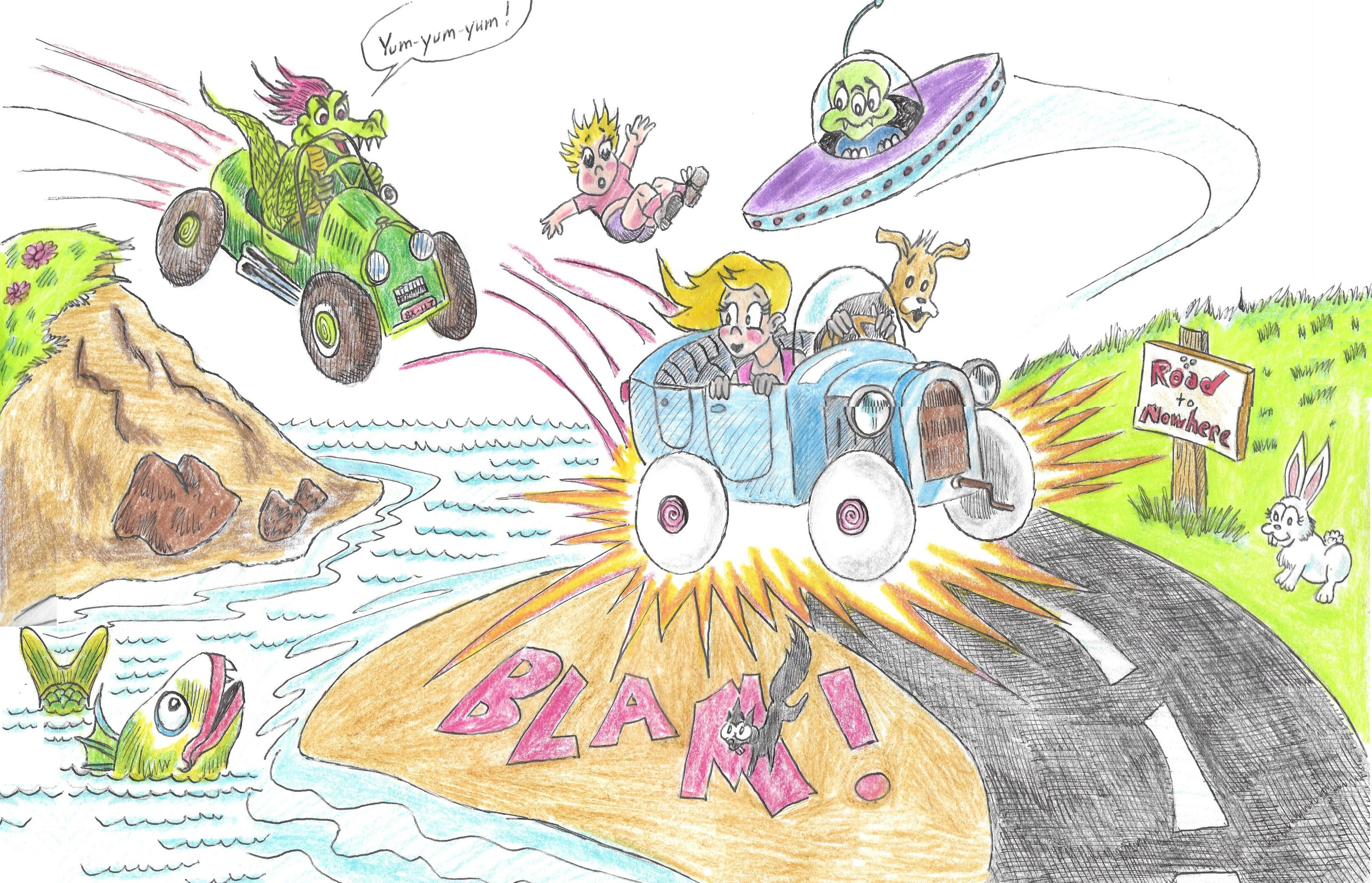
“My name is Michael Beyer, and I am an amateur cartoonist.”
“Hi, Michael!” says the entire group of CA group-therapy participants.
(CA stands for Cartoonists Anonymous.)
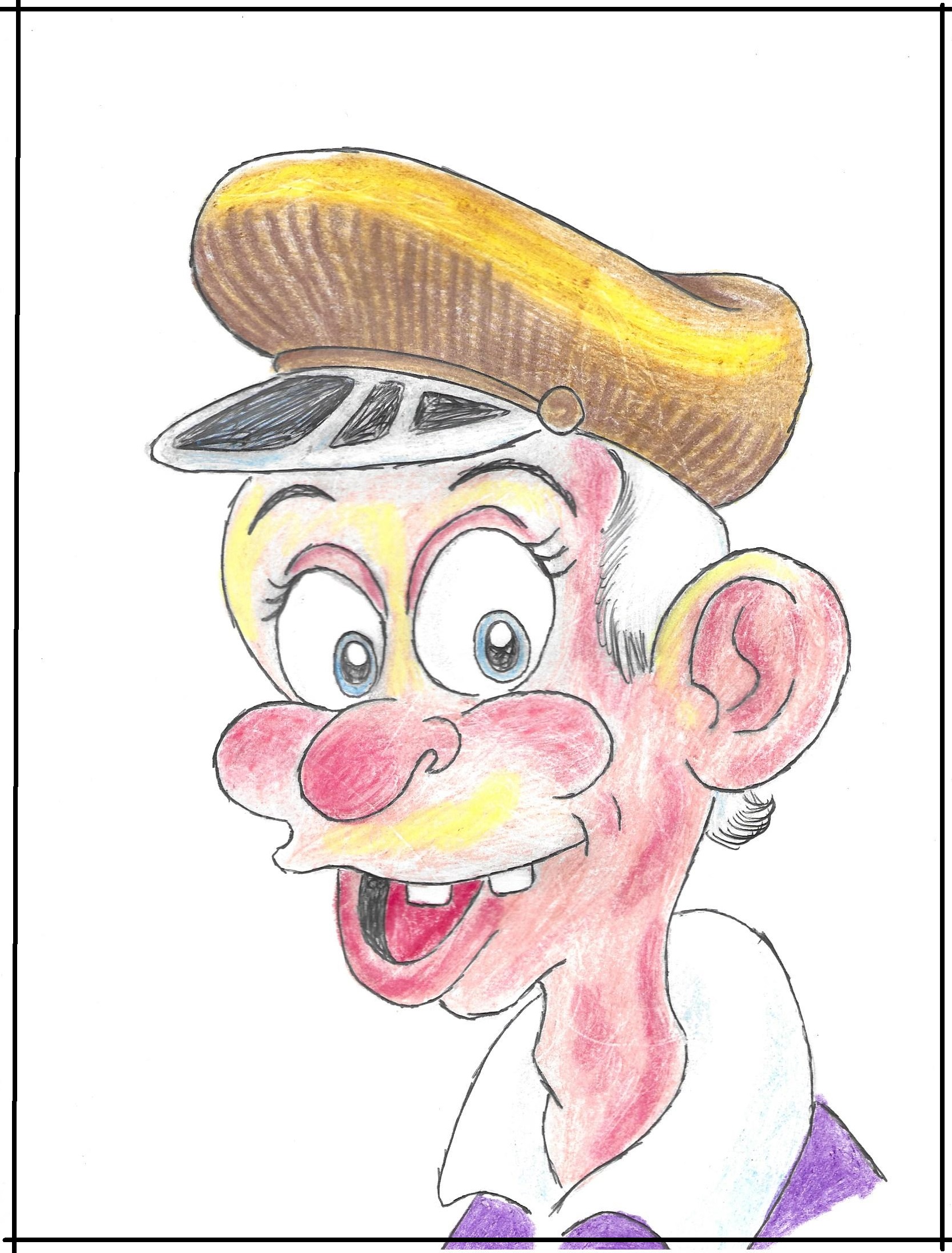
“I have to admit, I am guilty of giving in to the urge to draw cartoons. I know how it can fill lives with slapstick pain and derisive laughter, and I give in to the urge anyway.”
“So, what did you draw that you have to be ashamed of now?” asked one mad-eyed cartoonist with a pencil lodged behind each of his large ears.
“I made a very unfortunate video to post on YouTube that was supposed to be How-to-draw Cartooning. But everything went wrong. You couldn’t see my drawings in the video. It was not adequately lit. I look like a doofus (which probably can’t be cured) in the video. And instead of thinking twice or editing it, I posted it anyway.”
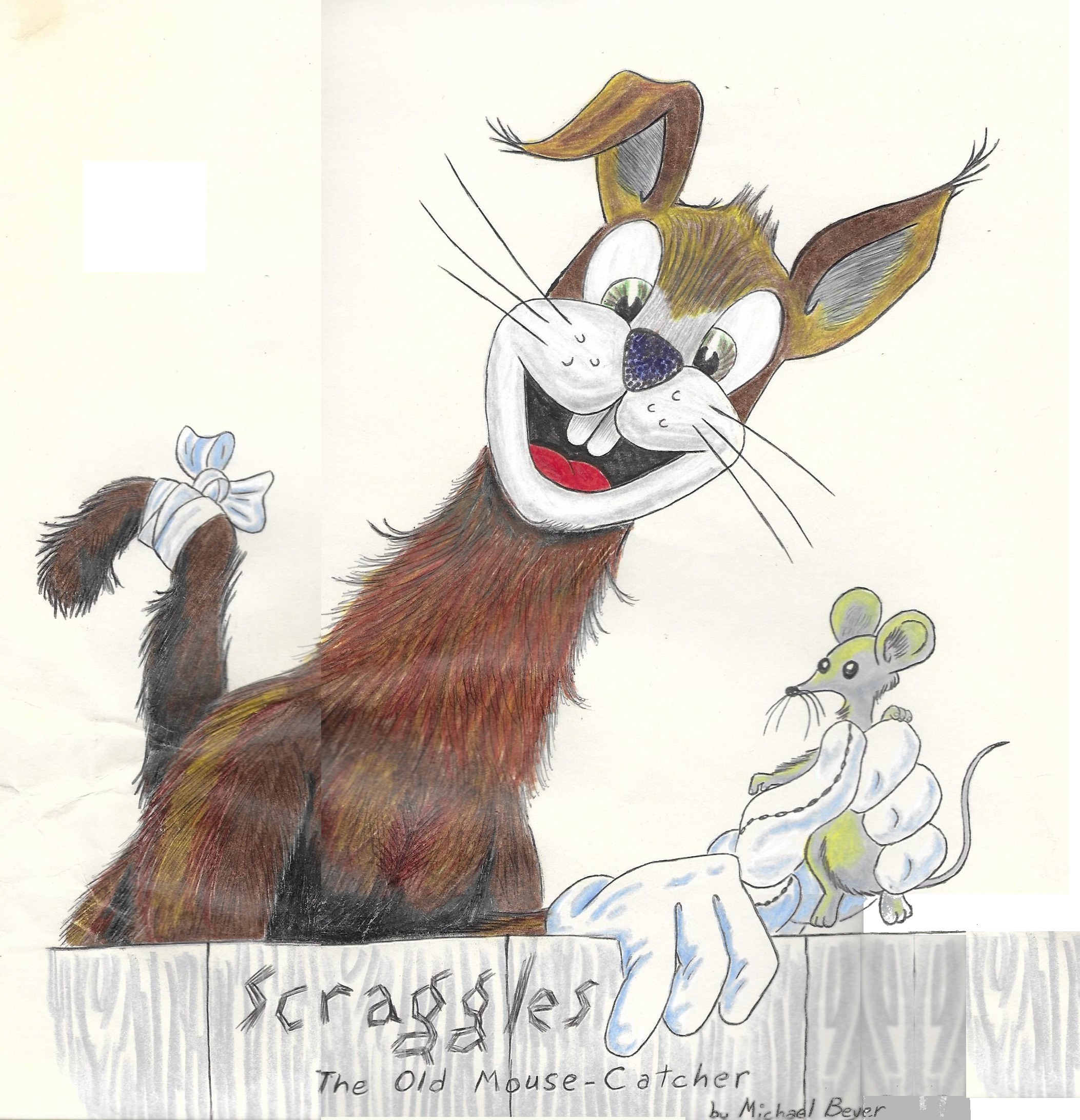
“Wow!” said a rather ugly cartoonist lady, “that is really bad. You have a seriously bad case of cartoonity.”
“Cartoonity?” I responded stupidly.
“The condition of needing love for your cartoons so bad that you will risk anything to make people look at them and like them,” said the wise group therapist (who looked an awful lot like Chuck Jones, though I am fairly sure Chuck Jones is now dead).
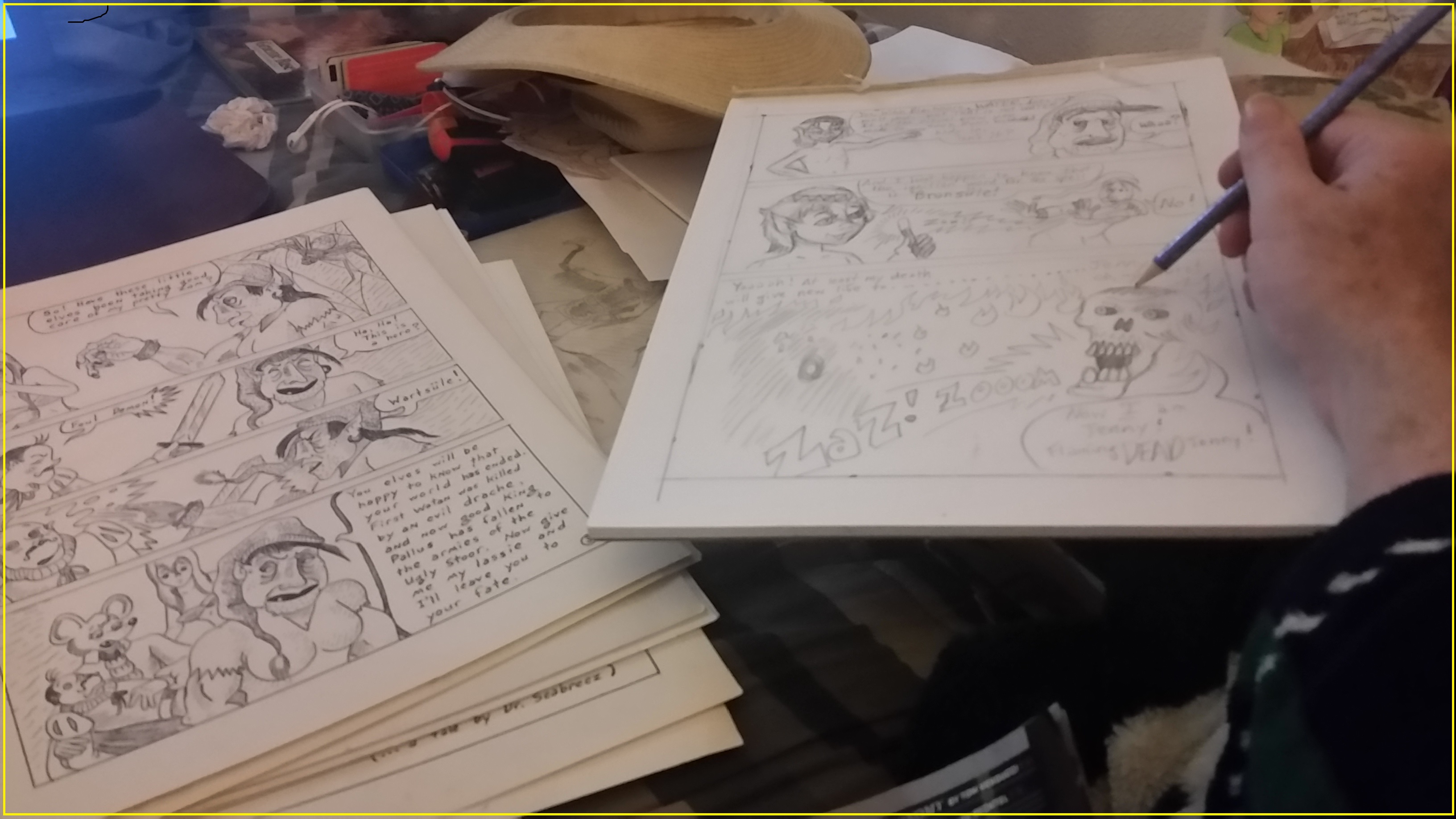
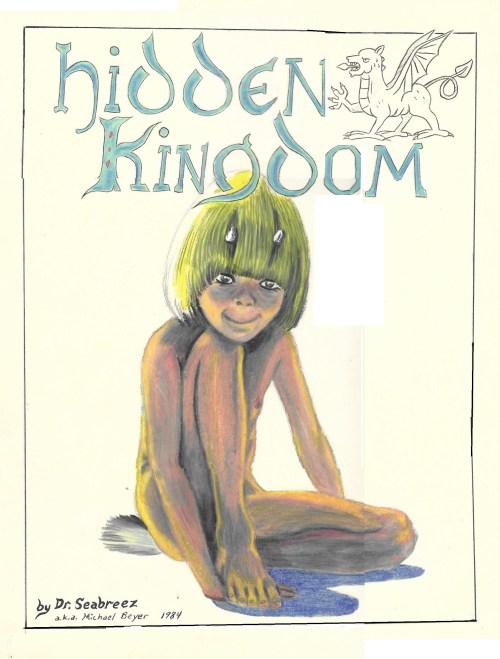
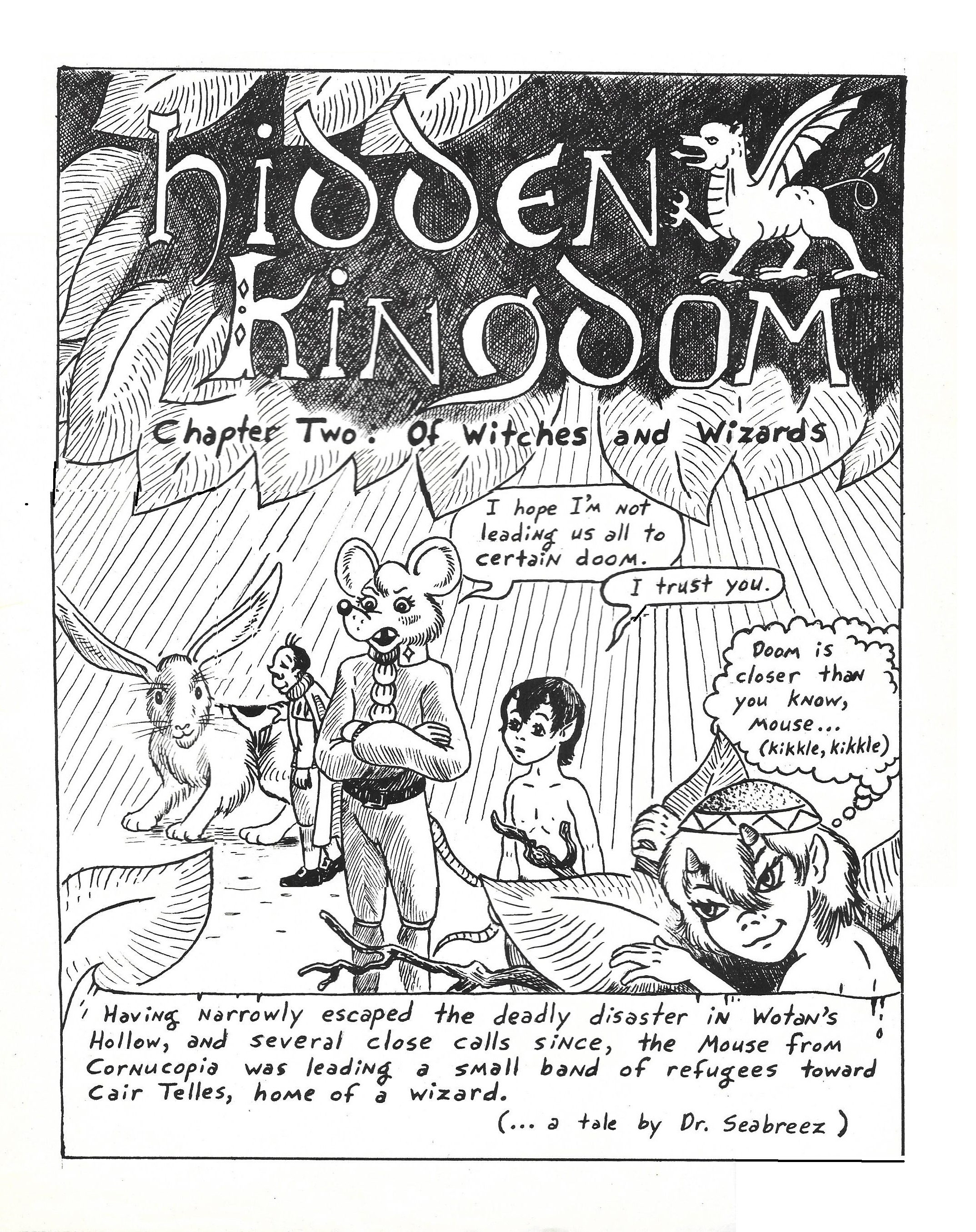
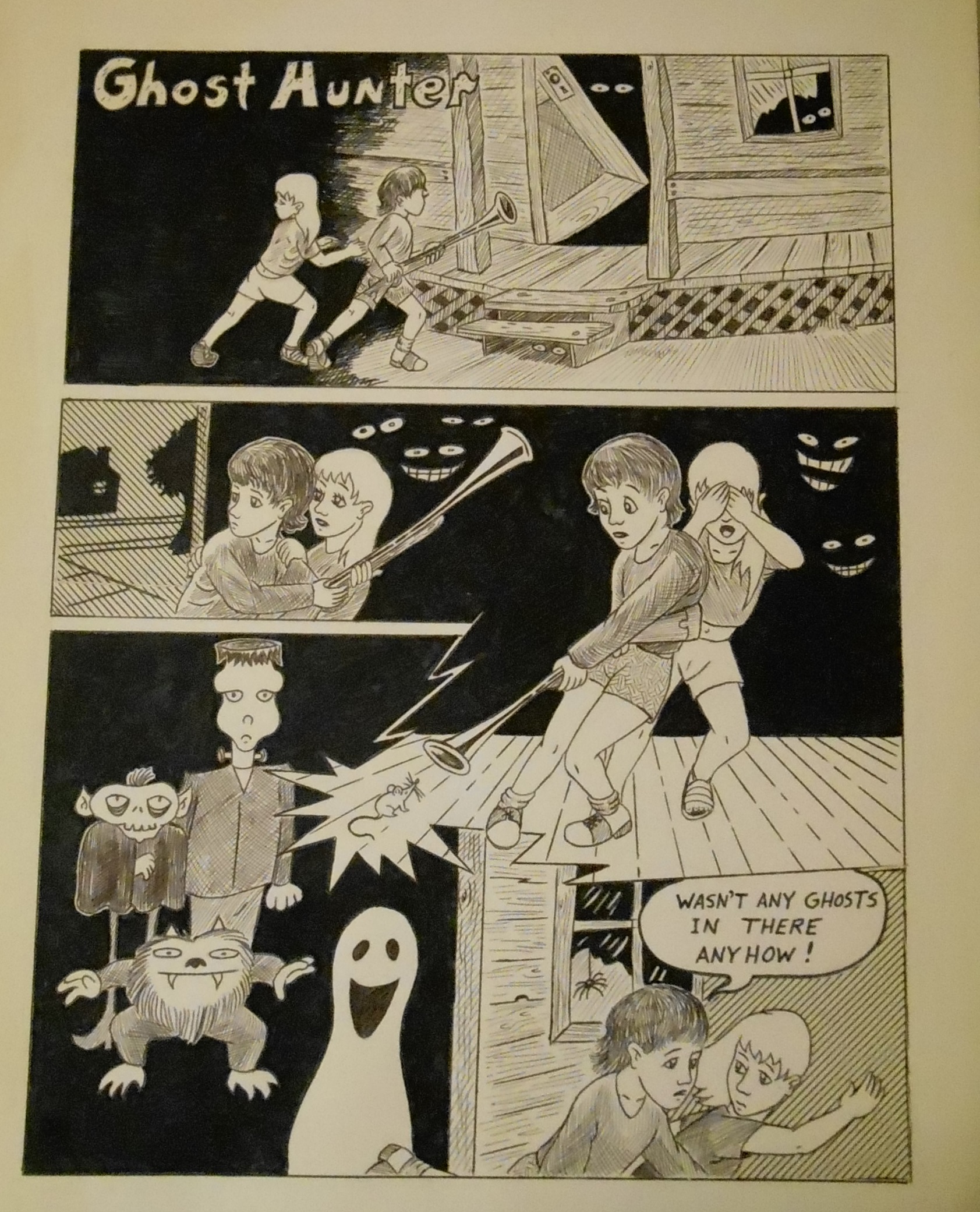
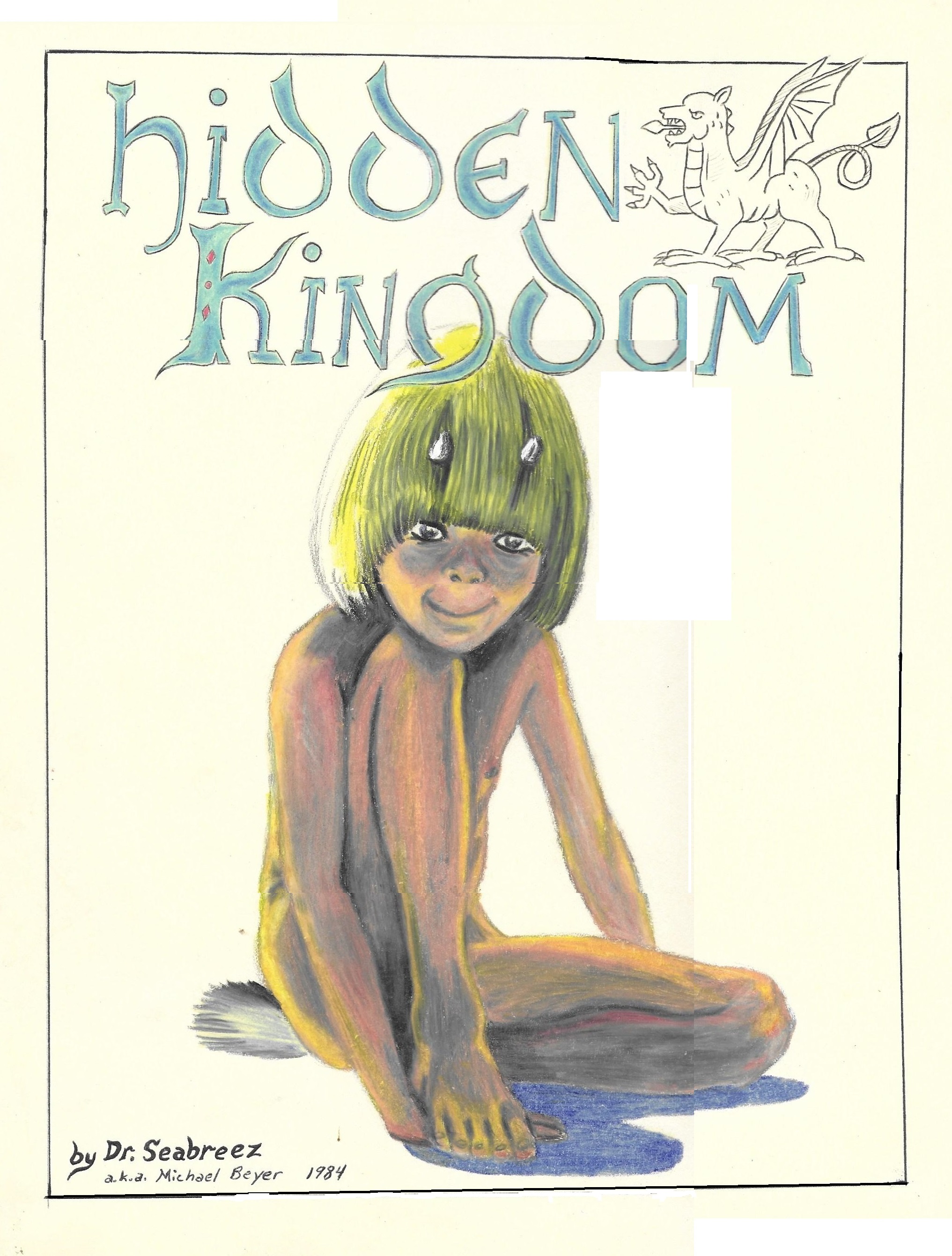
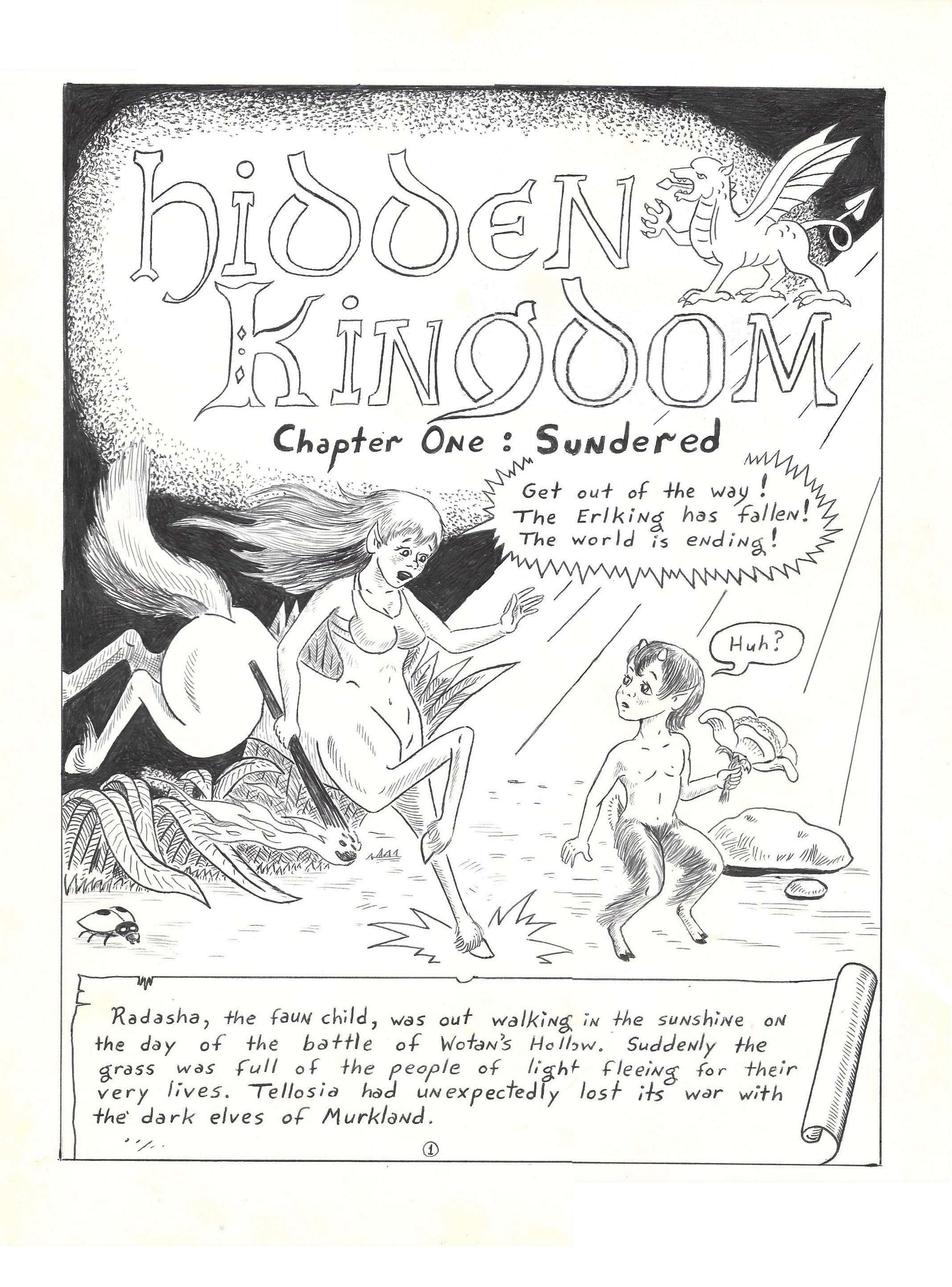
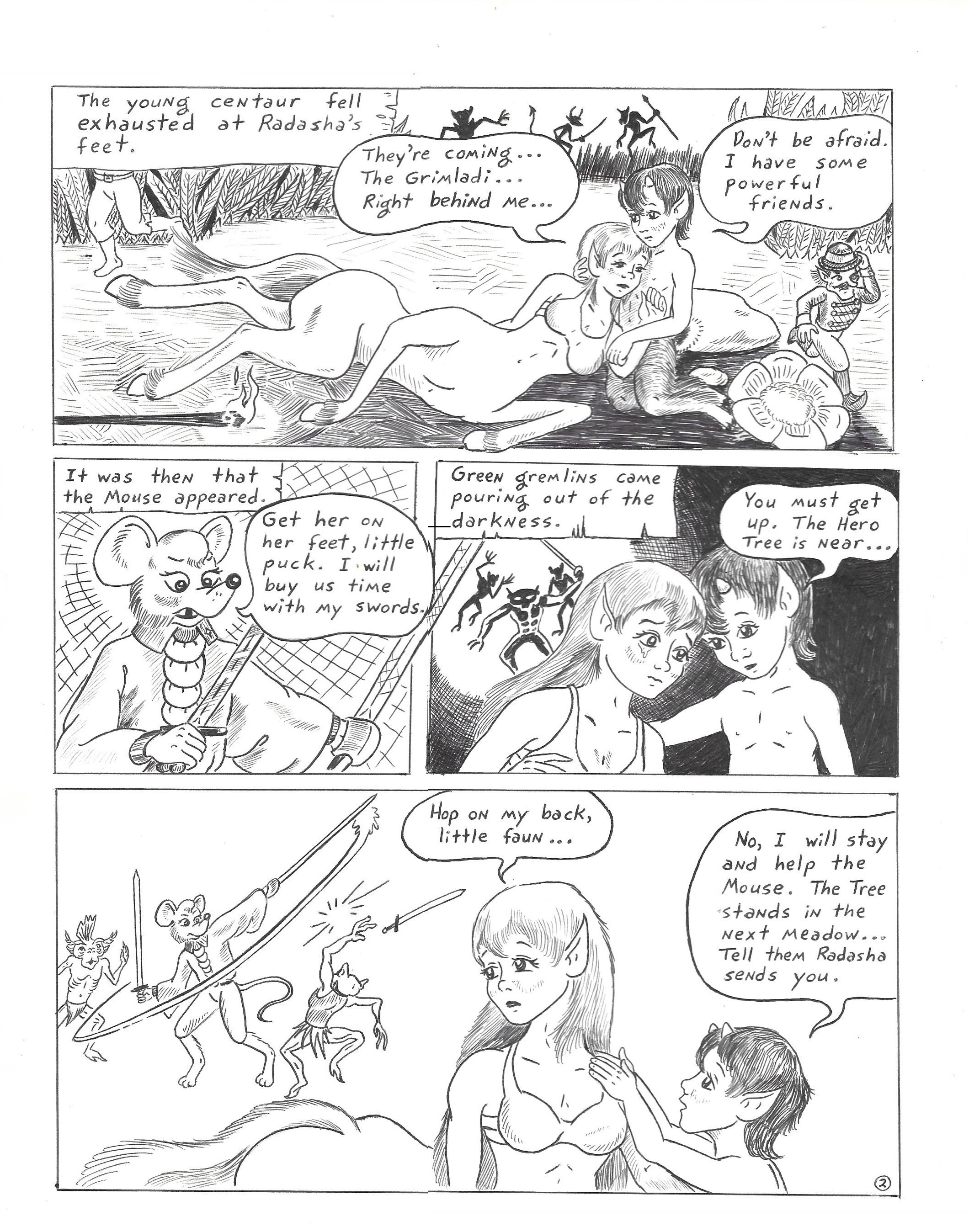
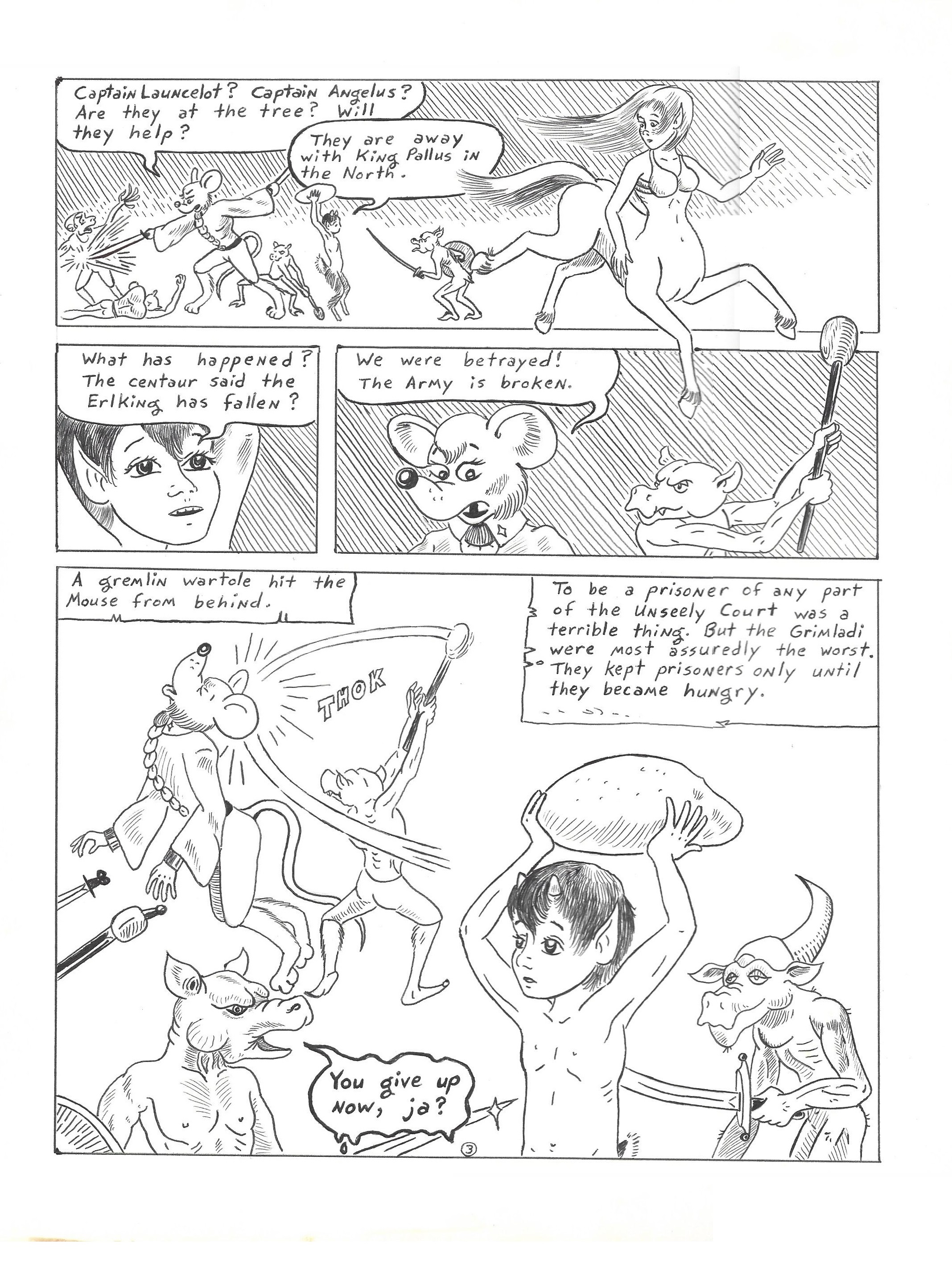
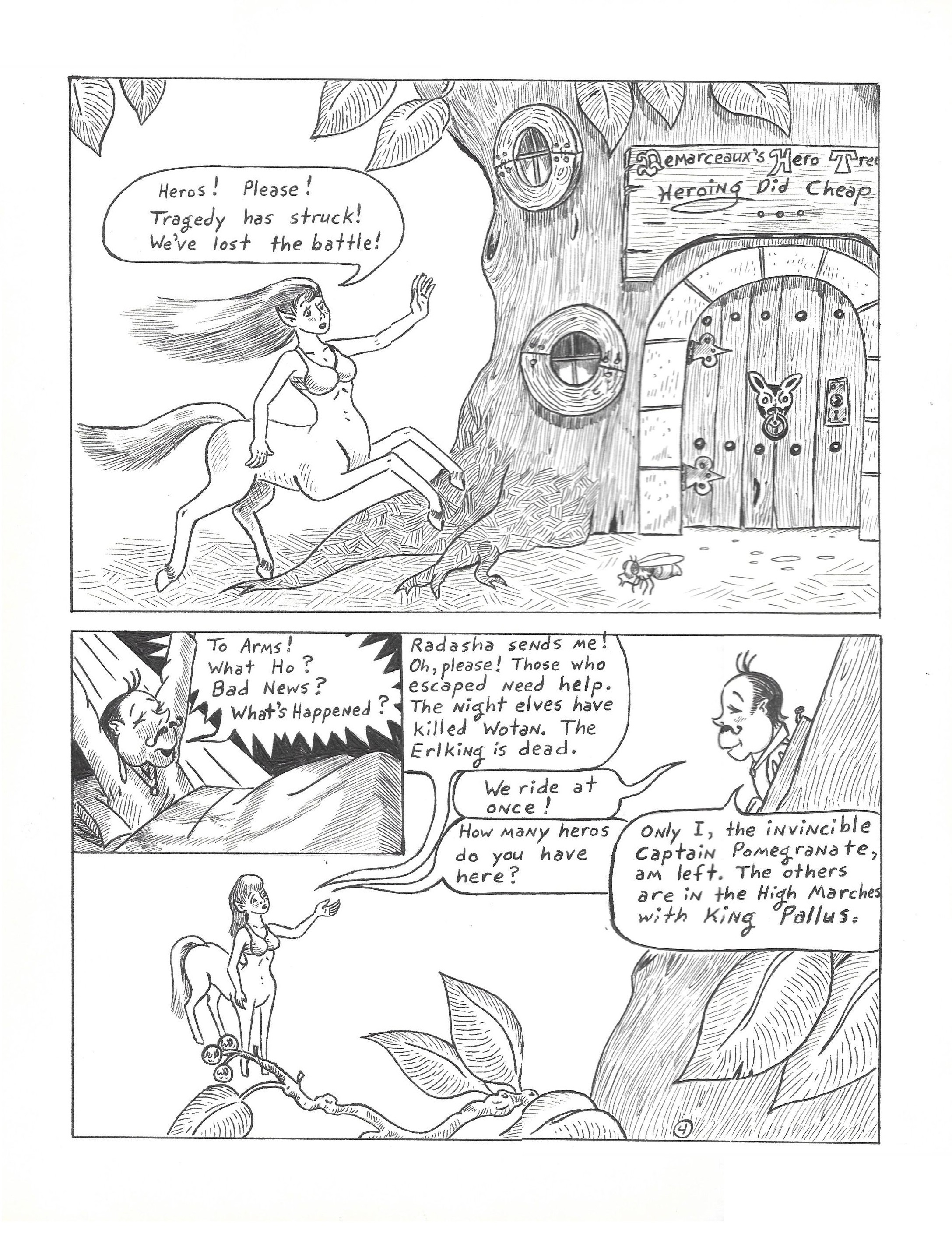
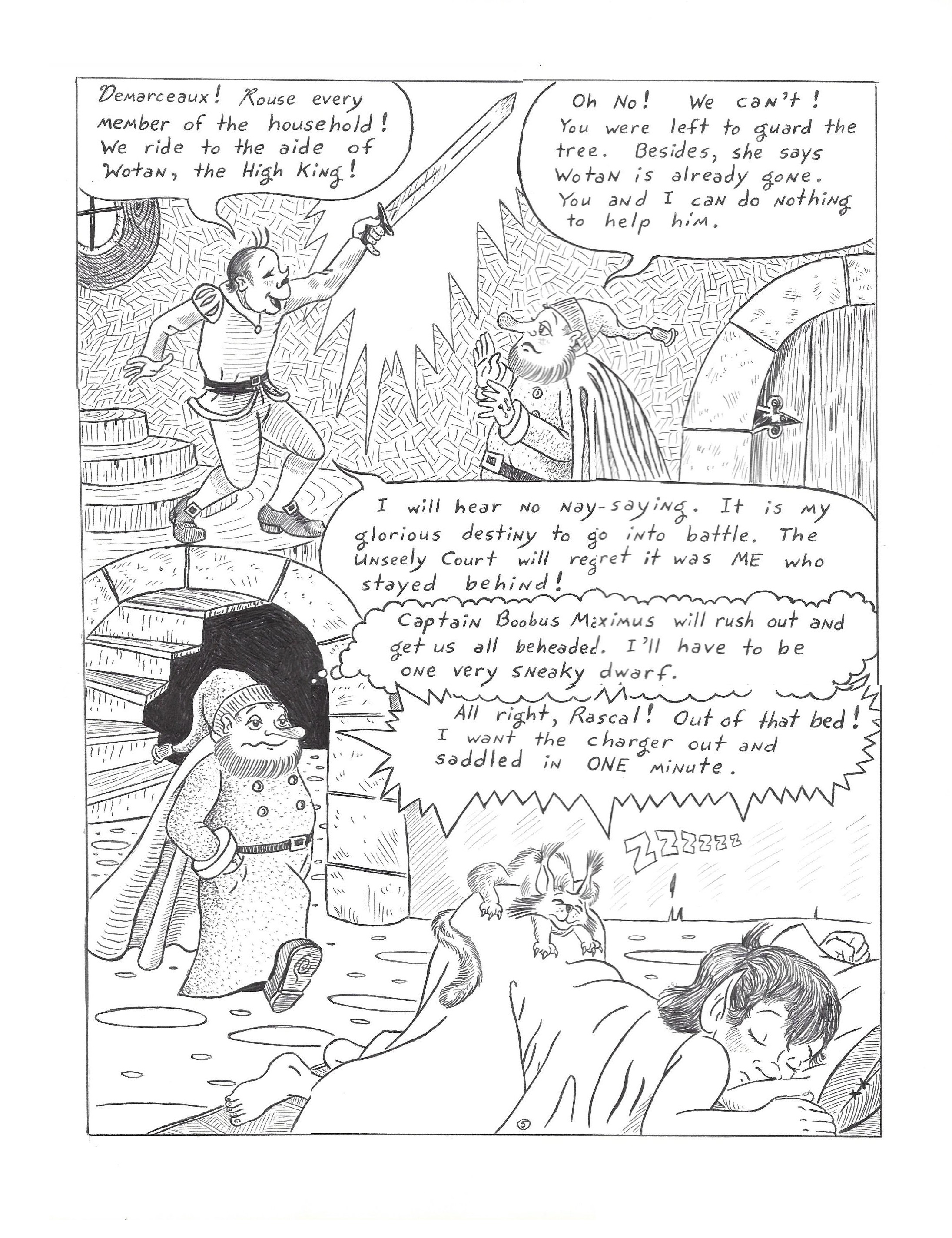
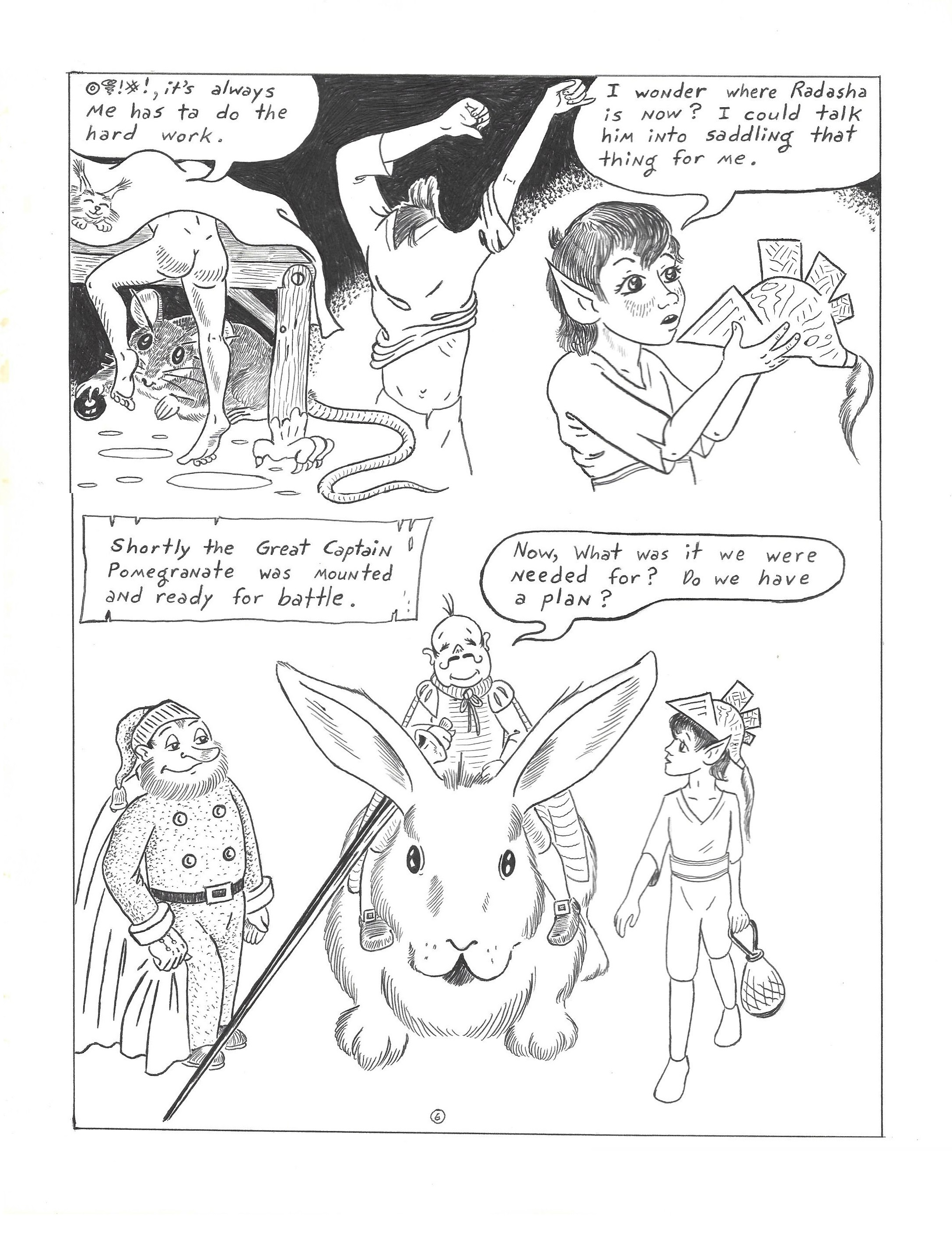
“Yes, I suppose that’s about the size of the problem,” I said. “I have been posting pages from my graphic novel, Hidden Kingdom, and I really haven’t seen more than one comment about it. Do people actually read cartoons and comics nowadays? Or is it just me that gets ignored?”
“You have to focus on how much you love drawing and doing it just for that reason, and nothing beyond that,” said the wise therapist. “Cartooning should be done for its own sake, and nothing more than that. Craving attention and approval for it can get seriously infected and become a bad case of cartoonititis. How do you think I dealt with it when I was still alive?”
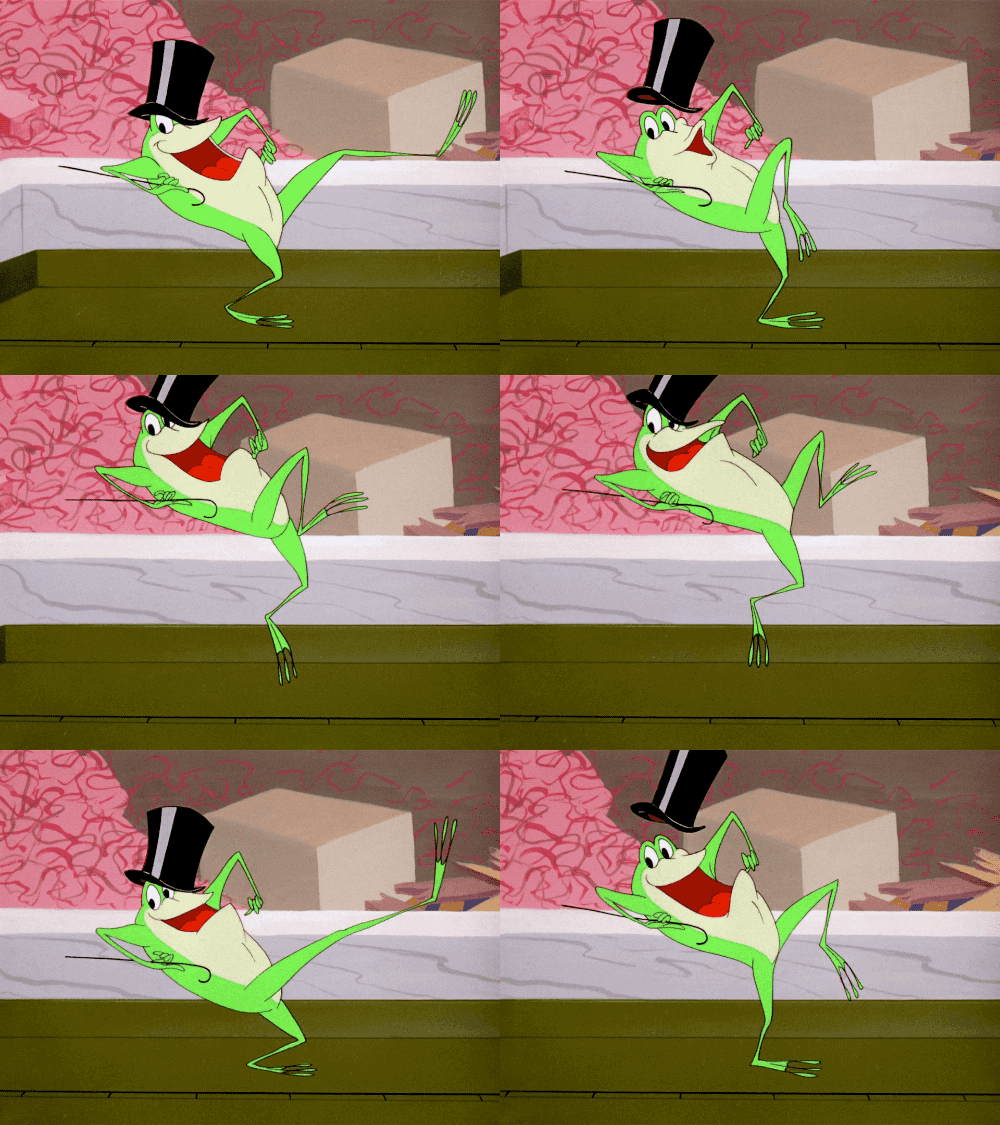
At that point, my eyes popped out of my head in disbelief and my lower jaw fell all the way to the floor. Could he really be…?
And so I must end today’s blog post since it is hard to keep typing when your eyeballs are rolling around on the floor.






 Catch a Falling Star
Winsor McCay
One work of comic strip art stands alone as having earned the artist, Winsor McCay, a full-fledged exhibition at the Metropolitan Museum of Art in New York City. Little Nemo in Slumberland is a one-of-a-kind achievement in fantasy art.
Winsor McCay lived from his birth in Michigan in 1869 to his finale in Brooklyn in 1934. In that time he created volumes full of his fine-art pages of full-page color newspaper cartoons, most in the four-color process.
As a boy, he pursued art from very early on, before he was twenty creating paintings turned into advertising and circus posters. He spent his early manhood doing amazingly detailed half-page political cartoons built around the editorials of Arthur Brisbane, He then became a staff artist for the Cincinnati Times Star Newspaper, illustrating fires, accidents, meetings, and notable events. He worked in the newspaper business with American artists like Winslow Homer and Frederick Remington who also developed their art skills through newspaper illustration. He moved into newspaper comics with numerous series strips that included Dreams of the Rarebit Fiend and Little Nemo in Slumberland. And he followed that massive amount of work up by becoming the “Father of the Animated Cartoon” with Gertie the Dinosaur, with whom he toured the US giving public performances as illustrated in the silent film below;
The truly amazing thing about his great volume of work was the intricate detail of every single panel and page. It represents a fantastic amount of work hours poured into the creation of art with an intense love of drawing. You can see in the many pages of Little Nemo how great he was as a draftsman, doing architectural renderings that rivaled any gifted architect. His fantasy artwork rendered the totally unbelievable and the creatively absurd in ways that made them completely believable.
I bought my copy of Nostalgia Press’s Little Nemo collection in the middle 70’s and have studied it more than the Bible in the intervening years. Winsor McCay taught me many art tricks and design flourishes that I still copy and steal to this very day.
No amount of negative criticism could ever change my faith in the talents of McCay. But since I have never seen a harsh word written against him, I have to think that problem will never come up.
My only regret is that the wonders of Winsor McCay, being over a hundred years old, will not be appreciated by a more modern generation to whom these glorious cartoon artworks are not generally available.
2 Comments
Filed under art my Grandpa loved, artists I admire, artwork, book review, cartoon review, cartoons, comic strips, commentary
Tagged as Little Nemo in Slumberland, Winsor McCay