Category Archives: book review

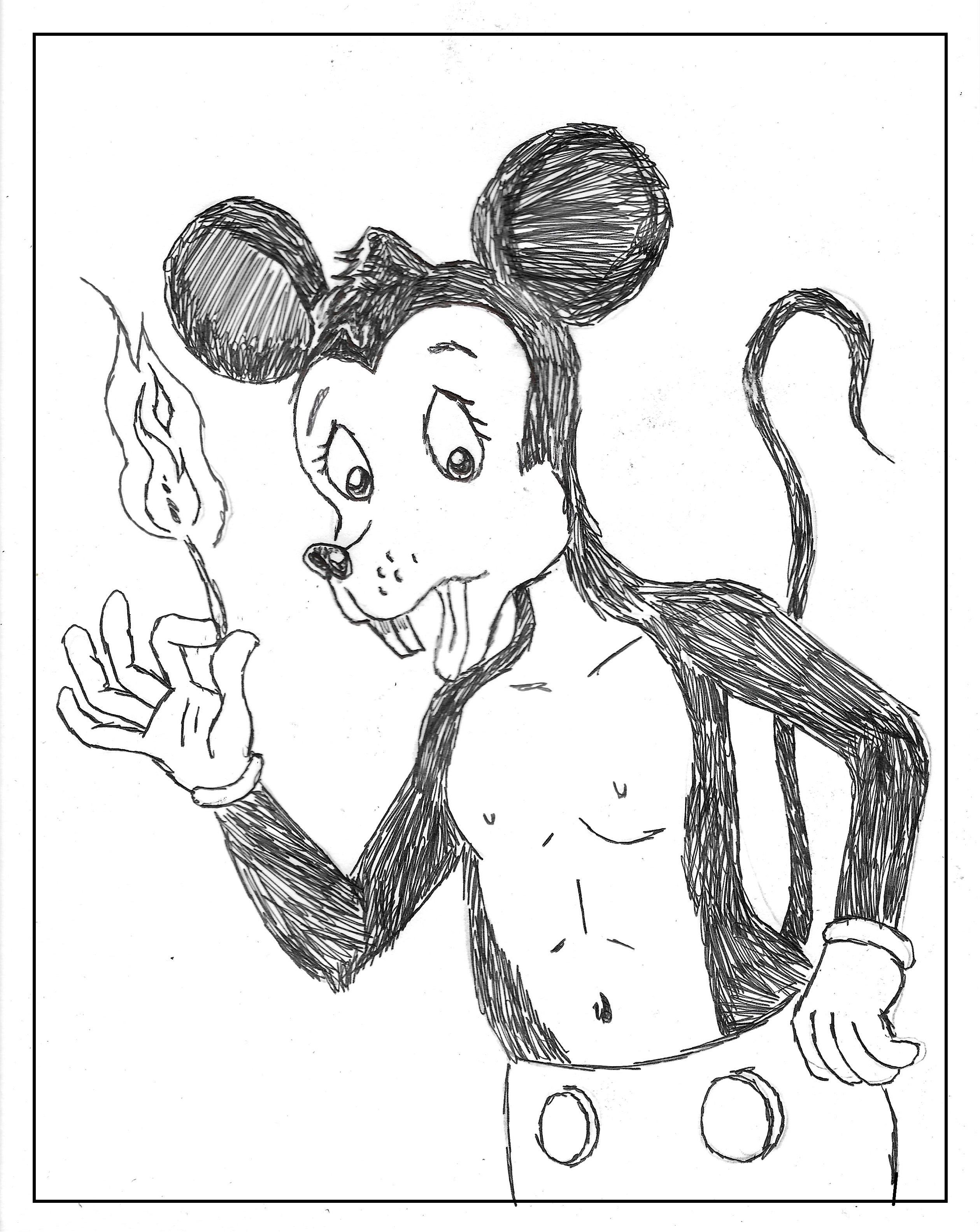
Bad, Bad Mickey

My writing has generated some bad reviews of late. Things I am not sure have very much validity, but are a part of public opinion you have to learn to live with. I recognize as an experienced public school teacher, there are always going to be people who automatically hate you for no reason, and will be motivated enough to find a reason, and even get you fired if they can.

The critics are not going to get me fired in this case, since I am a retired school teacher and no longer teaching. And I live on a pension, not the money I make on my novels (currently between $2.50 and $5.00 a month) so getting them banned from Amazon has no financial consequences.
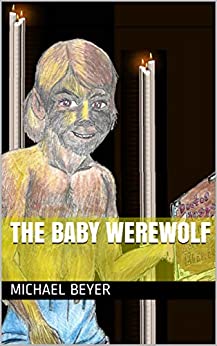
My book The Baby Werewolf got a two-star review from a lady who claimed to have worked in publishing and editing. She said she hated to give a bad review, but my book was so unprofessional and bad that she had no choice but to recommend that nobody else ever reads it. She said it had too much telling rather than showing, an unprofessional cover, and a story that doesn’t have a coherent plot.

But she also says that my book, a horror comedy, is too creepy. And she qualifies that in that she thinks it’s creepy in ways that a horror story shouldn’t be creepy. She objects to humor involving Sherry Cobble, the nudist character. She says that she has no problem with the idea of nudism, just the way I use it.

So, I think, what it boils down to is she is not so much shaming the novel for being a bad novel, but she is saying that I, as the author, am either too stupid to effectively write a novel like this, or that I am a bad person with evil motives for writing a novel like this. So, she got me! Curses! Foiled again!

I do take note of the fact that this novel has also gotten glowing reviews from some other readers. So, I guess my evil plan worked on them. Whatever that evil plan was supposed to gain me, it must be working more often than it is foiled.
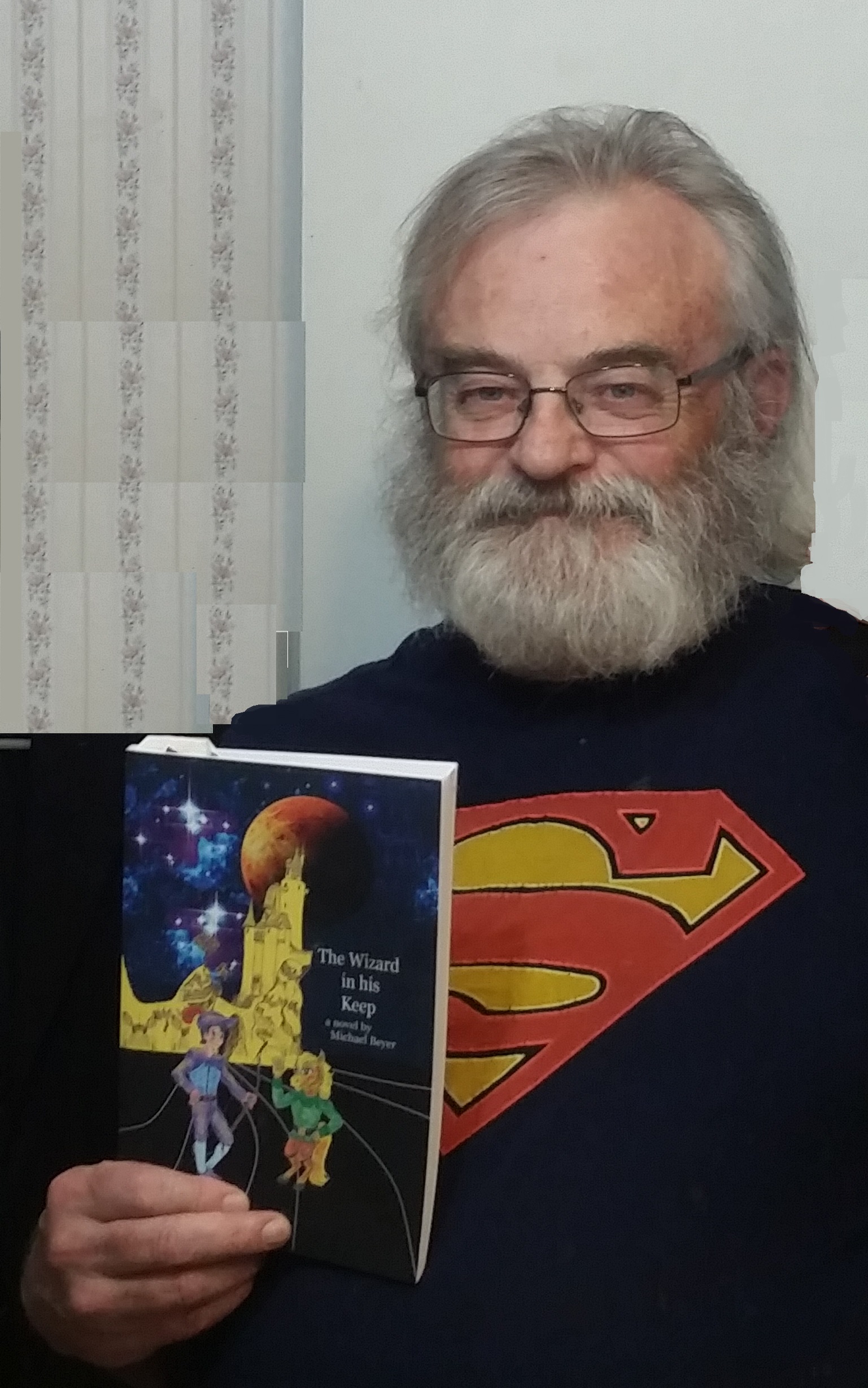
That happened again this week with my novel The Wizard in His Keep. It is due to get a two-star review via Pubby review exchange. I don’t know what the reviewer has found so offensive and wrong about my book, but it must be pretty serious in that Amazon has not yet approved that review after almost a week.

I have a fair amount of confidence as a writer. I have written things that won awards from editors. I have made the final round of judging in a novel-writing contest twice in the last decade. Whatever bad thing they are going to throw at me next, I can take it. There are no writers, even the great ones, that don’t get at least some unfair criticism. It can really hurt when the bad review is one of only eight total reviews. And bad reviews can make me depressed. But, I promise it won’t kill me.
Leave a comment

Filed under book review, horror writing, humor, novel writing, Paffooney

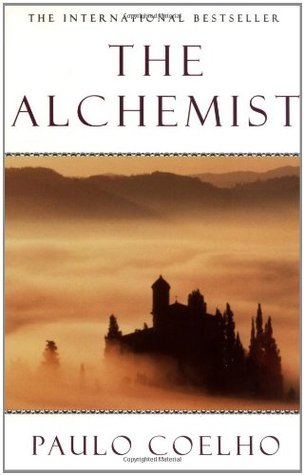
The Alchemist by Paulo Coelho

71000

Some books come along telling a story that has to be taken seriously in ways that don’t make sense in any normal way.  The Alchemist is one of those books.

What is an alchemist, after all?

An alchemist uses the medieval forms of the art of chemistry to transmute things, one thing becoming another thing.

Coelho in this book is himself an alchemist of ideas.  He uses this book to transmute one idea into another until he digs deep enough into the pile of ideas to finally transmute words into wisdom.

There is a great deal of wisdom in this book, and I can actually share some of it here without spoiling the story.

Here are a few gemstones of wisdom from the Alchemist’s treasure chest;

“It’s the possibility of having a dream come true that makes life interesting…” (p.13)

“It’s the simple things in life that are the most extraordinary; only wise men are able to understand them.” (p.17)

“All things are one.  And, when you want something, all the universe conspires in helping you to achieve it.”  (p.24)

“And when he had gone only a short distance, he realized that, while they were erecting the stall, one of them had spoken Arabic and the other Spanish.    And they had understood each other perfectly well.  There must be a language that doesn’t depend on words, the boy thought.” (p.45)

All of these quotes from the book, as you can see, come from the first third of the book.  There are many more treasures to be found in this book.  I should not share them with you here.  Just as the main character of the story learns, you have to do the work for yourself.  But this book is not only an enjoyable read, but a map for how you can execute your own journey towards your “Personal Legend”.  In fact, you may find that the book tells you not only how to go about making a dream come true, but, if you are already on that journey successfully, it tells you what things you are already doing right.

Leave a comment

Filed under book reports, book review, commentary, good books, magic, strange and wonderful ideas about life, wisdom, wizards

The Surprise of Sudden Glowing Reviews

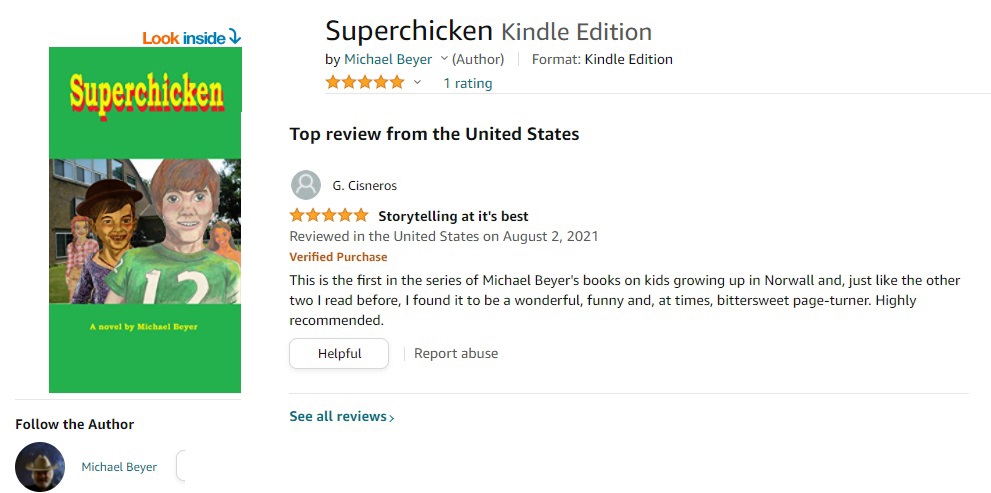
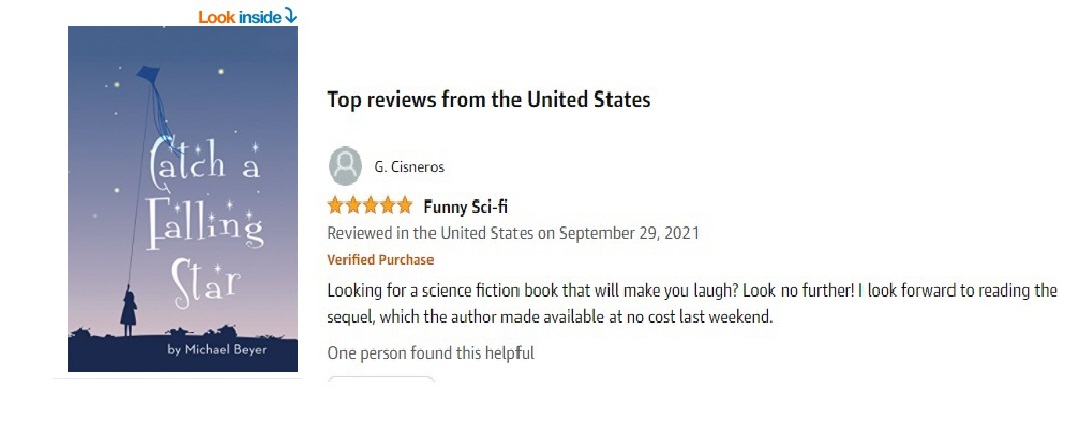
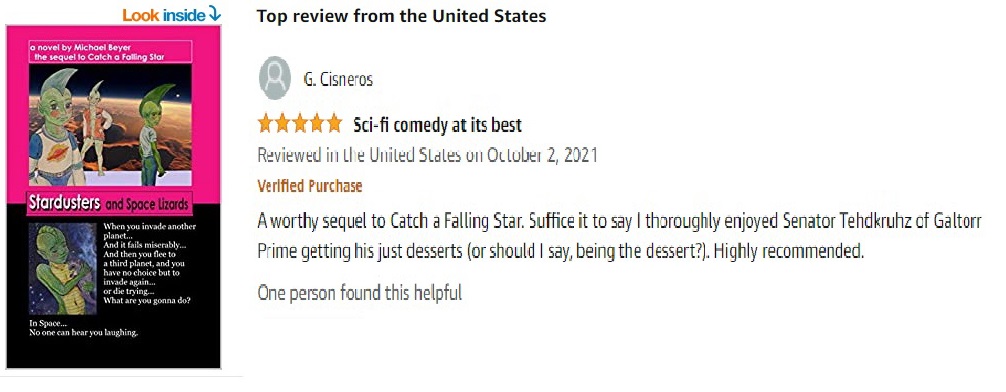
I returned from my trip to Iowa to attend my mother’s funeral to find a Twitter friend has given me a few glowing reviews on books I was not expecting to earn any reviews at all with.

Gerardo Cisneros is a nudist from Twitter who not only reads and enjoys my nudist-related stories, but my other books, including YA novels as well.

Gerardo Cisneros-S.@gcs_nudista Nudist since 1996, founding and former Board Member of the Federación Nudista de México, A.C.; AANR member since 2000. #NormalisingNaturism#NormalizingNaturism

He retweets my Twitter blatherings and promotions and does a lot to help promote my work. The review on Catch a Falling Star was really unexpected. That book, still under contract with I-Universe, is over-priced even in e-book form. Gerardo does a better job of promoting my work than the I-Universe publicists that I had to pay for their work ever did.

Amazingly he even read these two books in their proper sequence, a thing no one else has ever done despite a few of my books having sequels and companion books.

He even read and reviewed the messy first novel I ever completed while still being a teacher in deep South Texas.

Horatio T. Dogg, Super Sleuth is the novella I most recently published.

I write novels because it allows me to deal with the deepest, darkest things in my life. I have trauma as a sexual assault victim from my childhood. I have lost loved ones. I have been a long-time teacher of middle-school-aged kids. Some of whom I grew to love deeply with only the most proper of teacher-child connections possible. I have lost some kids that I loved to violence, accidents, suicide, and one to AIDS. I have been on the dark doorstep of suicidal thoughts more than once myself. I have been broke and broken and bankrupt and mortified. And all of that makes me write novels with humor, imagination, poignance, and love. I have labored hard to turn darkness into light.

And it all becomes worth it when I connect with a reader and give them something of myself that brings a smile to their face. Or a truly heartfelt tear to their eye, because that can be a beautiful, artful thing too.

Gerardo CIsneros, Ted Bun, and other Twitter nudists have done more to fulfill my purpose in life than even my other literary Twitter friends and publishing acquaintances. I am blessed with wonderful readers.

https://www.amazon.com/Michael-Beyer/e/B00DL1X14C/ref=dp_byline_cont_pop_ebooks_1

2 Comments

Filed under book review, humor, novel, novel writing, Paffooney

In Praise of Louis L’Amour

L'AmourBantam50Aniv

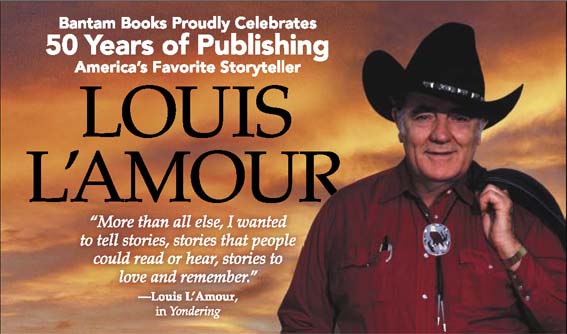
This man was my Grandpa Aldrich’s favorite author.  Grandpa had ridden the range in the Dakotas in the 1920’s and early 30’s.  He was basically an Iowa farmer for his whole life, but he rode horseback on the plains just long enough to become addicted vicariously to the life L’Amour so vividly describes in his many western novels.

Grandpa read every Louis L’Amour book the Rowan library had.  He read a few more besides.  And I have no idea how many he read twice, three times, or more.  For the last decade of his life, he did very little sleeping, being used to two hours of actual sleep a night, and spending the rest of the time reading westerns while he rested.

This reading addiction is not only one that I understand, but share.  I, too, love the westerns, the heroes, the manly and poetic prose, and the sheer story-telling ability of Louis L’Amour.  I have not yet read every single book he wrote while he was alive.  But I am working on it.

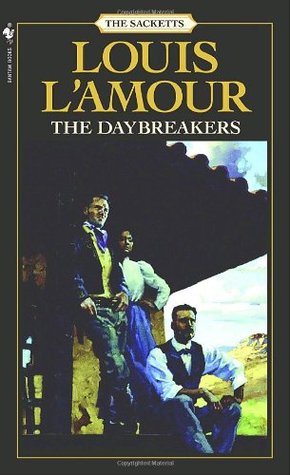
Recently I reread the book The Daybreakers, a critical cog in the story-cycle of the Sackett family.  Here is my review from Goodreads of the third time I read this book.

Goodreads

882053
The Daybreakers 
by

5951153

Michael Beyer‘s review

Jul 01, 2018  ·  edit
it was amazing


This book is as much a hero’s journey as Star Wars. In some ways it is more complex. And in many ways it is a better story.
Louis L’Amour is a master storyteller. He created the narrator hero, Tyrel Sackett, as a young Luke Skywalker. His natural Force abilities are those qualities which make him a competent Westerner and a powerful gunfighter. His brother Orrin Sackett takes the Han Solo role from rogue pilot to New Mexico Sheriff and eventual congressman. Jonathan Pritts is the evil Emperor. He wants to take over the Mexican land grant belonging to the Alvarado family (Princess Leiah’s family on Alderaan). (Drusilla Alvarado is the Princess Leiah character). Ironically, Tom Sunday is a reverse Darth Vader. He befriends Tye, teaches him to read and how to be a good cattleman. And then he later turns on the Sackett family because of a wrong he feels from Orrin. The confrontation between Tye and his dark-side father figure is inevitable.
The writer abilities I see in the author deserve a much more detailed analysis than I can write here, but I loved this great American novel and strongly recommend it.

We have lost Louis L’Amour.  He will never write another book.  Which gives me a chance to read everything he wrote.  But he writes so well, and is such an important part of American literature, that is only the smallest of consolations.

4 Comments

Filed under art my Grandpa loved, artists I admire, book reports, book review, cowboys, good books

The Rules for Reviews

I just got the first review for the last book I’ve published. Cissy Moonskipper’s Travels, book #20, a science fiction novella, has actually been read and evaluated by somebody who wasn’t me. I am tickled blue to get a good review. I don’t see any reason mentioned why it was given four stars and not five. But four is a good review, and I am not totally convinced that I am the second coming of Saul Bellow… not totally convinced. Maybe I shouldn’t be arbitrarily lumped into the same star-category as Faulkner and Hemingway, F. Scott Fitzgerald and Mark Twain. But I have noticed that a lot of not-so-great reviews are heavily influenced in their judgements by whatever the first reviewer said, and the number of stars they bedazzled me with.

As an Indie author with self-published books, I realize the importance of having people read and respond to your books. Especially when you can’t get a beta-reader you know to look at a manuscript before publication. My sisters don’t read my novels even after I publish them (and give them a gift copy and ask them specifically to read them.) And my wife is a fellow English teacher, so she wants to dissolve the book conversations into arguments about spelling and usage and points where my ideas diverge from her fundamentalist religious beliefs. So, I rely on strangers, some of them apparently semi-literate but highly opinionated, to tell me how they received my books. My source of validation for what I spend so much time doing is dependent wholly upon Amazon, Goodreads, and Pubby reviews. (Pubby is an authors’ review exchange where I earn reviews from other authors in return for my own books being reviewed by them through giving them the best reviews I can muster on their sometimes brilliant but often awful works of literature.)

It is all a matter of opinions. I give them my onions. They give me theirs. And, no, that isn’t a spelling or word-choice error in spite of what my wife probably is going to tell you when she tracks you down for reading this article.

The thing about putting Onions in the stew of reviews, is the way they can easily overpower the entire flavor. You must have a recipe, rules for the use of Onions in the stew.

I honestly don’t expect every reviewer to follow the recipe I use. That’s why I offer these rules only as a guide to how I do a book review.

Rule #1

I always look to give the book the best possible rating I can justify giving it. Therefore, there will always be a reason or multiple reasons given for how I rate the book.

Rule #2

Spelling errors or other minor proofreading or editing errors don’t lower the rating unless they make critical parts or lines in the book incomprehensible. (A five-star book may have such errors noted in the review even if it is otherwise perfect.)

Rule #3

I will not reveal important plot points or cause any spoilers to appear in the review, though I will talk about character-creation, world-building, inconsistencies of plot or character development, or other factors the author got wrong which mess up reader comprehension or basic interest in the story.

Rule #4

Comments are limited to praise or constructive criticisms. I have no wish to ruin the author’s perception of himself or herself even if they are literally a bad writer. Books too foul to do that with, I simply do not review. (And, unfortunately some of those do exist.)

I wish every “honest” reviewer would use these same rules. But they don’t. One Pubby reviewer reviewed my book Recipes for Gingerbread Children, a book about an old German woman who survived the Holocaust and dealt with it by telling fairy stories to children in Iowa in the 1970’s, and said about it, “This book has some really great recipes.”

The bum earned points for a five-star review on a book he not only didn’t read, he didn’t even look at the description on the Amazon page he had to go to to leave a review. Amazon has since removed that review.

  • Here’s what a good fiction book has to do to get a five-star review from me;
  • The lead sentences and paragraphs need to grab my attention, and hold it by telling me who this story is about, what they want or are pursuing, and what they fear most will halt them or harm them.
  • The characters have to be well-developed. I must like them even if they are bad people in some ways, and it is up to the author to make me like them.
  • The story must be well-paced, moving me forward through it because I want to read it, not because I have to read it. Surprises that make sense help. But the story can’t become boring.
  • The ending must be satisfying in some way. It can leave me hanging, but there has to be an identifiable conclusion. The book needs to feel like it has reached an end.

The reality behind all this blathering about rules I will never get all reviewers to adhere to is that I, as a retired English teacher, am not only a teacher, I am a writing teacher. I will be one even after I die and become a ghost writer. So, deal with it.

Leave a comment

Filed under book review, humor, Paffooney, strange and wonderful ideas about life, writing teacher

The Alchemist by Paulo Coelho

71000

Some books come along telling a story that has to be taken seriously in ways that don’t make sense in any normal way.  The Alchemist is one of those books.

What is an alchemist, after all?

An alchemist uses the medieval forms of the art of chemistry to transmute things, one thing becoming another thing.

Coelho in this book is himself an alchemist of ideas.  He uses this book to transmute one idea into another until he digs deep enough into the pile of ideas to finally transmute words into wisdom.

There is a great deal of wisdom in this book, and I can actually share some of it here without spoiling the story.

Here are a few gemstones of wisdom from the Alchemist’s treasure chest;

“It’s the possibility of having a dream come true that makes life interesting…” (p.13)

“It’s the simple things in life that are the most extraordinary; only wise men are able to understand them.” (p.17)

“All things are one.  And, when you want something, all the universe conspires in helping you to achieve it.”  (p.24)

“And when he had gone only a short distance, he realized that, while they were erecting the stall, one of them had spoken Arabic and the other Spanish.    And they had understood each other perfectly well.  There must be a language that doesn’t depend on words, the boy thought.” (p.45)

All of these quotes from the book, as you can see, come from the first third of the book.  There are many more treasures to be found in this book.  I should not share them with you here.  Just as the main character of the story learns, you have to do the work for yourself.  But this book is not only an enjoyable read, but a map for how you can execute your own journey towards your “Personal Legend”.  In fact, you may find that the book tells you not only how to go about making a dream come true, but, if you are already on that journey successfully, it tells you what things you are already doing right.

1 Comment

Filed under book reports, book review, commentary, good books, magic, strange and wonderful ideas about life, wisdom, wizards

Father’s Violin (a Pubby review)

One of the most important functions of the Pubby review exchange and other similar review groups is to give some readership to new and deserving books. Especially now during this time of self-published books by the millions, we need to have a way to winnow out the wheat from the chaff. And believe me, there is a lot of chaff out there. (I know that I have warned you before that if I say, “Believe me” in an essay, I am probably lying. But I have read and can testify to some horribly bad and stunningly terrible works of fiction out there. And some of those authors believe their horrible stories are actually great works of art.) And in the Indie Book Industry now, there is a dire need for gate-keeping. Particularly, there is a dire need for someone to identify the good books hidden in the piles of the… um, other stuff.

Father’s Violin is an excellent book needing to be discovered by the reading world. It is a young adult novel that, having worked with young readers for most of four decades, I can guarantee you will appeal to the more intelligent and empathetic readers among them. There is an About the Book section at the end that specifically ties the events of the book to factual accounts of events in Berlin during and immediately after World War II.

Here’s the actual review I posted on Goodreads and Amazon for Pubby;

This is a very moving piece of Young Adult literature. It does make me a little uncomfortable by using a narrative done entirely in the present tense even though it uses numerous flashbacks, but it does a masterful job of painting a picture for the reader of the tragic lives led by orphans in the aftermath of World War II Germany. The setting is well-researched and brings out accurate details like the Nazis’ kidnapping of Aryan-looking children to be raised as future Nazis. But the thing that won my heart was the scene where Hertz plays Pachelbel’s Canon in D Major in the ruined theater on his father’s violin. This is masterful storytelling with vivid characters that you have to root for even when they are forced to experience terrible things. A really great book. You must read it.

Leave a comment

Filed under book review, Uncategorized

Pubby Reviews

I know that today is supposed to be about novel writing. But once the book is published, the author has to promote it in hopes that it gets read, especially by literate people. Pubby is a review-exchange service that allows you to review other authors’ works in exchange for points that you can then spend on getting books reviewed by other Pubby-participating authors. Sometimes the result is not so good. There are authors out there who really need to go school more before publishing their vanity projects. And some may be capable writers who are really terrible reviewers. But it can also work well. https://app.pubby.co/

Here is an example of a review I did for Pubby and posted both on Goodreads and Amazon;

The Epic Book of World War II Heroes

by Chili Mac Books I really liked it, 4 of 5 stars

This is a well-researched and very entertaining book. The narrator has a voice that seems very authentic and soldier-like. I would give it five stars except for the fact that it needs some serious editing. The author warns us from the start that the language could seem crude, but that is part of being authentic. It is the grammatical errors, confusion of pronouns and their antecedents, incorrect word choice, and metaphors that run too long that make the book hard to understand at key moments in the action. A good editor could turn this book into an excellent high-interest book for middle-school students, especially boys who are otherwise reluctant readers.

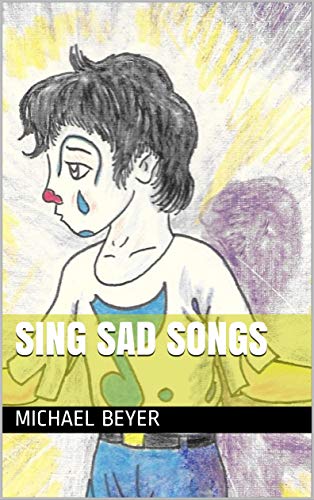
So, here is the review I got for Sing Sad Songs with the points I had earned for my reviews. SS1967 apparently uses a number instead of his/her real name.

Top reviews from the United States (Amazon)

SS19675.0 out of 5 stars Beautiful Narrative on The Power of Being Unafraid to Feel Your Emotions, Even the Difficult Ones

Reviewed in the United States on May 28, 2021Verified Purchase

Sing Sad Songs, despite the sad narrative elements, is really a book about the celebration of feeling your emotions. It’s about discovering the freedom, and love that is waiting on the other of feeling difficult emotions, despite how hard it might be. The main character, comes from a past of true tragedy, and loss. In order to navigate the emotional waters in front of him, he transmutes his feelings into songs expressing the specific emotions he encounters. It is these songs that not only help pave the way to a new life for him, but help him find resolution within himself about his past, and how he wants to live his life.

The pros are very descriptive, and the story almost reads like a song itself in how it meanders, and explores moods in different settings. A beautiful book for parents unafraid of exploring the reality of difficult emotions with their kids.

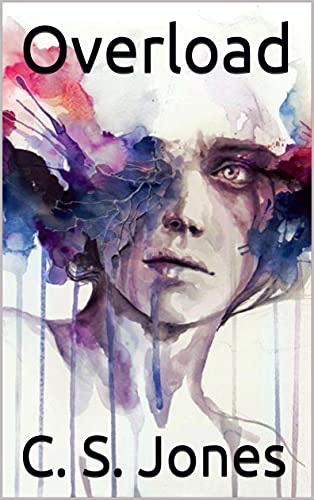
Here’s another Pubby review I did on a very short novella, or possibly even short story by C.S. Jones, Overload

Michael Beyer5.0 out of 5 stars Wow!

Reviewed in the United States on May 27, 2021Verified Purchase

This short story is like a punch in the gut. It hits hard with considerable force. The author’s command of detail, carefully crafted paragraphs so well done they come across as effortless, and well-built psychological tension all give this short story a power that is rare even among great works of literature. There is a stark realism to this story that suggests either extensive research or personal experience. I am impressed. I recommend.

This review was on Amazon only because, apparently, Goodreads doesn’t allow short stories to count as books, while Amazon allows scads of them.

Here’s the second most recent review from a Pubby reviewer, this time on my novel, The Baby Werewolf. Laura uses her first name only on her reviews.

Laura5.0 out of 5 stars succeeds on multiple levels

Reviewed in the United States on May 24, 2021Verified Purchase

I really liked this strange little novel. It is a very fast read, but also layered so it would be as good the second time through as the first. There’s an entertaining mix of reality, fantasy and the often off-kilter perspective of an inexperienced teen. The writing is well edited and proofed, the pacing is tight and effective, and the characters endearing.

This review of Pubby and how it is working for me really focusses on the positives. There are negatives too. You have only 4 days to review a book. And we are not all speed readers. Some reviews are done only on the first half of the book And some reviewers don’t read the book at all. They fake a review based on the prior-existing reviews. Some can’t even do that well. The verified purchase notation on the review means you had to pay $1 to $5 for the Kindle e-book. That, over time, makes for loads of expense to the reviewer. And you don’t make back what you put into that. Verified Purchase reviews count more than regular responses. If you get a bad one, it hurts your average even more than a good one helps it.

All in all, I have enjoyed participating in Pubby. But it is work. And it is definitely expensive in time, effort, and money.

Leave a comment

Filed under book reports, book review

H.P. Lovecraft, The Master of Madness

20150904_141036

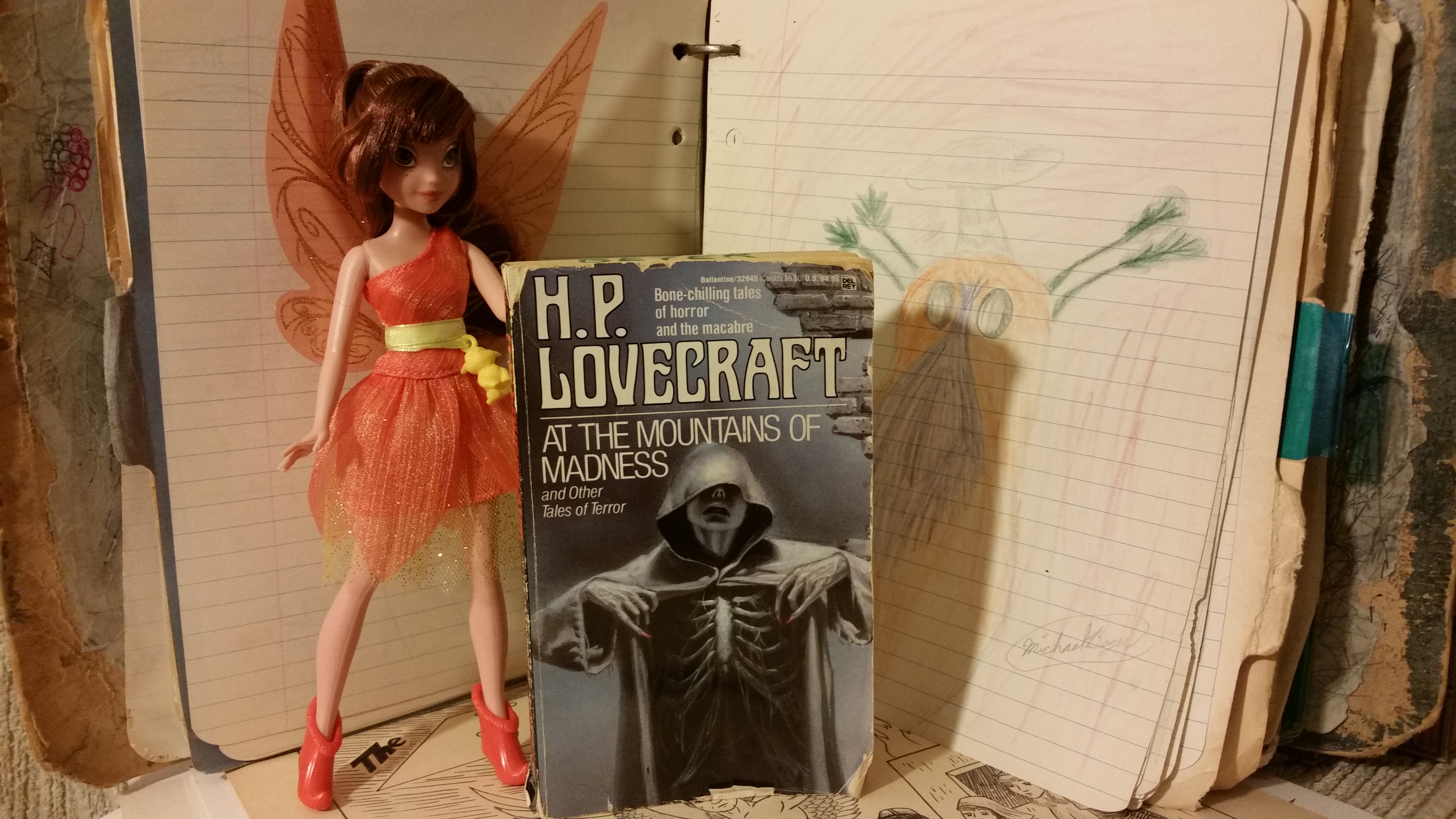
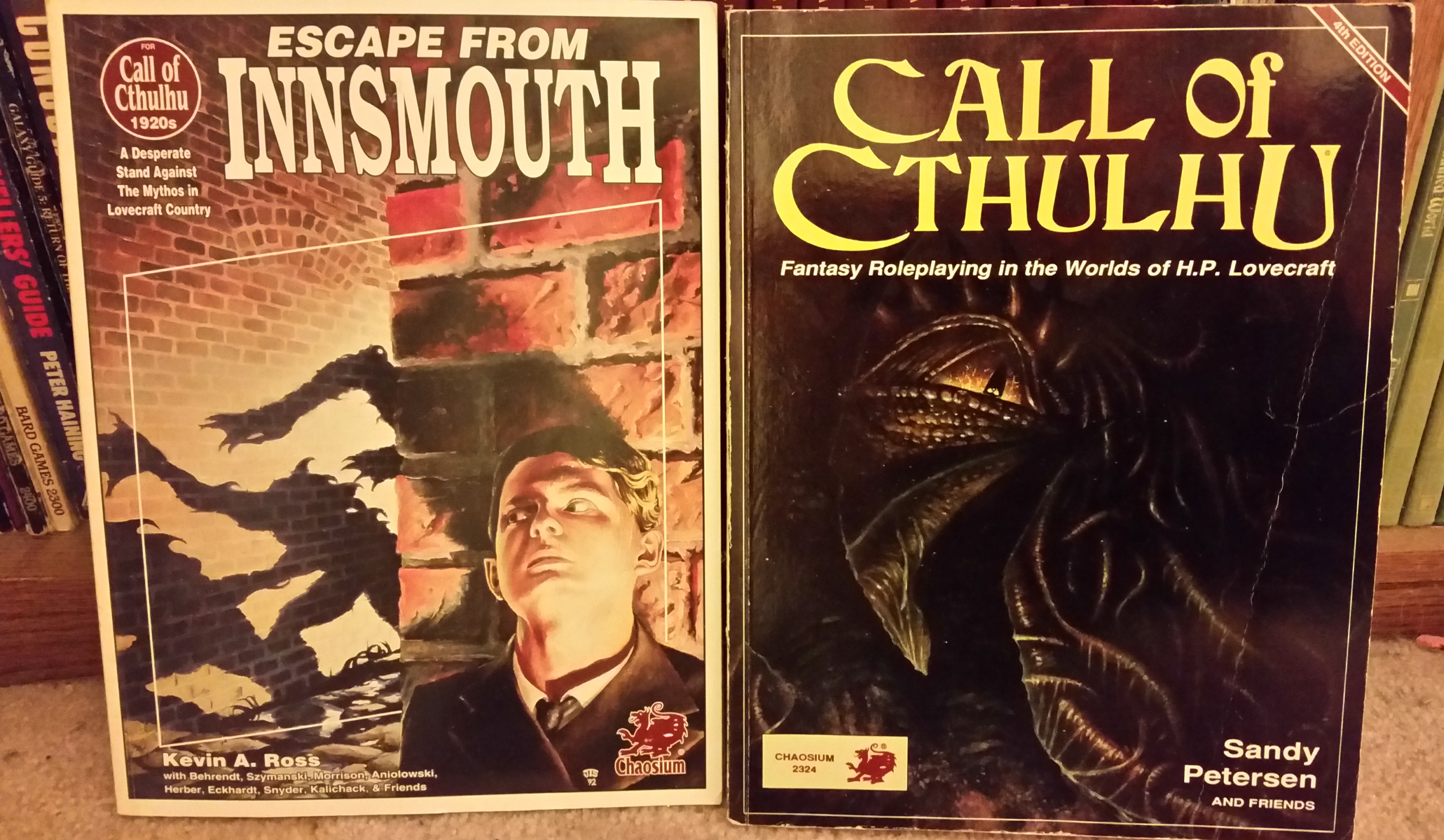
When I was but a young teacher, unmarried, and using what free time I had to play role-playing games like Dungeons & Dragons and Traveller with students and former students and fatherless boys, I came across a game that really creeped me out.  And it was quite popular with the kids who relied on me to fill their Saturday afternoons with adventure.  It led me on a journey through the darkness to find a fascination with the gruesome, the macabre, and the monstrous.  The Call of Cthulhu game brought me to the doorsteps of Miskatonic University and the perilous portals of the infected fishing village of Innsmouth.  It introduced me to the nightmare world of Howard Phillips Lovecraft.

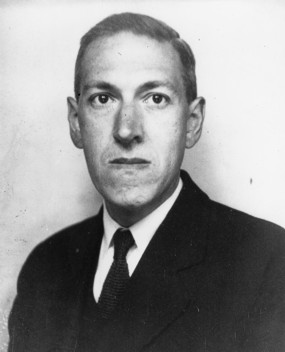
“H. P. Lovecraft, June 1934” by Lucius B. Truesdell

20150904_135636

Old H.P. is as fascinating a character as any of the people who inhabit his deeply disturbing horror tales.  He was a loner and a “nightbird” but with little social contact in the real world.  He lived a reclusive life that included a rather unsuccessful “contract” marriage to an older woman and supporting himself mostly by burning through his modest inheritance.  As a writer, he got his start by so irritating pulp fiction publishers with his letters-page rants that he was challenged to write something for a contest article, and won a job as a regular contributor to “Weird Tales” pulp magazine.  He was so good that he was offered the editorship of the magazine, but true to form, he turned it down.  He resembled most the dreamer characters who accessed the Dreamlands in various ways, but let their mortal lives wither as they explored unknown continents in the Dreamlands and the Mountains of the Moon.  He created a detailed mythos in his stories about Cthulhu and Deep Ones and the Elder Gods.  He died a pauper, well before his stories received the acclaim they have today.

I have to say that I was so enamored of his stories that I had to read them as fast as I could acquire them from bookstores and libraries all over Texas.  My favorites include, The Shadow Over Innsmouth, The Dunwich Horror, and At the Mountains of Madness.  But reading these stories lost me hour upon hour of sleep, and developed in me a habit of sleeping with the lights on.  In Lovecraft’s fiction, sins of your ancestors hang like thunderheads over your life, and we are punished for original sin.  A man’s fate can be determined before he is born, and events hurl him along towards his appointed doom.  H.P. makes you feel guilty about being alive, and he shakes you to the core with unease about the greater universe we live in, a cold, unfeeling universe that has no love for mankind, and offers no shelter from the horrors of what really goes on beyond the knowing of mortal men.

Loving the stories of H.P. Lovecraft is about deeper things than just loving a good scare.  If you are looking for that in a book, read something by Stephen King.  H.P. will twist the corners of your soul, and make you think deep thoughts to keep your head above water in deep pools of insanity.  I know some of his books belong in yesterday’s post, but we are not talking about happy craziness today.  This is the insanity of catharsis and redemption.

Leave a comment

Filed under book review, humor, photo paffoonies

Books You Should Read If You Desire To Go Happily Insane

1974981_807219529309043_6970781313752455000_n

Yesterday I wrote a post about religion that revealed my lack of connection to organized religion (I am still in recovery from fifteen years of trying to be a good Jehovah’s Witness) and my deep connections to God and the Universe and That Which Is Essential.  I feel that it is good evidence for the theory that being too smart, too genius-level know-it-all goofy, is only a step away from sitting in the corner of the asylum with a smile and communicating constantly with Unknown Kadath in his lair in the Mountains of Madness  (a literary allusion to H.P. Lovecraft’s world).  And today I saw a list on Facebook pompously called “100 Books You Should Read If You’re Smart”.  I disagree wholeheartedly with many of the books on that list, and I have actually read about 80 per cent of them.  So it started me thinking… (never a good thing)… about what books I read that led to my current state of being happily mentally ill and beyond the reach of sanity.

2657To Kill a Mockingbird, by Harper Lee is the first book on my list.  The Facebook list had no reasons why to argue with, so here are my reasons why.  This book is written from the innocent and intelligent perspective of a little girl, Scout Finch.  It stars her hero father, Atticus Finch, a small-town southern lawyer who has to defend a black man from false charges of rape of a white woman.  This book makes clear what is good in people, like faith and hope and practicality… love of flowers, love of secrets, and the search for meaning in life.  It reveals the secrets of a secretive person like Boo Radley. It also makes clear what is bad in people, like racism, lying, mean-spirited manipulations, lust, and vengeance.  And it shows how the bad can win the day, yet still lose the war.  No intelligent reader who cares about what it means to be human can go without reading this book.

49628

Cloud Atlas, by David Mitchell is the second book on my list.  This is really not one book.  It is a complex puzzle-box of very different stories nested one inside the next and twisted together with common themes and intensely heroic and fallible characters.  Reading this book tears at the hinges between the self and others.  It reveals how our existence ripples and resonates through time and other lives.  It will do serious damage to your conviction that you know what’s what and how the world works.  It liberates you from the time you live in at the moment.

77203

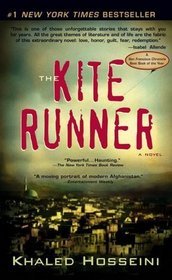
The Kite Runner, by Khaled Hosseini is the third book on the list.  This will give you an idea of how fragile people truly are, and how devastating a single moment of selfishness can be in a life among the horrors of political change and human lust and greed.  No amount of penance will ever be enough for the main character of this book to make up for what he did to his best and only friend… at least until he realizes that penance is not all there is… and that it is never too late to love.

19063

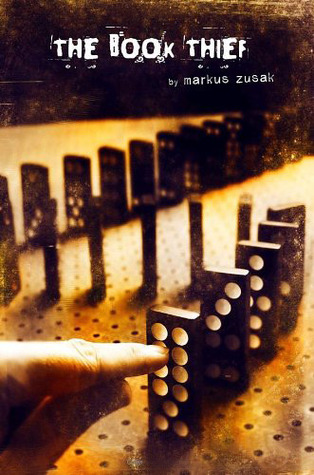
The Book Thief, by Markus Zusak is number four.  This book is about an orphan girl, the daughter of an executed communist, living in Nazi Germany in the early 1940’s.  It is a tear-jerker and an extremely hard book to read without learning to love to cry out loud.  Leisel Meminger is haunted by Death in the story.  In fact, Death loves her enough to be the narrator of the story.  It is a book about loving foster parents, finding the perfect boy, and losing him, discovering what it means to face evil and survive… until you no longer can survive… and then what you do after you don’t survive.  It is about how accordion music, being Jewish, and living among monsters can lead to a triumph of the spirit.

Of course, being as blissfully crazy as I am, I have more books on this list.  But being a bit lazy and already well past 500 words… I have to save the rest for another day.

Leave a comment

Filed under book reports, book review, humor