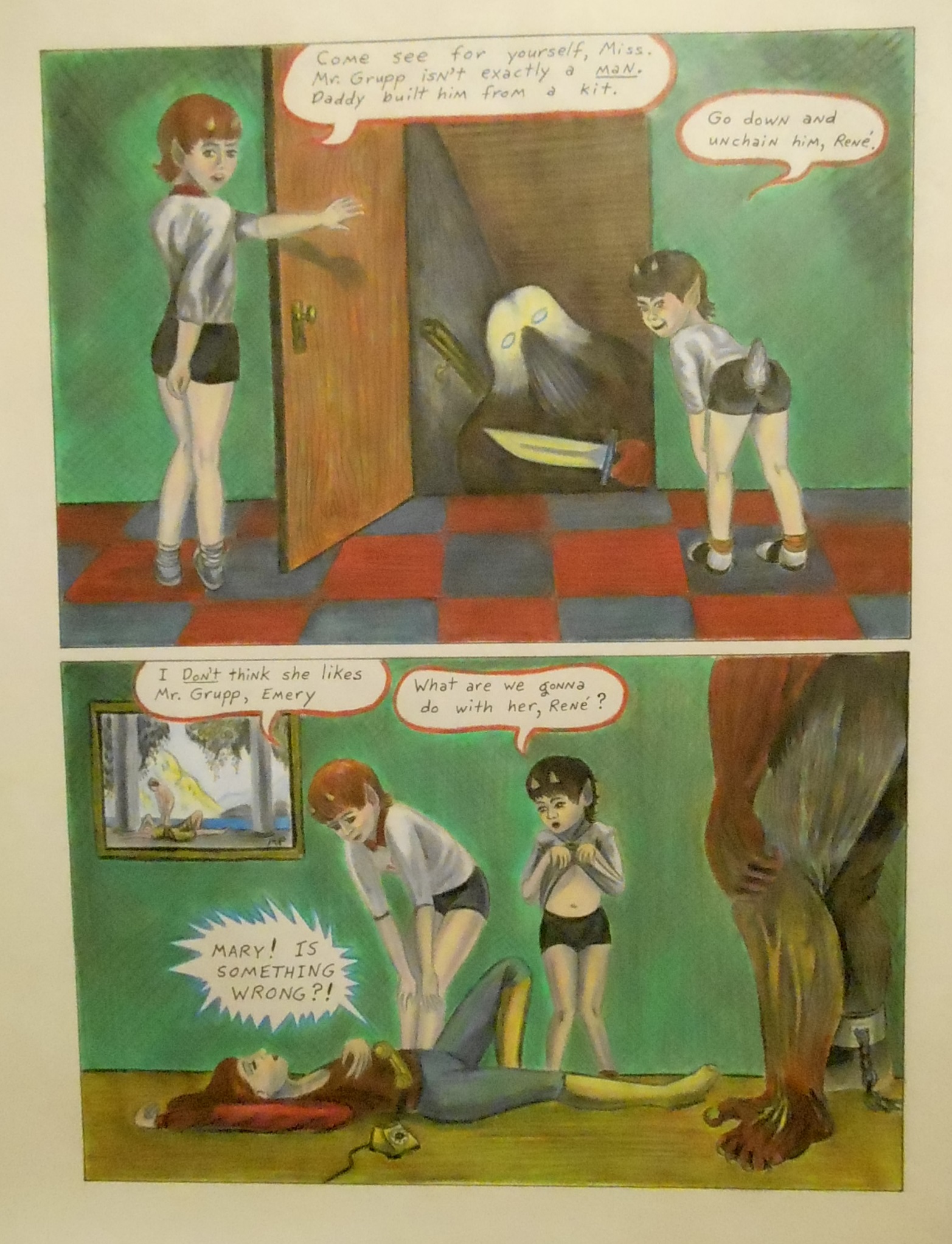
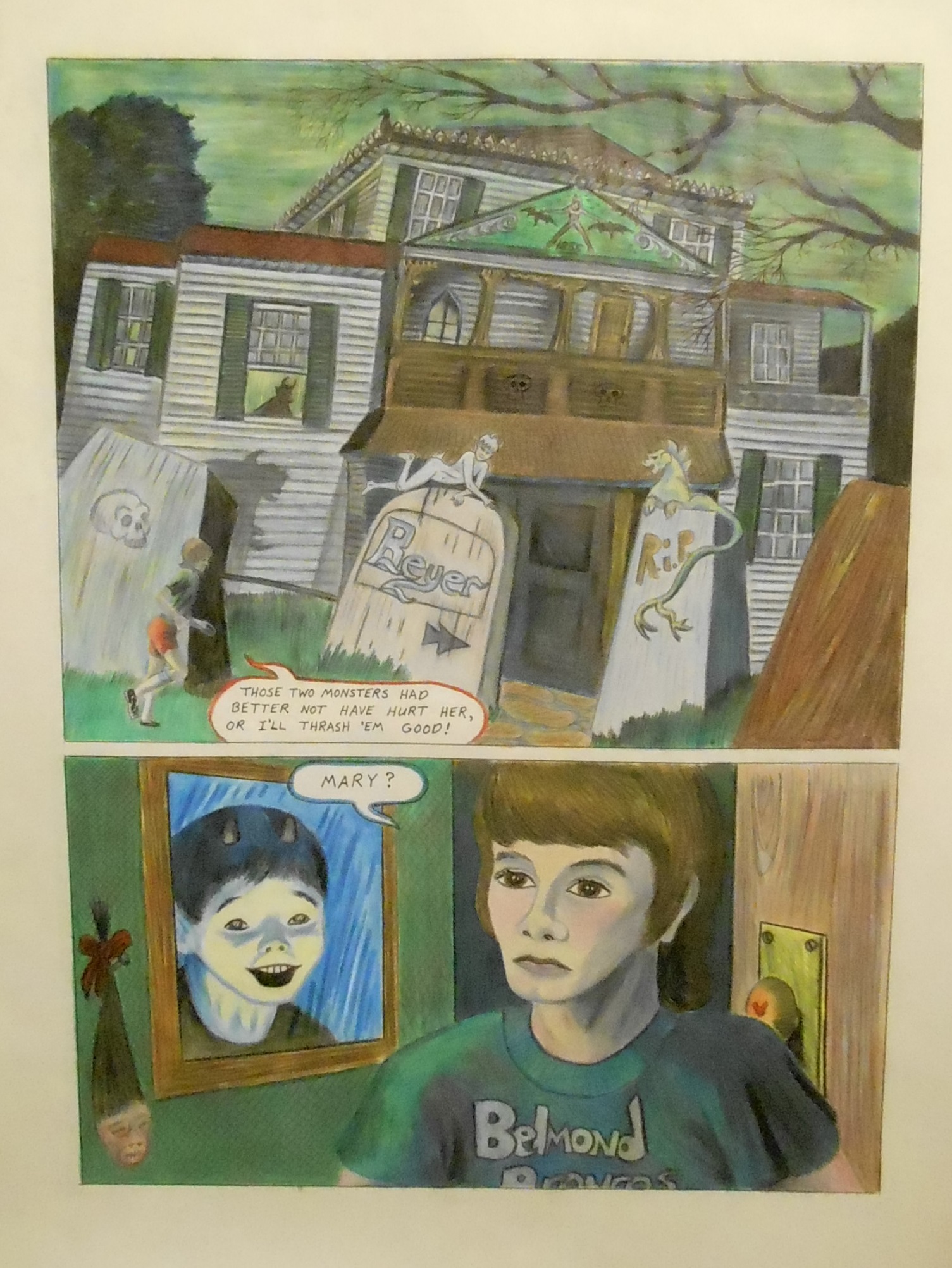
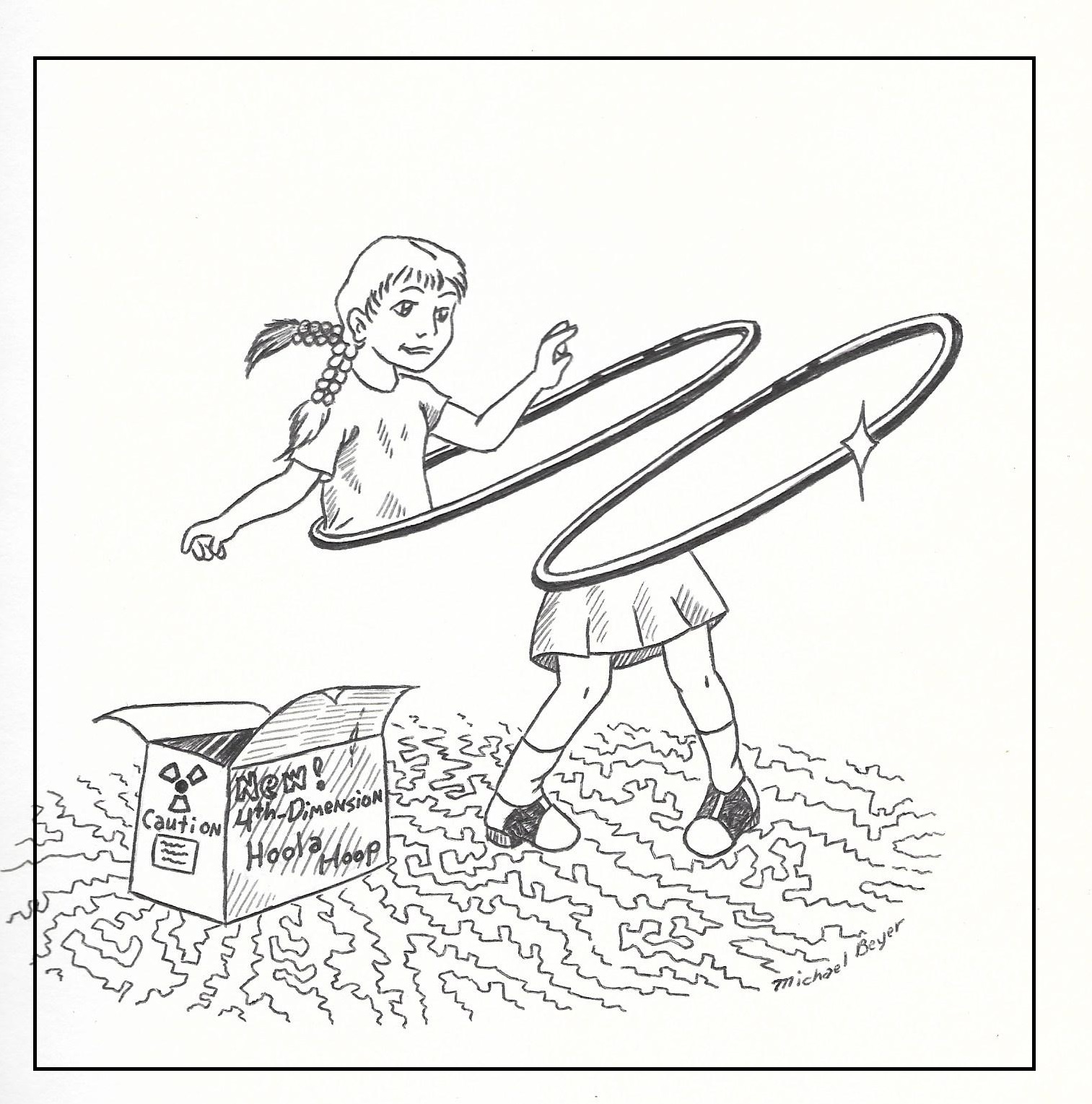
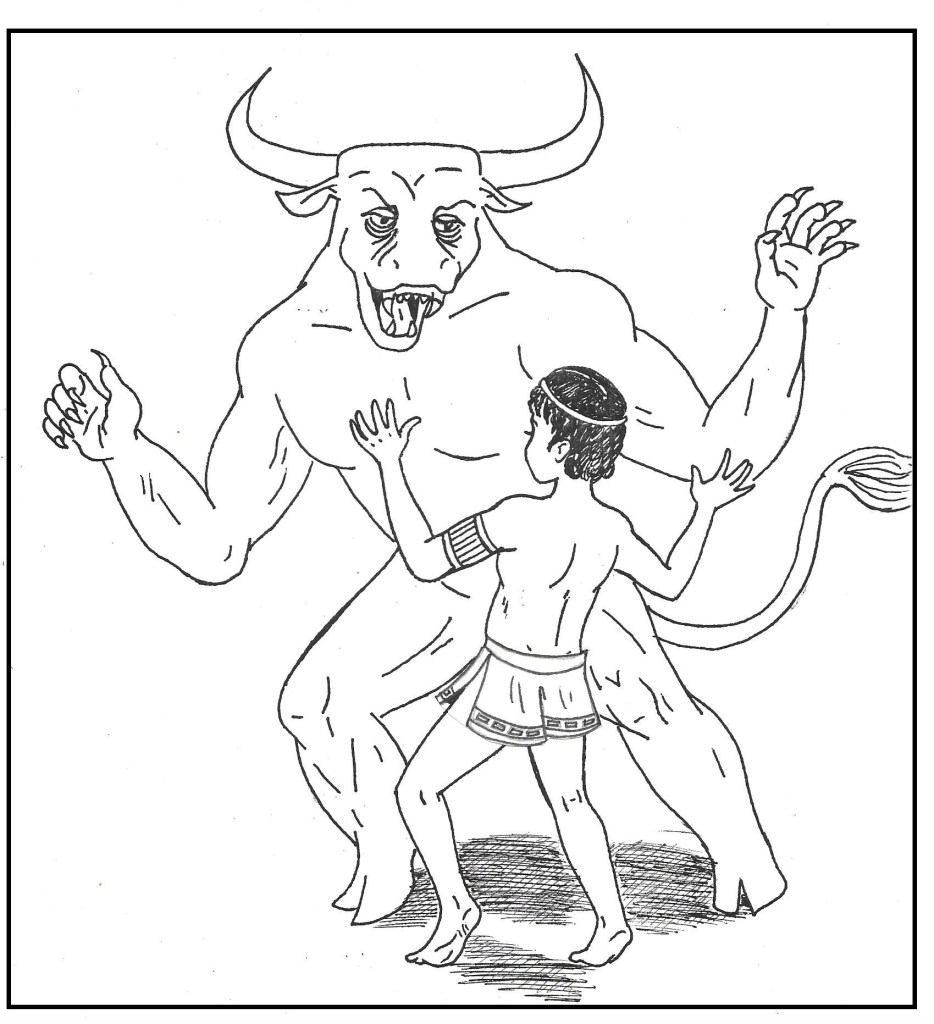
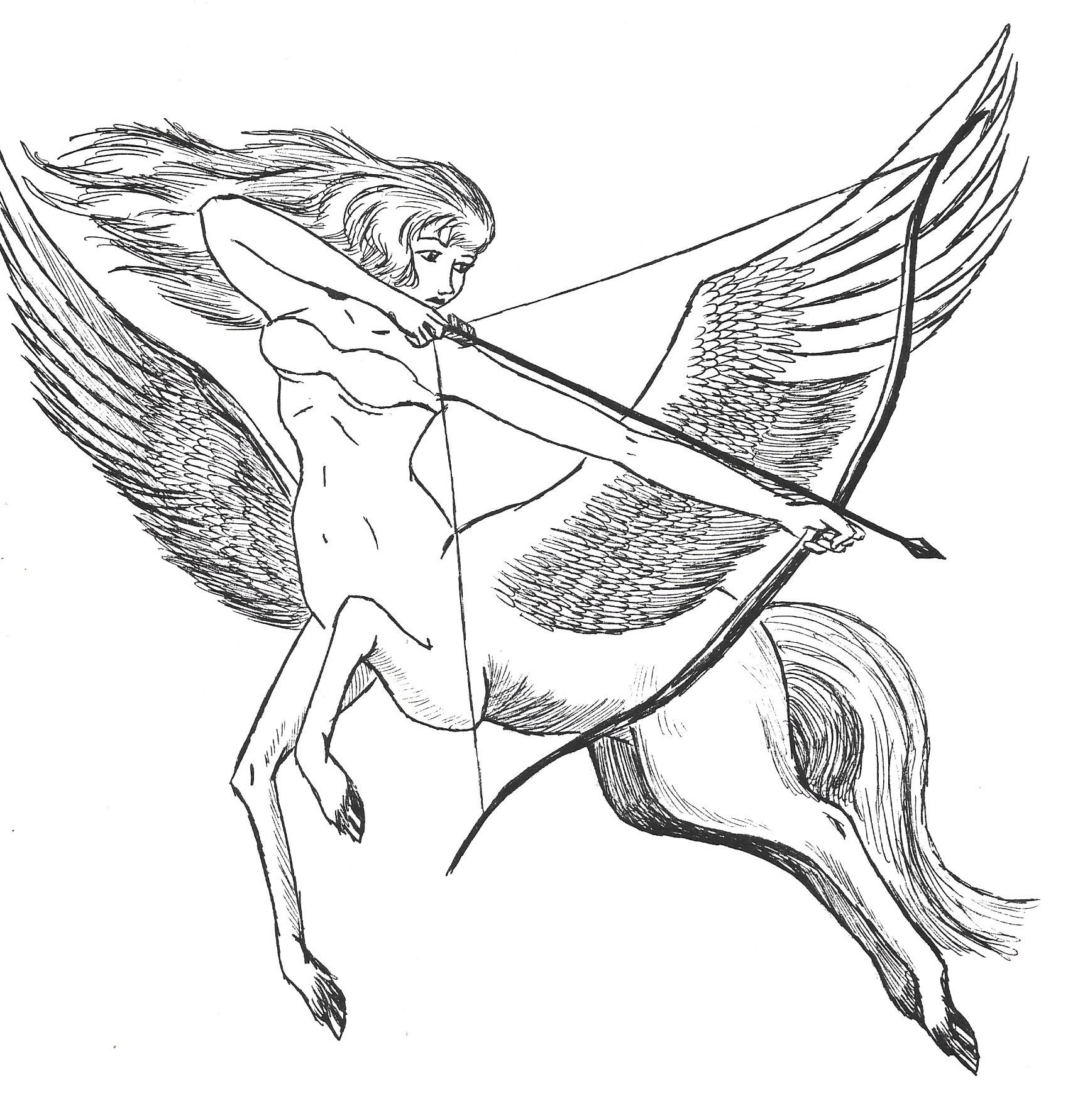
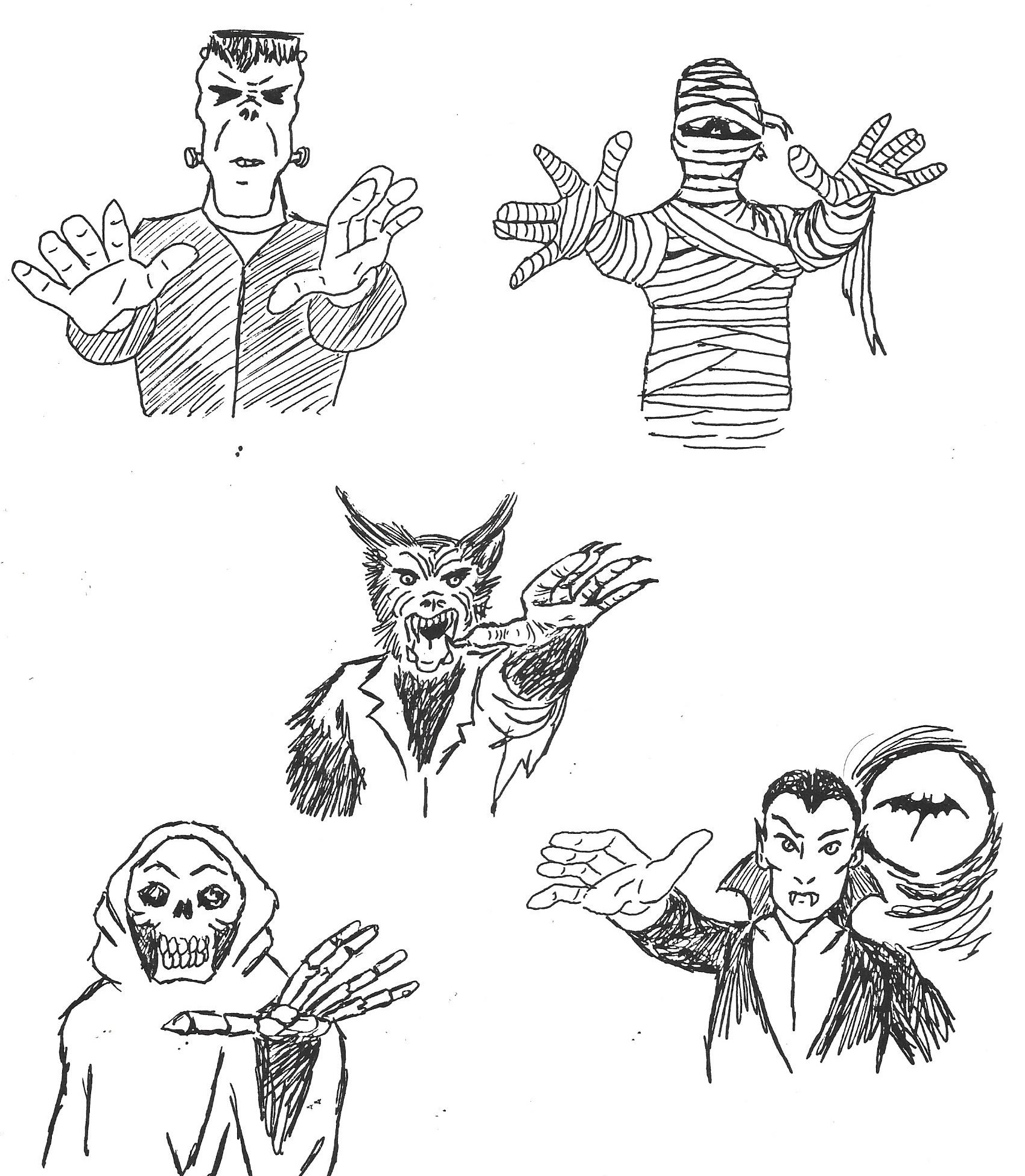
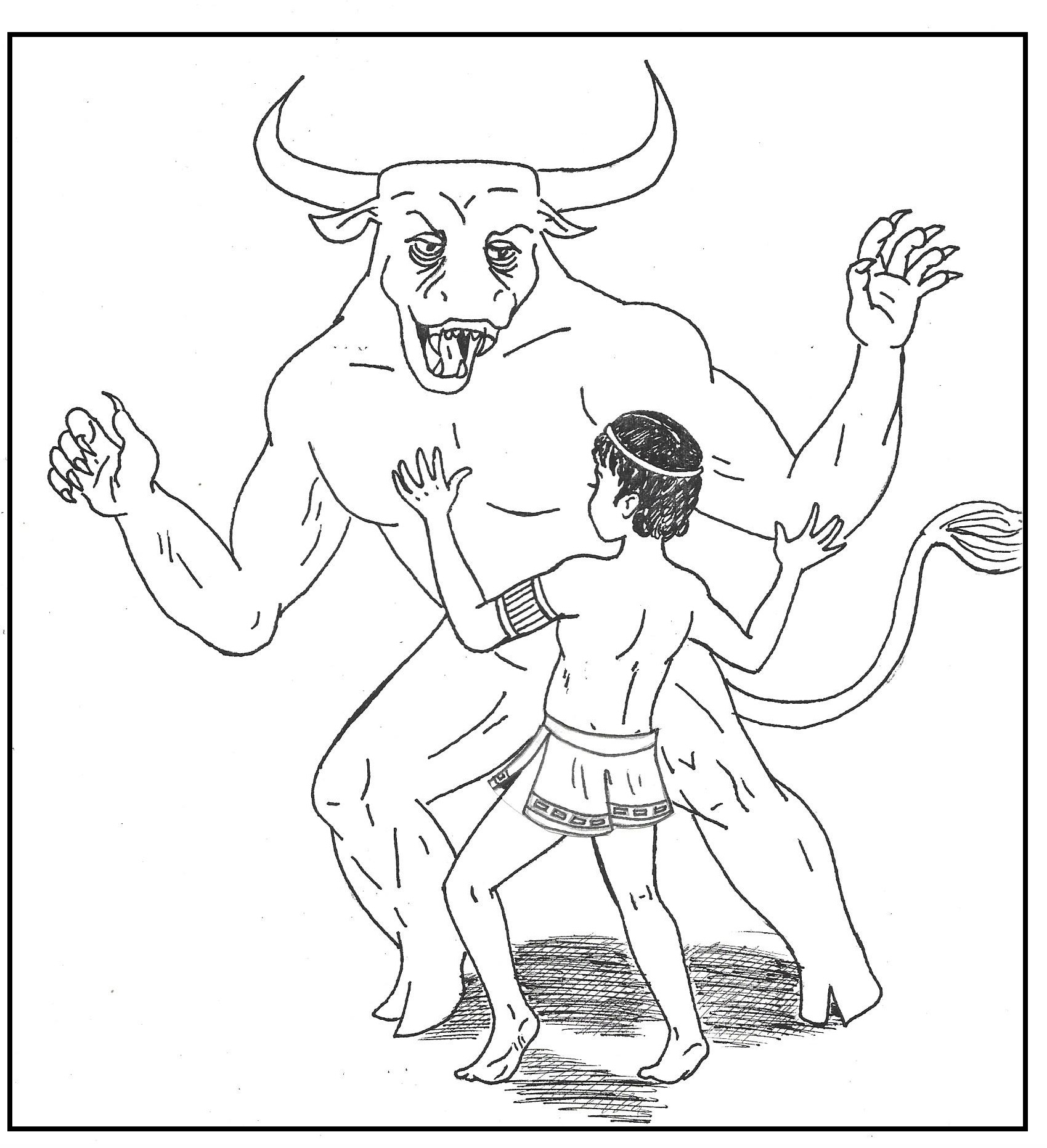
Here is a brief and very surrealistic comic story that I have published before… but a long time ago.
I know it is a bit bizarre, and hard to tell what the theme really is… but isn’t that what art is really for? Telling highly personal stories that make you think hard about seeing things through the eyes of an artist.
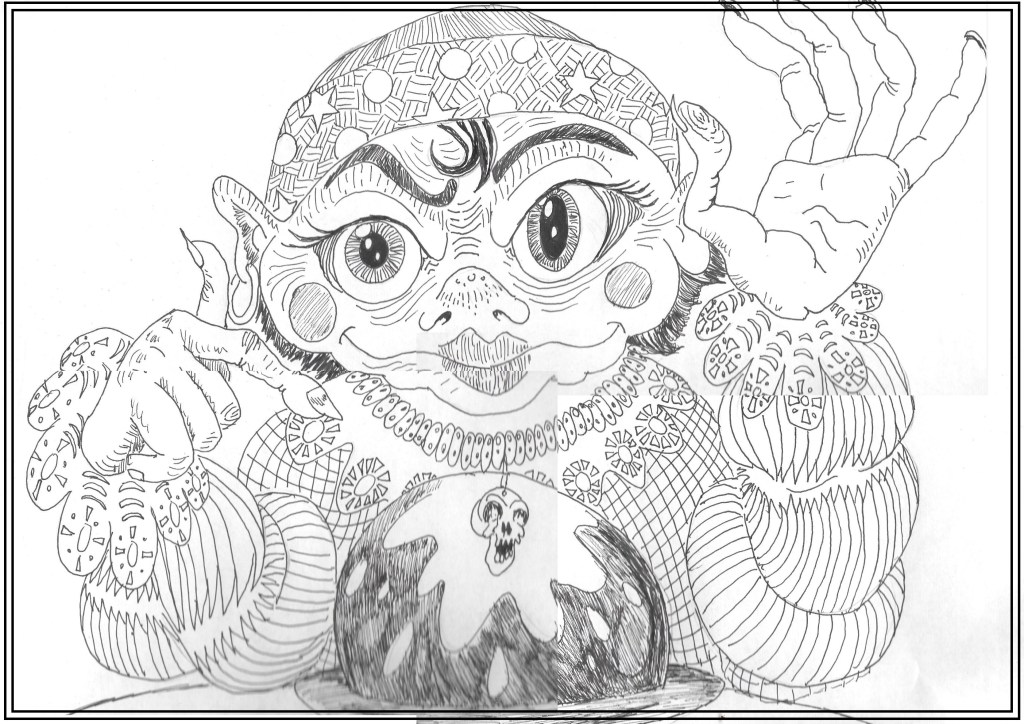
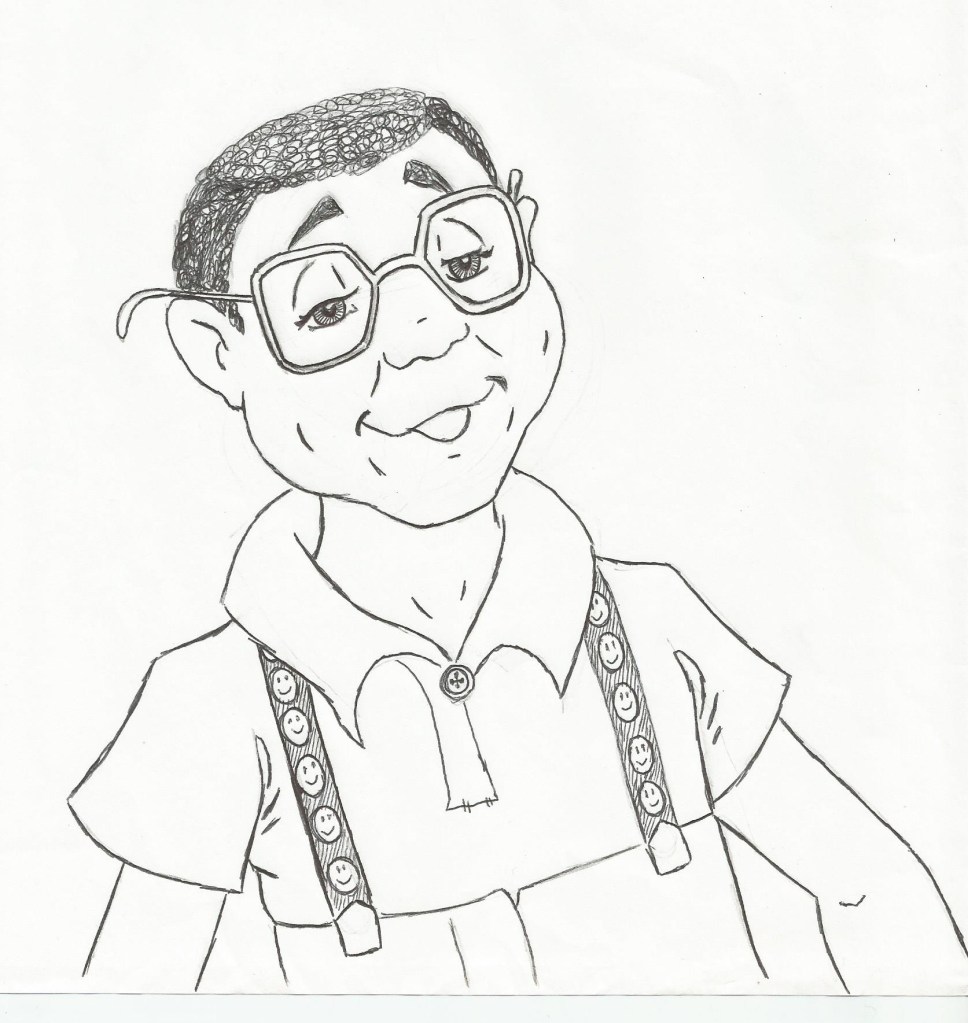
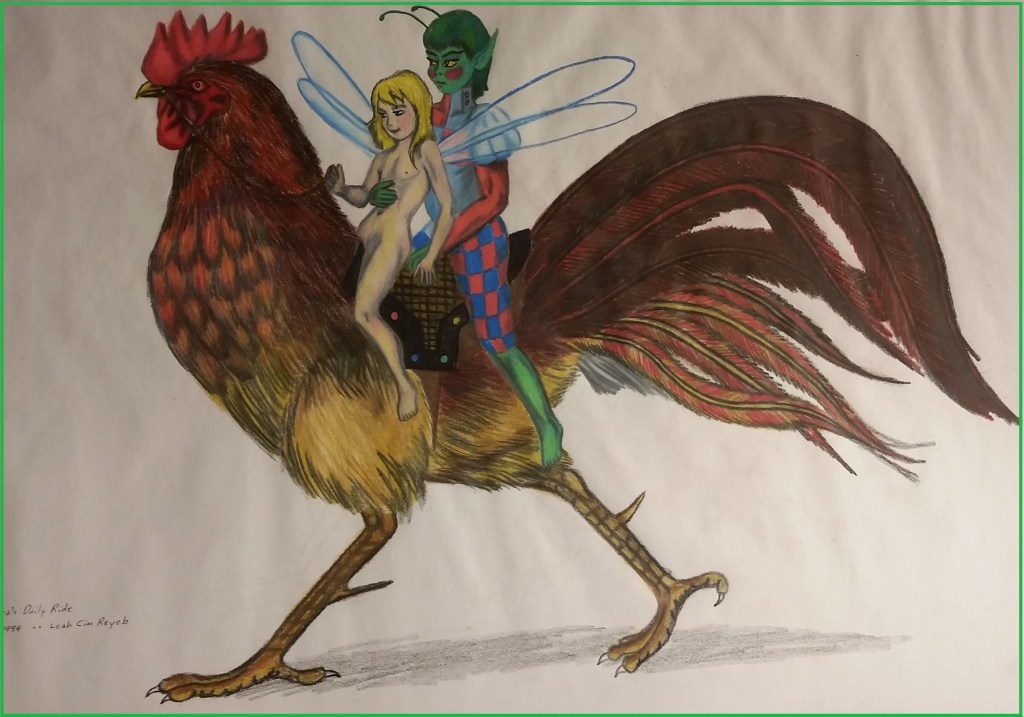
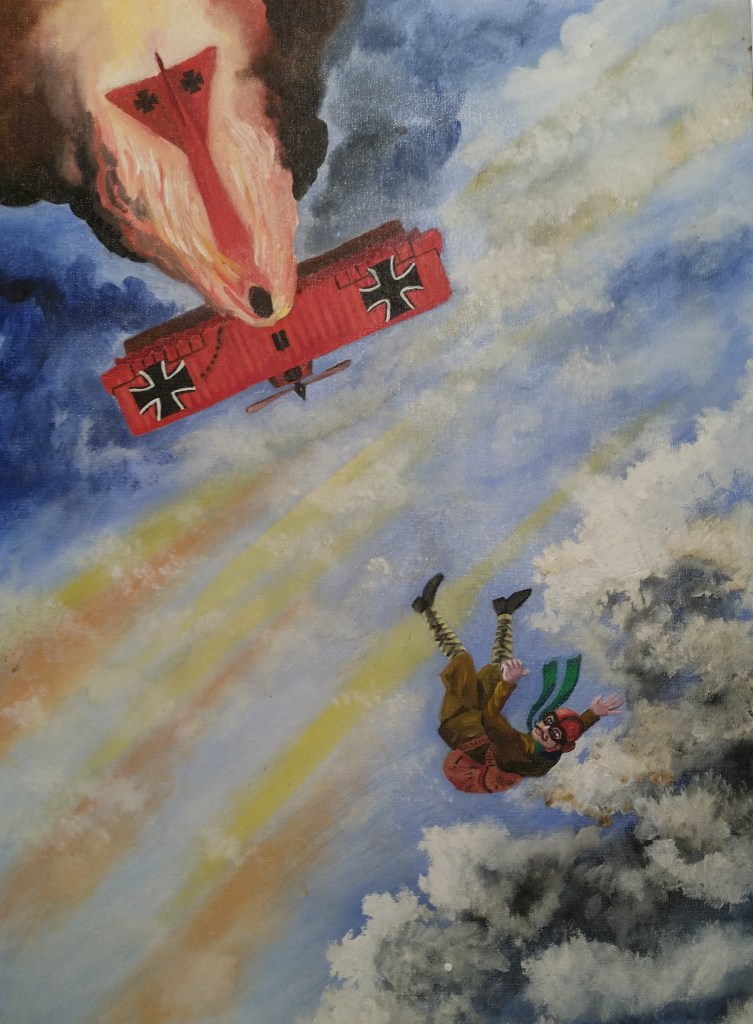
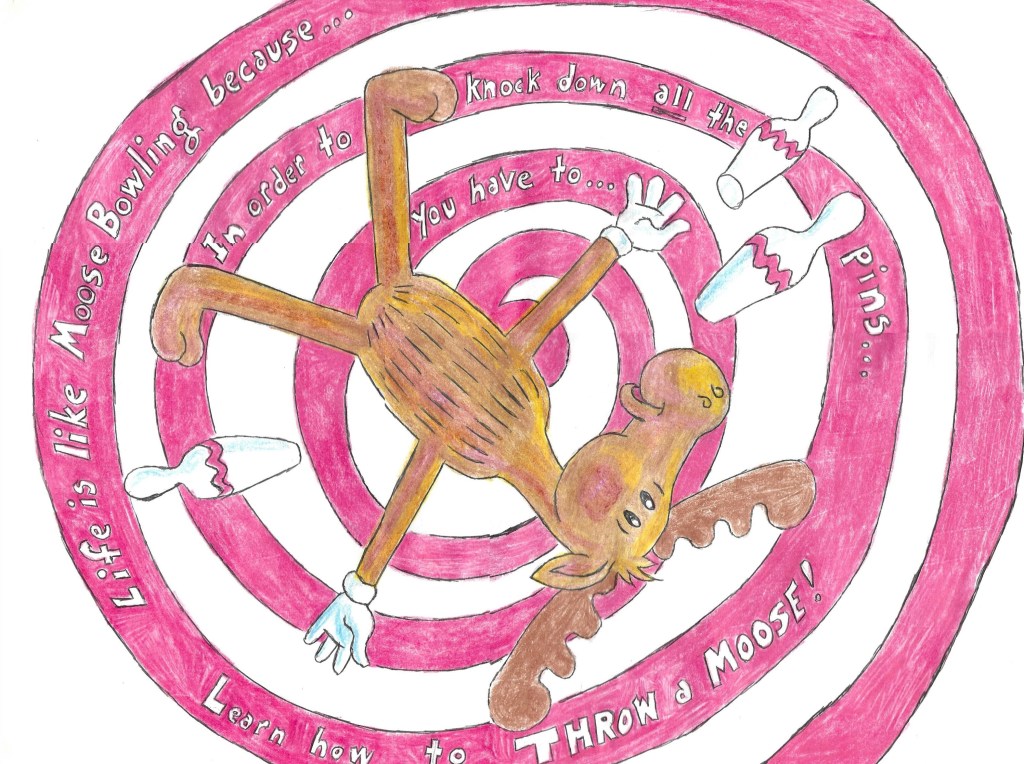
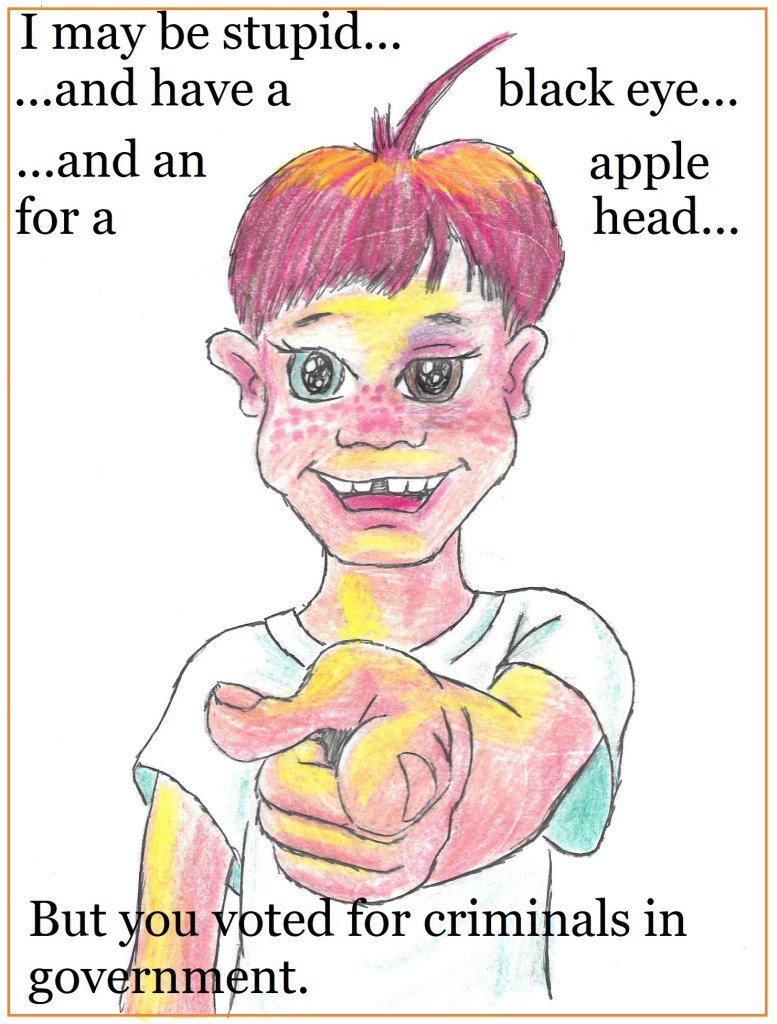
I do not have any particular theme for this gallery post. I just want to post again pictures that I love and have hanging on my wall to study constantly. I don’t know what it is about these random images that make them dear to me… but I love them.
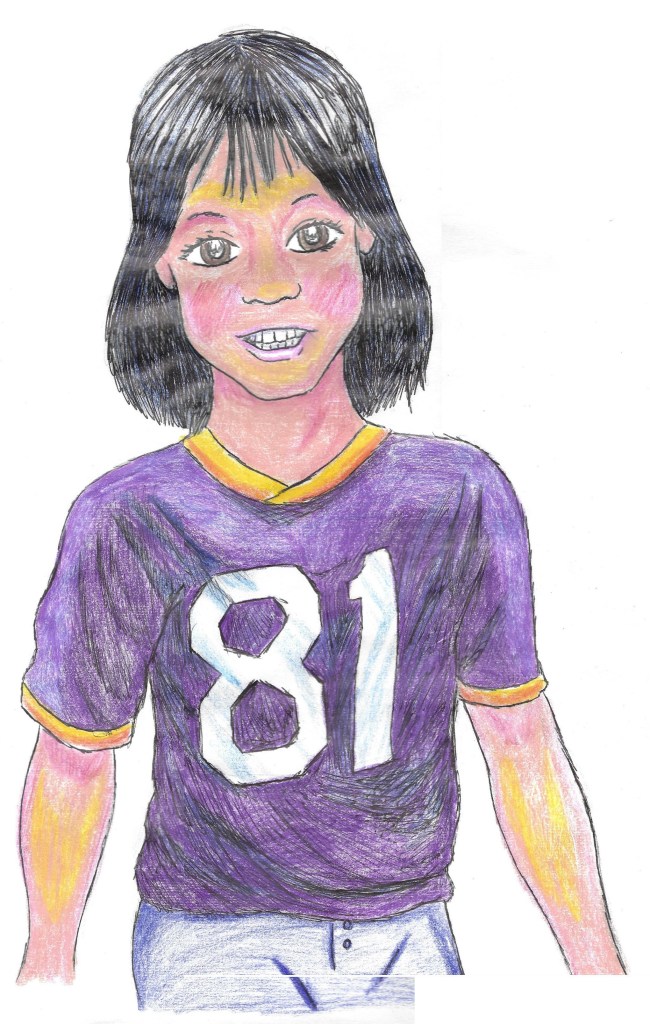
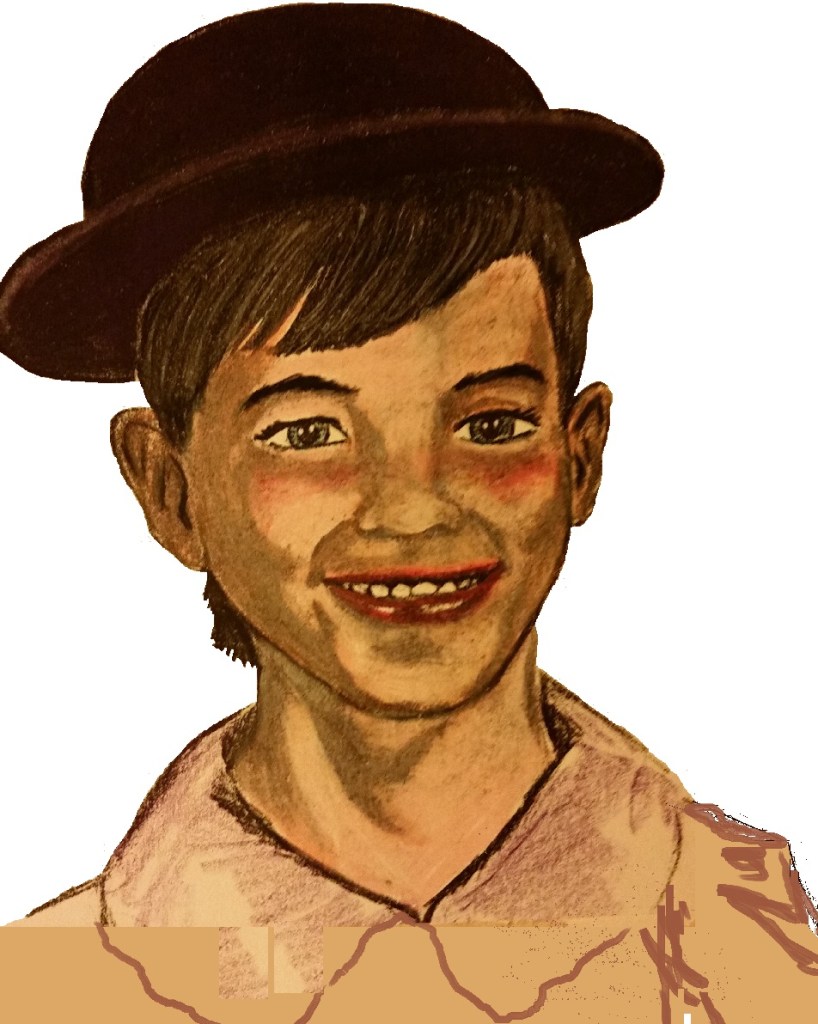
You know how they say that every portrait an artist does is really a self-portrait… Well, this one was always intended to be. I was ten.
Pen and ink, black and white drawings are the place where my art career started. Line drawings like the ones in the newspaper cartoon pages. I collected newspaper comics. I copied them. I drew Blondie Bumstead and Moonshine McSwine naked. I drew Pogo Possum, Popeye, and Hagar the Horrible. I also drew Steve Canyon and Buzz Sawyer. I still draw Mickey Mouse. I learned cartoonist skills from the best in comic strips and comic books.
The Master of the Jungle (in our back yard)
This one was published in Ben Dunn’s Ninja High School Yearbook.
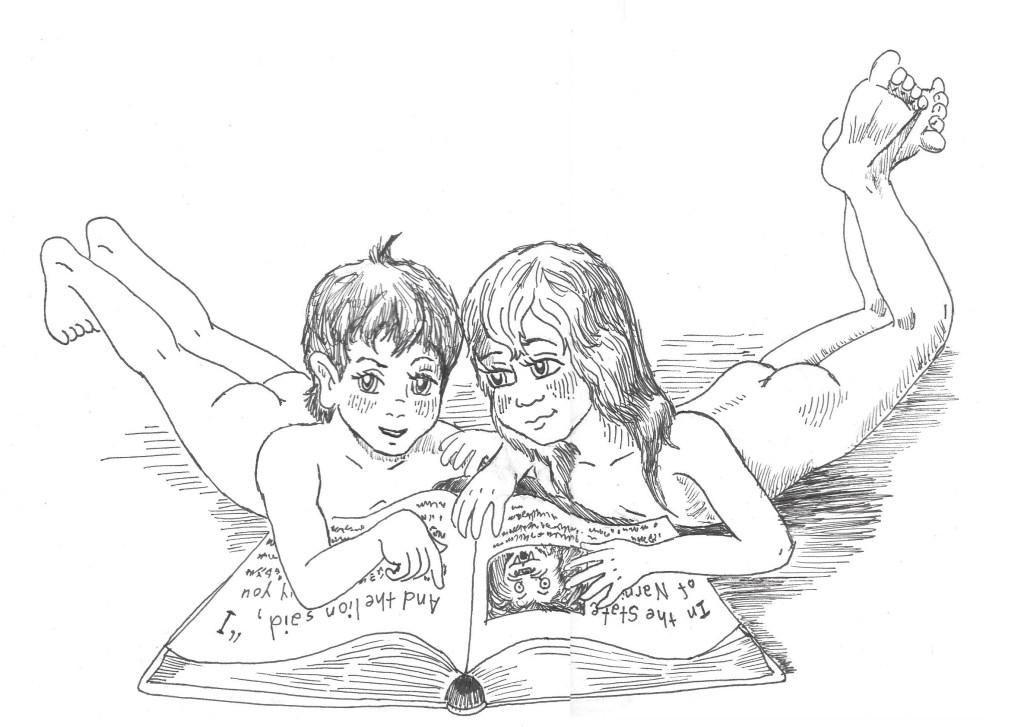
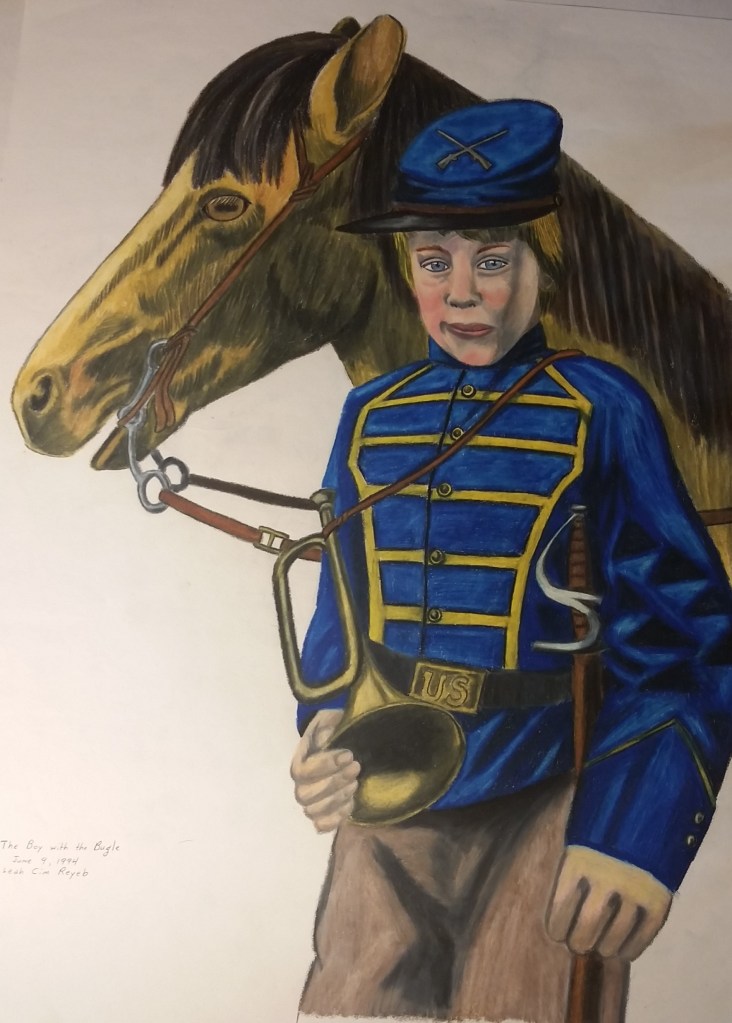
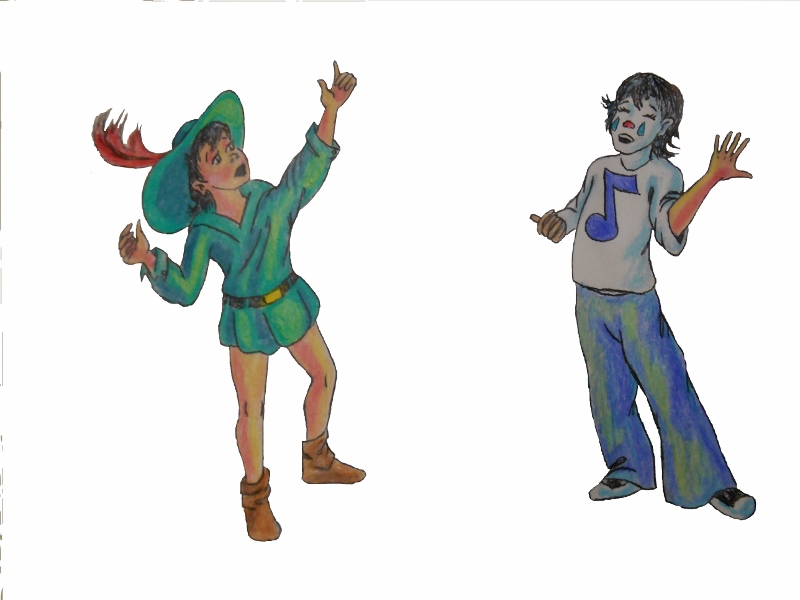
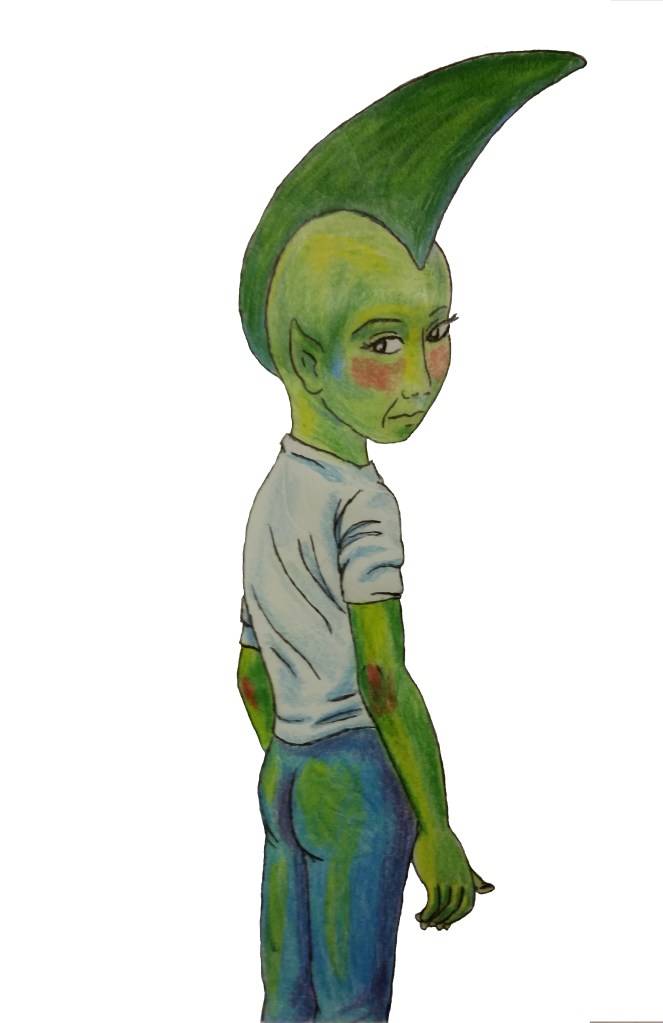
I draw things as illustrations to stories. Take, for example, the protagonist and hero of Catch a Falling Star.
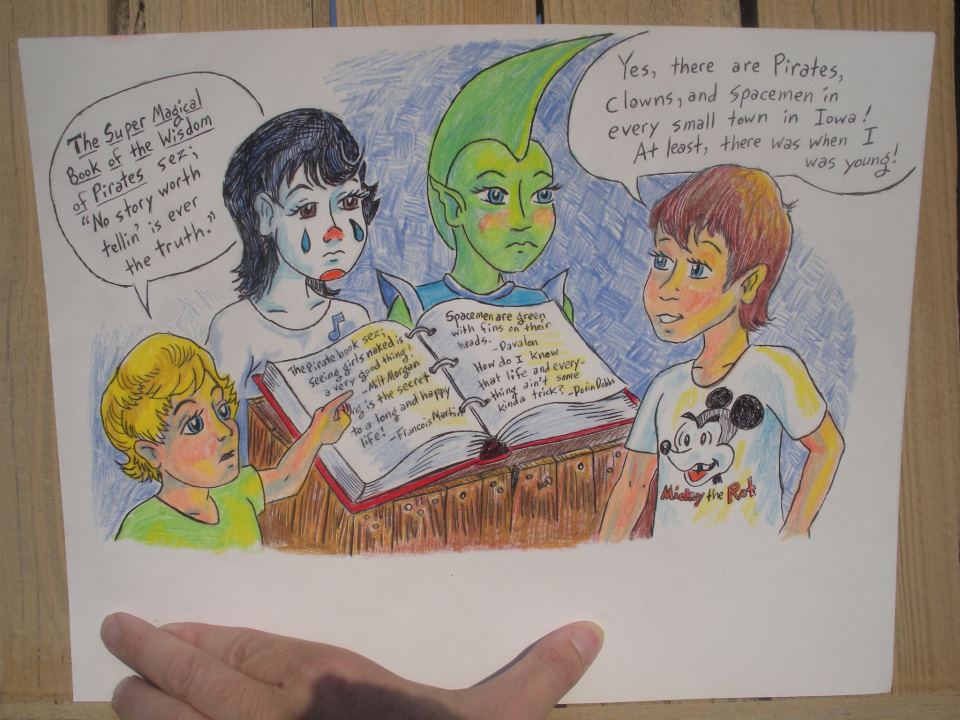
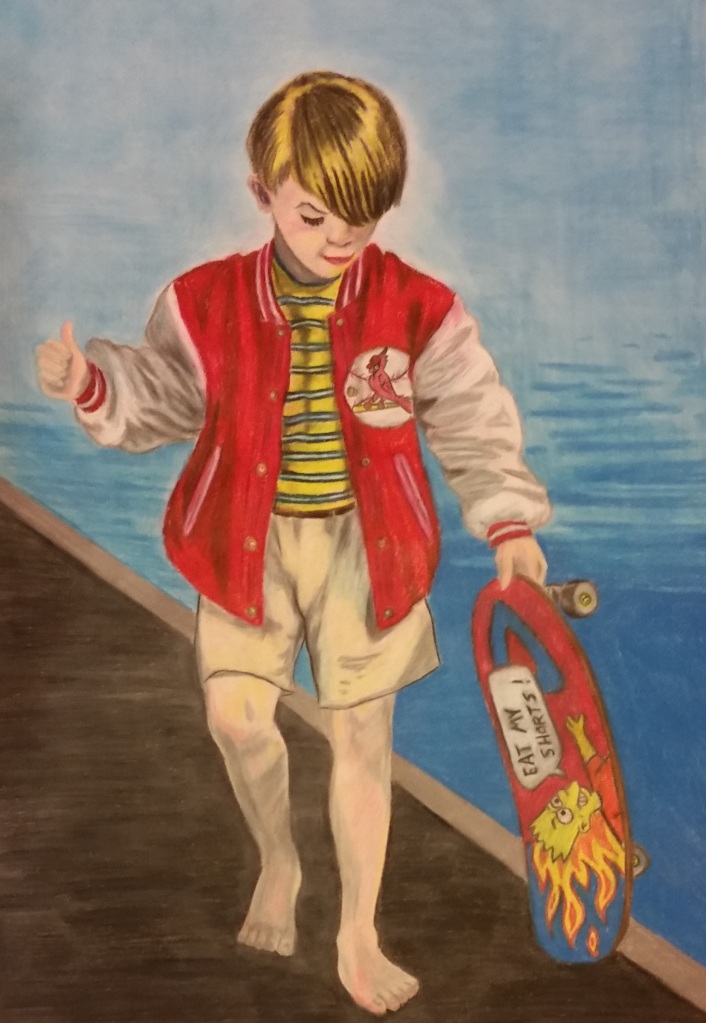
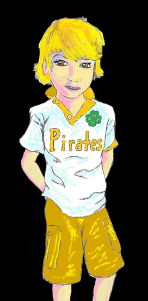
Dorin Dobbs is boy from Iowa. That tells you some terrible things about him right there.
He was ten in 1990.
He hated girls.
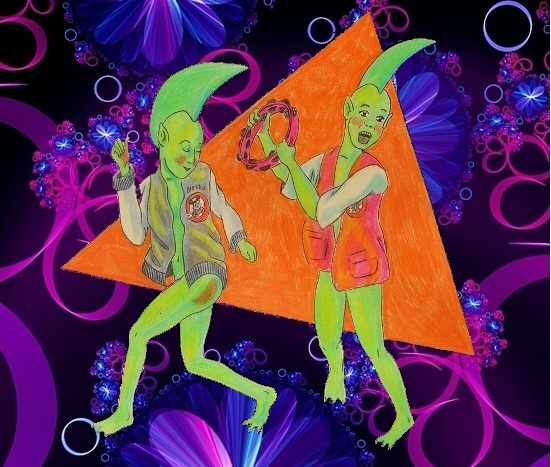
He met some pretty green-skinned girls from outer space, amphibianoid frog-girls with fins on their heads. He danced with them to Mickey Mouse Club music while he was their prisoner on a sectet base on the planet Mars. They were dancing naked in the nutrient bath that all Telleron tadpoles use daily.
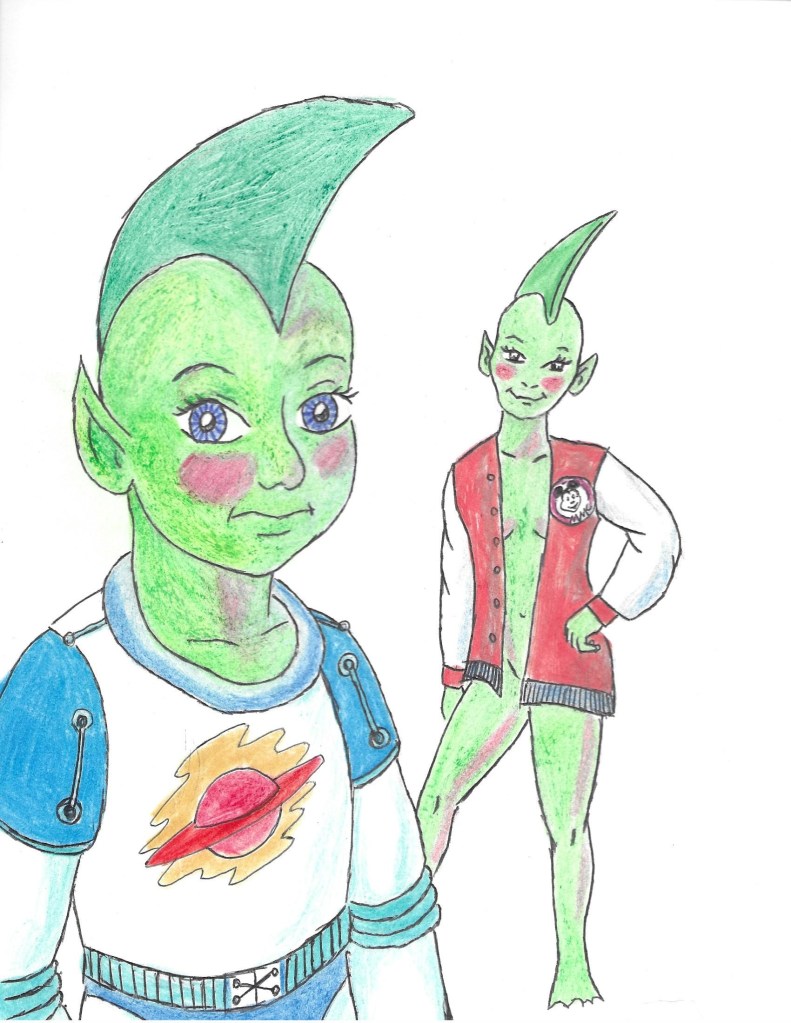
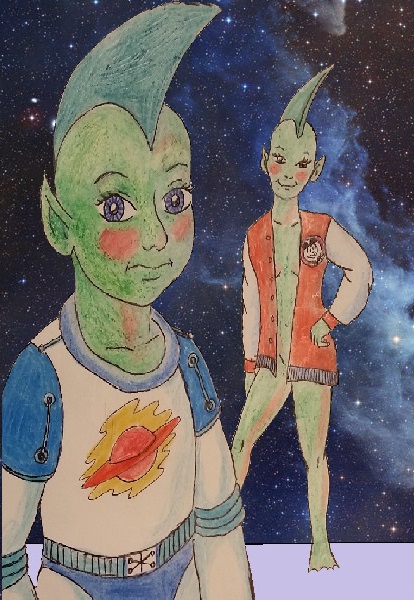
Brekka and Menolly are two of the Telleron frog girls with fins on their heads. They love Earth music in the 1990’s. They are background characters in Catch a Falling Star. They are main characters in the book Stardusters and Space Lizards, where they help Davalon and Tanith to conquer the dying planet of Galtorr Prime after the Telleron invasion of Earth failed in the previous book.
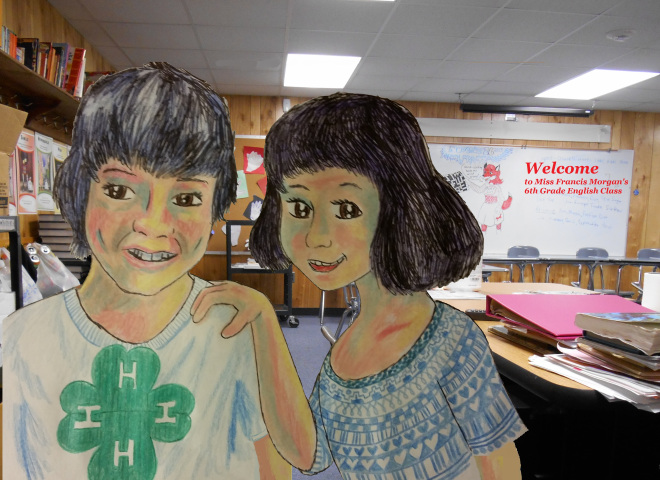
Tanith and Davalon (the Telleron boy in front)
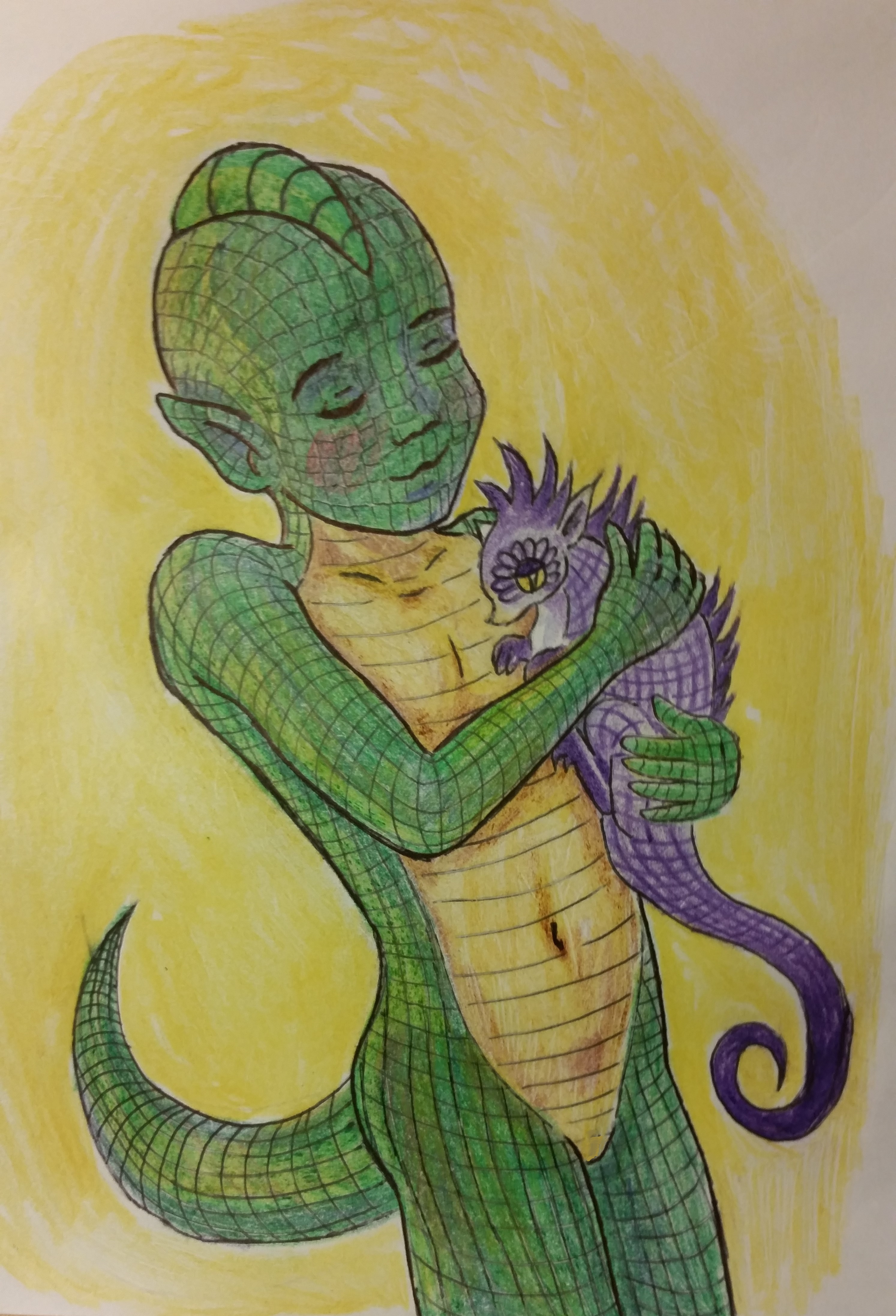
Sizzahl of Galtorr Prime, Ecologist and Lizard Girl
Galtorr Prime is undergoing drastic climate change and environmental collapse and ends up being saved by superior Telleron technology and the lizard-girl heroine, Sizzahl, who has a plan for fixing the atmosphere and saving fundamental eco-systems. Of course, this is all science fiction-y stuff based entirely on fantasy and imagination and has nothing to do with the real world we now live in.
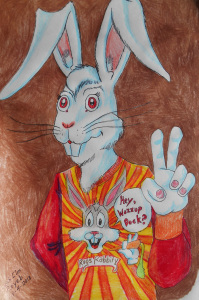
Millis, transformed from pet rabbit to near-human
Of course, not all characters I illustrate are people or aliens.
Millis, Tommy Bircher’s pet rabbit, is an ordinary albino bunny who eats a piece of alien technology that evolves him into a talking, walking-on-two-legs, near-human form.
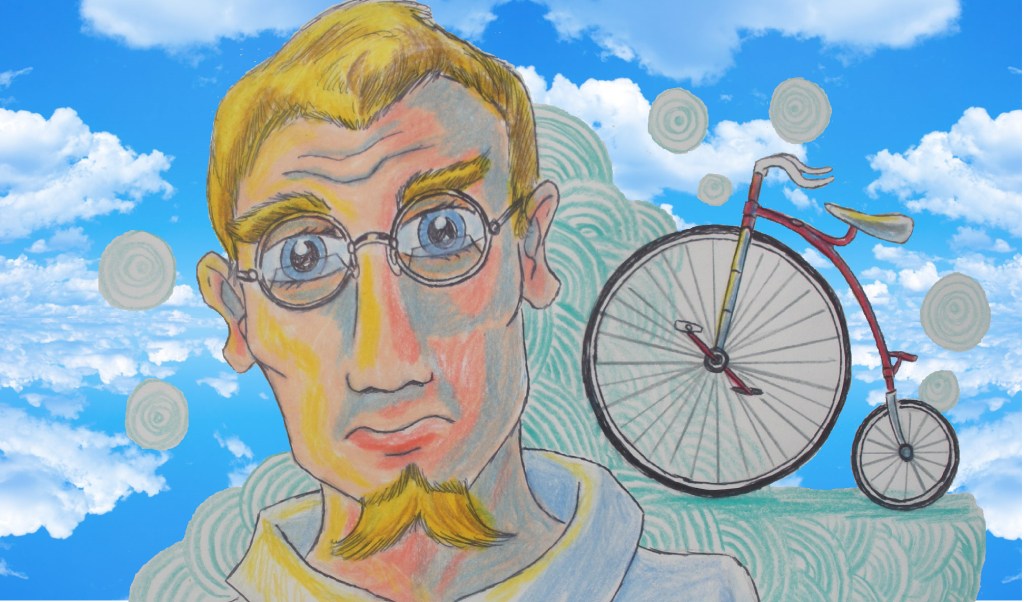
He becomes the chef (who cooks only vegetable dishes) for Norwall, Iowa’s own mad scientist, Orben Wallace, in the book The Bicycle-Wheel Genius.
Orben Wallace, and his favorite bicycle, The Happiness Machine
I think I have now given out far more spoilers for stories than I have any right to do. But the thing about character illustrations is that your get to know the characters at a glance. And to know them is to love them.
I don’t believe my art will ever be gallery quality. I don’t know how long any of it can survive my own demise. My family is not overly concerned with preserving my piles of drawings and paintings. And I am not Van Gogh.
What I am is a hoarder of the things I have created. And one hope I have is that posting these things online will extend their existence at least for a little while.
I would remind you that I am a surrealist by choice. I generally juxtapose things and ideas and images that ate opposed in their interpretive import.
If I am not going to publish a Hidden Kingdom page every Saturday, I am going to commit to a feature where I post artwork on Saturday. Saturday art fairs are a thing. And I have gotten far more interest in my artwork from WordPress than I ever have from a local art show. So what if I can’t win blue ribbons online?
Cartoons are basically art with words added… often stupid words… for laughs.
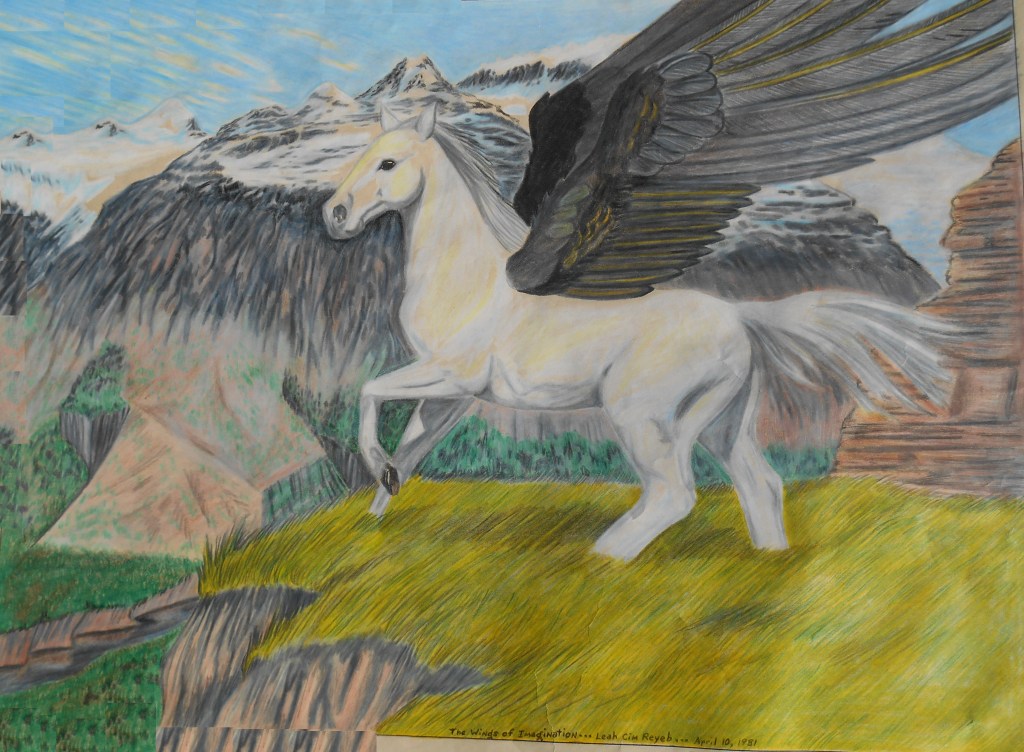
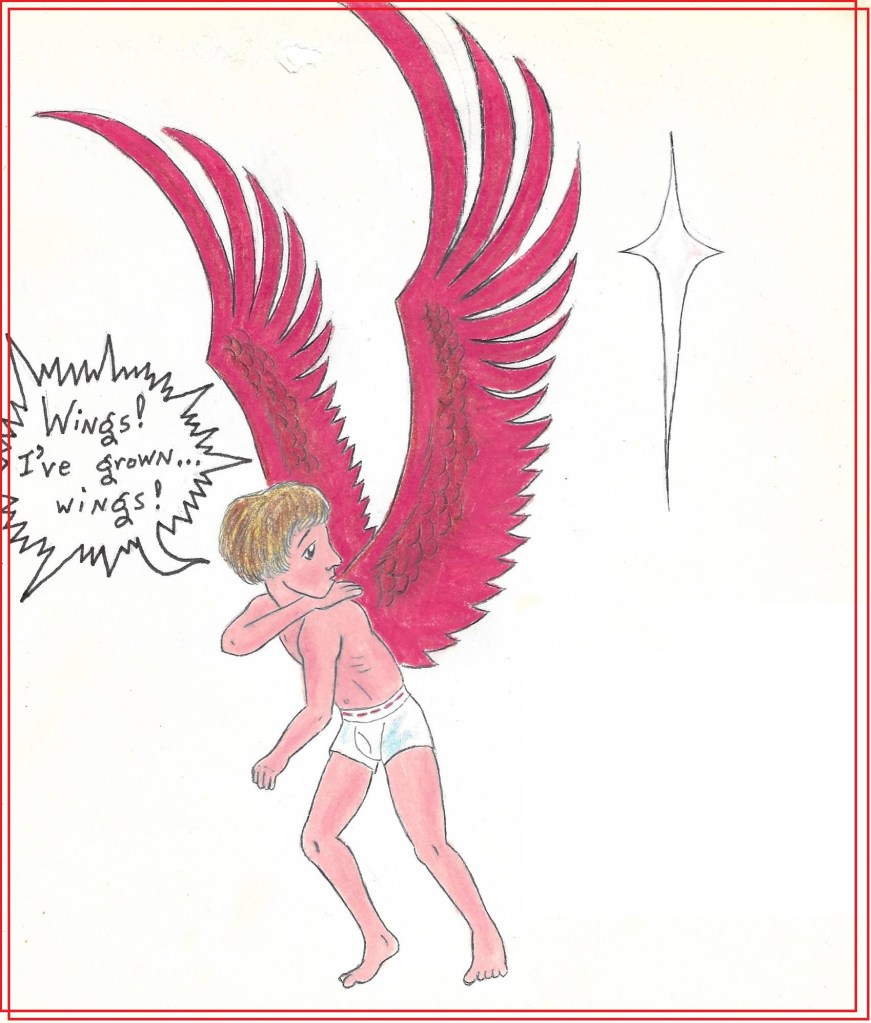
Being able to draw gives your imagination wings to fly with.
Art is my religion.
There is a certain magical quality about the way that over time you can build a portfolio of many parts, and pictures have many uses.
Is it possible that artworks taken all together are like an autobiography??
In some sense, every portrait the artist draws is a self portrait. Every scene, object, and image is a part of the artist’s ultimate story.
Imaginations can be both electric and powerful.
Not everything is as alien as it seems at first.
So, do you like my gallery? You can always leave a comment or an insult. You are the viewer, and what you do with this is entirely up to you.
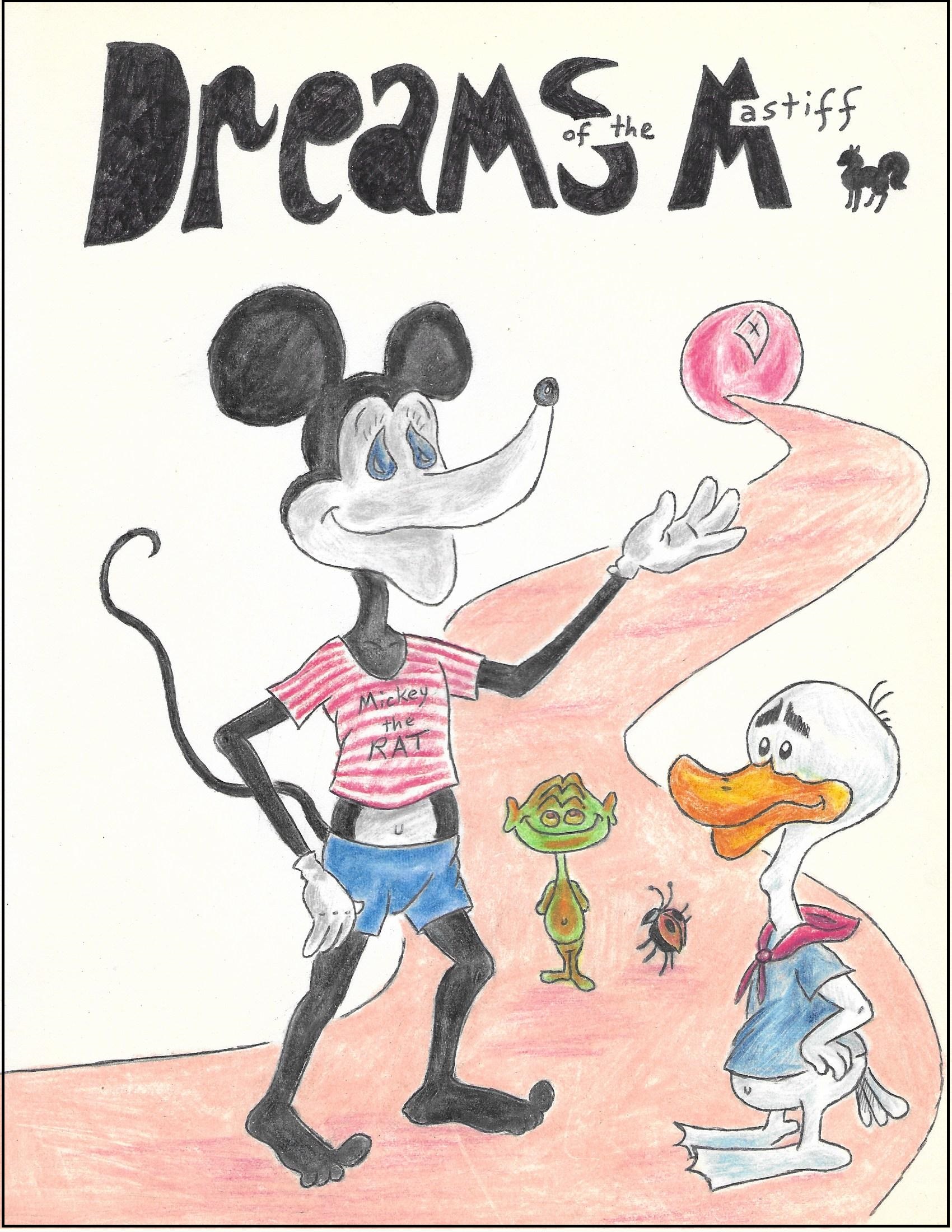
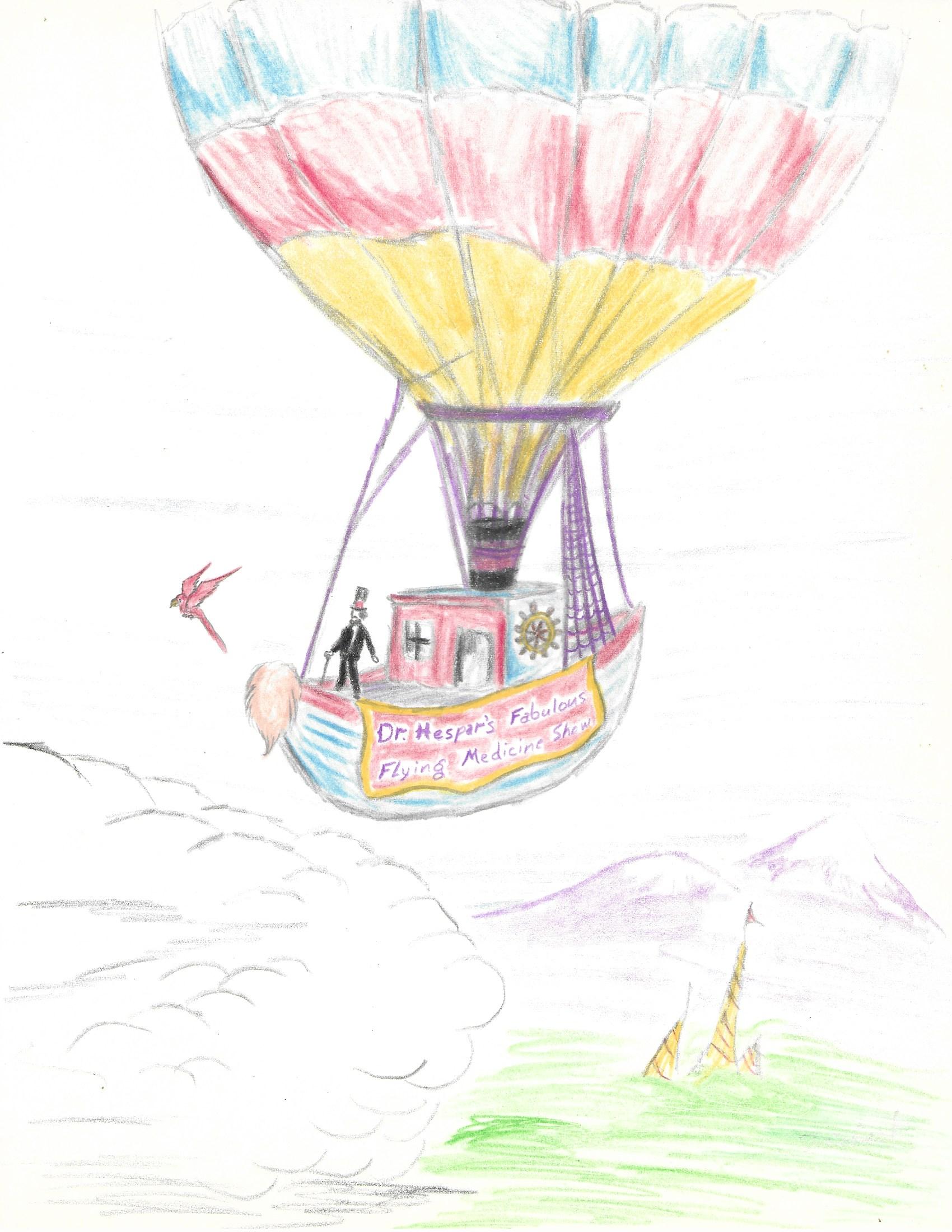
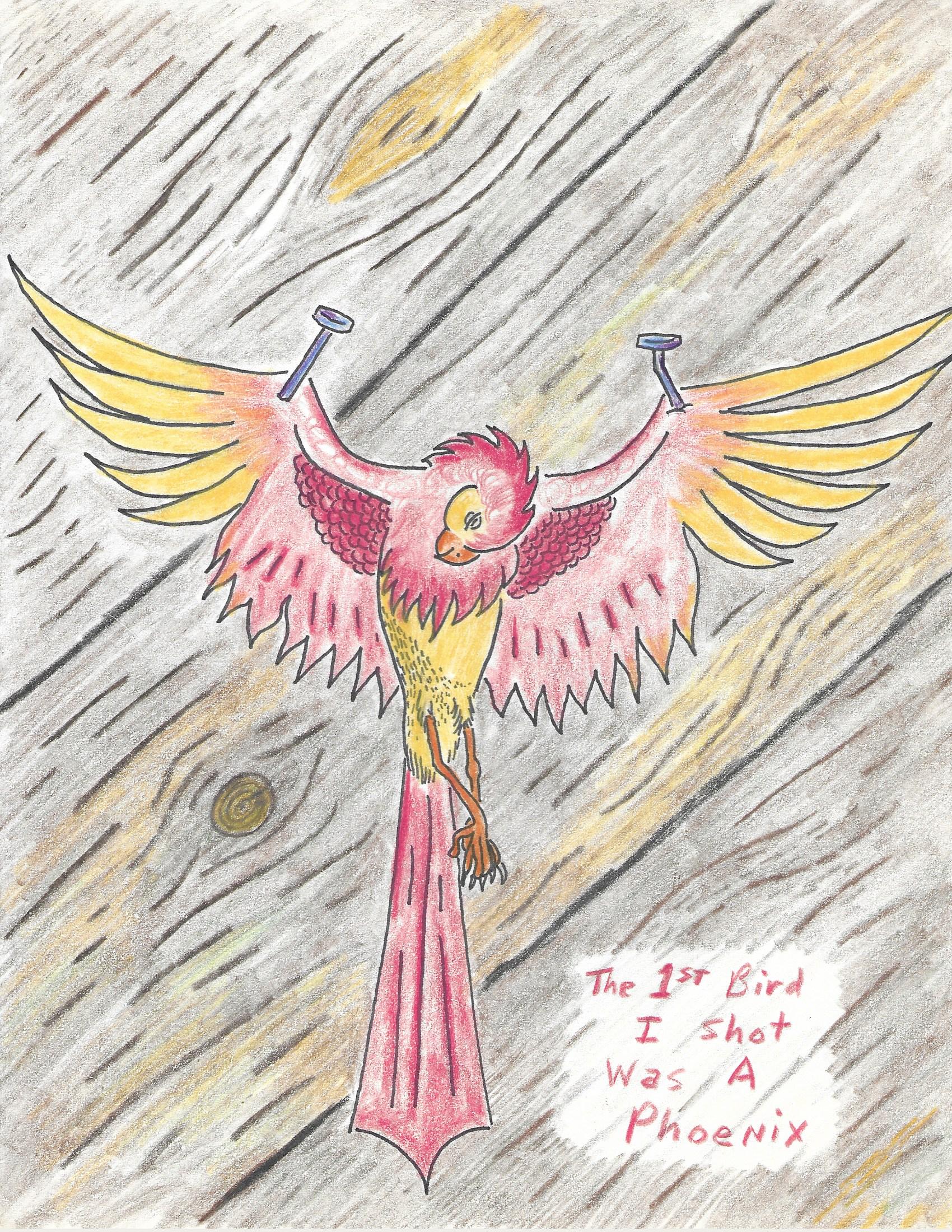
As a comic cartoonist sort of artist named Mickey, I was as a teenager obsessed with making artsy goofy books. One of those was unaccountably called Dreams of the Mastiff. These surrealistic picturations are examples from that silly Donald-Duck thing.
This page is supposed to explain the title. So I guess all of the following pages are somehow supposed to be from the nighttime brain of the dog in the nursery.
And what is this supposed to be about? My old-man memory has not a single clue.
It occurred to me long ago that both Fantasy and Science Fiction were surreal by nature. What is the story behind Black Peter? Ich weiss nicht! I do not know! Old-man memory again.
Inexplicable Sci-Fi from this little surrealist art-book-thing.
And more of the same…
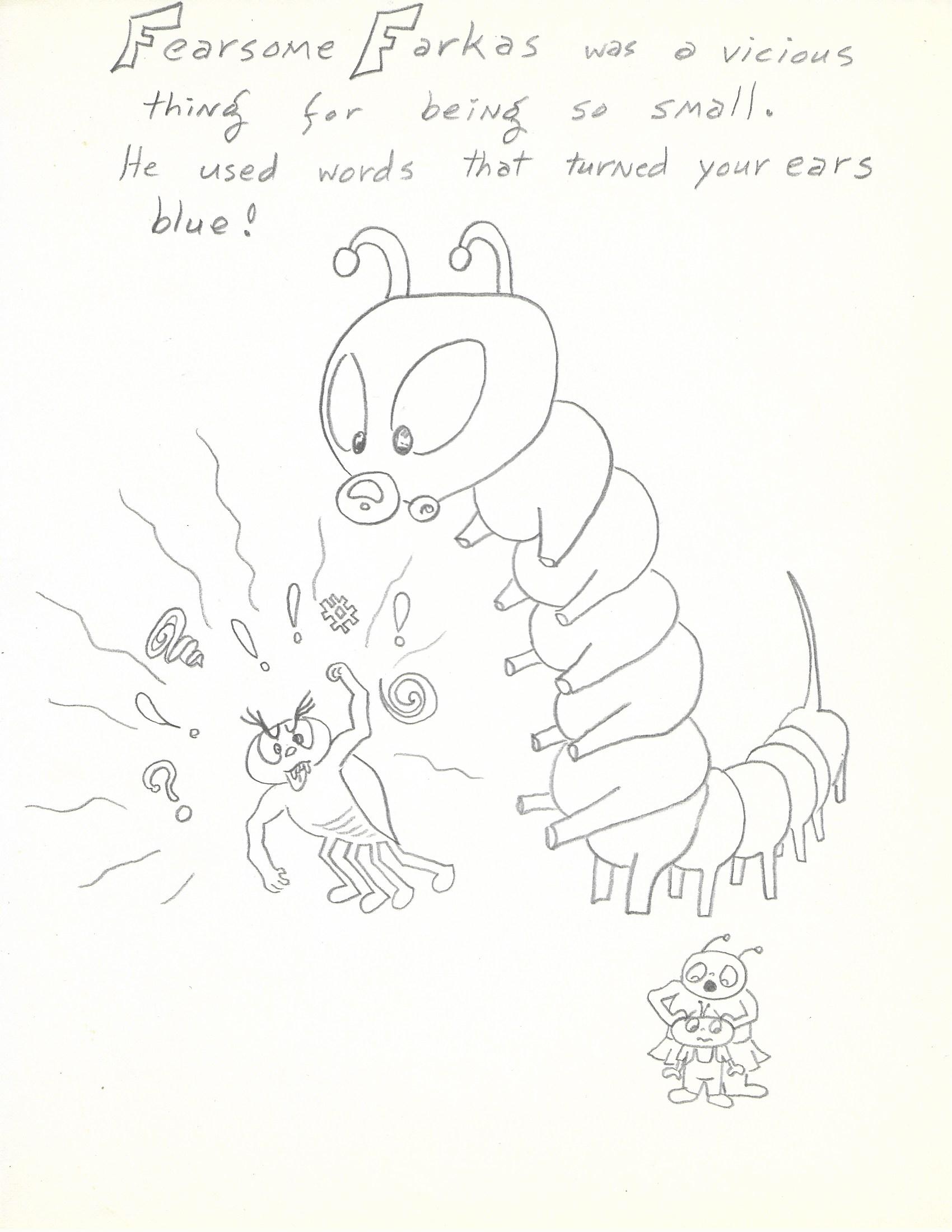
Now back to cockroaches from doggy dreams…
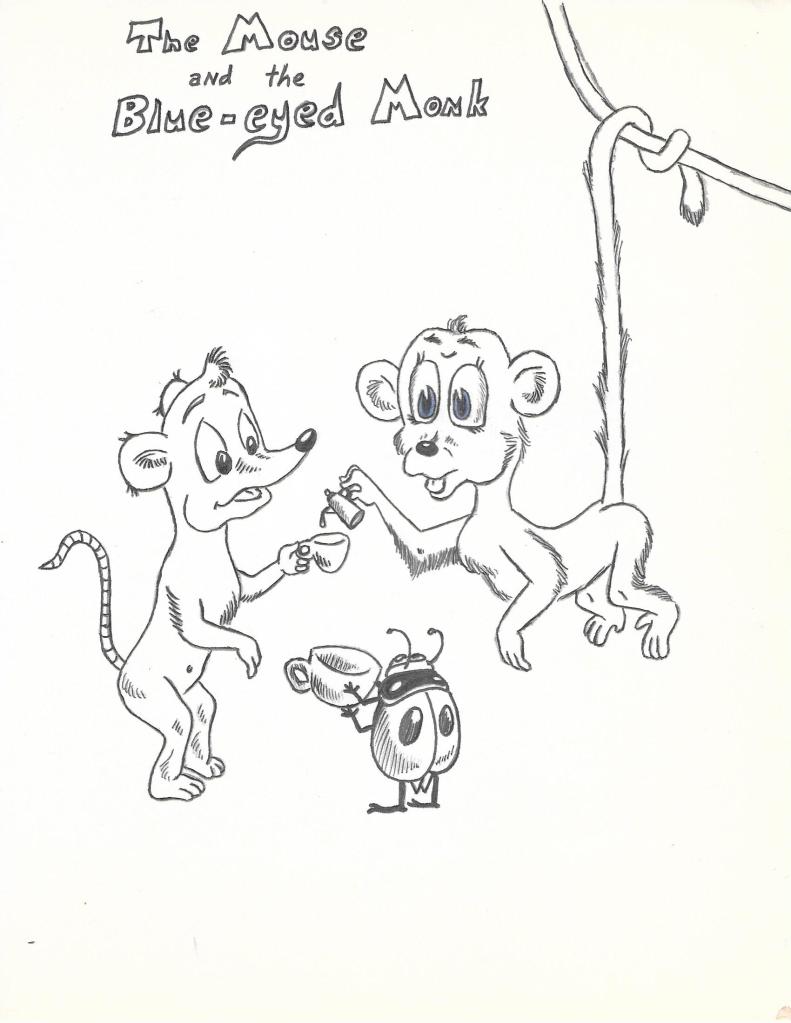
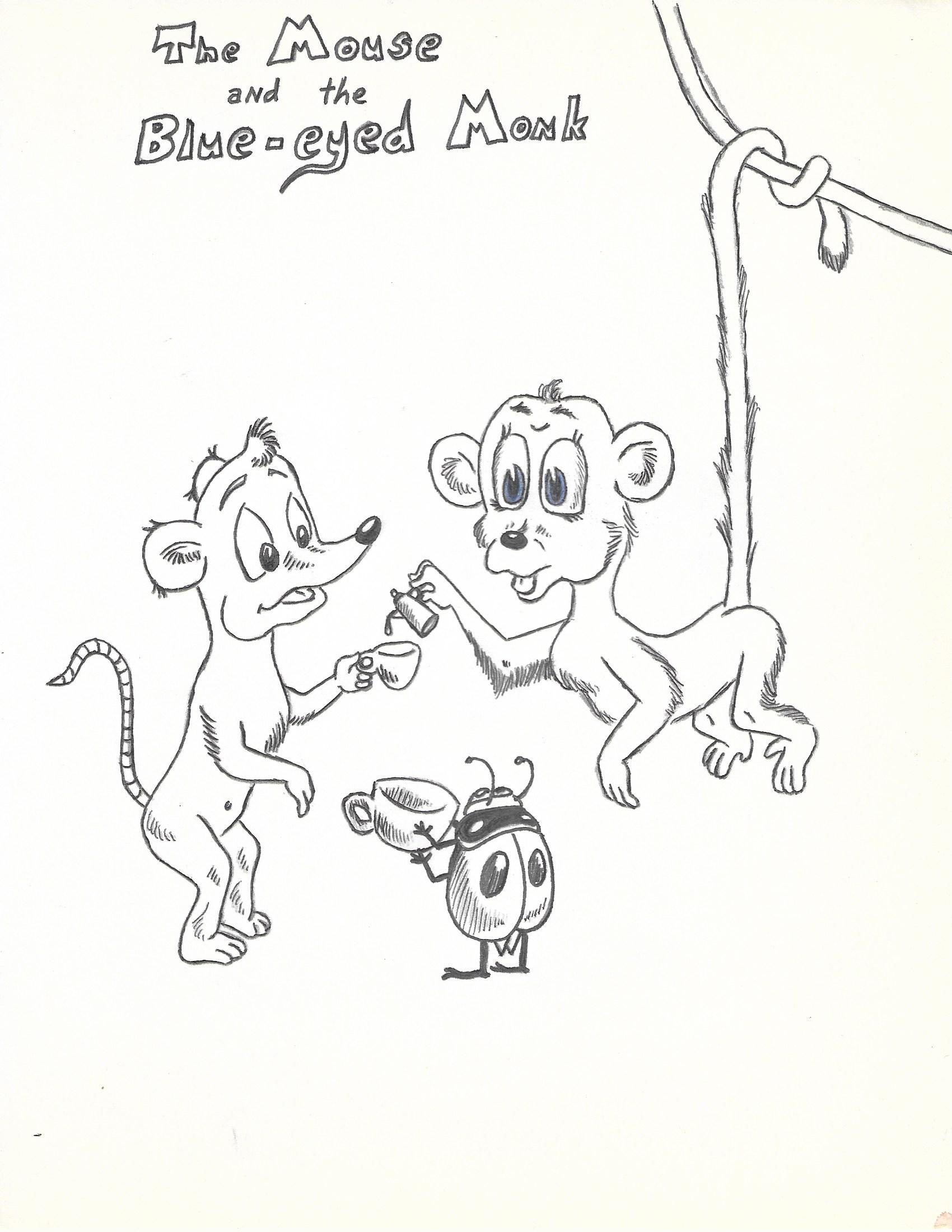
…And mice, monkeys, and tea-drinking ladybird beetles…
…And what…? The whole world in a nutshell?
To a thing I used in two novels, Catch a Falling Star and The Baby Werewolf.
I offer no explanations or excuses for these nonsensical and unaccountable things. I am not sorry I once did them, if you want to know the truth… but I probably should be.
I must confess that I chose to be a surrealist from about the time I discovered the artwork of Salvador Dali at the age of fifteen. I did a report on Dali and Surrealism for 9th grade Art Class. I wanted to be a surrealist because I realized that surrealists got to draw really weird stuff and then pretend it meant something real in the modern real world. So let me show you some of my weirder high school surrealist messings on paper.
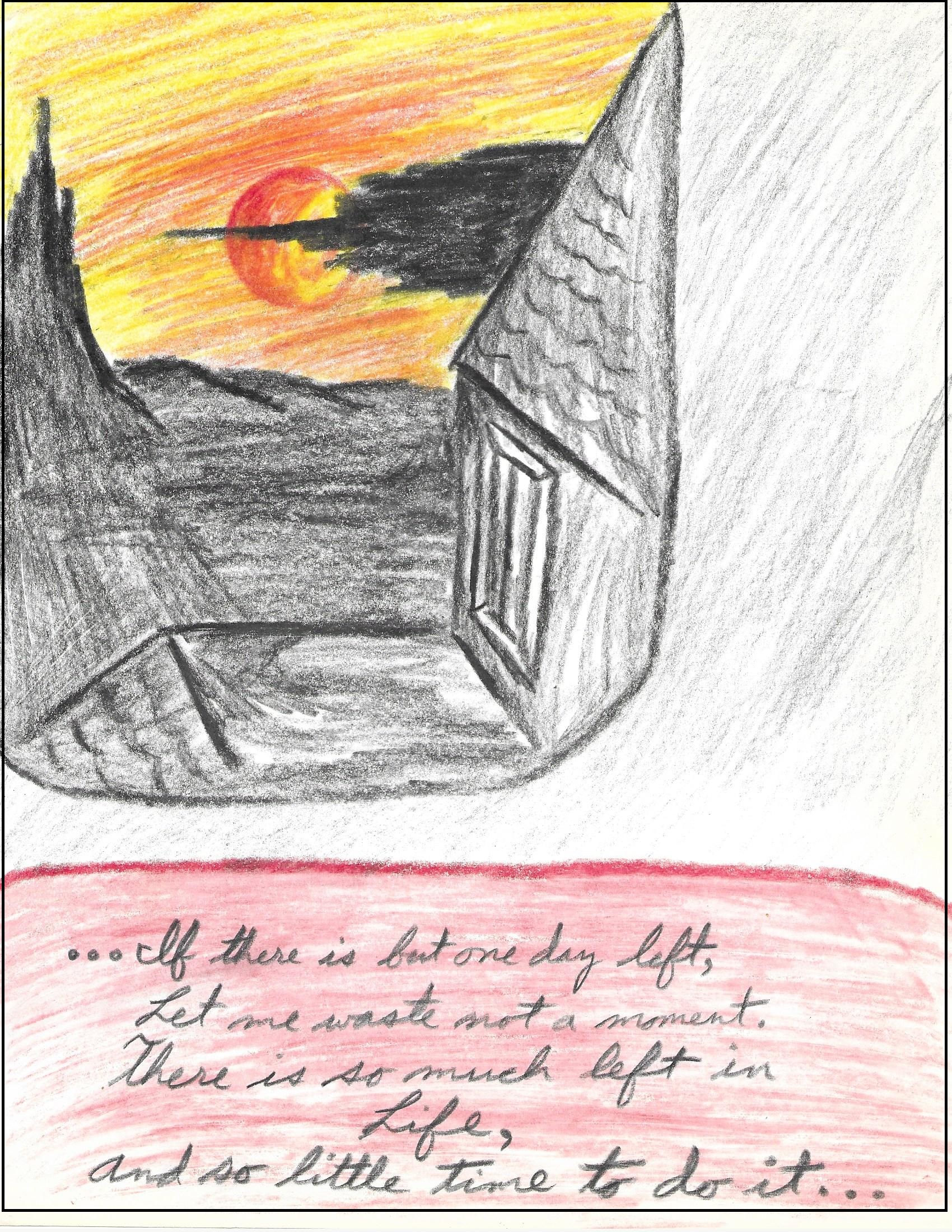
Of course, like most teenagers, I was obsessed with death and mortality at a time in which I had not yet learned how to live and stay alive… one of the serious dangers of being a teenage half-brain in a post invention-of-the-atom-bomb world.
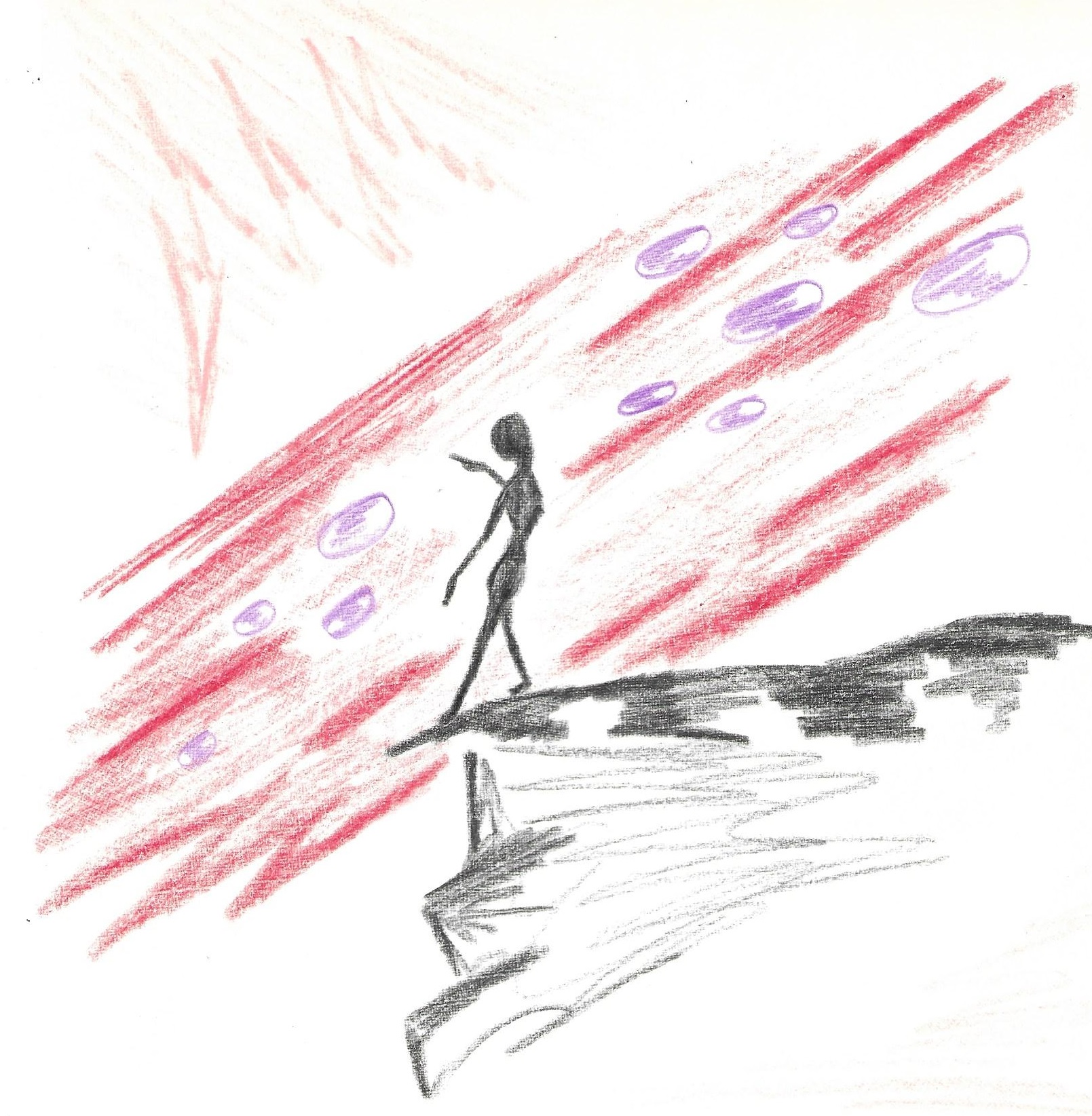
So, I start this gruesome dissection of teen-y art apoplexy with a depressingly angst-y picture and poem about the urgency of nameless coming doom.
And at the same time I was basically an angst-y pre-Goth Goth, I was also a lollipop Disneyphile romantic… A pre-My-Little-Pony Brony as it were. I was goofy as all get out and determined to latch onto all the big-eyed art ideals of the many girls I stalked and watched and comprehended incorrectly while never, ever talking to even one of them. (Well, not counting sisters and the several non-aggressive Mickey-lovers who were chasing me and courting me while I was totally oblivious to facts of it.)
But I was also aware of a spiritual something that lurked in my church-going Sunday self that needed to metaphorically tackle ideas of God and life-after-death notions of something that I knew in my head weren’t really real, but were necessary to the heart I possessed and its dire need for love and life and laughter.
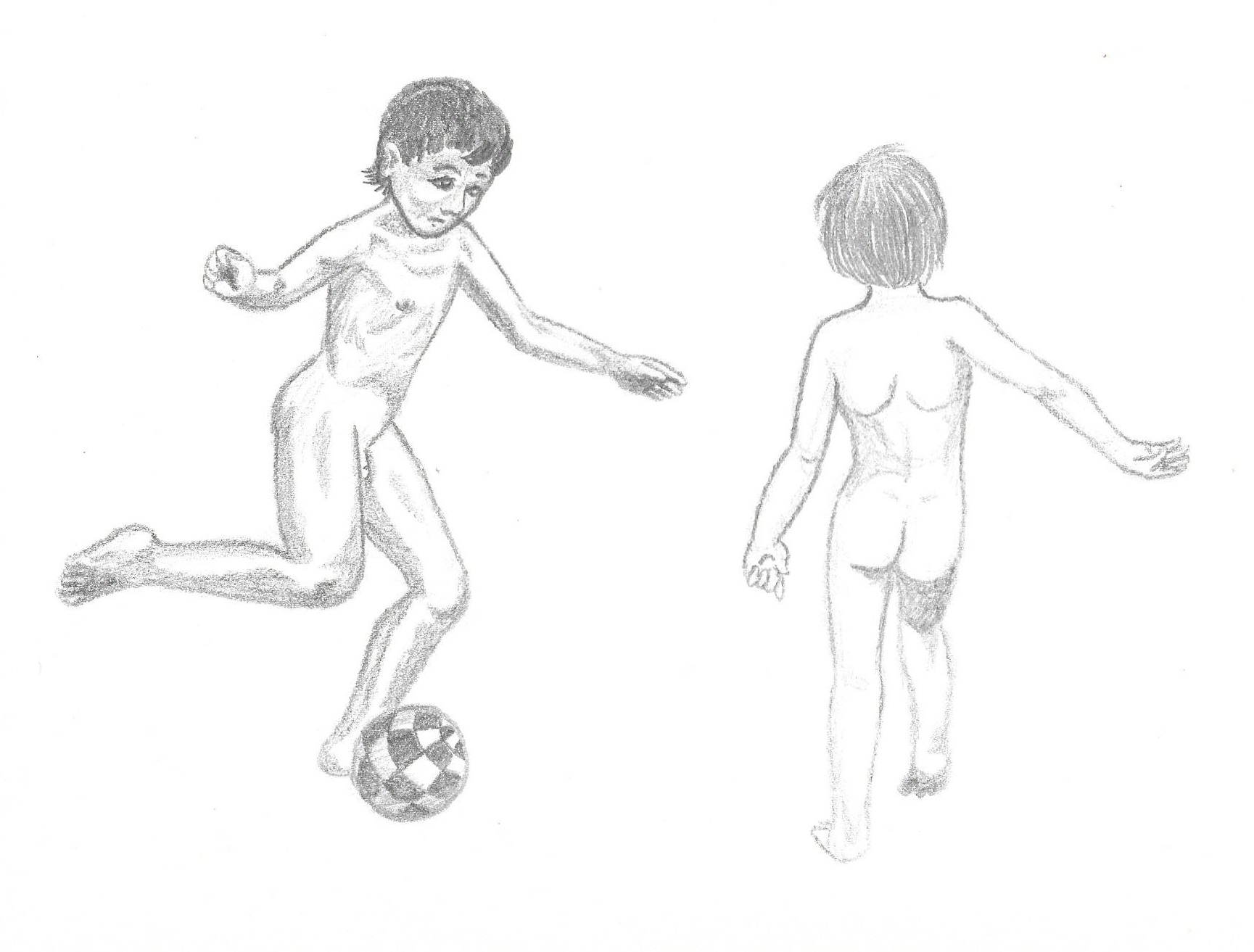
And then too, I was seriously teaching myself to draw. And I drew things like nudes from pictures in National Geographic and Post magazines… but of course, only non-sexualized nudes like kids playing soccer in the nude and in the rain in a school yard in Indonesia so they don’t get their school uniforms soaked.
But what is Surrealism that I can accomplish it any way as an Art movement that is really probably in the past and not relevant to anything in the real world now? Well, what I always thought it was… was a way of seeing the world through a rose-colored lens of imagination (with flying purple jelly-bean spots in it). It is a way of taking my Mickey-and-Goofy strangeness and mixing it into the Donald-Duck Soup of Art. It is a way to simply be true to myself rather than the truth nature insists on putting in front of my face.
Drawing nudes is a risky business. People judge you more harshly when you draw a nude and don’t explain the context. What a pervert you must be. They forgive you a little when you explain that you are an artist and once you took an anatomy drawing class in college where you were drawing from actual nude models. But understand, artists probably take classes like that because they are perverts to begin with.
And you have the added complication of being a victim of sexual assault as a child, so you have a PTSD-sort-of fear of nudity and physical contact while at the same time having all the natural urges that flesh is heir to.
The nude above was drawn actually from a photograph, a Polaroid. The griffon (who represents the fear in your PTSD-inspired dreams) did not want to pose nude in real life. So, you were given a photograph in which she was actually holding on to her boyfriend’s shoulder. Oh, wait! You mean “he” not “she”. The griffon was a boy. But she smiled when she saw the picture. And she asked why there was an eagle in it.
“But that’s not an eagle, it’s a griffon,” you said. “It represents being afraid of being nude.”
Obviously you did not give her the version of the picture with the “eagle” in it. She was happier with the nude you did give her, though it wasn’t drawn as well as this one.
And you are always a little leery of posting nudes you have drawn over the years on your blog, but somehow they get more views than anything else you post, and while you have to wonder why these pictures are so popular among judgmental people who have told you that you are probably a pervert, you secretly know the real reason.
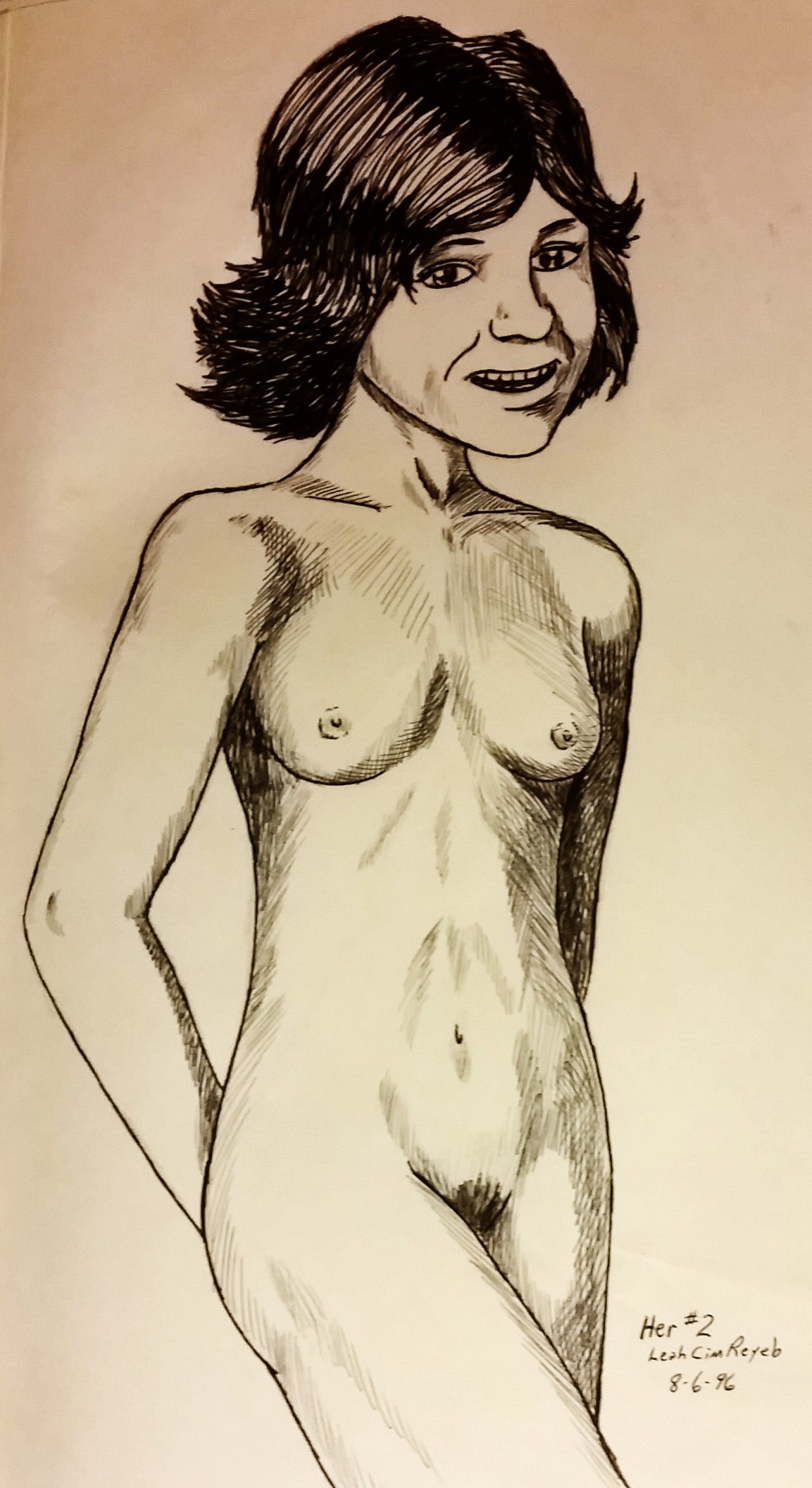
This picture of Karla gets lots of views. You have posted it three or four times before. (Of course, that is not Her real name.)
It is kinda the thing that started the college nude drawings. She was your roommate’s girlfriend, and she was looking at your drawings because Bill told her about your artworks and she was curious. She challenged you to draw her. It was the first nude model you ever drew outside of class. Bob sat in the room with the two of you and watched you draw. (Oh, wait. You called him Bill before. Change that. Bob Bill. There, that’s better.) You drew in pencil.
You did two versions of it. The pen and ink that you drew of it in 1996 was made from the one that you kept.
If you had never done that picture of Karla, the one of the griffon wouldn’t exist either. She had to go and show her picture off to her friends. After all the great cartoons you drew over the years, you might know that the biggest reputation you ever got as an artist came about because of a pencil drawing of a smiley nude girl. And she had a big mouth… both figuratively and literally. But she was nice, and you couldn’t be mad at her. She and Bob Bill got married, and she probably still has that picture in its little frame somewhere in her house.
My novel Snow Babies reveals things from my life that are only metaphorically nudity.
There was a time in my life, in fact, for a majority of my life, that all these things were pretty much secrets that I kept to myself. I didn’t show the nude pictures to others. I kept them in a portfolio in a closet. I never would’ve admitted to being a nudist at heart either. Or anything about being assaulted as a boy. Or told anyone about any of it in a blog post like this. I can only do that now that I am old and know that none of my sins are really that awful and need to be kept secret. There is a certain beauty in that. You don’t even really need to keep doing it in second person point of view, confusing the audience into thinking it’s about them and not about you. Sorry about the meta-messaging. I just find it funny that I can be completely open at the end of the essay of life, and no longer feel the need to hide all the things that we hide under our clothing. Sometimes there is beauty to be found in the depths of a risky picture.
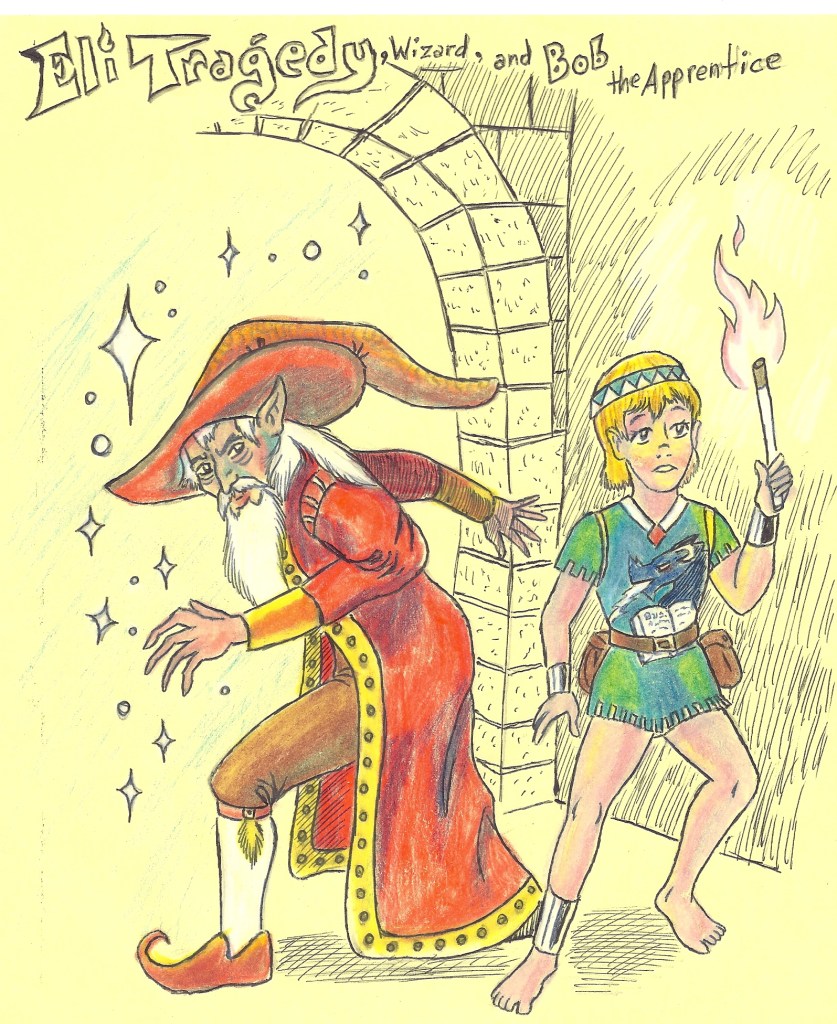
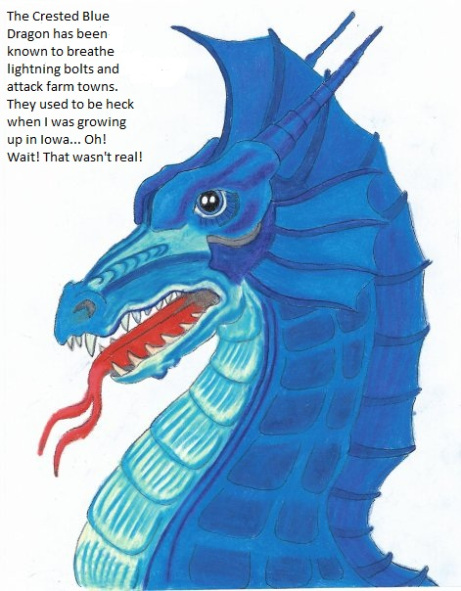
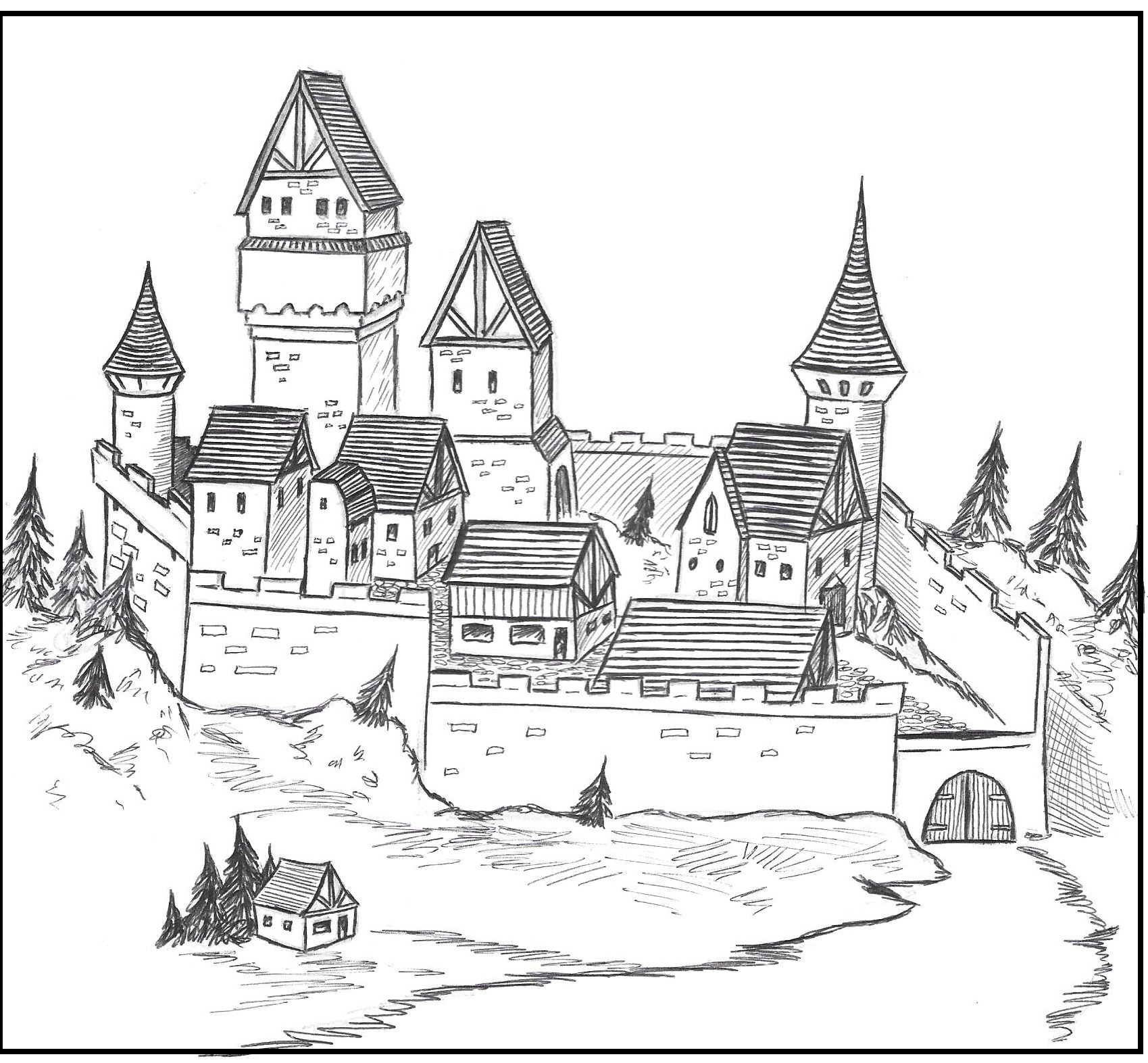
Still being ill, I had time to go through old notebooks for scan-able pen and ink art. I found a dragon’s horde full in the notebooks I had for collections of Dungeons and Dragons pictures, from games of old played with former students in Cotulla, Texas in the 1980’s and early 1990’s.