



Filed under artwork
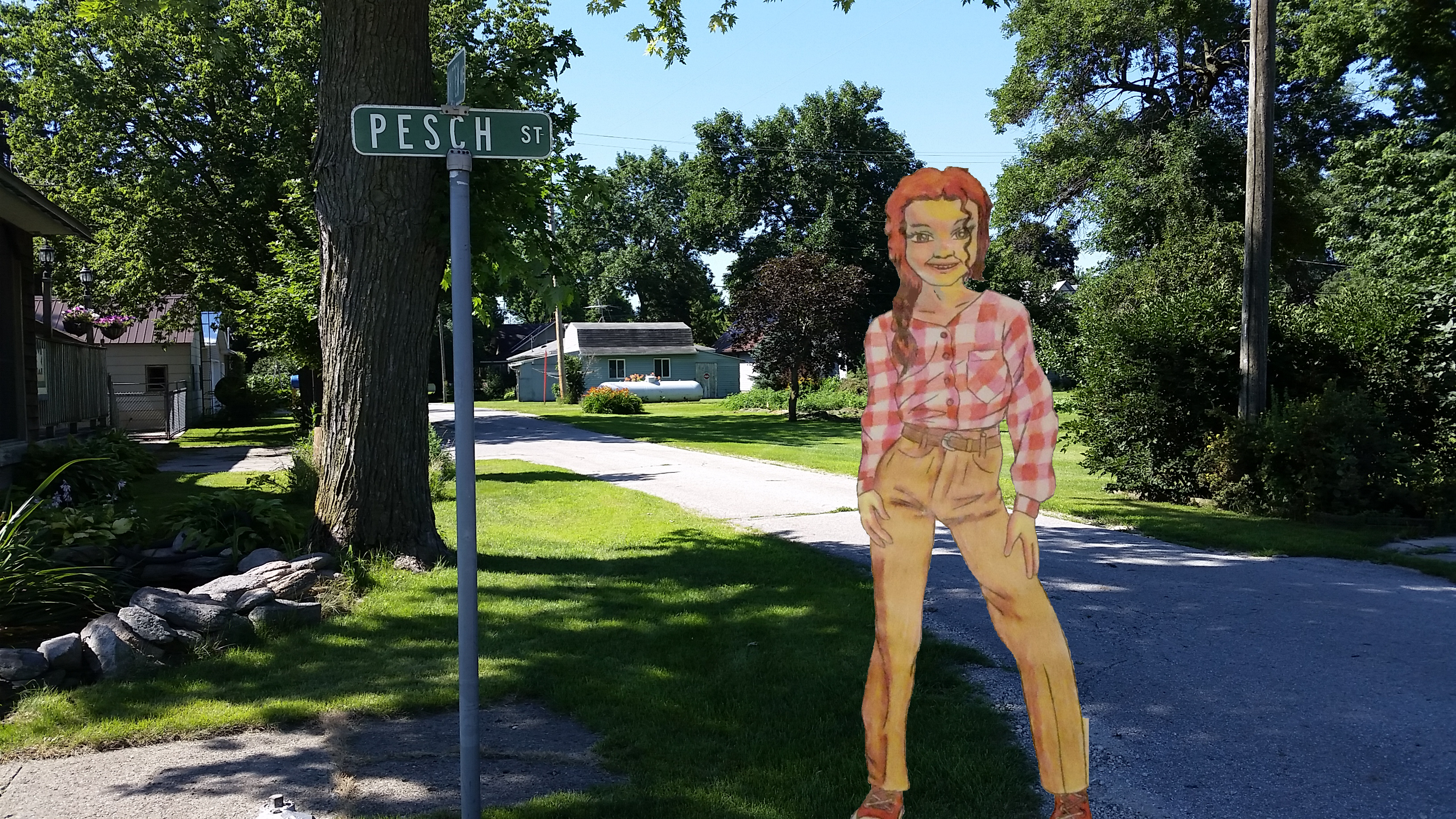
I grew up in a small rural town in North Central Iowa. It was a place that was, according to census, home to 275 people. That apparently counted the squirrels. (And I should say, the squirrels were definitely squirrelly. They not only ate nuts, they became a nut.) It was a good place to grow up in the 60’s and 70’s. But in many ways, it was a boring place.
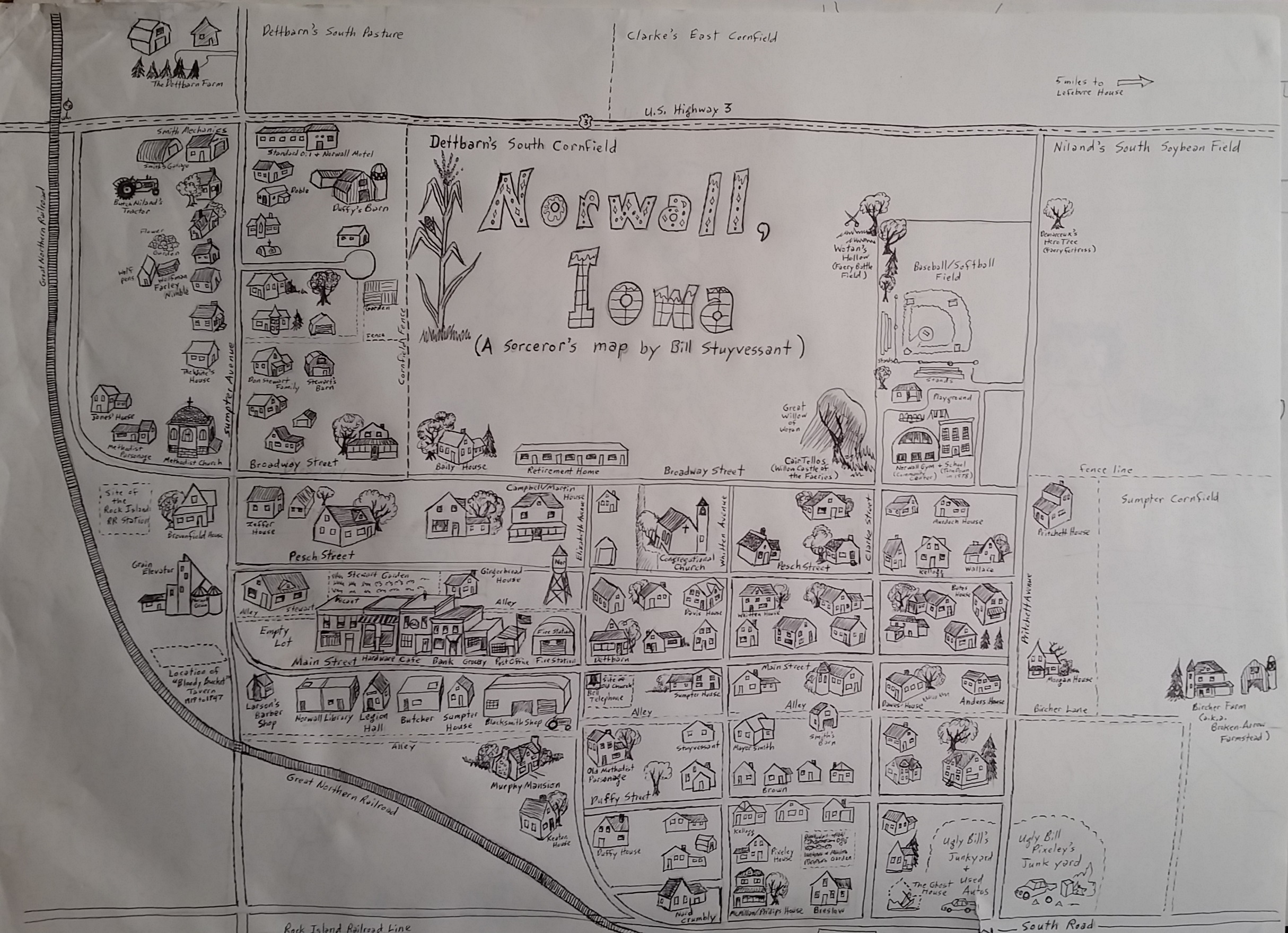
Yes, there were beautiful farmer’s daughters to lust after and pine for and be humiliated by. There was a gentle, supportive country culture where Roy Rogers was a hero and some of the best music came on Saturdays on Hee Haw where there was a lot of pickin’ and grinnin’ going on. There were high school football games on Friday nights, good movies at the movie theaters in Belmond and Clarion, and occasional hay rides for the 4-H Club and various school-related events like Homecoming.

I lived in a world where I was related to half the people in the county, and I knew at least half of the other half. People told stories about other people, some of them incredibly mean-spirited, some of them mildly mean, and some of them, though not many, that were actually good and actually true. I learned about telling good stories from my Grandpa Aldrich who could tell a fascinating tale of Dolly who owned the part of town called locally “Dollyville” and included the run-down vacant structure the kids all called the Ghost House. He also told about Dolly’s husband, Shorty the dwarf, who was such a mean drunk and went on epic temper tirades that often ended only when Dolly hospitalized him with a box on the ear. (Rumor had it that there were bricks in the box.)
And I realized that through story-telling, the world became whatever you said that it was. I could change the parts of life I didn’t love so much by lying… er, rather, by telling a good story about them. And if people heard and liked the stories enough, they began to believe and see life more the way I saw it myself. A good story could alter reality and make life better. I used this power constantly as a child.


There were invisible aliens invading Iowa constantly when I was a boy. Dragons lived in the woods at Bingham Park, and there were tiny little fairy people everywhere, in the back yard under the bushes, in the attic of the house, and building cities in the branches of neglected willow trees.
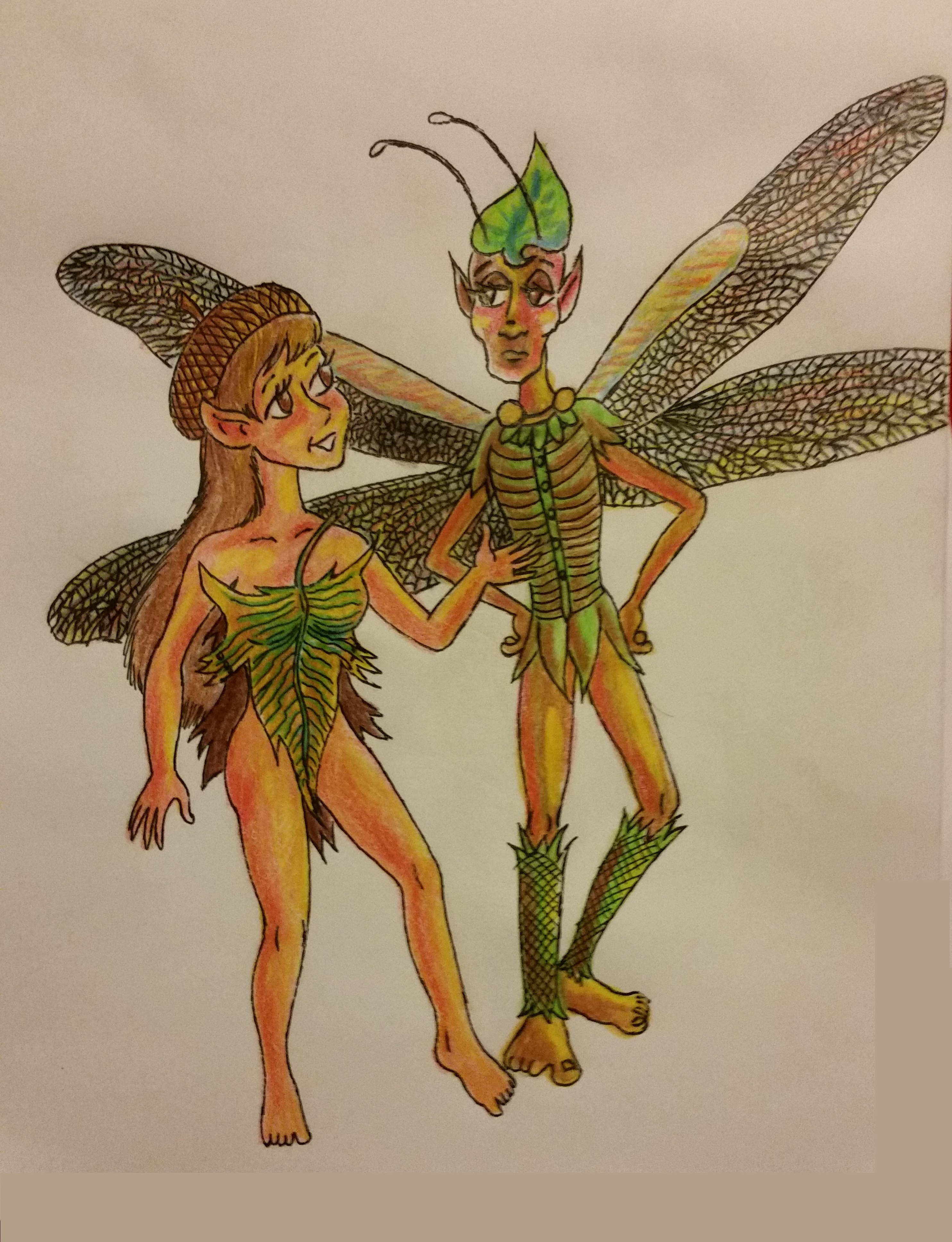
I reached out to the world around me as an artist, a cartoonist, and a story-teller and plucked details and colors and wild imaginings like apples to bake the apple pie that would much later in my life feed the novels and colored-pencil pictures that would make up my inner life. The novels I have written and the drawings I have made have all come from being a small town boy who dreamed big and lived more in stories than in the humdrum everyday world.
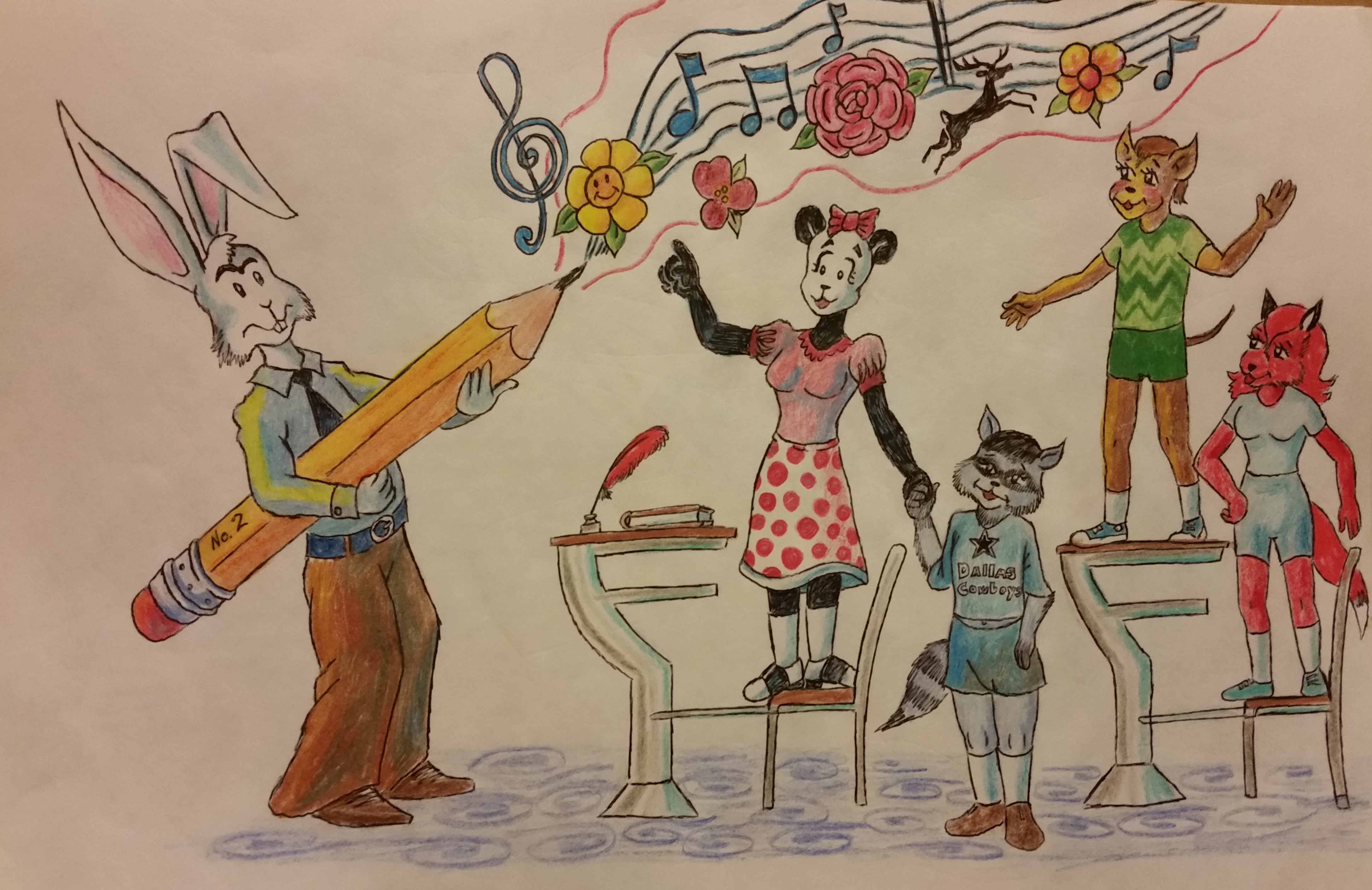
The guy holding the big pencil used to be me. I know you are thinking, “But, Mickey, you are not a rabbit!” Well, that’s true, but it is also true that the whole thing is a metaphor, and metaphorically I was always Reluctant Rabbit, pedagogue… teacher… the holder of the big pencil. It is a writing teacher thing. The best way to teach kids to write is to have them write. And the best way to show them what you mean when you tell them to write is to write yourself. You learn to read better by reading a lot. You learn to write better by writing a lot, reading what you wrote, and reading what other people wrote, especially if those other people were holding the big pencil in front of the class.
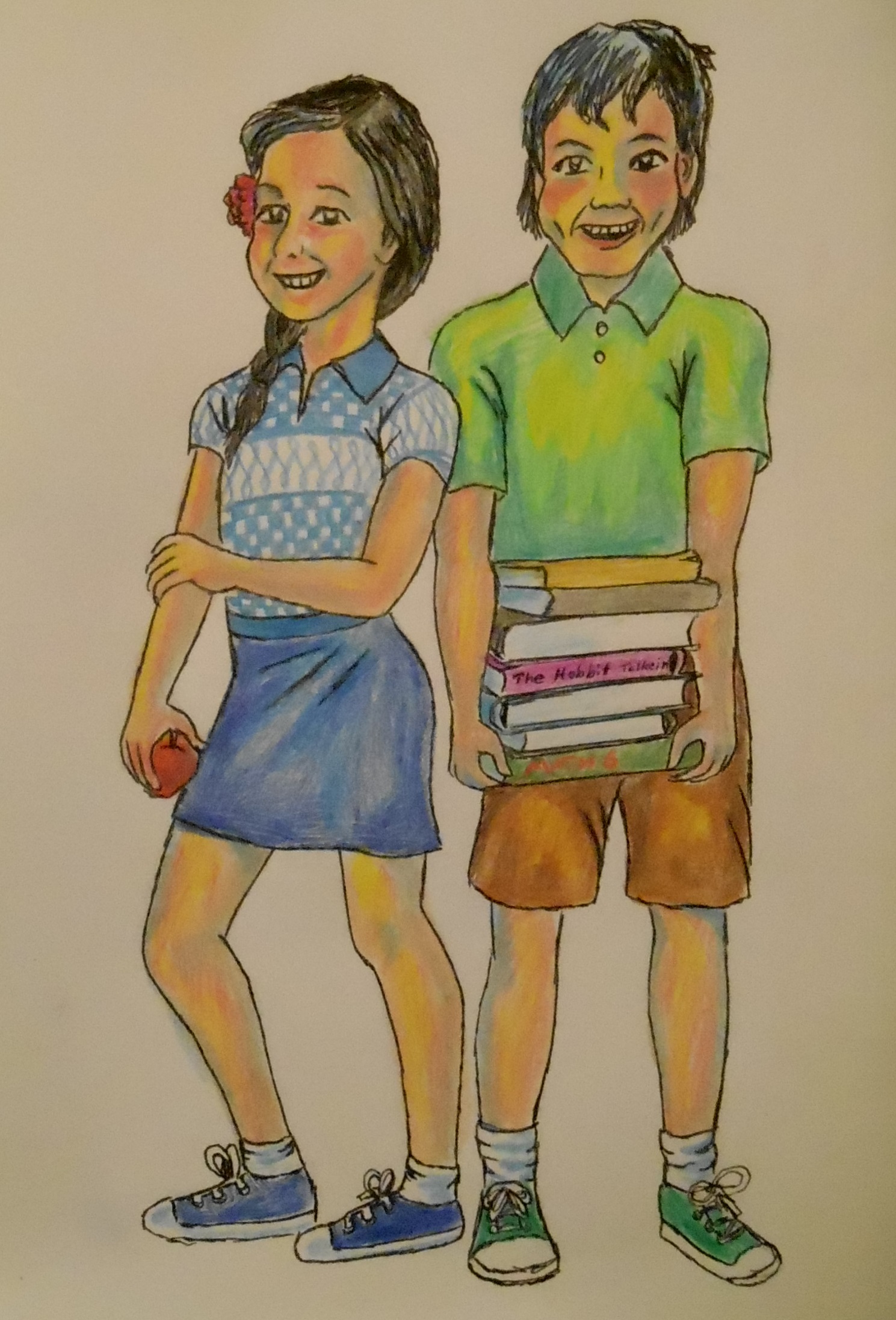
I was recently reminded by people who know me that once I held the big pencil in the front of the class. They both asked me, “Really? You were a teacher?”
I suppose it is hard to believe when once you’ve gotten to know me, at least a little bit. I don’t strike people as the sour-faced, anal-retentive English-teacher type. I smile and laugh too much for that. They can’t believe that someone like me could ever teach.
But over the years, I got rather good at holding the big pencil. I learned, first of all, that anyone can be a good teacher. You only have to be competent in the subject area you are trying to teach, and open to learning something new about teaching every single day for the rest of your life.
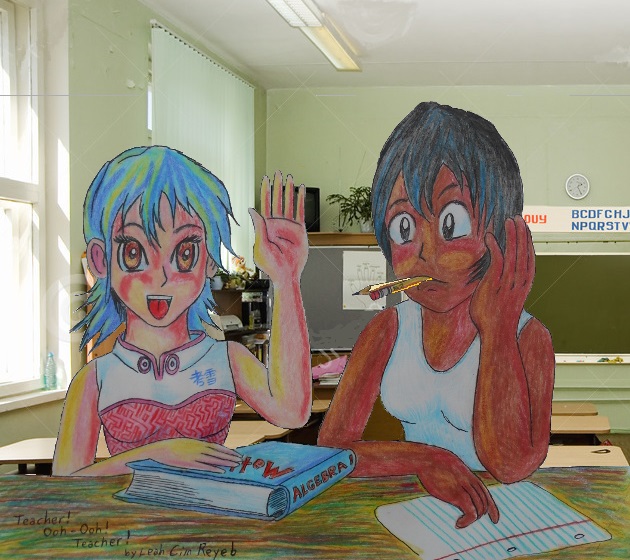
Here’s something you have to learn about teaching to be any good at it; Discipline is not about making kids behave. You can shout, stamp your feet, and hit them with a ruler and you will never get them to do what you want to them do. It has to be about limiting the choices they have for what they will do. Yes, one of those choices is to be removed from the classroom to go have fun sitting in the uncomfortable chair next to the assistant principal in charge of discipline’s desk, but the good teacher knows you should emphasize that they can either sit like a lump and imitate a rock, or they can participate in the activities presented. And in my classroom, activities led to jokes and laughing and trying new stuff… some of it hard, but most of it easy. Kids don’t end up having a hard time making the right choice.
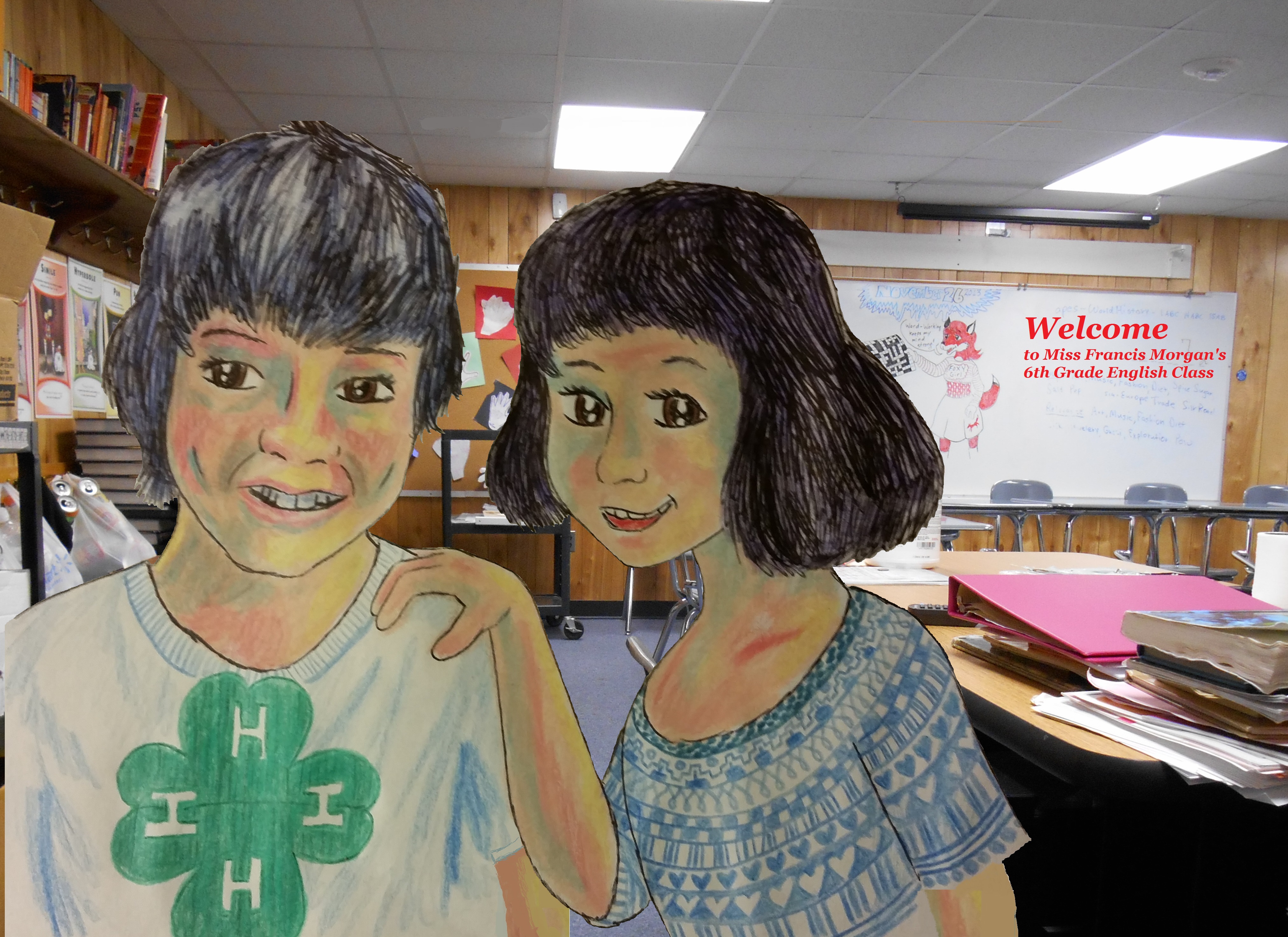
Here’s something else you absolutely have to learn to be any good at it; You have to like kids. Not just the well-behaved teacher-pleasers, but also the class clown who’s too smart to sit still for stuff he already knows, the shrinking violet who is a wonderfully complex well of deep thoughts who is only a little bit too scared to actually speak in class and share her thoughts, and the dark snarky demon who is quietly plotting the next outburst that will make your life a living hell so he or she can spend time with their old and dear friend, the chair in the assistant principal’s office. If you don’t like them, you can’t teach them, and driving dynamite trucks in war zones is an easier job. It pays better too.
I often try to picture Donald Trump teaching English to seventh graders. What a slapstick comedy that would be. The man doesn’t know anything. He is always angry. And he hates everybody except his daughter Ivanka. My fourth period class wouldn’t merely eat him alive, they would skeletonize him faster than a school of piranhas could ever hope to match. And it might be entertaining to watch (assuming it was metaphorical, not literal).
And I sincerely wish I could hold the big pencil in front of class again. It was the act that defined who I was and what purpose I had in life. But it isn’t gone since I was forced by ill health to retire. I held the big pencil for over two thousand students in the course of thirty-one years. And I will always hold the big pencil in their memories of it. It is a sort of immortality for teachers.
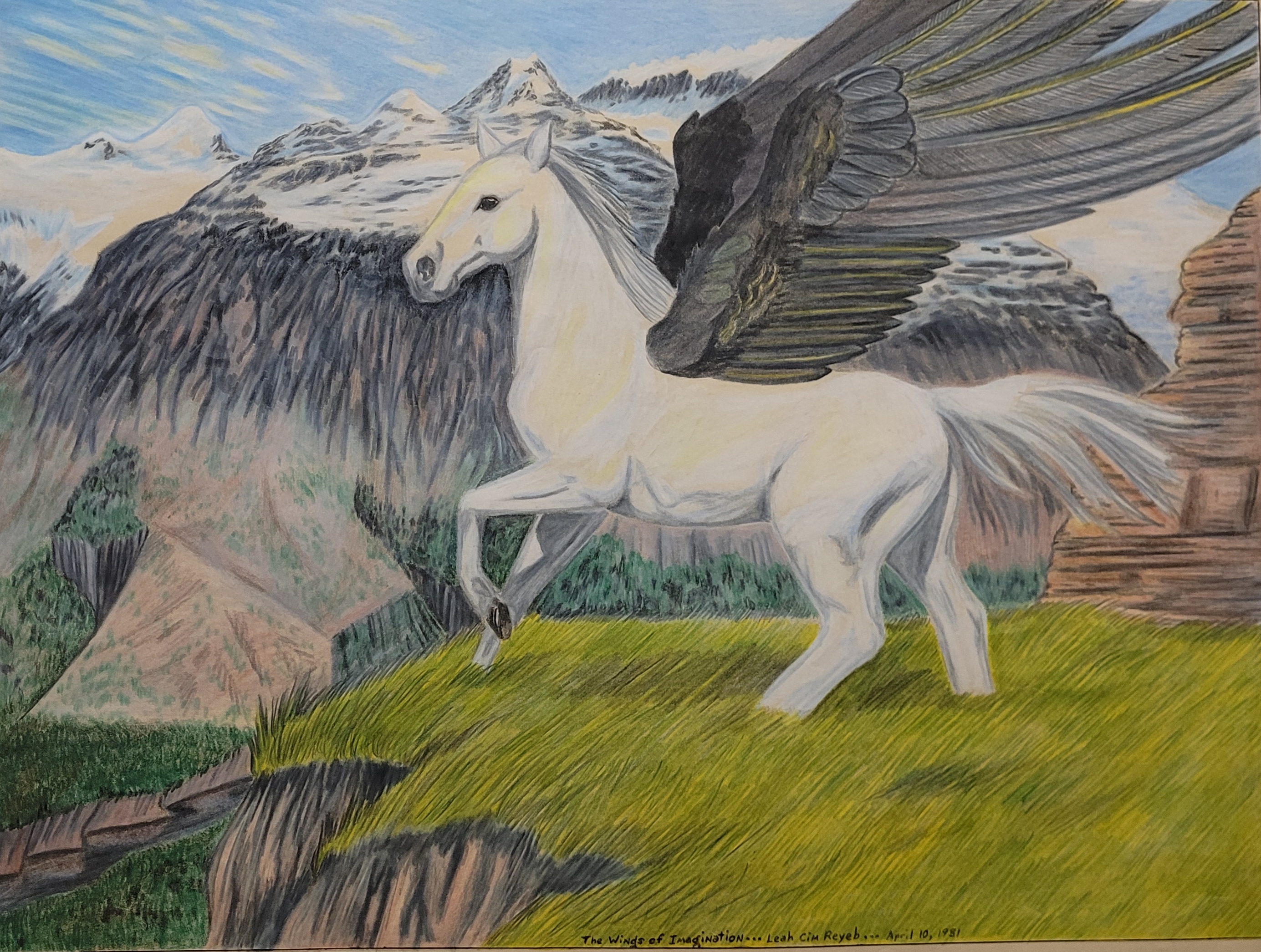
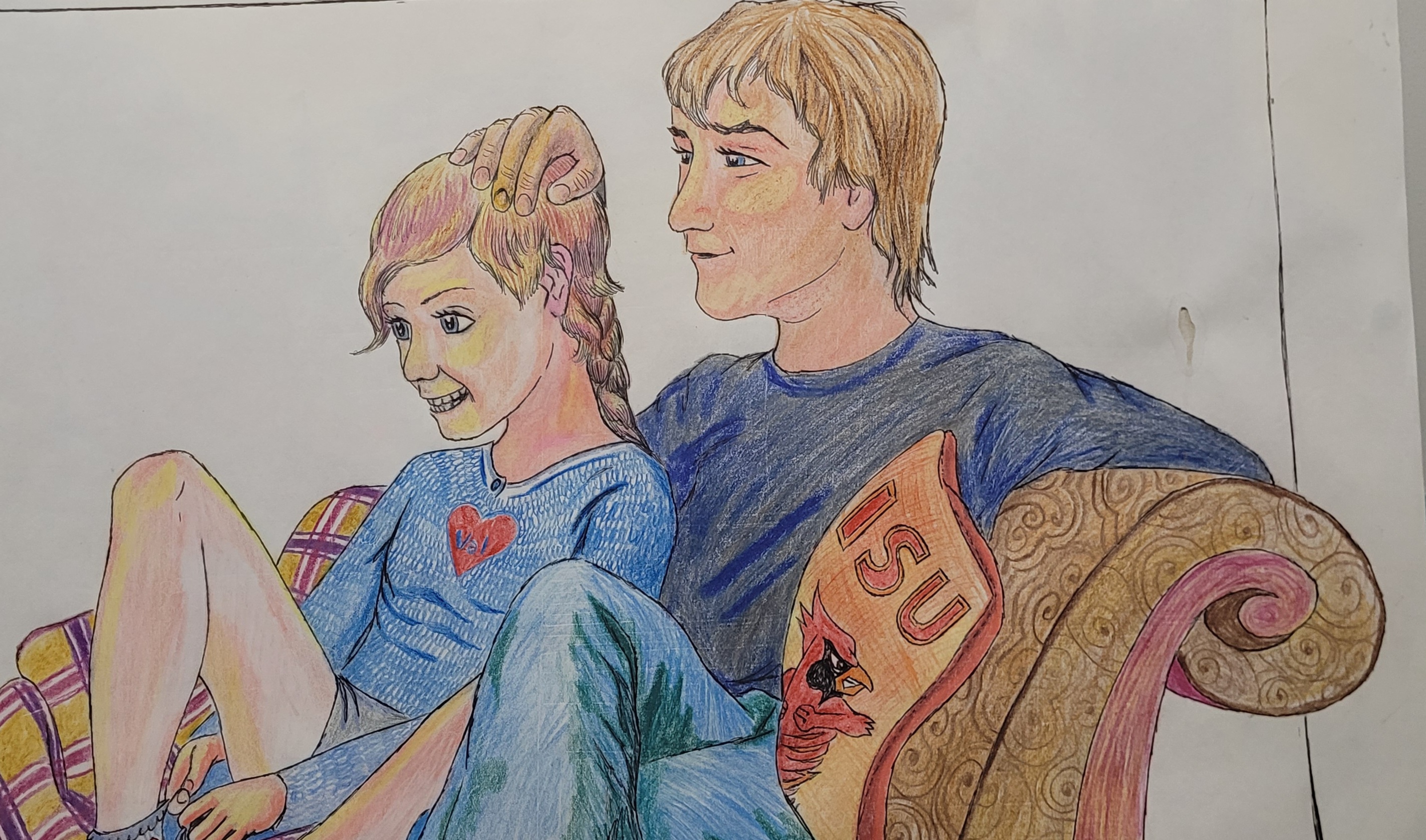
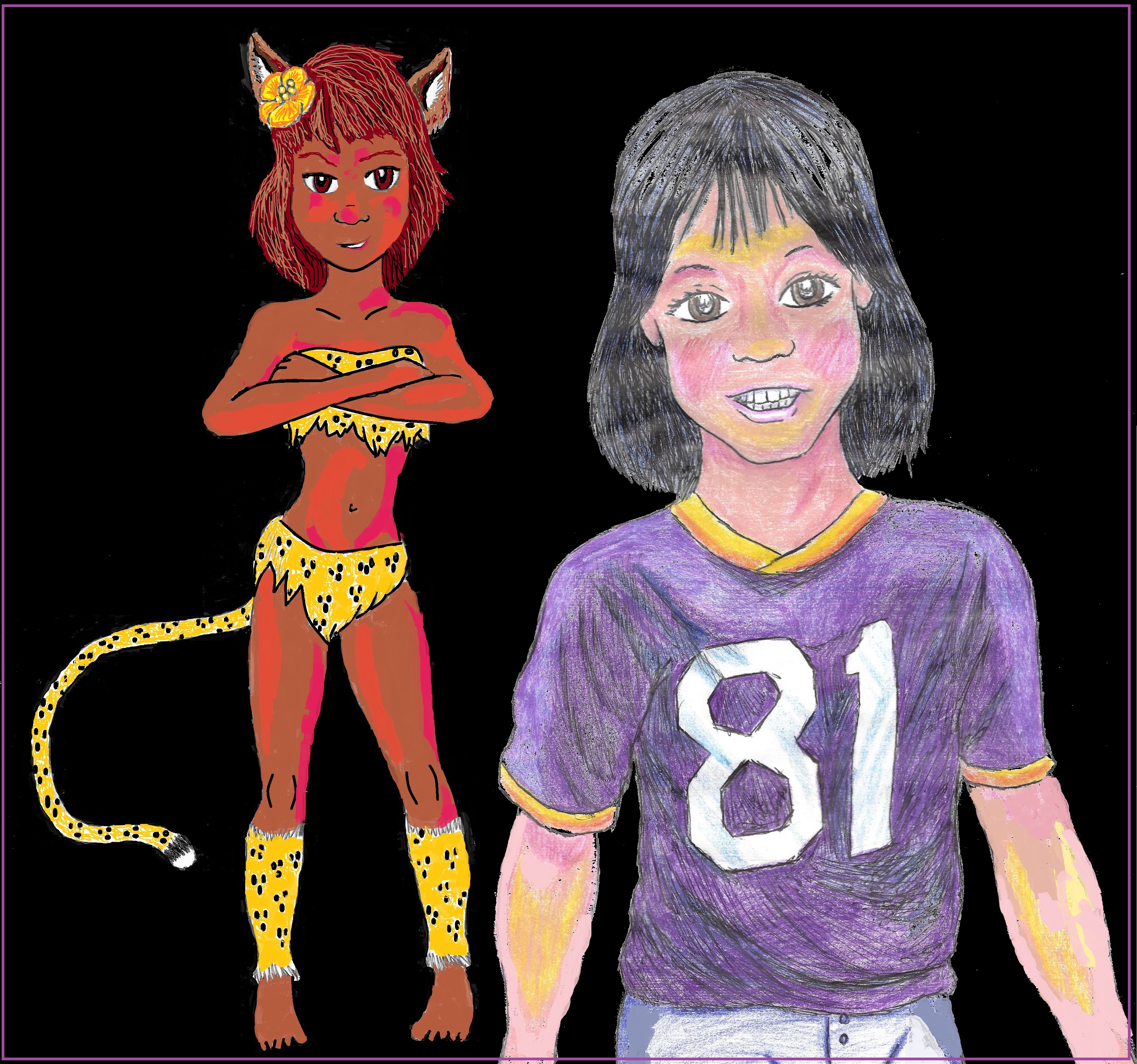
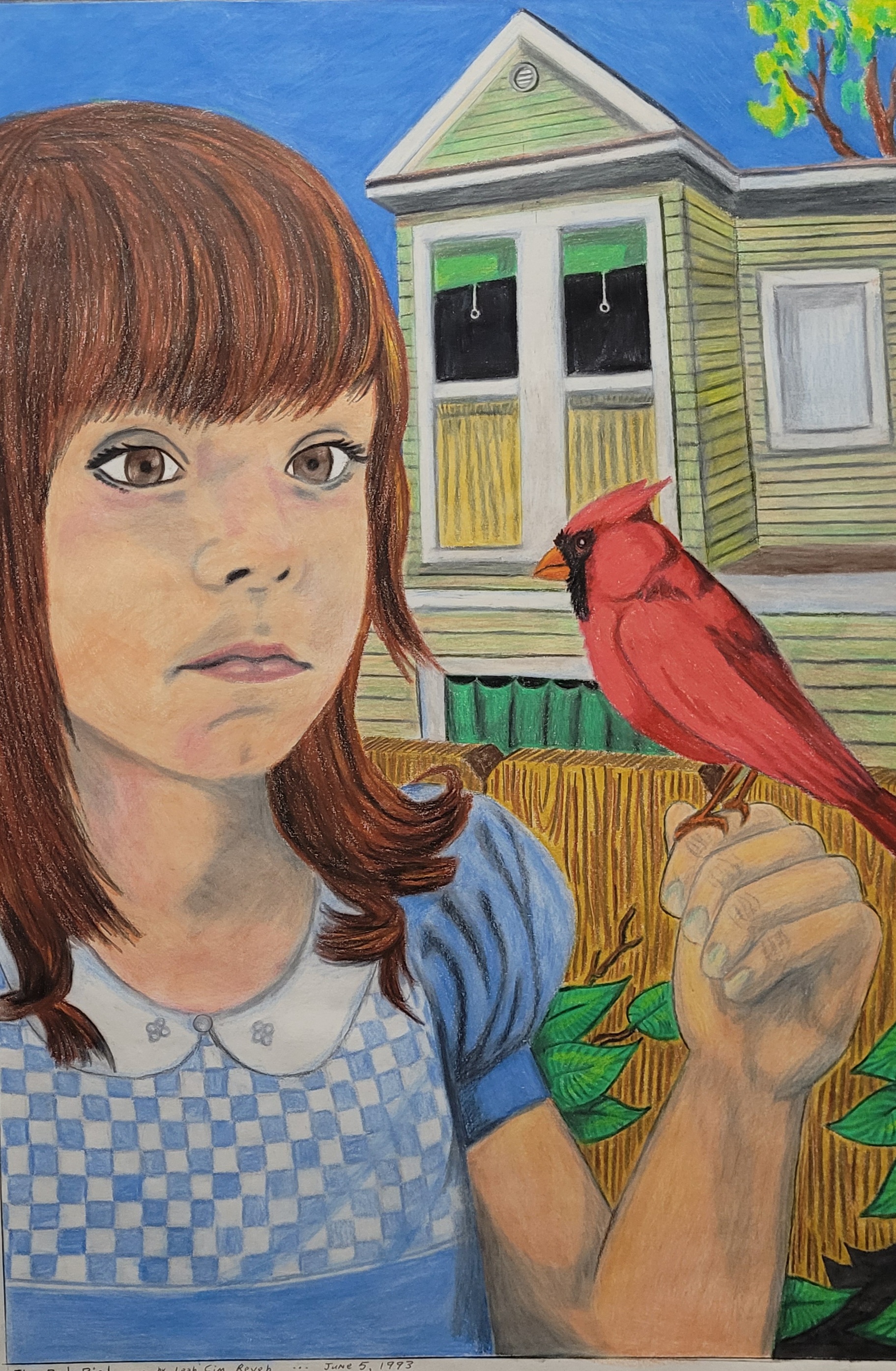
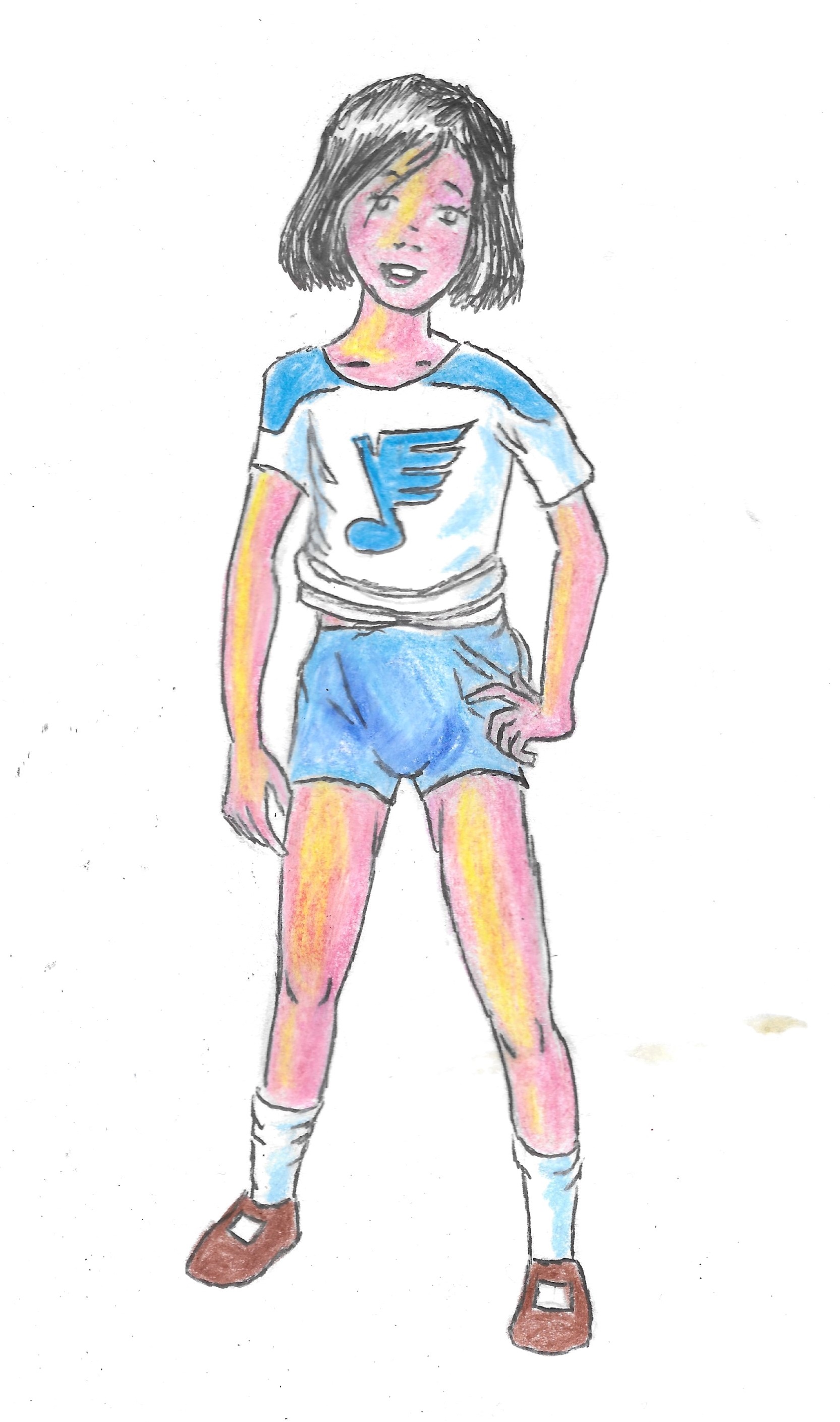
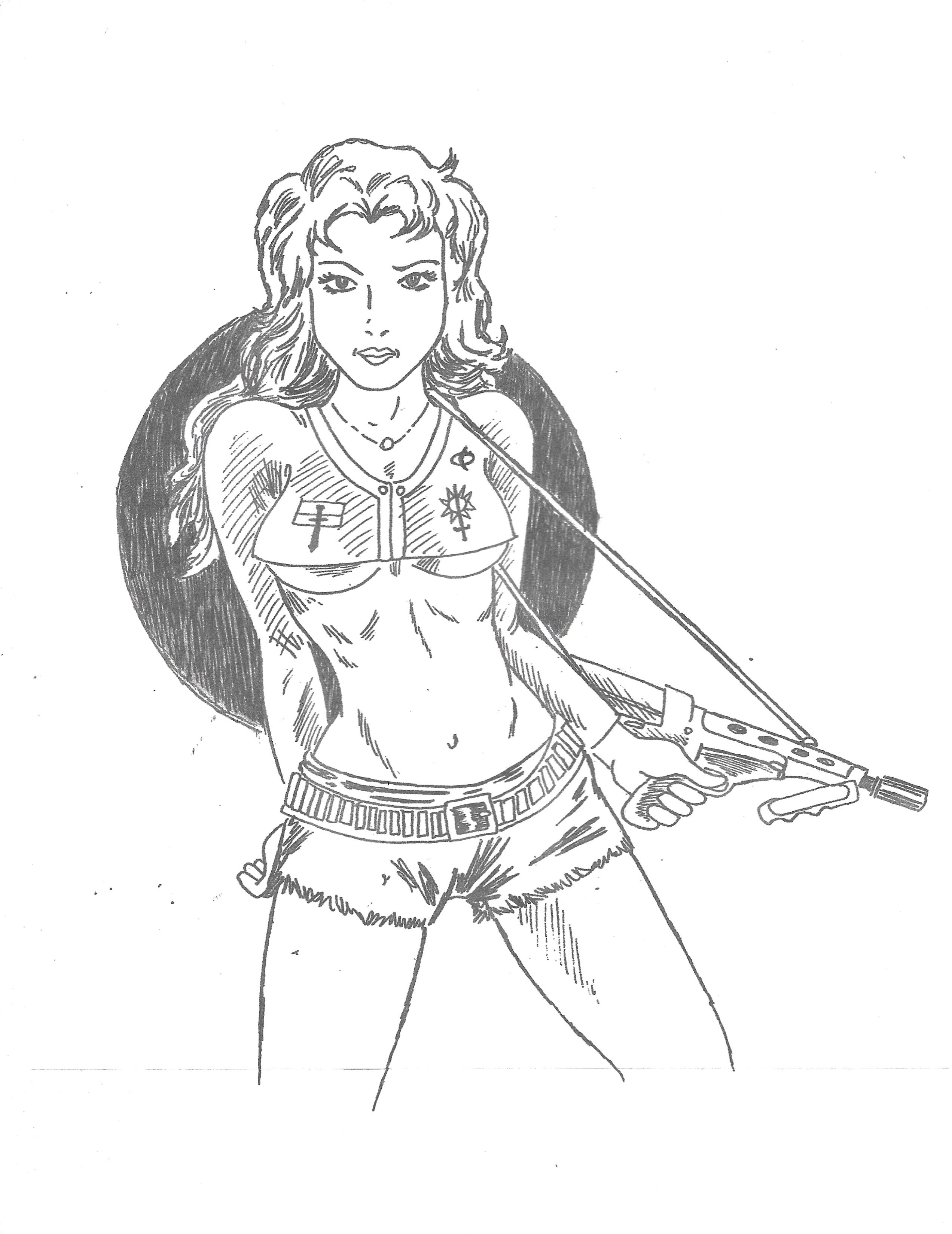
I have been working on creating new digital photographs of some of my artwork that didn’t get photographed well with older less-capable cameras I used to use.


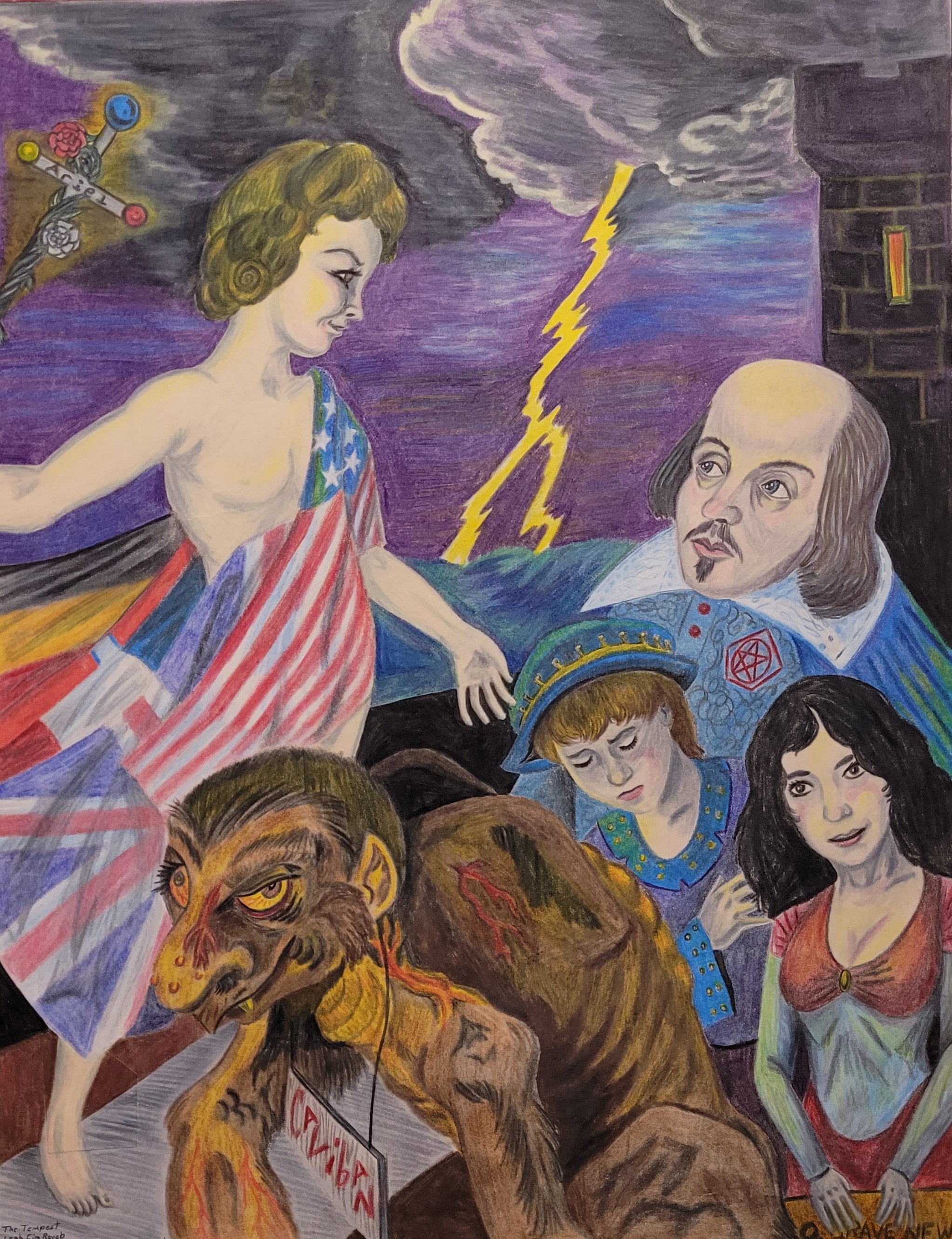
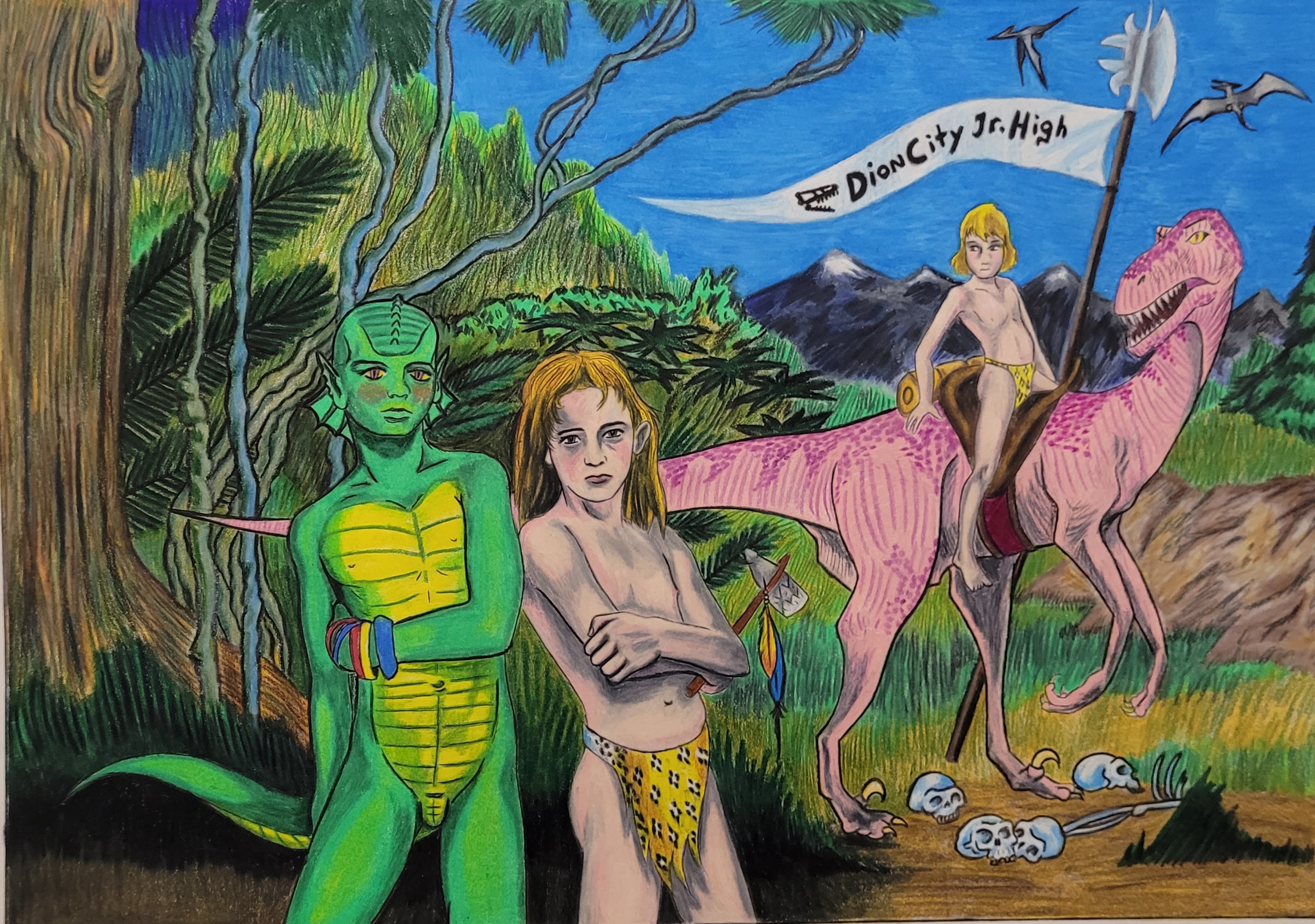

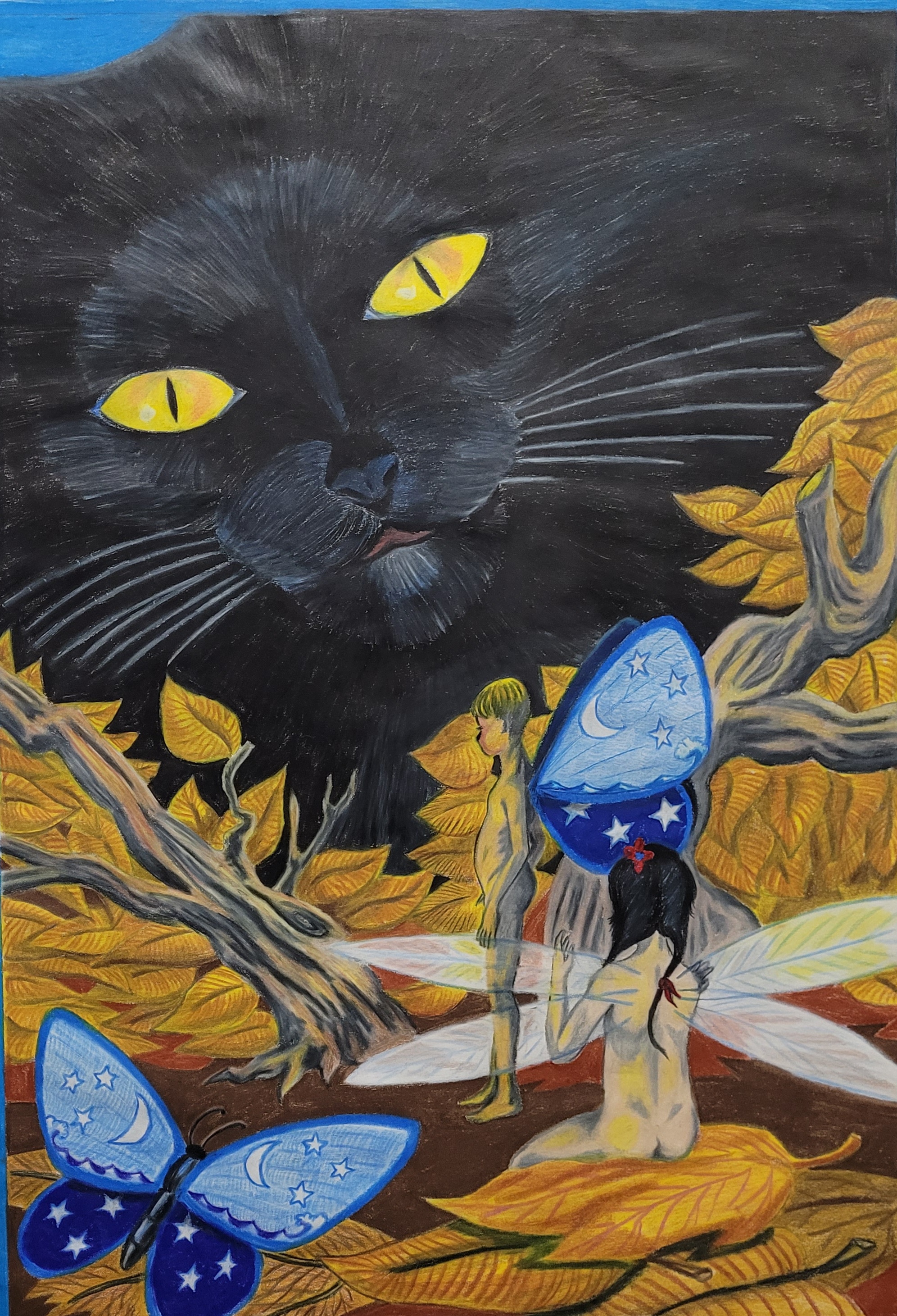


I spent some time this last week taking photos of artwork. You see, I bought a new phone a year ago, and the camera installed in it was of much better quality than I had before, even in my digital camera which I mysteriously lost more than a year ago. But, though I played with it a lot in the last year, I only started using it to photograph artwork recently. It makes better digital images of my art than I had before.
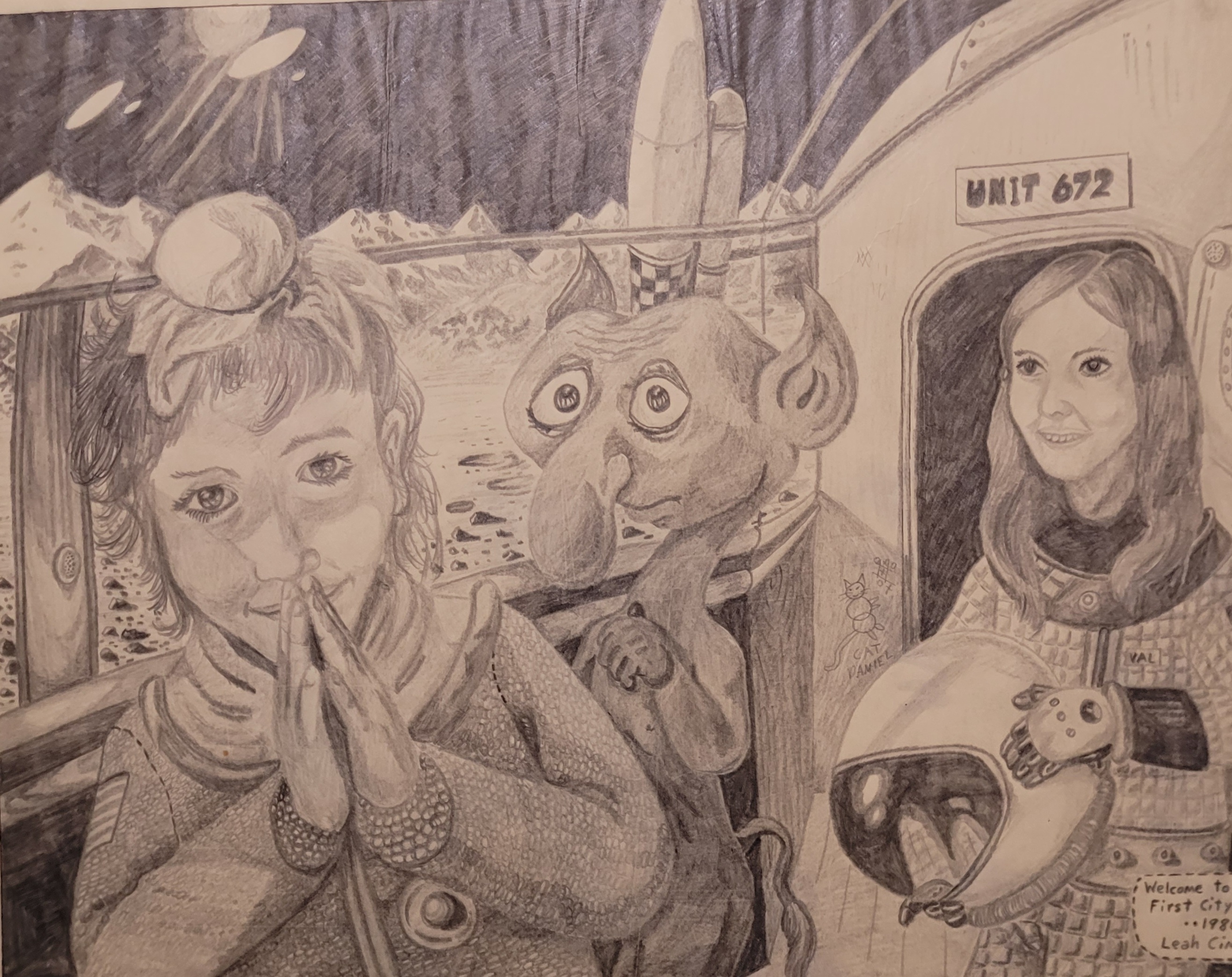
The new camera can capture the subtleties of a pure pencil drawing better than any camera I have ever used.
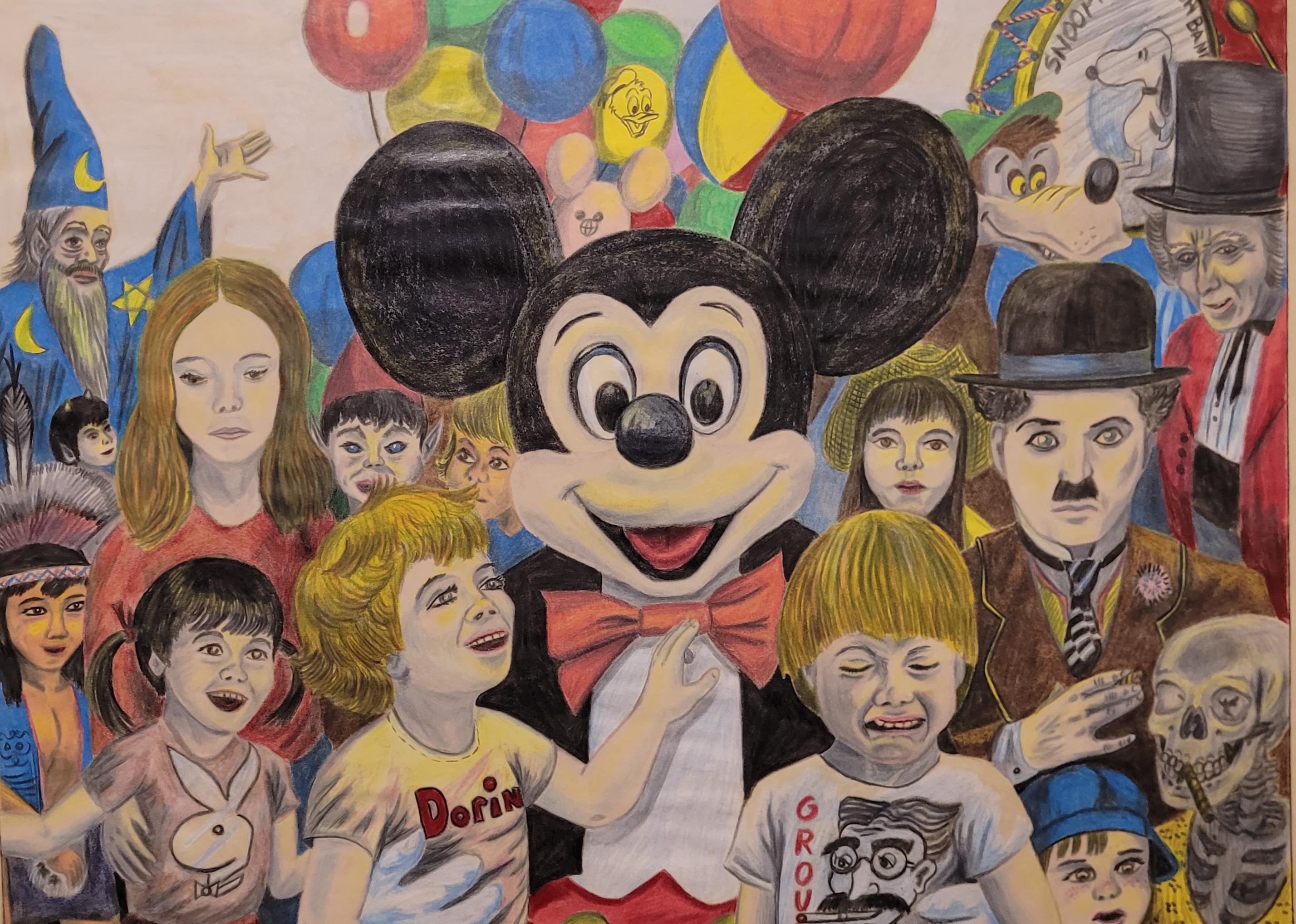
I love this picture… even if Disney sues me over it.
I love this one too. Remember it from yesterday? This is the same digital image made on Wednesday.
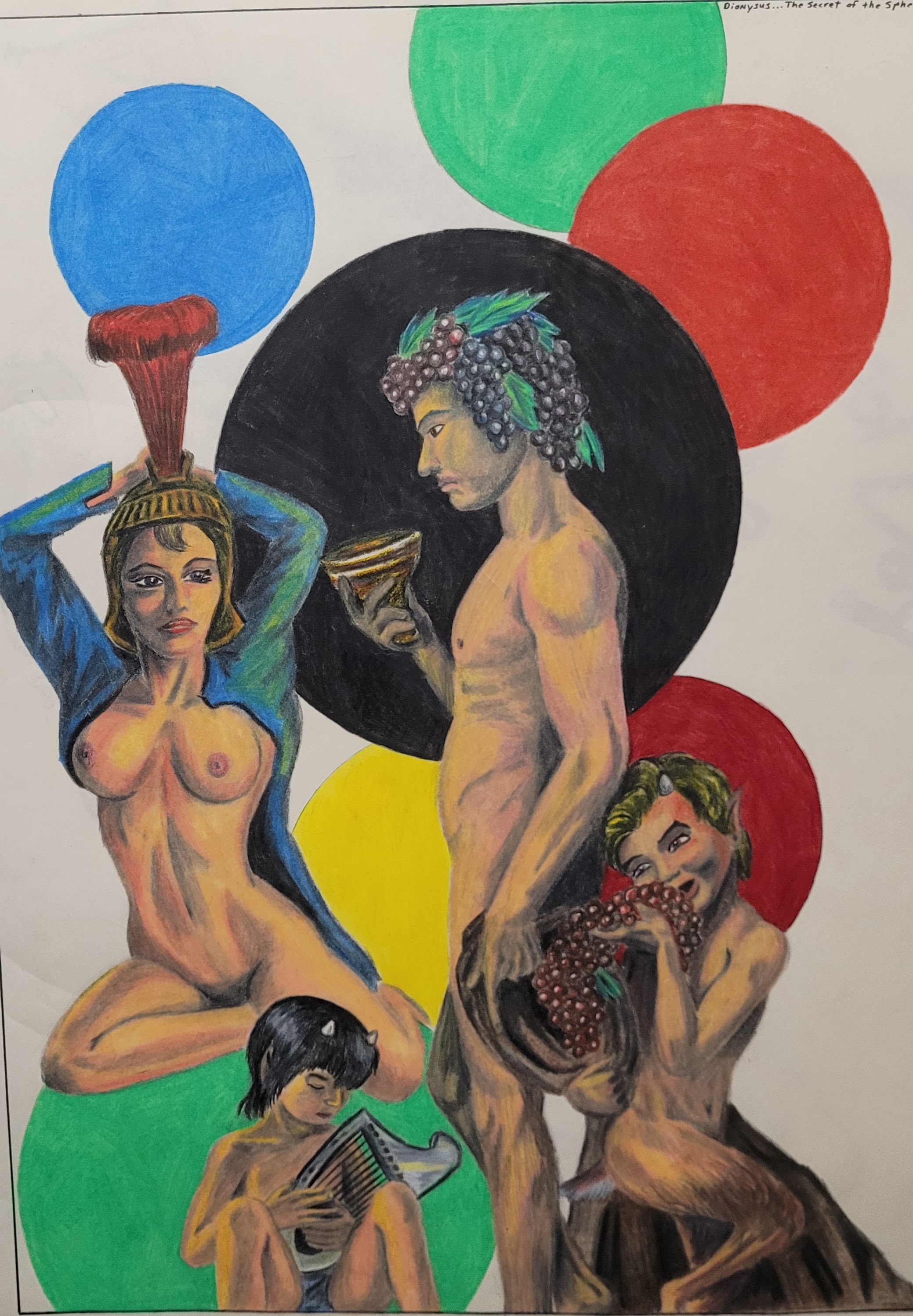

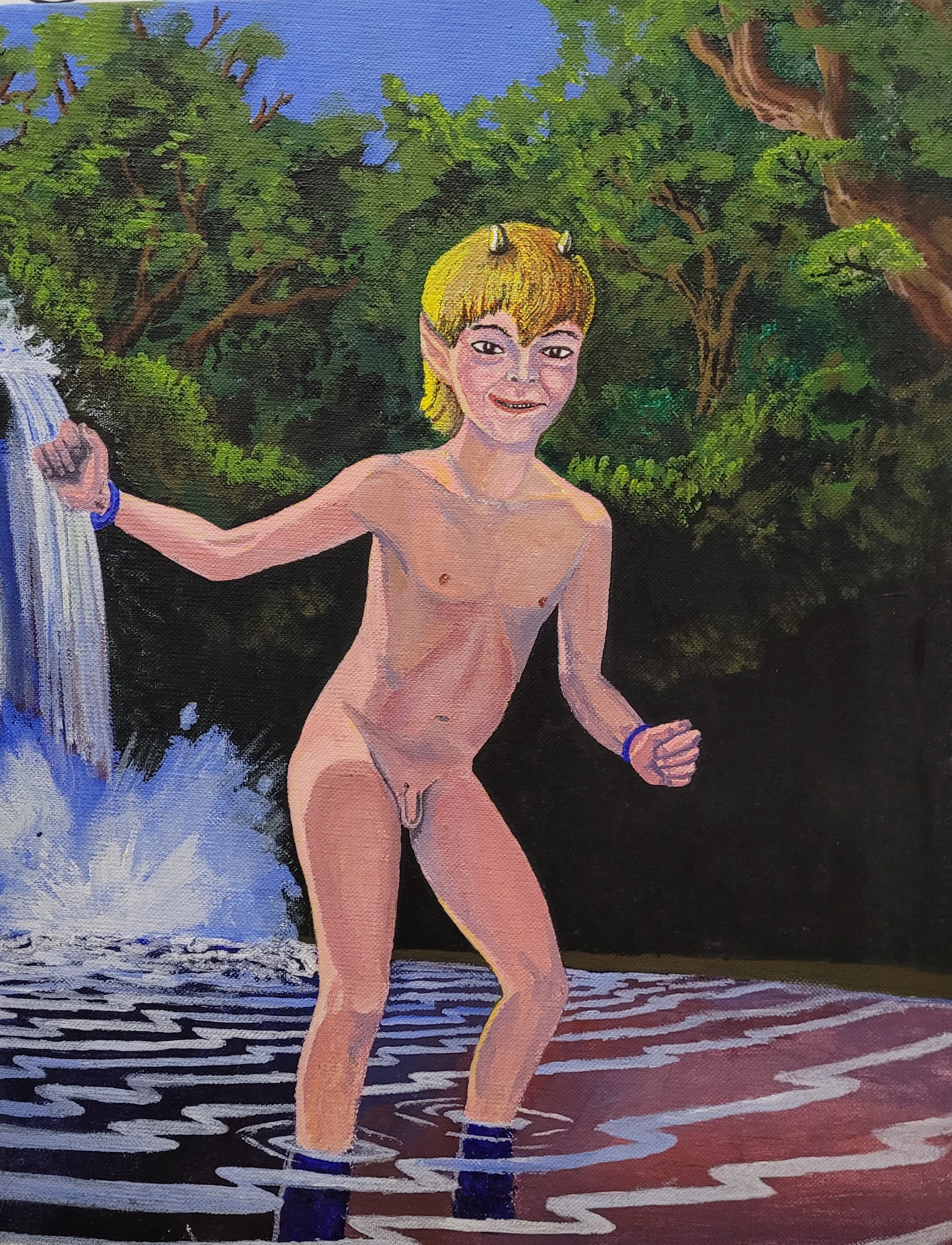
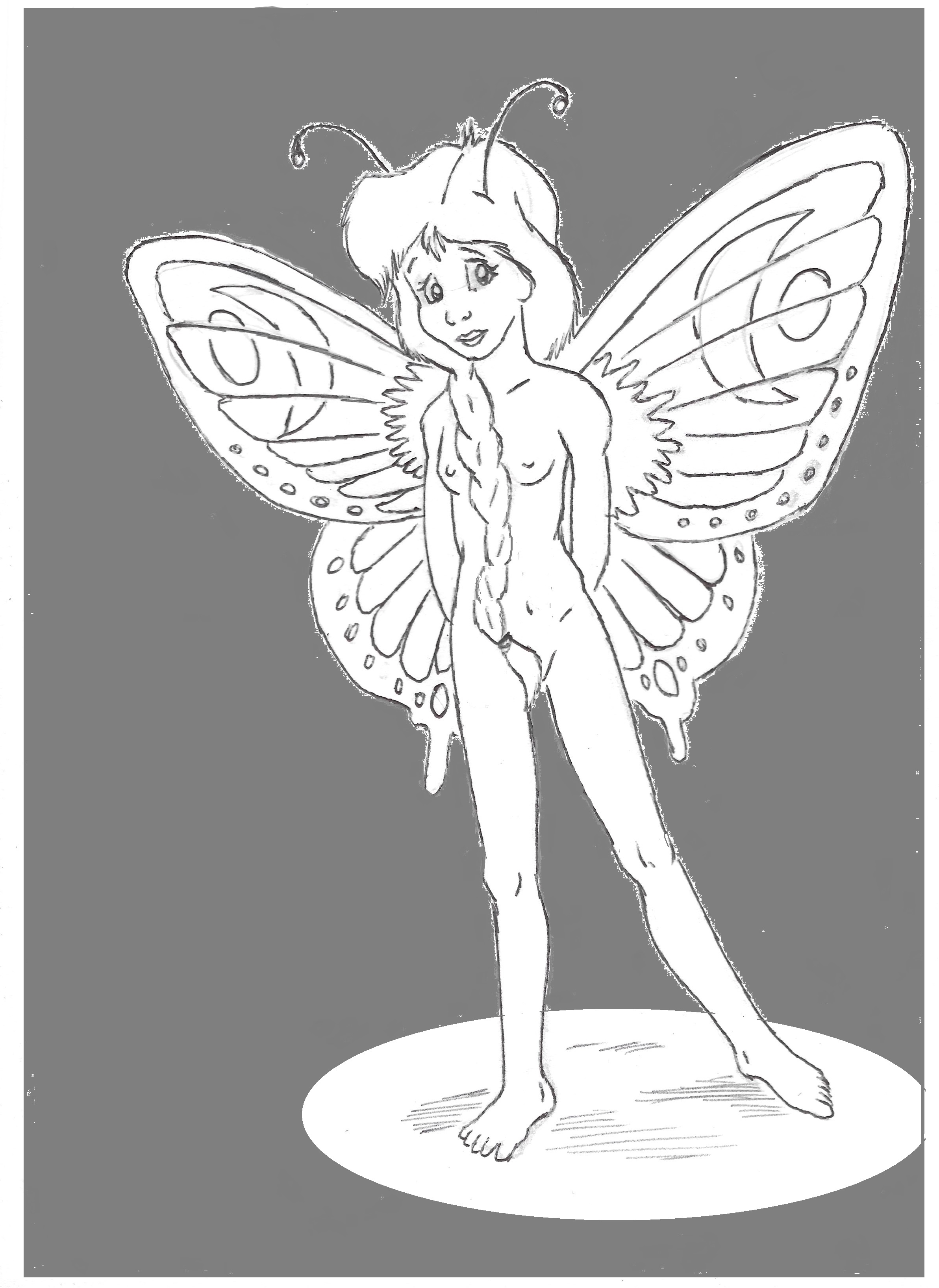
Here’s a nude faun to celebrate getting kicked off Pinterest a second time (though this time there was no actual nudity in the picture I got kicked off for… and it was not even my own picture.) (Is there something wrong with cartoon furries?)


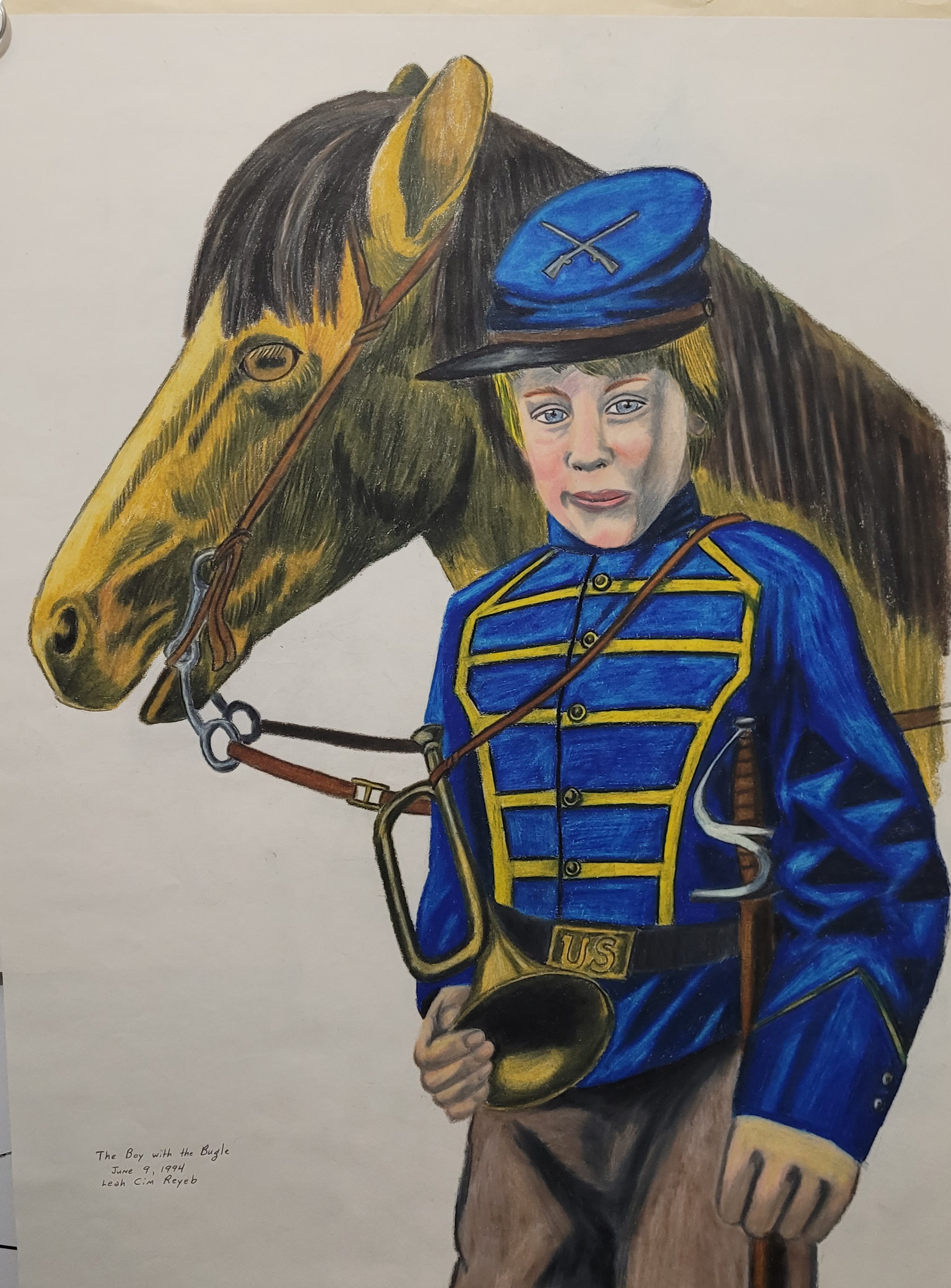
Valerie Clarke and her Daddy Kyle.
Filed under artwork, colored pencil, drawing, oil painting, Paffooney
The question before me now is, “What do you know, and how do you know it for certain?”
Well, I really don’t know anything. How do I know that I don’t know anything? Well, Socrates always told everyone who would listen that he didn’t know anything for certain, and he is obviously much smarter than I am. So, being super-stupid by comparison, I don’t even know as much as Socrates.
So, like Socrates, I need to ask questions. But who will I ask? I can look at the picture above for answers, and I can ask you, the reader, the questions.
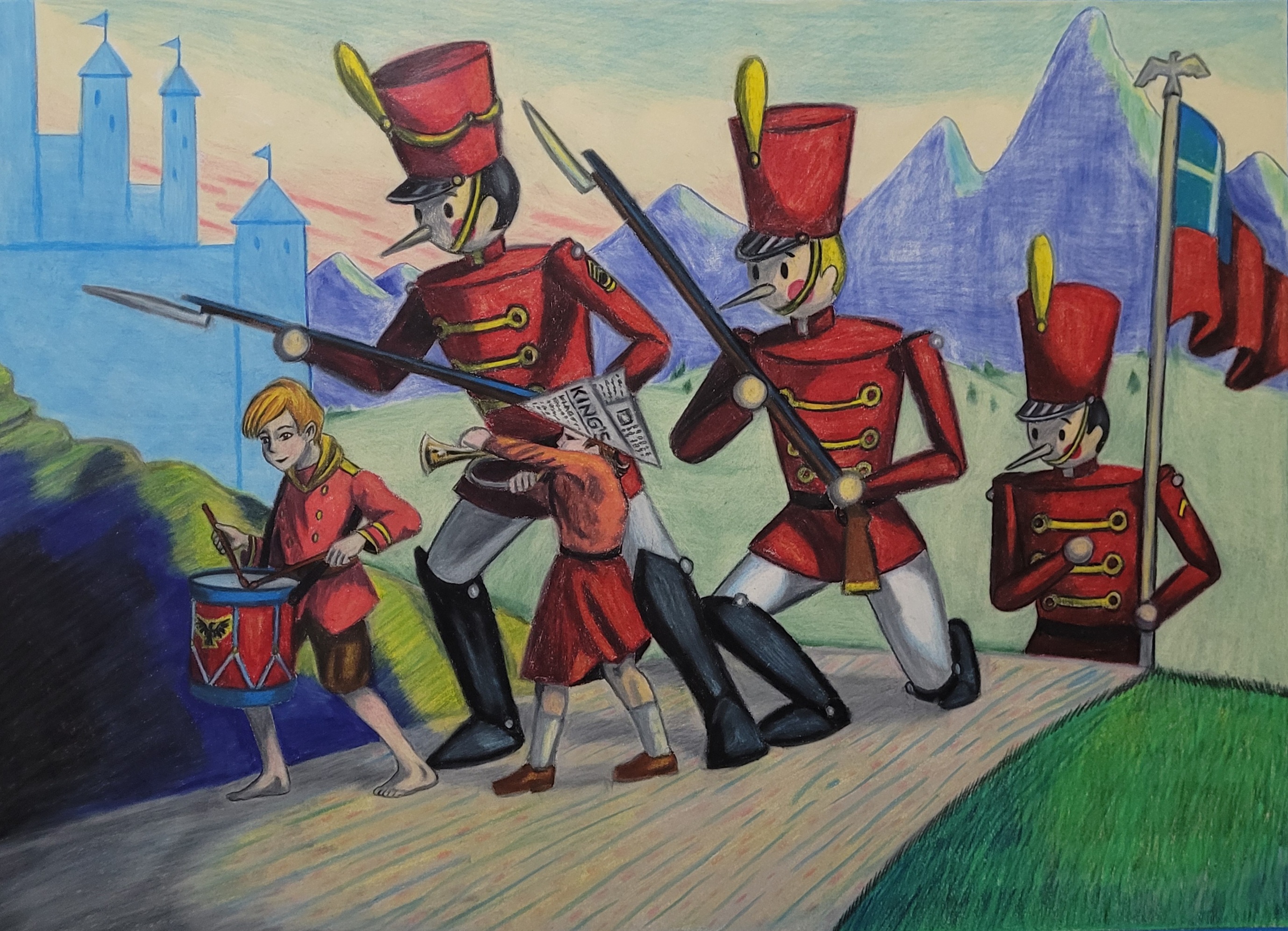
The picture is one of the most favorite ones I have ever drawn. By that I mean it is one of the pictures I drew with colored pencils that I like the best. It is, therefore, basically a self portrait of things inside my silly head.
Do the soldiers look familiar to you? If they do, it is probably because, like me, you have seen the soldiers from Disney’s Babes in Toyland. Hopefully they are just generic enough that Disney wont sue me for modeling this fantasy on something I saw in their copyrighted movie. I didn’t intentionally copy anything, and I have never knowingly made a single dime off of this picture. So, they don’t need to sue me, right?
Okay, those weren’t Socratic questions. They were leading and focused questions. So, let’s start the Socratic stuff.
Do you see anything in the picture that is innocent and childlike? Could this be illustrating a childish fear of the darkness? Did you notice the darkness they are marching towards on the left of the picture? Could this also be showing a progression towards maturity? Are the children and the soldiers not approaching that darkness… whatever it might be? Are they not getting more prepared to face the darkness as they get closer to it? The weapon pointed straight at the darkness is the bugle. Does the bugle, being an instrument for announcing something in combat, not have some symbolic meaning here? Does the darkness they are approaching not represent something like death? Does the boy with the drum suggest how we might deal with the darkneness in our own too-near future?
So, did you learn anything from this post?
I am asking because…
…I don’t really know anything.
Filed under artwork, Paffooney, philosophy
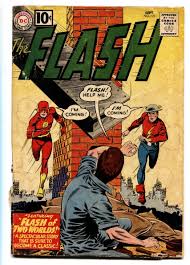
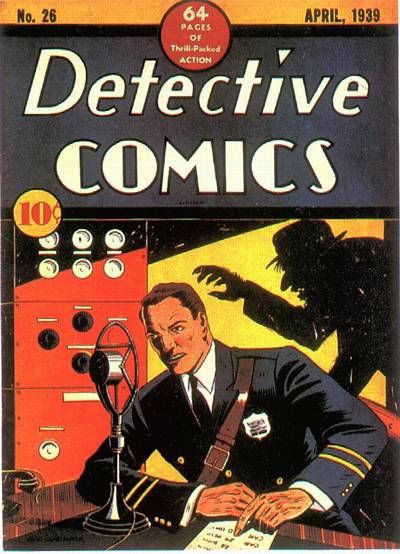
I am certainly no expert on the Golden Age of Comics. I was, in fact, born the year that the Golden Age ended. I am a child of the Silver Age (1956 to the early 1970s) and those were the comics I grew up with. But I admit to a fascination with the initial creation of the characters I love, including Batman, Superman, the Flash, Captain America, the Phantom, Steve Canyon, Wonder Woman and numerous others who were first put on the comic book pages in the Golden Age. And being subject to comic book prices that zoomed upward from a dollar an issue, I was bedazzled by the ten cent price on old comics.
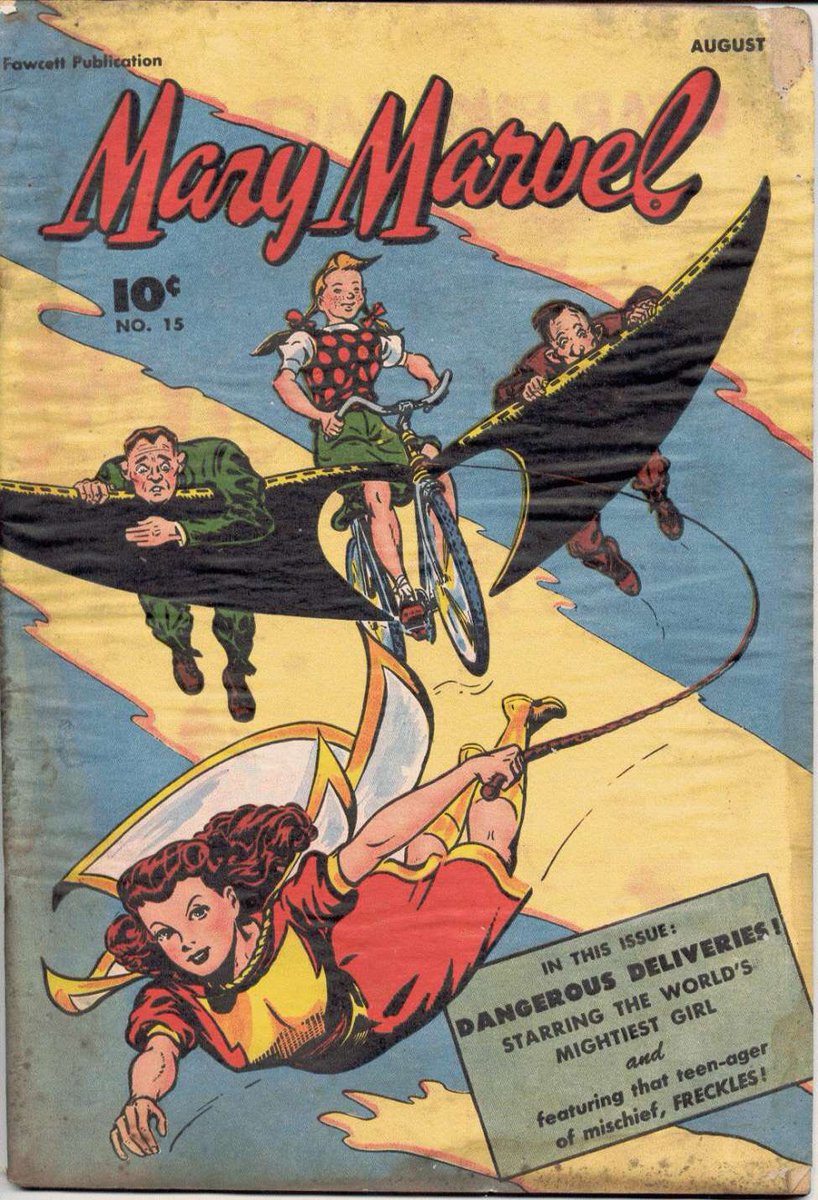
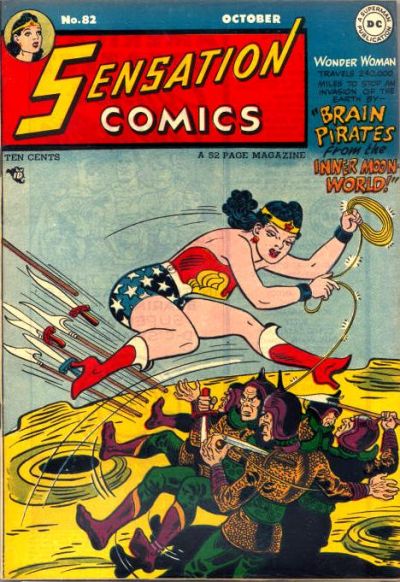
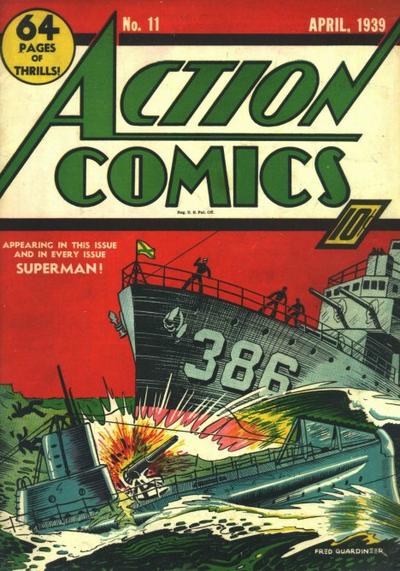
Comic books owe their creation to the popular newspaper comic strips from the Depression era and WWII wartime. Originally, comic strips were gathered and printed on cheap paper. Dick Tracy, Prince Valiant, Terry and the Pirates, Flash Gordon, and other adventure strips would lead to the war comics and hero-centered comics that would morph into superhero comics.
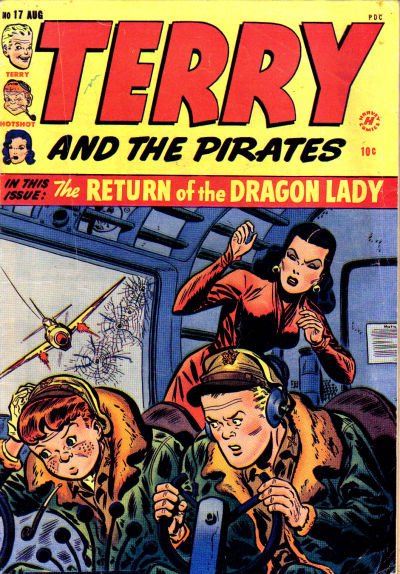
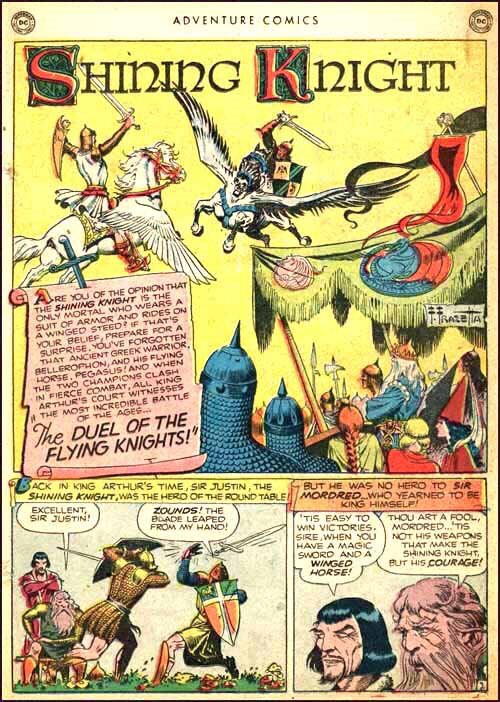
Some of the artwork in Golden Age comics leaves a lot to be desired. Especially original, straight to comic book publications that were produced fast and furiously by publishers who would open one week, produce three issues. and go out of business three weeks later. But in the mad scramble, some truly great artists formed the start of their illustrious careers, Will Eisner, Hal Foster, Milt Caniff, and Bill Elder learned to master their craft in the newspaper strips, and all later created comic books and graphic novels. True geniuses like Jack “King” Kirby and Bob Kane and Jack Davis grew directly from comic book studio madhouses into comic-book-artist immortality.
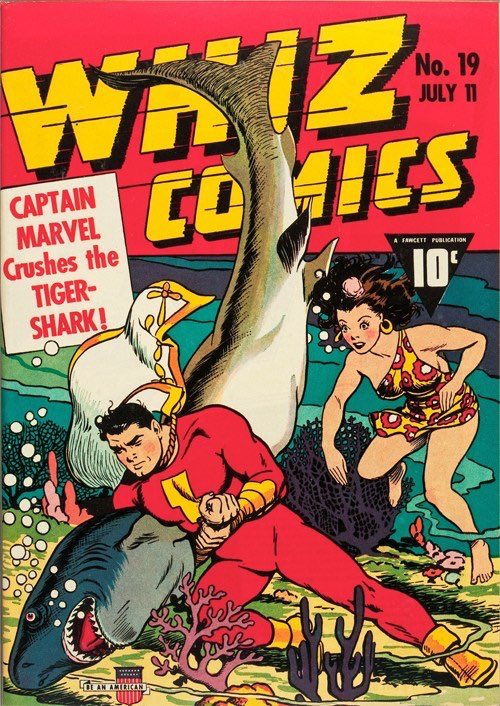
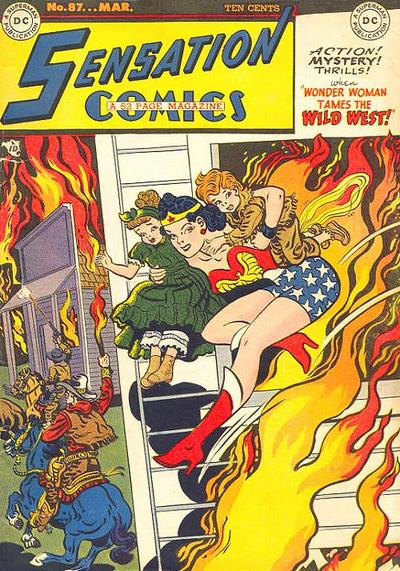
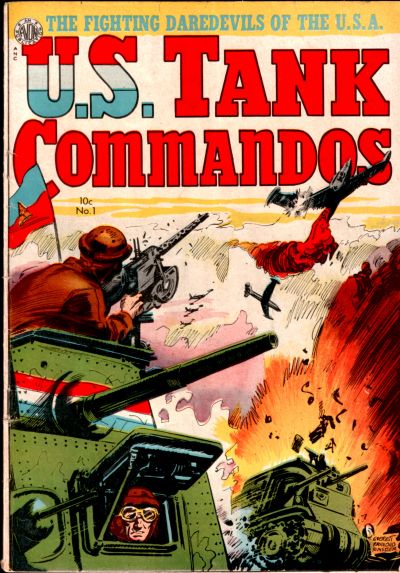
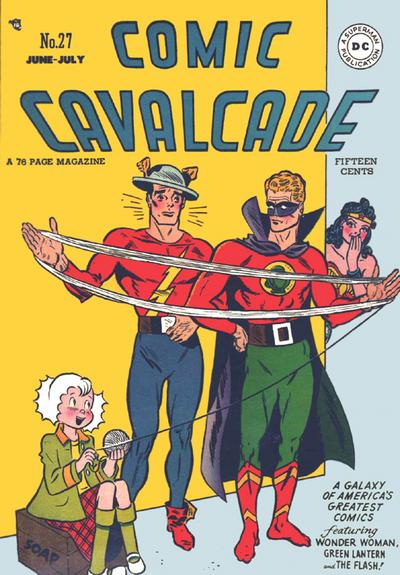
As with most things that have a Golden Age, the truth was that later comic book eras were superior in most ways. But this Golden Age was the foundational age for an American art-form that I truly love. So, flaws and warts are overlooked. And some of these old ten cent books on super-cheap paper are worth huge amounts of money if you still have a rare one in mint condition. Ah, there’s the rub for a manic old collector guy like me.
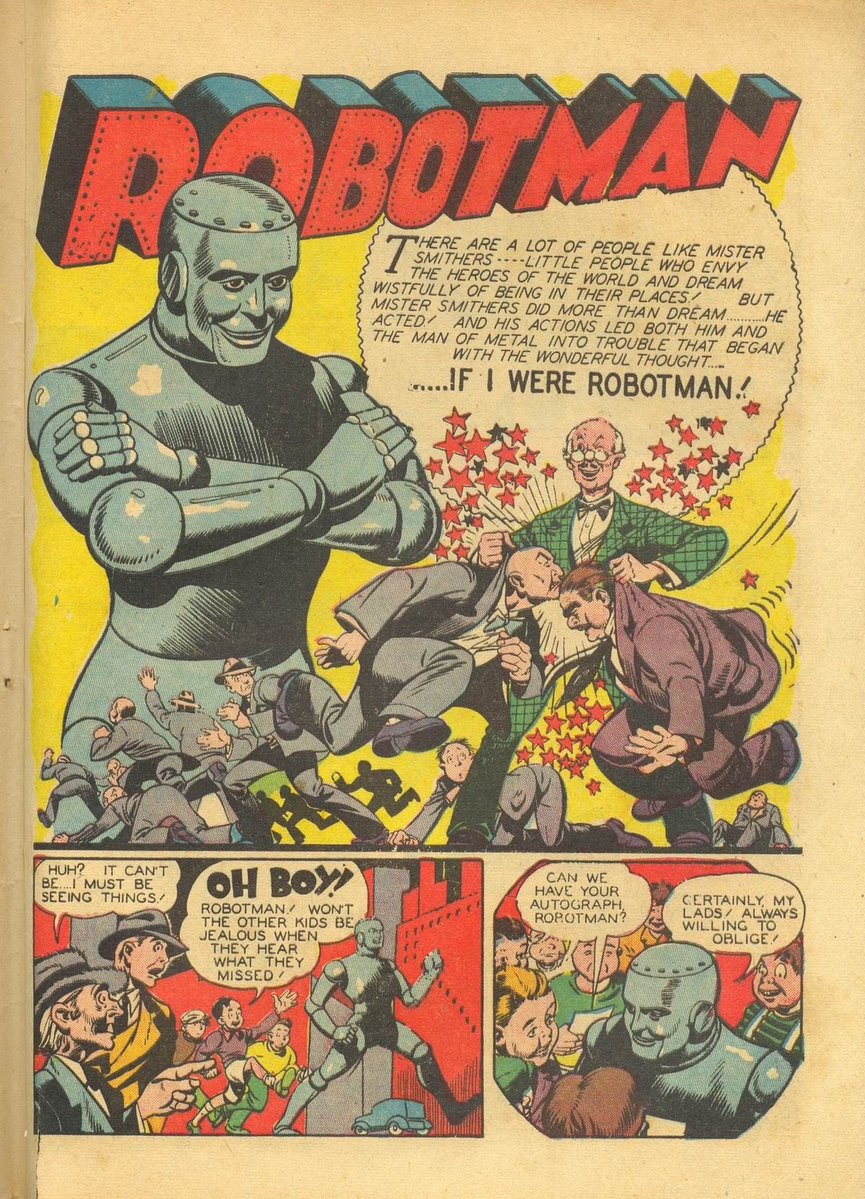
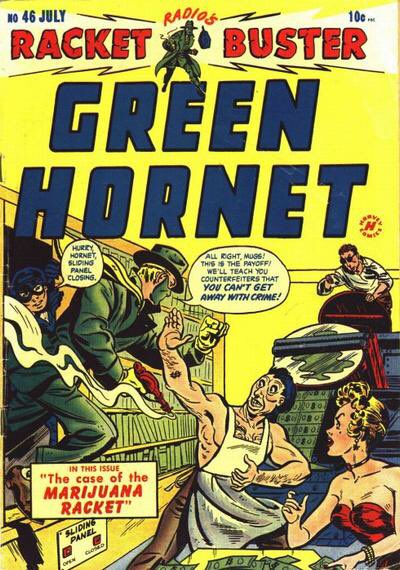
Most of the Golden Age comic book images used for this post were borrowed from the ComicsintheGoldenAge Twitter page @ComicsintheGA. If you love old comics like I do, you should definitely check it out.
Filed under artists I admire, artwork, comic book heroes, comic strips
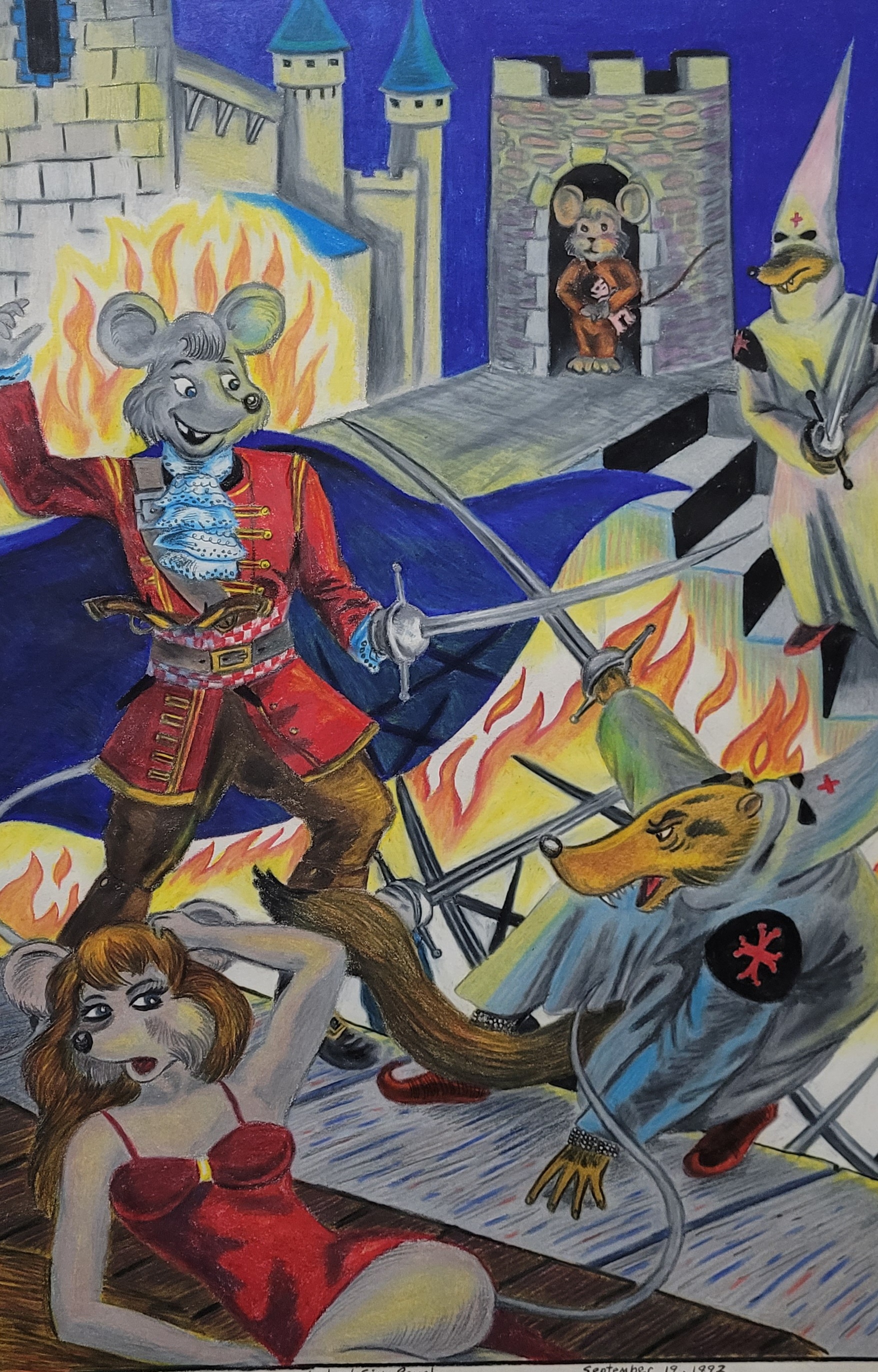
Swashbuckling mice fighting racist weasels? Why?
There’s something really wrong with this guy.

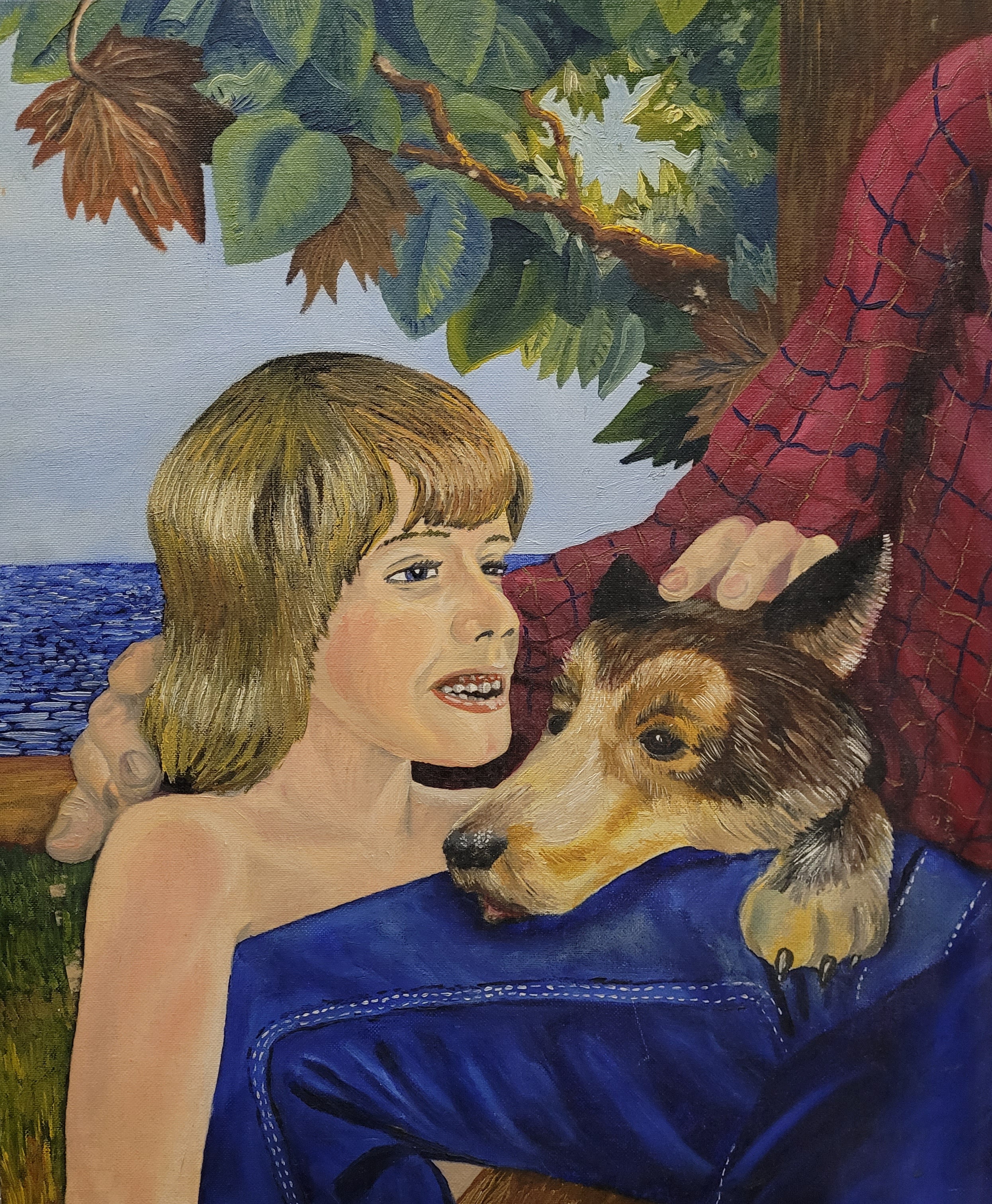
And what does this oil painting signify? It’s called “The Madonna of the Golden Door.” But the door is obviously made of brown wood, surrounded by all the gold paint the doofy artist could afford at the time.
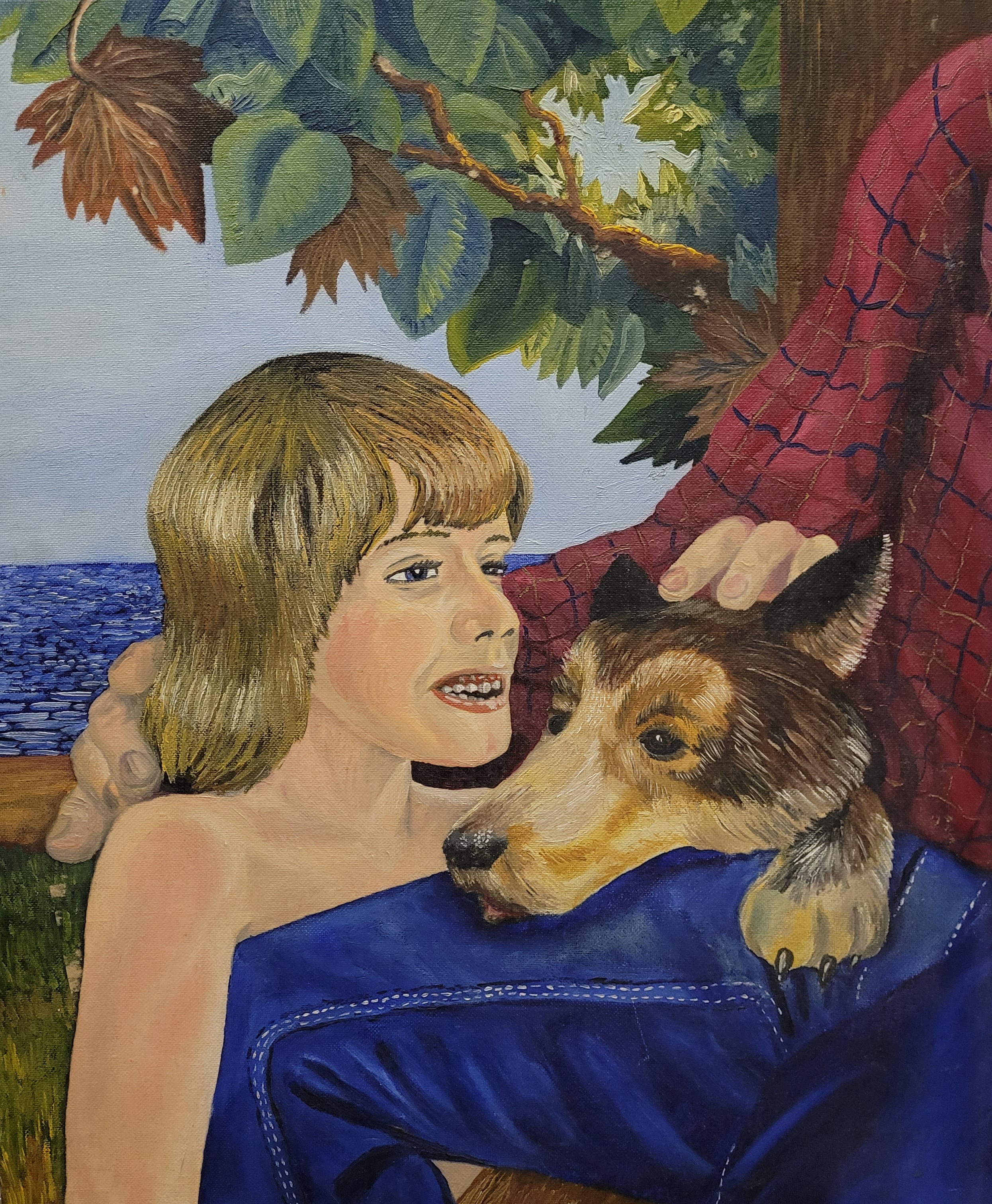
And is this a painting of a naked young girl, or a shirtless boy with long hair? And how can there be an ocean in the background if the painting was done in Iowa, as far away from the ocean in every direction as you can get in North America?

And no explanation of this is worth the time it would take to explain.
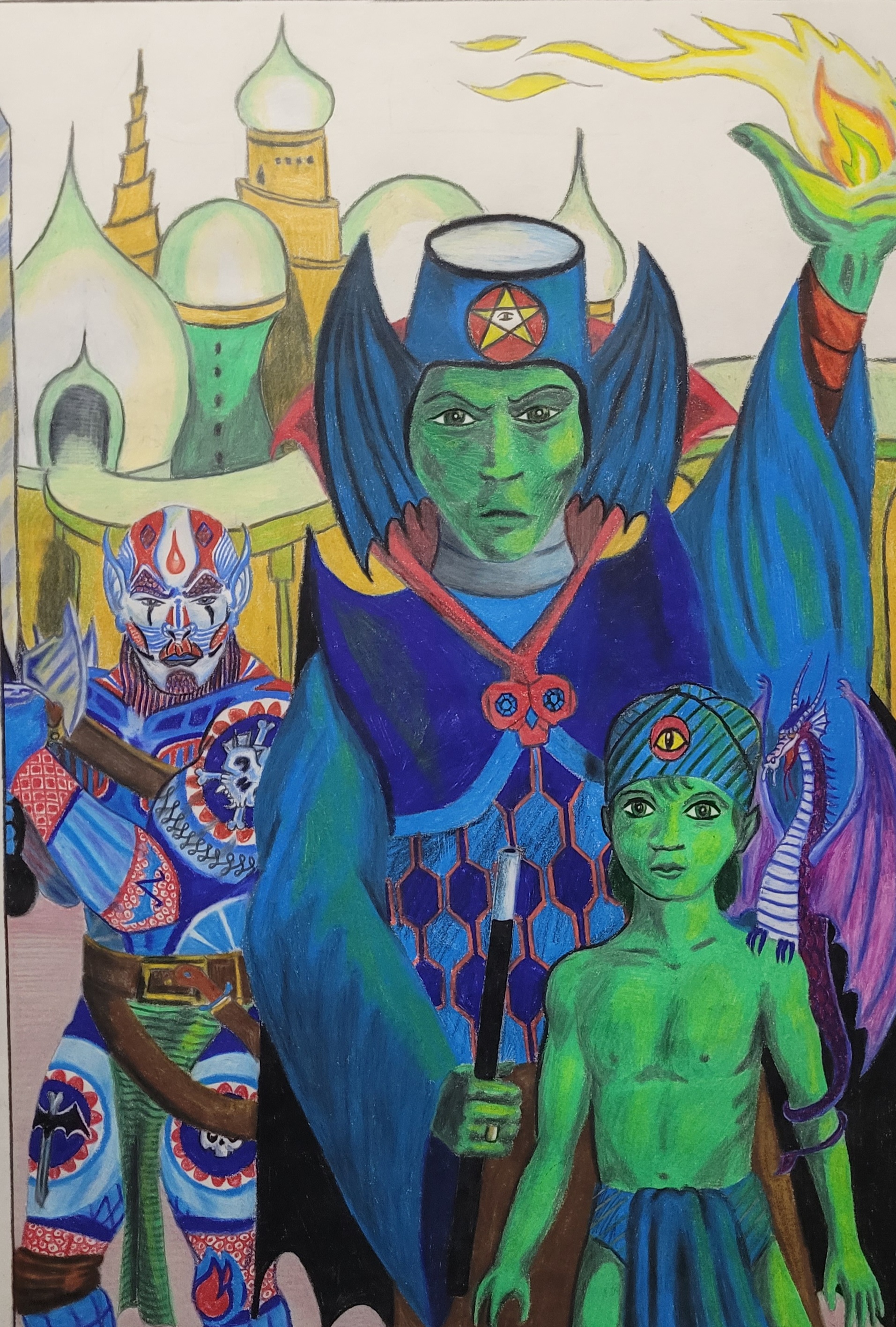
Are they green because they are aliens? Or do they just eat too many leafy vegetables?
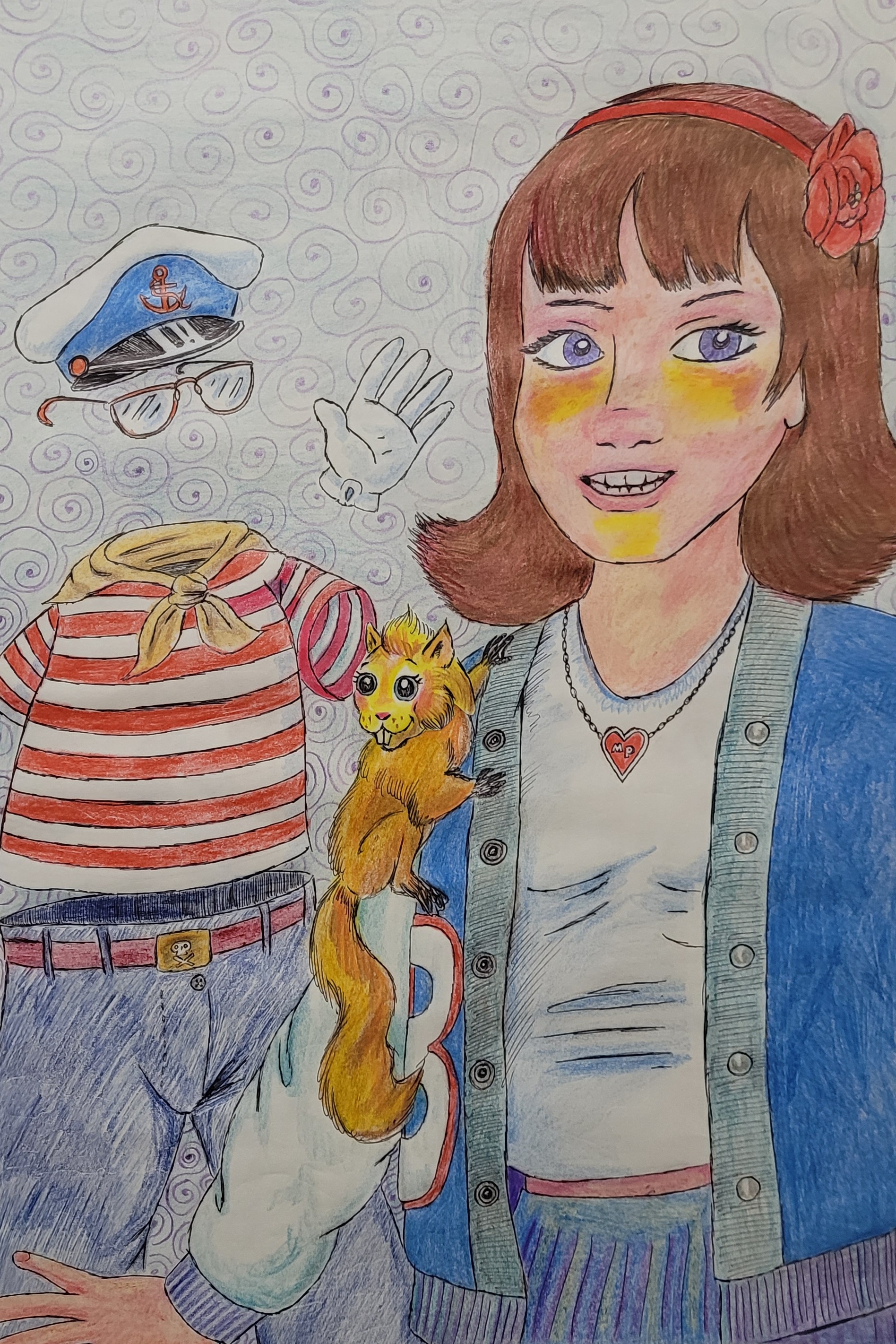
One of the models in this picture didn’t show up to pose for this picture… but his clothes did?

So, maybe this post is geared toward artworks that Mickey doesn’t reveal very often because they show some of his mistakes and tendency to bad judgments. Yeah,, that’ll do, unless he decides to tell us the real reasons at some later time.
This is the 587th consecutive day of Mickey posting at least one post on this danged old Catch a Falling Star thingy. That is not a record or even a milestone. I have reached this point at least twice before.
A year ago in September, I lost my mother to heart and kidney problems that conspired to defeat her doctors and bring an end to her consecutive run of 87 years of being alive. I kept writing and posting all during that time because it helped in many ways. In two consecutive years, I lost both of my parents, my Dad in 2020 and my Mom in 2021. I had a lot of memories to process as well as an inheritance and all the stages of grief. The time I spent writing resulted in two books, Laughing Blue and Mickey’s Rememberries, that contained all of it… I mean most of it… err, maybe just some important parts of it. And I had them both published before my mother died, though she never got to read either one.
I am beginning to be noticed as a writer. It is painfully slow, only a dollar or two at a time, but real. People are actually reading my books without being paid to do it. And a few of them even like the stories. I now have 21 books written. I have #22 written, but not yet published. I also have #23, a novella, only two chapters from finished. And I have started both #24 and #25 already. And the potential is there… but it is also a good thing that I don’t depend on writing for income.
I have managed in 65 years to create some evidence that I can do art in a couple of different forms with intelligence and humor (though I’m sure there are some readers who would strongly dispute that I have either quality in any amount at all.) It is enough. I may not be the superstar I once dreamed of being. But I have learned that I wouldn’t want to be that anyway. Being an ordinary unrecognized genius is good enough to justify a life.
Filed under artwork, autobiography, happiness, humor, Paffooney