
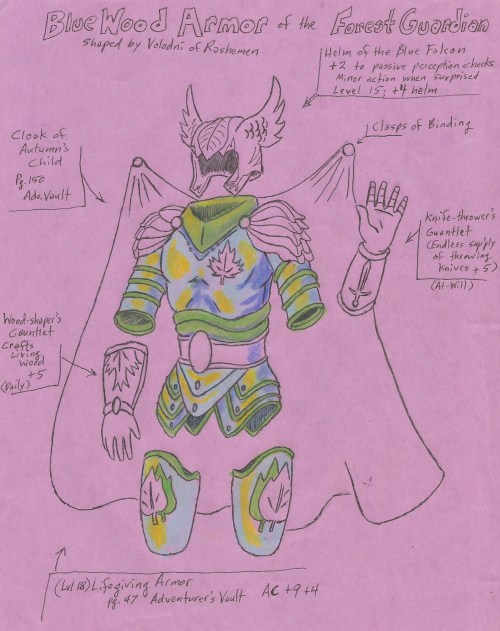
You cannot cleave a ghost in twain with a cast-iron fireplace poker. Throwing snowballs at vampires will not keep your blood from being drained. And bugbears don’t really have an aversion to little girls in pink dresses (except for little Tessie Trueheart of the Green Dale; that little booger has a temper as large as her love for the color pink).
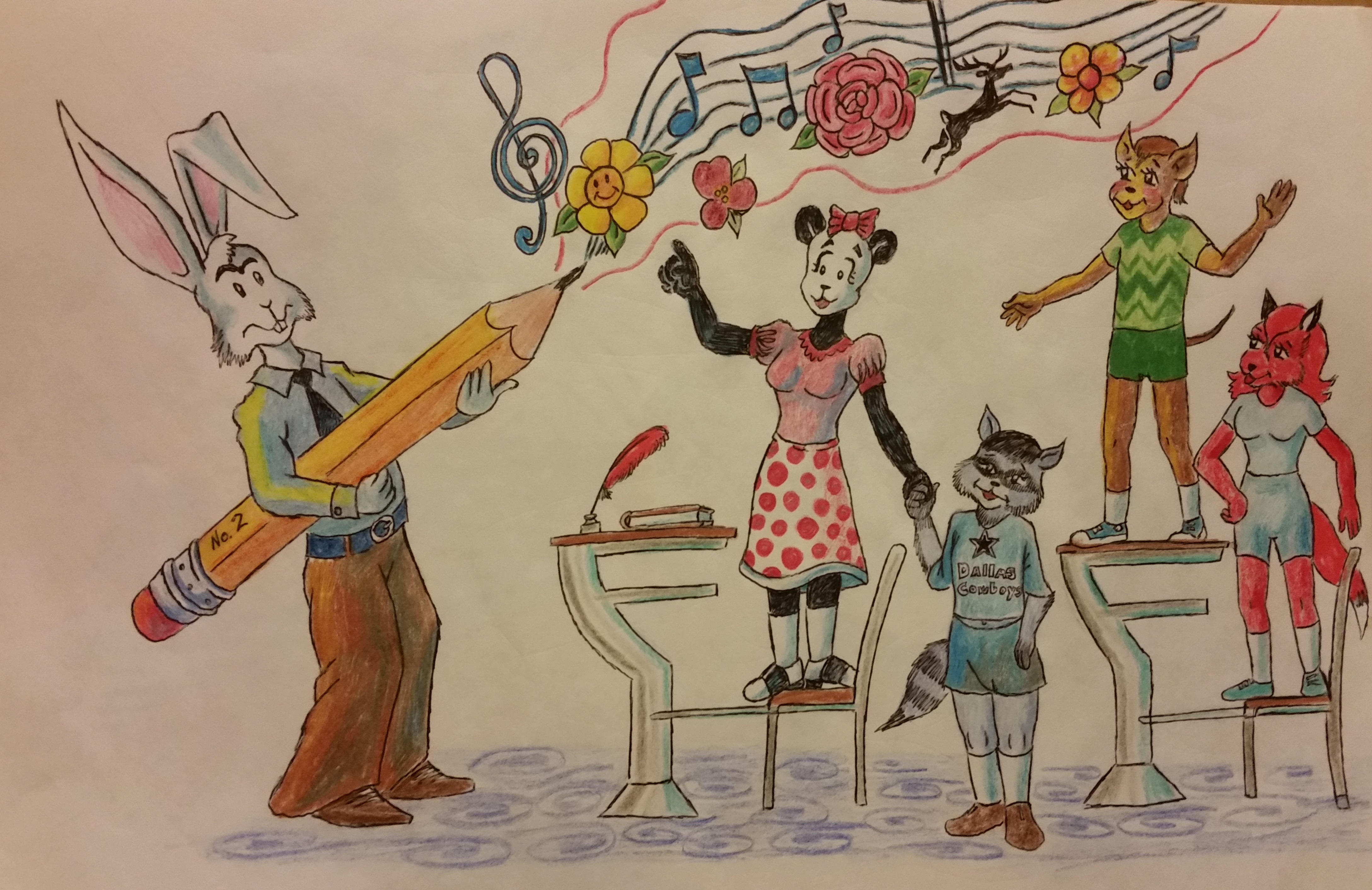
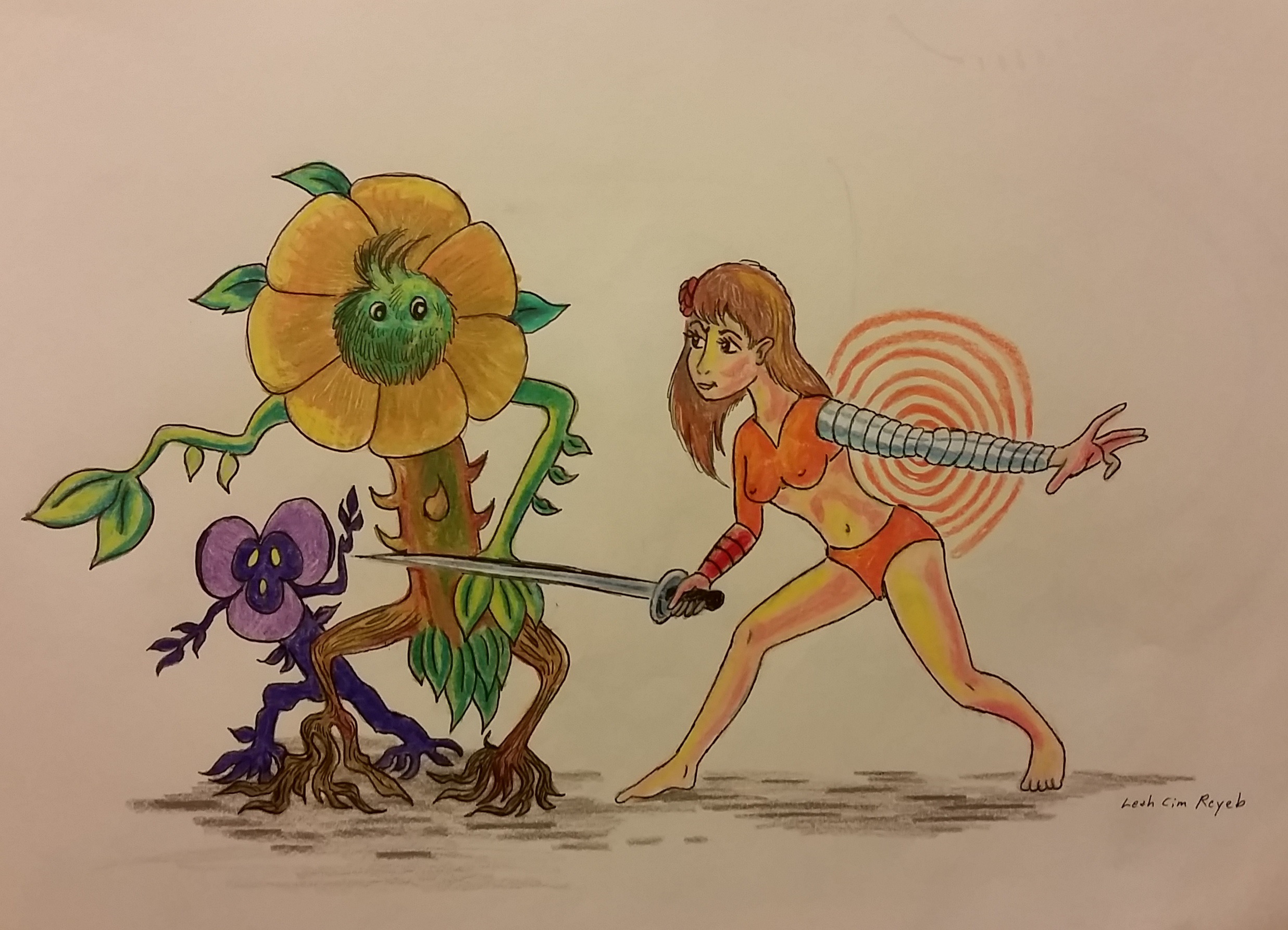
To go adventuring in Mickey the Dungeonmaster’s dungeons, you need the right equipment. Of course, whole books full of weapons and armor and adventuring doodads have been published. Some of the stuff we use in the family games comes from the game books, as exemplified by the items pictured above. The Blue Wood Armor of the Forest Guardian is a collection of items put together from the books published for D&D by Wizards of the Coast Publishing.
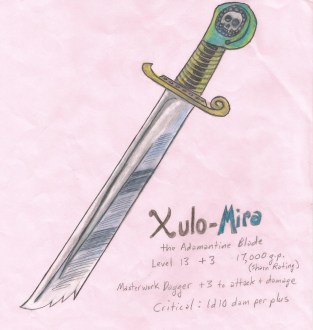
My daughter’s favorite weapon is a sentient throwing knife that always flies back to its current master after being thrown. It also never misses, adjusting its own flight to always strike the target for the greatest possible damage. It has a mind and intelligence of its own. It became sentient and alive in the middle of an epic combat with a magical giant golem who hit it with a spell that went disastrously wrong for the caster. This item was created on the spur of the moment in the midst of a published adventure, based on a disasterously low roll of the dice for the monster side of the combat.
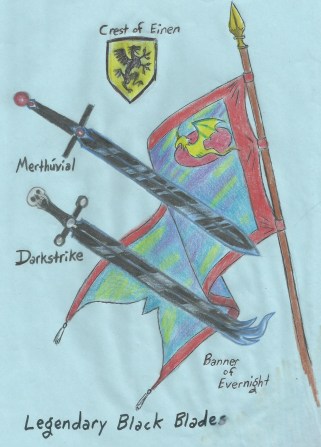
Some items in the game are actually treasures from the published adventure scenarios I like to use. Instead of simply selling off items when they are discovered in the cold, dead hands of defeated evil druids whose dreams of conquest and tyrannical rule you have thwarted, you can take them for your own personal use. I have a tendency to embellish what is described in the pages of the adventure with both really good powers and effects, and really insidious concealed curses. The Legendary Black Blades are both demon-laced and deadly. And both, though fatal to your enemies, will eventually darken your own heart and possibly shorten your adventuring life the hard way.

Not all equipment is made of swords and armor. The Evil Heads of Dr. Zorgo are a collection of living zombie heads that can impart wisdom and information (allowing characters to add skills) and can also direct you to places of adventure and great treasure. Of course, they are evil. There is always that little factor to consider. But come on, how can you not be tempted by treasures talked about by the Ghost Elf’s head when you tried to ask her for the time of day in her native land?
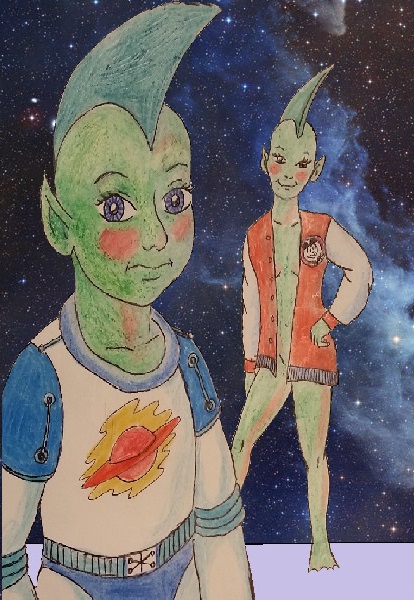
So the point of this post is that I am really proud of my drawings of D&D equipment and wanted to show them off. This post is merely an excuse for doing that. I have one more to show you, though I must confess, while I drew this one, it was designed by number one son to be used for his character, though as soon as he got it made, he sold it for lots of gold to use on the next project.























 Catch a Falling Star
Winsor McCay
One work of comic strip art stands alone as having earned the artist, Winsor McCay, a full-fledged exhibition at the Metropolitan Museum of Art in New York City. Little Nemo in Slumberland is a one-of-a-kind achievement in fantasy art.
Winsor McCay lived from his birth in Michigan in 1869 to his finale in Brooklyn in 1934. In that time he created volumes full of his fine-art pages of full-page color newspaper cartoons, most in the four-color process.
As a boy, he pursued art from very early on, before he was twenty creating paintings turned into advertising and circus posters. He spent his early manhood doing amazingly detailed half-page political cartoons built around the editorials of Arthur Brisbane, He then became a staff artist for the Cincinnati Times Star Newspaper, illustrating fires, accidents, meetings, and notable events. He worked in the newspaper business with American artists like Winslow Homer and Frederick Remington who also developed their art skills through newspaper illustration. He moved into newspaper comics with numerous series strips that included Dreams of the Rarebit Fiend and Little Nemo in Slumberland. And he followed that massive amount of work up by becoming the “Father of the Animated Cartoon” with Gertie the Dinosaur, with whom he toured the US giving public performances as illustrated in the silent film below;
The truly amazing thing about his great volume of work was the intricate detail of every single panel and page. It represents a fantastic amount of work hours poured into the creation of art with an intense love of drawing. You can see in the many pages of Little Nemo how great he was as a draftsman, doing architectural renderings that rivaled any gifted architect. His fantasy artwork rendered the totally unbelievable and the creatively absurd in ways that made them completely believable.
I bought my copy of Nostalgia Press’s Little Nemo collection in the middle 70’s and have studied it more than the Bible in the intervening years. Winsor McCay taught me many art tricks and design flourishes that I still copy and steal to this very day.
No amount of negative criticism could ever change my faith in the talents of McCay. But since I have never seen a harsh word written against him, I have to think that problem will never come up.
My only regret is that the wonders of Winsor McCay, being over a hundred years old, will not be appreciated by a more modern generation to whom these glorious cartoon artworks are not generally available.
Leave a comment
Filed under art my Grandpa loved, artists I admire, artwork, book review, cartoon review, cartoons, comic strips, commentary
Tagged as Little Nemo in Slumberland, Winsor McCay