
Filed under artwork, drawing, humor, illustrations, imagination, Paffooney
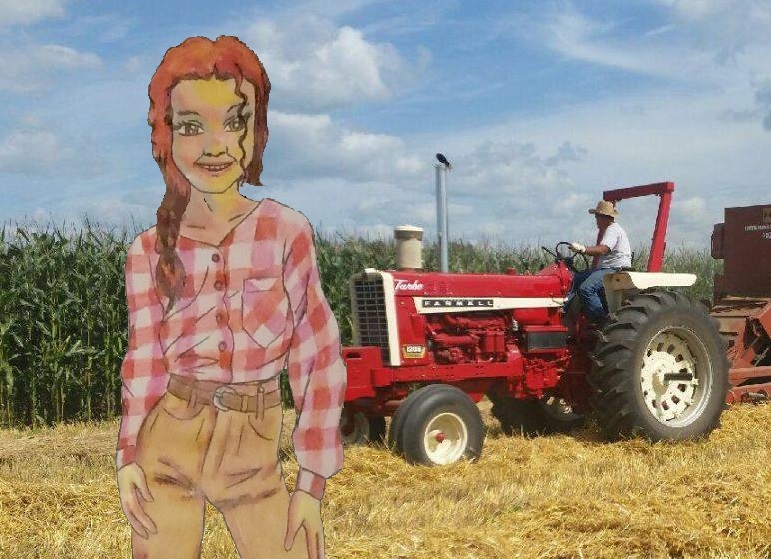
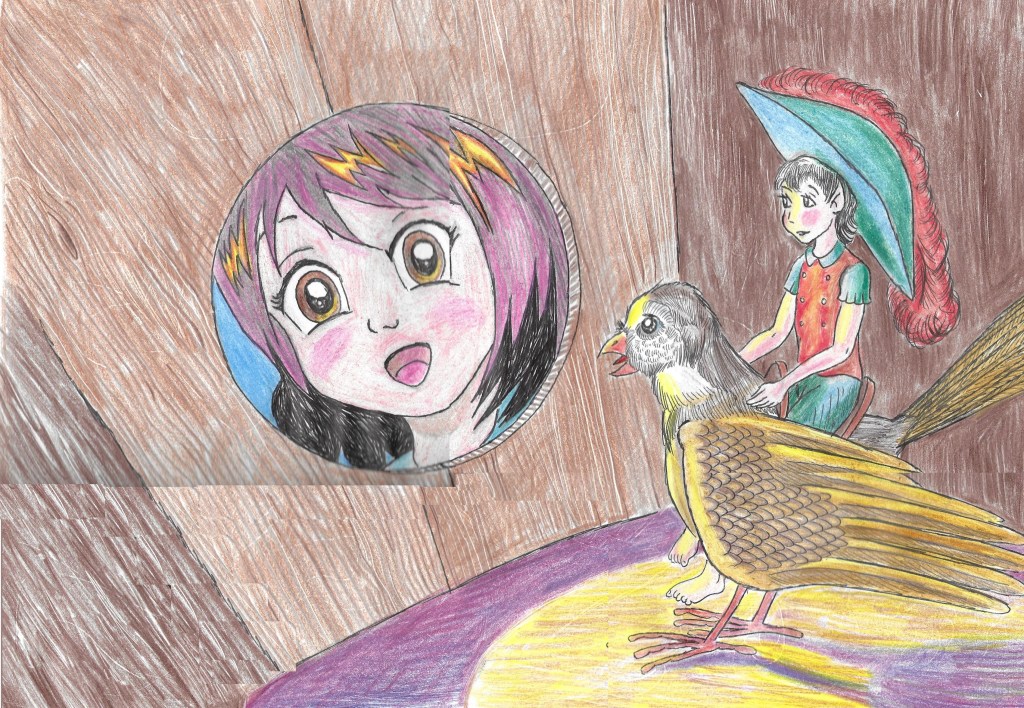
As a boy, drawing girls was always important to me. I didn’t understand them. I couldn’t control them other than to make them dislike me. I couldn’t get away from them… but I could draw them. I could completely control what the picture looked like. And I could make them be whatever I wanted.
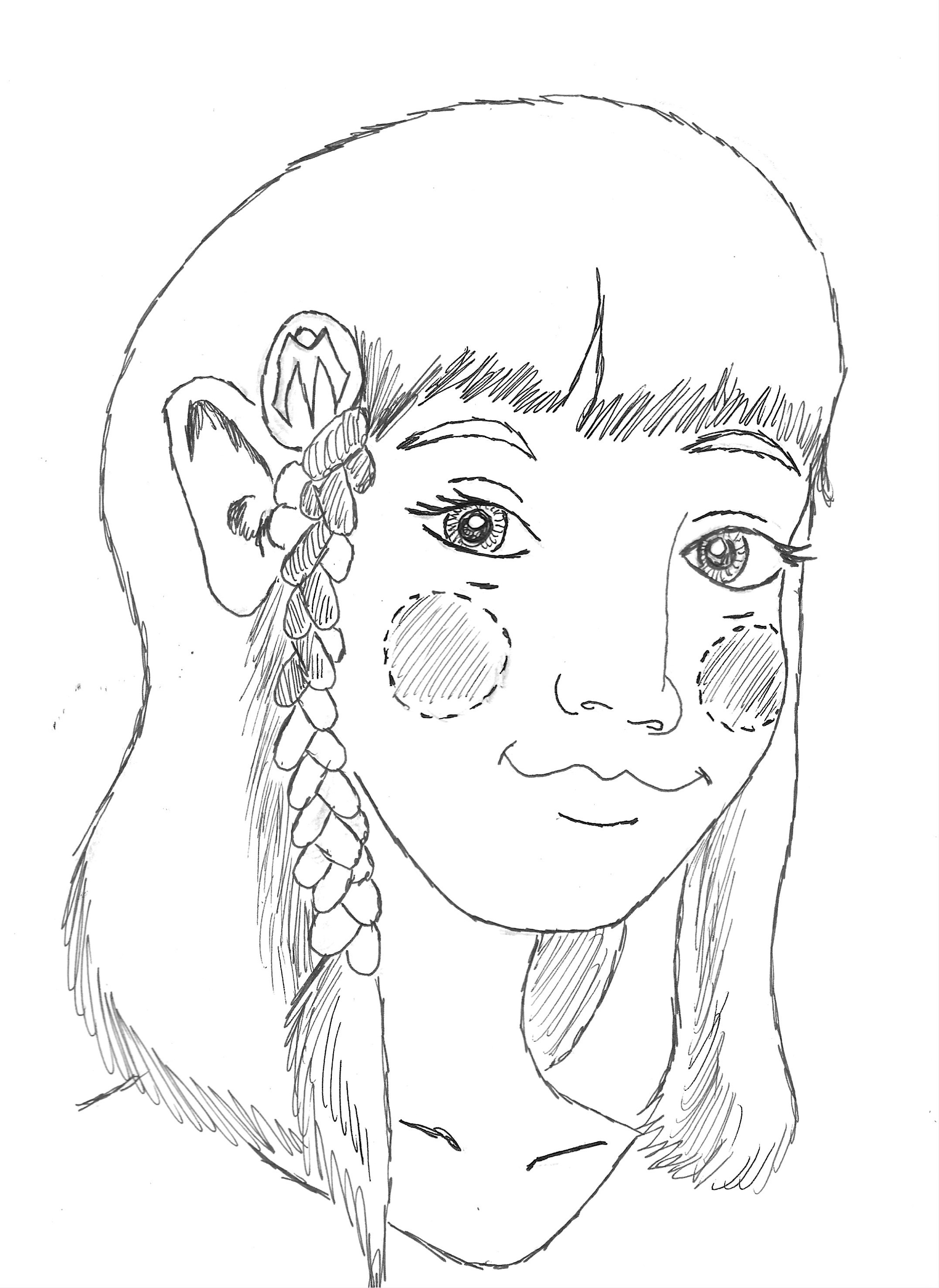
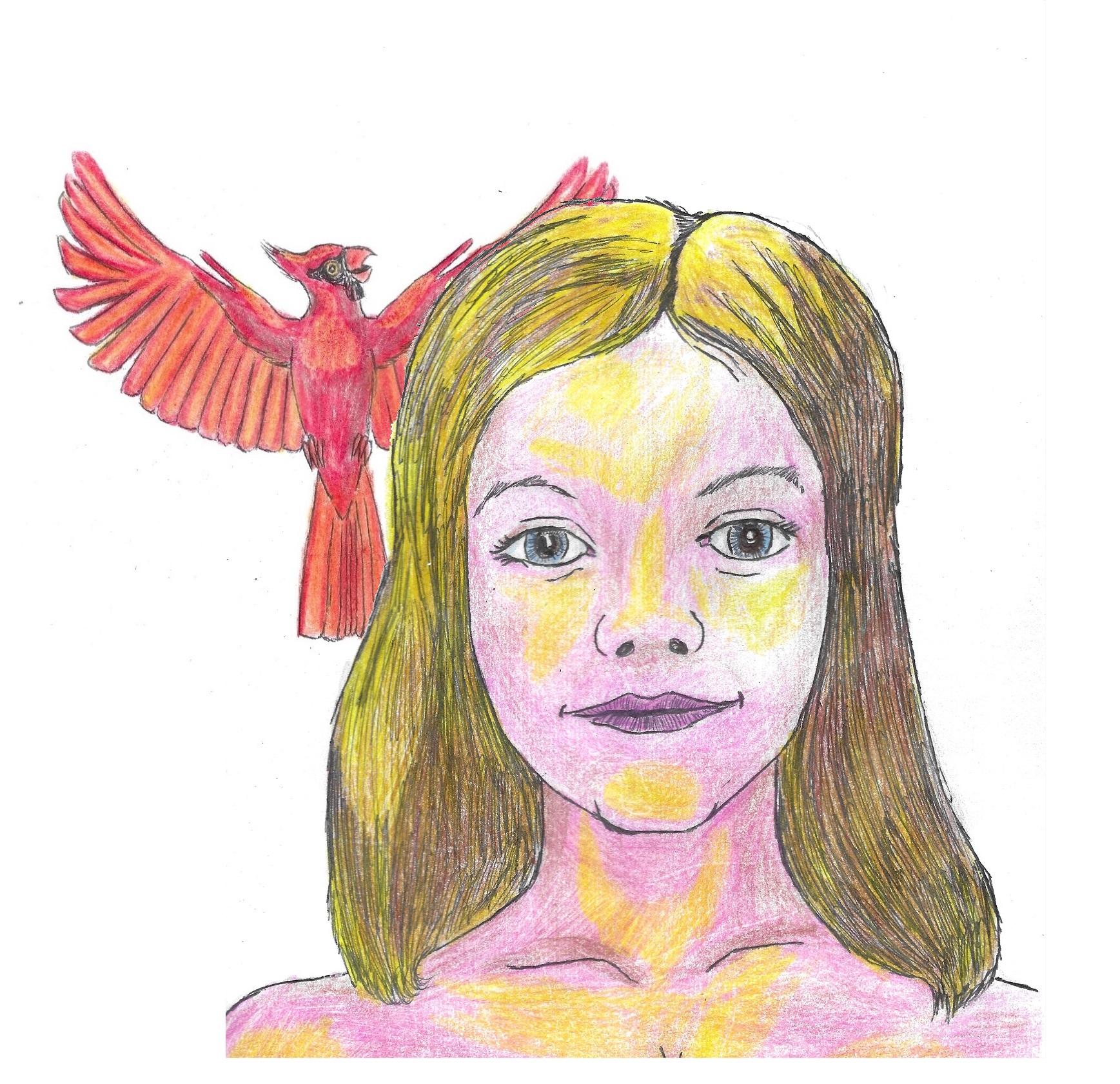
Mysterious… inscrutable… attractive… weird….
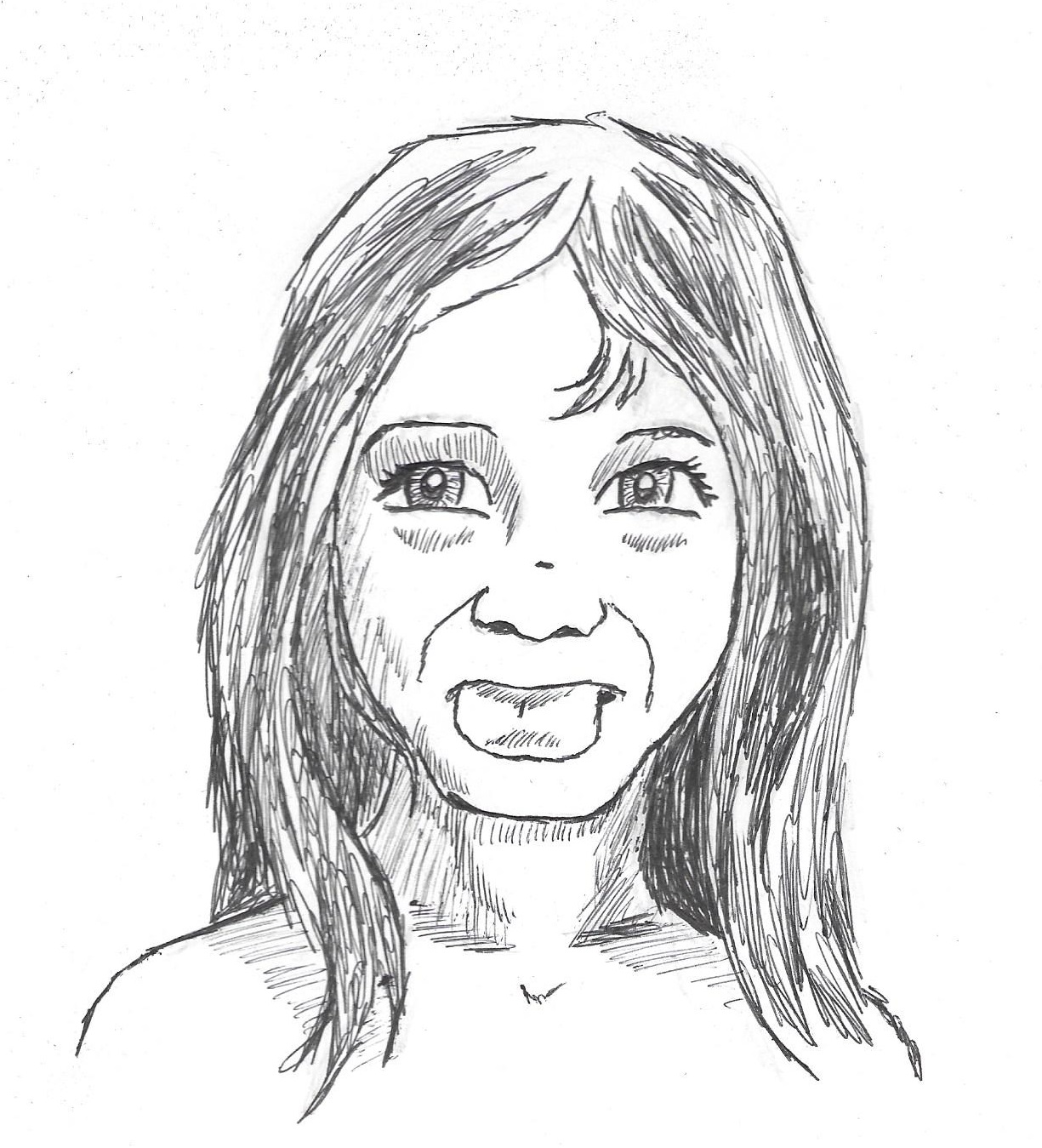
Infuriating… beautiful… sassy… and rude.
Sugar and spice, they say…
With everything nice, they say…
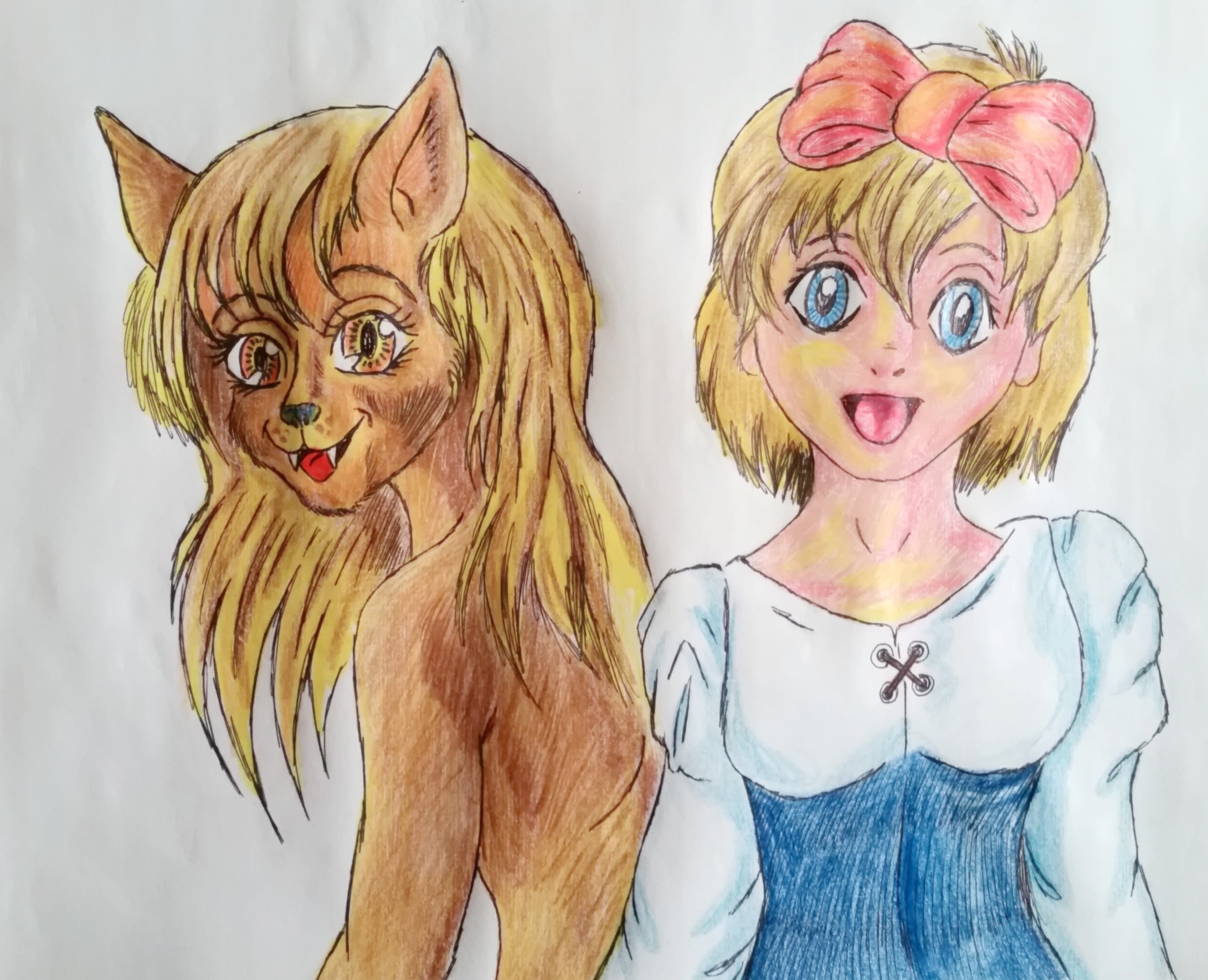
Yet still with the power to kill and to eat me.
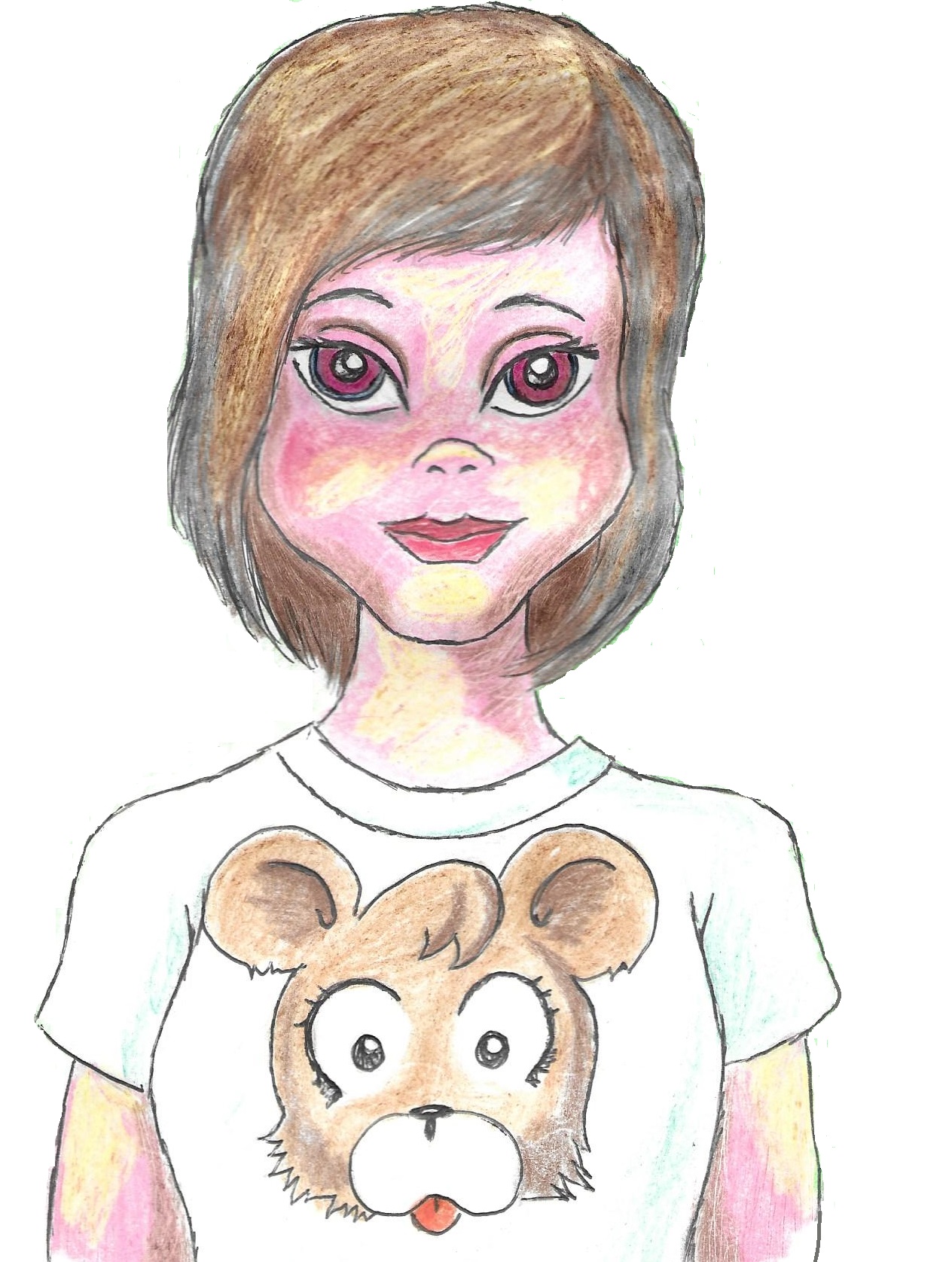
Cute girls and sweet girls…
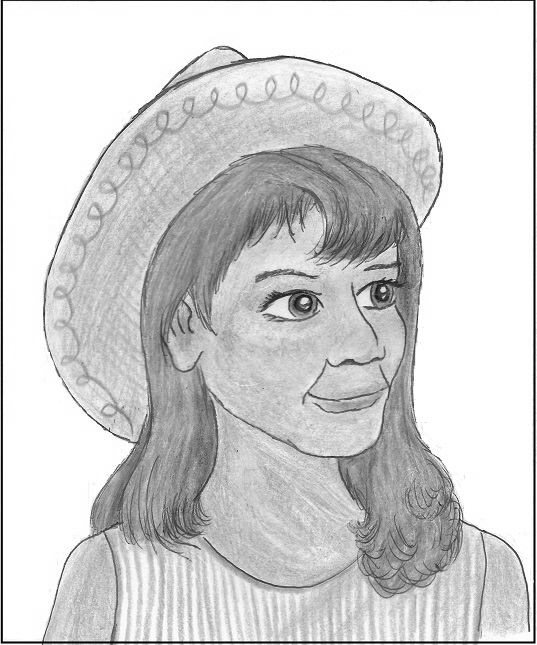
The proper and neat girls….
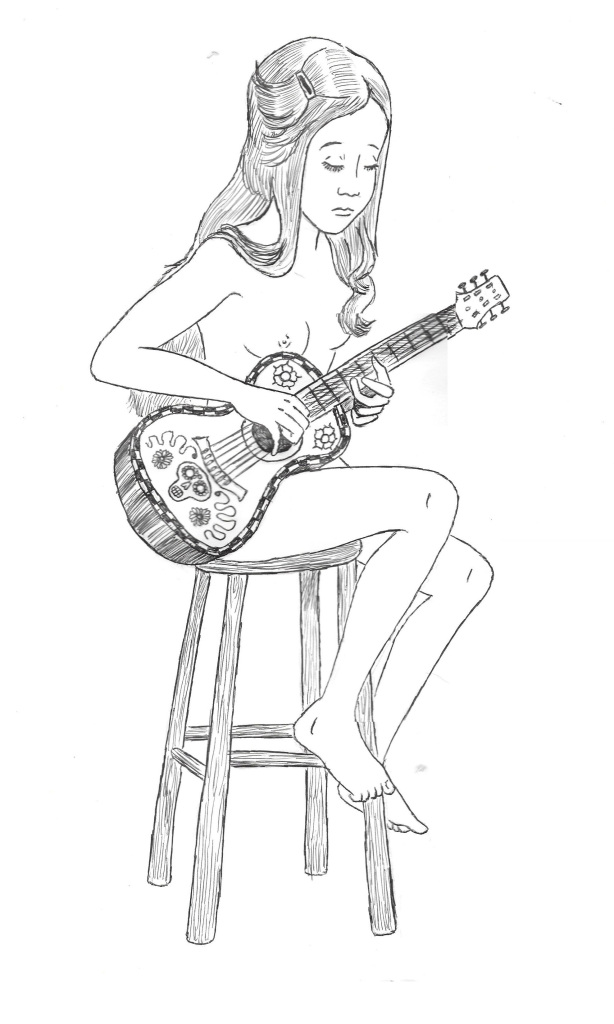
Girls with no clothes on…
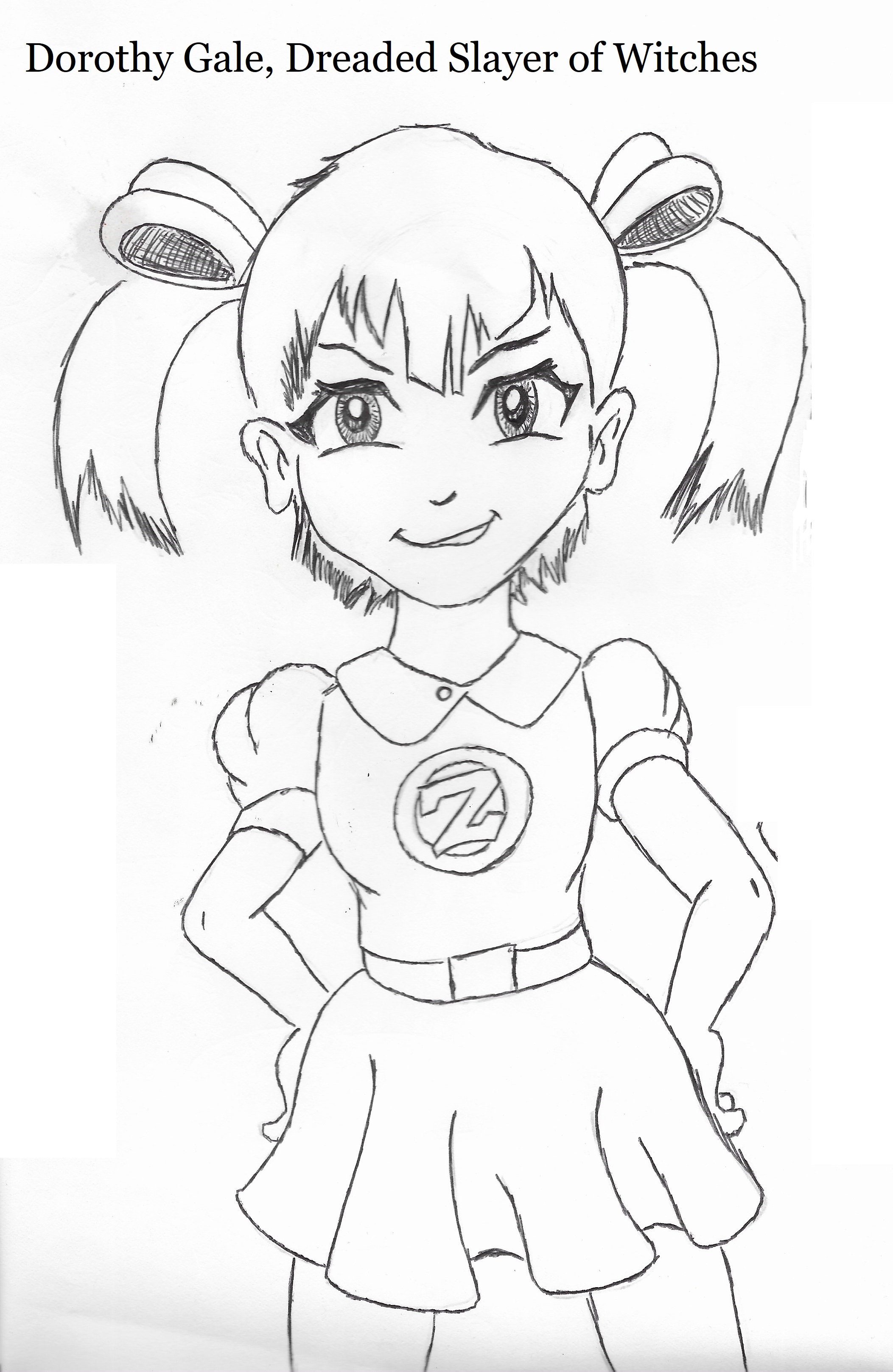
And girls I’m afraid of.
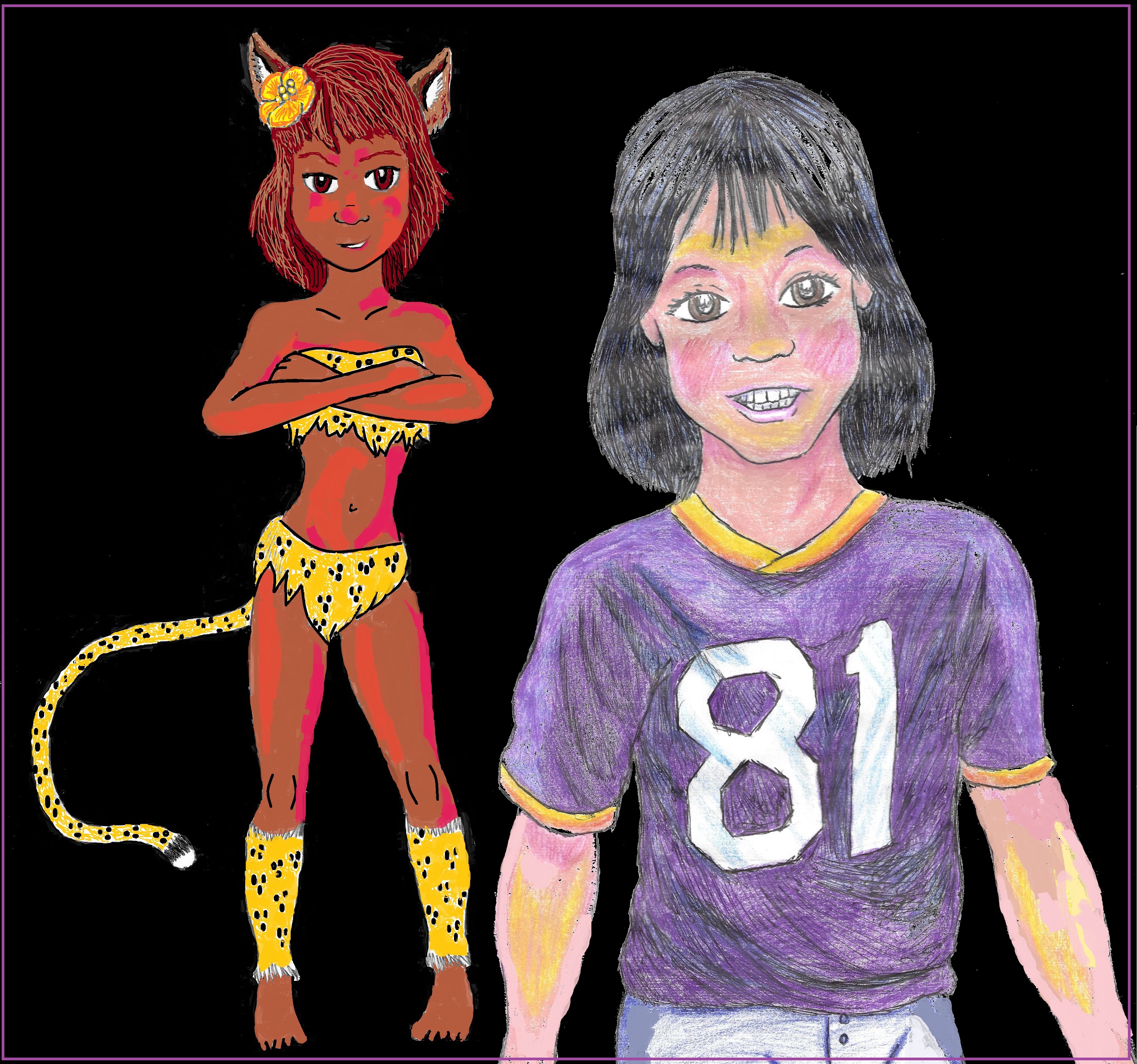
I have to draw girls just to understand me.
Writing, as I have repeatedly said in this blog, is necessary for life to me. I would not still exist today if I couldn’t put words to paper (I mean metaphorically, of course, since I wrote this on my malfunctioning laptop.)
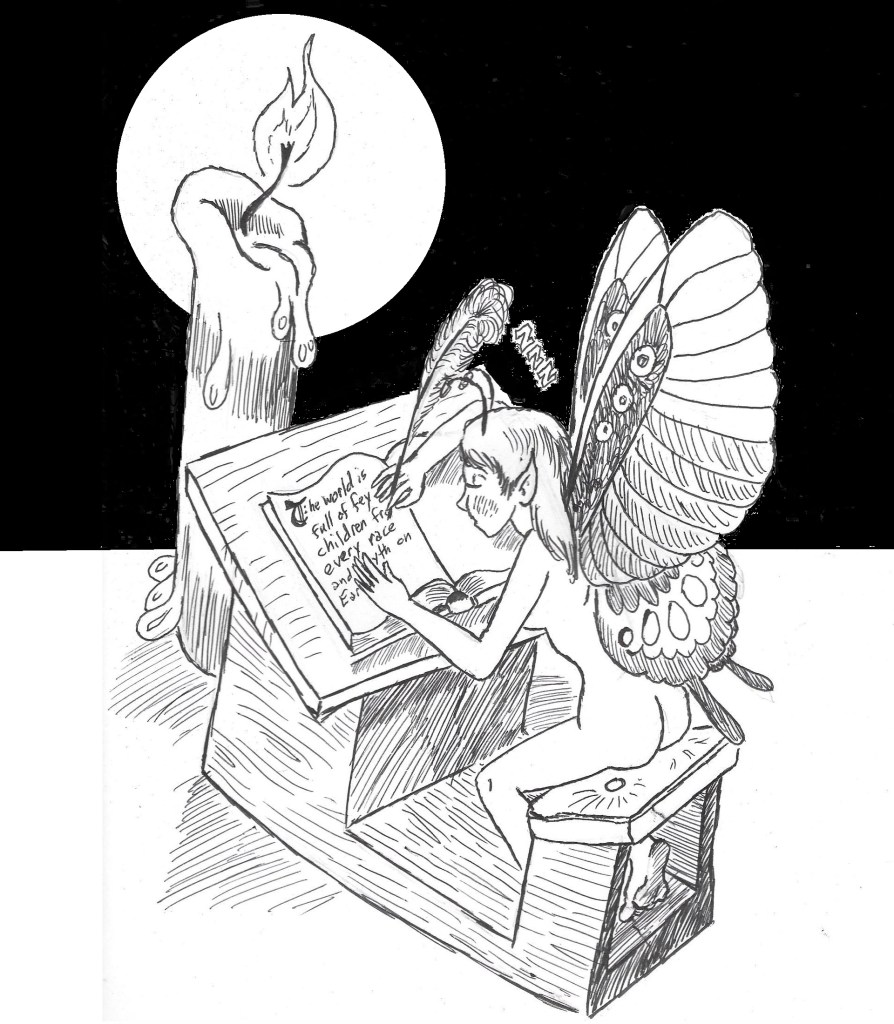
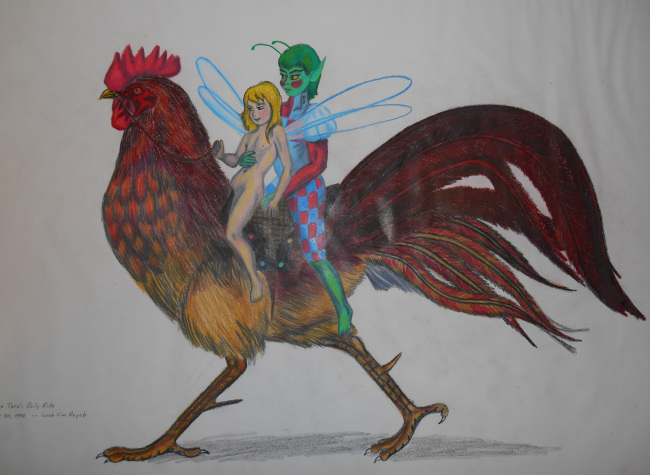
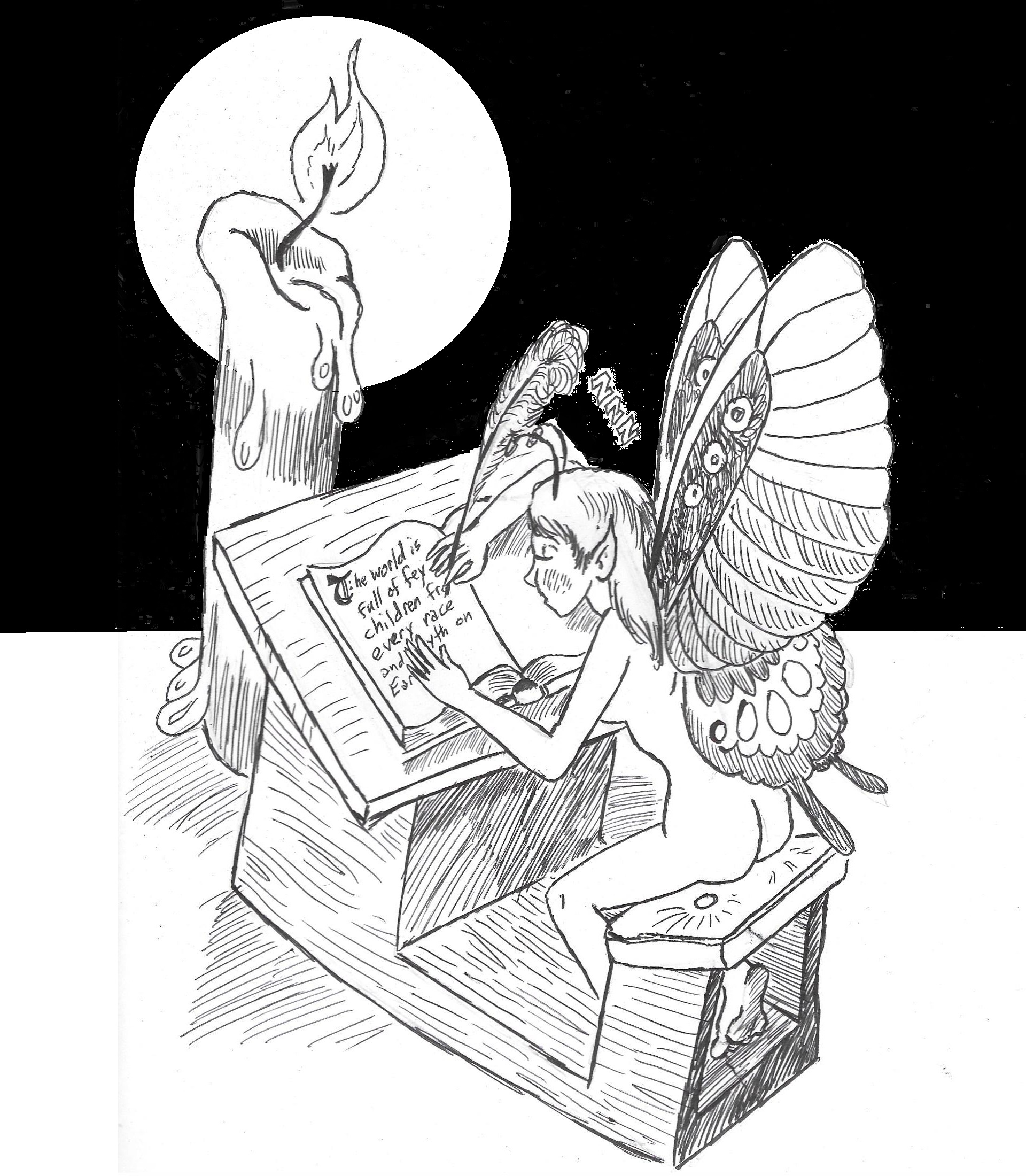
But I don’t mean in any way to imply that it is any kind of “normal human life” to be a blogger. It is, in fact, a rather bizarre and chaotic life where you have to juggle a multitude of wacky, crazy, depressing, unruly, and downright ugly things that happen at random to any and every human being (I was going to say, “living human being.” But the fact is, it happens like that for the dead ones too.) As a blogger, you are trying to take all that chaotic nonsense and organize it into words and paragraphs that makes it all into a reasonably sensible thematic something that people are tempted to actually read. (“Tempted” here probably means lured in to find out what this mass of typing is really all about by the naked fairy-girl that is in the lead illustration.) (You would be surprised at how often my penchant for drawing nudes draws in people looking for porn and gets them to stay and read the story that goes with the picture.)
Technically this is a book blog. It was established for me as an author’s blog by I-Universe Publishing for my traditionally-published novel Catch a Falling Star, which is what this blog is named for. It is supposed to be an effective marketing tool for selling books and getting people interested in finding out more about my books, and about me, and especially about clicking on the ads that appear in this blog-space.
But I am apparently terrible at using it for what it was meant for. There is absolutely no correlation between this book blog and book sales. Through I-Universe I have made about $16,00 (really, sixteen dollars! since 2013, and they haven’t even sent that money to me yet, because the threshold for sending a check in the mail is $25,00,) They have made a lot more money off of selling me marketing services than they ever have off of my award-winning book (Really, again, the Editor’s Choice Award and the Rising Star Award, both together worth precisely diddly-squoot.) My blog itself costs me $98.00 a year, and I have only made back $10.00 on ads revenue. So, being an author is only going to make me a millionaire very, very, very slowly.
But what I do get from this blog is a couple of critical things.

It is a place where my artwork and story-telling skills can see the light of day outside of a middle-school classroom. I learned to fascinate people with my cartoons on a chalkboard and stories that begin with things like, “One time the former President of the United States, John Quincy Adams, was skinny-dipping in the Potomac River while…” (Yes, that one could’ve gotten me fired if kids had told their grandmothers what they were learning in Mr. Beyer’s class when they got home from school, but they laughed so hard that they forgot everything they learned in class.) (Unfortunately, they mostly forgot Math Class and Science Class as well.)
And I get some feedback about how well or how poorly my writing comes across to the reader. (I can get a “LOL” in the comments, or a good “What the hell was that supposed to be about?”) It gives me an idea about what to keep and what to change when I do it all again the next day.
People are actually reading this blog, and my books as well. Yesterday I got 204 views and 21 likes on WordPress and there was only one naked girl in the pictures I used with the blog post. Just today I got a very insightful five-star review on my book Sing Sad Songs. So, I am getting read and being successful as a writer. ($3.75 in royalties from Amazon was paid to me on Friday. So, I could almost claim to be a professional… if I cut down on expenditures quite a bit.)
Filed under artwork, autobiography, blog posting, humor, novel writing, Paffooney
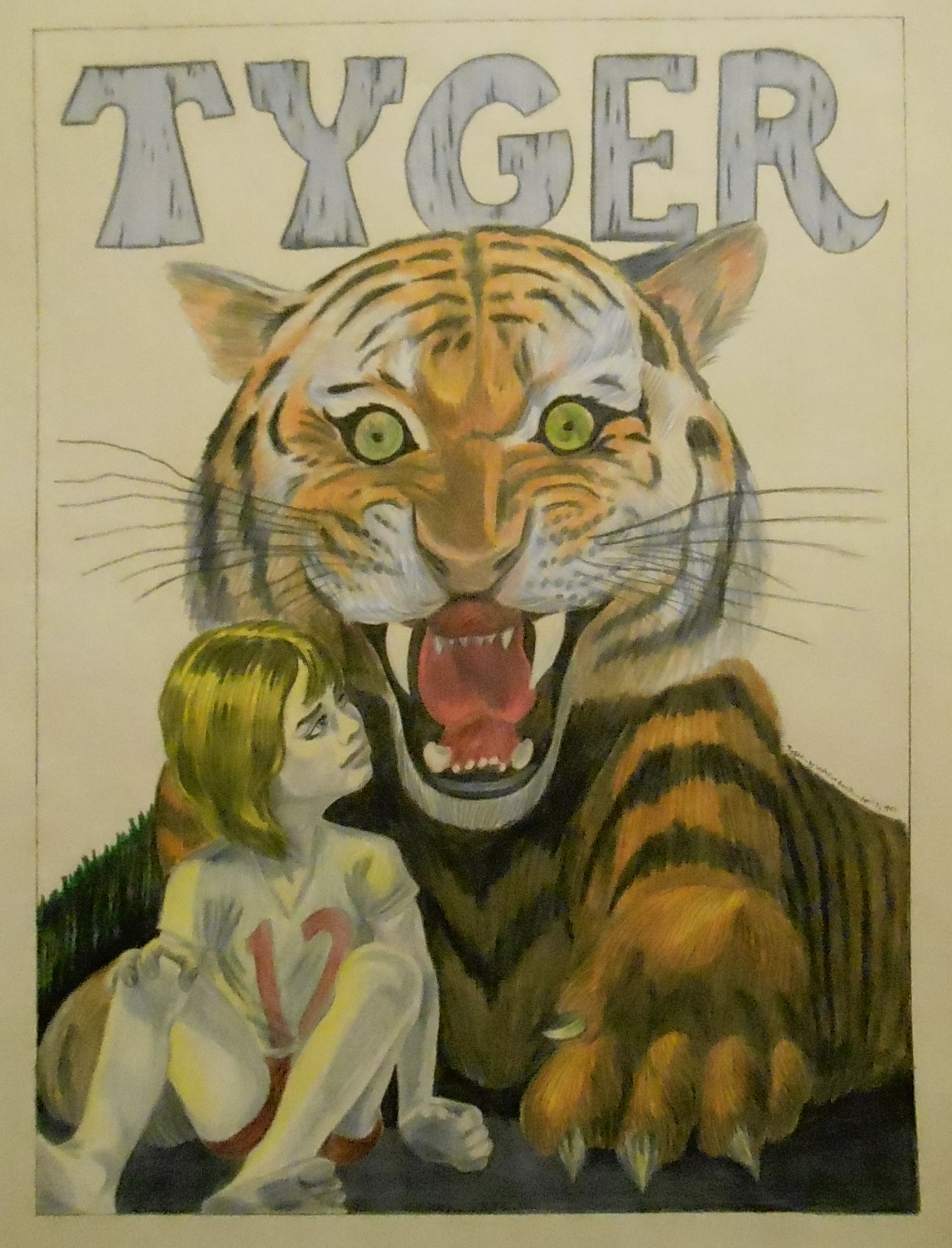
Yes, I did not misspell the word “tiger.”
This picture was intended to depict the William Blake poem,
Here’s the start of the poem from Blake’s own self-published book.
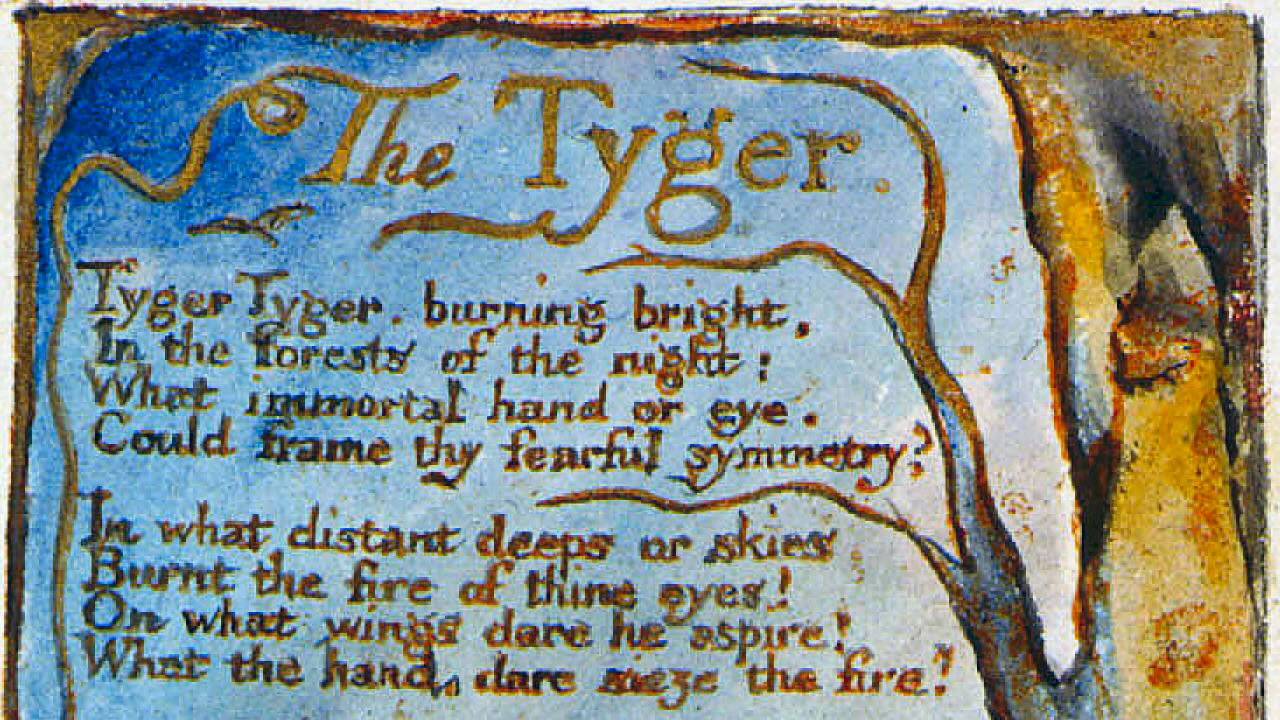
So, who is the crazy nut? Blake? Or me?
Well, if you look at the piercing eyes of the Tyger in my drawing… obviously… me!
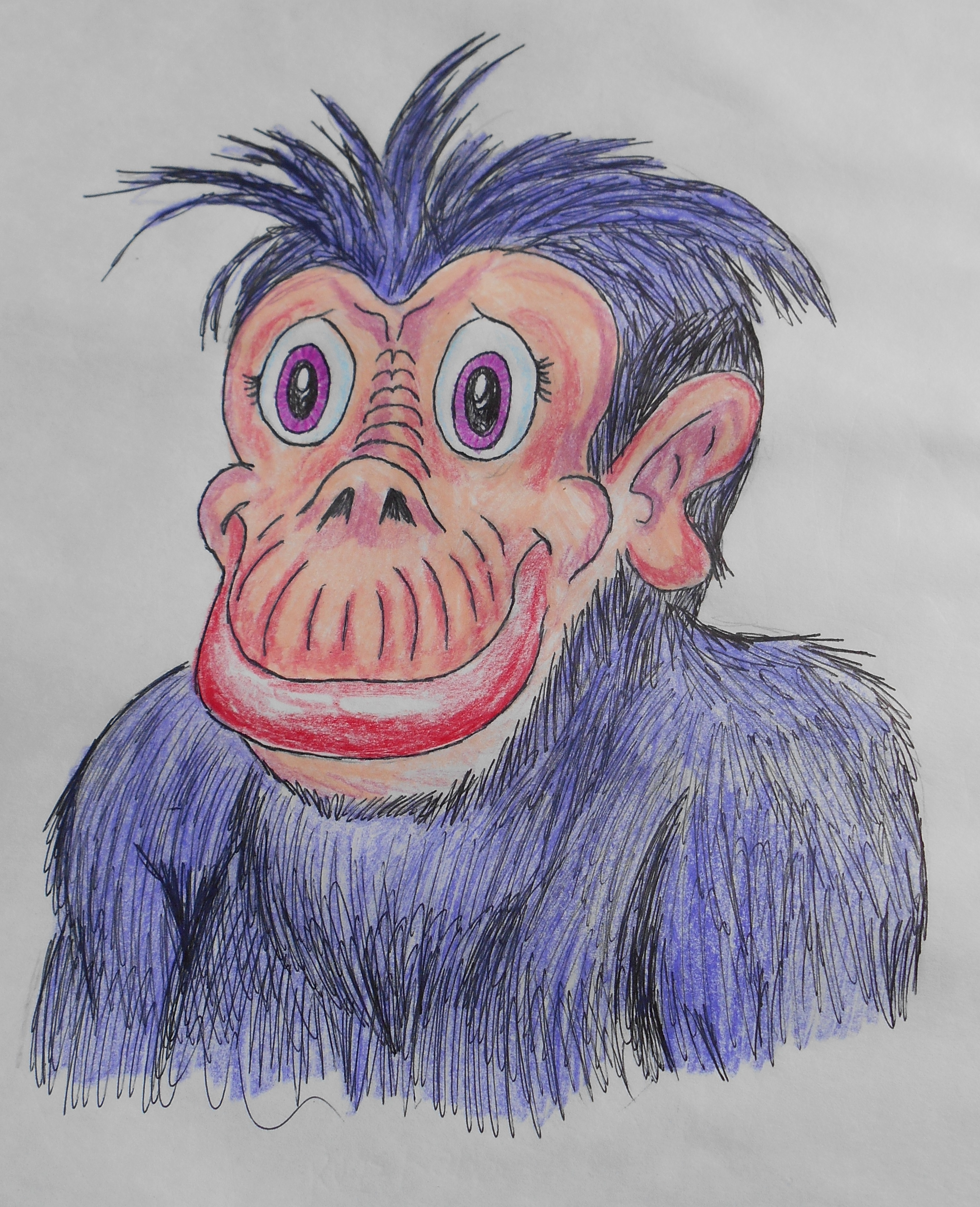
Consider the many humble self-portraits I have drawn over a lifetime.
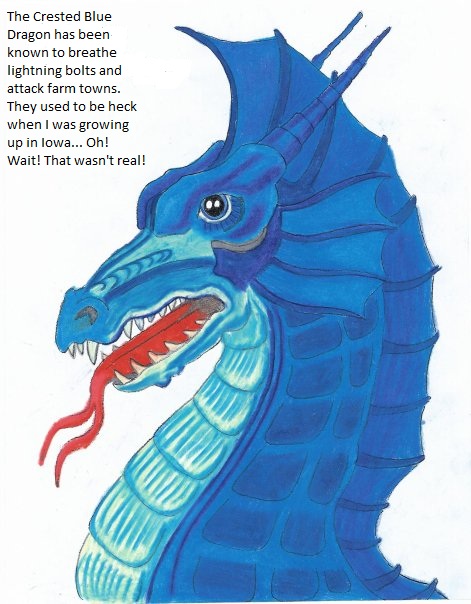
Yep, definitely evidence in those self-portraits.
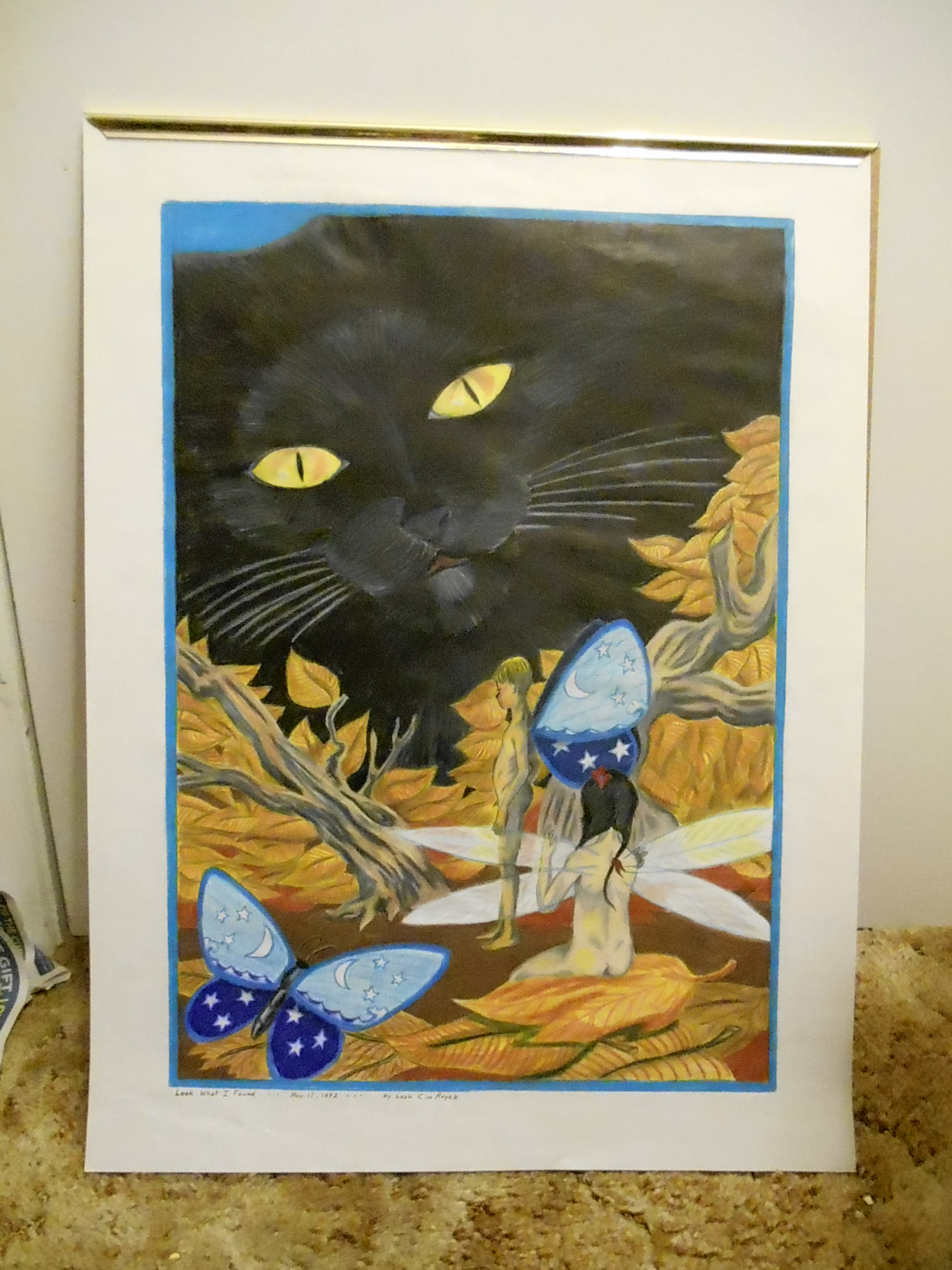
I admit to often seeing things that aren’t really there. And from strange viewpoints.
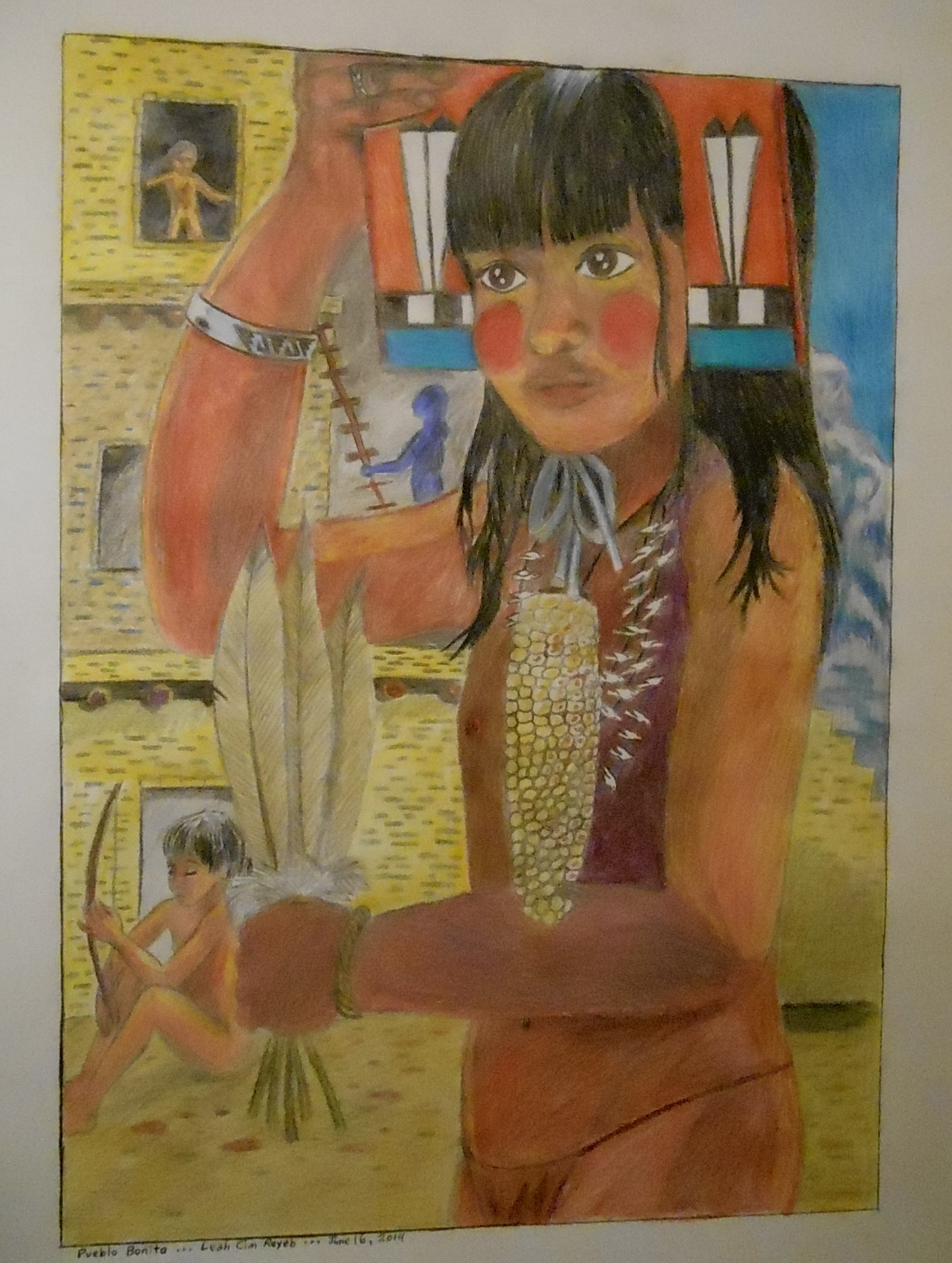
I have a tendency to see things through the lens of history.
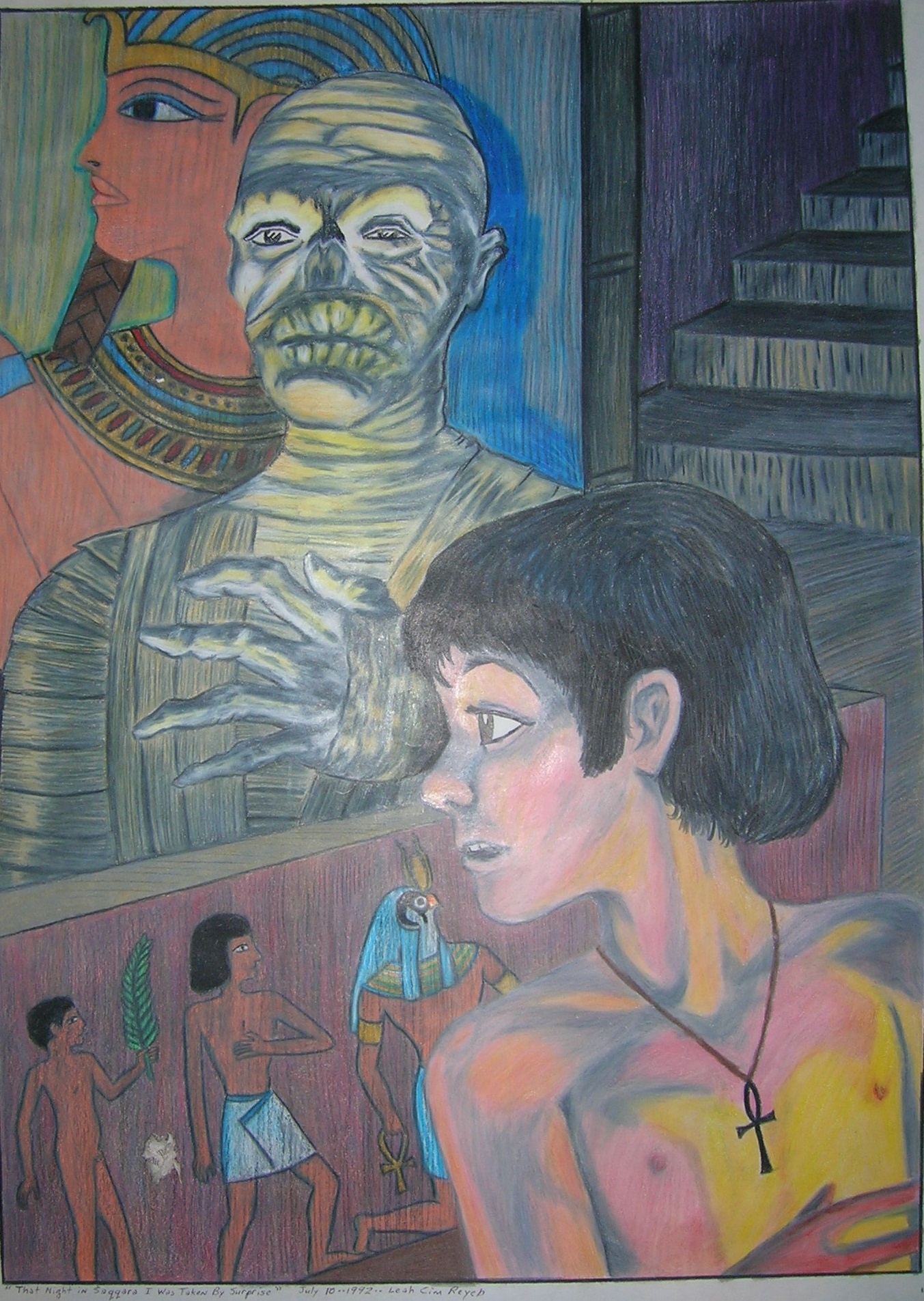
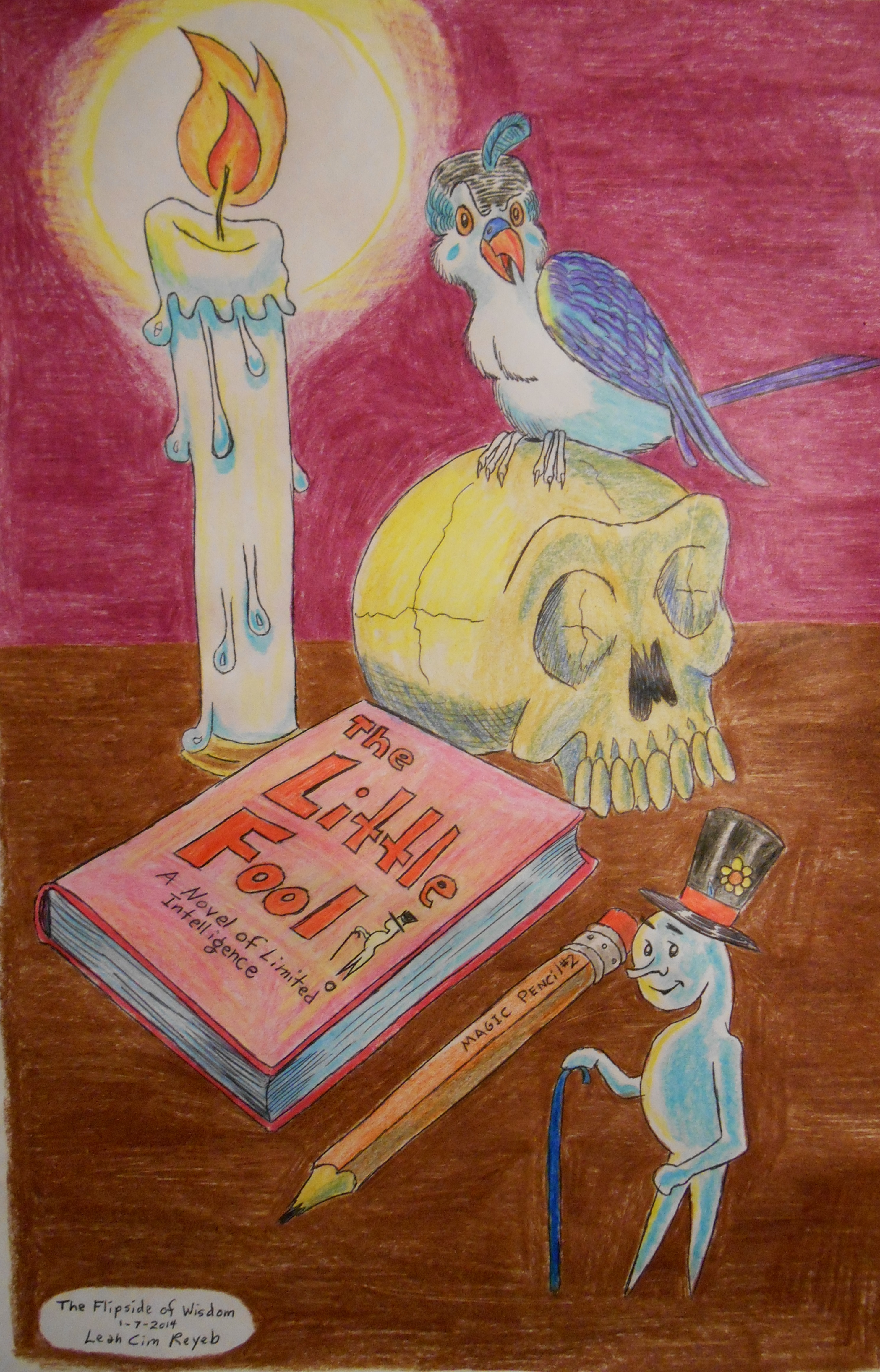
But mostly, the crazy nuttiness is all a joke.
Filed under artwork, autobiography, goofy thoughts, humor, old art, Paffooney, Uncategorized
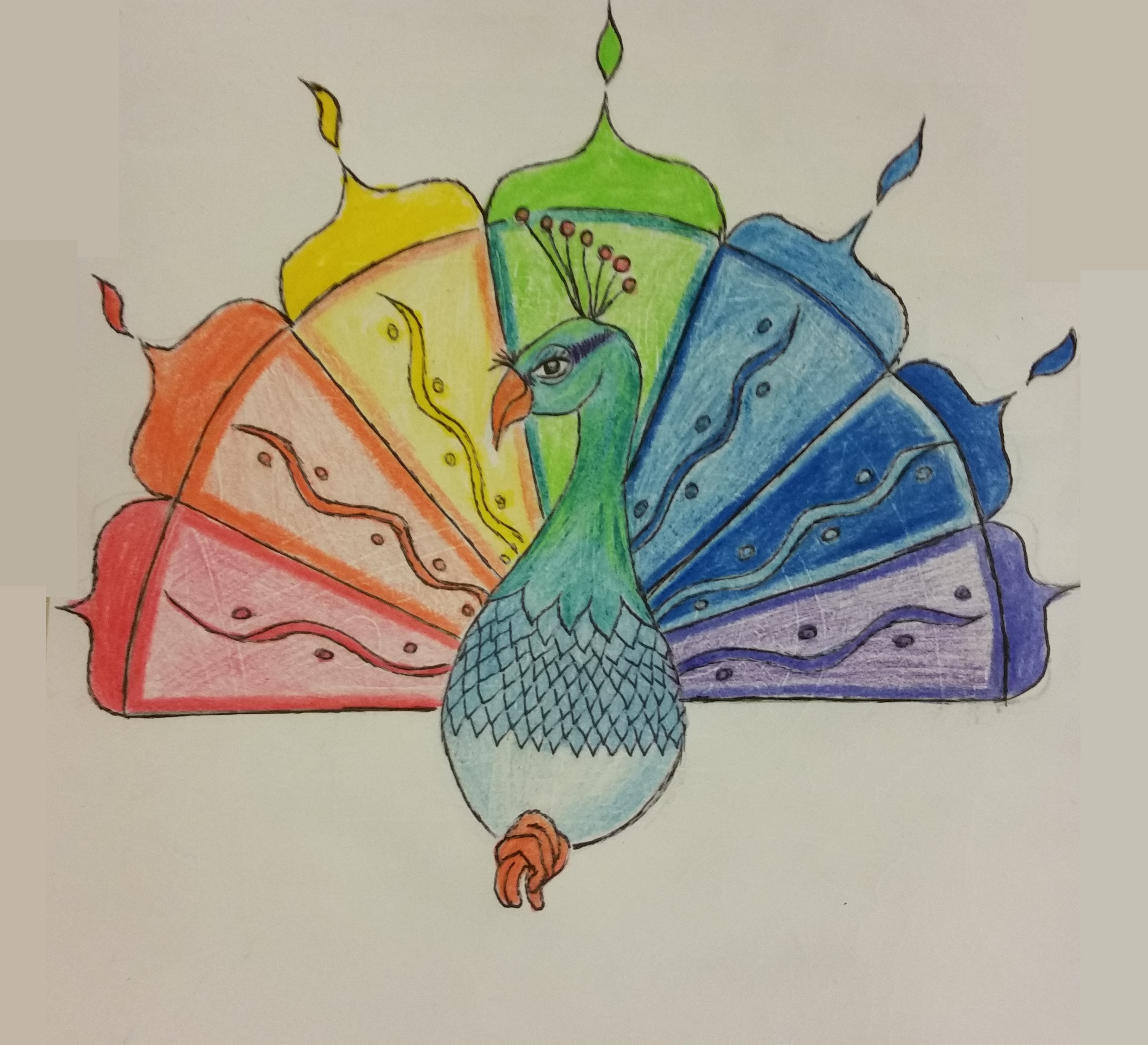
Yes, it is very possible that my imagination was galvanized in childhood by TV.
It seems to me that NBC had even more power over me than the other two networks. We could get CBS and ABC on our black-and-white TV. But the only NBC affiliate in Iowa was not able to be received in our little town. We had to go to Grandma’s house in Mason City where Grandma had a color TV.
Wow! Color!
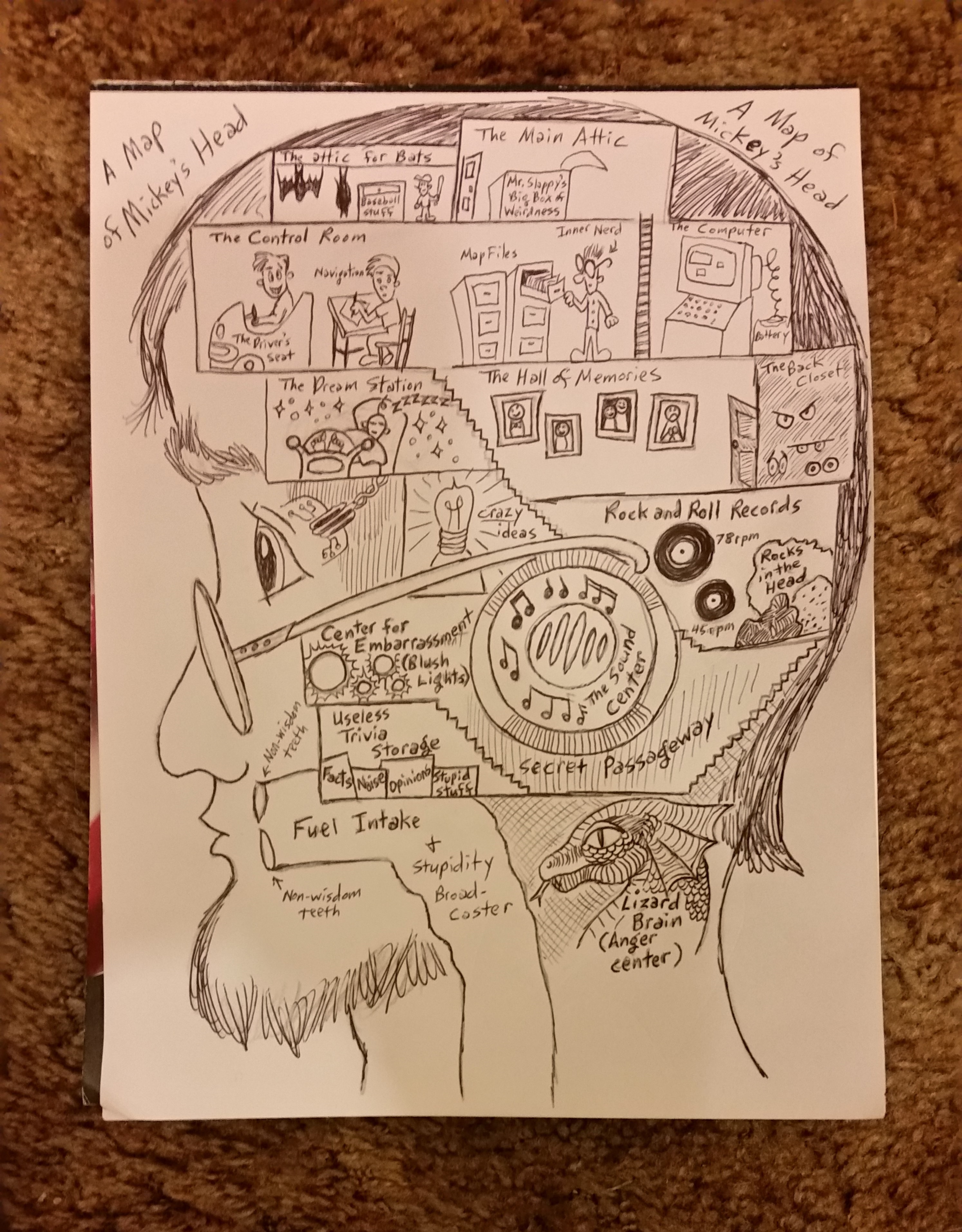
Of course, it used to be referred to as the “Boob Tube” because psychologists and people who mattered kept saying that TV makes you stupid. Which, naturally, has a grain of truth to it because you don’t watch TV actively. You sit there and passively let the stories, commercials, and propaganda about sugary breakfast cereals flow in one ear, poison your brain, and then flow out the other ear leaving only water-logged thinking-muscles behind them.
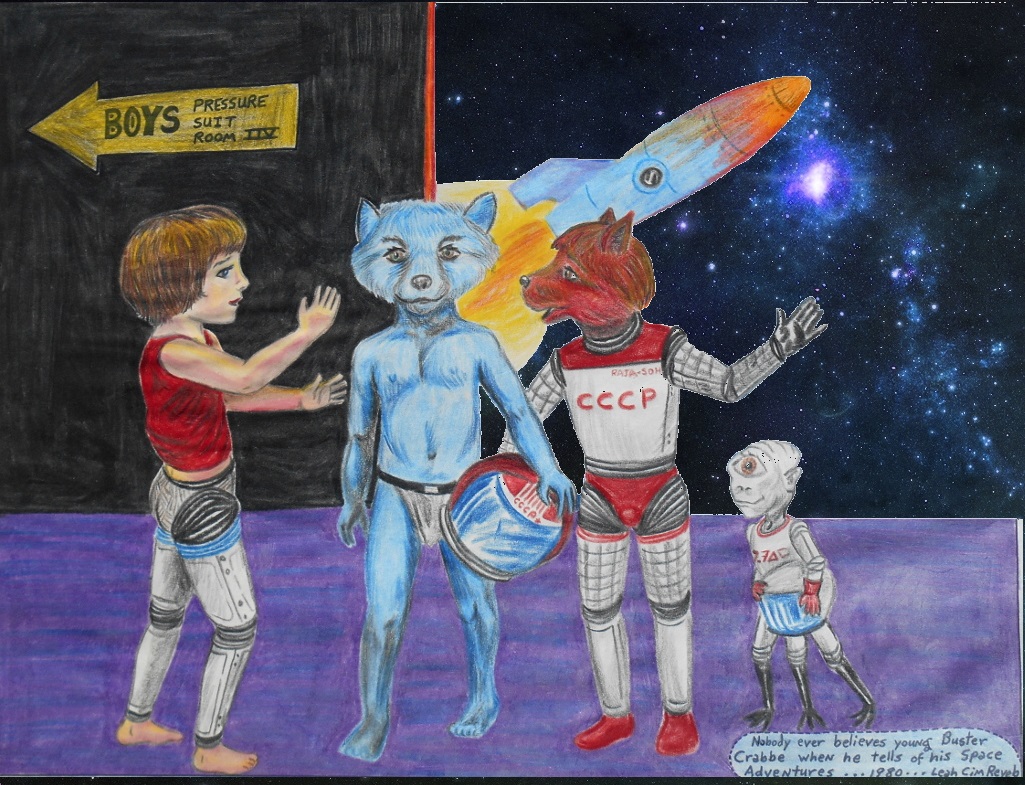
The Saturday Matinees on CBS provided my youthful imagination with science fiction, fantasy, and heroes of all kinds.
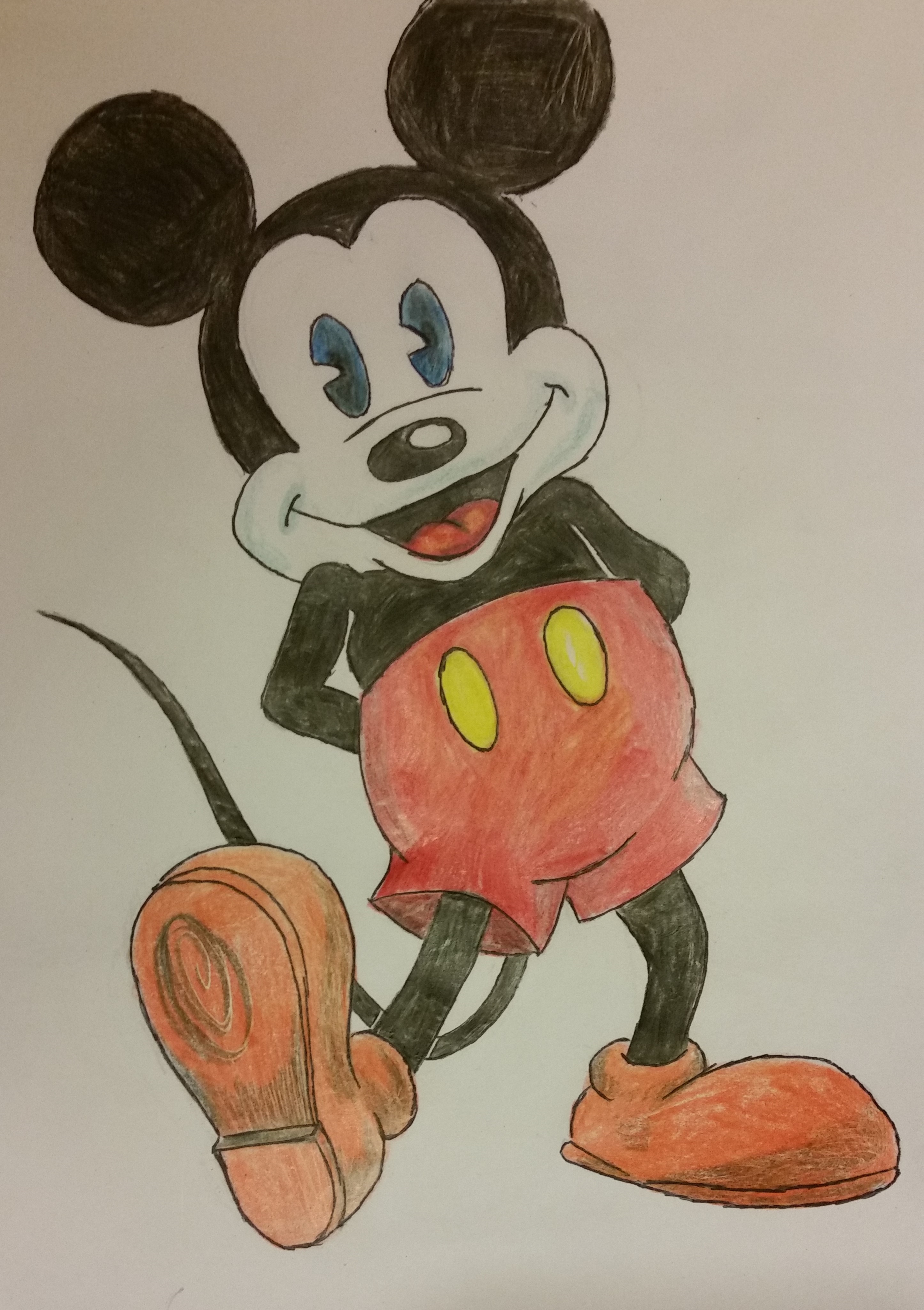
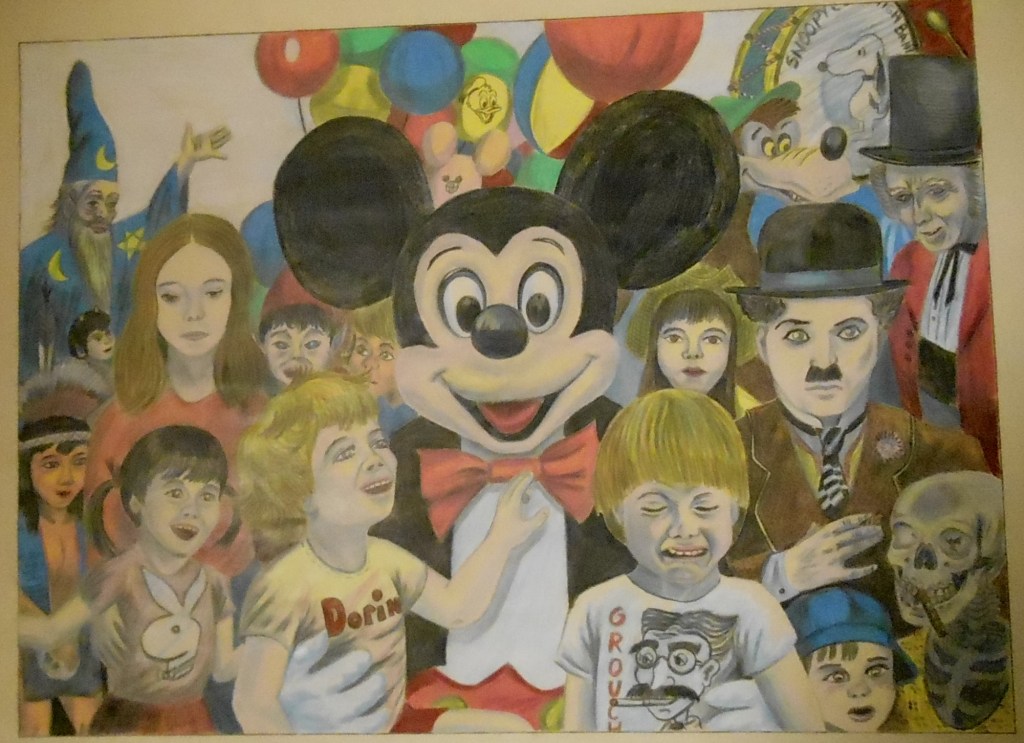
I taught myself to draw cartoon characters based on the animated shows I watched on TV. I not only copied Mickey, for obvious reasons, but also Donald and Daffy Ducks, Space Ghost, Jonny Quest, Yogi Bear, and the Herculoids.
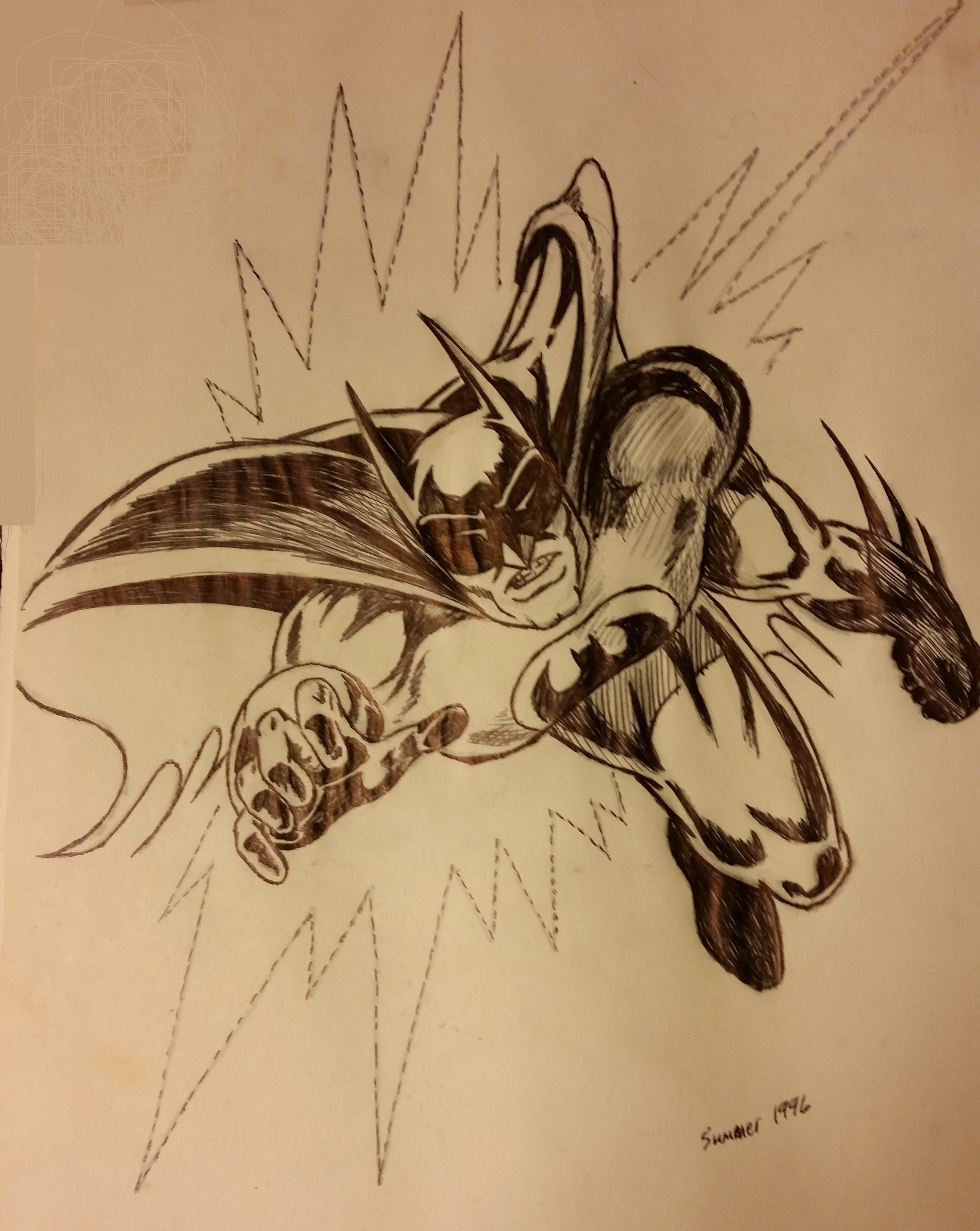
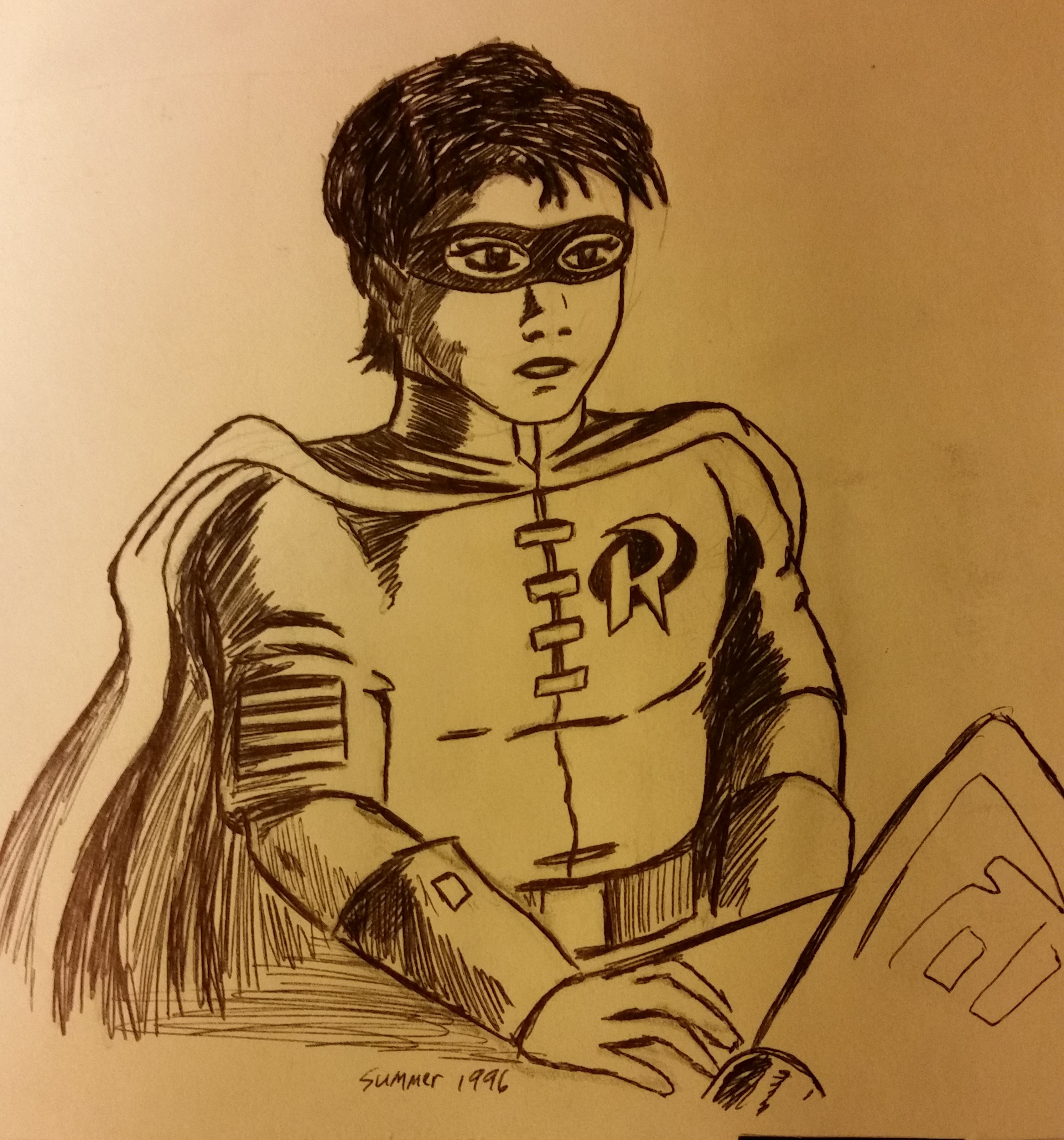
And Batman! With Adam West and Burt Ward and Cesar Romero as the Joker. Bam! Boff! Sock! Pow! Bright colors, goofy Riddler plots, and really bad jokes that were so bad they made you laugh.

And I loved monster movies. Not horror movies really. I never loved Freddy Krueger or Jason. But the Wolfman? Frankenstein’s Monster? Bela Lugosi’s Dracula? The Creature from the Black Lagoon? My inspirations!
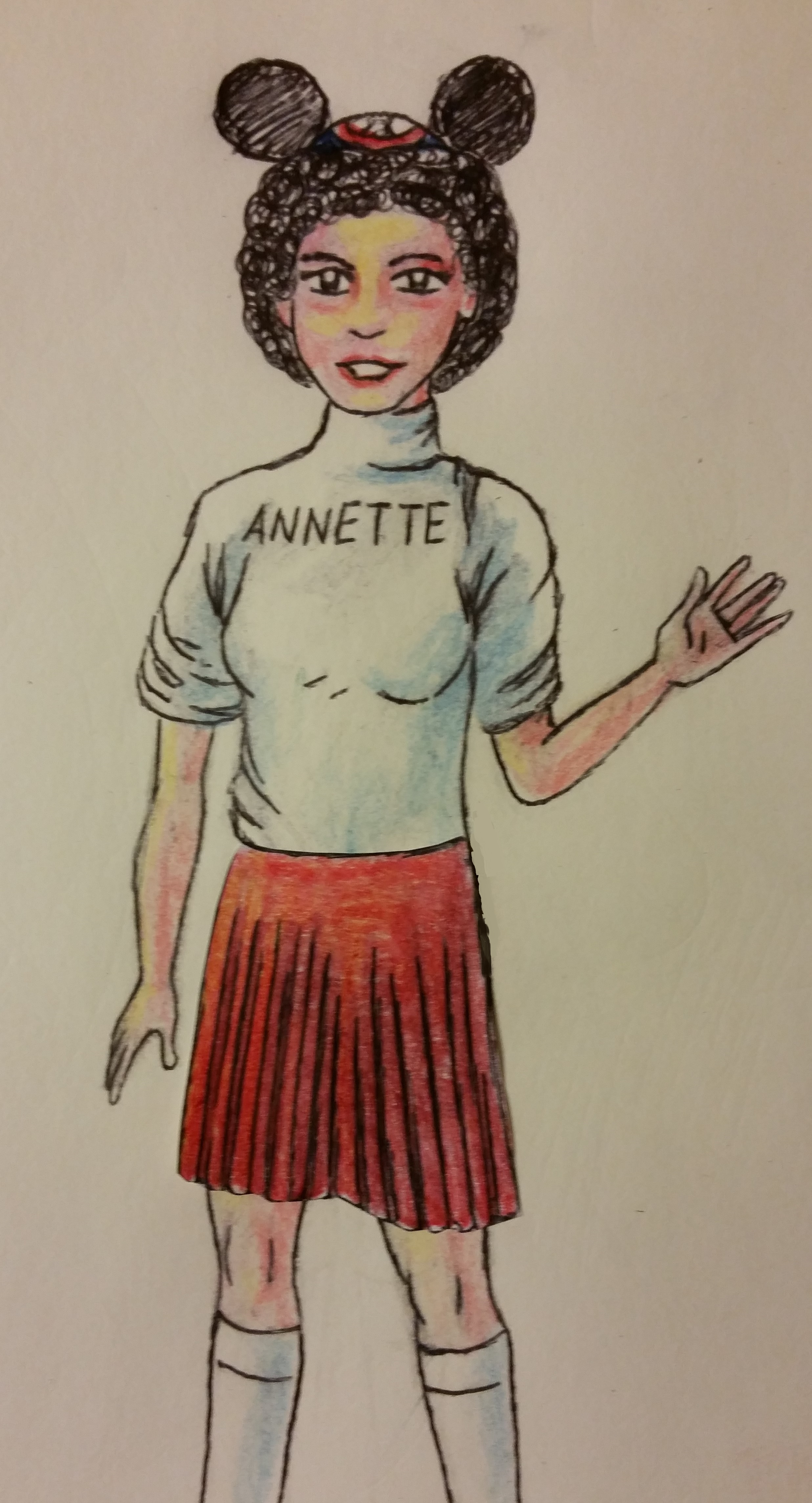
And, of course, Disney on Sunday nights. The Wonderful World of Disney in living color.
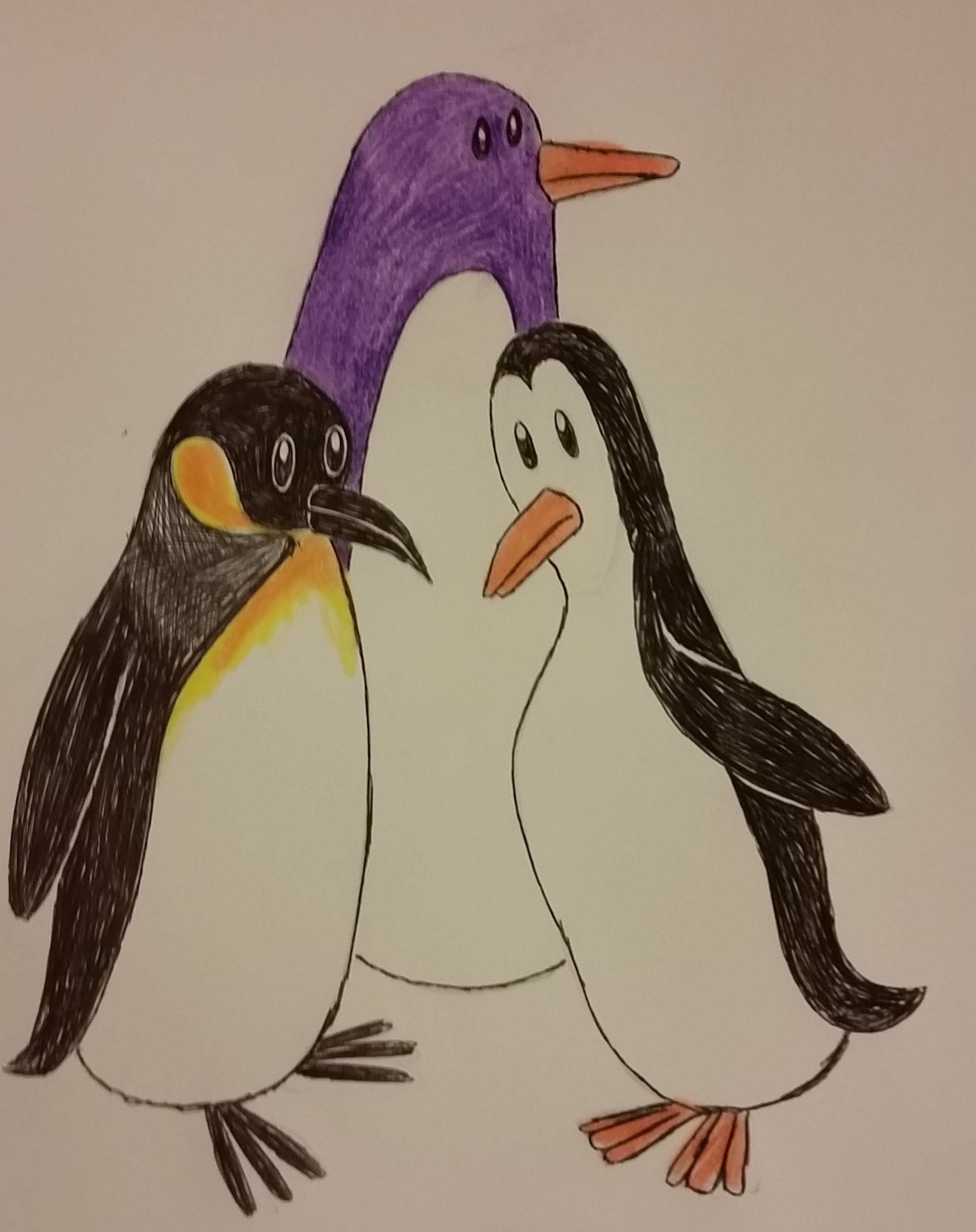
You know how creepy penguins in cartoons can be, right? The Penguins of Madagascar are like a Mission-Impossible Team gone horribly wrong and transformed into penguins. The penguin in Wallace and Gromit’s The Wrong Trousers disguised himself as a chicken to perform acts of pure evil. Cartoonists all know that penguins are inherently creepy and evil.
I recently learned a hard lesson about penguins. You know the joke, “What’s black and white and red all over? A penguin with a sunburn.” I told that joke one too many times. Who knew the Dallas metroplex had so many loose penguins lurking around? They are literally everywhere. One of them overheard me. And apparently they have vowed a sacred penguin vow that no penguin joke goes unpunished.
As I walked the dog this morning, I spotted creepy penguin eyes, about three pairs, looking at me from behind the bank of the creek bed in the park. When I went to retrieve the empty recycle bins from the driveway, there they were again, looking at me over the top of the neighbor’s privacy fence.
“Penguins see the world in black and white,” said one of the Penguins.
“Except for purple ones,” added the purple one.
“Penguins can talk?” I tried unsuccessfully to ask.
“Penguins only talk in proverbs,” said one of the penguins.
“But the purple one gives the counterpoint,” said the purple one.
“The wisdom of penguins is always cold and harsh,” said one of the penguins.
“Except on days like this when it’s hot,” said the purple one.
“You should always listen to penguins,” said one of the penguins.
“Of course, people will think you are crazy if you do,” said the purple one.
“People who talk to penguins are headed for a nervous breakdown,” said one of the penguins.
“Unless you are a cartoonist. Then it is probably normal behavior,” said the purple one.
“Is this all real?” I tried unsuccessfully to ask.
“Everyone knows that penguins are real,” said one of the penguins.
“But there are no purple penguins in nature,” said the purple one.
So, I sat down to write this post about penguins and their proverbs with a very disturbing thought in my little cartoonist’s head… Why am I really writing about penguins today? I really have nothing profound to say about penguin proverbs. Especially profound penguin proverbs with a counterpoint by a purple penguin. Maybe it is all merely a load of goofy silliness and a waste of my time.
“Writing about penguins is never a waste of time,” said one of the penguins.
“And if you believe that, I have some choice real estate in the Okefenokee Swamp I need to talk to you about,” added the purple one.
Filed under artwork, birds, cartoons, goofy thoughts, humor, Paffooney, philosophy, surrealism
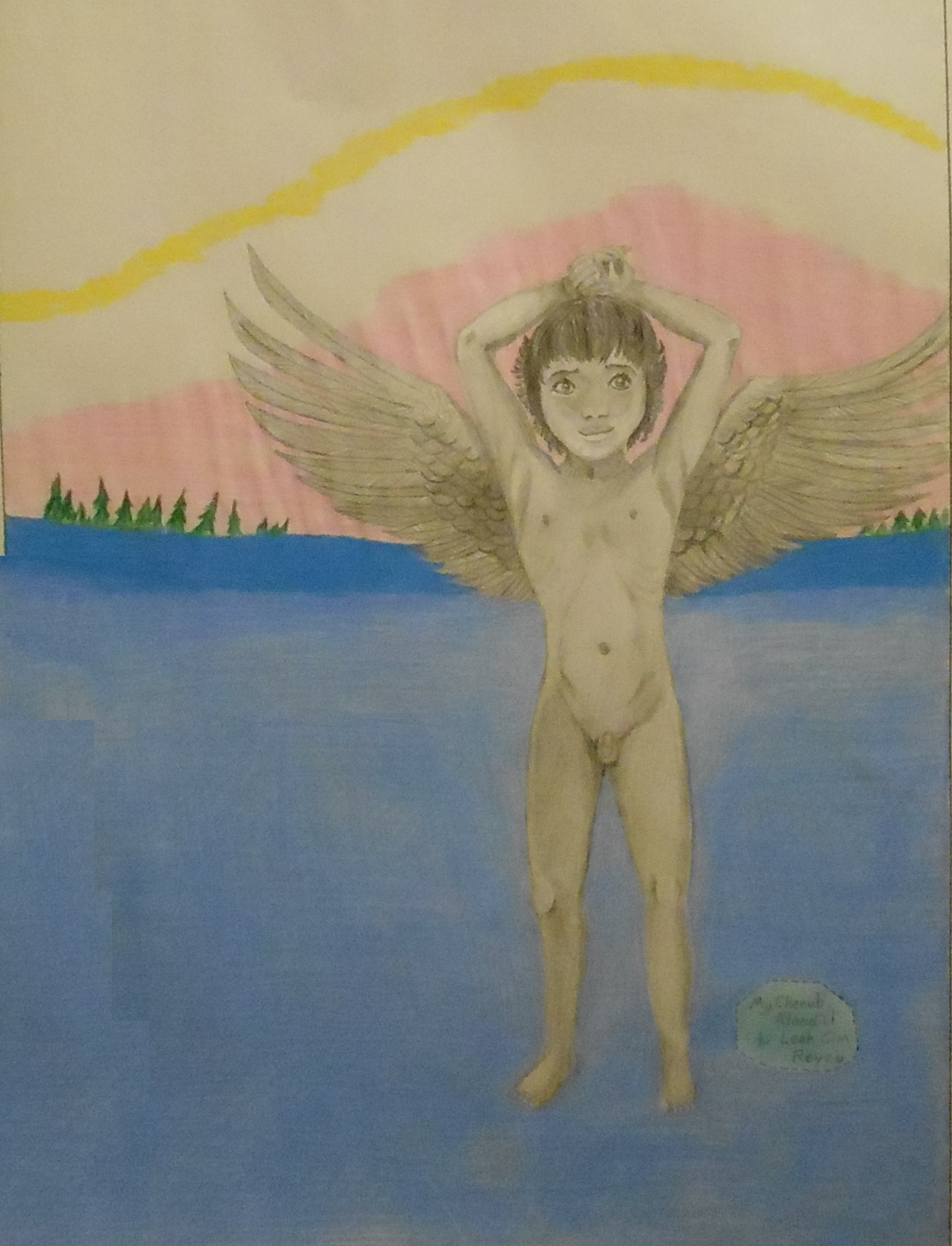
I was born an artist. It has to be developed and nurtured and practiced over time to become what it can truly be, but artistic talent is something you are born with, and there is a genetic aspect to it. Great Aunt Viola could draw and paint. She produced impressive art during her lifetime. My father can draw. He has demonstrated ability a number of times, though he never developed it. Both my brother and I can draw and have done a lot of it. All three of my children can draw and paint. My daughter, the Princess, even wants to pursue a career in graphic design and animation.
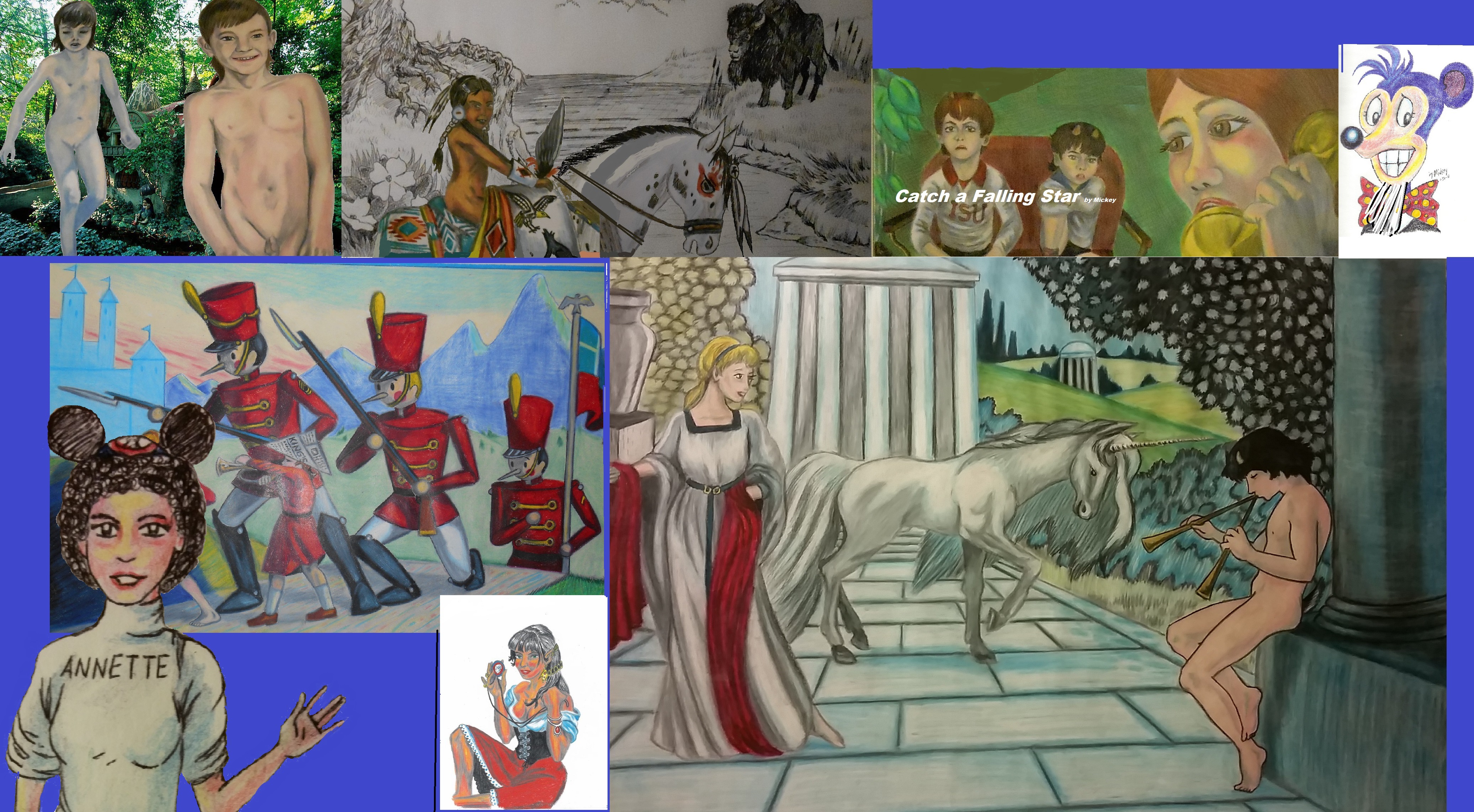
One of the factors that weighs heavily on a career in art is the starving artist factor. To be a serious artist, you have to study art in great detail. You need lots of practice, developing not only pencil-pushing prowess, but having an artist’s eyeball, that way of seeing that twists and turns the artist’s subject to find the most novel and interesting angle. It takes a great deal of time. And if you are doing this alone, you are responsible also for building your own following and marketing your own work and creating your own brand. You need to be three people in one and do this while potentially not being able to make any money at all for it. I have taught myself to do the art part, but I paid the bills with something else I loved to do, teaching English to hormone-crazed middle-schoolers.
An important part of art is what you have to sacrifice to do it.
Many artists become alcoholics, drug users, or suicidal manic-depressives. There is an artistic sort of PTSD. Doing real art costs a lot because it alters your lifestyle, your mental geography, and your spiritual equilibrium. Depending on how much of yourself you put into it, it can use you up, leaving no “you” left within you.
I am not trying to leave you with the impression that I mean to scare you into not wanting to be an artist. For many reasons it is a great thing to be. But it is a lot like whether you are born gay or straight… or somewhere in between. The choice is not entirely up to you. You can only control what you do with the awful gift of art once it is given to you. And that is a serious choice to make. Me, I have to draw. I have to tell stories. My life and well-being depend on it. It is the only way I can be me.
This link will help you understand Synesthesia
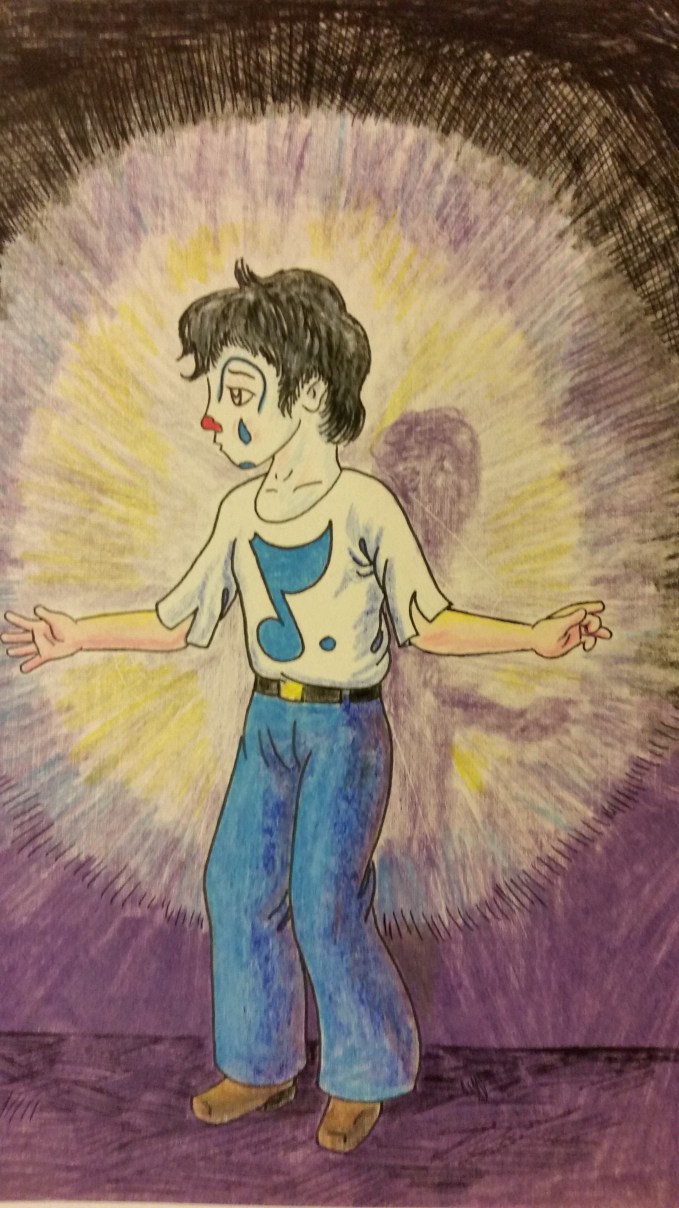
Yes, Mondays are blue. Specifically French blue. Every day of the week has its own color. Sunday is golden yellow, Tuesday is a yellow-ochre, Wednesday is indigo blue and sometimes changes to blue violet, Thursday is burnt orange, and Friday is solid wood brown, and of course Saturday is rich pure red while Mondays are not just any blue… they are French blue. I learned the names of these colors from being a painter and using oil paints. I experience these colors every week and they help me maintain the calendar in my stupid old head. I began to realize when I first heard about the colors of the wind in the Disney movie Pocahontas that there was something to this everyday thing, something different in the way I see the world. I have in the last few years learned that this condition has a name. It is called synesthesia.
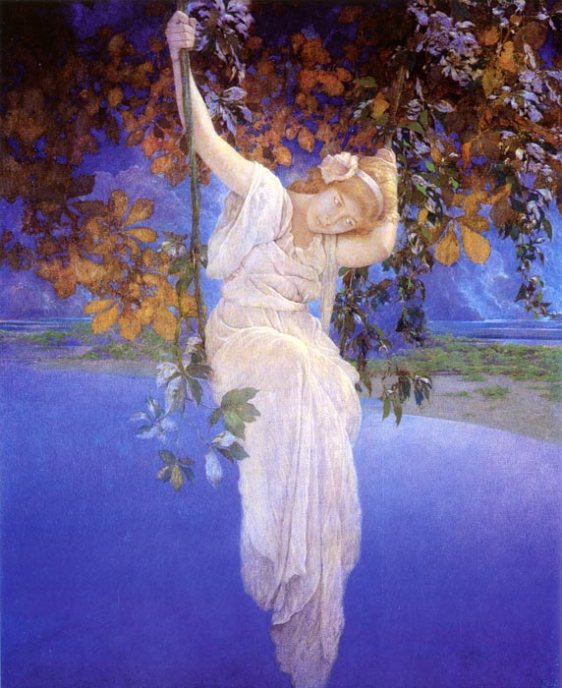
It has been suggested to me by more than a few people that I don’t really perceive the world the same way “normal people do”. When I was growing up, and going to school, I never had trouble remembering to capitalize the first word in a sentence. I did however, have a great deal of difficulty with capital letters on nouns. Looking back on that difficulty now, I can say without a doubt that I was having trouble not because I didn’t know the difference between proper nouns and common nouns. It was because things like the word “dog” or “chair” had to begin with the right color. Dogs are blue when you are talking about the color of the letters in the word. But small “d” is blue-green, not true blue. It doesn’t fit as well as the dark blue capital “D”. And chairs are orange-red when you write them down, while the small “c” appears light green by itself.
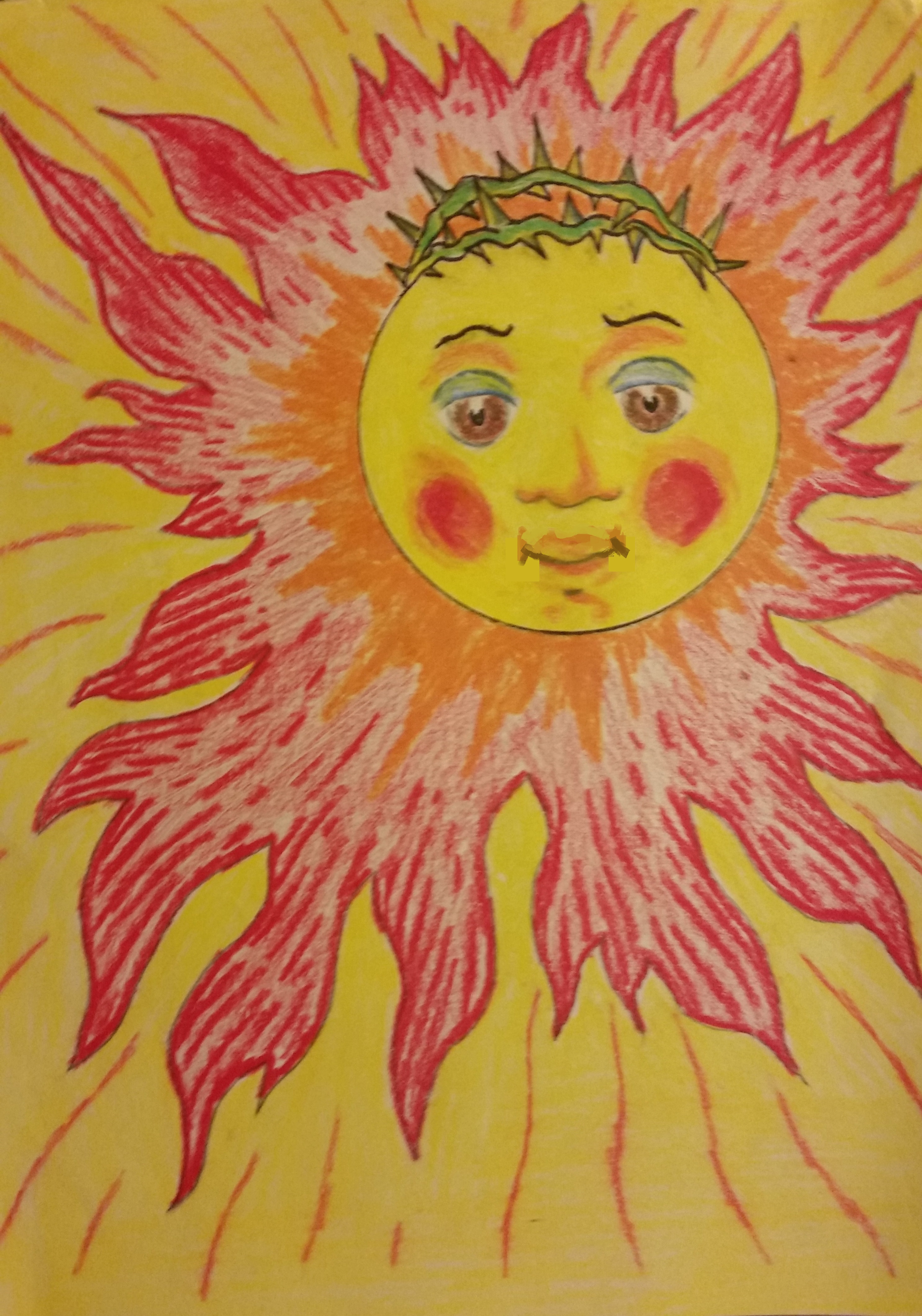
Sundays are Sun-days, and that’s why they are golden yellow.
I am told that most synesthetes are taken by surprise when they learn that they are seeing things differently than other people do. I certainly was. I always got funny looks whenever I described Thursdays as orange, or the month of November as sky blue. My classmates in 4th grade thought I was nuts… of course, it wasn’t just for the orange Thursdays thing. I was not a normal kid in any real sense of the word. I always suspected that if I could look at the world through other people’s eyes, I would probably see the color green as what I called red, or that glowing halo that surrounded things when organ music played in the Methodist church would no longer be there. But once I learned how synesthesia works I knew it was true. The visual part of the brain can be scanned to show activity, and lights up on the scanner as if the brain is seeing bright colors when Beethoven’s Ninth Symphony is being played while the subject of the scan is actually blindfolded. I am told that synesthesia is more common in left-handed girls. My daughter, the Princess, tells me that she also sees color on printed numbers and letters. She is left handed and also gifted at drawing. I suspect she inherited the synesthesia from me.
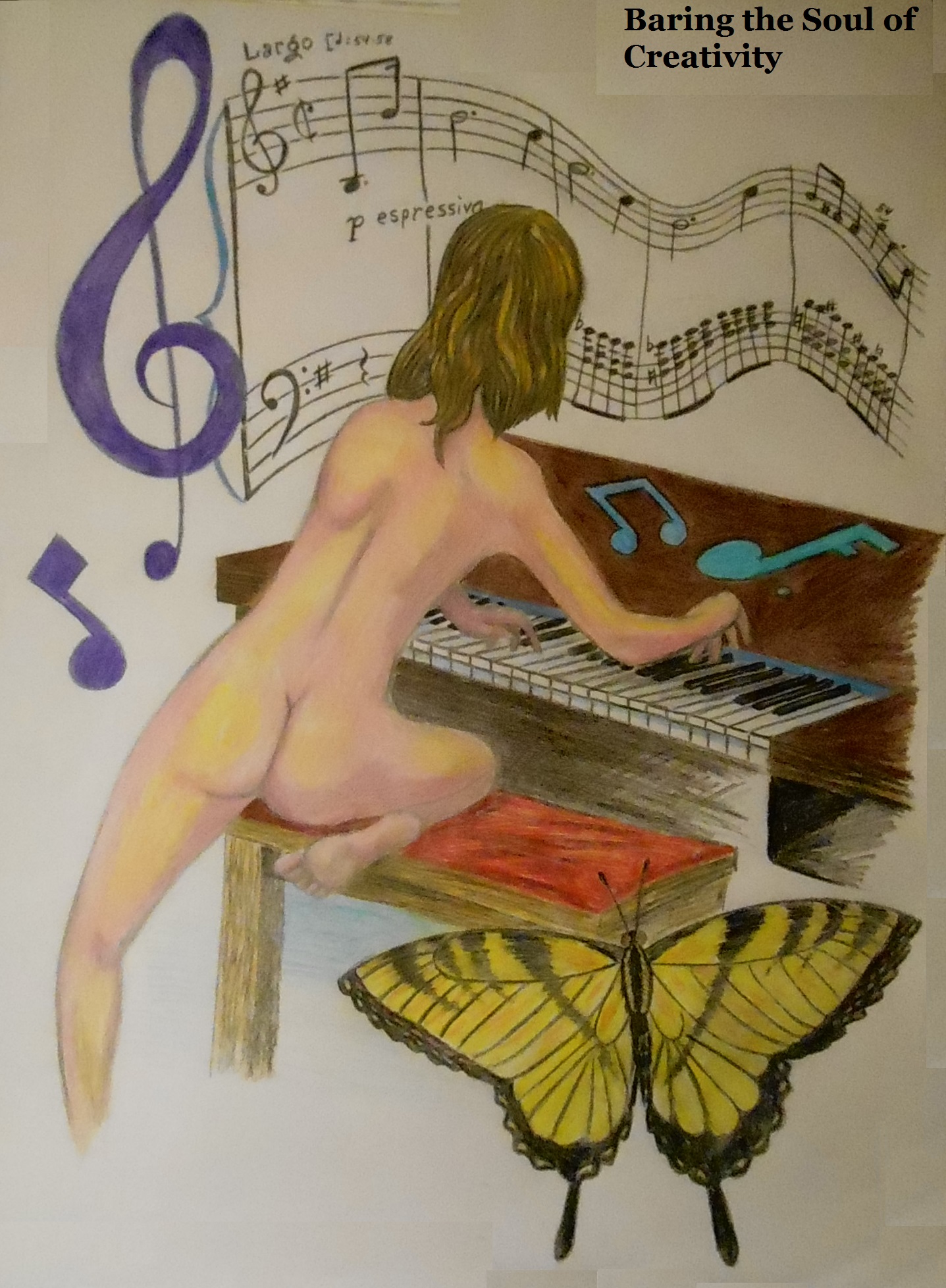
Synesthesia probably explains what this nonsense is all about.
Now, I acknowledge the fact that my synesthesia is self-diagnosed and not proven by any of the methods the articles I have read about the condition talked about. But my personal experiences always seem to fall in line with descriptions of letter/number/color combinations and music/color combinations that I have read about. And if I do have it, it is not the same as any of my six incurable diseases. It is not a bad condition to have. In an artistic sense, it might actually be a good thing. I could use some good for a change. Good doesn’t usually come from weirdness… not my weirdness, anyway. (Oh, and capital “G” is lime green… as is the word Goodness).
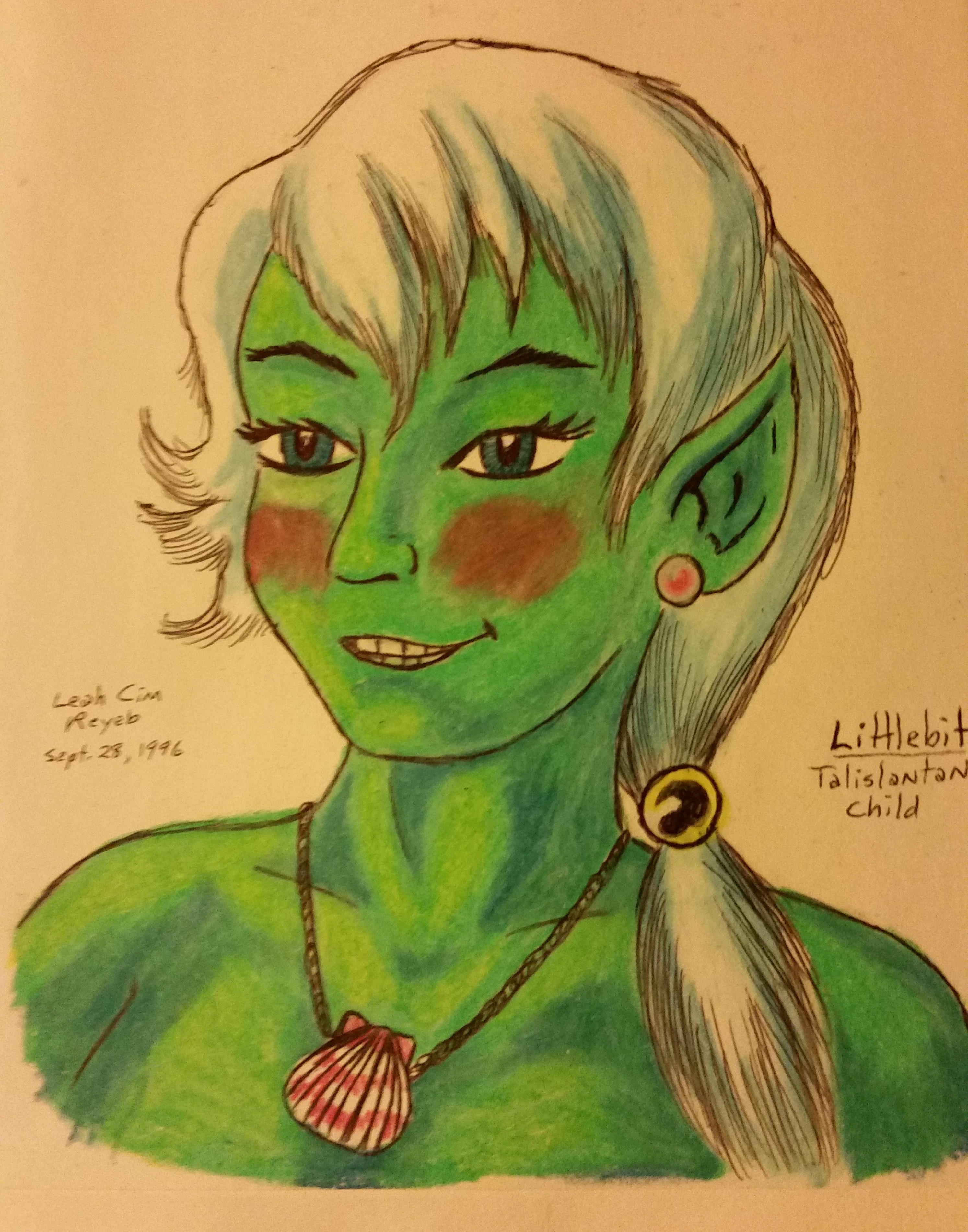
It’s not easy being green…. the color of so many ordinary things…
Especially as you grow older.
Because green is the color of growth and youth and life. But those things seem beyond the grasp of your outstretched fingers on your spotty and wrinkled old hand.
I am definitely no longer green like Littlebit, the Oceanian ship’s boy from the seas of Talislanta and the pirate ship, Black Dragon.
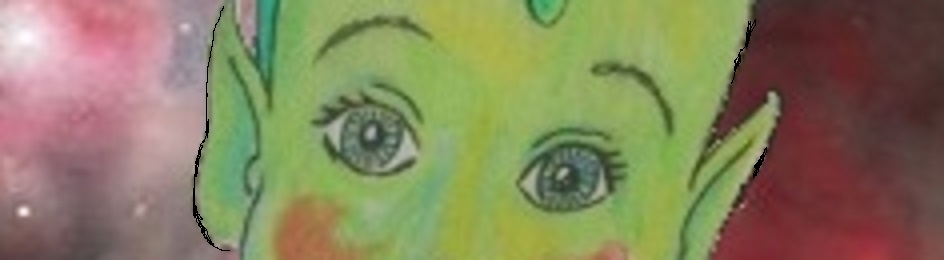
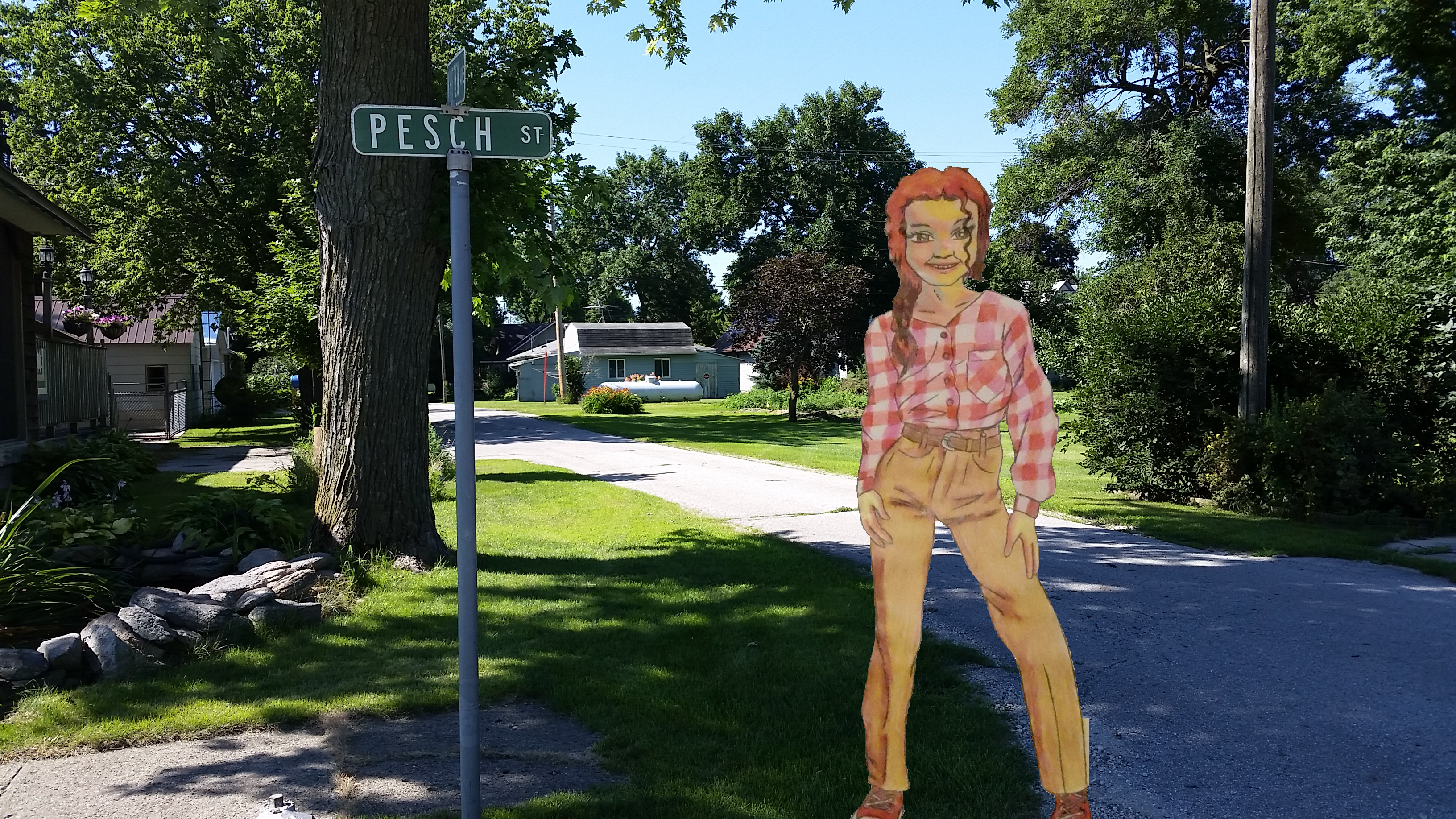
And, yes, an Iowa boy living as far away from an ocean as you can get in the United States, in all directions, you are bound to dream of pirate ships and the high seas, especially when you’re twelve and your favorite book is Treasure Island.
But now that you are old, green is more often your color because you don’t feel well… again… every day….
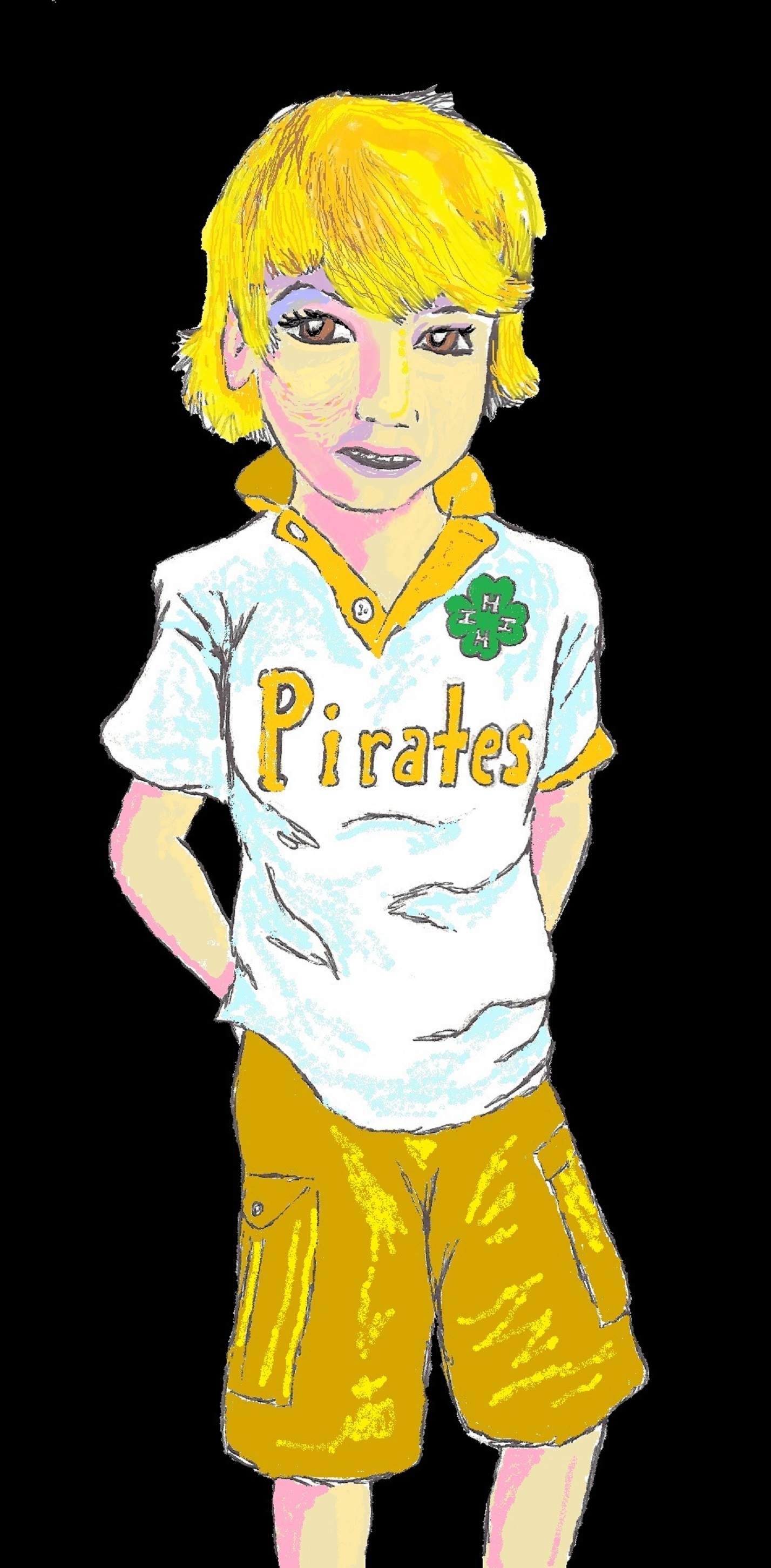
But there is still bright green in dreams.
You can still go there and be a child again in memories and your imagination.
It’s just that now the green is written down in sentences, paragraphs, chapters, and cantos.
And talking to your kids about movies, art and artists, stories and writers of stories…
Did you know the favorite color of all three of my children is green?
I have known it since they were small and I could sing to them songs by Kermit the Frog, like “Rainbow Connections” and “It’s Not Easy Being Green.”
And with paint, you make green by combining the blue of sadness with the yellow of sunshine and happiness.
And it’s not easy being green…
But it’s beautiful…
And it’s what I want to be.
Filed under artwork, autobiography, coloring, feeling sorry for myself, humor, Paffooney, poetry
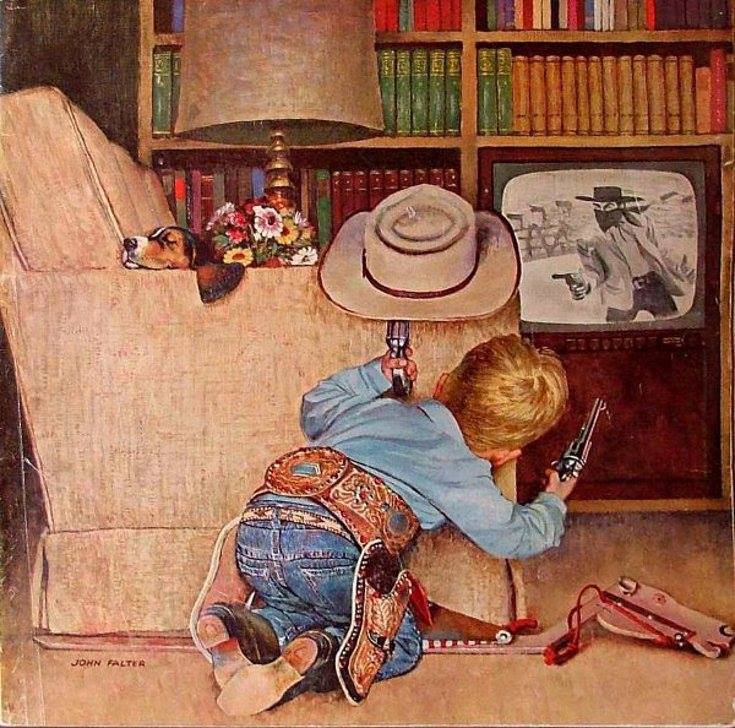
It is a difficult thing to be an atheist who believes in God. Sometimes it takes an oxymoron to find the Truth. And you often have to go heavily on the “moron” portion of the word.
The thing I find most distressing about faith is the fact that those who have it are absolutely convinced that if you don’t agree with them and whatever book of fairy tales they believe in and interpret for you, then you are not a True Believer and you do not have real Faith.
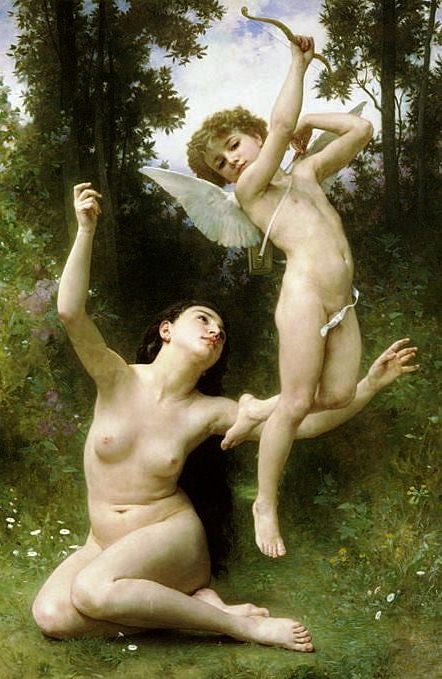
I remember being told by a Mormon girl in one of my classes that I was her all-time favorite teacher, but she was deeply distressed that, because of my religion (I professed to be a Jehovah’s Witness at the time) I was doomed to burn in Hell forever.
Hey, I was raised in Iowa. I have experienced minus 100 degree Fahrenheit windchill. I am among those who think a nice warm afterlife wouldn’t necessarily be a bad thing.
But I am no longer actually a Jehovah’s Witness. So I guess that helps with the whole Hell-burning thing. The Witnesses are a religion that claims to understand the Bible is full of metaphorical truth, and yet insist that it is literally true. They don’t believe in Hell, which, honestly, is not actually mentioned or explained in the Bible as we have it now. But they do believe your prospects for eternal life on a paradise Earth are totally contingent on knocking on doors and telling other people that they must believe what you believe or experience eternal destruction. I have stopped being an active Witness and knocking on doors because I got old and sick, and all the caring brothers and sisters in the congregation stopped coming around to visit because number one son joined the Marines, and the military is somehow evil hoodoo that cancels out any good you have done in the past. Being a Jehovah’s Witness was really hard work with all the meetings (5 per week), Bible reading (I have read the entire Bible two and a half times), door-knocking, and praying, and you apparently can lose it all for saying, thinking, or doing one wrong thing.
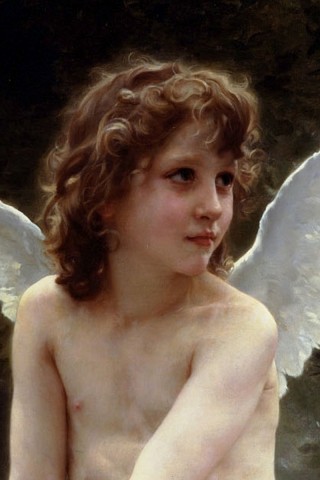
According to the Baptist preachers, Jehovah’s Witness elders, religious zealots, and other opinionated religious people I have known and dealt with in my life, if I do not believe what they believe and agree with them in every detail, then I do not know God and am therefore an atheist. So, okay, I guess I am. If I have to be an atheist to believe whole-heartedly that everyone is entitled to sincerely believe whatever the hell they want to believe, then I’ll wear that label.
On a personal note, my favorite verse of the Bible has always been 1 John 4:8, “He that does not love has not come to know God, because God is love.” That is why I claim to be an atheist who believes in God. I know love. I love all men, women, children, animals, sunrises, artwork, paintings of angels by Bouguereau… everything that is. And I even love you if you exercise your freedom to tell me, “Your ideas are totally wrong, and you are going to burn in Hell, Mickey, you bad guy, you!” Mark Twain always said, “I would choose Heaven for climate, but I would prefer Hell for company.” I am not going to worry about it. I will be in good company. Some things are just bigger than me. And trying to control things like that is nonsense. Sorta like this post.

