

“Joker”, a harlequin jack-in-the-box logo for Harvey
When I was a kid old enough to begin to see and interact with the real world in the tragic and magical 1960s, the first comic books available to me, long before my parents would allow me to pick up and buy Spiderman and Batman and (shudder) comics with monsters in them, were the kid-friendly comics of the Harvey Brothers.
Now, you have to understand that Harvey Comics had been around since the 1940s and made their money on characters licensed first from the Brookwood Publications company that Alfred Harvey bought out in 1941 to provide the building, equipment, and publishing personnel to start producing comic books.
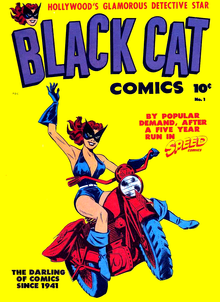
Robert B. Harvey and Leon Harvey joined the company to help produce titles they now owned the rights too like Black Cat, the Shield, Shock Gibson, and Captain Freedom.

…………………………………………Of course, most of those characters didn’t last very long. Black Cat was the only title still being published by Harvey in the 1950s.
They would go on to license characters from Famous Studios, the animated cartoon works of Max Fleischer and his brother Dave. That’s when the kid- friendly, parent-approved comic books of Fleischer creations like Casper the Friendly Ghost opened up the world of comic books to seven-year-old Mickey circa 1963.
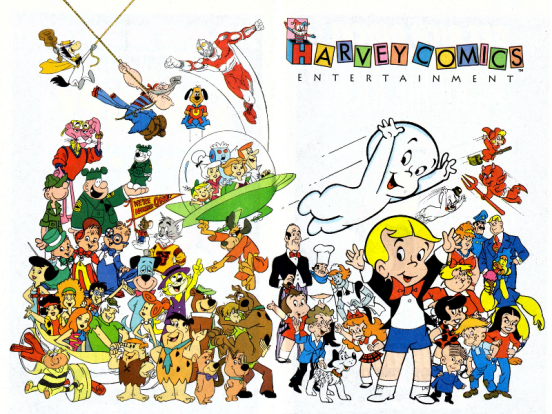

Now, it is probably obvious that there are many ways that Harvey Comics influenced me as a storyteller later in life. It goes without saying that my dedication to childish humor in stories derives from this comic-book source. The cuteness of characters is another necessity of comic storytelling gleaned from these ripe fields of baby faces. And stories advanced by magical means and absurd sidetracks also come from here. But did you ever notice that Casper and the other ghosts all perform in the nude? Yes, I think my childhood longing to be a nudist began with Casper’s naked adventures. But unlike Casper, my urges along those lines were suppressed and repressed by parents and society as a whole. So watching Casper and Spooky and Pearl (Spooky’s goilfriend) romp naked through comic book hijinks were a sublimated substitution for that childhood desire. (Sure, none of them had genitals, but it wasn’t about that.)
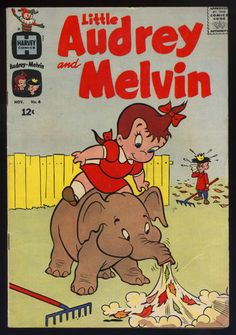
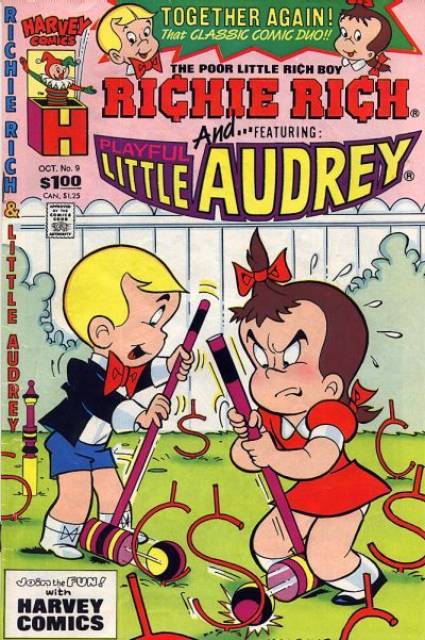
…………………………………………….Of course, there were many other Harvey characters to enjoy that actually did wear clothes. I was particularly fond of Hot Stuff because he made such an art out of burning things and being a bad kid and roasting the backsides of fools and hypocrites with his trident. And he only ever wore a fireproof diaper, so he was almost a nudist too.

There were many other characters licensed by Harvey as well, including Felix the Cat, Little Audrey, Baby Huey, and the characters from Walter Lance Studios like Woody Woodpecker, Andy Panda, and Chilly Willy.


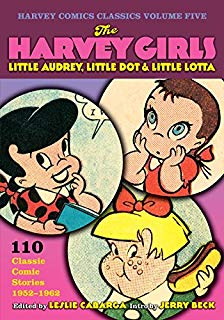
So, now you know the true story of how my innocent childhood was warped and woven and corrupted by the characters of Harvey Comics.

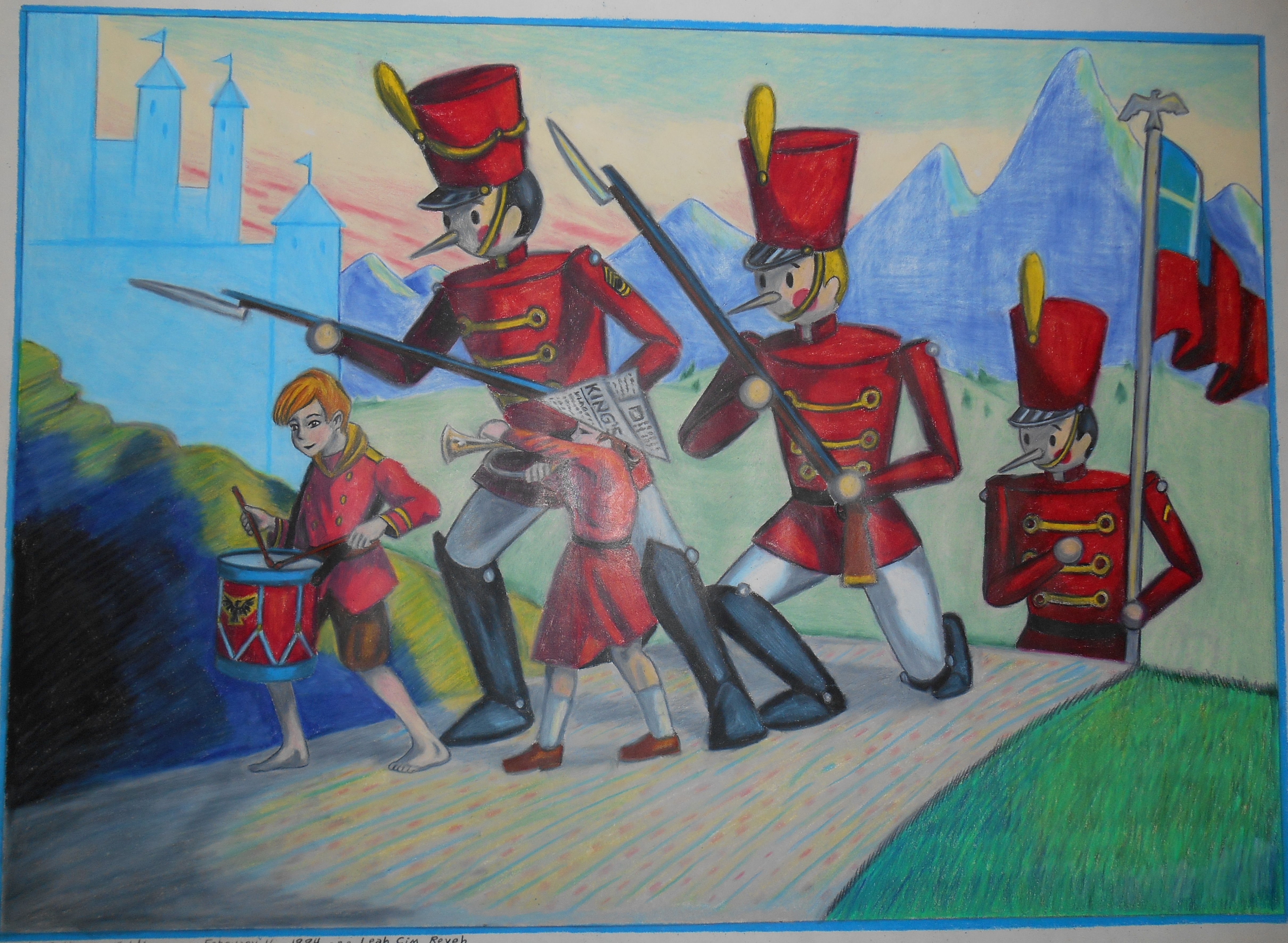
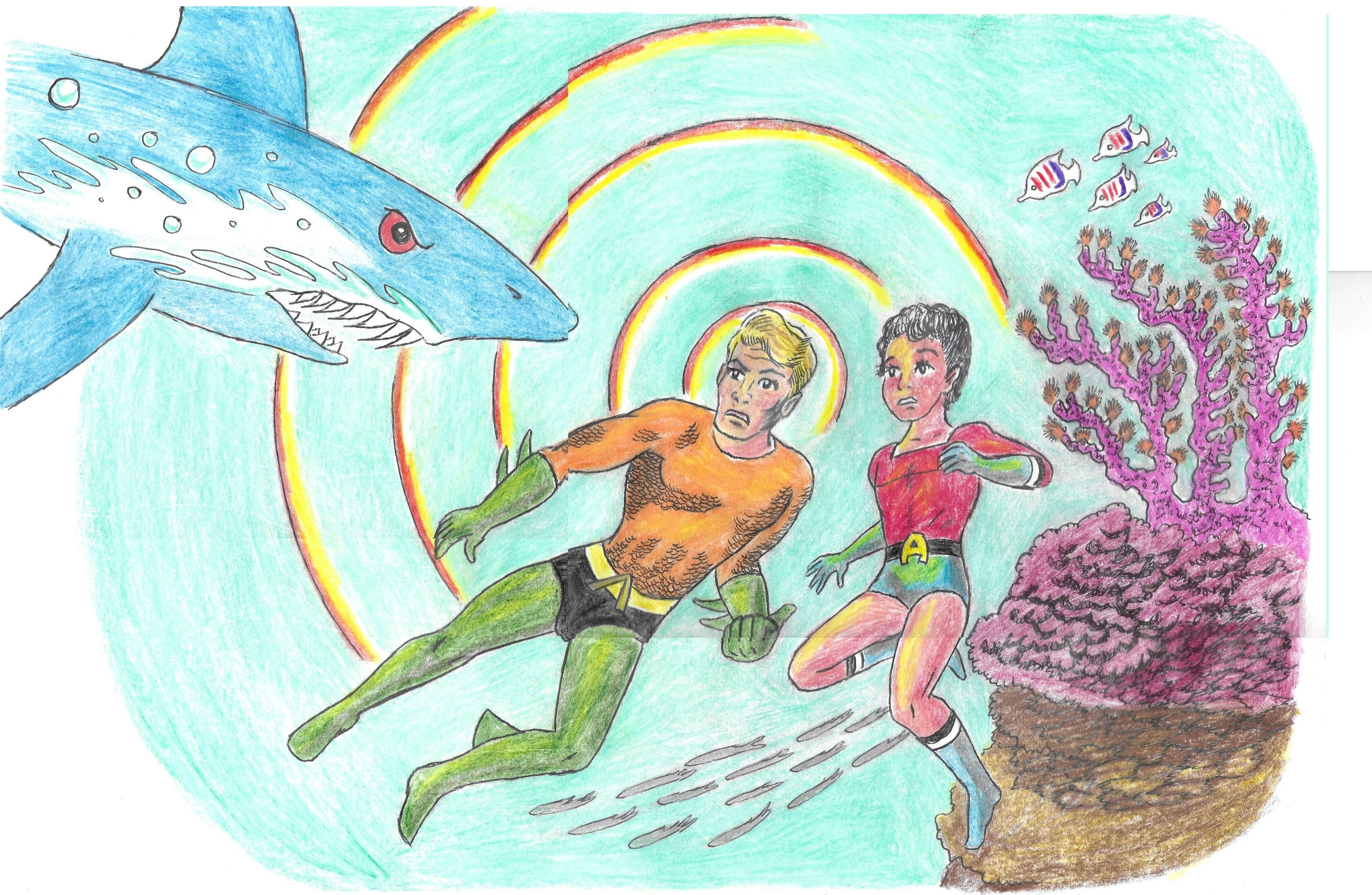



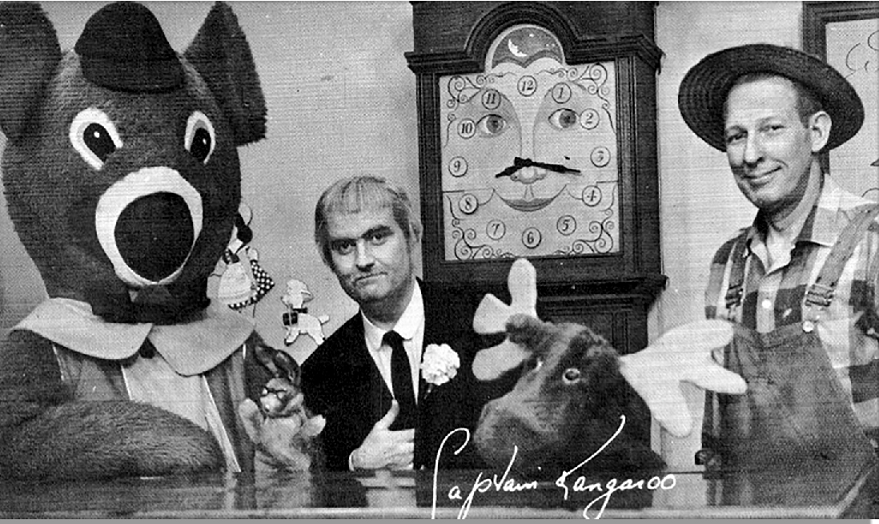
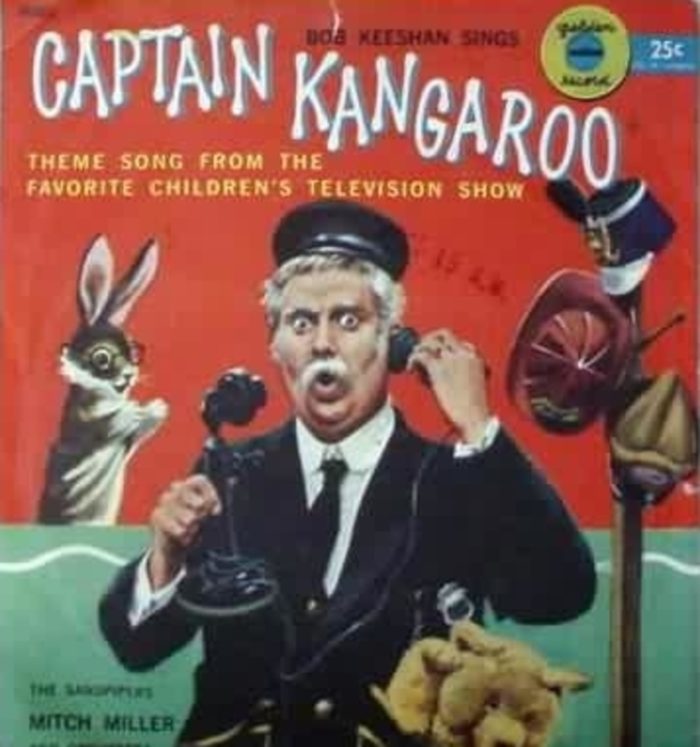
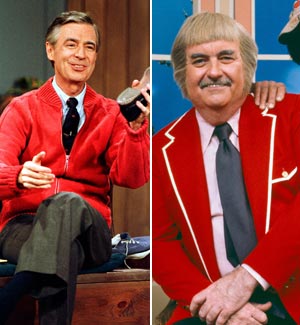 But Bob Keeshan, though a TV personality, was much more of a teacher than anything else. His show went on air before I was born, and I don’t remember a moment in my childhood that he wasn’t a part of it. He was like Mr. Rogers, but came into our lives even before Fred Rogers appeared on the scene. I watched the show in the mornings before school started, at a time when I walked all the way across our little Iowa farm town to get to school. He taught me important early lessons in life that were just as impactful as the math and language and social skills I was getting later in the day. Of course, I had to leave home for school before the show ended at 8:00 a,m. But just like school, watching and participating in any part of it was capable of teaching you something good.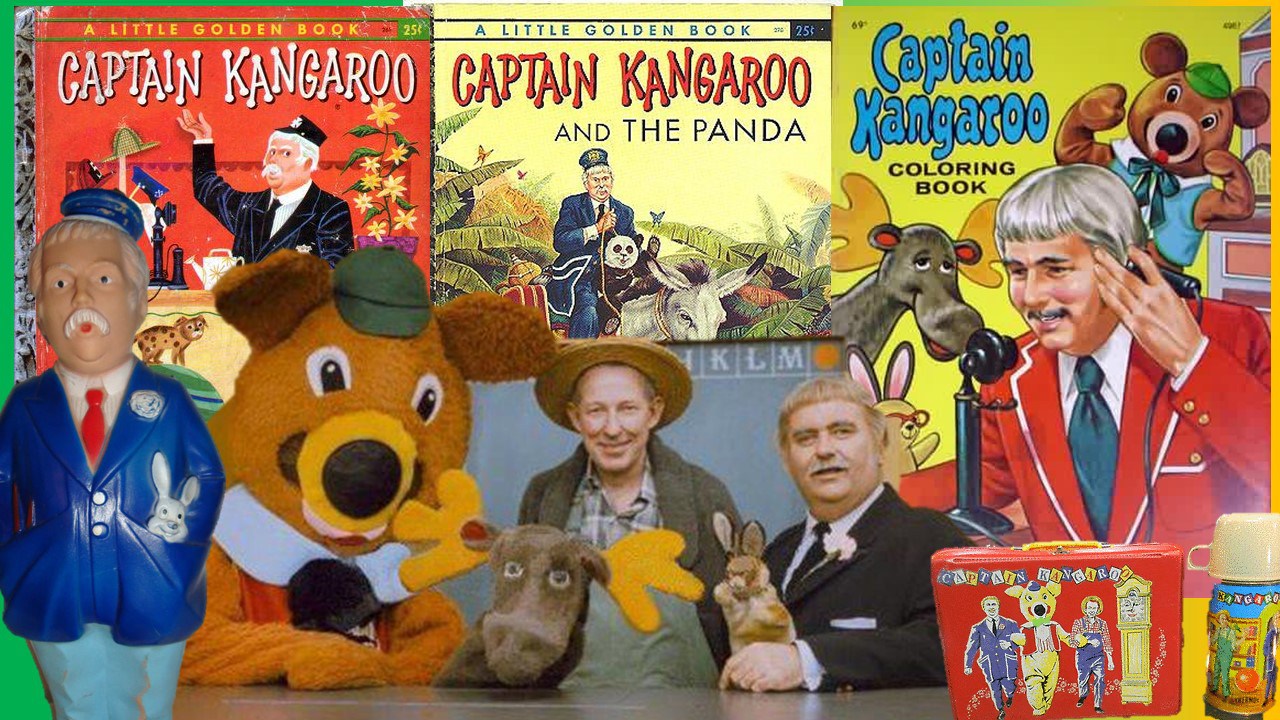







 Catch a Falling Star
Winsor McCay
One work of comic strip art stands alone as having earned the artist, Winsor McCay, a full-fledged exhibition at the Metropolitan Museum of Art in New York City. Little Nemo in Slumberland is a one-of-a-kind achievement in fantasy art.
Winsor McCay lived from his birth in Michigan in 1869 to his finale in Brooklyn in 1934. In that time he created volumes full of his fine-art pages of full-page color newspaper cartoons, most in the four-color process.
As a boy, he pursued art from very early on, before he was twenty creating paintings turned into advertising and circus posters. He spent his early manhood doing amazingly detailed half-page political cartoons built around the editorials of Arthur Brisbane, He then became a staff artist for the Cincinnati Times Star Newspaper, illustrating fires, accidents, meetings, and notable events. He worked in the newspaper business with American artists like Winslow Homer and Frederick Remington who also developed their art skills through newspaper illustration. He moved into newspaper comics with numerous series strips that included Dreams of the Rarebit Fiend and Little Nemo in Slumberland. And he followed that massive amount of work up by becoming the “Father of the Animated Cartoon” with Gertie the Dinosaur, with whom he toured the US giving public performances as illustrated in the silent film below;
The truly amazing thing about his great volume of work was the intricate detail of every single panel and page. It represents a fantastic amount of work hours poured into the creation of art with an intense love of drawing. You can see in the many pages of Little Nemo how great he was as a draftsman, doing architectural renderings that rivaled any gifted architect. His fantasy artwork rendered the totally unbelievable and the creatively absurd in ways that made them completely believable.
I bought my copy of Nostalgia Press’s Little Nemo collection in the middle 70’s and have studied it more than the Bible in the intervening years. Winsor McCay taught me many art tricks and design flourishes that I still copy and steal to this very day.
No amount of negative criticism could ever change my faith in the talents of McCay. But since I have never seen a harsh word written against him, I have to think that problem will never come up.
My only regret is that the wonders of Winsor McCay, being over a hundred years old, will not be appreciated by a more modern generation to whom these glorious cartoon artworks are not generally available.
2 Comments
Filed under art my Grandpa loved, artists I admire, artwork, book review, cartoon review, cartoons, comic strips, commentary
Tagged as Little Nemo in Slumberland, Winsor McCay