I have the privilege of being a public school teacher. Or maybe I should use the word “cursed”. It is no easy thing to be a teacher in the modern world. Regressive State governments like Texas mandate that teachers do more with less. We have to have bigger classes. We have to show higher gains on State tests. We have to do more for special populations based on race, disability, language-learner status, and socio-economic status. Of course, we give money to private schools to be “fair” to all, so a majority of the well-funded and advantaged students are removed from the public school system, even though studies show that their presence in classes benefits everyone. When the majority of students are low-income in a single classroom, even the gifted minority perform less well. When higher-income students are at least fifty per-cent of the class, then even the low-income and learning disabled make higher gains than the minority gifted in the first example class. So, there’s my triple-downer bummer for this post. You might think that I would agree with Republicans in this State that the lower classes are not worth investing in. Nothing could be further from the truth.
The fact is, my fondest memories from thirty-one years as a public school teacher come from the downtrodden masses, the poor, the oddballs, the disadvantaged, and even the truly weird.
Okay, so here’s the funny and heart-warming part. I have a Hispanic English Language Learner right now who looks at the beard I have grown and calls me, “my friend Jesus”. I have to constantly remind him that, “If I were the son of God, my son, then I would be using lightning bolts for discipline a little more often.” He grins at me and answers, “Yes, my Jesus.” He’s a sneaky sort, more dedicated to games and messages on his i-phone than learning. He is more into working with the girls in small groups so that he can come out appearing much smarter without putting out very much actual work.
I remember one particularly challenged boy who didn’t talk in class at all. He could make sounds, however. Constantly during classes with this student in them, there would be numerous “meows” and birdcalls. Grunts and groans and whistles would fill the air. Most of the noises came from him. The ones that didn’t, came from those who imitated him. It reached a point that I was having to teach a classroom full of Harpo Marxes . When asked about it, he claimed he had a sore throat all the time and just couldn’t talk. Many of his teachers thought he was merely sabotaging class so he wouldn’t have to do any work. But just like when you put a harp in front of Harpo, this boy had hidden talents, and just was not being engaged on his own level. He was really quite bright if you could learn to communicate with him in Harpo Marxian.
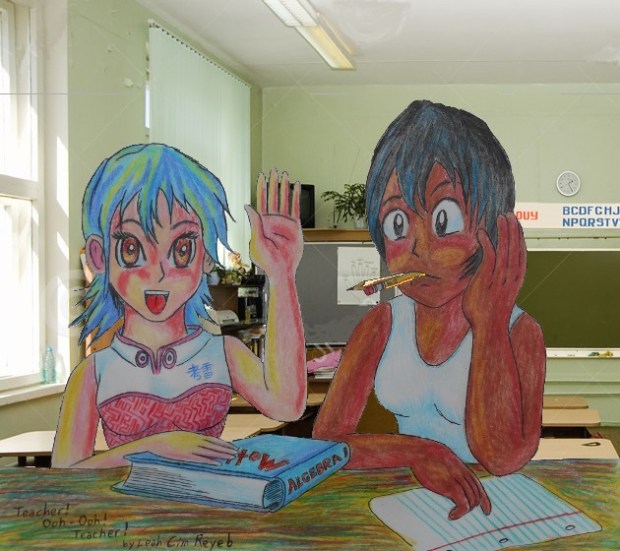
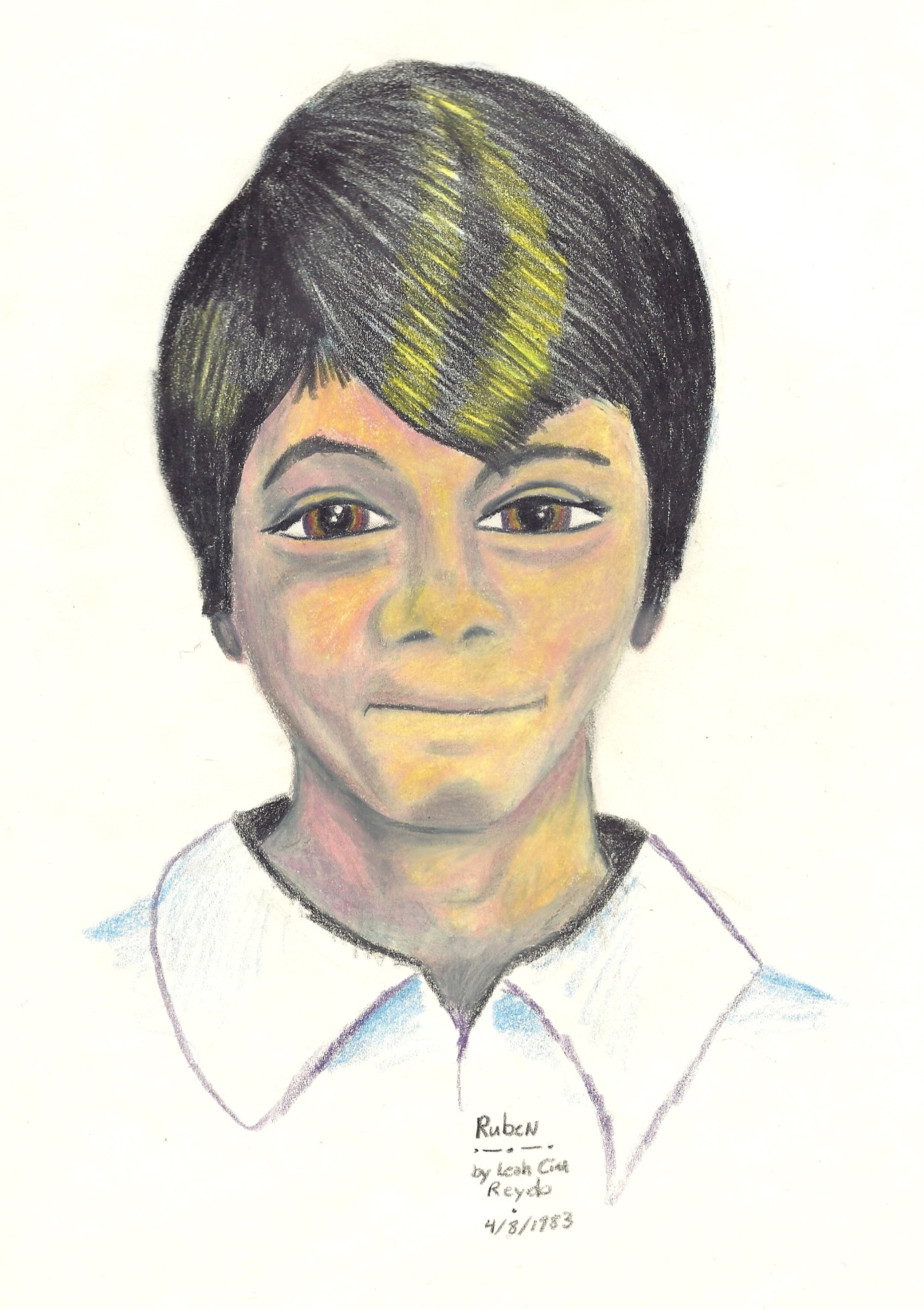
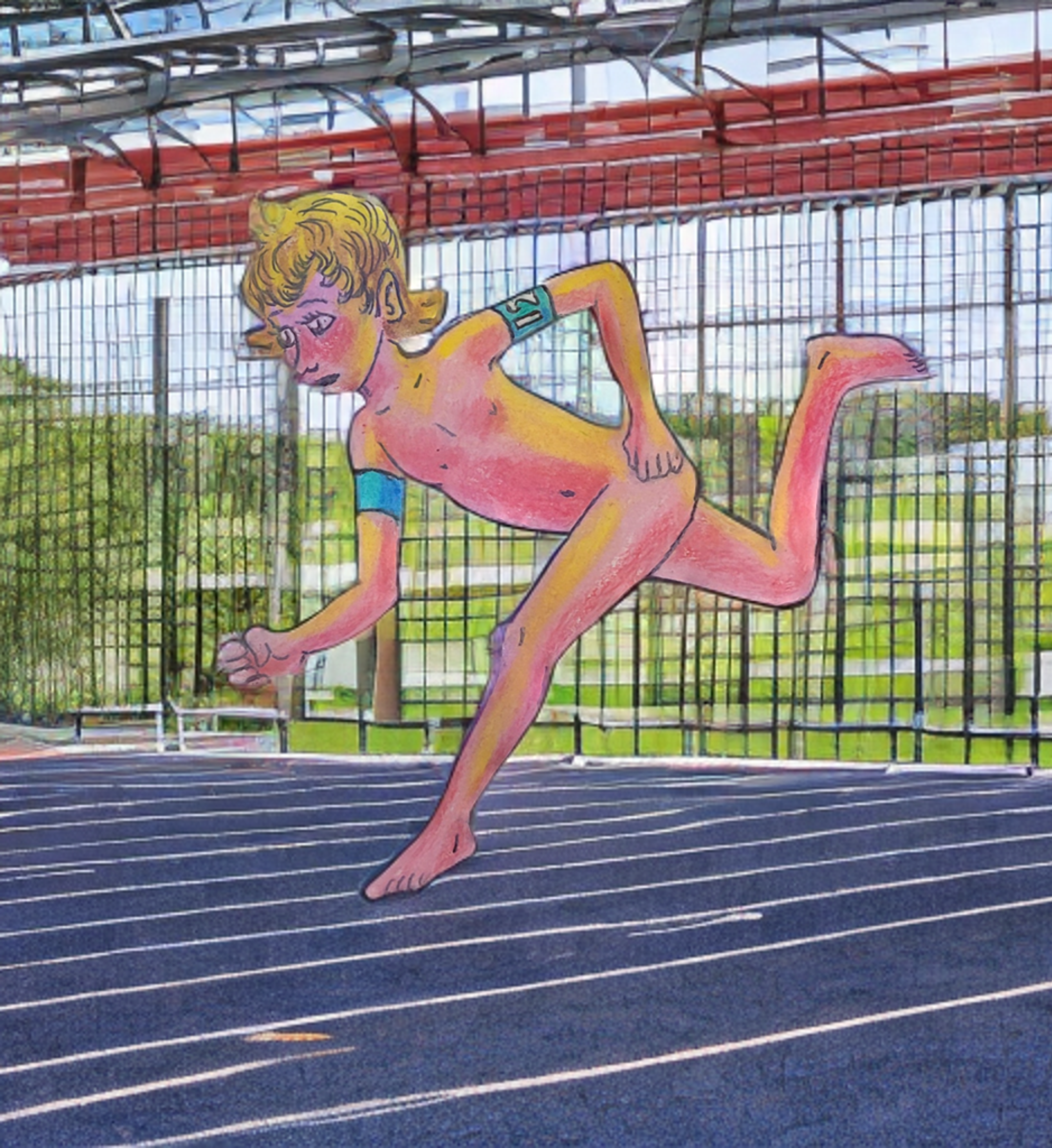
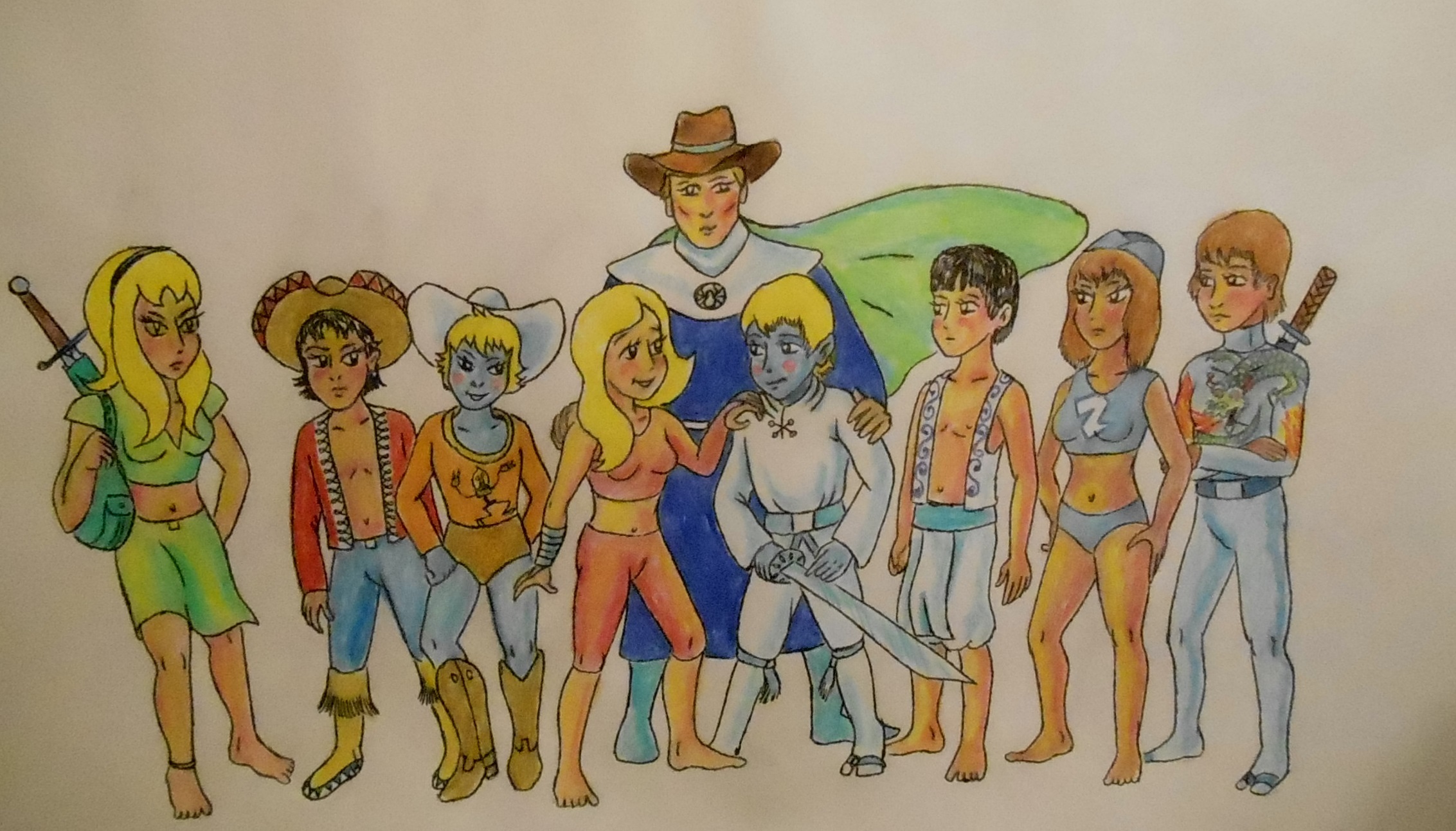
I had another student who read all the existing Harry Potter books forward and backwards, and inside out. He even looked like the actor who played Harry in the movies, glasses and all. He was treated like a radioactive being by his classmates, and although he was charming and funny and had a natural talent for manga-style drawings of people, nobody seemed to treat him like a friend. (The paffooney picture I drew for this post was inspired by him.) He was a jovial loner. I was able to tap into his natural abilities for the Odyssey of the Mind creativity contests we participated in during the early 2000’s. I helped him find nerd friends who also knew all the words to the Spongebob Squarepants theme.
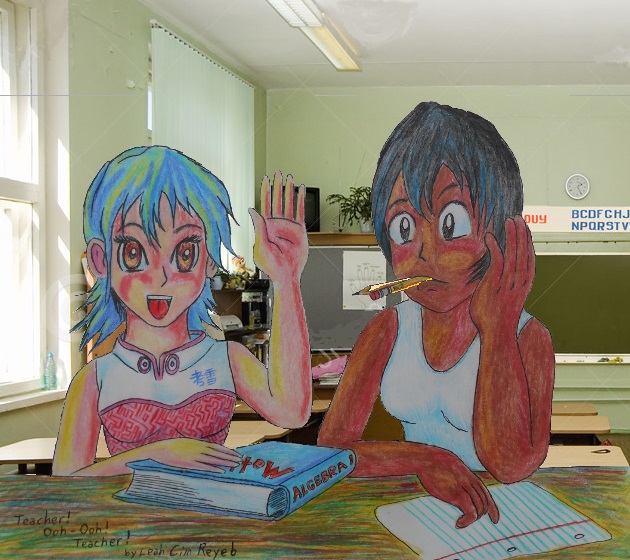
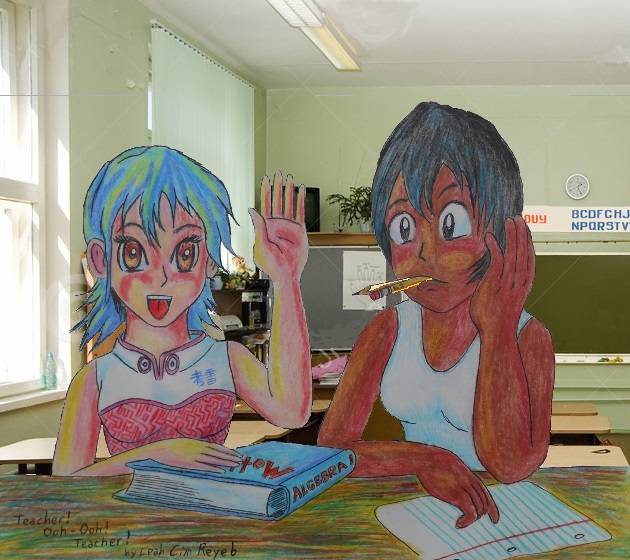
I have a Chinese girl in class who shared the Spongebob boy’s fascination with manga-style art. She’s a different bird all together. She gets my jokes and thinks I am funny. But she never laughs. She never even cracks a smile. She is so careful and complete in every assignment that it is very nearly painful to watch. Grades are serious matters to her. If her grade drops from 100 to 98, she wants to audit the teacher’s grade book to find out why. She does everything in class in beautifully crafted Chinese writing, and then translates it all word-for-word into English.
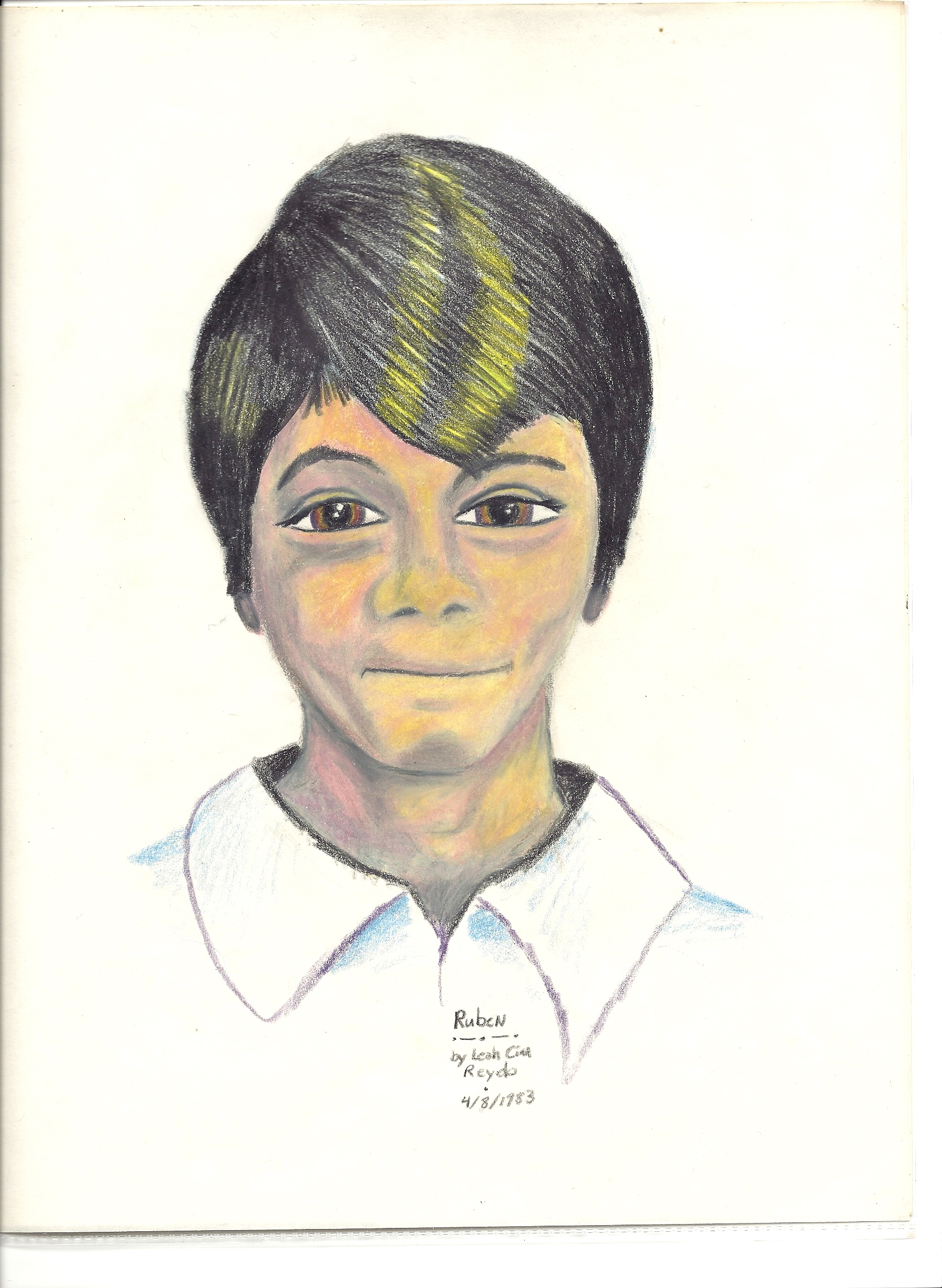
I owe my teaching career to kids like these. When I started my career in 1981 for $11,000 per year, I was employed by a school that had total disciplinary meltdown the year before. I had to deal with hostility, impossible behavior-modification tasks, fire crackers in the classroom, student fights, bullying, and a language/cultural gap wider than the Grand Canyon. That first year, I was planning to resign at the end of the year and try to figure out what else I could do with my life when a small Hispanic boy with a Scottish family name came up beside me on the playground one March day and said, “Mr. Beyer, I hope you know you are my favorite teacher. You are the reason I liked school this year.”
I didn’t let him see that there were tears in my eyes. I told him something about him being my favorite student. And I gave up thoughts about giving up. I lived the next thirty years of my career for him.


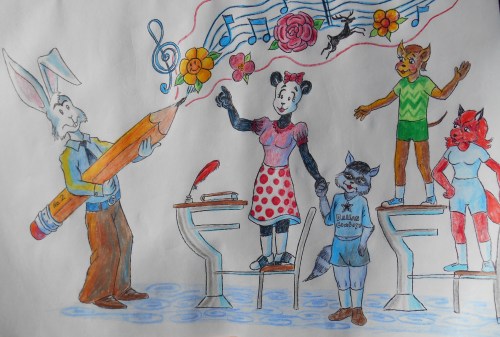










A Mr. Holland Moment
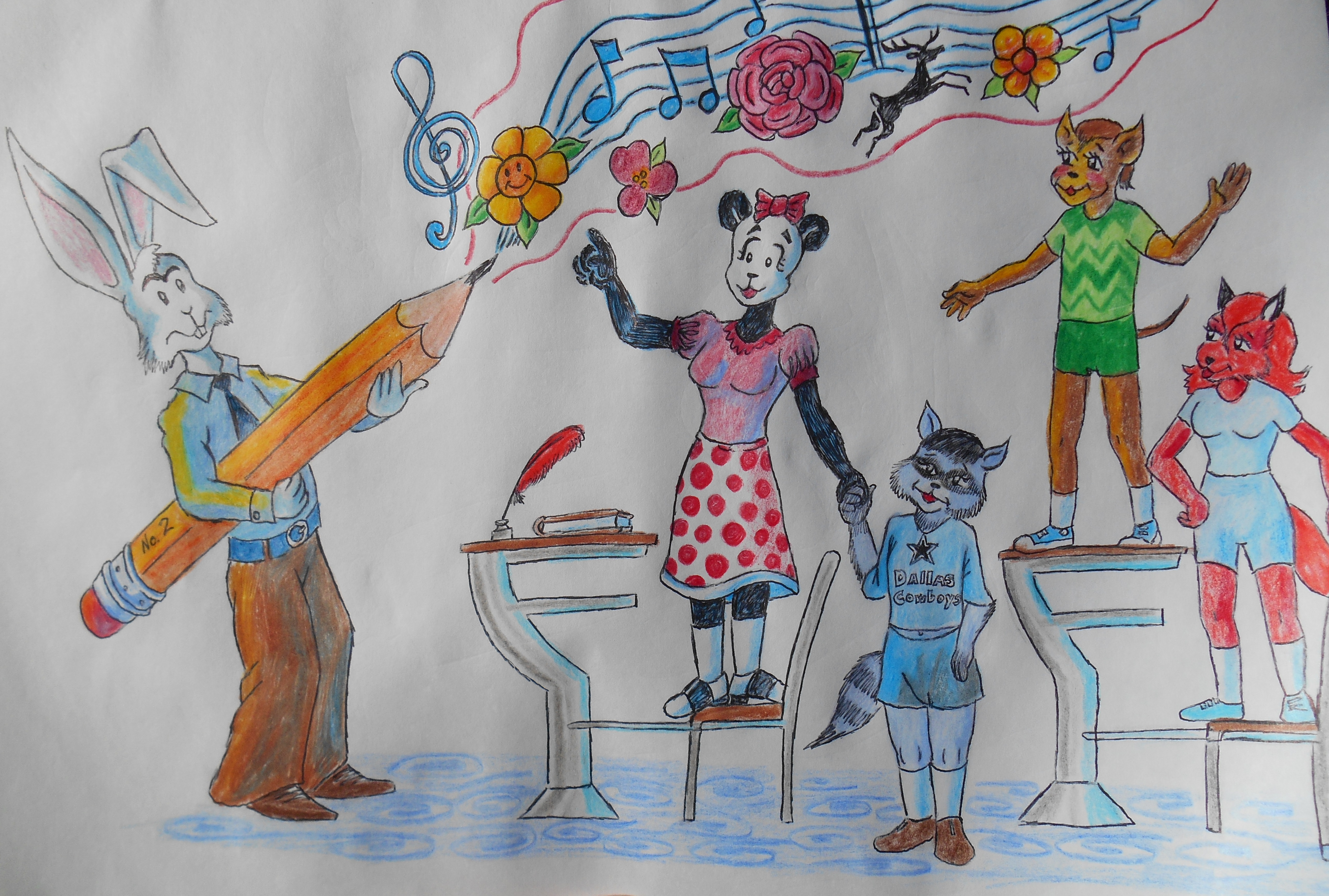
Life is making music. We hum, we sing to ourselves, movie music plays in our head as the soundtrack to our daily life. At least, it does if we stop for a moment and dare to listen. We make music in many different ways. Some play guitar. Some are piano players. And some of us are only player pianos. Some of us make music by writing a themed paragraph like this one. Others make an engine sing in the automotive shop. Still others plant gardens and make flowers or tomatoes grow. I chose teaching kids to read and write. The music still swells in my ears four years after retiring.
The 1995 movie, Mr. Holland’s Opus, is about a musician who thinks he is going to write a magnificent classical orchestra opus while teaching music at a public high school to bring in money and allow him time to compose and be with his young wife as they start a new family.
But teaching is not, of course, what he thought it was. He has to learn the hard way that it is not an easy thing to open up the closed little clam shells that are the minds of students and put music in. You have to learn who they are as people first. You have to learn to care about what goes on in their lives, and how the world around them makes them feel… and react to what you have to teach. Mr. Holland has to learn to pull them into music appreciation using rock and roll and music they like to listen to, teaching them to understand the sparkles and beats and elements that make it up and can be found in all music throughout their lives. They can even begin to find those things in classical music, and appreciate why it has taken hold of our attention for centuries.
And teaching is not easy. You have to make sacrifices. Big dreams, such as a magnum opus called “An American Symphony”, have to be put on the shelf until later. You have children, and you find that parenting isn’t easy either. Mr. Holland’s son is deaf and can never actually hear the music that his father writes from the center of his soul. And the issue of the importance of what you have to teach becomes something you have to fight for. Budget cuts and lack of funding cripples teachers in every field, especially if you teach the arts. Principals don’t often appreciate the value of the life lessons you have to give. Being in high school band doesn’t get you a high paying job later.
But in the end, at the climax of the movie, the students all come back to honor Mr. Holland. They provide a public performance of his magnum opus, his life’s work. And the movie ends with a feeling that it was all worth it, because what he built was eternal, and will be there long after the last note of his music is completely forgotten. It is in the lives and loves and memories of his students, and they will pass it on.
But this post isn’t a movie review. This post is about my movie, my music. I was a teacher in the same way Mr. Holland was. I learned the same lessons about being a teacher as he did. I had the same struggles to learn to reach kids. And my Mr. Holland moment wasn’t anywhere near as big and as loud as Mr. Holland’s. His was performed on a stage in front of the whole school and alumni. His won Richard Dreyfus an Academy Award for Best Actor. But his was only fictional.
Mine was real. It happened in a portable building on the Naaman Forest High School campus. The students and the teacher in the classroom next door threw a surprise party for me. They made a lot of food to share, almost all of which I couldn’t eat because of diabetes. And they told me how much they would miss me, and that they would never forget me. And I had promised myself I would never cry about having to retire. But I broke my promise. In fact, I am crying now ten years later. But they are not tears of sadness. My masterwork has now reached its last, bitter-sweet notes. The crescendos have all faded. But the music of our lives will still keep playing. And not even death can silence it completely.
Leave a comment
Filed under artwork, autobiography, commentary, happiness, insight, kids, movie review, teaching
Tagged as education, learning, music, music-education, teachers, teaching