

You heard me right. Grape flavor. Specifically sour grape flavor.
I put my family on an airplane today to go be with my oldest son while he has surgery.
I get to stay home with the family dog because my back is hurting so fiercely from weather and arthritis that I can’t possibly spend hours on a plane.
So, sour grapes.
You know the Aesop’s Fable about the fox and the grapes?
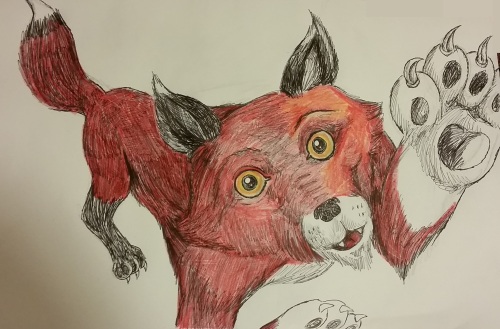
The fox, seeing the luscious grapes, tries to leap and get the grapes. He is hungry for the grapes. Ravenous for the grapes. But no matter how hard he tries, he cannot reach the grapes with his snapping jaws.
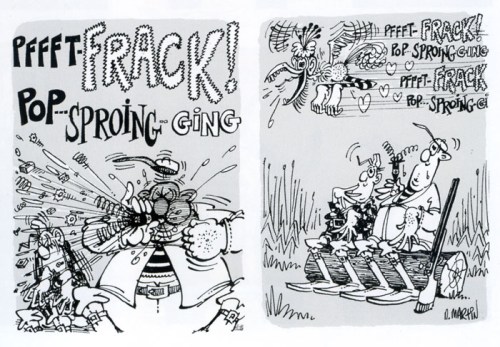
He buys a trampoline from Acme. But it sproings him over the tree and into the river on the other side… where there are alligators. (Yeah, I exaggerate here… but in my life there always seem to be alligators.) He still can’t get the grapes.
So then he goes to Home Depot and buys a chainsaw to cut down the tree. But when he tries to rev up the chainsaw he realizes… he’s a fox. He doesn’t have hands. He has paws. He can’t work the chainsaw. And on top of that, his credit card is denied because he’s a fox and his job only pays in dead mice and rabbits, and chainsaws cost money, not mice. So Home Depot sent a Sheriff’s Deputy to arrest him for stealing the chainsaw. And it turns out that in spite of consumer complaints, Home Depot has signed a huge chainsaw deal with Acme, so the chainsaw explodes because he tried to start it with fox paws. And as he is flying through the air from the explosion towards the river with alligators… he realizes… grapes don’t grow on trees. There has to be something wrong with those grapes. They must be sour.
Now, this is exactly the way Aesop told the story. Believe me. It really, really sucks to be a fox and not be able to get what you want in life.
This surgery is a big thing. But it is not life threatening. My son will be fine. My family will be able to go places and do stuff while they visit and entertain him. It is like an extra family vacation. His grandmother (my mother) and his aunt (my sister) have both had the same surgery for the same reason. They both came through it and came out cured. But the problem is most likely genetic. So, not only do I not get to go and be with my family on this trip, the bummer reason for the trip is genetically probably my fault. Yep, there are alligators in that danged old river.
I get these benefits only from the sour grapes; I get a lonely week to recover from alligator bites for myself, and I definitely have something to write about for today.



















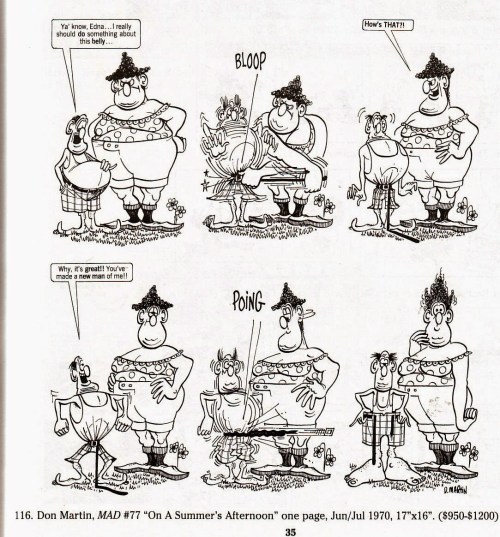


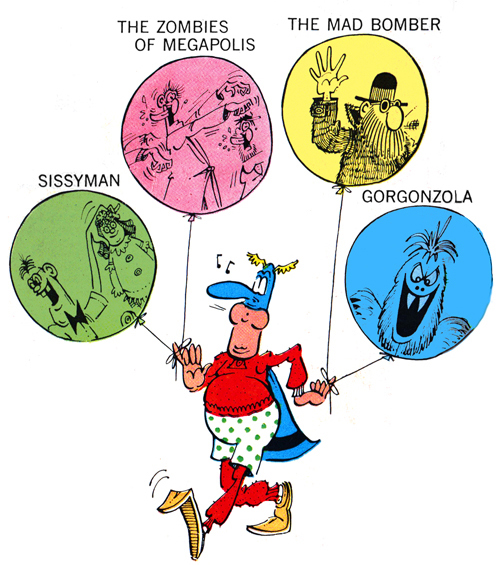
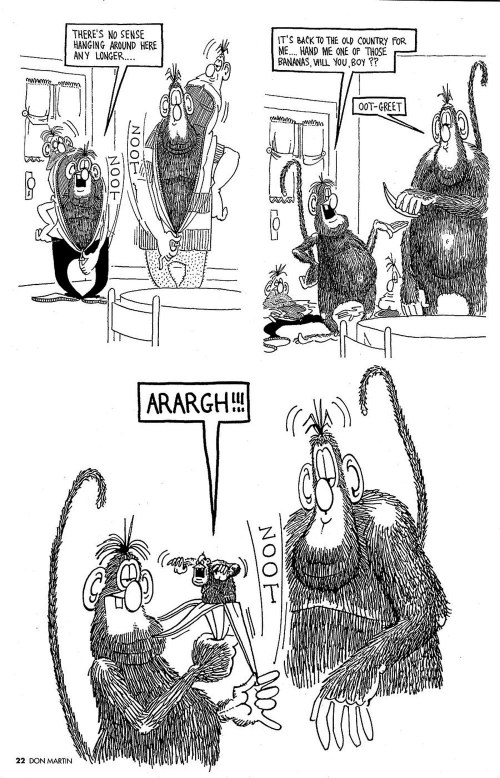


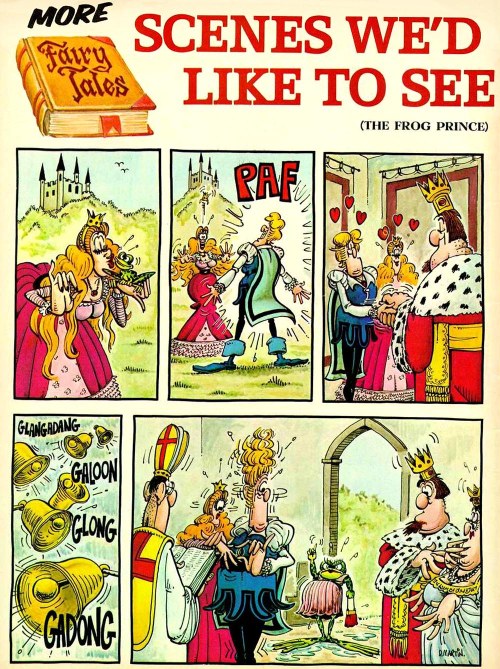


 Catch a Falling Star
Apparently, What Winning Looks Like
Somebody who has an orange spray-tan on his face, a wig made out the remnants of the Scarecrow from Oz after the Wicked Witch was done with her revenge, and tiny, tiny hands once promised that if elected, he would make us sick of winning. Heck, I was sick before the battle started. And winning so far this week has meant merely that the Trumpcare/no-care/death-care plan failed spectacularly in the GOP controlled House. And why did it fail, providing me with a backhanded win? Because the Freedom Caucus couldn’t agree to a plan that wasn’t cruel enough to the old, the sick already, and the poor. Seriously, they wanted a healthcare plan that didn’t cover mental health, prescription drugs, hospitalization, or basically everything that I might need an insurance policy to cover. They want, ideally, to give us health insurance where we must continually pay premiums month by month and then, when we get sick, choose to die at home and get no benefits. So winning for me means that I can continue to get the crappy insurance coverage I already have under Obamacare to keep me perpetually on the brink of bankruptcy. And it IS a win compared to what the Evil Republican Empire wants to do to me.
But one thing that makes me even sicker about this kind of winning is that it is simply a temporary stay of execution. They are going to do it again. How many times, after all, have they voted to repeal healthcare already? I have lost count. Republicans really, really, really don’t want us to keep any of our own money when we can give it to some soulless corporation instead. And the budget that lurks around the corner is just as big, bad, and brutal as the whole healthcare kerfluffle. They mean to roast and eat Big Bird like a Thanksgiving Turkey, steal food from school children, fire everybody who works for the government and even thinks about preventing corporations from pouring poisons into our water and air, and cut funds to the State Department so that diplomacy and prevention of wars is seriously impaired.
So what, as a concerned citizen, am I gonna do about it? Well, I’m a sick old former school teacher who likes to write humor pieces while I’m busy slowly dying. So I’m going to make fun of the bad guys. Seriously, the best I can do is try to ridicule them to death.
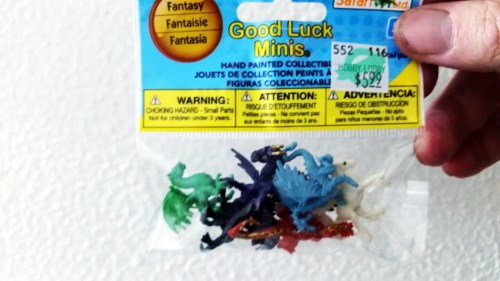
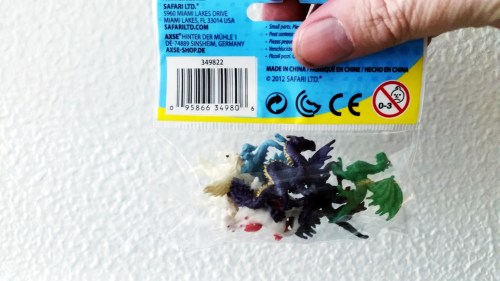
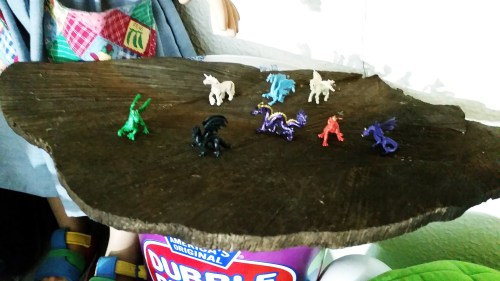
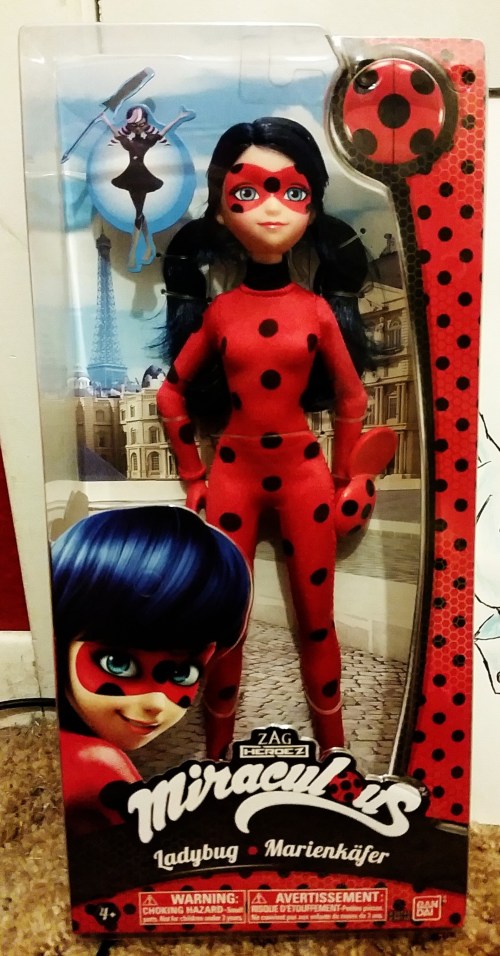
So let’s start with the Trumpinator’s penchant for hiring evil leprechauns to torment us.
And I want to take a moment to talk about the perils of allowing turtles to do politics.
It is true that “slow and steady wins the race” but, come on! It also apparently allows you to steal Supreme Court nominations and have no clue what “hypocrisy” means. He is offended when Democrats refuse to accept and love his party’s proposals, but demonstrated absolutely no ability to say the word… you know the word… the one that means the opposite of “no”… when Democrats were in charge.
And then there’s the lovely zombie-eyed granny hater that we have allowed to eat the social security system. His plans for Medicare, Healthcare, and Social Security are all featured now on posters in the Grim Reaper’s public relations office.
So there you have it. That’s the best celebration of the recent win that Mickey can come up with in his stupid little head. It’s no wonder we are tired of winning already.
Leave a comment
Filed under angry rant, commentary, feeling sorry for myself, humor, politics
Tagged as evil leprechauns in politics, healthcare, humor, Jeff Sessions, Mick Mulvaney, Mitch the Turtle McConnell, Obamacare repeal, Paul Ryan, politics, Trump winning