
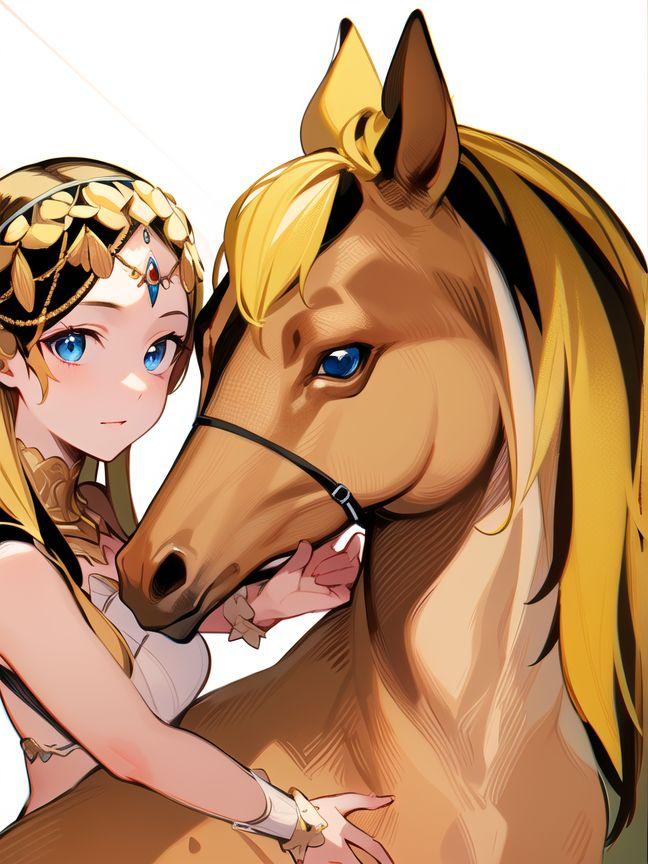
Use the comments to tell me what this story is about. Who is she? Why the golden horse? What happens. I promise I won’t steal your idea. I will probably write my own in the future.
Use the comments to tell me what this story is about. Who is she? Why the golden horse? What happens. I promise I won’t steal your idea. I will probably write my own in the future.
Filed under Uncategorized

There are many goofy people on social media. Here are a few of my own interpretations of a few of them. Starting with these twins. Did you know they are naked under their clothes? They assured me that if they took off their clothes, they would be naked. I didn;t let them prove it. You can’t do that on Facebook and Instagram.
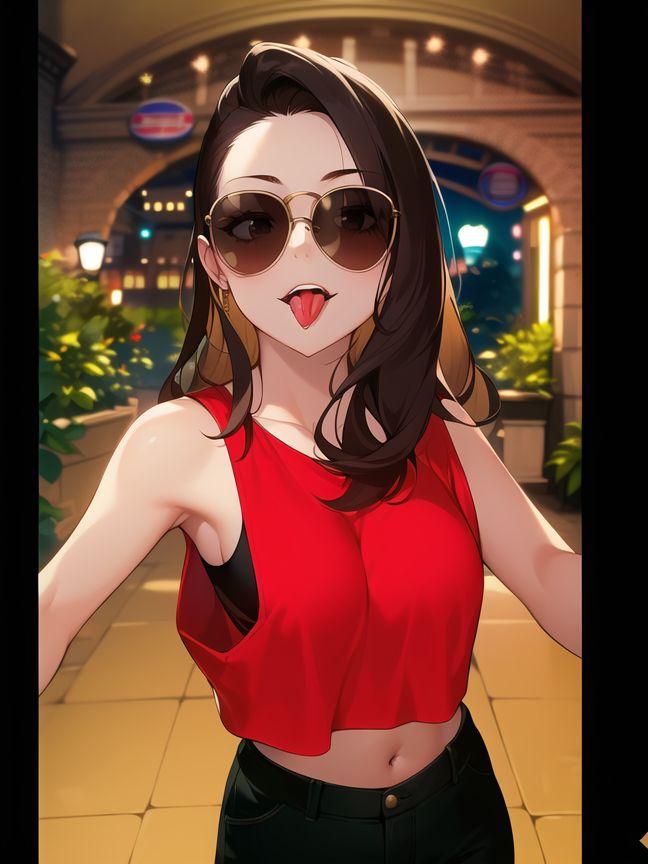
This is Mel. Short for Melanie, I think. She is goofy enough to wear sunglasses indoors. She insists, however, that they are “shades,” not sunglasses.
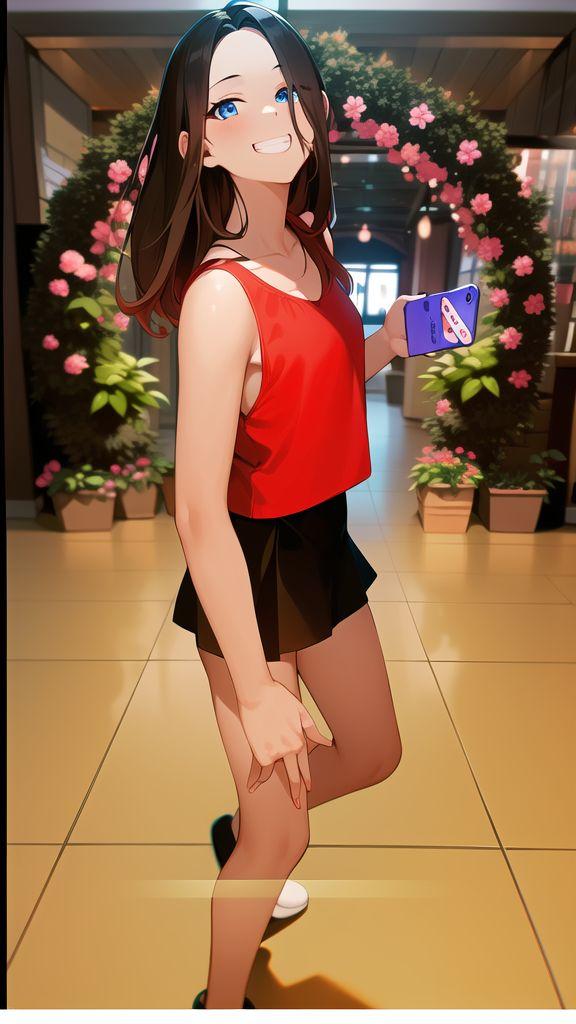
Mel has intensely blue eyes. She can look right through you and see what’s inside you. At least she thinks she can. She can’t read my mind. Too many cobwebs and bats in there.
Filed under Uncategorized
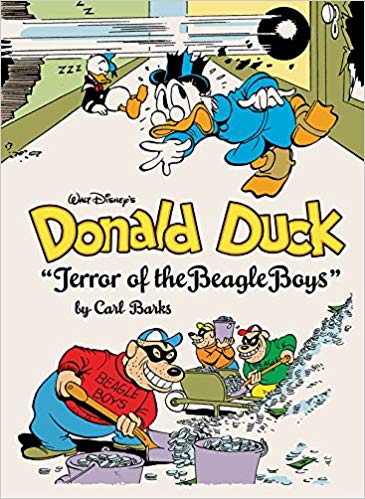
Carl Barks was born on March 27th, 1901. So, Wednesday was his 123rd birthday. If you have no idea who I’m even talking about, then you were never a kid and a comic book fan in the 1960s. Carl Barks is both Uncle Scrooge’s father and Donald Duck’s stepfather.
Carl is a personal art hero of mine. I grew to adulthood on the adventures of his plucky ducks doing duck adventures in Duckburg. I have written about my devotion to Carl in this blog before. In fact, here is the link; https://catchafallingstarbook.net/2014/09/27/carl-barks-master-of-the-duck-comic/
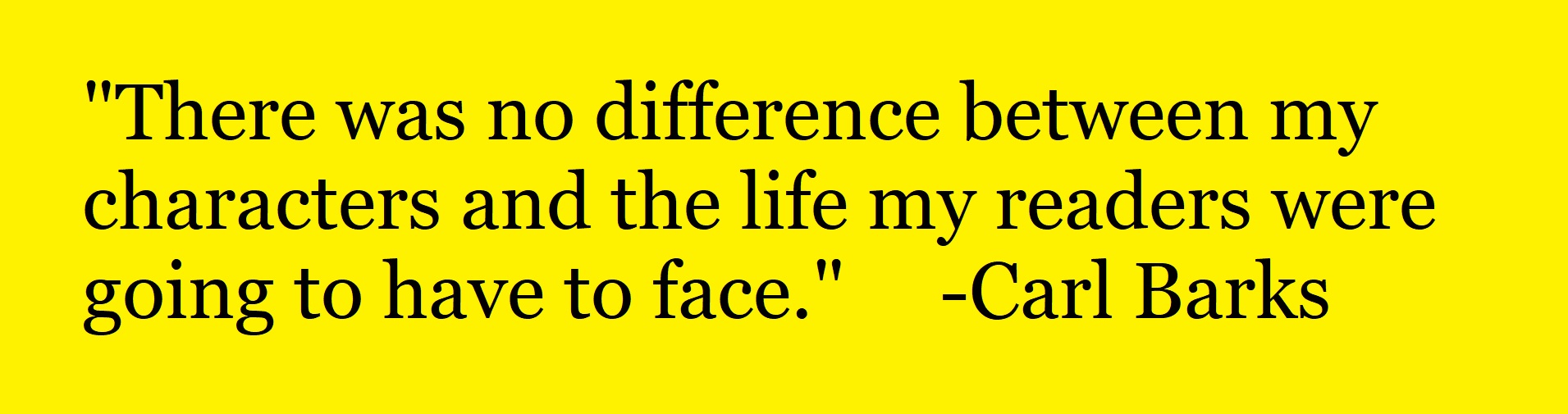
That’s essentially true. A large part of my character as a junior high school English teacher was based on what I learned about mentoring from Scrooge McDuck and about teaching important facts from Gyro Gearloose.
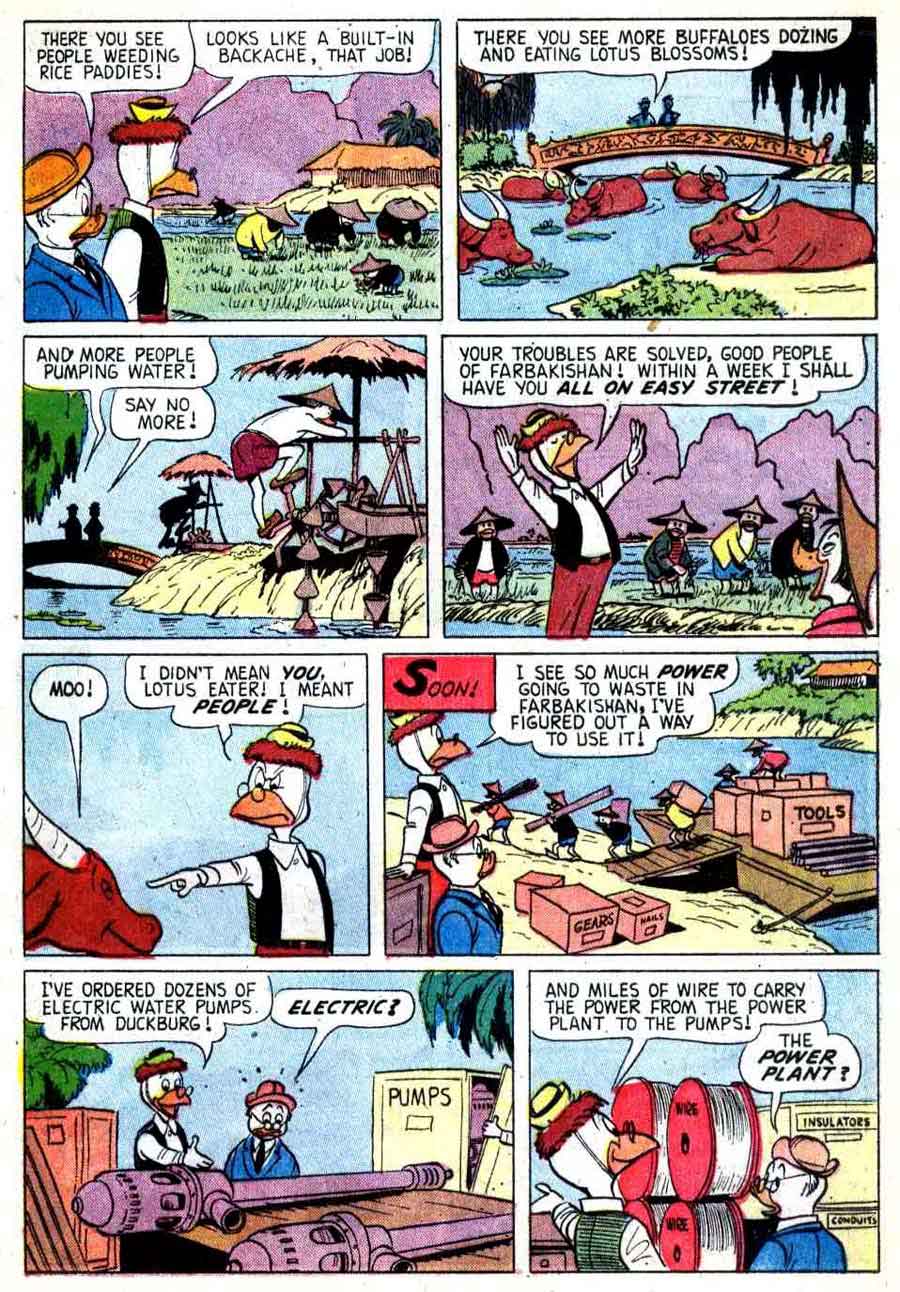
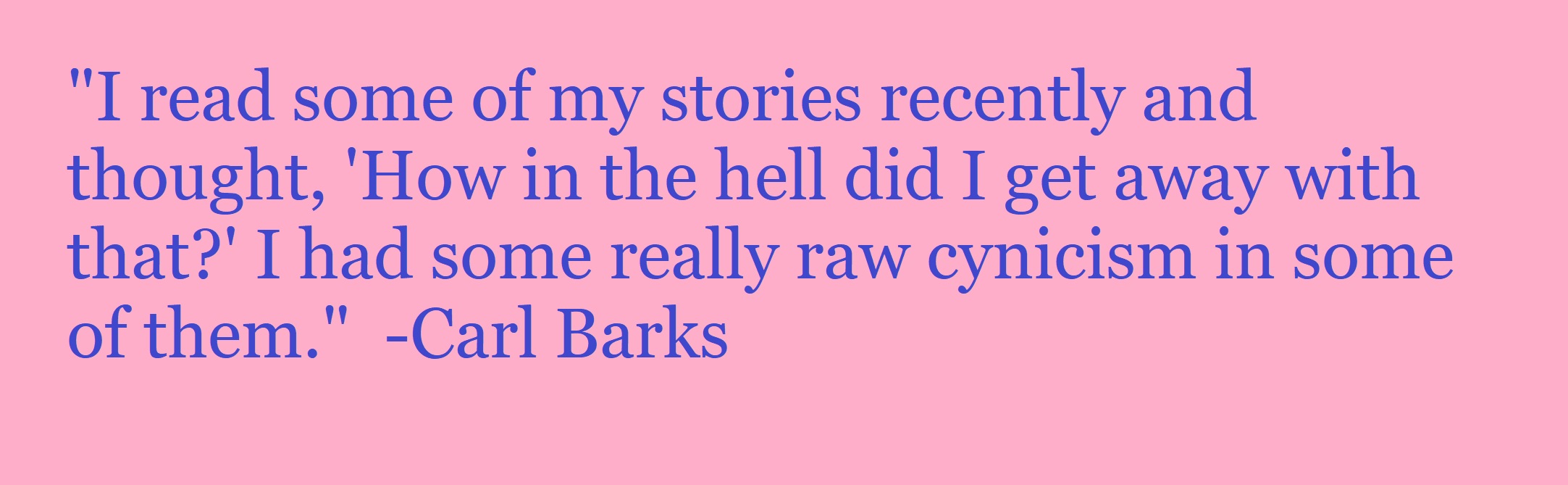
Carl was not immune to criticism. Cartoonists get blow-back, a fact of life. But he overcame it with a wry sense of humor and interesting views of how you pursue goals in life. He had a firm sense of fair-play and justice. You could get actual morals to the stories in a Carl Barks’ duck cartoon.
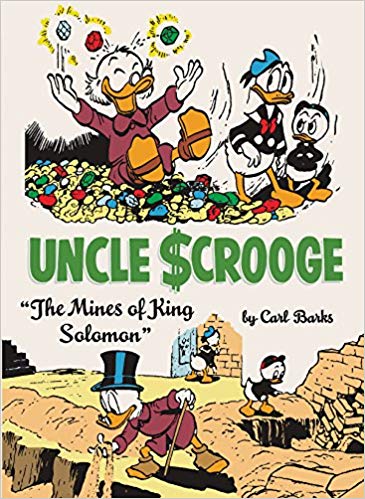
The characters were not perfect. They all had glaring flaws, the heroes right along with the villains. Of course, the villains never learned to change their ways, while the heroes often learned to improve themselves by working on the weaknesses, and it wasn’t all about becoming a gazillionaire (a term I think Barks may have invented).
I even learned a good deal about adventure story-telling from Carl Barks’ comic books about Duck people doing ducky stuff that was really about people doing people-y stuff in the real world. Yes, people in the world around me are very Carl Barks’ ducky.

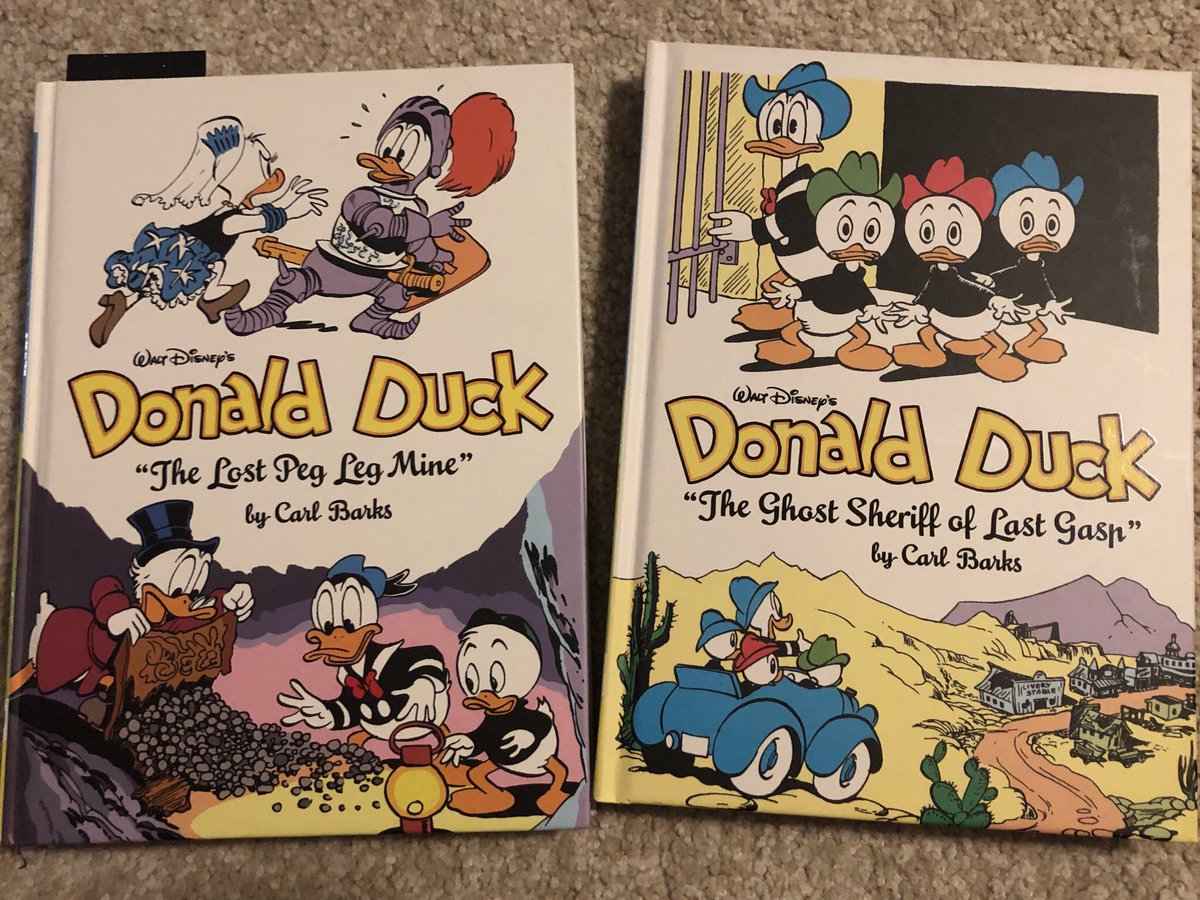
So, happy birthday, Carl. 121 years young. And he’s only been gone from our world since August of 2000. He still talks to me and teaches me through his Duck comics.
Filed under artists I admire, autobiography, comic book heroes, goofy thoughts, humor
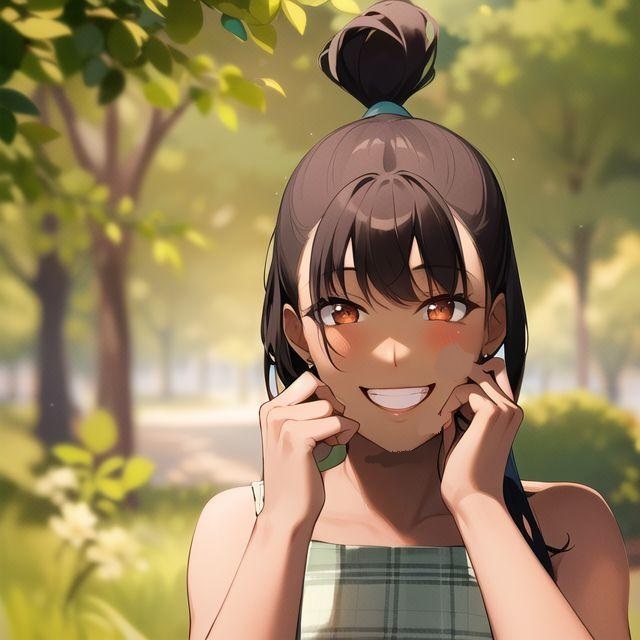
Of course, there is no such thing as a perfect picture. I struggled with the fingers on this one. I made it from a photograph. And the photo only showed three visible fingers on each hand. The pointer finger on each hand is tucked behind the rest of the hands with the thumbs. They make Susu look like a cartoon character. So I tried extra hard to suggest what you can’t see. I had to make the right-hand pointer finger extra long to show the tip in shadow underneath. And then the stupid AI editor made the left hand flip the bird… but with the ring finger… So I had to redraw that even though it was the wrong finger for that. It looked stupid. AI can be very stupid.
But Susu likes it. I should say, however, that Susu is imaginary. She exists in my mind to take the place of the grandchild I lost to an ectopic pregnancy resolved before the Supreme Court made fixing the problem illegal and threatened the life of the poor mother. But Susu makes it easier to live with the loss, and everything that makes her happy is a pure healing miracle for my troubled mind.
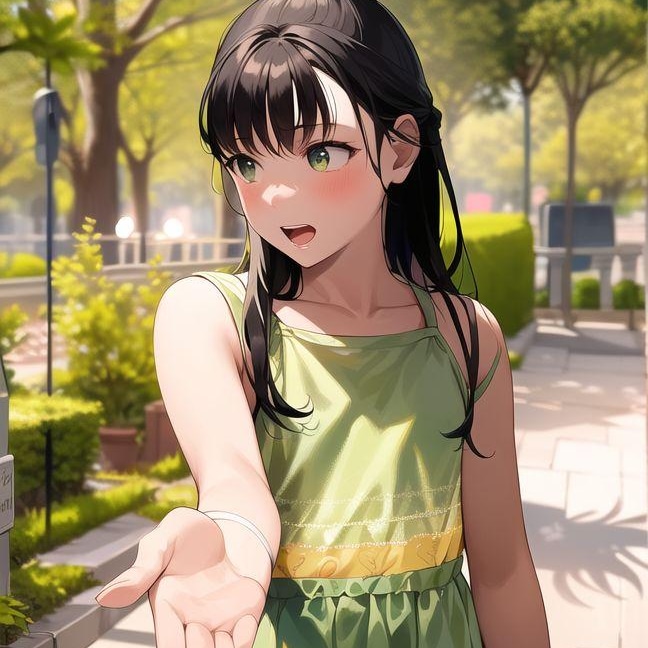
“Take my hand, Grandpa. Let’s go take a walk in the park.”
Filed under Uncategorized
I have lately been feeling like the Grim Reaper is lurking somewhere near again. Can I whip him in a game of chess again? Debatable.
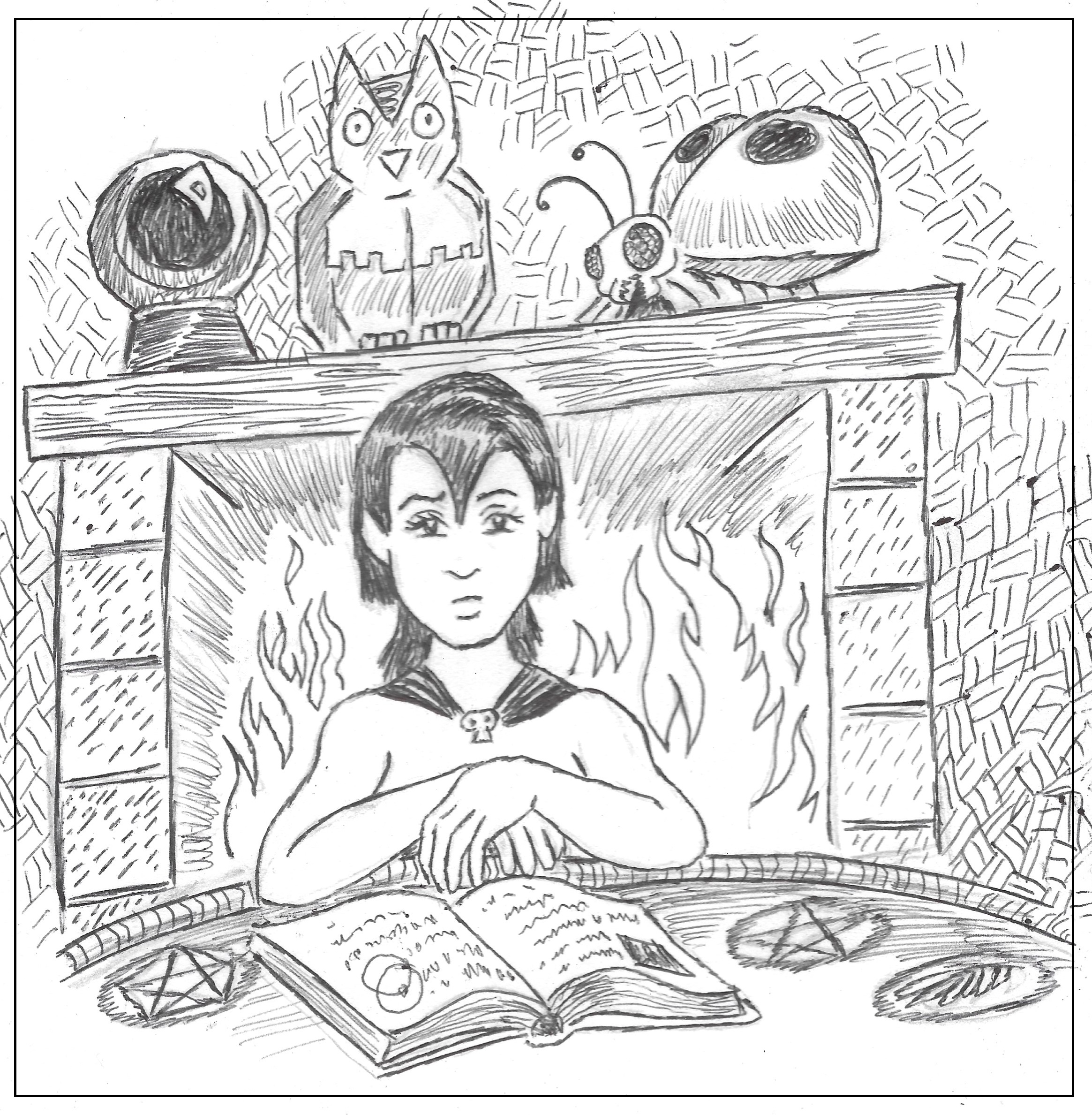
As a teacher, I have always been one of those who sincerely believes,
You must never give up on any student. They all can learn. They are all worth teaching.
And reflecting on that philosophy, in spite of the fact that I have been having a hard time getting things done and writing very little, I should not give up on myself.
I am not yet done telling my story. There is more to do, and more life to live.
Here’s the book about a teacher who doesn’t give up on a student and is proven right the hard way.
Filed under Uncategorized

Up until now I have been doing little but writing stories and working on getting a lot of them into a published form. Admittedly a self-published form. For the most part, I am the only reader who knows how good my writing is. Well, there’s an editor from I-Universe who thinks I am as good as many authors on the best-seller lists. Not better than… as good as. And the editorial and marketing staff at PDMI Publishing (a publisher now out of business for over eight years) know how good my novel Snow Babies is. And a lot of nudists here, in England, in France, and in Germany know how good Recipes for Gingerbread Children is. But my reputation is tiny and the splash I have made is limited to puddles.
If the literary agent I have been talking to actually gets my book Catch a Falling Star republished by a major publishing house, things will change for the better. However, the current marketplace still puts most of the burden on the authors to promote and make their books succeed. The only difference would be having an agent on my side instead of me doing it all with no one on my side.

Most of the best writing I have done includes strongly realized female characters. Particularly Valerie Clarke, the female protagonist of Snow Babies. Good writing builds on previous writing. I may have already written the best things I am capable of writing. But as I continue to write, I can deepen characters that already have been established. And I can add new ones. For example, the character depicted in the Paffooneys of this post is Charlotte Robbins. She is a complex young lady with an anger management problem. She is also Valerie Clarke’s hated rival, one who beats her out for head cheerleader, but only because Valerie quits cheerleading in her senior year. She is destined to become Valerie’s best friend somehow in the course of my manuscript He Rose on a Golden Wing.

Of course, none of that happens if one of my health problems croaks me before my 70th birthday. I don’t mean to end on a downward note when everything has been looking up. But there it is, in spite of myself.
Filed under Uncategorized
After a year-long post-Covid publishing drought, I am back in the page-making storyteller business once again. This post is about recent publication accomplishments, evidencing some pride in a comeback.
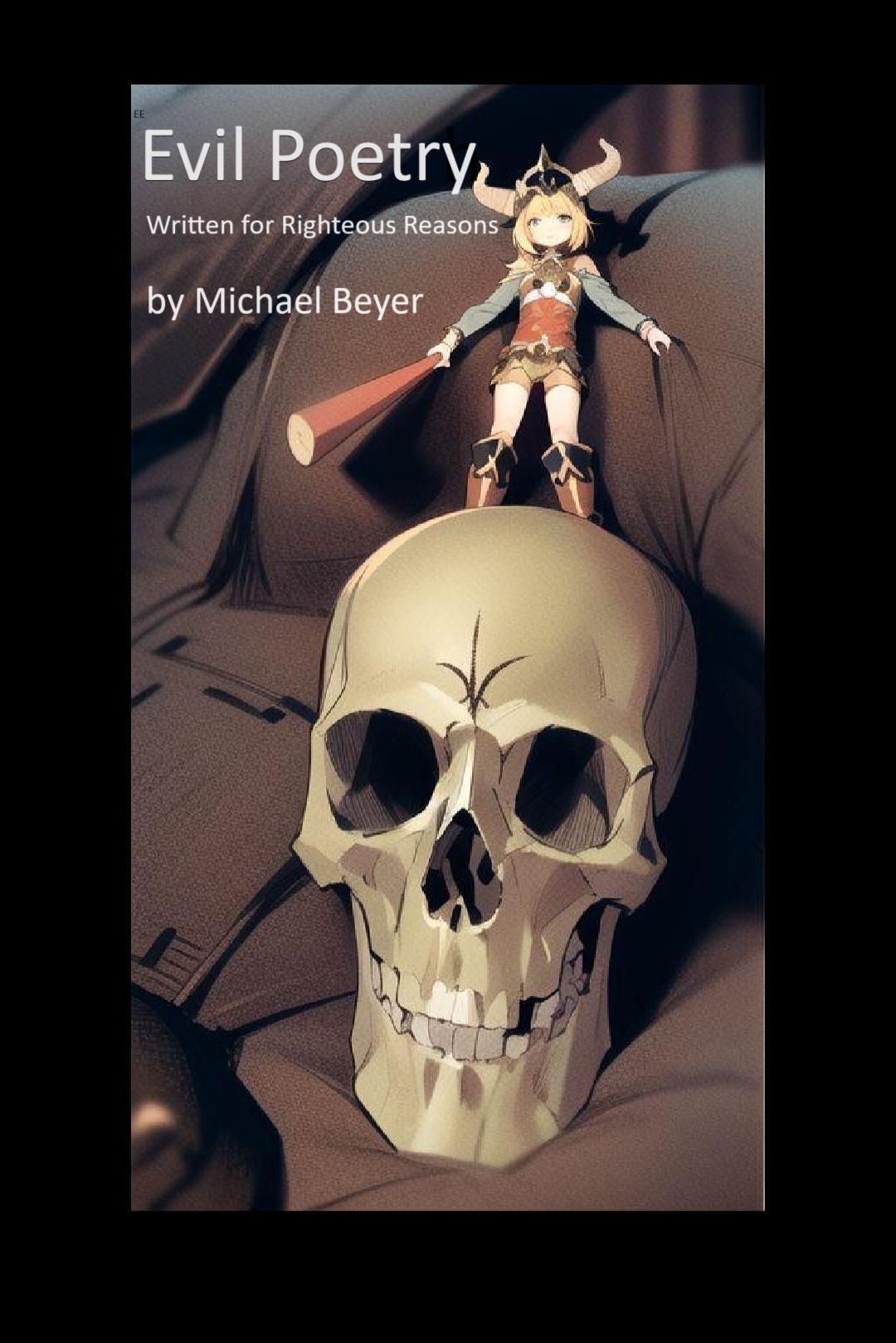
The poetry book is finished and will be published within a month (knock on wood, barring sudden unexpected death, prison time, or Armaggedon battles.) I have never thought of myself as a poet. But now I seriously think of myself as one of the worst poets in the history of the world.
This book, published during the pandemic has also been getting attention from readers, making it the most popular title on my author’s page.
I am now hoping that the interest in my books will begin to really pick up. I am talking to an agent for the first time about my book, Catch a Falling Star. I could actually be going places this time.
Filed under Uncategorized
Canto 135 – Applying Weed Killer
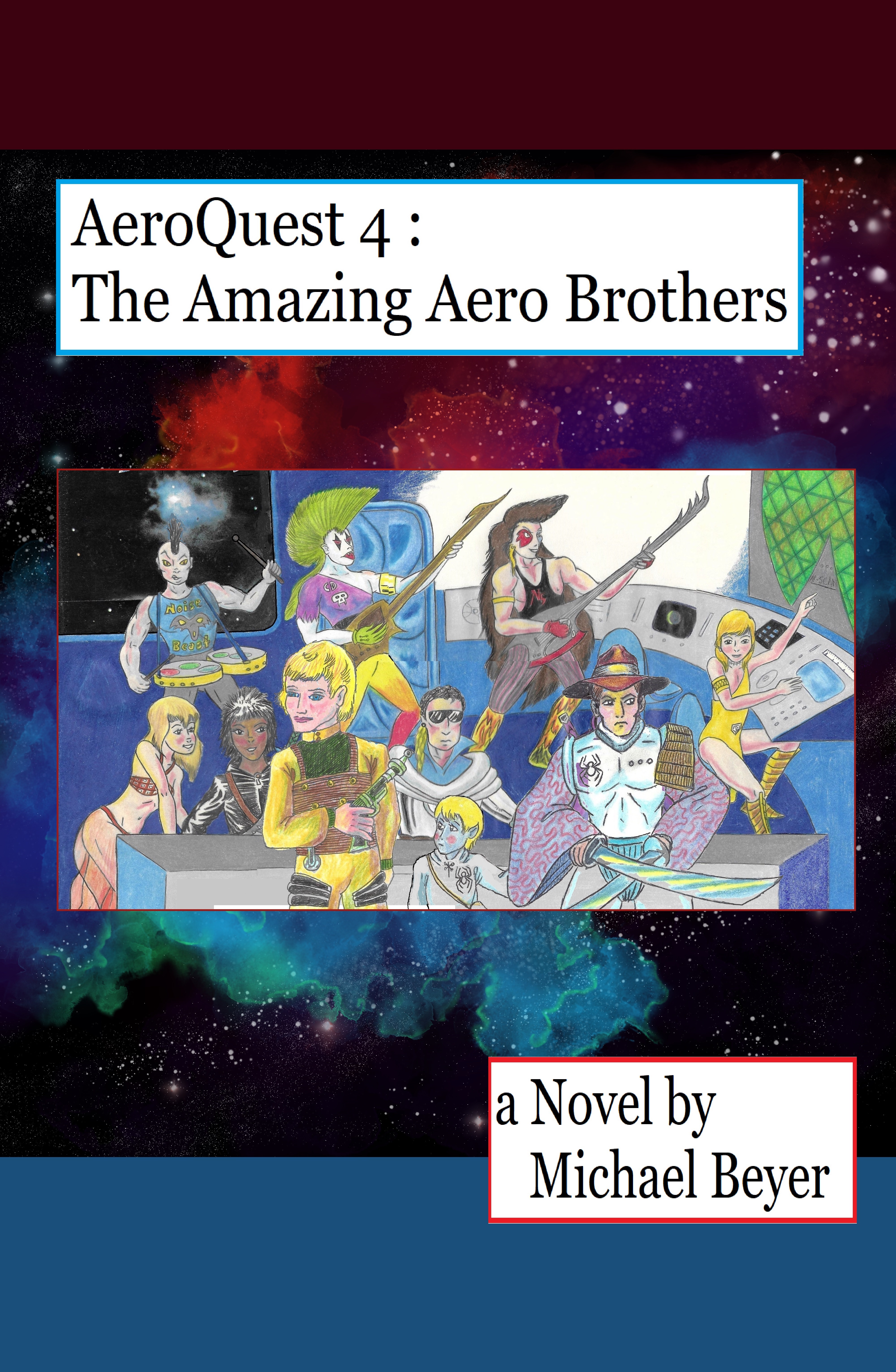
With Gyro driving, a rather unnerving prospect for those riding with him, the first pink Cadillacko swooped down on the planet Cornucopea out of the clouds. They were supposed to be establishing a base camp on the planet.
Besides Gyro, the Nebulon boy who gave the first Cadillacko its air bubble field and its silly Nebulonin nickname, the grav speeder held Billy Iowa, wearing his cowboy sombrero and leather moccasins, Luigi the Onion Guy, for whom they had no workable space suit, and Mai Ling, scantily dressed in form-fitting battle armor and wearing the ring-sleeve device that could amplify her telekinetic throwing arm.
The second Cadillacko carried Hassan Parker, who had to wear a full space suit instead of being nude like usual, Taffy King and Shu Kwai, all suited and combat ready.
The third grav speeder carried Ged Aero-sensei, Junior Aero, his adopted Nebulon nephew, and Sara Smith, the strongest telepath and healer of the group.
The drop zone looked like a field of flowers undulating in a high wind. But as they zoomed closer, you could see the large daisy-heads and thistle-heads were all ripping into and damaging the other plants.
“What do we do, Sensei?” Billy radioed through the comm dot on his neck.
“Clear the landing zone. Weed-killer weapons and mowers! We have to cut the weeds down to size.”
Gyro, being Gyro, nose-dived the pink-and-white Space Cadillac into the soft dirt of the field of fighting flowers. It plowed a deep furrow in a semi-circle in the middle of the large open space. Shu-Kwai landed his gray-and-white Space Cadillac much more gently beside it.
The telekinetics, Shu and Taffy King, leaped out of their vehicle with weapons that were more like chainsaws than the lawnmowers they were supposed to be. Each had two, one controlled by each hand. So, four flying blades whirled through the air, slicing and dicing, turning Throckpods into salad.
Mai-ling leaped out with a razor pistol in her hand. She fired round throwing-star-like objects in groups of five, then whipped the blades through the air sawing thorns neatly off of every violent flower-person she saw.
Hassan manned the spray-gun with the toxic weed-killer in it, spraying withering death upon Throckpods to a range of fifty feet.
Soon an army of violent flowers was reduced to smoking piles of flower-chips and salad-squares.
By the time Ged-sensei and Sara and Junior disembarked from their pink-and-white Cadillac, the battle was already over.
Luigi the Onion Guy came bouncing furiously across the field to confront Ged.
“nO! Oh, nO! You muSt nOt spILl, ChloroPhyll!” he shouted in his weird little Onion-guy accent.
“But you wanted help in driving away to evil Throckpods and their master, did you not?”
Luigi just stank out a lot of foul smells that the translator couldn’t begin to translate. It is well known that bad words are more a matter of disgustingly figurative language that does not translate well to beings who have no reference for flower emotions, flower body parts, flower behavior, or flower-based bad thoughts.
“Luigi is swearing at you, Sensei,” Gyro tried to explain while adjusting the translator’s many translation-equivalents adjustment bars.
“We need to understand him better. Can anyone read his mind?”
Sara looked at Ged with a sorrowful expression on her face. “I am beginning to sense some of the stronger emotions coming from plant-minds. He is upset because to them, all flower-life is sacred, including the Throckpods. That’s what he wants us to cure about the Throckpods. Their leader makes them render and kill other plant-life sacrilegiously.”
“Very well, then. We will set up base-camp in this cleared field and try hard to understand these flower-people better.”
“Yes, we need to study them and do some research,” said Hassan Parker. “I can get out of this space suit and start research immediately as the rest of you set up the camp.”
“I think I have seen enough of your naked body. And you really should join us in the physical labor before doing the mental work.” Shu Kwai was not making suggestions. He was issuing commands. “And while we are here, everybody wears protective body coverings. There are many unknown plant-based dangers here, and we want no one to be at risk.”
So, eight student ninjas, their ninja sensei, and one irate Onion began building a base camp.
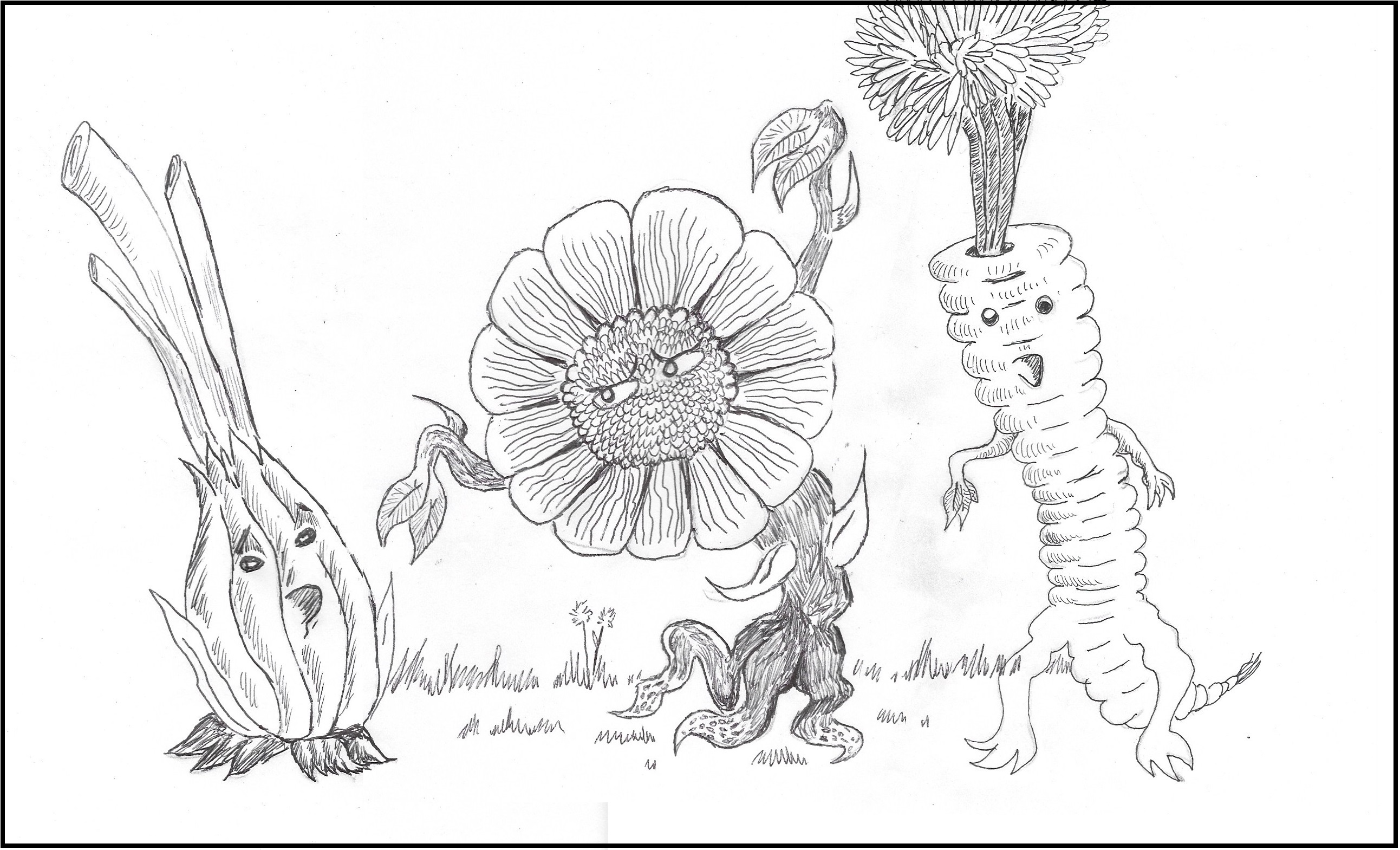
Here’s the link to buy the book;
Filed under aliens, humor, novel, NOVEL WRITING, Paffooney, satire, science fiction
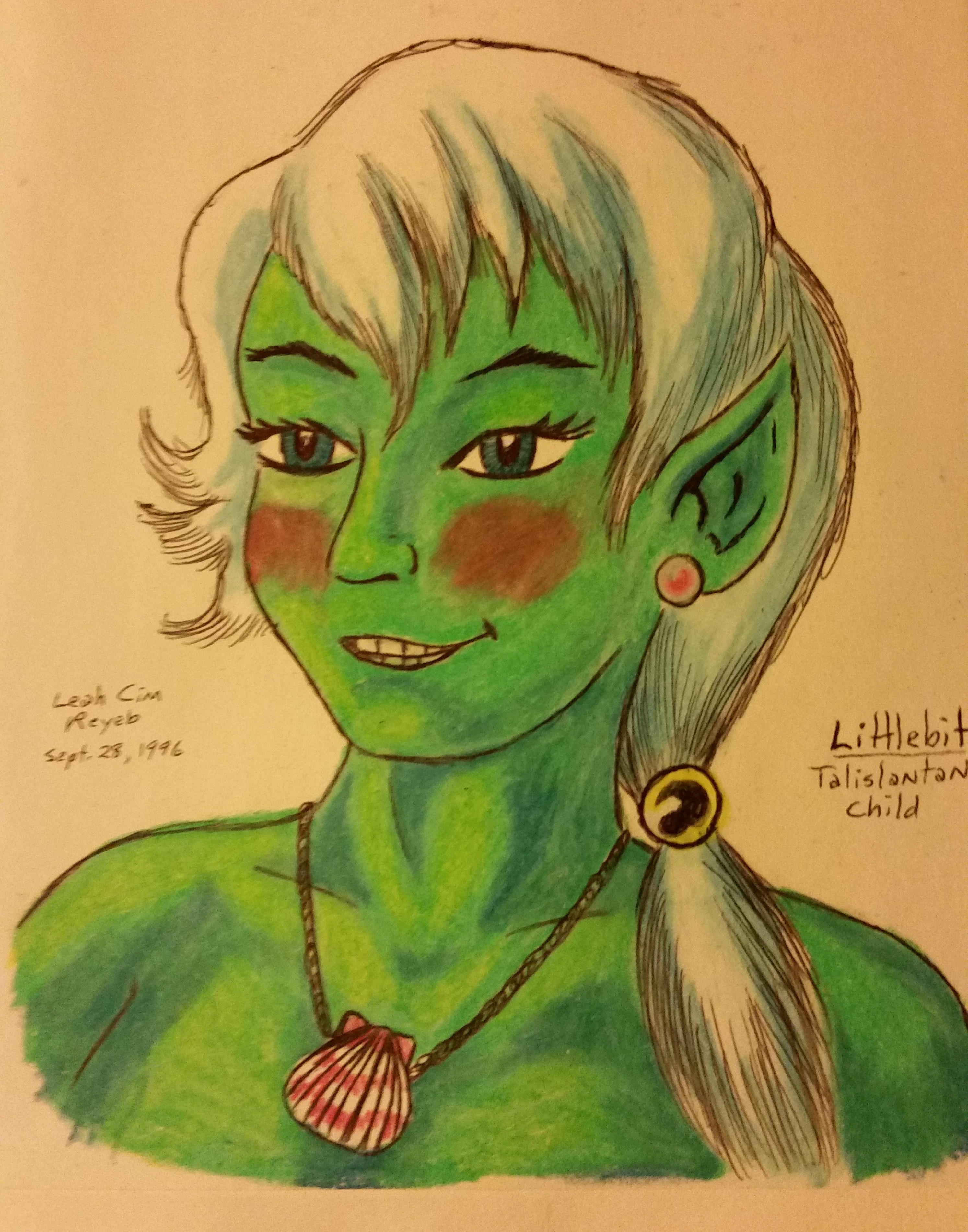
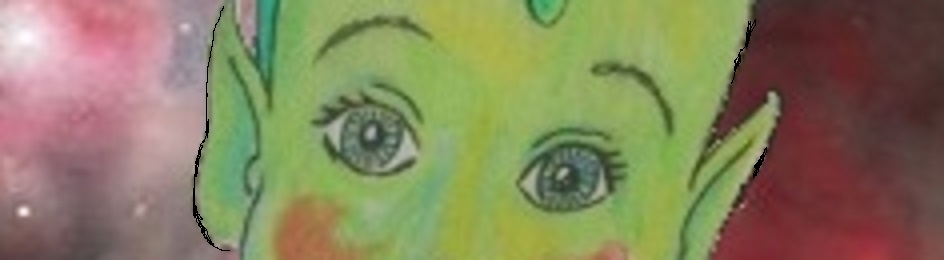
It’s not easy being green…. the color of so many ordinary things…
Especially as you grow older.
Because green is the color of growth and youth and life. But those things seem beyond the grasp of your outstretched fingers on your spotty and wrinkled old hand.
I am definitely no longer green like Littlebit, the Oceanian ship’s boy from the seas of Talislanta and the pirate ship, Black Dragon.
And, yes, an Iowa boy living as far away from an ocean as you can get in the United States, in all directions, you are bound to dream of pirate ships and the high seas, especially when you’re twelve and your favorite book is Treasure Island.
But now that you are old, green is more often your color because you don’t feel well… again… every day….
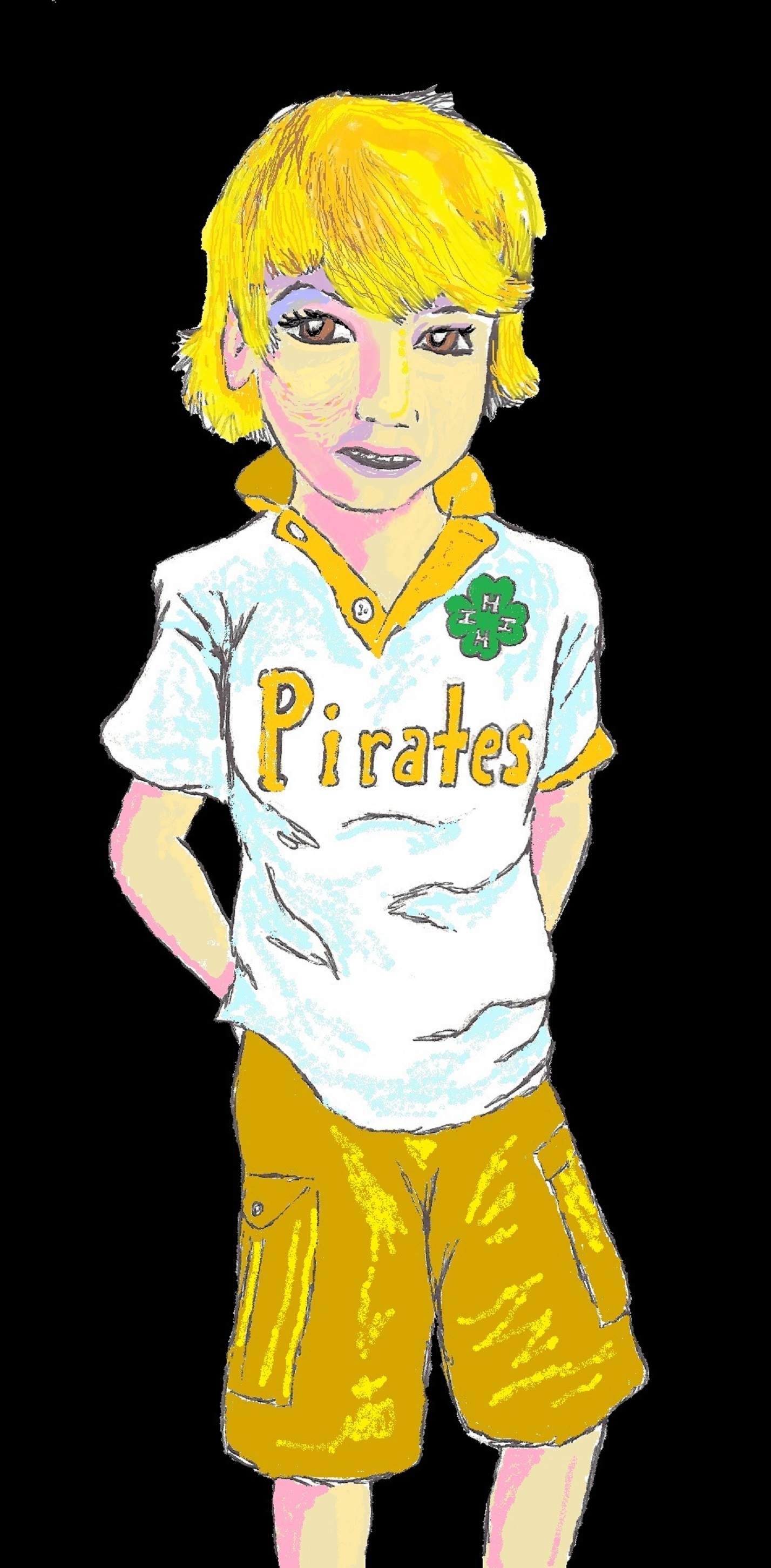
But there is still bright green in dreams.
You can still go there and be a child again in memories and your imagination.
It’s just that now the green is written down in sentences, paragraphs, chapters, and cantos.
And talking to your kids about movies, art and artists, stories and writers of stories…
Did you know the favorite color of all three of my children is green?
I have known it since they were small and I could sing to them songs by Kermit the Frog, like “Rainbow Connections” and “It’s Not Easy Being Green.”
And with paint, you make green by combining the blue of sadness with the yellow of sunshine and happiness.
And it’s not easy being green…
But it’s beautiful…
And it’s what I want to be.
Filed under artwork, autobiography, coloring, feeling sorry for myself, humor, Paffooney, poetry
 Catch a Falling Star
Nutzy Nuts
Things are not what they seem. Life throws curve balls across the plate ninety percent of the time. Fastballs are rare. And fastballs you can hit are even rarer. But if Life is pitching, who is the batter? Does it change the metaphor and who you are rooting for if the batter is Death?
If you think this means that I am planning on dying because of the Coronavirus pandemic, well, you would be right. Of course, I am always planning for death with every dark thing that bounces down the hopscotch squares of the immediate future. That’s what it means to be a pessimist. No matter what bad thing we are talking about, it will not take ME by surprise. And if I think everything is going to kill me, sooner or later I have to be right… though, hopefully, much later.
I keep seeing things that aren’t there. Childlike faces keep looking at me from the top of the stairs, but when I focus my attention there, they disappear. And I know there are no children in the house anymore since my youngest is now legally an adult. And the chimpanzee that peeked at me from behind the couch in the family room was definitely not there. I swear, it looked exactly like Roddy McDowell from the Planet of the Apes movies, whom I know for a fact to be deceased. So, obviously, it has to be Roddy McDowell’s monkey-ghost. I believe I may have mentioned before that there is a ghost dog in our house. I often catch glimpses of its tail rounding the corner ahead of me when my own dog is definitely behind me. And I am sure I shared the facts before that Parkinson’s sufferers often see partial visions of people and faces (and apparently dogs) that aren’t really there, and that my father suffers from Parkinson’s Disease. So, obviously it is my father and not me that is seeing these things… He’s just using my eyeballs to do it with.
But… and this is absolutely true even if it starts with a butt… the best way to deal with scary possibilities is to laugh at them. Jokes, satire, mockery, and ludicrous hilarity expressed in big words are the proper things to use against the fearful things you cannot change. So, this essay is nothing but a can of mixed nutz. Nutzy nuts. And fortunately, peanut allergies are one incurable and possibly fatal disease I don’t have. One of the few.
Leave a comment
Filed under commentary, feeling sorry for myself, goofy thoughts, humor, Paffooney, satire, wordplay