
Impending Darkness
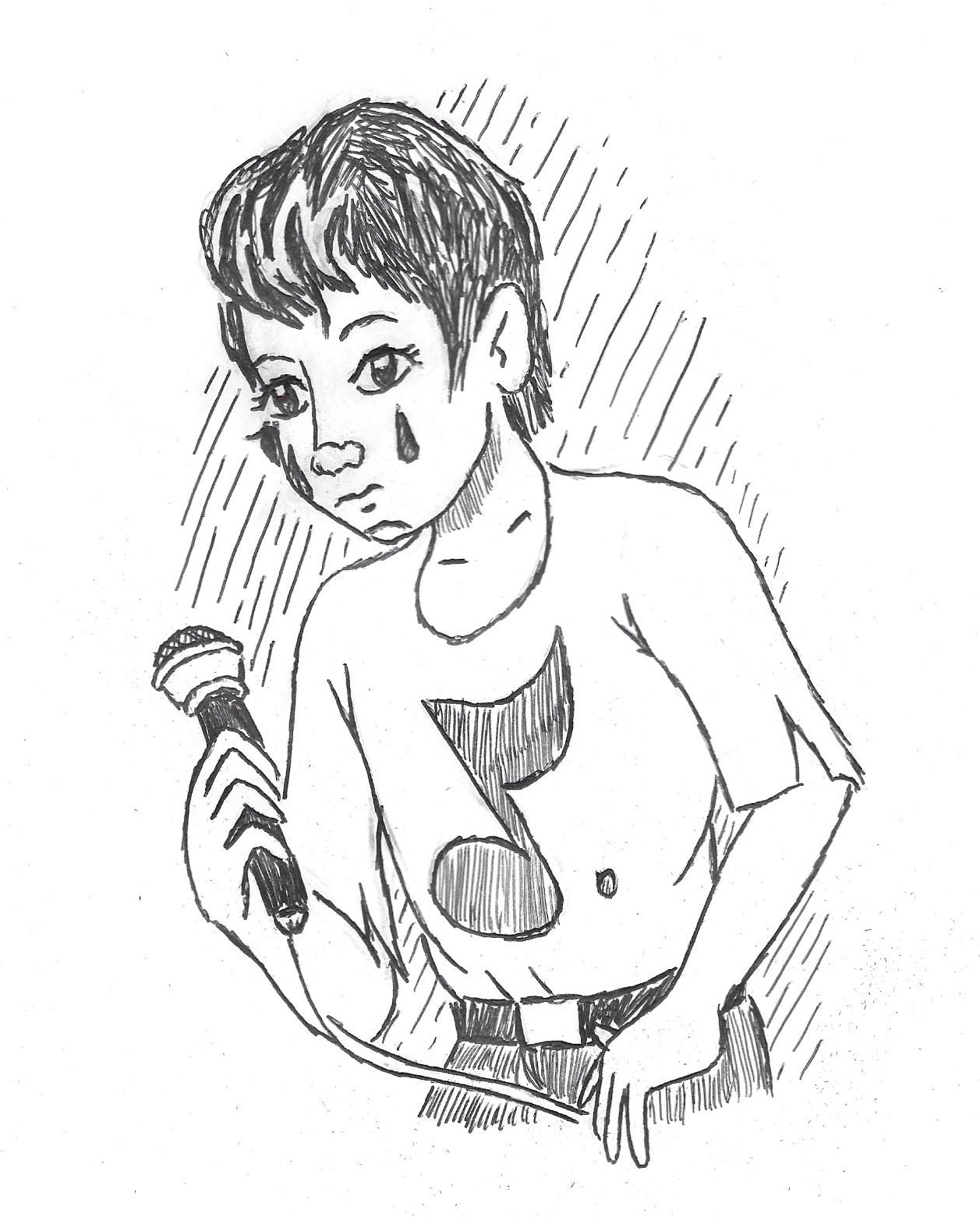
I recently learned from the eye doctor that I may be at the doorstep of glaucoma, a disease that darkened my grandmother Beyer’s vision and connection to the light.
I am doing some serious editing now on my completed manuscript, Sing Sad Songs. There is serious foreshadowing going on in this novel. I think I mentioned once or twice before that I only rarely write a comic young adult novel without having some important character dying at the end. Death and dying and going blind are all on my mind.
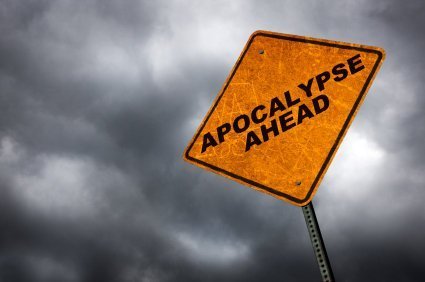
News on the global warming front is increasingly bleak. Temperatures are rising faster than predicted. The date cited for the end of life on Earth is now 2030 (possibly within the scope of my lifetime if I get luckier than I have been on past health issues). The outlook is bleak and getting bleaker. Soon there has to be an absolutely miraculous technological or cultural revolution to help the optimists prove themselves right, a thing that they are totally not good at.
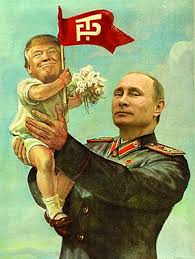
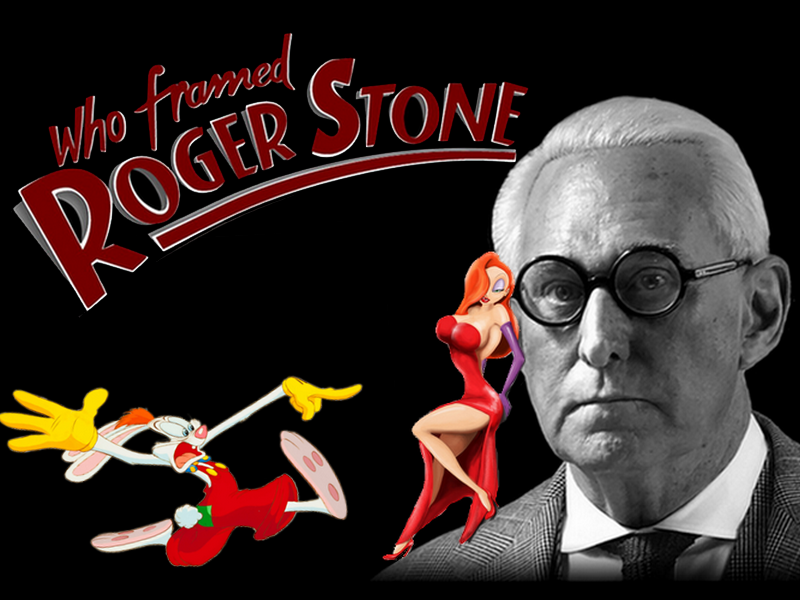

The government seems increasingly incapable of helping with anything, even though some of us are paying increasingly large tax bills that we can’t afford. (I do realize some of you who are not on a fixed income actually got a small benefit from Republican tax cuts. Did that solve your financial problems?) It increasingly looks like the corrupt clown show currently in charge is blowing themselves up. We stand to get a whole new government soon that is marginally better at best. So, we are, as a society, marching forward into the darkness with neo-fascist, goose-stepping zeal.
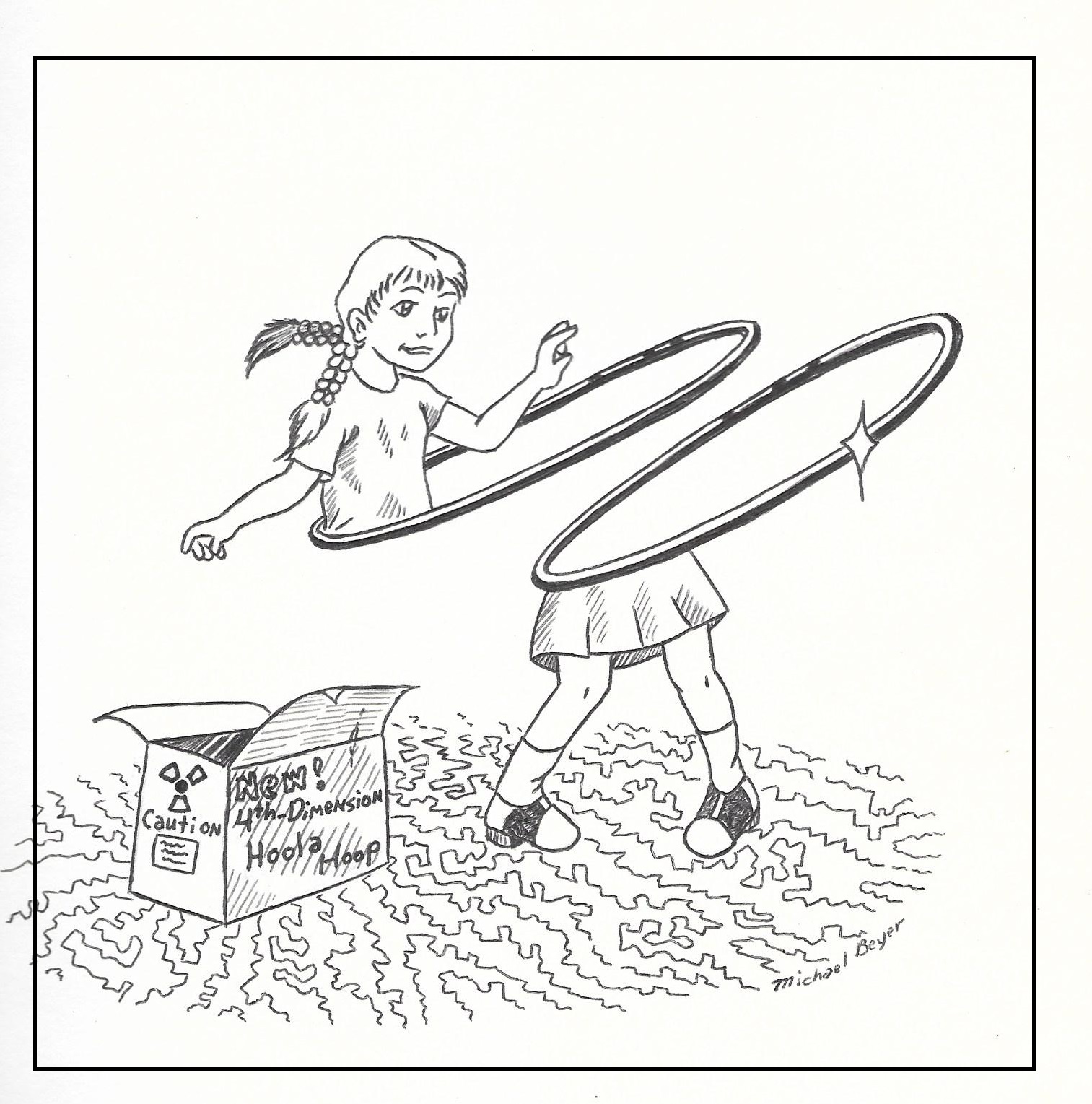
I am not saying that I have no hope. My grandmother got help and never went completely blind. There are breakthroughs happening all the time in science and sociology. But the darkness in my personal future is growing ever closer. And I have less and less control over its advance.
Teachers Are Talking

Mr. McFlaggen, the History teacher and basketball coach, was talking to Mr. Malkin, the Art teacher, in the cafeteria while they watched over the seventh-grade monkeys as they wolfed down their nearly inedible pizza slices.
McFlaggen; What do you know about that girl Cindy Hootch? The kinda ugly one that is so quiet and never sits with anybody else at lunch?
Malkin; It doesn’t help to think of her as ugly, Flag. You should see her watercolors on newsprint. She has a beautiful soul. She’s very smart. And she won’t talk to you in front of the class, but one-on-one, she’s got a real way with words.
McFlaggen; The important thing is how smart is she? Can she tutor Math? Could she help my star point guard get at least a C in old Krautmeyer’s Math class?
Malkin; How do you see Claussen’s intelligence? Is your point guard capable of understanding her if she tried to teach him how to multiply fractions?
McFlaggen; Frankie is dumb as a rock. He really needs a way to cheat on tests so that he can stay eligible to play all basketball season.
Malkin: Stephanie won’t cheat. She’s smart and gets good grades. But she has had a good moral upbringing. Have you met her parents? They are church people, and good parents to their five kids as far as I can see. If you ask her, she will probably tutor him willingly. But success is not only up to her. Your basketball player will have to put in the work.
McFlaggen; Well, the problem is, there are really only two kinds of kids. There are the dumb lumps like Frankie that no matter what you do, you cannot get those kids to do anything to help themselves, even in matters of life or death. And then there are some kids you can force to accomplish anything if you just push them hard enough in the right direction. Kids like your little painter, Miss Hootch.
Malkin; I think you will find, coach, that there are definitely two kinds of teachers too. You have the kind who are convinced that all kids are basically bad and need to be shaped like a stone-cutter would, grinding away the parts that make them bad, and if the process fails, you throw the unfortunate kid on the worthless pile and leave them to their fates.
McFlaggen; Do you mean, Gray, that there is another kind of teacher? Aren’t we all like that?
Malkin: Ah, Don, there is another kind. Some teachers, rare I grant you, see all kids as good, the seeds of what they are destined to become. We only need to plant them in fertile surroundings, give them the attention they need, and allow them to bloom in the way nature intended. That’s what makes Stephanie Hootch such a beautiful blossom.
McFlaggen; You are such an Art teacher, Gray. A real romantic filled entirely with dog poop.
Malkin; Maybe so. But in the long run you will see who’s right about kids.
McFlaggen; So, where’s this Hootch girl now? I need to push her into tutoring my player.
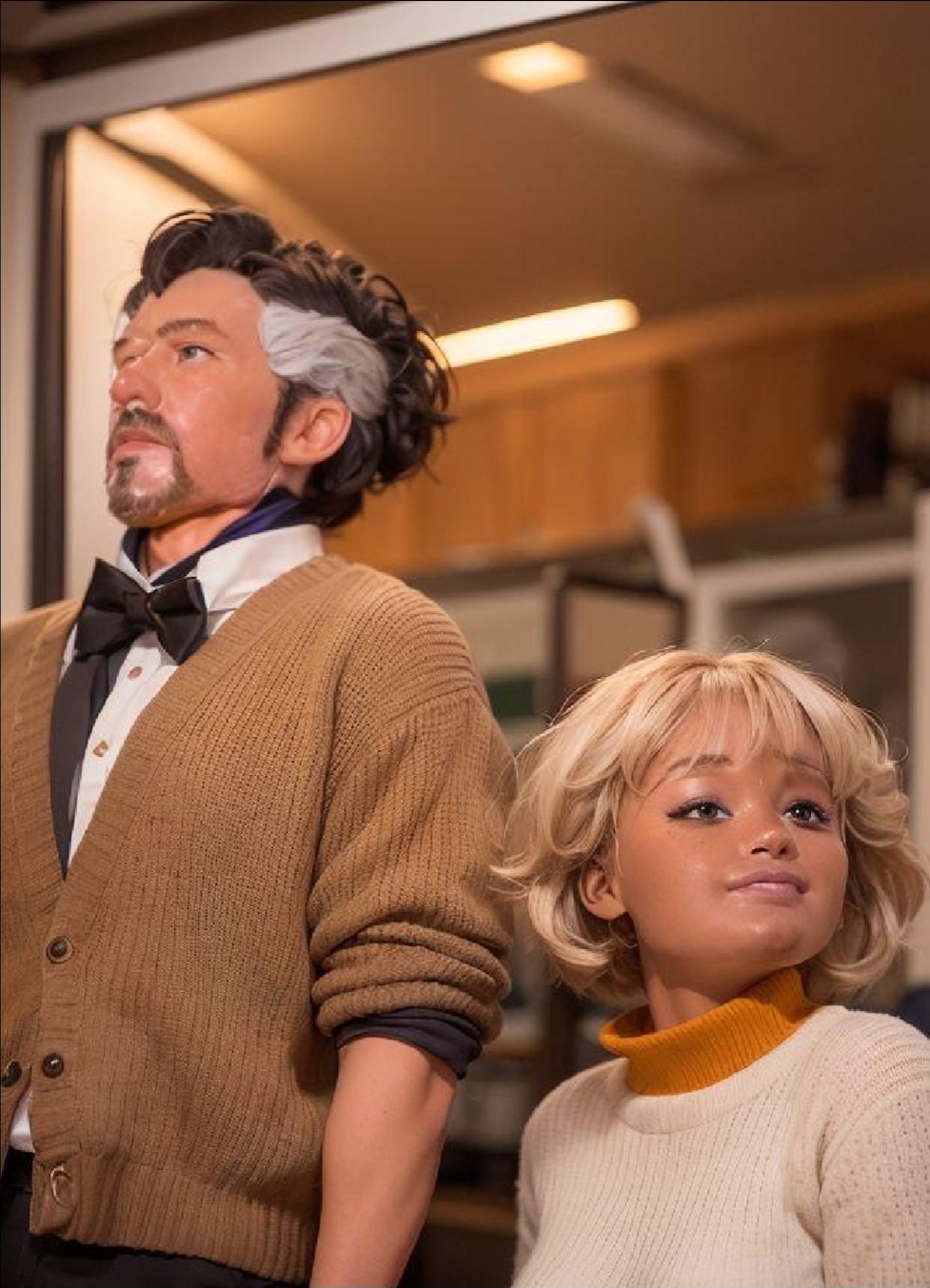
Malkin: She’s there, blooming next to Vice Principal Wiggan.
Filed under Uncategorized
Here is My Heart
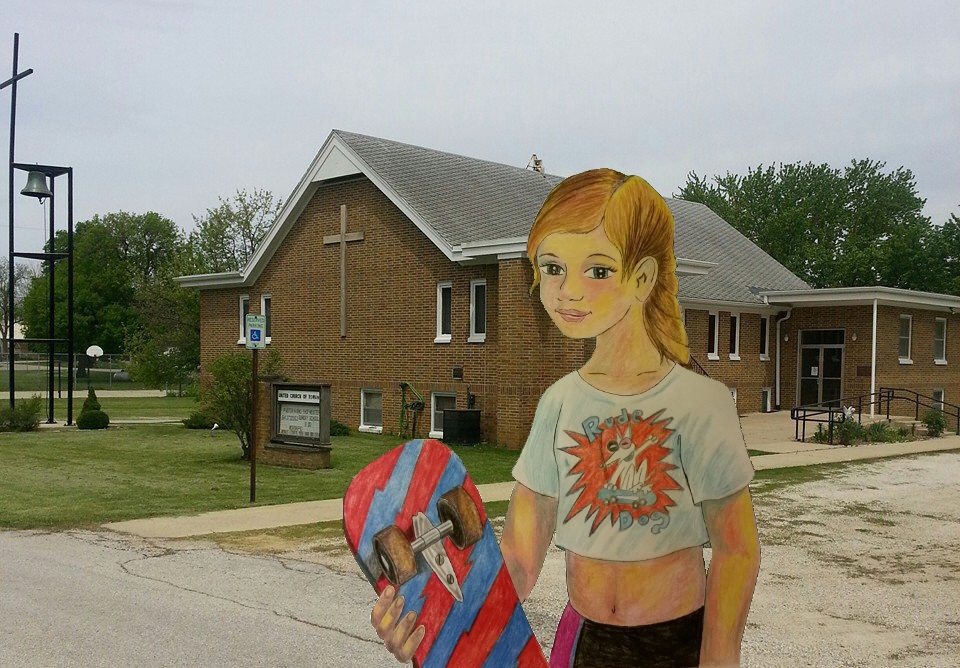
Yesterday I posted another maudlin doomsday post. I probably gave you the opinion that all I do with my time is mope around and think about death. And maybe write a little creepy black Gothic poetry. But that’s not me. I am a lover of the humor in stories by Mark Twain, Charles Dickens, and Kurt Vonnegut. I am a former teacher that managed to teach the entire zoological range of possible middle school and high school students in Texas and did it without being convinced to hate them rather than love them. Yes, my heart is full of mirth and love and memories of weird kids and troubled kids and kids that could melt the meanest of hearts.
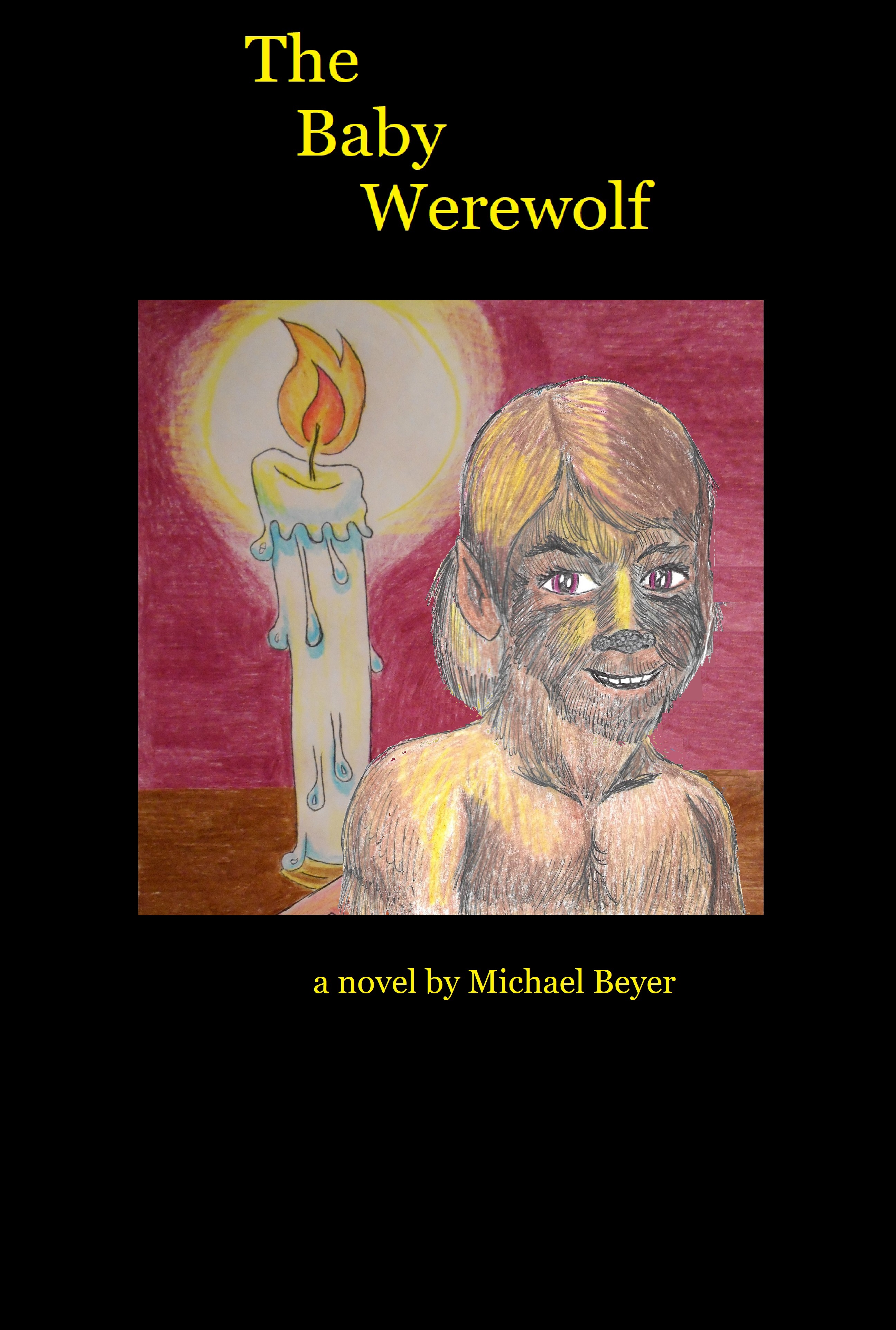
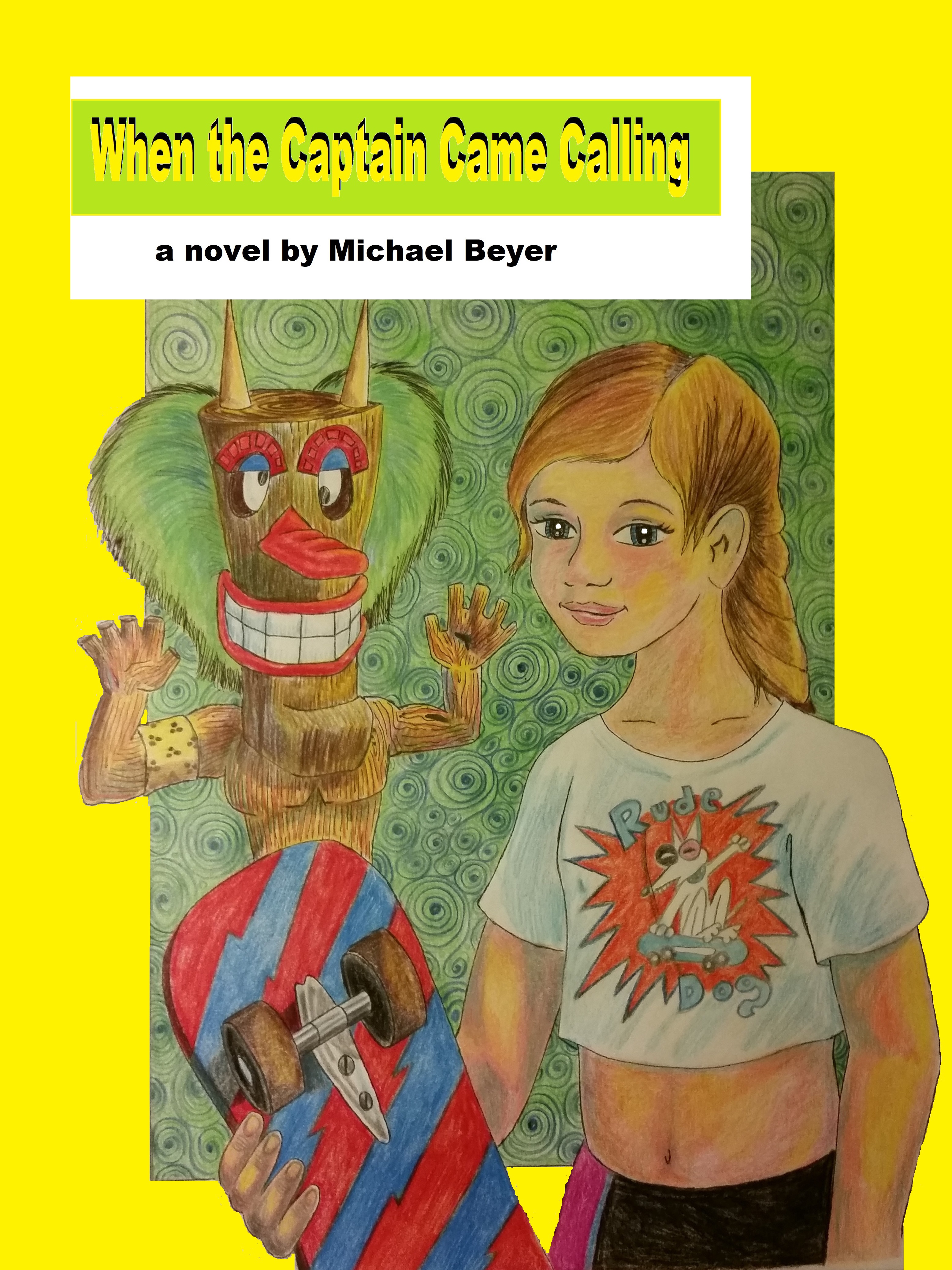
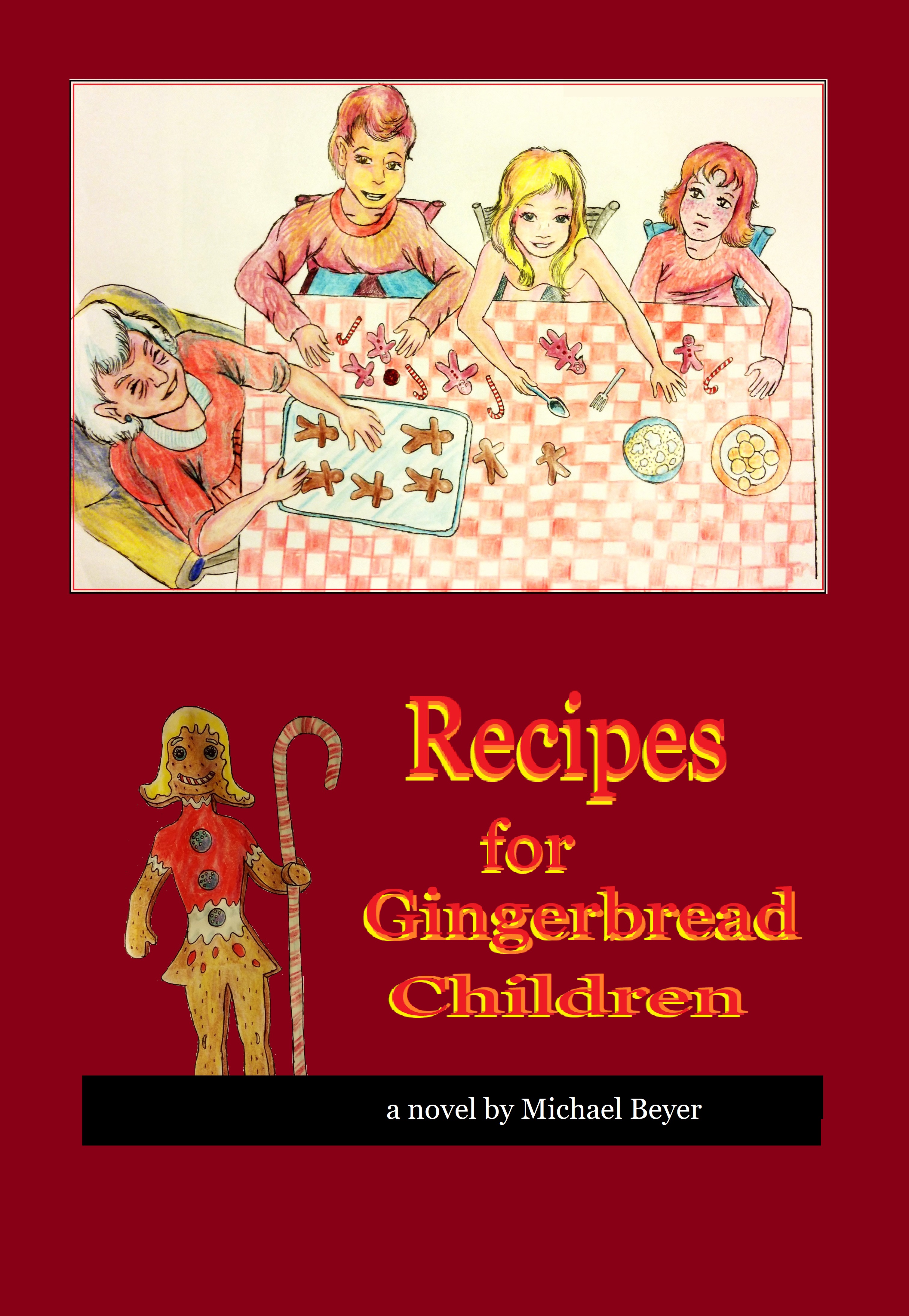
My passion is writing fictional stories about the kids I have taught, including my own three, and setting it in a fictionalized version of my little town, the place in Iowa where I grew up. And I put them in plots of impossible fantasy and science fiction in a way that can only be explained as surrealism.
Nobody reads my books. So far, at any rate.
But that isn’t the important thing. The important thing is that, despite my illness and deteriorating quality of life, my books now actually exist. I put off being a full-time writer for 33 years as I finished my teaching career. A writer has to have something to write about. So, teaching came first.
Writing novels was always the ultimate goal, however. I am a story-teller. The story itself is in the very center of my heart.
Filed under autobiography, cartoony Paffooney, humor, Iowa, kids, NOVEL WRITING, Paffooney, surrealism, teaching, telling lies, writing
Completely Oblivious to the Obvious

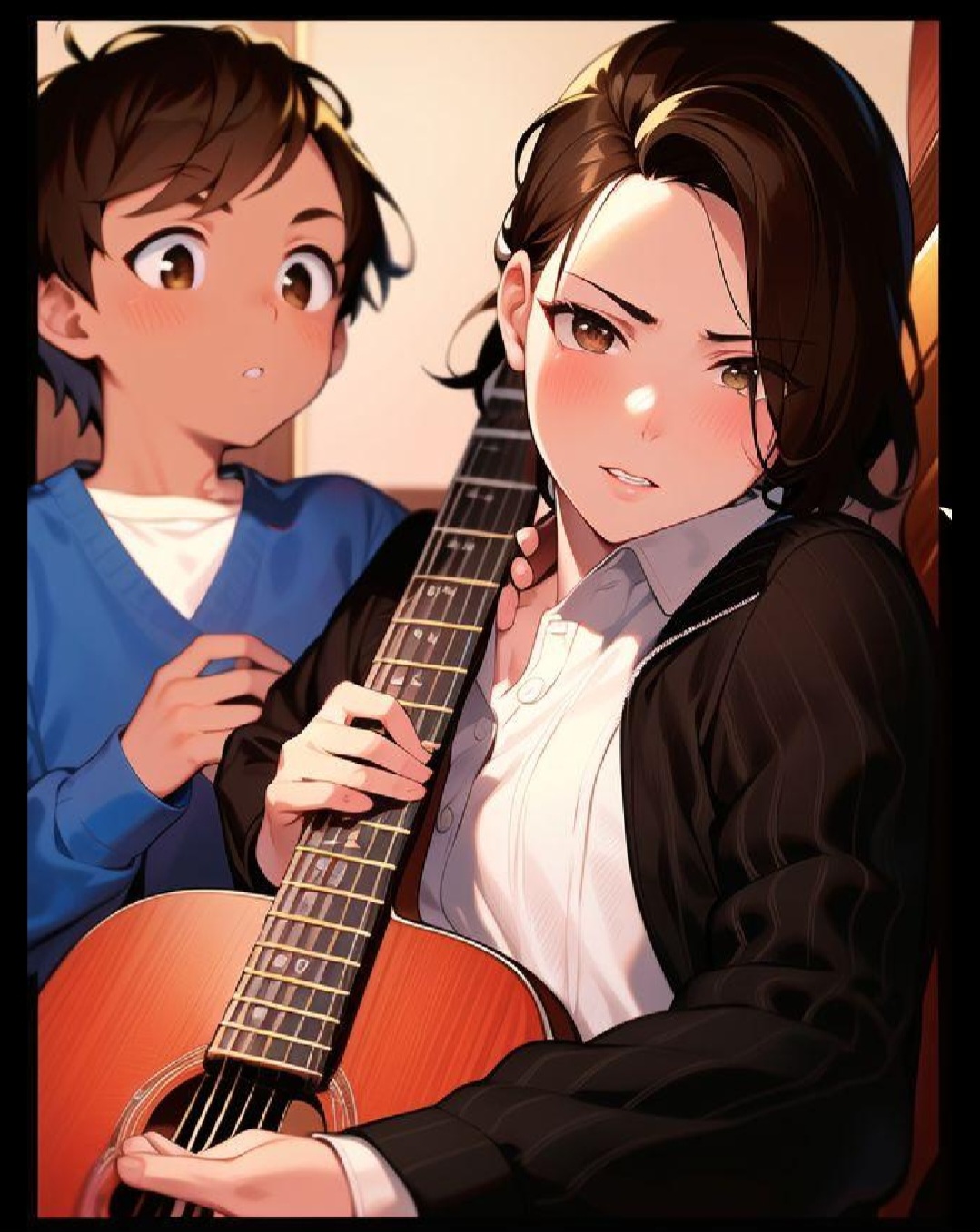
It has been brought to my attention by family members, friends, and even some readers that my current use of the AI Mirror program to edit my artwork is really overwhelming my personal style with its anime filter. The smiling anime face on the cheerleader is a good example. The eyes are bigger than I would have chosen to make them in a colored-pencil rendering. The nose is too small, and if I highlight it on the previous layer it makes it show up in the final, but still too small. What I like about it is the way it makes the highlights and shadows on her flesh and her clothes so much more accurate to the light source than I can do even with the digital stylus. But I am noticing more and more that the AI tends to do what it wants to the picture more than it does what I want. Even though I layered my drawing over a photo and traced it before coloring, the AI made changes that were not needed. I get that I leave openings on the face for interpretation because I am not trying to make an identifiable portrait. But it even makes the logo on the top of the uniform into something far more unreadable than the “Iowa” that was there. I get that it refuses to copy logos and copyrighted stuff, but that isn’t really the case in this picture. I realize I am trading some of my control as an artist for the good things the AI can do to correct the problems my arthritis makes. But I am really no happier with the situation than some of my critics. I only rely on the AI because it allows me to draw more and more frequently than I can with pencils, pen, and paper. This Devil’s bargain allows me to still draw every day.
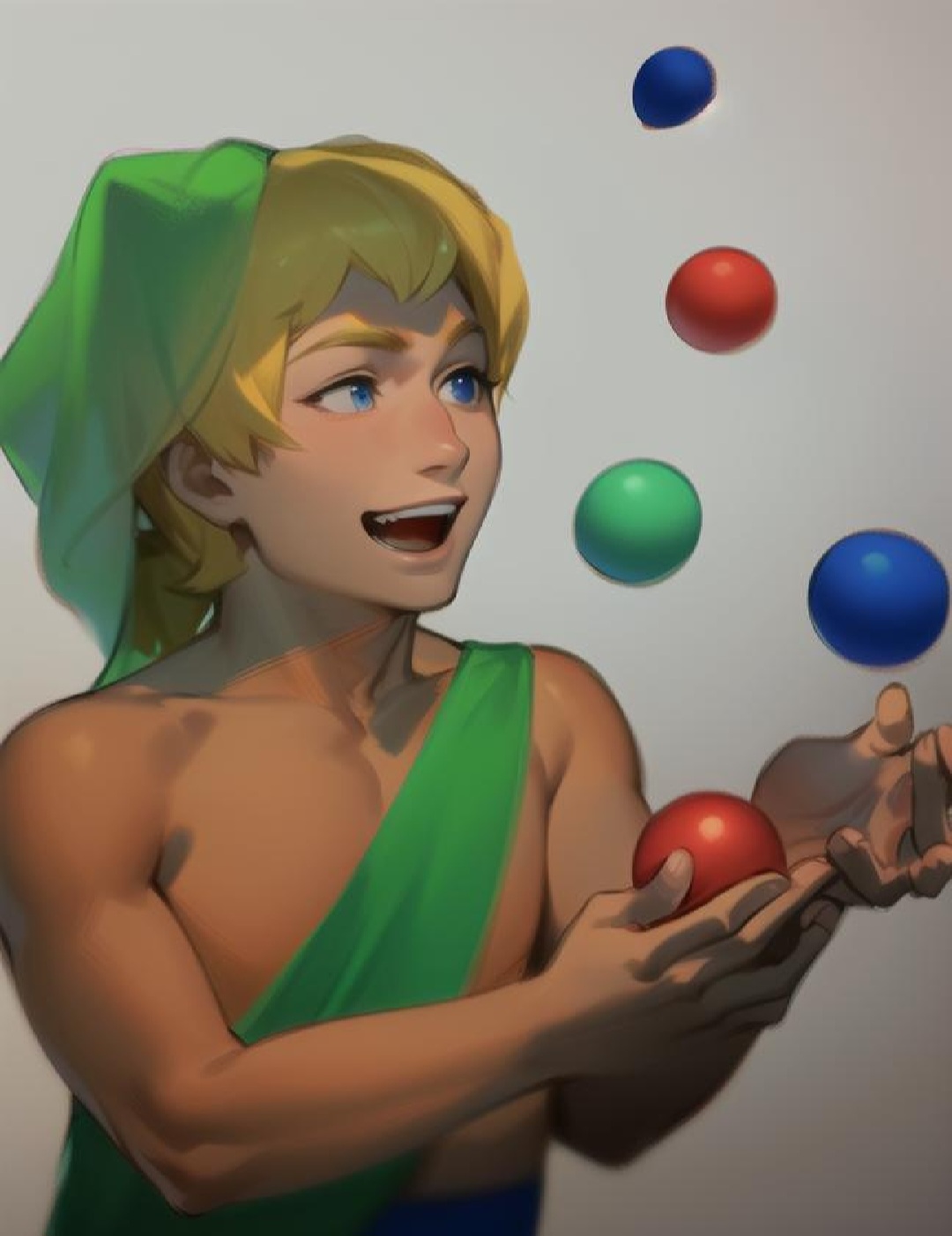
This is what the AI does with old drawings I have done years ago. This one, Filch the burglar and entertainer from a D & D game in the early 1990s, shows how the AI can interpret my older and better drawings almost the way I would have done it myself. Almost… but you can plainly see the work I had to do on the hands. AI art programs have difficulty with hands. The left hand confused it because three fingers actually go off the page and I highlighted the top of the palm. The program broke the little finger and tried to bend a sixth finger across the top of the palm. The right hand is nearer to correct, though my glaucoma-hampered eyes still see the fingers as too long. That, however, could also be said of the original drawing.
So, as an artist, I do battle daily. Not only with the arthritis in my hands, but also some Artificial Unintelligence. They should call it AU rather than AI. It’s too dumb to get offended by that.
Filed under Uncategorized
Reading Bag of Bones
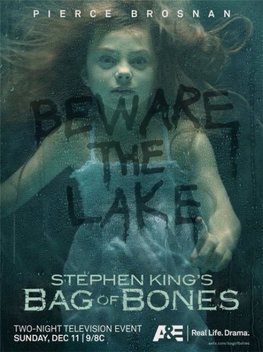
This is not a book review. I did finish reading this book in a 3-hour-end-of-the-book reading orgy, spending an hour last night, and two more early in the morning before the rest of my family was awake.
This is certainly not a book review. But I did read a Stephen King book, 1998’s Bag of Bones, which I picked up from the dollar sale shelves at Half Price Books. And I did love the story.
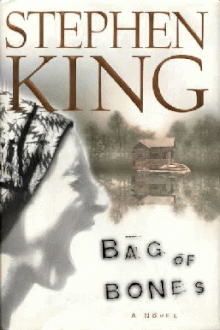
………………………………………………………………………This is not a book review. Instead, I want to talk about what a novelist can learn and reflect on by meta-cogitating over what this book reveals about King’s work habits and style and author’s voice.
Mike Noonan, the protagonist, is a novelist who writes books that routinely land in the numbers 10 through 15 slots in the New York Times Bestseller List. Obviously, this first-person narrative is coming directly out of King’s own writing experience. But, remember, this is not a book review. I am discussing what I have learned about how King puts a story together.
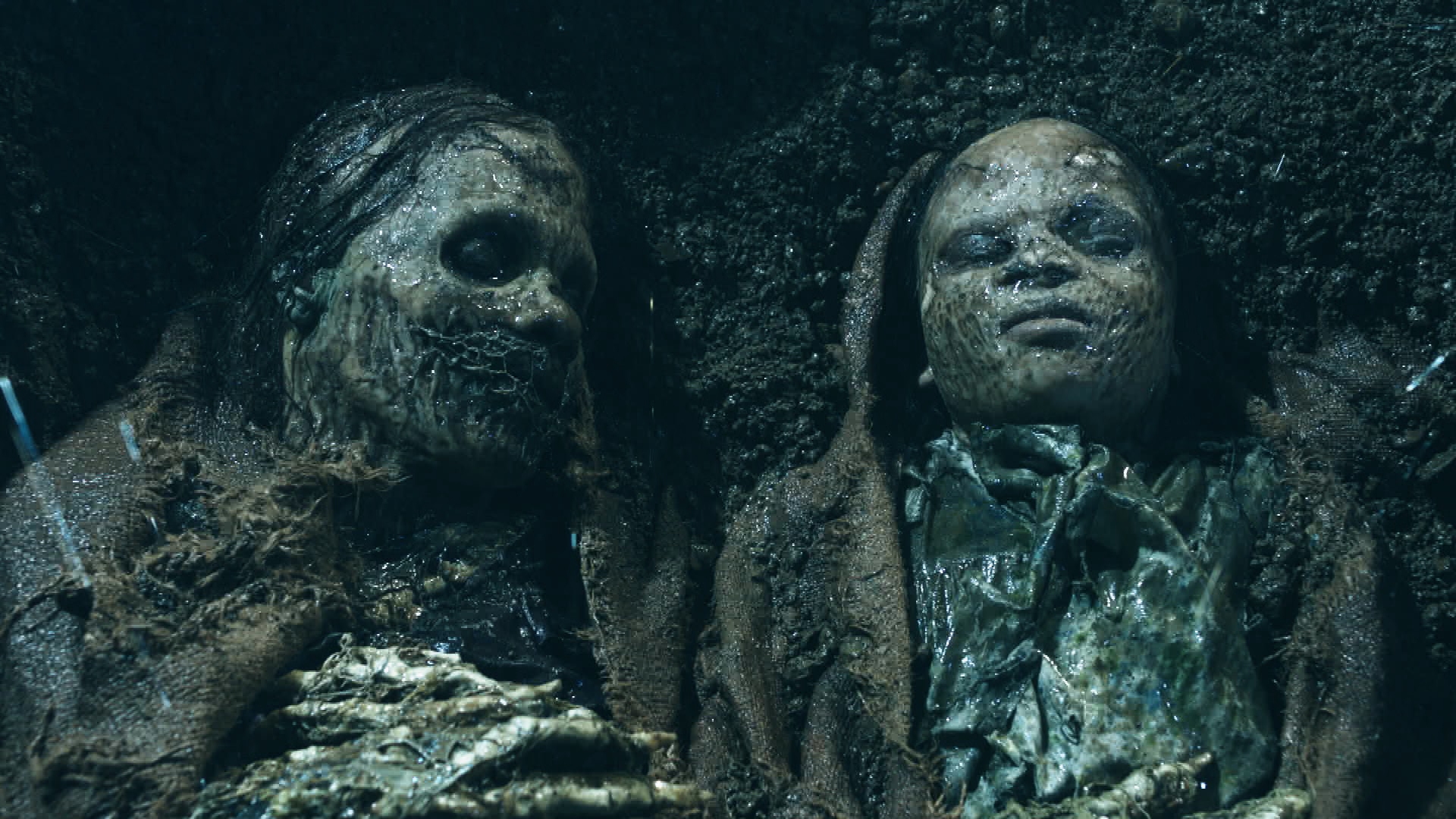
King sets a back-story for this novel that digs deep into the geographica and historica of the city in Maine where the story is set. The literal bag of bones revealed in the book’s climax is almost a hundred years old. And he takes a compellingly realistic tour back in time to the turn of the Twentieth Century more than once to reveal who the undead characters are and why they do what they do. One thing that makes a writer, a novelist, truly solid is his ability to set the scene, to grow the story out of the background in the most organic and realistic way possible. But this is not a book review. I am saying that King always does this with his books. And if you wish to write at that level, you must do that too. I know I am sincerely trying.
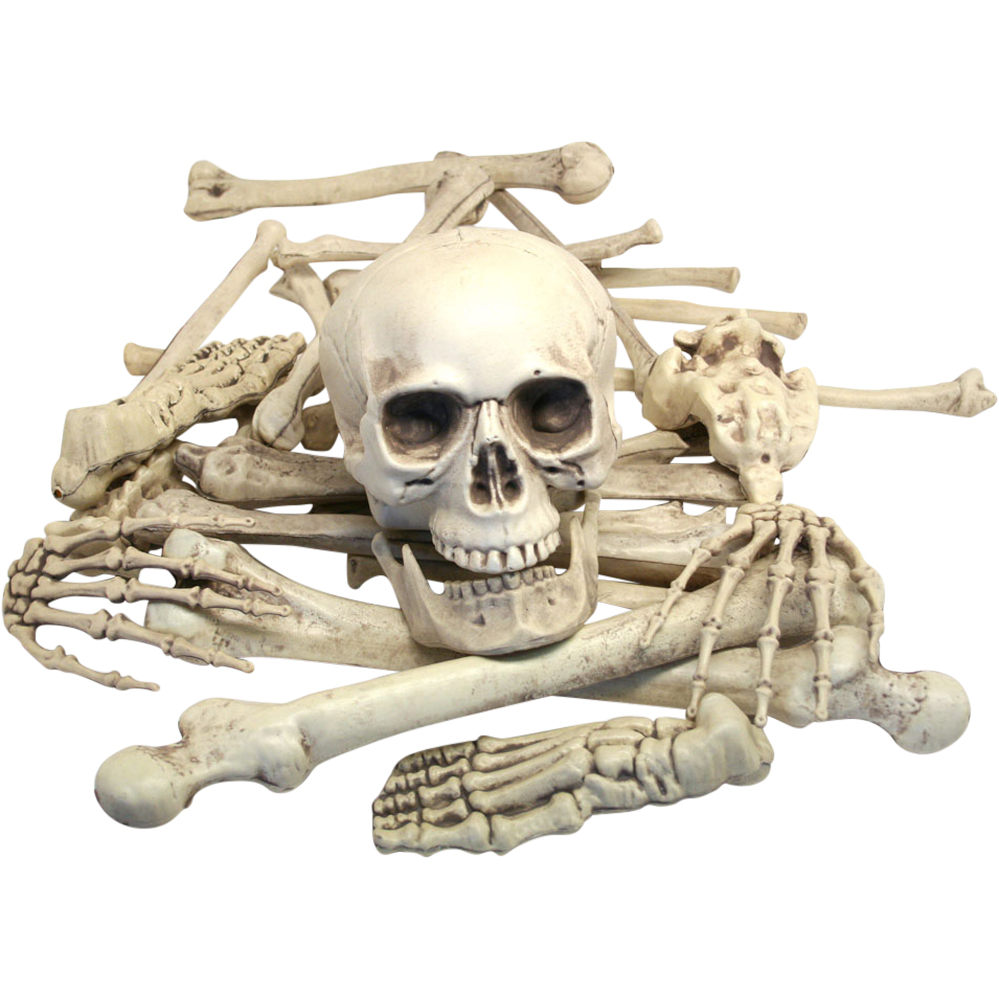
At the end of the story, he clearly tells the reader that he learned from Thomas Hardy that “the most brilliantly drawn character in a novel is but a bag of bones”. So, he is definitely aware that a character is a construct that has to be crafted from raw materials. It takes a master craftsman to build one with the right words to make it live and breathe on the page. He does it masterfully in this book with several characters. The protagonist, the beautiful young love interest, the love interest’s charming three-year-old daughter who is nearly slain in a horrific manner at the end of the book… The living villain is a well-crafted bag of bones, as is the ghost, the actual bag of bones in the story. But this is not a book review. Most of his books, at least the ones I have read, have the same sort of masterful characters.
There is so much more to be learned about novel writing from this book. He literally shows you how ideas are captured, how they are developed into stories, how you overcome “writer’s block”, and Noonan’s book he is writing within this book is even used as an example of how to poetically advance the plot. But this is not a book review. You should read this book. It is a very good and scary piece of work. But you should read it because it shows us how to write and do it like a master.
Filed under horror writing, insight, inspiration, NOVEL WRITING, writing teacher
Foresight

Tomorrow is not promised…
…In fact, I have not yet survived today…
But before I fold my wings and die…
I promise I will have my say.
Look into the future and you will plainly see….
A time when planet Earth will tend to be so hot
That fire will bloom in every field, and death hangs from a tree,
With stupid people all around soon to feel the knot.
There was a former President with a pumpkin for a head.
He tried to wreck the government for profit and for pride.
And damage done may turn our world to a place where most are dead.
Those who kill our fragile world will take their gold and hide.
Pain and chaos confront us now and badness lies ahead.
And yet we’re standing in the queue not ready to avoid this ride.
Foresight’s the thing most useful to us now to keep ourselves alive
But Nostradamus I am not. I know not how to thrive.
Editor’s Note***
A Sonnet, like those masterfully written by whoever Shakespeare really was, is a fourteen-line poem, each line written in iambic pentameter, with a rhyme scheme often symbolized as ABAB CDCD EFEF GG. If you look closely at this evil poem, it is clearly not a Sonnet. At least, not a correctly written one. And it is more of a gloom and doom poem like the quatrains of Nostradamus rather than a courtly love poem or celebration as written by Shakespeare or Petrarch. More evidence of evil incompetence, then.
For teenaged girls who probably should not be reading evil poetry, you can look Sonnets up on Google and find out how to write one. I know that this would be the only reason you are reading here.
Filed under Uncategorized
Naked Innocence
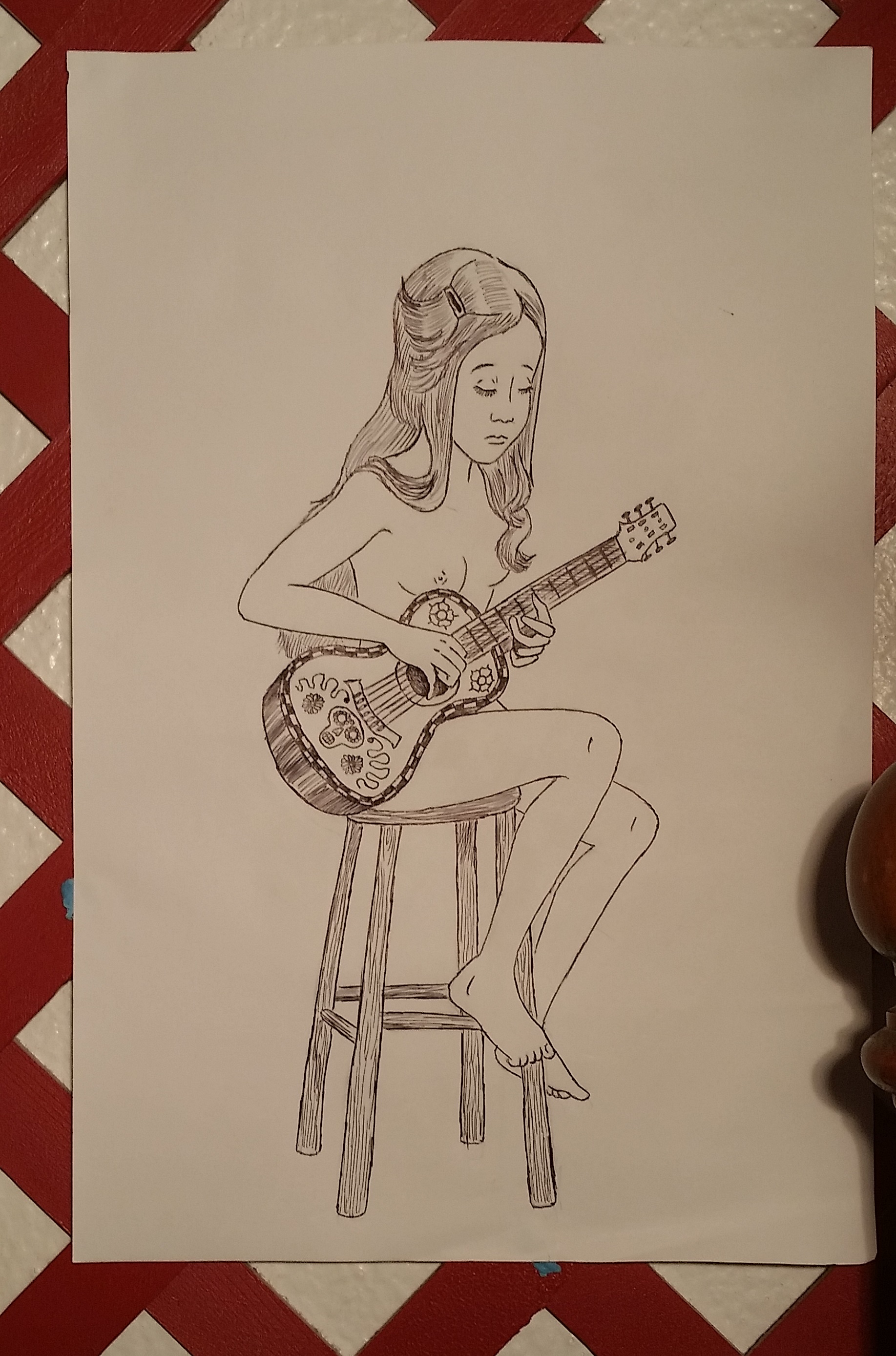
To be clear, I will have to write a post called Naked Experience to go with this post. It is a William Blake style of thing. You know, that English Romantic Poet guy who was into drawing naked people even more than me? The writer of Songs of Innocence and Experience? You know, this stuff;


Well, maybe you don’t know. But Blake gave the world the metaphor of the innocent lamb and the tyger of experience (tyger is his spelling, not mine, and it didn’t blow up the spell checker, even though it made the thing unhappy with me again). There is a certain something I have learned about nakedness that I mean to innocently convey. I learned it from anatomy drawing class and spending time with nudists. Naked is not evil. Naked is not pornography. Nakedness, itself, is a very good thing.
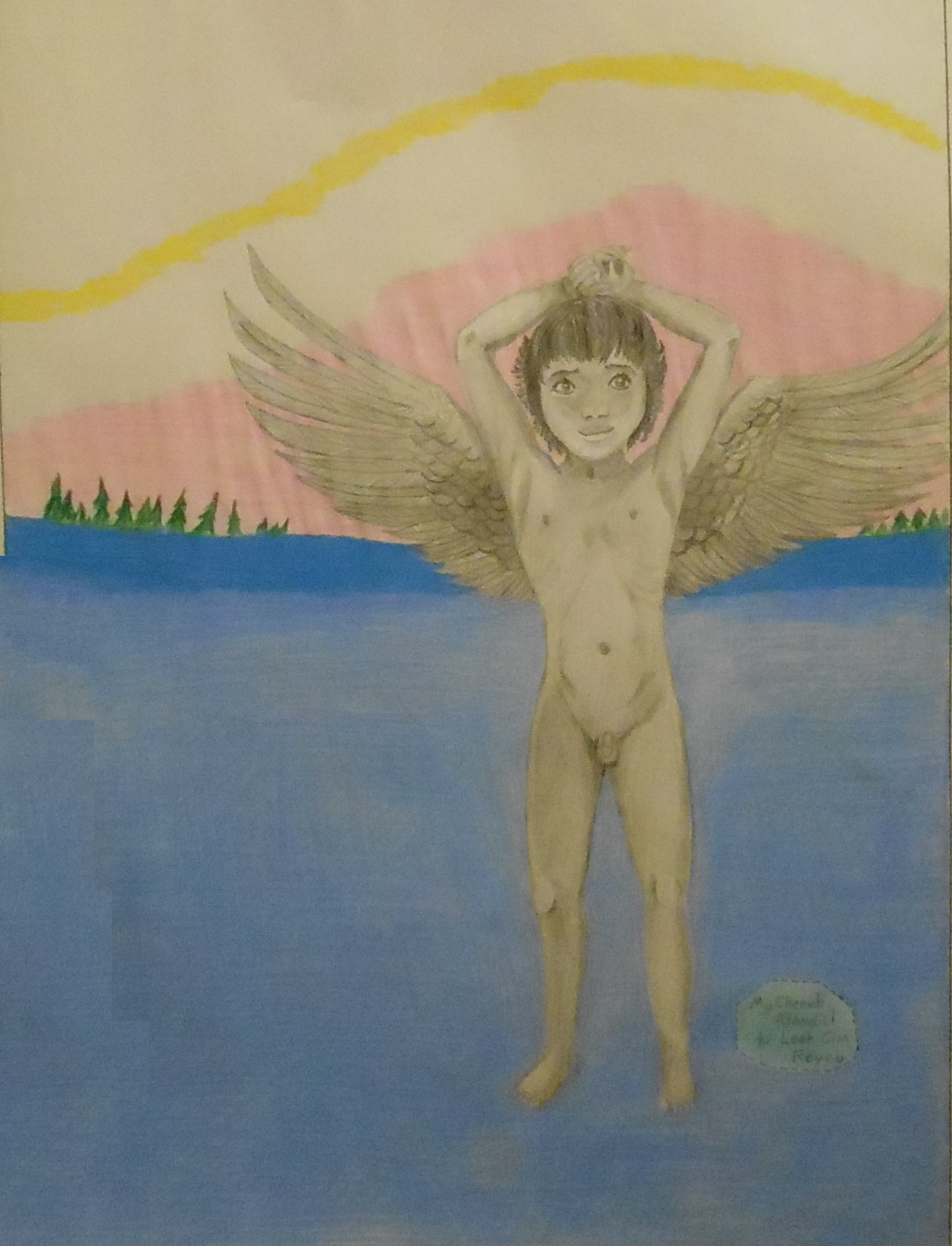
At this point the avid clothing-wearers among you are probably saying to yourself, “This guy is nuts! If God had wanted us to be nude, then we wouldn’t have been born with clothes on.” And I must admit, I cannot argue with logic like that.
But on a more serious note, I believe nudity is a fundamentally essential part of the nature of art. After all, pictures of naked people are a central part of what people have been drawing since they first started etching them with charcoal on cavern walls. And all art, including this blog, is about the human experience. What it means to be human. What it feels like to be alive on this Earth and able to feel.
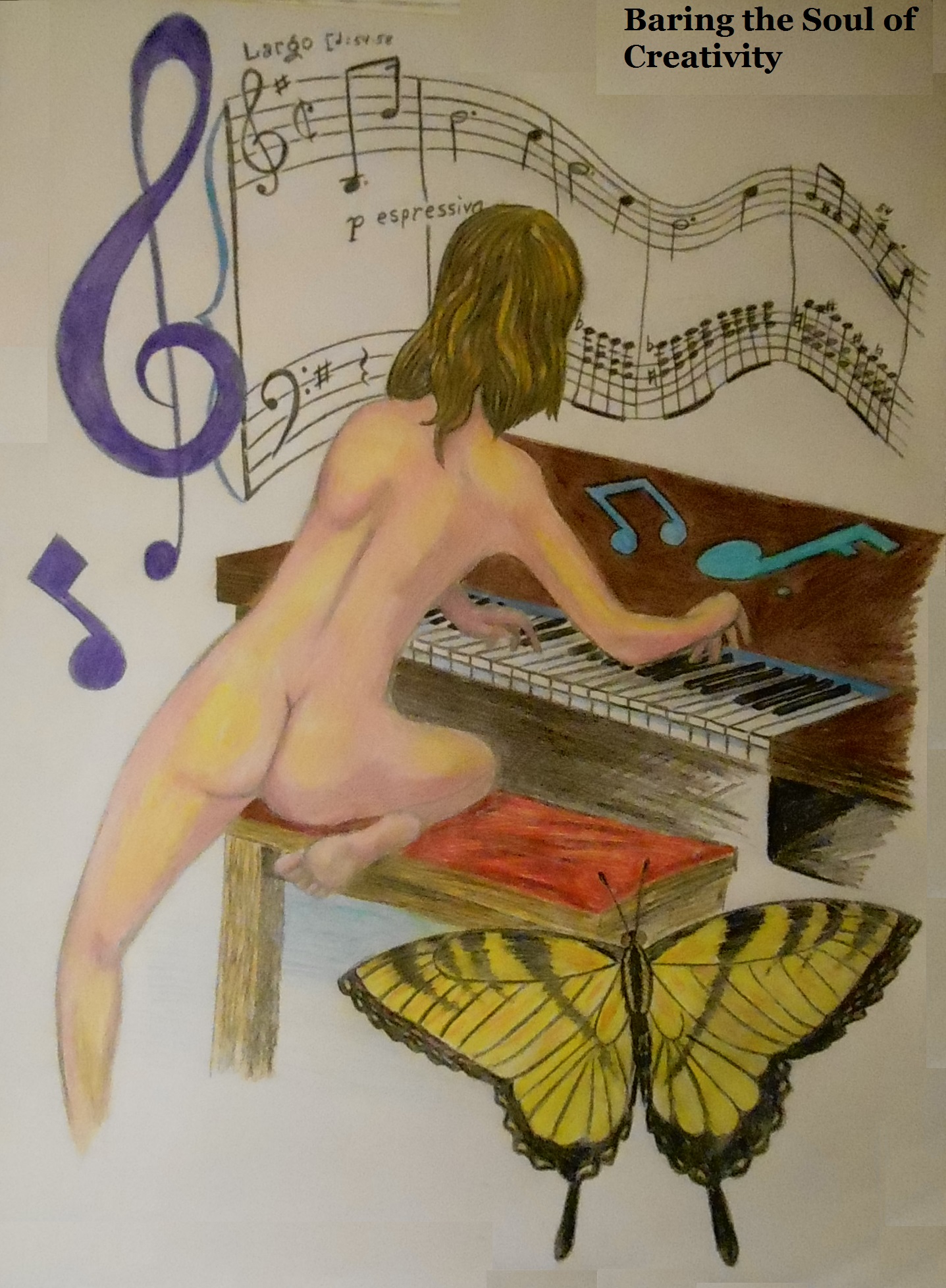
And there is nothing sinister and immoral in drawing nudes to portray that fact. I am trying to show metaphorically the music of existence, the pace, the symmetry, the musical score… It isn’t focused on the private bits, what some call the naughty parts, even when those things are present in the picture. “How dare that naughty Mickey show the naked back end of that butterfly! It ought to have pants on at least!” Yes, I am making a mockery of that outrage itself. I am not a pornographer. These pictures were not created to engender any prurient interests. These pictures are part of Blake’s lamb. They will not bite you. Though blue-nosed people who wish to control what others think may very well bite me for daring to say so.
I have posted a lot of writing and artwork on this blog that I held for the longest time to be completely private and personal. I hardly ever showed any of it to anybody before I posted it here. But I am old. I no longer have secrets. I am capable of telling you everything even though I have never met most of you in real life. And I have no shame. I have become comfortable with emotional and intellectual nudity. And when I am dead, the body I have kept hidden from the world for so long will be no more. It’s just a thought. It’s a naked thought. And it is completely innocent.
Homely People
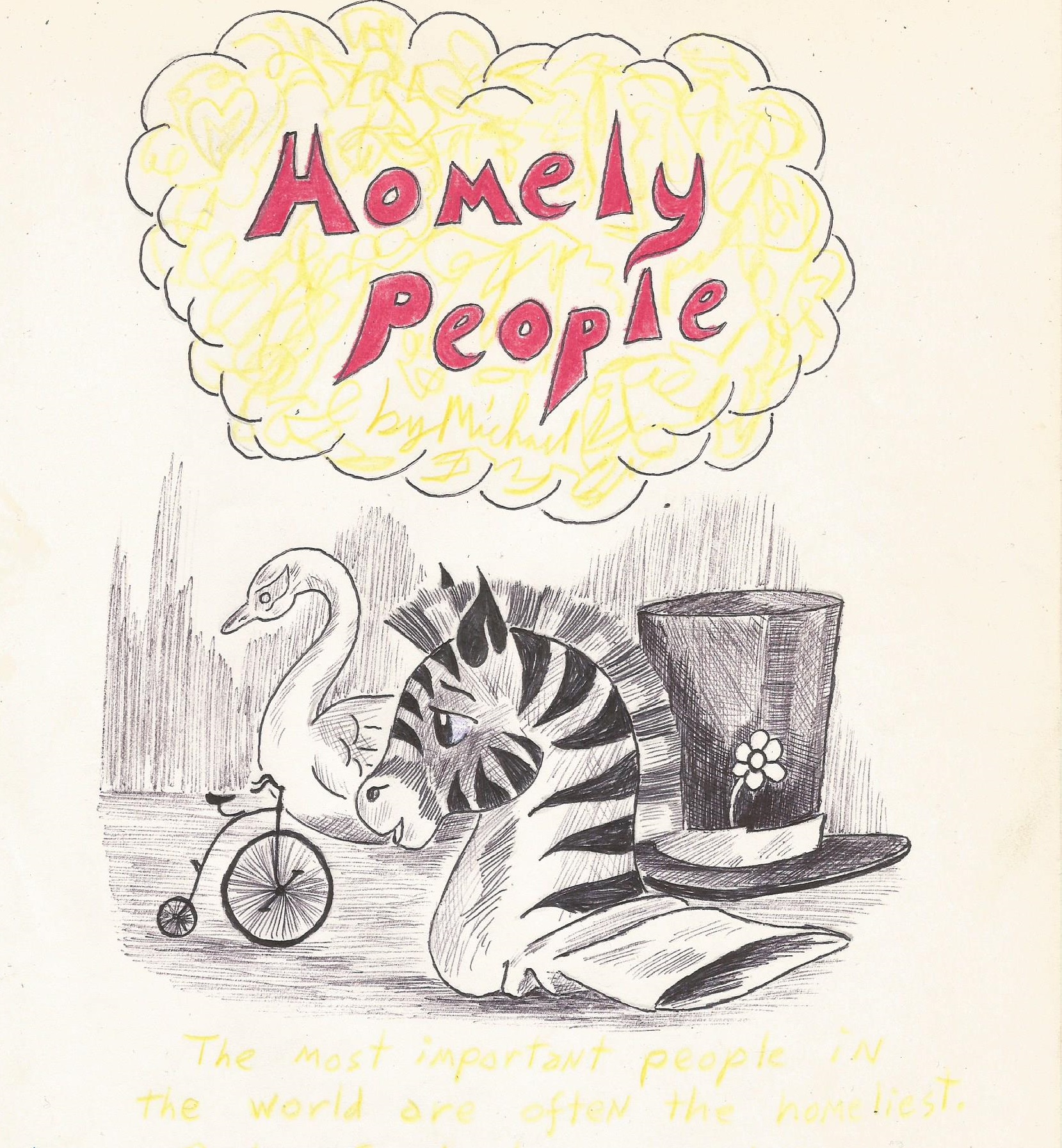
I prefer to write about, think about, and draw pictures of homely people. But don’t mistake me. I am not talking about ugly people. Our former President, the giant blood sausage with a bird’s nest on top that we have put in charge of making us all feel sick to our stomachs every day, demonstrates what ugly means. Ugly is not just weird and interesting to look at, it is also repellent behavior that makes physical flaws take a back seat… no, a rumble seat in the trailer behind by comparison.


I am talking about the ordinary people back home. The ones that may be sitting by your own fireplace on a cold day trying to warm their hands after throwing snowballs outside. And, of course, that snowball that hit Maggie Doozman in the side of the face and knocked her glasses off, made you laugh for an instant, until you realized she was crying, and Kirk Longhatter didn’t even apologize for throwing so hard, so you went over and picked her glasses up for her and handed them to her, and she smiled at you through the tears. That is the kind of homely I mean.
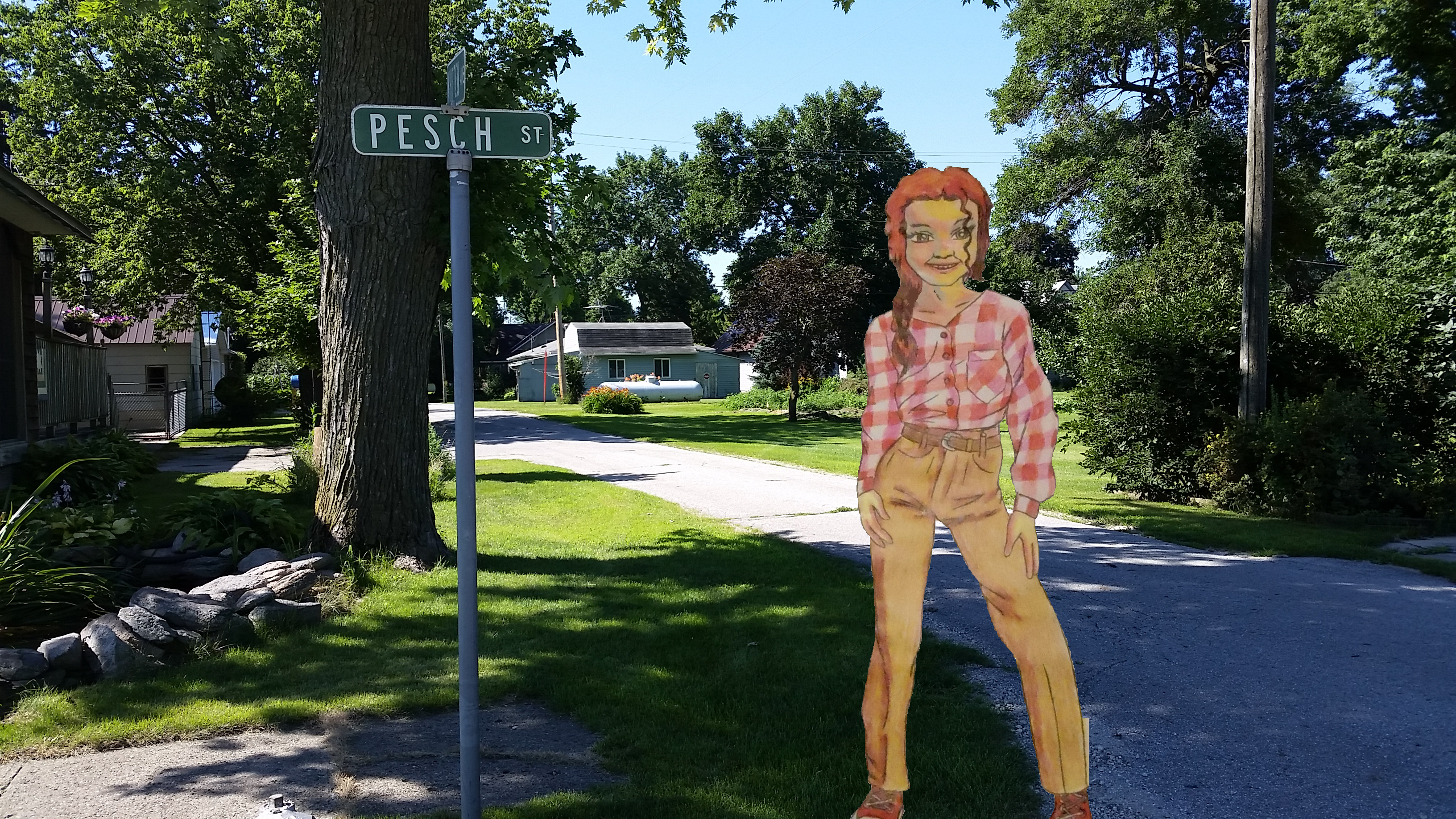
There is a lot that is beautiful in homely people. Sure, maybe not a classically beautiful Elizabeth Taylor face or a Gregory Peck lantern jaw. Maybe not even a shapely behind or a graceful step when walking across the street. But ordinary beauty. Kindness. Humility. Determination in the face of long odds. Good-natured jokery. A touch of childish silliness. A moon face that actually shines when a smile lights it up. That is beauty that can be found in homely people.


You’ve probably figured out by now that this post is just an excuse to show off some goofy old off-kilter portraits I did. But that doesn’t change the fact. I do love homely people.


Filed under artwork, autobiography, cartoons, characters, commentary, compassion, humor, insight, Iowa, Paffooney, strange and wonderful ideas about life
 Catch a Falling Star
Reading Other Writers
Nobody who wants to be a writer gets by with just writing and never reading anything by anybody else. It is too easy to devolve into some kind of human mushroom that way, thinking only thoughts a mushroom could think, all fungus-like and having no chlorophyll of their own. You never learn to decode other people and other people’s thinking if you don’t read other people’s thoughts crystallized in writing.
And not every other writer is Robert Frost. Or even Jack Frost who thinks he’s Gene Kelly. There has to be some interpretation, some digging for understanding. What did that writer mean when she said political correctness was like a tongue disease? And what does it mean when a commenting troll calls me a nekkid poofter? Is that how he spells “exceptional genius”? I think it is. Trolls are not smart.
I know people have to make an effort to understand me. When I write, I am writing under the delusion that I can produce literary quality off the top of my head. In fact, I can barely produce hair off the top of my head, and it is gray when I do it. See what I did there? It is the kind of joke a surrealist makes, pretending the idiomatic expression you use is to be taken literally when it doesn’t literally make sense. That kind of nonsense is what my readers have to put up with, and probably also the reason why most of them just look at the pictures. If you have to think too hard when you read, your brain could over-heat and your hair could catch fire. I like that kind of purple paisley prose that folds back in on itself and makes you think in curlicues. But most people don’t. Most people don’t have fire-proof hair like I do.
Sometimes, it doesn’t even take a word to make the point. For instance, why, in the picture, is Fluttershy trying to drink out of the toilet in the dollhouse bathroom? For that matter, why does a doll house even need a bathroom? Applejack doesn’t even fit in that yellow bathtub. I know. I tried to stuff her in there for this picture. And, as you read this, doesn’t this paragraph tell you a lot about me that you probably didn’t even want to know?
When I am reading the writing of others, I am looking for a cornucopia of things. I want to not only understand their ideas, I want to detect the limping footprints across the murder scene of their paragraphs and come to know the deeper things about them as well. I spent years decoding and trying to understand the writing of preliterate kids in my middle school English classes in order to be able to teach them to write better. And I learned that no writer is a bad writer as long as they are using readable words. I also learned that very few writers are James Joyce or Marcel Proust. Thank God for that! And given enough time I can read anything by anybody and learn something from it. I read a lot. And it may not always make me a better writer to read it, but it always has value. It is always worth doing.
1 Comment
Filed under commentary, education, goofy thoughts, humor, irony, photo paffoonies, photos, reading, strange and wonderful ideas about life, surrealism, teaching, wordplay, writing, writing teacher
Tagged as creative-writing, reading for writing, writing, writing advice, writing-community, writing-tips