
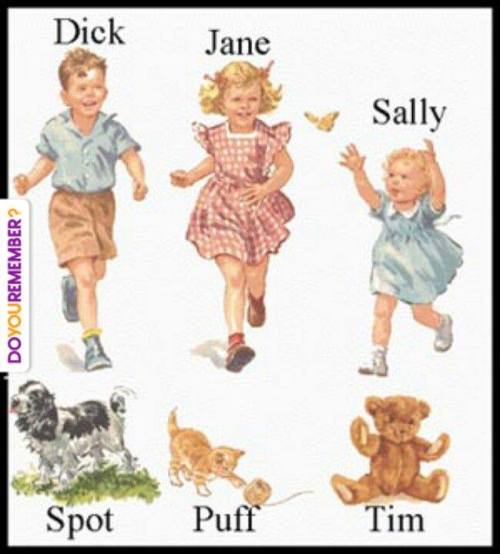
See Dick?
See Jane?
See Sally?
See Dick run?
See Jane run?
See Sally…? Wait a minute! Why don’t I remember Sally?
Did Dick forget to feed Spot and Spot was forced to kill and eat Sally?
No… I had Dick and Jane books in Kiddy-garter and they did have Sally in them. And Spot never killed anyone. But with all the running she did, Sally did not do anything memorable. If my teacher, Miss Ketchum, had told the Spot eats Sally story, I’m sure I would’ve remembered Sally better and learned to read faster.
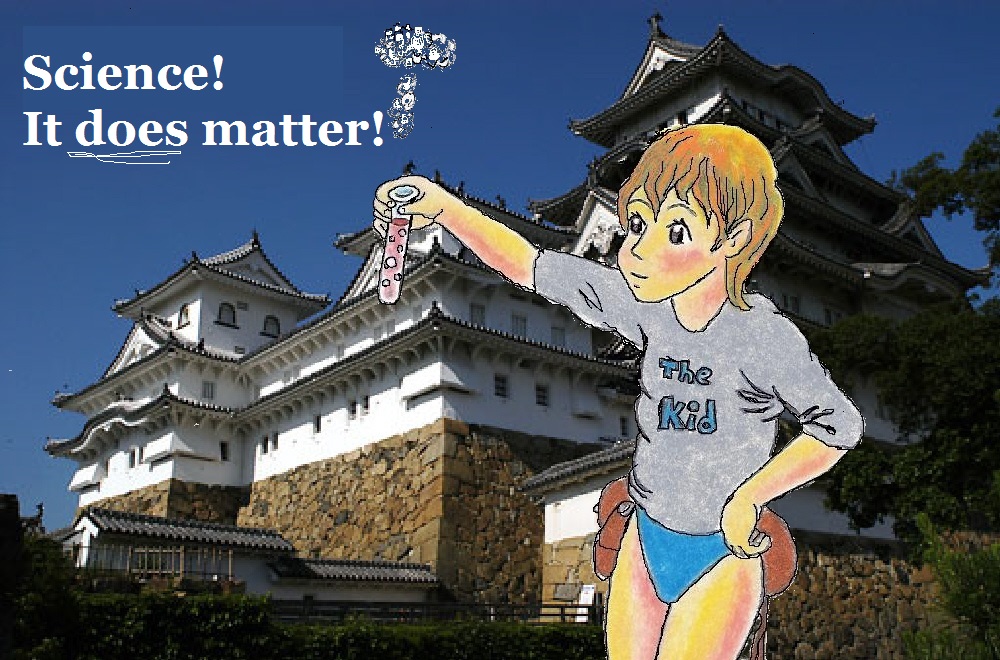
But I actually did learn to read faster because there was a Cat in the Hat, and a Yertle the Turtle, and because Horton the elephant heard a Who, and a Grinch stole Christmas. Yes, humor is what always did it for me in the classroom. Dr. Seuss taught me to read. Miss Mennenga taught me to read out loud. And in seventh grade, Mr. Hickman taught me to appreciate really really terrible jokes. And those are the people who twisted my arm… er, actually my brain… enough to make me be a teacher who taught by making things funny. There were kids who really loved me, and principals who really hated me. But I had students come back to me years later and say… “I don’t remember anything at all from my classes in junior high except when you read The Outsiders out loud and did all those voices, and played the Greek myth game where we had to kill the giants with magic arrows, and the stupid jokes you told.” High praise indeed!
I think that teaching kids to laugh in the classroom was a big part of teaching them how to use the language and how to think critically. You find what’s funny in what you learn, and you have accidentally examined it carefully… and probably etched it on the stone part of your brain more memorably than any other way you could do it. And once it’s etched in stone, you’re not getting that out again any time soon.
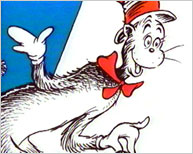
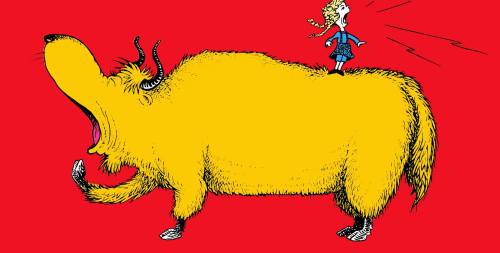
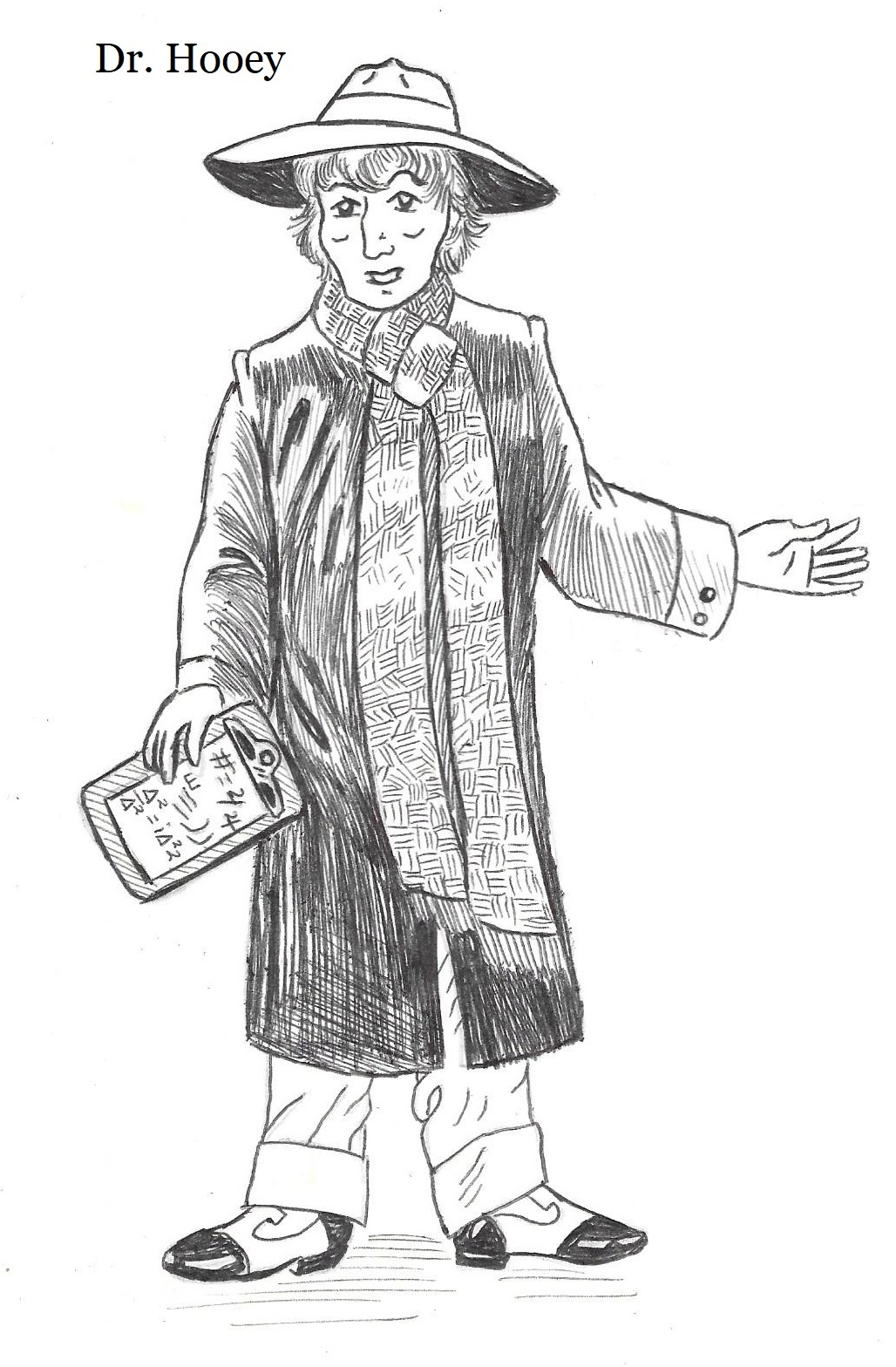
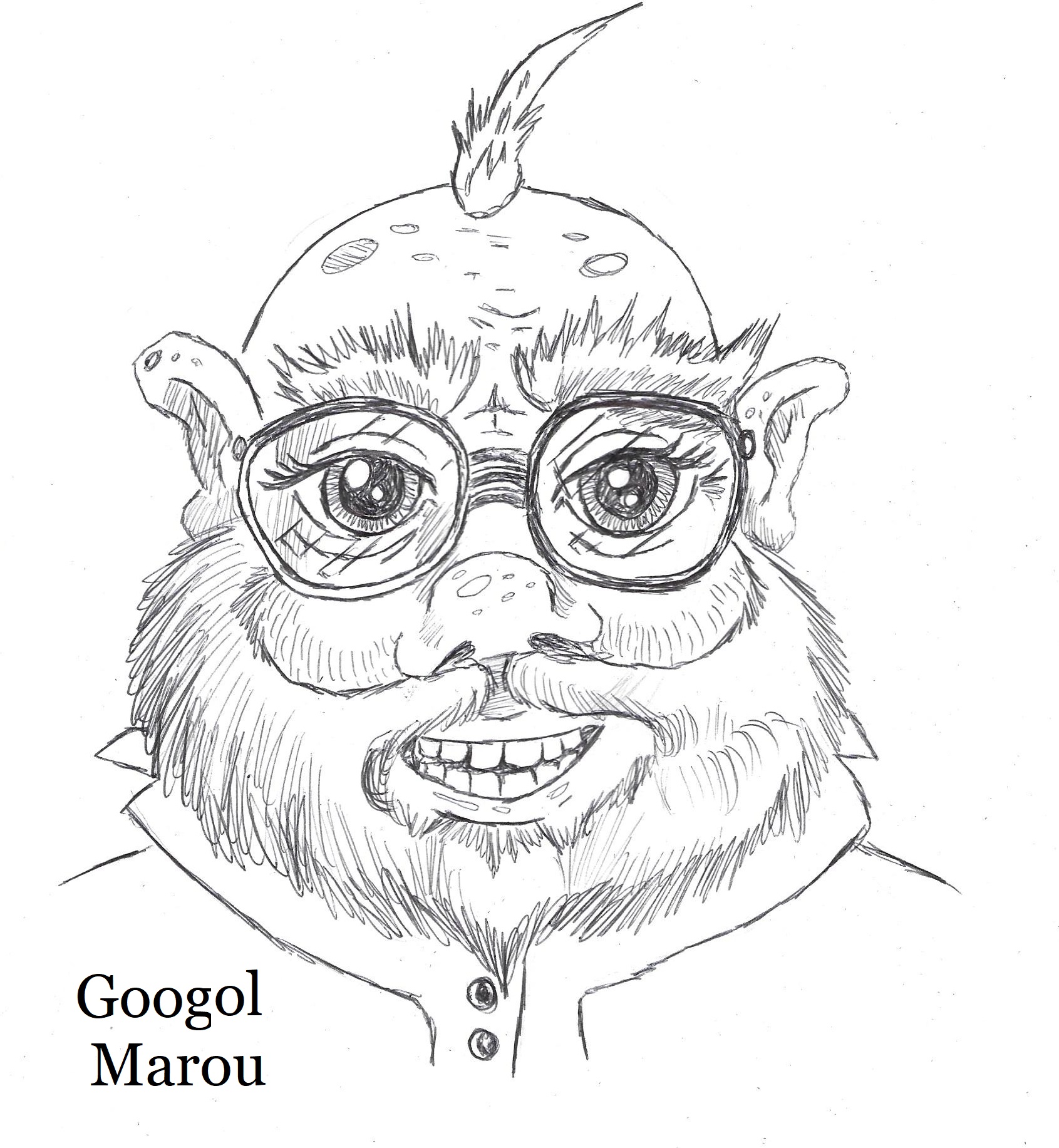
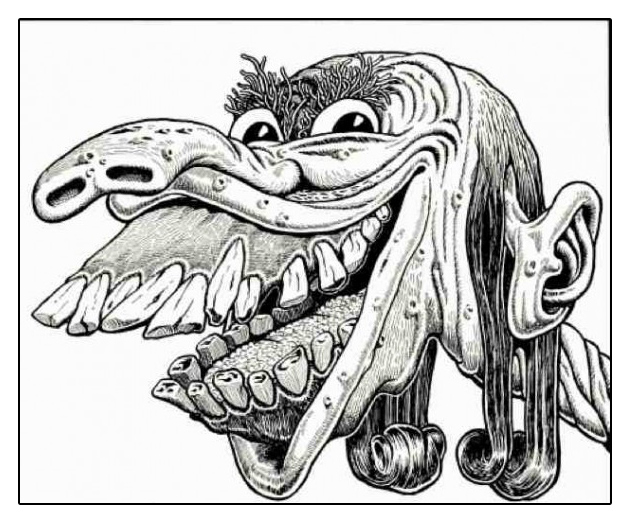
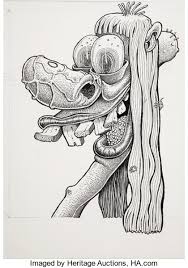
Humor makes you look at things from another point of view, if for no other reason, then simply because you are trying to make somebody laugh. For instance, do you wonder like I do why the Cat in the Hat is trying to pluck the wig off of Yelling Yolanda who is perched on the back of yellow yawning yak? I bet you can’t look at those two pictures positioned like that and not see what I am talking about. Of course, I am not betting money on it. I am simply talking Iowegian… a totally different post.
But the point is, humor and learning go hand in hand. It takes intelligence to get the joke. Joking makes you smarter. And that is why the class clowns in the past… the good and funny ones… not the stupid and clueless ones… were always my favorite students.
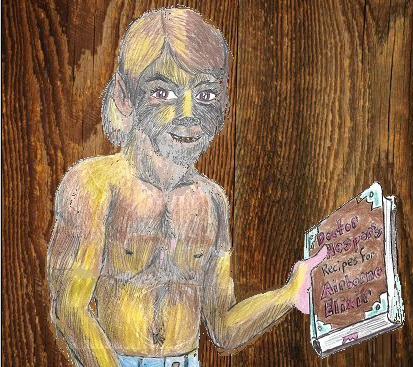

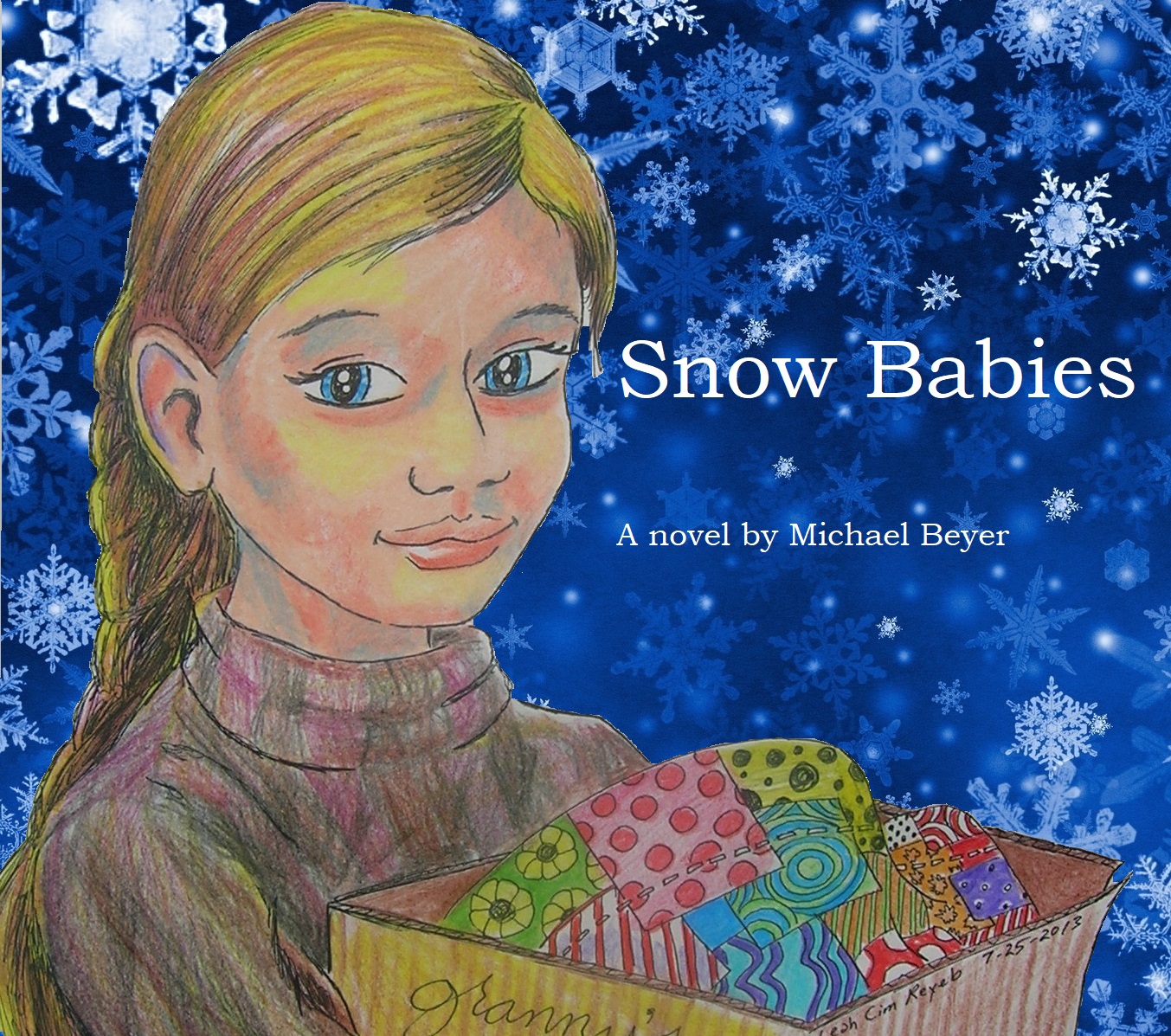
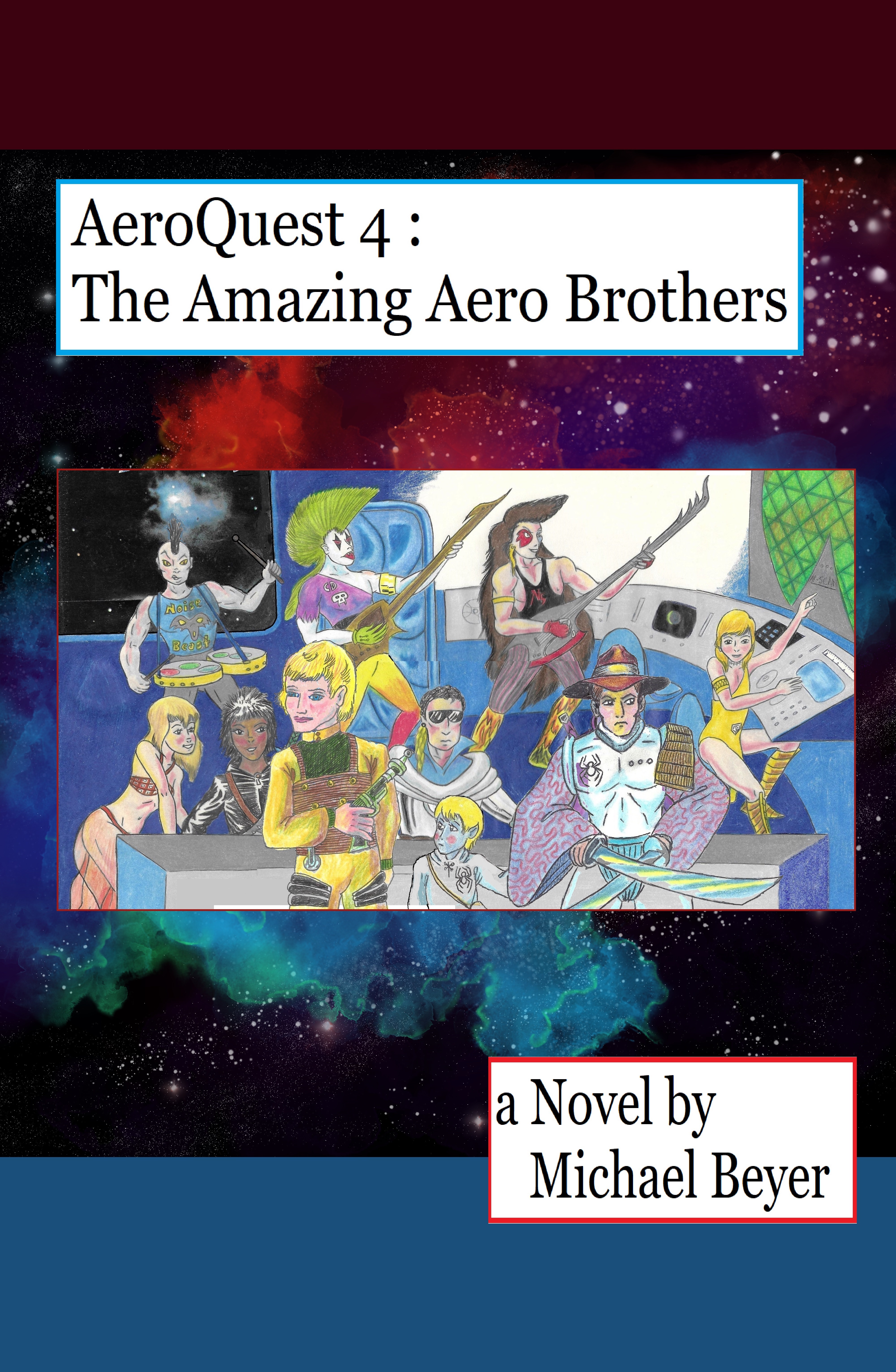
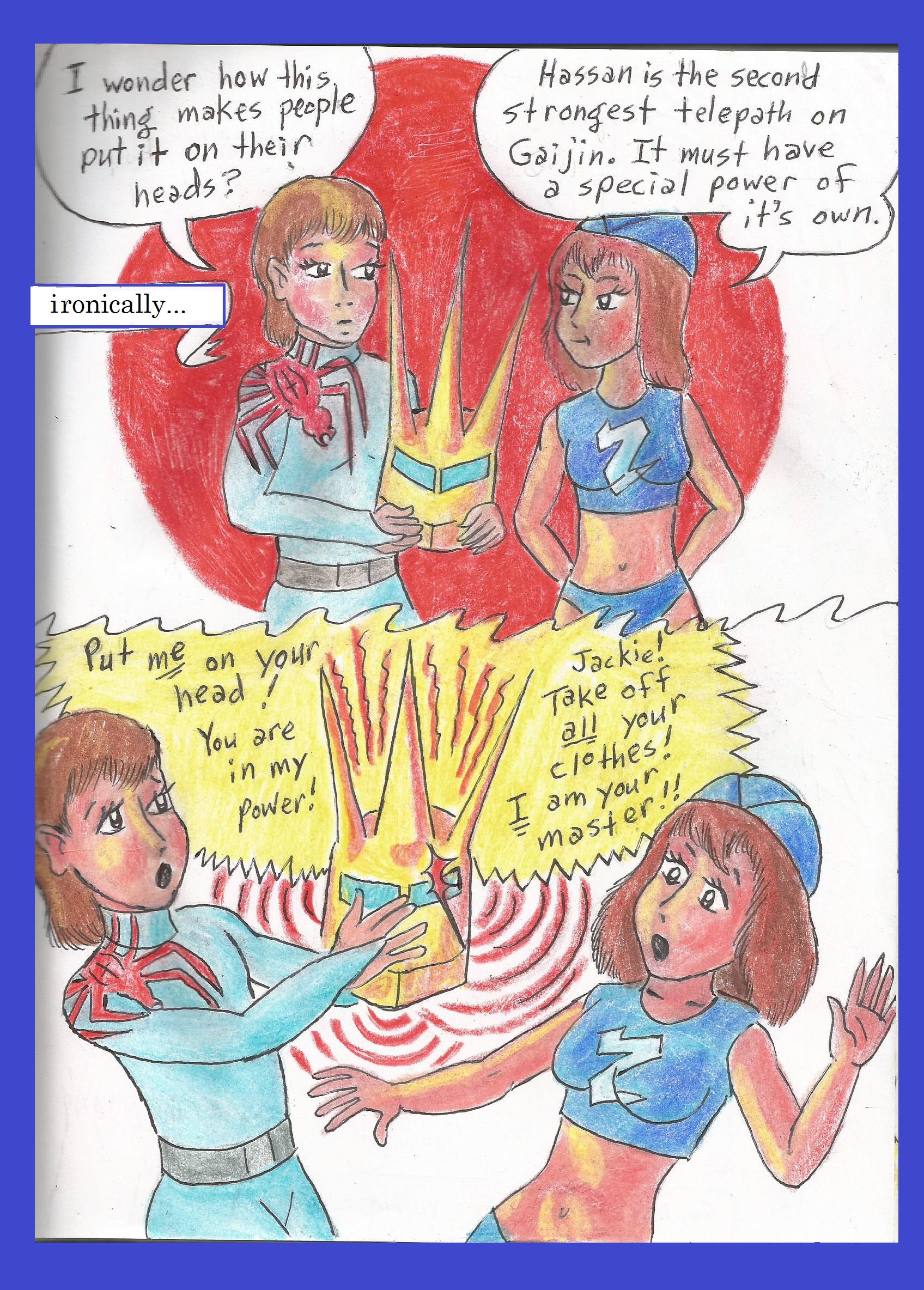










 Catch a Falling Star
My Bookish Journey
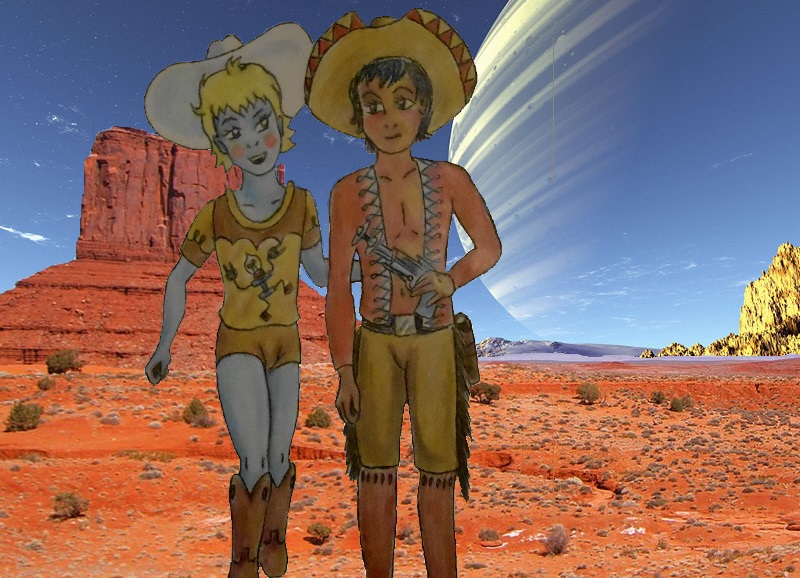
My journey as a writer actually began in grade school. I was writing Star Trek-like comics from the time I was in the fourth and fifth grade, ten and eleven years old. I called my comics Zebra Fleet, about the last fleet in the Star League on the distant, far reaches of the Milky Way Galaxy.
I started writing book-length stories in college, at Iowa State University. They weren’t all science fiction. They began to be more and more about the time and place where I grew up, Rowan, Iowa in the 1960s and 1970s They involved the people I knew there and then. My family, my friends, the people of Rowan, and random Iowegians. I based important characters on people I actually knew, mostly those I knew quite well. But I changed and swapped character details to hide their identities a little bit, and I gave them names that were mixed and matched and borrowed from the 1977 Ames, Iowa phone book. Dettbarn, Efram, Sumpter, Bircher, Clarke, MacMillan, White, and Murphy all came from there. Niland came from a famous alumni of the University of Iowa who played for the Dallas Cowboys.
In order to have food to eat and money to spend as an adult, I had to take my BA in English and add to it an MA in Education to get a job as a teacher. I took my closet full of nascent novels and moved to Texas where my dad’s job took my parents before I graduated college. There I added hundreds of characters who were perfect for Young Adult novels as I got to know real kids and learned about their real lives. I changed their names, details, and often cultures as I added them to my stories.
Other than a couple of shots in the dark as submissions of cartoons and manuscripts to publishers, I mostly kept my stories in the closet and focused more on teaching (which, to be fair, is also a form of story-telling.) I put my handful of rejection letters in the closet too.
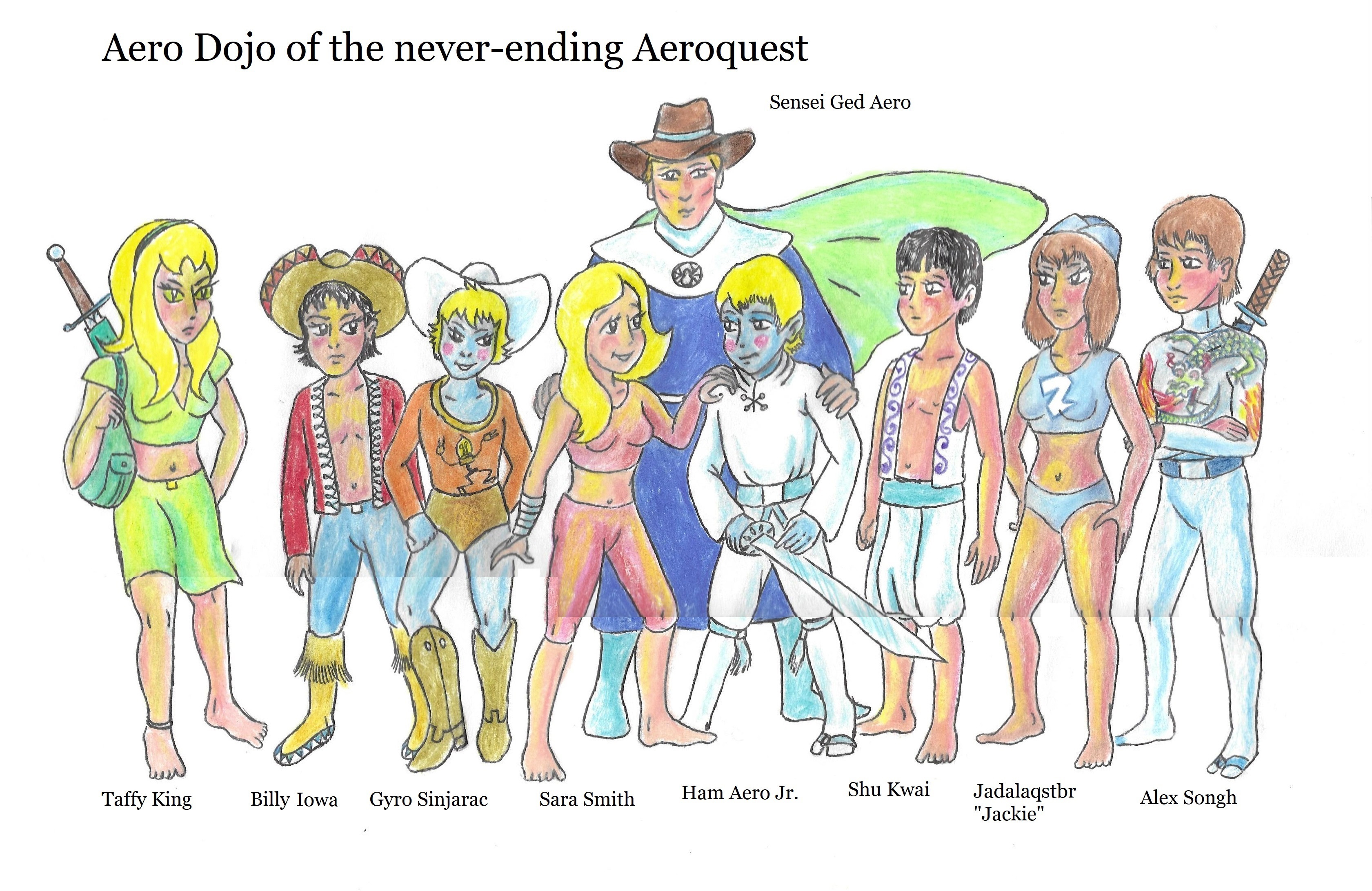
But then, I got laid off for two years due to health and a wicked witch as a principal, and I spent my non-job-hunting time writing a novel about my science-fiction role-playing games with former students. It was called AeroQuest.
I managed to find a publisher for that book. But it was a bogus sort of experience. They paid me an advance of one dollar. Then they had me sign a seven-year contract in 2007. No editor or proofreader even worked for them. I basically had to edit and format the book myself. All they did is intentionally flub-up some titles and sections of text in the printed form. This was part of the master plan to get me to pay for an extensive fix to the mistakes they made. The only marketing they did was to send a notice for my over-priced paperback to the list of friends and relatives that they required me to make for them. Publish America is no longer in business. They were closed down by a class-action lawsuit from the authors they had tricked into paying them thousands of dollars for totally defective publishing services. Since I didn’t pay them any scam pennies, I didn’t get any of the money from the lawsuit. I only got my publishing rights back.
So, I went back to whole-heartedly teaching. Then, in 2012 I completed another manuscript that I thought was the best work that I had ever done. I submitted it to I-Universe publishers. They read it and loved it. As it turned out, they were in the process of being acquired by Penguin Books. They were the closest thing to a mainstream publisher that would entertain submissions by new and unproven authors like me.
They, of course, were offering a publishing package that included working with real editors and marketing personnel. But I had to go a bit into debt to swing the price. So, I was still paying someone to publish my book correctly. But, as a step in my author’s journey, it was invaluable. I got to work closely with an experienced editor who had previously worked for both MacMillan and Harcourt, two mainstream traditional publishers.
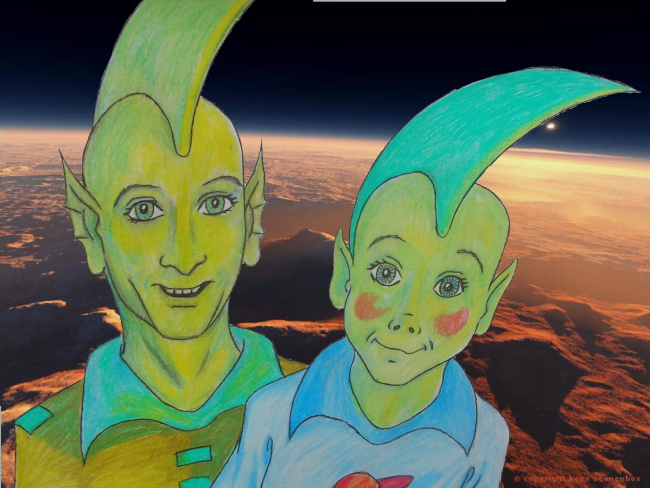
My book was given the stock cover you see here despite the cover requests I made and got approved. My original ask was apparently too expensive to print. There is no girl flying a kite in the story at all, let alone at night. It is a story about incompetent aliens trying to invade a small town in Iowa. I had requested a flying saucer with a kite flying behind it.
That first real publisher, though, made me into a real writer. The I-Universe marketeers got me listed as a winner of the Editor’s Choice Award. And they put that award and the Rising Star award on every paperback copy they printed. Everyone who read the book seemed to really like it. They set me up with this blog, space on their website for my book and bio, and they put me in touch with Barnes and Noble to talk about “meet the author” sessions to promote getting the book on their shelves. But a trip to the hospital with pneumonia and the end of the room on my Discover Card caused me to bring an end to my marketing campaign. I ended up with two five-star reviews and sixteen dollars-worth of royalties.
At this point in the story, temporarily stalled, I must start touting the part two of my essay for today. I should warn you, I have a lot more negative things to say about publishing next time.
Leave a comment
Filed under autobiography, commentary, novel writing, Paffooney, publishing, writing