

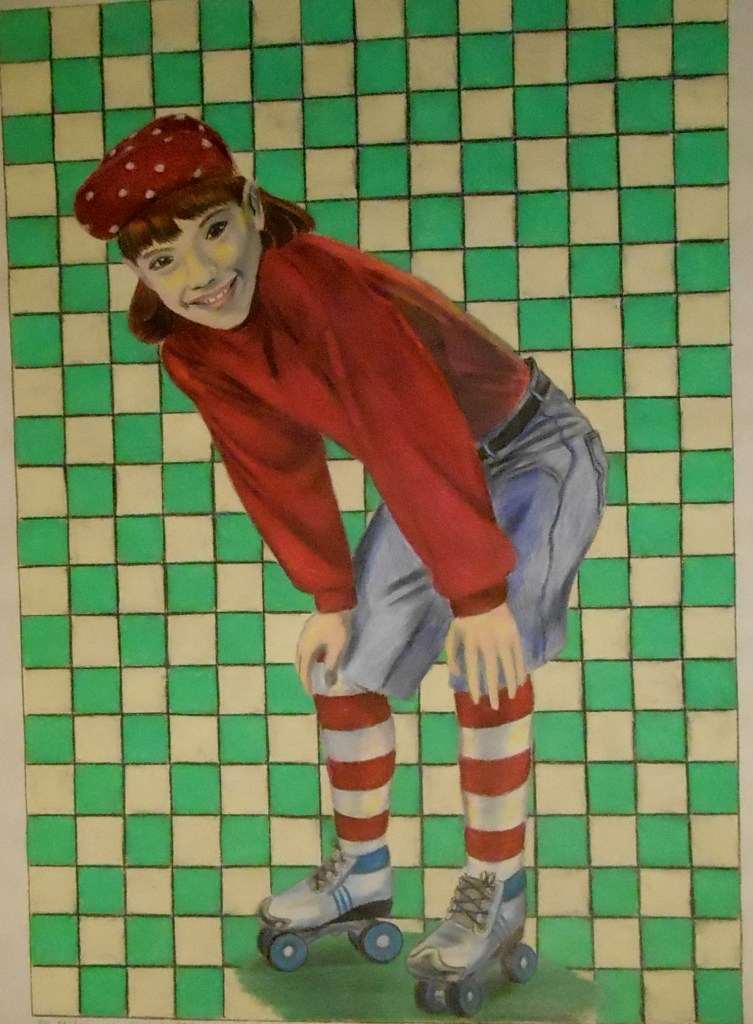
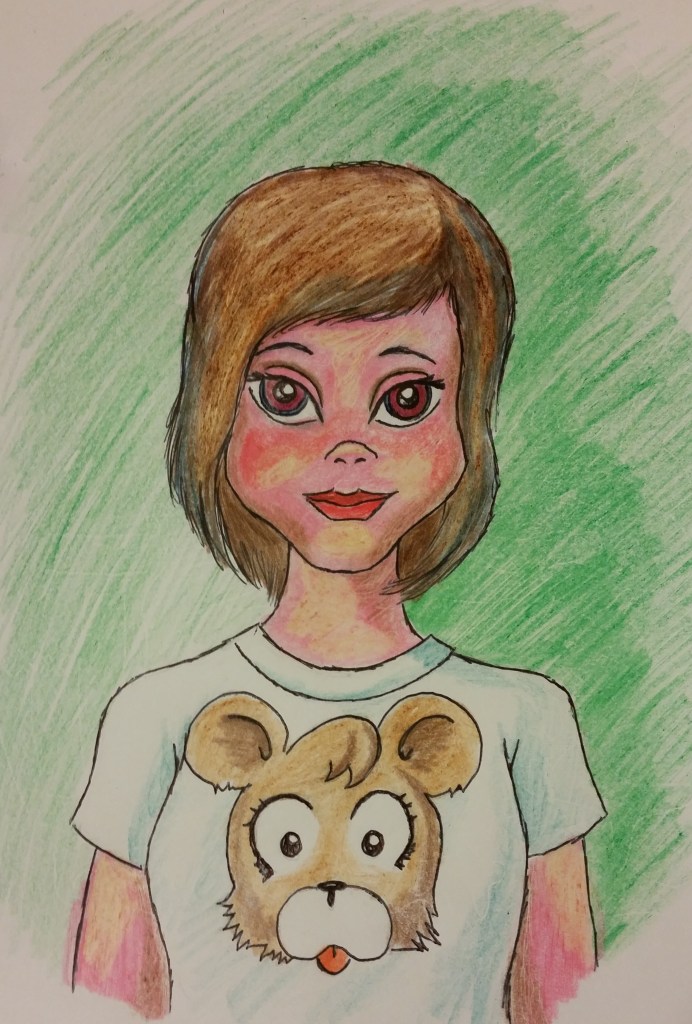
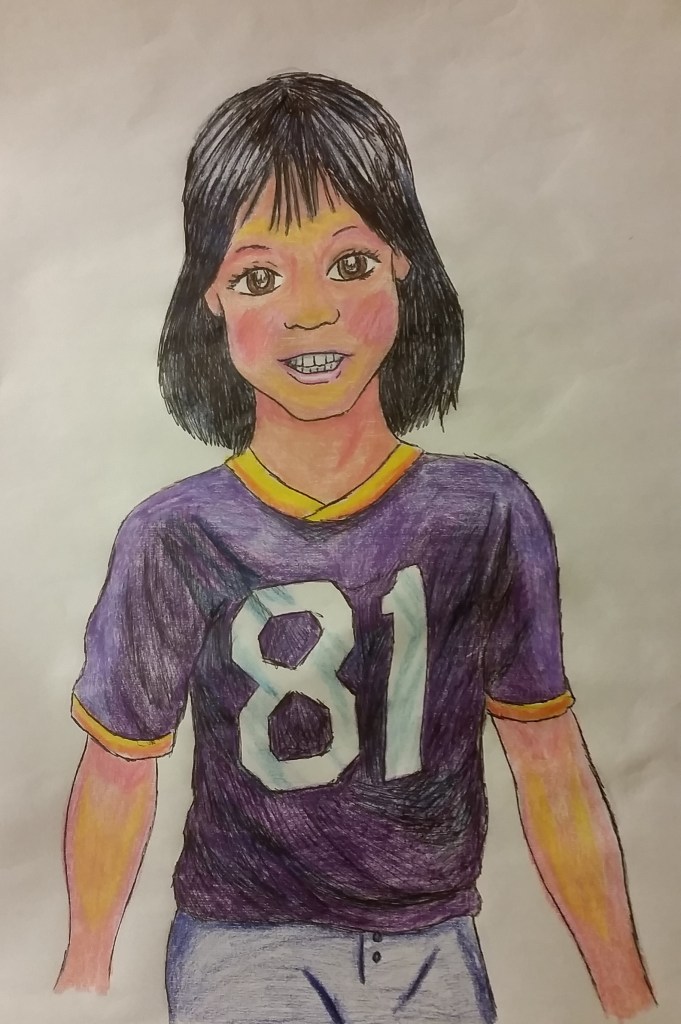
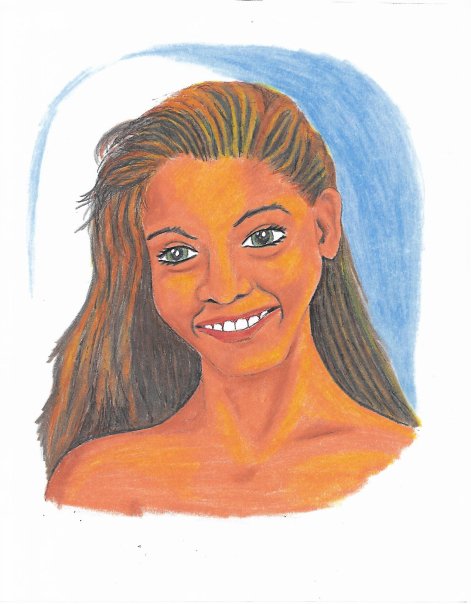
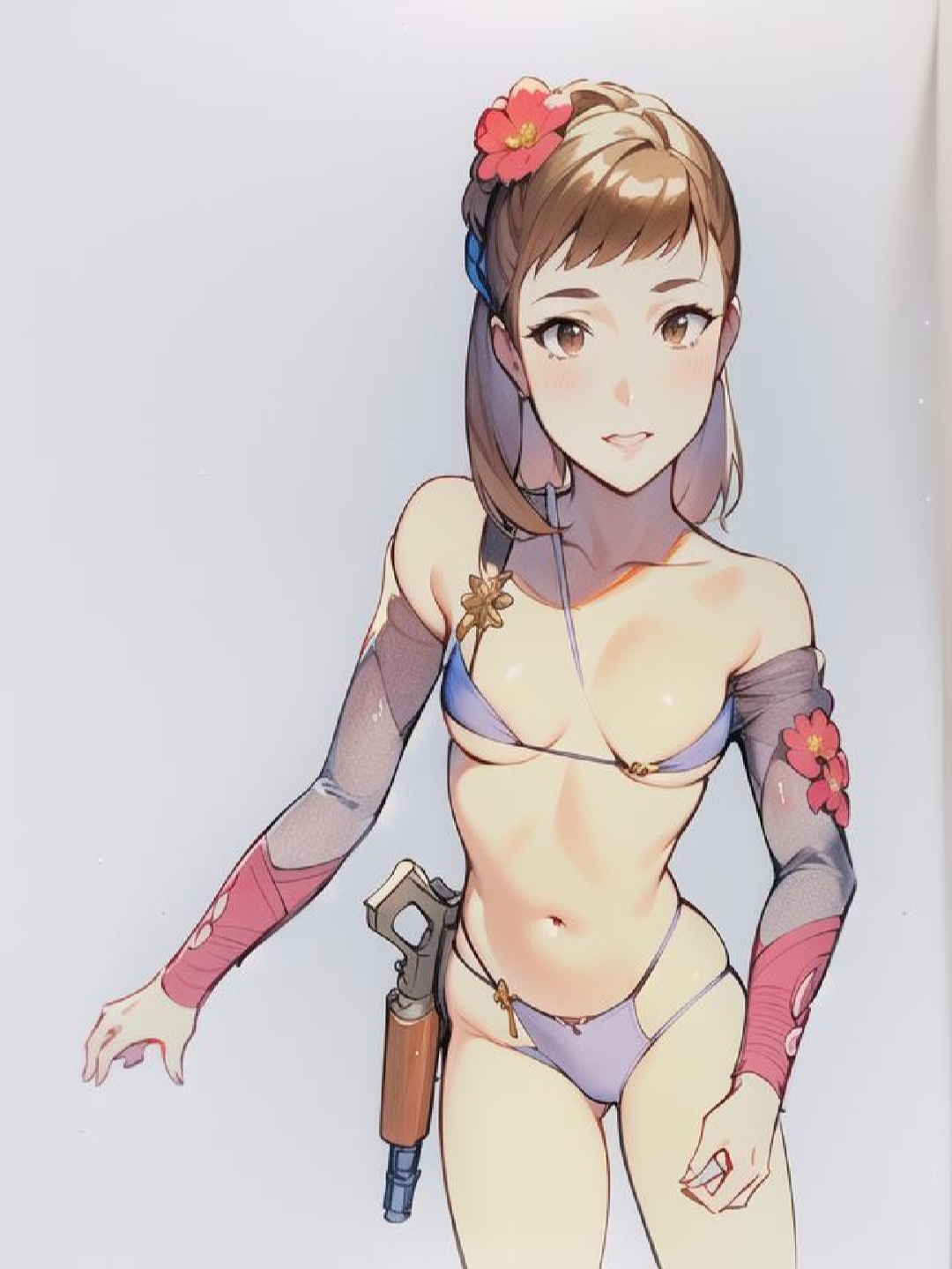
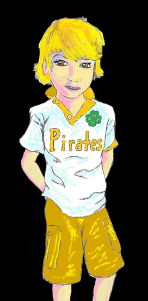
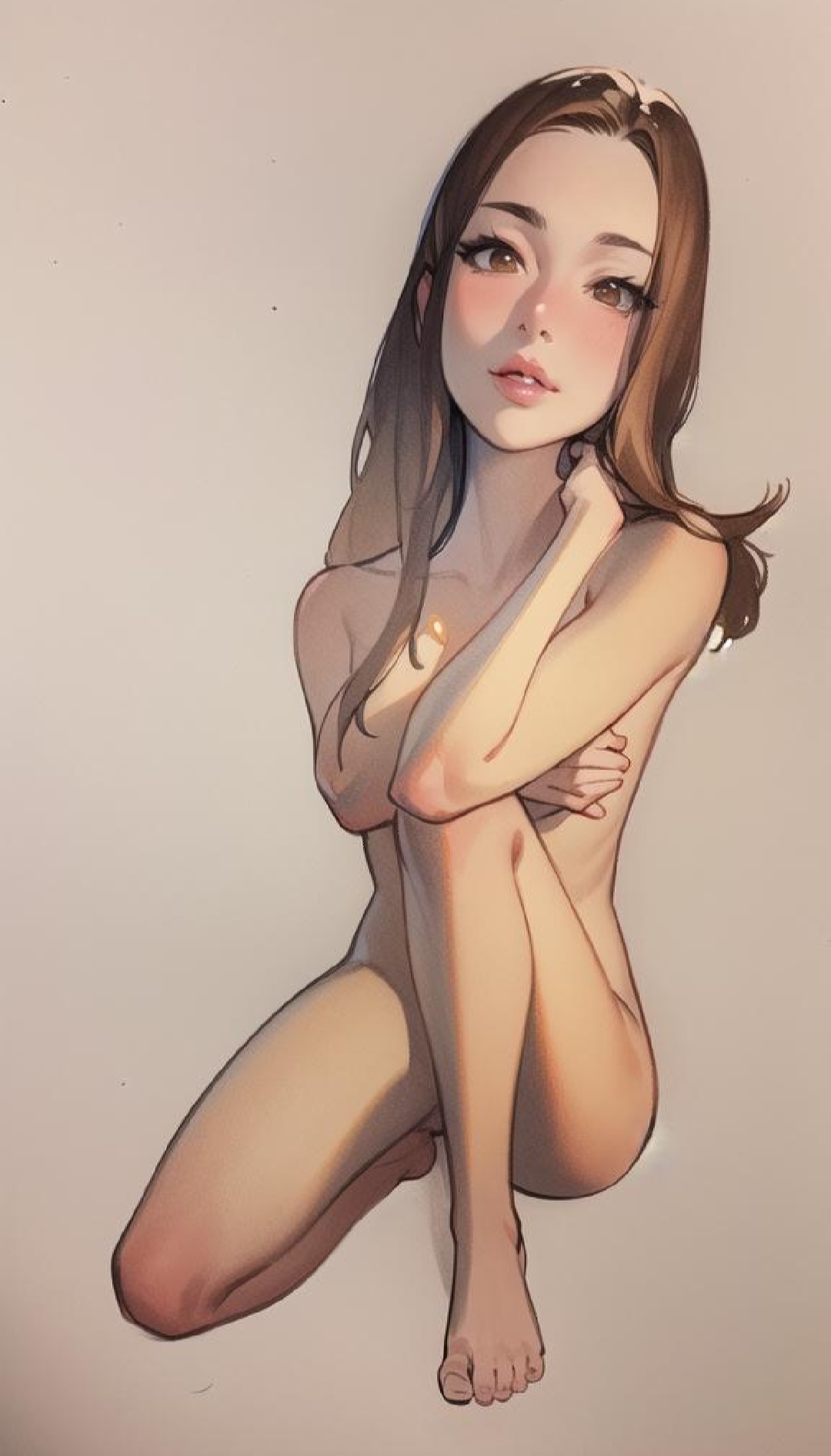
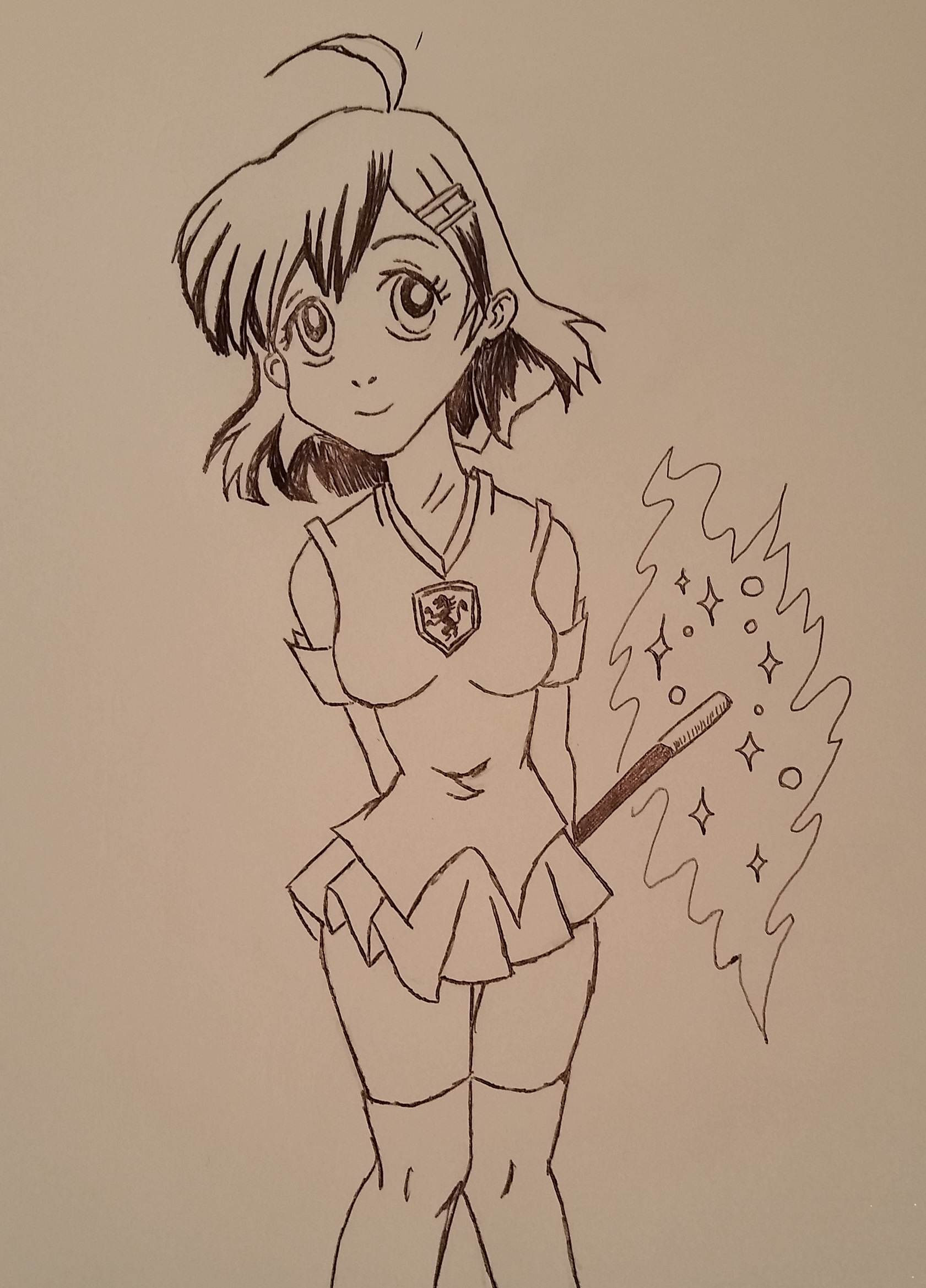
Yes, I am leading with a digital cartoon of my imaginary granddaughter. And I know it’s probably concerning that I have an imaginary granddaughter. She’s not a ghost. The child that didn’t carry to term was never really alive. That is the reason she didn’t happen. She’s not a ghost, rather, a pretend friend. And I only write about her now as an exercise in fiction. She’s no more real than any other character I have ever written. No more real than Valerie Clarke, or Devon Martinez, or Oliver Twist, or Atticus Finch…. I know, I know… I didn’t write those last two characters. But I am mostly ignored as an author, and I had a point to make in there somewhere.

This is her. She looks like Bollywood child star Sidra Khan because that’s whose Instagram photo I used as a model. So, what do I name this imaginary little girl? Samantha? Serendipity? Sara? But why do they have to start with S? I tend to use the first letters of real names of people I based a fictional character on, but my granddaughter never had a name. Or even a sex. Sam? Sandy? Norman Nobody?
But why am I obsessing about somebody who never came to be? Am I lonely? Am I unfulfilled? I am talking to nobody, aren’t I? Nobody reads what I write. At least, nobody I will ever know about.
Somebody is reading three of my books on Kindle Unlimited this month. Superchicken, The Baby Werewolf, and Recipes for Gingerbread Children. That somebody is reading in Canada. I know how many total pages. But I have no idea who this person is, or, since there will be no review, what they think about the stories.

Rianna didn’t ignore me. In the 1980s she was in my English class for two years. No, she didn’t fail. She was in my class as a seventh grader, and again as an eighth grader. And she loved me when she was a seventh grader. And the next year she hated me. And as soon as she left my class and moved on to high school, I was her favorite teacher again. She didn’t ignore me, anyway.
The world doesn’t ignore me if I owe taxes. It doesn’t ignore me when the pool cracks and can’t hold water anymore, and the city forces me in court to have the pool removed, and I ended up in the hospital with heart issues, and I went bankrupt. Medical bills and Bank of America certainly didn’t ignore me. Lawsuits over money are not about ignoring somebody.
But I am the author of 21 books with 3 more that may get finished before I croak. I mean, curl up my toes and go permanently bye-bye, not that I am turning into a bullfrog (though I do suspect a curse on me somewhere in the mix.)
There are numerous best-seller lists that I am not on for any of my books, even the best ones. And book promoters have increasingly been calling me. Of course, they want me to spend money on their marketing and publishing services. They are not promising to help me sell anything. They haven’t read any of my books. They are only promising to take my money. But the joke’s on them. I don’t have any money.

But let them ignore me. I wrote those books and this post. So what if everybody ignores all of it? They exist. I am a writer. And you can’t disprove it.

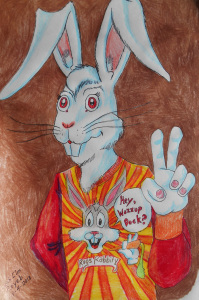
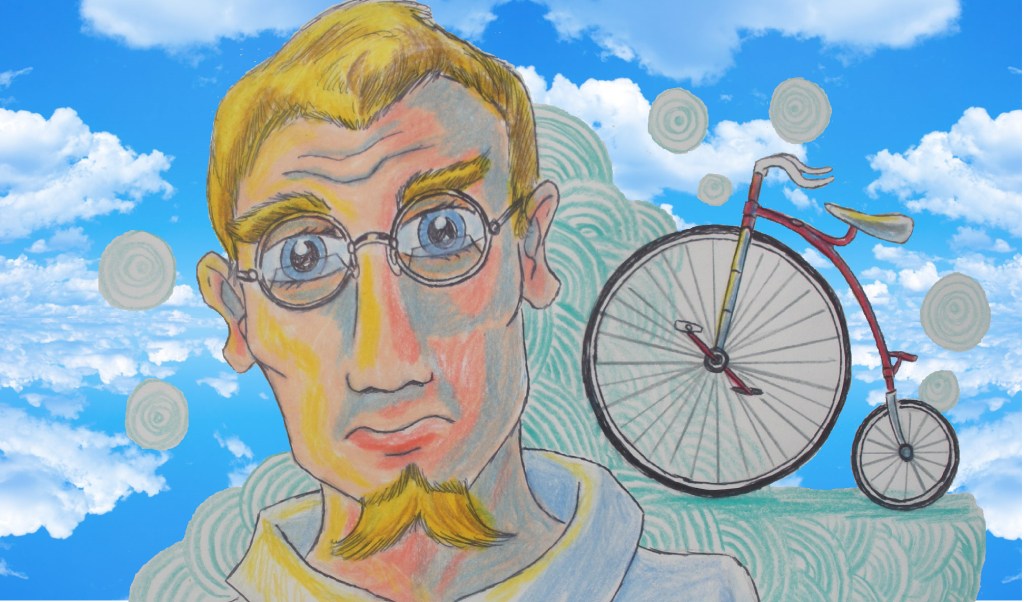

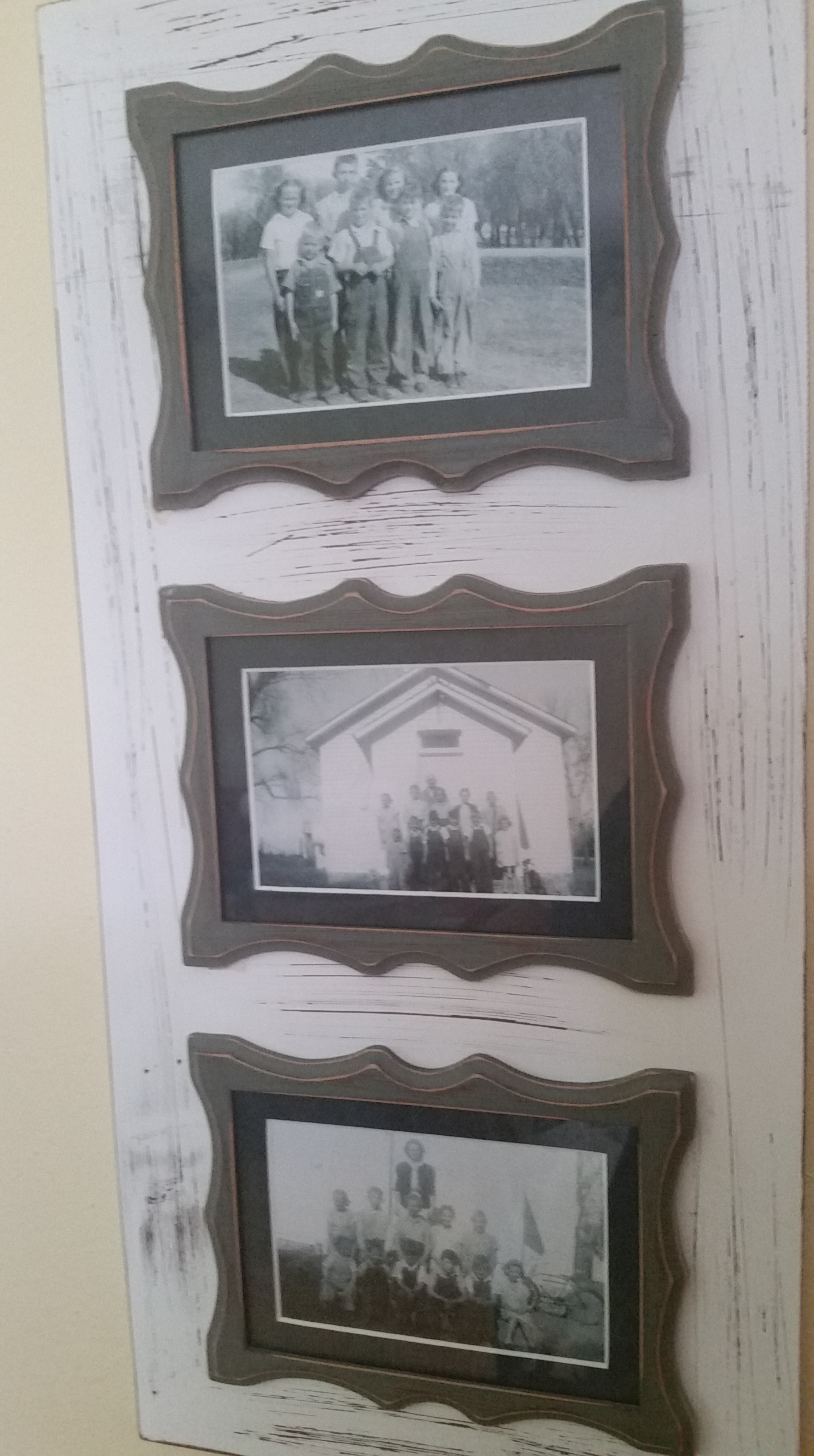
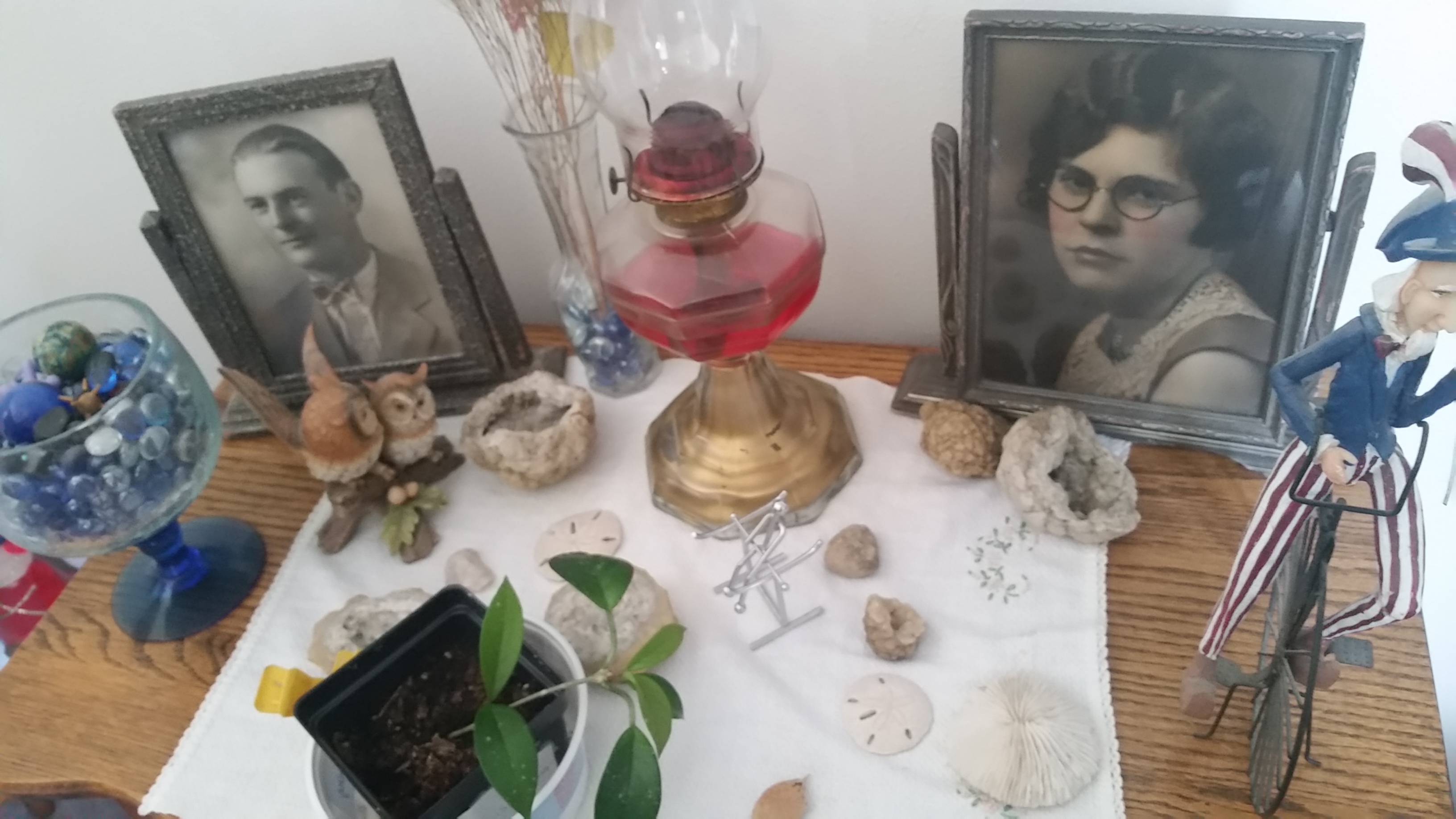
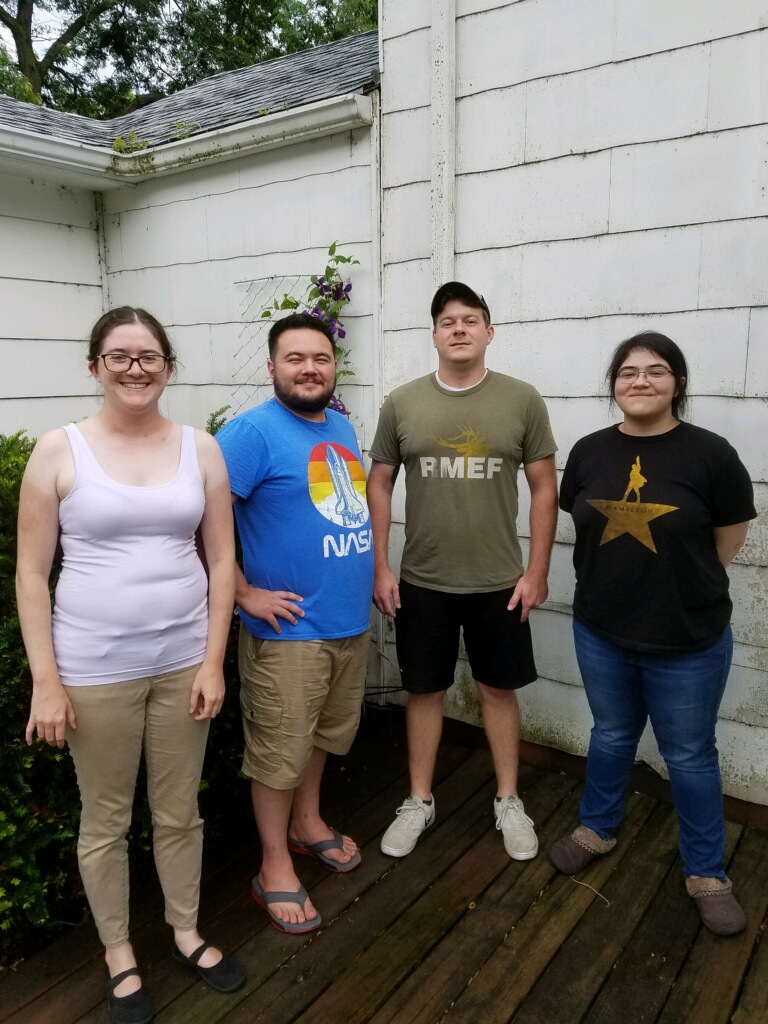



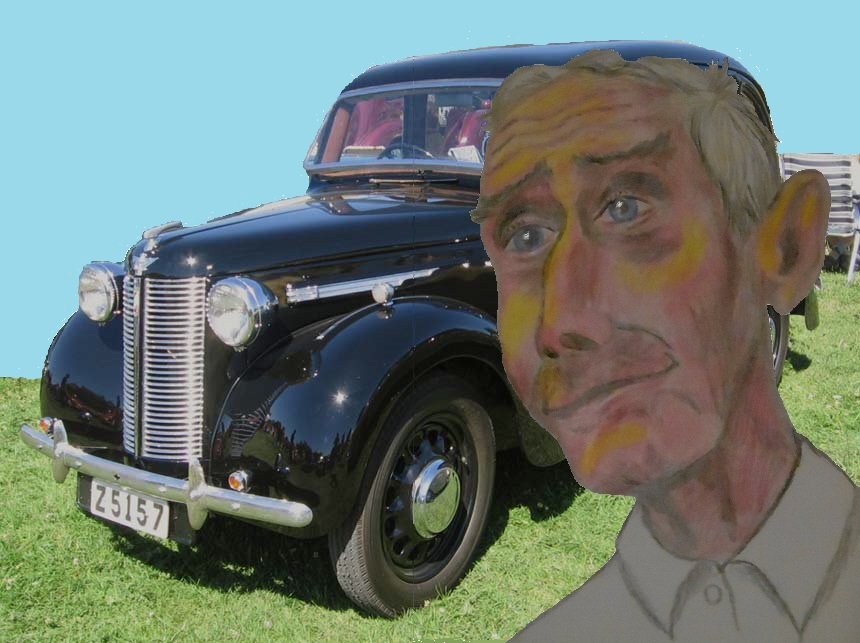


 Ah, irony again! It ends up being anything but simple. You can write in simple, adjective-and-adverb-free sentences as Hemingway did, and still manage to convey deeply complicated and thoughtful ideas. One might even suggest that you can create poetic ideas in mere prose, dripping with layers of emotion, conflict, theme, and deeper implied meaning. You can also write prose in the intensely descriptive and convoluted style of a Charles Dickens with many complex sentences and pages-long paragraphs of detail, using comic juxtapositions of things, artfully revealing character development, and idiosyncratic dialogue all for comedic effect. Prose is a powerful and infinitely variable tool for creating meaning in words. Even when it is in the form of Mickian purple paisley prose that employs extra-wiggly sentence structure, pretzel-twisted ideas, and hyperbolically big words.

The Case for the Clown
The criminal was led into the courtroom in chains and forced to sit in a box made of metal bars so his influence would not reach out and harm anyone by drawing their sympathy in.
“Mr. Prosecutor,” said the learned judge, “what terrible crime has the perpetrator been charged with?”
“The alleged perpetrator!” objected the defense attorney, a mousy old man who looked like a cross between Santa Clause and Robert E.Lee because of his white beard, stern face, and a twinkle in his eye.
“Shut up please, Mr. Badweather. You will have your turn to speak.” The judge banged his gavel smartly to emphasize the shut-up-ness of his overruling.
“Your honor,” said the prosecutor, “Mister Pennysnatcher Goodlaughs stands accused of being a clown.”
“The people of the State of Texas, home of the free, land of the brave, and place where cowboys can hang their hat on the antlers of a moose they shot in Canada, will prove that Mr. Goodlaughs did willfully, and with malice of forethought, commit acts of supposed humor in order to make people laugh. And we will further prove that in a time of very serious things, he intentionally made light of very serious matters and the very serious men who try to turn those serious things to their exclusive… err, sorry, I mean… everyone’s benefit.”
“Your honor,” said the defense attorney, looking like a cross between Mark Twain and Colonel Sanders, “I would like to request a new venue for this trial. My client will not get a fair trial here.”
“Sir, your stupid request is rejected on the grounds that Mr. Goodlaughs cannot get a fair trial anywhere. We are all conservatives, and are therefore incapable of having a sense of humor. Continue, Mr. Prosecutor.”
“We will show numerous instances of Mr. Goodlaughs putting paint on his face to hide his true features or assume the identity of a character not his own. He has repeatedly used false noses, large shoes, and floppy hats to exaggerate his flaws and scare young children. He repeatedly wears polka-dotted clothing to simulate terrible taste and ridiculous lack of fashion-sense. He employs pratfalls and slapstick humor in his performances, things that, if any school-age child would imitate the behavior, might lead to serious injury or even death. And he has even dared to make fun of our glorious leaders, implying that they make mistakes and may even have hurt people. That they act without thinking about anything but their own pocketbooks. In other words, this clown has knowingly made jokes in order to get people to not take things seriously.”
“Your honor, I object to this jury. I object to the fact that it is made up of fifty percent rednecks and fifty percent kangaroos! My client demands a new, more impartial jury!” cried the defense attorney, looking like a cross between Captain Kangaroo and Ronald Reagan.
“Has anybody noticed?” asked the judge, “that this attorney looks like he could influence this jury unfairly? He looks like two people who could lead the two halves of this jury to the wrong conclusion. Bailiff! Take the defense attorney out back and execute him by firing squad.”
After the entire courtroom heard the gunshots go off, the judge then turned to the prisoner.
“It seems, Mr. Goodlaughs, that the defense’s opening statement is now entirely up to you. Do you have anything to say in your own defense?
“I do, your honor. Ladies and gentlemen, kangaroos and Reagan Republicans of the jury, I submit to you that I have never actually been a circus clown, or wore face paint. Not that I wouldn’t if the opportunity presented itself. I merely claim the right to laugh at anything I think is funny… or can be made funny. Whether I am being what you call a clown, a humorist, a cartoonist, a comedian, a fool, a village idiot, or a witty fellow, I believe I have the right to make light of anything. Life is always better when you can laugh. Especially if you can laugh at yourself.”
“I’ve heard enough,” said the judge. “What say you, jury?”
“Guilty!”
“Yes. And I preemptively waive the prisoner’s right to appeal. Sir, you are guilty, and you shall be executed immediately.”
Everyone in the courtroom breathed a long-awaited sigh of relief.
Leave a comment
Filed under clowns, comedians, commentary, foolishness, humor, insight, Paffooney, pessimism
Tagged as clowns