Peanut Gallery… Re-purposed Art

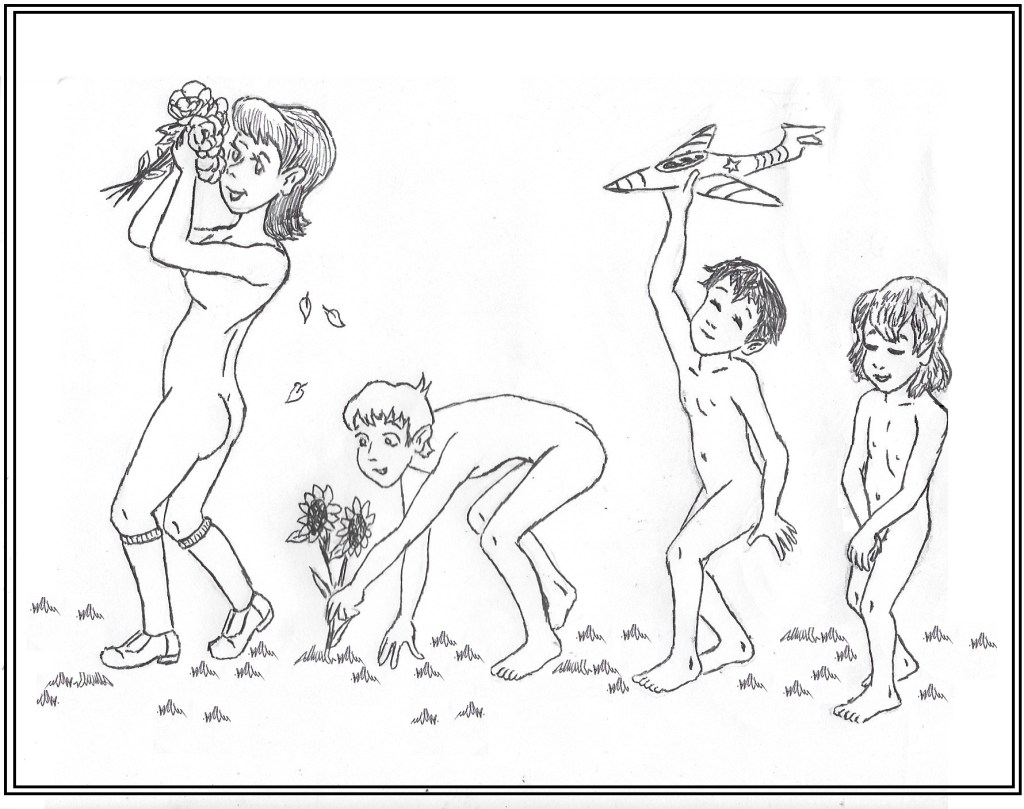
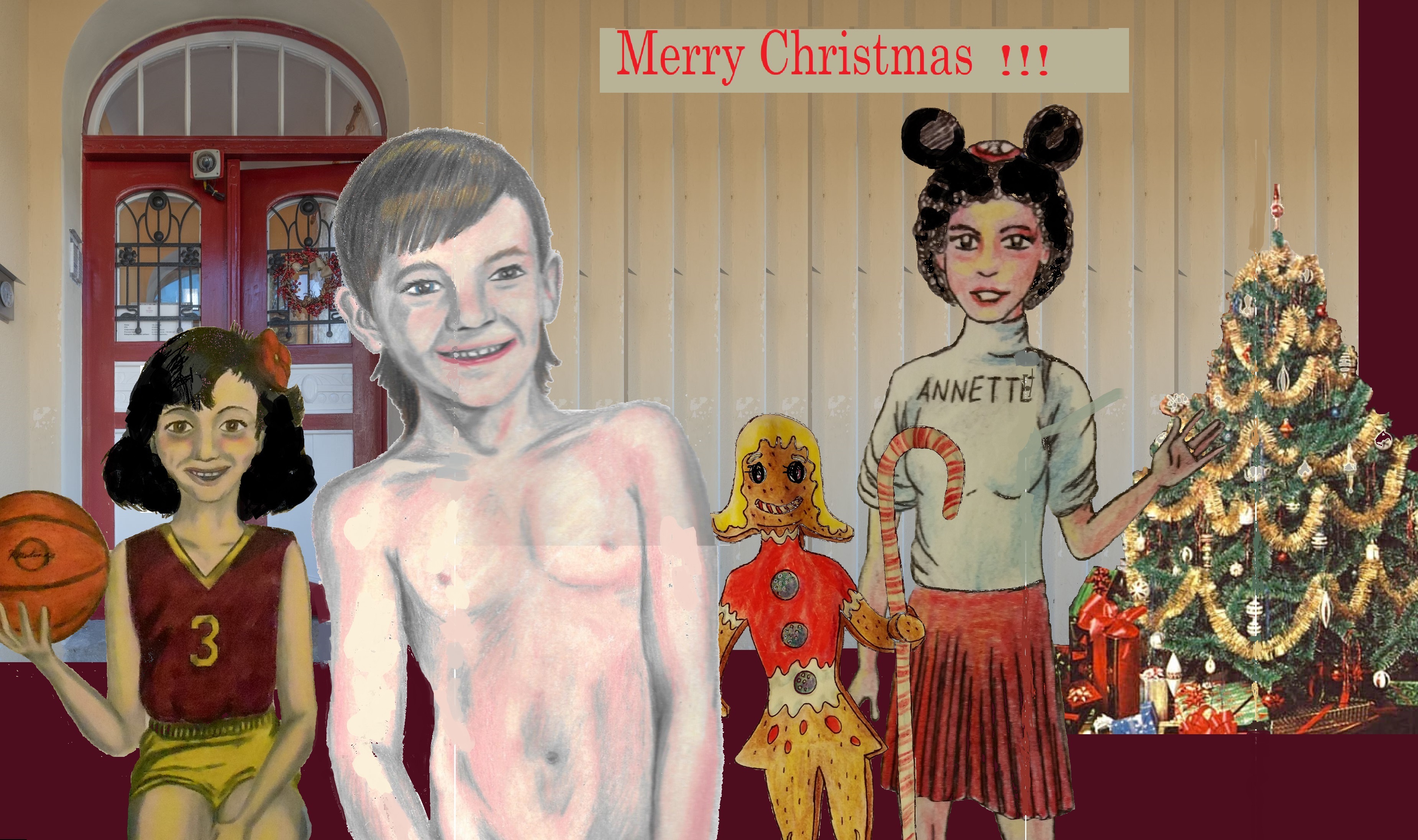
One thing that I, as an artist of limited ability, appreciate about the digital age, is that I can get lots of mileage out of old works of art, and even new works of art, by cutting and pasting, photo-shopping, and re-using elements of the drawings done once… but turned into many by digital means.

Brent Clarke, farm boy and the farm.
Valerie, Denny, and Tommy at Christmas time during the blizzard.
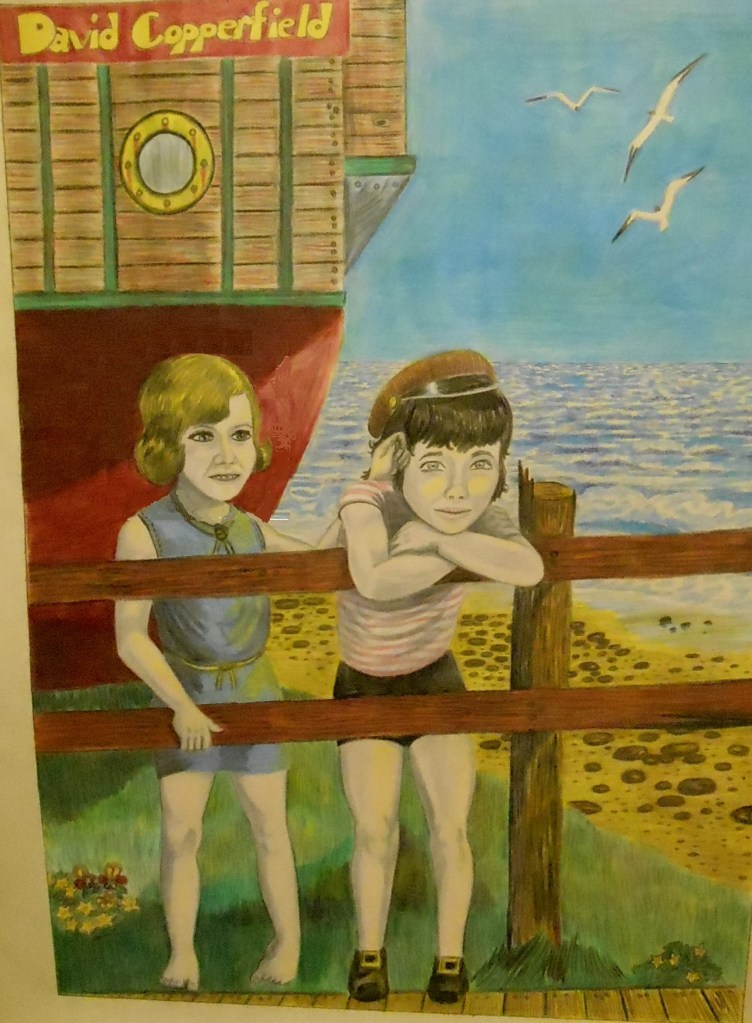
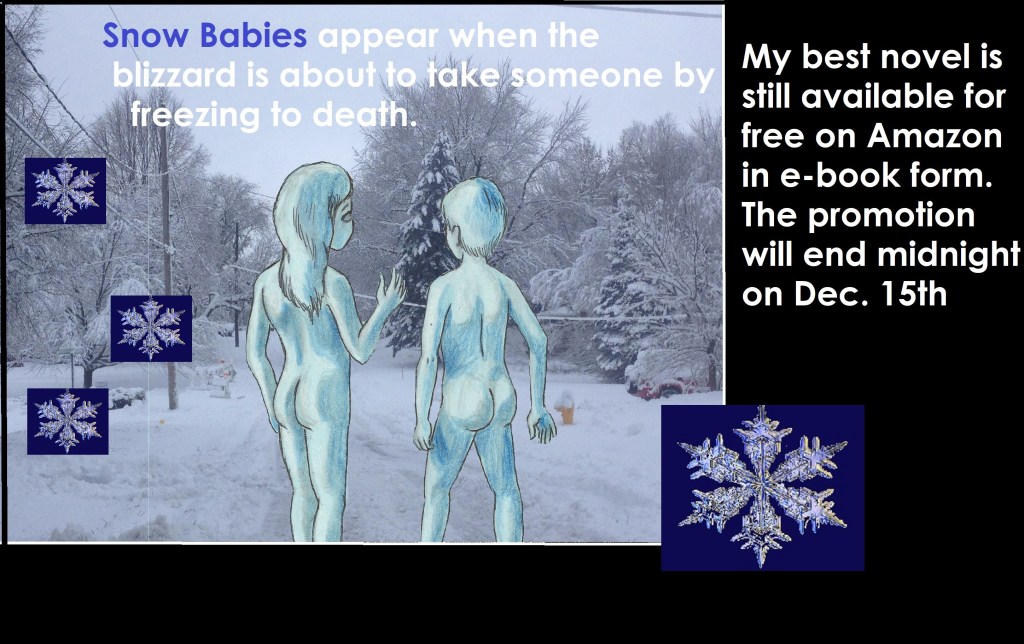
Snow Babies in the snow,,,
Gyro the Nebulon and Billy on the rocket sled
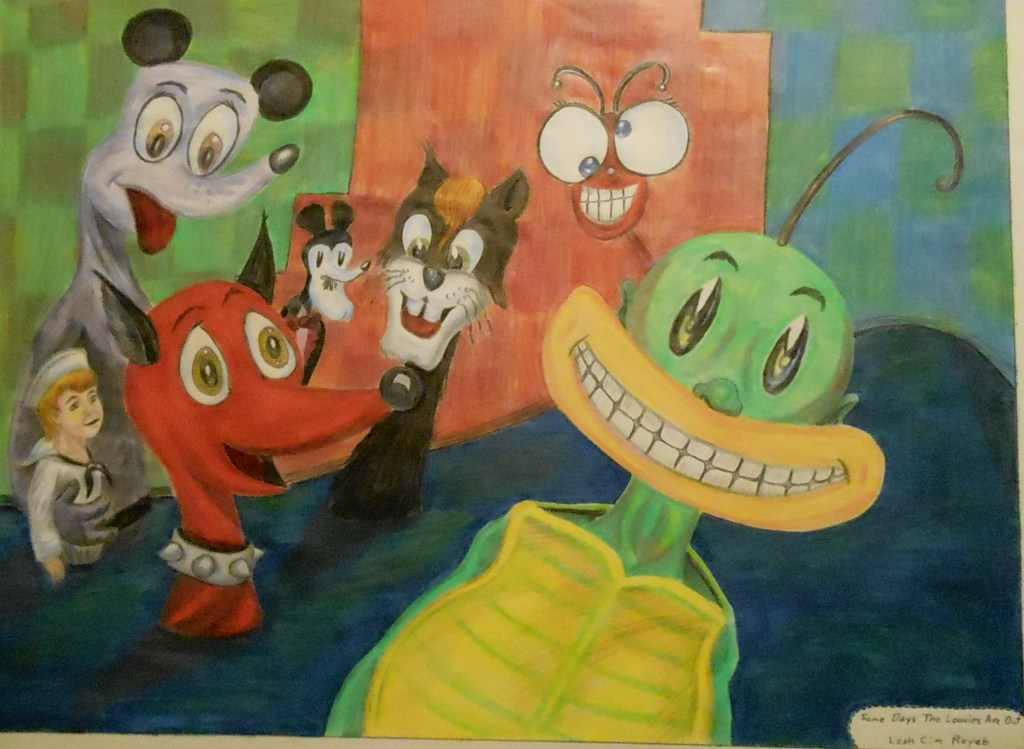
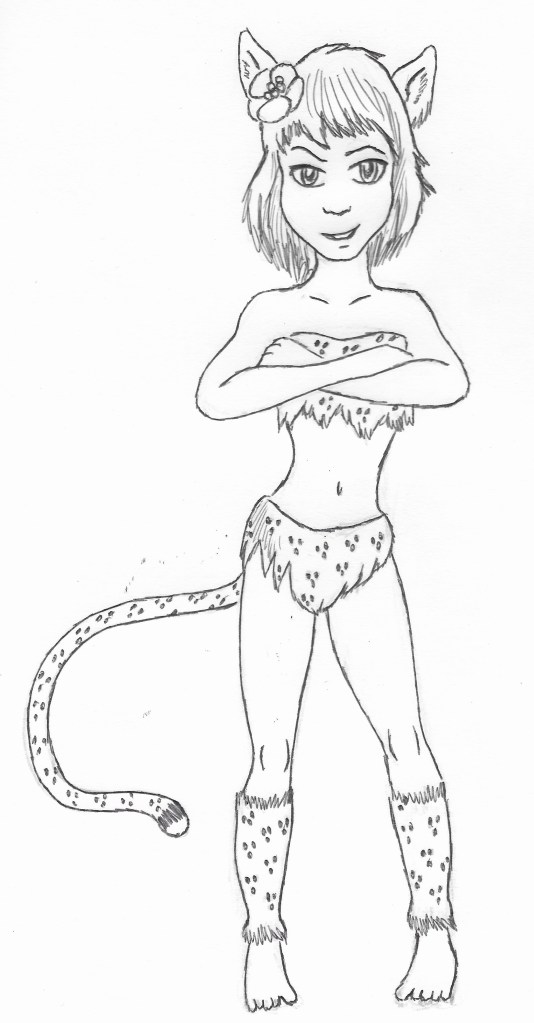
Brekka and Menolly as unofficial members of the Mickey Mouse Club.
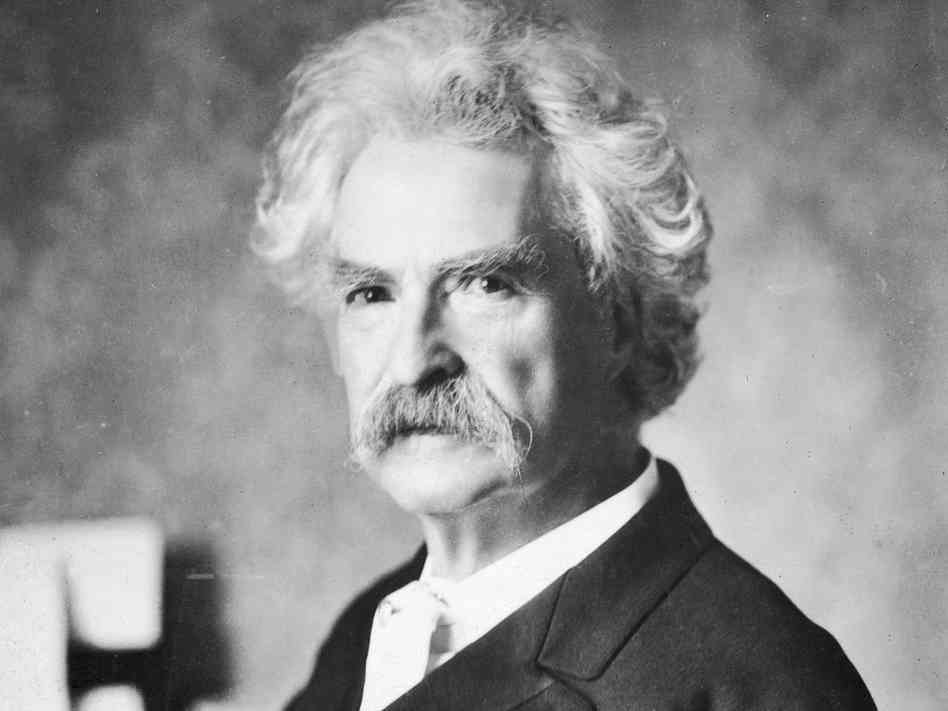
A self-portrait of me in the 1960’s.
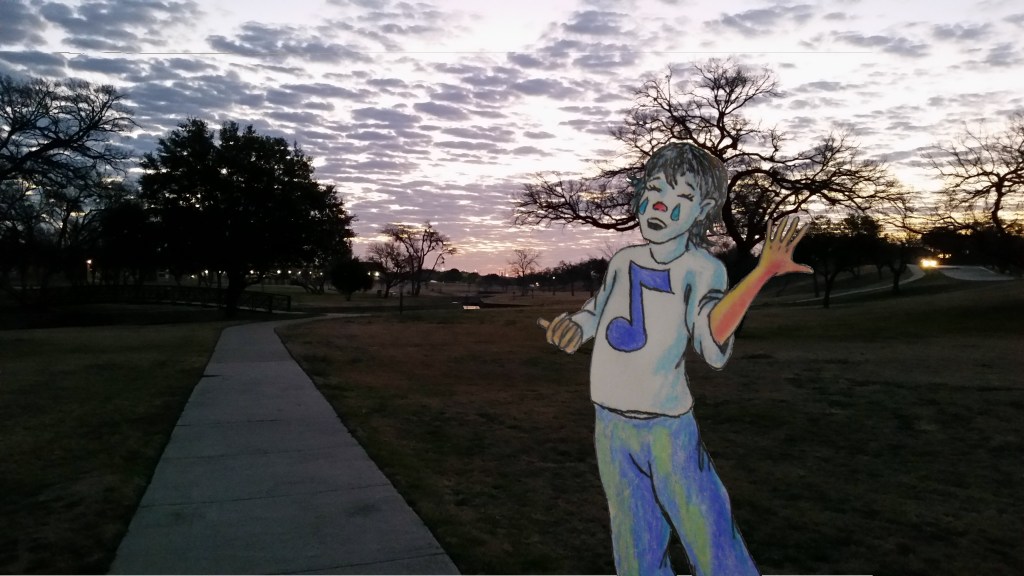
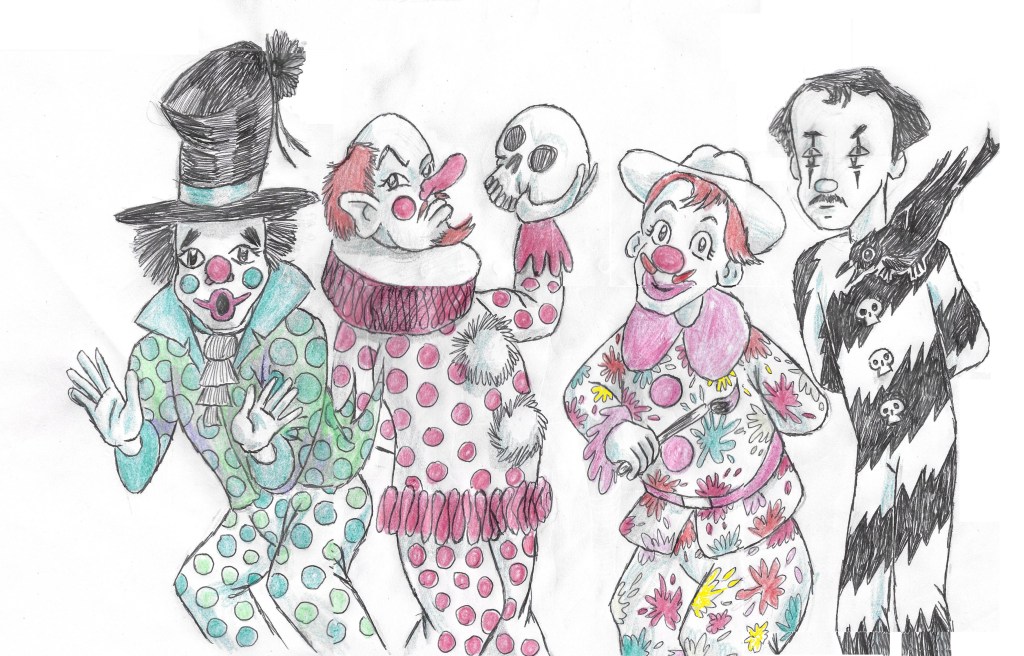
Imaginary ESL students… well, they didn’t look like this in real life.
The imagination can range farther afield when digital magic allows the artist to take the ballgame to any sort of arena.

And the process can take you home again, no matter how far away and how long ago home has become.

Leave a comment

Filed under artwork, illustrations, imagination, Paffooney

Still Playfully Playing with AI and Digital Art

Leave a comment

Filed under Uncategorized

The World is a B-Movie

Yes, I am saying the world I live in is a low-budget commercial movie made without literary or artistic pretensions. You know, the kind where movie makers learn their craft, taking big risks with smaller consequences, and making the world of their picture reflect their heart rather than the producer’s lust for money.

Mostly what I am talking about are the movies I remember from late-night Saturday TV in black and white (regardless of whether or not the movie was made in Technicolor) and the less-risky as well as more-likely-good Saturday matinees on Channel 3. Movies made in the 1950s, 1960s, and early 1970s. They were perfect, of course, for the forbidden Midnight Movie on the show called Gravesend Manor. I had to sneak downstairs to watch it on Saturday nights with the volume turned way down low. (Not that Mom and Dad didn’t know. Well, maybe they didn’t know how many of those I watched completely naked… maybe.)

I watched this one when I was twelve, late night on an October Saturday. I had a bed-sheet with me to pull over my head at the scariest parts. Frankenstein was a crashed astronaut brought back to life by the magic of space radiation. He was uglier than sin, but still the hero of the movie, saving the Earth from invading guys in gorilla suits and scary masks (none of which looked like the movie poster.)

This one, starring James Whitmore, a really good B-Movie actor, was about giant ants coming up from the sewers and the underground to eat the city.

I would end up watching it again twenty years later when I was wearing clothes and not alone in the dark house lit only by a black-and-white TV screen.

I realized on the second viewing that it was actually a pretty good movie in spite of cheesy special effects. And I realized too that I had learned from James Whitmore’s hero character that, in times of crisis, you have to run towards the trouble rather than away from it, a thing that I used several times in my teaching career with fights and tornadoes and even rattlesnakes visiting the school campus looking to eat a seventh-grader or something (though it was a bad idea for the snake even if it had been successful.)

This one, of course, taught me that monsters liked to carry off pretty girls in bikinis. And not just on the poster, either. But it was the hero that got the girl, not the monster. This movie taught me that it sucks to be the monster. Though it also taught me that it was a good movie to take your pajamas off for and watch naked when you are thirteen.

But not all B-movies had to be watched late night on Saturdays. This movie was one of the first ones that I got to go to the movie theater to see by myself. (My sisters and little brother were still too young and got nightmares too easily to see such a movie.) It came out when I was in my teens and Mom and Dad began thinking of me as an adult once… or even possibly twice in a month.

And not all B-movies were monster movies, gangster movies, and westerns. Some, like a lot of Danny Kaye’s movies, were movies my Dad and my grandparents were more than happy to watch with me. I saw this one in both black-and-white and color. And I learned from this that it was okay to take advantage of happy accidents, like a case of mistaken identity, and using your wits, your creative singing ability, and your inexplicable good luck to win the day for everybody but the bad guys armed only with your good sense of humor.

And some of the best movies I have ever seen, judging by what I learned about movies as literature from Professor Loring Silet in his Modern Film Class at Iowa State University, are by their nature B-movies.

I am using movie posters in this blog post only from movies I have personally seen. (And I admit that not all of them are strictly “good” movies according to Professor Silet, but I like them all.)

Feel free to tell me in the comments if you have seen any of these movies yourself. I am open to all opinions, comments, and confessions.

This one is based on Shakespeare’s The Tempest.
I saw this one in college. You had to be 18 at the time to even buy a ticket.
I actually think that this is one of the best movies ever made. It will always make my own personal top-ten list.

I live in a B-movie world. The production values around me are not the top-dollar ones. But the stories are entertaining. The real-life heroes still run towards the problem. And it still sucks to be the monster. But it has always been worth the price of the ticket. And during my time on Earth here, even in 2020, I plan on staying till the end of the picture. I go nowhere until I see the Best Boy’s name in the end credits. And maybe not even then.

Leave a comment

Filed under art criticism, heroes, humor, monsters, movie review, strange and wonderful ideas about life, TV as literature, TV review

One Key Idea

The World is a Factory for Making Misery…

…but you do not have to work there.

You have no power over anything the world at large can do to you….

…but you have control over how you respond to what it does.

It is basically what Jesus meant by turning the other cheek. If you live by a policy of an eye for an eye, you are participating in making the whole world blind. Seeking and exacting revenge doesn’t harm the one who wronged you as much as it harms you yourself. You will never find happiness and fulfillment by punishing anyone else, no matter what they have done.

Like the girl with the puppy and the giant gingerbread cookie-heart, you have nothing, you own and control nothing, and you are basically naked no matter how many clothes you wear.

You only get love by giving love. And you have to be aware that not every time you give love away do you get love back in return. The world is a factory for making misery… and the production line is filled with bitter goods. It is always better not to help them make those products. Try not to need or buy those products. Instead, invest your love and care in something hand-made, something given life from your own heart and your own imagination.

None of this wisdom is my own, and you may have heard all of it elsewhere…

…just as I did. But probably, just like me, you will have to relearn it all the hard way.

Life should make you cry a little…

…but make you smile and laugh a lot.

Every life ends in death…

…but that doesn’t mean life isn’t precious and entirely worth living.

So, don’t give in to despair and lose hope…

…because the world puts the negative things in the large type…

...but that doesn’t mean that’s what you most need to read and take to heart!

2 Comments

Filed under wisdom

How NOT to Tell a Story – Part Two

Yesterday, in Part 1, I tried to convince you that, “You should never take too long a time writing a story” because I have written some twenty-plus-year-long novels that took me forever to write, and I am an unsuccessful writer. So, you should not do things the way I did. (Some might accuse me of trying to use a little too much irony, claiming I am a bit too obscure about what I am actually telling you that you should actually do… But, remember, I advised you not to take advice from Mickey. And you need irony in your diet anyway to avoid irony-poor tired blood.) Therefore I am going to advise you further that, “You should never make your characters too complex and interesting.”

After all, there are Mickian characters that are literally blue with red patches on their cheeks that absorb harmful gamma radiation and make those characters immune to radiation sickness from exposure in deep space. You don’t want to make readers so curious about a character that they waste time reading more and more closely to discover more about that character.

Junior Aero, the alien Nebulon boy in the AeroQuest stories is just one example. Not only is he a member of an alien race that are belittled as “Space Smurfs” and treated to racial bigotry based on skin color and not being able to speak English at first, but he is also gifted with mental “Psion powers” that allow him to telepathically read computer minds, even the sentient and intelligent ones.

And some of my characters are green with shark-like fins on their heads. They were born on Starships and orbiting artificial satellites like the one going around Barnard’s Star. They are like George Jetson here, named after his father, Xiar’s, favorite Earther cartoon show character from the 60’s. Not only is he a green-skinned amphibious humanoid life-form from a different star system, he learns a lot about himself in the adventure he has in the novel Stardusters and Space Lizards. He goes from being a narcissistic space-pilot wannabee into becoming a humble crash survivor and expedition leader who helps save an entire planet from ecological disaster. And he even gets a girlfriend out of the deal in Menolly his nestmate and fellow survivor.

Characters like that are far too interesting and developed to be good for your reputation as a serious producer of money-making fiction stories. And you certainly don’t want to waste time on developing the same characters in multiple books.

I used the character of Valerie Clarke in the book When the Captain Came Calling as an eleven-year-old protagonist who loses her father and has to rely on older kids and good friends to save herself from depression and the trash-pits of despair.

I used her again as a main character in Snow Babies where she befriends a mysterious stranger and also finds a runaway boy who makes her think seriously about life and young love, all in the middle of a deadly blizzard.

She’s also in the book Sing Sad Songs where she learns to negotiate love with a boy who also lost a parent, in fact, both parents and a twin sister, in a car crash that made him a lonely orphan. She not only has to face the loss of her own loved ones, but has to help somebody else to face the same thing, in fact, more than one other somebody.

She’s also a character in The Bicycle-Wheel Genius and Fools and Their Toys.

It is unthinkable to use a character that much and make her grow and change in so many different ways. She should be used only once in a simple and clear way. Like, maybe, Mark Twain’s use of Huckleberry Finn.

Huck, as a character was only used in the books, The Adventures of Tom Sawyer, The Adventures of Huckleberry Finn, Tom Sawyer Abroad, Tom Sawyer, Detective… and… never mind. Forget I even said anything about Huck Finn. In fact, maybe this whole post is so ironic it’s making my story-teller gears all rusty. Never-the-less, let me threaten you with a possible part three.

Leave a comment

Filed under characters, goofiness, humor, NOVEL WRITING, Paffooney, writing teacher

How NOT to Tell a Story

If you have come to my blog in hopes of gleaning some key advice about how to write novels or tell a story, then the wisest advice I can give you is, “Do not take any advice Mickey gives seriously.” He used to be a writing teacher in public schools. That is true. But he is also the writer of weird surrealistic novels full of purple paisley prose. And he is not a successful novelist like Steven King or J.K. Rowling. His writing advice is probably only worth ca-ca poo-poo.

So, let me tell you how NOT to write a novel.

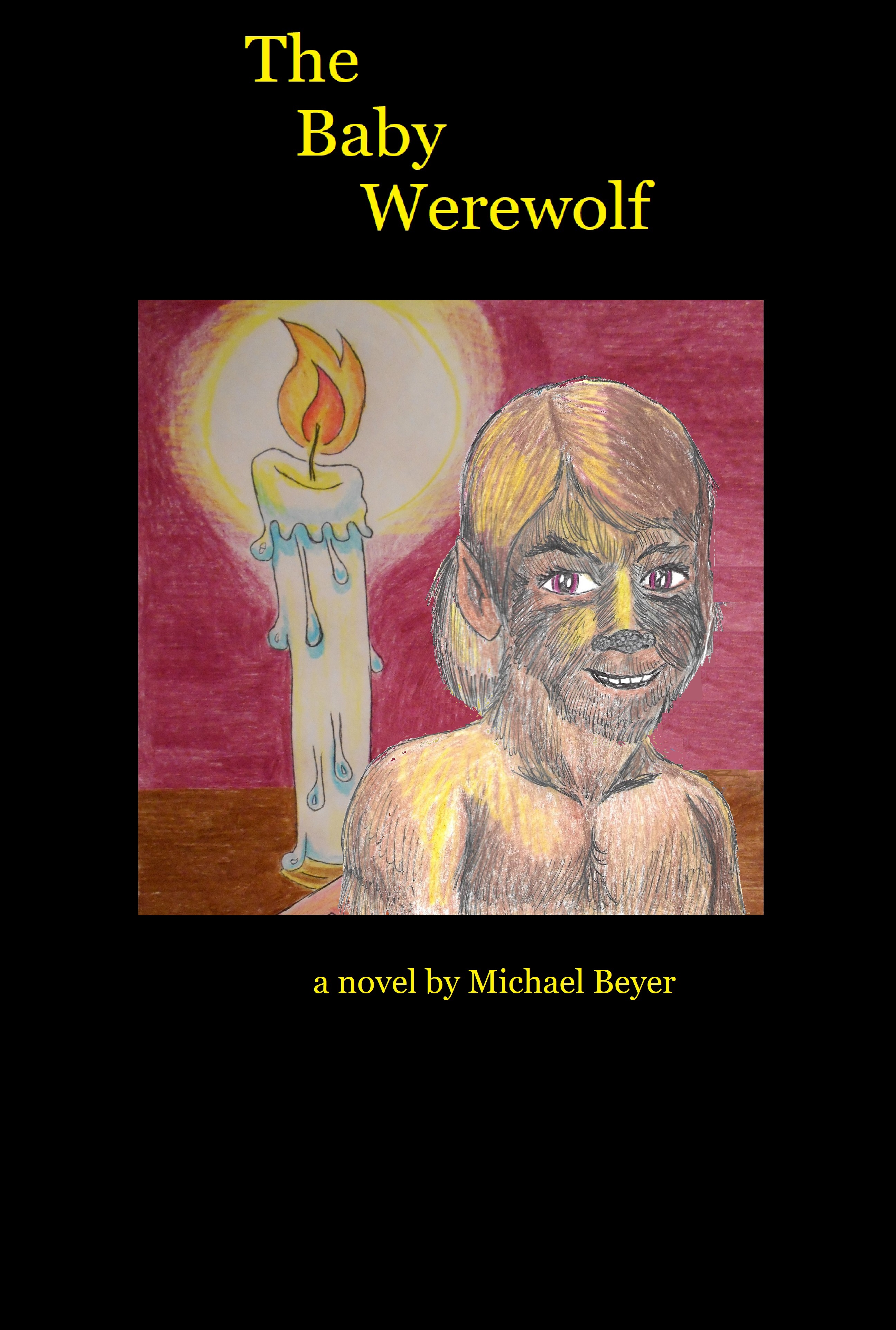
Each of the novels I have written and displayed here took me more than twenty years from the moment I conceived of the idea, through plotting, rough drafts, revisions, re-plotting, expanding the story, to finally publishing them in 2017, 2018, and 2019. I developed the stories from real people, real events, and real themes that were a part of my life and added to each of the stories as time passed. So, obviously, you should never take too long a time writing a story. It is true that Snow Babies is the best novel I have ever written, and I count Sing Sad Songs, The Baby Werewolf, and When the Captain Came Calling among my best work. And I only spent one year in the writing of Aeroquest, which is, ironically, the worst thing I have ever written. So, you can see that following any advice Mickey might give you about taking your time with writing is obviously worthless. I took too long writing and publishing my best books, and that is why I will die a penniless, unknown writer.

But I admit to having even more bad advice to warn you not to take. More, I think, than I can put into this one post. So, I will Part-Two this particular essay and take up the topic again in the very near future. Or forget all about it completely. It has to be one of those.

Leave a comment

Filed under feeling sorry for myself, humor, NOVEL WRITING, Paffooney, surrealism, writing teacher

Bill Baird’s Puppets

These are puppets by Bill Baird as they are displayed in the Hanford MacNider Museum in Mason City, Iowa.

I will do more with this topic when I am back in Texas.

Leave a comment

Filed under Uncategorized

Aunt Minnie’s Love Seat

This is a story about an innocuous piece of furniture in Great Aunt Minnie Efram’s house.  It was a little brown loveseat with carved wooden monster feet.

romance12

As the story begins, the little loveseat was sitting in the parlor in front of the small black and white television.  During the monthly Efram family card party, the love seat was the only place for the two of them to spend the evening.  But he was ten and he hated girls.  He had a reputation with the guys at school as a girl hater, and he couldn’t have it known that he was sitting on a loveseat with Uncle Henry’s stepdaughter, the one the guys all said they had seen eating her own boogers.

She was also ten, and in his class at school.  She liked to watch him more than any of the other boys.  But she didn’t know why.  She liked unicorns and the color pink, but she also kinda liked the way boys looked at her when she wore shorts.  And she liked seeing him in PE class at school, wearing shorts.  He was athletic and often won games in PE.

minnie1a

After two years of monthly card parties happening during at least three different months every year at Aunt Minnie’s place, he had discovered that girls didn’t actually smell bad, and this one actually listened when he talked about playing football, and how it made him feel when he scored the seventy-five-yard touchdown.  In fact, the more he talked about football, and the closer they sat to each other, the better she seemed to smell.  He liked that smell.

She liked that he didn’t only pay attention to her at the card parties anymore.  He actually said, “Hi” in public.  And she liked his smile, even when he got braces.  He let her pick the shows they watched on the old black and white television while seated on the loveseat.  She actually worked up the nerve to tell him that she had told Jane at school to ask him if he liked her, and stupid Jane had completely forgotten to ask him, or maybe Jane was just too chicken to ask him and used the excuse that she forgot.

He said that if she liked him, he liked her.  But if she didn’t, he didn’t either.  “Like” her, he meant.  Which he did because she did.

min1a

After two more years and six more card parties worth of scootching behinds closer together on the old loveseat, something different had happened.  And it was about time too.  Aunt Minnie had bought a puppy, and that not only was a bad thing for the seven cats that lived with old Minnie, but it was hard on the loveseat too.  One of the little couch’s monster feet was lost, and the numerous instances of terrified cat claws digging in were beginning to have an effect on the upholstery.  And that danged dog wizzled everywhere.  The loveseat had one purpose in life, and it didn’t want to give in to wear and tear before achieving that purpose.

min11a

But the very next year brought disaster.  He apparently told the members of the freshman football team that something had happened on that old love seat that really hadn’t happened.  The football team was impressed because they all thought she was pretty hot stuff, and he was generally thought of as a lame-o dweeb.  She heard about it from Jane who heard about it from Nanette’s boyfriend who was on the team.  And she got mad.  How dare he say something like that when it wasn’t true?

In January of that year, Aunt Minnie passed away in her sleep.  The loveseat was sold at auction to a farmer who liked to do re-upholstery as a hobby.  It got re-done in red velvet and leather with wheels replacing the wooden monster feet and sold to a car dealer in Des Moines who placed it in the lobby show-room for customers to sit on.

But the story has a happy ending.  She would later make his locker room lie into the truth on Prom Night (fortunately with protection) and then went on to marry him when they both were sophomores in college.   Of course, it wasn’t always, “They lived happily ever after,” because they didn’t.  They got divorced once and got re-married shortly after… to each other.  They had three kids.  And the loveseat didn’t ever learn any of that.  Because it was a loveseat.  You didn’t really think loveseats could know anything, did you?


Leave a comment

Filed under finding love, goofy thoughts, humor, nostalgia, Paffooney, strange and wonderful ideas about life

Beloved

Teachers are not supposed to fall in love with students. Of course, when the school district tells you that, at the beginning of the year, they are talking mostly about high school students, and they are talking exclusively about romantic love. I have never had a real problem with that rule. Romantically, little half-brained and totally immature middle school students are downright icky. Especially the walking, talking, and sometimes farting middle school boys.

But schools, even though they can’t really say it, and some administrators don’t believe they want it to be so, they want teachers to have “teacher love” for students. That means, in a vaguely defined way in administrative brains compatible with the real meaning of “fully funded,”that they want teachers to become surrogate mothers and fathers to students, the kind of love you have for an orphan you have adopted because you can plainly see they need someone… anyone… to love them and care for them… no matter how ugly they might be on the outside.

“To be a good teacher, you gotta learn to love ugly,” Head Principal Watkins said to us all for the two years he managed to love our faculty. And he meant it. I was not the only teacher I heard him tell, “You are a wonderful teacher because you care about kids.” And he meant it. Not like most principals.

But when you see a picture of David, the way he was back then, you can see he was not ugly. Just his situation was ugly.

He was one of six kids that lived with his single mother in the housing project for low-income families. His mother had, at the time the principal called me into his office, been cited by authorities twice for neglect of her children.

“Mike, I know you have mentored and helped several kids outside of school. And we have a boy coming into your seventh grade class that we would like for you to help out however you can. We know you went through the whole social-services and foster-parent training from San Antonio. And David Gutierrez could really use a bit of a boost from you,” the Head Principal told me behind closed doors.

Boy, was that ever an understatement. I was spending considerable time hanging out with the pretty blond reading teacher. The first time I cooked for her, fried hamburgers and instant mashed potatoes, David had a plate already at the tiny table in my little apartment. And, skinny little thing that he was, he ate three quarters of all the food I had badly cooked. Annabel didn’t mind. And not because the burgers were burnt and the potatoes were runny… I am still not a great cook. She would become David’s second mom for those next three years. She gave him as much if not more “teacher love” than I did.

He was not a good student in any of his classes. But he was an adequate reader, and he actually improved noticeably in the time he was hanging out with us.

But he gave us a turn during that first fall when he got sick. He had the seventh grade History teacher first period every morning. And one day in October he reported to class all listless and red-eyed, And Mrs. Finch was a sharp and capable teacher, knowing what drug problems looked like, and what they didn’t look like. She sent him to the nurse. It was a fever of one-hundred-and-three degrees. The parent was called, but the parent didn’t answer. So, immediately after school Annabel and I took him directly from the nurse’s office to the doctor. And after it was determined he had a bad sinus infection, we took him to my place and put him in the spare bedroom (all apartments on North Stewart Street were two-bedroom, but there was only one of me.) Annabel stayed with him while I filled the prescription for antibiotics. We got him dosed and rested at least before his mother returned from her cleaning job in Laredo, sixty miles south. We told her everything that happened. And she took him home. His two older sisters took over nursing duty.

But when the school contacted the doctor, it was explained that the infection was severe mainly because David was malnourished and dangerously anemic. Of course, that was evidence of neglect and had to be reported.

In order to avoid having to give up custody to the State his mother moved him to Laredo, closer to her work. Both of the older sisters, Bunny and Bea had advised their Mom to give him to Annabel and me. But, of course, we were not married and in no position to become his actual parents.

So, David spent two months in Laredo, calling me every night from a pay phone. His grades in school tanked. He was miserable and lonely.

The problem was worked out in David’s family. His older brother sent money every month to his two older sisters. And Bunny had a job and kept the apartment in Cotulla for herself. So, as a compromise, since Bea was already living there with Bunny to attend high school, David came back to live with them, along with his younger sister. They returned to the school where all their friends were.

Through the rest of David’s seventh grade until the end of high school he was like a son to me. He was constantly at my place, playing computer games, watching VHS movies, and charming my girlfriend. (Annabel had the apartment next door for three of the next four years.) I played games with him. I fought with him about getting his homework done. I basically did the Dad-thing for him, something no other man had ever been bothered to do. In later years he would work as a substitute teacher for me. He would introduce me to new girlfriends. And the last time I saw him, in Uncle Moe’s Mexican Restaurant, he introduced his pregnant wife to me and my wife.

In Hebrew, the name David means, “Beloved.” Hence, that’s the only part of his name in this essay that is real.

Leave a comment

Filed under autobiography, humor, illness, kids, Liberal ideas, Paffooney, strange and wonderful ideas about life, teaching

Mr. Bean

Rowan Atkinson is a genius comedian, and the character of Mr. Bean is the greatest work he has done, the best proof of his genius.  As someone who works at humor and tries to get it right, I have to analyze and carefully study the work of the master.  How does he do it?  What does it all mean?  And what can I learn from it?

a1b

Atkinson not only created the character, he co-wrote the entire television series and controls every aspect of the performance as the central character.  Mr. Bean is the bumbling every-man, going through horrific troubles because of the cascade effect of simple little errors.  We laugh at him because we have all been there.  Tasting the hot sauce leads to a meltdown that causes chaos and disaster for the entire store.  Overcoming fear of heights makes him the center of attention for the entire pool-house when can’t overcome the urge to use the diving board, and yet, can’t make himself jump off.  We have all lived the nightmare of being trapped naked in the hotel hallway, locked out of our room, just when the hallway becomes crowded.

There is a certain charm to Mr. Bean.  He is a childlike character, blissfully unaware of how much he doesn’t know about the complex society around him.  He has a teddy bear that sleeps with him and comforts him.  He lays out his supplies for the big exam, and he’s thought of practically everything he will possibly need, but basic physics fails him and makes the pencils keep rolling out of place.

Rowan Atkinson is a master of the art form because he has such tremendous control of his rubberized goofy face and manic body.  He can drive his goofy little yellow car from a sofa mounted on top.  He can change clothes while driving.  Just watching him shave with an electric razor is a total hoot.

1379883_546824888720851_2133355741_n

It is mostly physical comedy, almost slapstick, and yet it is not the broad unfeeling poke-in-the-eye you get with the Three Stooges.  Most of the real damage is done to himself, though pompous and deserving people are often near enough to get a helping of it smack in the face.  A lot of it is practically pantomime, with hardly any real dialogue.  Much of it, like the sword fight with the bumblebee using a butter knife, is simply silly.

a3b

The movie, Mr. Bean’s Holiday, extends the character by making him actually interact with other characters, though in his own inimitable Mr. Bean way.  The limited dialogue thing is amplified by the fact that he is traveling in France and does not speak French.  Still, he interacts with the boy he accidentally kidnaps, the girl who wants to be a movie star whom he helps in her quest by an accident at the Cannes Film Festival, and the movie director whom he almost kills but ends up saving his career with a hit home movie.

Mr. Bean makes the ridiculous an art form by helping us to laugh at ourselves as we are beset by all the little troubles of life that Bean magically floats through.

So, now I have told you why I love Rowan Atkinson as a comedian.  He is a comedic genius.  Of course, you knew that already, right?

Leave a comment

Filed under artists I admire, comedians, humor, review of television, sharing from YouTube