
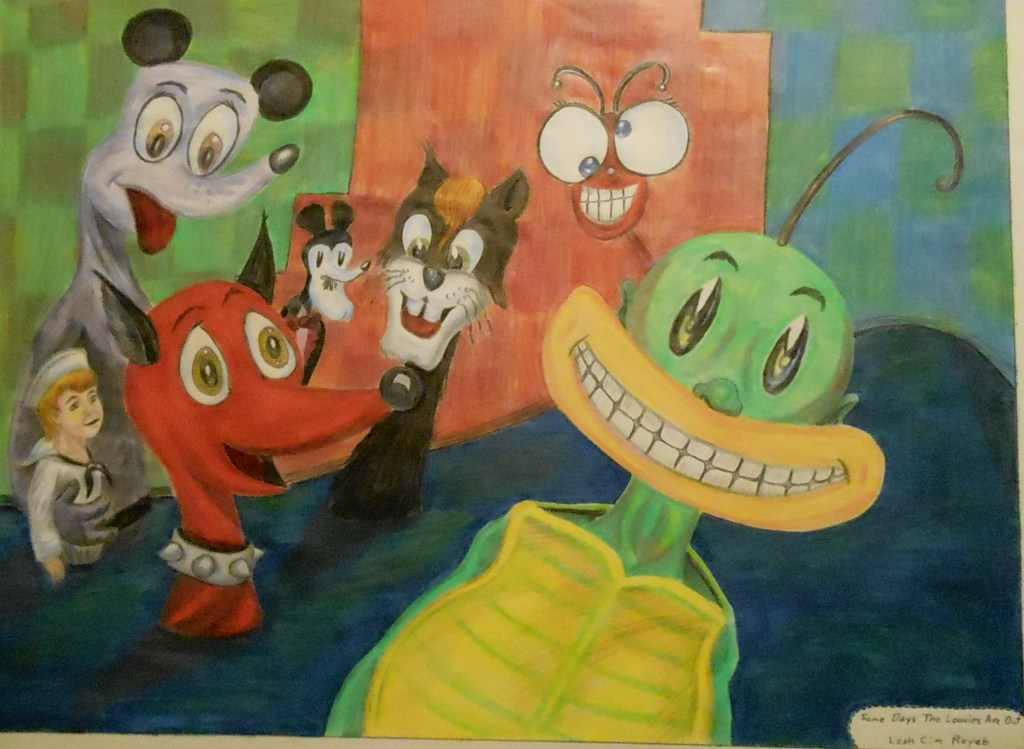
I have claimed that I am a humorist and all my novels are comic novels, to some degree at least. But it is often pointed out to me that I write about things that make people cry. And I freely admit that I most certainly do.
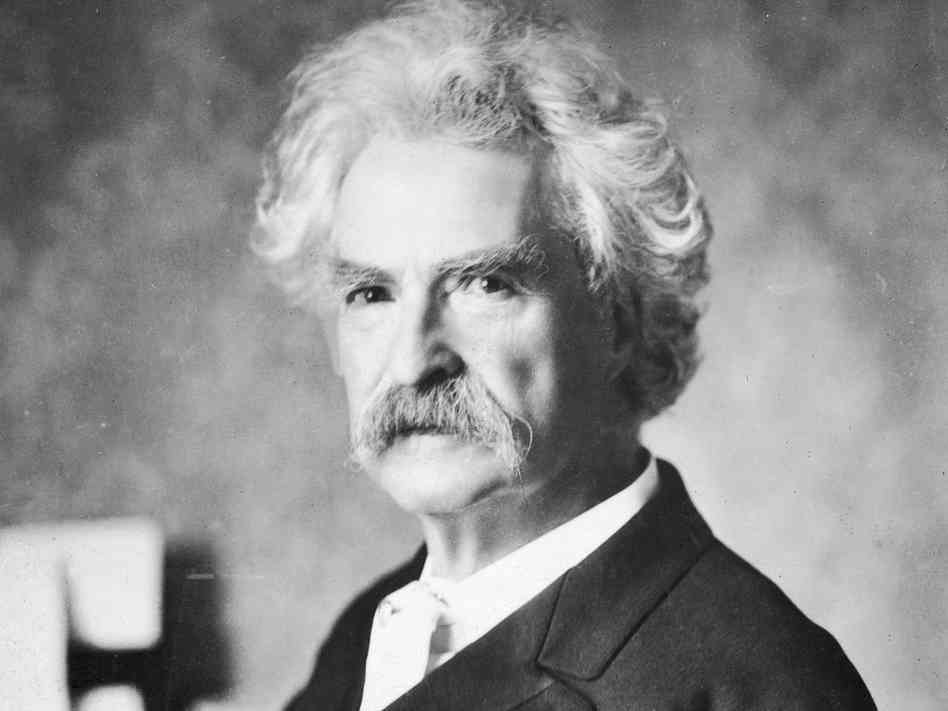
But if you think about it carefully, analytically, or even emotionally, you have to admit, even a book like Mark Twain’s The Adventures of Huckleberry Finn has some weep-worthy moments in it. I have read the book more than once myself, and I never get past the scene where Huck looks down at the body of his young friend Buck Grangerford, killed in the Shepherdson/Grangerford feud about something nobody living even remembers, without shedding gushers and gushers of heart-busting tears.
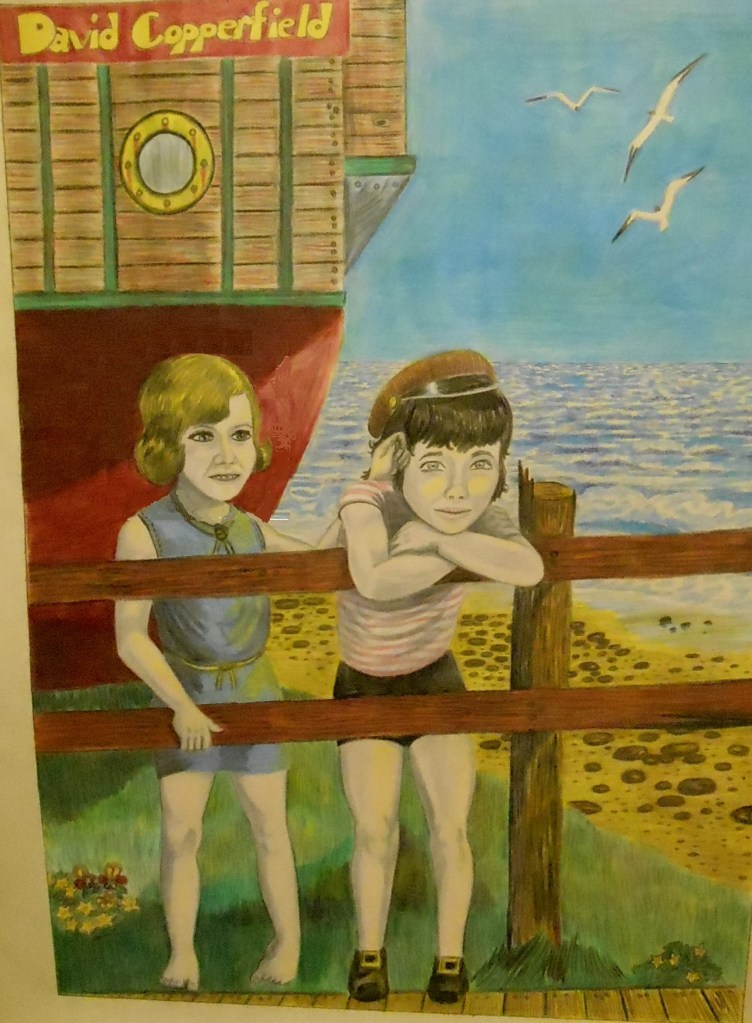
And in Charles Dickens’ David Copperfield, as much as I laugh and guffaw at the antics of quiet Mr. Dick and his kite, or the much deserved downfall of villainous Uriah Heep, it is the drowning of Little Emily on the boat with David’s school friend and idol Steerforth that leaves me surrounded by puddles… nay, lakes… that I have wept.
And I think that I may justify the sad parts in so many of my weary works with the fact that I am merely providing the necessary counterpoints to my merry-making and mirth.
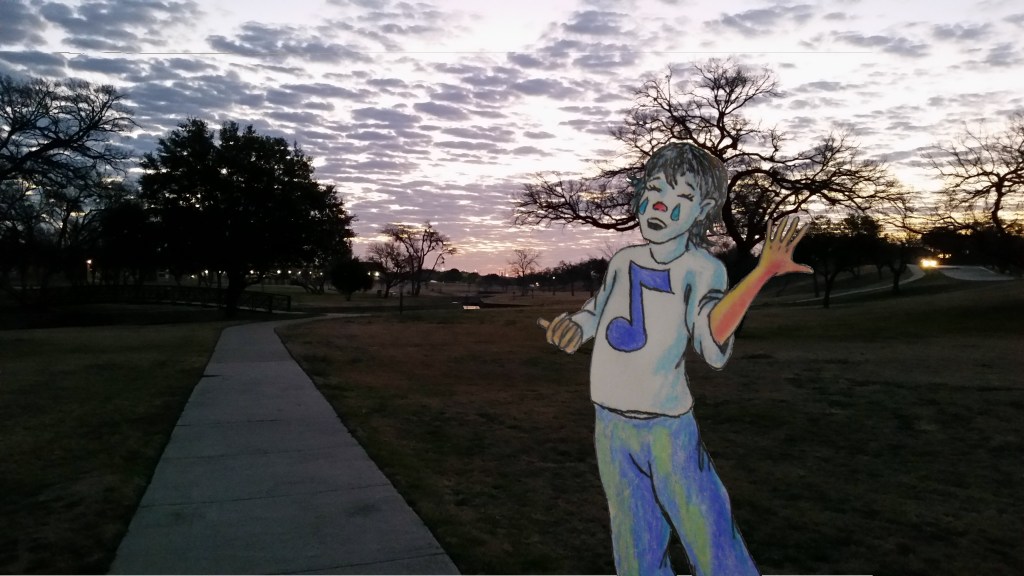
There has to be that necessary balance, that well-rounded-ness, to a story that makes it feel truly complete. And, of course, we know that even in a horror novel by Stephen King, you find humor used as a balance point to lighten the moments just before the monster delivers its liver-shaking, earth-tilting scare.
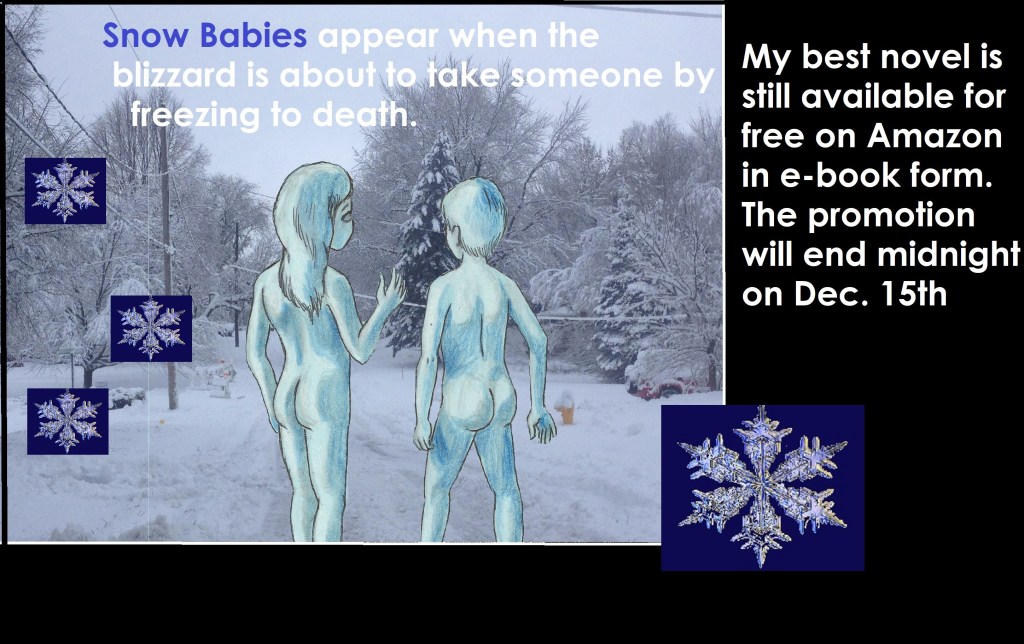
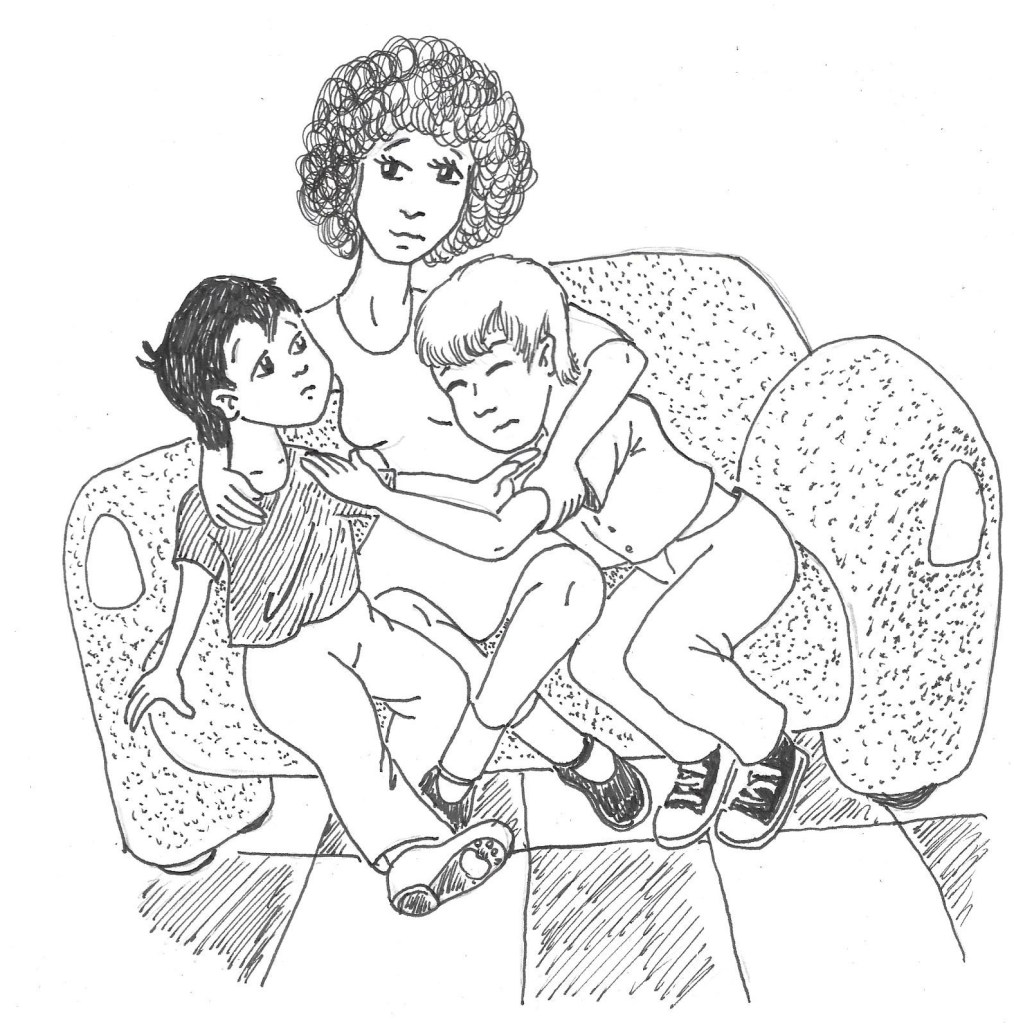
Snow Babies, among my published books, is a good example. It is a story that celebrates how a small Iowa town comes together to survive a deadly December blizzard. And while it tells funny stories of kooky characters battling the elements, and both surviving the blizzard and ’84 Reagan/Mondale political debates, as well as putting up Christmas trees, it is still also about death and loss of loved ones, finding and losing love, and just what sort of self-sacrifice or other accidental happening truly makes someone a hero. Or a bus driver… this book has more than one bus driver in it.
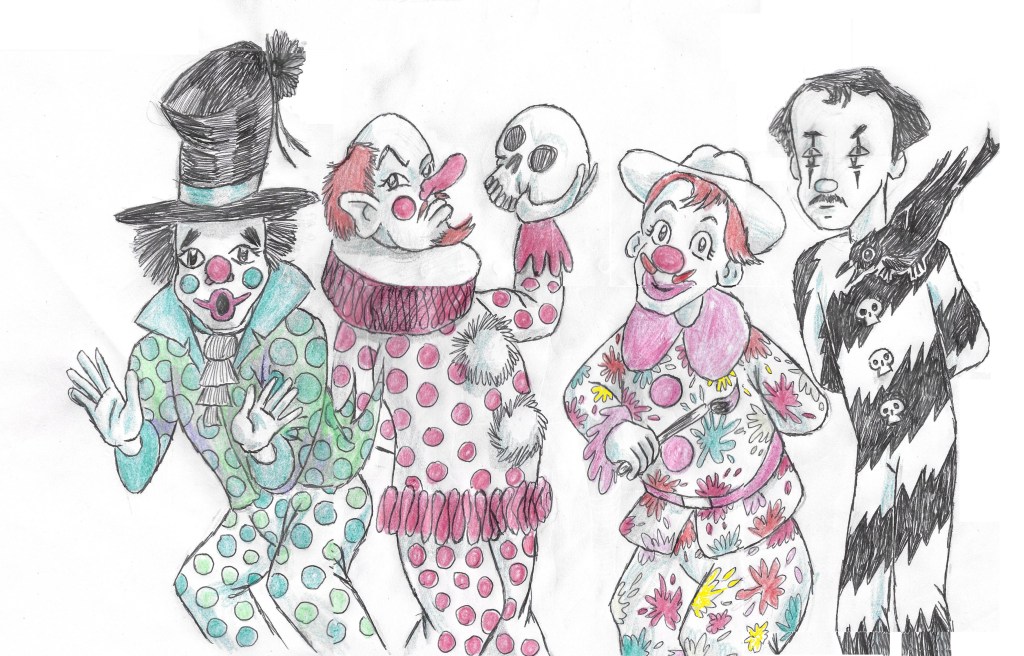
So, I think, in the end, that I have made a cogent case for the notion that in order to be a humorist, you have to manipulate many emotions, not just mirth, but sadness also. As well as fear, bitter irony, and pain. And that may well also be the underlying reason that comedy is harder to write than tragedy.






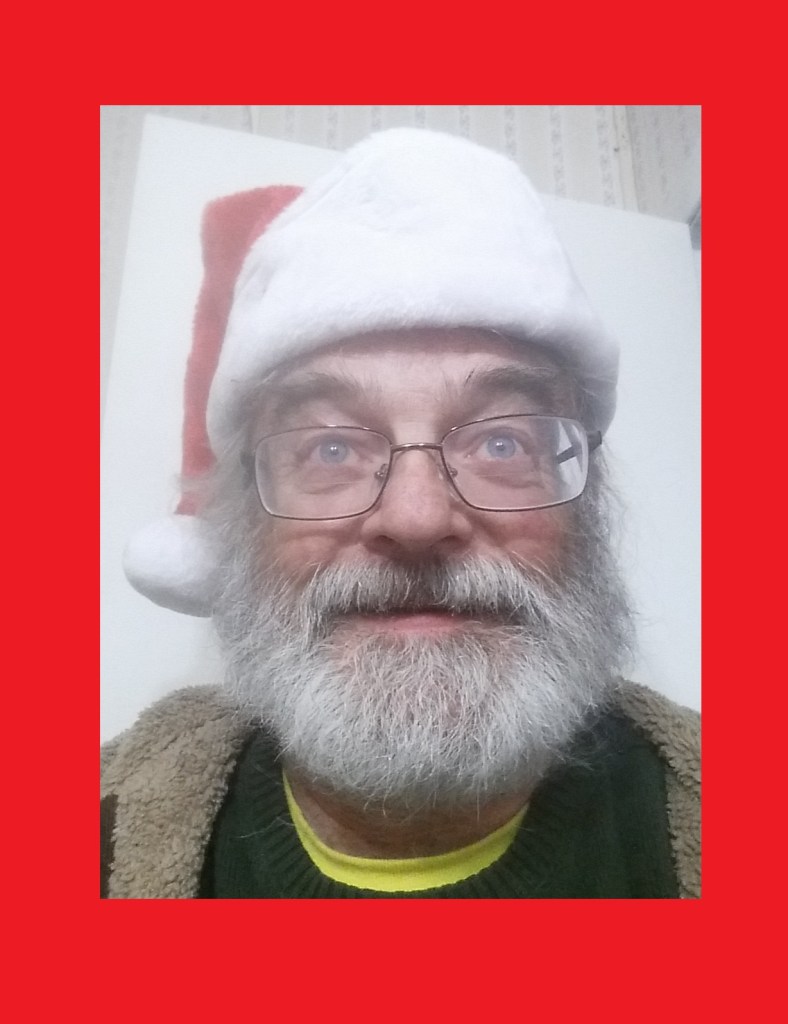
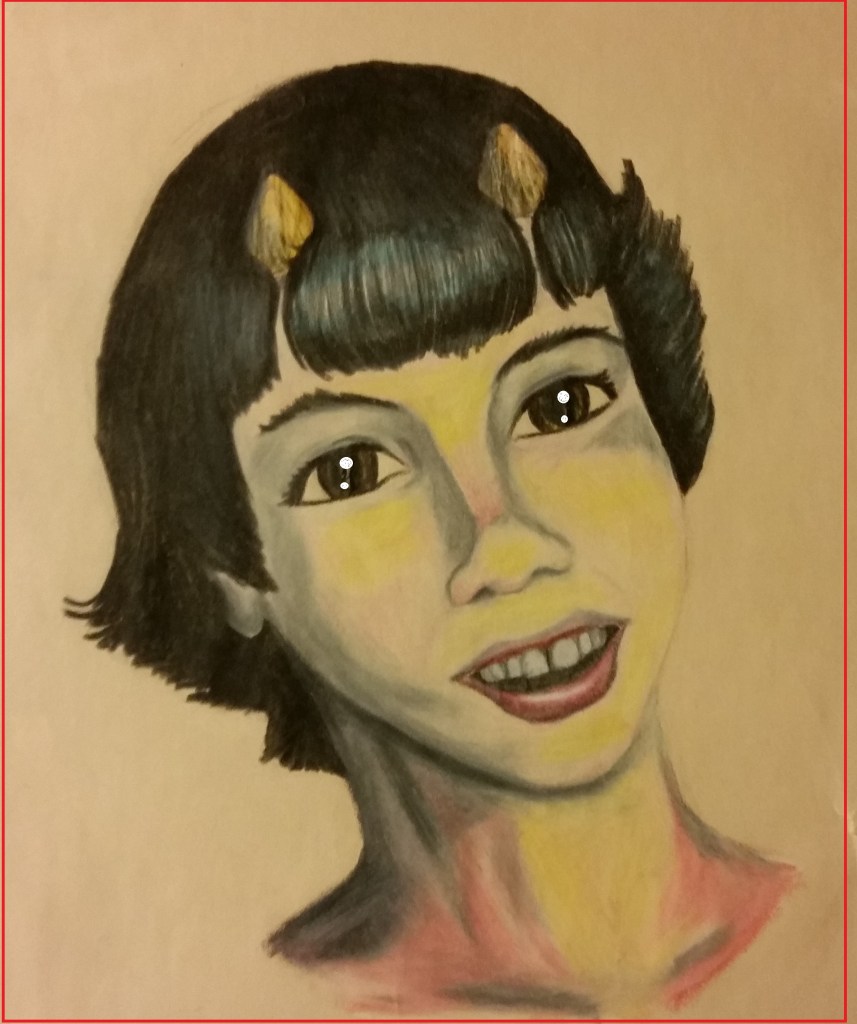
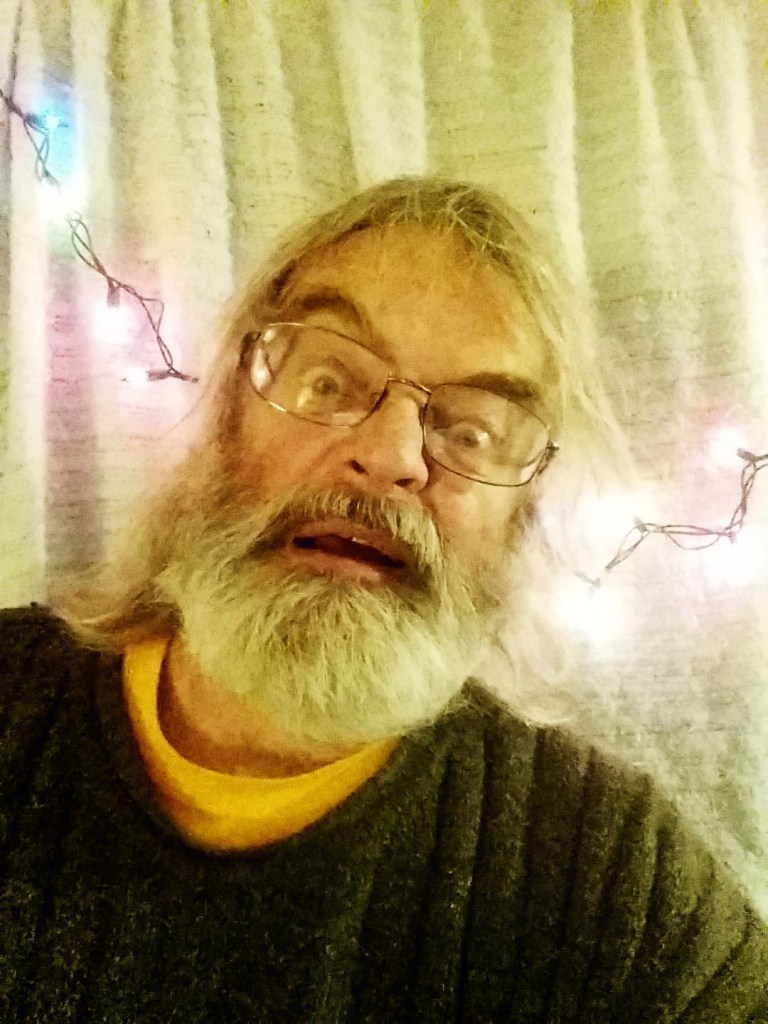
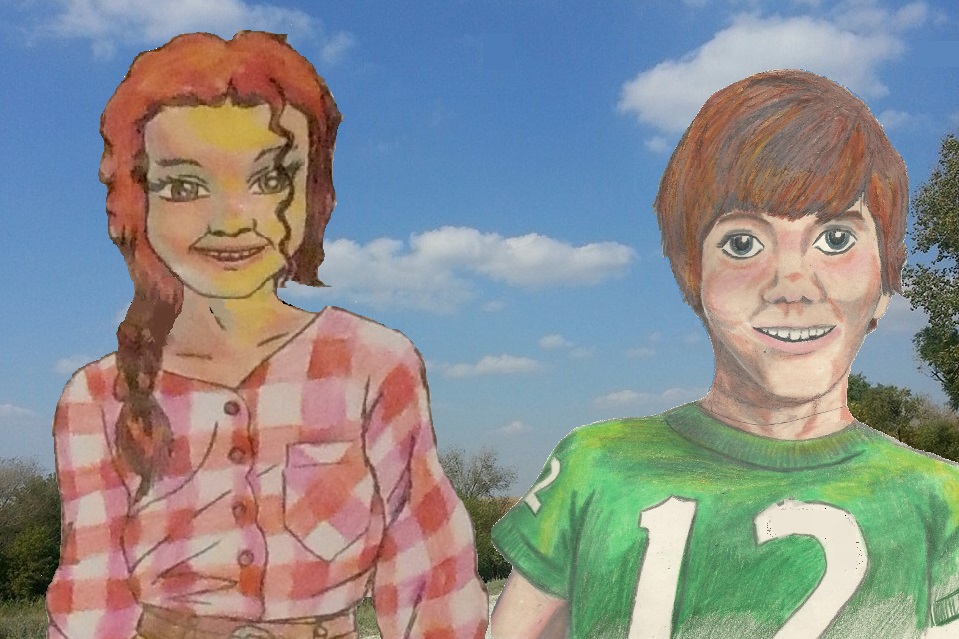




The Essayist
I have been working on compiling good essays from this blog into book form. It is becoming a sort of obsession. The problem is, I am likely running out of time. My health is getting worse in the middle of a pandemic that is killing thousands of people just like me. I have been having problems with passing out during the midmornings repeatedly for several days in a row. I fear I may be headed towards heart failure or a stroke. And if it comes down to an ambulance ride, I can’t afford it, and I will not economically survive it. And all the intensive care units around here in North Texas are swamped with COVID patients. It is important for me to finish and publish this book of essays. It is part of me as a writer that I simply must leave behind.
“Why are essays important?” you may ask. And here’s where I would normally insert a joke answer. I try hard not to take myself too seriously. It is the only way I can deal with what has been a very serious life. And at the point in my essay book where I will insert this essay, I will not need to review what those things are that are so serious. (Being a teacher and shaping young minds. Being a sexual assault survivor. Helping teenagers to live through suicidal depressions. I know, I know, I should’ve resisted the urge to list them.)
But I have spent a lifetime teaching kids to write four-and-five-paragraph essays. And I am also a serious reader of essays. I have read and thoroughly studied Loren Eiseley’s The Invisible Pyramid, Henry David Thoreau’s Walden, Collected Essays by H.L. Mencken, selected essays by James Thurber, Life as I Find It: A Treasury of Mark Twain, Charles Lamb’s Essays of Elia, and parts of John Ruskin’s The Stones of Venice. I also thoroughly loved and used as a teacher All I Really Need to Know I Learned in Kindergarten by Robert Fulghum. So, I do not claim without reason that I do know something about how to write an essay. (Although you are welcome to disagree based on numerous bits of evidence in this goofy blog,)
At this point I am obligated to define for you what I believe an essay should be and what its potential uses are. An essay, simply put, is a pile of a fool’s best thinking put down on paper in prose rather than being distilled down into lines of poetry or embroidered and expanded with lies to make it into fiction. At its best it can open reader’s mental eyes and change societies, if not the entire world. At its worst it can incite violence, stir hatreds, and generally muck everything up. My essays land somewhere between, in the realm of mildly-amusing purple paisley prose that can really waste your time.
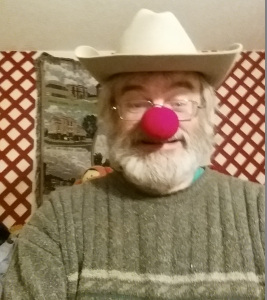
An essay, because it is based on truthful observations, can rip away the costumes and masks that authors put on to write fiction and make that educated fool of an author metaphorically naked in front of the reader. After blogging like this since 2013, I admit to having no real secrets left that I have not at least mentioned in my blog somewhere. I am less naked when being a sometime-nudist than I am in the sentences and paragraphs of these essays.
Now that I have thoroughly convinced you that you made a big mistake by reading this far through my essay compilation, I will reveal the fact that I have put this essay somewhere closer to the end of the book rather than near the beginning. Like all essayists, I am a fool (hopefully in the Shakespearean wise-fool sense), but I am not stupid. So I won’t laugh at you for falling for my tricks, but I can’t promise not to be at least a little bit amused. But time is short. So, on to the next essay!
Leave a comment
Filed under commentary, humor, insight, new projects, Paffooney, writing, writing teacher