
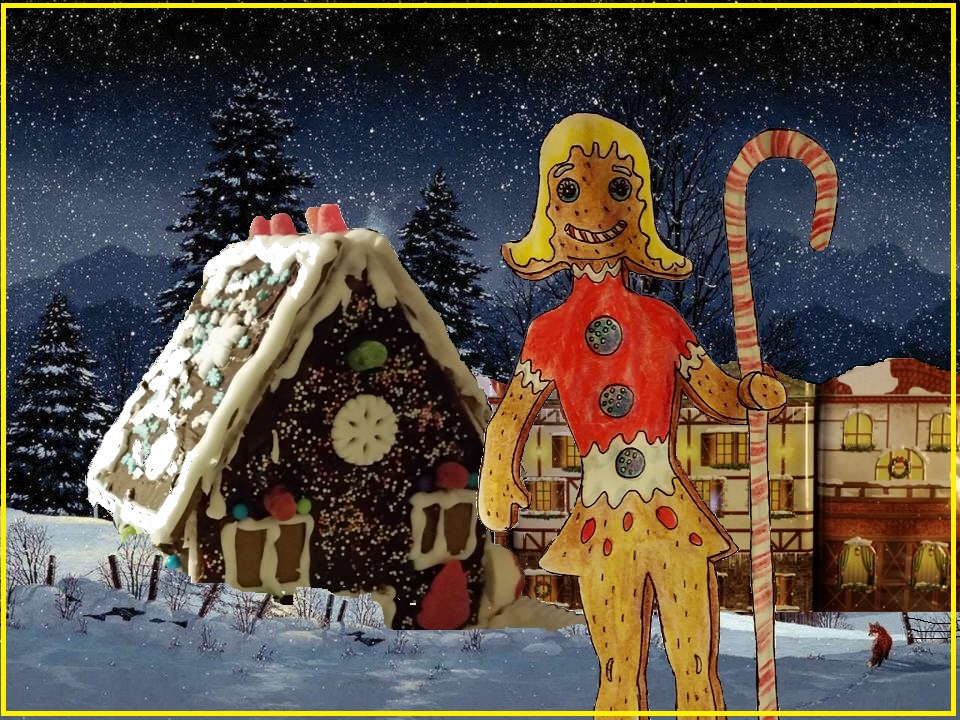
If you are on a writer’s journey like I am, you have my sympathy. I am not saying it is not worth it. But if it is going painlessly easy for you, you are not doing it right.
If you are doing it right, you are dredging your soul deeply with a huge jagged-edged bucket to find those small gemstones of truth and life and meaning, and then trying to arrange it all into patterns and genres and stories that are artful enough not to just look like a pile of random rocks. If you do it for a lifetime, you may be lucky enough to create a masterpiece or two, a finely-crafted jeweled creation that dazzles the eye and captures the heart of the reader.

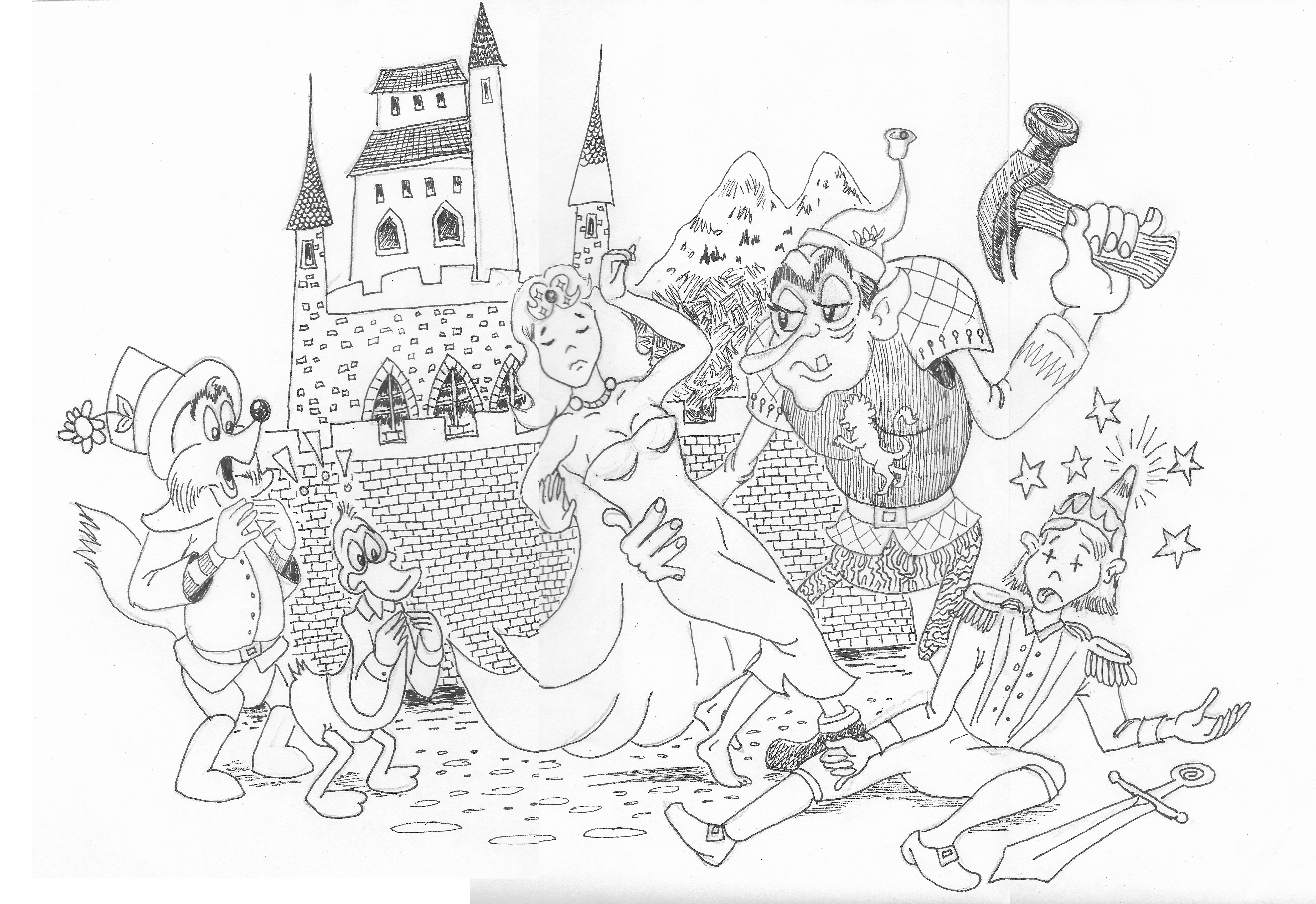
I have always been cursed with high intelligence and a vividly over-active imagination. So, in some sense, I was always destined to be some kind of a fantasy writer with dragons, unicorns, wizards, and such crap dancing in my head, and polluting it by farting rainbows too often. Fiction-writing, by its very nature has to tell a lot of lies to get to the truth. It also has to be, in large parts, autobiographical in nature to be any good. You have to write about what you actually know. Because making stuff up without real-world references will only produce crap that you yourself (meaning you, the writer-you) can only see as mud-brown dhrek.
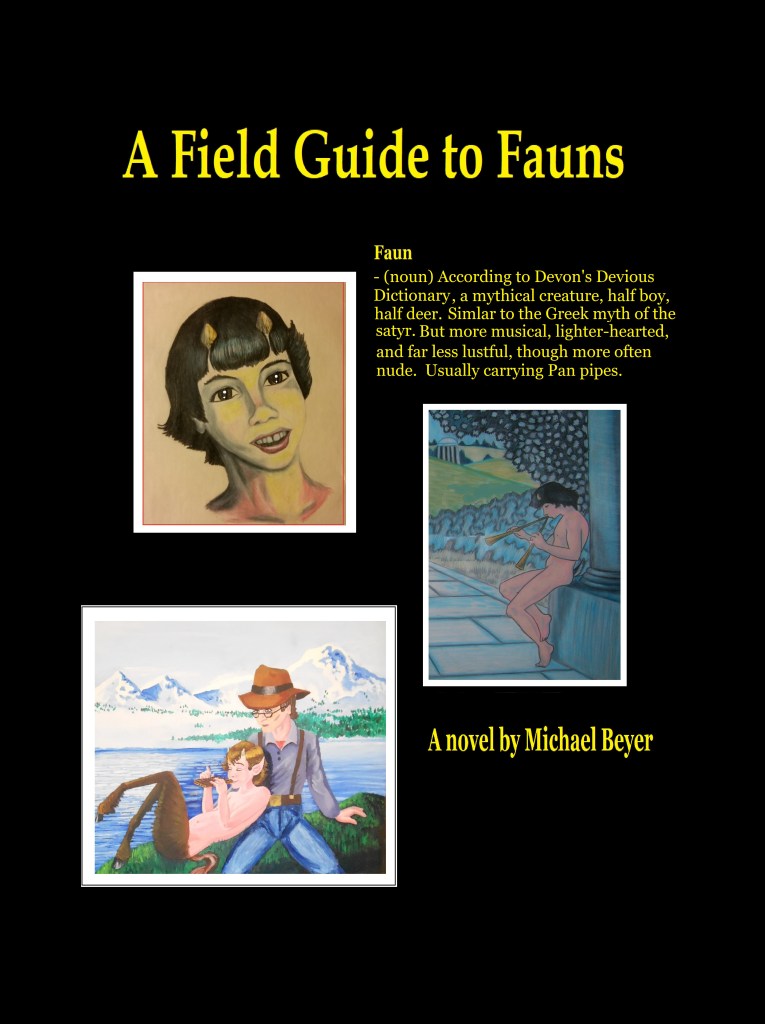
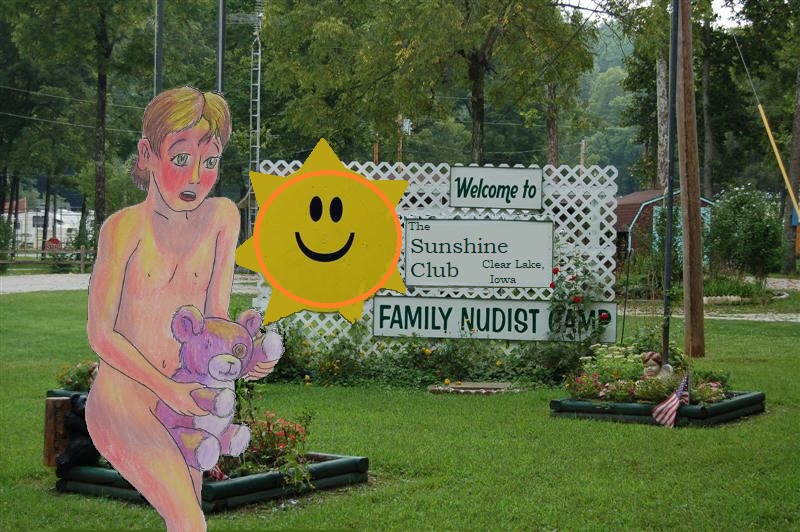
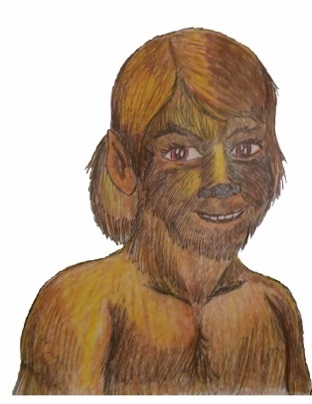
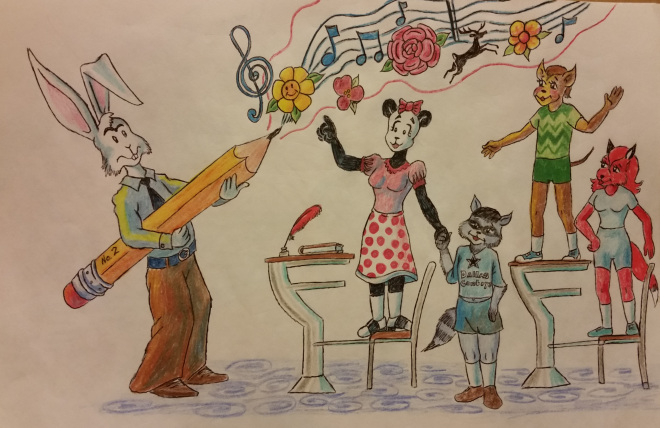
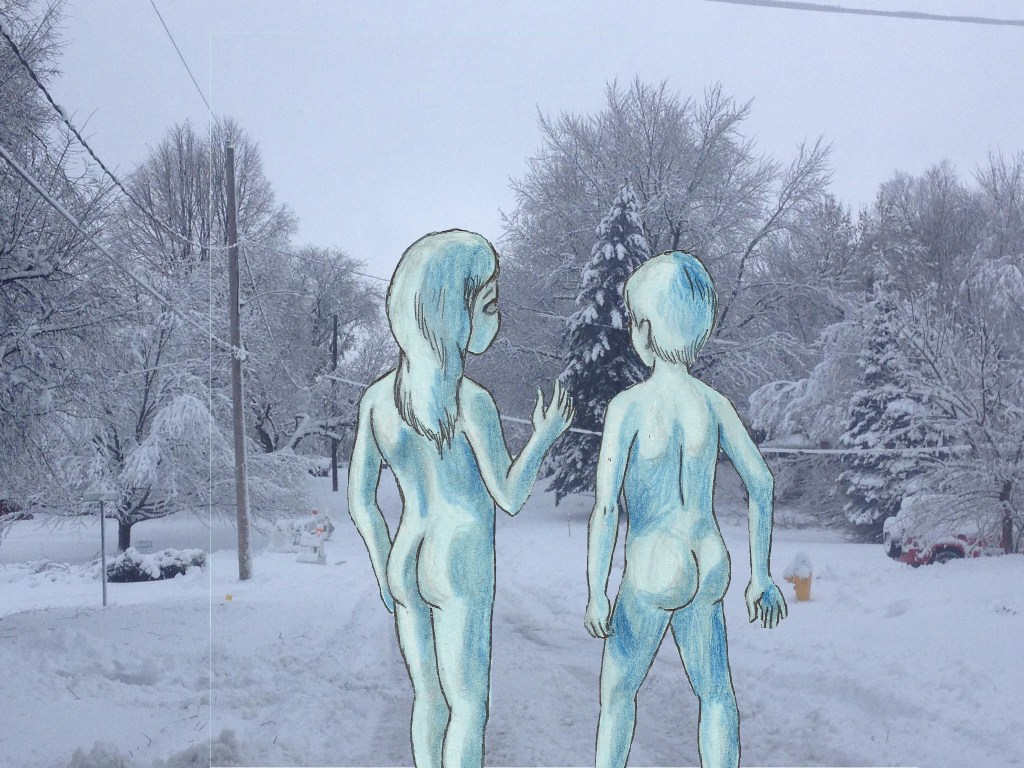
Therefore, my stories have to be the thing that I label as Surrealism. Many experts would call it that too. It is expressed in highly metaphorical imagery, as in a boy moving in with his father and step-family at a nudist park where everybody is naked most of the time, and the boy sees practically everyone as a faun from Greek myths. (A Field Guide to Fauns) ‘Where a boy loses his whole family in a car accident in France and must rebuild himself in the US with family he has never even met before and he does it by putting on clown paint and singing sad songs, and visiting a dream world inhabited by clowns who might actually be angels. (Sing Sad Songs) Or a girl recovering from the grief of her father’s suicide during a once-in-a-lifetime blizzard where she is saved from snow-ghosts by a magical hobo and runaway orphans from a stranded Trailways bus. (Snow Babies) The reality of these stories depends on a willing suspension of disbelief challenged by a myriad of disparate things thrown together into a kaleidoscope narrative.
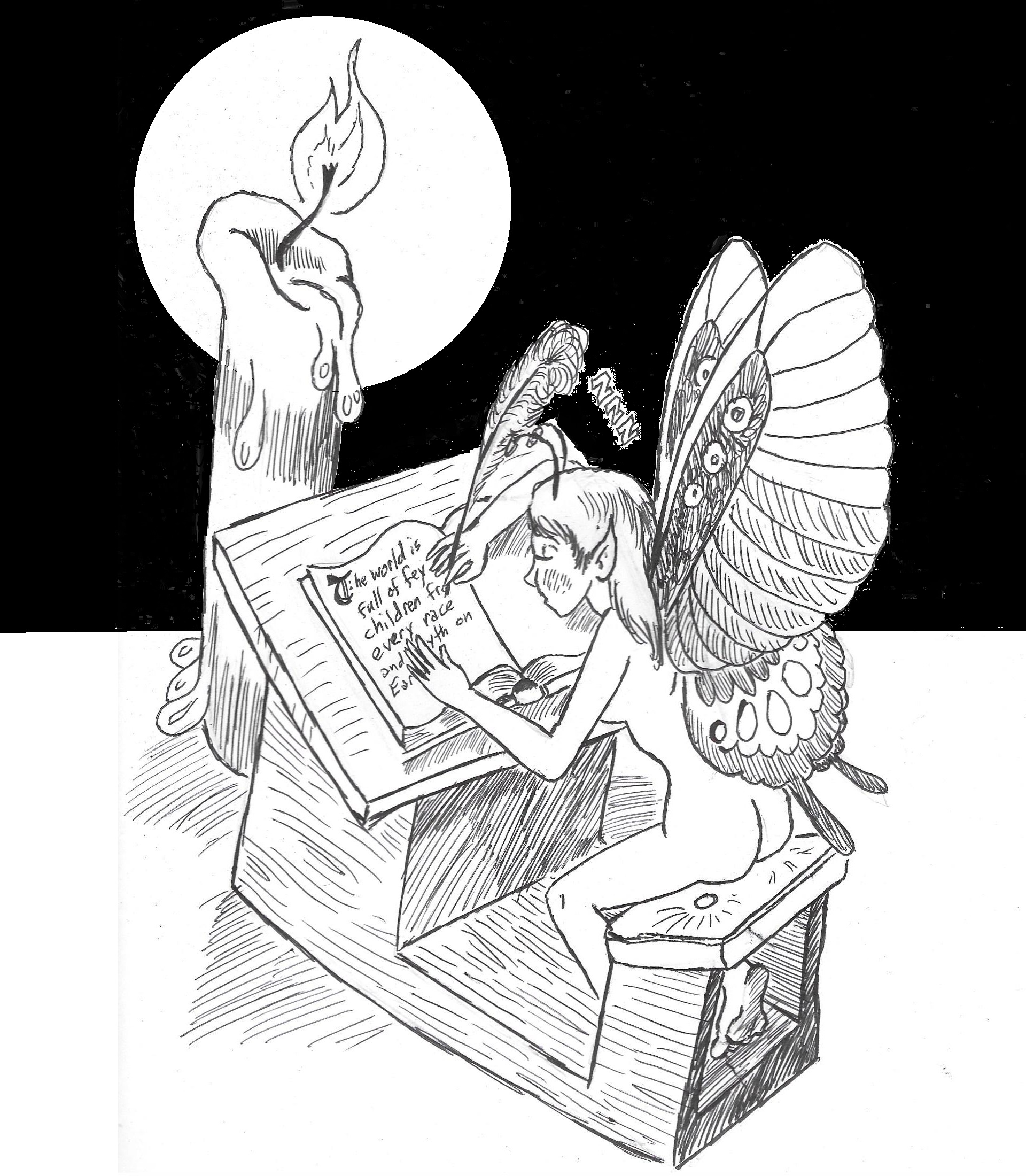
I have been thinking deeply about the nature of my own writing experience as I spent most of a year working to promote my books through an online author-review exchange called Pubby during a pandemic unlike anything seen in a century.
The author-review exchange thing has been a very mixed blessing. More than half of the reviews I have gotten on my work are done by authors seeking to earn points for their own books to be reviewed by cheating. They don’t actually try to read the books. Instead, they look at other existing reviews and try to cobble together some lies that don’t show any original thinking and merely parrot what other reviewers have said.
And while some reviews come from reviewers like me who work hard at reading and understanding the book and giving honest reactions that delight me by pointing out the things they actually connected with and understood in my books, other reviewers react with unexplained horror at something they found offensive to their own world view in my books, painting them in harsh terms, in one case even calling the book child-pornography and ridiculing the authors of the good reviews as someone who didn’t understand what they were reading.
But even the bad reviews are a blessing, in that they prove that someone has actually read my books. I cannot explain why that is so important, but it is.
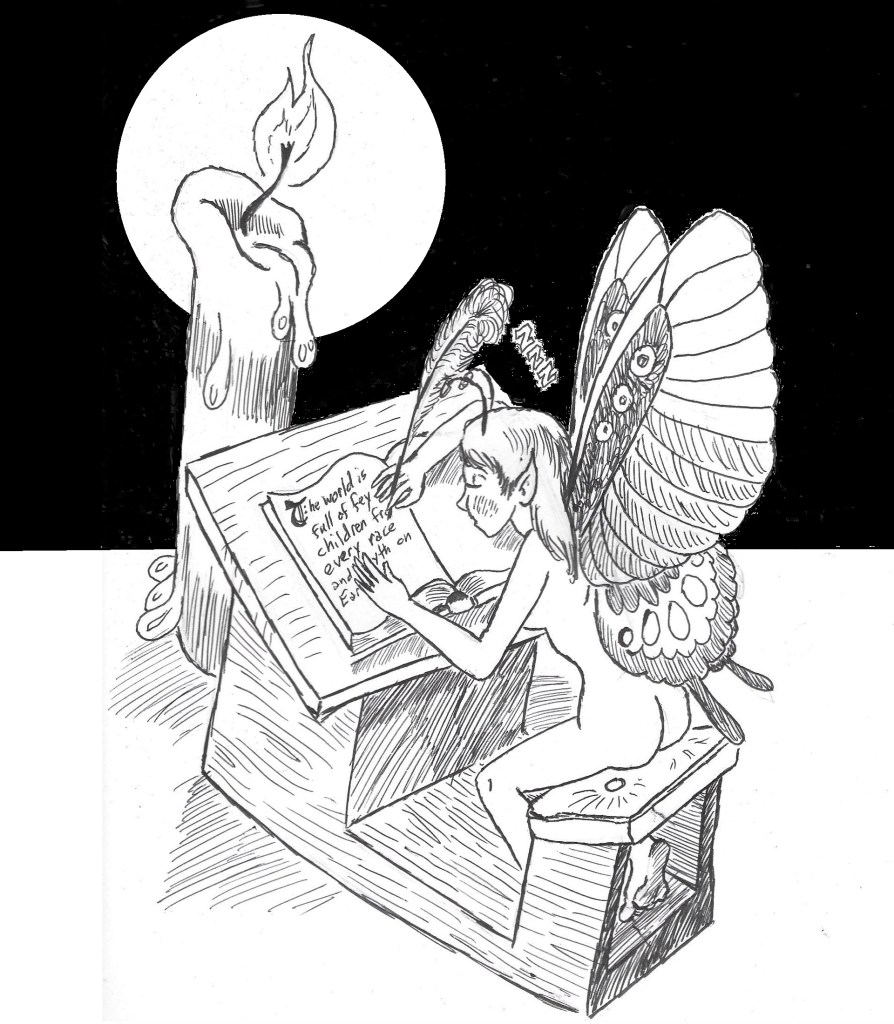
So, hopefully you see now why I am talking about fairy tales. A writer’s journey is hard. It burns your very soul. And you are not very likely to see any rewards but the intangible ones. If you are a fellow writer on your own writer’s journey, well, I sympathize. And I can only wish you well.


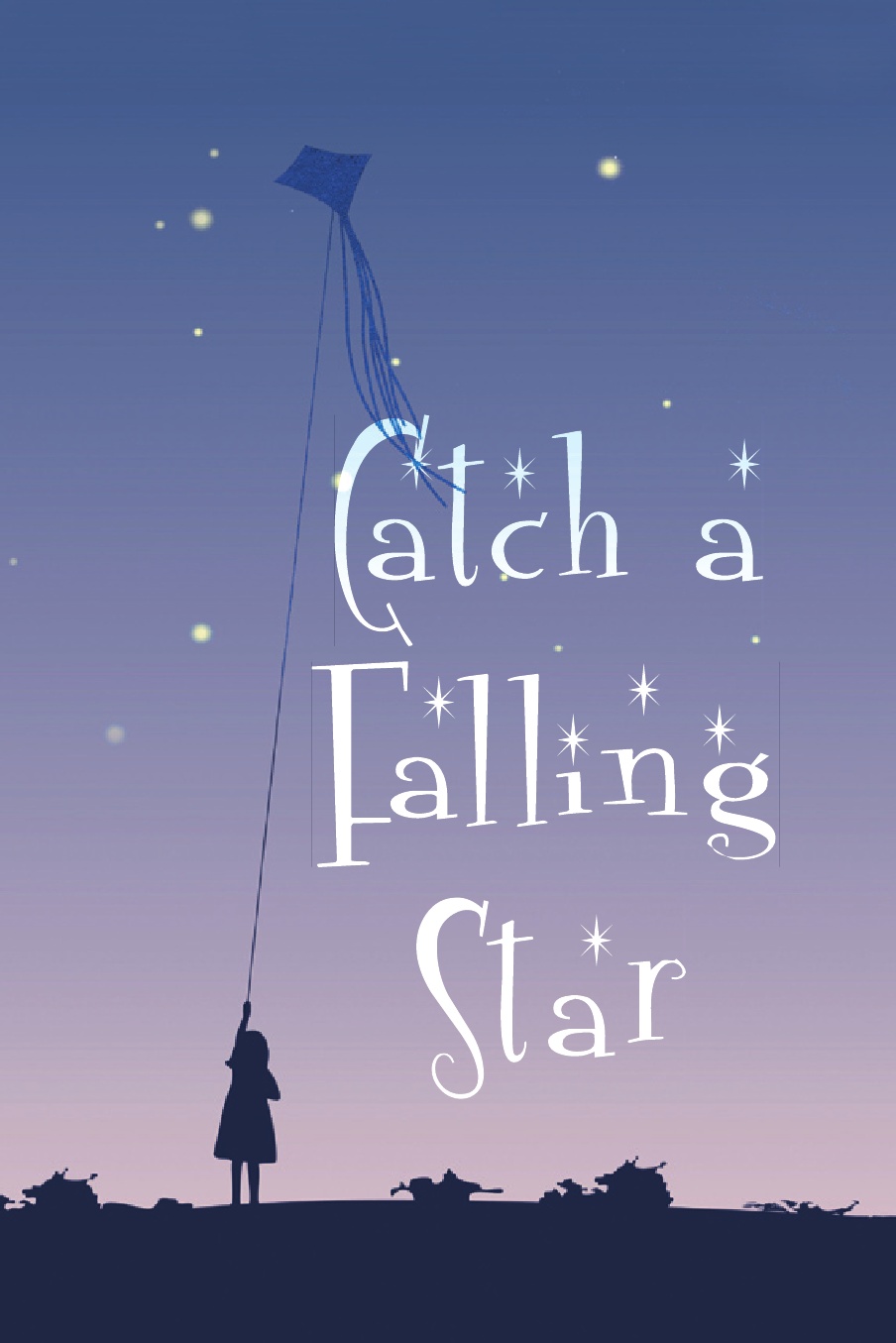
 Catch a Falling Star
Ending the Story
The first chapter of the story of my life does not open with my birth. It begins with my first memories around the age of three or four, when I first really became aware and my mind began seriously pulling itself together. Similarly, it will not ultimately end the final chapter when the lights go out and I pass away. I myself will not be able to write that particular sentence because, as I die, I probably won’t be in the act of writing about it.
This topic comes up because I have been thinking long and hard about how my AeroQuest series is going to end.
The original story in my terrible first-published novel has been divided into five different parts. Admittedly they are not as stand-alone in nature as I had originally intended.
Of course, since it all evolved from an on-going role-playing game, it was never really supposed to have an end point. And if I manage to finish this number-five novel, I already have a story to fill the number-six novel. It will be called Galactic Fire and the story is already tied to the other five.
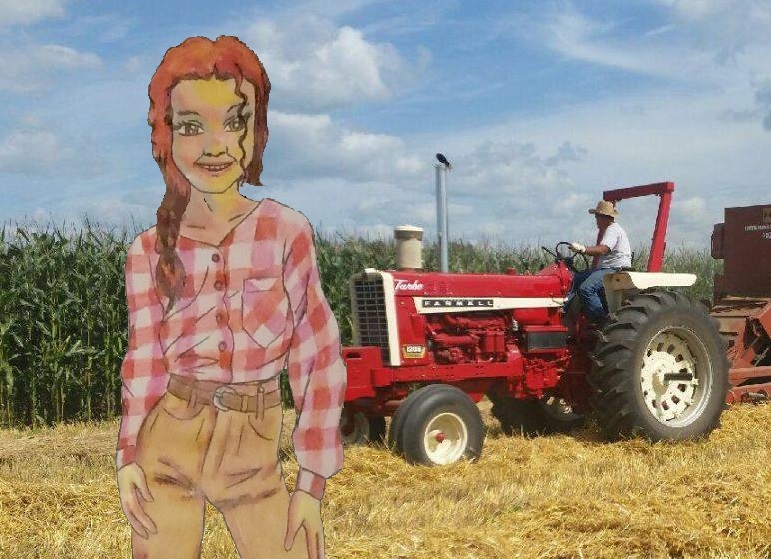
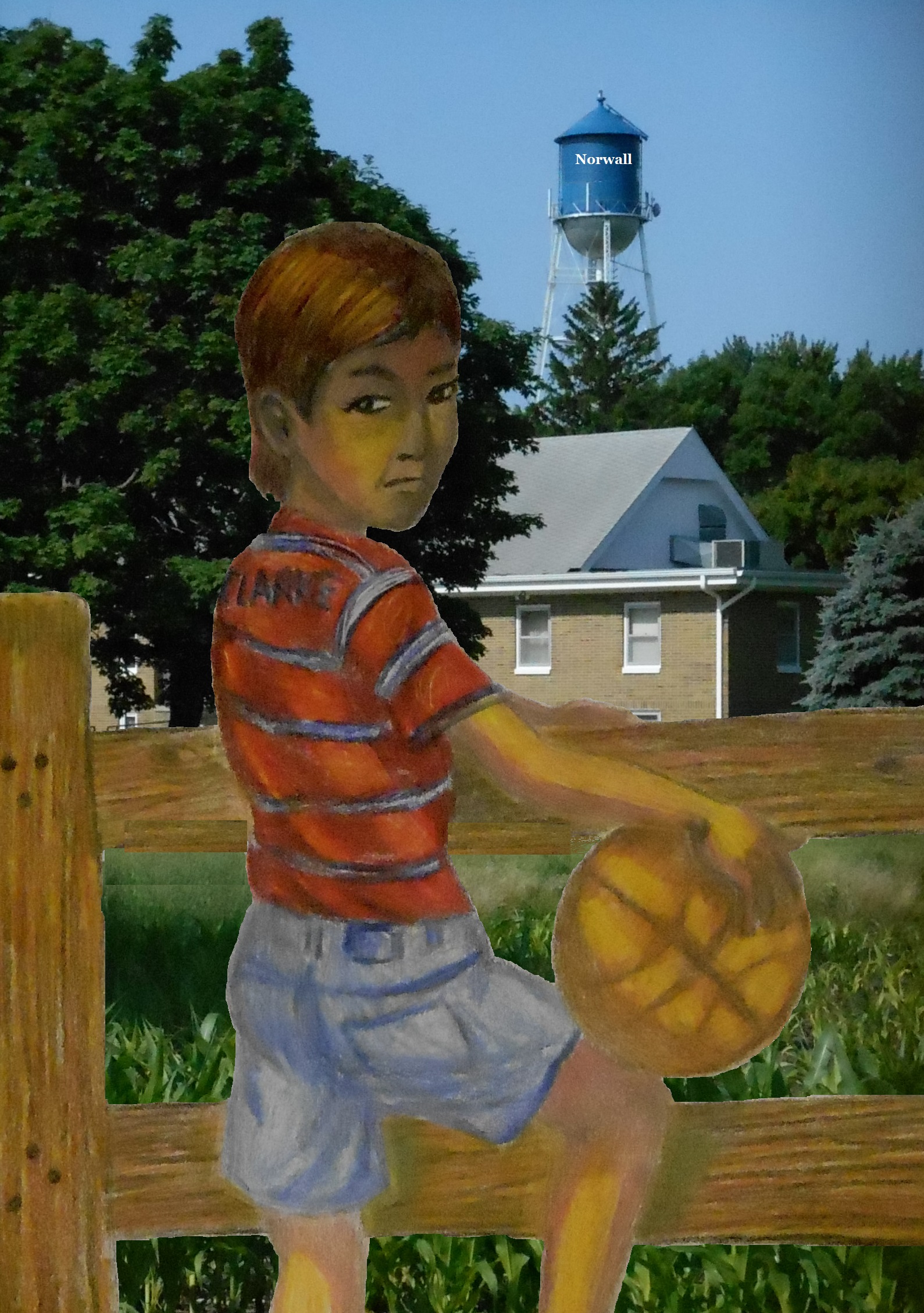
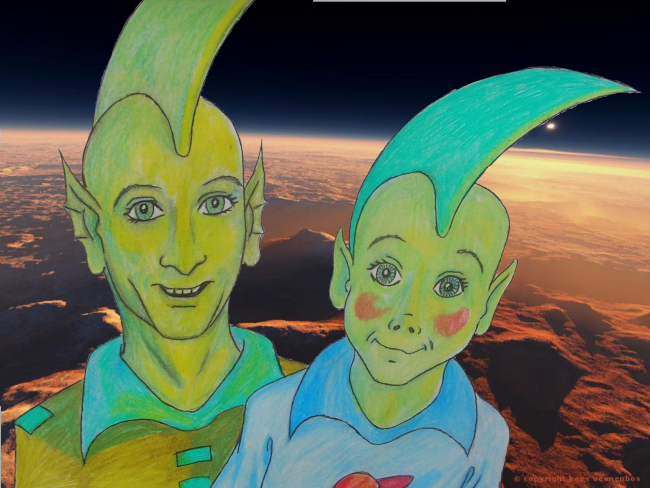
At the same time, I am rewriting and updating Stardusters and Space Lizards. This too is an ongoing story. As a sequel to Catch a Falling Star, it takes up the tale of the aliens who tried and failed to invade a small town in Iowa. It takes them to a dying planet where the population of meat-eating lizard people are determined to make themselves extinct.
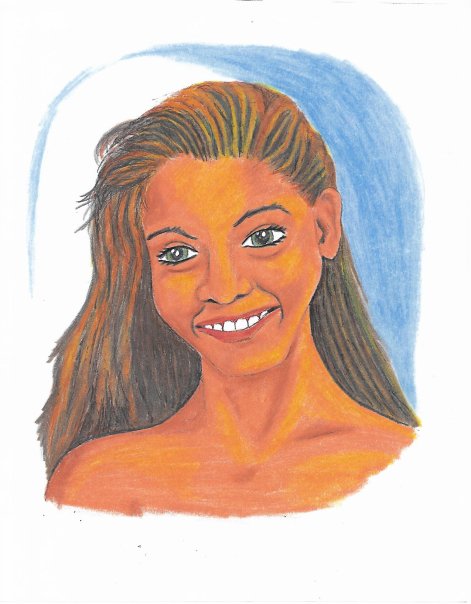
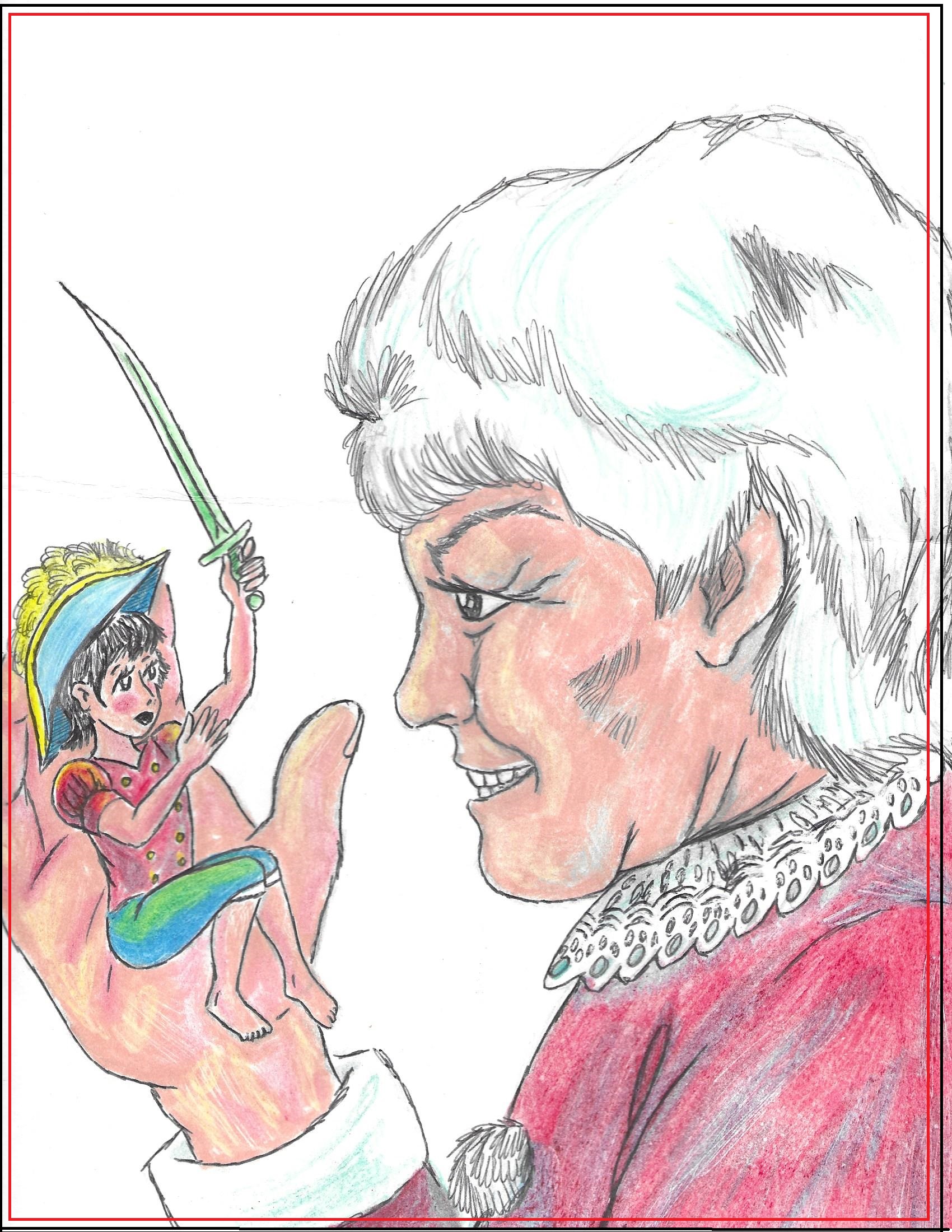
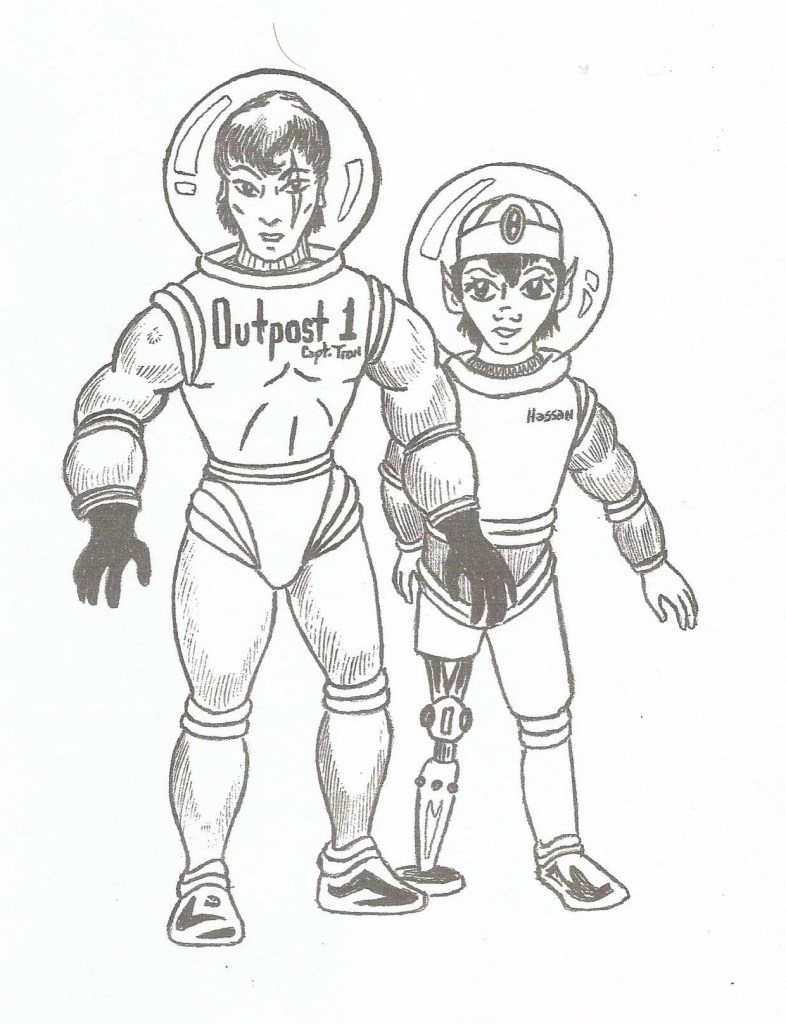
So, naturally, this book has the problem of the need to kill characters who are not the villain. Characters I have come to love. One of the characters shown on this new cover was supposed to tragically die during the climactic battle of the book. It began my awareness of how I can’t seem to end a novel without killing characters.
Of my fifteen existing novels, only Superchicken and A Field Guide to Fauns make it to the end of the story without killing a character.
I am lucky society doesn’t charge authors with murder for killing off characters in their books. After all, we fiction writers are a murderous lot. And characters are real people, at least to the author.
But, life as a story, is like that. Nobody that we have photographs of makes it out alive. And all the exceptions to the general rule may be highly metaphorical in actual reality.
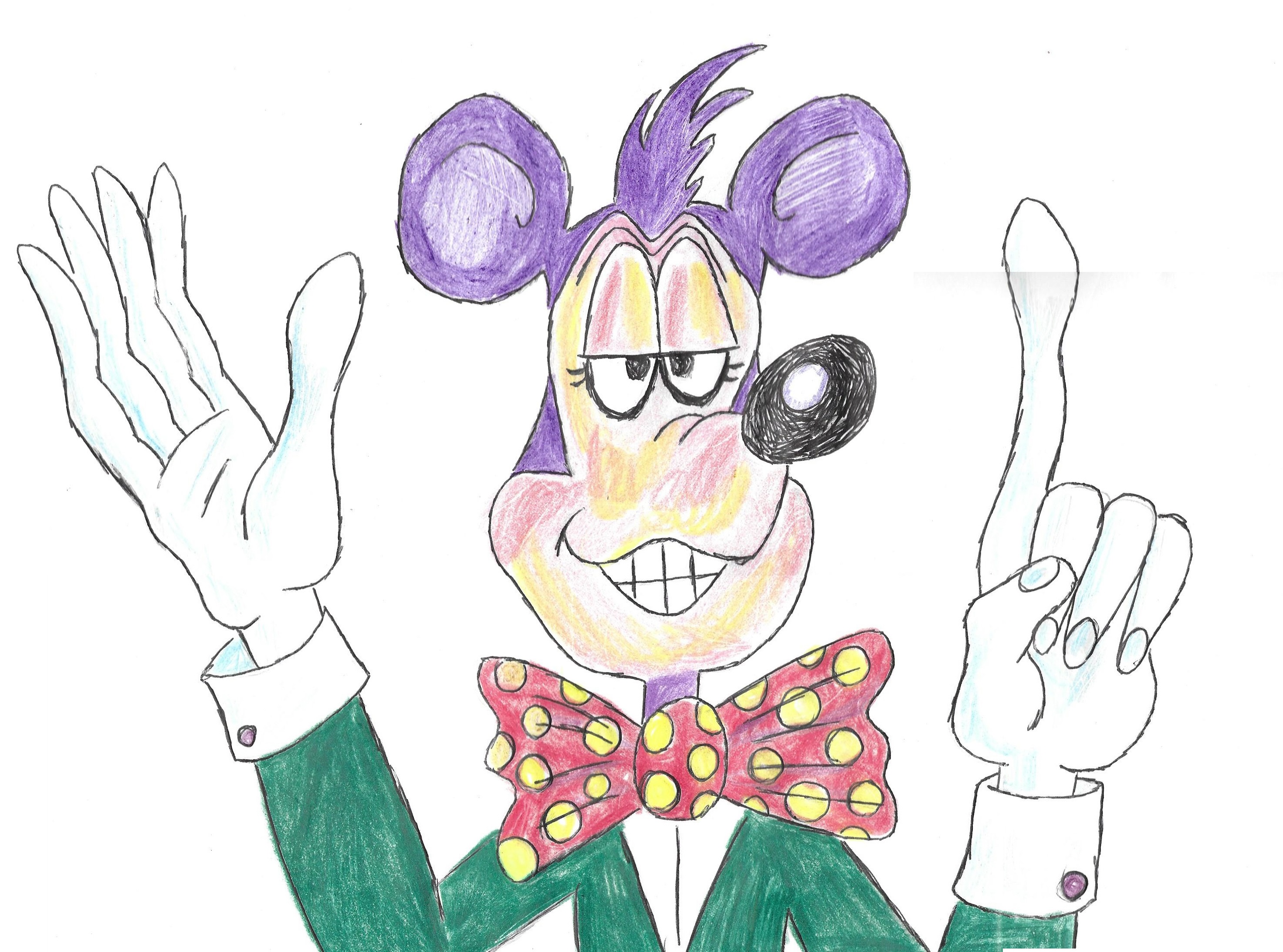
The character in my initial Paffooney, Orben Wallace from The Bicycle-Wheel Genius, is a good example of the ongoing nature of life’s story. I call that book a prequel-equal-sequel because it tells a story that begins before Catch a Falling Star, includes some of the same story as that book, and ends with a story that occurs well after the other story departs for outer space.
I fully expect my own life to end its story like that one did. There is a story that comes both before and after. Birth-to-death stories are always part of something larger. And it is all connected.
Leave a comment
Filed under aliens, characters, commentary, humor, novel plans, novel writing, Paffooney, strange and wonderful ideas about life, writing, writing humor