Yes, this post is a self-examination. Not the kind you see Donald Trump enacting every weekend, where he says any crappy thing that occurs to his craptastical very good brain to cover what he doesn’t want us to believe about the truth on Twitter, basically for the purpose of continuing to say he is great and we are poop. I do not like myself the way Trump likes himself. I am an old bag of gas that is in pain most of the time, in poor health, and the subject of endless persecution from Bank of America and other money-grubbing machines that are convinced any money I might accidentally have really belongs to them. But this is not a complain-about-crap fest either.
This is a self-examination that attempts to honestly examine where I am in my quest for wisdom and my affliction with being a writer.
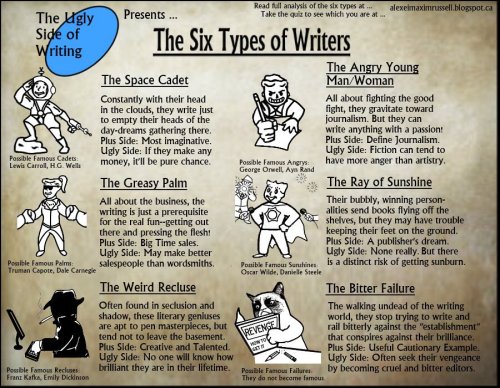
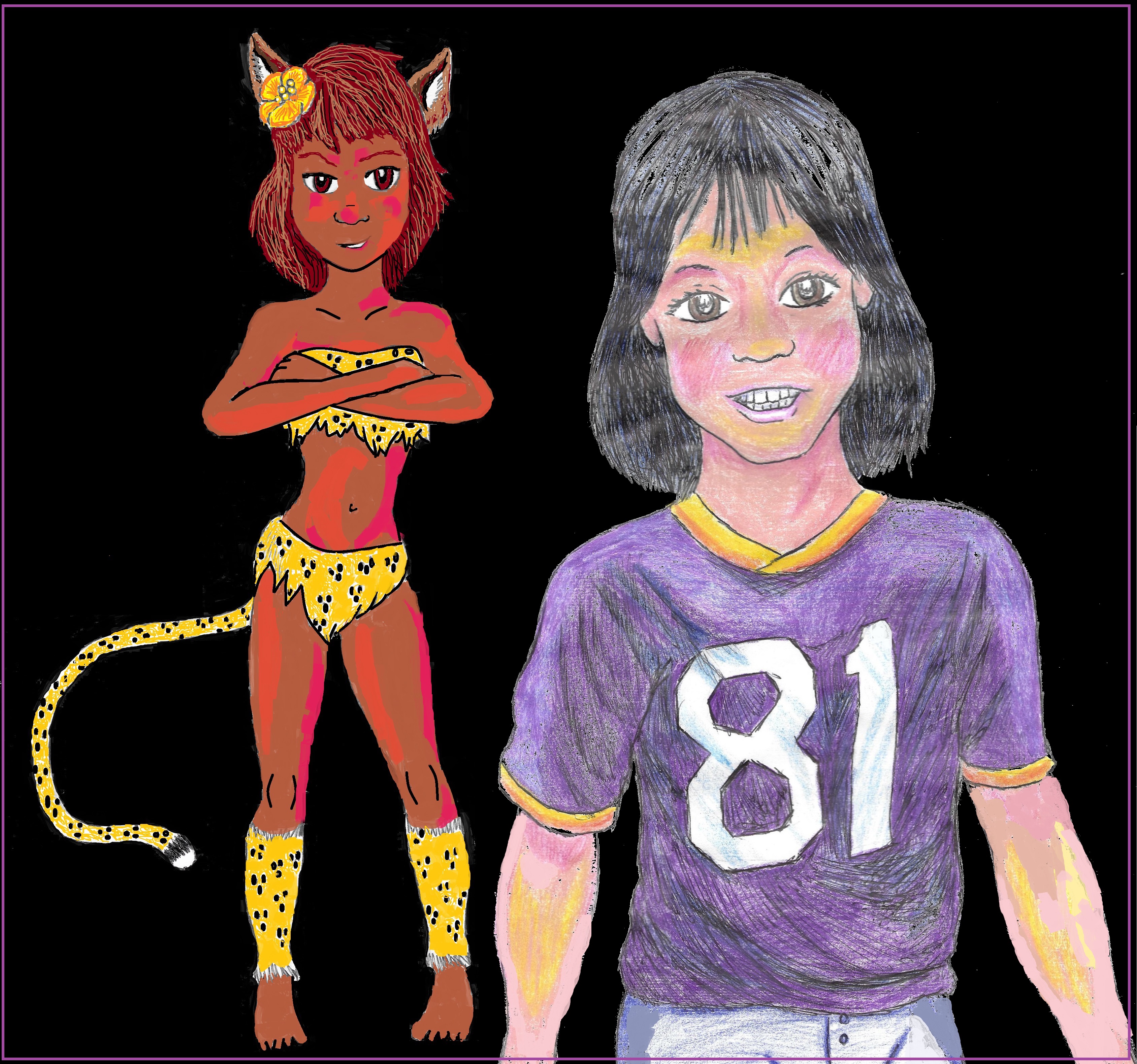
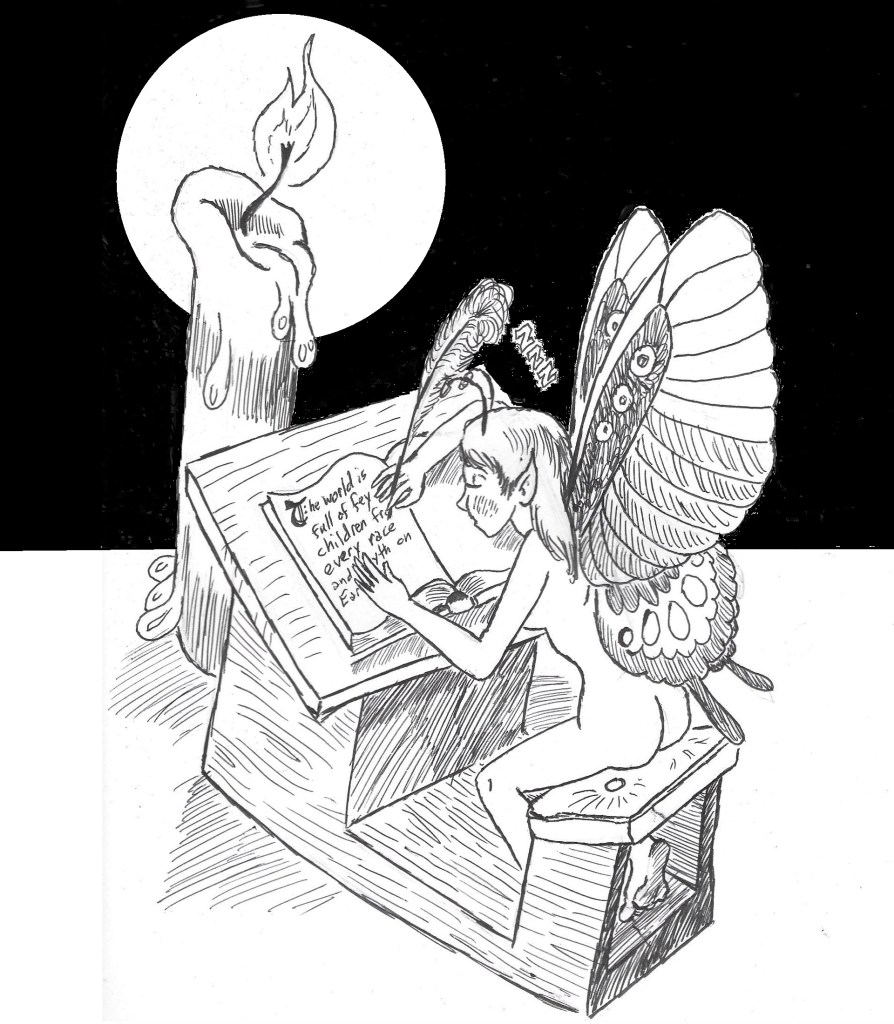
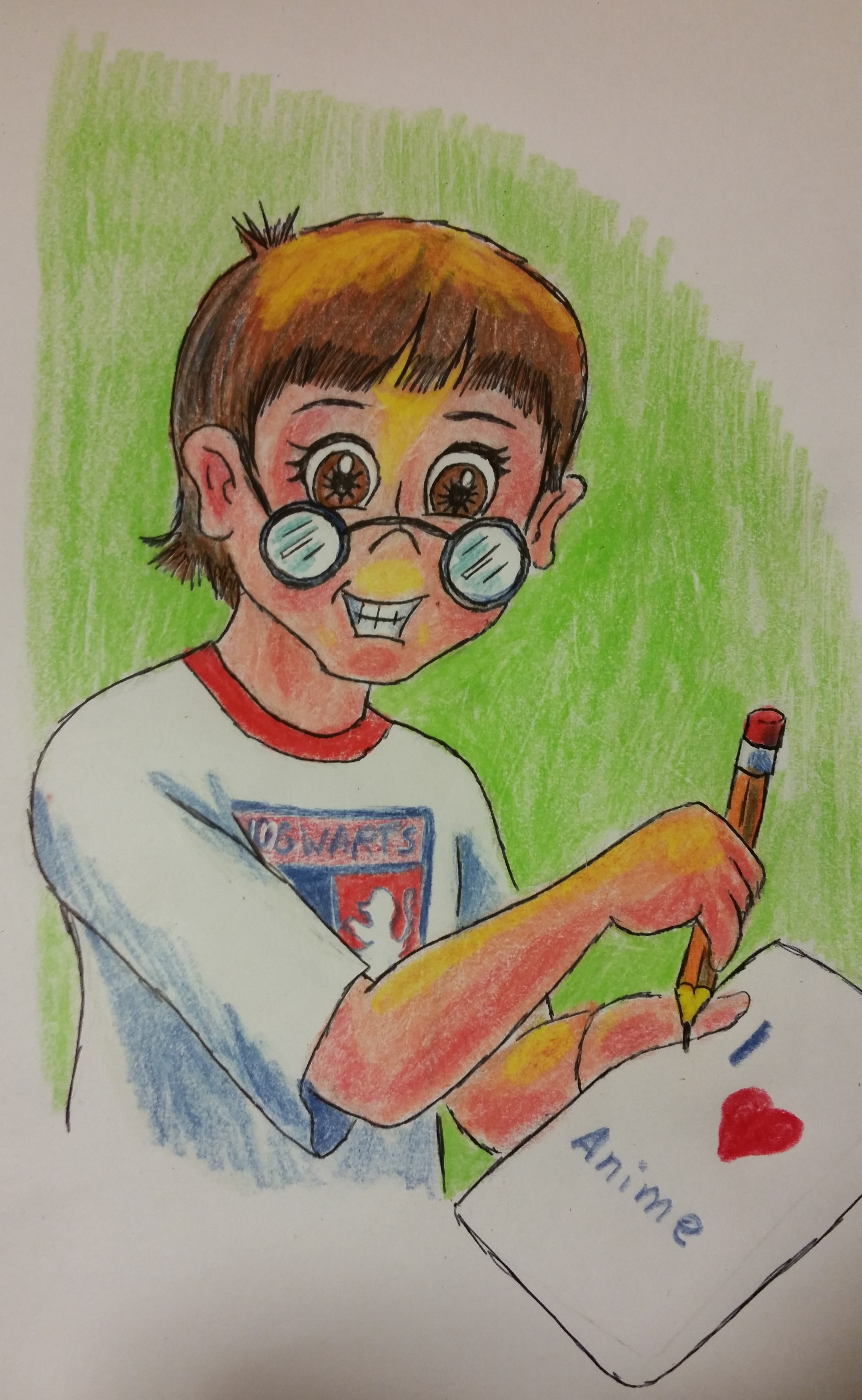
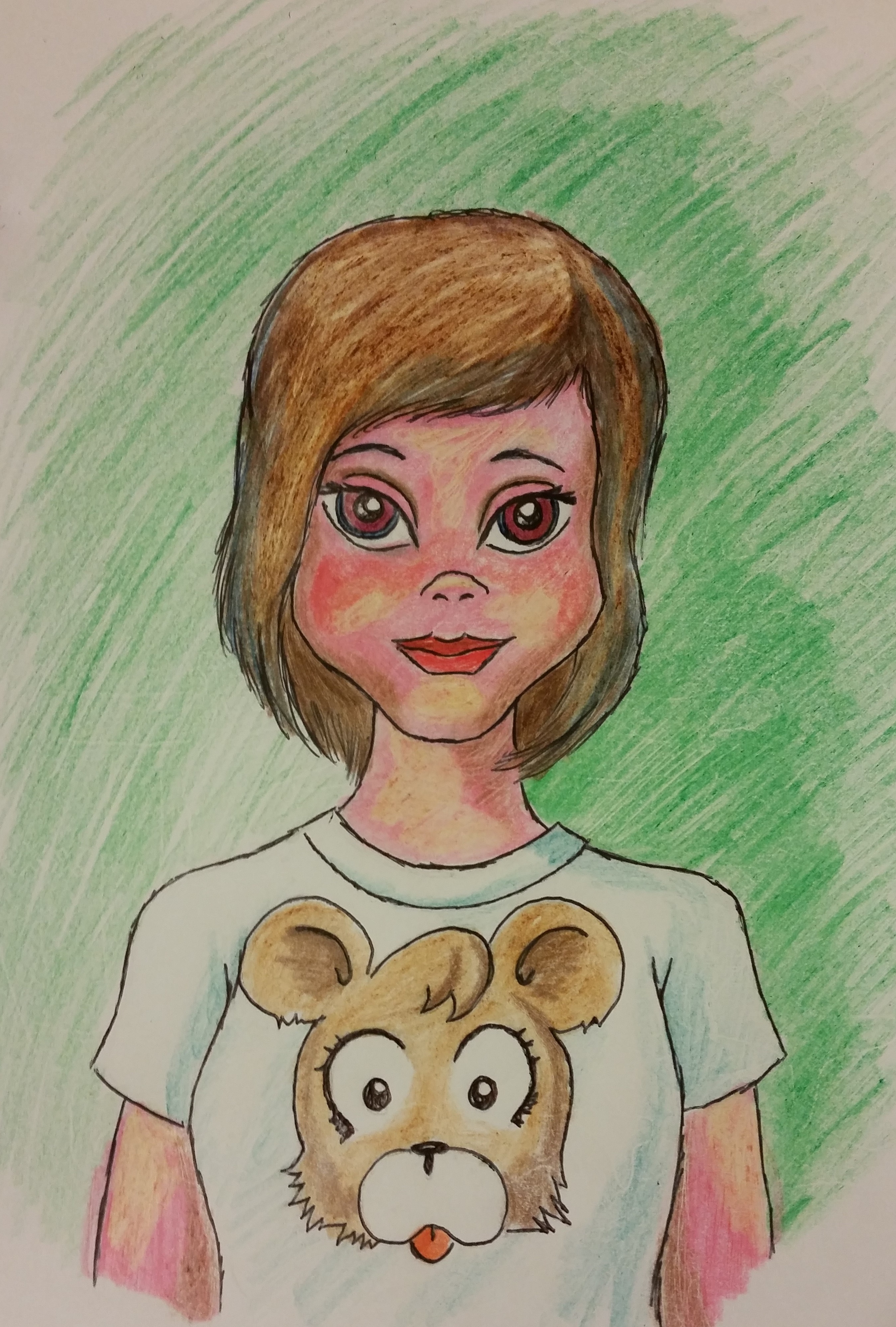
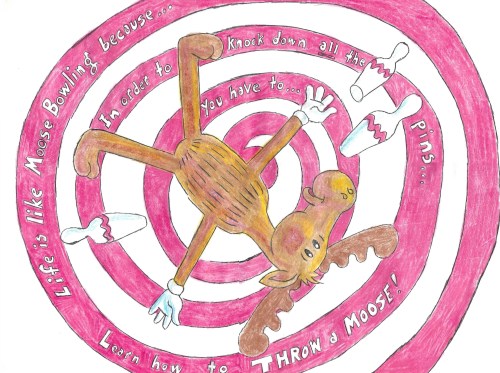
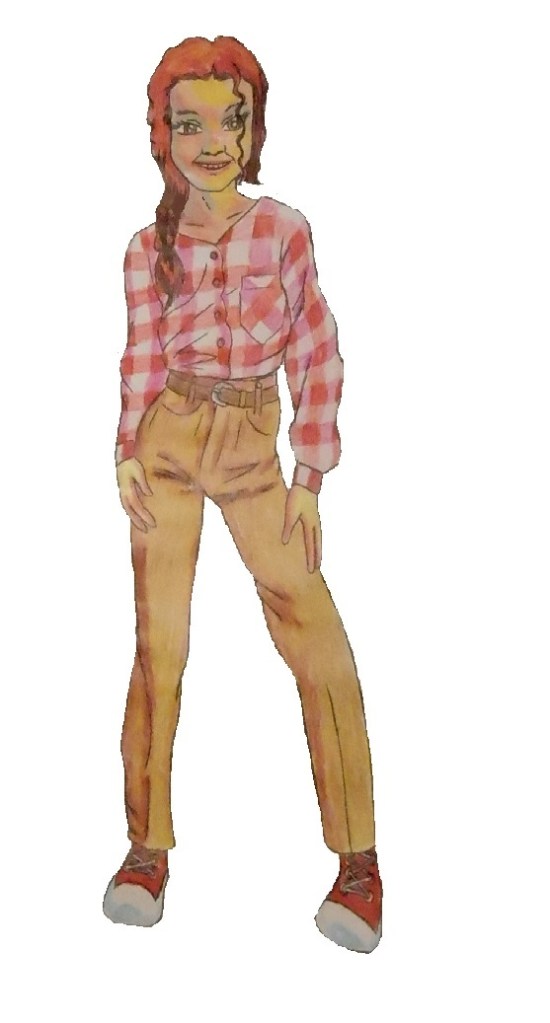
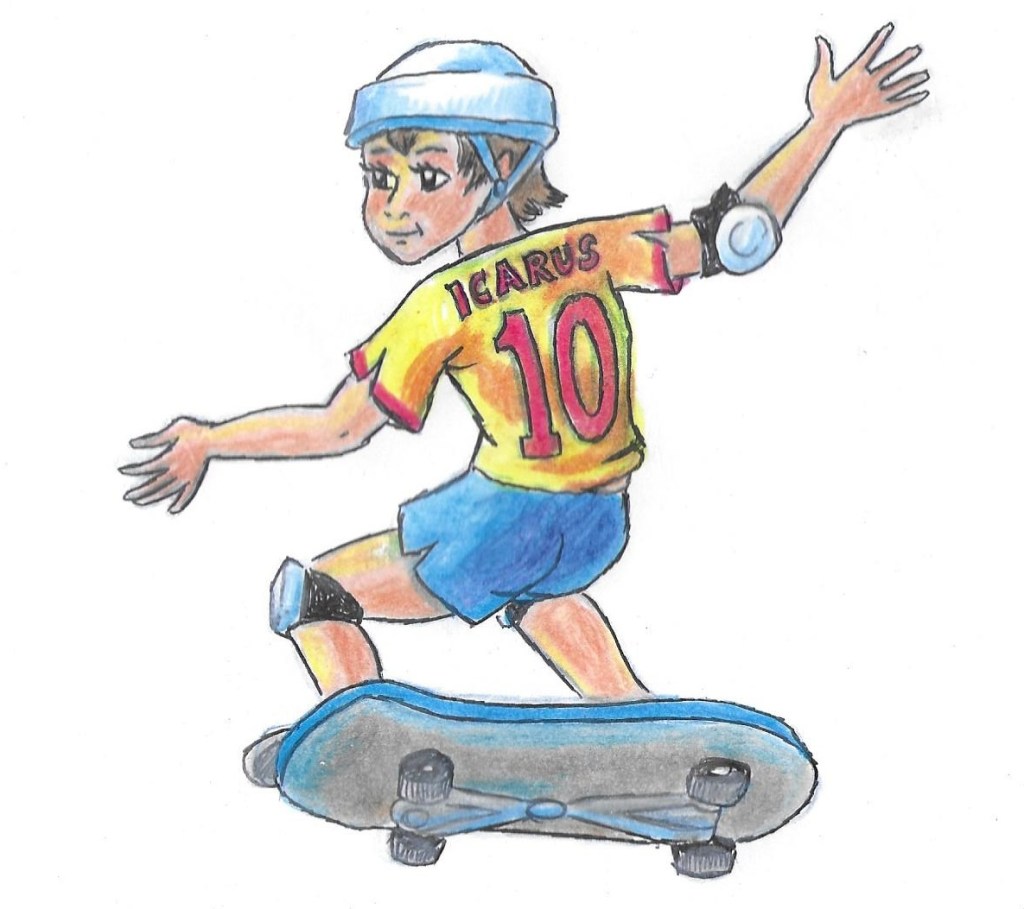
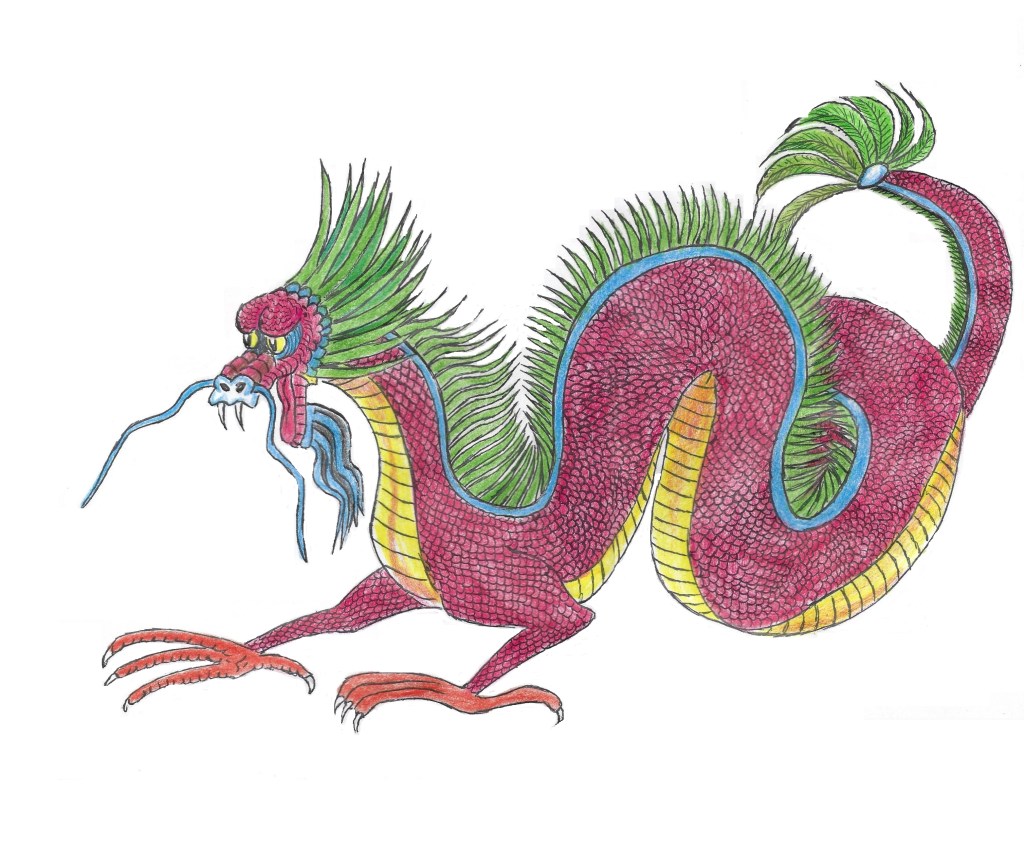
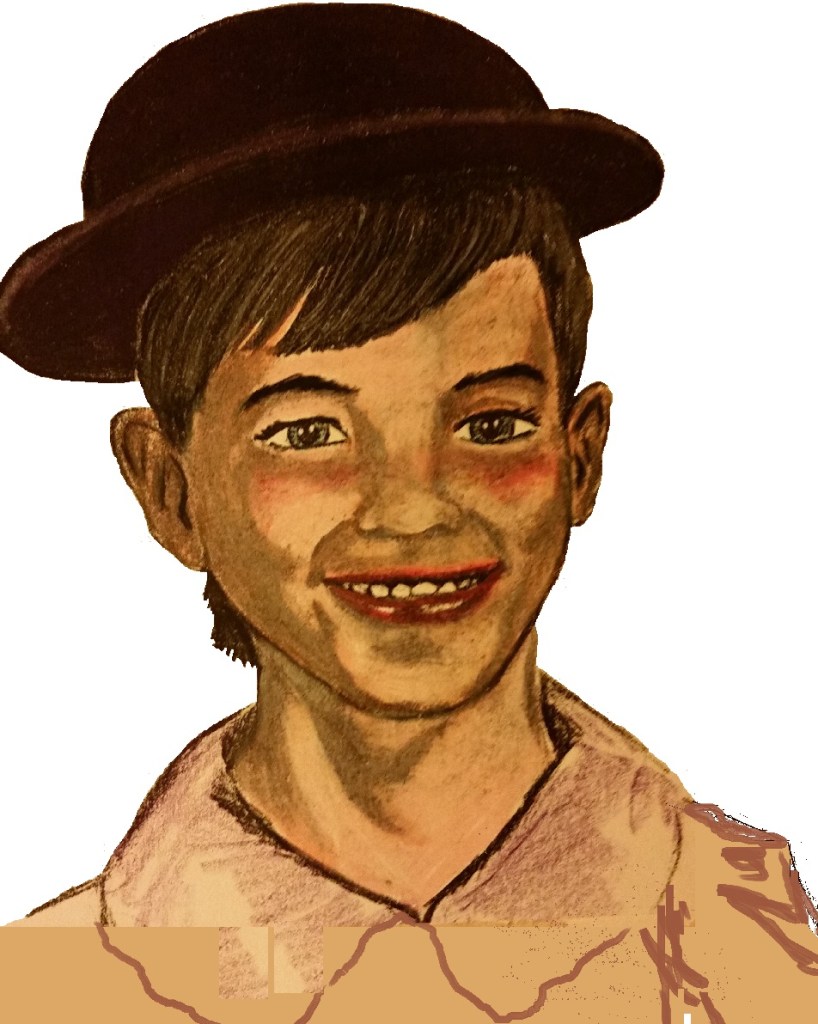
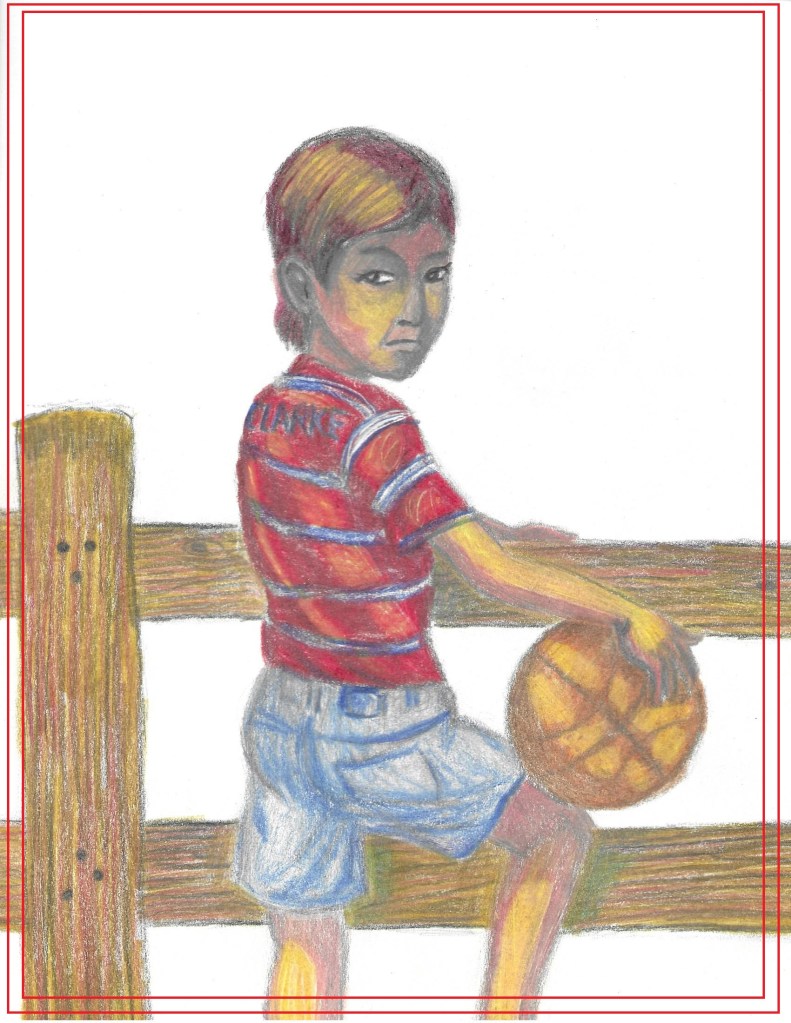
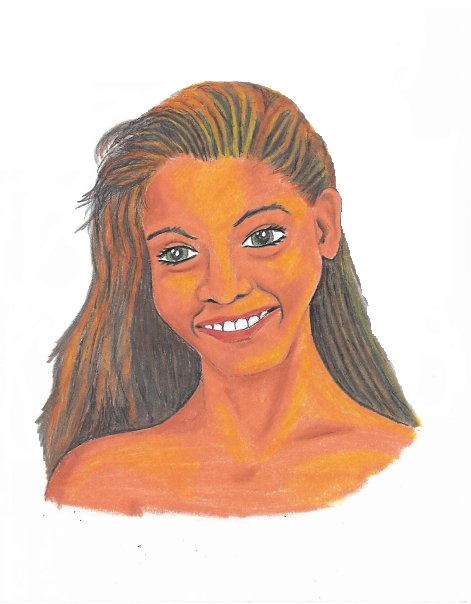
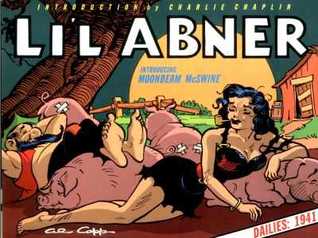
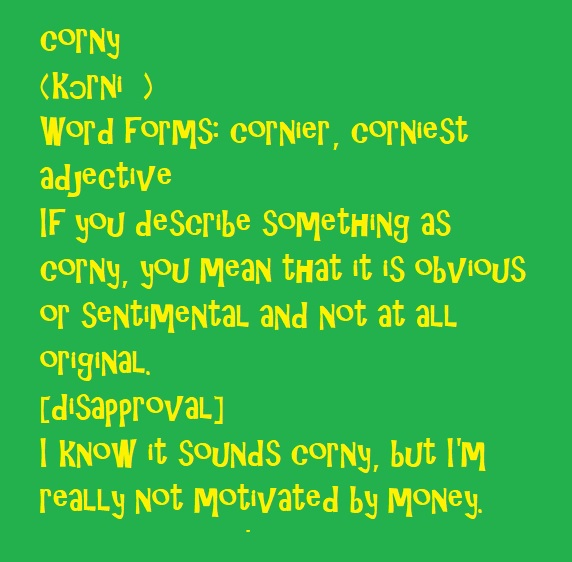
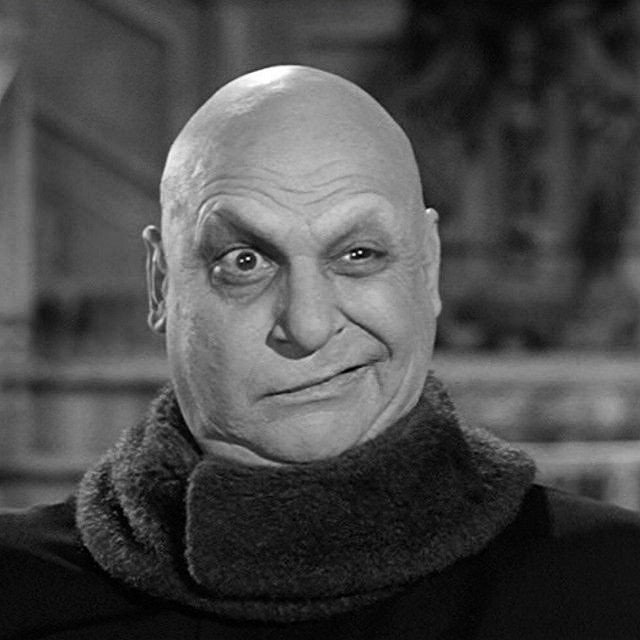
If I am being honest about the type of writer I really am, I guess I am most like the Weird Recluse in the bottom corner. I can’t claim to be as good as Kafka or Dickinson, but I am definitely better than some of the crap that gets published and marketed as young adult literature. The business of publishing is more interested in how many books they can sell, rather than literary merit or good writing. Some of the crap that is out there and being made into bad movies (which I have not seen because I don’t go to movies that don’t pass the fiction-source smell test) is actually a form of brain poison that will mold young people into sexual predators and professional poop makers. And people will take poison happily if it has been deviously marketed well. So far, in the money test, I have made only $16.43 dollars as an author (plus whatever I have made from I-Universe that doesn’t cut a check until it reaches at least $25 dollars). Nobody is buying my books because nobody has read them. I have sold a few copies to friends and relatives. Some of those books are just sitting on a shelf somewhere unread. I have a couple of 5-star reviews on Amazon, and that is it. I will die in the near future not having known any measurable success from my books at all.


I have entered novels in writing contests and done well enough to make it into the final round of judging twice. I have not, however, made a big enough splash that anyone really noticed. I have paid reviewers to review my books online. One of those charged me money, and then reviewed a book with the same title by a different author, a book which was nothing like my book, and then, when forced to correct their error, only read the blurb on the back of the book to write the oopsie-I-goofed-last-time review. They were not worth the money I paid them, money that Bank of America could’ve sued me for instead.


The only thing I have done successfully as a writer is, I think, this goofy blog. By writing every day, I have managed to give myself considerable practice at connecting with readers. I have practiced writing humor and written some laughable stuff. I have plumbed my soul for new writing ideas, and found a creative artesian well bubbling up with new ideas daily. I can regularly manufacture inspiration. I am never truly without an idea to write about. Even when I write a post about not having an idea to write about, I am lying. Of course, I am a fiction writer, so telling lies is what I do best. I am also a humorist, so that means I can also tell the truth when I have to, because the best humor is the kind where you surprise the reader with a thing that is weirdly true. Like just now.
So, somewhere ages and ages hence, I hope there will be a trove of old books in a cellar somewhere that will include one of mine. And some future kid will pick it up, read it, and laugh. The golden quality of that laughter is the only treasure I have really been searching for. It is the reason I write. It is the reason I continue to be Mickey.
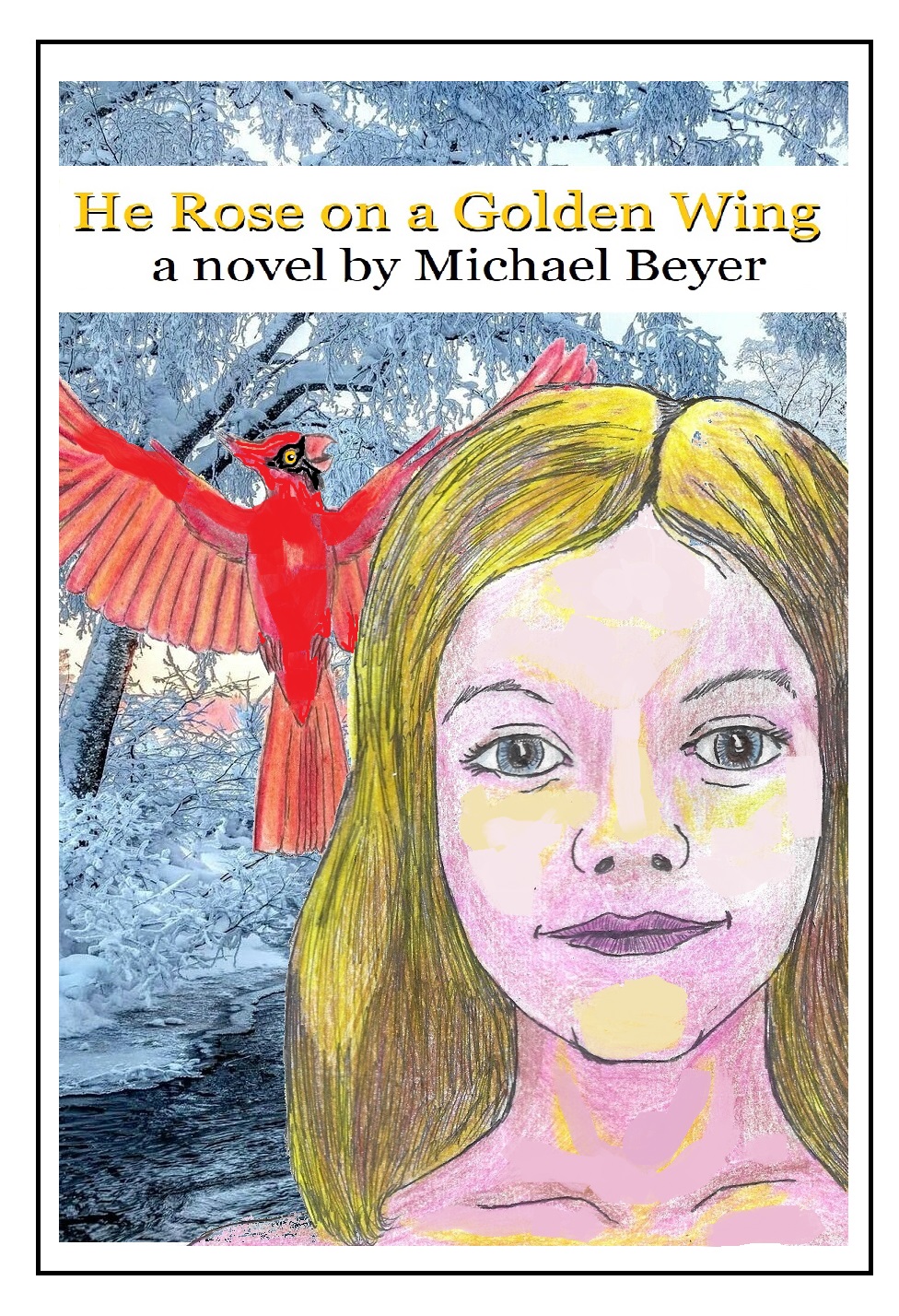
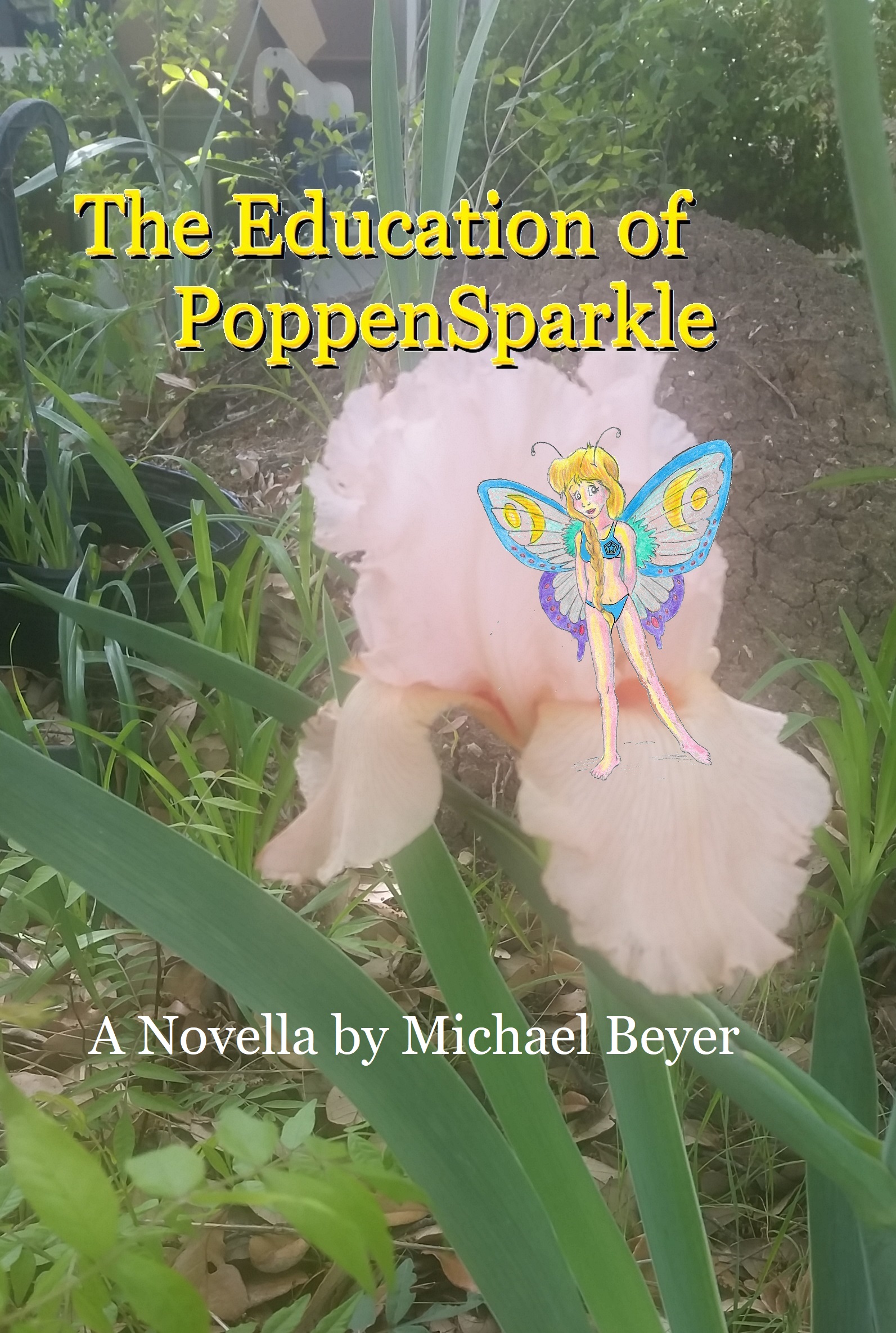
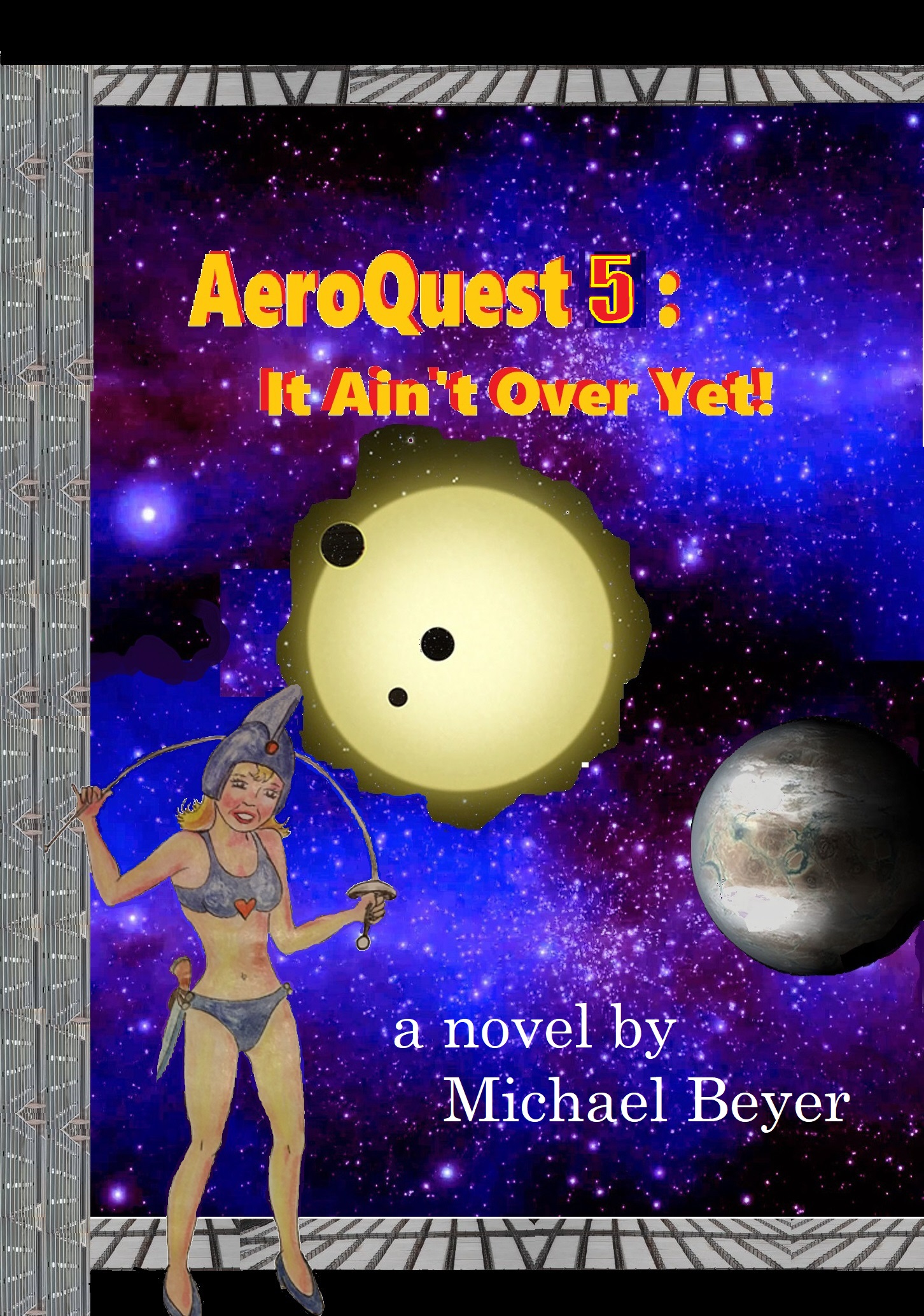
Since I wrote this blog post originally, I have added a few books published on Amazon. You can find information about this random noveliciousness here at this page in my blog. Click on this linkie thingie here.