
As a writer seriously immersed in a particular work in progress, I find myself talking more and more to certain people who exist only in my head. They are the characters in my novel, The Boy… Forever.
The novel is itself an epistolary novel. That means, like Bram Stoker’s Dracula, it is made up of letters, notes, diary and journal entries, and other personal writing of the central characters. It also means that I have to become the different people who write these things. At least while I create each individual artifact that goes into the mosaic of first-person narratives.
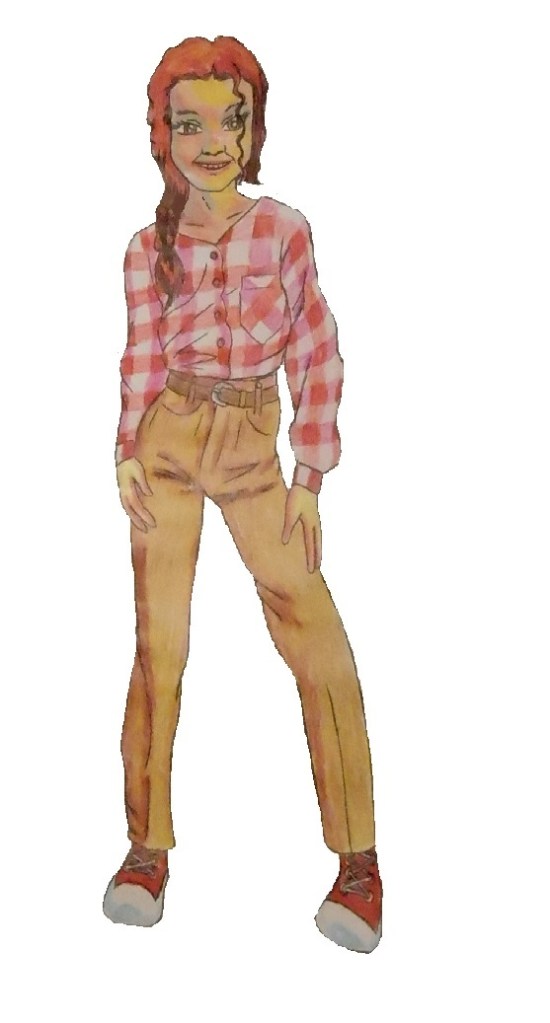
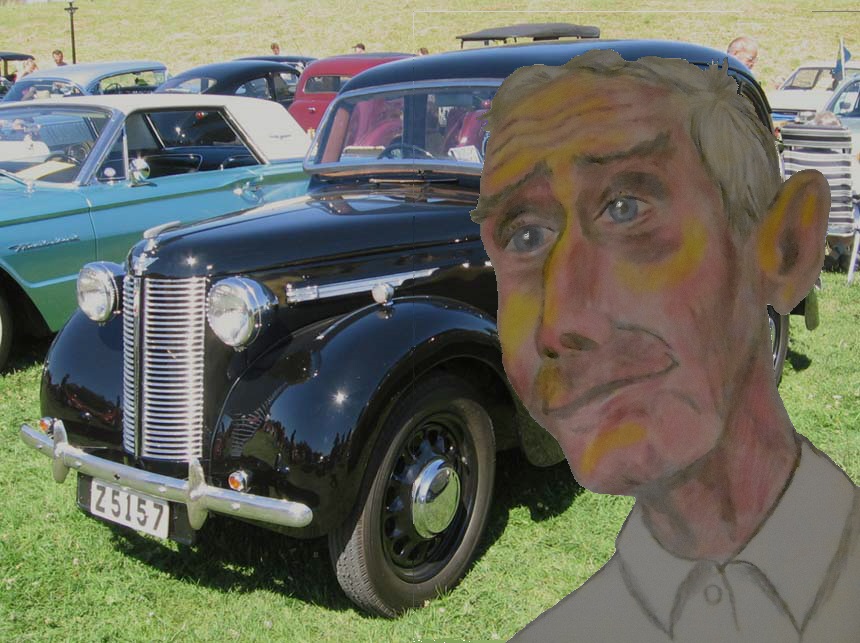
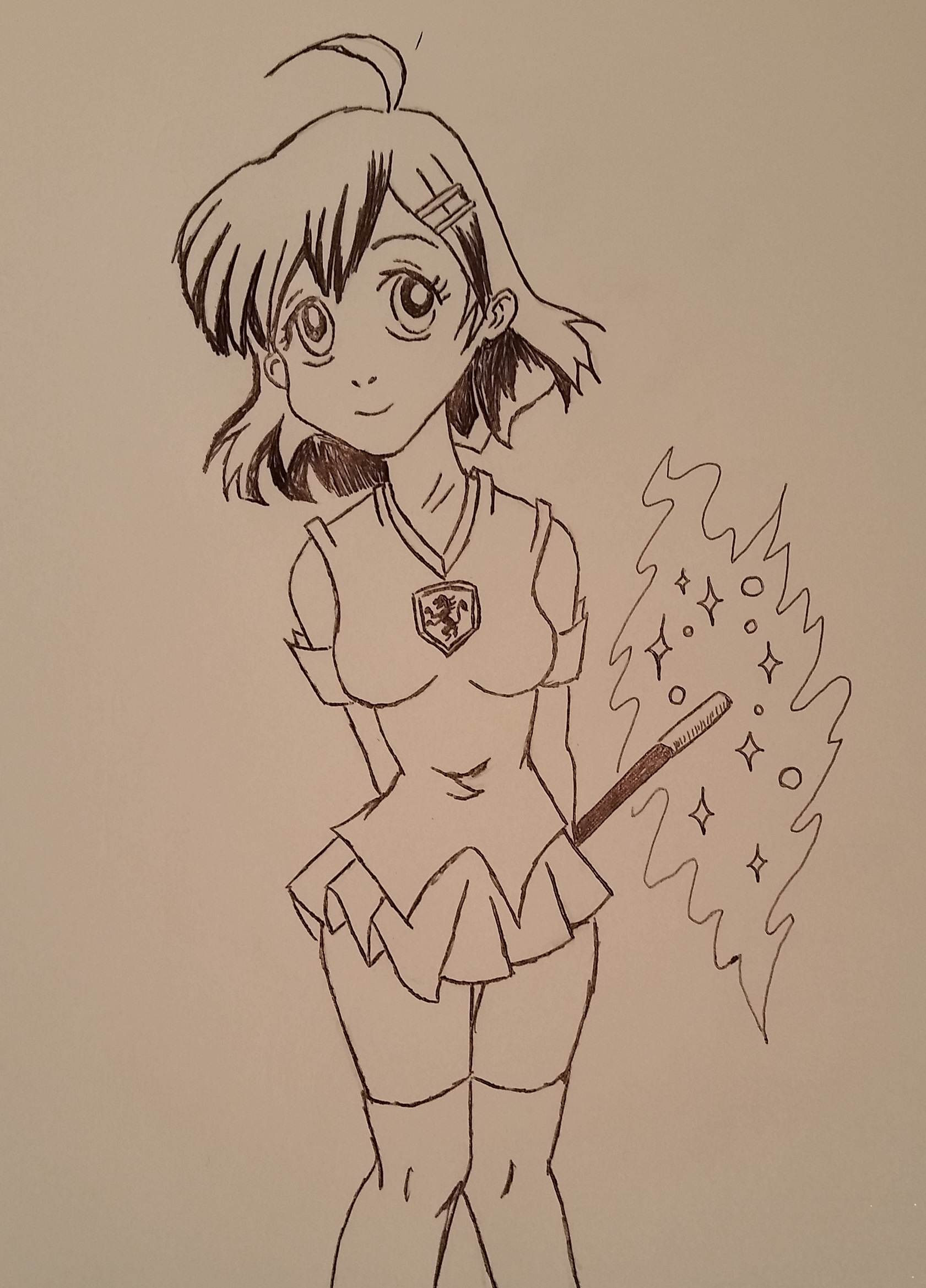
Anita Jones, pictured here, is the letter-writer who starts the plot in motion when she gets a very disturbing letter from her cousin, Icarus Jones.
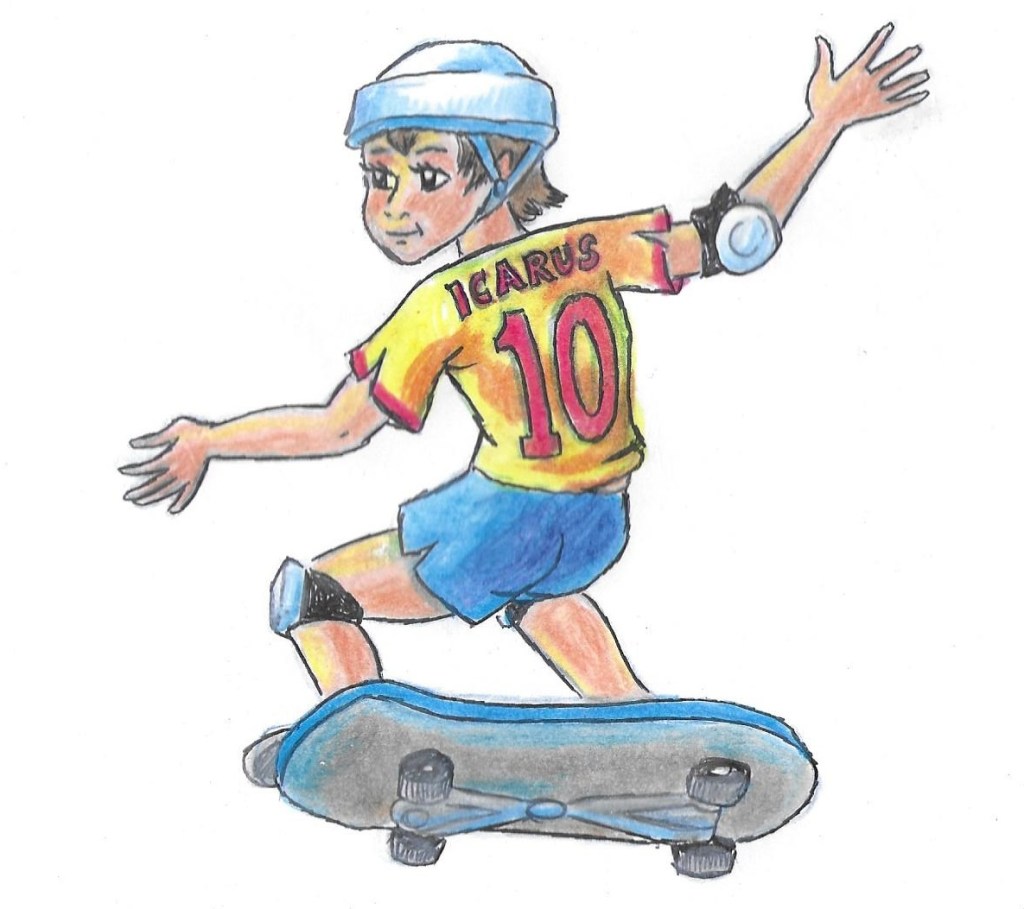
Icarus writes about his problem with becoming a midget, and his response to it being a plan to kill himself. It seems that he simply stopped growing at the age of ten. Now, being a fifteen-year-old in the body of a ten-year-old, he writes a suicide note in the form of a letter, and then goes to jump off a bridge into the Mississippi River. But when he does, he survives. Or, rather, he succeeds, but cannot remain dead. He doesn’t know it, yet, but he has become a human mutation known in the secret world of unknown things as an Immortal.
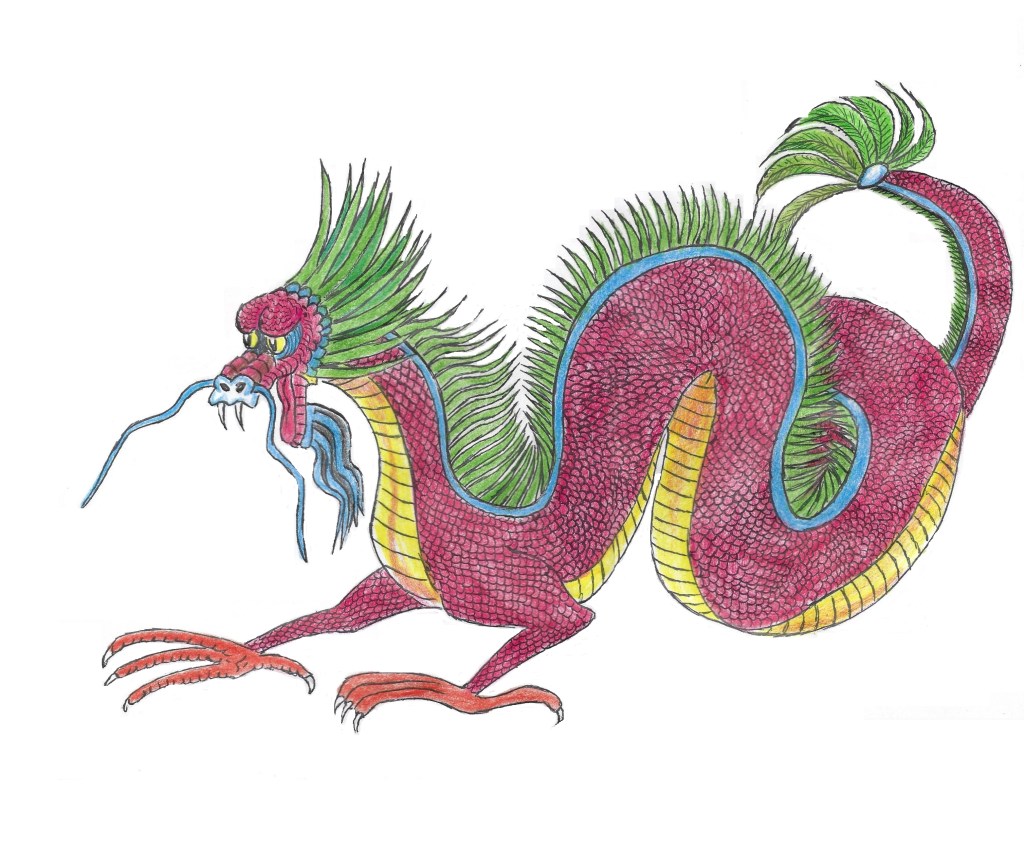
Icky’s problem becomes worse when it is discovered he is being pursued by another immortal, a sort of vampiric immortal who needs to consume the essence of other immortals to stay alive. He is a three-thousand-year-old Chinese Celestial Dragon who is able to assume a human form.
Neither Icky Jones nor Tian Long the dragon, though, really needs to be in my head. Icarus himself only writes the first and last letters of the book. Tian Long, the villain, does not have a say at all in telling the story. The only part of it he writes are the wizard spells he uses to confound everyone, and most of those are in Chinese.
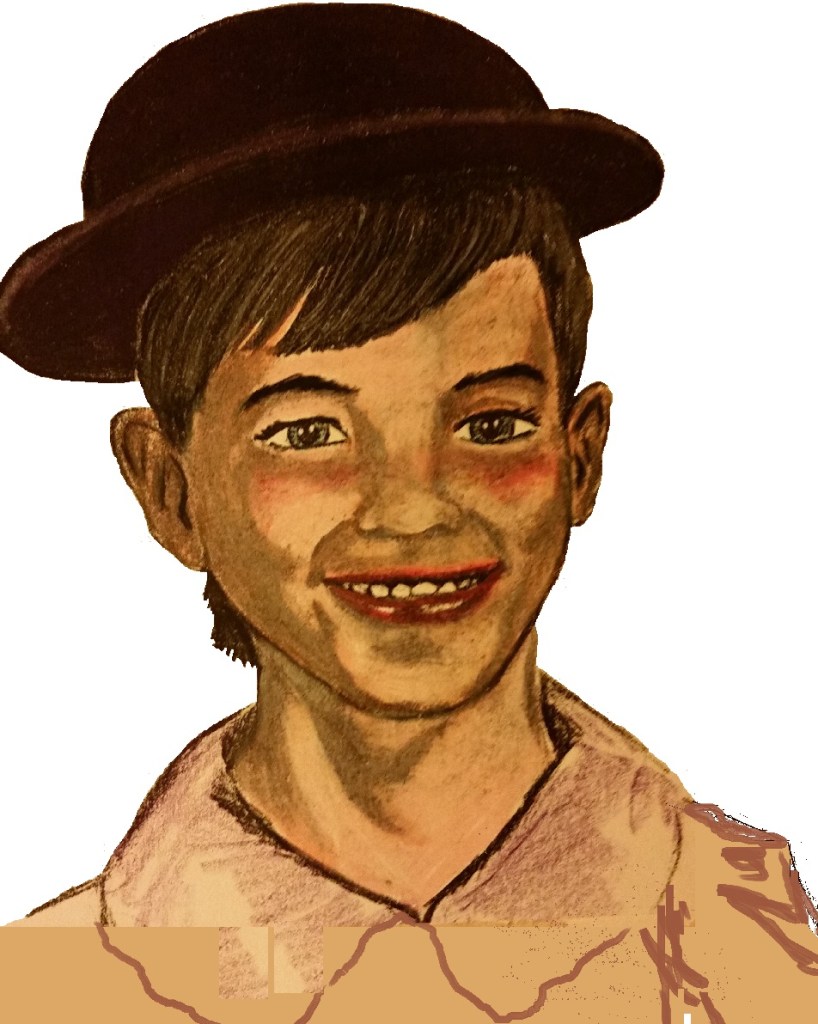
Besides the letters that Anita Jones writes to her cousin in Dallas, Dot Jones, the story is also advanced in the journal entries of Milt Morgan, one of the leaders of the boys’ gang in rural Iowa known as the Norwall Pirates. He has been asked by the Freshman English teacher to keep a daily journal and write every day in 1976. This he struggles to do, but gains writing and typing skills as he goes along, especially when he befriends Icarus and learns about the dragon pursuing Icky.
Milt is full of imagination and a sense of adventure, a thing that makes him an unreliable narrator, not above embellishing the truth as he writes his not-so-much- daily-as-infrequent journal entries.
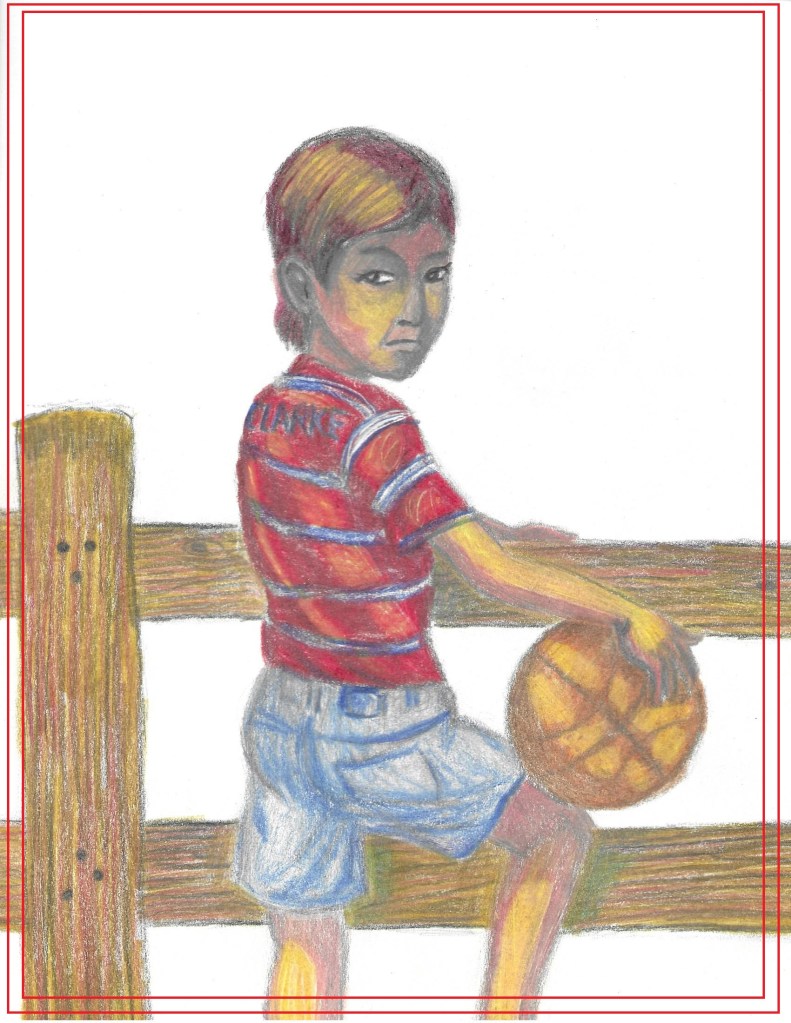
The story is also taken up by Brent Clarke, the leader of the Norwall Pirates. Brent wants to be a policeman or a detective or something like that when he grows up. He takes careful investigation notes on everything, and he is the first one to become suspicious of the Chinese man and his step-daughter who pick a house in the town of Norwall that they want to live in right before the actual owner and occupant of the house mysteriously dies in a falling accident. Brent befriends the local Sheriff’s Deputy and sets out on a serious possible murder investigation that yields some very disturbing results. His notes are very detail-oriented and generally fact-based. He carefully records his own eye-witness accounts of everything.
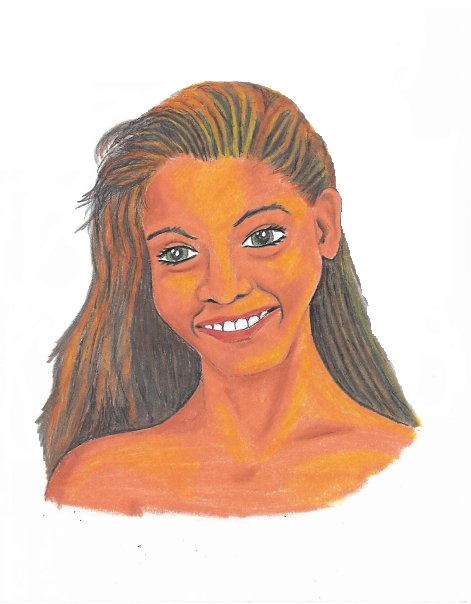
Sherry Cobble, the more outgoing of the identical twins known as the Cobble Sisters, is a happy nudist with a very positive body image for herself and her twin sister. She is a very positive person over-all. She and her sister Shelly had started out keeping a “Lovely Nudist’s Diary” between them, but Shelly is not nearly as interested in writing and storytelling as her sister. So, Sherry takes over the diarist duties with the same sort of glee and enthusiasm she has for promoting nudism to her friends, especially the Norwall Pirates. It is her goal to eventually see all of the kids in Norwall naked and happy just as she and her sister Shelly always are.
Those four different character voices are the main voices I have to work with in telling this fantasy adventure story in much the same way as Stoker tells the story of Dracula.
So, if I begin to seem like I have a disordered mind full of multiple personalities, it’s because I am a novelist, not a mental patient or a vampire or even a Chinese dragon in human form. I am simply trying to tell a story by allowing four distinctly different characters to live inside my head.

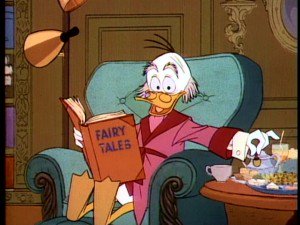
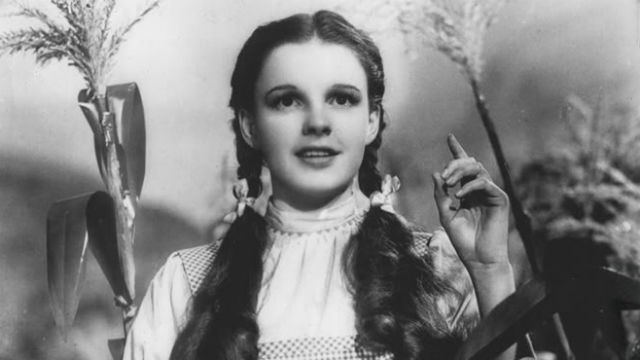
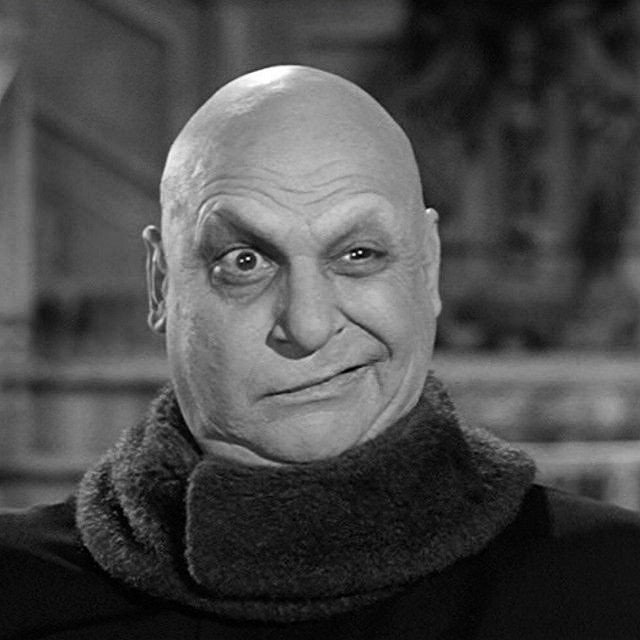




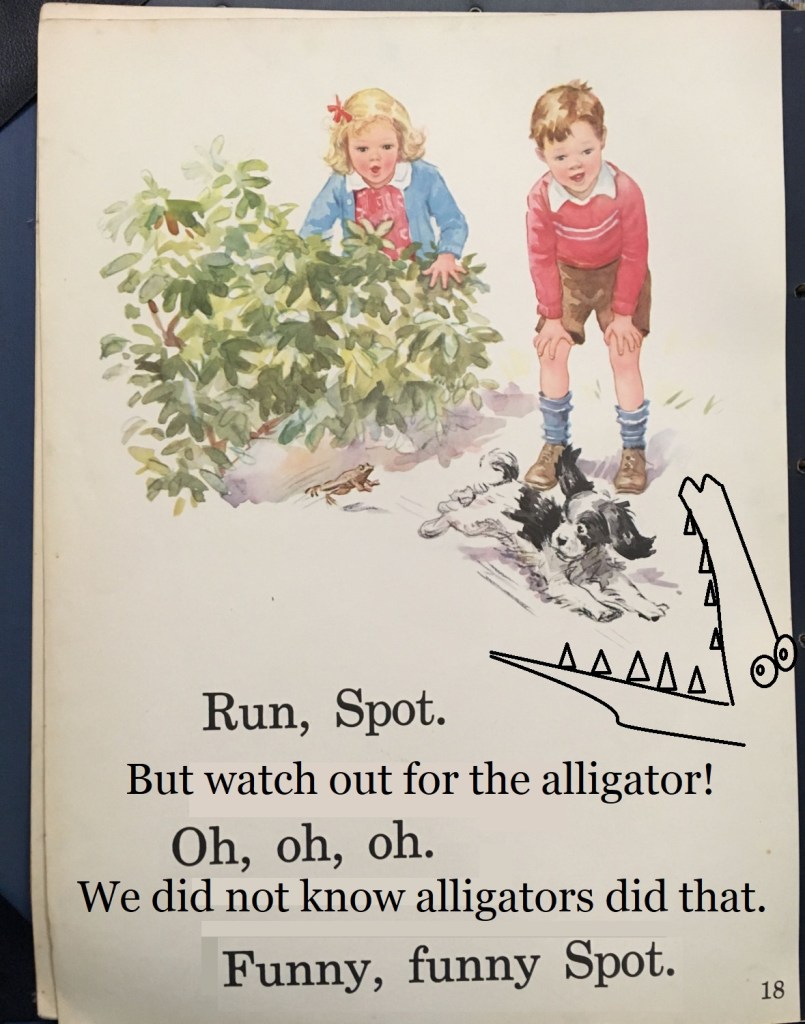


 Ah, irony again! It ends up being anything but simple. You can write in simple, adjective-and-adverb-free sentences as Hemingway did, and still manage to convey deeply complicated and thoughtful ideas. One might even suggest that you can create poetic ideas in mere prose, dripping with layers of emotion, conflict, theme, and deeper implied meaning. You can also write prose in the intensely descriptive and convoluted style of a Charles Dickens with many complex sentences and pages-long paragraphs of detail, using comic juxtapositions of things, artfully revealing character development, and idiosyncratic dialogue all for comedic effect. Prose is a powerful and infinitely variable tool for creating meaning in words. Even when it is in the form of Mickian purple paisley prose that employs extra-wiggly sentence structure, pretzel-twisted ideas, and hyperbolically big words.





 Catch a Falling Star
Being Prosaic
I admit it. I am prosaic. I think in sentences. I speak in paragraphs. I write in 5-paragraph essays. I should stop with the repetition of forms and the parallel structures, because that could easily be seen as poetic and defeat my argument in this post. I write prose. Simple. Direct. Declarative. But those last three are sentence fragments. Does that fit the model of prose? How about asking a question in the middle of a paragraph full of statements? Is that all simple enough to be truly prosaic?
Prose is focused on the everyday tasks of writing. It seems like the world thinks that the mechanical delivery of information in words and sentences should be boring, should be functional, should be simple and easy to understand.
I don’t mean to be pulling your reader’s mind in two directions at once, however. I need to stop confusing you with my onslaught of sentences full of contradictory and complex ideas. I should be more clear, more direct, and more to the point.
So here is my thesis, finally clearly stated; The magic of writing prose, it turns out, makes you the opposite of prosaic.
Simply stated; I am a writer of prose. I am too dumb about what makes something poetry to really write anything but prose. But I do know how to make a word-pile like this one that might just accidentally make you think a little more deeply about your writing… that is, if you didn’t give up on reading this three paragraphs ago. I find it useful to examine in writing how I go about writing and what I can do with it. I try to push the boundaries in directions they haven’t been pushed before. And hopefully, I learn something from every new essay I write. What I learned here is that I am prosaic. And that is not always a bad thing.
1 Comment
Filed under commentary, goofy thoughts, humor, irony, Paffooney, strange and wonderful ideas about life, writing, writing humor
Tagged as prose writing