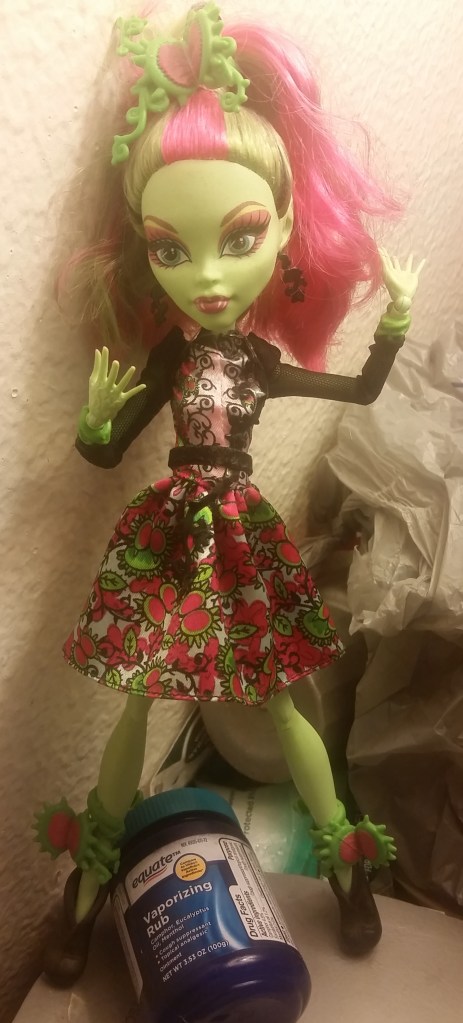
Venus Flytrap, my Monster High doll decorated with carniverous flowers, is the perfect pandemic mascot, as she guards the Vapo-Rub.
Stuck in the house all day with no outside activities to distract me, and limited socialization with the other denizens imprisoned in the house with me is more-or-less the perfect thing for a fiction writer with cancer of the imagination glands.
I have plenty of people to talk to, since , in this situation, imaginary people count too. And there is no end to the things I can talk about since ideas keep welling up in my head, even if many of them are totally silly ideas, and the rest are probably evil.
It helps to have a talking dog. Though my kids would argue that Jade isn’t really talking, that I am, instead, merely interpreting things I think she should be saying as if it were real speech. She does talk an awful lot about different kinds of meat and the moral imperatives of allowing your dog to eat people food. But I think it is only proper to commit to writing those things she says when we’re alone together, because, after all… a possible talking dog?
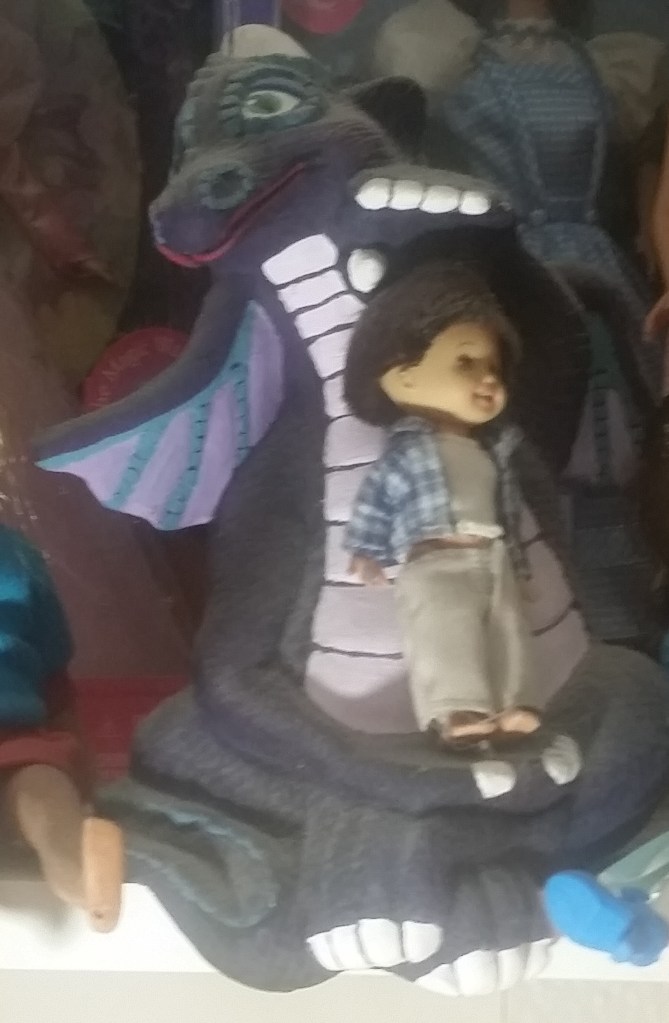
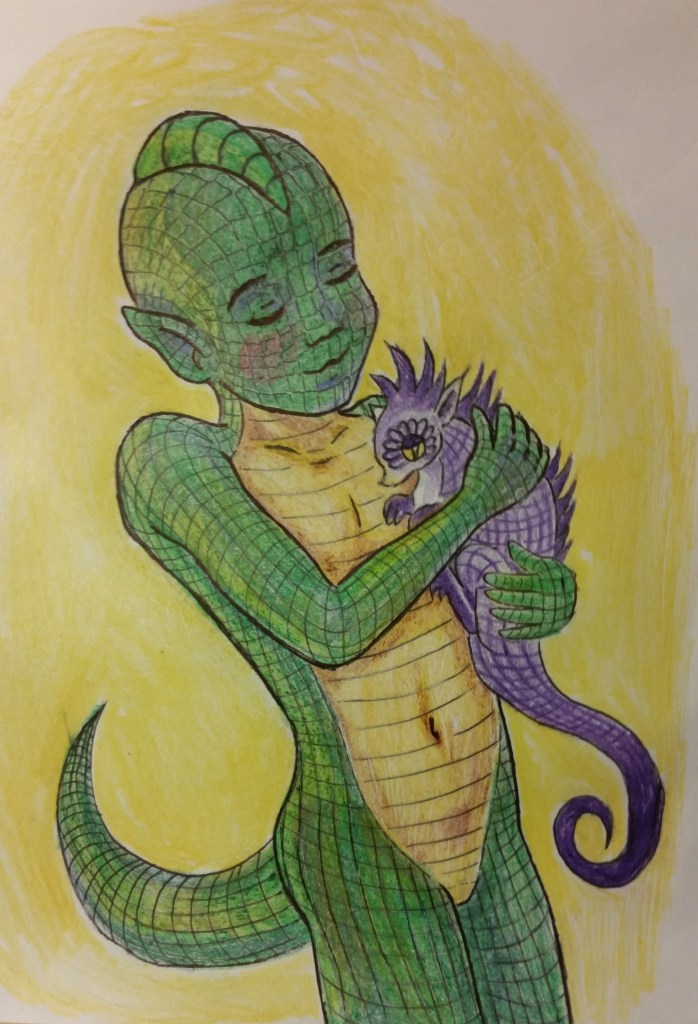
Everybody has a purple dragonette on the doll shelf that loves to play with dolls, don’t they?
But imagination is one of those things that sets people… I mean, human people, apart from all other life forms that we know. Imagination makes the man. What would we have made of ourselves and our world if we didn’t have it? Would we have invented the wheel? Fire? Term life insurance? I think not.
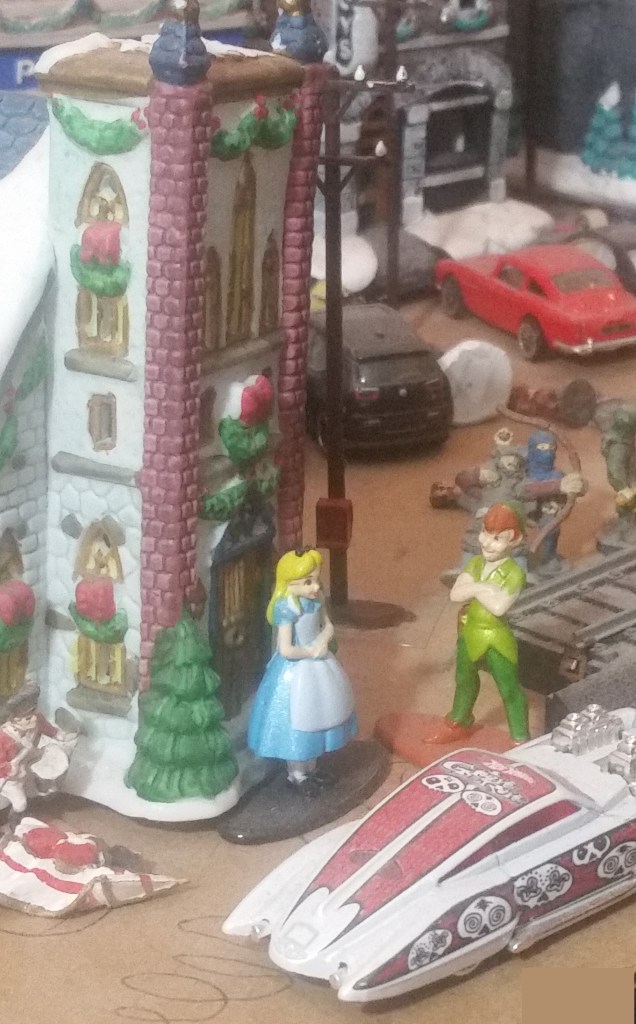
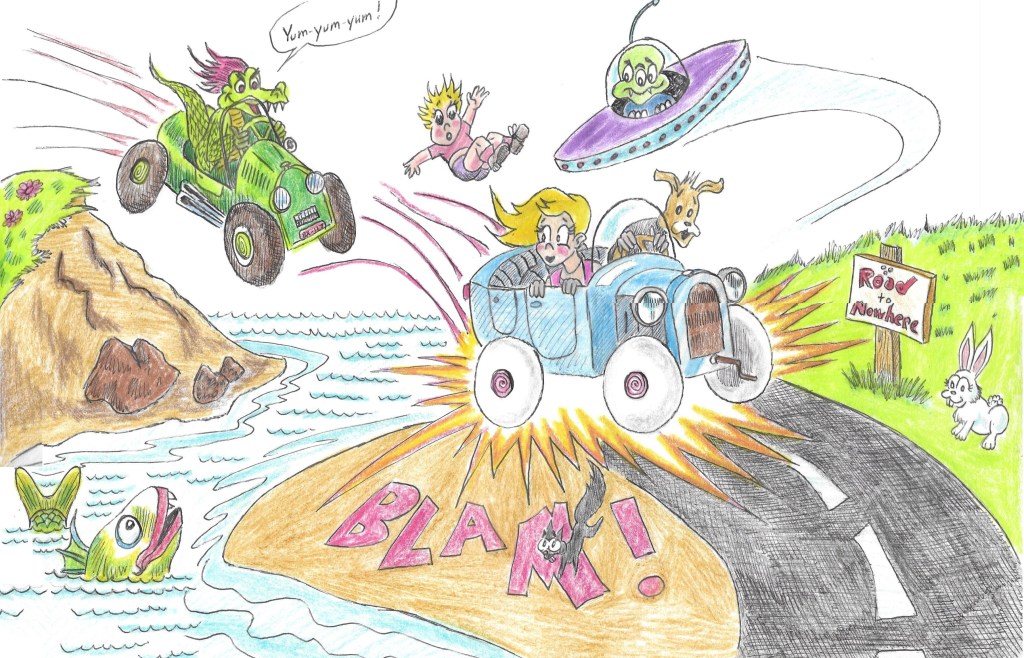
Peter Pan offers Alice a ride in his Skull-and-Bones Lowrider as ninjas attack Main Street Toonerville.
I may, in fact, be going a little stir crazy in the old hovel while trying like heck to avoid death by Coronavirus. I am easily as frayed around the edges as any hopeless hobo, with even my beard-trimming growing wildly erratic. Soon I may have to tell the imaginary people who surround me and question everything about me that it is not a beard any more. Rather, it is either a crocheted hippie neck-warmer rather than a beard, or maybe it has become a furred, frilly collar on my shirt like Shakespeare probably wore for the premiere of King Lear.
No, I am not going stir-crazy, or even a little bit insane. I am just letting the words unwind as they fill me up and demand to be unreeled in order to prevent an explosion in the brain.
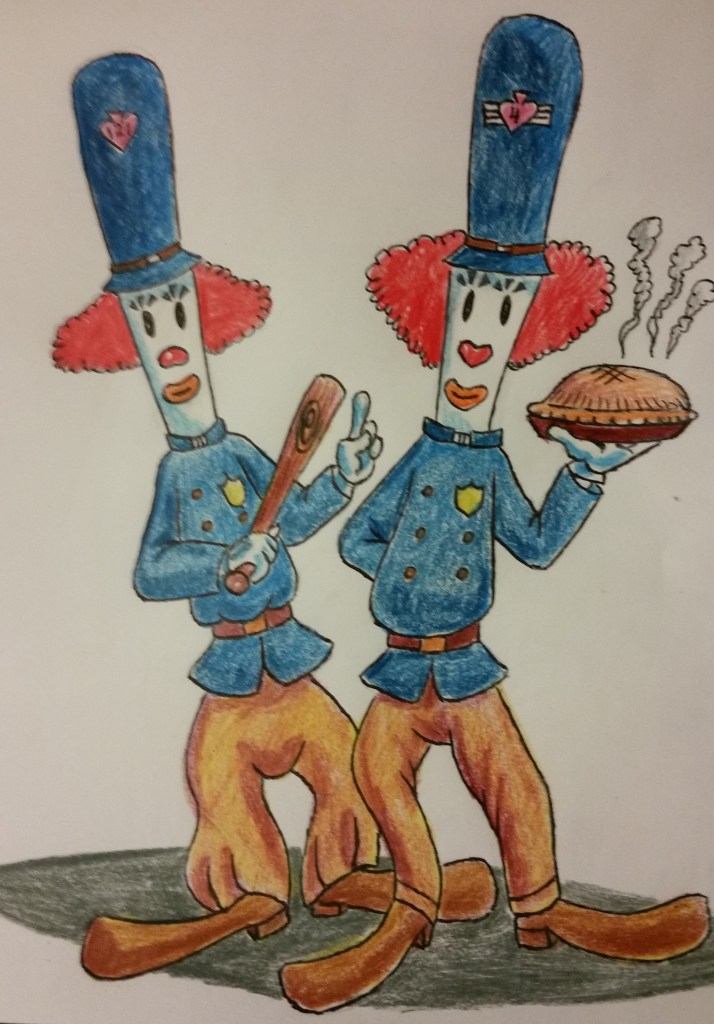
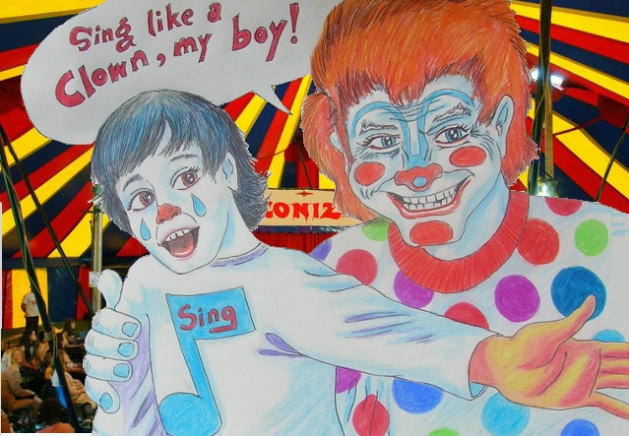
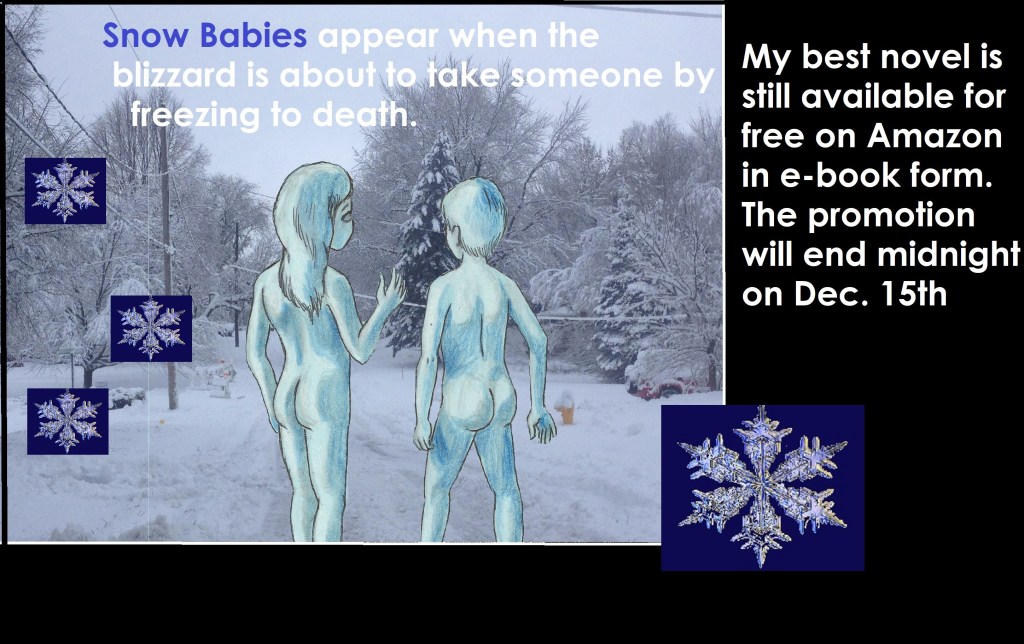
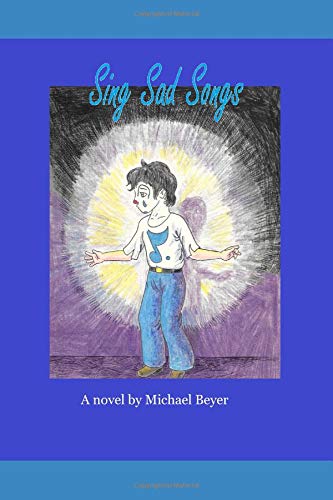
On the face of it, a lot of what I am writing stories about is nonsense. Snow Babies is about a town coming together to survive a blizzard populated by naked children made of ice who select people to freeze to death and possibly become snow babies themselves in the afterlife. Fools and their Toys is a story told by a ventriloquist’s dummy in the form of a zebra sock puppet. Clowns from the world of dreams (specifically H.P. Lovecraft’s Dreamlands) come to a small Iowa town to teach children how to share their dreams and face death and grieving in the novel Sing Sad Songs. You get the idea. I am a surrealist story-teller who uses the melting-clocks method of presenting my ideas about love and life and laughter.
And I have this weird thing about nakedness too. I mean, some of my characters are practicing, unabashed nudists. While others, though not comfortable with social nudity, find themselves facing significant life events naked and completely vulnerable. Of course, some of this stems from myself being the victim of a sexual assault at the age of ten. Themes about overcoming fears about sex and being taken advantage of are prominent in my fiction. Much in the same way that Roald Dahl often wrote about defying the authority of those in charge who mishandle their authority. or Charles Dickens often wrote about the soul-crushing nature of child poverty and the effects it has on the development of people and their character. These writers, like me, share obsessions based on their own childhood experiences. And they do it for the same reasons I do it.
But the kind of story a piece of fiction is, isn’t itself what makes the story valuable to both reader and writer. It isn’t the weirdness or the colorful insanity of a piece of surrealist literature that is the worthwhile point of it all. It isn’t even the teachable moments bound up in every theme or literary device that gives the story its meaning. No, it is the act of creating the story that takes the very real events in life and weaves them into a vehicle of understanding, peace of mind, and epiphany about everything that makes it valuable to the life of the writer. And, depending on how it is received by the reader, it can offer the very same things to many of them.
From my mind to your mind… my words to your heart… therein lies the real value of a story.
I am saying stories have value beyond merely boring children to sleep at night.
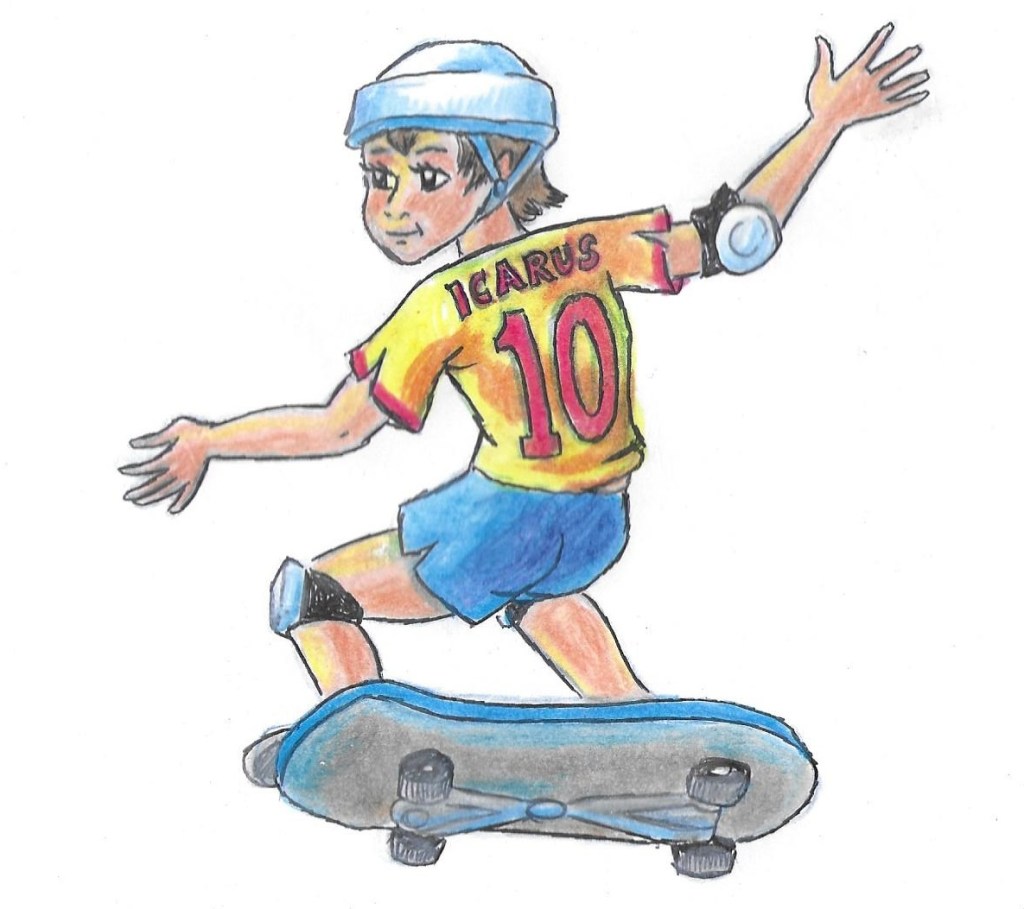
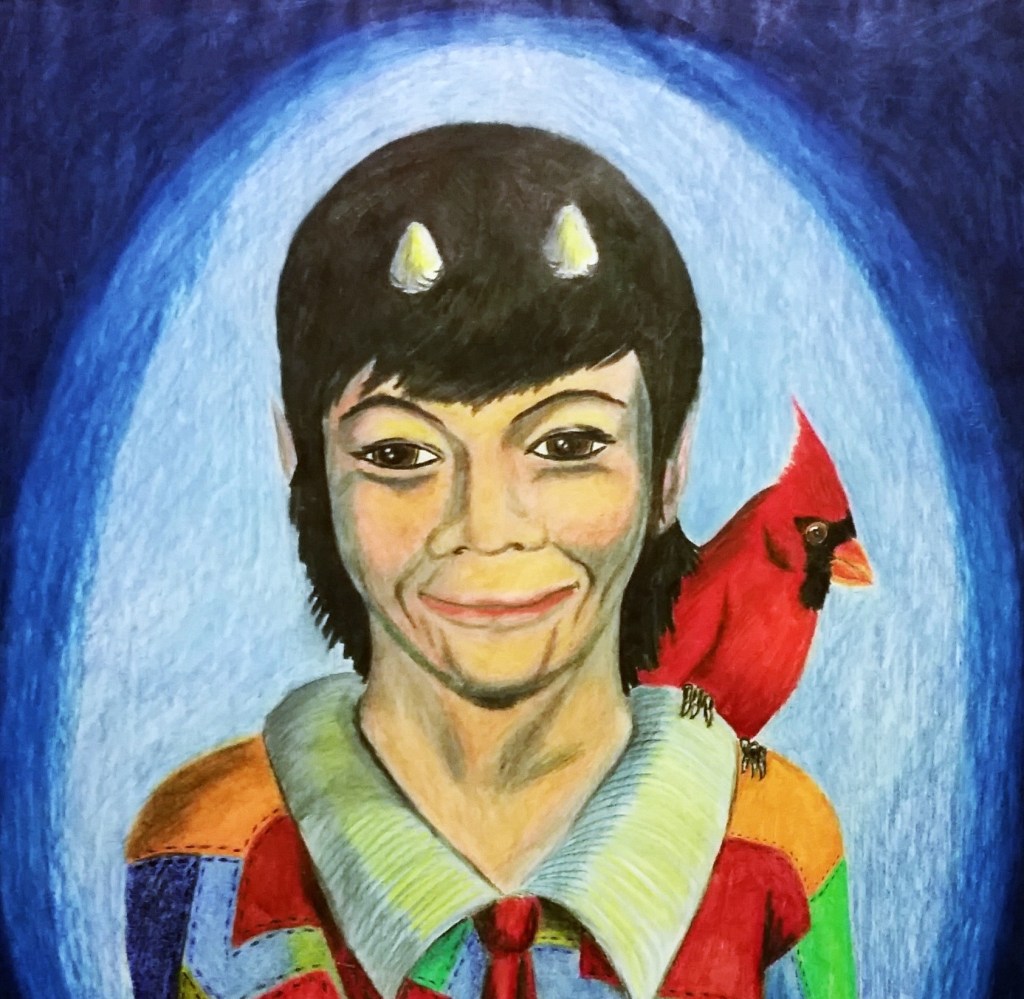
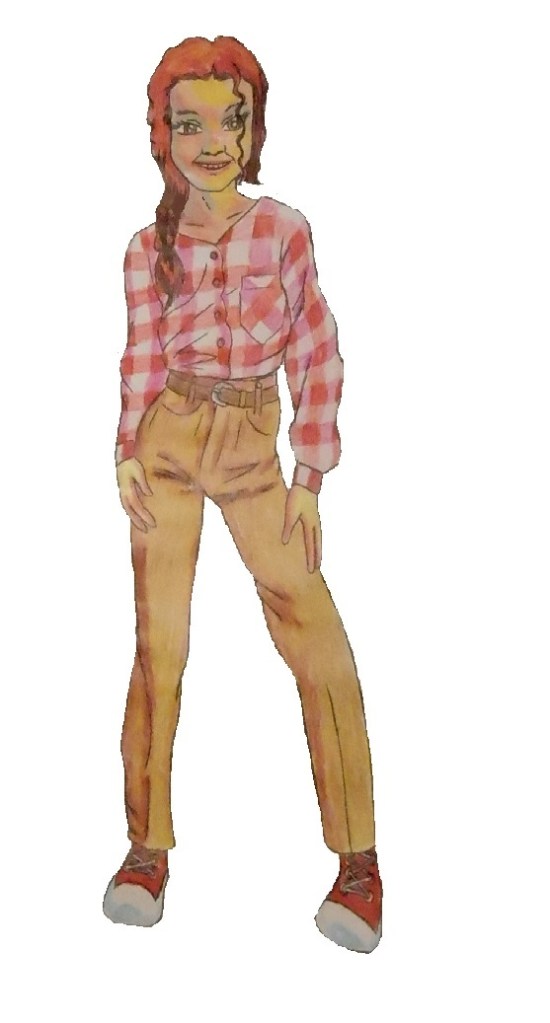
One of the main things I have been focusing on in my art work is the art of illustration. For example, this is a character illustration for the book The Boy… Forever.
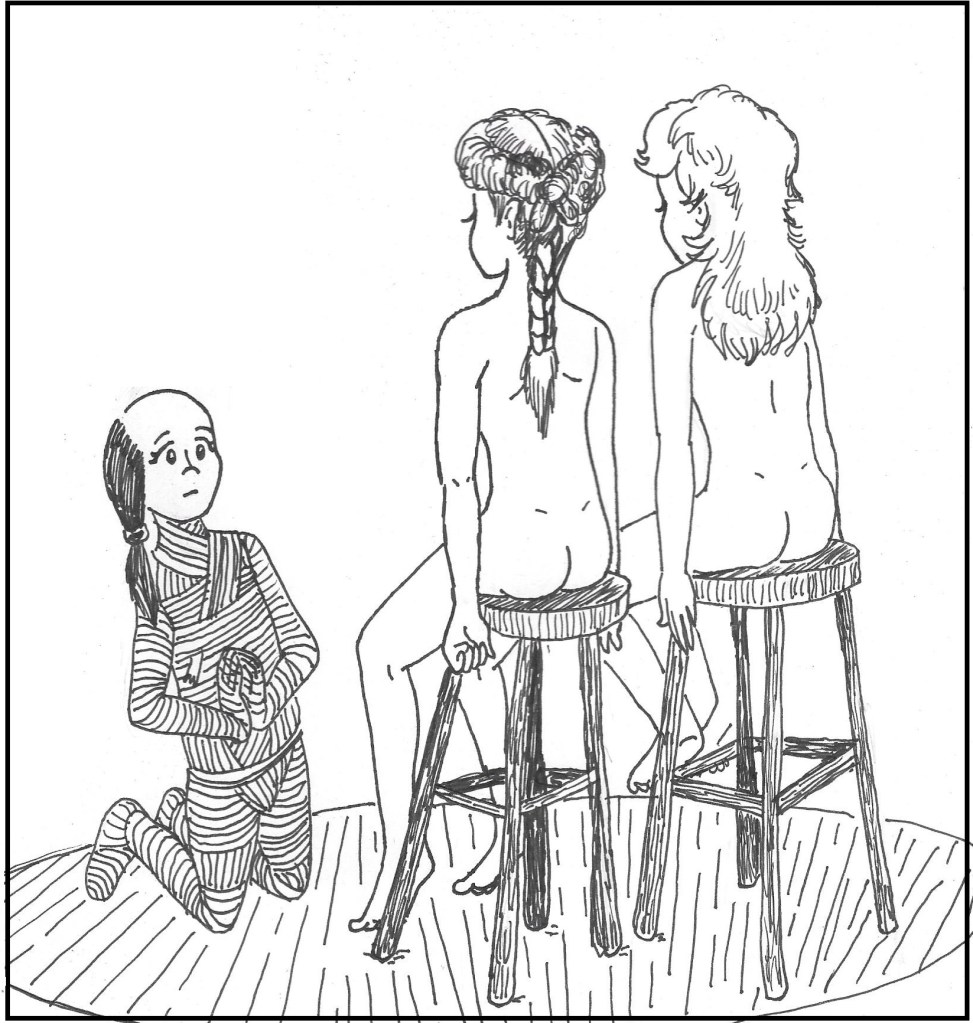
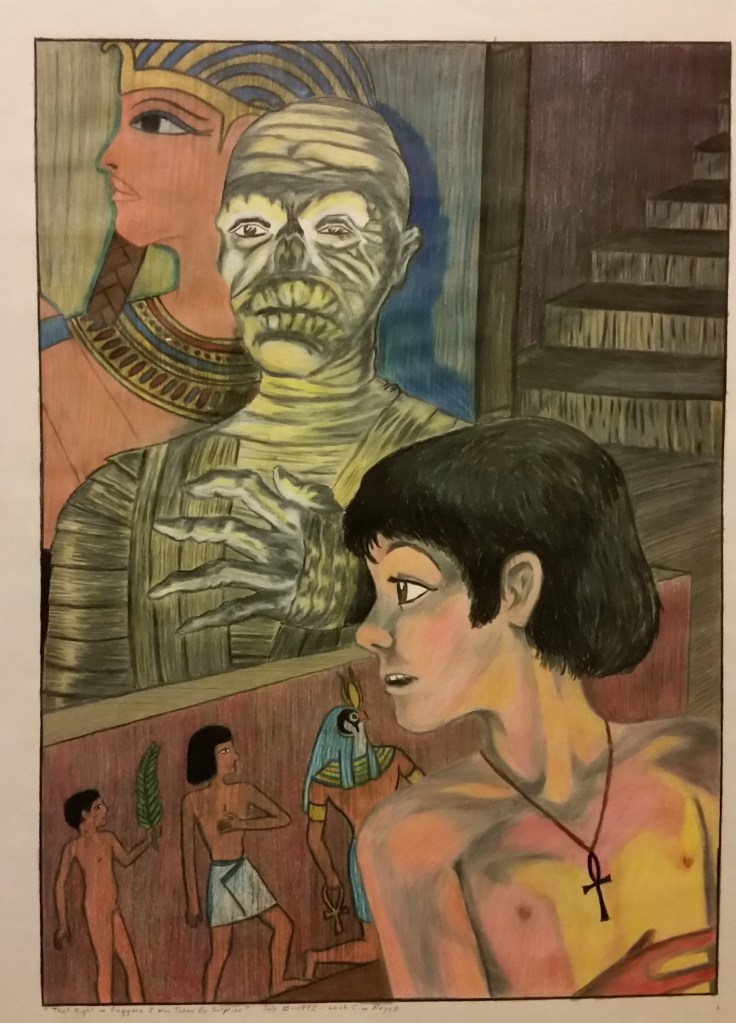
This illustration is also from the book The Boy… Forever. It is a pen-and-ink illustration of a moment in the story when Anita Jones and Sherry Cobble are being held prisoner through mind control by the evil vampire/dragon, Tian Long.
The boy is Tanis, a living mummy from ancient Egypt, kept alive by a horrible process the villain is intending to use on at least one of the imprisoned girls.
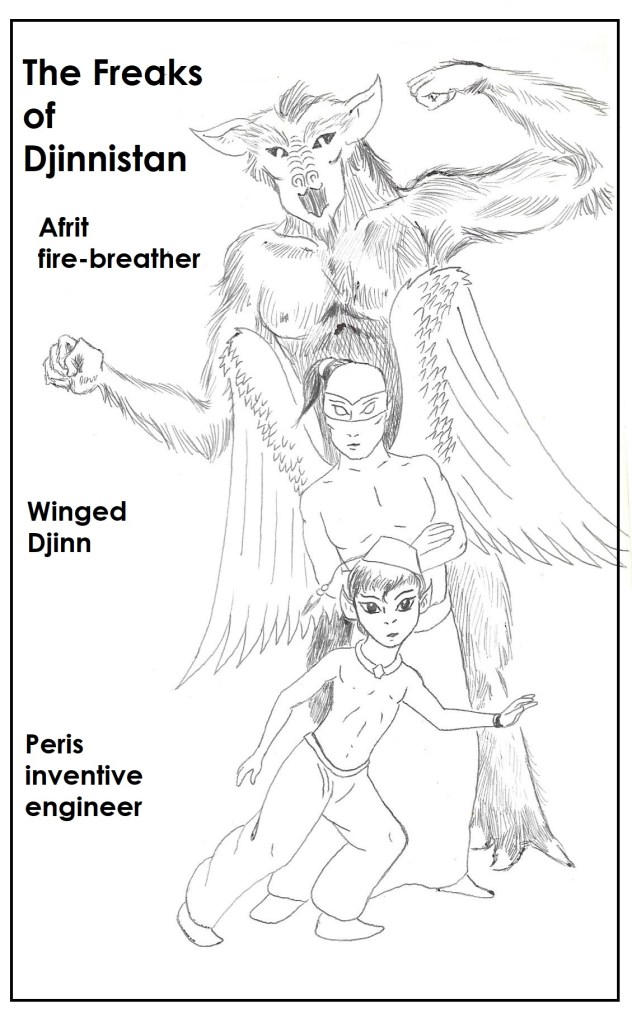
This illustration is part of the exposition from my comedy science fiction novel, AeroQuest 3 ; Juggling Planets. It explains about the residents of the planet Djinnistan being genetically engineered humans with bizarre characteristics.
The evil Dr. Havir Bludlust has created these humanoid mutants to aid the human star empire known as the Imperium to make excessive profits from the people they supposedly govern, but actually enslave.
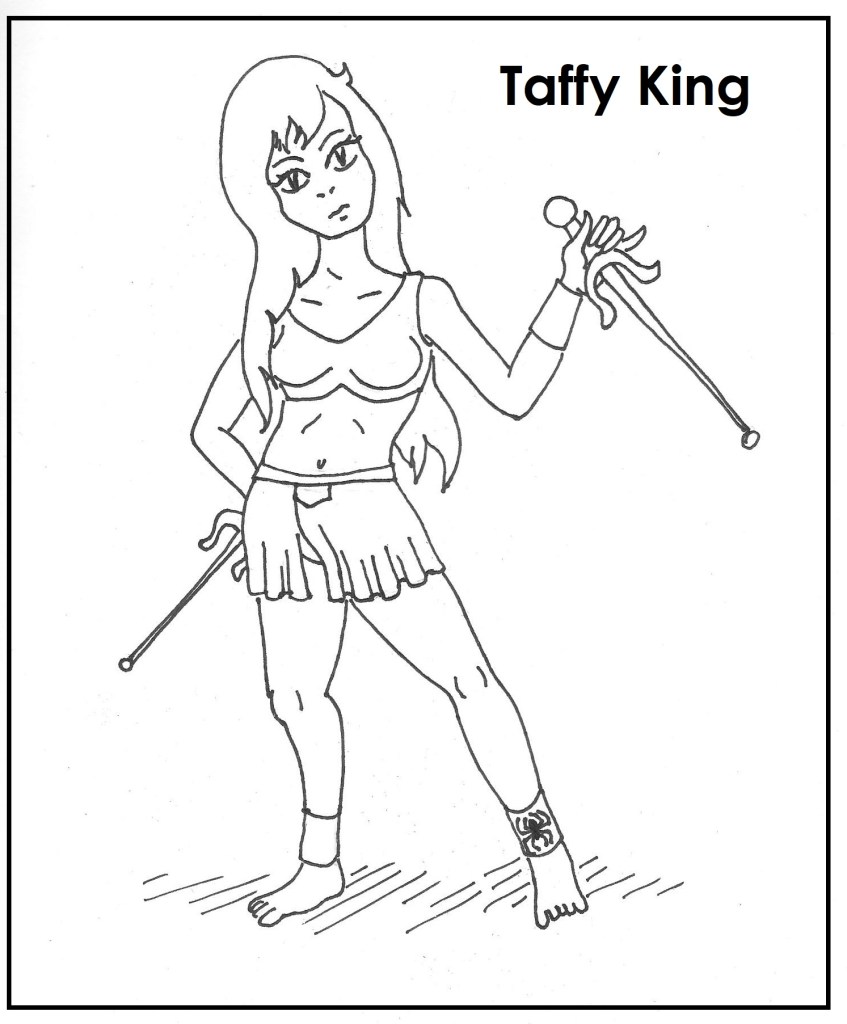
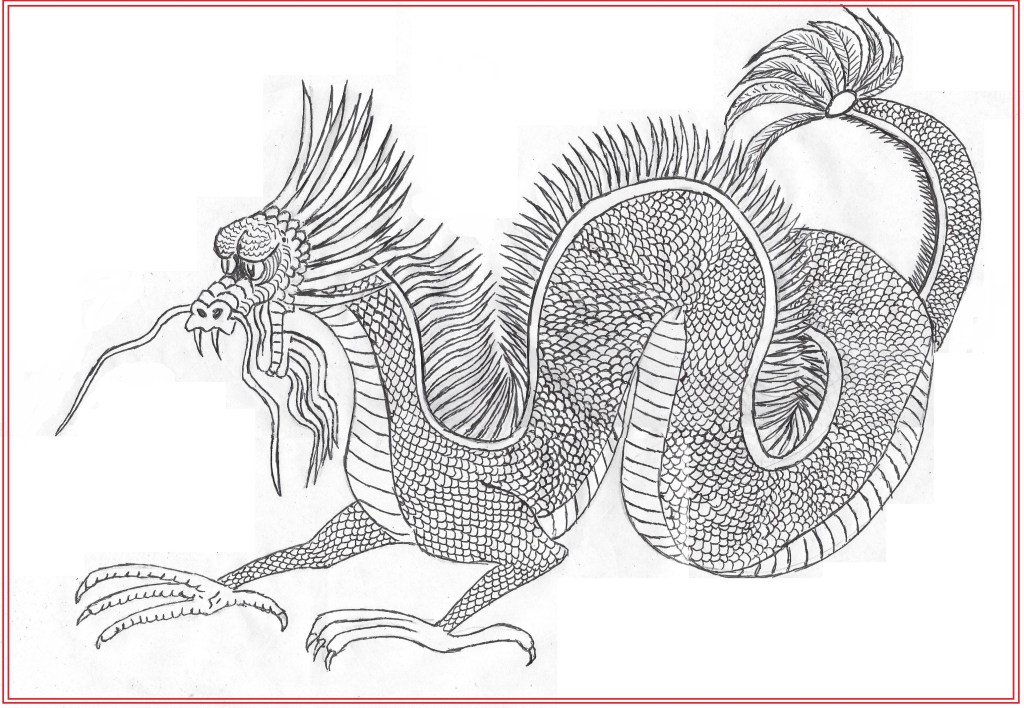
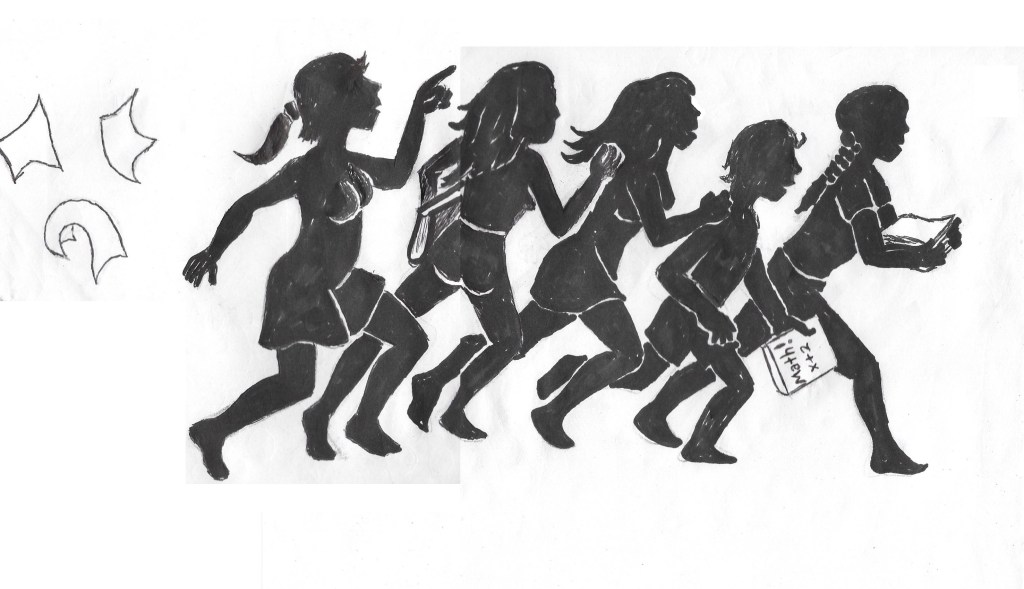
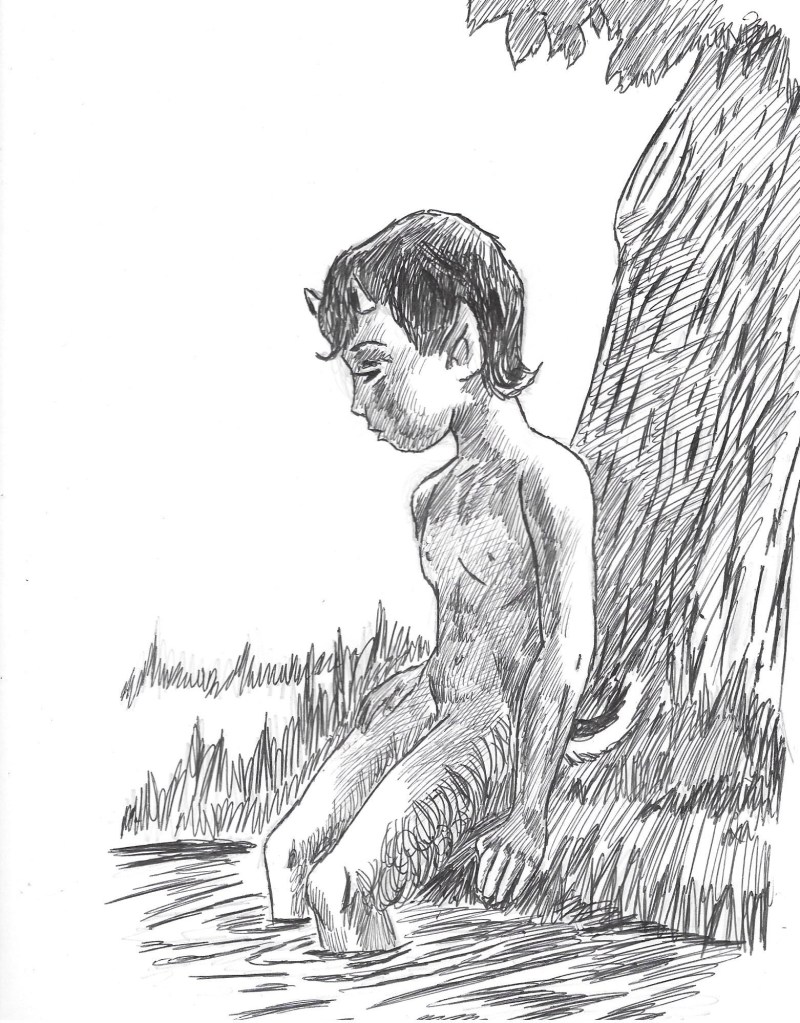
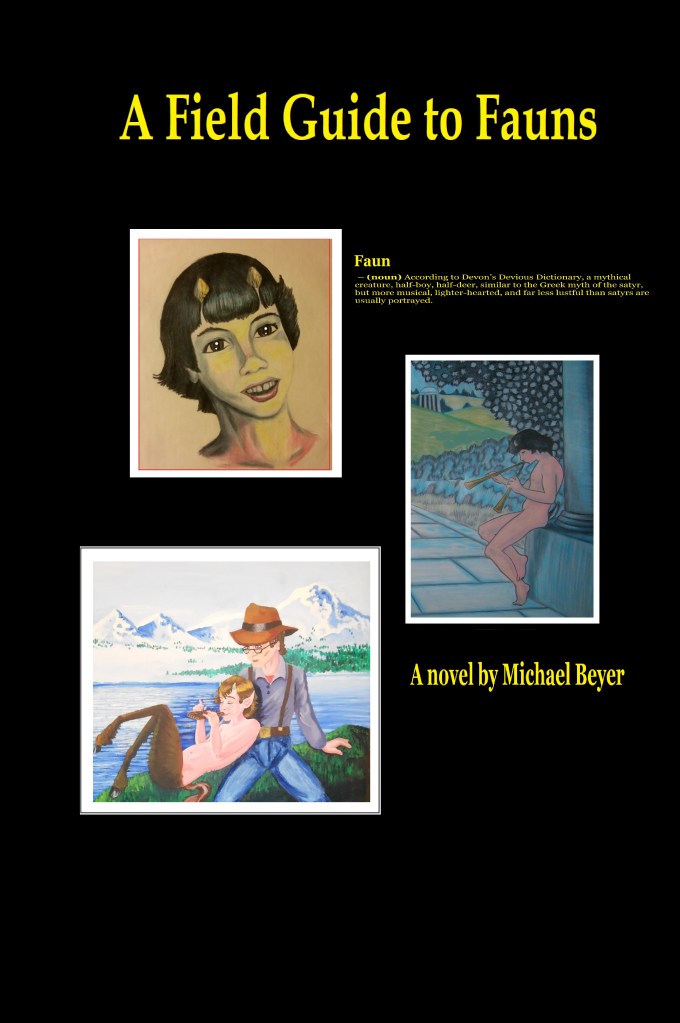
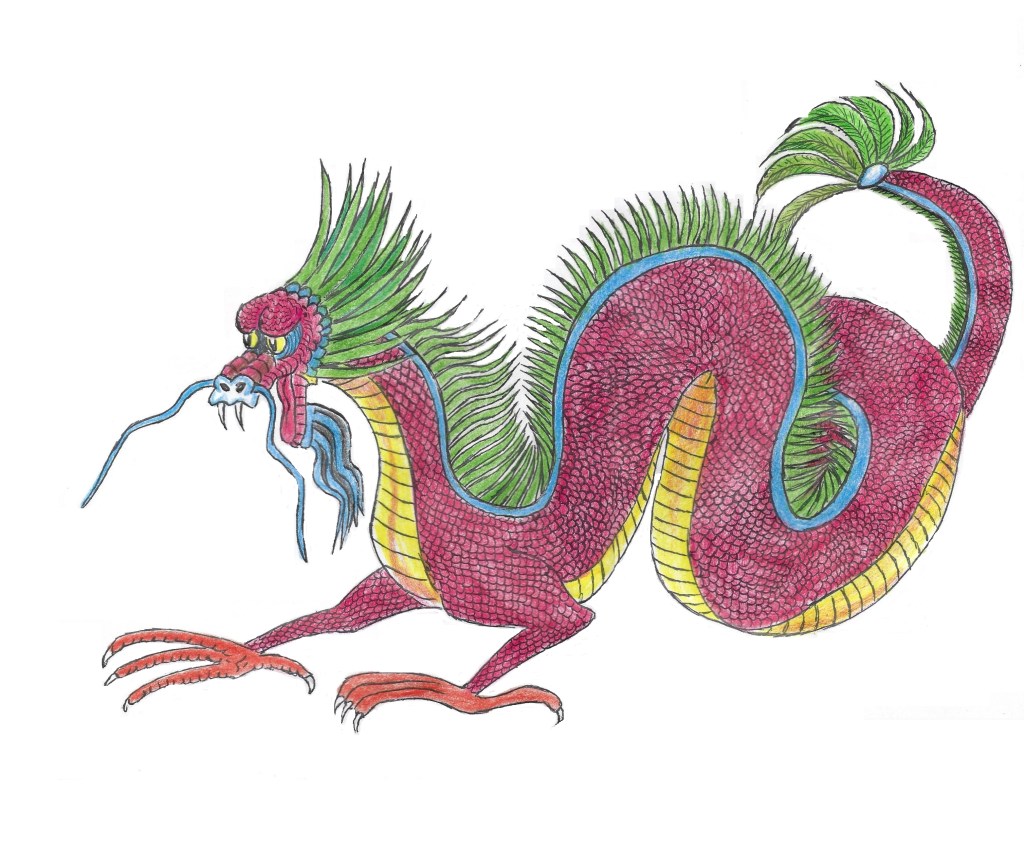
A heroine from AeroQuest 3 One of the dragons from The Boy… Forever.A late-for-class illustration from The Boy… ForeverAnother novel I am working on at present with many illustrations is A Field Guide to Fauns.The rest of these illustrations will be from A Field Guide to Fauns.
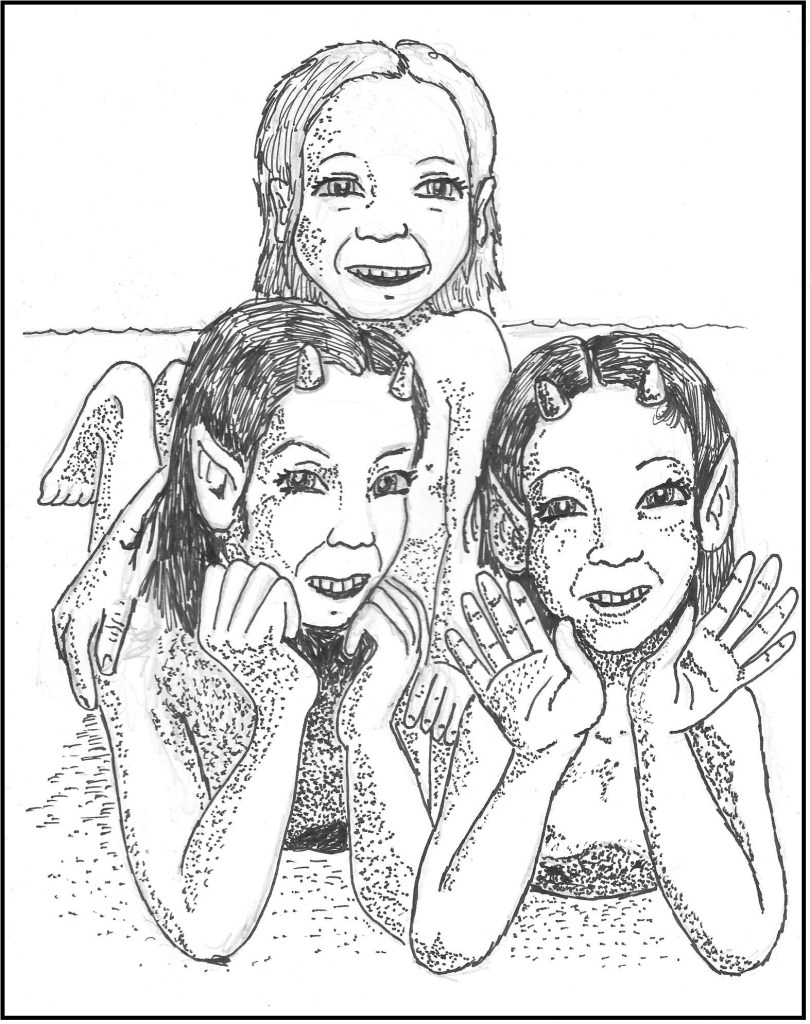
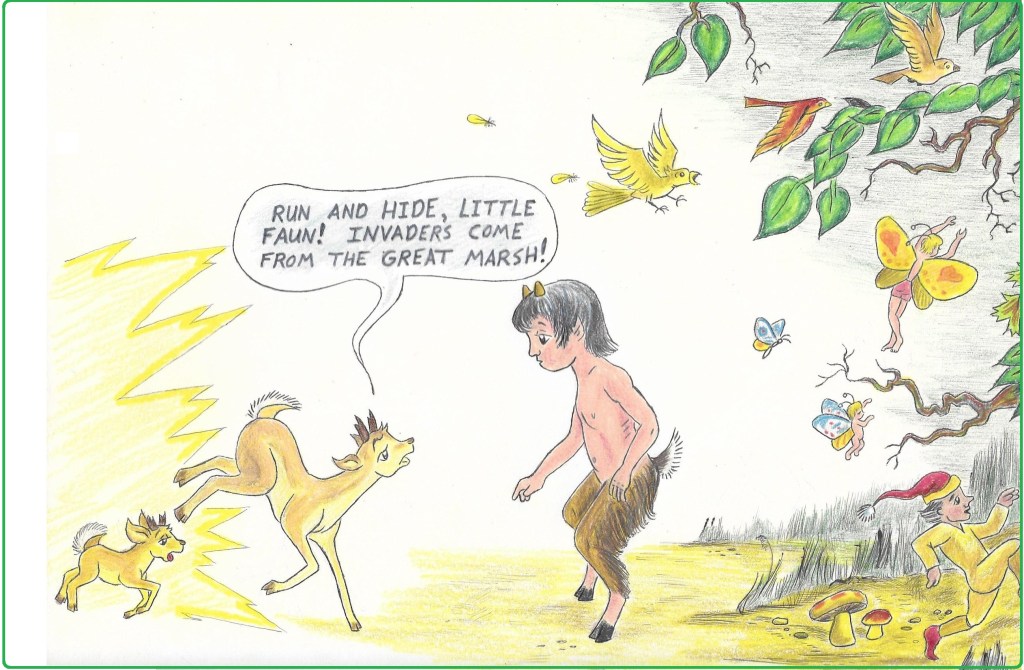
The novel takes place in a nudist park where the main characters are mostly year-around residents, it is also the reason why they appear nude in a majority of the illustrations. It is not a book of pornography, however, just as being in a nudist park is about living a sensual, nature-filled life, and not about people having sex. I will not categorize this as a young-adult novel, though it will be tame enough for kids to read.
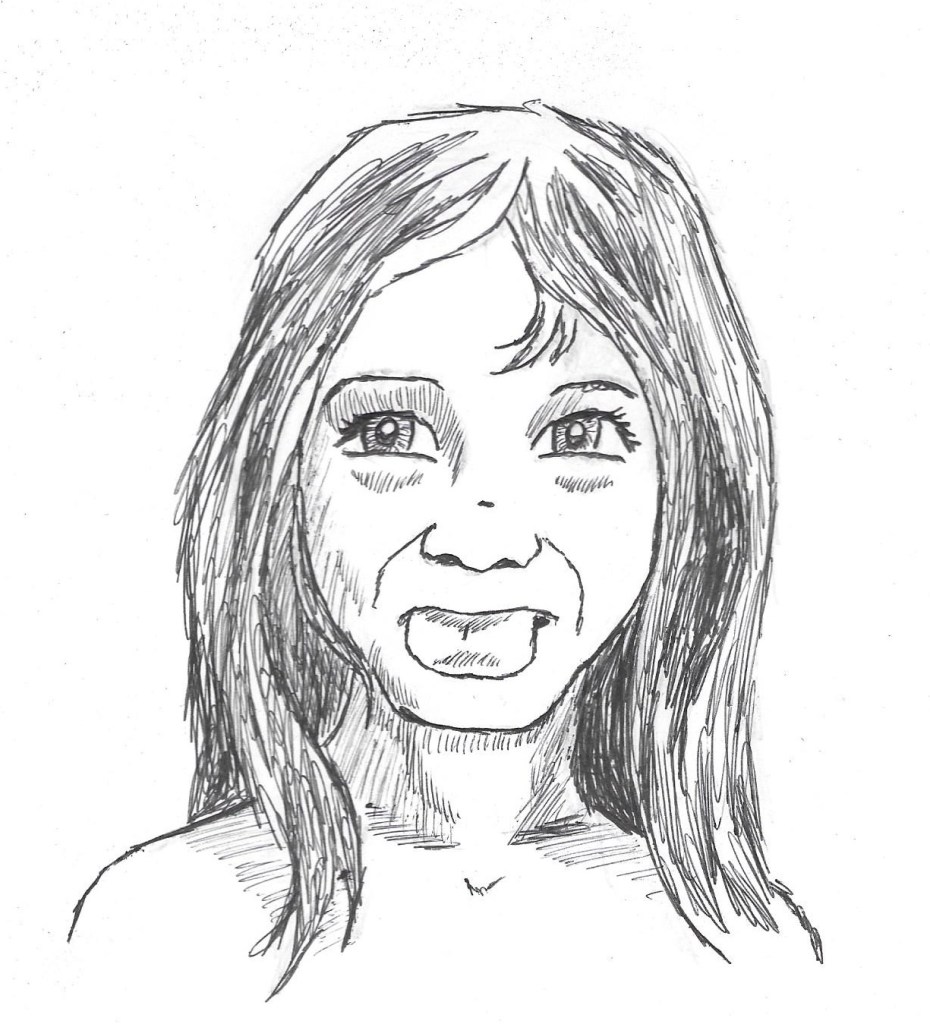
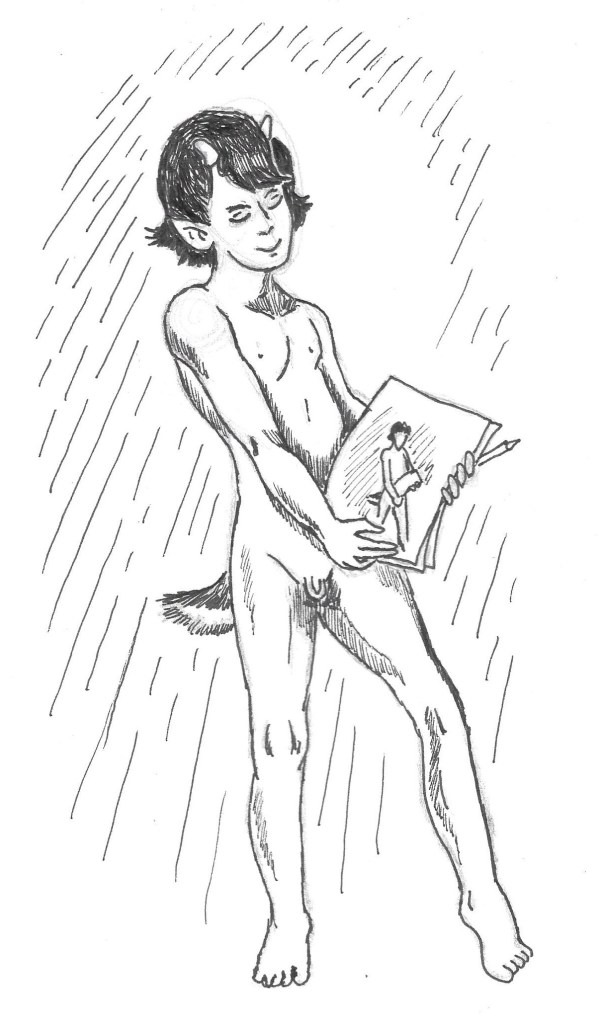
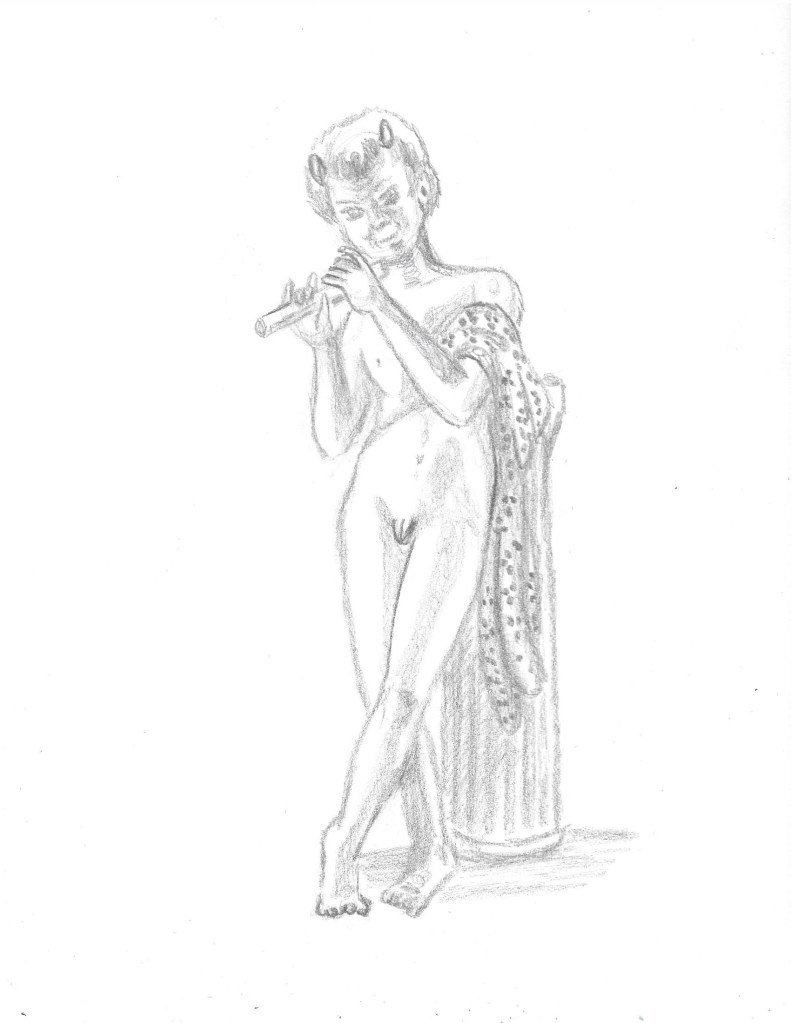
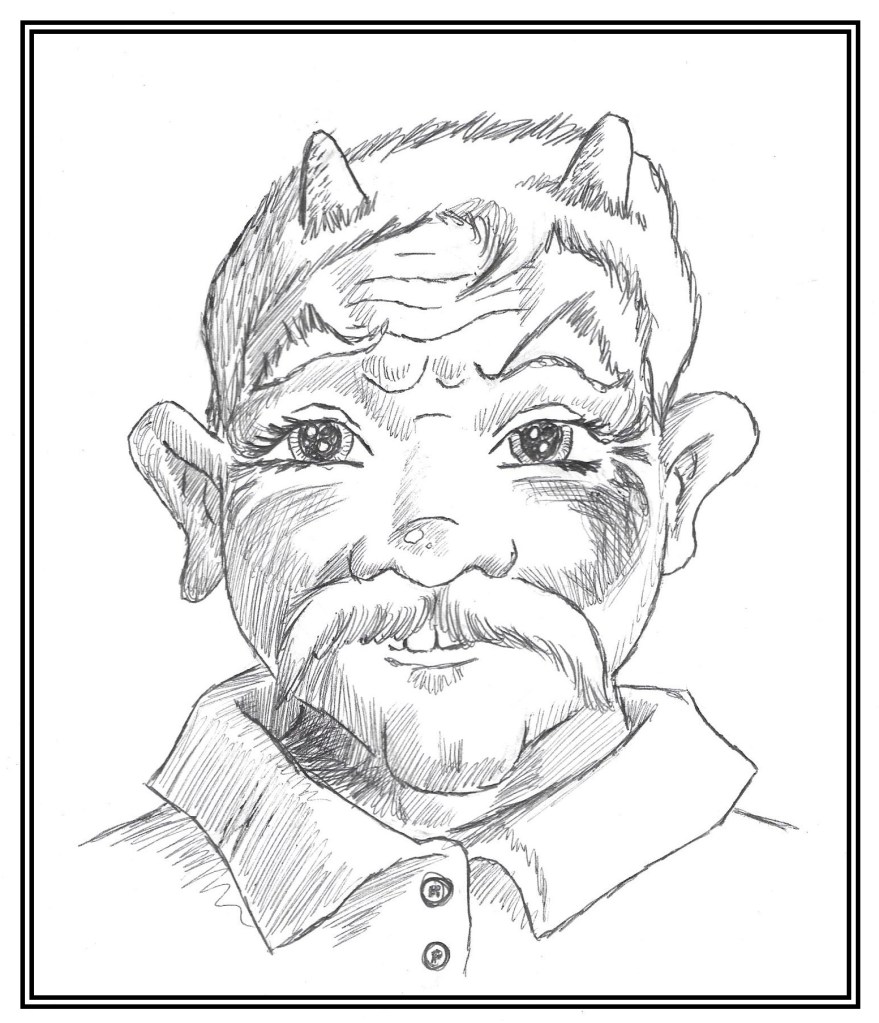
Devon, the main character, loves to draw. Hence, the illustrations are drawn by him.
This is Devon Martinez’s self-portrait. He tends to draw people as mythological creatures like fauns, satyrs, and nymphs.
He tells the story in first-person narrative. He doesn’t start out as a nudist. But he is thrust into the middle of it because he is forced by a tragedy to move in with his father, stepmother, and twin stepsisters.
They are full-time residents of a nudist park. To live there, he has to get comfortable being naked.
Part of what the story does is define what Devon thinks a faun is and how they should be treated. Hence, the central metaphor introduced in the title.Devon at his job as a handy-man’s assistant.A faun and his stepsister as a nymph.Jose, an example of a satyr. Devon wearing a suit. It is not a 100% nude novel.
Today I am waxing on about the wonderful, mad, mad, mad genius of surrealist art, Salvador Dali. He was born in 1904 and died in 1989. And that’s really about all that I want to tell you about the physical parameters of his boundlessly creative life. He was alive in this world until I was already thirty-three. So, I got to see him on television and watch video biographies of him and his incredible artwork. Ones that included interviews. And if I get into his public persona, that will eat up the rest of his essay. Instead, I need to talk about his art, and how it modifies and magnifies what I am meant to be.
The Persistence of Memory
His most famous painting is the one that most clearly burned the image of melting clocks into our collective memory. He claimed, and others pretend to see it too, that it is a reaction to Einstein’s Theory of Relativity. But when I look at it with the melting mask of Dali himself in the center, I see the artist’s perception of time in the spaces within which creativity moves. Time melts and has no meaning when you are painting and writing from an endless roiling flow of new ideas and notions. Time becomes as irrelevant in that context as the ants on the pocket-watch or the dead tree from which one deflated clock-skin hangs, There is no past or future, only the creative now.
And in that creative now, the artist sees himself. But if you look too closely, the self vanishes into the picture, the currently considered, fascinating work of art.
You see the boy with the hoop and wearing a sailor suit? That symbol, he always claimed, was his lost brother, the one who died before he was born. The one whose death made his parents decide to have another child. Without that brother, Salvador would probably never have been existing at all.
And do you see the disappearing bust of Voltaire? Or when you look closely at the slave market in the background, is it simply no longer there? Things that disappear… things that become other things… tricks of perception, the fooling of the viewer’s eye… These are what the artist actually wants you to see. Not the well-portrayed physical reality, but the ghost of the shadow of an idea that’s hard to define.
And then there is the idea of war. Two world wars that took place in the prime-time of his painterly life.
Soft Construction with Boiled Beans
Life does crazy things to the sensitive, suffering artist, and it shows in his work if not in his public personality.
And consider the artist’s notion of birth and life and death. Narcissus suffers for the sin of love of himself. He becomes petrified with age, a narcissus flower growing from his head, now an egg, the symbol of birth and rebirth.
Detail from “the Madonna of Port Lligat”
And here is an exploded portrait of his beloved wife Gala.
All the elements float eternally in the air.
And you can see inside each thing.
Inside the home is the wife and mother.
Inside the mother is the child.
Inside the child is the loaf of bread that keeps him alive.
Does the bread, then, stand in for God himself?
Dali and his work is not simple. It is deeply, incongruously complex. But that is surrealism. That is how it works. Without getting into other complex symbols and such Dali-esque puzzles like burning giraffes, eggs, and Venus De Milo with bureau drawers in her torso, that is how Salvador spends his Sunday with me. An artist beyond time and space, long dead, but still speaking to me. And teaching me beautiful, untold things and stories of things.
Today’s artworks for Saturday Art Day are all filled with random things put together by chance and whimsy in order to mishmash together some kind of point about surrealism. This would be because this is a surrealist blog, and I am a surrealist artist and writer. Either that or it is because if you put fish in your ears, the color of the sky changes to swirling gold and purple. Those are some powerful fish!
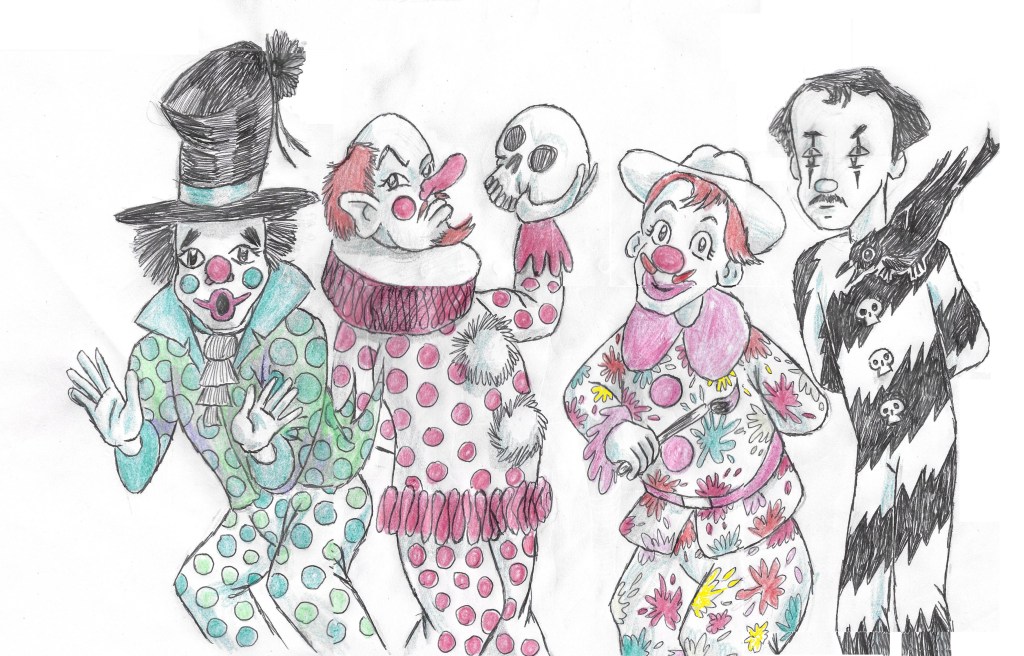
Clowns and dreams and singing sad songs for love in the circus tent of your dreams.
Of course, Surrealism is more than just a pile of random things. As Salvador Dali did it, the random images were made as realistic as possible and connected together. There was some reason behind the juxtaposition of these otherwise unrelated things (like the line-up of weird uncles you get at the Thanksgiving table when your great grandma had nine kids, seven of whom grew old enough to have families of two or more kids, and everyone within driving distance is invited to grandpa’s farm house for a big-family family meal (even if they had to put a second kids’ table in the storm cellar).
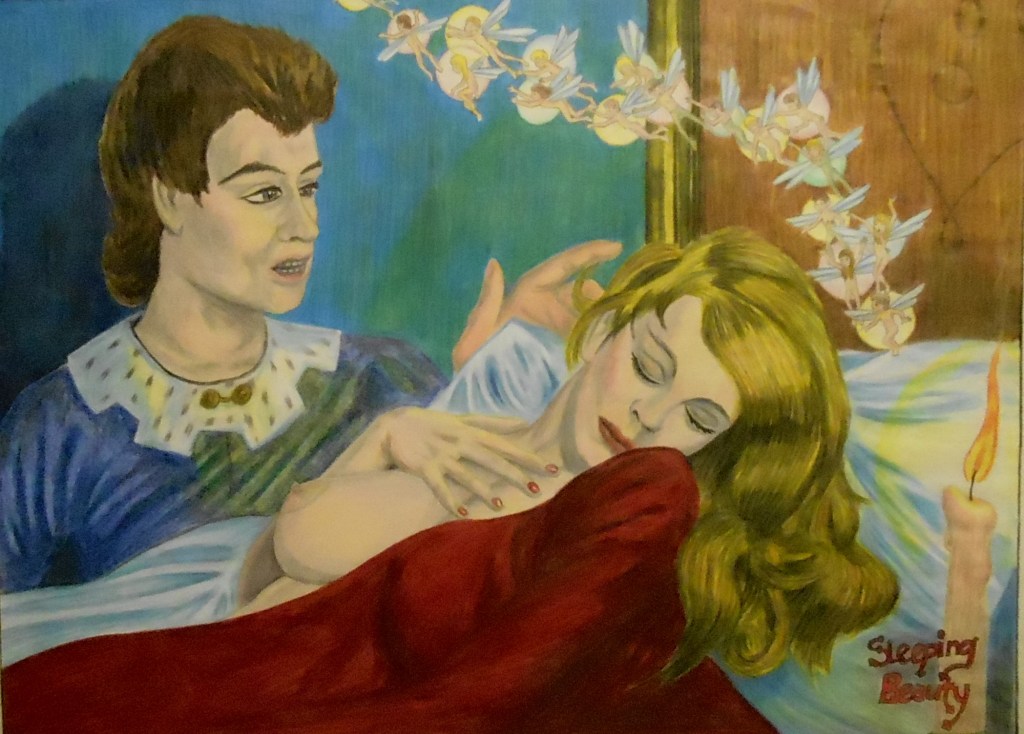
Do candles, a naked breast, flying children, and Prince Young John Travolta mean anything?
Of course, the meaning that ties it all together can be a secret or hidden meaning. Salvador Dali was deeply in love with his wife Gala, who was thirty years younger than he. He had an older brother who died before he was born, making him forever feel like a “replacement child”. These things are expressed in his paintings. Did you ever discern that from his paintings of melted clocks and discarded masks being kissed on the lips by giant ants?
And what the hell does this even mean?
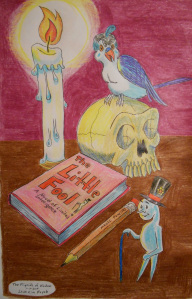
The Little Fool?
Subtitled; a novel of limited intelligence?
And it is a colored-pencil drawing of a candle, an empty skull, a budgie, a book, and a weird little goofy ghost dressed like Mr. Peanut… without the monocle or spats… does that make him naked?
And a pencil? Why?
Can you tell from my artwork that I chose a career of being a public-school English teacher over becoming a commercial artist or a cartoonist? Or that I was the victim of a sexual assault at the age of ten and then never told anybody about it until the guy who assaulted me was dead? Or that I was so afraid of my own body when I was young that I eventually had to become a closet nudist as an adult? And what does my artwork have to say about all of that?
And do you understand why Salvador Dali is an artistic hero of mine? And I love the movies of Stephen Spielberg for the exact same surrealist reasons?
If you regularly read this blog, or even just look at the pictures, you may have seen all of these pictures and heard all of these ideas before. I didn’t make this post from anything new. The only thing that is new… is how I randomly chose to put all of these things together in a way I haven’t done before.
You may have looked at the name of my website here on WordPress and wondered, “Why in the heck has that fool Mickey called this thing he writes Catch a Falling Star?”
The answer is, he named it after the first good published novel he wrote at the insistence of the I-Universe Publishing’s marketing adviser. Very poor reason for doing anything, that.
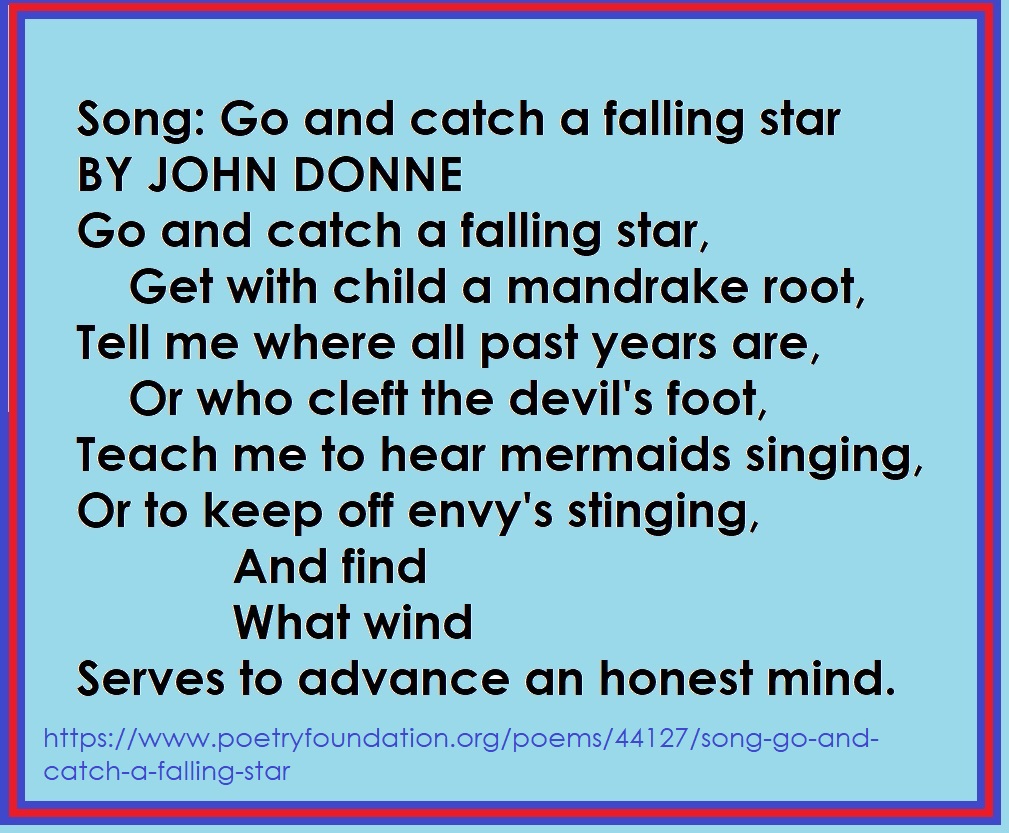
But, the secondary reason is because of where that title came from. Look at the first stanza of this poem by John Donne.
So, now, you are justified in asking, “What nonsense is this? That doesn’t have any coherent meaning, does it?”
And you would be right. These are impossible things that I am being ordered to do by a very religious cleric in the Anglican Church who was originally a Catholic, but, in the time of Henry VIII Catholicism was made illegal, and he wrote this poem about not being able to find an honest woman in his drunken, wasted youth anyway. He is ordering me here to not only “catch a falling star” (and catching a meteorite with your bare hands has rather hot consequences), but also to have sex with a semi-poisonous plant, explain why we can’t go backwards in time, determine whether and why God might’ve given Satan goat feet, listen to probably-nonexistent humanoid creatures singing, find a way to avoid anybody ever looking at me with envy and then doing something to me because of it, and, most importantly, find a place where the wind blows in a way that fills your head with facts that actually makes you smarter.
Challenge accepted!
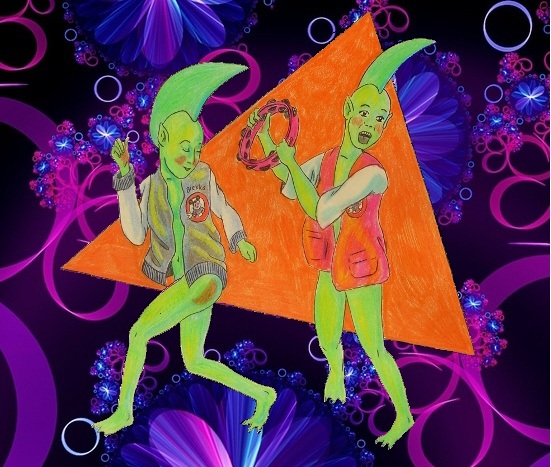
It is exactly what I wanted to write about. Impossible things actually being accomplished. Finding the meaning behind alien beings from outer space developing an intense love of I Love Lucy television broadcasts and Mickey Mouse Club music. Discovering why intensely shy people need to embrace social nudity. Defining who is actually a werewolf and who is not, uncovering who and what real monsters are. Singing songs so sad that it magically makes people fall in love with you. Talking to clowns in your dreams and getting real answers to the meaning of life, love, and laughter.
Catching falling stars is the stupid idea that this wacky, idiotic little blog is about. It is what I write about constantly. You have to kill me to get me to stop. So, there is your fair warning. Read on at your own peril.
I have claimed that I am a humorist and all my novels are comic novels, to some degree at least. But it is often pointed out to me that I write about things that make people cry. And I freely admit that I most certainly do.
But if you think about it carefully, analytically, or even emotionally, you have to admit, even a book like Mark Twain’s The Adventures of Huckleberry Finn has some weep-worthy moments in it. I have read the book more than once myself, and I never get past the scene where Huck looks down at the body of his young friend Buck Grangerford, killed in the Shepherdson/Grangerford feud about something nobody living even remembers, without shedding gushers and gushers of heart-busting tears.
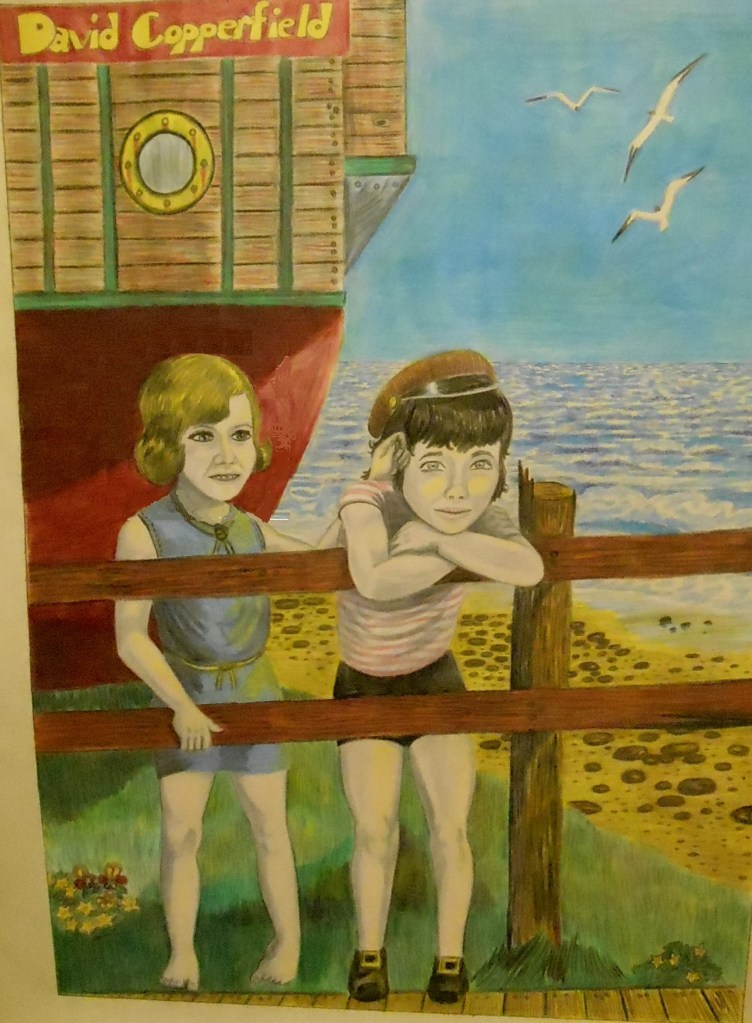
And in Charles Dickens’ David Copperfield, as much as I laugh and guffaw at the antics of quiet Mr. Dick and his kite, or the much deserved downfall of villainous Uriah Heep, it is the drowning of Little Emily on the boat with David’s school friend and idol Steerforth that leaves me surrounded by puddles… nay, lakes… that I have wept.
And I think that I may justify the sad parts in so many of my weary works with the fact that I am merely providing the necessary counterpoints to my merry-making and mirth.
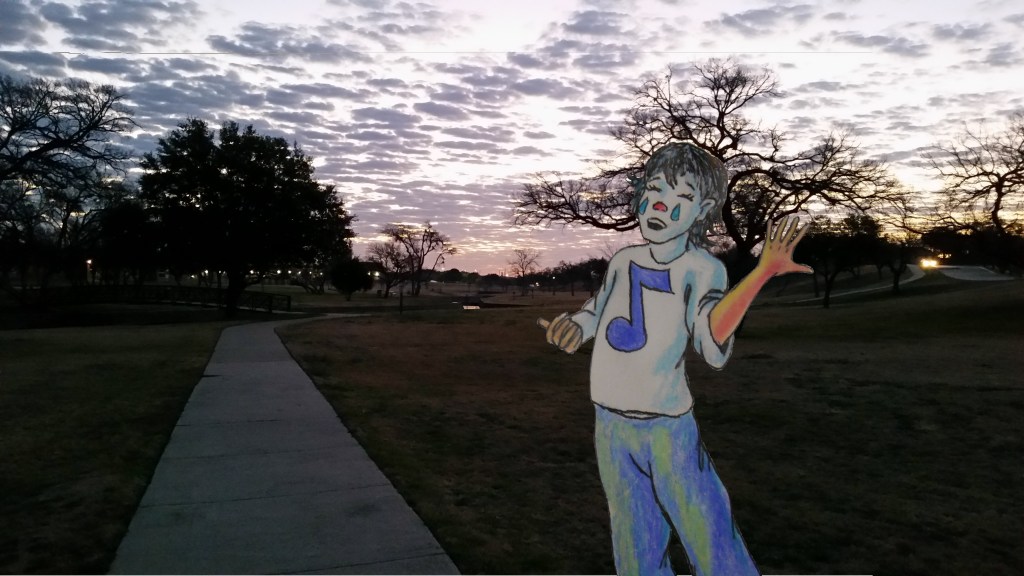
Francois is a character from Sing Sad Songs.
There has to be that necessary balance, that well-rounded-ness, to a story that makes it feel truly complete. And, of course, we know that even in a horror novel by Stephen King, you find humor used as a balance point to lighten the moments just before the monster delivers its liver-shaking, earth-tilting scare.
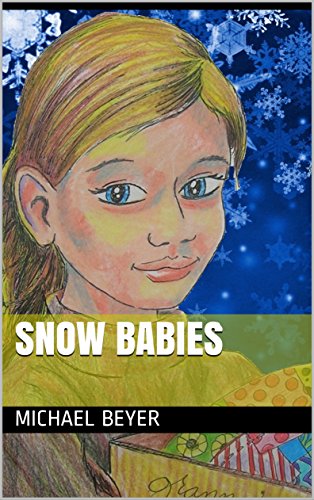
Snow Babies, among my published books, is a good example. It is a story that celebrates how a small Iowa town comes together to survive a deadly December blizzard. And while it tells funny stories of kooky characters battling the elements, and both surviving the blizzard and ’84 Reagan/Mondale political debates, as well as putting up Christmas trees, it is still also about death and loss of loved ones, finding and losing love, and just what sort of self-sacrifice or other accidental happening truly makes someone a hero. Or a bus driver… this book has more than one bus driver in it.
So, I think, in the end, that I have made a cogent case for the notion that in order to be a humorist, you have to manipulate many emotions, not just mirth, but sadness also. As well as fear, bitter irony, and pain. And that may well also be the underlying reason that comedy is harder to write than tragedy.
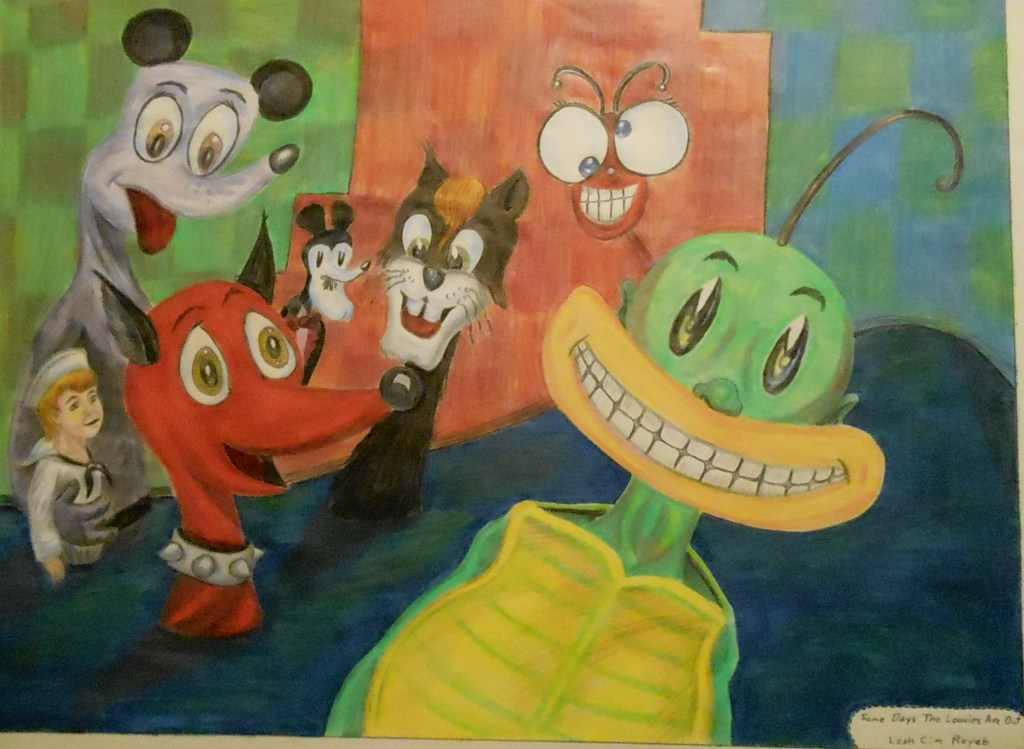
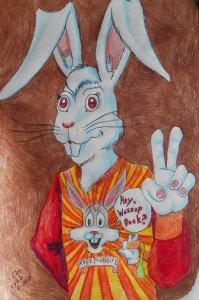
There is a reason why anything in my artwork starting with a rabbit is assumed to be autobiographical. I raised rabbits as a 4-H project from about the age of 10 and we kept rabbits in pens until I was finishing my undergraduate degree. (Rabbit chores fell to my little brother when I was away from home.) In many ways, I was a rabbit-man. My personal avatar as a school teacher was Reluctant Rabbit.
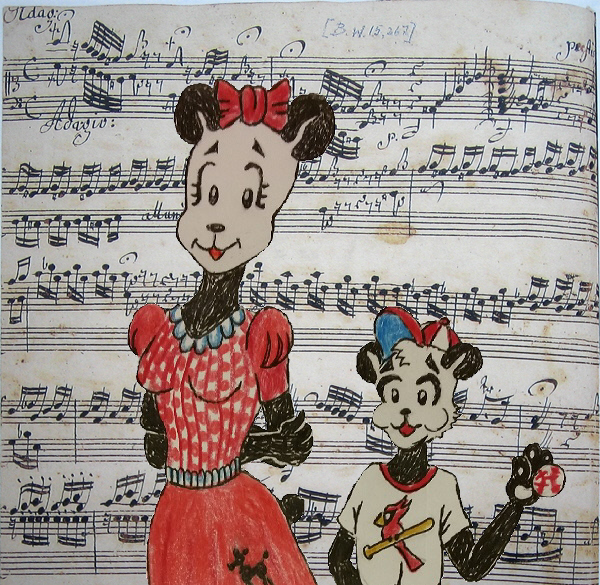
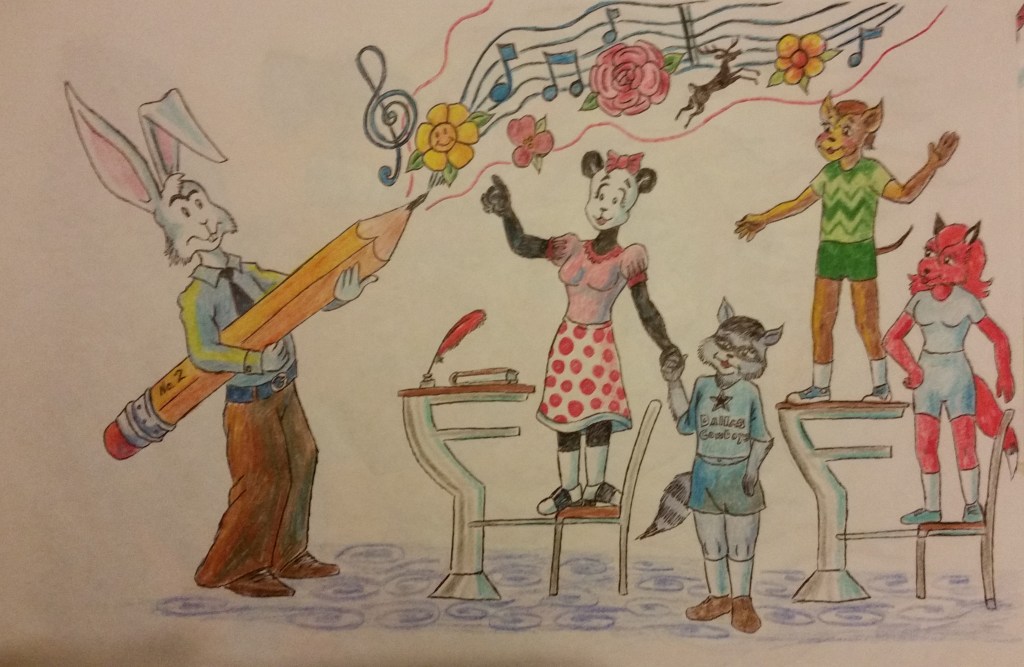
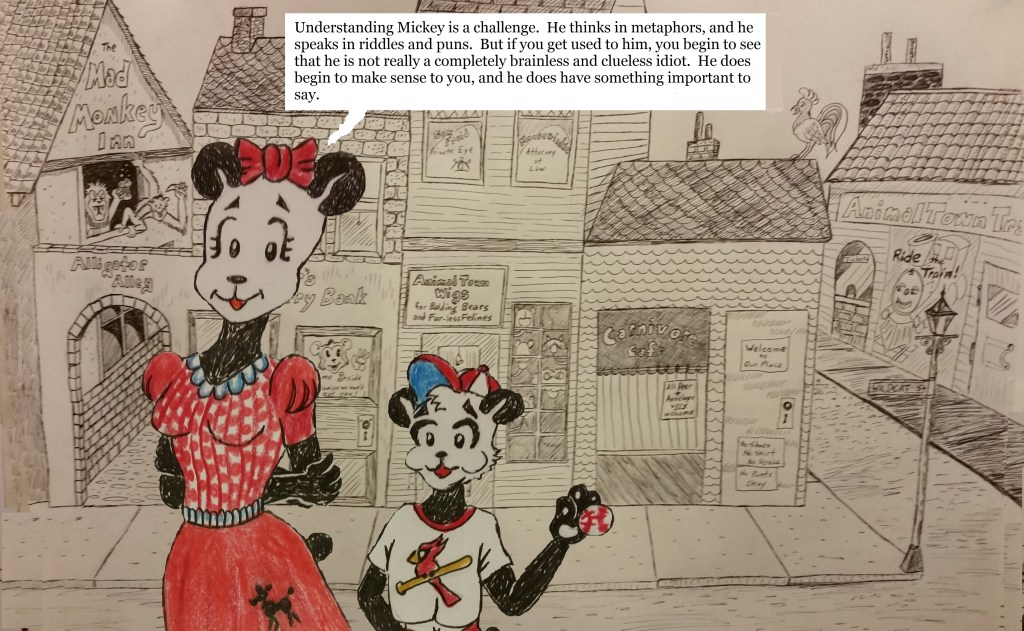
The panda known as Mandy in my cartoon world is an avatar of my wife, an immigrant from the Pandalore Islands.
There is often an exaggerated sense of adventure in my cartoonally weird Paffoonies, the very name of which is a fantasy word.
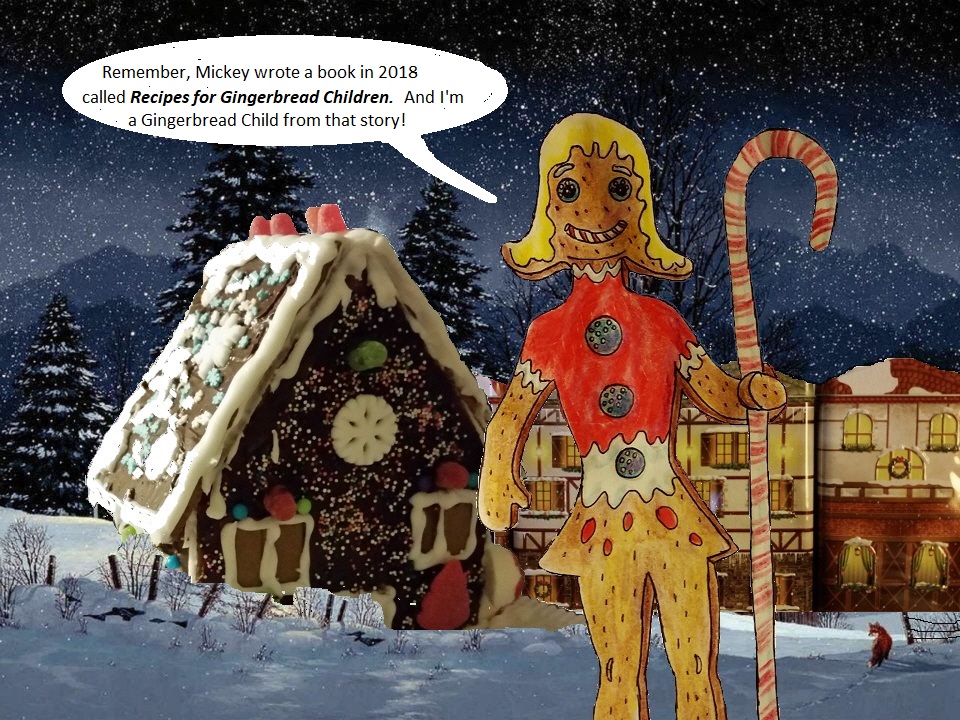
I have been known to actually believe gingerbread can be magical enough for gingerbread men to come to life once baked. It is the reason I bite the legs off first, so they can’t run away.
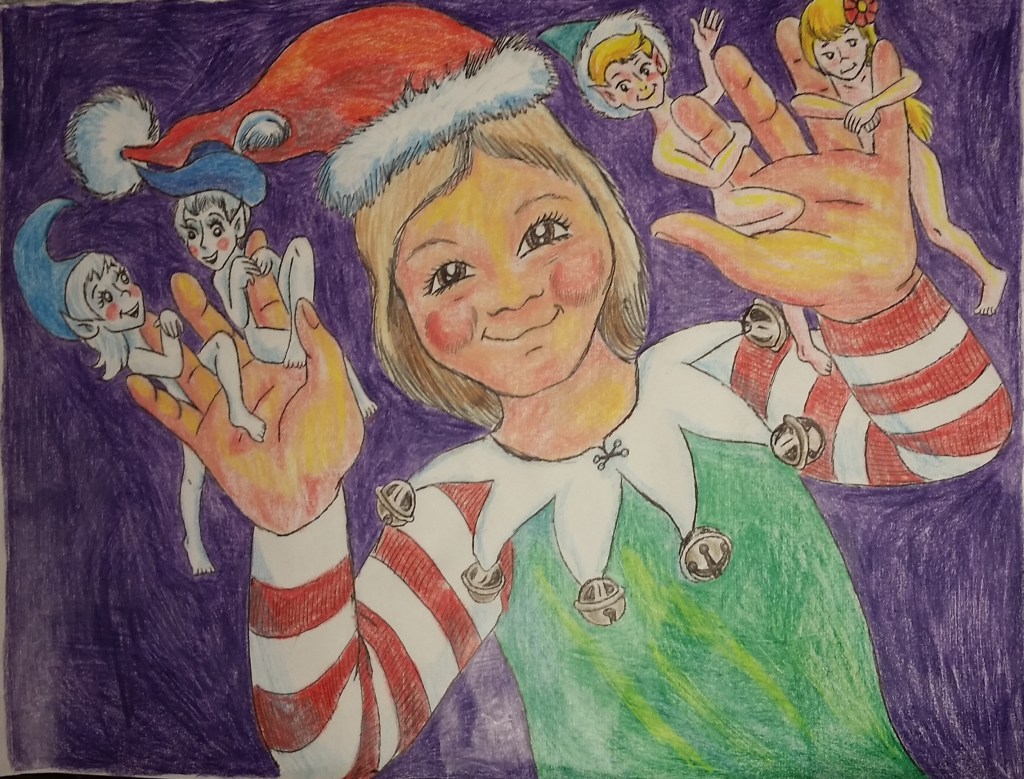
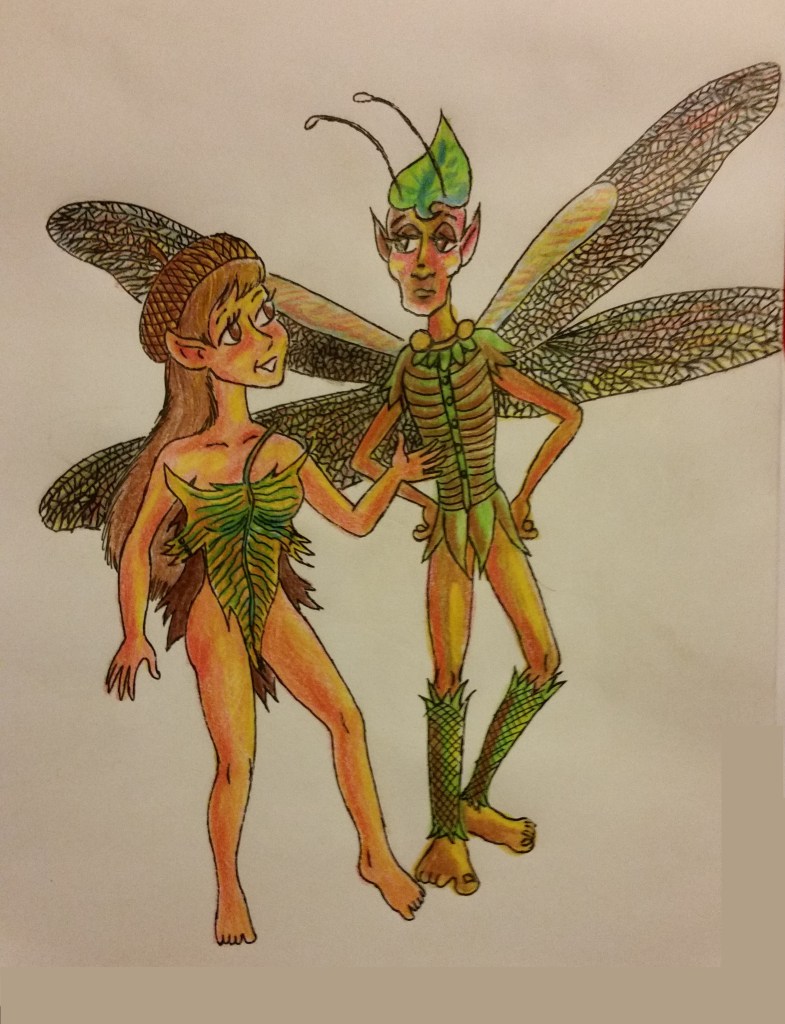
I have been known to see elves, fairies, and numerous other things that aren’t really there. In fact, a whole secret hidden kingdom of them inhabited the schoolyard in Iowa where I attended grades K through 6. They were all mostly three inches tall. The biggest ones, like dragons reaching only about six inches tall at their largest.
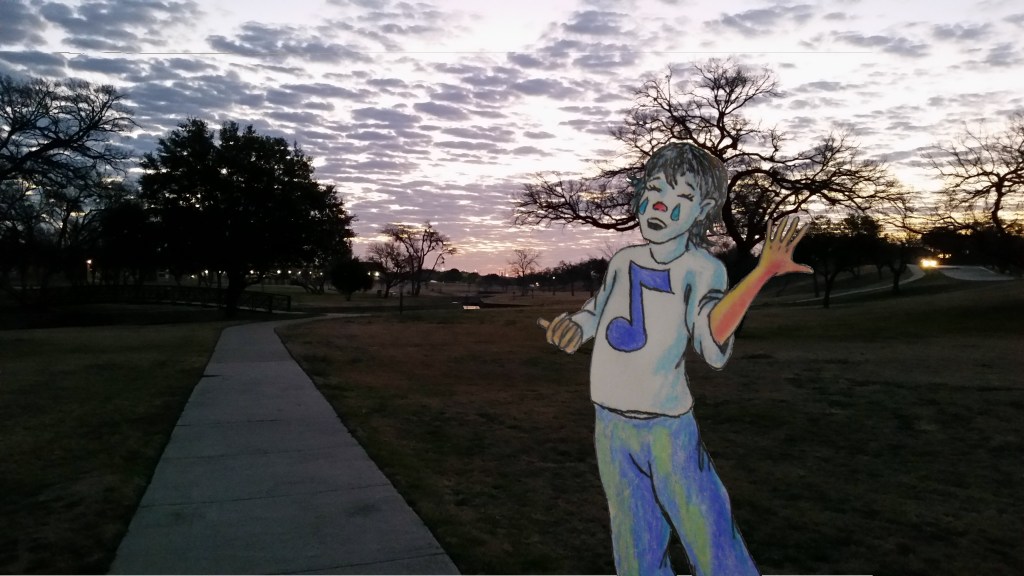
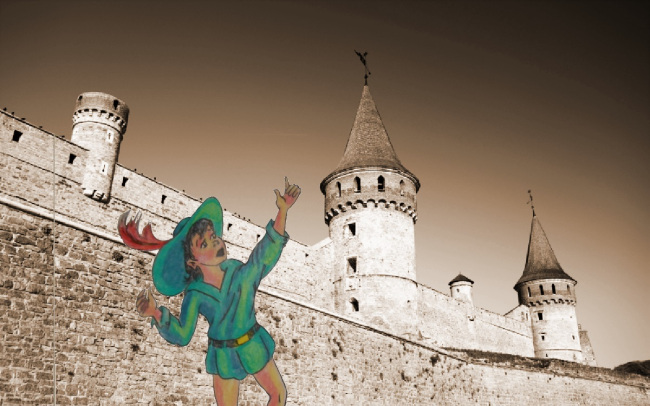
Of course I am afraid of death, evil, and… (shudder) mummies.I think of art and story-telling as a form of music. I am a troubadour whose songs (like this one) are often completely silent.My fantasy art tends to be more “comic book” than “art gallery”.
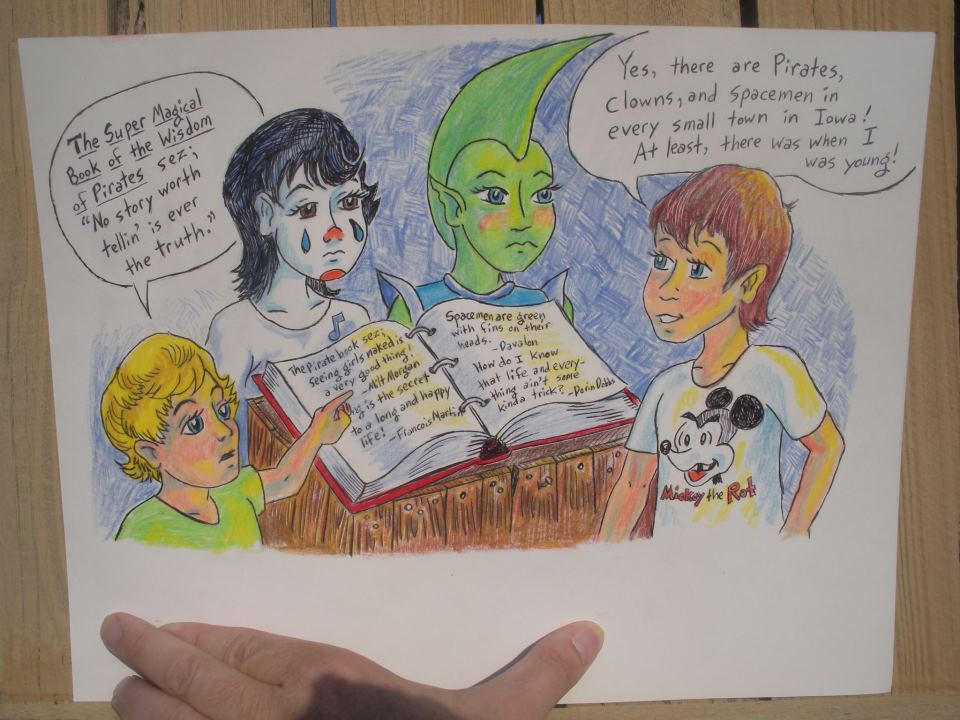
As a writer seriously immersed in a particular work in progress, I find myself talking more and more to certain people who exist only in my head. They are the characters in my novel, The Boy… Forever.
The novel is itself an epistolary novel. That means, like Bram Stoker’s Dracula, it is made up of letters, notes, diary and journal entries, and other personal writing of the central characters. It also means that I have to become the different people who write these things. At least while I create each individual artifact that goes into the mosaic of first-person narratives.
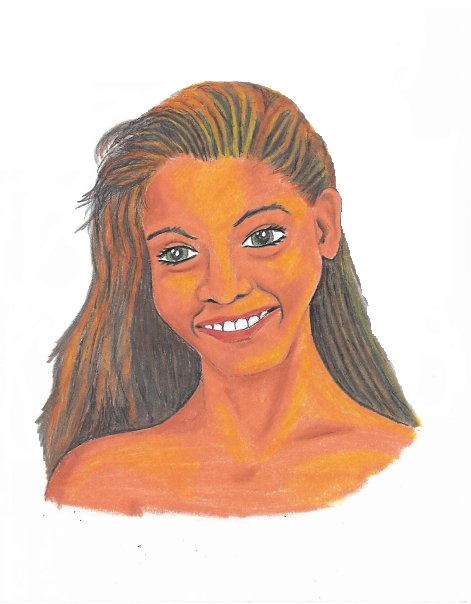
Anita Jones, pictured here, is the letter-writer who starts the plot in motion when she gets a very disturbing letter from her cousin, Icarus Jones.
Icarus writes about his problem with becoming a midget, and his response to it being a plan to kill himself. It seems that he simply stopped growing at the age of ten. Now, being a fifteen-year-old in the body of a ten-year-old, he writes a suicide note in the form of a letter, and then goes to jump off a bridge into the Mississippi River. But when he does, he survives. Or, rather, he succeeds, but cannot remain dead. He doesn’t know it, yet, but he has become a human mutation known in the secret world of unknown things as an Immortal.
Tian Long, the Celestial Dragon
Icky’s problem becomes worse when it is discovered he is being pursued by another immortal, a sort of vampiric immortal who needs to consume the essence of other immortals to stay alive. He is a three-thousand-year-old Chinese Celestial Dragon who is able to assume a human form.
Neither Icky Jones nor Tian Long the dragon, though, really needs to be in my head. Icarus himself only writes the first and last letters of the book. Tian Long, the villain, does not have a say at all in telling the story. The only part of it he writes are the wizard spells he uses to confound everyone, and most of those are in Chinese.
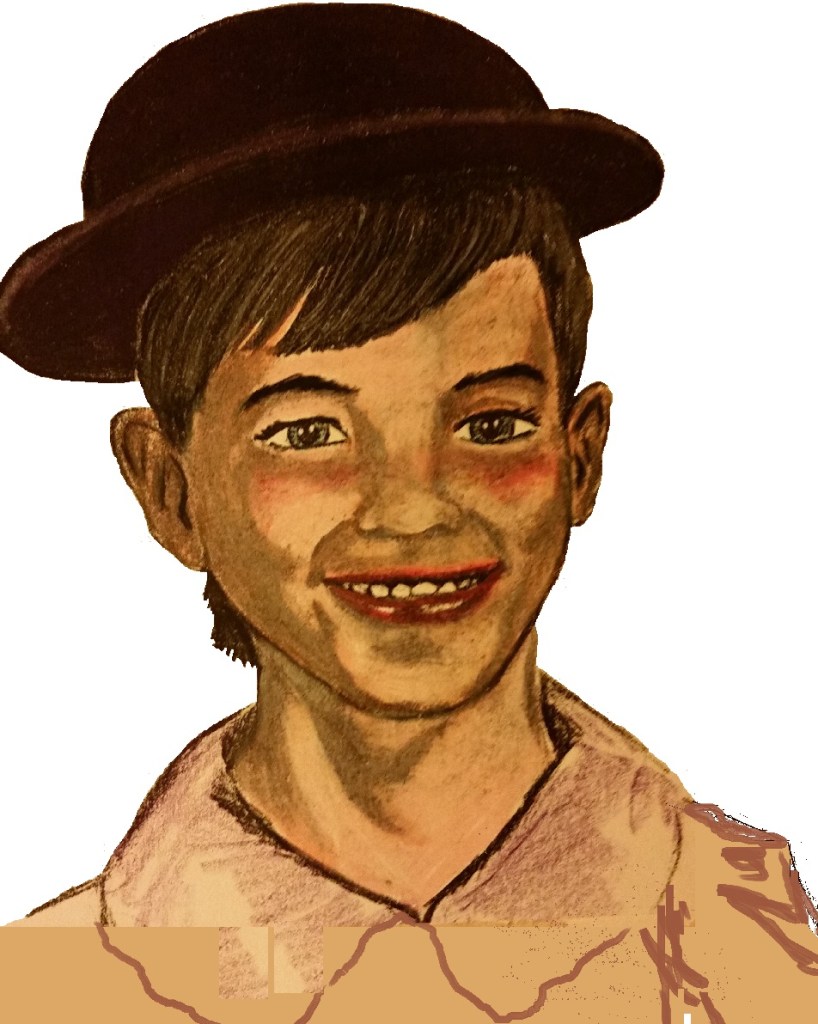
Milton John Morgan, the Wizard of the Norwall Pirates
Besides the letters that Anita Jones writes to her cousin in Dallas, Dot Jones, the story is also advanced in the journal entries of Milt Morgan, one of the leaders of the boys’ gang in rural Iowa known as the Norwall Pirates. He has been asked by the Freshman English teacher to keep a daily journal and write every day in 1976. This he struggles to do, but gains writing and typing skills as he goes along, especially when he befriends Icarus and learns about the dragon pursuing Icky.
Milt is full of imagination and a sense of adventure, a thing that makes him an unreliable narrator, not above embellishing the truth as he writes his not-so-much- daily-as-infrequent journal entries.
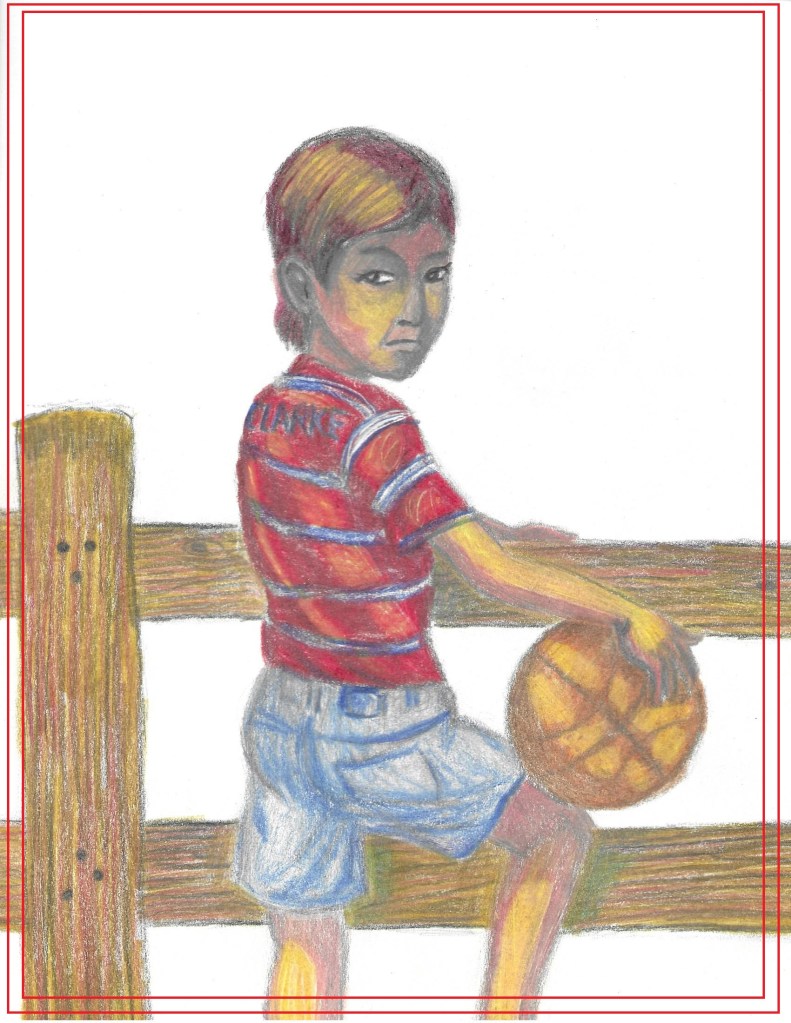
Brent “the Cat” Clarke
The story is also taken up by Brent Clarke, the leader of the Norwall Pirates. Brent wants to be a policeman or a detective or something like that when he grows up. He takes careful investigation notes on everything, and he is the first one to become suspicious of the Chinese man and his step-daughter who pick a house in the town of Norwall that they want to live in right before the actual owner and occupant of the house mysteriously dies in a falling accident. Brent befriends the local Sheriff’s Deputy and sets out on a serious possible murder investigation that yields some very disturbing results. His notes are very detail-oriented and generally fact-based. He carefully records his own eye-witness accounts of everything.
Sherry Cobble, the nudist, calls herself the smarter and more beautiful twin.
Sherry Cobble, the more outgoing of the identical twins known as the Cobble Sisters, is a happy nudist with a very positive body image for herself and her twin sister. She is a very positive person over-all. She and her sister Shelly had started out keeping a “Lovely Nudist’s Diary” between them, but Shelly is not nearly as interested in writing and storytelling as her sister. So, Sherry takes over the diarist duties with the same sort of glee and enthusiasm she has for promoting nudism to her friends, especially the Norwall Pirates. It is her goal to eventually see all of the kids in Norwall naked and happy just as she and her sister Shelly always are.
Those four different character voices are the main voices I have to work with in telling this fantasy adventure story in much the same way as Stoker tells the story of Dracula.
So, if I begin to seem like I have a disordered mind full of multiple personalities, it’s because I am a novelist, not a mental patient or a vampire or even a Chinese dragon in human form. I am simply trying to tell a story by allowing four distinctly different characters to live inside my head.
If you have come to my blog in hopes of gleaning some key advice about how to write novels or tell a story, then the wisest advice I can give you is, “Do not take any advice Mickey gives seriously.” He used to be a writing teacher in public schools. That is true. But he is also the writer of weird surrealistic novels full of purple paisley prose. And he is not a successful novelist like Steven King or J.K. Rowling. His writing advice is probably only worth ca-ca poo-poo.
So, let me tell you how NOT to write a novel.
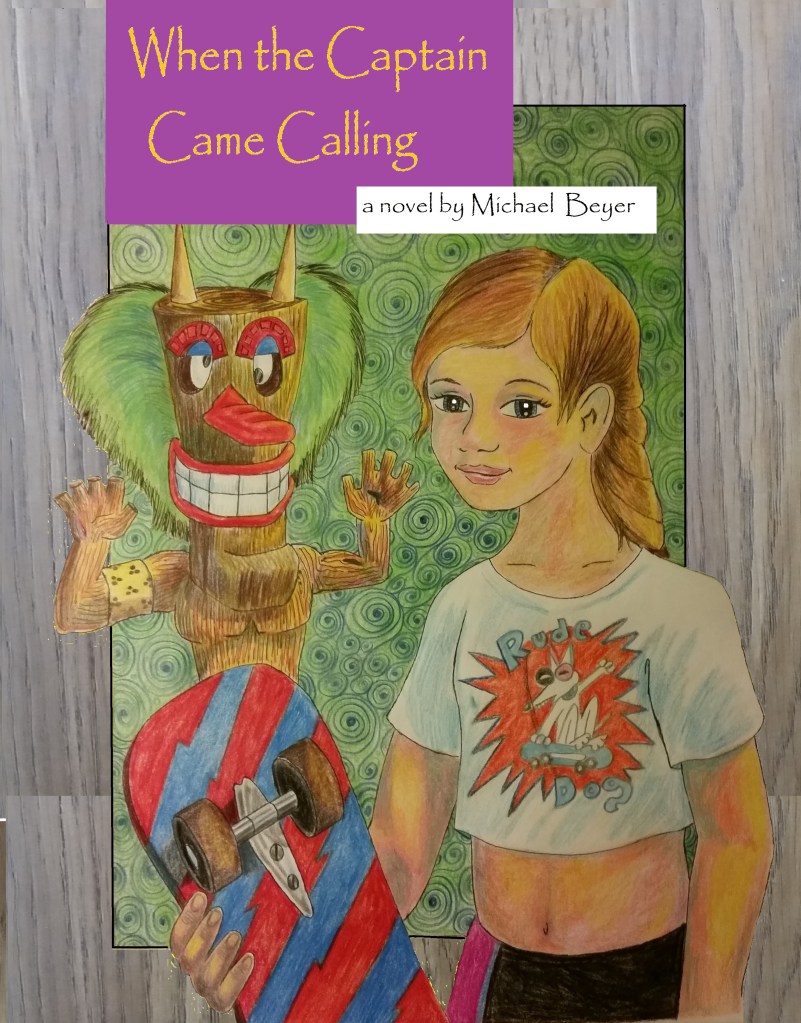
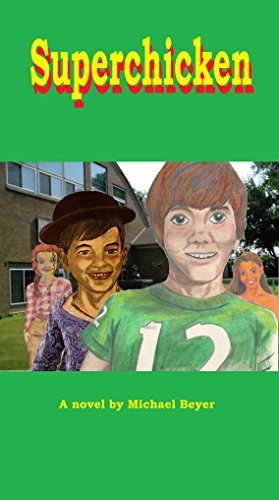
Each of the novels I have written and displayed here took me more than twenty years from the moment I conceived of the idea, through plotting, rough drafts, revisions, re-plotting, expanding the story, to finally publishing them in 2017, 2018, and 2019. I developed the stories from real people, real events, and real themes that were a part of my life and added to each of the stories as time passed. So, obviously, you should never take too long a time writing a story. It is true that Snow Babies is the best novel I have ever written, and I count Sing Sad Songs, The Baby Werewolf, and When the Captain Came Calling among my best work. And I only spent one year in the writing of Aeroquest, which is, ironically, the worst thing I have ever written. So, you can see that following any advice Mickey might give you about taking your time with writing is obviously worthless. I took too long writing and publishing my best books, and that is why I will die a penniless, unknown writer.
But I admit to having even more bad advice to warn you not to take. More, I think, than I can put into this one post. So, I will Part-Two this particular essay and take up the topic again in the very near future. Or forget all about it completely. It has to be one of those.









 Catch a Falling Star
Sunday with Salvador
Today I am waxing on about the wonderful, mad, mad, mad genius of surrealist art, Salvador Dali. He was born in 1904 and died in 1989. And that’s really about all that I want to tell you about the physical parameters of his boundlessly creative life. He was alive in this world until I was already thirty-three. So, I got to see him on television and watch video biographies of him and his incredible artwork. Ones that included interviews. And if I get into his public persona, that will eat up the rest of his essay. Instead, I need to talk about his art, and how it modifies and magnifies what I am meant to be.
His most famous painting is the one that most clearly burned the image of melting clocks into our collective memory. He claimed, and others pretend to see it too, that it is a reaction to Einstein’s Theory of Relativity. But when I look at it with the melting mask of Dali himself in the center, I see the artist’s perception of time in the spaces within which creativity moves. Time melts and has no meaning when you are painting and writing from an endless roiling flow of new ideas and notions. Time becomes as irrelevant in that context as the ants on the pocket-watch or the dead tree from which one deflated clock-skin hangs, There is no past or future, only the creative now.
And in that creative now, the artist sees himself. But if you look too closely, the self vanishes into the picture, the currently considered, fascinating work of art.
You see the boy with the hoop and wearing a sailor suit? That symbol, he always claimed, was his lost brother, the one who died before he was born. The one whose death made his parents decide to have another child. Without that brother, Salvador would probably never have been existing at all.
And do you see the disappearing bust of Voltaire? Or when you look closely at the slave market in the background, is it simply no longer there? Things that disappear… things that become other things… tricks of perception, the fooling of the viewer’s eye… These are what the artist actually wants you to see. Not the well-portrayed physical reality, but the ghost of the shadow of an idea that’s hard to define.
And then there is the idea of war. Two world wars that took place in the prime-time of his painterly life.
Life does crazy things to the sensitive, suffering artist, and it shows in his work if not in his public personality.
And consider the artist’s notion of birth and life and death. Narcissus suffers for the sin of love of himself. He becomes petrified with age, a narcissus flower growing from his head, now an egg, the symbol of birth and rebirth.
And here is an exploded portrait of his beloved wife Gala.
All the elements float eternally in the air.
And you can see inside each thing.
Inside the home is the wife and mother.
Inside the mother is the child.
Inside the child is the loaf of bread that keeps him alive.
Does the bread, then, stand in for God himself?
Dali and his work is not simple. It is deeply, incongruously complex. But that is surrealism. That is how it works. Without getting into other complex symbols and such Dali-esque puzzles like burning giraffes, eggs, and Venus De Milo with bureau drawers in her torso, that is how Salvador spends his Sunday with me. An artist beyond time and space, long dead, but still speaking to me. And teaching me beautiful, untold things and stories of things.
3 Comments
Filed under art criticism, artists I admire, artwork, autobiography, commentary, surrealism
Tagged as Salvador Dali