
You may have looked at the name of my website here on WordPress and wondered, “Why in the heck has that fool Mickey called this thing he writes Catch a Falling Star?”
The answer is, he named it after the first good published novel he wrote at the insistence of the I-Universe Publishing’s marketing adviser. Very poor reason for doing anything, that.
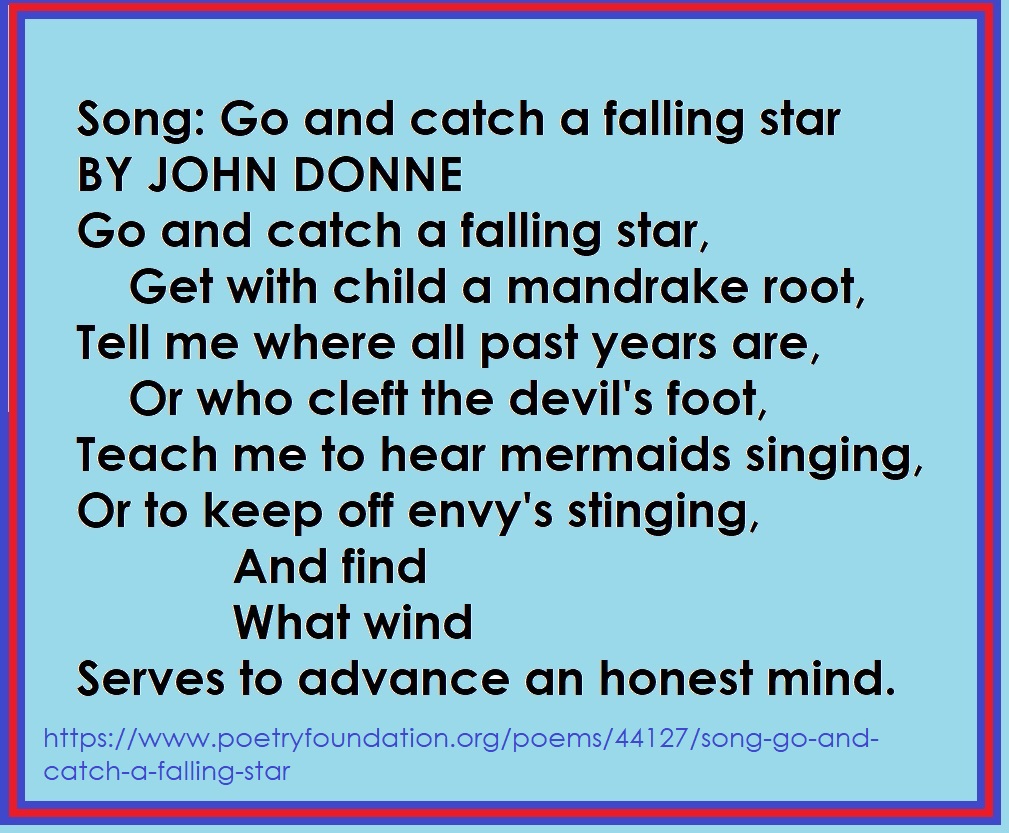
But, the secondary reason is because of where that title came from. Look at the first stanza of this poem by John Donne.
So, now, you are justified in asking, “What nonsense is this? That doesn’t have any coherent meaning, does it?”
And you would be right. These are impossible things that I am being ordered to do by a very religious cleric in the Anglican Church who was originally a Catholic, but, in the time of Henry VIII Catholicism was made illegal, and he wrote this poem about not being able to find an honest woman in his drunken, wasted youth anyway. He is ordering me here to not only “catch a falling star” (and catching a meteorite with your bare hands has rather hot consequences), but also to have sex with a semi-poisonous plant, explain why we can’t go backwards in time, determine whether and why God might’ve given Satan goat feet, listen to probably-nonexistent humanoid creatures singing, find a way to avoid anybody ever looking at me with envy and then doing something to me because of it, and, most importantly, find a place where the wind blows in a way that fills your head with facts that actually makes you smarter.
Challenge accepted!
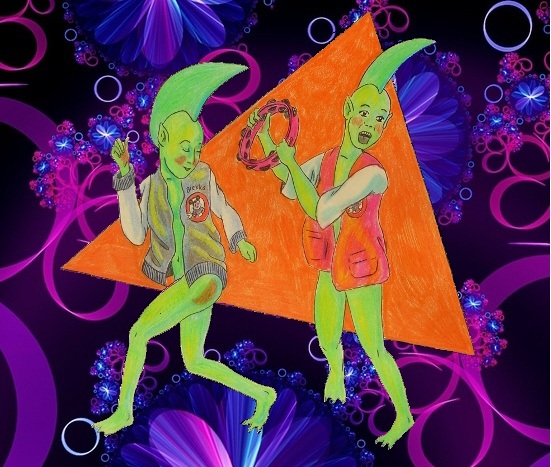
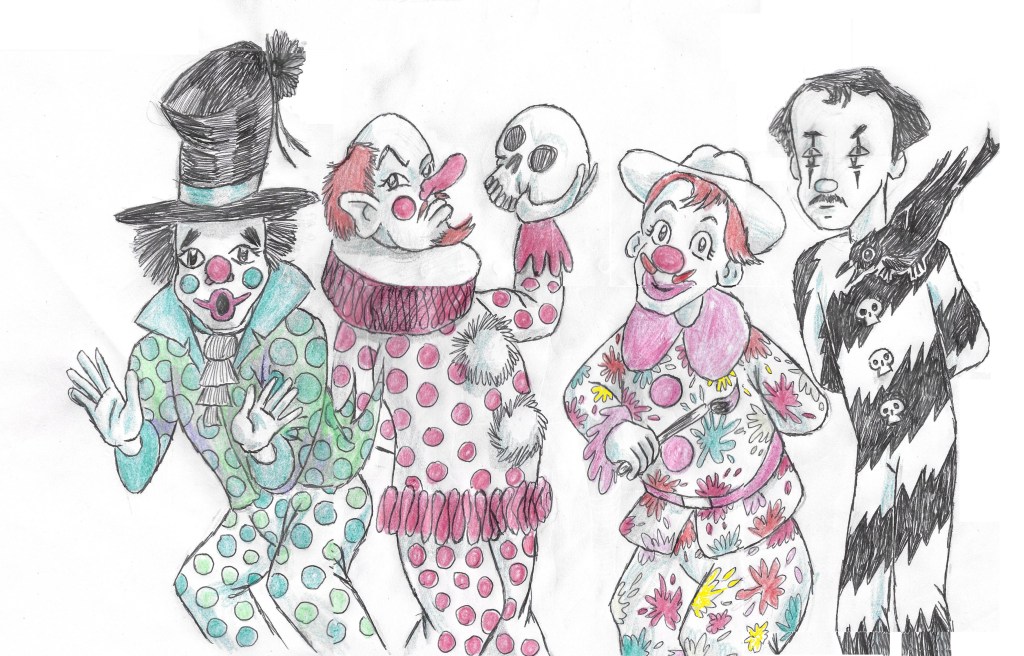
It is exactly what I wanted to write about. Impossible things actually being accomplished. Finding the meaning behind alien beings from outer space developing an intense love of I Love Lucy television broadcasts and Mickey Mouse Club music. Discovering why intensely shy people need to embrace social nudity. Defining who is actually a werewolf and who is not, uncovering who and what real monsters are. Singing songs so sad that it magically makes people fall in love with you. Talking to clowns in your dreams and getting real answers to the meaning of life, love, and laughter.
Catching falling stars is the stupid idea that this wacky, idiotic little blog is about. It is what I write about constantly. You have to kill me to get me to stop. So, there is your fair warning. Read on at your own peril.

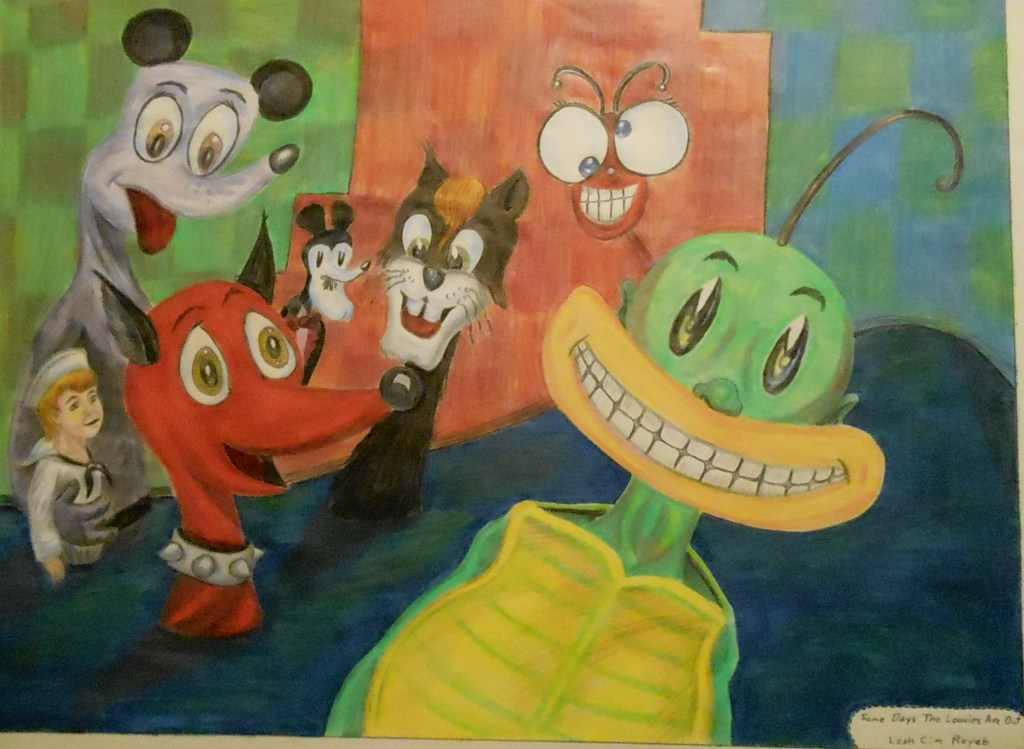
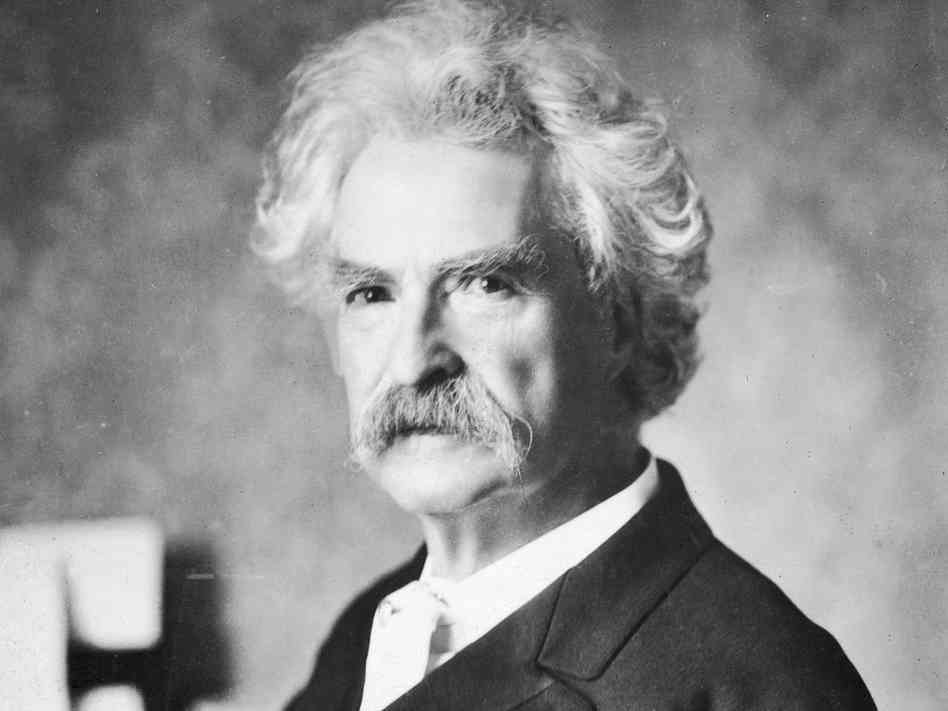
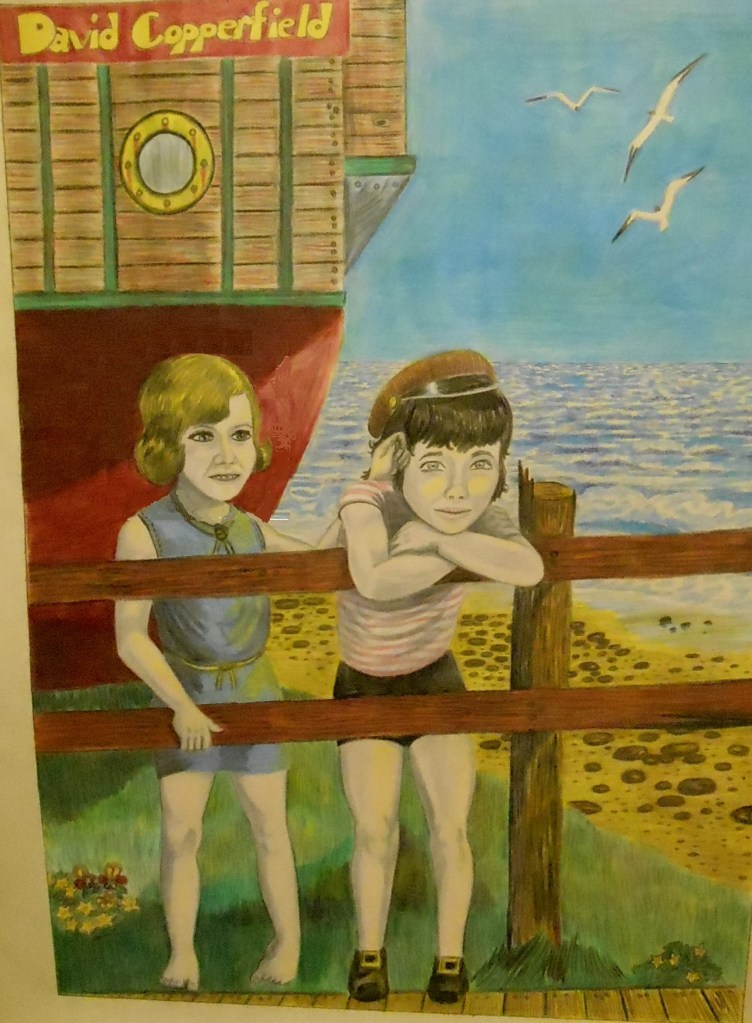
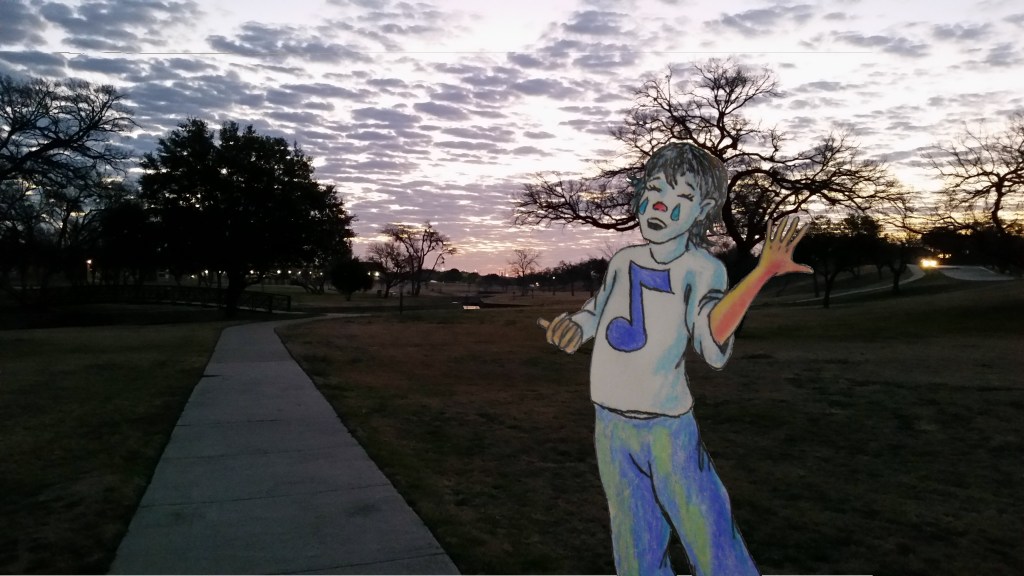




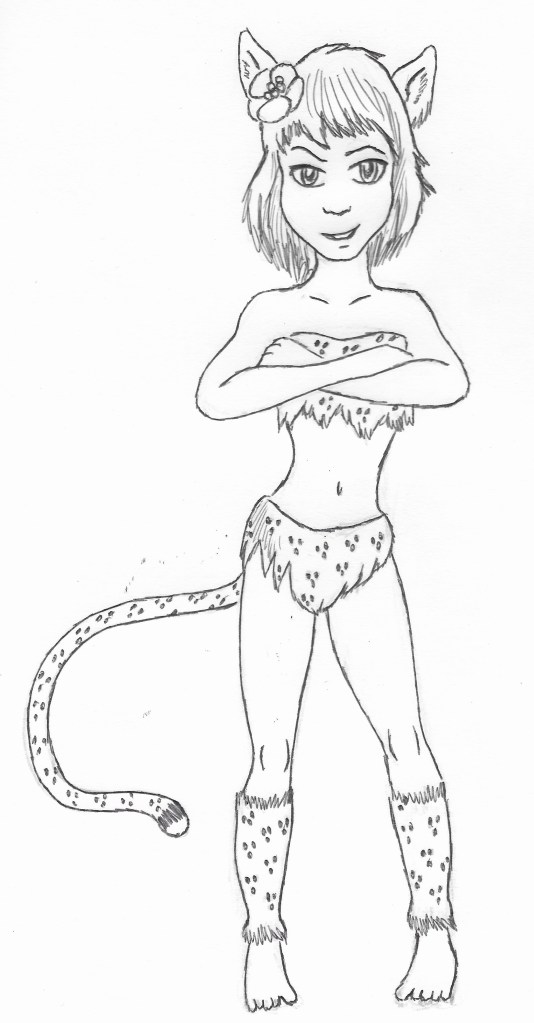
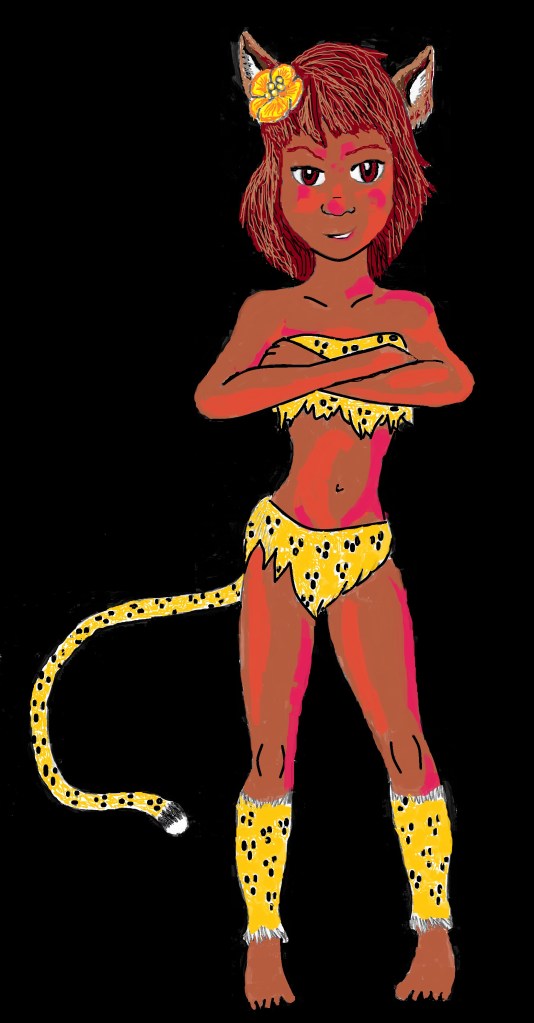
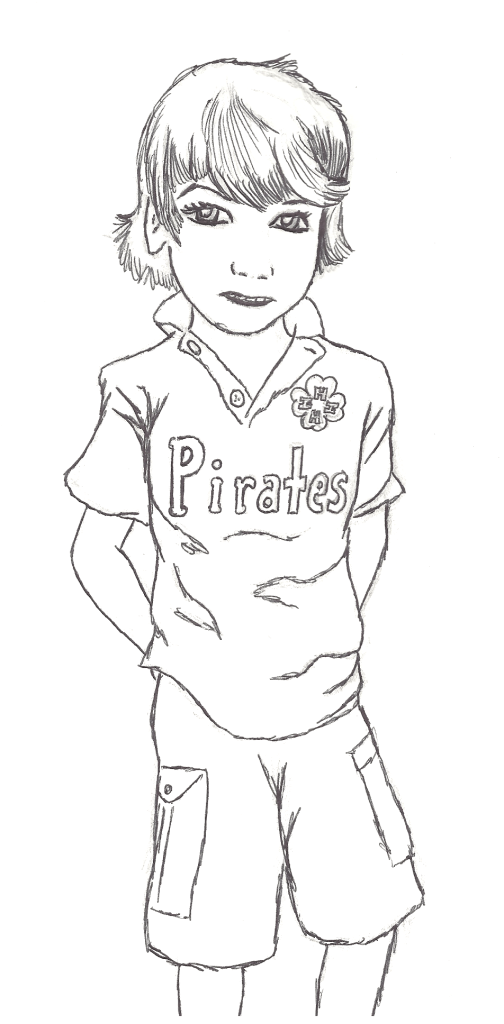
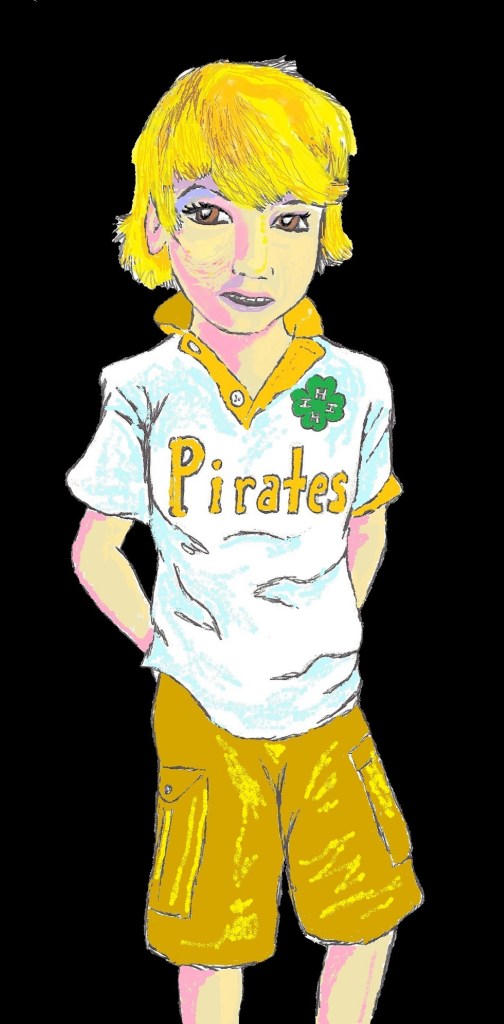
 Catch a Falling Star
The Be-Bop Beat of Mickey’s Brain
Truthfully, when I look back at the string of posts in the picket fence of this daily blog, I fail to see the overall map of it in any semblance of pattern or order. Honestly, I did not set out to be purposefully wacky.
I did, however, set out to be purposefully surreal. I mean it, I consciously put bizarrely dissimilar things together in an attempt to find parallels and connections in unlike things because, not only is it funny and surprising, but is a comic act that serves to keep the mind nimble and never numb. I do think quite a lot. And I try to see connections between things where others wouldn’t. For instance, the Coppertone girl with her bare butt and Bullwinkle with his unicycle are both being threatened in a way that is both comic, and taking advantage of their inherent image of innocence. Neither will lose anything by it. The girl stands to brown her pale white behind in the sun, while Bullwinkle will probably land on his head and it will make a decent cushion to preserve him because of it’s empty and rubbery qualities.
I must also admit to a bit of the old telling of stretchers, the misrepresentation of the truth, the loquacious layer-onner of lies. Not Trumpian lies that land on you like elephants dropped like bombs out of B-52’s. Instead, fictions that entertain and elucidate. It is the most likely reason I keep saying connecting words and phrases like “truthfully” and “honestly” and “I mean it”. Those are words that liars love.
Yes fiction writers like me tell little white lies.
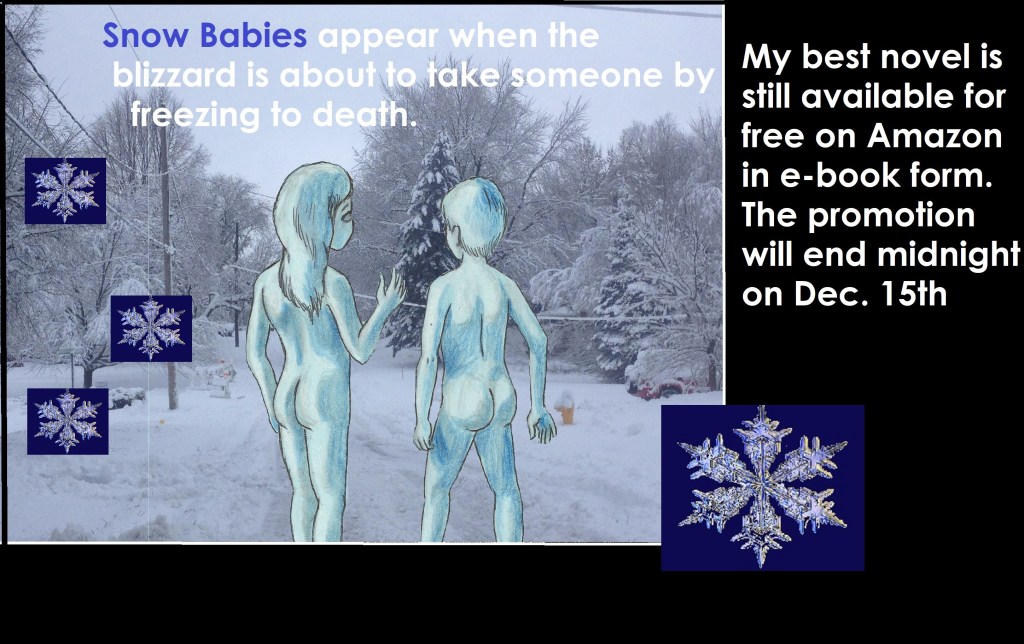
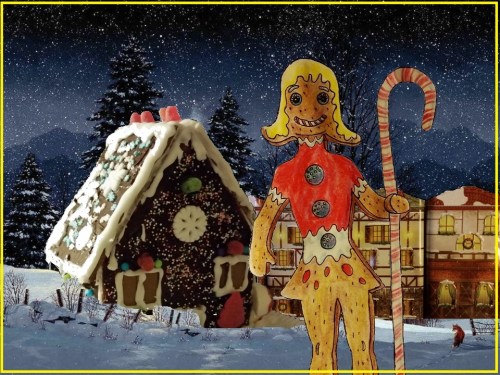
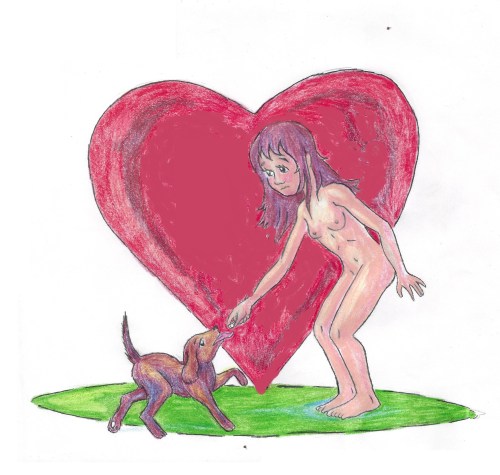
I have now published my novel Recipes for Gingerbread Children. It is a novel based on real people I have known and loved and listened to. It is about an old German woman, a survivor of WWII concentration camps, who loves to tell stories to children and bake gingerbread cookies, especially gingerbread men. It features a pair of teenage nudist girls who believe in going completely naked whenever you are indoors, even if you are in someone else’s house. It features Nazis, both in flashback and ghostly forms. It also features fairies from the Hidden Kingdom of Tellosia, a fairy kingdom filled with little three-inch tall magical people living under our very noses. And it has a werewolf in it, though admittedly a very young one. It is a comedy with its requisite sad parts, and it is definitely an example of surrealism. It is also full of lies… err, I mean fiction.
But the real purpose of this supposedly be-bop brain fart in blog-post form is not so much to explain my blog (because how do you explain a blog that goes from Flashbacks and Foobah to telling about Madman Trump to Another novel part… #37 to Centaurs to a book and movie review, to this eccentric and eclectic thing, which probably exists more to make alliteration jokes than anything else in the most musical beat I can bang out?) but to prove that I do often think about thinking and how things fit together and what it all means… and how to write a run-on sentence that adds to the effect rather than simply annoys. And, yeah, I’m doing that. And it feels like a good thing to do.
1 Comment
Filed under blog posting, commentary, foolishness, humor, imagination, metaphor, Paffooney, self portrait, strange and wonderful ideas about life, surrealism
Tagged as goofiness, humor, justification for blogging, Metacognition