
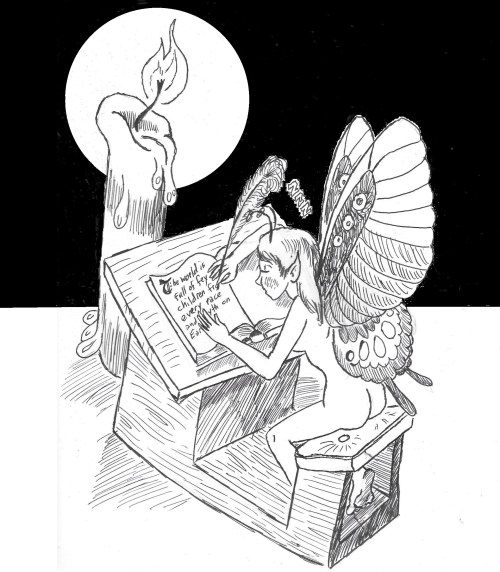
I have recently embarked on a side project of rereading my own books, marking up the errors, awkwardnesses , and inconsistencies I find in them. In other words, I am giving them a complete third or fourth edit.
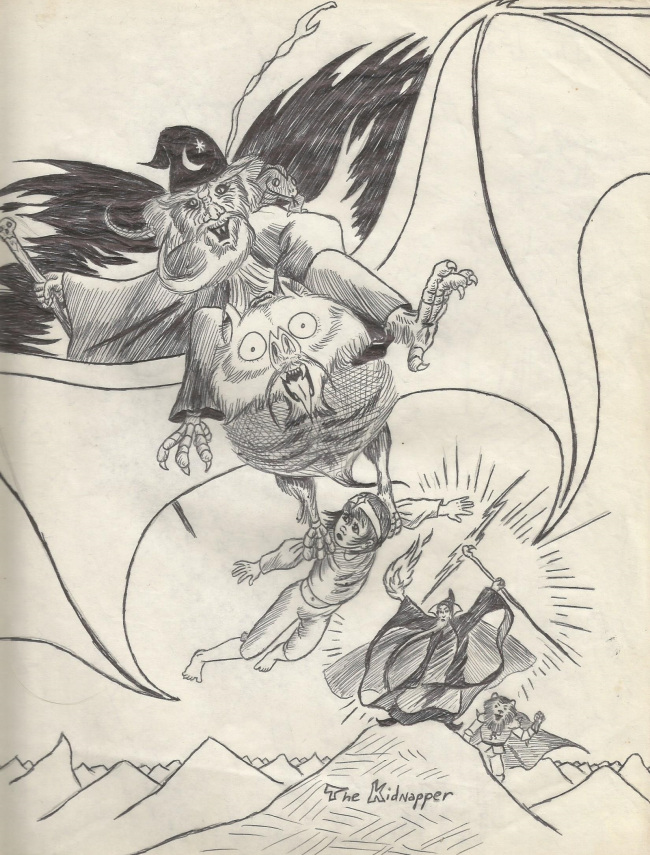
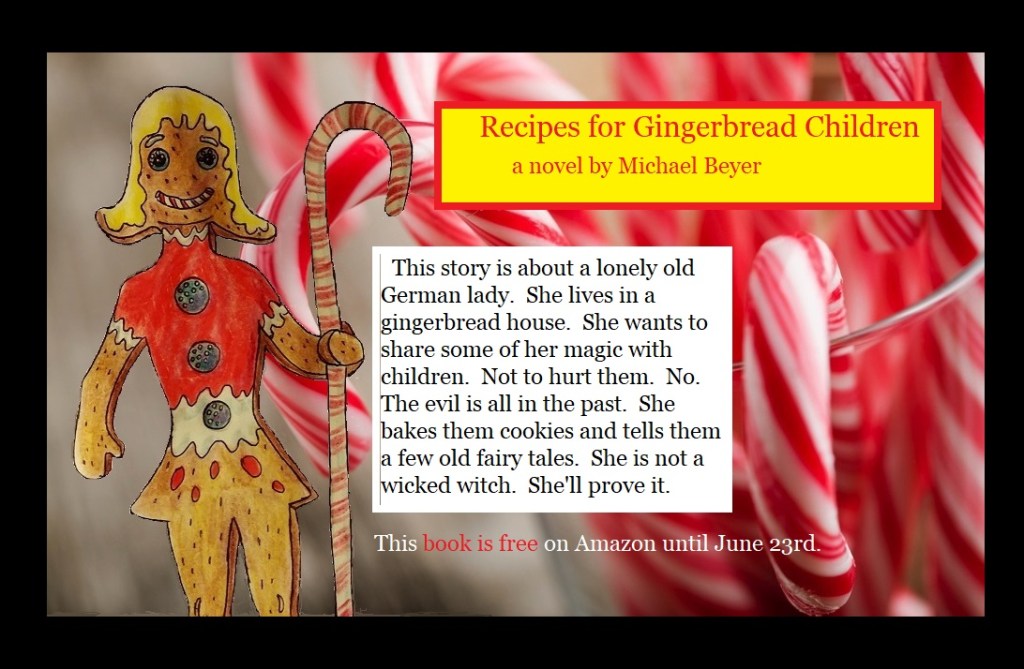
In some cases this leads to the opportunity to add illustrations and tweaks to the formatting.
In other cases it offers me the opportunity to remove things that will bother future readers who react to things in ways that I don’t totally understand, but definitely want to avoid giving offense more than I want be controversial.
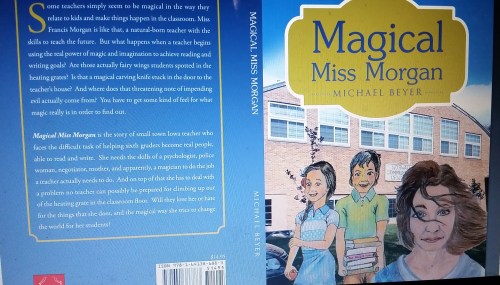
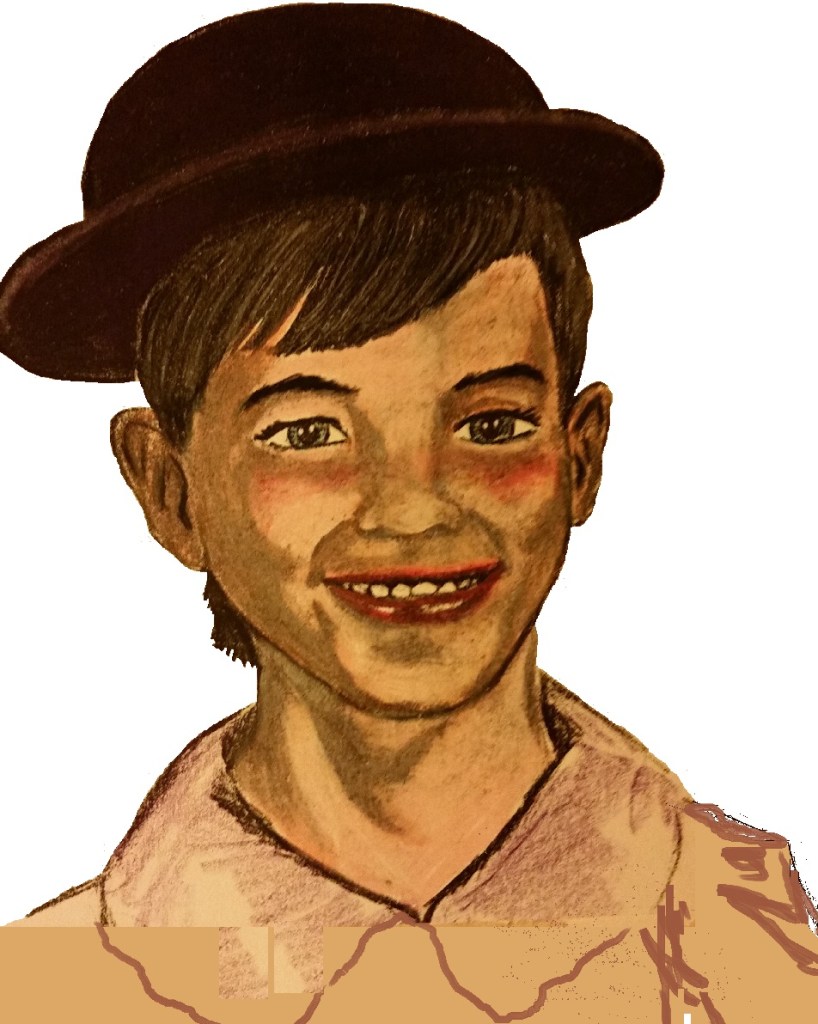
Some things are not negotiable. The fact that Blueberry Bates is a transgender character is something I mean to defend. It that offends someone, that reflects a prejudice on their part, not mine. I have known real transgender people, and their existence should not be offensive to anyone with a drop of Christian or moral decency in their bloodstream.
No young person should ever have to go through the pain and humiliation the person this character is based on had to endure in real life. No one should be driven to suicide or self-destructive thoughts just because their body doesn’t match the gender in their brains.
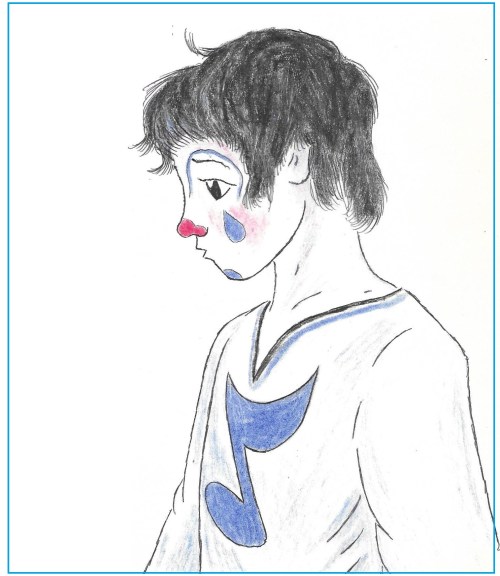
But I did change the details in Sing Sad Songs that offended one reviewer. While I still think the physical intimacy alluded to in the story (and I do mean “alluded to” as it was not actually depicted in the scene, only mentioned) was not inappropriate, the story does not suffer from changing the act to a mere embarrassing first kiss. In fact, I kinda regret not making that specific change sooner. Although I am sure that reviewer would still have managed to be offended.
I had thought to make this essay about my novel-writing process an essay about censorship. But the whole project is not censorship. I am changing things now not because my urge to self-censor has come about due to a sudden change to prudishness. I still believe that I am a nudist in my soul even though I am almost never naked. And I still believe that children have sex lives and are entitled to them. I am just being more cautious with how the stories will connect to readers, and I wish to be more sensitive to the characters’ rights to privacy (especially in view of the fact that some of my characters are modeled on real people from my past)(and some of those are actual nudists.)
This essay is about reconsidering and revising my work to make it more effective and sensitive to the needs of the reader. I am not a child pornographer, and I don’t want my work to be looked at in that way. Just as when I was teaching, I never actually touched the children physically (accept for a few accidents, moments of crisis, and breaking up fights) I don’t want to violate young people in my writing. I am not removing all mentions of abuse from stories. But those things are done by antagonists and characters in stories, not by the author in how he or she chooses to describe things.
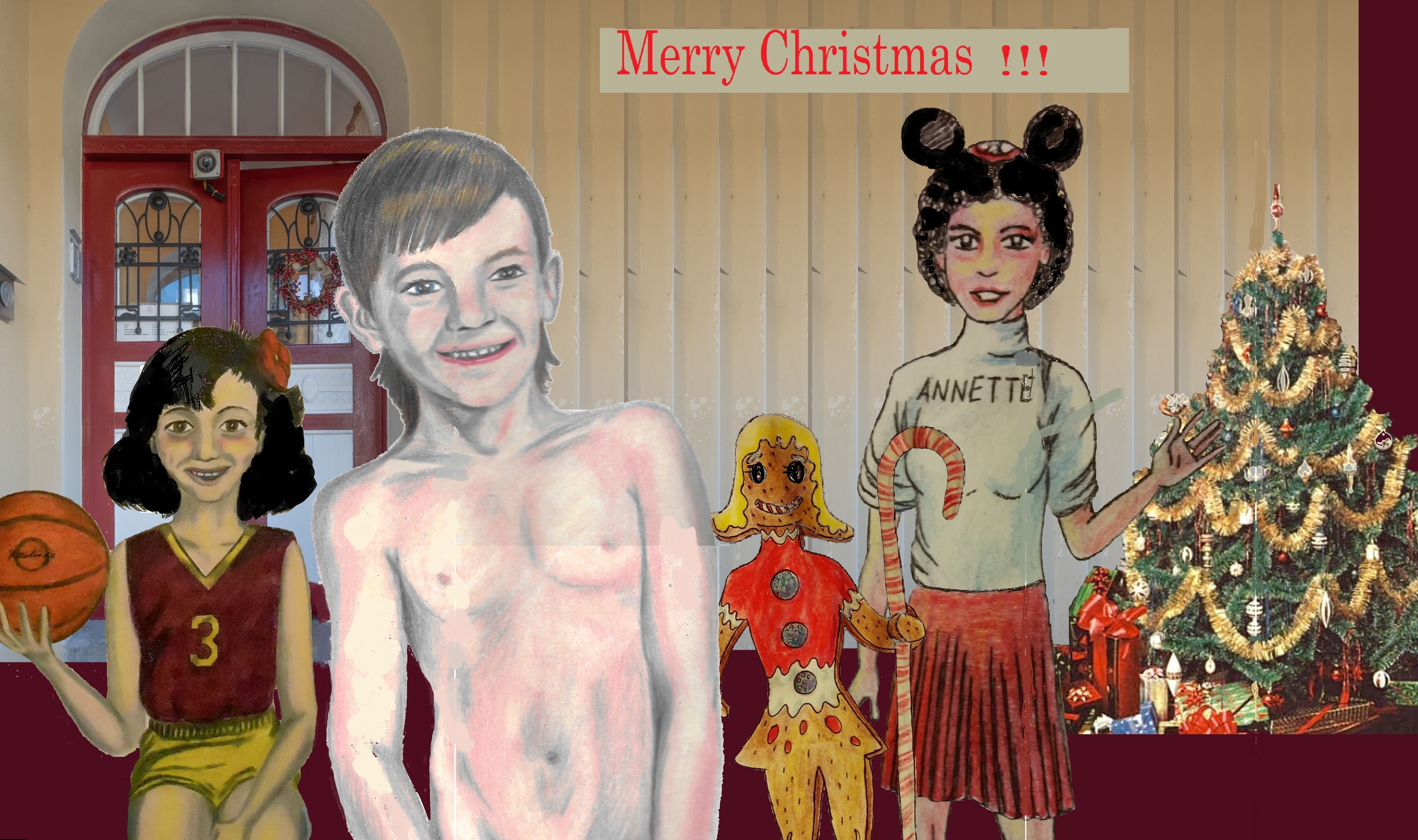
A writer can’t really change who he or she is, and she or he can’t really change the basic way by which he or she writes. But you can always revise and edit.




Ending the Story
The first chapter of the story of my life does not open with my birth. It begins with my first memories around the age of three or four, when I first really became aware and my mind began seriously pulling itself together. Similarly, it will not ultimately end the final chapter when the lights go out and I pass away. I myself will not be able to write that particular sentence because, as I die, I probably won’t be in the act of writing about it.
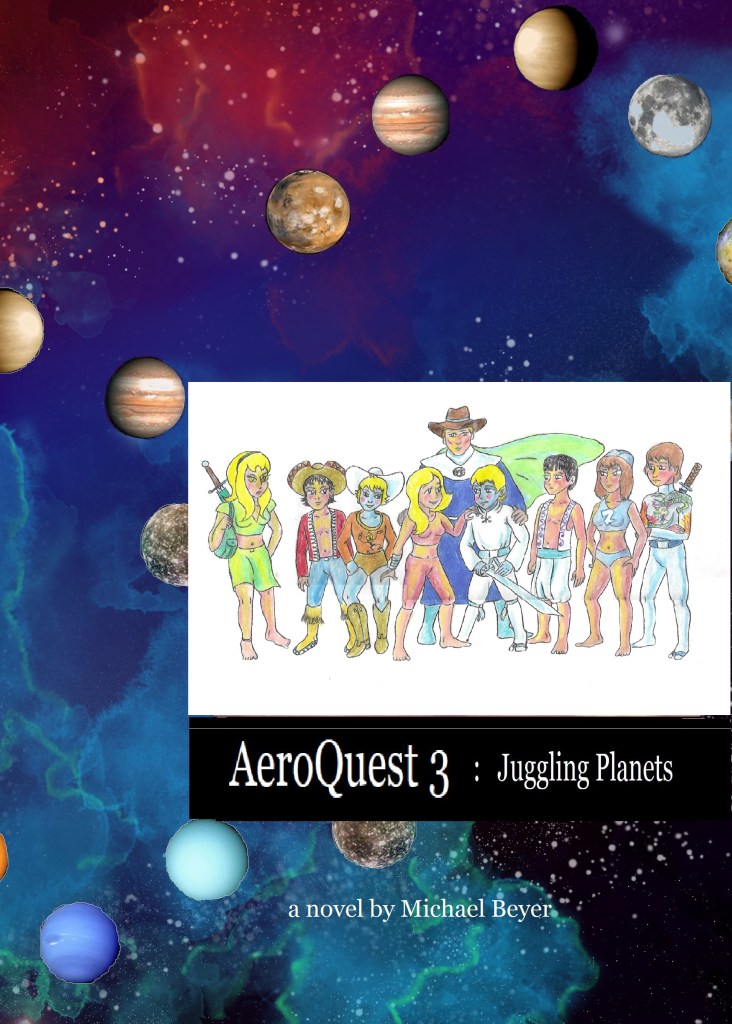
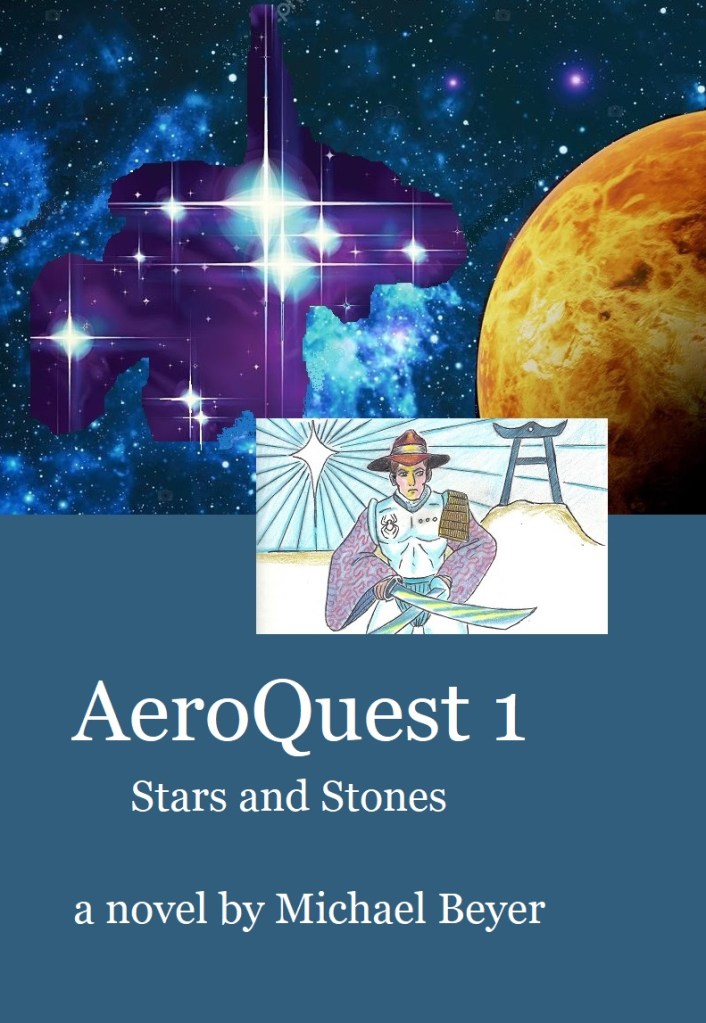
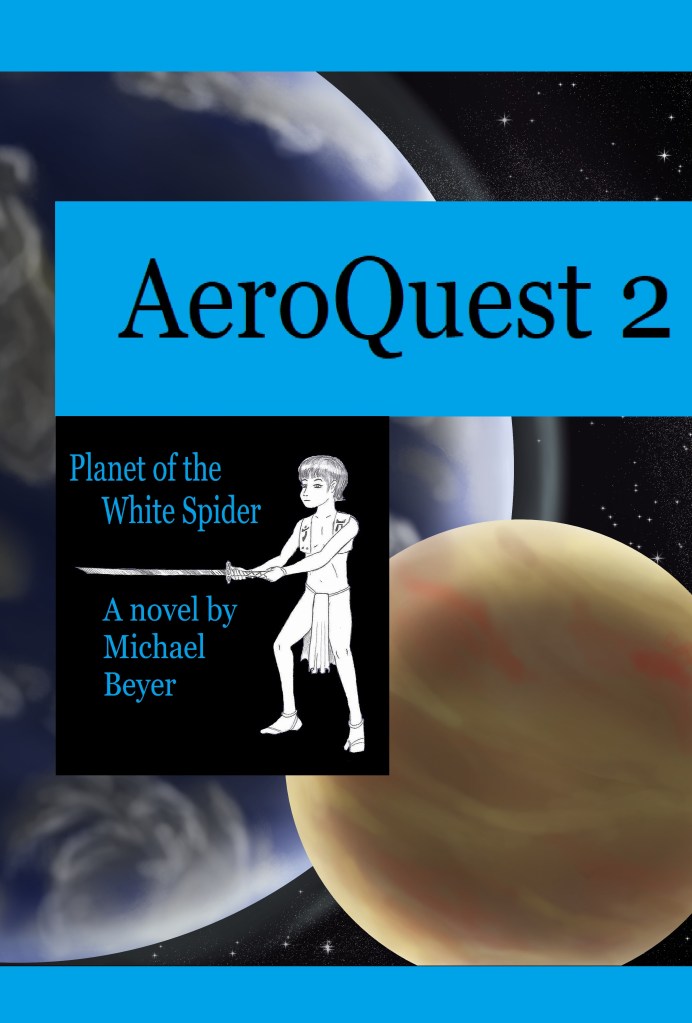
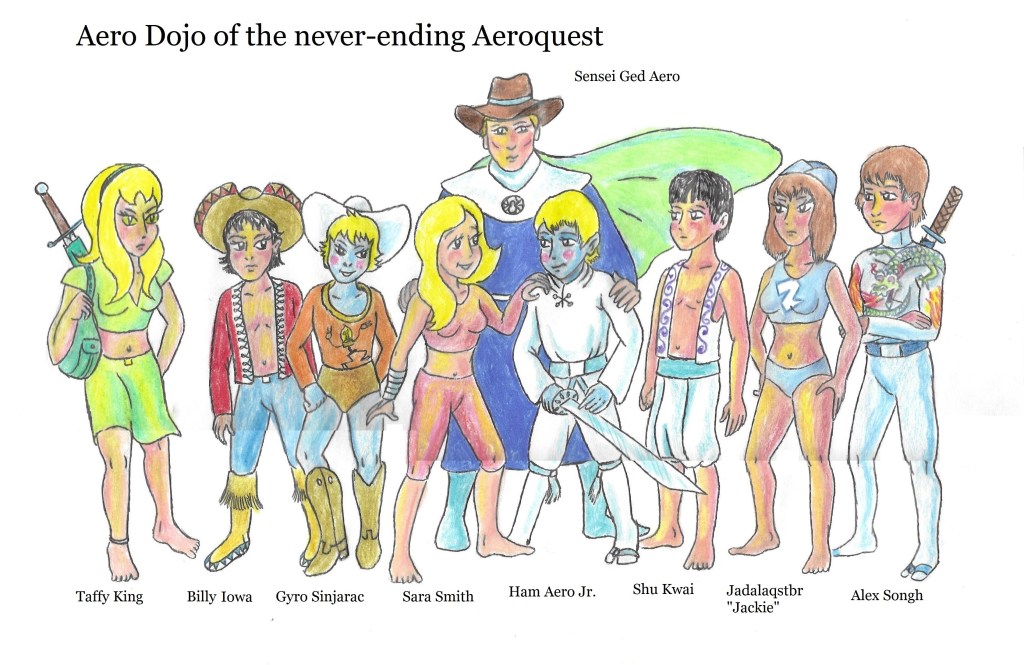
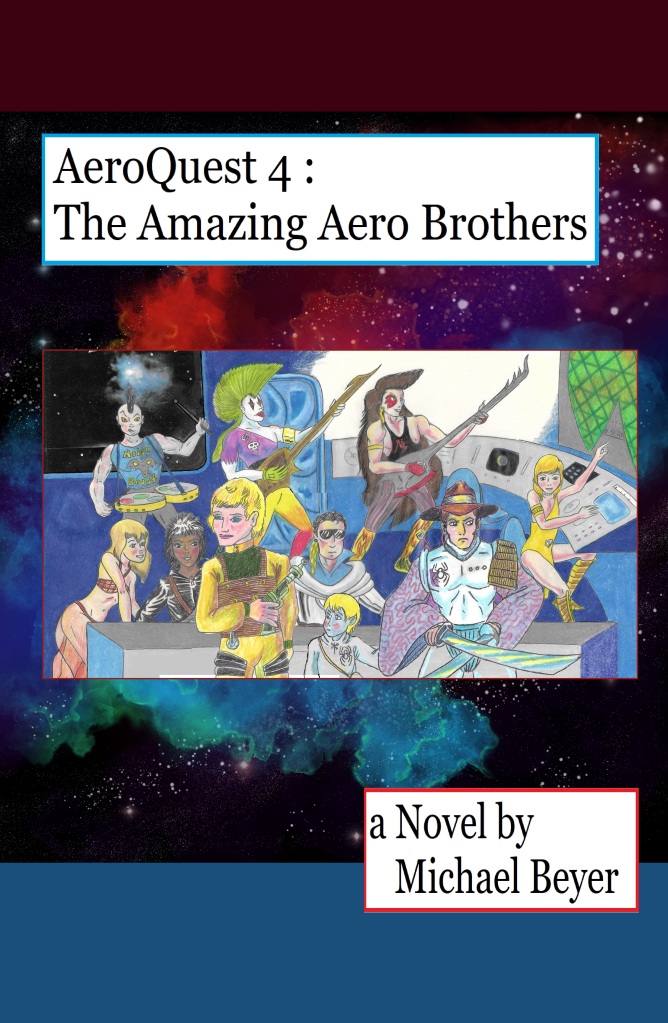
This topic comes up because I have been thinking long and hard about how my AeroQuest series is going to end.
The original story in my terrible first-published novel has been divided into five different parts. Admittedly they are not as stand-alone in nature as I had originally intended.
Of course, since it all evolved from an on-going role-playing game, it was never really supposed to have an end point. And if I manage to finish this number-five novel, I already have a story to fill the number-six novel. It will be called Galactic Fire and the story is already tied to the other five.
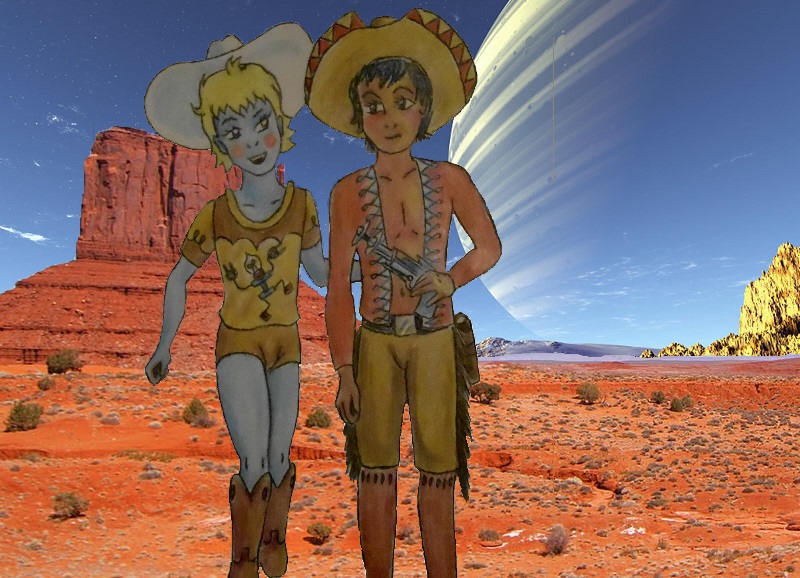
At the same time, I am rewriting and updating Stardusters and Space Lizards. This too is an ongoing story. As a sequel to Catch a Falling Star, it takes up the tale of the aliens who tried and failed to invade a small town in Iowa. It takes them to a dying planet where the population of meat-eating lizard people are determined to make themselves extinct.
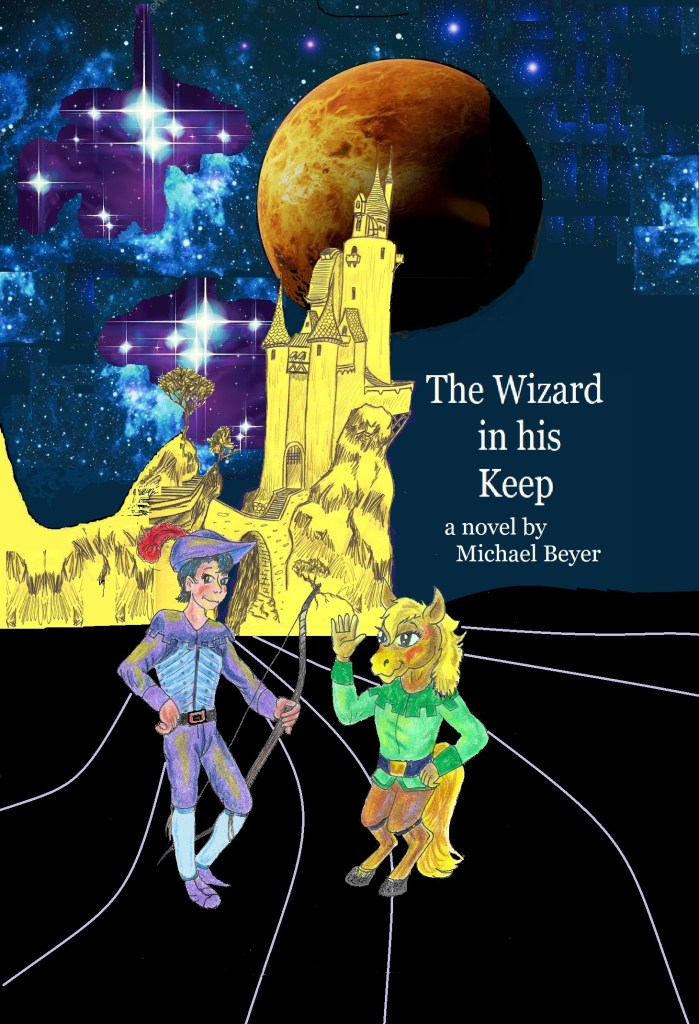
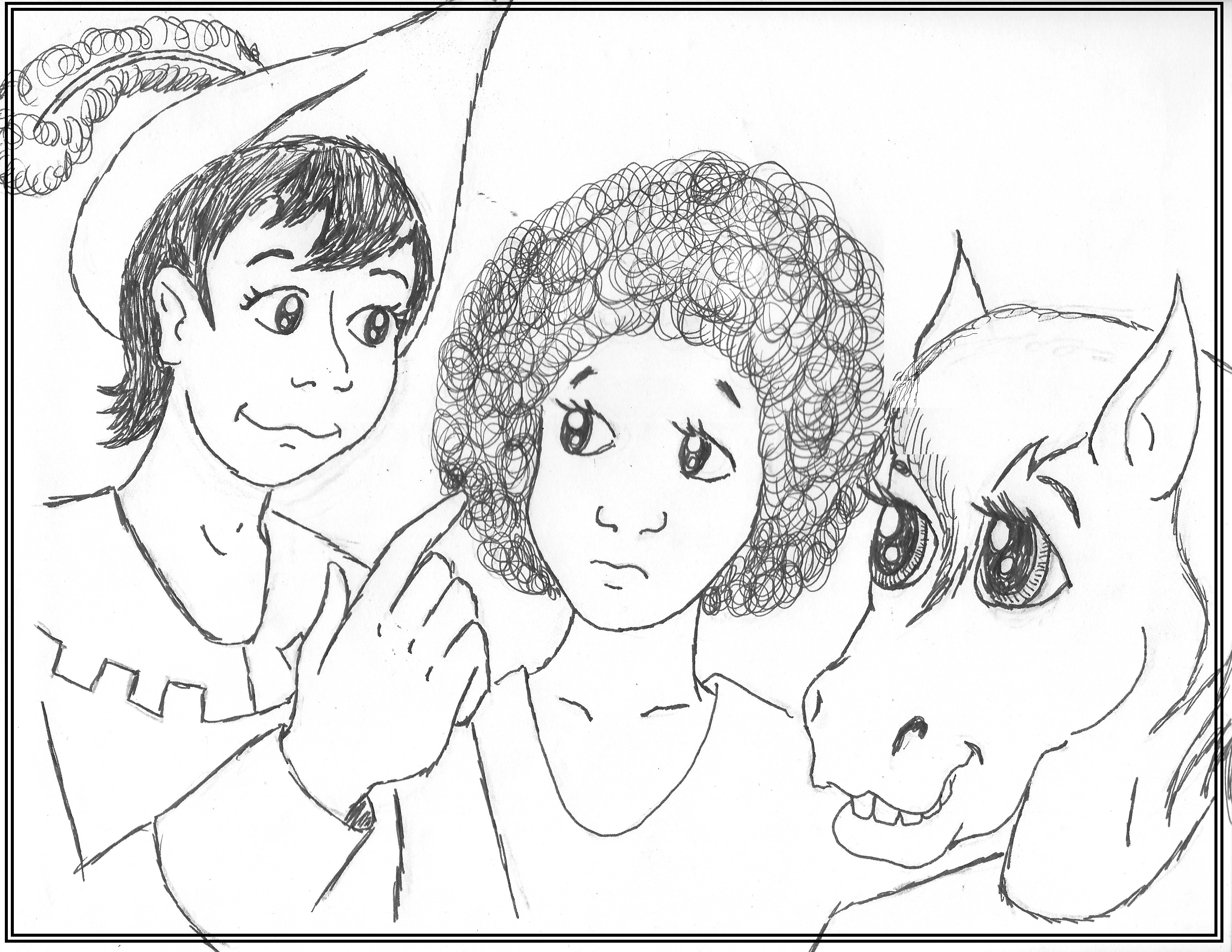
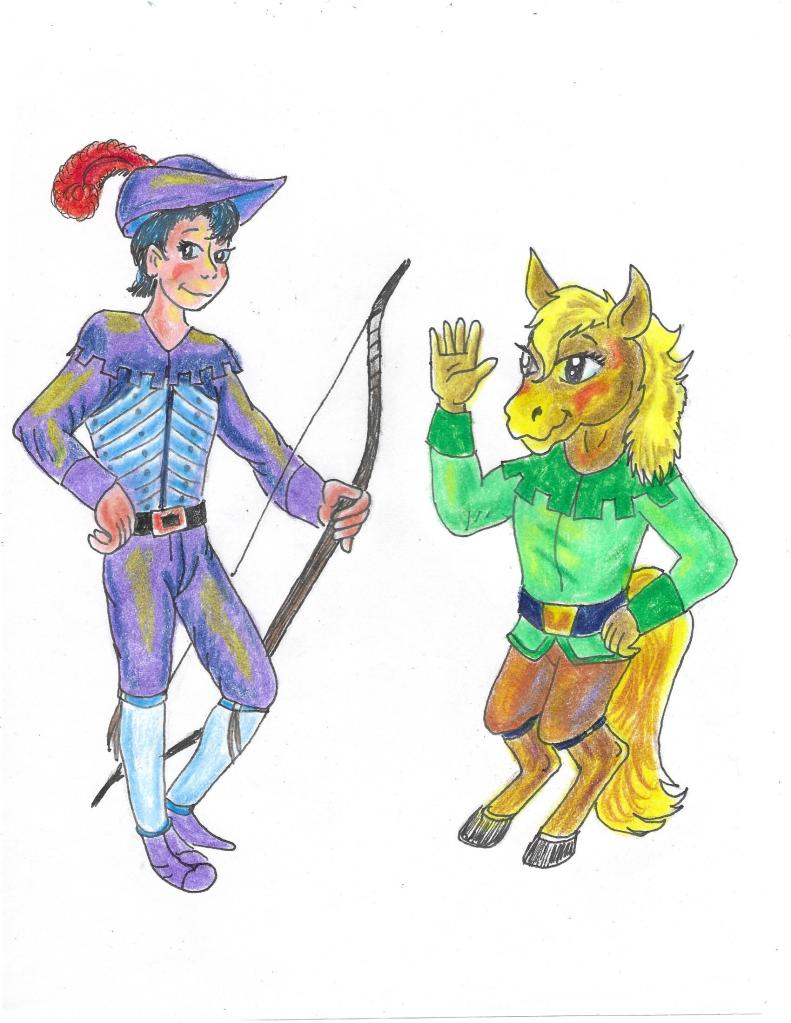
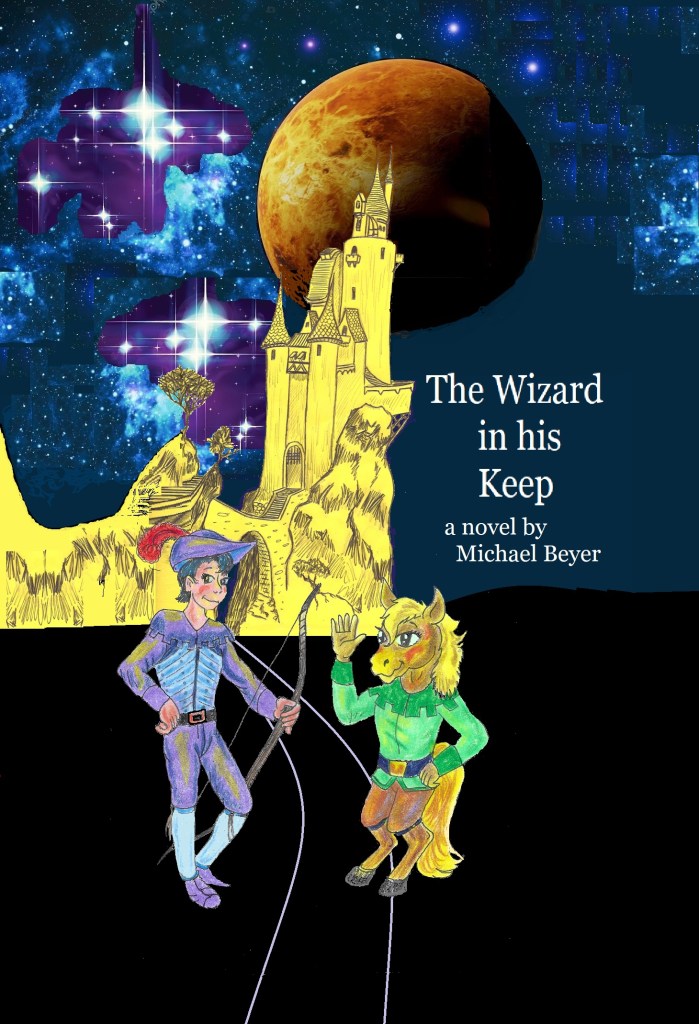
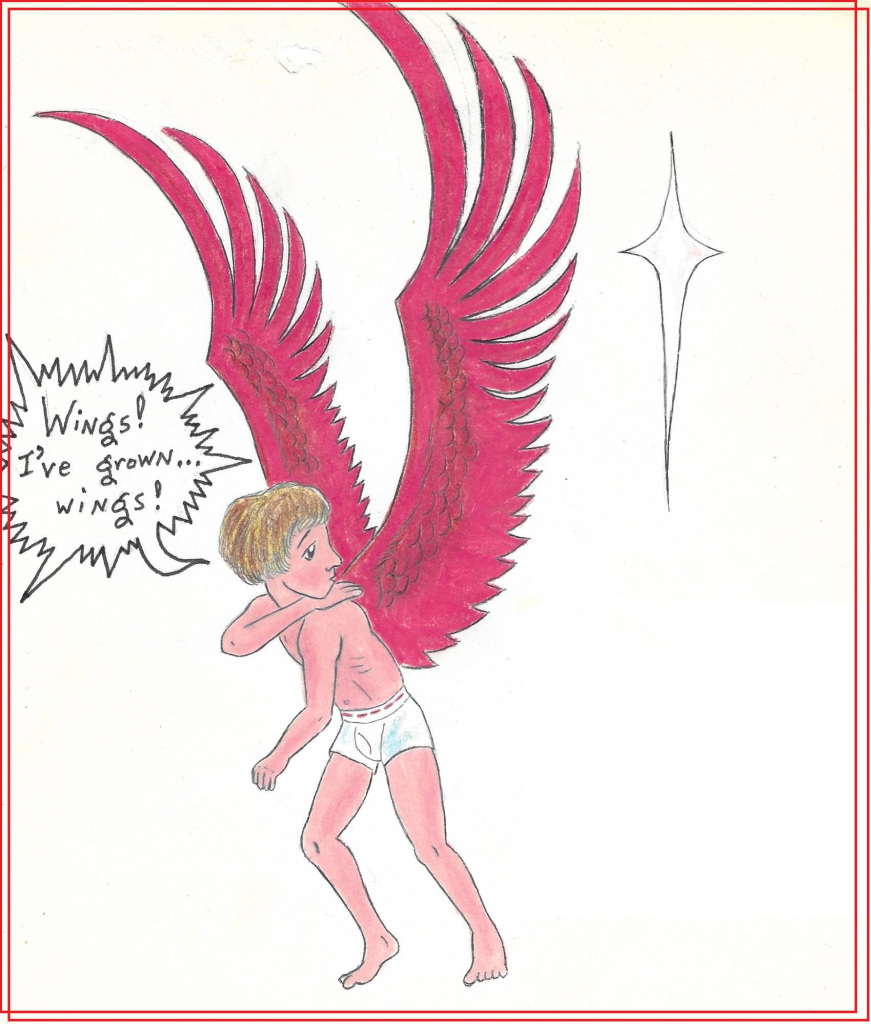
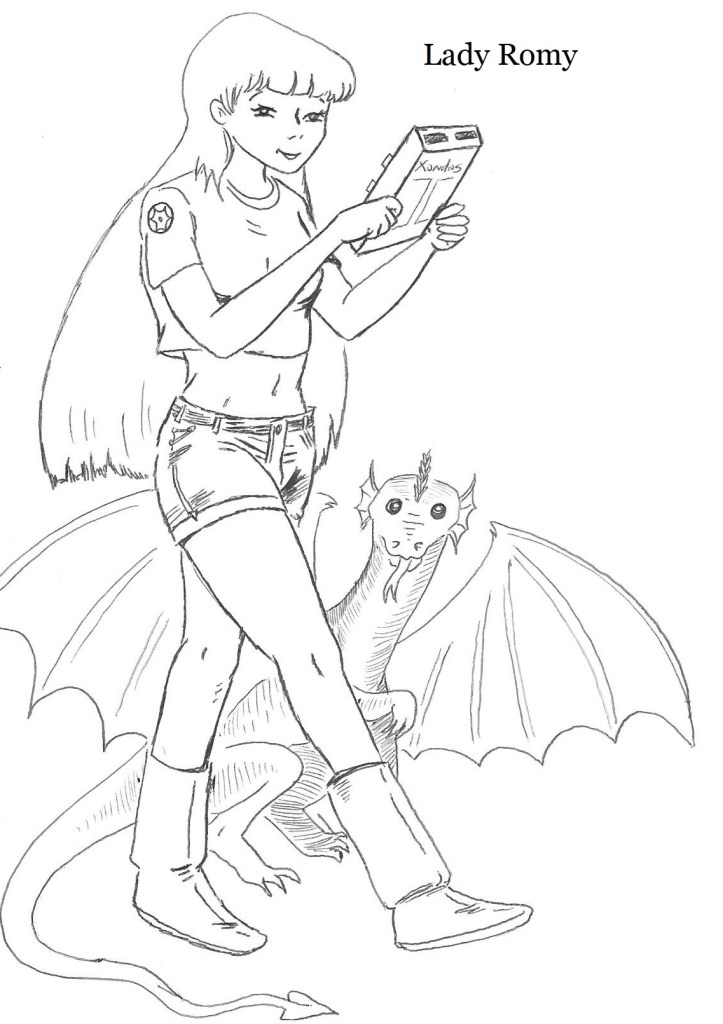
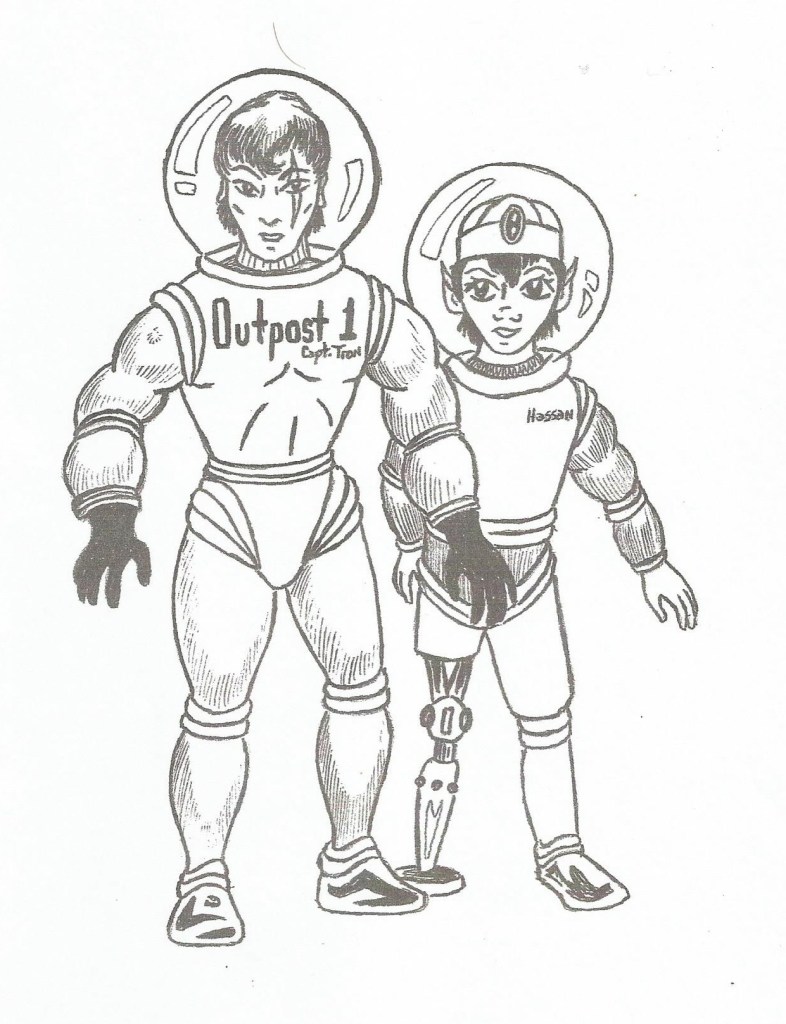
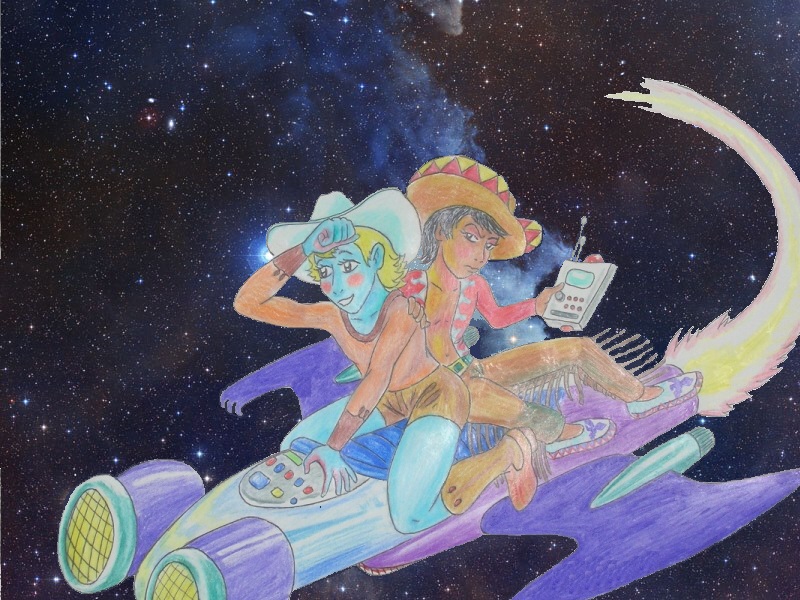
So, naturally, this book has the problem of the need to kill characters who are not the villain. Characters I have come to love. One of the characters shown on this new cover was supposed to tragically die during the climactic battle of the book. It began my awareness of how I can’t seem to end a novel without killing characters.
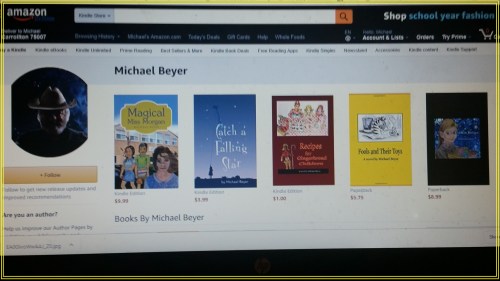
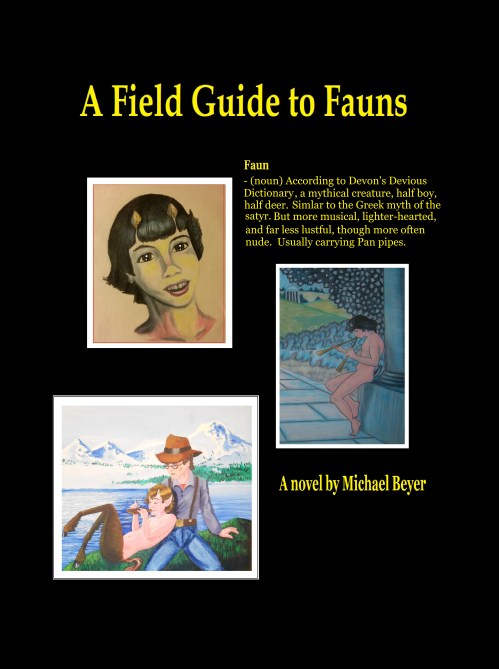
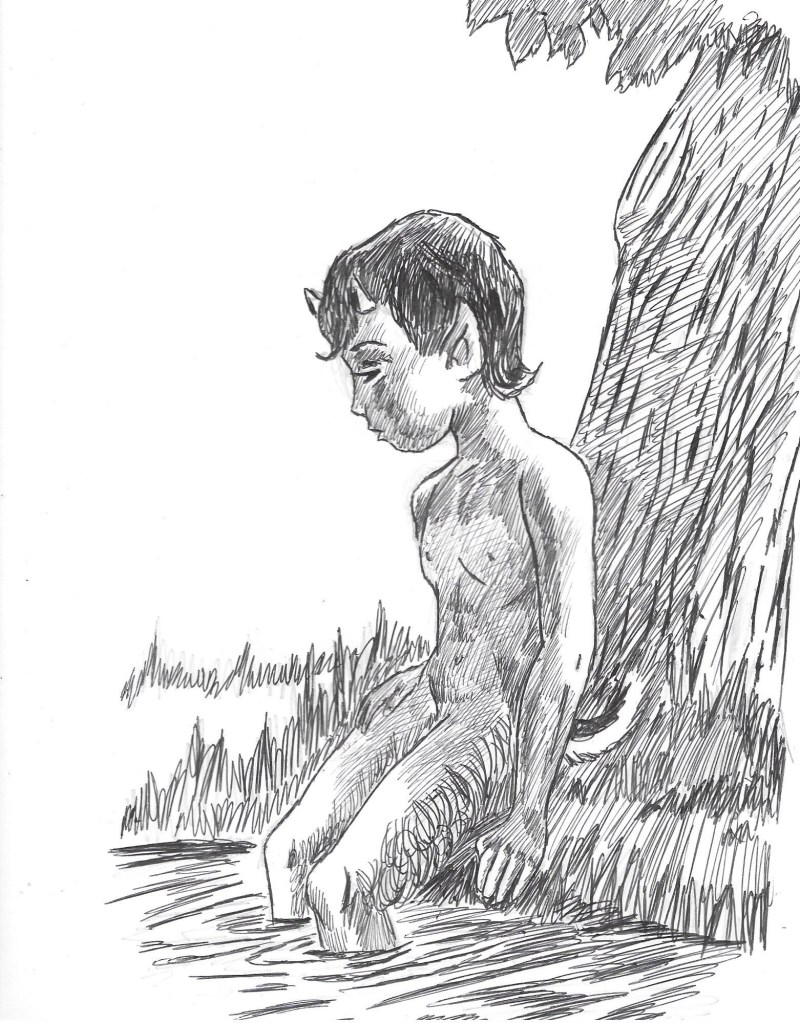
Of my fifteen existing novels, only Superchicken and A Field Guide to Fauns make it to the end of the story without killing a character.
I am lucky society doesn’t charge authors with murder for killing off characters in their books. After all, we fiction writers are a murderous lot. And characters are real people, at least to the author.
But, life as a story, is like that. Nobody that we have photographs of makes it out alive. And all the exceptions to the general rule may be highly metaphorical in actual reality.
The character in my initial Paffooney, Orben Wallace from The Bicycle-Wheel Genius, is a good example of the ongoing nature of life’s story. I call that book a prequel-equal-sequel because it tells a story that begins before Catch a Falling Star, includes some of the same story as that book, and ends with a story that occurs well after the other story departs for outer space.
I fully expect my own life to end its story like that one did. There is a story that comes both before and after. Birth-to-death stories are always part of something larger. And it is all connected.
Leave a comment
Filed under aliens, characters, commentary, humor, novel plans, novel writing, Paffooney, strange and wonderful ideas about life, writing, writing humor