
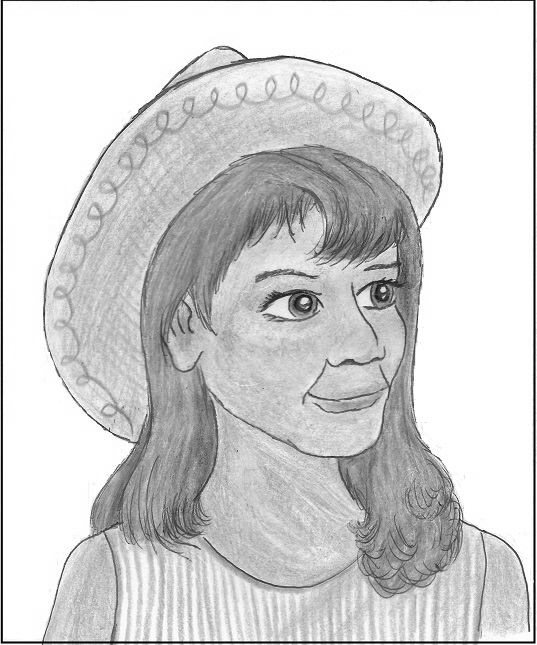
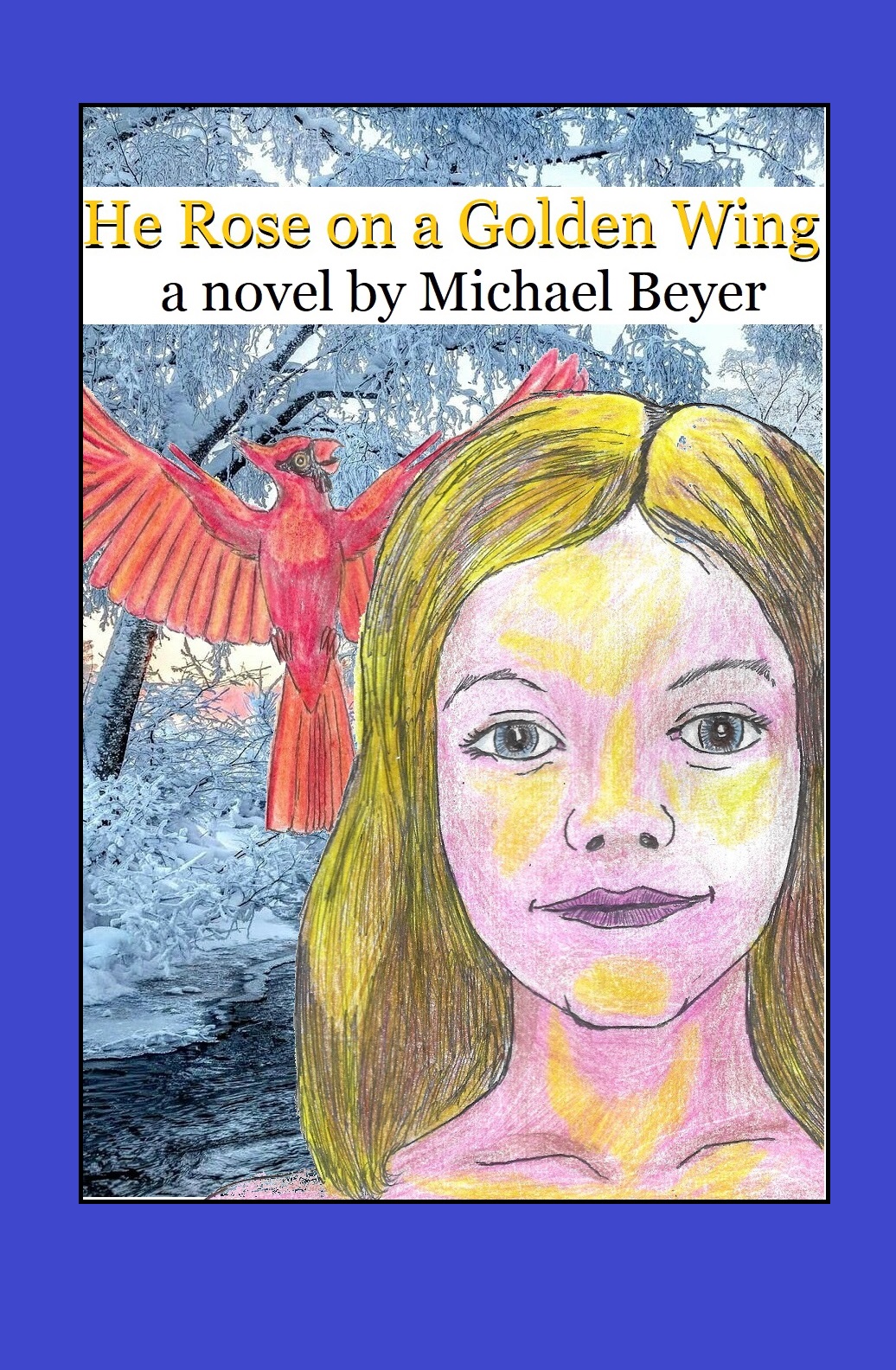
When choosing whose picture to publish of all the many made-up people that live in my head and my fiction, I often wonder, do I have an accurate sense of who is important and who is merely minor? I offer now some characters I don’t feel comfortable leaving out.

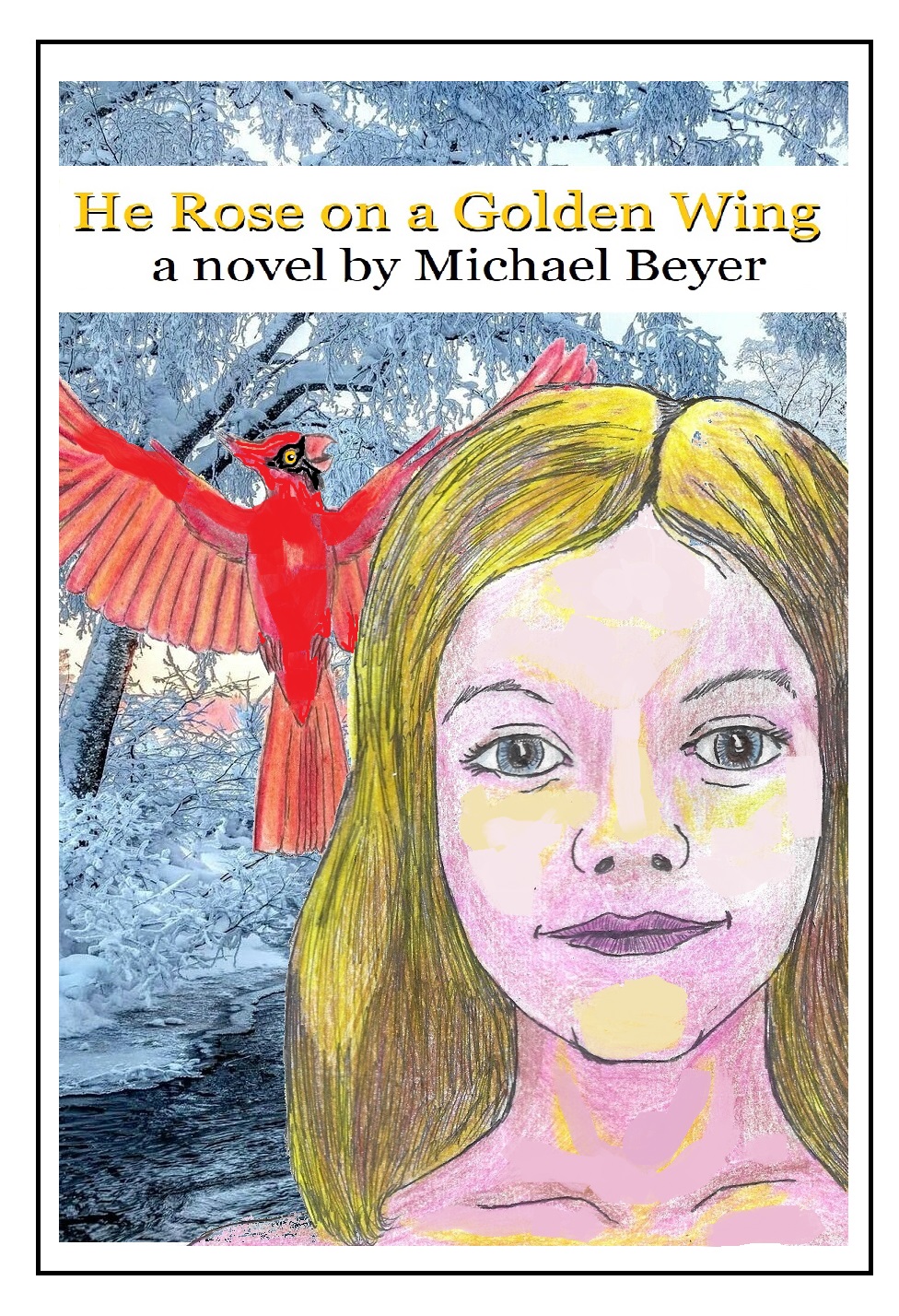
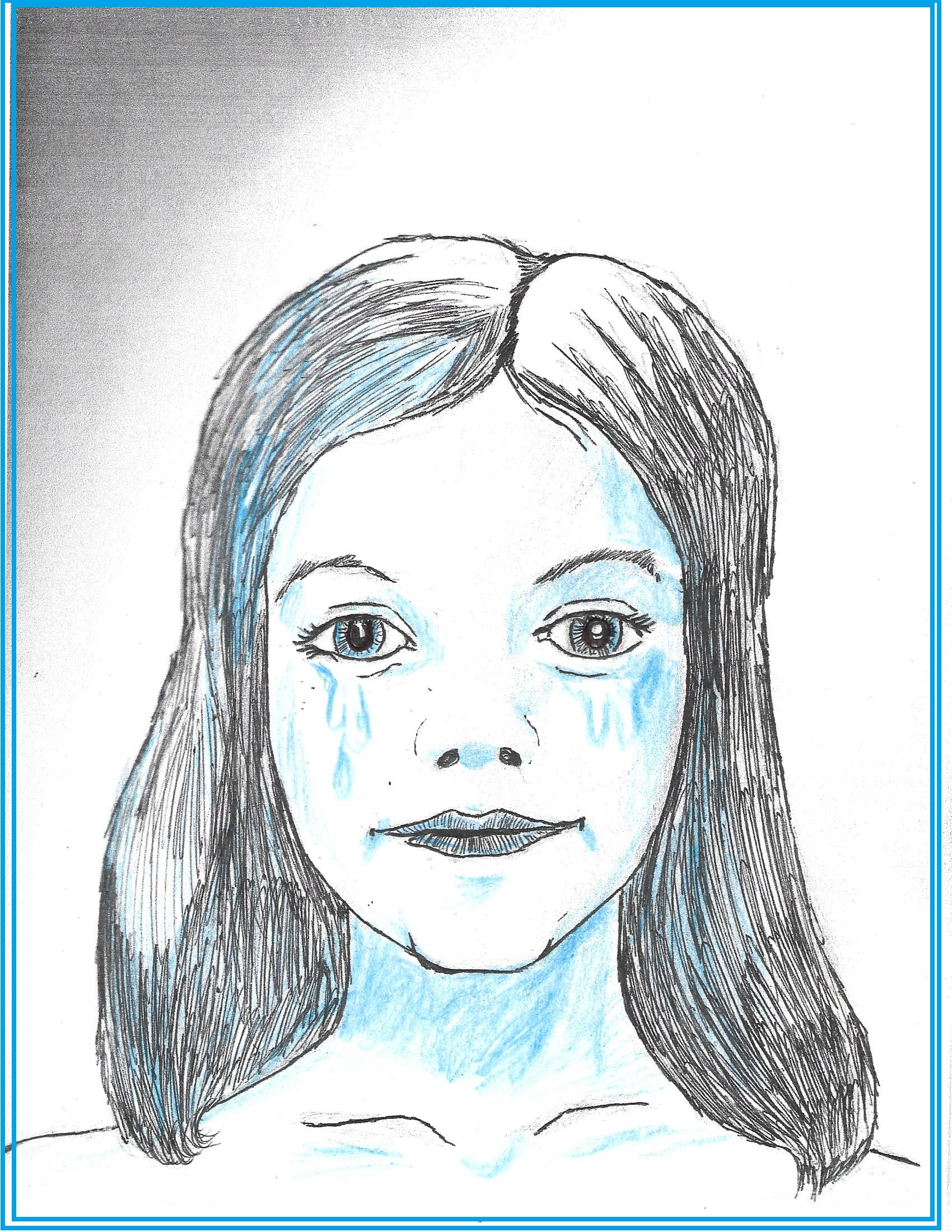
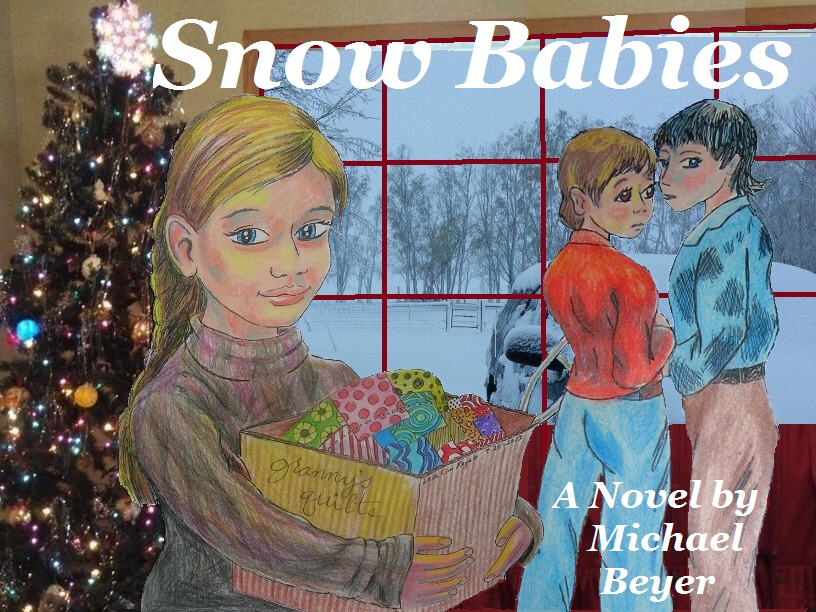
Mazie Haire
One of the Haire Sisters, rumored to be a witch, and proud to prove it to you, Mazie is a severe and highly focused individual with a knack for seeing and convincing you of the truth. So, maybe she really is a witch.
She appears in;
Snow Babies
When the Captain Came Calling
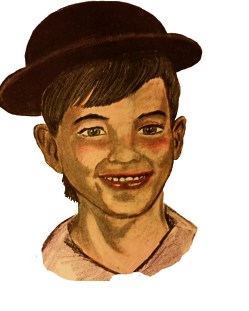
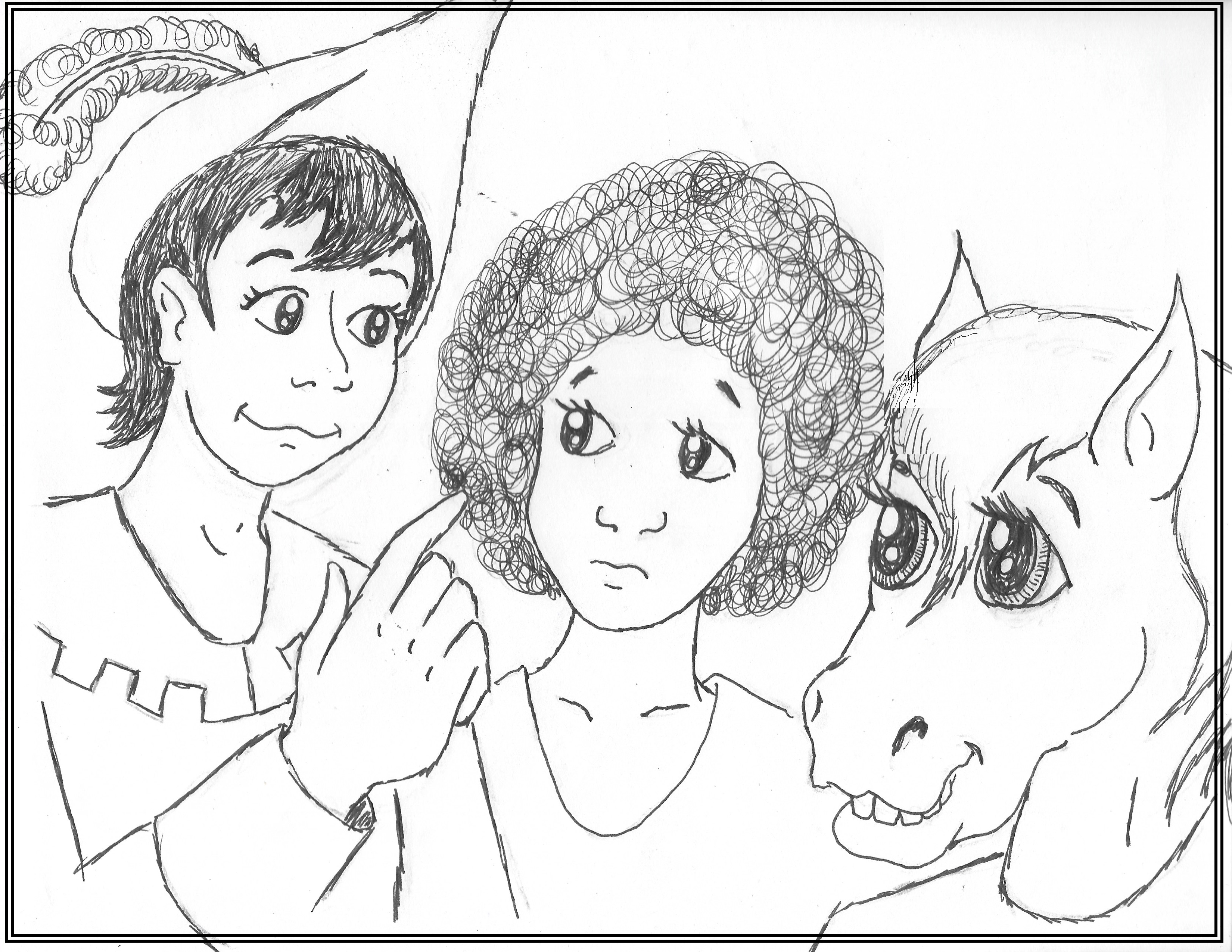
Milton John Morgan (Milt)
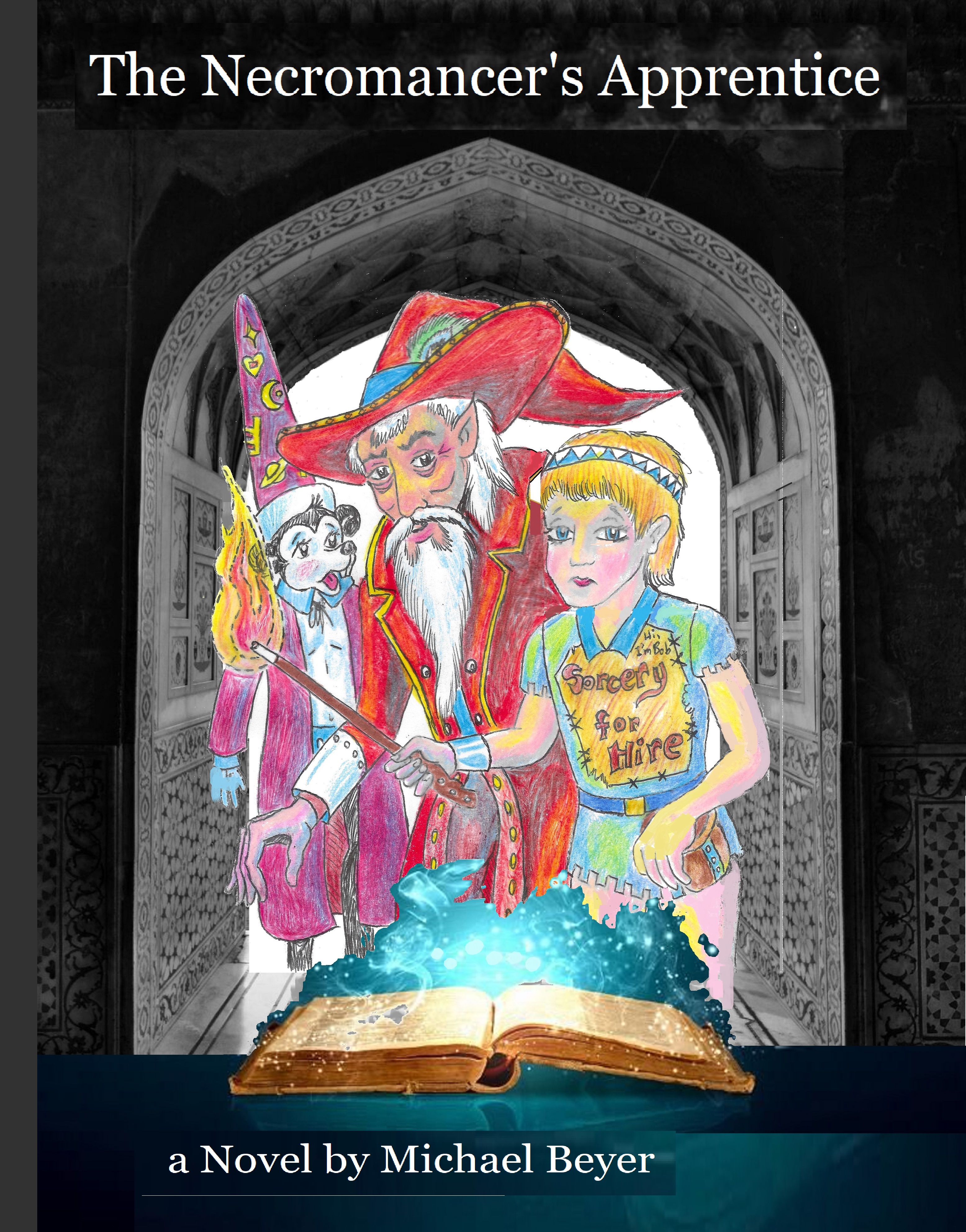
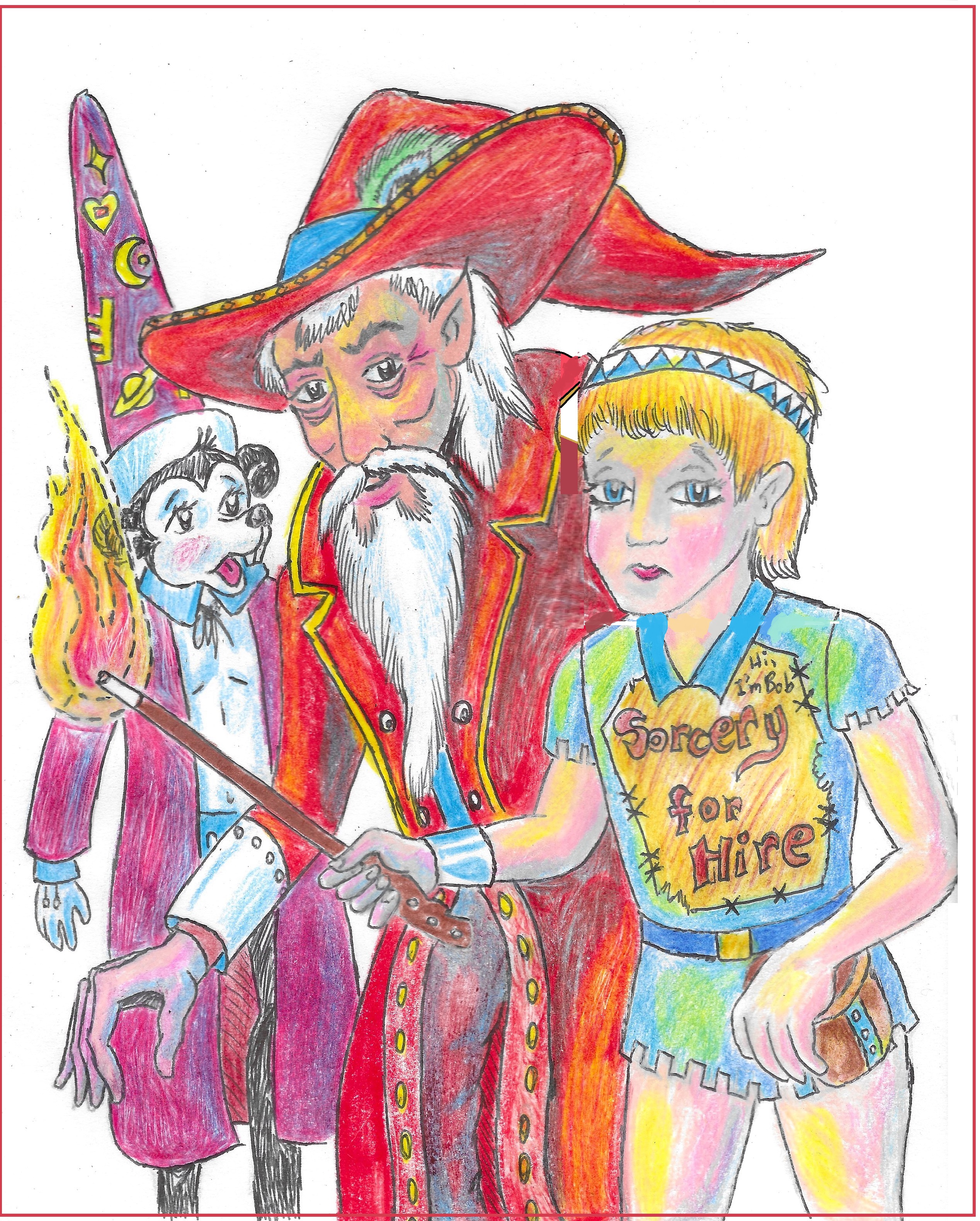
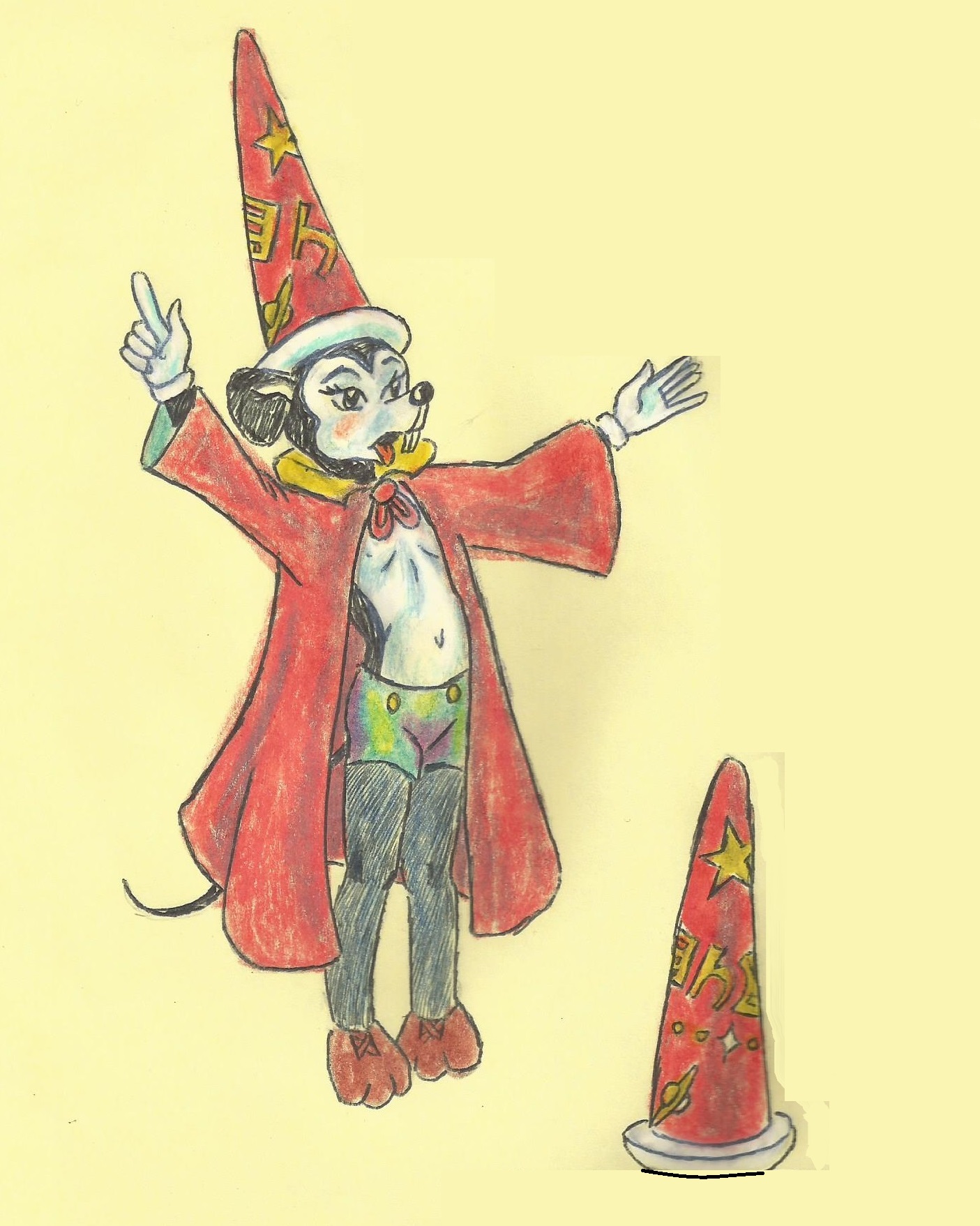
I can’t tell you about the witch without mentioning the wizard. Milt Morgan is the Merlin of the Norwall Pirates (an adventuring gang and 4-H softball team).
He is one of the founders of the gang and the one who got them into the most trouble in the 1970’s.
He appears in;
Superchicken
The Baby Werewolf
The Boy… Forever!
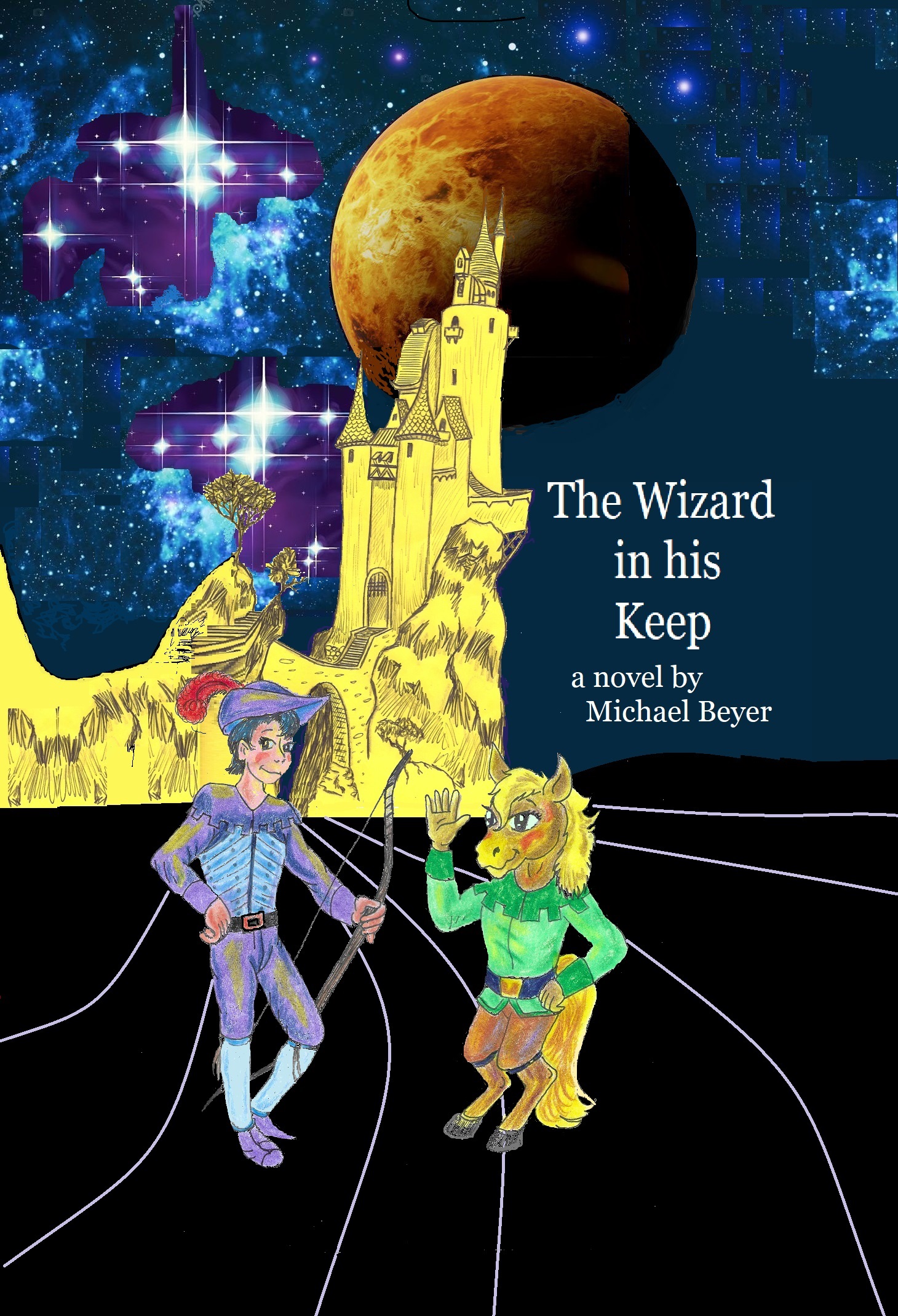
The Wizard in his Keep

Torrie Brownfield
Torrie is the hair-everywhere boy with hypertrichosis, the werewolf-hair disease. He was genetically doomed to life looking like a werewolf. He was discovered living in hiding in Norwall by the Pirates’ gang who decided they simply had to make him a member.
He is, of course, the main character of;
The Baby Werewolf
And also appears in;
Recipes for Gingerbread Children
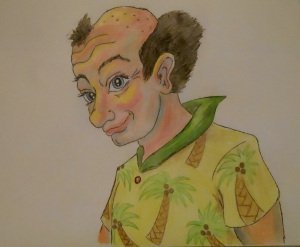
Harker Dawes
Harker is a clown-character based on a real person living in the real town of Norwall. He buys the local hardware store and runs the business into bankruptcy. He is not only a ne’er-do-well, but he also is a truly loveable fool.
He plays a key role in;
Snow Babies
He is also in the upcoming novel;
Fools and Their Toys

Dilsey Murphy
Dilsey is Mike’s slightly older sister who seems to be in a lot of my stories. She is a tomboy and a Daddy’s girl. She is also beloved by her irascible Grampy, Cudgel Murphy. Mike Murphy both hates her and loves her, but mostly just depends on her.
She is in;
Magical Miss Morgan
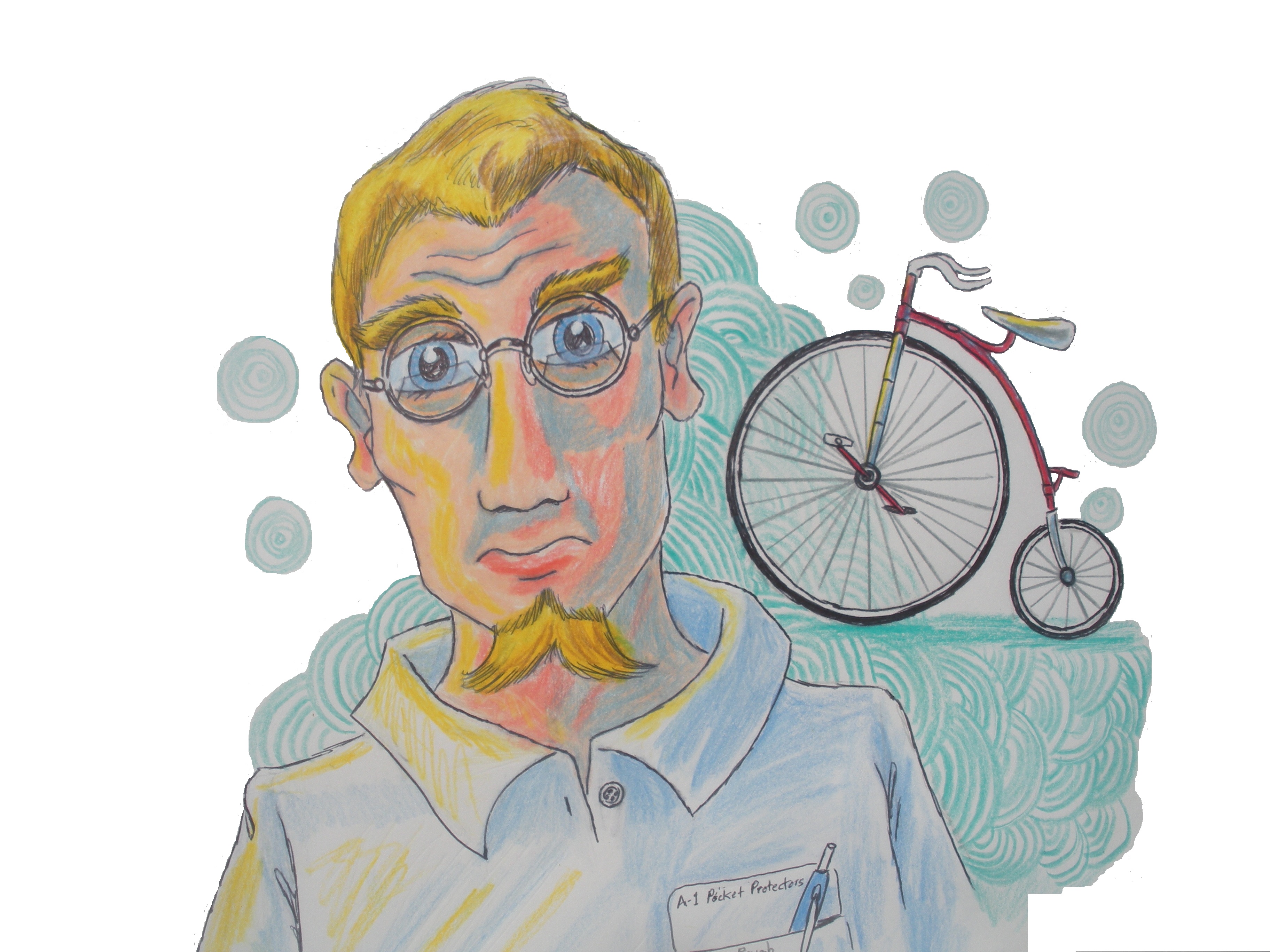
The Bicycle-Wheel Genius
and a large number of upcoming stories
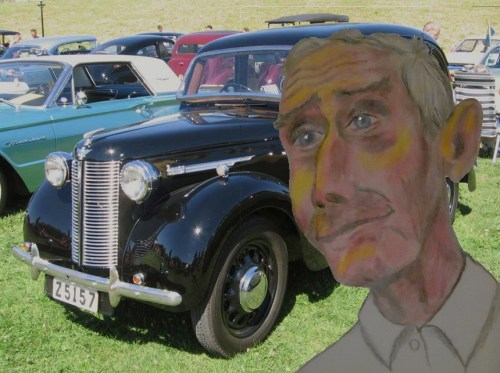
Sean “Cudgel” Murphy
Grampy of the Murphy Clan, Cudgel is the meanest old man you’d ever want to meet. He is excellently suited to the job of teaching kids to swear. And he only drives his Austin Hereford, “The finest car made anywhere in the whole goddam world in 1954!”
He appears in;
Snow Babies
The Bicycle-Wheel Genius

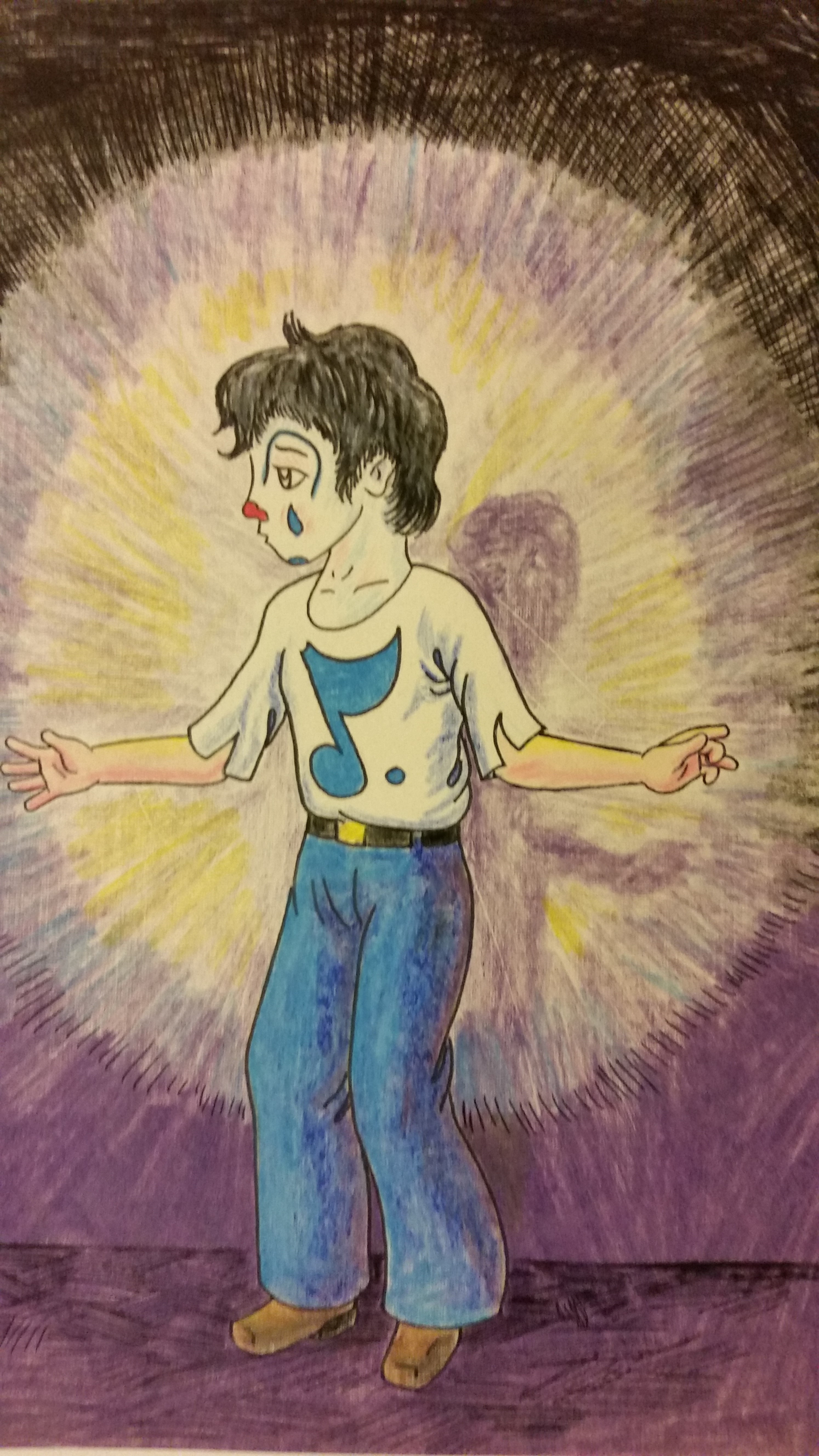
Francois Martin
Francois, the French orphan, is the main character in my novel,
Sing Sad Songs.
He paints his face in clown paint and sings beautifully enough to save his Uncle’s business. I am halfway finished with this new novel.
So, now I feel like I have exhausted myself in character introductions and will probably eschew a “Part 4”. But with Mickey, there are no guarantees.












Re-bubbling the Old Enthusiasm
It is getting harder and harder to climb the new day’s hill to get to the summit where I can reasonably get a good look at the road ahead. At almost-64, I can see the road ahead is far shorter and much darker than the highway stretching out behind me. It is not so much a matter of how much time I have spent on the road as it is a matter of the wear and tear the mileage has caused.
This weekend I had another depressing free-book promotion where, in five days, I only moved five books, one purchase, and four free books. I have made $0.45 as an author for the month of June.
I was recently given another bit of good advice from a successful author. He said that I shouldn’t be in such a rush to publish. He suggested taking more time with my writing. Hold on to it longer. Polish it and love it more. And now that I have reached sixteen books published on my author’s page, I have basically beaten the grim reaper in the question of whether or not he was ever going to silence me and my author’s voice. I can afford to live with the next one longer.
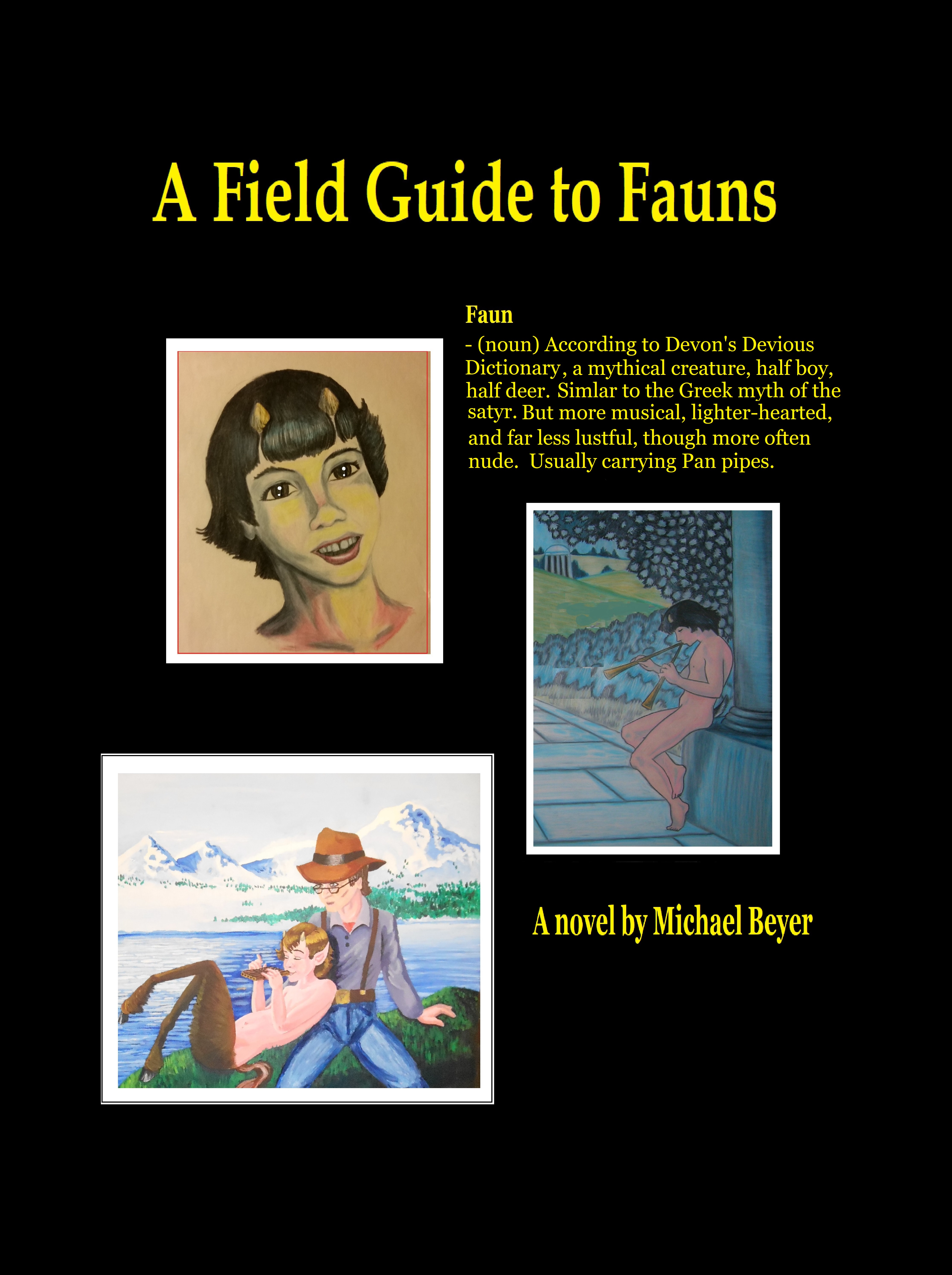
But the last one, A Field Guide to Fauns, practically wrote itself. It went fast from inspiration to publication simply because the writer in me was on fire and full of love and life and laughter that had to boil over into hot print exactly as quickly as it did. The additional writing time afforded me by the pandemic and quarantine didn’t hurt either. Once in print, my nudist friends loved it.
This next one has the potential to boil and brew and pop out of me in the same accelerated way as that last one did. Of course, it has been percolating inside my brain basically since the Summer of 1974. So, this is no rushed job. The Wizard in his Keep is a story of a man who tries to take the children of the sister of his childhood best friend to a place of safety when their parents are killed in a car wreck. But the only safe place he has to offer is in the world of his imagination. A world he has bizarrely made real. And that best friend comes searching for the children. And so does a predator who seeks to do them all grievous harm.
In many ways, it is a story already written.
So, I am rekindling the flame that keeps the story-pot boiling. And more of it is already cooking. And I am recovering from the cool winds of disappointment, as well as the dark storm clouds of the nearing future.
This is now actually a two-year-old post. Both of the books mentioned here are published and available from Amazon. As far as holding on to the books longer, there is no problem with that on Amazon. Editing, improving, and re-publishing a book is actually easier than publishing it the first time. Nothing about this old post has been made untrue by the passage of time. I am still probably the best author of books like these whose published books almost never get read.
1 Comment
Filed under artwork, autobiography, battling depression, commentary, humor, novel, novel plans, Paffooney