I do not claim to be prescient. But like any overly smart and perceptive person, I often see what’s going to happen before it happens. Sometimes it is almost as eerie as a Vincent Price movie. Sometimes eerier. After all, on the 60’s Batman TV show, Price played the ridiculous villain Egghead, and was completely creepy while doing it, but still, you know… Egghead.
One thing that I have to predict about the coming darkness is about politics. I mean, the current Republican administration, where it is decisions by all Republicans all the time, has become nothing more than a monster movie. Not merely a bad monster movie, but a super-creepy-bad monster movie with a gigantic orange rubber rooster as the main monster.
This is what the great orange rooster looks like in black and white.
The reason it is bad is because, basically, to become a member of the Republican Party’s elected elite, you basically have to have your heart removed. Heartless, soulless monsters have a tendency to do things like take away Meals on Wheels for invalid seniors, health-care services from Planned Parenthood, and any hope of ever having affordable health insurance that actually pays for health care.
Senator Ted Cruz grinning about taking away Obamacare
And now, the monsters who have taken control of the theater are pulling out of the Paris Climate Agreement because… well, apparently clean air isn’t good for decaying, desiccated monster skin and shriveled monster lungs that don’t breathe air anyway.
So here are my predictions for the coming darkness.
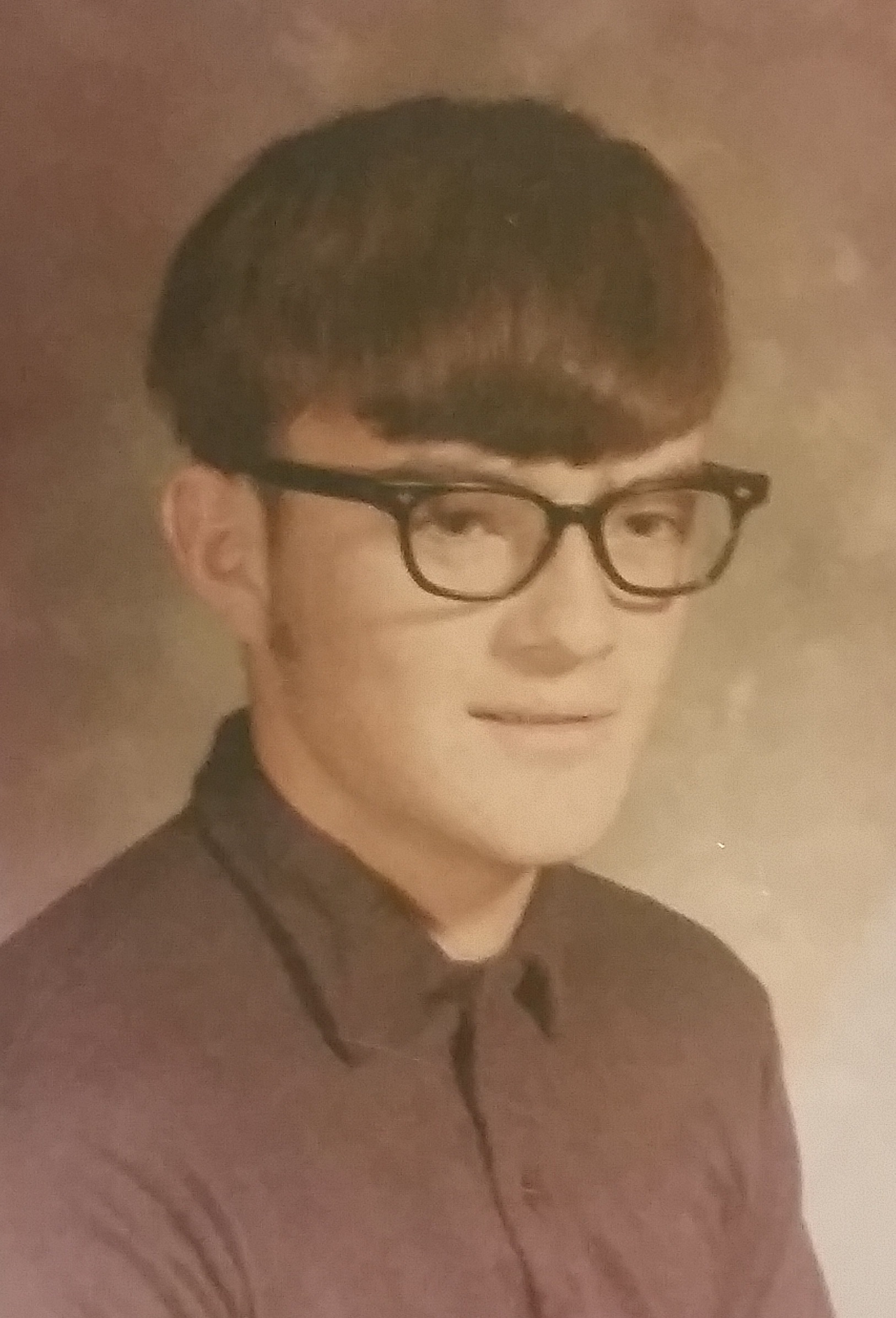
What people like me will look like in the future. That’s me in the middle.
I won’t live to see it. My body is breaking down at age 60. My lungs are compromised by years of bronchitis and flu. I am diabetic, so my very body chemistry is betraying me. There is a family history of heart disease. And I have already gone broke once on health care bills that the health insurance people really don’t pay for. (They are in the business of collecting premiums, after all, not making people well.)
What a lovely oxygen-free environment we will have!
As the climate changes take away large parts of our food production and resources, and the sea rises to take away land and major cities, people will be at war increasingly over diminishing resources vital to a population of seven billion souls. Graveyards and unburied bodies will become a part of every monster-movie scene.
Kiss me, Baby!
Love will become more complicated, because people who are selfless and put others before even their own life will die out first. The heartless, selfish, and often stupid ones will have the best chance for survival because they put themselves ahead of everyone else, and so have an unfair advantage over those who are not content with mere survival and exhibit self-sacrificing love.
You’ve never had a friend like me. And I can always eat you later if need be.
So, if you find my black-and-white monster movie post upsetting with the darknesses I am sincerely predicting, please remember, this is a satire post in a humor blog. The way it is supposed to work is that you wake up to the factors that make it upsetting and decide to do something for yourself to change them. Everybody doing a lot of the same little thing to make the world better can move mountains and fly to the moon. Big things don’t happen without everybody taking a hand. Maybe we can dream dreams once again and make some good things come true.
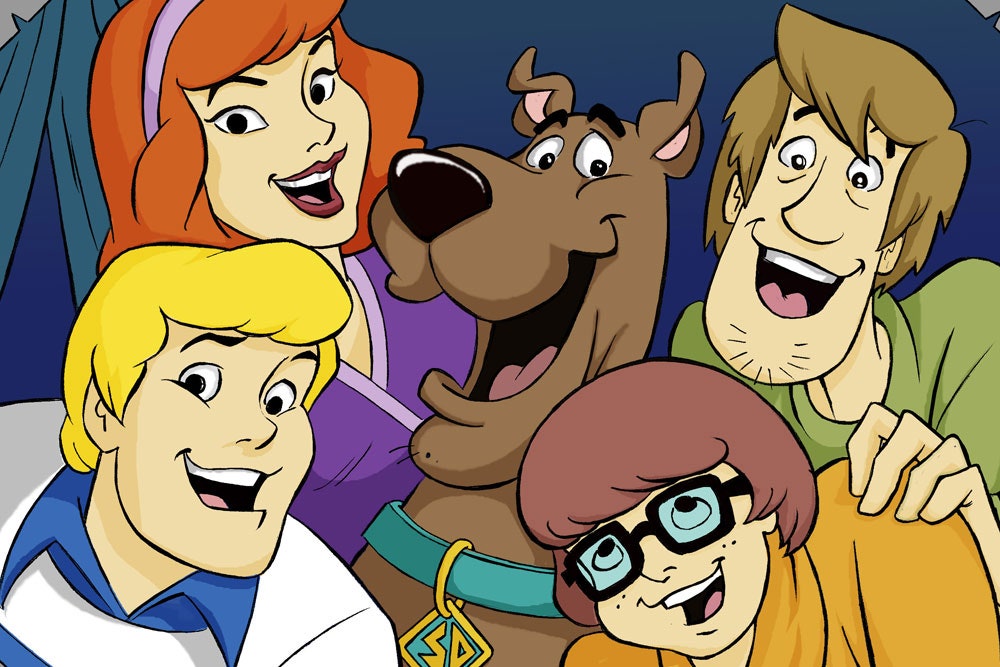
I remember when Scooby Doo, Where Are You? premiered on Saturday Morning Cartoons in 1969. I was thirteen and in the 7th grade. I had been six during the Cuban Missile Crisis of 1962, seven when Kennedy was assassinated in 1963, ten when I was sexually assaulted in 1966, and still twelve when Neil Armstrong walked on the Moon in the Summer of 1969. I was obsessed with monsters, horror comics, 20,000 Leagues Under the Sea, and the Pirates threatening Jim Hawkins in Treasure Island. I knew what fear was. And I was mad to find ways to combat the monsters I feared.
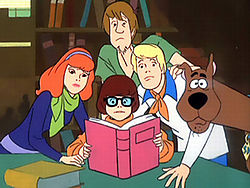
Don’t get me wrong. I was under no illusions that Fred, Daphne, Velma, Norville “Shaggy” Rogers and Scooby Doo were the answer to all my fears as viable heroes and heroines. They were goofballs, all of them, based on the characters I vaguely remembered from The Many Loves of Dobie Gillis. I was aware that Shaggy was just Maynard Krebs in cartoon form (the hippie character portrayed by Gilligan’s Island actor Bob Denver.)
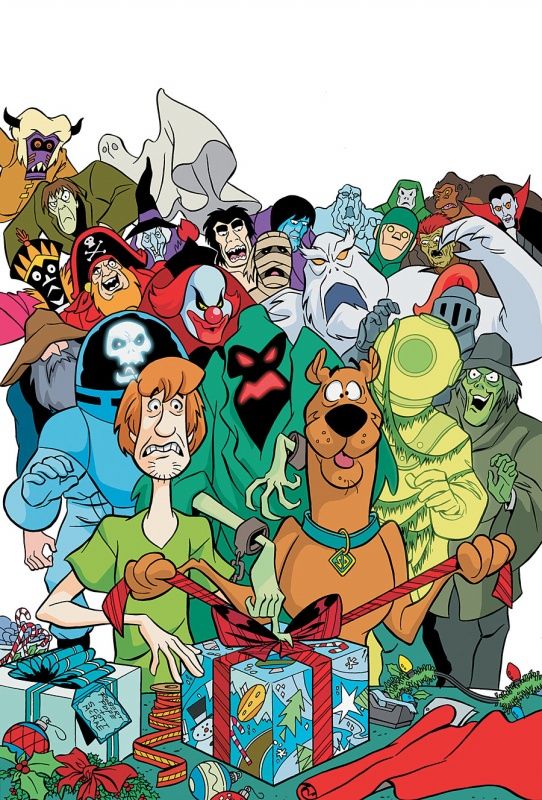
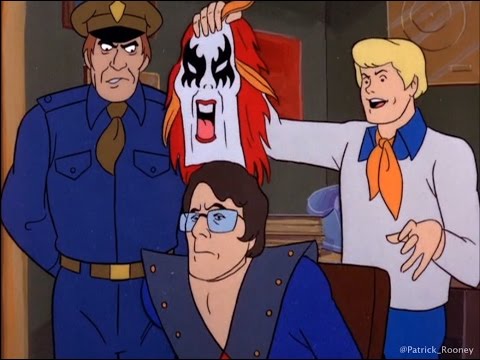
One of the critical things about the show for me was the fact that there was a rational explanation for the monsters. They were men in masks, special effects and projector tricks, or remote-controlled mechanical things.
And the way you overcame them and saved the day was by having Shaggy and Scooby act as bait, cause the traps to get sprung at the wrong time, and then fall on the villains, trapping them under the butt of the talking dog.
Villains and horror could be overcome by laughing at them. They were more likely to be clowns than carnivores. And even if they were carnivores, the teeth were not real.
There was a universal truth in that. Danger and horror and fear were easier to handle when you could laugh in spite of those things.
And to top it all off, those meddling kids and their stupid talking dog were with me my whole life. Those cartoons got remade and spun off so many times that my kids learned to love them as much as I did. And those four meddling kids and that talking dog are still making new stories even now.
Yes, I am saying the world I live in is a low-budget commercial movie made without literary or artistic pretensions. You know, the kind where movie makers learn their craft, taking big risks with smaller consequences, and making the world of their picture reflect their heart rather than the producer’s lust for money.
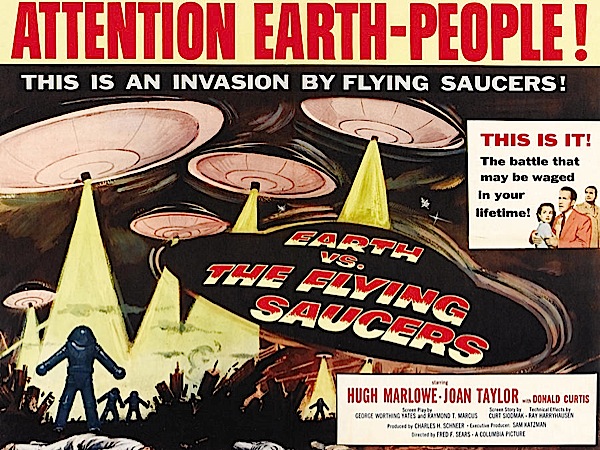
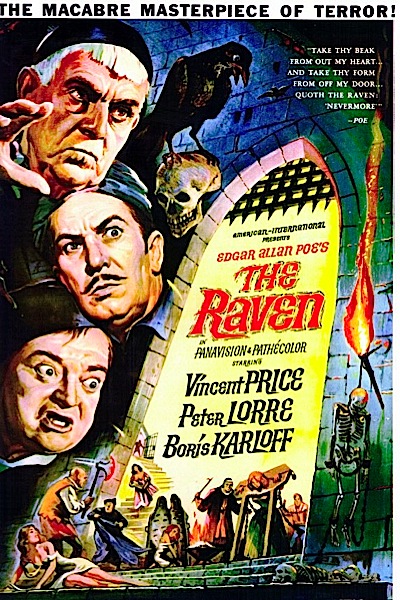
Mostly what I am talking about are the movies I remember from late-night Saturday TV in black and white (regardless of whether or not the movie was made in Technicolor) and the less-risky as well as more-likely-good Saturday matinees on Channel 3. Movies made in the 1950s, 1960s, and early 1970s. They were perfect, of course, for the forbidden Midnight Movie on the show called Gravesend Manor. I had to sneak downstairs to watch it on Saturday nights with the volume turned way down low. (Not that Mom and Dad didn’t know. Well, maybe they didn’t know how many of those I watched completely naked… maybe.)
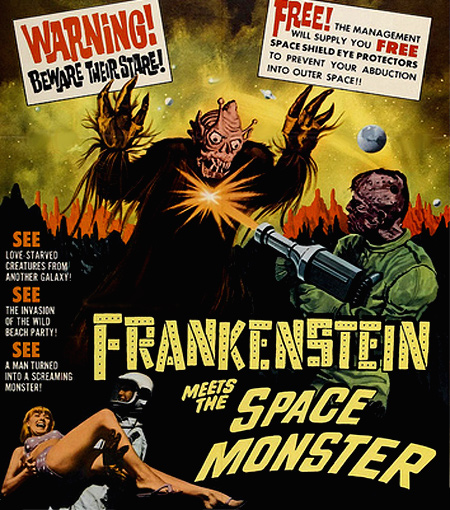
I watched this one when I was twelve, late night on an October Saturday. I had a bed-sheet with me to pull over my head at the scariest parts. Frankenstein was a crashed astronaut brought back to life by the magic of space radiation. He was uglier than sin, but still the hero of the movie, saving the Earth from invading guys in gorilla suits and scary masks (none of which looked like the movie poster.)
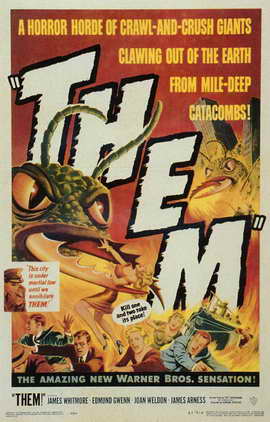
This one, starring James Whitmore, a really good B-Movie actor, was about giant ants coming up from the sewers and the underground to eat the city.
I would end up watching it again twenty years later when I was wearing clothes and not alone in the dark house lit only by a black-and-white TV screen.
I realized on the second viewing that it was actually a pretty good movie in spite of cheesy special effects. And I realized too that I had learned from James Whitmore’s hero character that, in times of crisis, you have to run towards the trouble rather than away from it, a thing that I used several times in my teaching career with fights and tornadoes and even rattlesnakes visiting the school campus looking to eat a seventh-grader or something (though it was a bad idea for the snake even if it had been successful.)
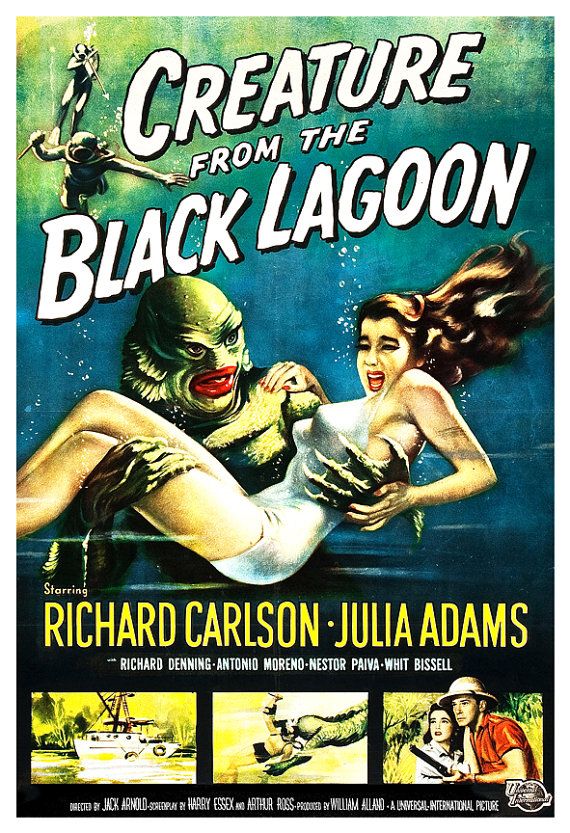
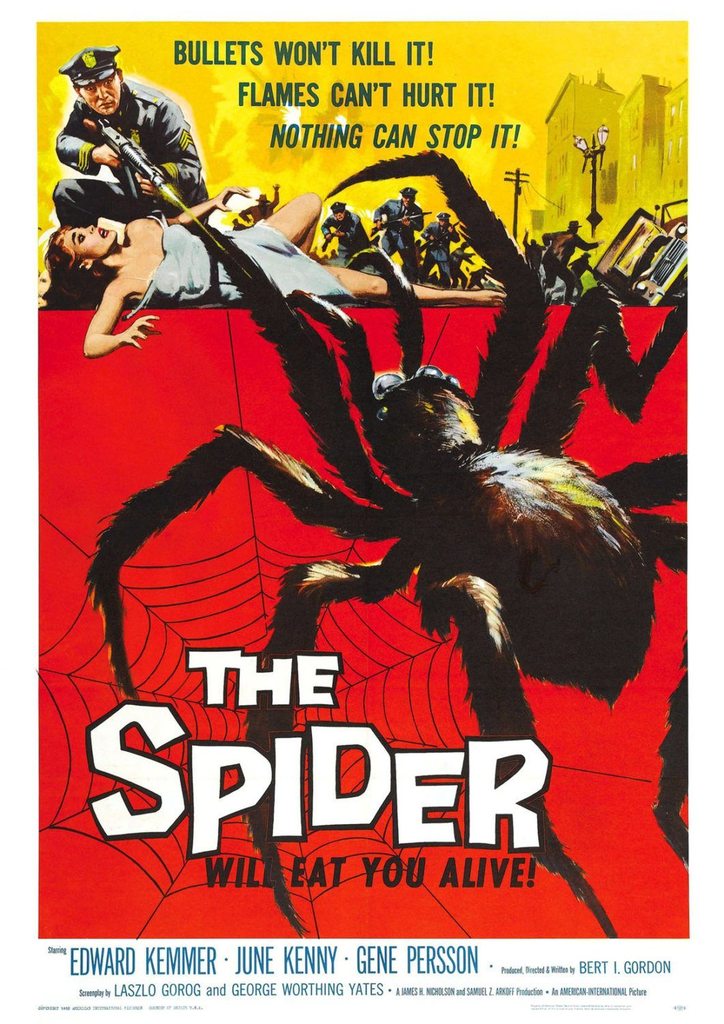
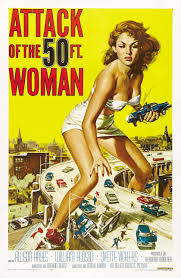
This one, of course, taught me that monsters liked to carry off pretty girls in bikinis. And not just on the poster, either. But it was the hero that got the girl, not the monster. This movie taught me that it sucks to be the monster. Though it also taught me that it was a good movie to take your pajamas off for and watch naked when you are thirteen.
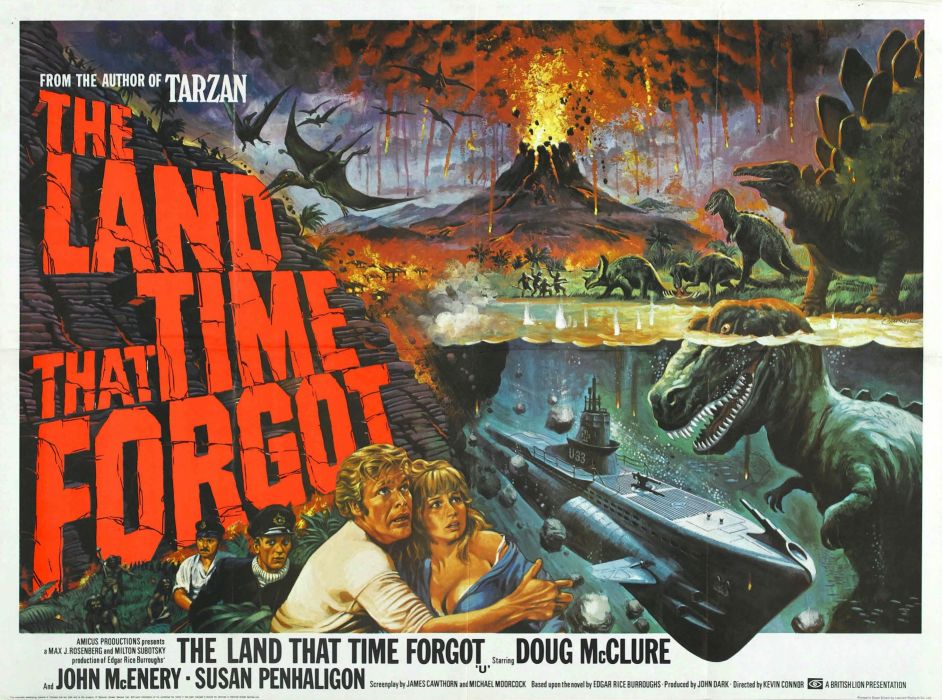
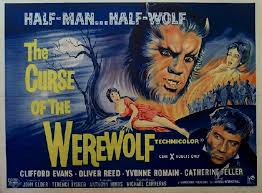
But not all B-movies had to be watched late night on Saturdays. This movie was one of the first ones that I got to go to the movie theater to see by myself. (My sisters and little brother were still too young and got nightmares too easily to see such a movie.) It came out when I was in my teens and Mom and Dad began thinking of me as an adult once… or even possibly twice in a month.
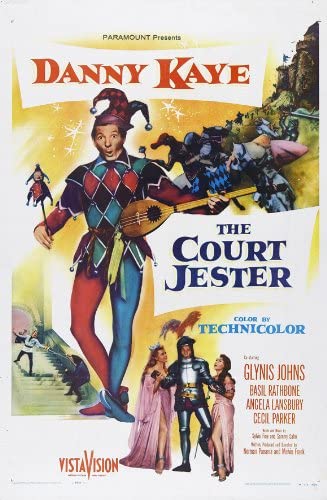
And not all B-movies were monster movies, gangster movies, and westerns. Some, like a lot of Danny Kaye’s movies, were movies my Dad and my grandparents were more than happy to watch with me. I saw this one in both black-and-white and color. And I learned from this that it was okay to take advantage of happy accidents, like a case of mistaken identity, and using your wits, your creative singing ability, and your inexplicable good luck to win the day for everybody but the bad guys armed only with your good sense of humor.
And some of the best movies I have ever seen, judging by what I learned about movies as literature from Professor Loring Silet in his Modern Film Class at Iowa State University, are by their nature B-movies.
I am using movie posters in this blog post only from movies I have personally seen. (And I admit that not all of them are strictly “good” movies according to Professor Silet, but I like them all.)
Feel free to tell me in the comments if you have seen any of these movies yourself. I am open to all opinions, comments, and confessions.
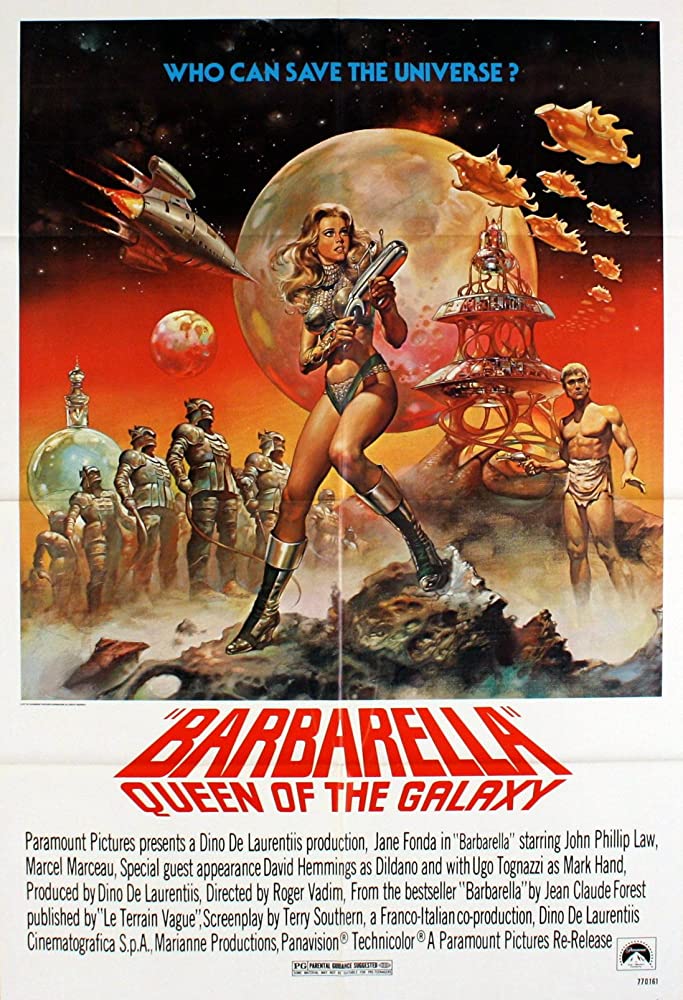
This one is based on Shakespeare’s The Tempest.
I saw this one in college. You had to be 18 at the time to even buy a ticket.
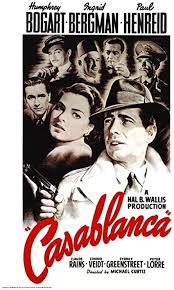
I actually think that this is one of the best movies ever made. It will always make my own personal top-ten list.
I live in a B-movie world. The production values around me are not the top-dollar ones. But the stories are entertaining. The real-life heroes still run towards the problem. And it still sucks to be the monster. But it has always been worth the price of the ticket. And during my time on Earth here, even in 2020, I plan on staying till the end of the picture. I go nowhere until I see the Best Boy’s name in the end credits. And maybe not even then.
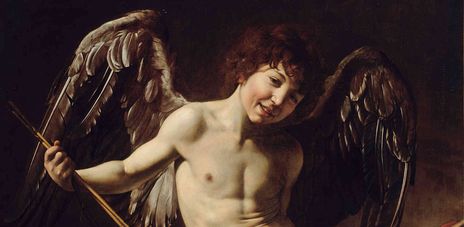
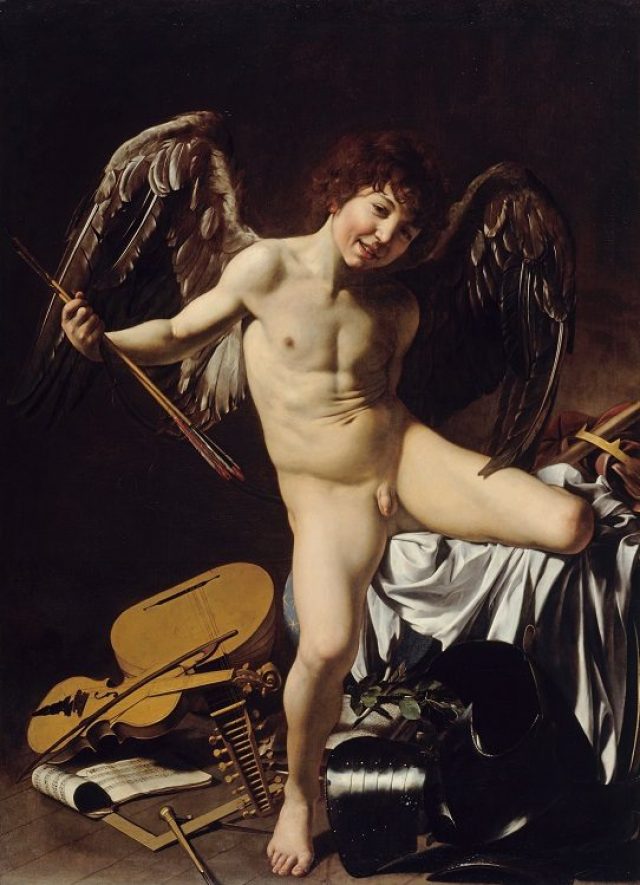
Michelangelo Merisi da Caravaggio [1571 – 1610] Amor Vincit Omnia
I don’t often choose to write about works of art that creep me out in a bad way. Or works of art that I harbor some mild hatred for. But this is one that bothers me, and I feel compelled to explain why.
I first saw this painting in a freshman-level Art History Course taught by a female Art-Nazi. I was repelled by it, completely unable to explain why. Even then, before I psychologically overcame the mental barriers that kept me from allowing myself to remember my own sexual assault when I was ten, I had a fondness for idealized nudes, even nude boys. None of the other paintings disturbed me in the way this one did.
It was explained in the textbook that Caravaggio was famous for his chiaroscuro style using strong light in a dark background to paint figures and faces. His work would inspire later greats like Rembrandt and Peter Paul Rubens. And his work would evolve into the works of the Baroque movement in painting.
So, what could it possibly be that turned me against this artist and this particular painting? It would take me years to figure out.
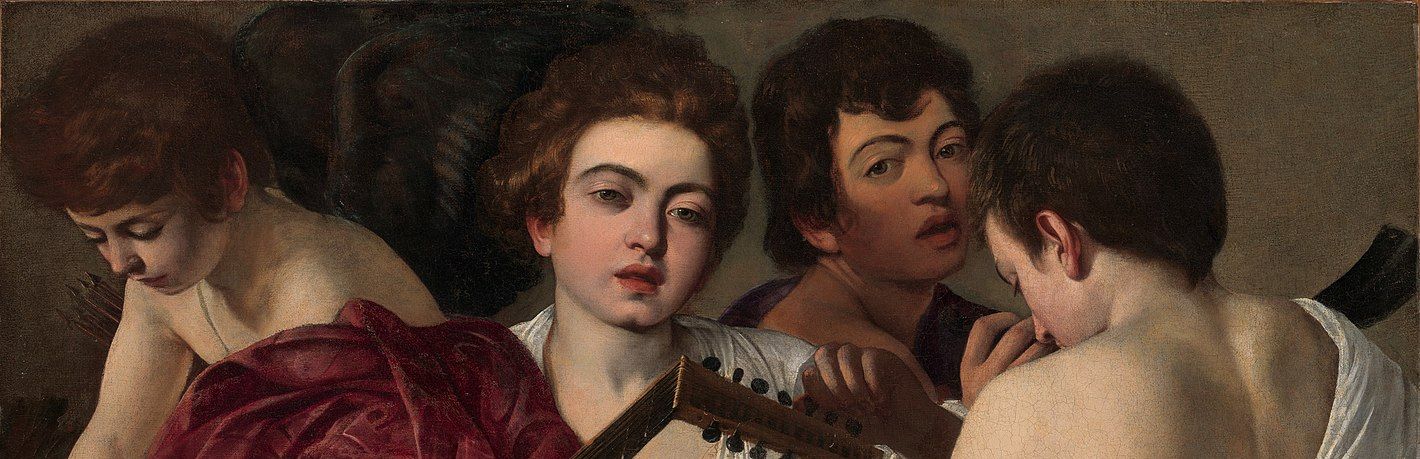
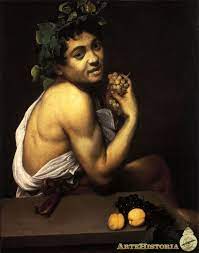
I believe if you look carefully at all of Caravaggio’s faces, you can see why I view them all as self-portraits. Compare the eyes, face-shapes, and brows of these faces with Caravaggio’s own (depicted here by another artist to lend veracity.)
He was, in fact, noted for his brutal realism in his paintings. So, did he use only relatives as models? As near as historians can tell, he did not.
But, the Cupid or Eros in the painting that annoys me is bothersome because I am the one being painted in the middle of the darkness.
Cupid, even a nude Cupid, was a common thing for painters to paint in the late 1500’s. But other painters would paint him as an idealized, beautiful nude boy. Caravaggio’s Cupid may be a beautiful nude boy, but is in no way idealized. His teeth are crooked. His smile is devilishly smirky. Even his body is awkwardly posed and plumpish in places that are not what you would call a perfect “10” model. Yes, this boy is trapped in a pose that reminds me of being pinned down and helpless, told that I shouldn’t scream or things would hurt more.
And Cupid is supposed to be wielding weapons that will make you fall in love. But these wicked bronze arrows will pierce the heart and cause death. The bow looks like a mere stage prop, as do the instruments and armor strewn about as if left by someone fleeing this deadly child. The painting is not about love, but violence in matters of life and death. I hated it because it brought to mind my own personal trauma.
The actual model for this painting was a boy named Cecco (a nickname for Francesco,) and is identified later by historians as a young art student named Cecco del Caravaggio (Caravaggio’s Cecco.) Much of Caravaggio’s life is a mystery. He never wrote an autobiography, and no biography was written about him when the people who knew him were still alive to tell on him. Only police reports and the gossip that surrounded the Greatest Painter in Rome of his time are available to speculate from. But he was definitely a brawler, drunk, and eventually a murderer. He had the bad sense to murder a gangster from a wealthy family which probably caused his own possible poisoning and death in 1610. He was rumored to be a homosexual, and was accused of molesting models, even, likely, Cecco from the painting. It is easy to see why I came to detest this man and his work, simply because I was a victim of sexual assault.
But being a student of art, I never gave up on learning about this painter and his work.
And just as I forgave the man who molested me, I have come to forgive Caravaggio for his brutish ways and painting such a nude picture of me. I may never actually like his work, but I do see his skill and what makes him a celebrated artist.
I am fascinated by the darker alleyways in the city of human thought. I love monster movies, those love-story tragedies where the monster is us with one or more of our basic flaws pumped up to the absolute maximum. We are all capable of becoming a monster. There are consequences to every hurtful thing we have ever thought or ever said to other people, especially the people we love.
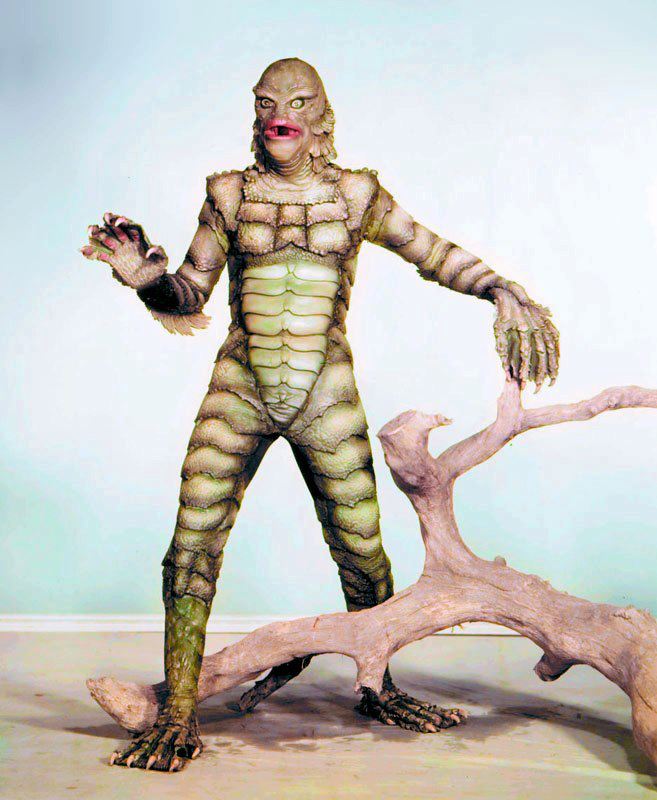
The monster movies I love most are the old black and whites from Universal Studios. But I can also seriously enjoy the monsters of Hammer Films, and even the more recent remakes of Frankenstein, The Mummy, and their silly sequels. I am fascinated by the Creature from the Black Lagoon because it is the story of a total outsider who is so different he can’t really communicate with the others he meets. All he can do is grab the one that attracts him and strike out at those who cause him pain. It occurs to me that I am him when having an argument with my wife. Sometimes I am too intelligent and culturally different to talk to her and be understood. She gets mad at me and lashes out at me because when I am trying to make peace she thinks I am somehow making fun of her. How do you convince someone of anything if they always think your heartfelt apology is actually sarcasm? How do you share what’s in your heart if they are always looking for double meaning in everything you say?
But other people can change into monsters too. I am not the only one. People who are bitter about how their life seems to have turned out can strike out at others like the Mummy. Wrapped in restrictive wrappings of what they think should have been, and denied the eternal rest of satisfaction over the way the past treated them, they attack with intent to injure, even just with hurtful words, because their past sins have animated them with a need to change the past, though the time is long past when they should’ve let their bitterness simply die away.
And we might all of us fall into the trap of Victor Frankenstein’s monster, who never asked to be made. He finds life to be an unmanageable nightmare with others constantly assaulting him with the pitchforks and torches of their fear and rejection.
But the thing about monster movies… at least the good ones, is that you can watch it to the end and see the monster defeated. We realize in the end that the monster never really wins. He can defeat the monstrous qualities within himself and stop himself. Or the antidote to what ails him is discovered (as Luke did with Darth Vader). Or we can see him put to his justifiable end and remember that if we should see those qualities within ourselves, we should do something about it so that we do not suffer the same fate. Or, better yet, we can learn to laugh at the monstrosity that is every-day life. Humor is a panacea for most of life’s ills.
Did you know that this goofy thing was going to have a part 3? I didn’t. But when I started typing it, all I had was a title. It was a title made of multisyllabic words written with lots of letter “L” and “I” scattered through the line. But all three of those multisyllabic words do actually apply to my own life and character.
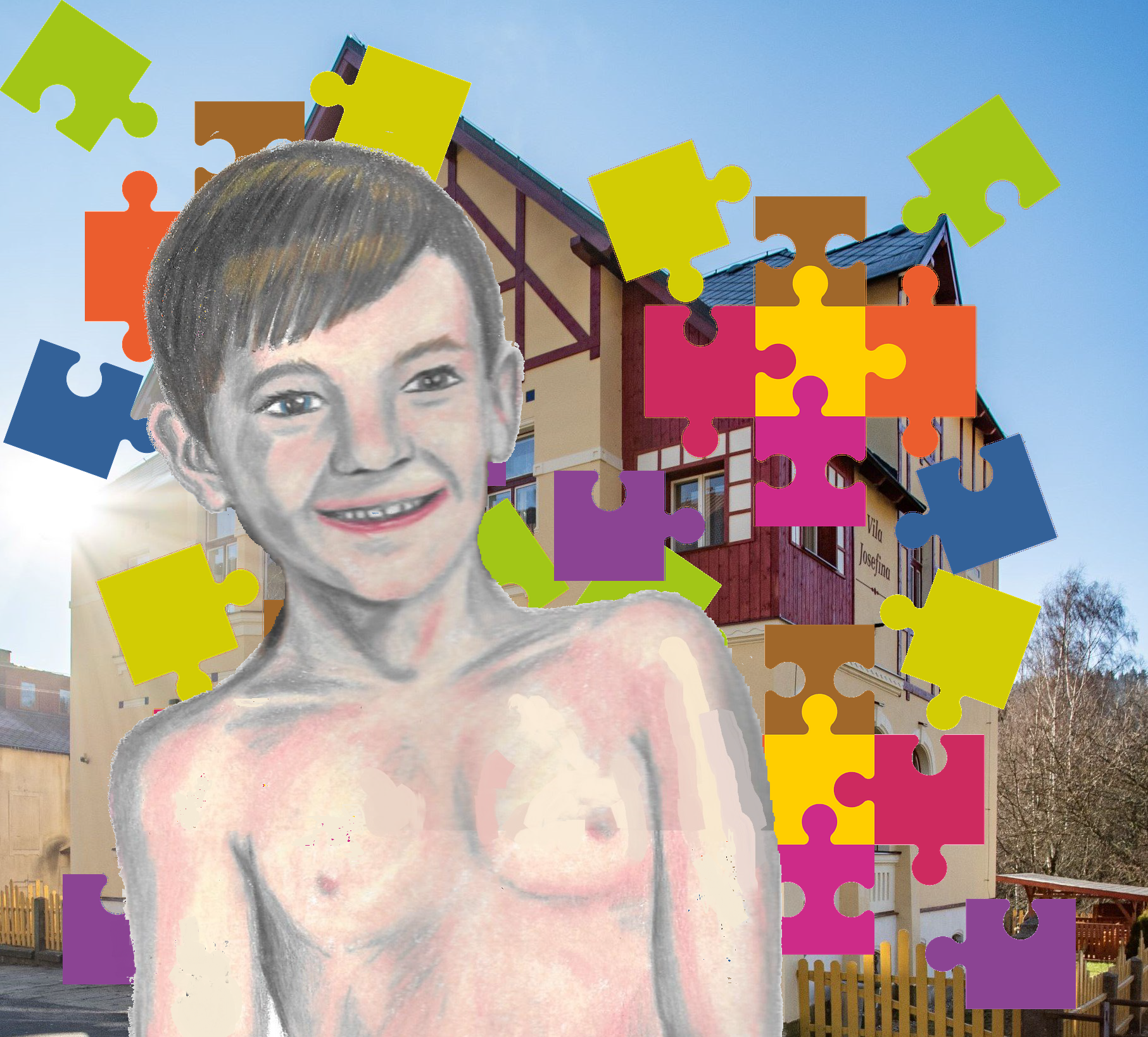
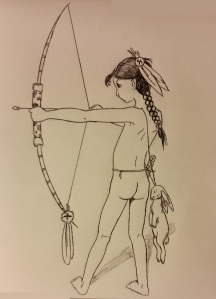
This puzzling picture features me as a boy with full frontal nudity involved.
The word “Introvert” probably applies to me more than any other. And that may be hard to believe, since a teacher has to talk and walk and make jokes and ask questions in the front of the classroom. And I am constantly talking about me being a naked nudist and posting illustrations in which I portray myself as a naked young boy. But what I am now is the result of a life-long transformation, not a set of ideas and habits I was born with.
Ballet? Or is it all about balance?
If life had proceeded from infanthood to boyhood to young adulthood normally, I might have been more of an extrovert. I was a bit of a loud and opinionated little boy with a confidence in my own creativity and grasp of the world that was pretty much fragile and not rooted in reality. But then, at the age of ten, in the spring of 1967, I endured a traumatic and unplanned sexual experience, a sexual assault really, that changed everything. It was not pleasurable in any way. He made me endure pain.and fear. He was the one aroused. I was the mouse in the mousetrap unable to even squeal.
My obsession with monsters and evil and monster movies came into full swing after my young life was changed. I had to deal with overwhelming fear. Fear of what happened to me. Fear of what it meant for my future. Fear that he might catch me again. It shut down my love of being naked. It made me afraid that I might become gay, even though I didn’t know what gay was or where babies actually came from. And I dealt with it by shutting down the memory. I forced myself not to dream about it or think about it or even remember it. And I began to watch Dracula movies to understand who he was and how to destroy him. And I learned that many monsters were merely misunderstood or made into monsters by tragic things that happened to them. I had to teach myself not to become a monster.
In school I became more of a melancholy mope. I chose to spend my time reading books and drawing secret pictures rather than playing as many games as I once did. I raised my hand less in class. I talked to fewer people, especially not people I didn’t know really well.
I became an introvert. I drew myself into myself and the many imaginary worlds in my own stupid head. I stopped being the leader of the gang. I developed more and bigger secrets. But mostly fictional secrets. It was better to have secrets about things that weren’t real. Me being an alien changeling instead of a human boy. Knowing secrets about other worlds that nobody else knew about didn’t sting as much when others found out than if they had found out the truth about what really happened to me that one awful day.
Puberty was hard. I wet my pants in Science class because I was afraid to go to the bathroom during class when no teachers were watching the hallway and other boys might be there in the restroom too… bigger boys. I endured teasing because I didn’t strut like a peacock in front of junior-high girls, and later, high-school girls, the way the other boys did. And you had to take showers naked in groups at the end of every P.E. class.
But teachers saw me as quiet and competent, a smart kid. And the other boys who became my friends began to realize that I was one of the smartest people they knew. I got A’s in class. I could help with homework and group work in class. And I was a problem solver who could be relied on to figure out difficult things.
So, in the sunshiny meadow full of extroverts and introverts, I was not a bee going from flower to flower to flower. I was the flower, letting the bees come to me. And I stopped being the prey animal, motivated to go into the forests full of fear because I needed to eat to stay alive. I grew into the thoughtful hunter, able to navigate the thorn-trees and brambles to find everything I needed.
I never became an extrovert. But I did learn to take the good things inside and share them with the outside world. Hence, 31 years of teaching, becoming a novelist and an illustrator, and doing so much more than just being trapped inside my own stupid head.’
I hate to tell you this now that you made it all the way through this soul-clenching essay, but there will be a Part 4. After all. I haven’t talked about the whole illogical thing yet.
But I am much more comfortable with who I am now. An introvert still, but no longer shy about sharing the naked truth.
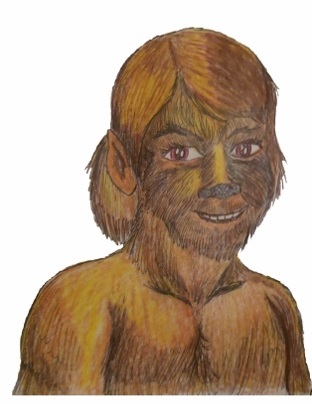
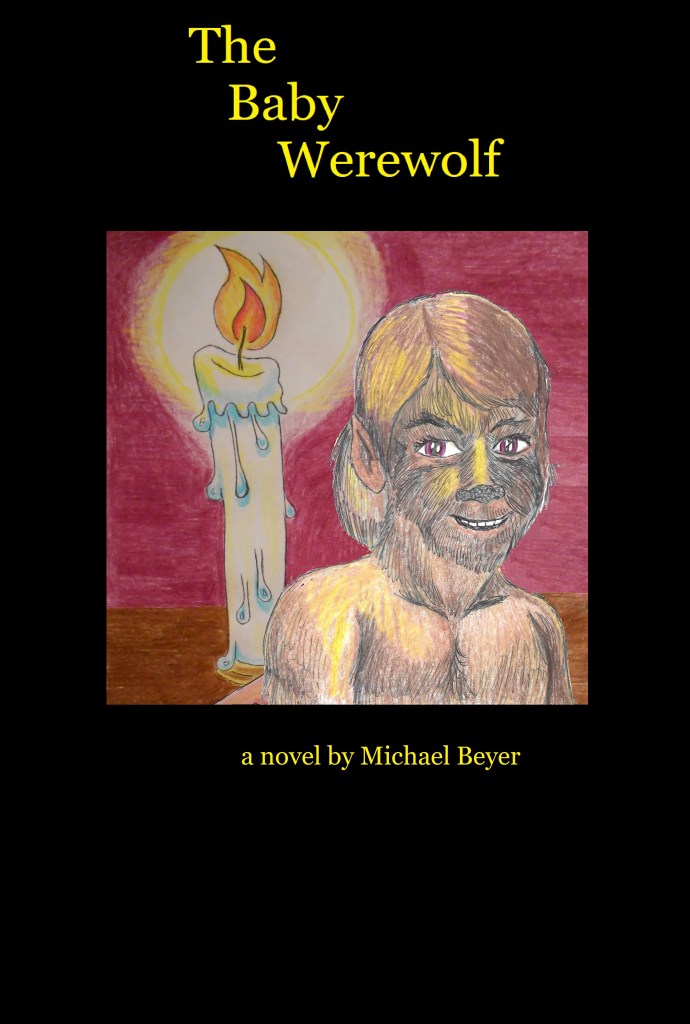
Some characters need to have their story told for reasons that are buried deep in the author’s personal history and damaged psyche. For me, Torrie Brownfield, the Baby Werewolf, was that kind of character.
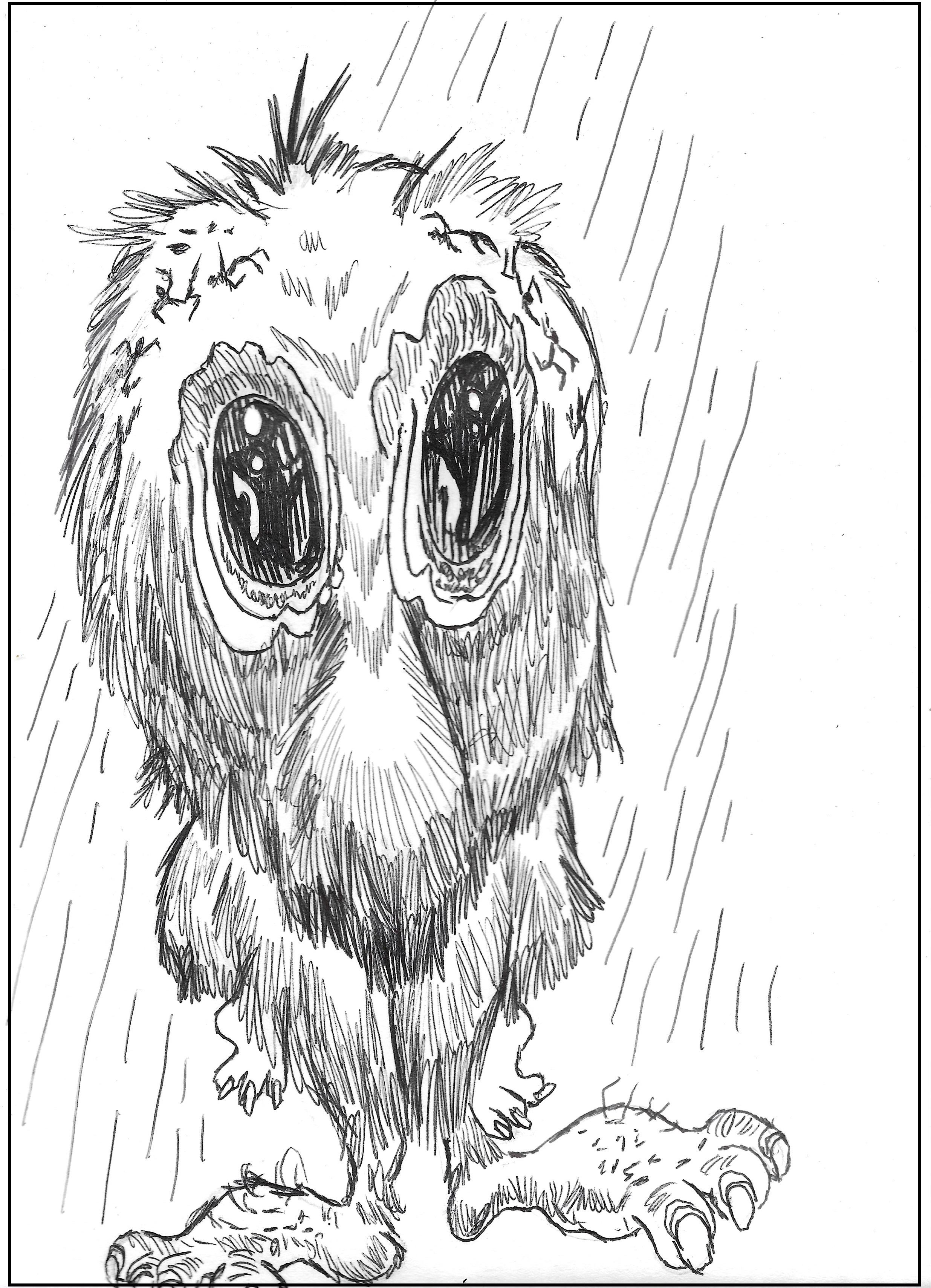
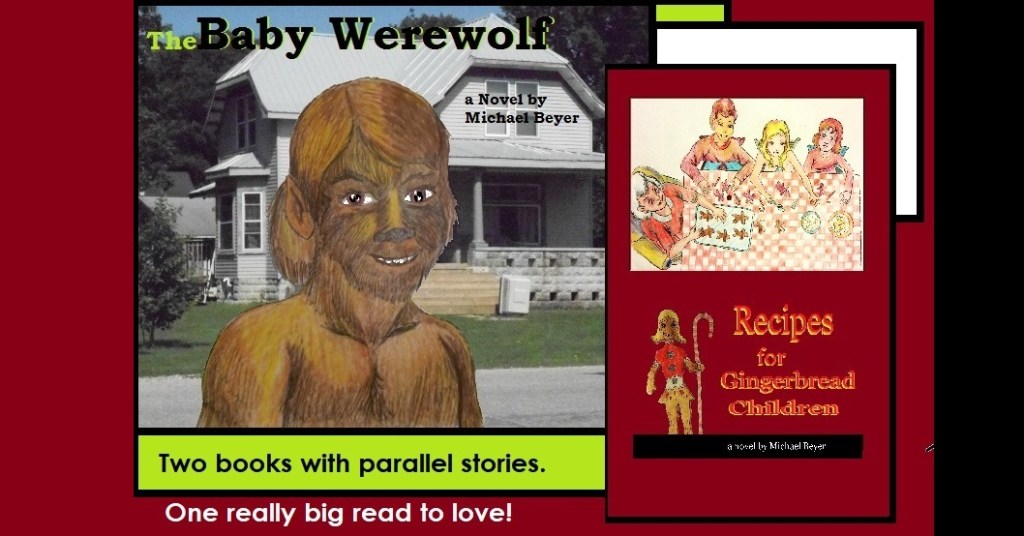
The book, The Baby Werewolf, is a different kind of horror story. The central question of the book is this, “Am I a monster? And do I know why or why not?” And Torrie has to answer that question because he was born with a rare genetic disorder called hypertrichosis. It is the “werewolf-hair disease” where hair growth happens in unusual places on the body and in Torrie’s case, everywhere but the palms of his hands and the soles of his feet. He is a perfectly normal boy who really only looks like a monster. But how you look can have a profound impact on how people treat you.
And the character of the boy who looks like a werewolf and thinks he is a monster is based entirely on me. Unlike Valerie Clarke whose origins I can pinpoint, I have to honestly admit the way Torrie thinks and feels and acts are all based solely on me and me alone.
You see, when I was a boy of ten I went through a horrible traumatic experience that threw my whole life into darkness. And I kept it secret from everybody. In fact, for a few years, I kept it a secret even from myself.
It is not that I really didn’t remember I had been sexually assaulted by an older boy. The nightmares and remembered pain were a constant even when I couldn’t admit to myself what had happened. I defended myself from it all by burying the knowledge deep, and worrying about things that only sexual-assault victims worried about. I embarrassed myself twice in seventh grade by wetting my pants in class, all because I couldn’t go into the boys’ bathroom at school. Whenever I would have sexual urges of any kind, I would lie down or sit on the heating grate at home, burning scars into my lower back and the back of my lower legs. I fretted about how to fight monsters. And I knew from the movies that if a vampire bit you, you could become a vampire. And if a werewolf bit you, you could become a werewolf. So, if a sexual predator bites you, do you not become a…??
In all honesty I probably became a teacher at least in part to protect other kids from the same kind of thing that happened to me. And I had to write this book to tell the story of how not to be a monster.
The true monster in this monster-movie tale is actually Torrie’s uncle, the person who actually psychologically abuses him. And the villain proves himself to be a sexual deviant, trying to create kiddie porn in his photography studio.
I suppose I just spoiled the whole whodunnit part of the book. But the murder mystery was never the point of the novel. The message of this novel is that no child is ever a monster unless he actually chooses to become one.
And that is the kind of character Torrie Brownfield is. The autobiographical kind. The kind that brings the author’s worst fears about himself to light, and tries to answer the question with… “No, I am not a monster.”
Yes, I am saying the world I live in is a low-budget commercial movie made without literary or artistic pretensions. You know, the kind where movie makers learn their craft, taking big risks with smaller consequences, and making the world of their picture reflect their heart rather than the producer’s lust for money.
Mostly what I am talking about are the movies I remember from late-night Saturday TV in black and white (regardless of whether or not the movie was made in Technicolor) and the less-risky as well as more-likely-good Saturday matinees on Channel 3. Movies made in the 1950s, 1960s, and early 1970s. They were perfect, of course, for the forbidden Midnight Movie on the show called Gravesend Manor. I had to sneak downstairs to watch it on Saturday nights with the volume turned way down low. (Not that Mom and Dad didn’t know. Well, maybe they didn’t know how many of those I watched completely naked… maybe.)
I watched this one when I was twelve, late night on an October Saturday. I had a bed-sheet with me to pull over my head at the scariest parts. Frankenstein was a crashed astronaut brought back to life by the magic of space radiation. He was uglier than sin, but still the hero of the movie, saving the Earth from invading guys in gorilla suits and scary masks (none of which looked like the movie poster.)
This one, starring James Whitmore, a really good B-Movie actor, was about giant ants coming up from the sewers and the underground to eat the city.
I would end up watching it again twenty years later when I was wearing clothes and not alone in the dark house lit only by a black-and-white TV screen.
I realized on the second viewing that it was actually a pretty good movie in spite of cheesy special effects. And I realized too that I had learned from James Whitmore’s hero character that, in times of crisis, you have to run towards the trouble rather than away from it, a thing that I used several times in my teaching career with fights and tornadoes and even rattlesnakes visiting the school campus looking to eat a seventh-grader or something (though it was a bad idea for the snake even if it had been successful.)
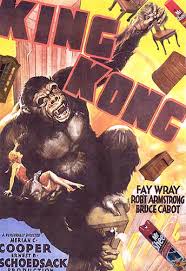
This one, of course, taught me that monsters liked to carry off pretty girls in bikinis. And not just on the poster, either. But it was the hero that got the girl, not the monster. This movie taught me that it sucks to be the monster. Though it also taught me that it was a good movie to take your pajamas off for and watch naked when you are thirteen.
But not all B-movies had to be watched late night on Saturdays. This movie was one of the first ones that I got to go to the movie theater to see by myself. (My sisters and little brother were still too young and got nightmares too easily to see such a movie.) It came out when I was in my teens and Mom and Dad began thinking of me as an adult once… or even possibly twice in a month.
And not all B-movies were monster movies, gangster movies, and westerns. Some, like a lot of Danny Kaye’s movies, were movies my Dad and my grandparents were more than happy to watch with me. I saw this one in both black-and-white and color. And I learned from this that it was okay to take advantage of happy accidents, like a case of mistaken identity, and using your wits, your creative singing ability, and your inexplicable good luck to win the day for everybody but the bad guys armed only with your good sense of humor.
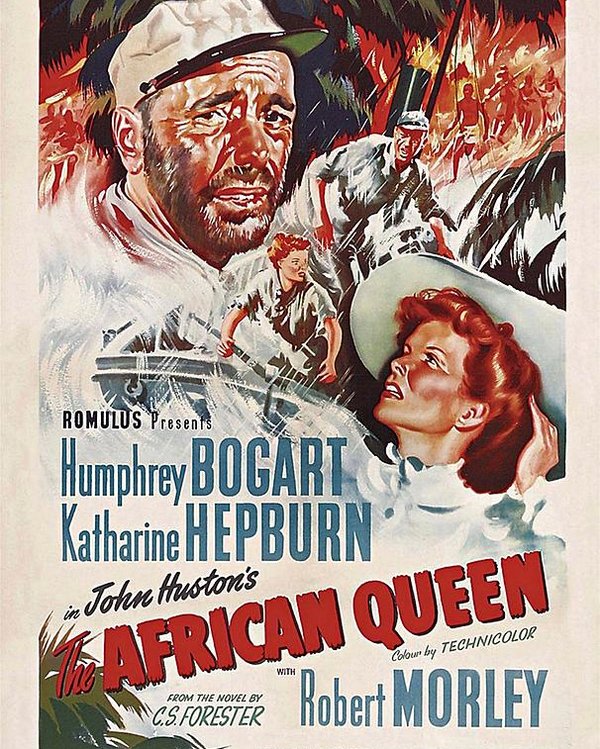
And some of the best movies I have ever seen, judging by what I learned about movies as literature from Professor Loring Silet in his Modern Film Class at Iowa State University, are by their nature B-movies.
I am using movie posters in this blog post only from movies I have personally seen. (And I admit that not all of them are strictly “good” movies according to Professor Silet, but I like them all.)
Feel free to tell me in the comments if you have seen any of these movies yourself. I am open to all opinions, comments, and confessions.
This one is based on Shakespeare’s The Tempest.
I saw this one in college. You had to be 18 at the time to even buy a ticket.
I actually think that this is one of the best movies ever made. It will always make my own personal top-ten list.
I live in a B-movie world. The production values around me are not the top-dollar ones. But the stories are entertaining. The real-life heroes still run towards the problem. And it still sucks to be the monster. But it has always been worth the price of the ticket. And during my time on Earth here, even in 2020, I plan on staying till the end of the picture. I go nowhere until I see the Best Boy’s name in the end credits. And maybe not even then.
Every person who is intelligent enough to be self-aware, and that is over ninety percent of all people in spite of Fox News and various extreme religions, has a Dark Side that they are aware of.
And most people are sensible enough to show off the Light Side and keep the Dark Side hidden.
Only fools and geniuses reveal the Dark Side and play down the Light.
I consider myself a fool. Decadent poets like Charles Baudelaire and Paul Verlaine are examples of the geniuses.
Baudelaire himself believed that, “The way down is the way out.” Meaning, I suppose, that you can only be at peace with your personal demons at the bottom of the liquor bottle, the sharp end of the cocaine needle, or the grave.
I myself don’t put the demons forward in drinking or taking drugs. And I am definitely not trying to die young. Instead, I grapple with the Dark Side in fiction where I can kill it with a silver bullet, or pull it down into a pit of computer glitches where it will delete itself.
My personal darkness comes from traumatic experiences in my youth and childhood. I was sexually assaulted as a child and kept it secret for years. I grappled with suicidal thoughts and self harm as a teenager.
So, why am I now thinking about the darkness again?
Well, one of my books is in the process of being read and reviewed at this moment. It is the Baby Werewolf, a book in which I take on the darkness of feeling like I am a monster and only worthy to live in darkness. The story reaches its climax with the firing of a silver bullet.
I wish it was as easy as firing a silver bullet to deal with the Dark Side. It is not. I have fired dozens. Some monsters of the mind are purely bulletproof,
Still, some of my best work only comes about due to the Dark Side. And writing about it is the only way I can control the madness.
Self-reflection is a critical part of being a writer and an author. At least it is if you are a mostly-ignored and somewhat unsuccessful one. That’s really the full extent of my personal expertise on this subject.
But knowing your own personal strengths and weaknesses is the only way to continue to sharpen the blades you use to cut insightful, heartfelt stories out of your own life experiences.
For example, the thing I think is most important to know about myself is that I do have the ability to laugh at myself, even when the thing I am laughing at hurts quite a lot. A sense of humor is a life skill that people who experience depression, chronic pain, and personal trauma need in order to survive.
Robin Williams is the quintessential sad clown. He lived to the age of 61 before depression ended him. Think of how much younger he would’ve been in leaving us all behind if he hadn’t had his bright, silvery suit of comedy armor to get him through life. But that’s a downer. One of my biggest failures is that I will bluntly drop a big black bomb like that in the middle of a sensitive and heartfelt scene, or in the fourth paragraph of an essay that you found interesting enough to read.
I find I am often guilty of not knowing when to give up on something and cut my losses. But at the same time as I am contemplating ending this essay before I lose more readers than ever, I remember what makes the cardinal a personal symbol for me. Cardinals are a bright red songbird that never flies away when the winter comes. It will stupidly stay put even in snow and cold and a total lack of food, choosing to starve or freeze to death over leaving its home territory. I was like that as a teacher. After the first two miserable years, I decided to stay put in that little South Texas school district where I was underpaid and constantly abused by parents and students and even some other school personnel. I refused to leave without first proving to myself that I could do the job and be good at it. I stayed for twenty]-three years, becoming the head of the English Department, a leader of the Gifted and Talented Program, and a generally well-loved teacher of a generation of students. (I left before the grandson and granddaughter of two of the kids in my very first class were about to enter middle school.)
I guess, thinking about it critically, sometimes your weaknesses and your strengths are not only related, they are the same thing.
I have been accused of not being serious enough to be a teacher. And that has carried over to the writing of young adult fiction. Reviewers have told me that putting details about sex, violence, and dark humor in a story is not appropriate for young, middle-school-aged readers. One reviewer told me that I was practically a child pornographer, even though the book had no explicit sex scene and only talked about the subjects of love, sex, and intimacy.
But I am a believer in not shying away from subjects that kids want to know about. As a victim of a sexual assault in childhood, I found that fiction and nonfiction that discussed sexuality and morality were life-saving, and gave me the guidance I needed to recover from what my own monster encounter scarred me with. And I was able to eventually laugh at the things that had been tearing me apart. I think fiction like that, frank, honest, and clearly guiding the reader towards the right path is what is most needed in YA literature.
Again, I think my weakness for absurd and chaotic humor is both a weakness and a strength. We all need to laugh more and suffer less. And we don’t get there by avoiding our problems in life, but by fighting through them to the other side.
I am not fool enough to think I know all the answers. In fact, there are lots of things I know I don’t know anything at all about.
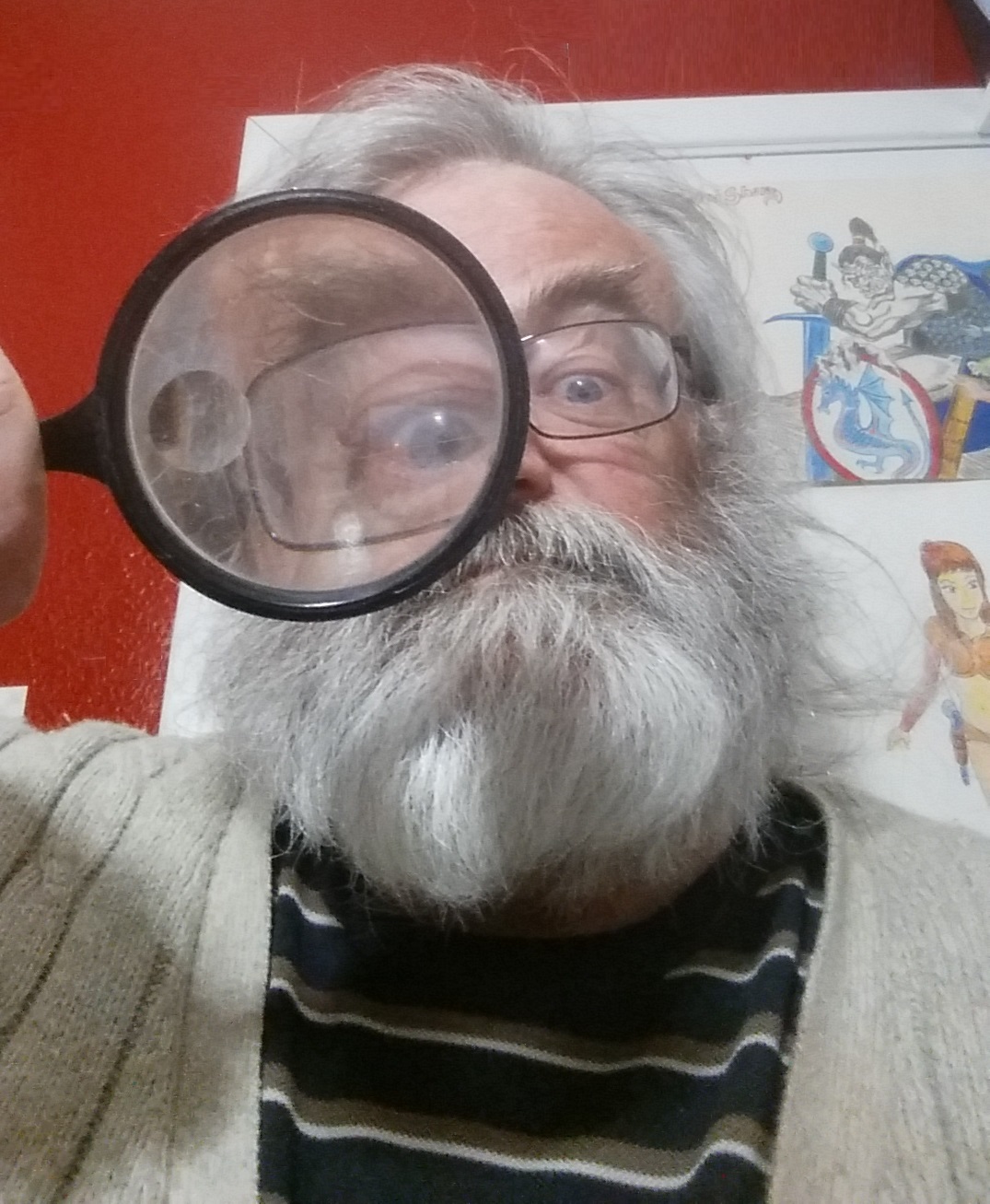
I don’t know what causes people to vote Republican. I don’t know if we can ever achieve a real, space-faring Buck Rodgers life. And I apparently don’t know the first thing about successfully marketing self-published books. But I know the problems are there. I see them in my magnifying glass. And I am working on them. I will get better.
Me back in the days when I actually knew what I was doing.

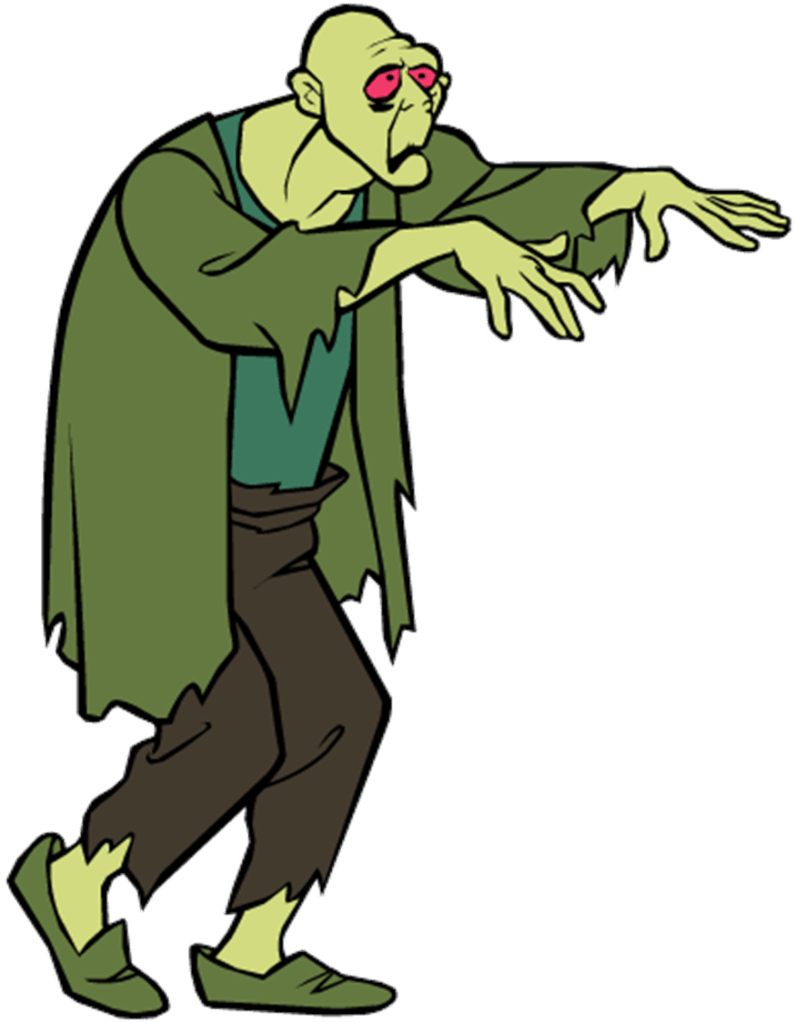
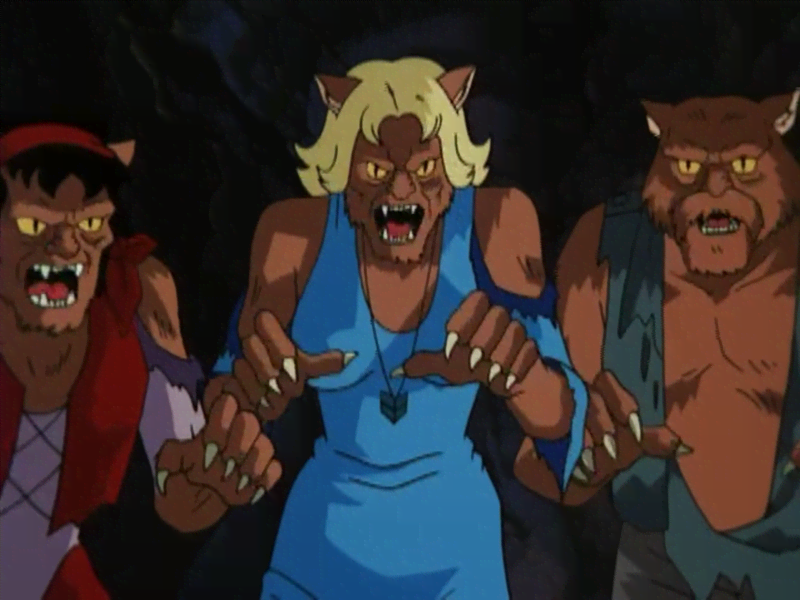
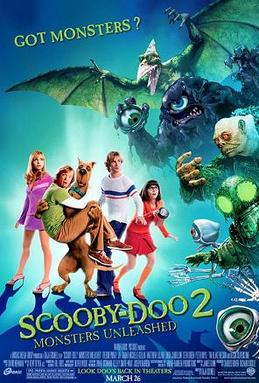
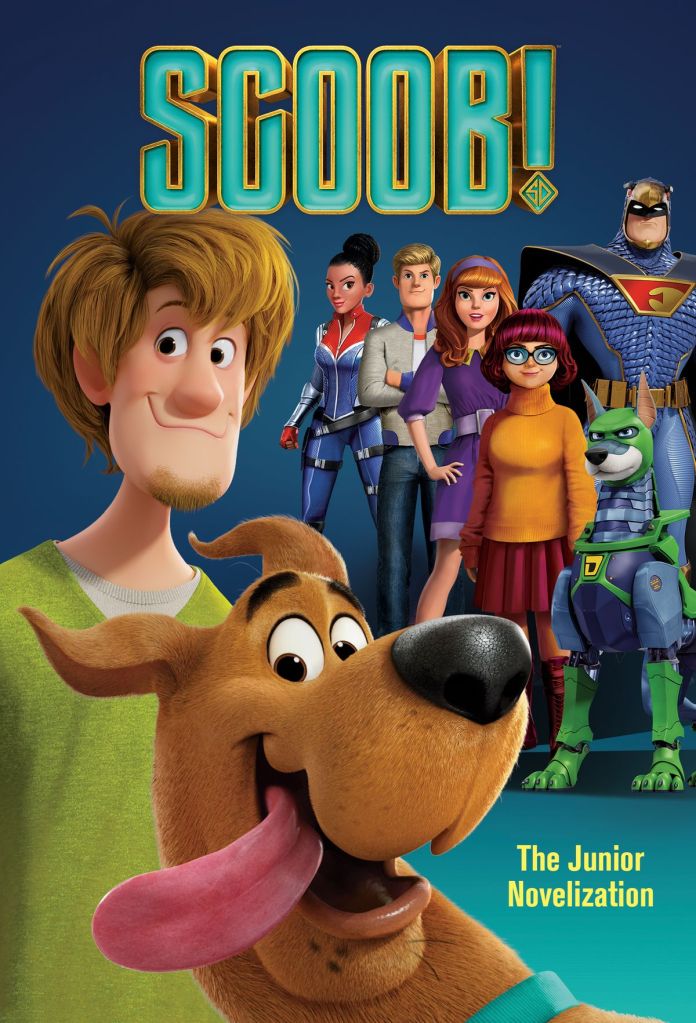
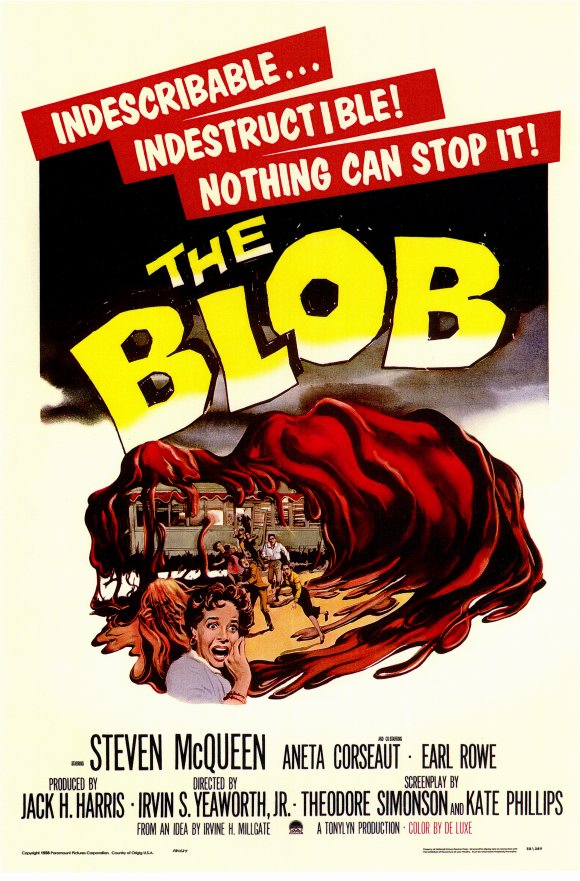



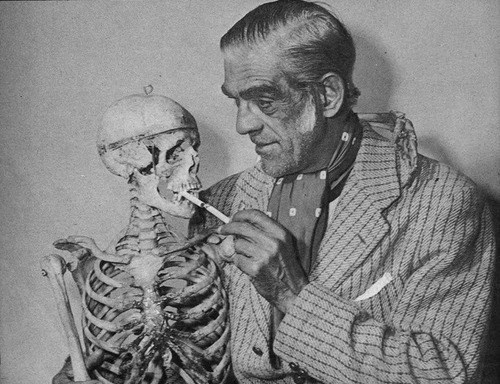
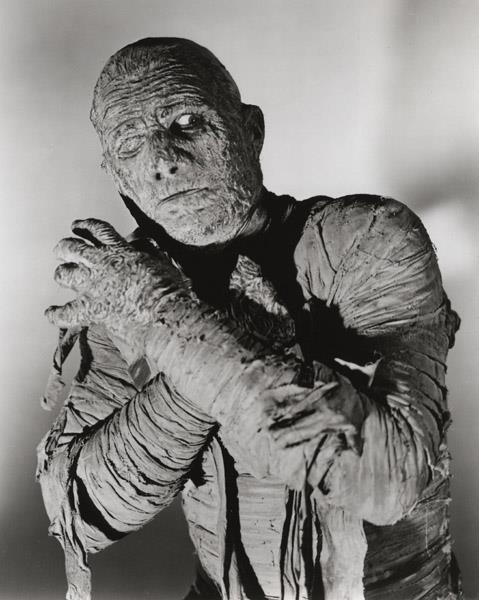
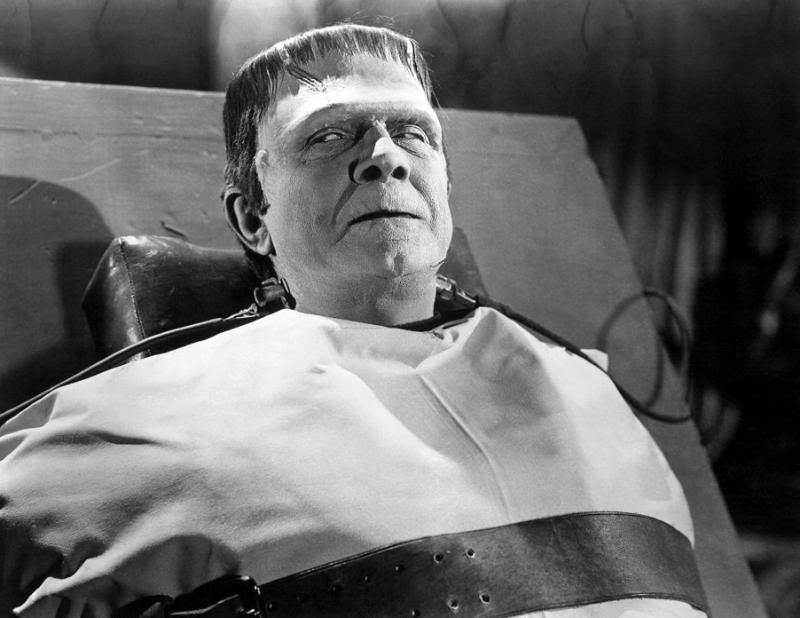 But the thing about monster movies… at least the good ones, is that you can watch it to the end and see the monster defeated. We realize in the end that the monster never really wins. He can defeat the monstrous qualities within himself and stop himself. Or the antidote to what ails him is discovered (as Luke did with Darth Vader). Or we can see him put to his justifiable end and remember that if we should see those qualities within ourselves, we should do something about it so that we do not suffer the same fate. Or, better yet, we can learn to laugh at the monstrosity that is every-day life. Humor is a panacea for most of life’s ills.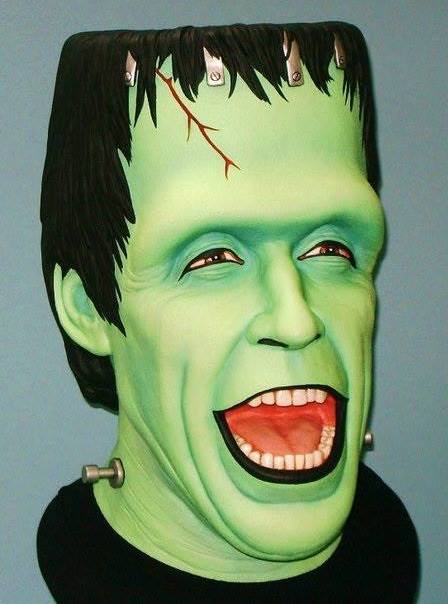






The Darkest of the Coming Darkness
Egghead might be slightly batty.
I do not claim to be prescient. But like any overly smart and perceptive person, I often see what’s going to happen before it happens. Sometimes it is almost as eerie as a Vincent Price movie. Sometimes eerier. After all, on the 60’s Batman TV show, Price played the ridiculous villain Egghead, and was completely creepy while doing it, but still, you know… Egghead.
One thing that I have to predict about the coming darkness is about politics. I mean, the current Republican administration, where it is decisions by all Republicans all the time, has become nothing more than a monster movie. Not merely a bad monster movie, but a super-creepy-bad monster movie with a gigantic orange rubber rooster as the main monster.
This is what the great orange rooster looks like in black and white.
The reason it is bad is because, basically, to become a member of the Republican Party’s elected elite, you basically have to have your heart removed. Heartless, soulless monsters have a tendency to do things like take away Meals on Wheels for invalid seniors, health-care services from Planned Parenthood, and any hope of ever having affordable health insurance that actually pays for health care.
Senator Ted Cruz grinning about taking away Obamacare
And now, the monsters who have taken control of the theater are pulling out of the Paris Climate Agreement because… well, apparently clean air isn’t good for decaying, desiccated monster skin and shriveled monster lungs that don’t breathe air anyway.
So here are my predictions for the coming darkness.
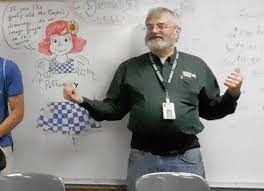
What people like me will look like in the future. That’s me in the middle.
I won’t live to see it. My body is breaking down at age 60. My lungs are compromised by years of bronchitis and flu. I am diabetic, so my very body chemistry is betraying me. There is a family history of heart disease. And I have already gone broke once on health care bills that the health insurance people really don’t pay for. (They are in the business of collecting premiums, after all, not making people well.)
What a lovely oxygen-free environment we will have!
As the climate changes take away large parts of our food production and resources, and the sea rises to take away land and major cities, people will be at war increasingly over diminishing resources vital to a population of seven billion souls. Graveyards and unburied bodies will become a part of every monster-movie scene.
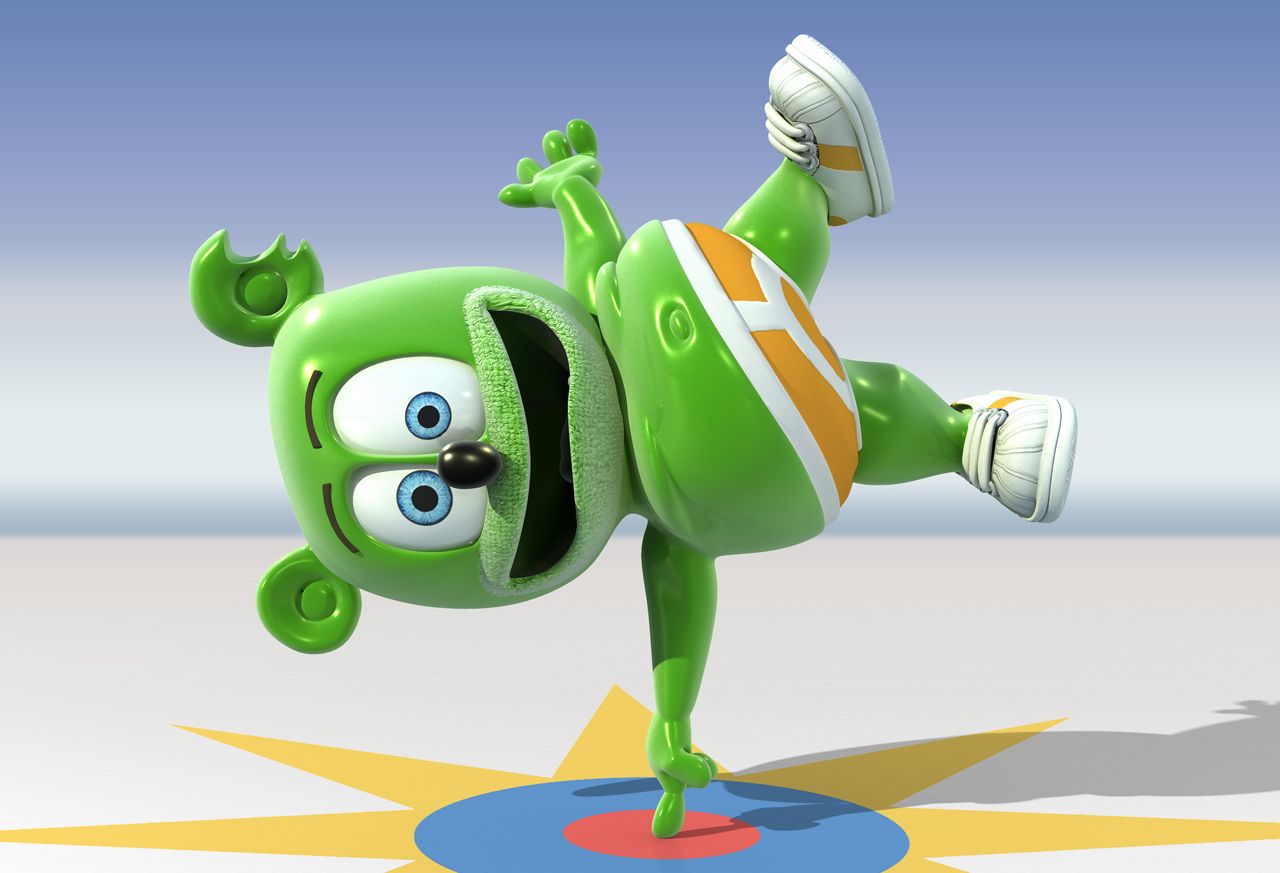
Kiss me, Baby!
Love will become more complicated, because people who are selfless and put others before even their own life will die out first. The heartless, selfish, and often stupid ones will have the best chance for survival because they put themselves ahead of everyone else, and so have an unfair advantage over those who are not content with mere survival and exhibit self-sacrificing love.
You’ve never had a friend like me. And I can always eat you later if need be.
So, if you find my black-and-white monster movie post upsetting with the darknesses I am sincerely predicting, please remember, this is a satire post in a humor blog. The way it is supposed to work is that you wake up to the factors that make it upsetting and decide to do something for yourself to change them. Everybody doing a lot of the same little thing to make the world better can move mountains and fly to the moon. Big things don’t happen without everybody taking a hand. Maybe we can dream dreams once again and make some good things come true.
3 Comments
Filed under angry rant, battling depression, commentary, feeling sorry for myself, horror movie, humor, monsters