
Every writer, especially a fiction writer, has an opinion about what his or her work really means.
Of course, their readers have their own opinions of what it means. And the two different flavors of opinion, author sauce or reader ragu, rarely are the same flavor, and often work at cross purposes to spoil the whole stew. Look at how the sequel to To Kill a Mockingbird went over with readers for Harper Lee. Or how J. K. Rowling’s opinions about trans people have affected the most recent movie trilogy made from her works of fiction.
So, maybe I should clarify where I stand on certain issues before anybody threatens to make a movie from, or ban and burn any of my books.
(As if either of those things are ever going to happen.)
Trans People
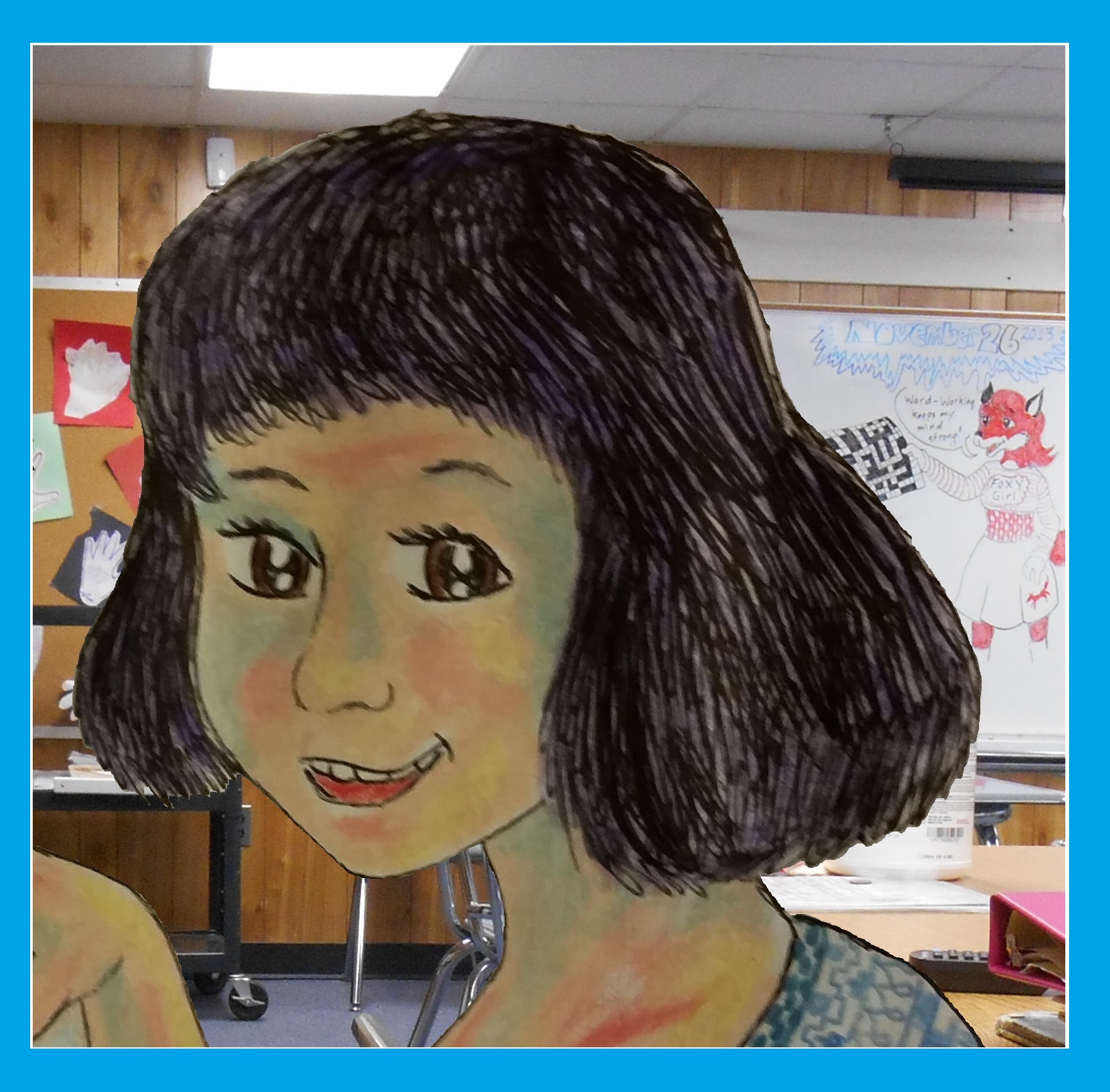
In Texas now, it is generally agreed because of laws passed and pronouncements made by Fox-News-influenced Republican leaders, that trans people are 20-or-30-year-old male perverts putting on dresses and trying to get into middle school girls’ locker rooms, or worse, trying to play and win female sports with the advantages that come with testosterone and male aggressiveness.
My opinion on this issue is… you don’t get to have an opinion on this gol danged issue unless you yourself are a trans person. This is based on knowing two trans people in the entirety of my thirty-one-year teaching career. Not enough to make me qualified to open my stupid mouth about it, but more than any Texas Republican knows about it despite the large amount of foul-smelling opinion-gas they fill their speech balloons with in public.
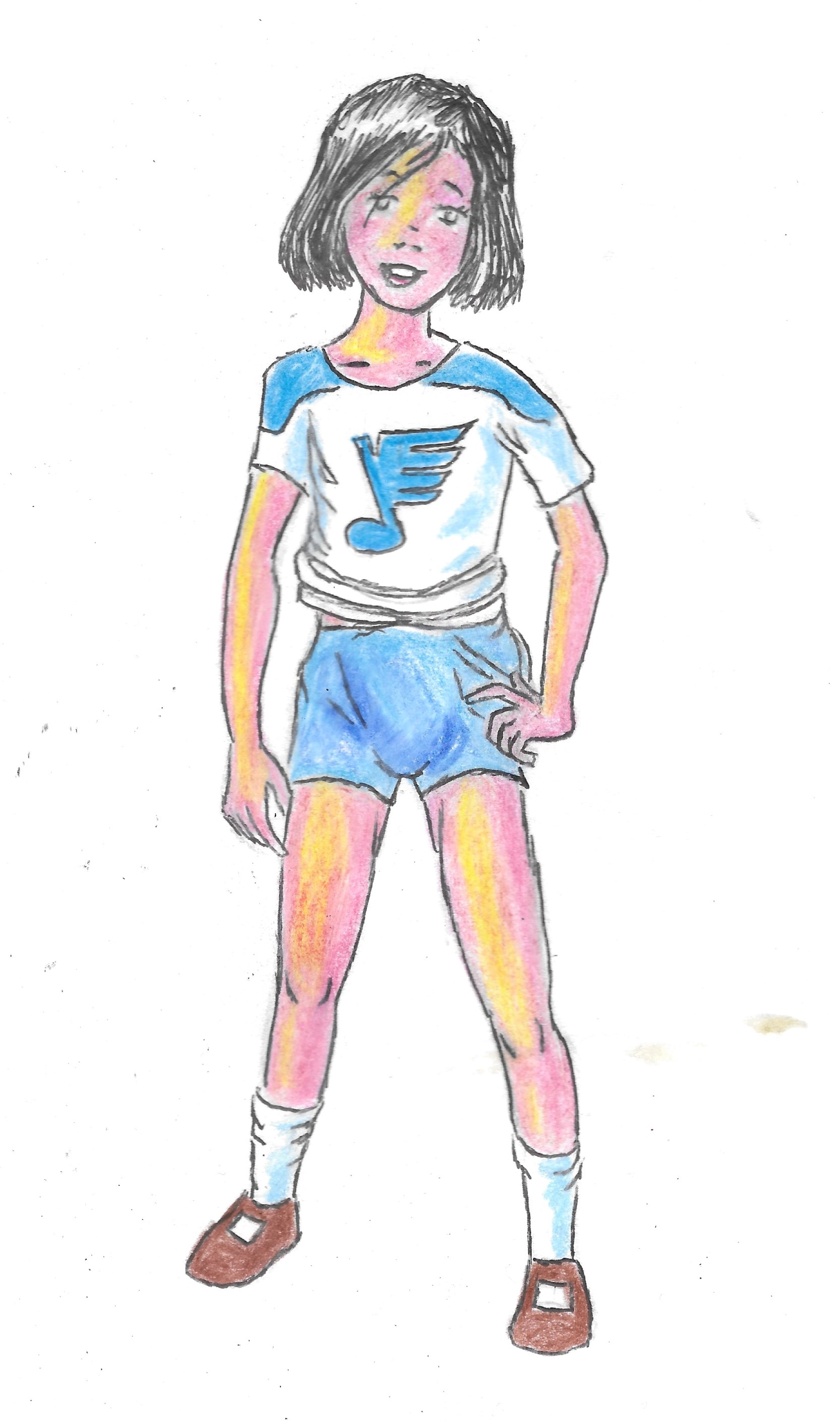
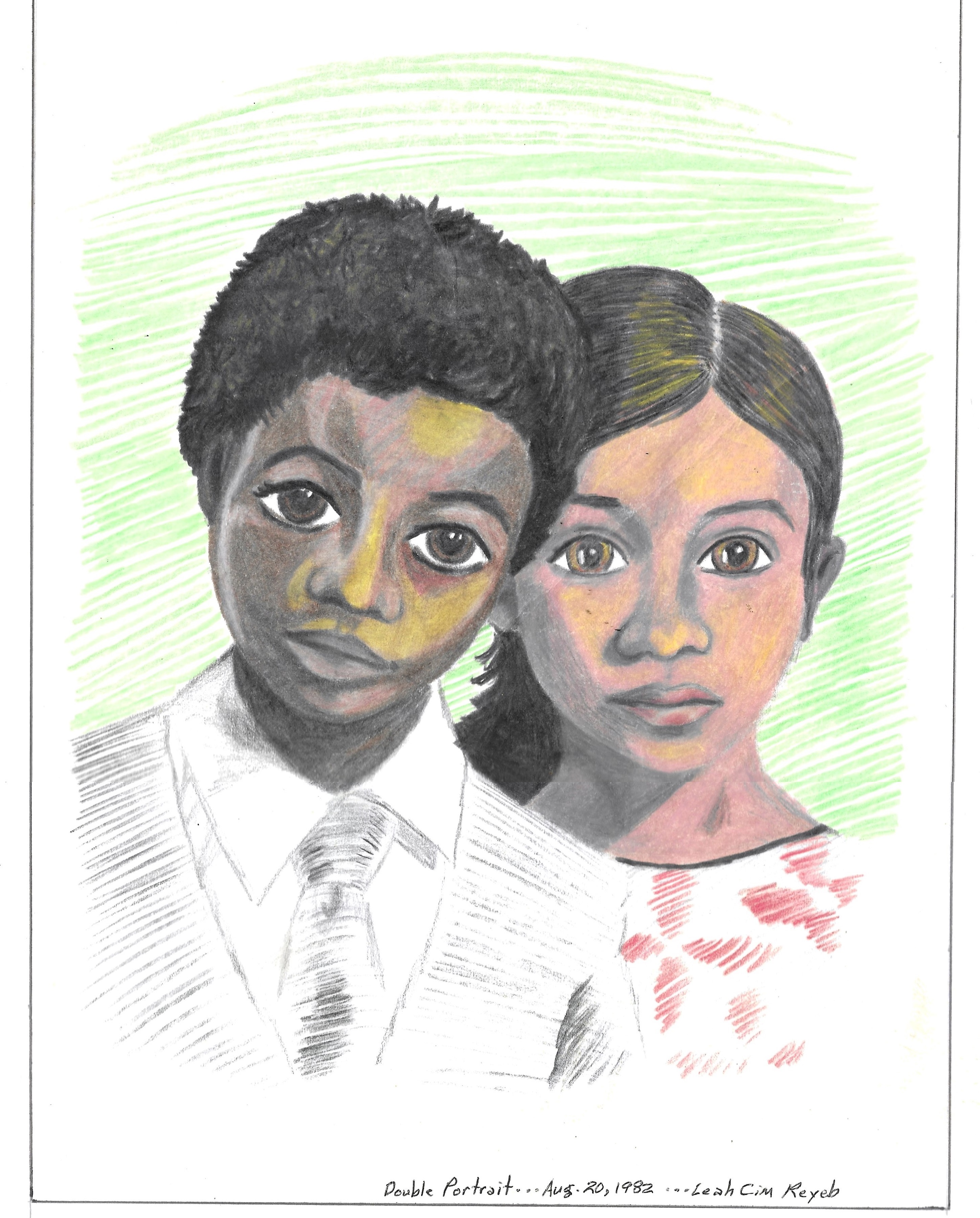
One of these two people whose real names I will never utter was a confident and highly competent young lady whose sexual identity you could never doubt. I only knew about it because I was the teacher tasked with sitting in on her ARD meeting (a Special Education status update that she needed only because her situation qualified her as a Special Education student under the Emotionally Disturbed category.) She was at the meeting, so she knew that I knew. She would later warn me not to tell anybody, because it was no one else’s business what shape of genitals she was born with, and her hormone therapy and entire life experience made her a girl. Other teachers had leaked her secret in the past, and that was unfair to her. She was definitely a female in mind and personality. She was sweet, intelligent, witty, and capable of laughing at my classroom jokes… if they were funny. I suspect only a few if any of her classmates knew she was actually trans. She was all girl. I never told anyone. I never heard another student bad-mouth her. Although she did tell me that bad things had happened to her previously in elementary school. Nothing she was forced to endure was in any way deserved. And I am confident she is doing fine now.
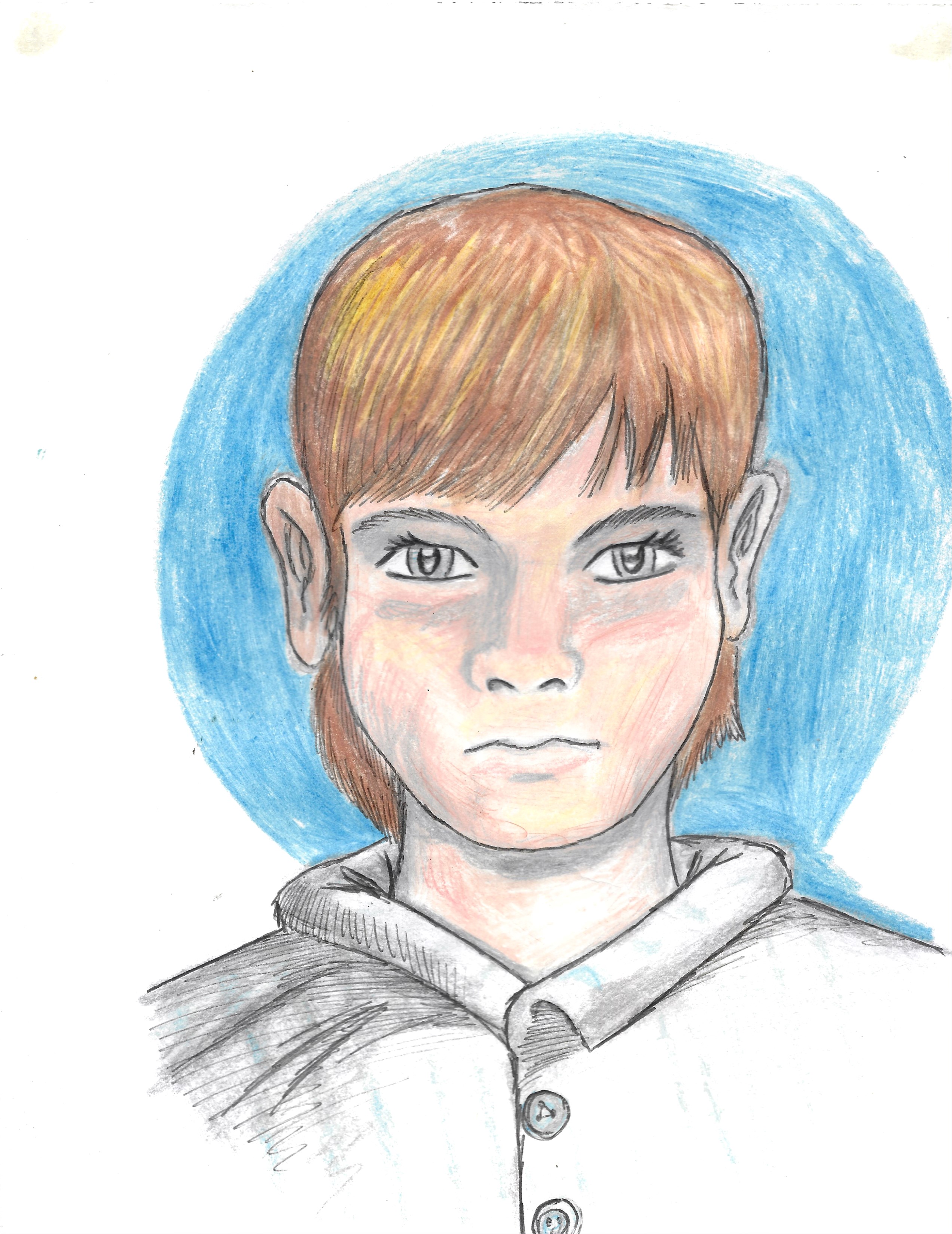
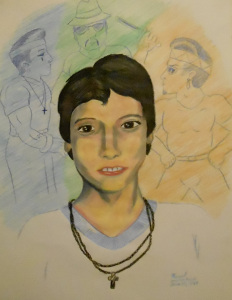
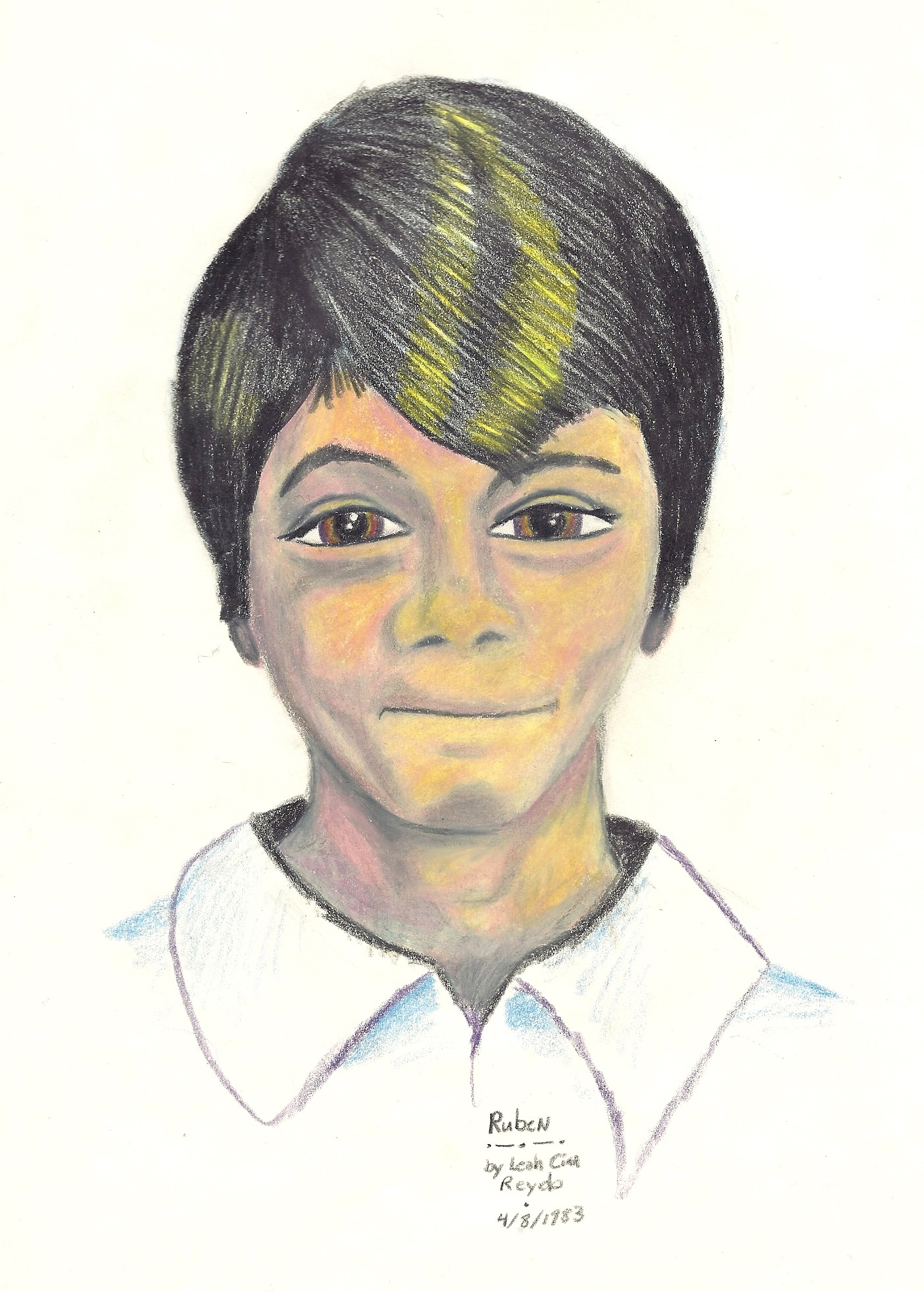
The other trans student I was aware of, didn’t have it so good. I will call him a “he” because he never transitioned. But he was actually a girl. He had a penis, but it was only on the outside. His interior plumbing included a uterus, fallopian tubes, and ovaries. His hormones were, judging by what puberty did to his body and behavior, mostly feminine. But he didn’t have the other girl’s advantages of being from a wealthier, big-city family with relevant health services available to him. He was a member of a poor, Hispanic family that lived in a small rural Texas town. He was not treated as a trans person. He was considered a homosexual. And Hispanic culture in South Texas is not kind to homosexuals. He had serious mental problems. He tried to talk to me about his problems late one Saturday night. But the conversation ended when he tried to proposition me, and I rejected his advances. I was not a homosexual either. Months later I found him crying in the hallway and bashing his forehead against a metal doorpost. I got help from the Reading teacher to get him to the nurse. He wasn’t in class very often after that. He did not pass any of his classes that year. And he didn’t come to school at all the next year. I heard rumors that he went to Laredo and became a drug dealer and a prostitute. I also heard from one of his relatives that he had attempted suicide more than once. At this point, I feel sadly certain that he never got the help he needed and is probably now dead.

I have now told you everything I actually know about the subject of trans people. And I can safely say I had no measureable effect on either one. I still cry about one of them. I still feel a small bit of pride about the other one. As a teacher I loved both of them, but not the kind of love he asked me for on that late Saturday night when I probably should not have opened the door to him. But I am not entitled to have an opinion. It is not my business no matter how much I care.
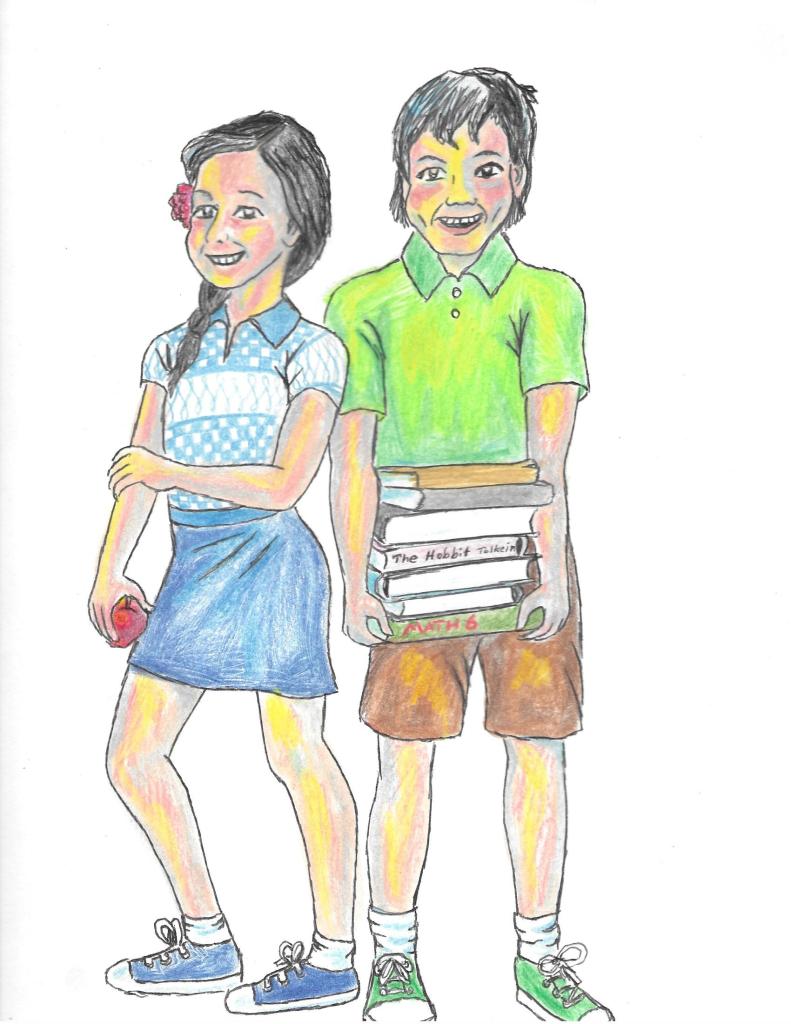
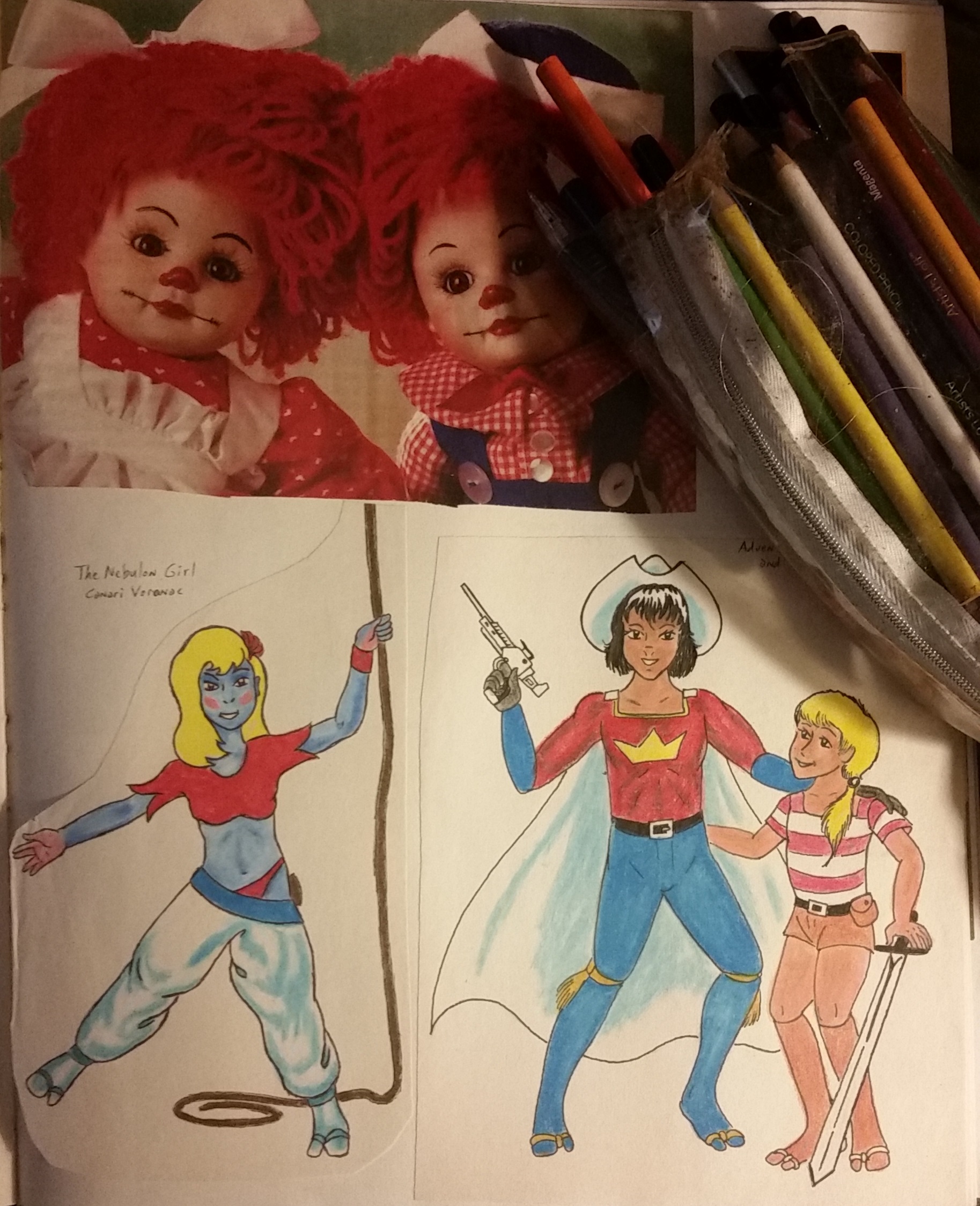
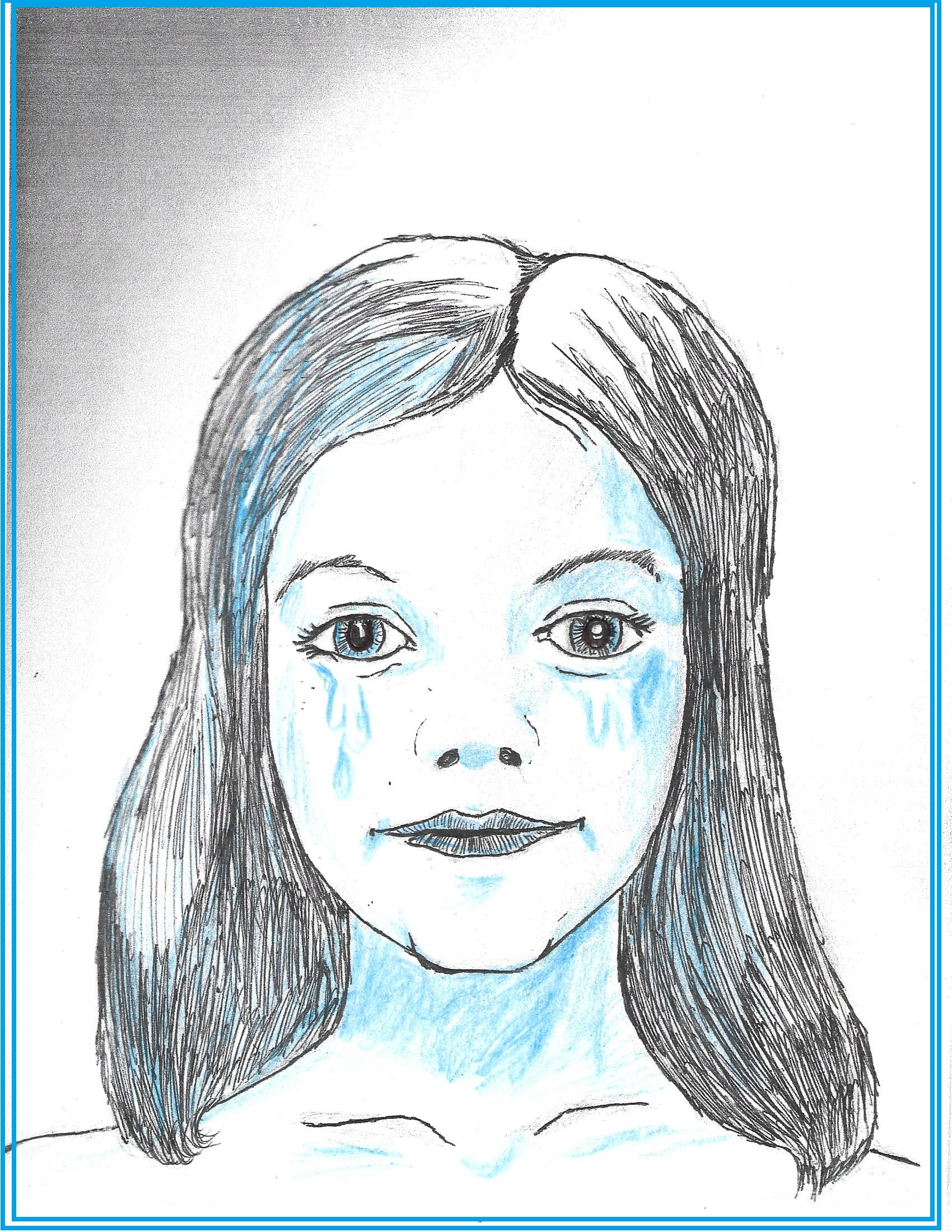
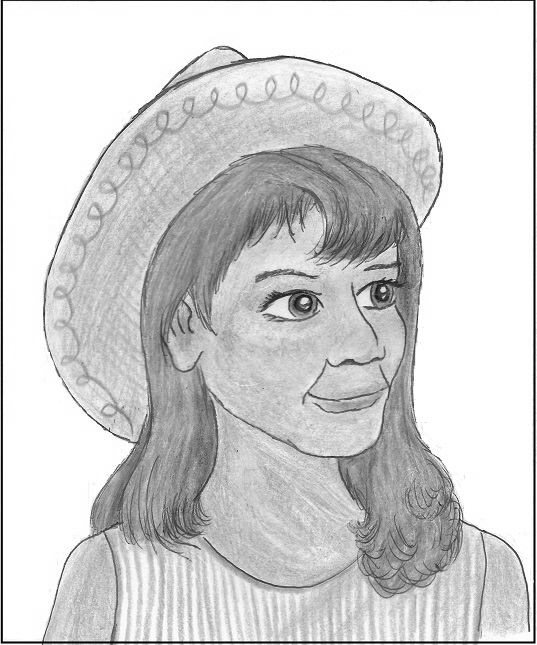
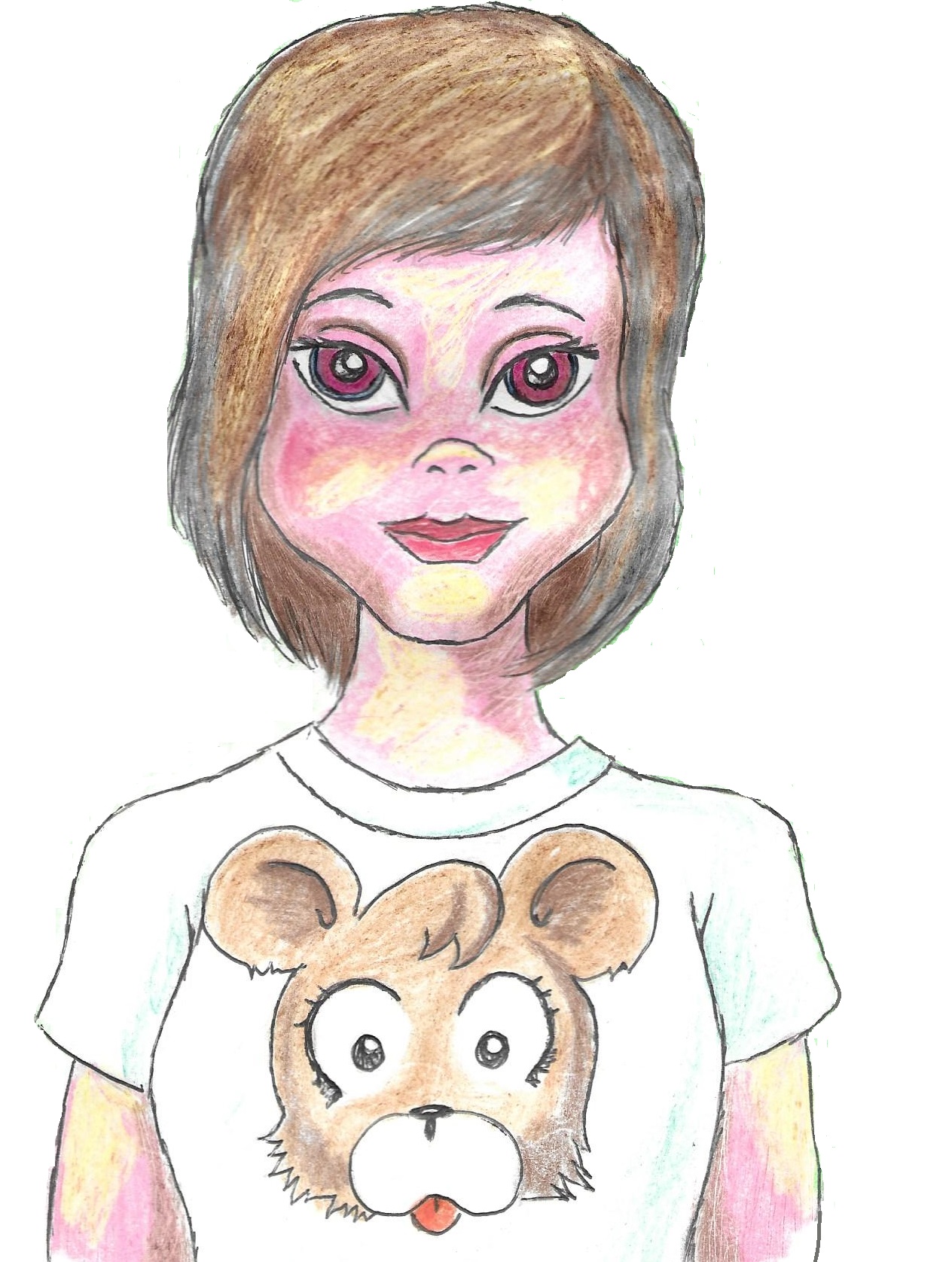
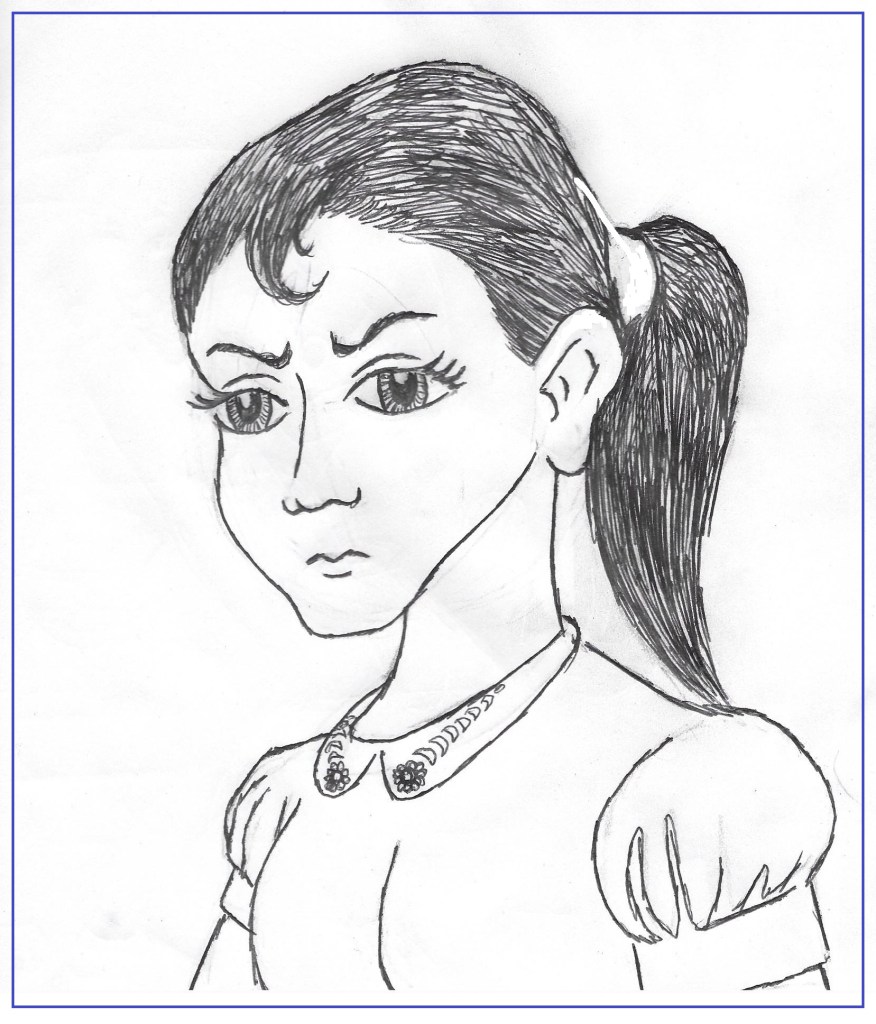
One of my favorite characters that I have used in multiple stories, Blueberry Bates, is a trans girl. How realistic she is as a character is probably still up in the air. I have revealed what I know about trans people that she is based on. But I love her, just as I loved the two of them. I think people like that are worthy of love and whatever you have to invest in them to be of help to them. I do not think they need to be legislated against. Their lives are hard enough as it is.
My glitchy computer published this before I got to write the conclusion. But having opinions is a matter of glitchiness anyway. And if you find you need to cancel me for my terrible opinions, you don’t need my permission to do it. I doubt you would even think about asking anyway. I hope I have made what I think clear. These are my writer’s opinions. And it is obvious from this essay that this is probably not the last one I will inflict on you.


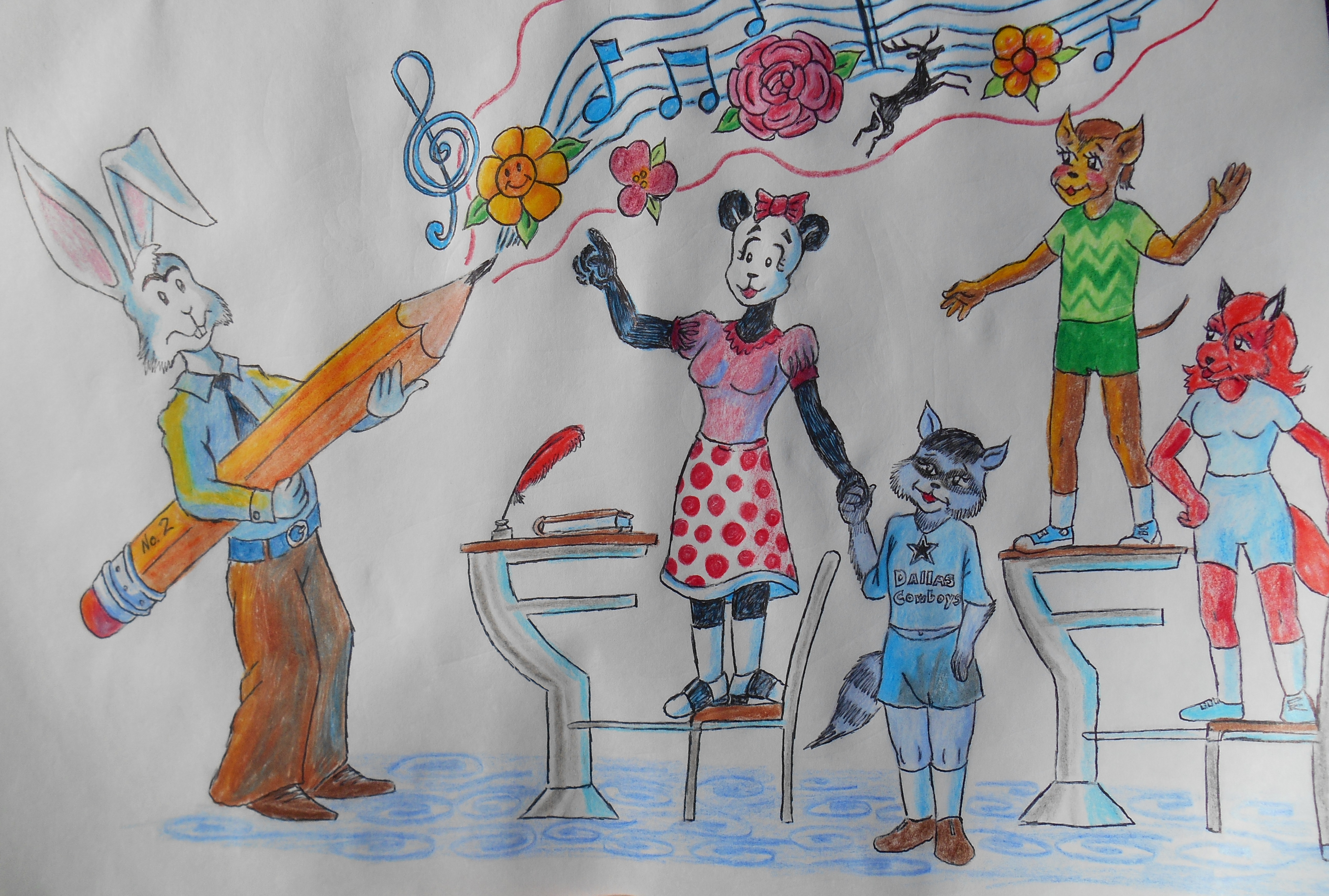


A Mr. Holland Moment
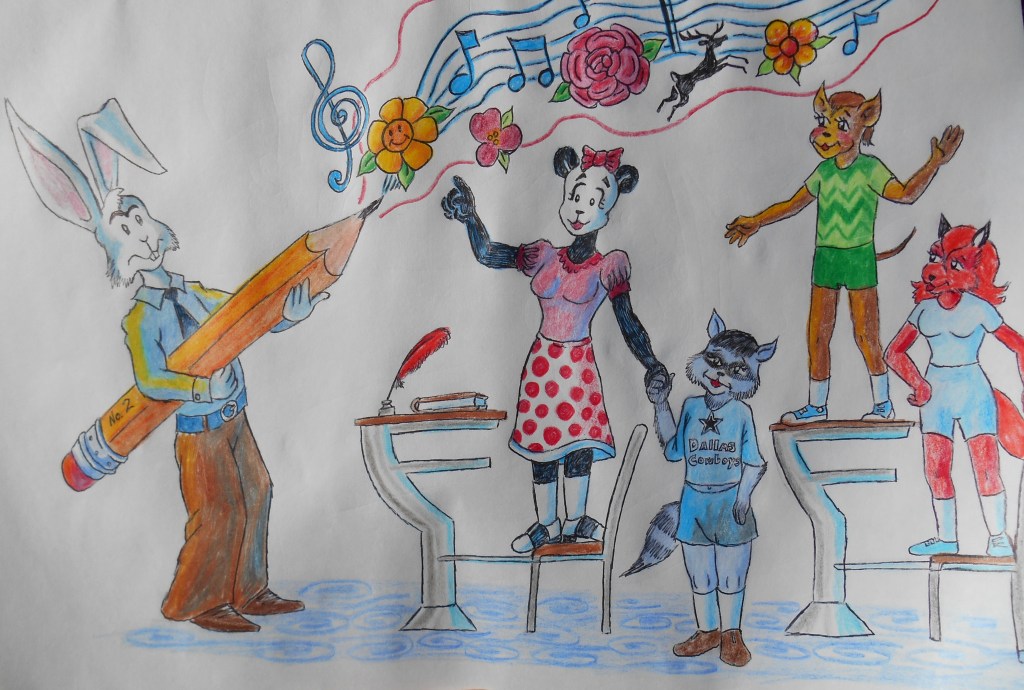
Life is making music. We hum, we sing to ourselves, movie music plays in our head as the soundtrack to our daily life. At least, it does if we stop for a moment and dare to listen. We make music in many different ways. Some play guitar. Some are piano players. And some of us are only player pianos. Some of us make music by writing a themed paragraph like this one. Others make an engine sing in the automotive shop. Still others plant gardens and make flowers or tomatoes grow. I chose teaching kids to read and write. The music still swells in my ears four years after retiring.
The 1995 movie, Mr. Holland’s Opus, is about a musician who thinks he is going to write a magnificent classical orchestra opus while teaching music at a public high school to bring in money and allow him time to compose and be with his young wife as they start a new family.
But teaching is not, of course, what he thought it was. He has to learn the hard way that it is not an easy thing to open up the closed little clam shells that are the minds of students and put music in. You have to learn who they are as people first. You have to learn to care about what goes on in their lives, and how the world around them makes them feel… and react to what you have to teach. Mr. Holland has to learn to pull them into music appreciation using rock and roll and music they like to listen to, teaching them to understand the sparkles and beats and elements that make it up and can be found in all music throughout their lives. They can even begin to find those things in classical music, and appreciate why it has taken hold of our attention for centuries.
And teaching is not easy. You have to make sacrifices. Big dreams, such as a magnum opus called “An American Symphony”, have to be put on the shelf until later. You have children, and you find that parenting isn’t easy either. Mr. Holland’s son is deaf and can never actually hear the music that his father writes from the center of his soul. And the issue of the importance of what you have to teach becomes something you have to fight for. Budget cuts and lack of funding cripples teachers in every field, especially if you teach the arts. Principals don’t often appreciate the value of the life lessons you have to give. Being in high school band doesn’t get you a high paying job later.
But in the end, at the climax of the movie, the students all come back to honor Mr. Holland. They provide a public performance of his magnum opus, his life’s work. And the movie ends with a feeling that it was all worth it, because what he built was eternal, and will be there long after the last note of his music is completely forgotten. It is in the lives and loves and memories of his students, and they will pass it on.
But this post isn’t a movie review. This post is about my movie, my music. I was a teacher in the same way Mr. Holland was. I learned the same lessons about being a teacher as he did. I had the same struggles to learn to reach kids. And my Mr. Holland moment wasn’t anywhere near as big and as loud as Mr. Holland’s. His was performed on a stage in front of the whole school and alumni. His won Richard Dreyfus an Academy Award for Best Actor. But his was only fictional.
Mine was real. It happened in a portable building on the Naaman Forest High School campus. The students and the teacher in the classroom next door threw a surprise party for me. They made a lot of food to share, almost all of which I couldn’t eat because of diabetes. And they told me how much they would miss me, and that they would never forget me. And I had promised myself I would never cry about having to retire. But I broke my promise. In fact, I am crying now four years later. But they are not tears of sadness. My masterwork has now reached its last, bitter-sweet notes. The crescendos have all faded. But the music of our lives will still keep playing. And not even death can silence it completely.
2 Comments
Filed under artwork, autobiography, commentary, happiness, insight, kids, movie review, teaching